©Conner Gordon, 8×25 44°7’32.29″ N 124°7’32.69″ W (Interrelation), 2024.
I was first introduced to
Conner Gordon’s work through an exhibition over the summer, “Archive the West”, focused on the American West. This was shown through
Midwest Nice Art, an art collective I founded with my husband, Tim Rickett. This particular call was juried by
Disparate Projects, an evolving collective and platform dedicated to the exploration of contemporary photography run by Lisa Beard, Micah McCoy, and Vann Thomas Powell. Conner’s work in “The Overlook” stuck out to me due to the non-idealization of the landscape. Rather than try to photograph it in the most perfect view possible, it reflects reality. I am always drawn to this idea of the consumable visual curated for the public juxtaposed with actuality. The role of authenticity in photography is at play here. While we have so many tools to create perfection, Conner shows us a visual as close to the experience as we can get without being there.
©Conner Gordon, Zenith, 2024.
Conner Gordon (b. 1994) is an artist and educator exploring photography as unreliable narration. His work has been exhibited throughout the United States, and he has received awards including a 2019 Fulbright Research Grant to Serbia and a 2025 Blue Sky Photography Residency at the Sitka Center for Art & Ecology. He has self-published four photography publications, including Where Does That Flower Bloom, a handmade photobook which will be released in 2025. He received an MFA in Art from the University of Oregon and is a Lecturer in Photography at Washburn University in Topeka, KS.
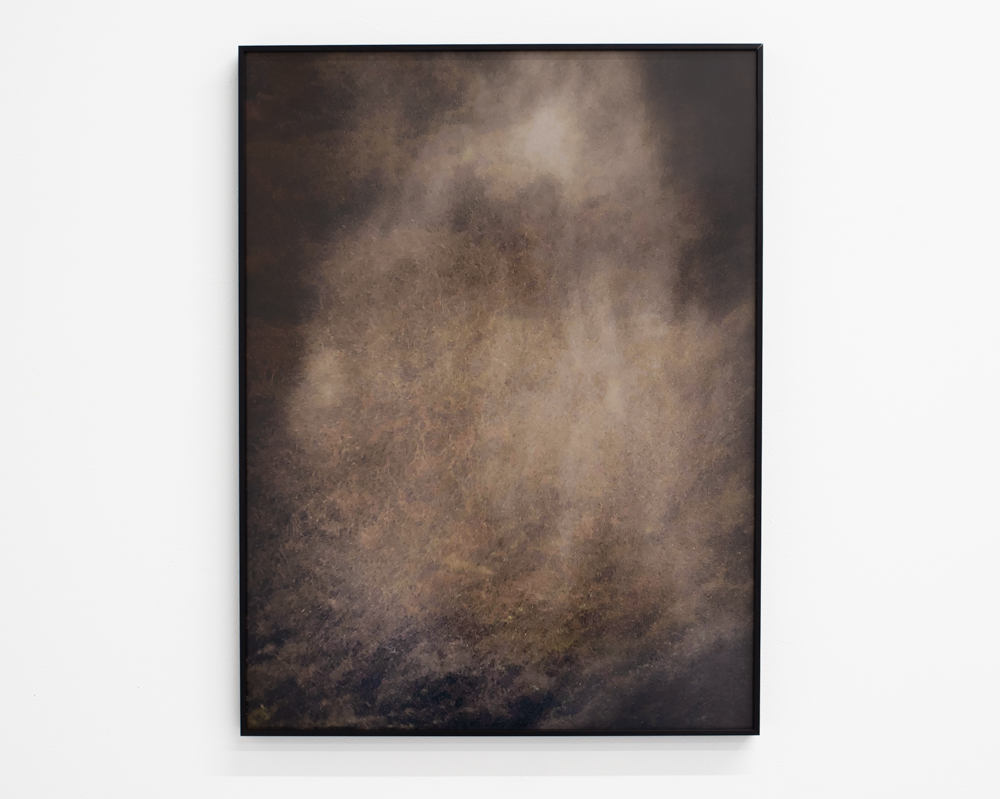
©Conner Gordon, 8×25 44°16’40.37″ N 124°6’46.22″ W (Veil), 2024.
The Overlook
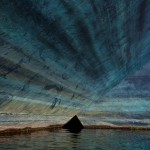
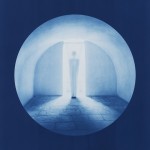
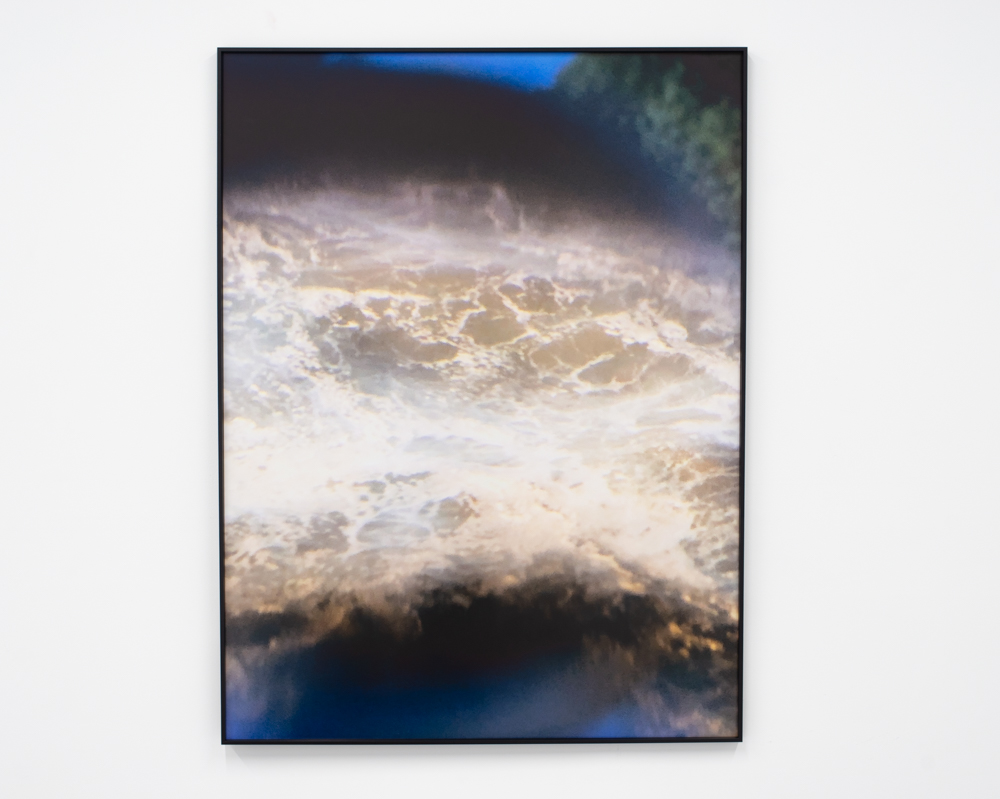
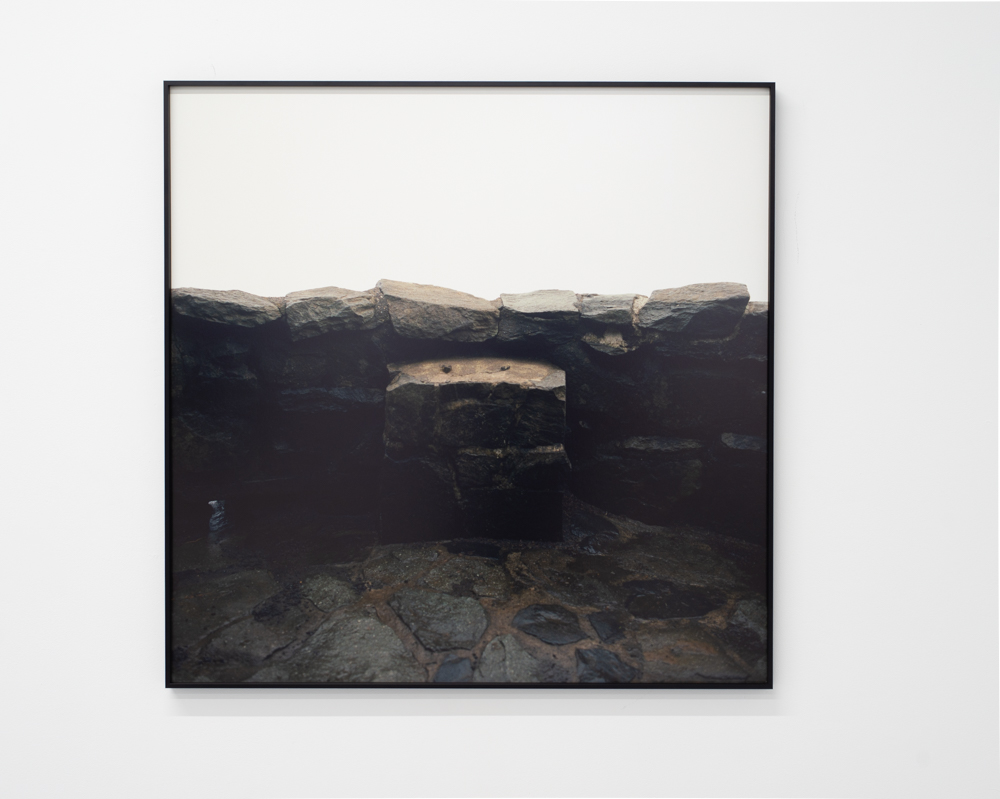
The images in The Overlook are made in the scenic viewpoints that dot the Oregon Coast, which attempt to flatten the land into a singular, definitive vista. Within these spaces, I photograph the landscape through strategies that seemingly embrace this framing; some images, made on a large format camera, reproduce scenic overlook infrastructure in exacting detail, while others chase the sublime through the tunnel-like view of a pair of binoculars.
It is these same processes that compromise the images from their outset. The large format photographs never reveal the spaces their subjects are meant to frame, while the binocular images collapse into peripheral abstractions where optical aberrations, pixelation, and fragments of landscape intermingle. Instead of fulfilling their role as photographs about landscape, the images become photographs about looking, as the sublime appears not as a fixed element of the terrain, but as an elusive resonance of the camera’s making. I work in this manner to undermine the logic of the definitive view that flattens spaces like the Oregon Coast into consumable, photo-ready experiences, from Manifest Destiny to the wanderlust Instagram feed. I see the fallibility of the images in The Overlook as a necessary counterpoint to such views: a relation to landscape that does not seek to possess or essentialize, but to evoke the peripheral, the multifaceted, and the irreducible.
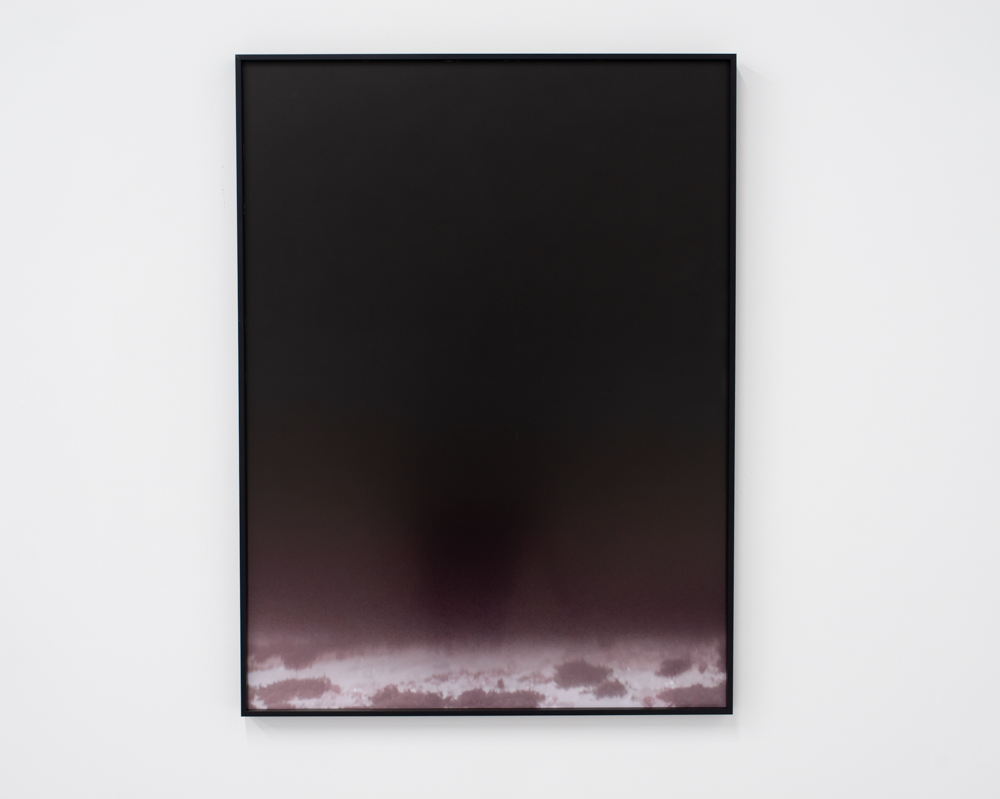
©Conner Gordon, 8×25 44°29’32.48″ N 124°5’6.74″ W (Horizon), 2024.
Epiphany Knedler: How did your project come about?
Conner Gordon: The Overlook began as a bit of an accident. While I was studying in the MFA program at the University of Oregon, I was spending a lot of time making landscape photographs out on the Oregon Coast. These photographs were, and still are, quite important to me, but at the time I found myself wanting to push my images beyond traditional representations of landscape.
It was at this point that I began taking photos with my phone and a pair of binoculars. As a cash-strapped grad student, it started as a way to experiment with a perspective I wasn’t used to without buying a whole new camera setup. It also felt like a fun reflection of the vernacular photography of the Oregon Coast, as I took on the role of the tourist who hops out of the car with an improvised, as-seen-on-TV camera setup in this earnest attempt to capture the sublime.
I wasn’t expecting much out of this process, and in most regards the photographs totally failed to represent their subject matter. The binoculars introduced vignetting and lens flare, while the phone’s post-processing algorithms riddled the images with pixelation and compression artifacts. However, I was really taken by how these aberrations reconfigured the photographs into abstract landscapes imagined by the camera, creating images that felt sublime without offering a straightforward view of the landscape that inspired it.
In a hyper-photographed space like the Oregon Coast, where photography has often served to reduce the landscape to a navigable commodity, this gesture felt like an important step in the other direction–to reorient my images away from an infinitely shareable record, and towards a subjective glimpse of an irreducible experience. In this way, I hope to position the images in The Overlook not as photographs about landscape, but as photographs about looking.
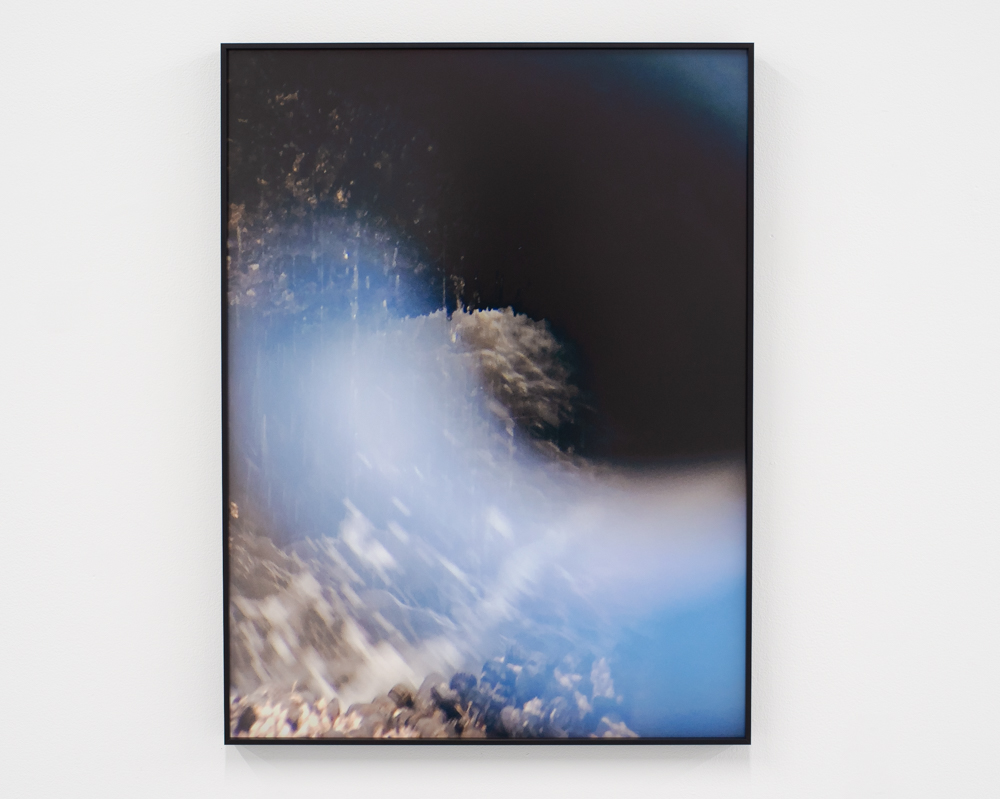
©Conner Gordon, 8×25 44°16’42.09″ N 124°6’48.5″ W (Precipice), 2024.
EK: Is there a specific image that is your favorite or particularly meaningful to this series?
CG: Some of my favorite images in this series are pieces like Collapse and Threshold. The prints in The Overlook are made with an experimental process that combines metallic inkjet paper and matte inks, creating a shimmering effect across the surface of each print. This is especially pronounced in darker images, where the shadows fall off into a deep, absorptive black, while the highlights remain reflective.
As a result, at certain viewing angles, pieces like Collapse and Threshold appear flat and opaque; at others, however, they are shimmering and iridescent, as the reflections reveal tendrils of rock or a fine lattice of pixelation. I love that these images withhold experience in this way, rendering their contents invisible until a viewer interacts with them face-to-face.
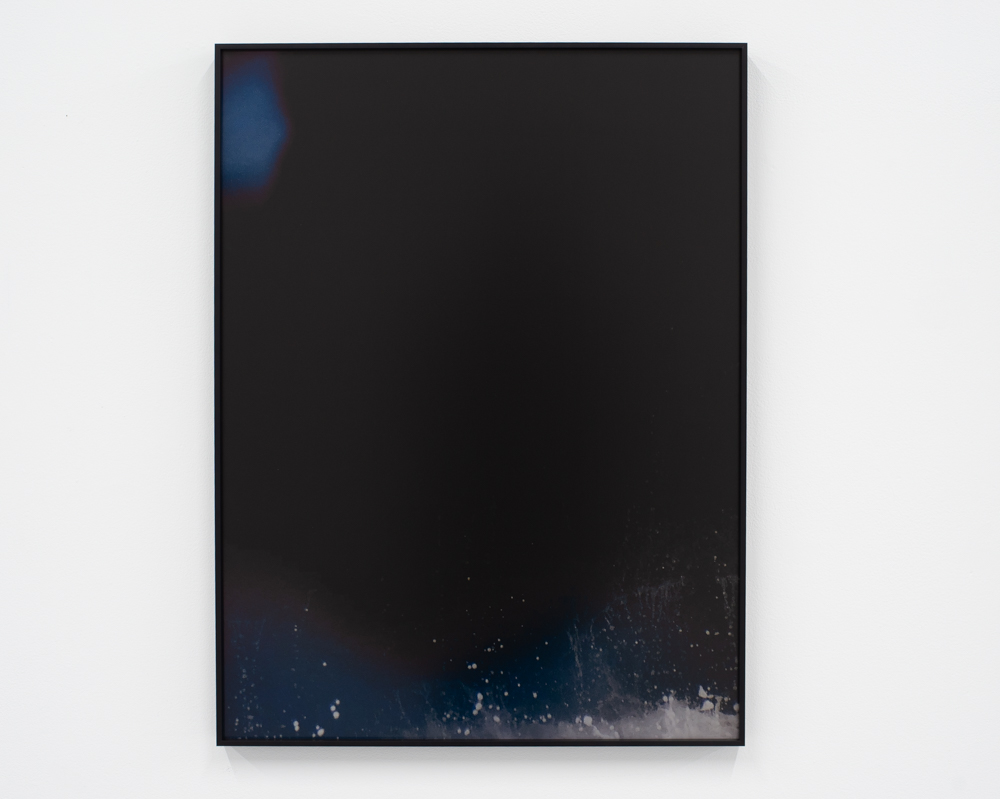
©Conner Gordon, 8×25 44°16’40.42″ N 124°6’46.27″ W (Monolith), 2024.
EK: Can you tell us about your artistic practice?
CG: Broadly speaking, my artistic practice centers on photography as a form of unreliable narration. Within this recognition, the photograph loses its status as an objective document or a decisive moment. It is stripped of context, leaving it hovering between specificity and ambiguity. It becomes capable of misinterpretation, or even misdirection. And in the process, it is freed from the burden of fidelity to its subject matter.
I work from this recognition not as a fatal flaw, but as a way to retool photography from a pillar of documentary representation into a tool of experimental narrative. The way this takes shape varies from project to project; in my book projects, for example, I often use photographic sequences to suggest narratives that are unstable, open to interpretation, or intentionally incomplete. In other projects, I highlight the material quality of the images themselves–whether that be pixelation or unfixed photographic paper–to suggest that the images exist somewhere between stability and collapse.
I think there’s something beautiful about that brief window between order and entropy, especially because photography is often seen as this stable medium of representative accuracy or objectivity. I hope to use my work to explore what new creative possibilities emerge from the failure of that premise.
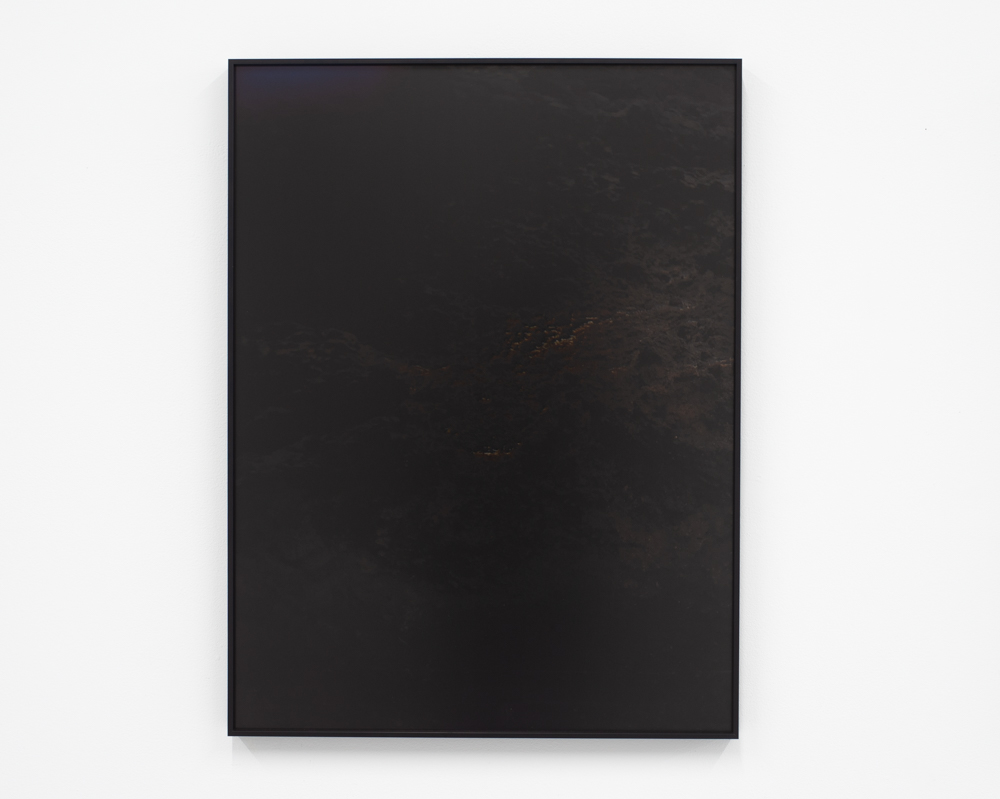
©Conner Gordon, 8×25 44°16’39.98″ N 124°6’46.25″ W (Threshold), 2024.
EK: What’s next for you?
CG: Photobooks have long been central to my practice, so I’m excited to be releasing Where Does That Flower Bloom, my first handmade photobook, later this year. Incorporating my own photographs and my grandparents’ family snapshots, Where Does That Flower Bloom examines the memory of my late grandmother, her death from cancer, and the industrial pollution affecting her lakeside home. Published in a handmade, hardcover edition, I will be releasing Where Does That Flower Bloom at the Staple + Stitch Art Book Fair in Chicago this November.
I’ve also just started as a Lecturer in Photography at Washburn University, which meant moving across the country from Oregon to Kansas earlier this summer. The relocation has been an adjustment, but the art department at Washburn is really wonderful, and I’m excited to continue building out the photography area here as I find my footing in this new place.
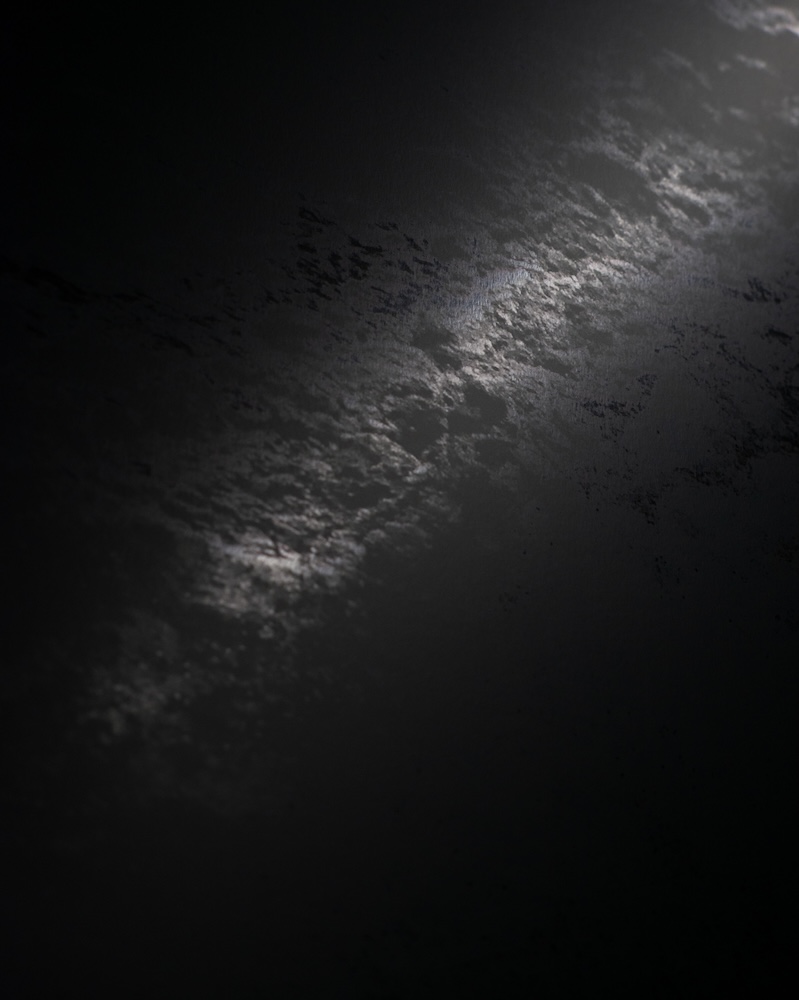
©Conner Gordon, Detail view. 8×25 44°16’39.98″ N 124°6’46.25″ W (Threshold), 2024.
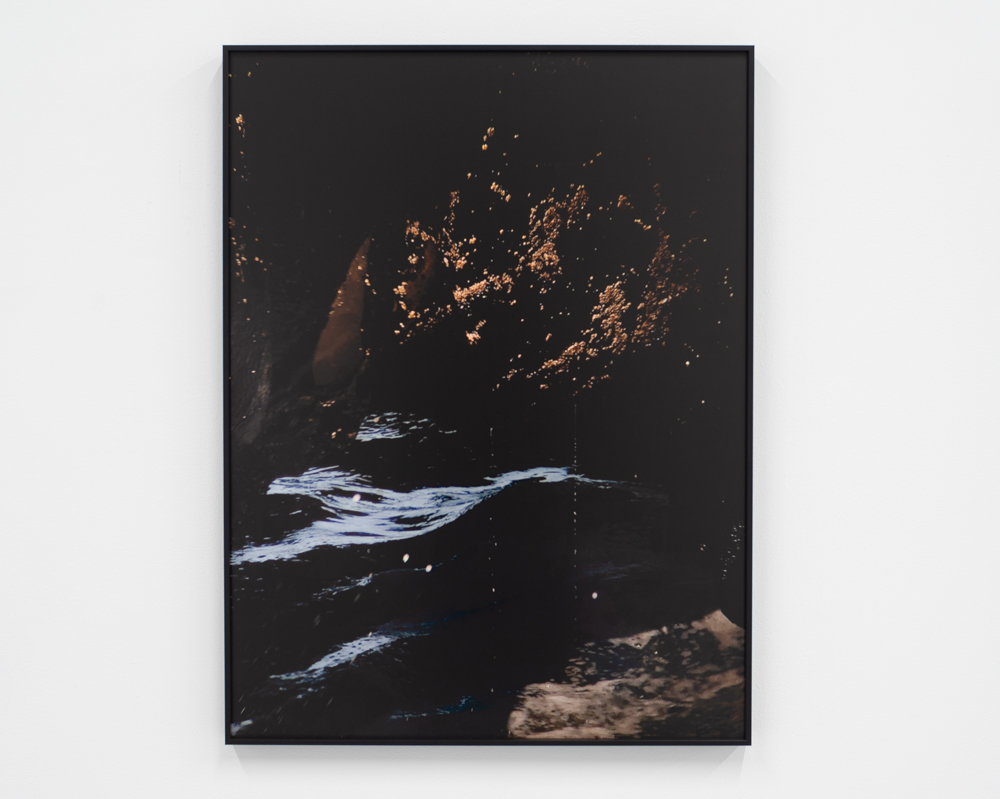
©Conner Gordon, 8×25 44°19’22.83″ N 124°6’22.52″ W (Collapse), 2024.
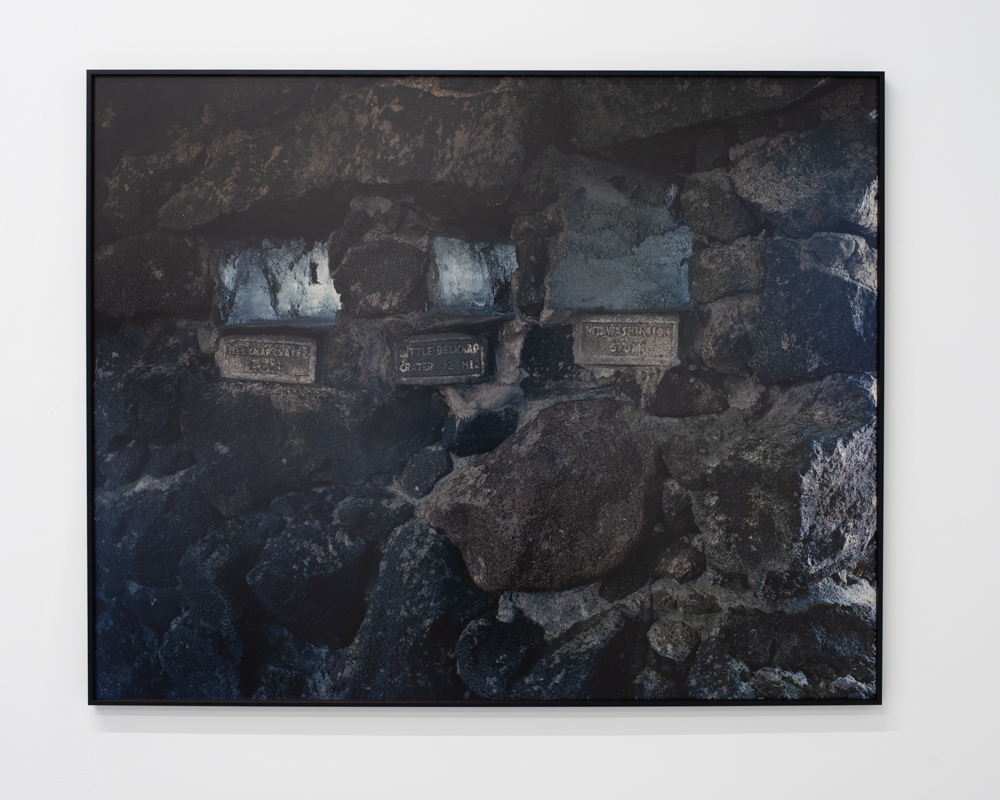
©Conner Gordon, Observatory, 2024.
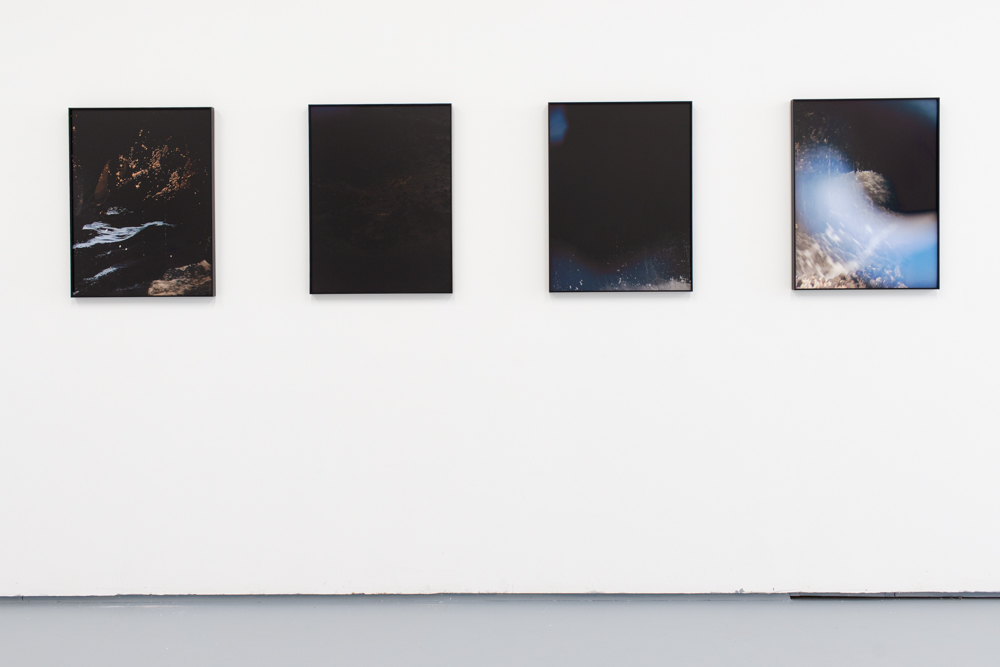
©Conner Gordon, The Overlook, installation view. Ditch Projects, Springfield, OR, 2024.
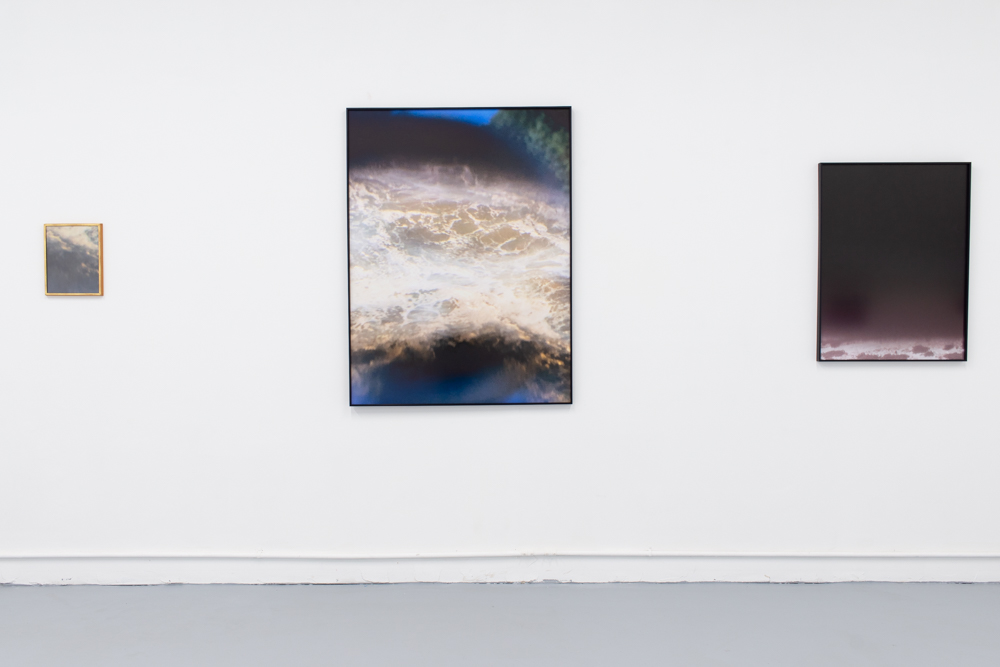
©Conner Gordon, The Overlook, installation view. Ditch Projects, Springfield, OR, 2024.
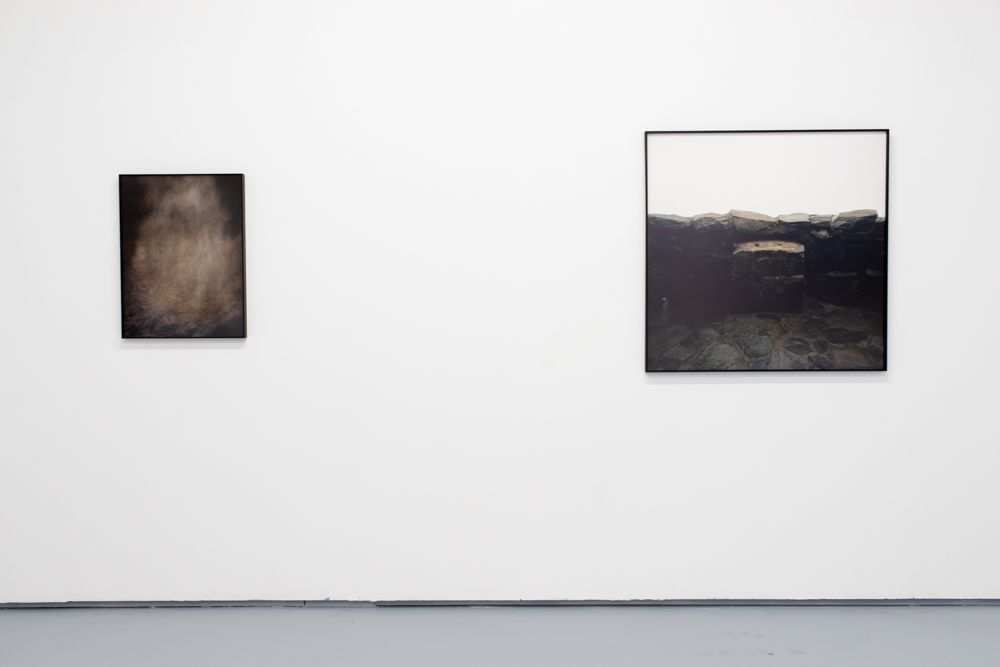
©Conner Gordon, The Overlook, installation view. Ditch Projects, Springfield, OR, 2024.
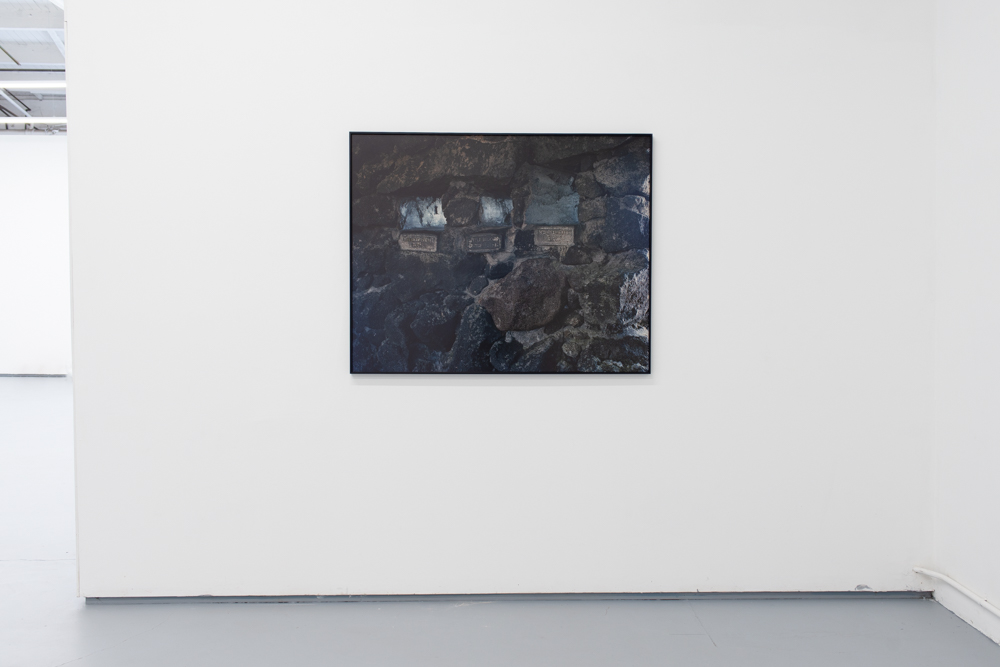
©Conner Gordon, The Overlook, installation view. Ditch Projects, Springfield, OR, 2024.’
Epiphany Knedler is an interdisciplinary artist + educator exploring the ways we engage with history. She graduated from the University of South Dakota with a BFA in Studio Art and a BA in Political Science and completed her MFA in Studio Art at East Carolina University. She is based in Aberdeen, South Dakota, serving as an Assistant Professor of Art and Coordinator of the Art Department at Northern State University, a Content Editor with LENSCRATCH, and the co-founder and curator of the art collective Midwest Nice Art. Her work has been exhibited in the New York Times, the Guardian, Vermont Center for Photography, Lenscratch, Dek Unu Arts, and awarded through Lensculture, the Lucie Foundation, F-Stop Magazine, and Photolucida Critical Mass.
Follow Epiphany on Instagram: @epiphanysk