Siri Kaur: Sister Moon

© Cover of Sistermoon by Siri Kaur / Void
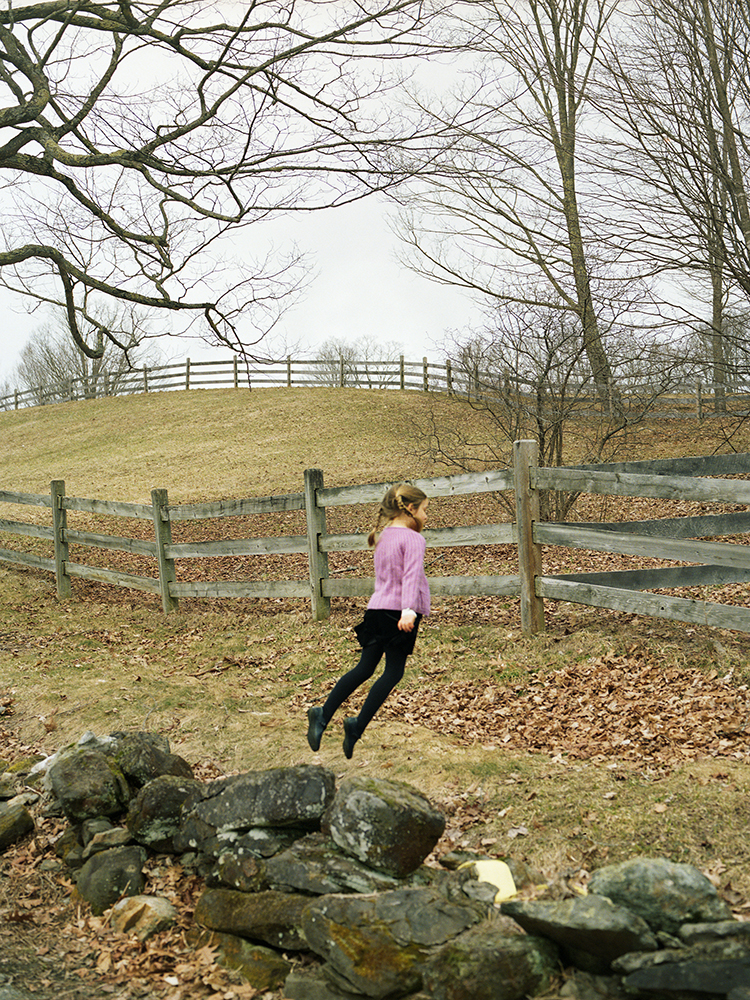
© Levitation from Sistermoon by Siri Kaur / Void
In Sistermoon (Void, 2025), artist Siri Kaur compiles thirty years of photographs made with—and of—her youngest sister, Simran. What begins as a sibling collaboration evolves into a mythic, matrilineal album, layering time, memory, and intimacy into a body of work that blurs the line between family archive and poetic fiction. Simran appears as child, muse, mother, and mirror. Across generations and geographies, Kaur’s photographs raise questions about who looks, who is seen, and how we come to belong—within families, within images, and within ourselves.
Siri and I have known each other through the Los Angeles photo world for years, and we’ve shared many conversations about authorship, control, trust, making work close to home, and what it means to turn the camera toward the people you love. This one picks up those threads right where we left off.
The following is a conversation with Tracy L Chandler and Siri Kaur.
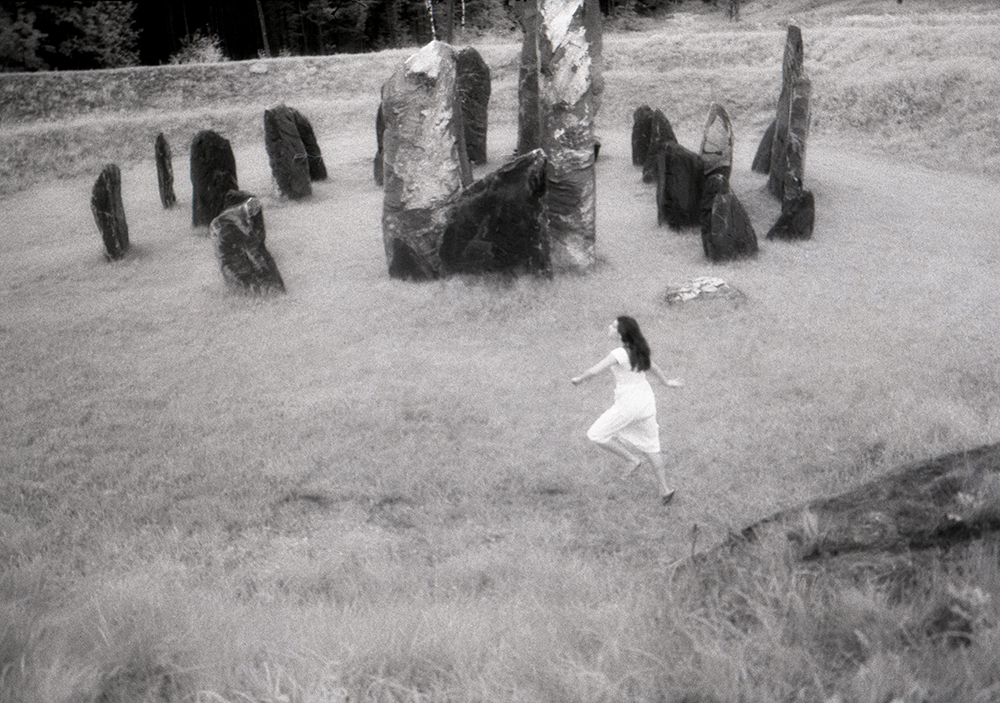
© Solstice at Our Stonehenge from Sistermoon by Siri Kaur / Void
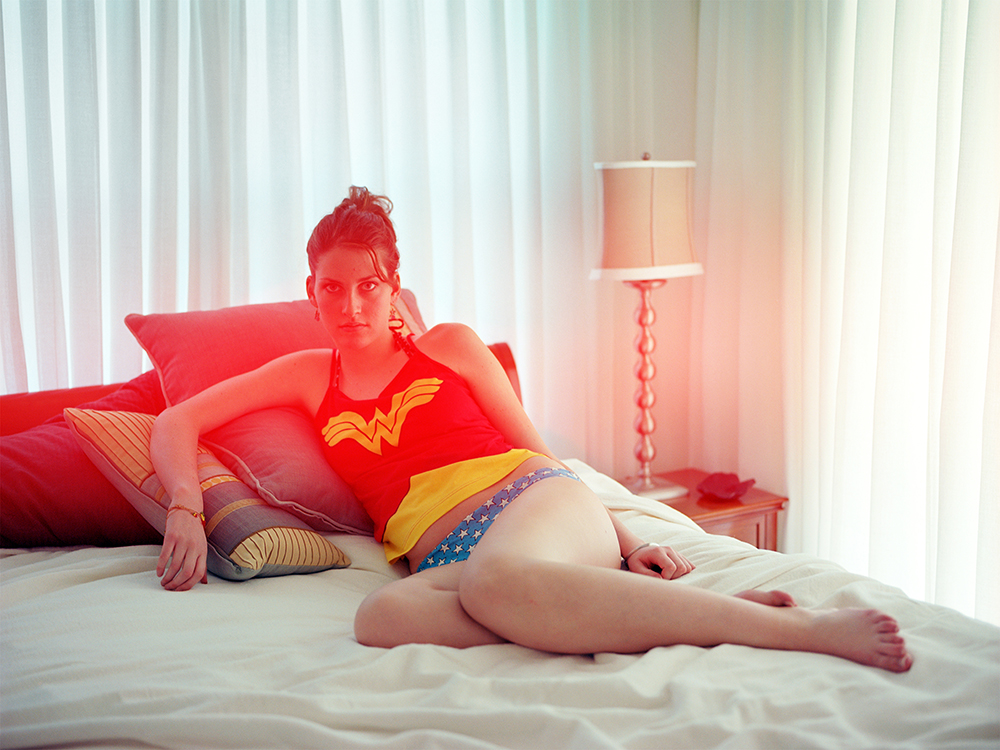
© Wonder Woman from Sistermoon by Siri Kaur / Void
TLC: You and Simran have this extraordinary ongoing relationship that spans 30 years of image-making. Can you talk about how that dynamic evolved over time? What was the first image you made together? Has this act of photographing changed the way you relate as sisters?
SK: Simran and I have different mothers but the same father- I’m the oldest of his five kids and she is the youngest. We grew up differently, I was born in an actual cult called the Happy Healthy Holy organization, or 3HO, fourteen years before her. After my parents left the cult, I lived with my mom and my other sister Charan in Maine during the school year and then with our Dad in Vermont during summer vacations and for holidays. Simran grew up in Vermont with our dad. So in the beginning we were just hanging out when I visited during vacations, me with extreme teenage angst and so many feelings. I started photographing her because she thought I was cool in the way small girls look up to older ones. She always got excited to create pictures together and our decades-long collaboration was born!
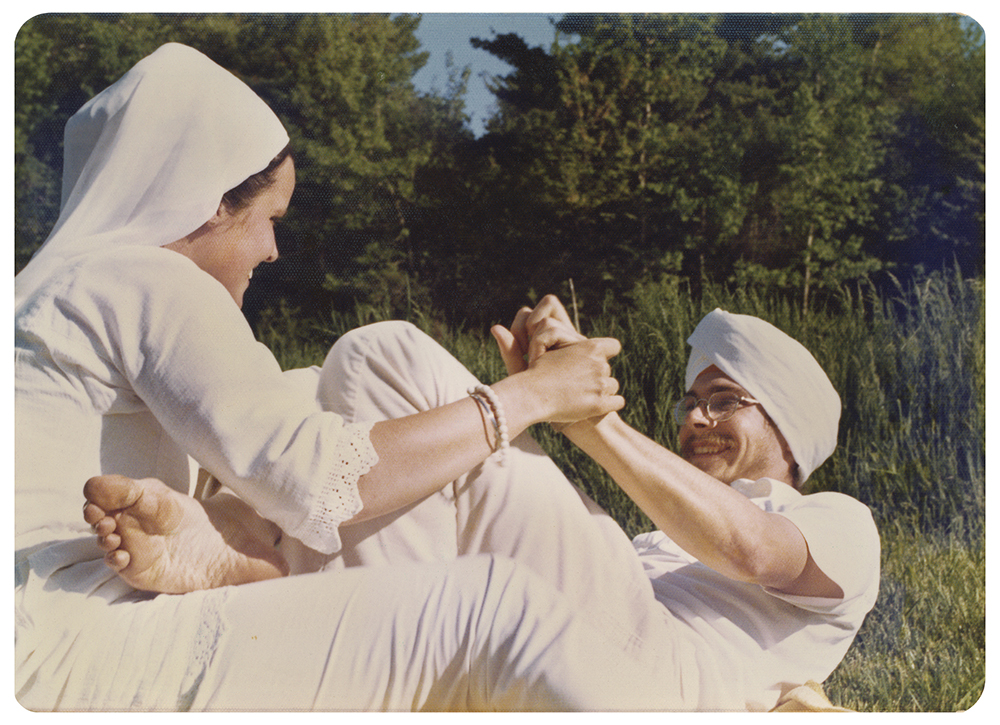
© Wedding from Sistermoon by Siri Kaur / Void
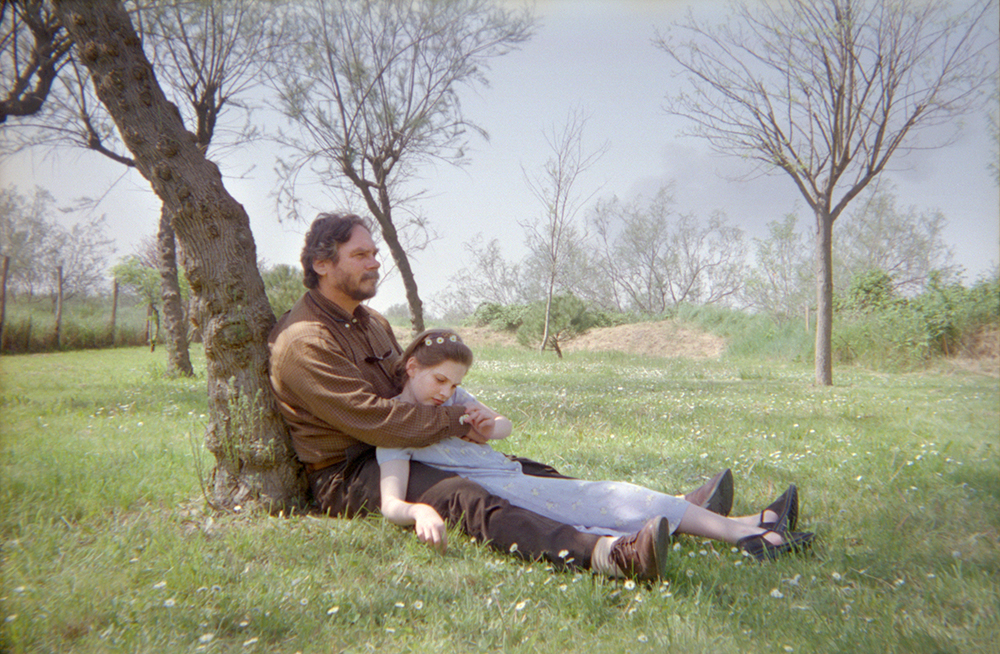
© Sister + Dad from Sistermoon by Siri Kaur / Void
I can’t specifically remember the first image I made with Simi but it was probably with my 35mm plastic camera on Kodak Gold of her playing in nature. That camera was low quality but gave everything a sort of magical soft-focus glow. (The picture in the book of Simran and our Dad sitting under a tree was made with this camera). When I was 16 I discovered Sally Mann and Nan Goldin and realized our loved ones are a valid subject matter, and have always sort of situated my work in between the two artists from there on out.
I can’t even imagine a world where we didn’t create pictures together. She has always had an extreme amount of self possession, even as a small child, in a way I never had. I think it’s that she doesn’t carry a lot of shame around, so different from me. She has always projected an air of extreme confidence and I intuited this about her as a subject and muse right away. We have gone through phases where we make more pictures together, where she is more excited to collaborate than at other times. Sometimes she doesn’t want to be looked at, or sometimes I don’t want to do the looking and I’m the distracted one.
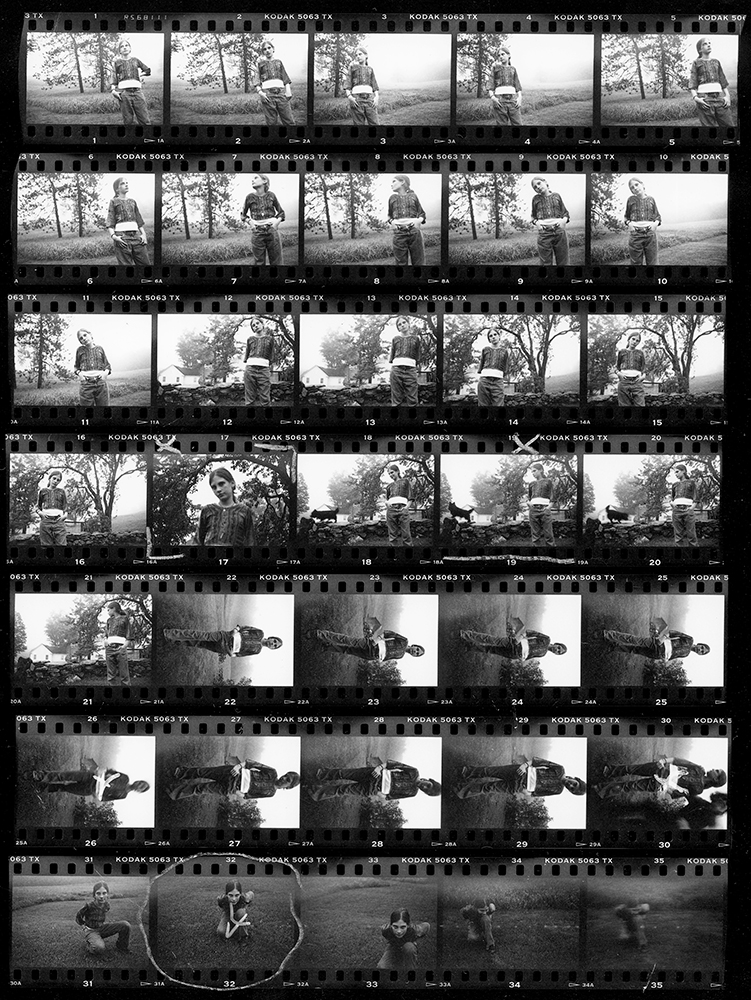
© Contact Sheet from Sistermoon by Siri Kaur / Void
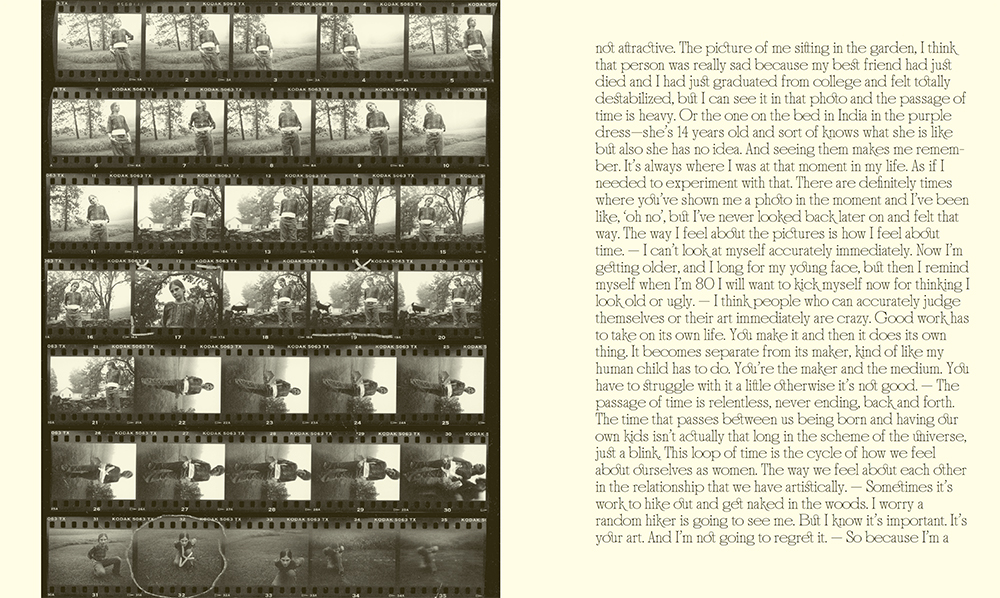
© Spread from Sistermoon by Siri Kaur / Void
TLC: It’s really interesting how you describe the contrast between your own experience of shame and Simran’s deep self-possession, even from a young age. I’ve been thinking about how that might relate to why some of us—including myself—gravitate toward being behind the camera, rather than in front of it. I wonder if, in some ways, it’s a way to look (and maybe even to live) vicariously?
SK: Creating my visual photo world and being the one in control of the image making is almost a misdirection, saying LOOK HERE instead of at me. I’ve always been extremely self conscious despite not seeming that way, another misdirection and so photography allows me to belong on the edges. I wish I could understand this impulse, it’s probably rooted in trauma and I need to explore it in therapy. I really see this drive in your work- you build a complete whole immersive world for me to inhabit as a viewer, a world that is safe to look at but is still full of poignancy.
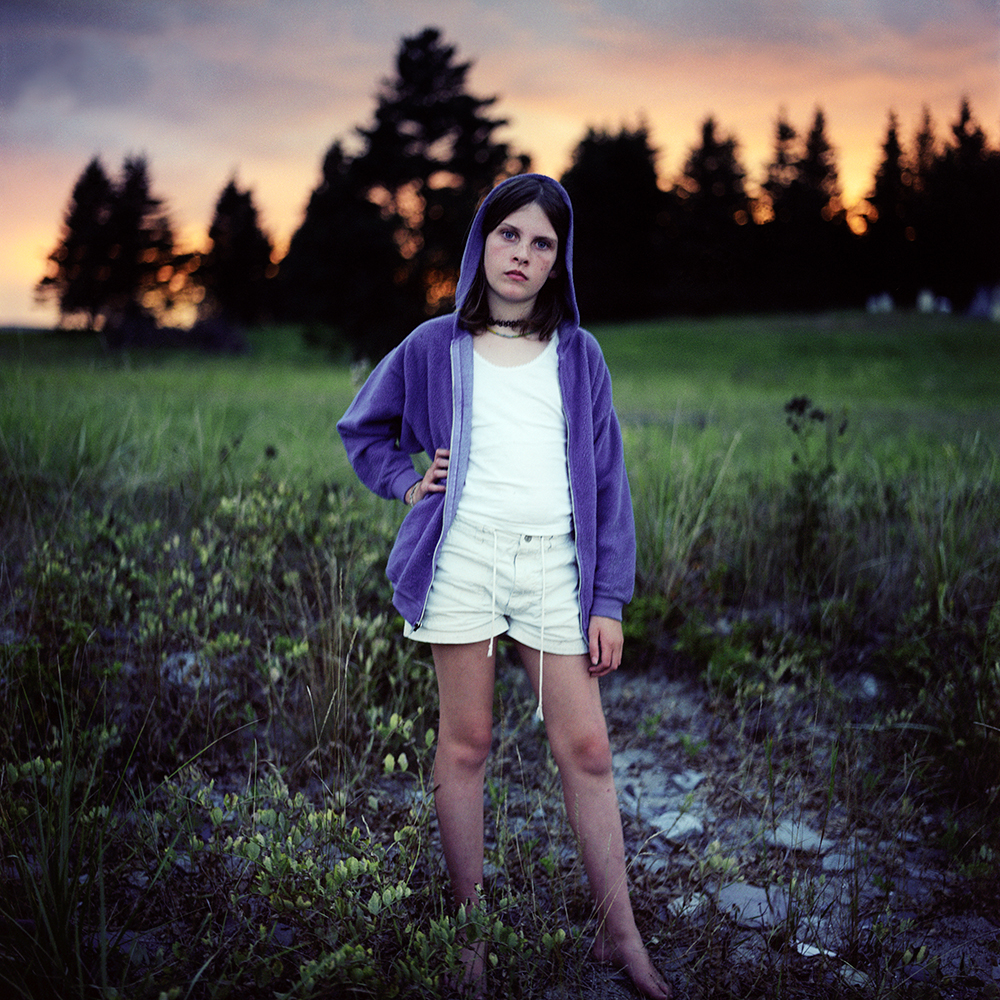
© Island from Sistermoon by Siri Kaur / Void
TLC: Do you think Simran’s confidence allowed you to explore things photographically that you might not have been able to with other subjects—or even with yourself?
SK: Simran became a kind of stand-in for myself. We look somewhat alike- we are half-sisters on our father’s side and there is a strong family resemblance, but more importantly we share some strange experiences from childhood. We are similar but not the same. I’ve been making these pictures with her for such a long time, they were just something we did together for fun without any stakes attached. I recognized her confidence in front of the camera even when we were both quite young, and that’s what spurred me to keep making the work. Over the years I saw some of the images as strong portraits but for the most part I set this entire body of work aside until the past few years. I have an archive-building practice because I am extremely slow and it takes me forever to understand what is good in my work. So I just know now to keep going even when I feel the work is crap. My relationship with Simran as muse has always been a constant even when I made other projects, it was a sort of bulwark I could return to when other ideas dried up.
TLC: I’m curious about the quieter moments—when Simran didn’t want to be looked at, or when you didn’t feel like doing the looking. How do you two navigate those moments? How do you decide when to pause, and when to push through?
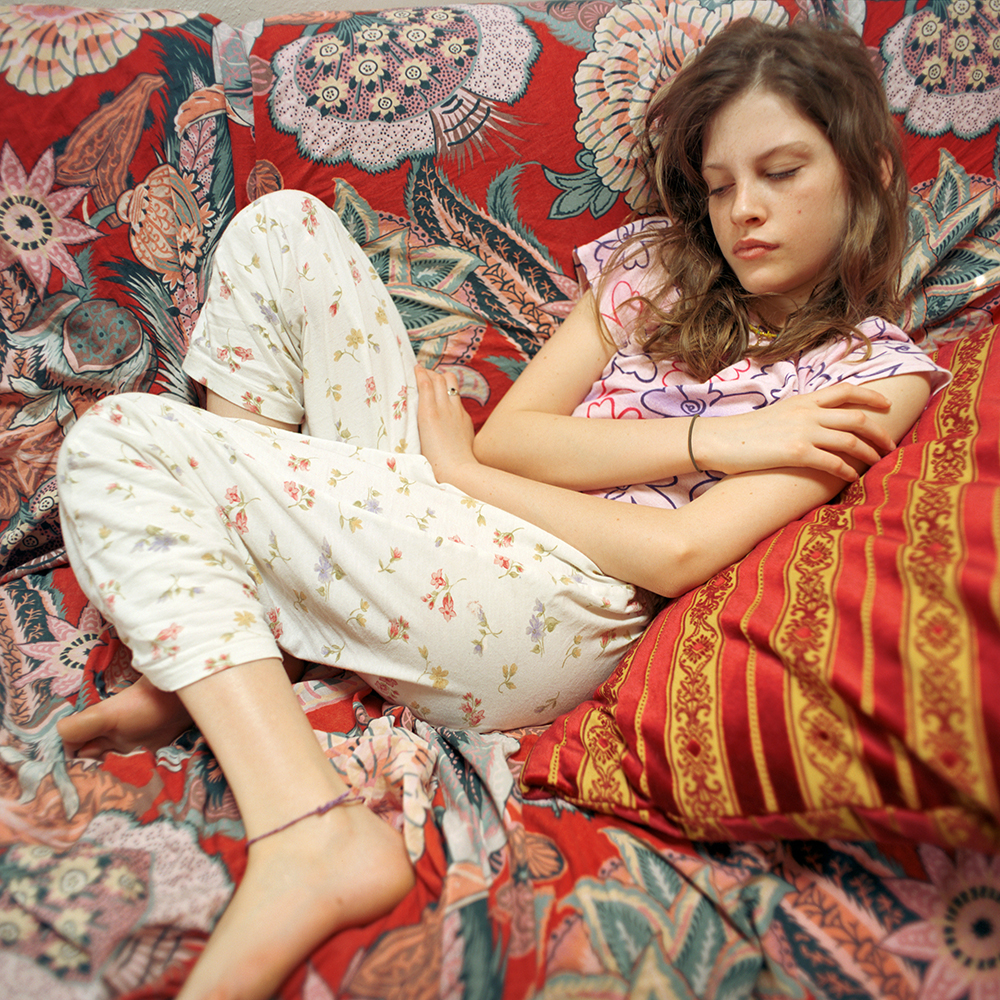
© Age Twelve from Sistermoon by Siri Kaur / Void
SK: When she doesn’t want to be photographed I try to respect it but I also know that sometimes the moments her guard is down make an interesting photograph. Or maybe we are hiking around the wilderness and I can’t deal with lugging a giant camera because my back hurts, so I am the one who doesn’t want to deal with photo making. Half of photography is just carting around equipment I never even use. I try to feel the situation out- when I’m reluctant to make photos, am I just scared, looking for an excuse to quit? My sister is more important to me than a picture so I always try to make sure she is ok. When one of her best friends died years ago, I photographed Simran at the cemetery visiting his grave but I never used the resulting images because they felt too exploitative, showing her raw grief- but maybe with time that will change. Maybe with time those pictures will become a way to remember feeling love for someone gone.
TLC: I know that struggle! The artist in me wants to expose something raw and get at some sort of truth and the mother (or sister or daughter) in me wants to protect them from the vulnerability of really being seen. I feel like the more I question myself and my motives when photographing, the more the whole vibe shifts to fear and I lose trust, within myself and with the other person. So I am learning to trust myself and trust the flow more.
Photography really is a needle thread that gets more complicated with family as we have so many layers of history and projection beyond this one moment of contact. Do you ever find yourself projecting past versions of Simran—or even yourself—onto the present moment while you’re photographing?
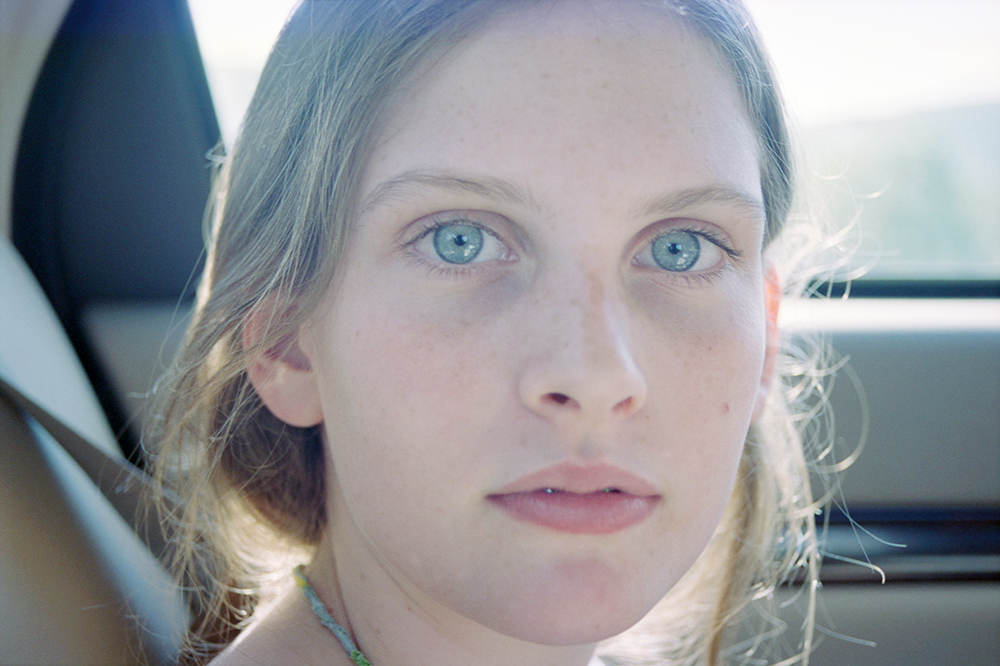
© Age Nine from Sistermoon by Siri Kaur / Void
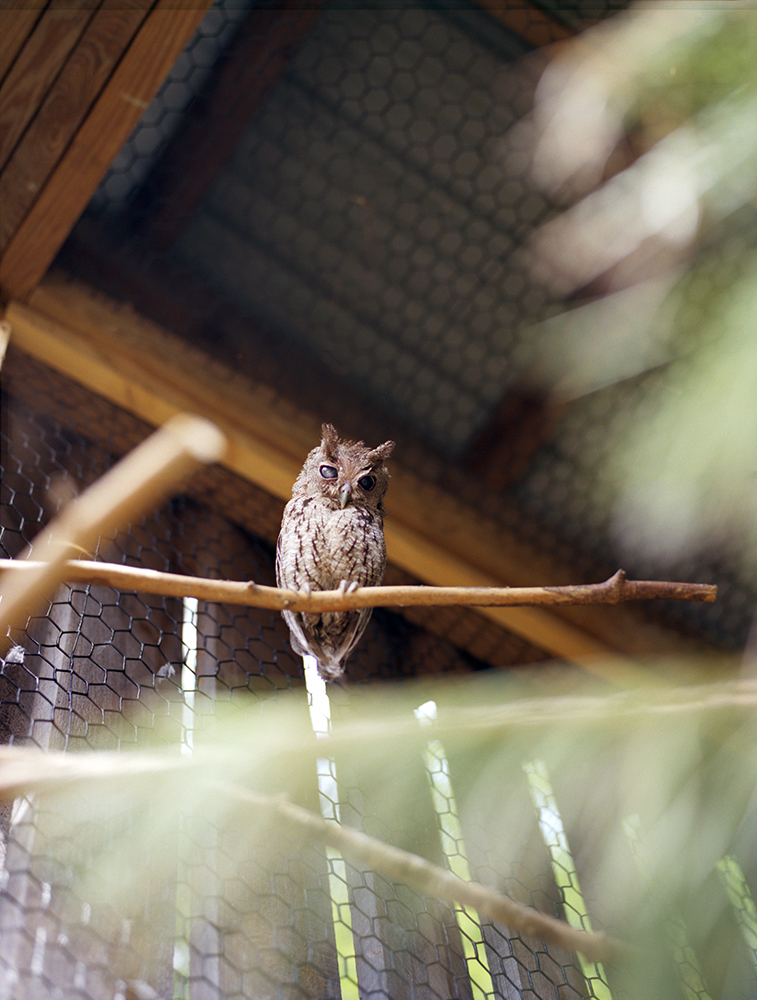
© Blind Owl from Sistermoon by Siri Kaur / Void
SK: I think when I make pictures all the ghosts of my past selves float around me. The ghosts remind me about what I needed and never got, and I try to give what I lacked to the person I’m photographing. I have this weird process where I cannot see someone as clearly until I look at them through my camera lens, it’s kind of twisted! I think especially with Simran I do project past versions of myself because she is the closest I will ever get to actually photographing myself. The idea of literal self portraiture is appalling for me.
TLC: Why is self portraiture appalling for you? In theory if you were to make a self portrait you have the control–– you are the photographer and the subject, after all. Is it because you don’t want to be seen directly? Does photographing Simran (and the others in your family–you also have photographs of your son and many others in this work) let you safely look without really being seen yourself?
The one thing we for sure don’t have control over is the viewer—their perceptions, their projections. How much have you thought about the audience beyond you and your subjects?
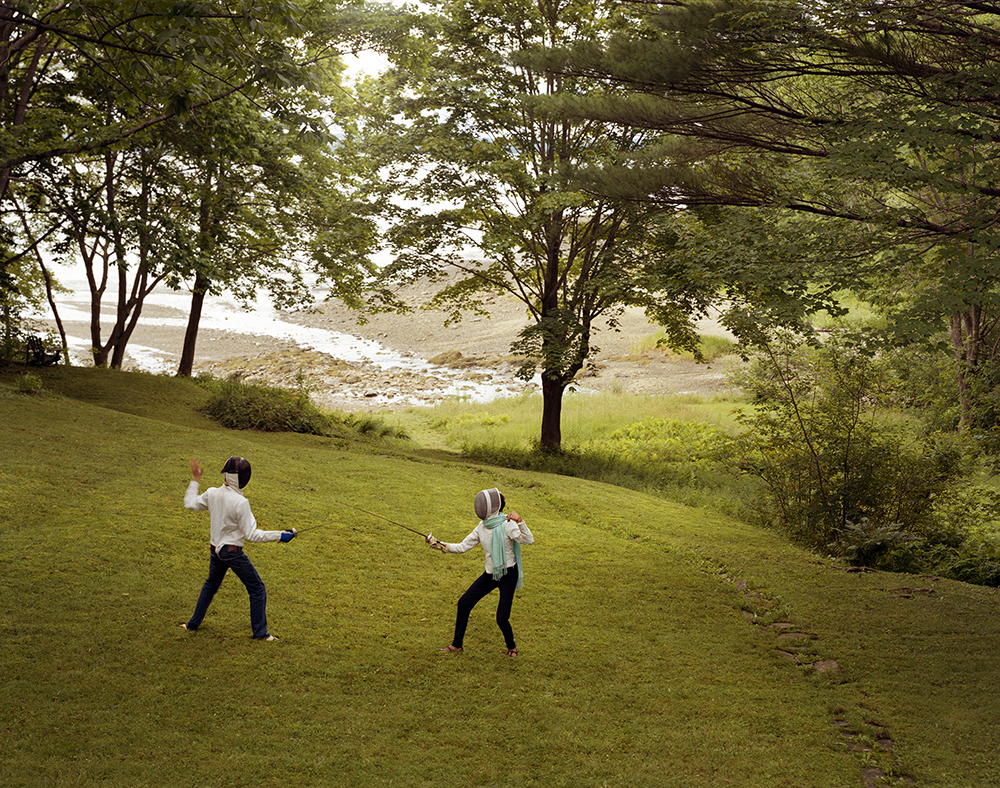
© Fencing from Sistermoon by Siri Kaur / Void
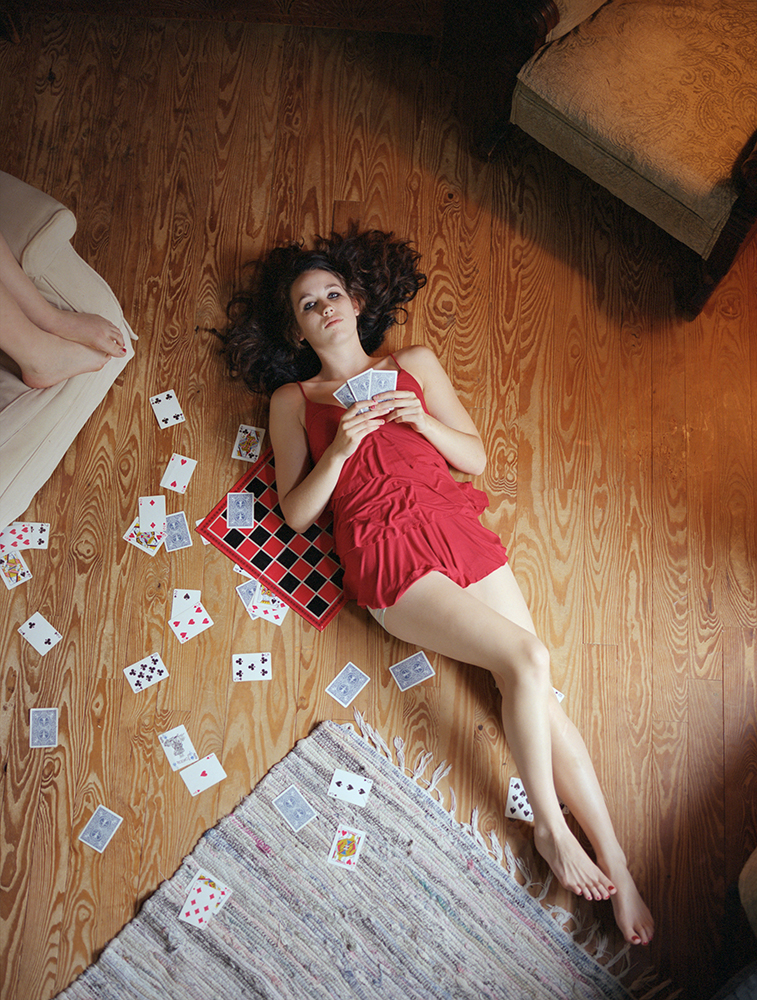
© Cards from Sistermoon by Siri Kaur / Void
SK: I don’t want to look at myself! I’ve had several sleazy collectors over the years mansplain that I should make self portraits because they would sell and I just laugh in their faces. Self portraiture is wonderful, I admire people who do it but I want to be able to control the literal act of looking in a way that isn’t satisfying for me unless I have the viewfinder in my face. Rosamund Fox Solomon’s last book (RIP queen) has changed my perspective on this stance because her pictures are so confrontational and glorious. So maybe self portraits are next.
TLC: I do love that RFS book (A Woman I Once Knew, MACK, 2024). It is inspiring–not only the confrontational images, but there is also something sentimental and earnest at the same time. Maybe it’s more in the writing, but the images too. I’m thinking of the ones with her grandson. Maybe in the end she came to where many of us start– that images, especially of our family, are ways to connect and preserve, more than just to look more objectively. She really let go of control, even that artist part that can get a little cynical. That’s my battle, at least, sentimentality and cynicism, chaos and control.
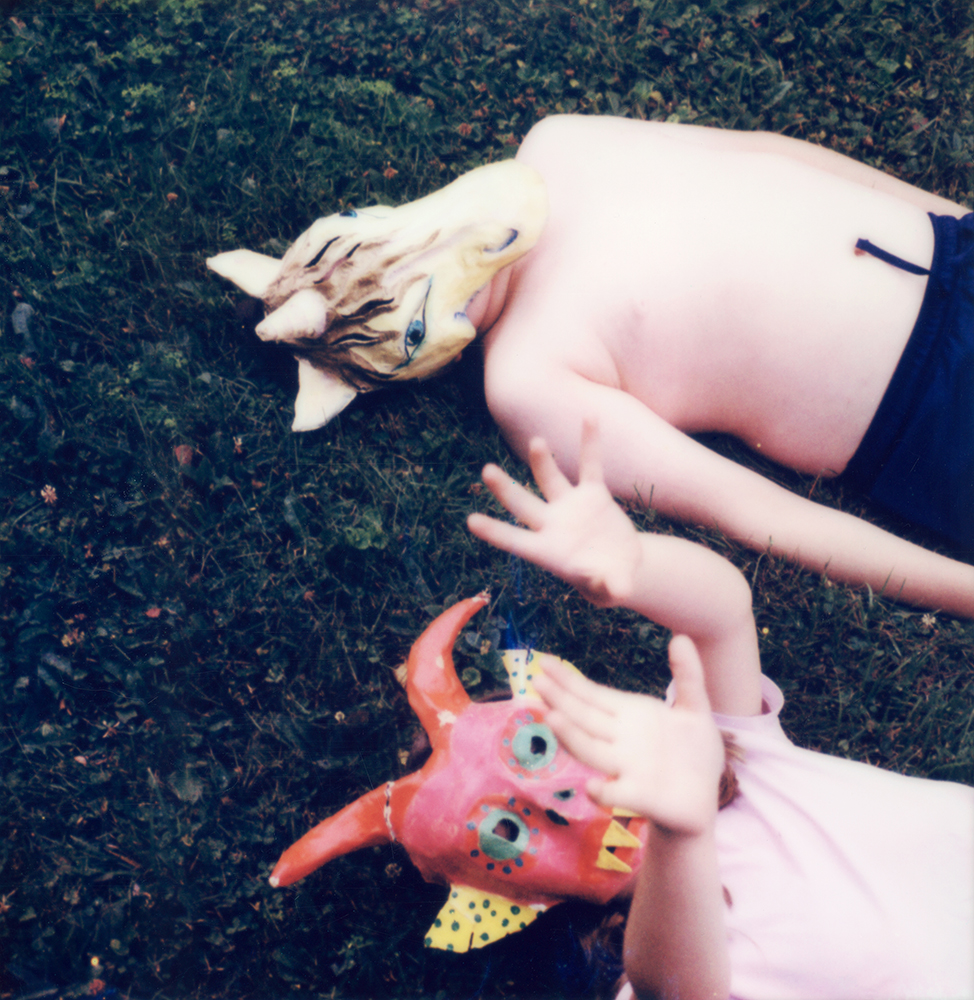
© Monsters from Sistermoon by Siri Kaur / Void
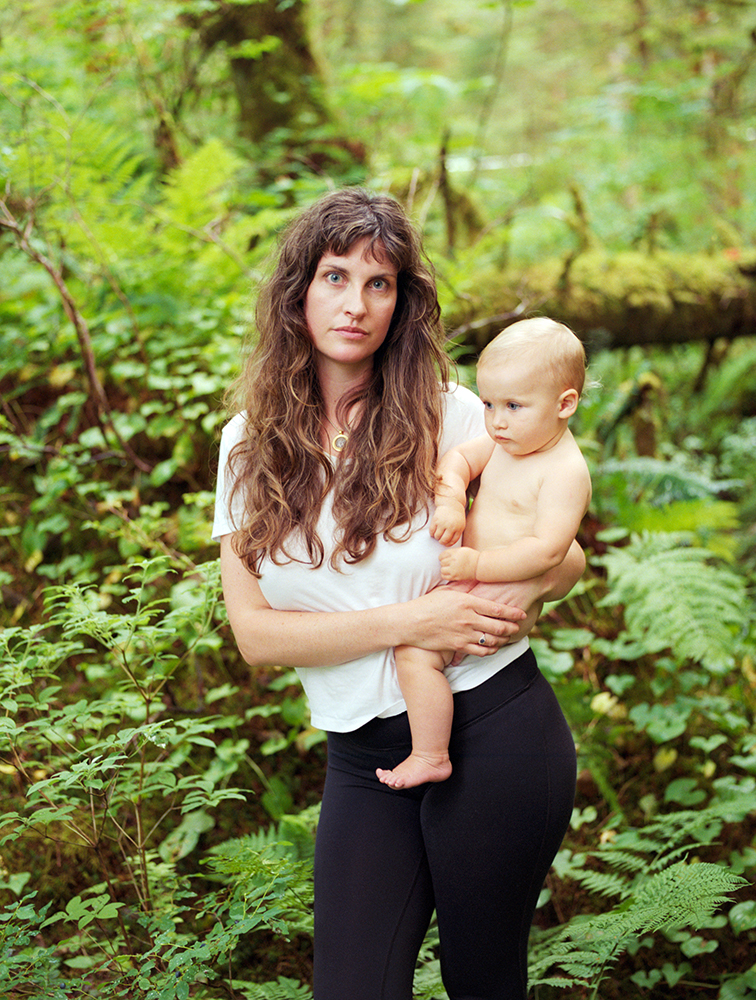
© Sister as Mother from Sistermoon by Siri Kaur / Void
SK: I have to confess to being a huge control freak, like the whole reason I started making photos was probably to order my own little world. But of course other people are uncontrollable, really, trying to make people do what you want echoes the entire experience of motherhood. During my pregnancy I had a vision of my son looking cute in a little basket next to me while I worked and HA! Delusional. I still get so angry, fuming, thinking about Ansel Adams or whatever famous man traipsing about footloose and fancy free, meanwhile I’m trying to load 4×5 negatives, leaking breast milk, worrying if my ass looks cute in my jeans. But the whole experience of growing and birthing a child then keeping him alive has taught me so much about the process of letting go in artmaking as well as life.
I firmly believe that once the work is out in the world, it’s not mine anymore, so I can’t really control what the audience thinks. That said, I know that the work in Sistermoon elicits a variety of responses because the main character is a beautiful young girl growing up. Her beauty is a way to suck the viewer in and hopefully create a strong psychological response to the world of the book, a matriarchal album. Sometimes people freak out over some of these portraits, and that reveals so much about their own sense of shame and guilt about their own bodies.
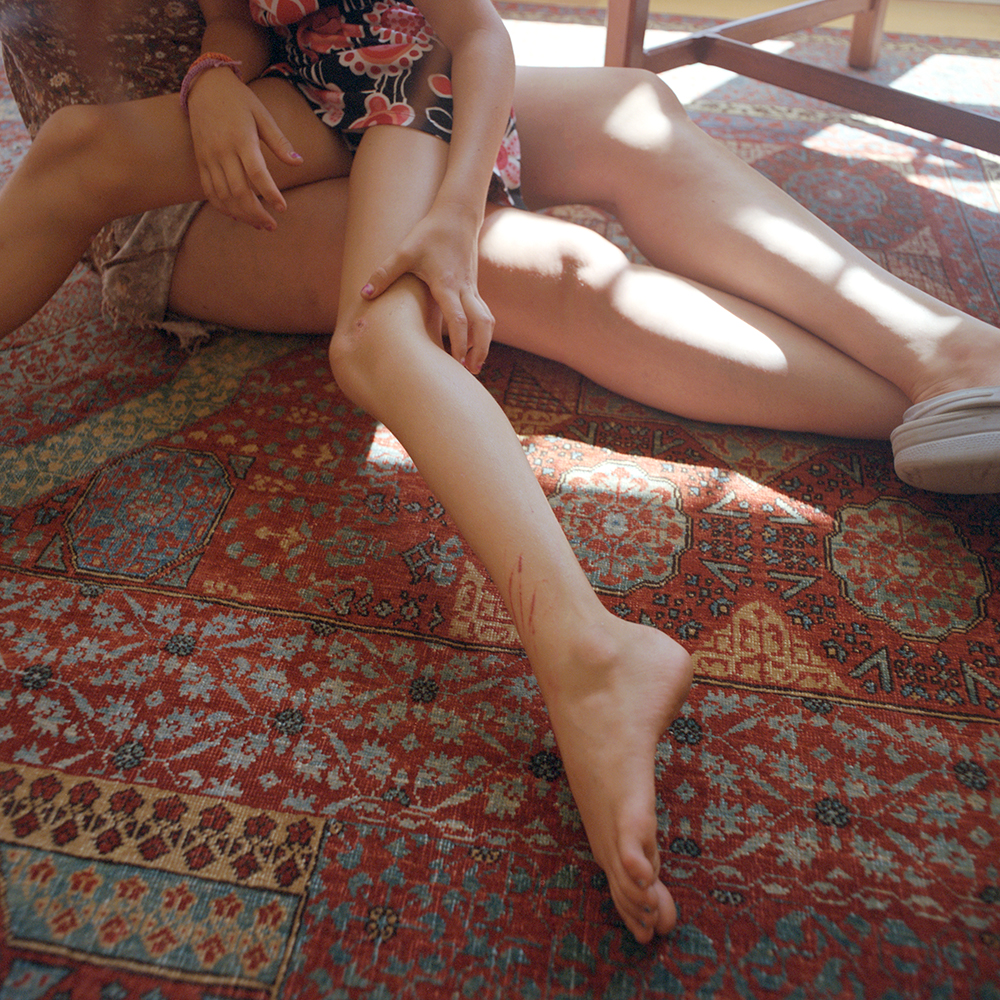
© Scratch from Sistermoon by Siri Kaur / Void
TLC: Yes, you touch on this in the text as well…
“I have been thinking a lot about shame as I’m getting older, seeing other people’s relationships and having a daughter. I feel like I am low on shame… — But our mothers, I think, have a lot of shame, actually about their existence. I also have a lot of shame.”
And then later..
“From an early point I learned the way you own it is by embracing it, right? The way that you can control other people’s desire is by saying to yourself, here I am, this is my body.”
Something I found really compelling in this text is how the voice shifts—sometimes we’re clearly hearing from you, sometimes from Simran, and sometimes it’s more ambiguous. That ambiguity made it feel like a shared consciousness, or like we’re moving between subject and photographer, sister and artist, without always knowing who’s speaking. Is that conflation intentional?
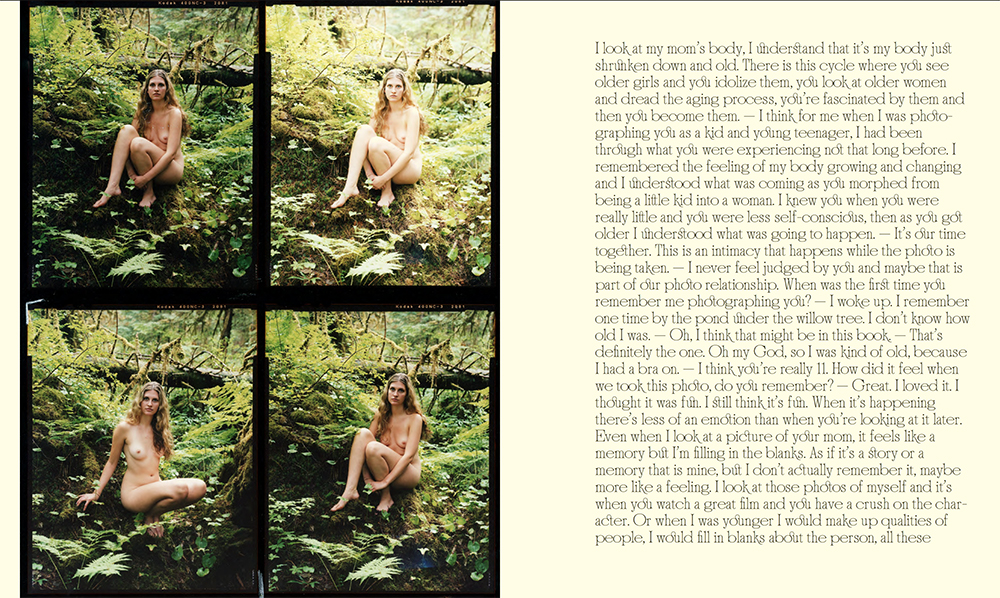
© Spread from Sistermoon by Siri Kaur / Void
SK: My goal was to give Simran more of a voice and I thought the text element could really add another layer to her presence. I started by interviewing her about how it feels to be photographed by me, then transcribed our interview and mixed in some snippets from my teenage diaries. We took out the traditional interview format so the text is more stream of consciousness rather than explaining who said exactly what. My hope is the words speak to our very specific experiences as artist/muse, as young girls growing up and becoming objectified by our culture, and in a larger way about the act of looking and photographing.
TLC: There are a few other recurring figures throughout the book—your son, other family members. While Simran is clearly the gravitational center, these others seem to orbit around her, adding texture and counterpoint. How do you think about their presence in relation to the central thread of sister/self?
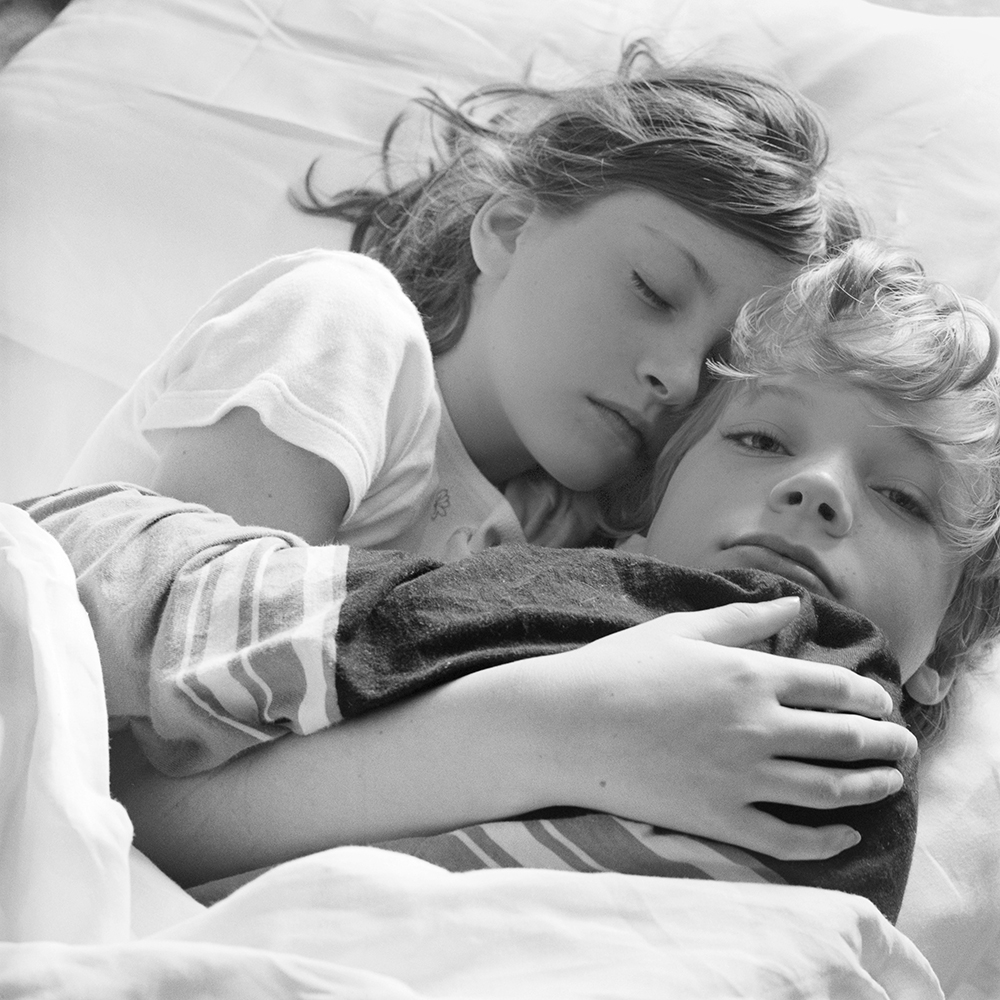
© Brother + Sister from Sistermoon by Siri Kaur / Void
SK: Love ties everyone in the book together. Simran is the main character but the others are important, especially our children because they represent the next stage in the cycle of life. Also I want to create an immerse alternate matriarchal universe, and our children stand with us in this universe, a line of humans rejecting shame and the patriarchy.
TLC: And lucky for them and for you to have this book as a family album of sorts. But not just any family album—more a memento of years spent together in a familial creative act.
Can you talk about how this body of work evolved into a book? You’ve been making these pictures for decades, often without a fixed endpoint. What changed for you—personally or creatively—that made it feel like the right moment to gather them into Sistermoon? What was that process of editing and shaping the book like for you?
SK: Because I come from the world of exhibitions, it’s taken me years to wrap my head around the book format which is so much smaller and handheld than work on walls in a human-size room. Editing this work was a huge challenge! Of course Sistermoon is about my family so was extra difficult to figure out because I have zero distance from the images- every one reminds me of the emotional state I was in when I made the picture.
Sistermoon represents a lifelong political stance, I am bone weary of photography that celebrates zombie formalism- aka sad sticks- and/or the New Criticism that only takes into account the formal qualities of art to judge its worth. I don’t believe that it’s even possible to look at work ahistorically or unemotionally, I think it’s a lie that is inherently anti feminist, that has trickled down from mid century Modernism and that implies emotion is hysteria and bad, and clean formalism is patriarchal and good. Not to say I’m not utilizing Beauty, because I certainly do, photography is a visual medium, but my work is also weird and complicated.
The current art world interest in identity-based and allegorical work is such a welcome change for me, and helped create the right moment for Sistermoon to emerge as a finished book. I was so fortunate to find Myrto Steirou and João Linneu, the editor and designer of Void, where Sistermoon ended up. They’re much more interested in the overall impact of the work as a whole than in creating a comprehensive linear story, and they really understand my point of view as a middle-aged woman working in our male-dominated bro world. As Simran says in the last lines of the book:
“…they’re not just photos of a beautiful landscape, or of a moment in time. These people are your family. And even though you don’t live with us you tell our story, it’s really intense. People and artists and the art world are weird about women and this is definitely women’s work so I hope they understand.”
My people will understand, and I love them for this. And perhaps from looking at my book a few readers will pay closer attention to the minutiae of their own lives and love a bit more deeply.
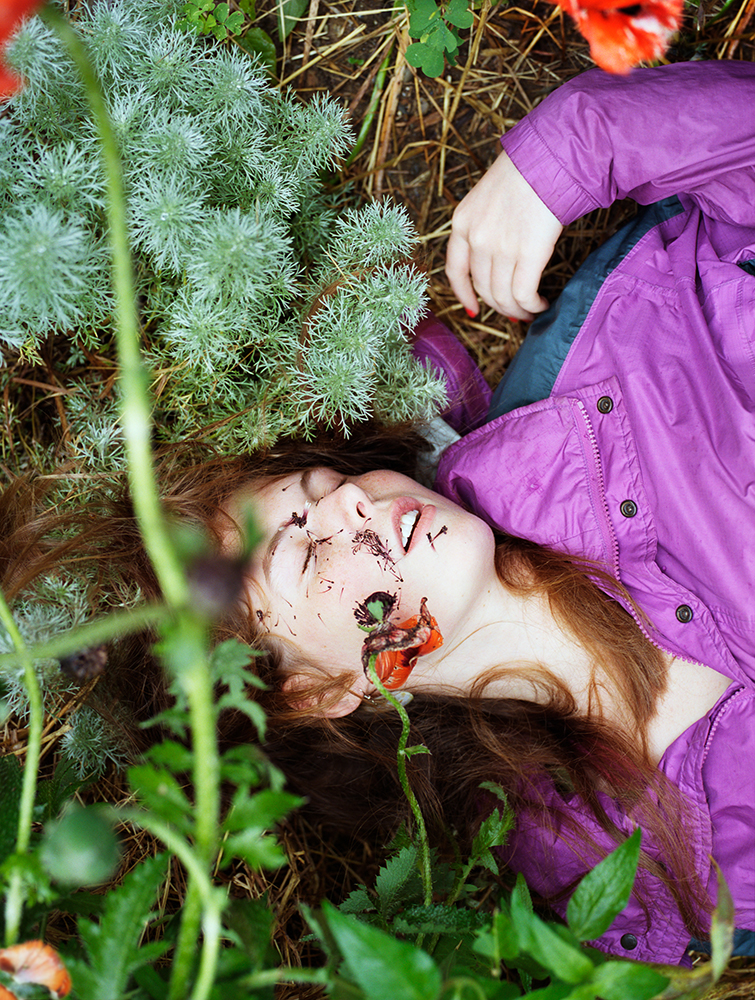
© In the Flowers from Sistermoon by Siri Kaur / Void
Sistermoon by Siri Kaur is available from Void. The book is also available in limited special edition with signed print.
Siri Kaur is an artist and photographer who examines identities that occupy dualities, diversity, and contradiction. Originally from Maine, Kaur is currently based in Los Angeles. She received her MFA from the California Institute of the Arts, and an MA and a BA from Smith College, Massachusetts. Her work has been exhibited widely at venues such as Aperture Foundation, New York; Camera Club of New York; Crystal Bridges Museum of American Art, Arkansas; Los Angeles County Museum of Art; Portland Museum of Art; San Antonio Museum of Art; Vermont Center for Photography, amongst others. She was a Professor of Fine Arts at Otis College of Art and Design from 2007-2018 and currently teaches at UCLA.
Follow Siri Kaur on Instagram
Tracy L Chandler is a photographer based in Los Angeles, CA. Her monograph A POOR SORT OF MEMORY is now available from Deadbeat Club.
Follow Tracy L Chandler on Instagram.
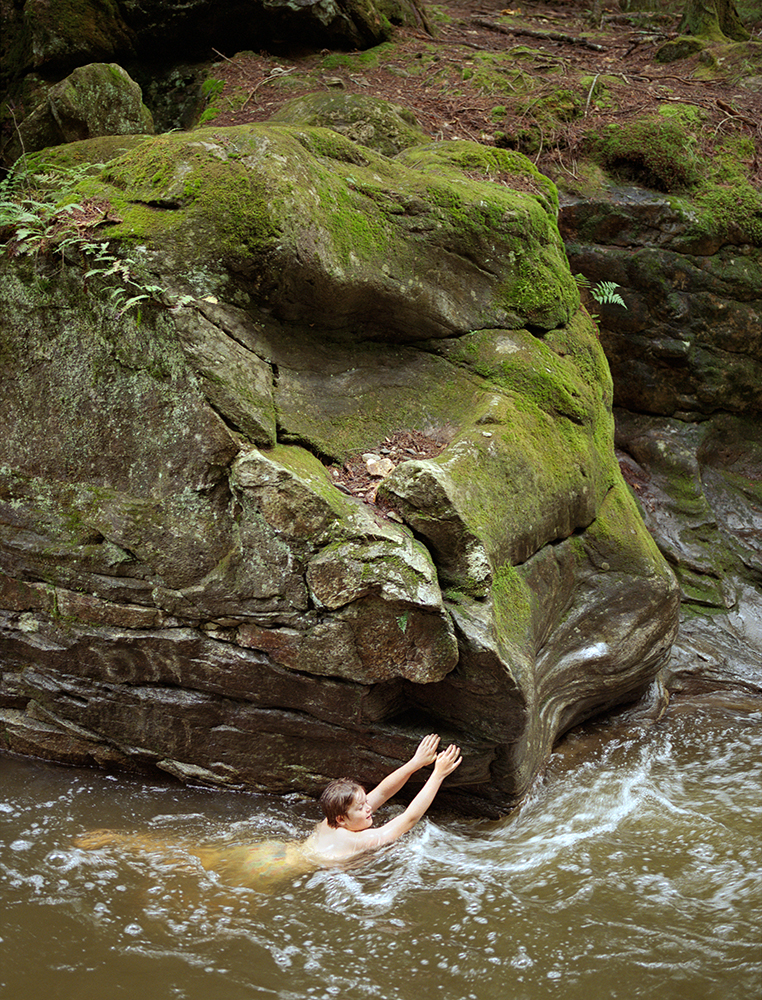
© Swimming from Sistermoon by Siri Kaur / Void
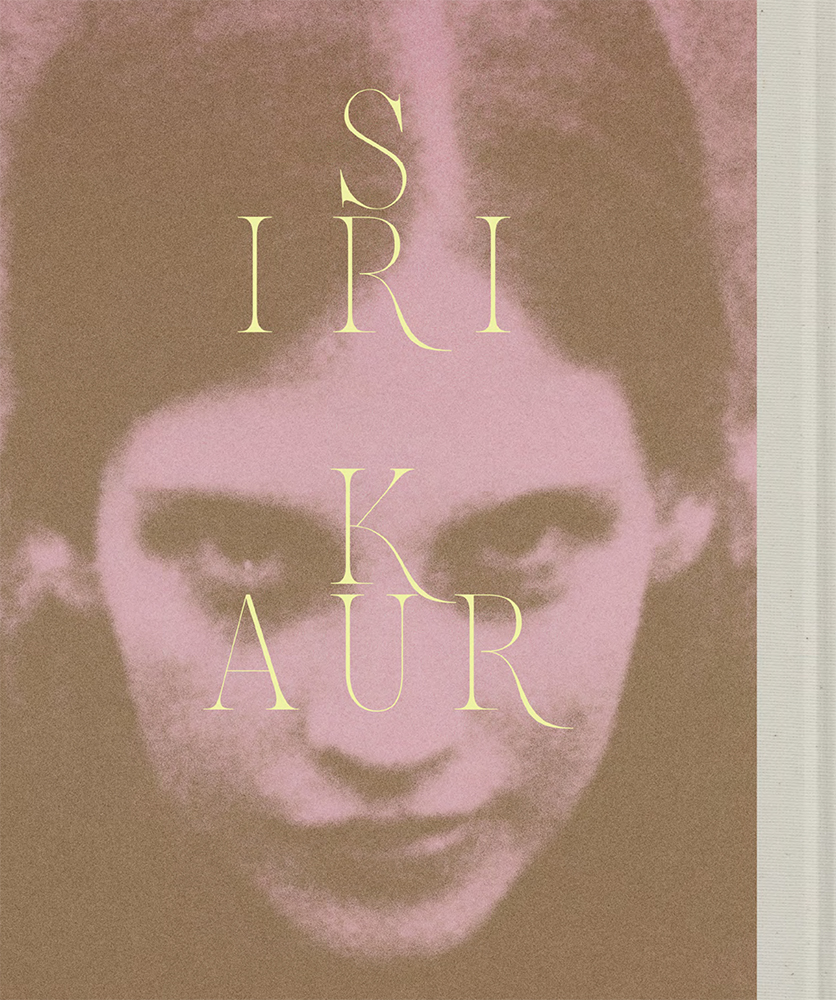
© Cover of Sistermoon by Siri Kaur / Void
Posts on Lenscratch may not be reproduced without the permission of the Lenscratch staff and the photographer.
Recommended
-
Claire Beckett: Defense LanguageJuly 26th, 2026
-
Reuben Radding: Heavenly ArmsJuly 23rd, 2026
-
Zackery Hobler: Beneath Two SkiesJuly 20th, 2026
-
Danielle L Goldstein: TransienceJuly 19th, 2026
-
Laurie Lambrecht: tēxēreJuly 17th, 2026