Review Santa Fe: Julia Cluett: Dead Reckoning
©Julia Cluett, December 6
In early November 2025, I was invited to CENTER’s Review Santa Fe. Being my first time in the Southwest and experience on the Reviewer side of the table, I wasn’t quite sure what to expect. As an educator, I love reviewing work; when others hear “critique,” they may shy away, but I love the experience of helping others through their ideas. Review Santa Fe is an incredibly welcoming experience, carefully cultivating meaningful projects and conversations. Living in a very rural area, this was an inspiring opportunity to see what is on the horizon of the photo world. I’m so excited to share a few of these projects over the first week of February.
Today, we’ll be sharing Julia Cluett’s Dead Reckoning.
©Julia Cluett, February 26
Journeys, inward or outward, are the inspiration for Julia Cluett’s photography. Whether portraiture or landscapes, her photographs convey intimacy and vulnerability, inviting contemplation in everyday moments. Julia’s photographs have been exhibited in member and juried shows on the Curated Fridge and at the Griffin Museum of Photography, where she received a juror’s award from Ann Jastrab. Her project, Dead Reckoning, was juried into Review Santa Fe in 2025.
Julia has studied photography with Joyce Tenneson and David Hilliard at the Maine Media Workshops + College, and with Emily Belz in the Photography Atelier at the Griffin Museum.
Julia holds a bachelor’s degree from Wesleyan University (Middletown, CT) and a Master’s in Social Work from Salem State University (Salem, MA).
When Julia is not behind the lens, she is helping individuals and families at end-of-life as a grief therapist in Massachusetts.
Follow Julia on Instagram: @juliascluett, @moodlexicon
©Julia Cluett, July 21
Dead Reckoning
I work in hospice and much of my attention centers on soothing other people’s anxiety about death.
But what about my own?
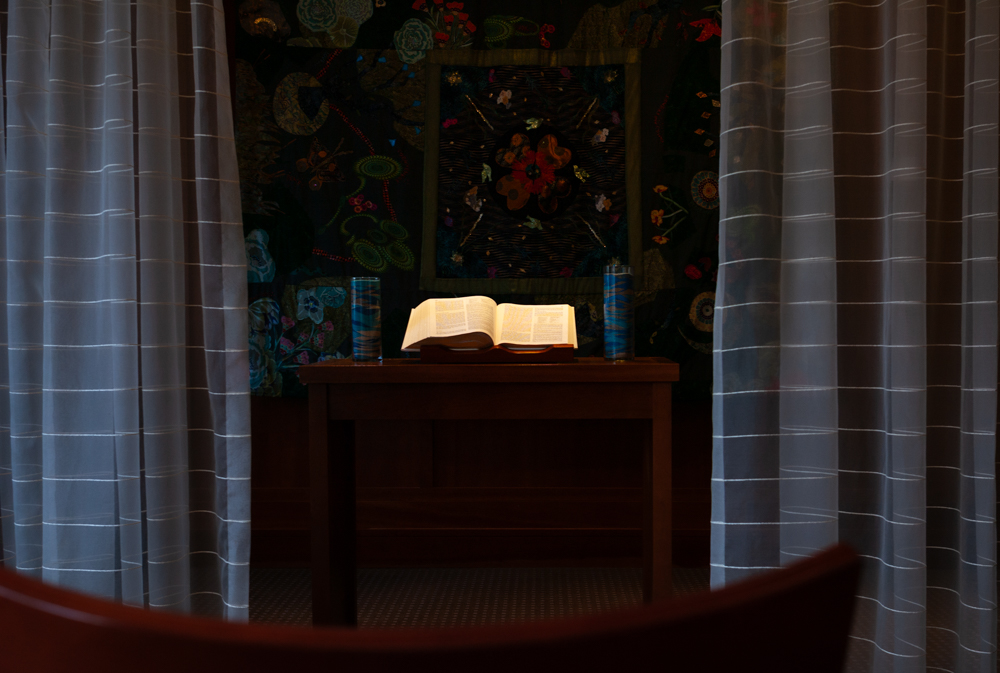
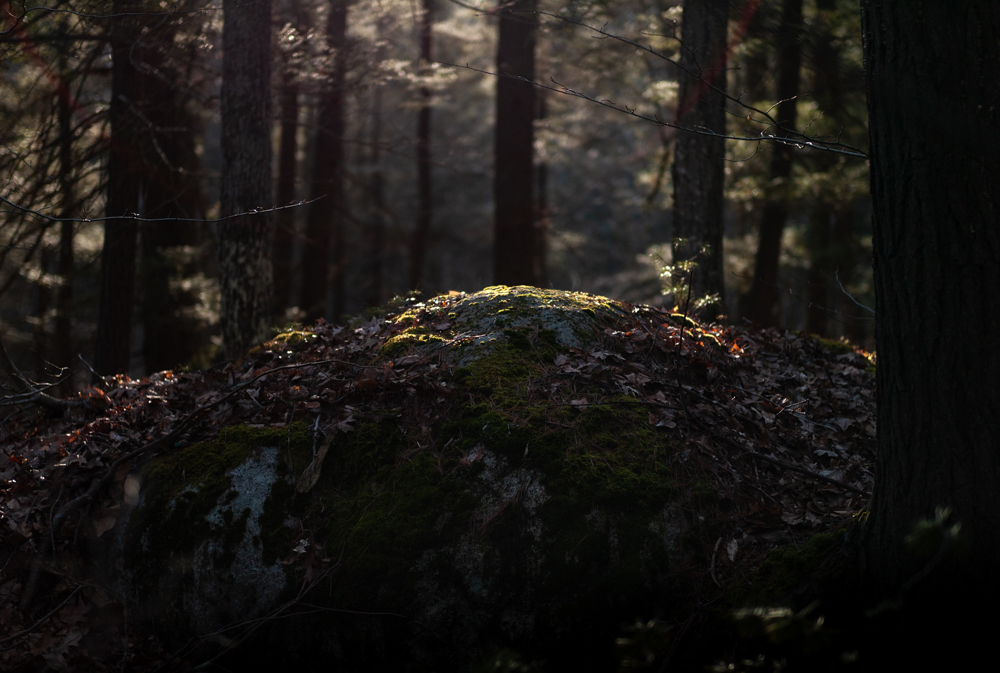
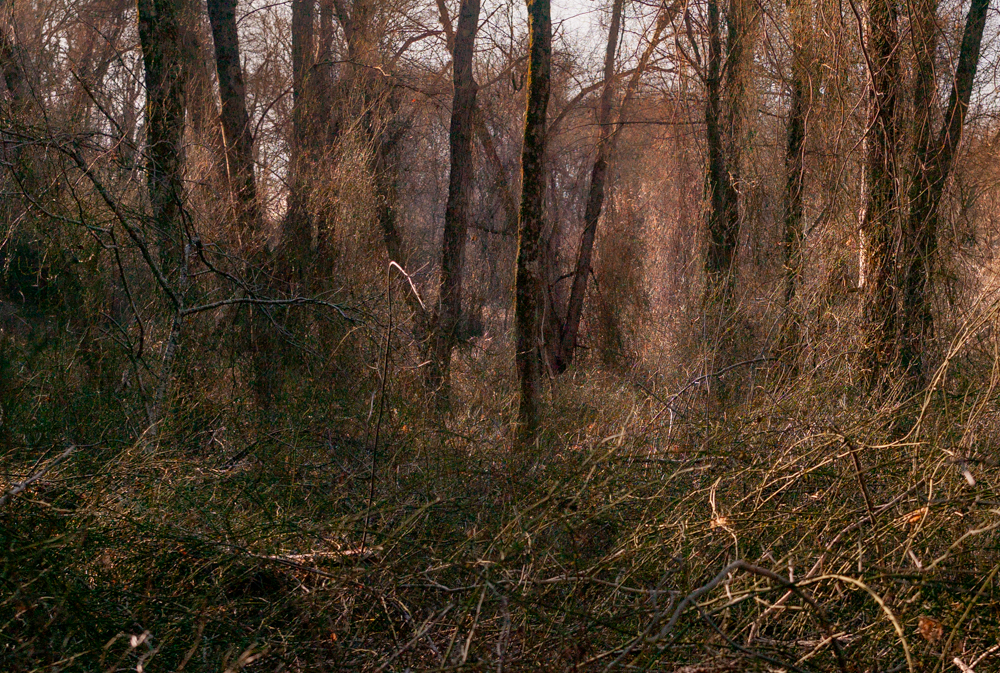
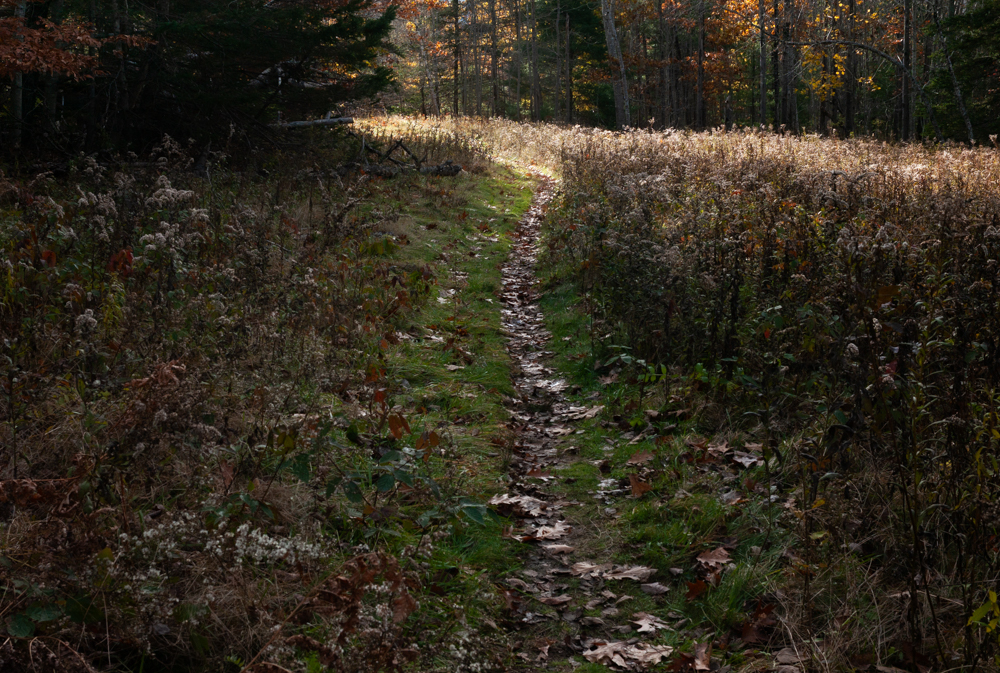
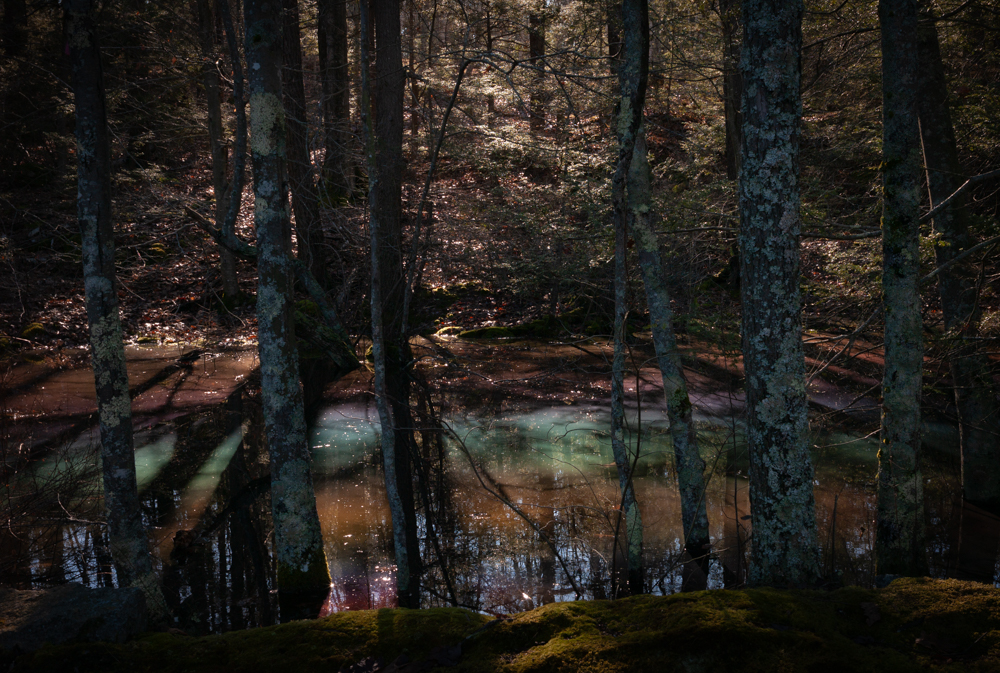
Despite a lifelong pattern of churchgoing, choir singing and worship in indoor spaces, I confess I lack a natural faith. Rather, my curiosity and questioning have taken root in the outside world, where I encounter a life force that is promising, universal, and perpetual. The outdoors is my sanctuary; walking on trails in New England is my own form of prayer.
This project explores spaces that offer refuge in the face of death anxiety – my own or others’.
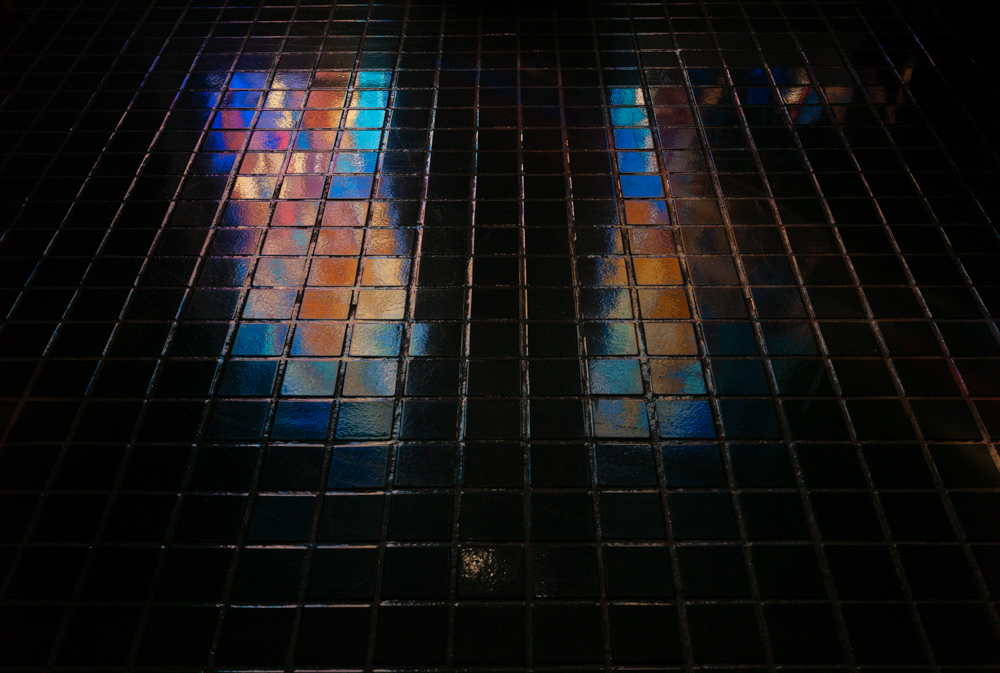
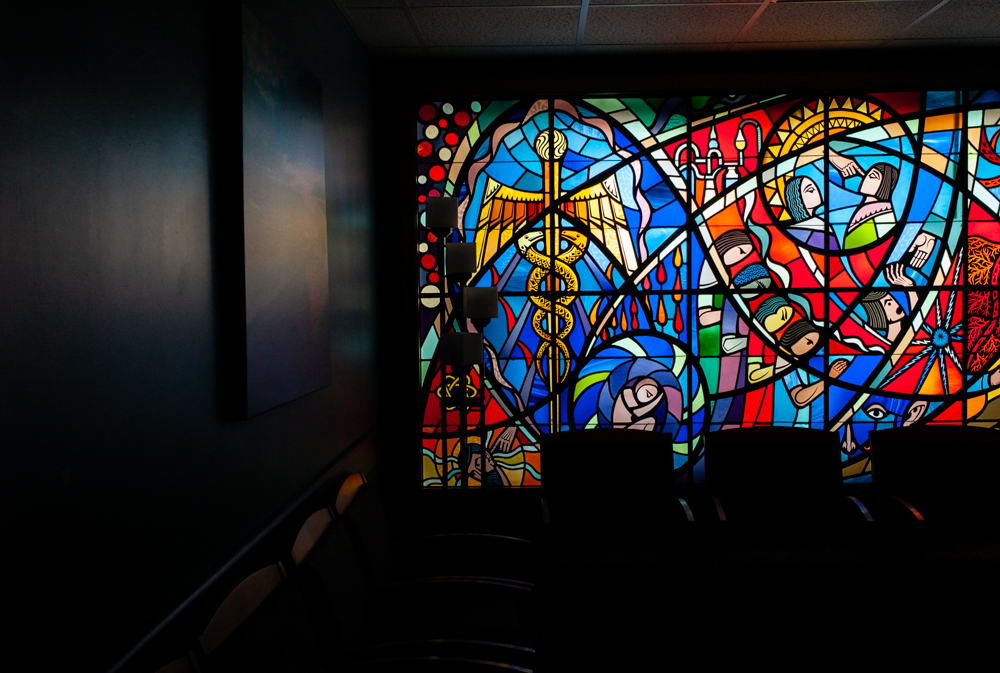
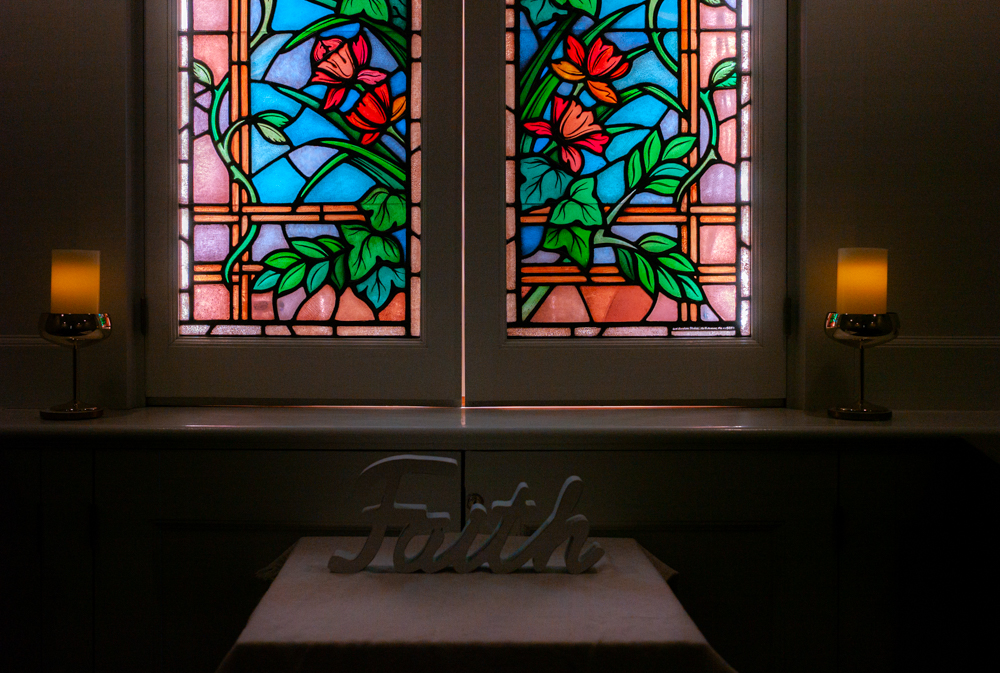
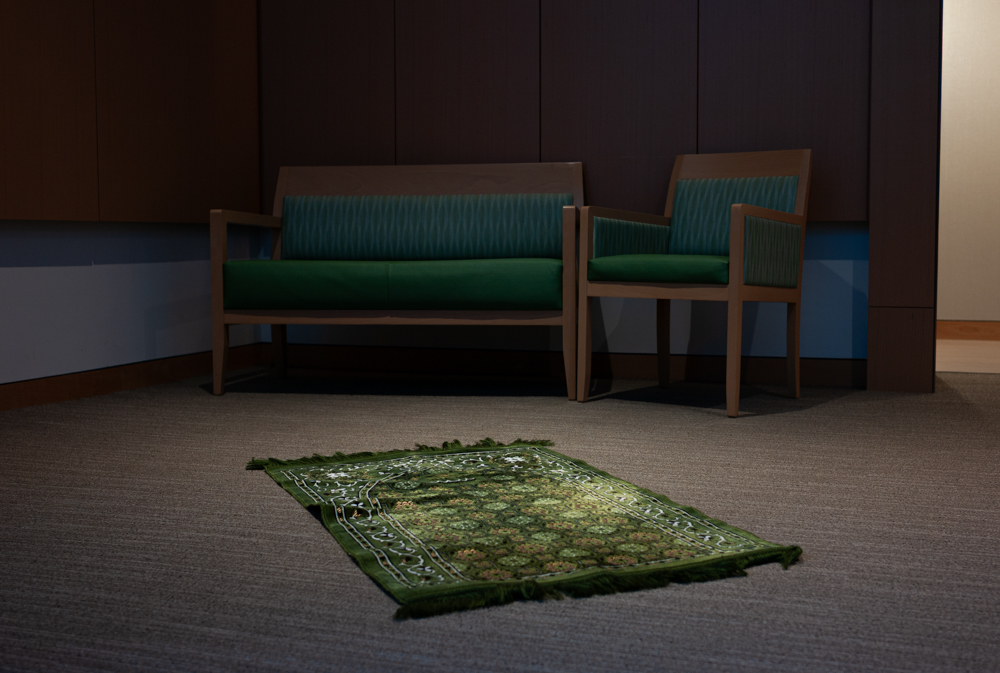
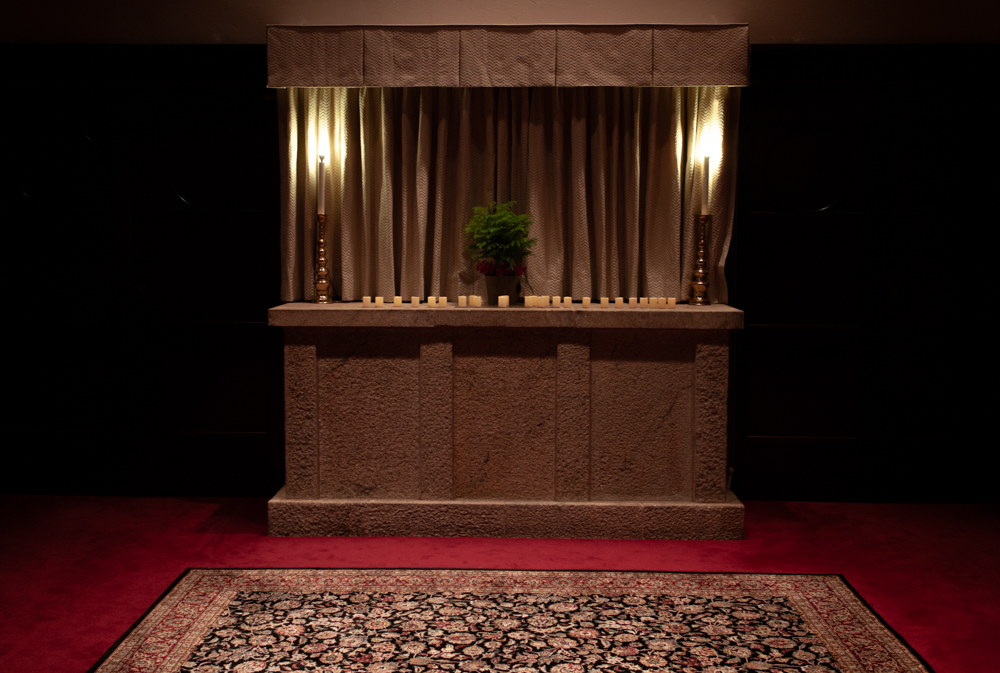
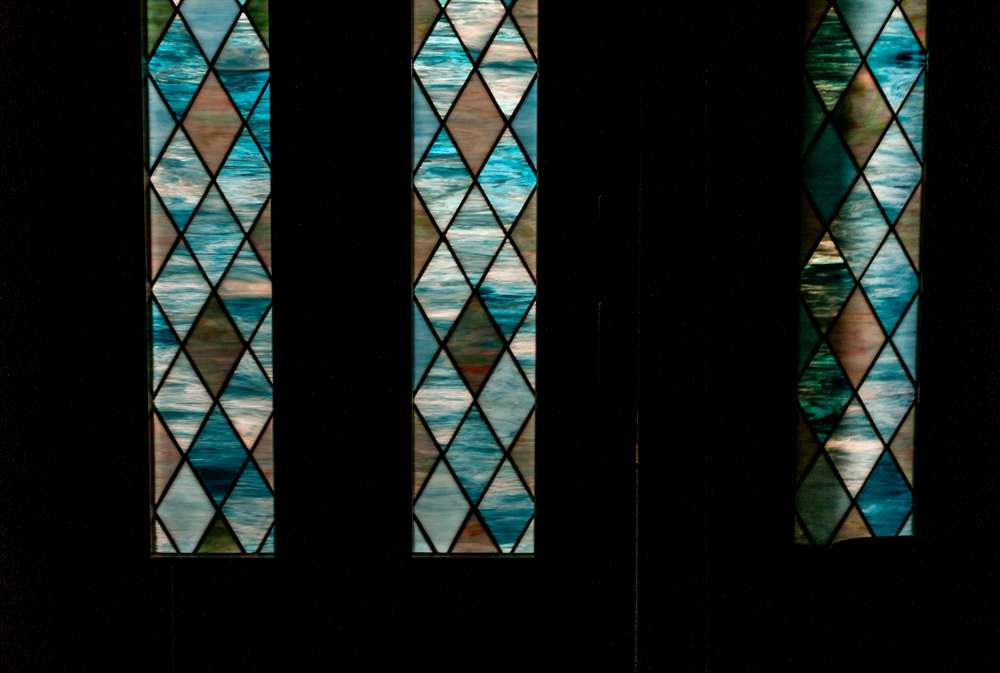
For some, the purpose-built, “always open” chapels and meditation rooms in hospitals and hospice houses are safe harbors offering quietude, ritual, and comfort along a fraught medical journey at end of life. For others, the natural world reveals itself as sacred ground. Punctuated by unexpected washes of light and devoid of people, these seemingly disparate settings draw attention to the relationship between our external environments and our internal worlds of beliefs and emotions.
Dead Reckoning is an invitation to stillness, attention, and contemplation – indoors and outdoors – for those confronting the unsettling questions that death and dying usher in.
©Julia Cluett, December 20
How did your project come about?
This project grew out of questions – my own and others – when end of life draws near.
- Where do we go when we die?
- Where do we seek solace in the face of death anxiety?
And this body of work is informed by two hats that I wear – one as a photographer…
And one as a hospice social worker, supporting people as they near end of life.
It is work I love – for the most part – and choose to do.
I am not freaked out by the topic of death.
I hold space for others as they navigate the questions that can arise at end of life
- Has my life had meaning?
- Will my family be okay without me?
- What happens when I die?
In my life outside of this work, I follow my mind’s eye as a photographer – typically slow journeys that are both soothing and introspective.
Perhaps an antidote to the worries I witness in my hospice work.
Two years ago, my mom was dying.
I was able to spend time slowing down with her at bedside during her final weeks.
I marveled at – if not envied – the comfort she found in her faith and in the rituals she carried with her from her years of churchgoing.
She was almost euphoric in the days before she died.
And from this experience of loss and love, quite literally out of the ashes, this project arose.
Dead Reckoning is an exploration of spaces that offer solace in the face of death anxiety – whether indoors or outdoors.
These images are a mix of seemingly contradictory settings that share a common element – the presence and play of light, which suggests a “greater” presence beyond the one we see and know in this world.
This project has been easier for me to develop in a visual language than in a spoken or written one.
Talking about “faith”, “life everlasting”, religious and spiritual beliefs can be uncomfortable, whereas I find talking about death “easy” in comparison.
Interestingly, my work in hospice is mostly talking.
My work as a photographer is about seeing. In silence.
©Julia Cluett, January 14
Is there a specific image that is your favorite or particularly meaningful to this series?
Interestingly, the image that was most meaningful, that launched this project did not remain a part of it: an image of a hole dug in the ground at the graveyard – patiently awaiting my mother’s cremains.
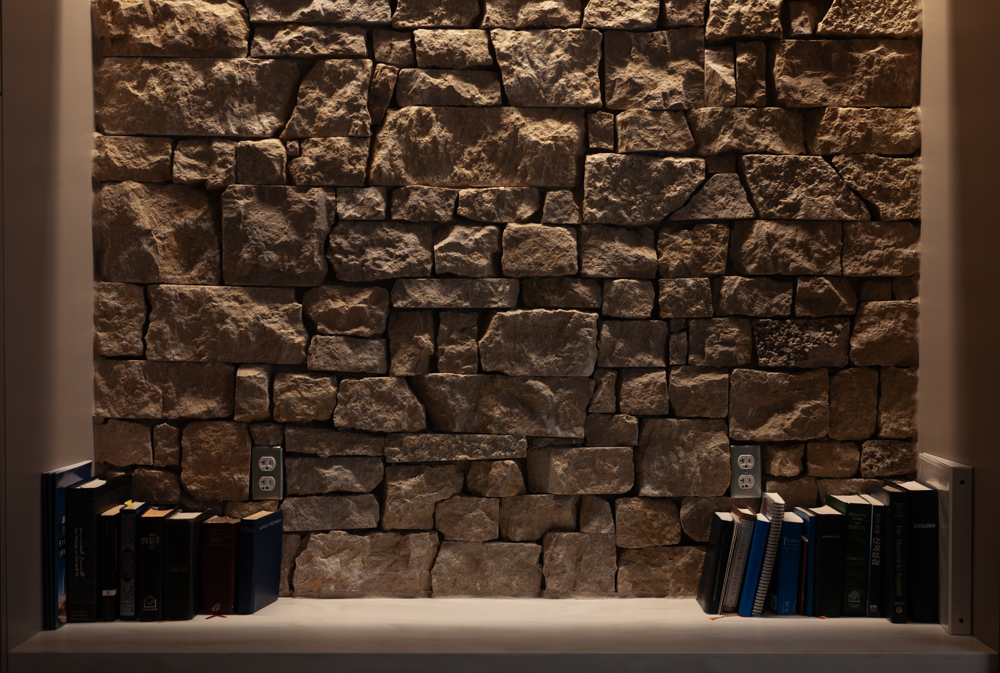
My favorite image within the series, “November 8″, is a space within a hospital’s basement chapel, where religious prayer books rest against a wall, greeting visitors upon entry into the space.
©Julia Cluett, May 8
Can you tell us about your artistic practice?
I journal. I let the ideas of the project carry me and my camera out into the world. After shooting, I usually wait a few days or a week to look at and process my digital images. I find my mind is either in shooting or editing mode and rarely holds both of those spaces at the same time with ease.
©Julia Cluett, November 13
What’s next for you?
I am relishing a pinhole camera project that honors once familiar, now increasingly outdated spaces, objects and experiences from my earlier life – from the payphones I played in with friends making occasional prank calls to my first-ever, albeit hand-me-down, typewriter to the neighborhood diners and drive-in movie theaters I longed to visit.
As I settle into the second half of my life, detecting small changes in my body – balance, handwriting, hair thinning, bra size, memory, I sense a shift in my experience of time passing: time seems to be speeding up. While I notice my attention craves a deepening and a slowing-down, my photographer’s eye welcomes surprise and uncertainty – a way of working that has allowed me to create thirty different pinhole cameras to capture these touchstones of an earlier time and place.
©Julia Cluett, January 1
©Julia Cluett, November 8
©Julia Cluett, December 4
©Julia Cluett, December 17
©Julia Cluett, April 2
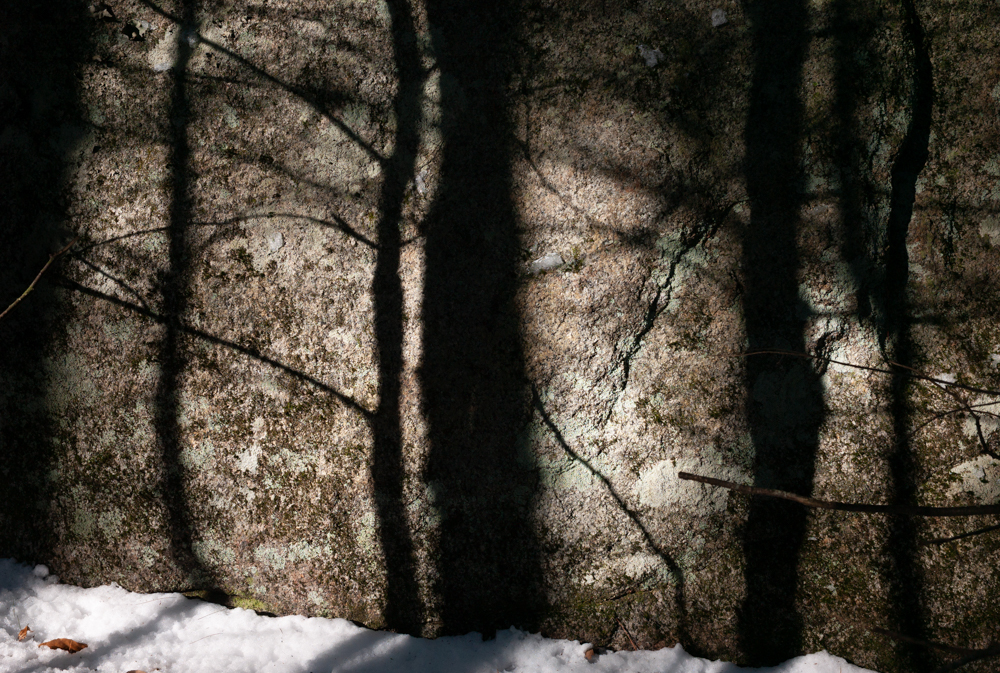
©Julia Cluett, February 11
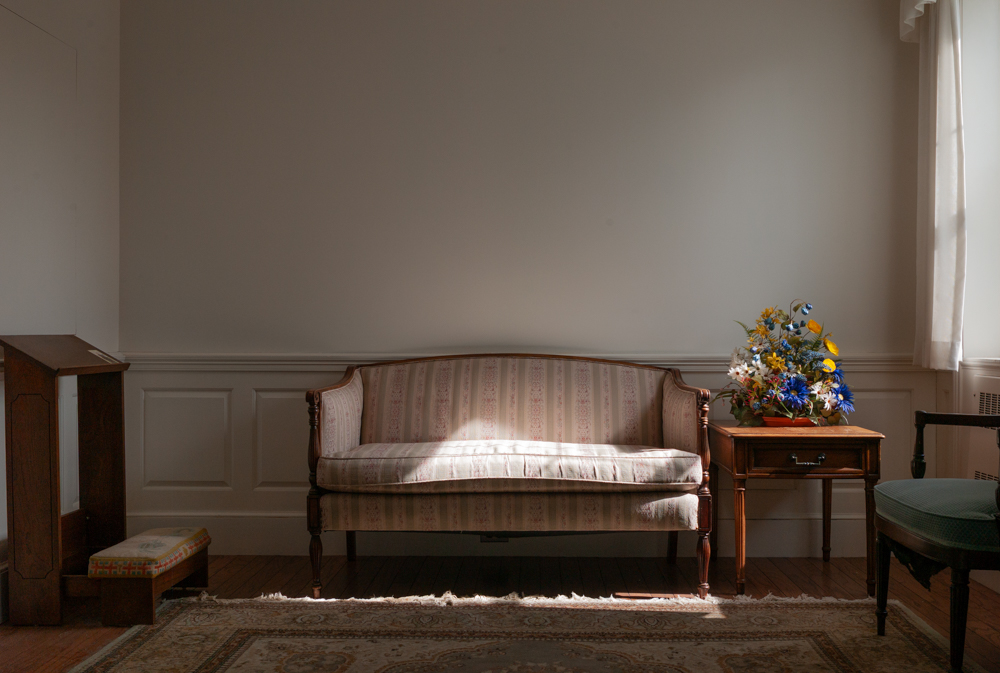
©Julia Cluett, March 27
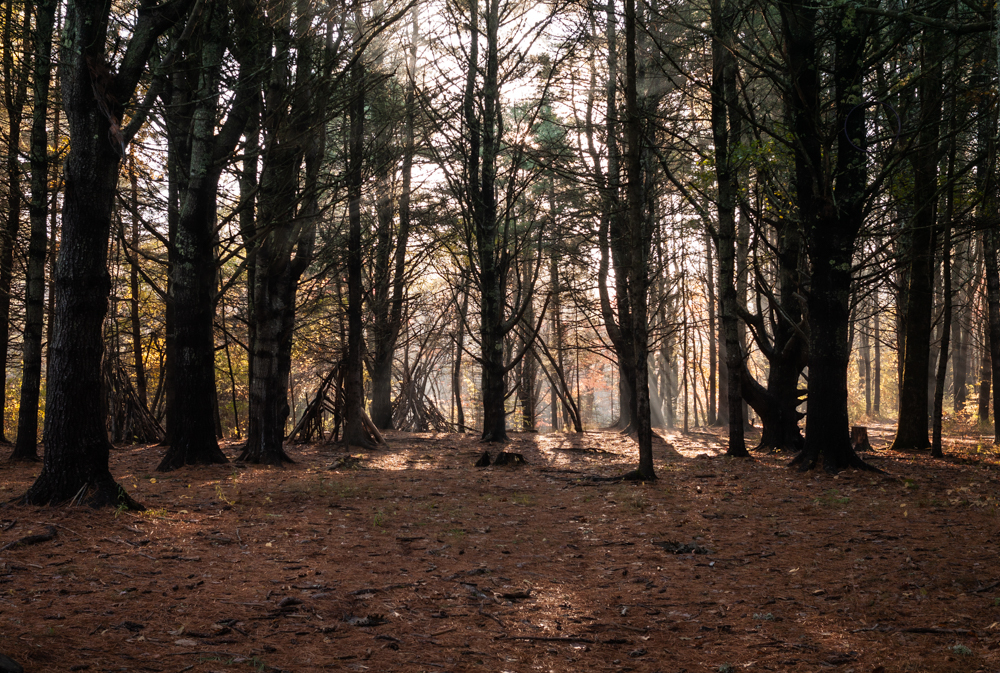
©Julia Cluett, October 18
Epiphany Knedler is an interdisciplinary artist + educator exploring the ways we engage with history. She graduated from the University of South Dakota with a BFA in Studio Art and a BA in Political Science and completed her MFA in Studio Art at East Carolina University. She is based in Aberdeen, South Dakota, serving as an Assistant Professor of Art and Coordinator of the Art Department at Northern State University, a Content Editor with LENSCRATCH, and the co-founder and curator of the art collective Midwest Nice Art. Her work has been exhibited in the New York Times, the Guardian, Vermont Center for Photography, Lenscratch, Dek Unu Arts, and awarded through Lensculture, the Lucie Foundation, F-Stop Magazine, and Photolucida Critical Mass.
Follow Epiphany on Instagram: @epiphanysk
Posts on Lenscratch may not be reproduced without the permission of the Lenscratch staff and the photographer.
Recommended
-

Camilo Echavarria: Rincón del MarJuly 25th, 2026
-
Kerry Mansfield: The Intertidal ProjectJuly 22nd, 2026
-
Claudia Moreno: Axes & PowerJuly 21st, 2026
-

Enid Crow: American ValuesJuly 5th, 2026
-

Alena Solomonova: Self IncompleteJune 26th, 2026