The CENTER Awards: Curator’s Choice 2nd Place Winner: Thomas Jackson
Last week and this upcoming week, Lenscratch will be celebrating the 2014 CENTER Award Winners. We are thrilled to align with such a wonderful organization that honors, supports, and provides opportunities to gifted and committed photographers. For 20 years, CENTER has launched careers, provided incredible exposure and inspired photographers to create work that excites and challenges the photographic dialogue.
Today we celebrate Thomas Jackson‘s Curator’s Choice 2nd Place Award, starting with juror, Malcolm Daniel’s, statement.
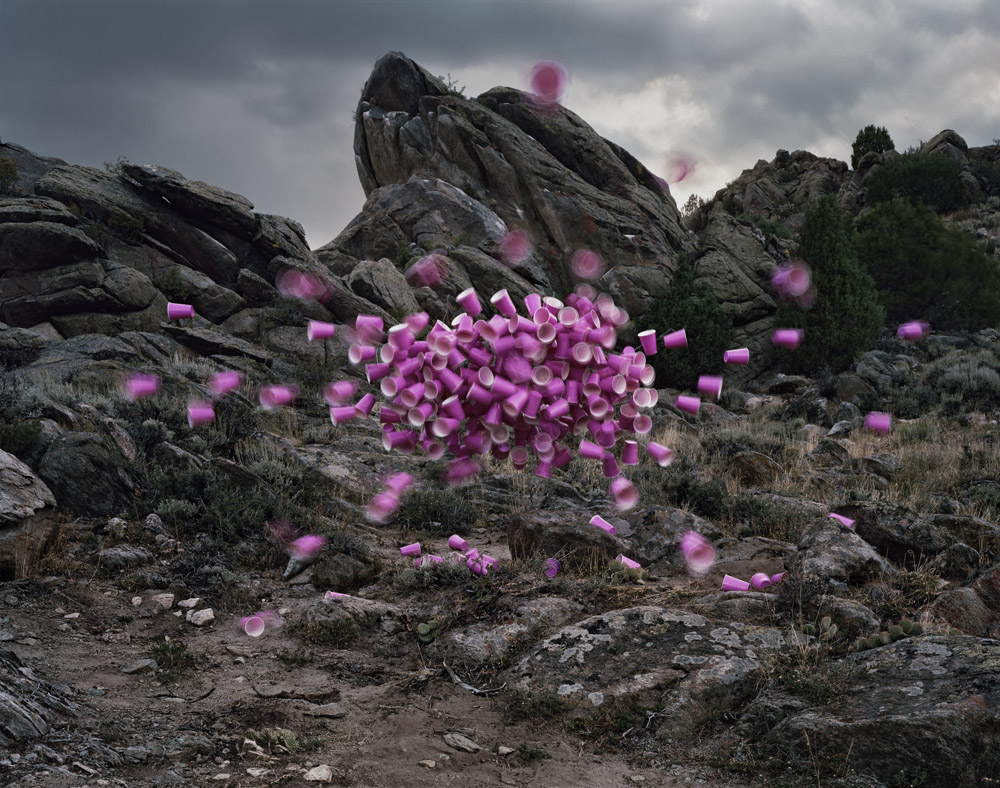
Cups No. 2, 2013, from the project “Emergent Behavior ©Thomas Jackson
CURATOR’S CHOICE: Juror’s Statement
JUROR MALCOLM DANIEL, Curator-in-Charge, Museum of Fine Arts, Houston
The many submissions to this year’s CENTER Awards represented a wide range of approaches and techniques—documentary projects, abstraction, fantasy illustration, traditional landscape and portraiture, Photoshop manipulations and nineteenth-century historic processes. The finalists I’ve chosen include a variety of subjects and strategies, but it is meant as a personal—rather than representative—selection of what I found most interesting and creative. Many worthy projects were, by necessity, eliminated as the selection was whittled down to the work of just the finalists.
In reviewing the work of so many photographers, I am struck by how genuinely hard it is to make a new picture—to use photography in a way that is different not merely in subject matter, but also in invention or personal style or strategy. The submissions included, for instance, many documentary photographic projects that were sincerely conceived and personally meaningful, noble in intent, beautifully seen, and handsomely realized… and yet not qualitatively different from one another. I applaud and encourage all those photographers, even when I have not chosen them as finalists; they may well bring personal fulfillment, share beauty and knowledge with others, and even make the world a better place.
Thomas Jackson’s “Emergent Behavior” photographs, which I placed second, are a delightful mystery—magical explosions of cheese puffs, glow sticks, plastic plates and cups, or crumpled paper. Actually “straight” photographs of elaborately and laboriously constructed scenes, Jackson’s pictures may make no pretense of grand ambition but are nonetheless irresistibly appealing and refreshingly distinctive.
My choice of finalists and award winners is subjective. While I hope that my judgment will feel like a vote of confidence and encouraging boost for those selected, I have no doubt that many of the other artists I reviewed will find an appreciative audience and champions elsewhere.— Malcolm Daniel, Curator-in-Charge, Museum of Fine Arts, Houston
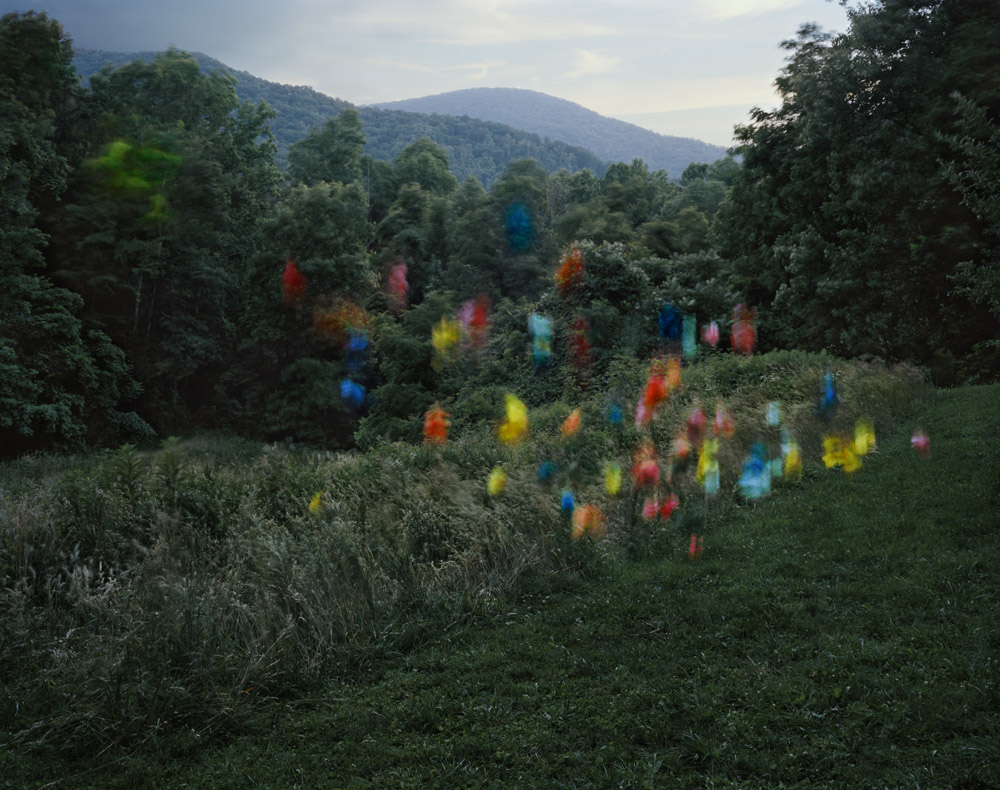
Crumpled Paper No. 1, 2013, from the project Emergent Behavior ©Thomas Jackson
Thomas Jackson’s Project Statement:EMERGENT BEHAVIOR
The hovering installations featured in this ongoing series of photographs are inspired by self-organizing, “emergent” systems in nature such as termite mounds, swarming locusts, schooling fish and flocking birds. The images attempt to tap the mixture of fear and fascination that those phenomena tend to evoke, while creating an uneasy interplay between the natural and the manufactured and the real and the imaginary. At the same time, each image is an experiment in juxtaposition. By constructing the installations from unexpected materials and placing them where they seem least to belong, I aim to tweak the margins of our visual vocabulary, and to invite fresh interpretations of everyday things.
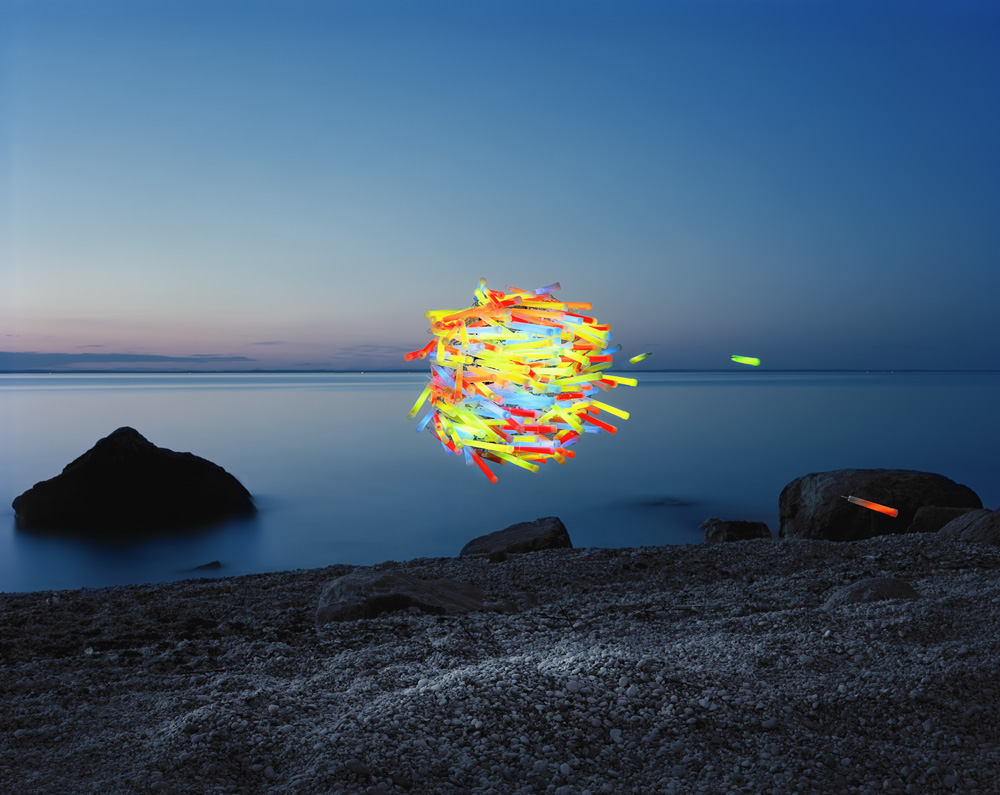
Glow Sticks No. 1, 2012, from the project Emergent Behavior ©Thomas Jackson
Thomas Jackson was born in Philadelphia, Pennsylvania and grew up in Providence, Rhode Island. After earning a B.A. in History from the College of Wooster, he spent much of his career in New York as an editor and book reviewer for magazines. It was his particular interest in photography books that led him to pick up a camera, first shooting Garry Winogrand-inspired street scenes, then landscapes, and finally the installation work he does today. His work has been shown at The Fort Wayne Museum of Art in Fort Wayne, IN, The Center for Photography at Woodstock and the Center for Fine Art Photography in Fort Collins, CO. Jackson was named one of the Critical Mass Top 50 in 2012, and won the “installation/still-life” category of PDN’s The Curator award in 2013. He lives in San Francisco.
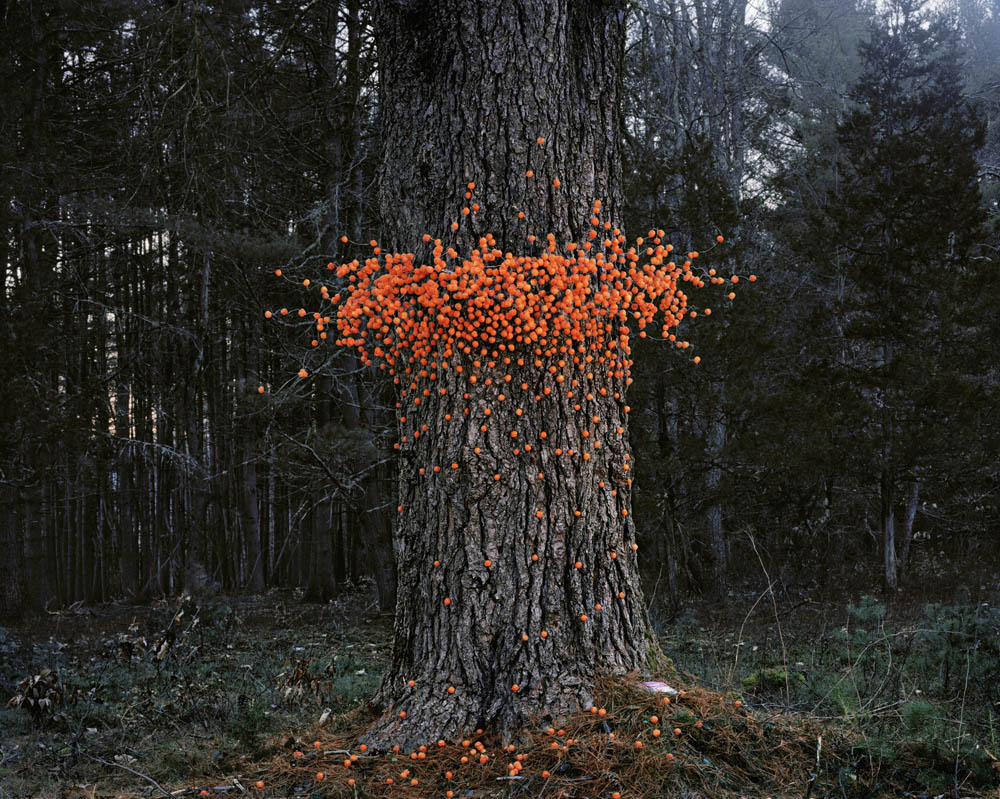
Cheese Balls, 2012, from the project Emergent Behavior ©Thomas Jackson
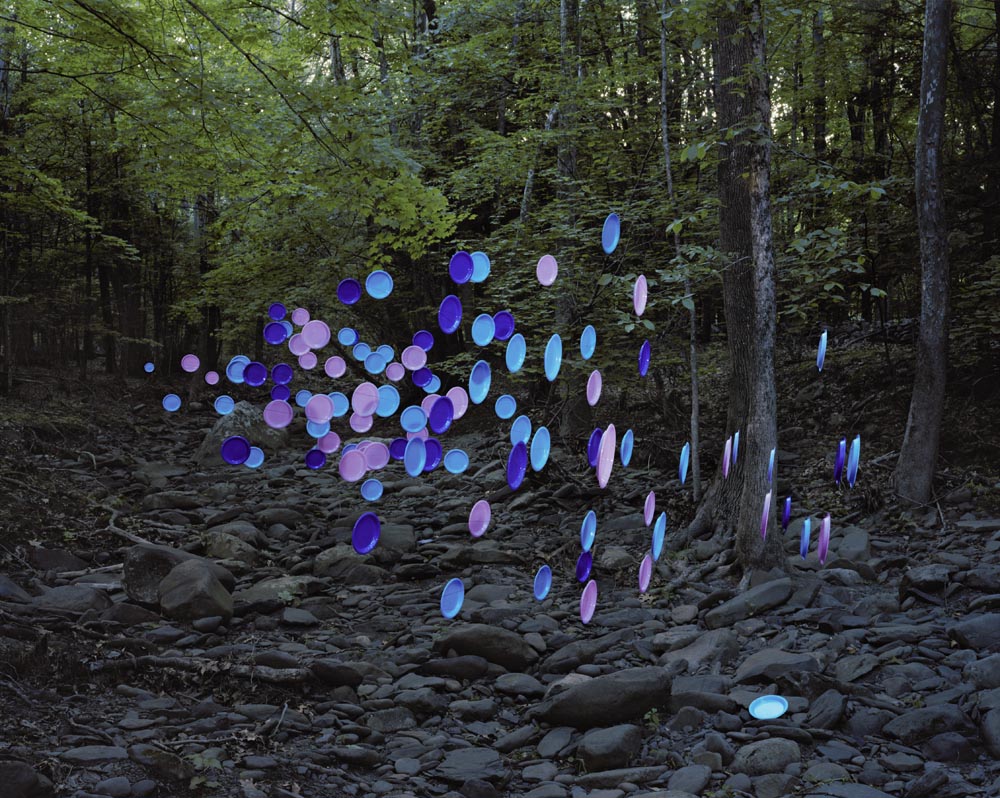
Plates No. 3, 2013, from the project Emergent Behavior ©Thomas Jackson
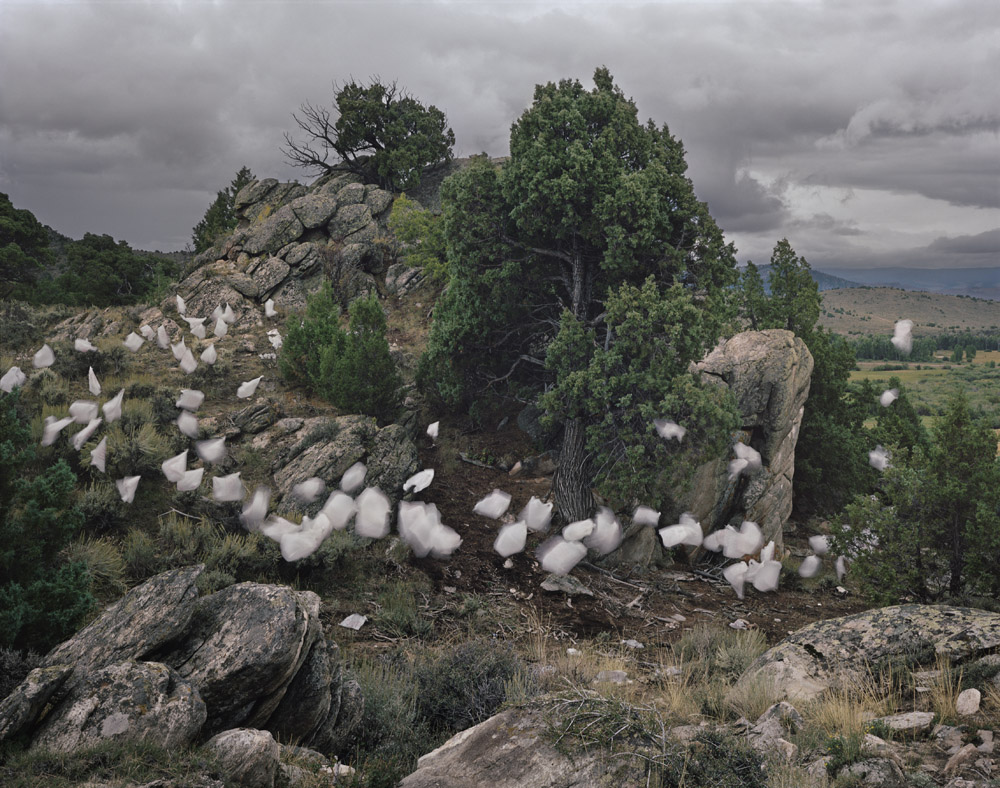
Thank You Bags No. 1, 2013, from the project Emergent Behavior ©Thomas Jackson
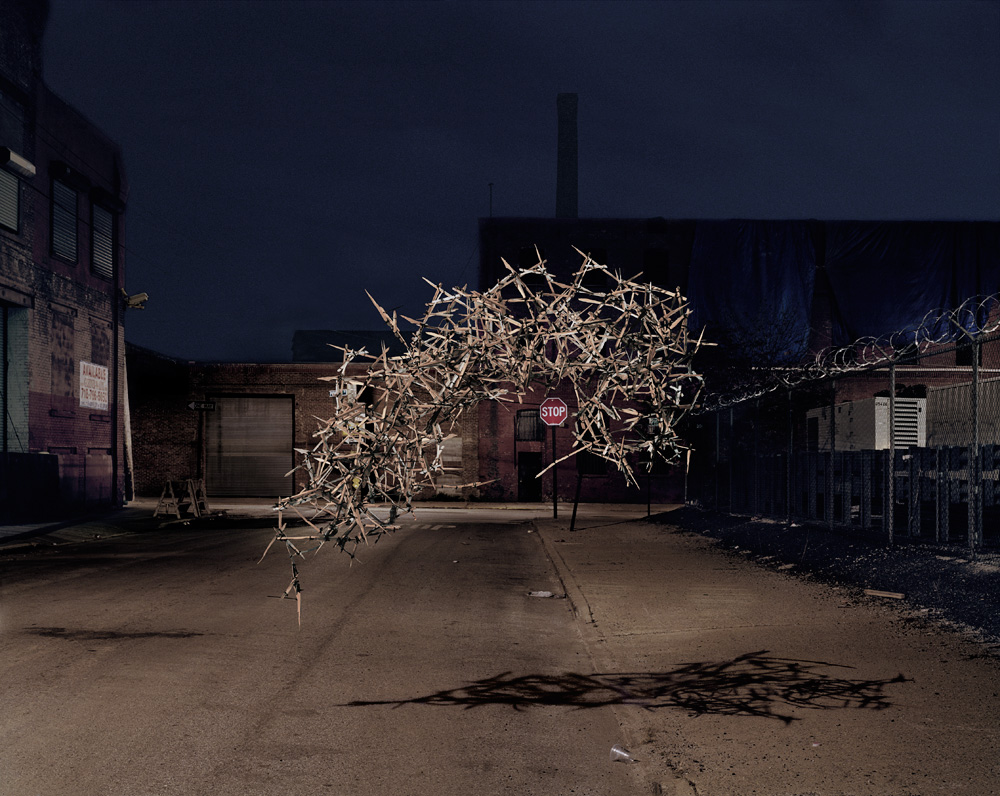
Broken Pallet, from the project Emergent Behavior ©Thomas Jackson
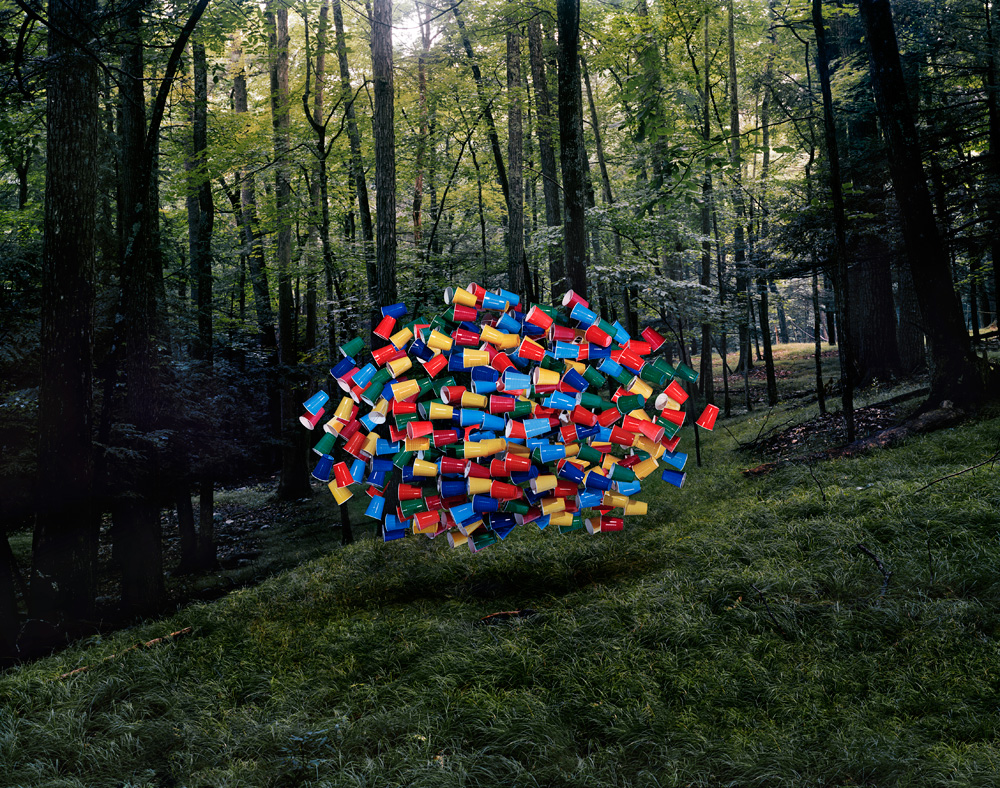
Cups, from the project Emergent Behavior ©Thomas Jackson
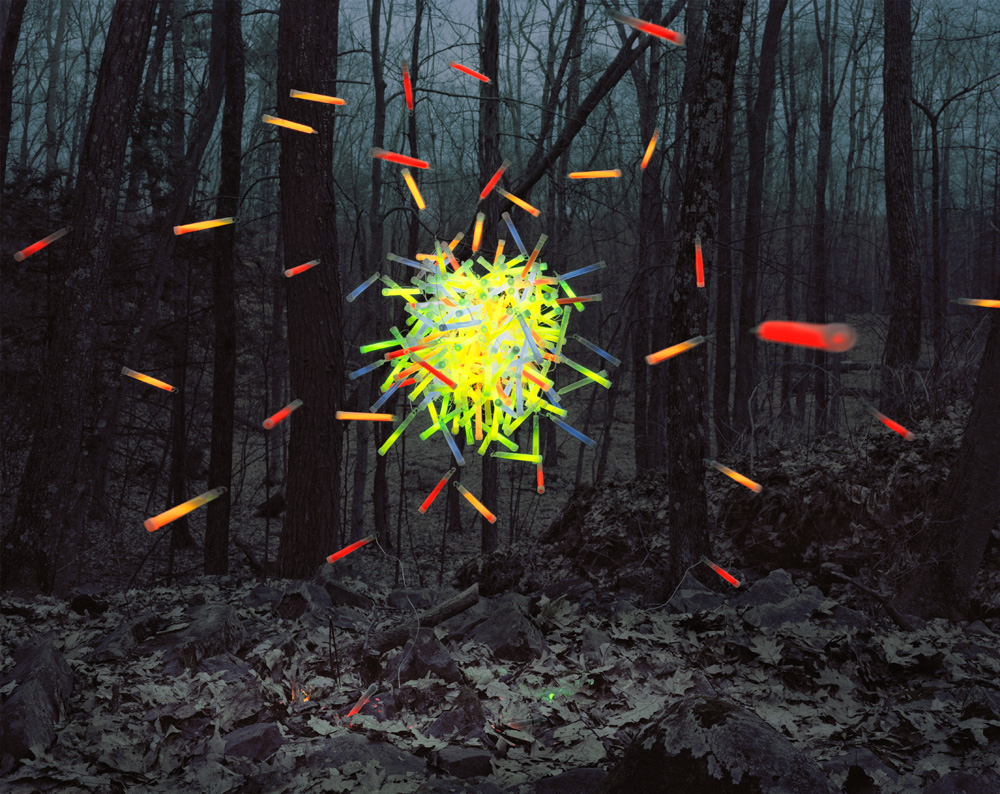
Glow, from the project Emergent Behavior ©Thomas Jackson
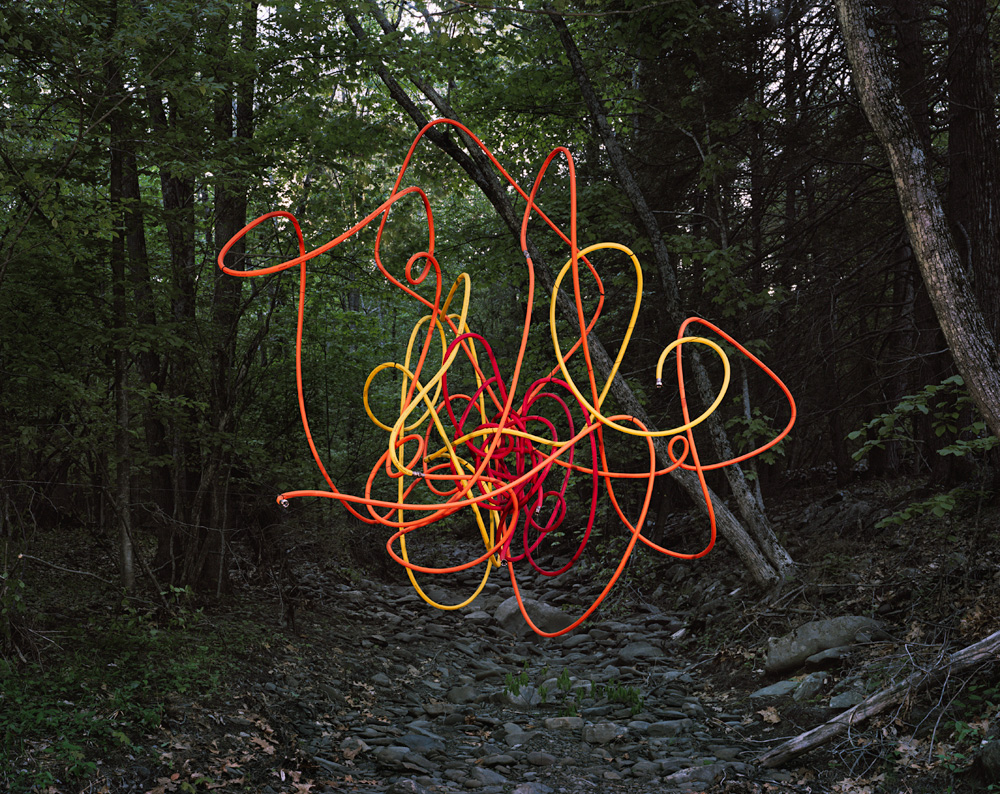
Hoses, from the project Emergent Behavior ©Thomas Jackson
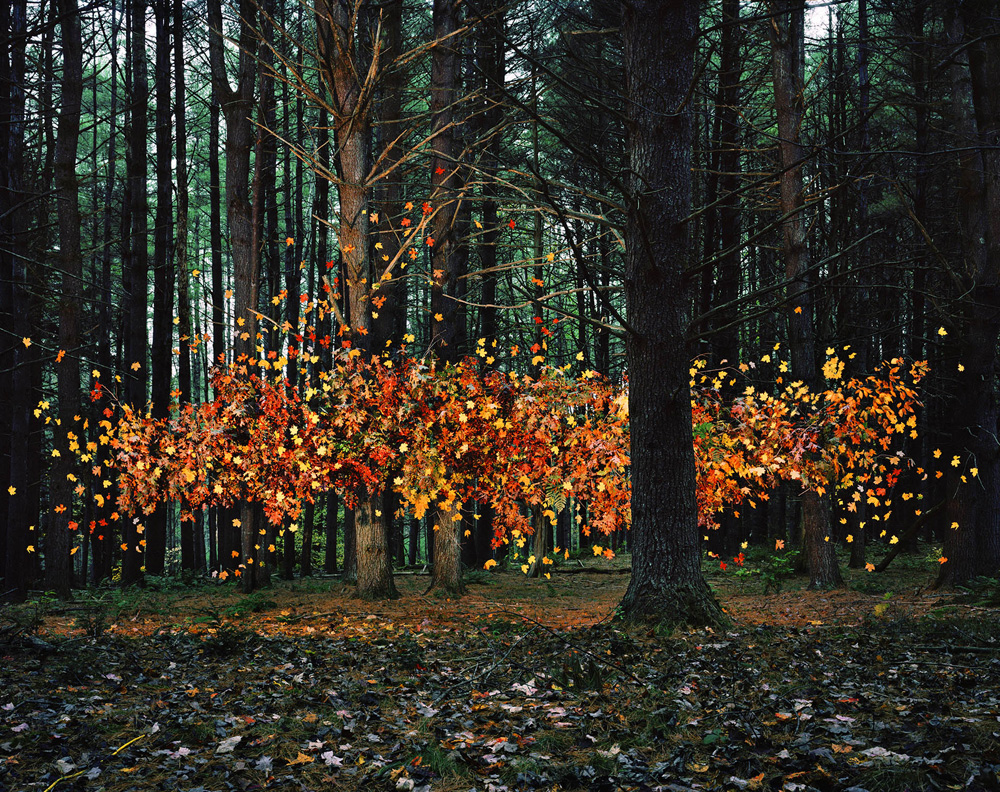
Leaves, from the project Emergent Behavior ©Thomas Jackson
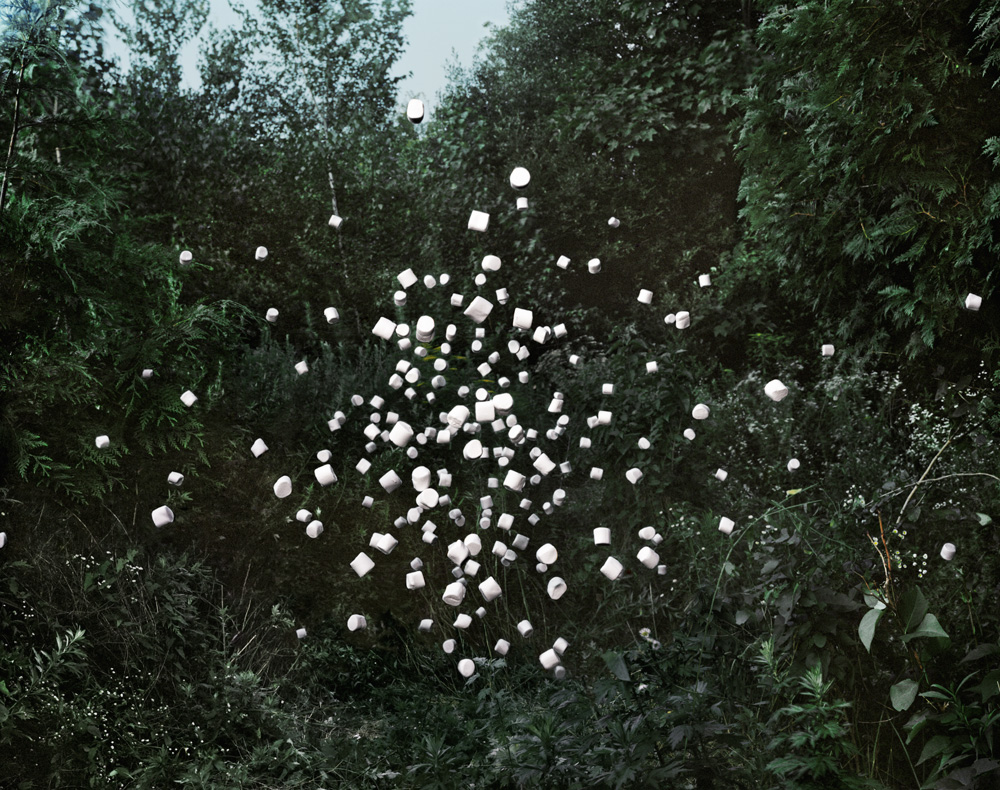
Mashmallows, from the project Emergent Behavior ©Thomas Jackson
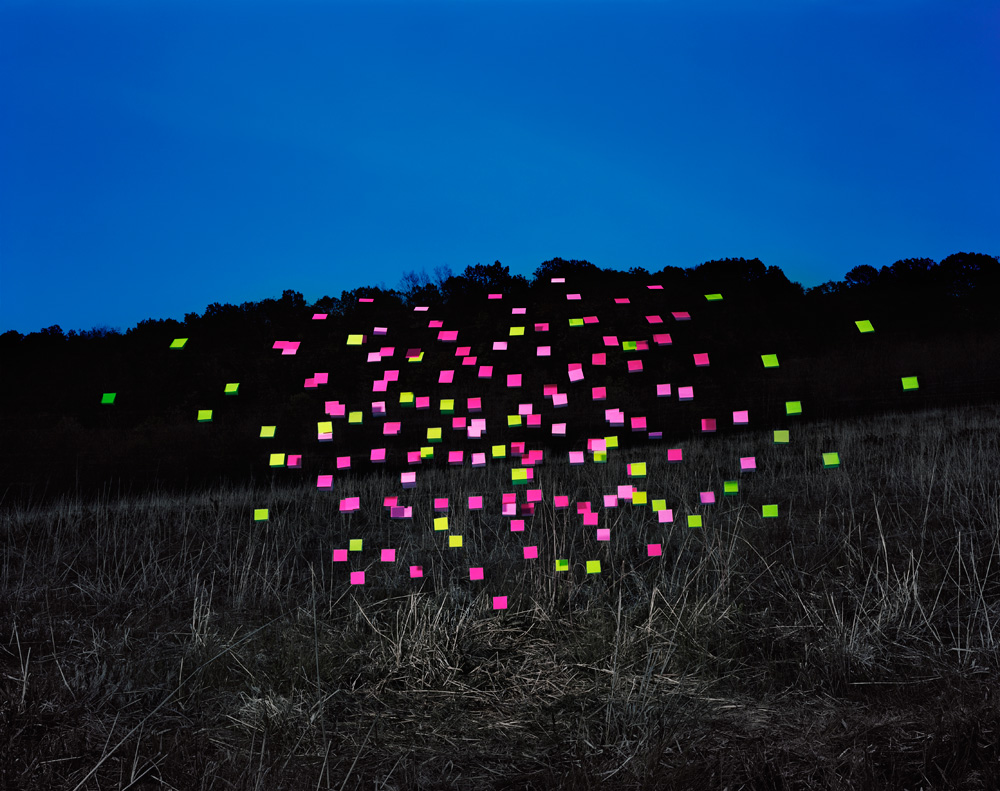
Post Its, from the project Emergent Behavior ©Thomas Jackson
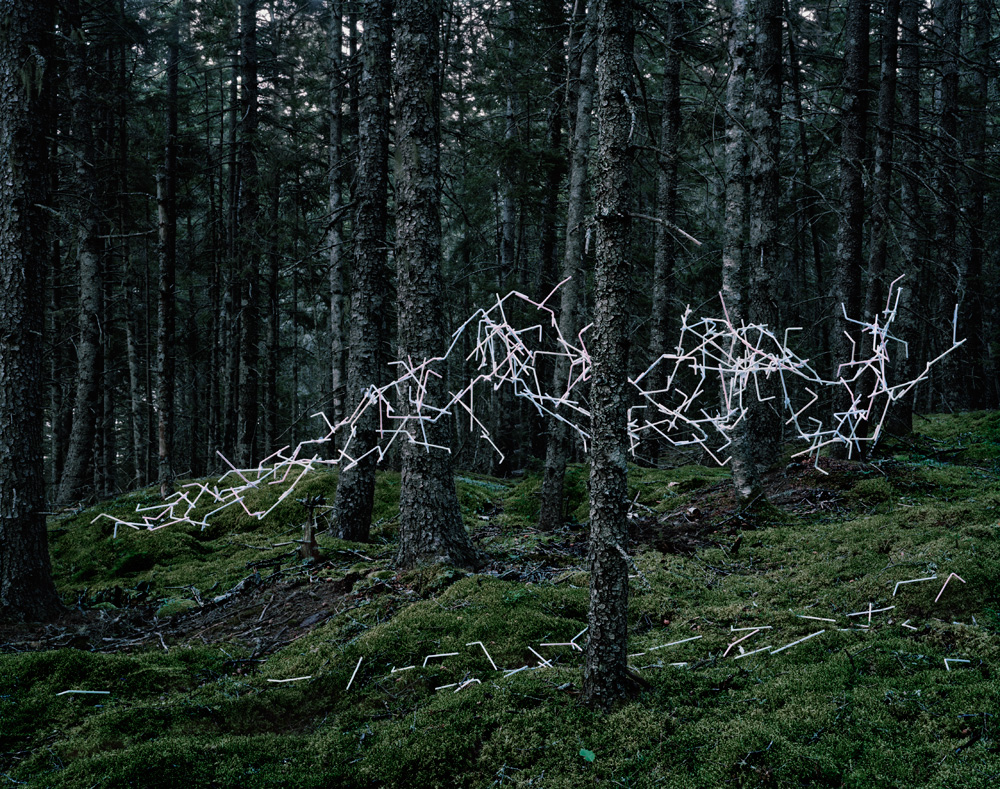
Straws, from the project Emergent Behavior ©Thomas Jackson

Yarn, from the project Emergent Behavior ©Thomas Jackson
Posts on Lenscratch may not be reproduced without the permission of the Lenscratch staff and the photographer.
Recommended
-
Shane Hallinan: The 2025 Salon Jane Award WinnerFebruary 12th, 2026
-

Greg Constantine: 7 Doors: An American GulagJanuary 17th, 2026
-

Yorgos Efthymiadis: The James and Audrey Foster Prize 2025 WinnerJanuary 2nd, 2026
-
Arnold Newman Prize: C. Rose Smith: Scenes of Self: Redressing PatriarchyNovember 24th, 2025
-
Celebrating 20 Years of Critical Mass: Cathy Cone (2023) and Takeisha Jefferson (2024)October 1st, 2025