The “Baby Holga” Project
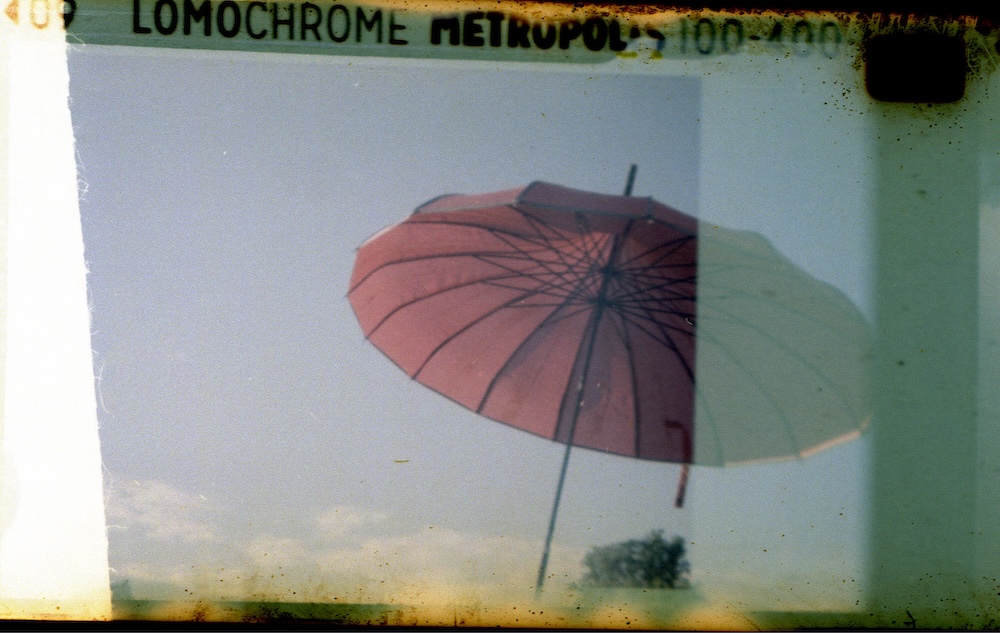
©Alec Pain (@alecpain), England, United Kingdom
Last summer, a random comment I made on an image in a Facebook Holga group led me to a new acquaintance, Alec Pain, who runs The Daily Holga feed on Instagram. That opened a door to me to an invitation to participate in a then-newly-formed project where participants from the United States would use borrowed Baby Holga cameras sent by mail between participants to make images.
I found the project interesting from the outset enough that I knew I wanted to interview Alec about it. Several months in, we get to see how it was originally conceived, how it evolved, and what he foresees for the future of the project. I hope you find this as interesting as I did.
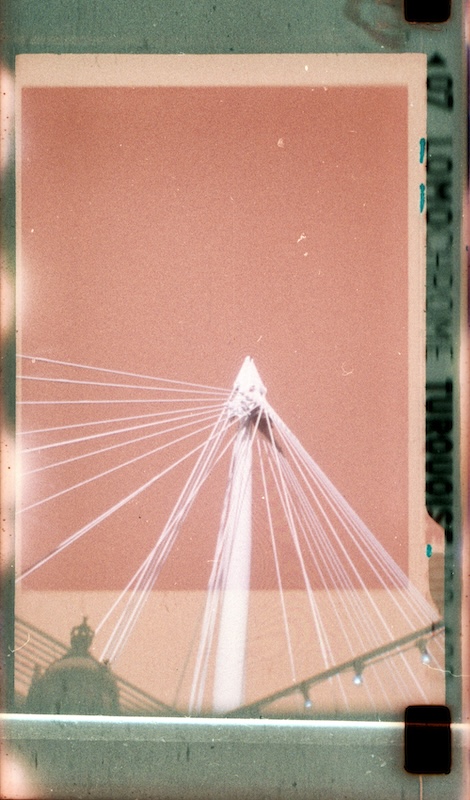
©Alec Pain (@alecpain), England, United Kingdom
DNJ: Tell us a little about your own photographic practice and your interest in Holga cameras.
AP: I guess I’m an experimental film photographer who sometimes calls myself an artist, but I love taking photos of anything, with anything, whether that be a Holga, a digital camera, or an iPhone.
I’m really interested in Holga cameras. I’m something of a hoarder: I have been trying to collect the different Holgas that have come out over the years – from all of the different Holga letters – Holga N, to GN, FN, CFN, GFN, GCFN, etc through to the 135 makes, the 3D ones, the digital ones. Anything that has a Holga (and Woca) written on it! I now have 54 different makes, but two are still missing from my list (plus new ones that appear and surprise me!). The two I am missing are the WOCA NF-4 and the Holga 135T—if anyone has them!
I run a feed on Instagram called The Daily Holga, which means I post pretty much every day. That might change to the Weekly Holga at some point. I’ve been posting since 2023; I put up challenges, themes, monthly “artists in residence” who showcase their work, and the odd competition.
There’s an annual competition called Noddy Holga where I do a backward advent calendar. You enter the competition, then a judging panel chooses their top ten favorite images and ranks each selection from one to ten. The competition winner is the image that garnered the most points. It sounds complex, but it’s straightforward. I think it’s fairer than a people’s-choice vote, which usually ends up decided by whoever has the most friends who voted. It’s then announced daily by counting down from 24 to the winner, who is announced on Christmas Eve on both Noddy Holga and The Daily Holga.
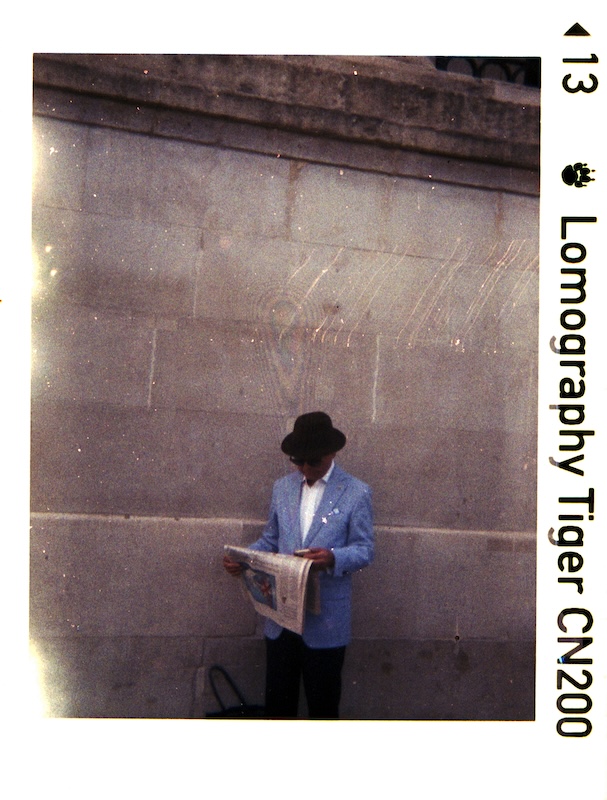
©Alec Pain (@alecpain), England, United Kingdom
DNJ: What initially drew you to the “Baby Holga” camera?
AP: I’m a collector of Holgas, so what initially drew me to the Baby Holga was that it is a Holga. That said, I loved the fact that it was a keychain/keyring size – something you could fit in your pocket. More recently, when Kodak brought out their Charmera digital camera, Holga followed suit with a digital keychain Holga—which looked like the original Baby Holga. I thought: “Why isn’t there a keychain camera in use that is analogue?”
I owned two “Baby Holgas” – they were originally called Micro 110 Holgas. Holga made them originally; Superheadz in Japan repackaged them as Baby Holgas. They also produced a “Daddy/Mummy” and “Baby” Holga set called Oyakö. They aren’t made anymore, but I managed to find some on buyee.com. One of the participants (@fromdalens) lives in Hong Kong and found some too.
Creatively, I liked the challenge of making art with something so small and basic. I also loved the way you got most of the image ghosting onto the edges of the film.
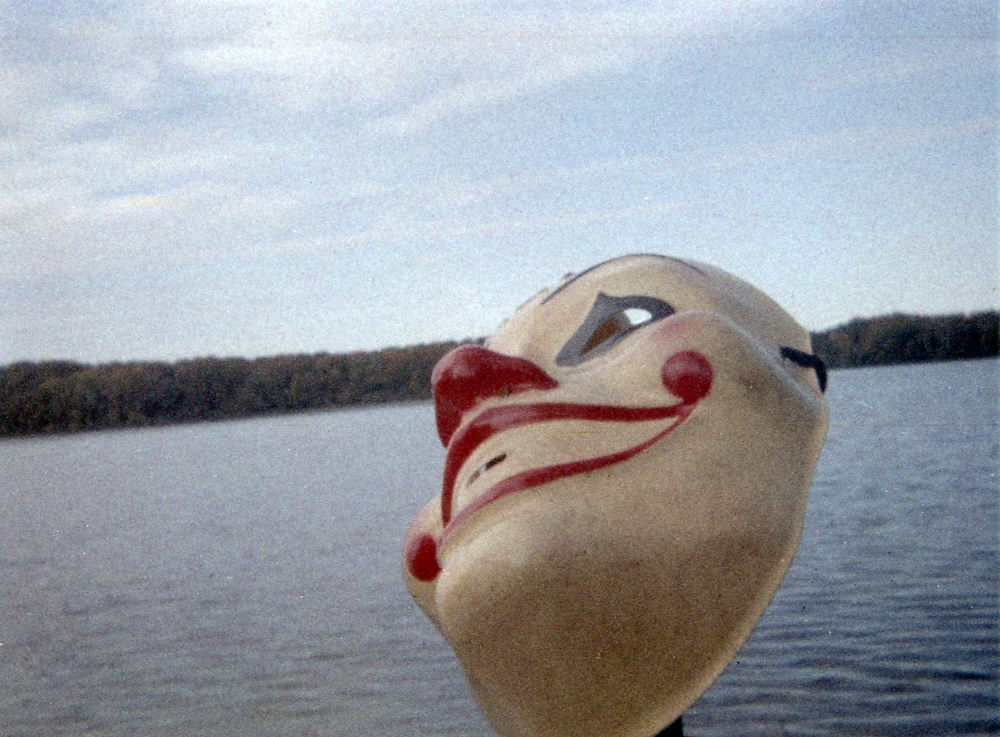
© Andy Swart (@holga_aquarium), Minnesota, United States
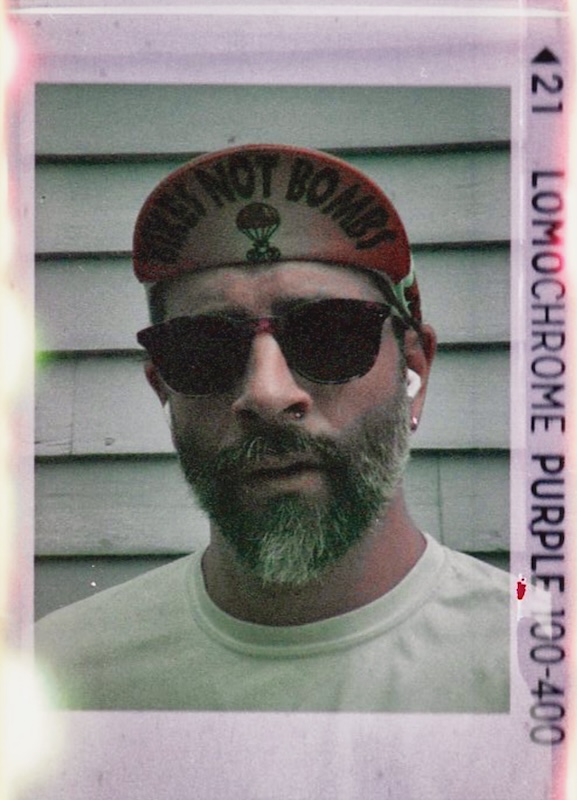
©@_thedecisivemoment, Massachusetts, United States
DNJ: How did the idea for The Baby Holga Project come about? Was there a particular moment when you realized you wanted to send these tiny cameras around the world?
AP: I’d been in contact with Holga about remaking the cameras because they were out of production, and I wanted to make a Daily Holga edition. Then I realized they’d be the perfect camera to use for a continuous camera swap via mail. They’re small, easy to use, and relatively inexpensive to send on to the next person. I was going to start with just one Baby Holga traveling the globe; I’d asked Lisa Tang Liu if she’d be interested in starting it off. I then met Kelly Ann Gray at Photo London and passed her the first Baby Holga; after she worked with it, she sent it to Lisa.
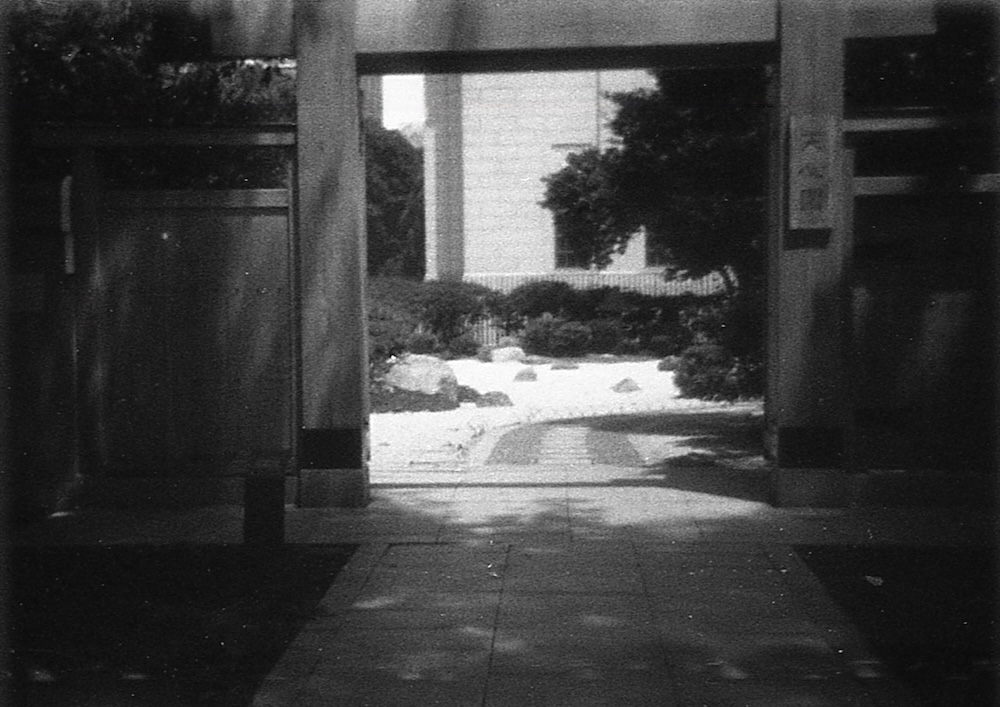
©Lisa Tang Liu (@expert.in.nothing), Massachusetts, United States
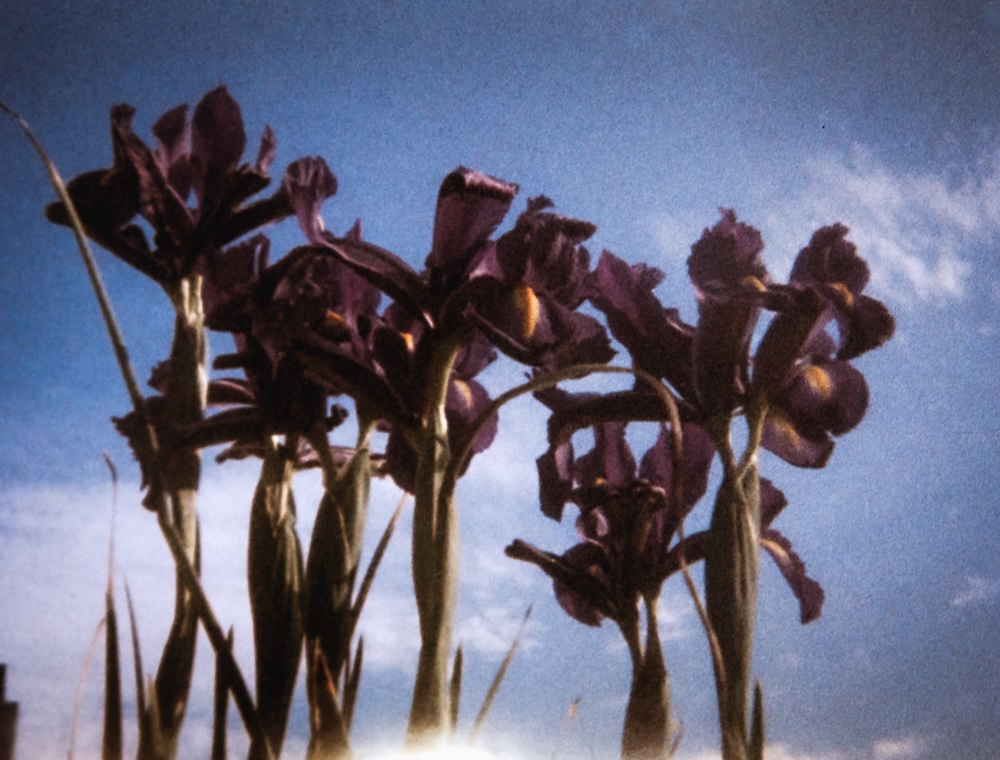
©Kelly Ann Gray (@kellyanngray), New York, United States
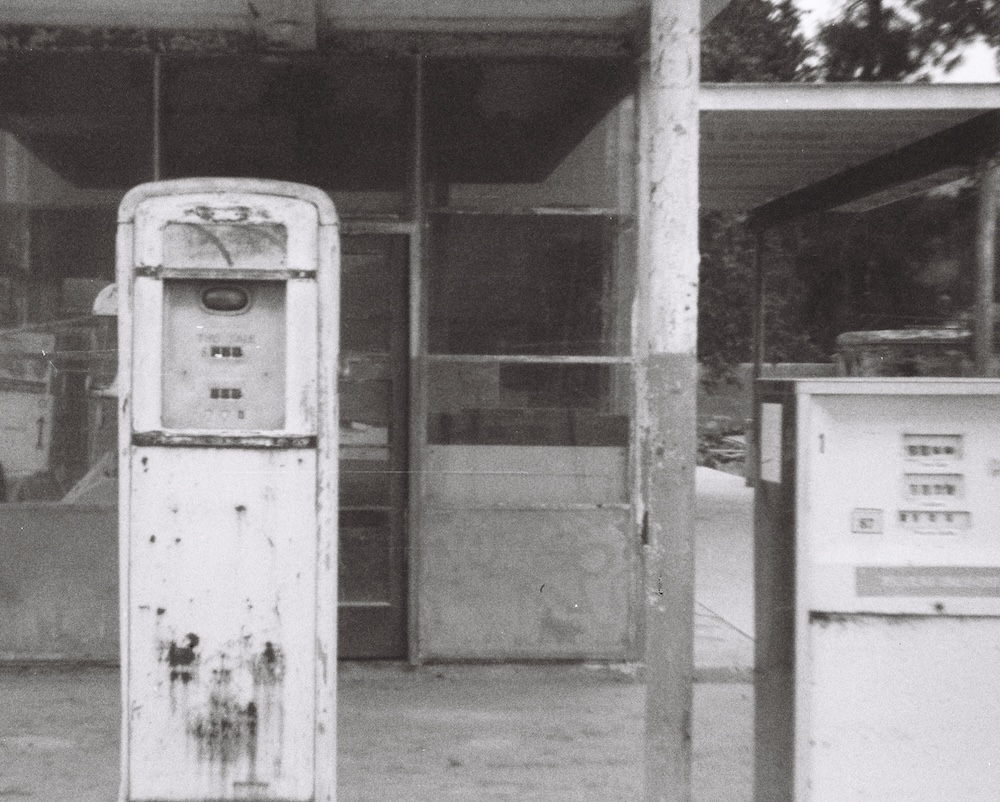
©Maureen Bond (@maureenbond), California, United States
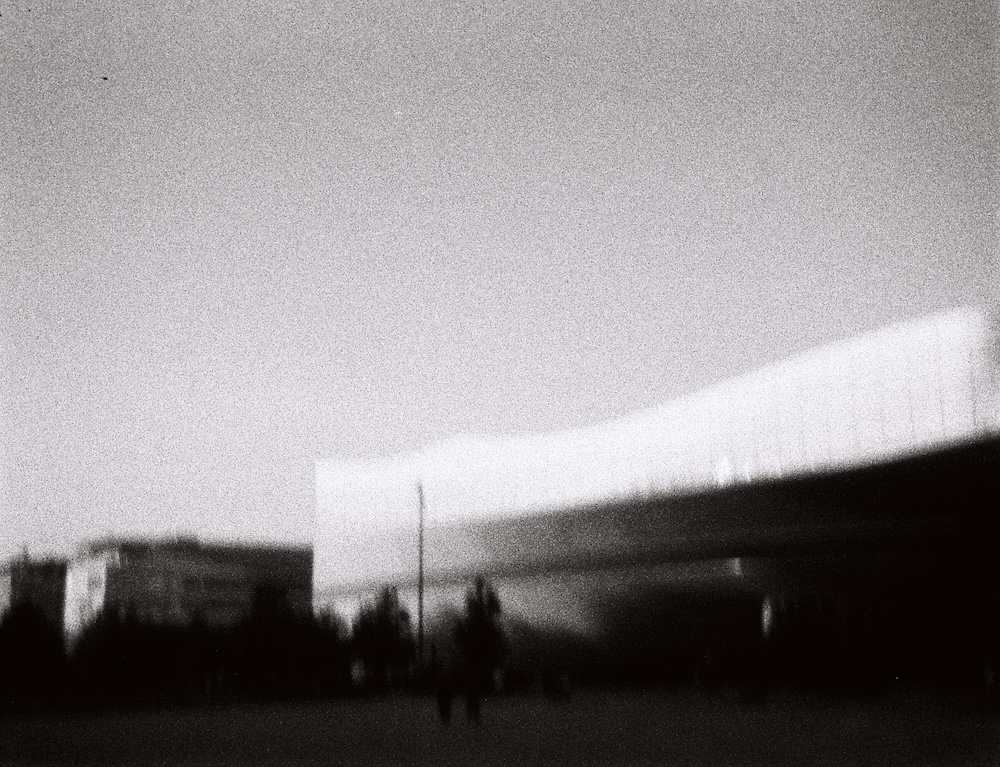
©Paulina Mannisto (@analogue.flaneuring), Finland
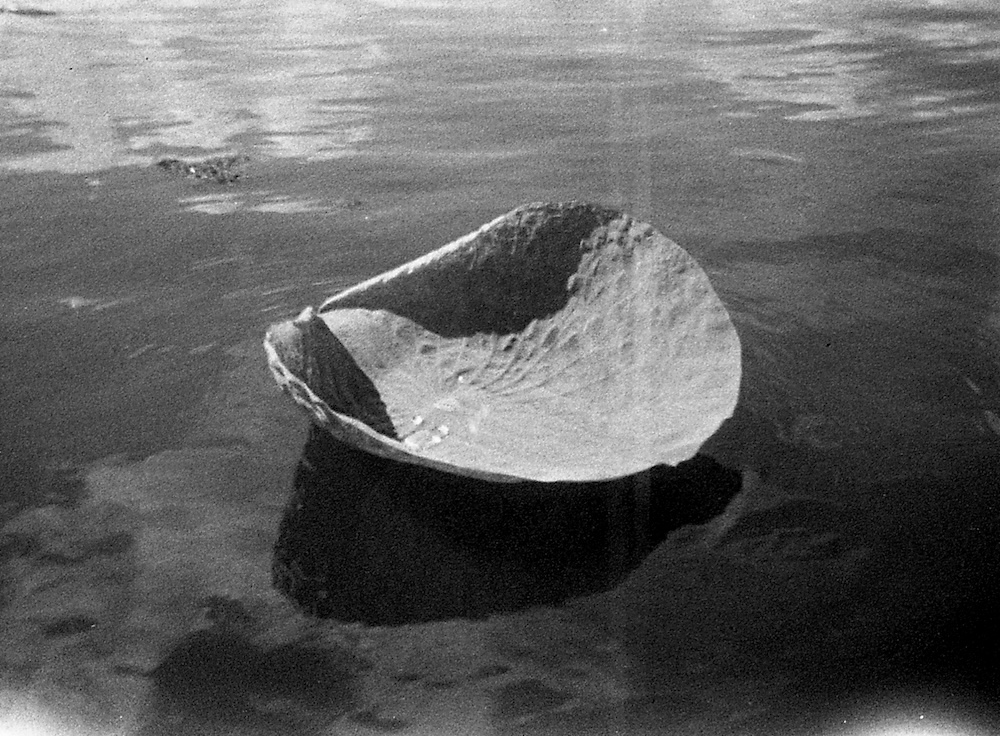
©Kristi Cornell (@kccornell), Louisiana, USA
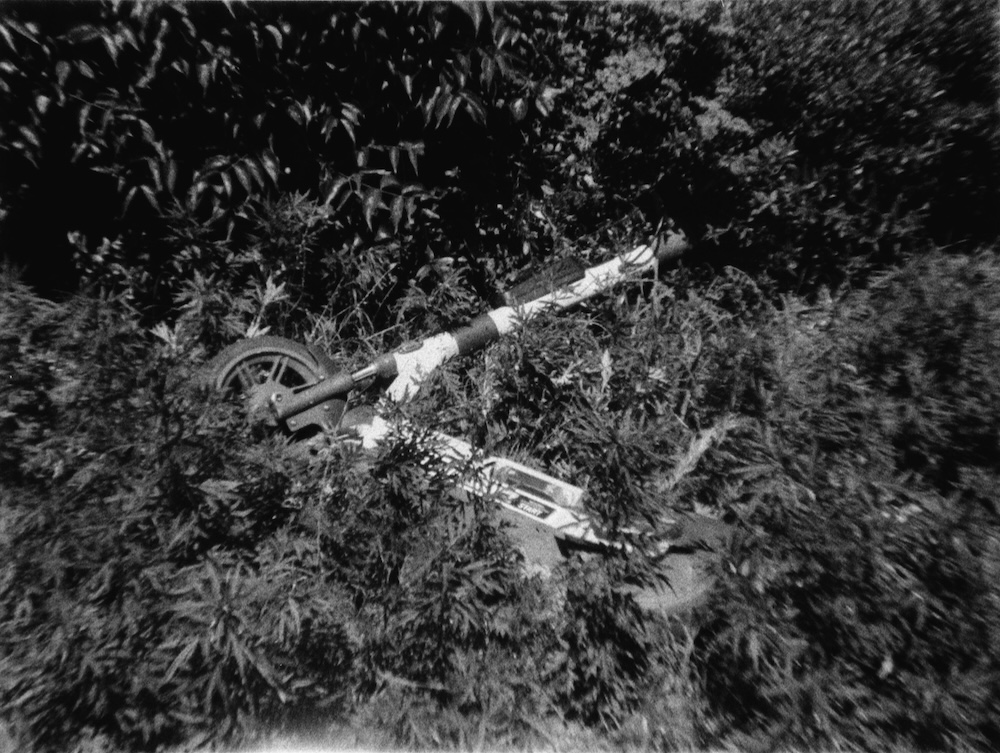
© Christian J (@am_wegrand_fotografie), Germany
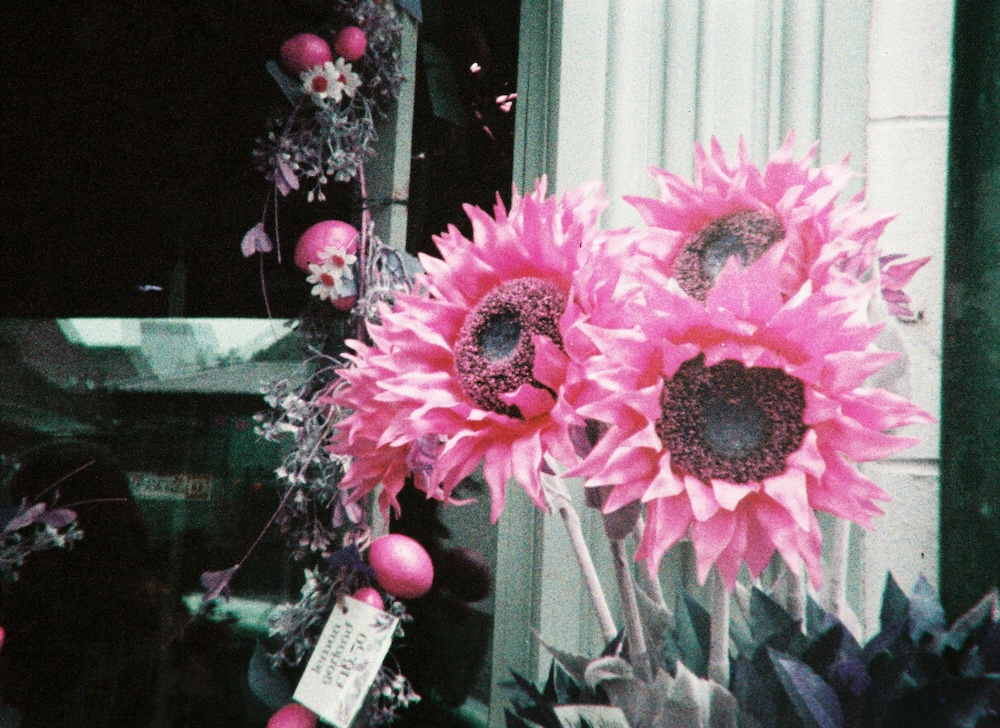
© Rachel (@vivid_opia), England, United Kingdom
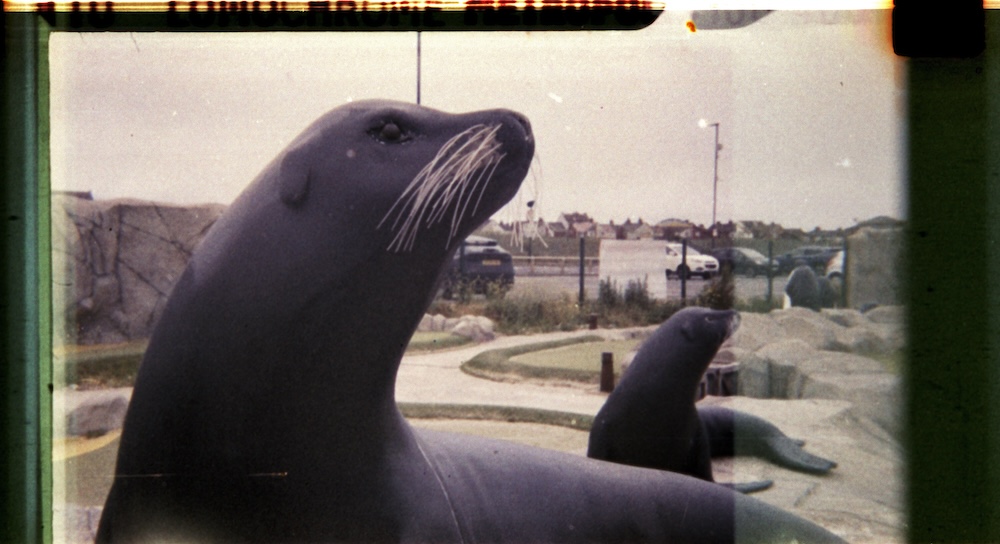
© Jim Martin (@lofijim), England, United Kingdom
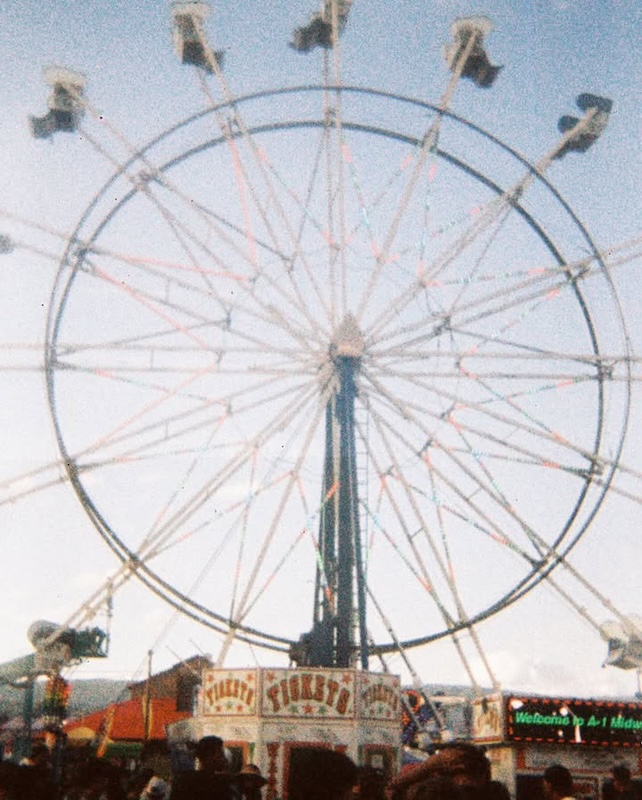
© Jamison Davis (@likethe.whiskey), Alaska, USA
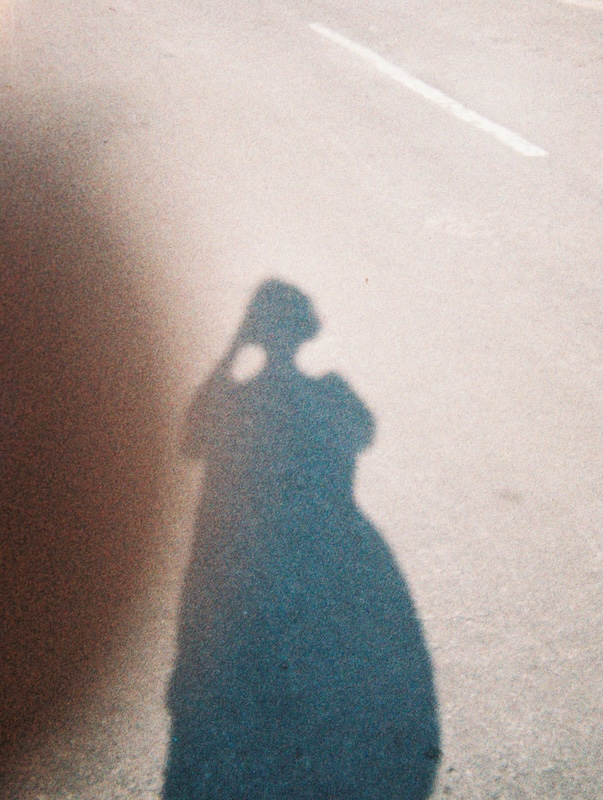
© Emma Ledwith (@emledportraits), England, United Kingdom
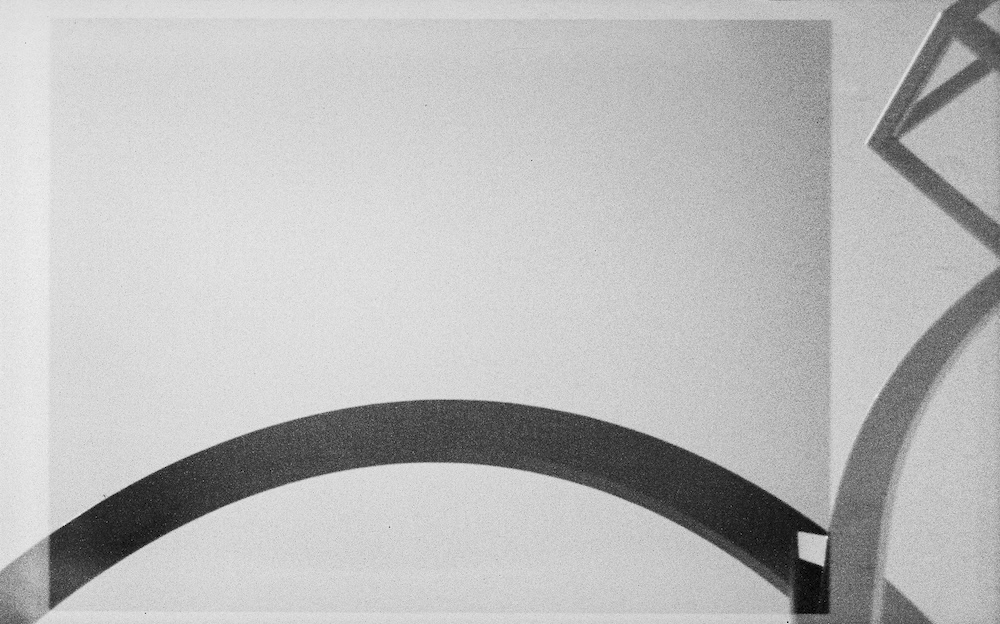
© holgaforever, Canada
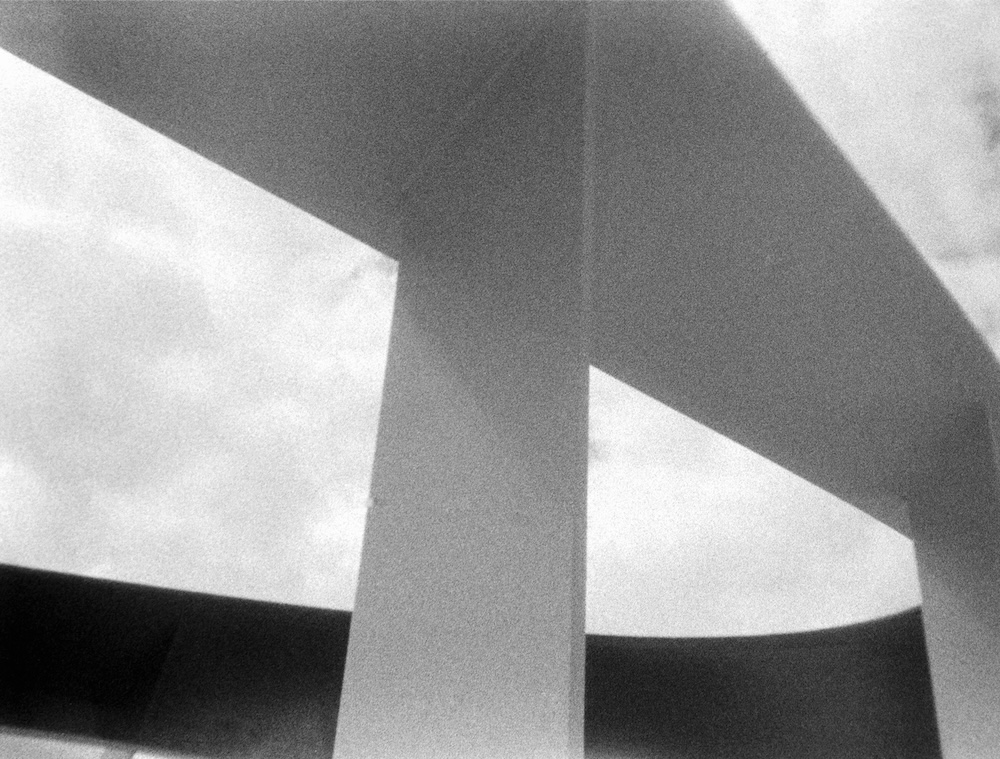
© Claire Grant x Lee Wilkes (@grantxwilkes), Australia
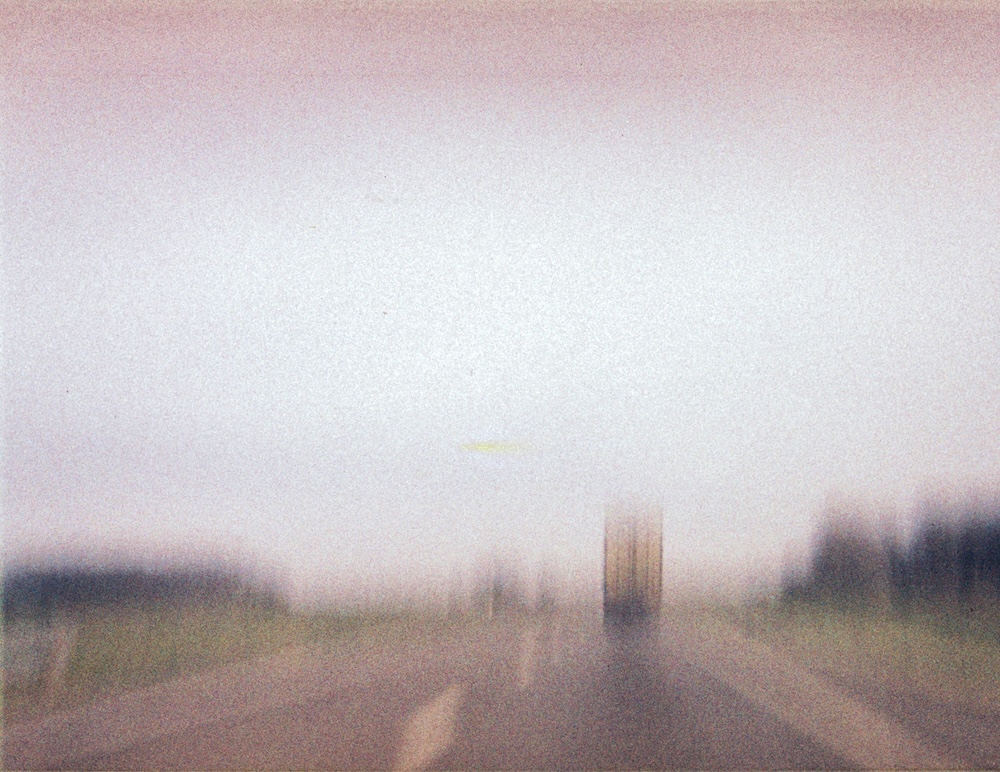
© Maximiliano Vernazza (@maxivernazza), Argentina
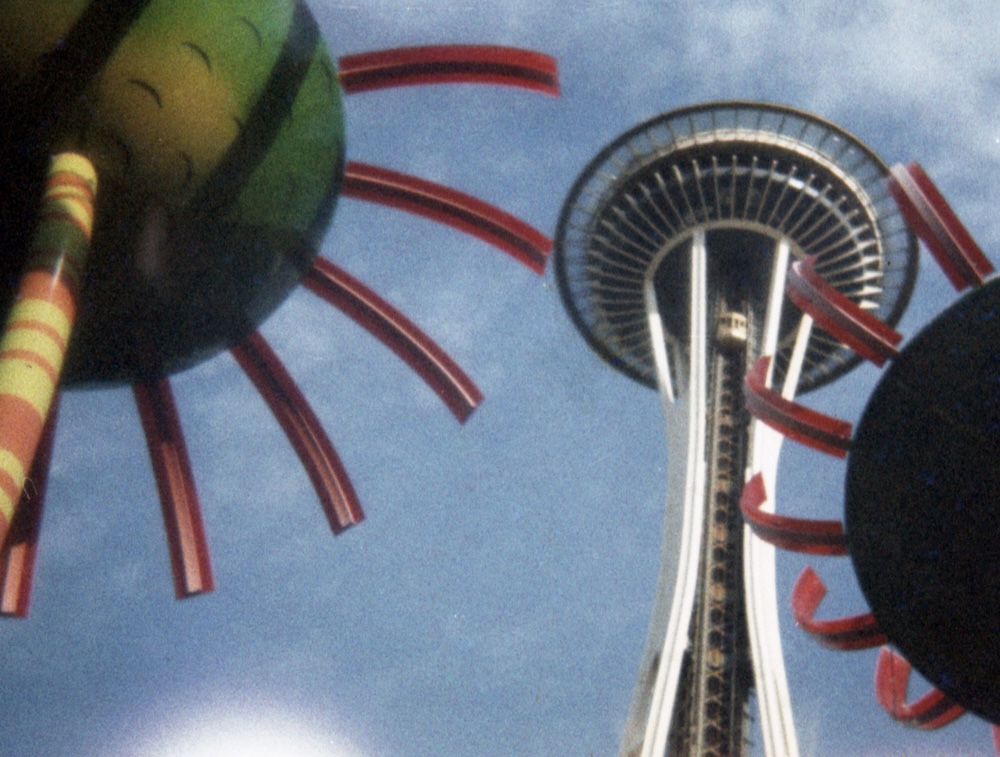
© Anna Starr (@anna.s.snapshots), Washington, USA
DNJ: What, if anything, have you discovered about the photographic community through this project that you might not have discovered otherwise?
AP: So far, that it is a wonderful community—one that is both generous and engaged.
DNJ: One of your goals is to persuade Holga to bring back the Baby Holga. Have you had any conversations with the manufacturer about the possibility?
AP: I’m in discussions with the people who make Holga cameras. To make this happen, I need to raise enough money to make 2,000 Baby Holgas. It’s going to be tricky, but I’m looking into Kickstarter (or something similar) to reach an amount where I can guarantee I won’t be out of pocket. I’d likely sell the camera for around $20-25. I think if I can get to 1,000 buyers, I should be able to go ahead, but I’m still working out the exact numbers.
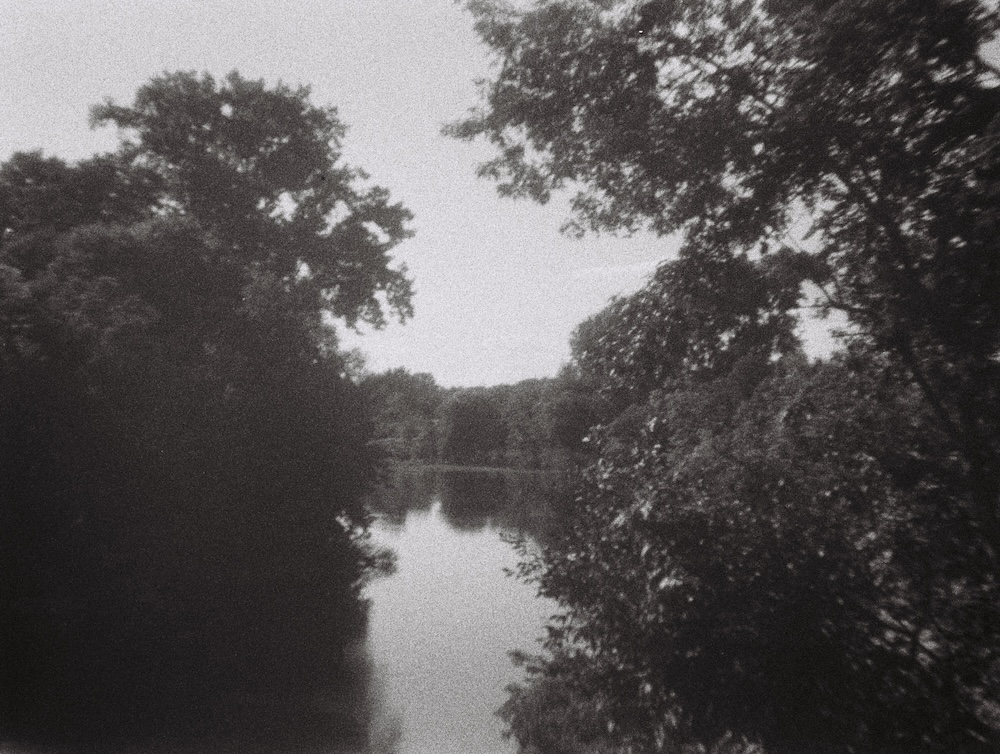
@Jennifer H (@jensfineart), Canada
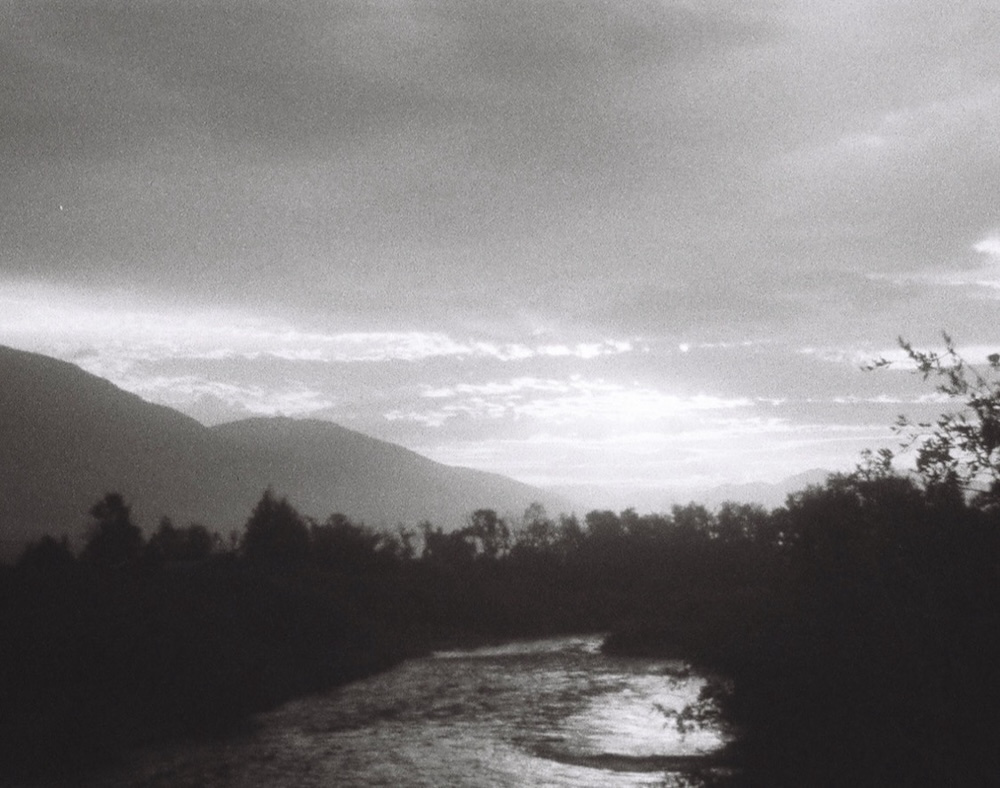
© Tagen Towsley Baker (@tagentbaker), Idaho & Virginia, United States
DNJ: You’re also planning a book documenting the project. How do you envision bringing together photographs made by so many different people, in so many different places, into a cohesive publication?
AP: There would be two books: one US-only, comprising the photographers from the 50 states (and possibly Washington, DC); and one with the rest of the global participants. I’ve preliminarily titled the books Baby, I Love You—110 Photographers Using 110 Film.
The general idea is to have one page per person, with their name, IG tag, a short bio, and a map detailing their location, with one image, possibly one or two more.
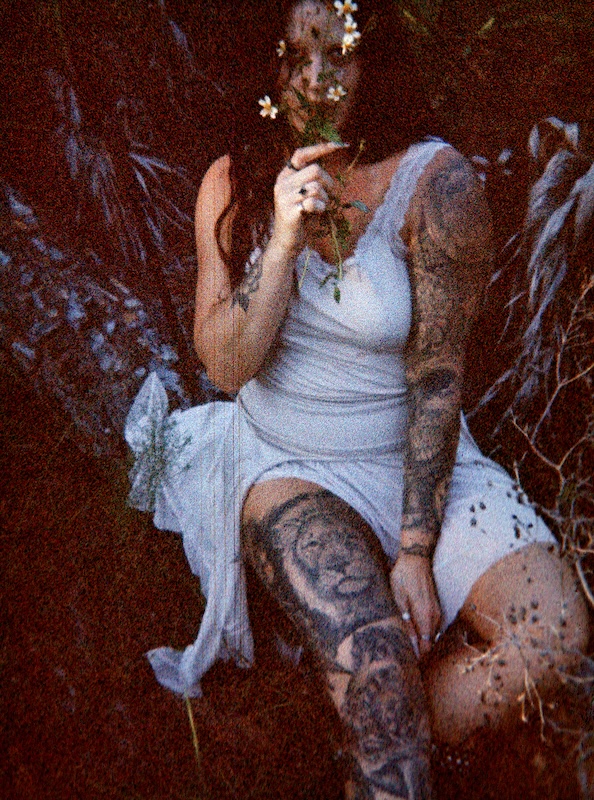
© Erin Mussett (@erinon.film), Florida, United States
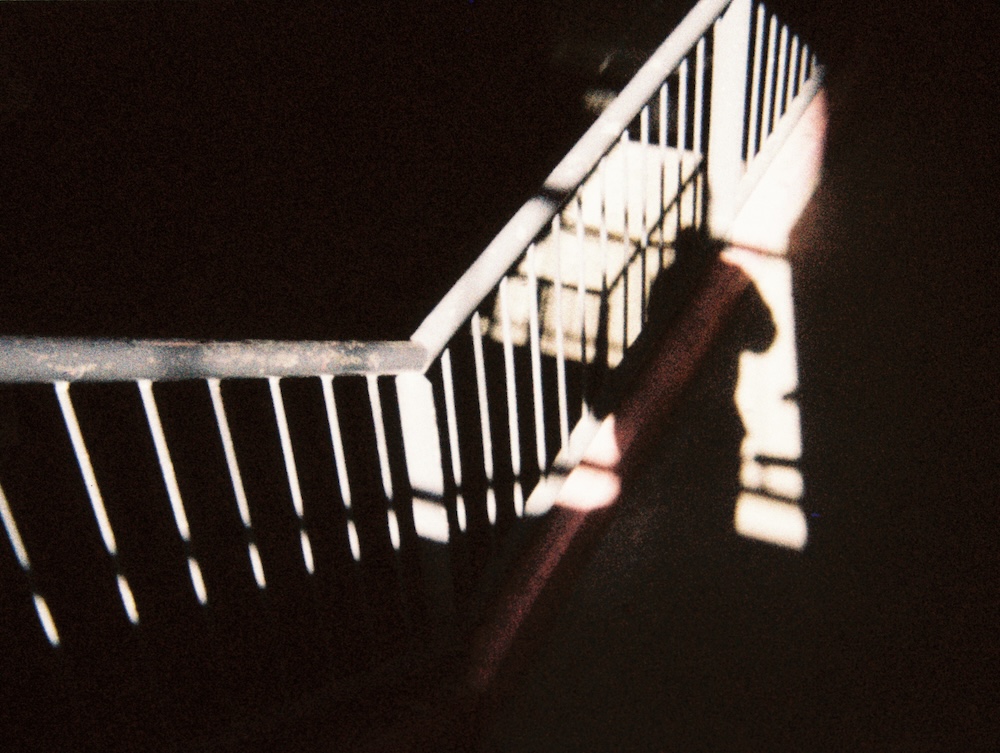
© Manu Solian (@manuomanolo), Argentina
DNJ: Beyond the photographs and the possibility of bringing back the camera, what do you hope people will take away from The Baby Holga Project?
AP: I’m most interested in people learning and taking inspiration from what’s around them—from both the old and new—whether that’s a £5k digital camera, a £20 tiny plastic camera, or, conversely and a little hesitantly, something like AI.
I hope viewers take away a few things: first, that you can make beautiful images with a tiny key ring camera; second, that the images will inspire them to make their own images; third, that they might swap cameras or work with others to learn new things.
For the participants, that they’ve been part of a community and taken some images they are proud of.
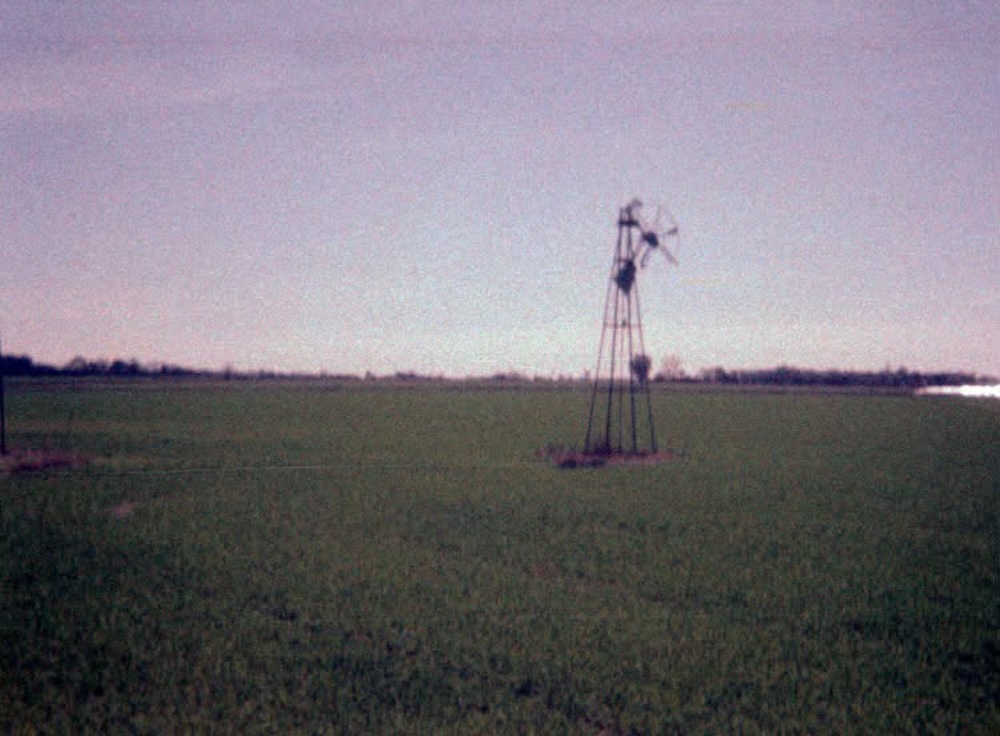
© Pasán Pelís (@naudi.cfn), Argentina
DNJ: Thank you, so much Alec, for giving us such a broad window into this fascinating project. I cannot wait to see more work from the participants as the project keeps evolving.
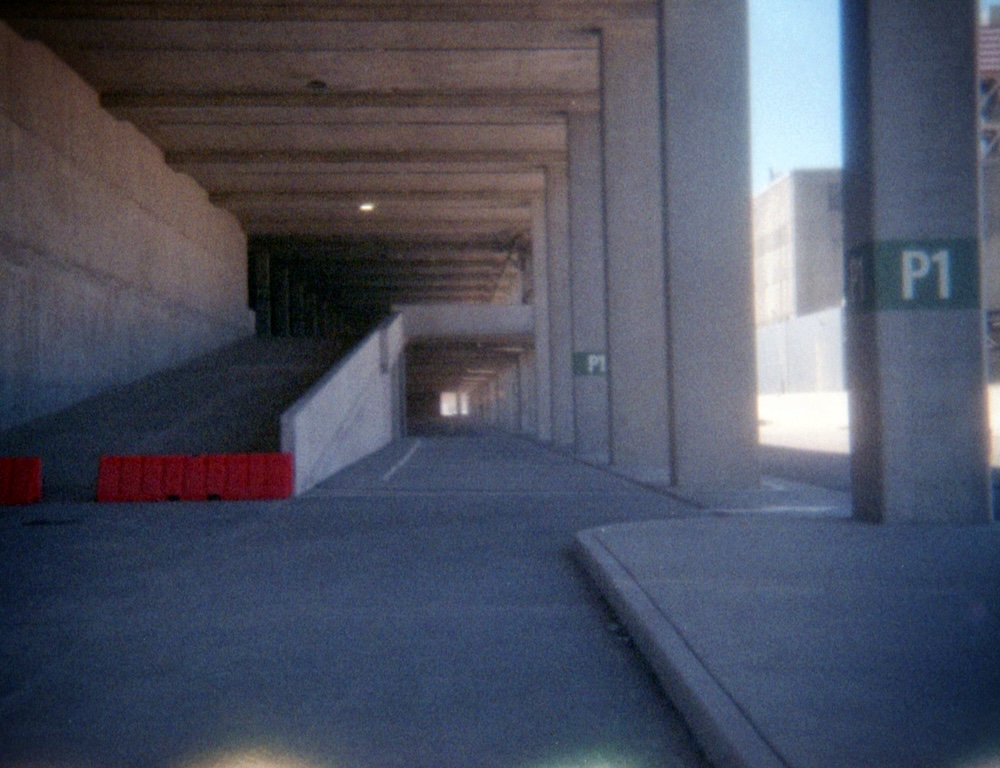
© Mateo (@latitudeslongitudes), Washington, United States
Posts on Lenscratch may not be reproduced without the permission of the Lenscratch staff and the photographer.
Recommended
-
The “Baby Holga” ProjectNovember 7th, 2026
-
Tree Week: Venessa Monokian: As the Glow GrowsOctober 22nd, 2026
-

Alexa Frangos: (Re)arrangingOctober 14th, 2026
-
Soomin Ham: In GraySeptember 23rd, 2026
-

Sandra Cattaneo Adorno: Light, Memory and the Everyday SublimeJune 25th, 2026