
Tree Week: Donna Bassin: Portraits of a Precarious Earth: Ancient Trees
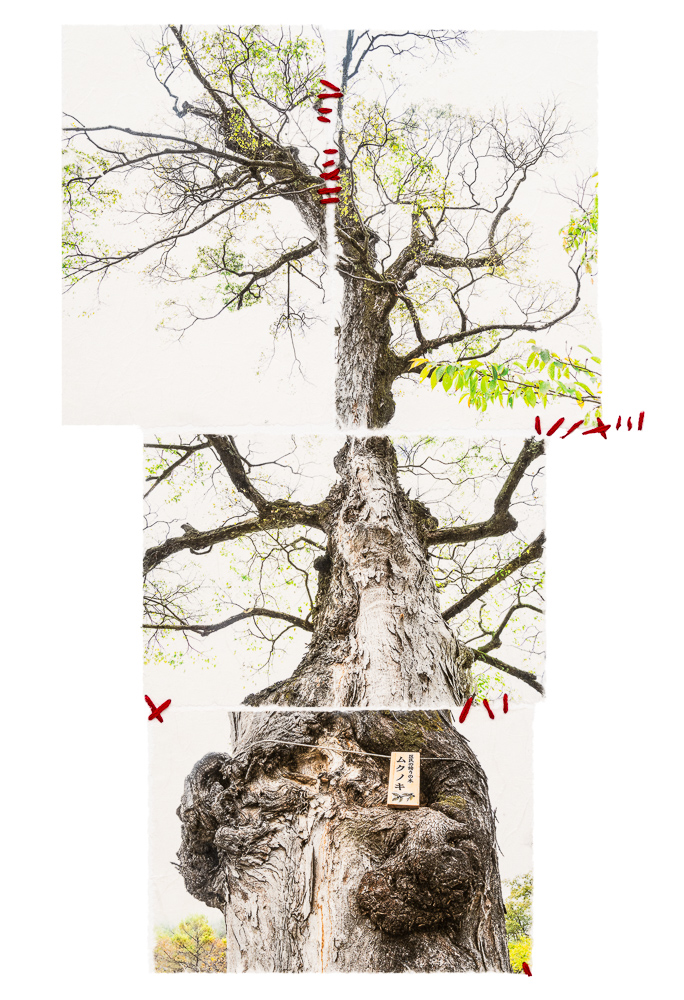
©Donna Bassin, Mukunoki, from Portraits of the Precarious Earth – Ancient Trees
There is something humbling about standing in front of a tree that has been alive for hundreds, sometimes thousands, of years. But there is also something humbling about standing in a forest in Japan and seeing Donna Bassin‘s portraits of trees printed set amoungst those trees, on large canvases during the Karuizawa Foto Festival. We often think of trees as permanent fixtures in the landscape, but they are not. They are living, vulnerable beings, subject to the same changing world that surrounds us. Bassin’s work is a gentle reminder to honor these ancient structures.
In Ancient Trees, the artist approaches these remarkable trees as portraits, taking the time to look closely at their particular histories, histories of knots, wounds, roots, and marks left by weather and time. Inspired by the Japanese tradition of kintsugi, she stitches embroidery thread into the photographs, creating small acts of intervention that resemble both repair and attention. The stitches don’t attempt to fix what has been damaged; instead, they make the wounds more visible. There is a tenderness in these photographs, but also a sense of urgency. These trees have survived for generations, yet their futures are increasingly uncertain. To spend time looking at them is to consider not only what they have endured, but what we might lose.
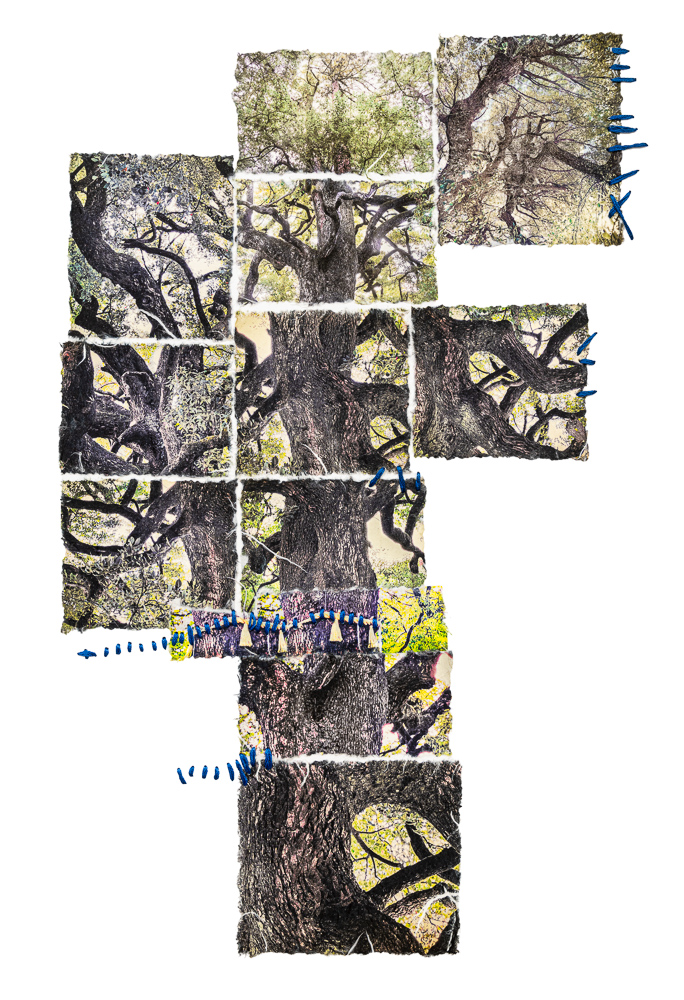
©Donna Bassin, Camphor, from Portraits of the Precarious Earth – Ancient Trees
Portraits of a Precarious Earth: Ancient Trees
Ancient Trees is a subseries of my ongoing project, Portraits of a Precarious Earth. Inspired by Japan’s landscapes, the work examines the climate crisis and its effects on the natural world, social justice, and mental health. Across the larger project, I explore injury, damage, loss, grief, resilience, and repair through personal and collective experience. Here, I treat the trees as portraits, staying with each one long enough to notice the marks of its life and the presence it holds in the landscape.
The photographs focus on ancient trees with massive trunks, armor-like bark, sculptural roots, and twisted branches. Their scars and knots carry traces of time, weather, and change. In Japan, Shinto practice recognizes the sacred presence of certain trees and places. Yet these beings, like California’s sequoias, face an increasingly precarious future amid environmental degradation. Their age and scale can suggest permanence, but they are living beings, vulnerable to the conditions changing around them.
Inspired by kintsugi, the Japanese art of mending broken pottery with gold, I sew embroidery thread into the photographs. The stitches become a symbolic gesture of care and repair. They do not conceal the trees’ scars or suggest that damage can simply be undone. Instead, they draw attention to what has been endured and to the care required to remain in relationship with a vulnerable life. These trees are more than witnesses to time. They also help sustain life, storing carbon as they grow over centuries. By photographing them, I hope to invite a closer encounter with their presence and to recognize what is at risk when the living world is treated as distant or inexhaustible.
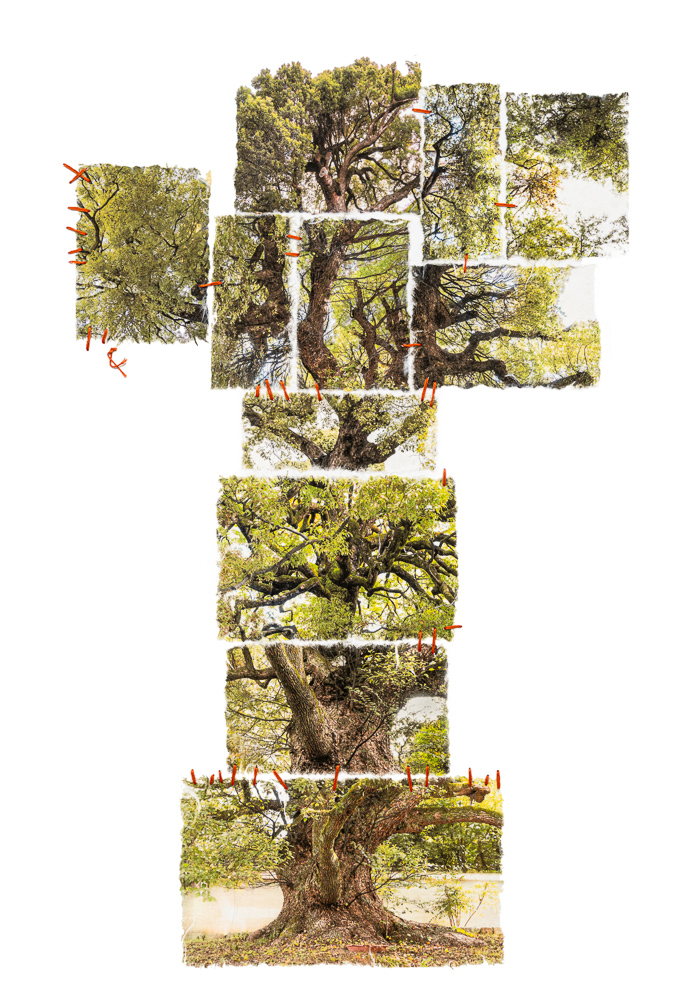
©Donna Bassin, Camphor, from Portraits of the Precarious Earth – Ancient Trees
Donna Bassin is a Brooklyn-born, New Jersey–based photographer, filmmaker, writer, and clinical psychologist whose work draws on decades of experience as a trauma therapist. Through long-term projects, she examines post-traumatic stress, racism, social injustice, moral injury, and environmental destruction, exploring how images can witness rupture while promoting ethical repair. Originally trained in art therapy at Pratt Institute, Bassin later earned a PhD in clinical psychology and pursued psychoanalytic training. Her early work as a handmade clay artist shaped her understanding that trauma leaves marks—on bodies, minds, and the materials we touch and shape. Her photographs reflect those marks: images are burned, torn, sutured, and sometimes reinforced with gold tape, inspired by the Japanese philosophy of kintsugi. These interventions do not conceal damage; they make loss visible, emphasizing that repair begins with acknowledgment.
Collaboration and community are central to her work. She has worked with military veterans to transform their uniforms into handmade paper, culminating in the installation “By Our Own Hand” at the Montclair Art Museum. These projects extend her studio practice into collective acts of mourning, testimony, and healing. Bassin has conceived and directed two award-winning documentaries, “Leave No Soldier” and “The Mourning After.”
She has exhibited solo shows at museums, including “The Afterlife of Dolls” at the Montclair Art Museum, “Portraits of the Precarious Earth” at the Newport Art Museum, and “Interwoven: Rupture and Repair” at the Morris Museum. Most recently, The Pictorial Foundation, Marymount Manhattan College’s Hewitt Gallery, and Lenscratch have exhibited her photographs. Her photographs, essays, and interviews have appeared on New Jersey PBS’s State of the Arts, “Childhood,” Rhode Island PBS’s ART, Inc.’s “The Art of Repair,” and in publications such as The Pictorial List, Tricycle, Lenscratch, Analog Forever, and Overlapse’s “Stir the Pot.”
Bassin received a 2024 Puffin Foundation Artist Grant, a 2021 New Jersey State Council on the Arts Fellowship, and was named a Critical Mass Top 50 Photographer and Finalist (2022–2024). Her work is held in public and private collections and has been exhibited internationally, including in Japan and Portugal.
Instagram: ©p1nhole.donnabassin
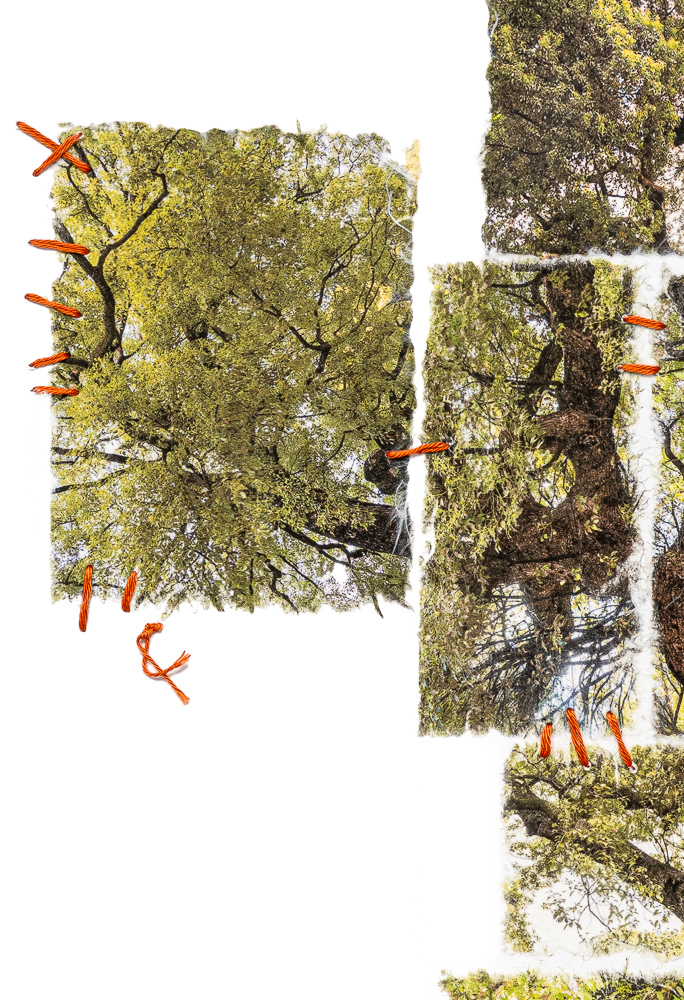
©Donna Bassin, Camphor Detail, from Portraits of the Precarious Earth – Ancient Trees
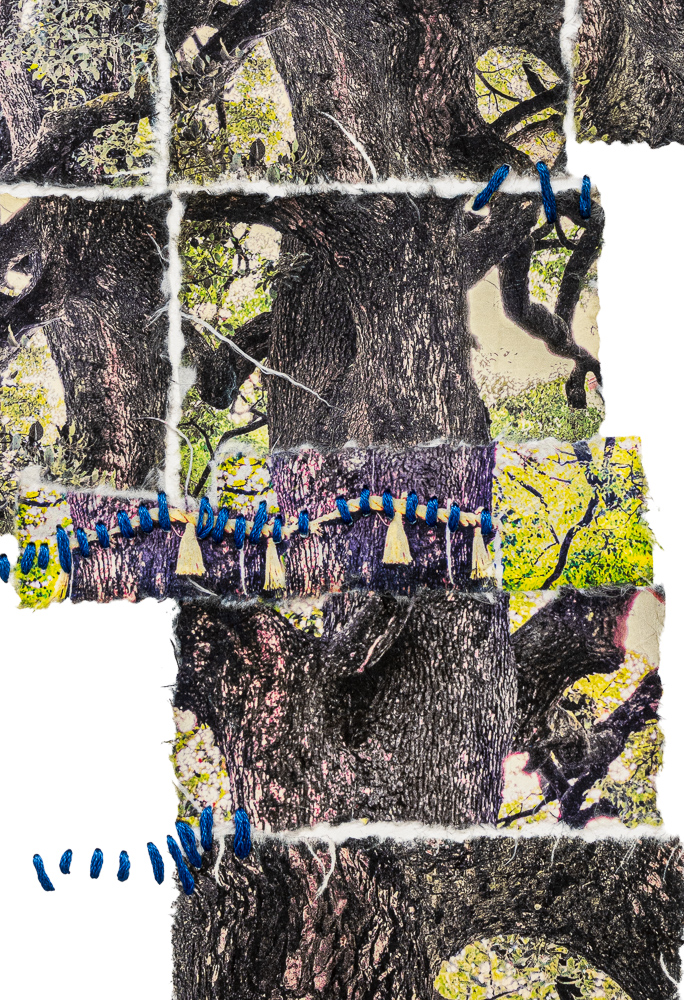
©Donna Bassin, Camphor Detail, from Portraits of the Precarious Earth – Ancient Trees
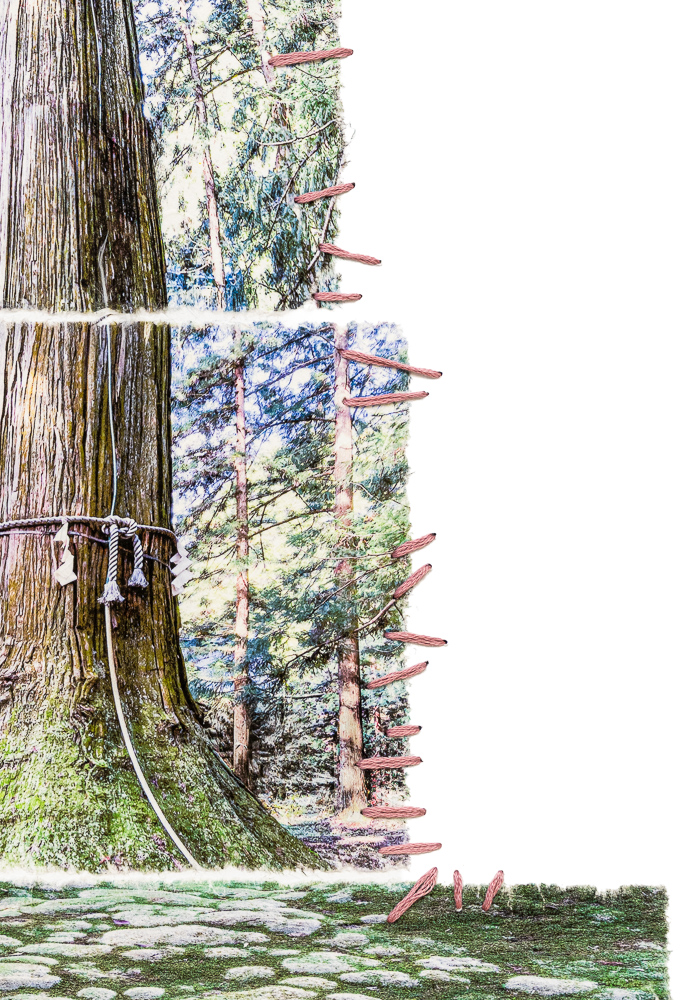
©Donna Bassin, Cedar Detail, from Portraits of the Precarious Earth – Ancient Trees
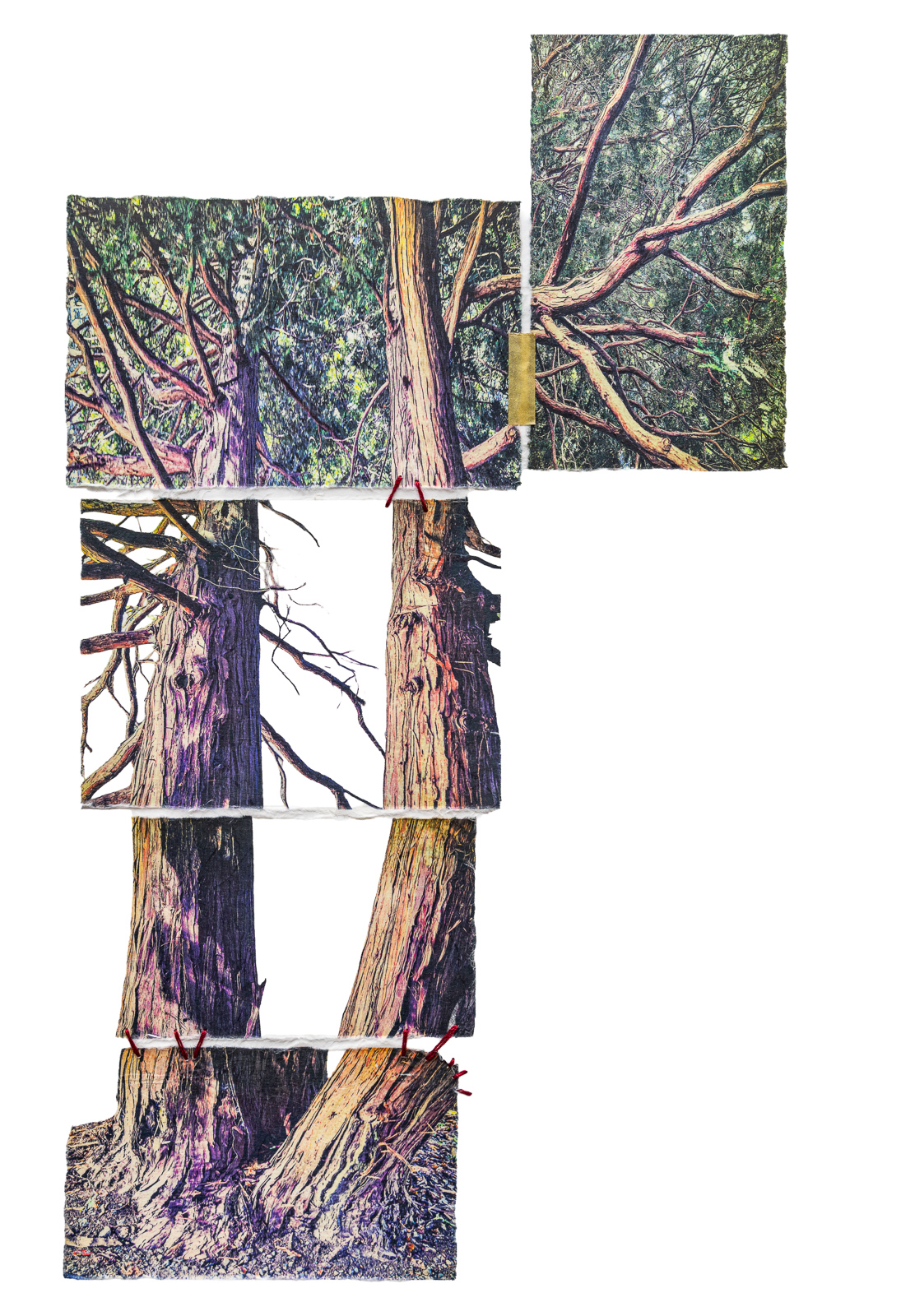
©Donna Bassin, Slender Hinoki False Cypress, Portraits of a Precarious Earth: Ancient Trees
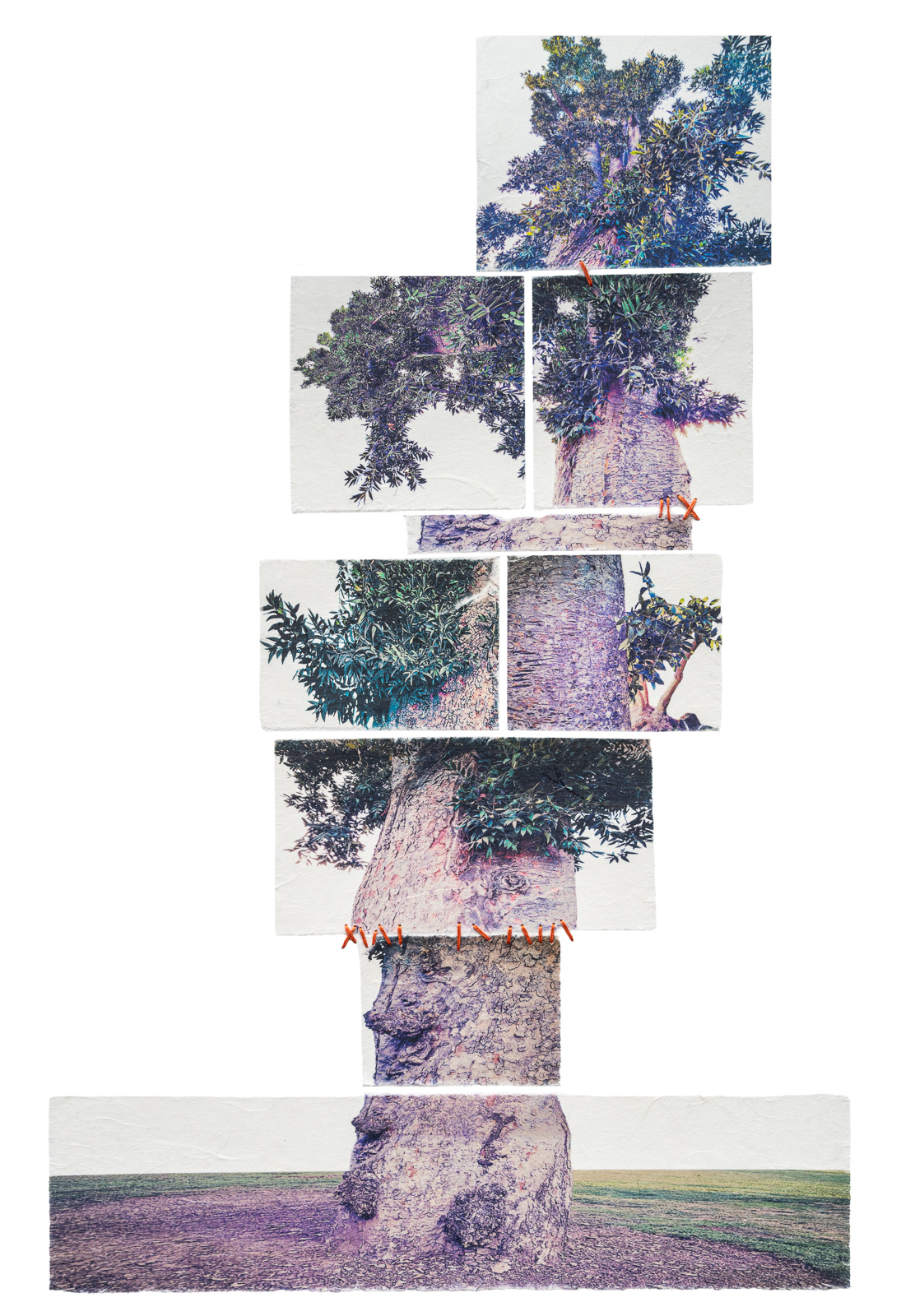
©Donna Bassin, Queensland Kaui Pine, Portraits of a Precarious Earth: Ancient Trees
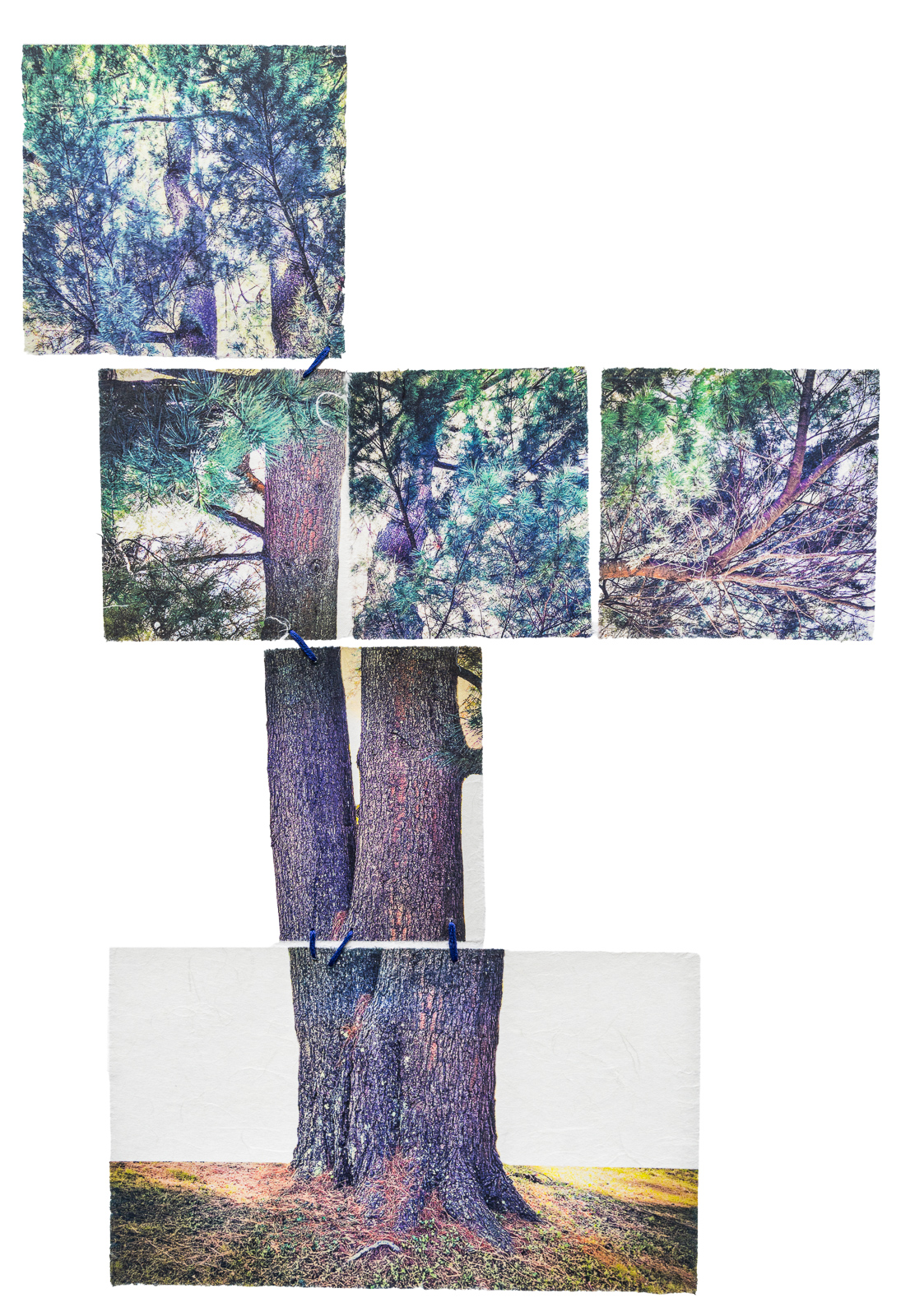
©Donna Bassin, Eastern White Pine, Portraits of a Precarious Earth: Ancient Trees
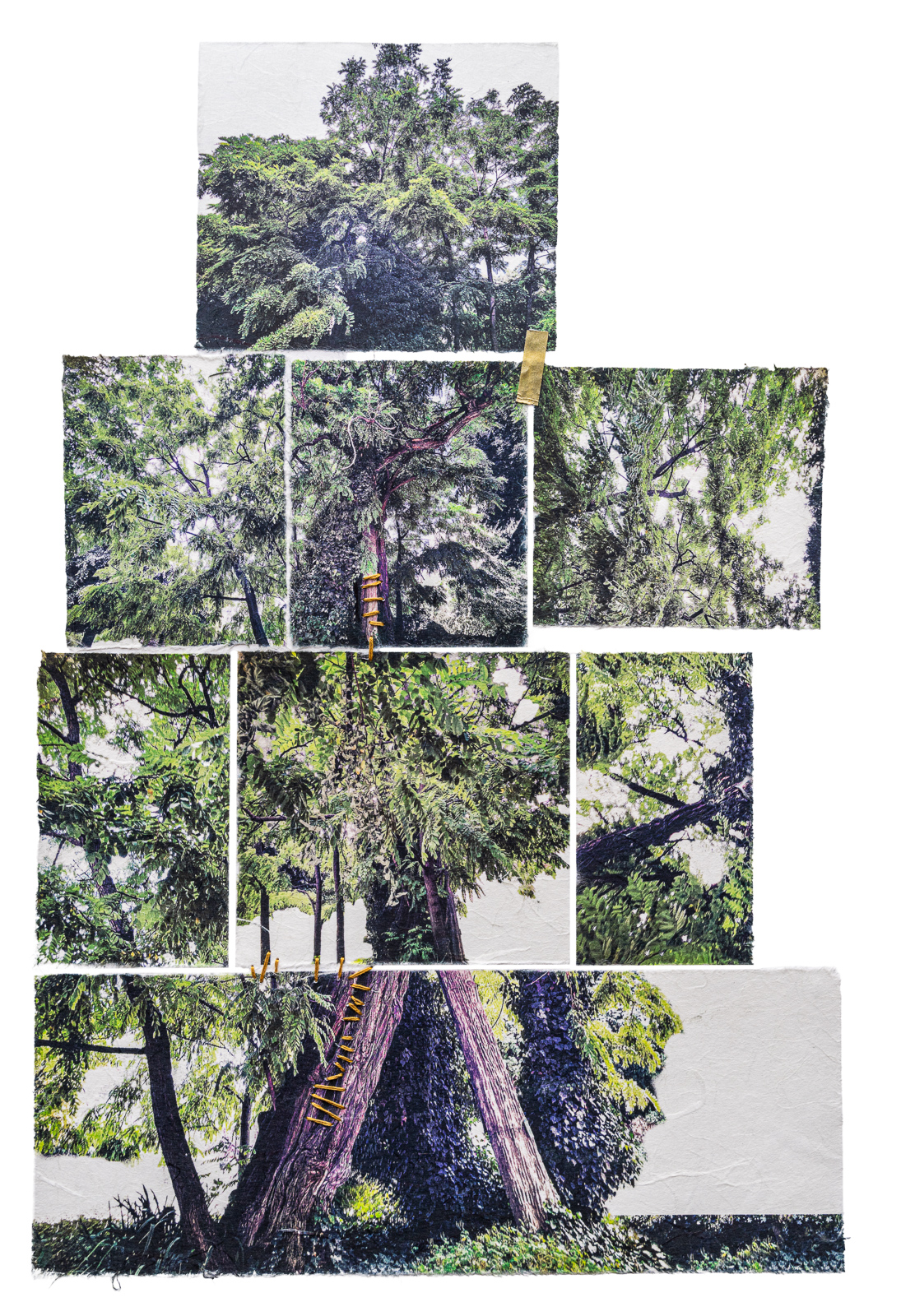
©Donna Bassin, Black Locust, Portraits of a Precarious Earth: Ancient Trees
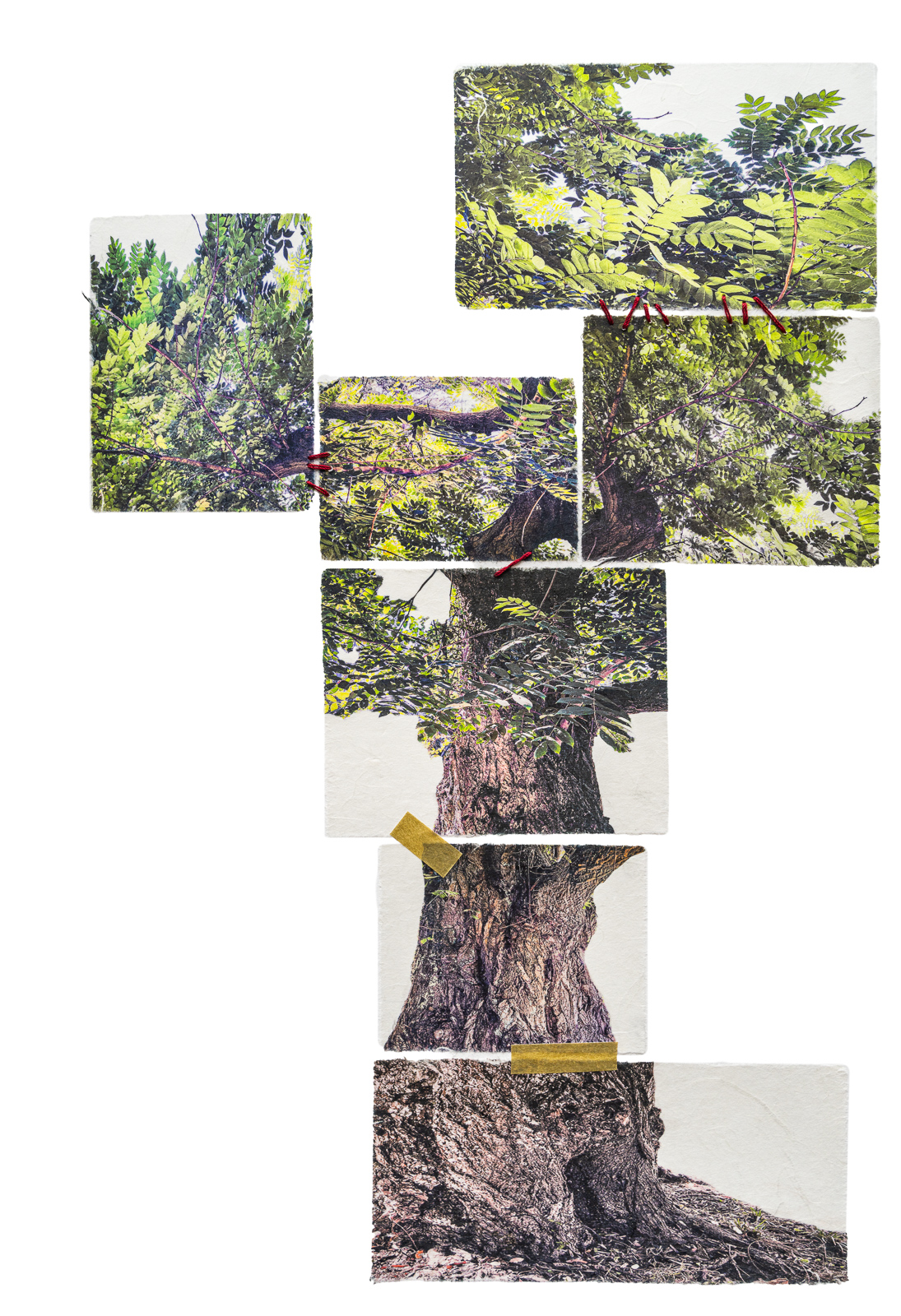
©Donna Bassin, Manchurian Walnut, Portraits of a Precarious Earth: Ancient Trees
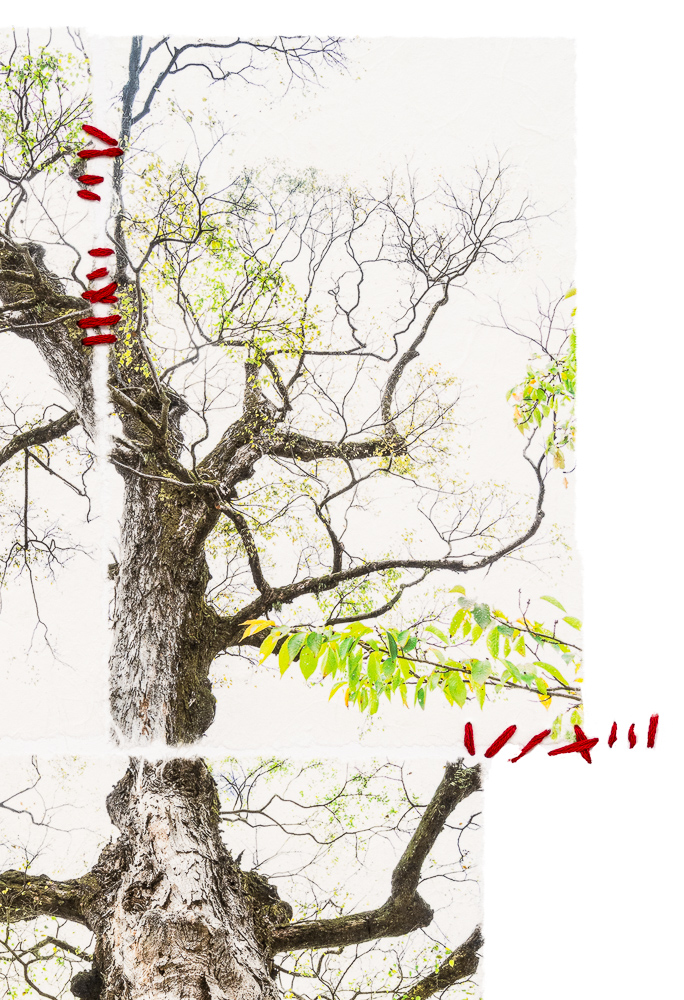
©Donna Bassin, Portraits of the Precarious Earth: Ancient Trees.Mukunoki.Detail
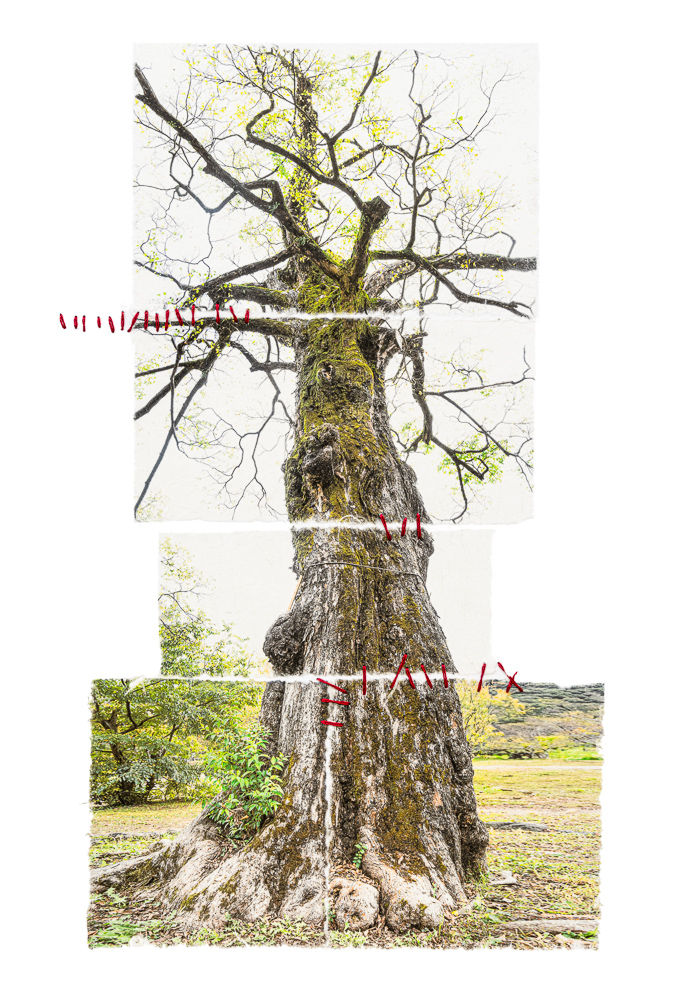
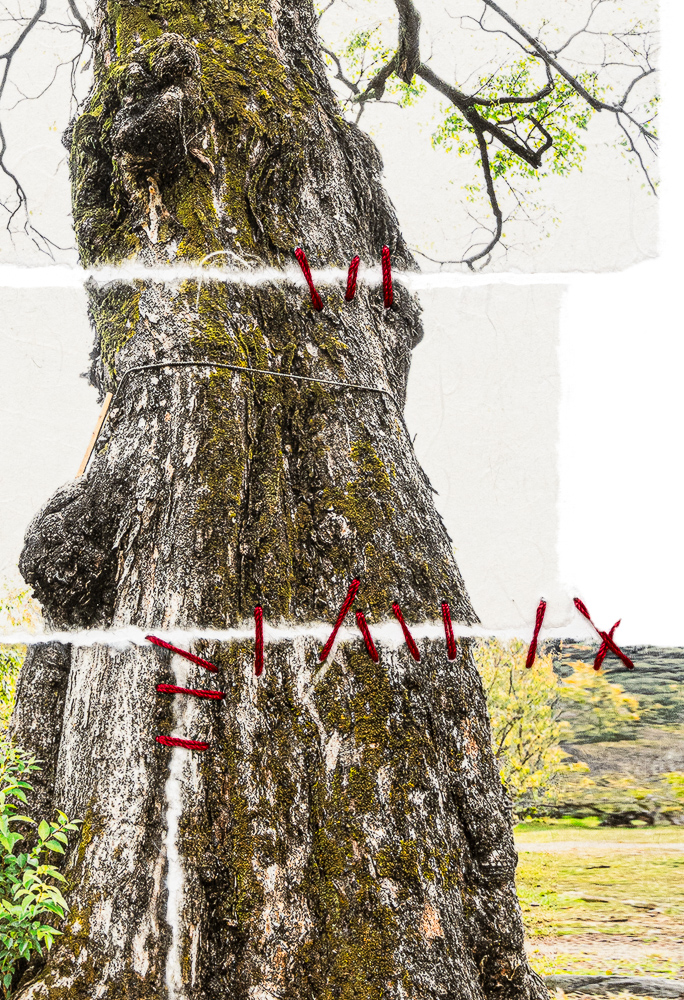
©Donna Bassin, Portraits of the Precarious Earth: Ancient Trees.Mukunoki.Detail
Posts on Lenscratch may not be reproduced without the permission of the Lenscratch staff and the photographer.
Recommended
-
Tree Week: Donna Bassin: Portraits of a Precarious Earth: Ancient TreesOctober 23rd, 2026
-
Tree Week: Jamie V. Robertson: In Search of Osman’s GhostOctober 21st, 2026
-
Tree Week: Han Sungpil: Frozen FireOctober 20th, 2026
-
Tree Week: Sarah Hood Salomon: Under the OverpassOctober 19th, 2026
-
GUGGENHEIM 2026: Lara ShipleyOctober 8th, 2026