J. Lester Feder: The Queer Face of War
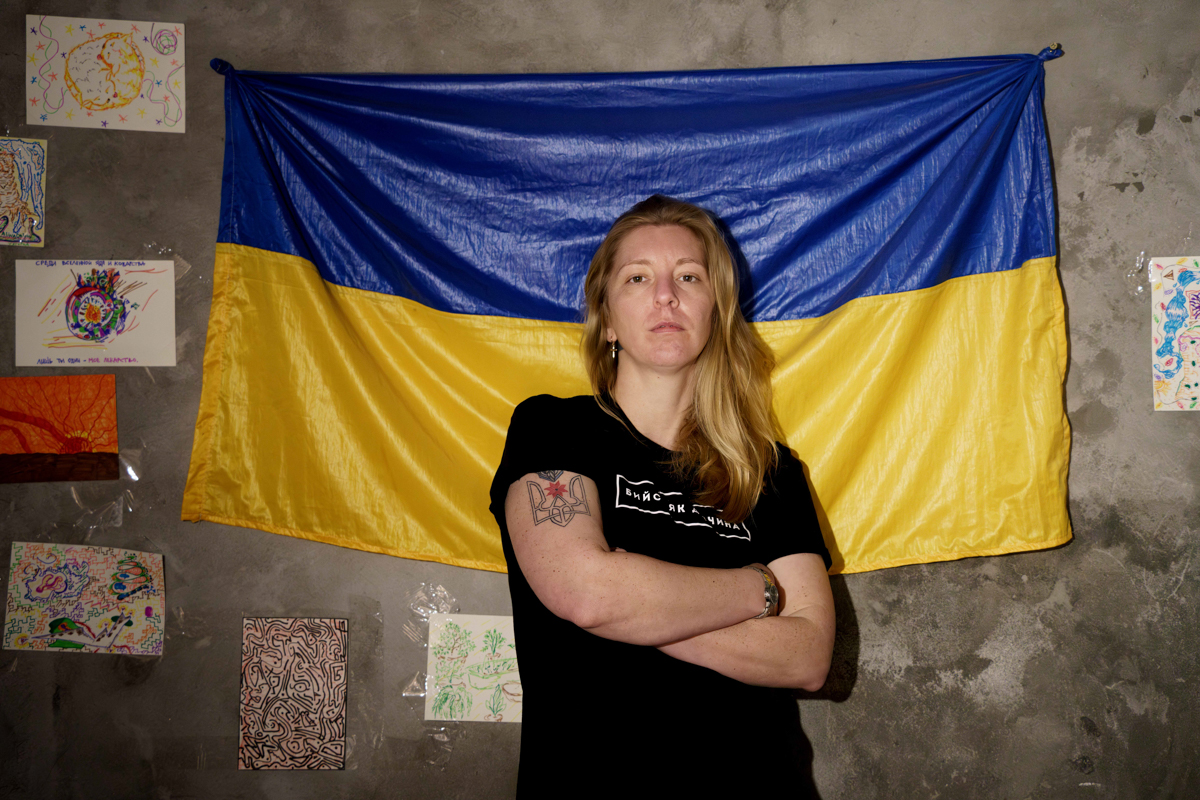
J. Lester Feder, Olha Polyakova, 2025. Courtesy of Outright International.
Journalist J. Lester Feder has spent more than a decade documenting the lives of LGBTQ+ folks in conflict zones. Queer communities are often rendered invisible in wartime—erased from official narratives or forced into silence. In Feder’s new book, The Queer Face of War: Portraits and Stories from Ukraine, we bear witness to radical visibility instead.
Long before it launched its full-scale invasion of Ukraine in 2022, Russia has used homophobic rhetoric to position itself as the global defender of “traditional values” against what it characterized as Western moral decay. But while Russian president Vladimir Putin cast queerness as an existential threat in the abstract, the impact it had on the lives of actual queer folks in Ukraine was concrete and direct. Far-right groups vandalized LGBTQ+ community centers with feces and animal blood. Landlords told queer tenants it was too dangerous to house them; individuals were harassed and beaten.
In The Queer Face of War, survivors recount these stories of violence and discrimination with searing clarity. Drawing on years of reporting and dozens of deeply personal encounters, the book paints a visceral portrait of a community that refused to retreat into invisibility; instead they stepped forward. Soldiers came out publicly. Volunteers organized aid networks. Survivors documented war crimes. LGBTQ+ activists framed their participation in the defense of Ukraine as both patriotic and emancipatory.
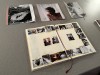
While punctuated with photographs of bombed out cars and memorials for fallen soldiers—reminders of the material reality of armed conflict—most of the images in the book are intimate portraits of the individuals sharing their stories. Their gazes are unambiguous, unapologetic. They confront the camera directly and demand recognition. At once a record of war and a testament to courage, The Queer Face of War reminds us that democracy is measured not only by borders defended, but by the dignity afforded to those within them. Through the lens, queer Ukrainians are not erased by war—they are illuminated by it.
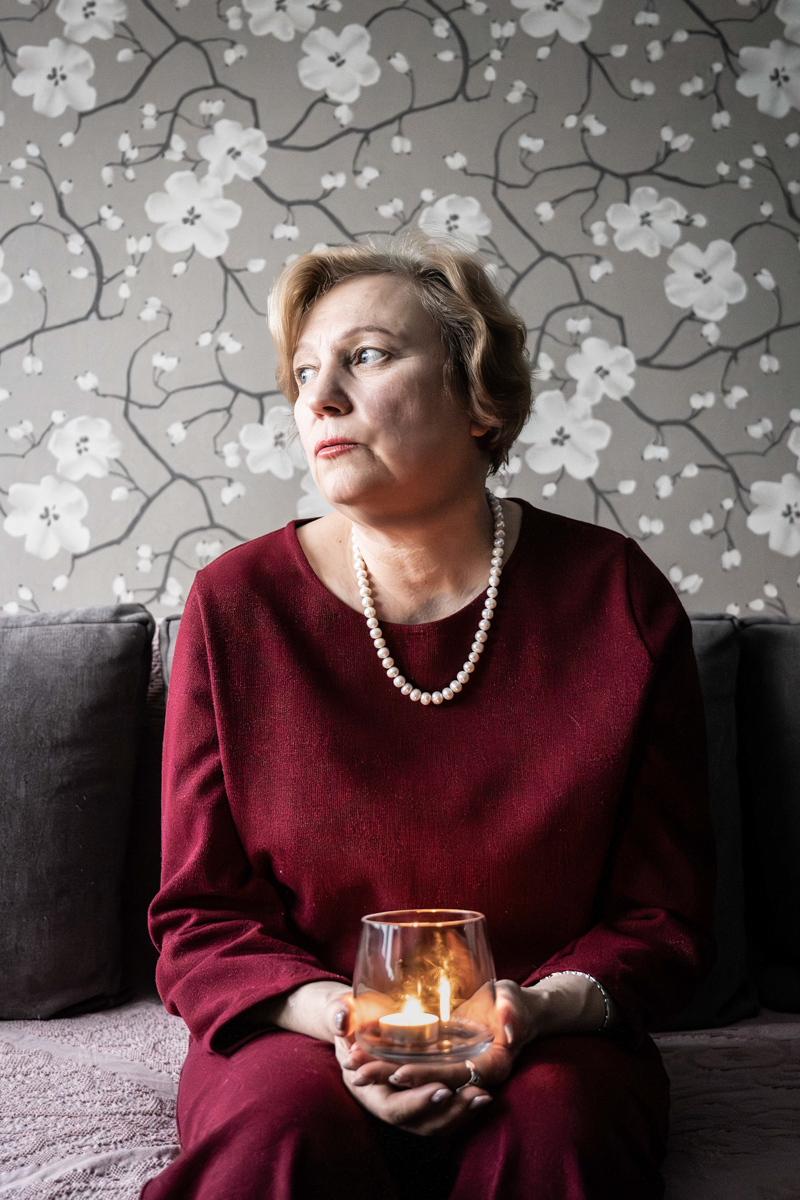
J. Lester Feder, Olena Hloba, 2025. Courtesy of Outright International.
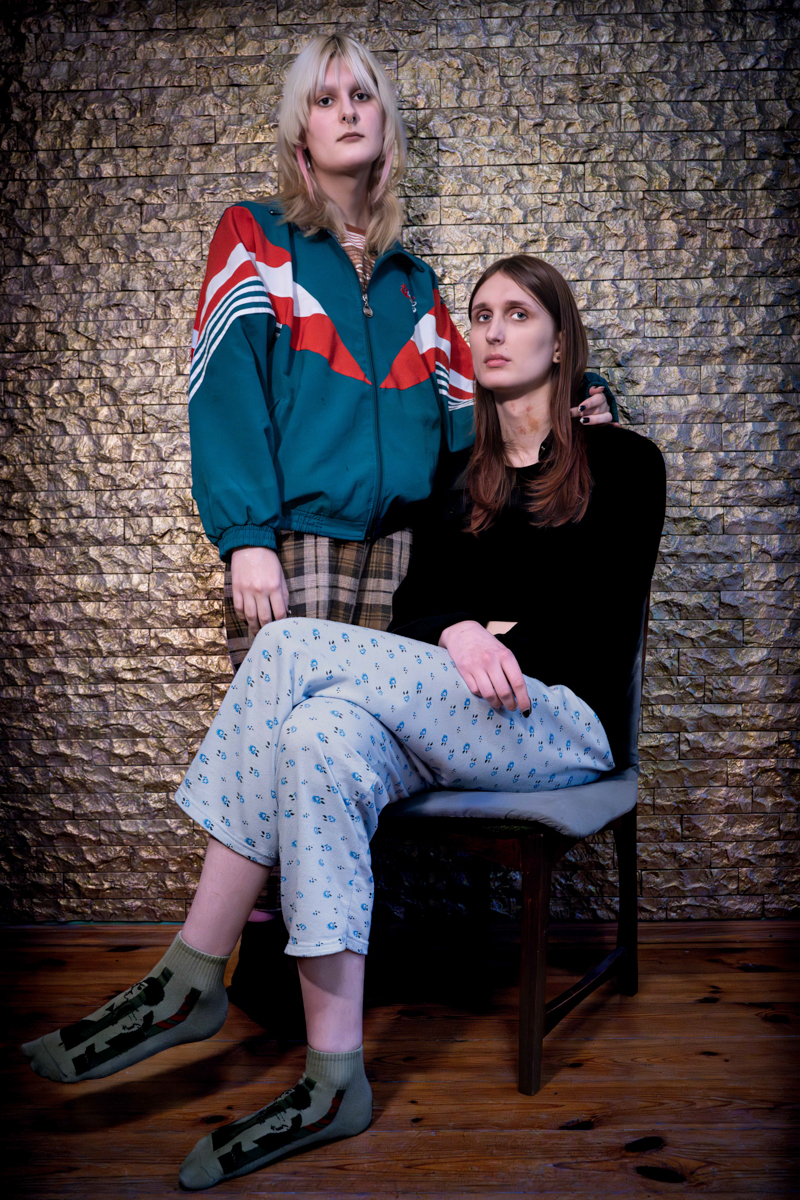
J. Lester Feder, Dana Panasiuk and Anastasia, 2025. Courtesy of Outright International.

© J. Lester Feder, 2025
Work by an unidentified poet painted on the boarded-up ruins of a mall destroyed by a Russian attack on Odesa, June 2023. Translation by Ali Kinsella.
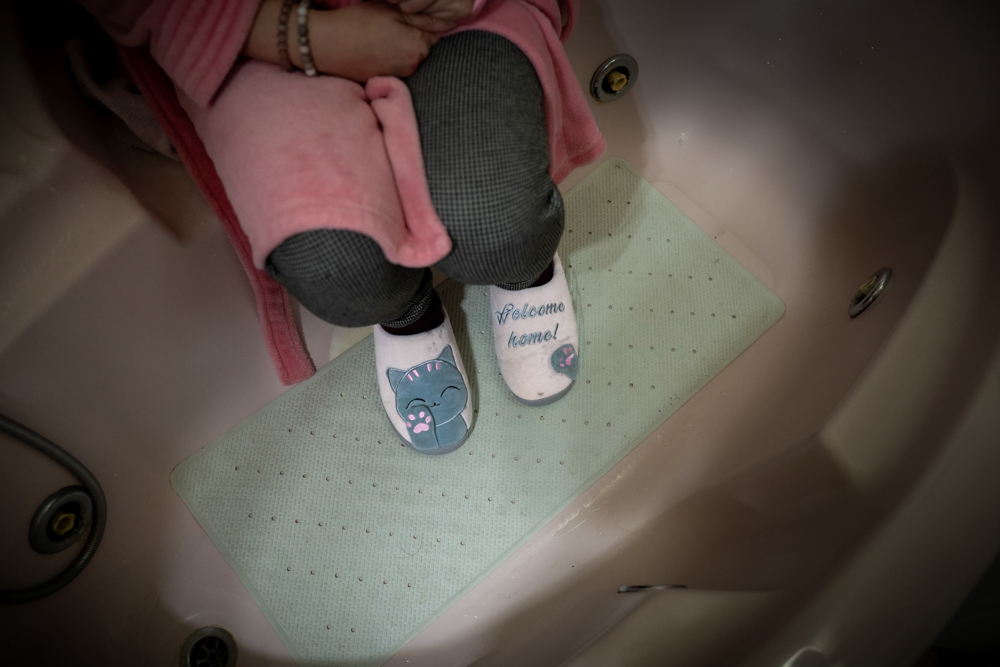
J. Lester Feder, Sveta (Kyiv Pride Shelter), 2022. Courtesy of Outright International.
Nadiia Molozhava and Svitlana Hontar
Although she had witnessed the Russian-backed takeover of Donetsk in 2014 firsthand, Nadiia did not believe the Russian Army would invade Ukraine in 2022—until bombs started falling. She and her partner, Svitlana, worried troops could quickly take their city, Kharkiv, which sits less than twenty miles from the Russian border. Svitlana feared that Russian forces would rape them. “They might want to ‘fix’ me and make me not a lesbian,” she told me.
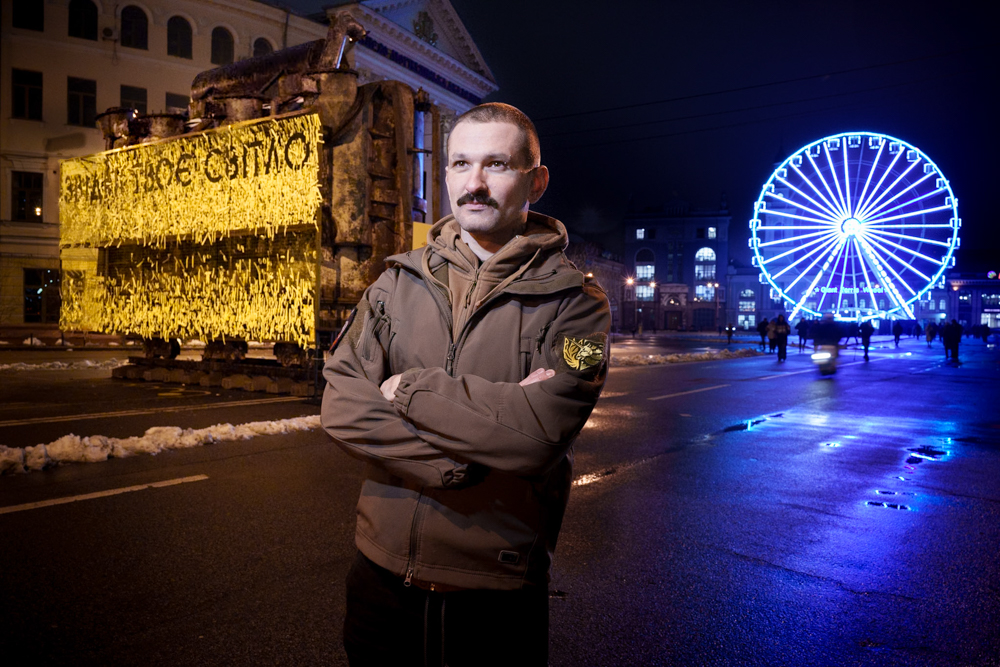
© J. Lester Feder, Viktor Pylypenko, 2024
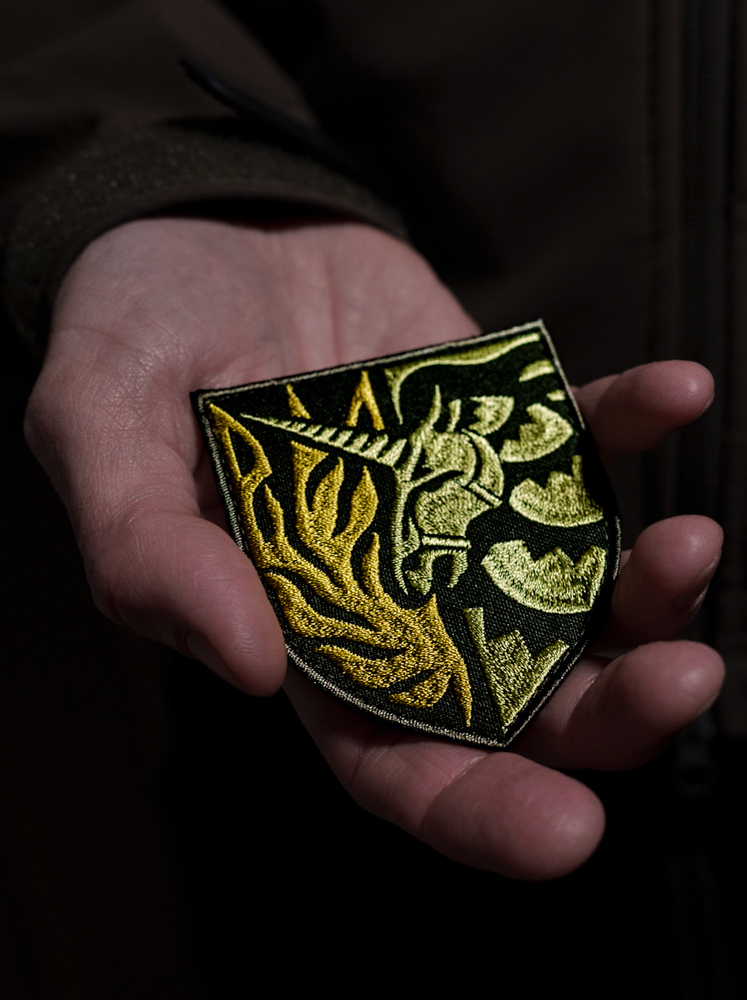
© J. Lester Feder, Viktor Pylypenko 2, 2024
In a traditional coat of arms, unicorns symbolize the valiant soldier who would rather die than be captured; today, unicorns are super gay. This made the mythical beast the perfect focal point as Viktor Pylypenko and designer Nastya Levytska drew on a centuries-old tradition of military iconography to develop a badge for Ukrainian LGBTIQ+ Military and Veterans for Equal Rights. Many queer Ukrainian soldiers now wear this badge on their uniforms alongside patches representing their battalions. The unicorn’s horn extends toward a flaming sword, which represents spiritual enlightenment and readiness to defend the homeland. At its point, the sword splits into three to become a trident, Ukraine’s national symbol.
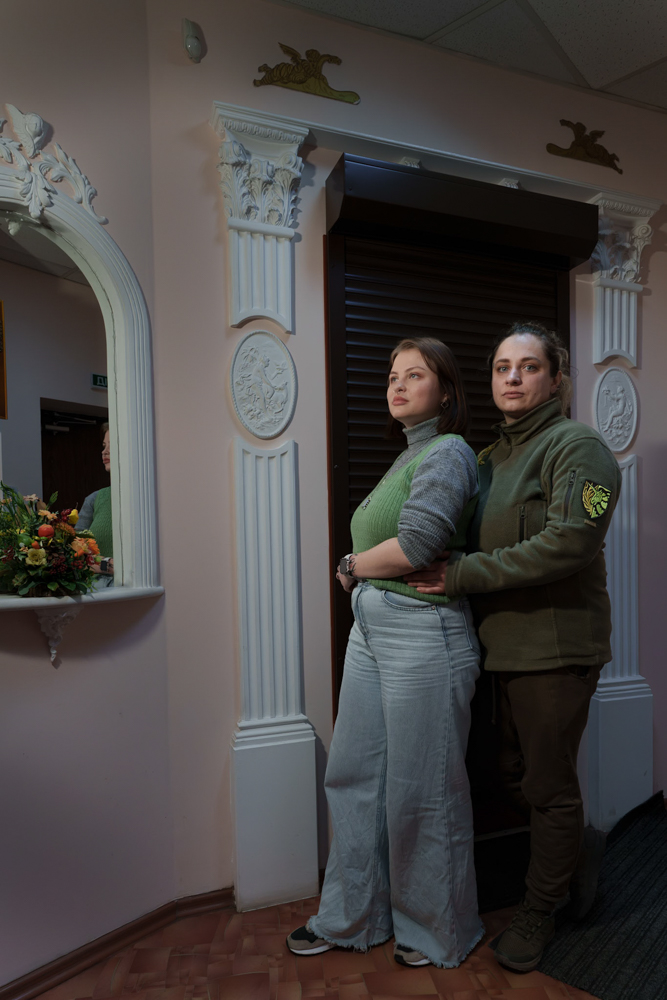
© J. Lester Feder, Stanislava and Alina, 2023
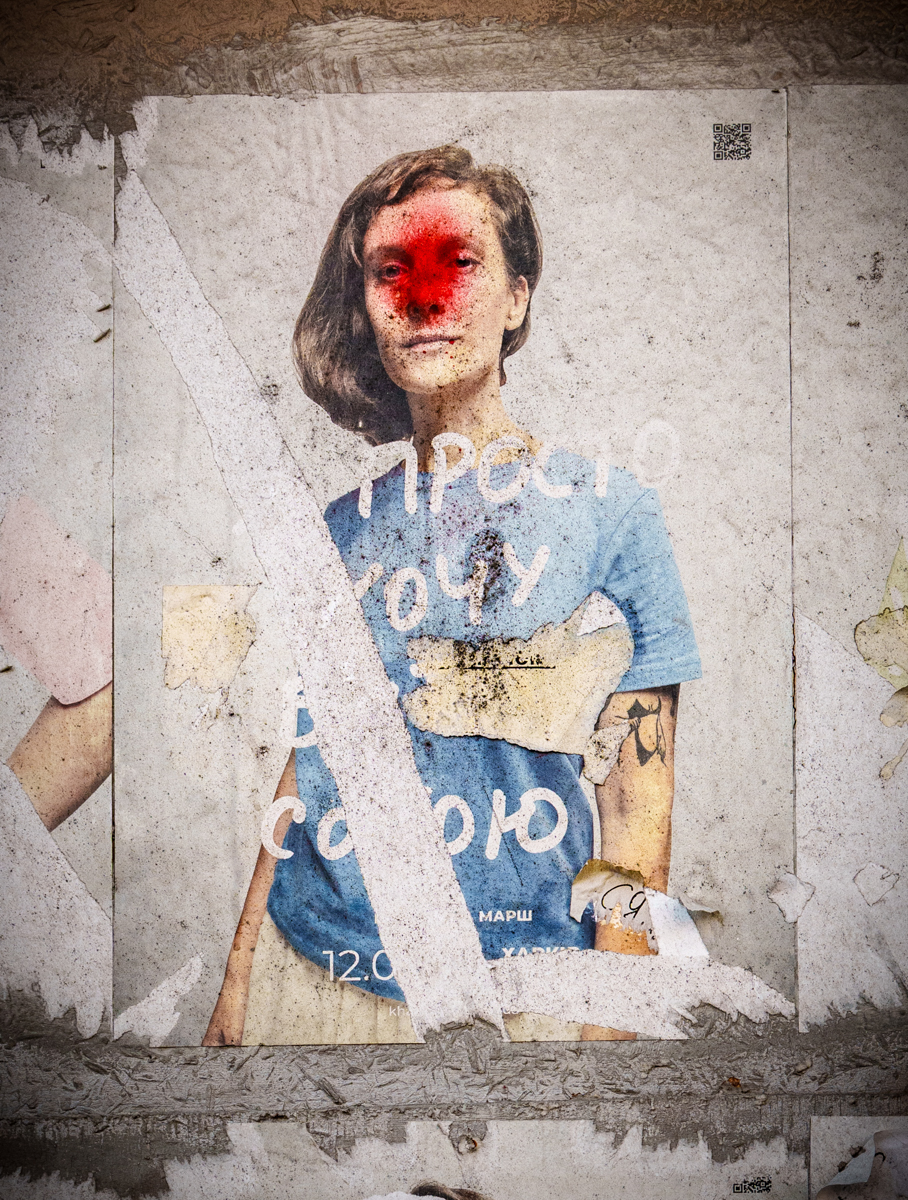
© J. Lester Feder, Defaced Poster of Anna Zyablikova, 2025
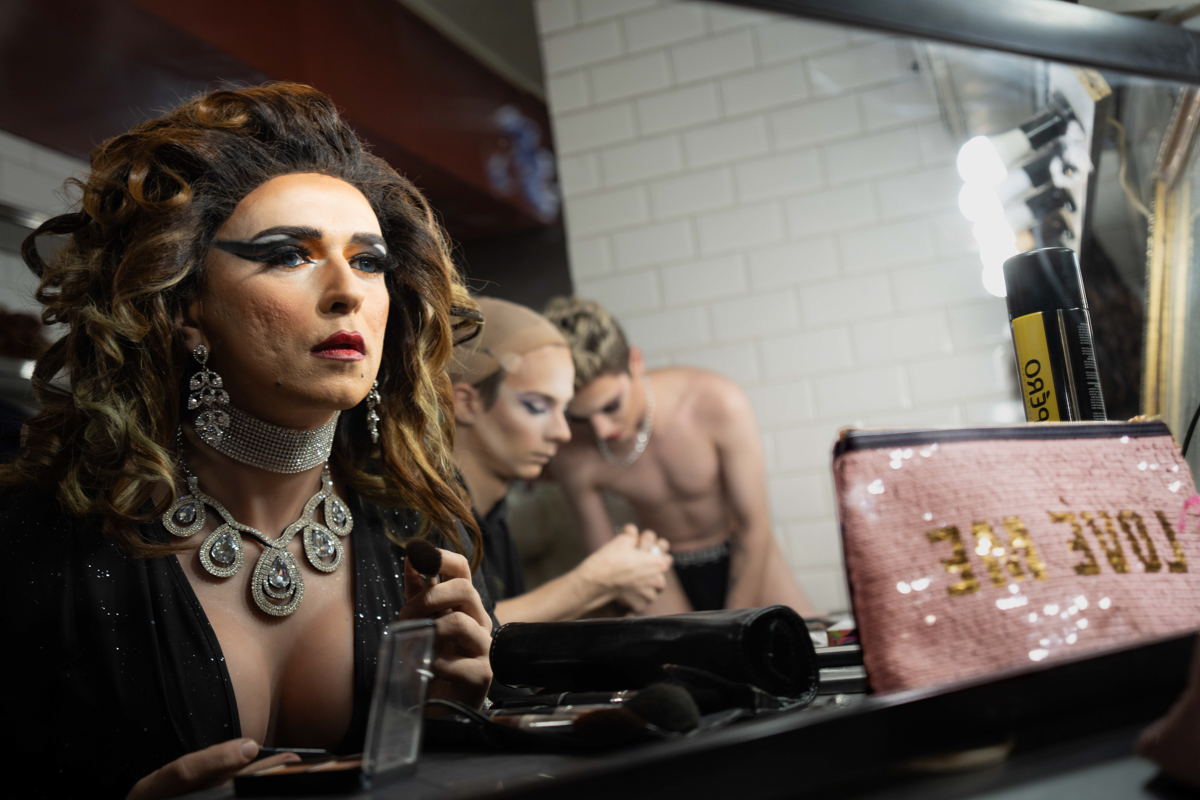
© J. Lester Feder, Artur Ozerov/AuRa, 2025
Artur Ozerov, who works for Kyiv’s military administration, became one of the most visible queer people supporting the war effort after the Ukrainian media reported that he also performs as the drag queen AuRa. Here he prepares to take the stage at a Kyiv nightclub on December 10, 2022.
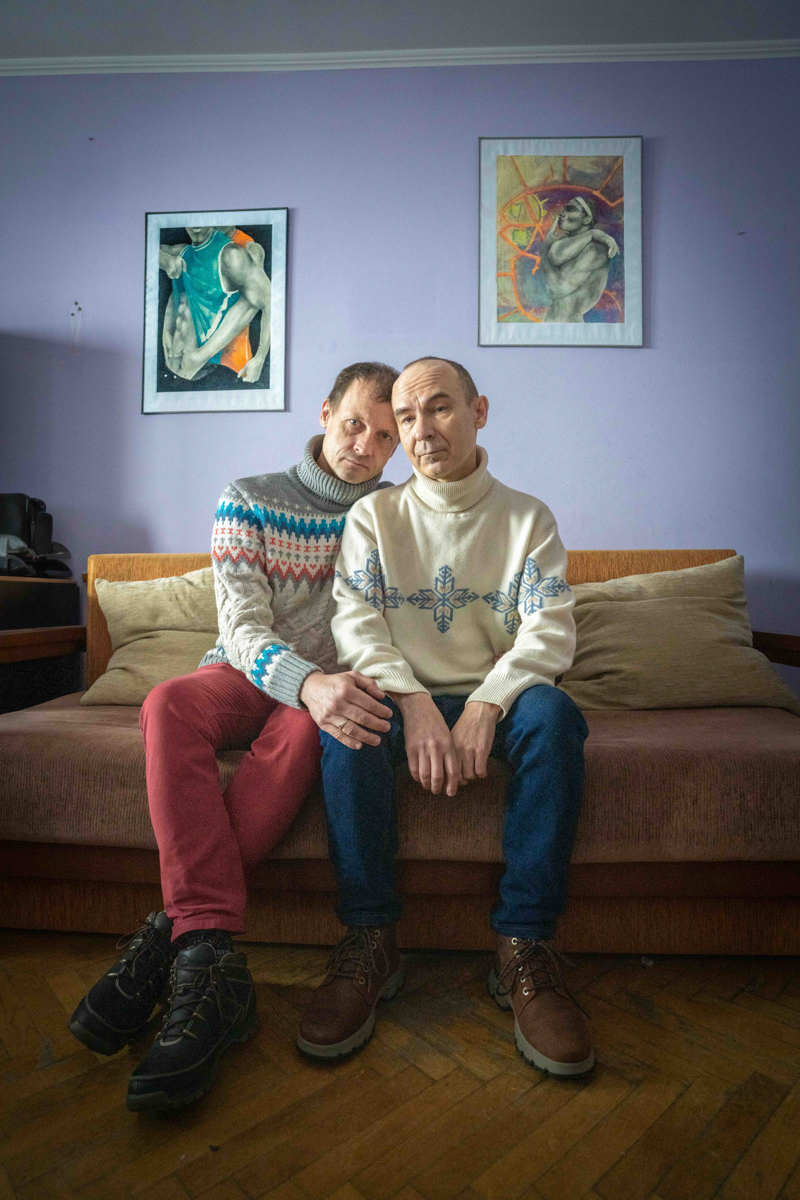
© J. Lester Feder, Andrii Kravchuk and Yurii Ochichenko, 2025. Courtesy of Outright International.
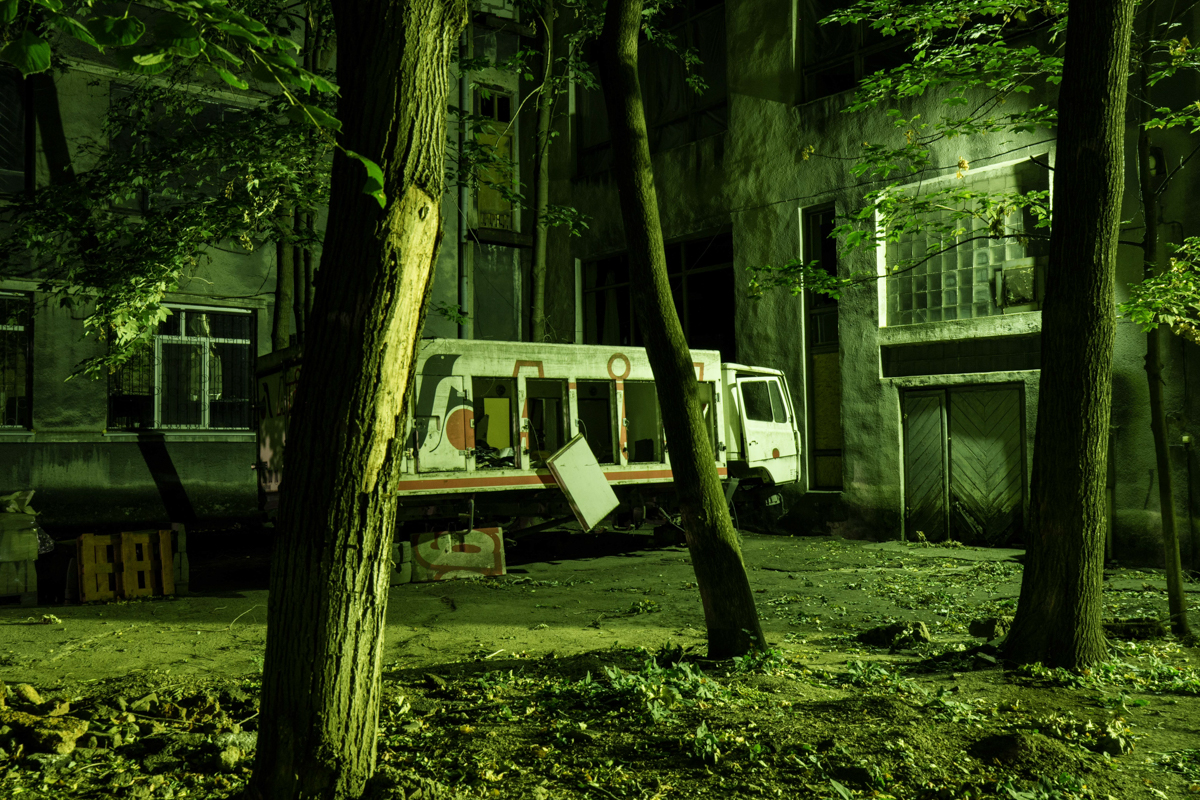
© J. Lester Feder, Odesa Polytechnic National University, 2023
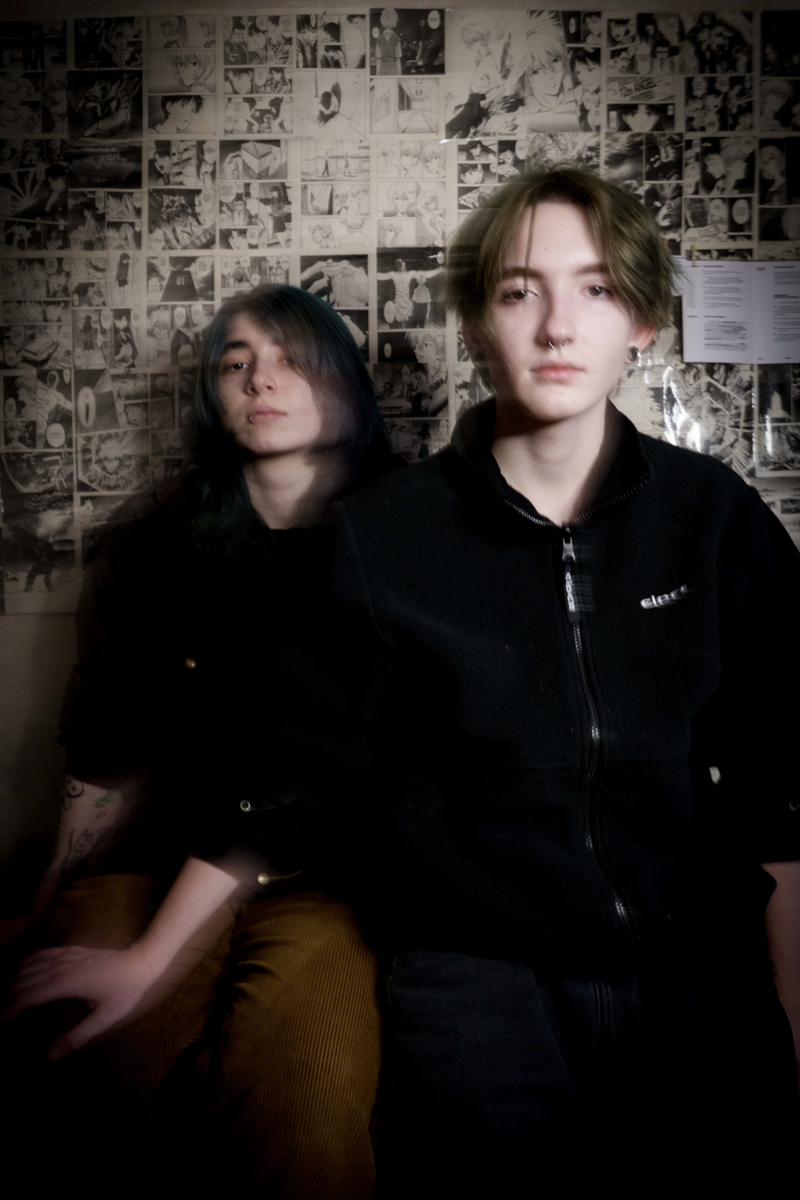
© J. Lester Feder, Sasha and Adam, 2025
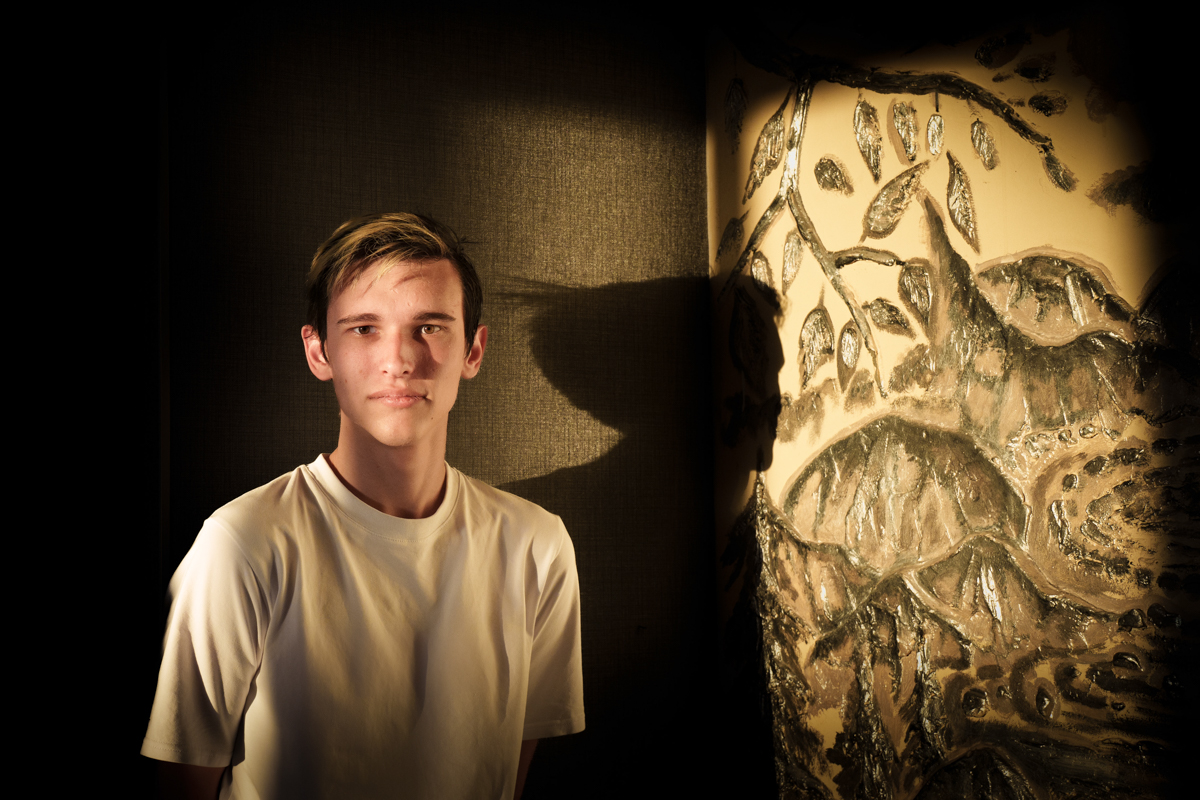
© J. Lester Feder, Oleksii Polukhin, 2025
Oleksii Polukhin
When I met Oleksii in October 2023, he looked much younger than twenty-three. He was rail-thin, and he said he hadn’t eaten anything in the last twenty-four hours. He was homeless; his house had been destroyed after Russia blew up the Kakhovka Dam. And he was reluctant to talk about the details of his detention by the Russians. “I’ve done so much work with a psychologist trying to forget,” he said. But Oleksii told me how it began. Russian soldiers stopped him at a checkpoint on May 9, 2022, two months into the Russian occupation of Kherson. They forced him to unlock his phone and found LGBTQ+ Telegram channels. They called him a “faggot” and stripped him naked on the street, purportedly to search for pro-Ukrainian tattoos.
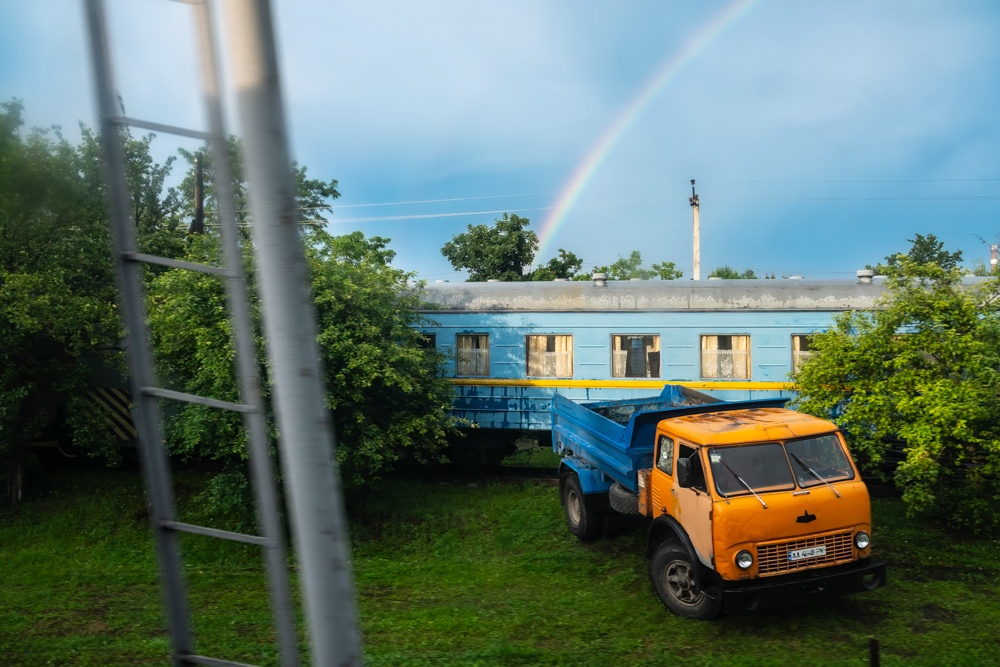
© J. Lester Feder, View from the Chernivtsi-Kyiv Train, 2019
J. Lester Feder is an American journalist of Ukrainian descent who has been reporting in and around Ukraine for more than a decade. From 2013 to 2020, he was the senior world correspondent covering LGBTQ+ rights for BuzzFeed News, and he has been a senior fellow at the global LGBTQ+ human rights organization Outright International and the Human Rights and Gender Justice Clinic of the City University of New York. His honors include a Journalist of the Year Award by the Association of LGBTQ+ Journalists, a GLAAD Media Award, and a Feature Shoot Emerging Photography Award. His photos and writing have appeared in numerous other outlets including The New Yorker, Rolling Stone, and Vanity Fair.
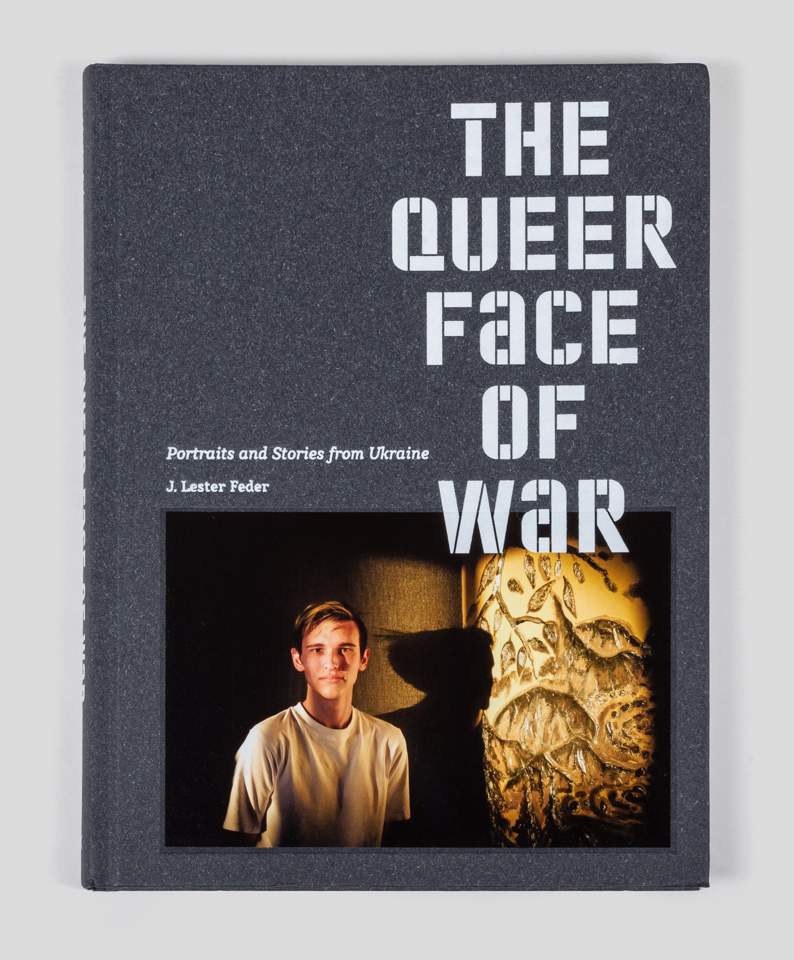
The Queer Face of War: Portraits and Stories from Ukraine was published by Verlag Kettler in 2026.
Posts on Lenscratch may not be reproduced without the permission of the Lenscratch staff and the photographer.
Recommended
-

J. Lester Feder: The Queer Face of WarMarch 11th, 2026
-
Curran Hatleberg: Blood GreenMarch 9th, 2026
-
Kiana Hayeri: No Woman’s LandMarch 8th, 2026
-

McCall Hollister in Conversation With Douglas BreaultMarch 6th, 2026
-
Greg Miller: Morning BusMarch 5th, 2026