2014 Spotlight Grand Prize Finalist: Angela Francis
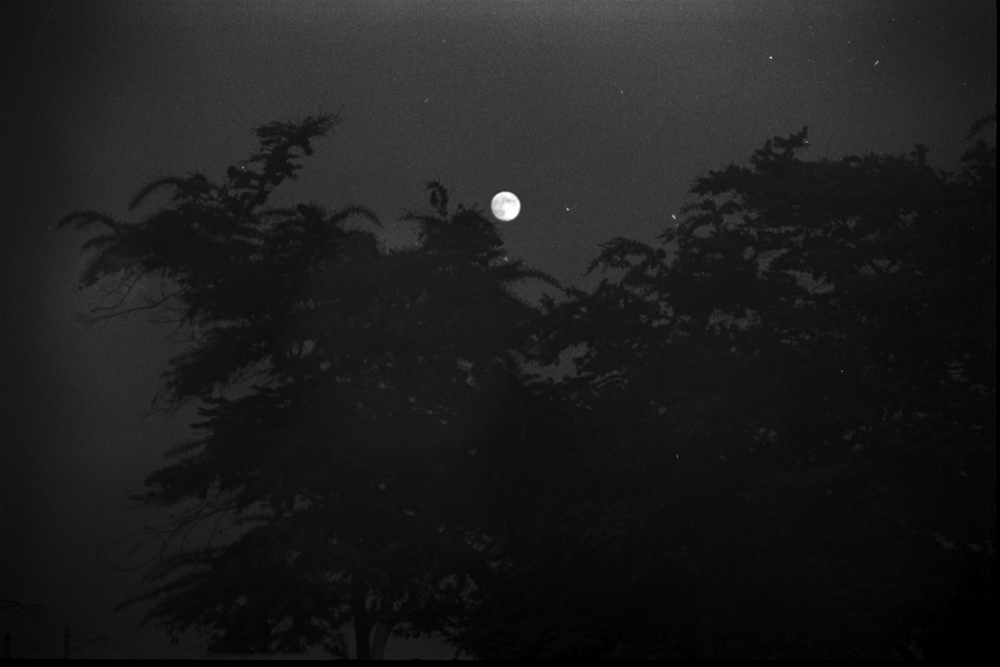 Several months ago, I had the great pleasure to sit on a committee of jurors for the annual Southern California Spotlight Awards for high schoolers in the arts. We had several weeks to explore images submitted by a wide range of talented photographers and ultimately selected two Grand Prize Finalists: Angela Francis and Sophia Arriola-Gibson (her post will run tomorrow). We were all extremely impressed by the level of artistic seeing in the students, but most impressive were the individual sessions we had with each photographer, getting to know their intentions and future goals. Needless to say, there will be a number of strong photographic voices entering college this year.
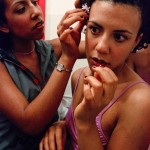
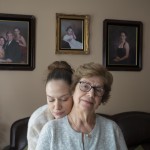
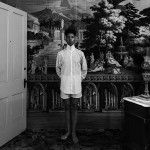
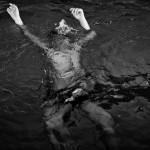
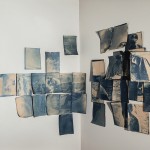
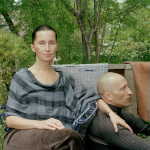
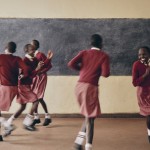
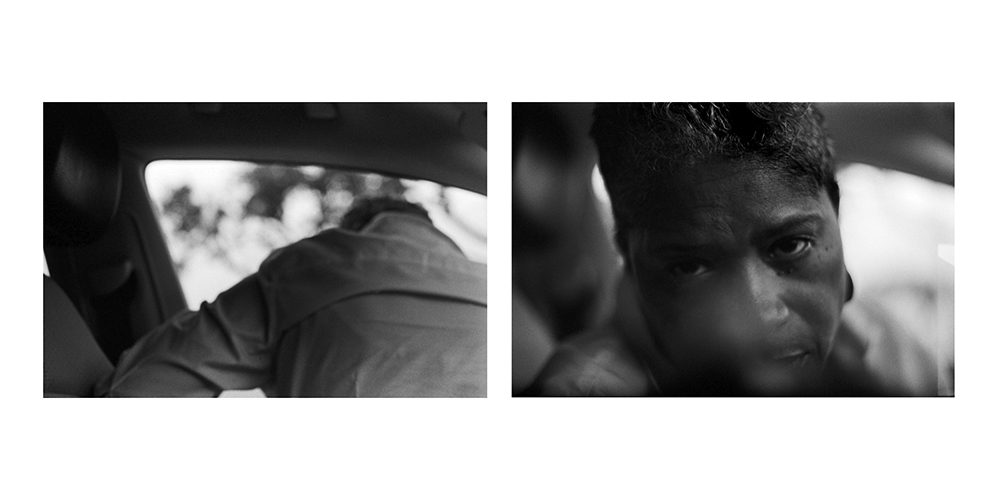
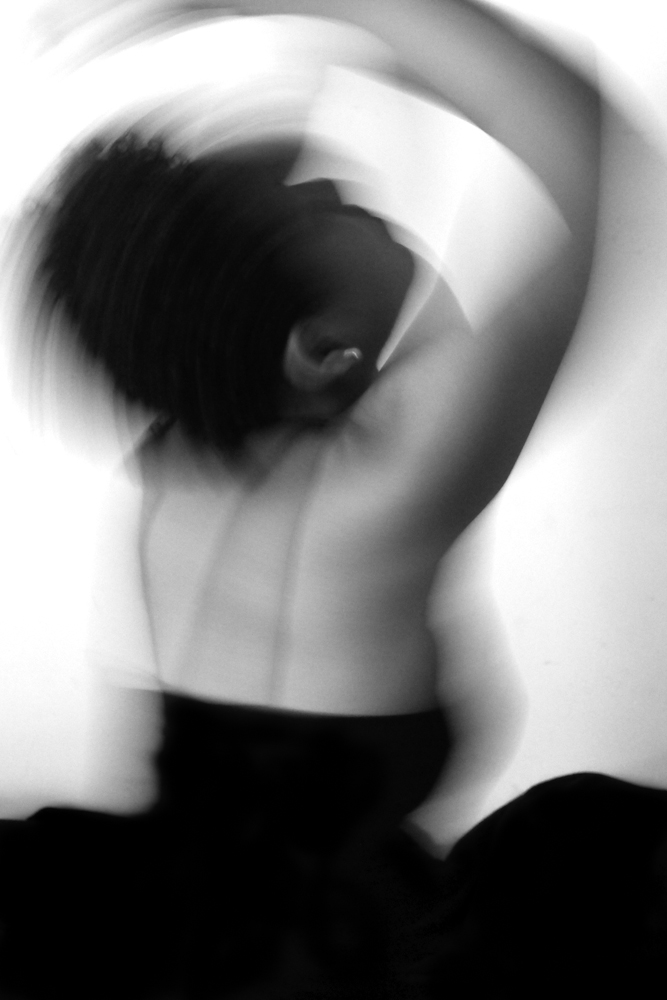
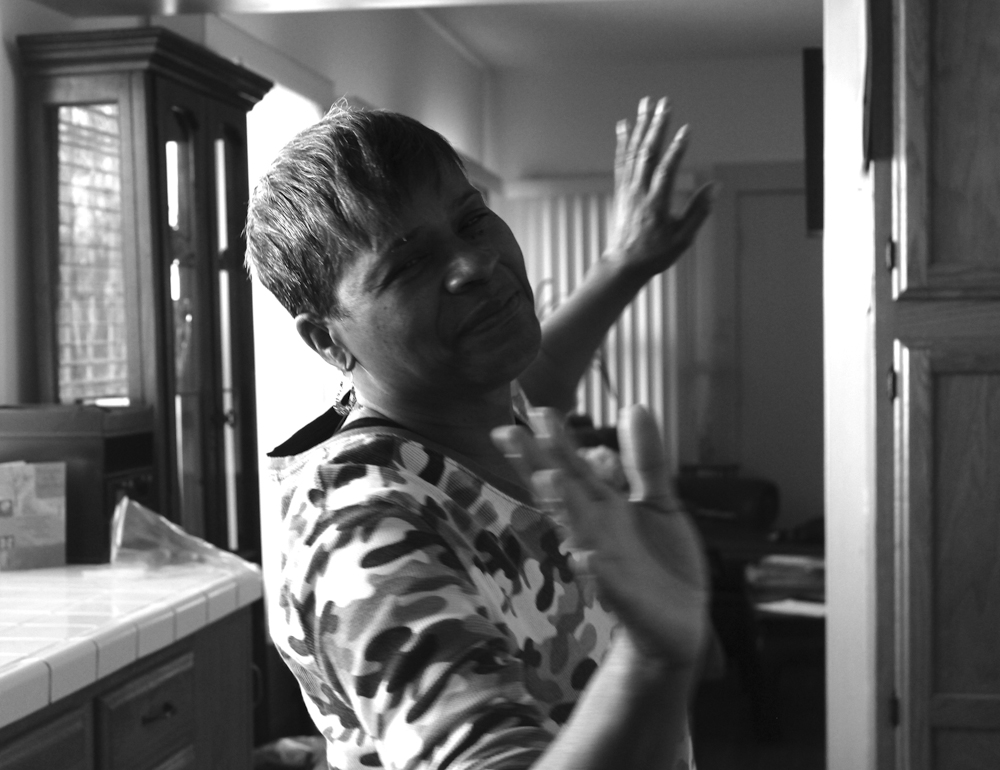
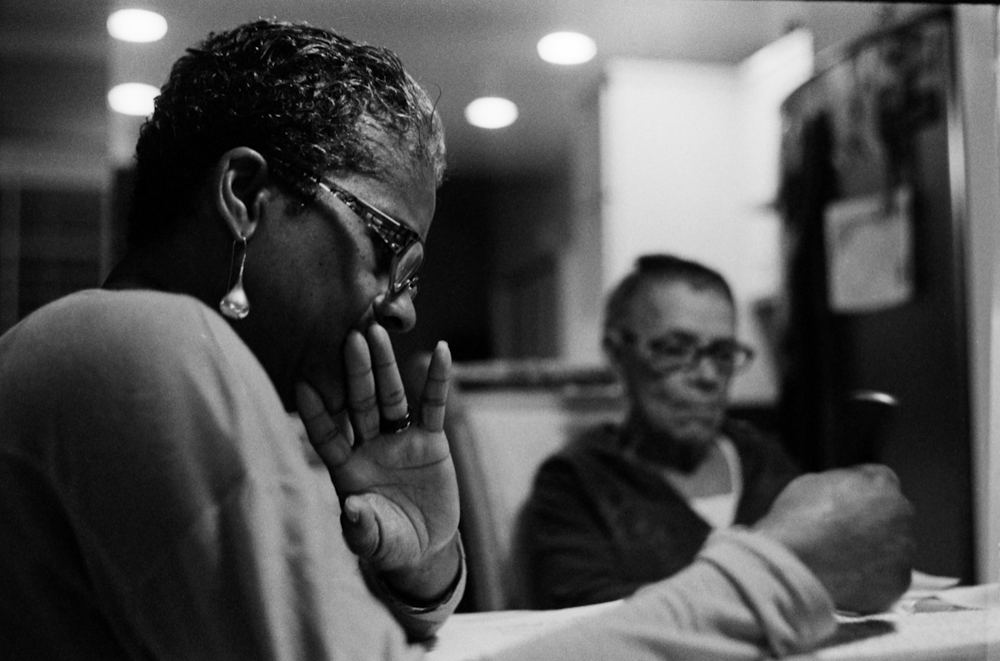
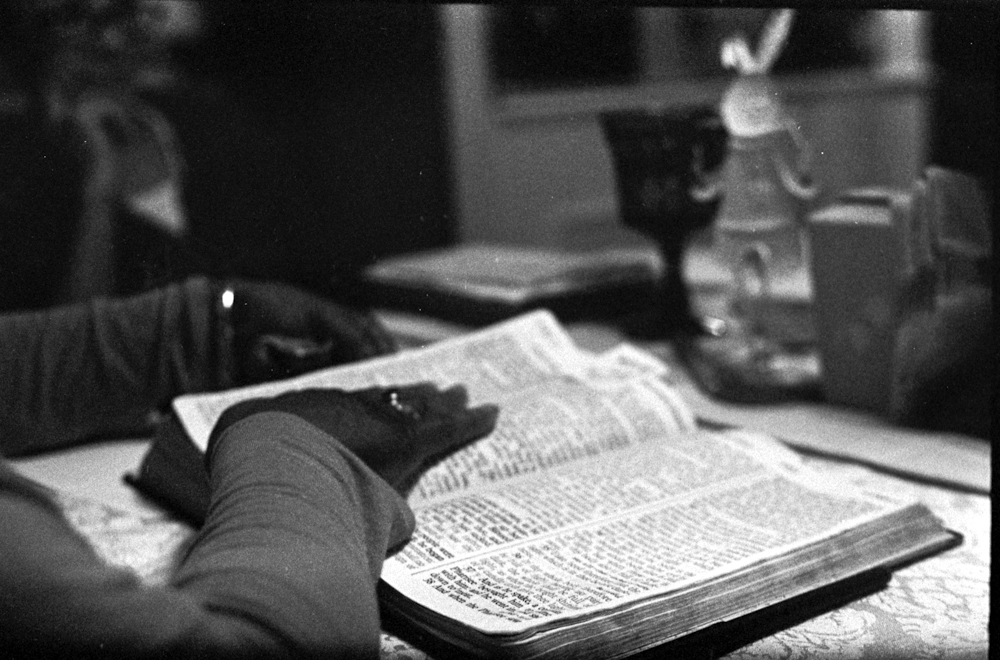
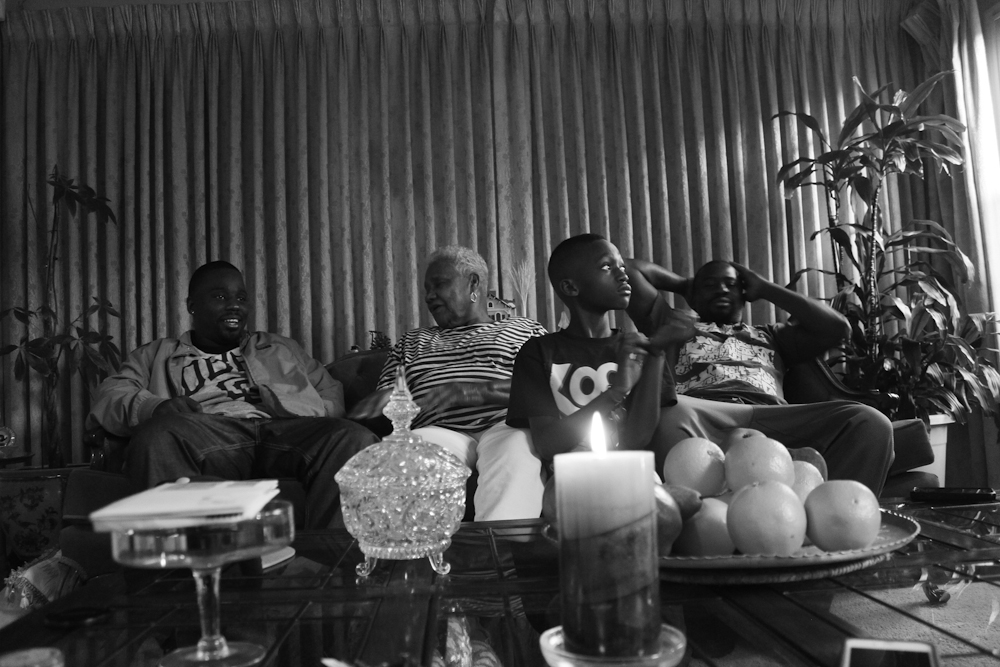
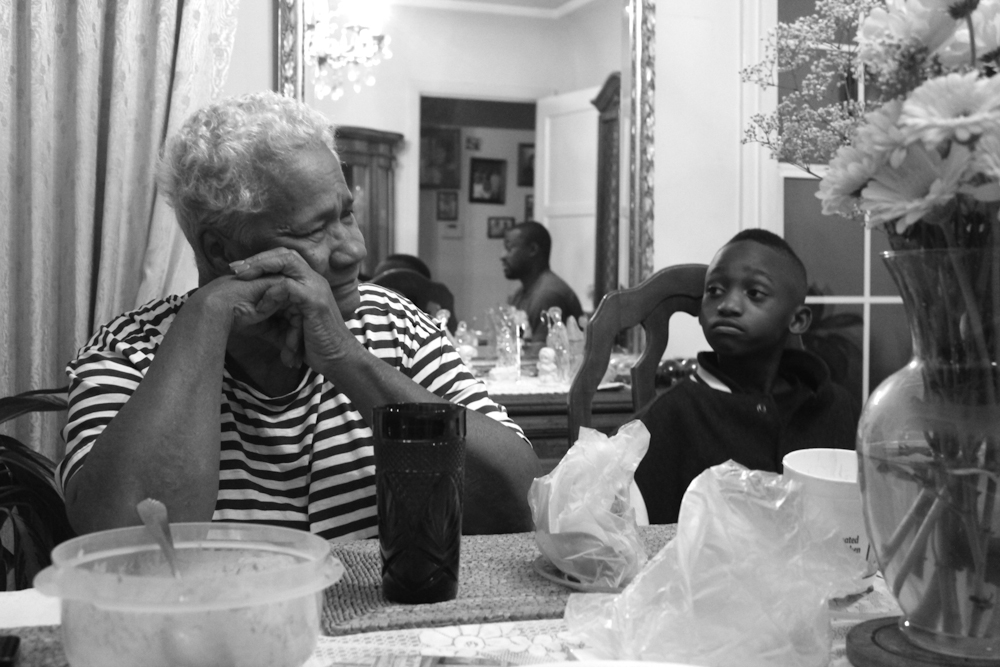
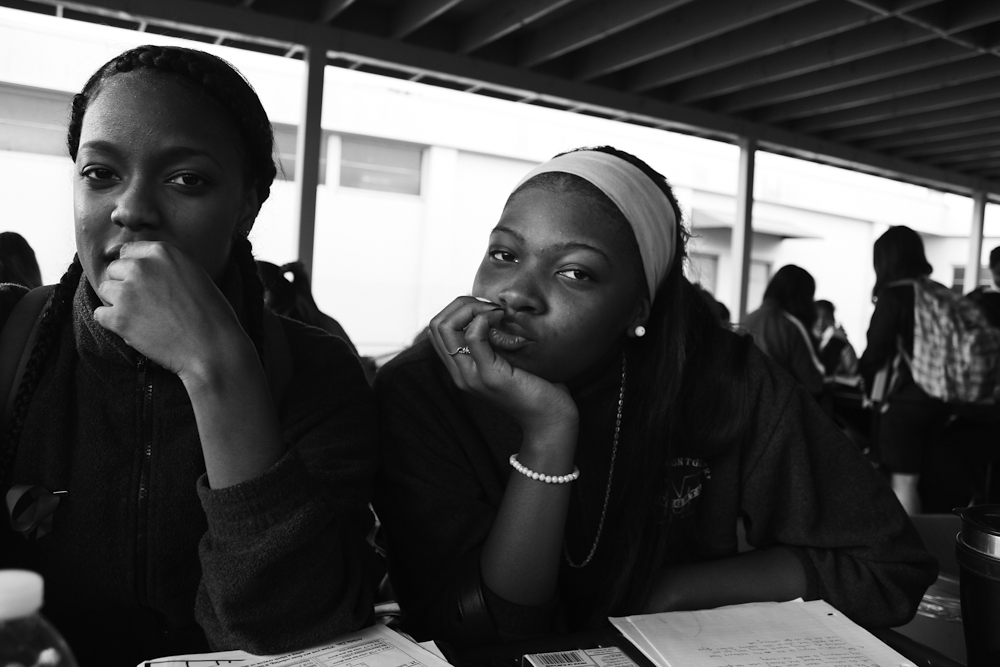
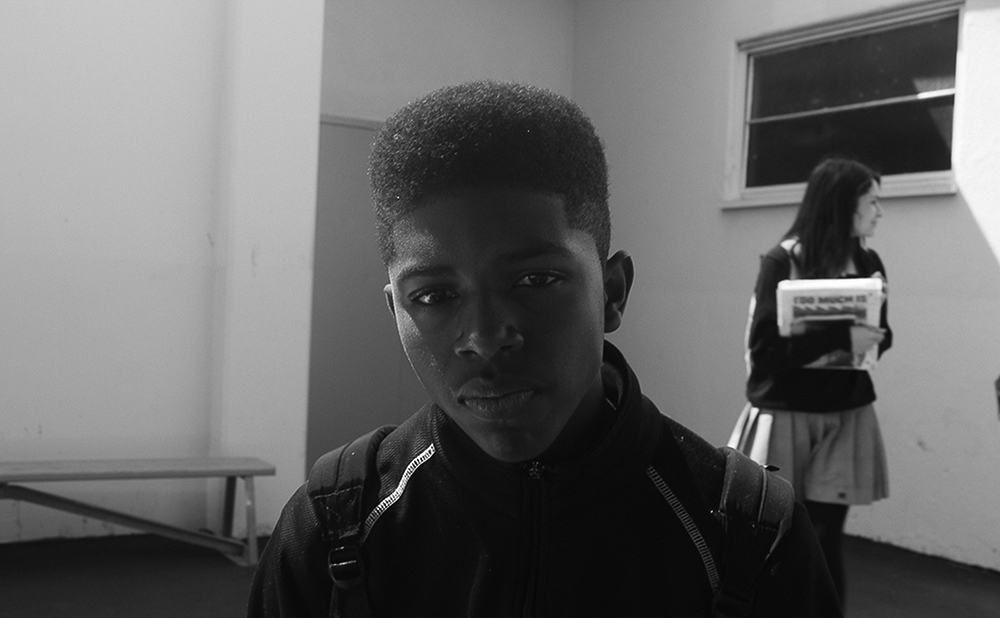
Angela shares work from her Rekindled project where the act of photographing family, being a participant observer in the theater of her own life, allowed for insights on both sides of the camera. The jurors were impressed by her sophisticated seeing and insightful imagery.
Angela Francis, 18, recently graduated from Bishop Montgomery High School Summa Cum Laude, with a suitcase filled with awards and achievements. In addition to her Spotlight Grand Prize win, Angela won a Gold Award from the National Young Arts Foundation and was named a United States Presidential Scholar in the Arts and her work will be shown in the Smithsonian!. She also received a Scholastic Gold Portfolio Key, along with several other awards. She was on the National Honor Society, including the Principal’s Honor Roll, Editor-in-Chief of the yearbook, on the staff of the newspaper, and Scholar Athlete, MVP and captain of the varsity Track team.
She has been photographing for five years and was originally self-taught on a 35mm camera. Since her freshman year of high school, Angela has been an Advanced Studies Photography student at Venice Arts. Through Venice Arts, Angela compiled a photo essay discussing her family and the changes she experienced during 2013. The finished product was a book, which was hand bound, and has been shown in several gallery shows around the US and in Hong Kong. Her primary focus is black and white portraiture and documentary work. Her most prominent influences are Gordon Parks, Carrie Mae Weems, and her grandmother, Alice Paul. Angela will attend Boston University in the fall, with a major in photojournalism. This is Angela’s first year participating in the Spotlight Awards.
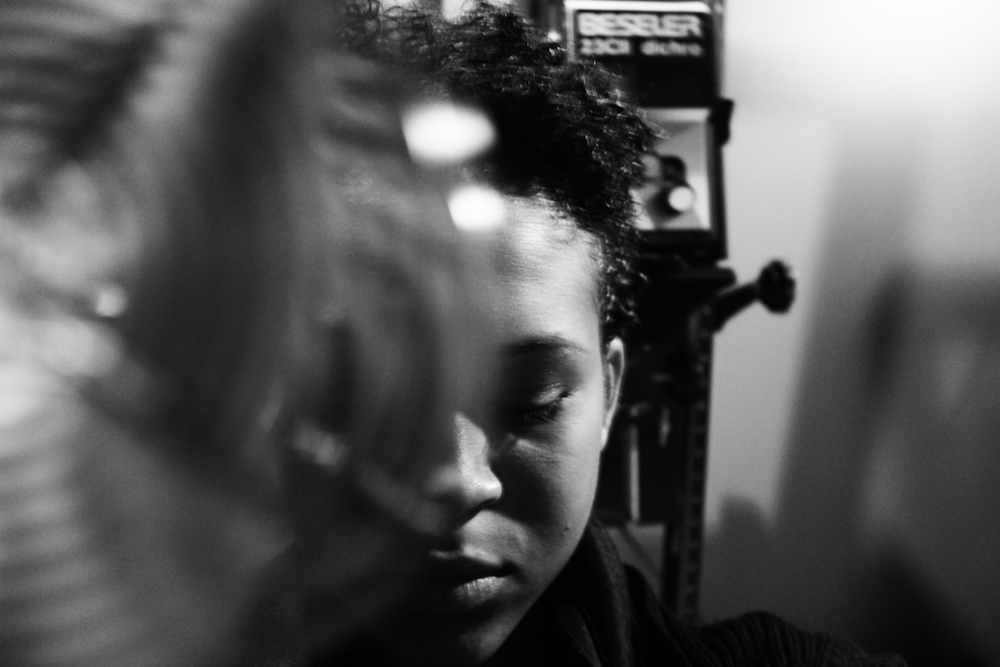
Rekindled
I see myself as a storyteller. These images provide a glimpse into my life and my relationships. My book, Rekindled, discusses changes and family dynamics, but it also touches on things that I presume many people can relate to. These images are from the Twin Cities project I did through Venice Arts. For my junior year of high school, I was partnered with a student in Hong Kong, and Rekindled is a product of our conversation. I talked about myself, my parents, grandmother, cousins, and friends. However, most importantly, I discussed a cycle. Rekindled is about a journey, it is about reshaping and rebuilding. The images give others an opportunity to see things from my perspective. For my family, it gave them a chance to see themselves through my eyes. For myself, it was a healing process. This project is not complete, and I am still exploring the concept.


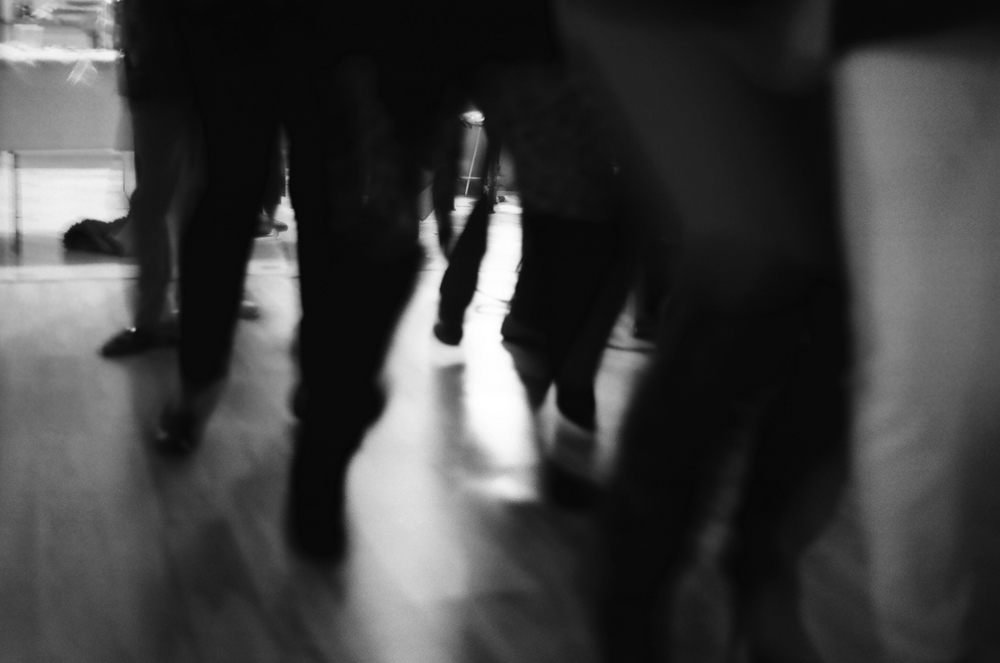
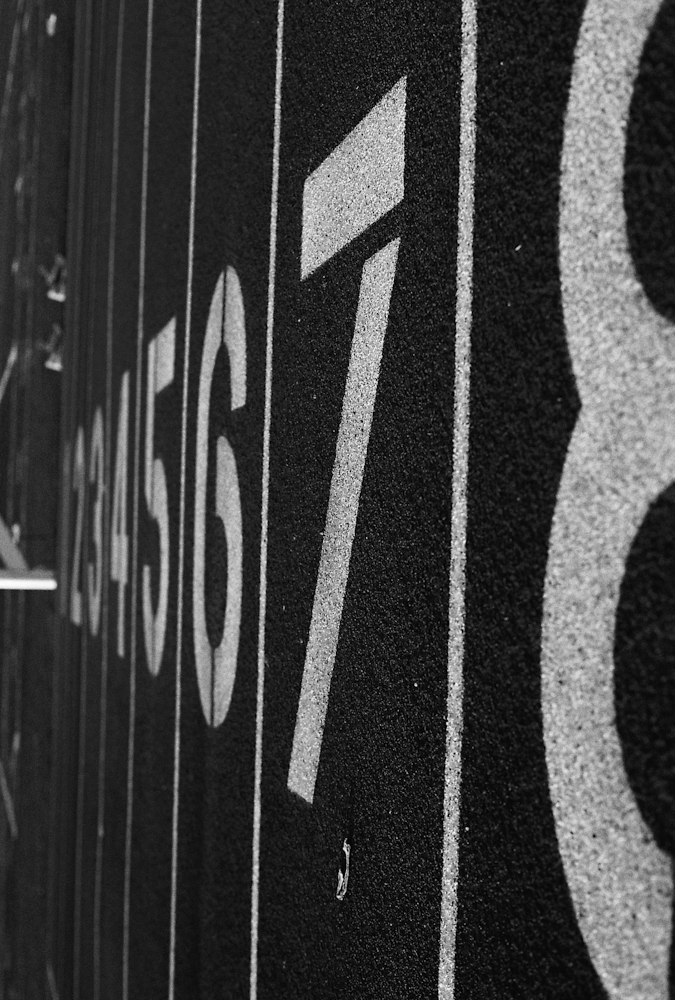
Posts on Lenscratch may not be reproduced without the permission of the Lenscratch staff and the photographer.
Recommended
-
Shane Hallinan: The 2025 Salon Jane Award WinnerFebruary 12th, 2026
-

Greg Constantine: 7 Doors: An American GulagJanuary 17th, 2026
-
Yorgos Efthymiadis: The James and Audrey Foster Prize 2025 WinnerJanuary 2nd, 2026
-
Arnold Newman Prize: C. Rose Smith: Scenes of Self: Redressing PatriarchyNovember 24th, 2025
-
Celebrating 20 Years of Critical Mass: Cathy Cone (2023) and Takeisha Jefferson (2024)October 1st, 2025