THE CENTER AWARDS: Social Award: Hannah Altman
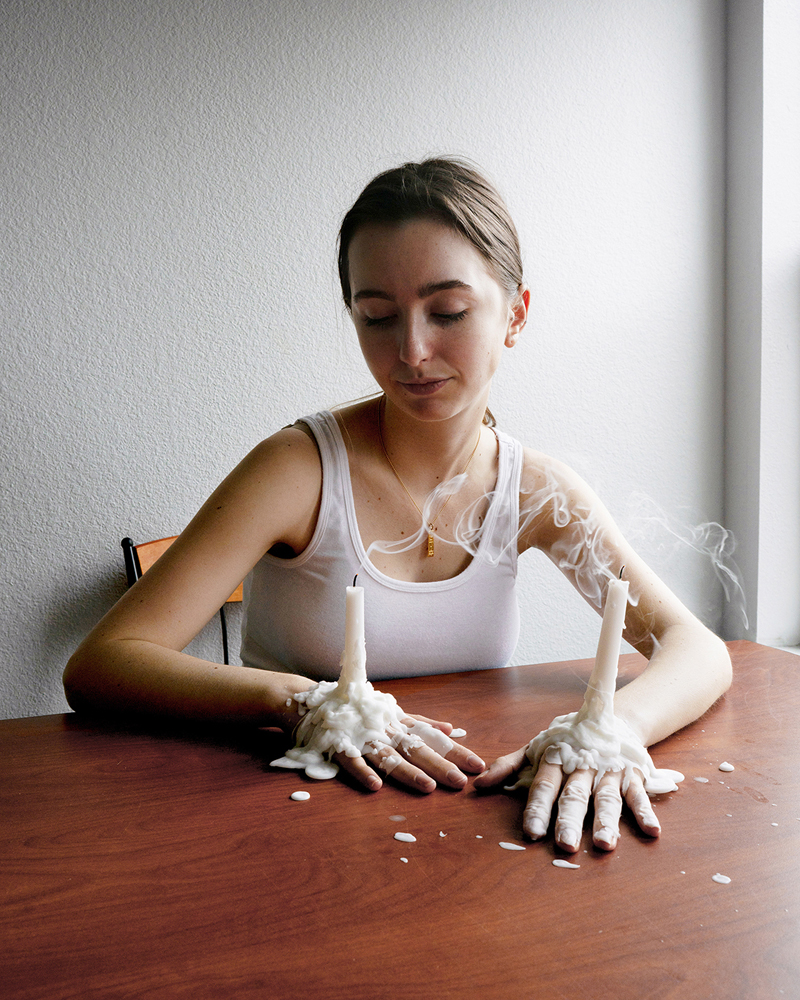
©Hannah Altman, Shabbat Candles, 2019
Congratulations to Hannah Altman for being selected for CENTER’s Social Award recognizing her project, A Permanent Home in the Mouth of the Sun. The Social Awards recognize work engaged in social issues. All projects exploring social topics or themes were eligible.
JUROR: Jess T. Dugan, Artist & Co-Founder, Strange Fire Collective shares their thoughts on this selection:
I was impressed by the quality and diversity of the work submitted to the Social Awards. Seeing projects from around the world that address a variety of meaningful social issues, such as climate change, immigration, activism, systemic racism, socioeconomic inequity, chronic illness, neurodivergence, aging, family systems, the effects of the pandemic, and LGBTQ+ rights was very moving. In addition to the subject matter, the formal and technical execution of each project was critical to my selection; I was looking for cohesive bodies of work comprised of strong individual images and was most drawn to projects where the artists spoke about social issues from a highly personal vantage point, using their own stories as a point of departure. As I was
viewing all of the submitted work, one of my favorite quotes by Diane Arbus came to mind: “The more specific you are, the more general it’ll be.”
The two Honorable Mentions, one, one thousand by Debe Arlook and A Permanent Home in the Mouth of the Sun by Hannah Altman also embody a combination of personal storytelling and socially-engaged content. one, one thousand tells the story of Arlook’s 28-year-old nephew, David, who has Lennox-Gastaut Syndrome, an incurable seizure disorder, and severe autism, rendering him non-verbal and in need of full-time care. Arlook’s images show David and his mother, Lori, alongside her handwritten text describing aspects of their lives and relationship. A Permanent Home in the Mouth of the Sun explores Jewish diaspora, world building, and sacred time through photographic narratives that build from interpreted rituals and motifs in Yiddish folklore. Using herself, her friends, and her family, Altman creates formally compelling photographs that explore themes of time, ritual, memory, and ancestry through the lens of her own experiences with Jewish identity and culture.
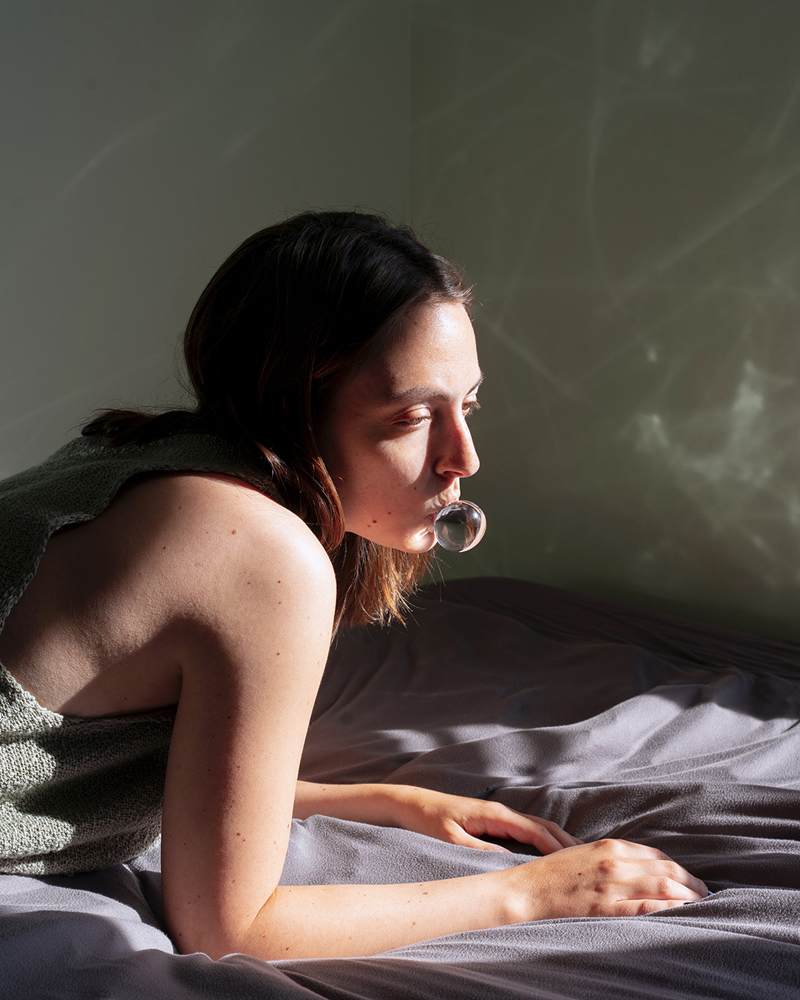
©Hannah Altman, Blowing A Glass Bubble to Make Permanent Something Temporary, 2021
Jess T. Dugan is the co-founder of the Strange Fire Collective, a group of interdisciplinary artists, curators, and writers focused on work that engages with current social and political forces. Strange Fire’s collective practice is centered around increasing the visibility of meaningful work made by women, people of color, and queer and trans artists and creating dialogue and community through publications, exhibitions, and events. Jess is an artist whose work explores issues of identity through photographic portraiture.
Their work has been widely exhibited and is in the permanent collections of over 40 museums throughout the United States. Their monographs include Look at me like you love me (MACK, 2022), To Survive on This Shore: Photographs and Interviews with Transgender and Gender Nonconforming Older Adults (Kehrer Verlag, 2018) and Every Breath We Drew (Daylight Books, 2015). They are the recipient of a Pollock-Krasner Foundation Grant, an ICP Infinity Award, and were selected by the Obama White House as an LGBT Artist Champion of Change.
Hannah Altman is a Jewish-American artist from New Jersey. She holds an MFA from Virginia Commonwealth University. Her photographs interpret relationships between gestures, the body, lineage, and interior space.
Her work has been featured in publications such as Vanity Fair, Carnegie Museum of Art Storyboard, Huffington Post, and British Journal of Photography. She received the 2021 Lensculture Critics’ Choice Award and the 2022 first prize for the Portraits Hellerau Photography Award. Her first monograph, Kavana, published by Kris Graves Projects, is in the permanent collections of the MoMa Library and the Metropolitan Museum of Art Thomas J Watson Library.
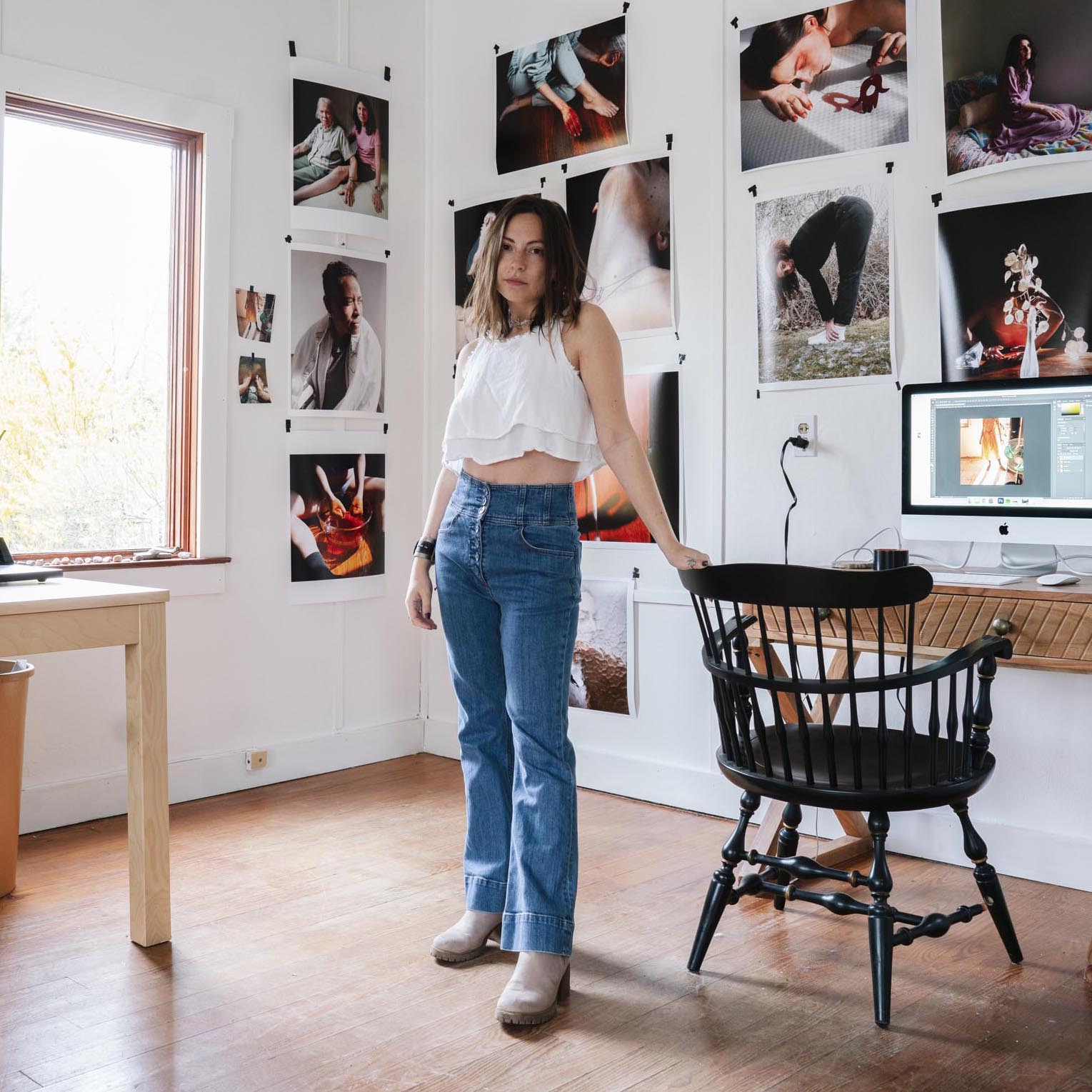
Portrait of Hannah Altman
A Permanent Home in the Mouth of the Sun
A Permanent Home in the Mouth of the Sun explores Jewish diaspora, world building, and sacred time through photographic narratives that build from interpreted ritual and motifs in Yiddish folklore. Judaic stories often consider the polarity of exile; with one hand we tend to ancestral wounds that compel the notion to shield and assimilate, with the other we knead an ancestral resilience that allows us to continually revisit actions, places, and objects as they fit into new spaces of care and translation. The Jewish ritualization of time is similarly elastic. Through repeated cycles of practice sanctified by the setting sun, the past weaves through the arteries of the present, encouraging photographs born from Jewish memories to perform time in open-ended worlds.
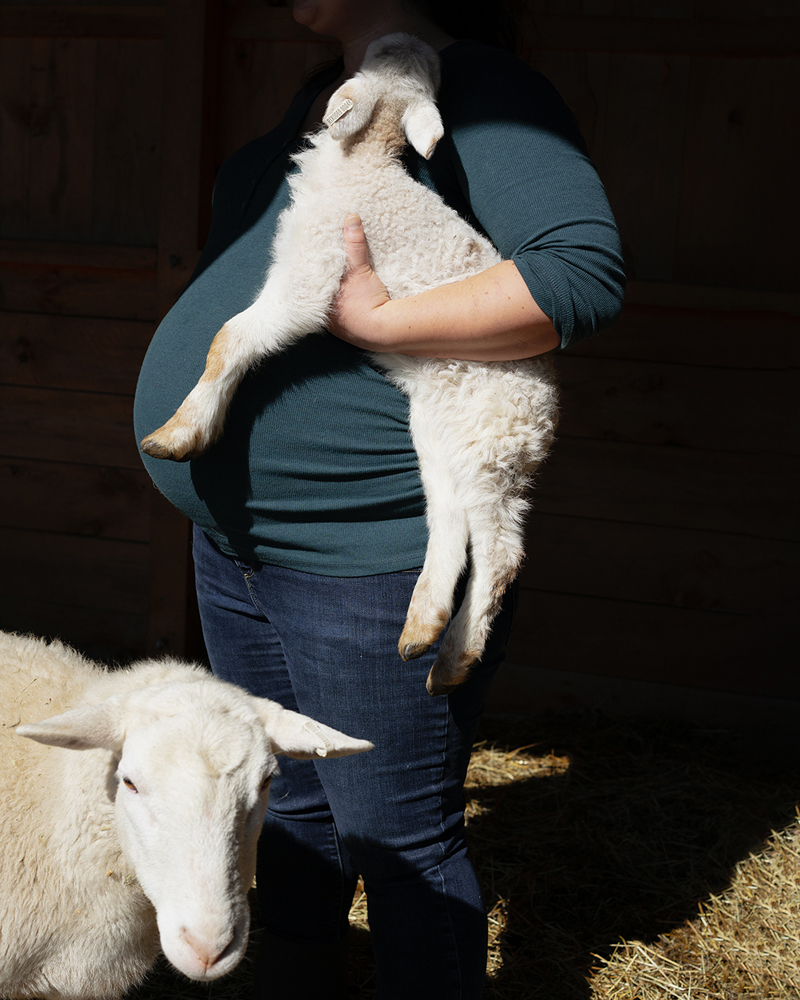
©Hannah Altman, Blowing Passover Births, 2021
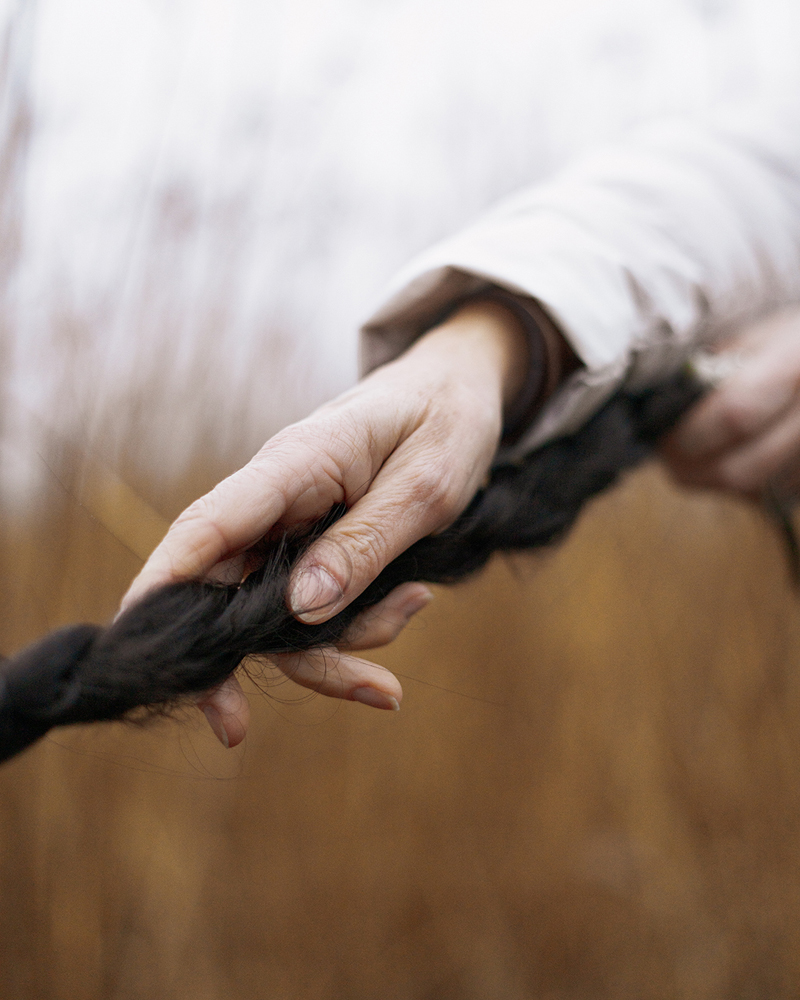
©Hannah Altman, Braid Tug, 2021
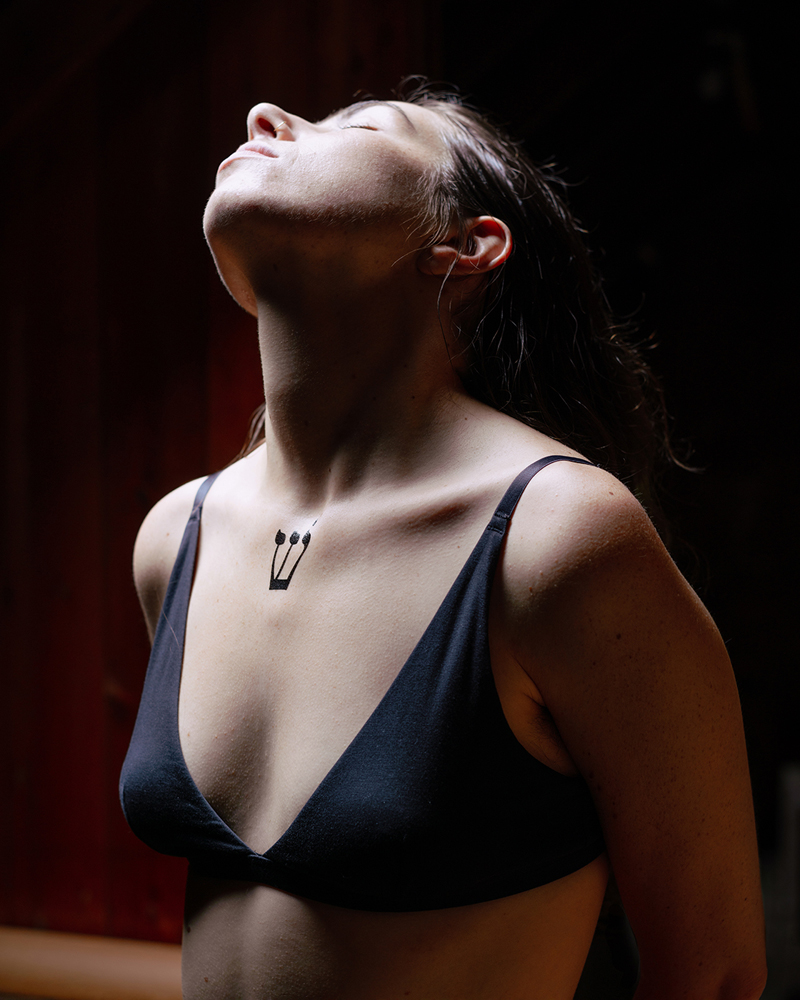
©Hannah Altman, Shin (Body as Mezuzah), 2021
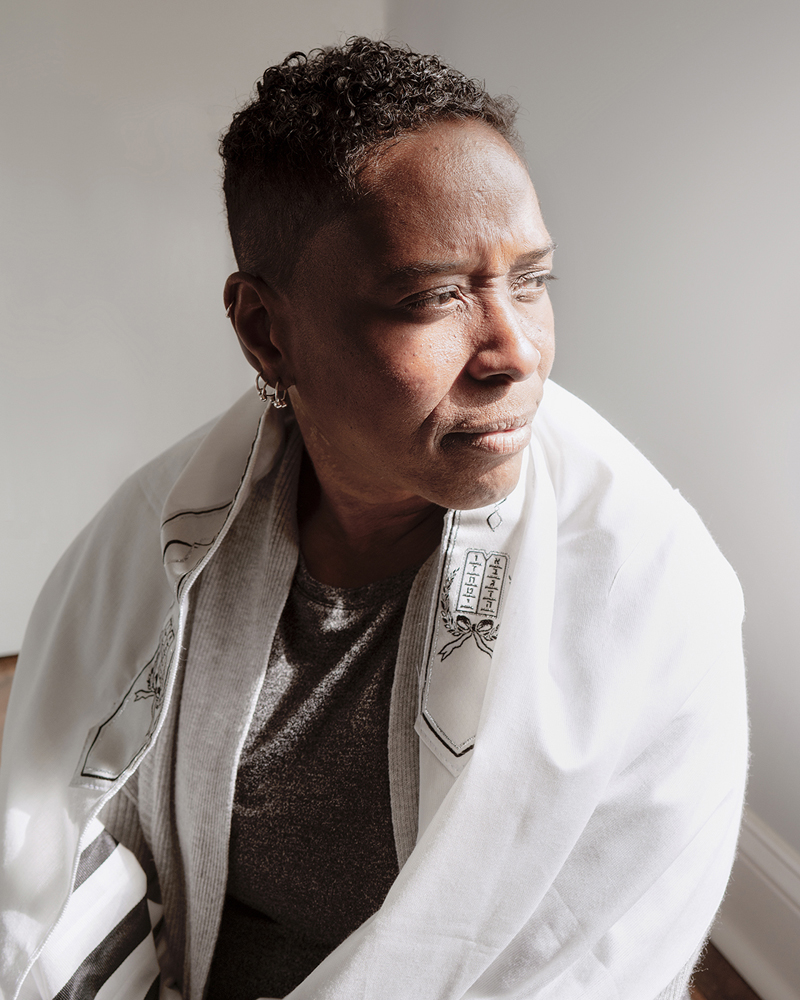
©Hannah Altman, Afternoon in North Carolina, 2019
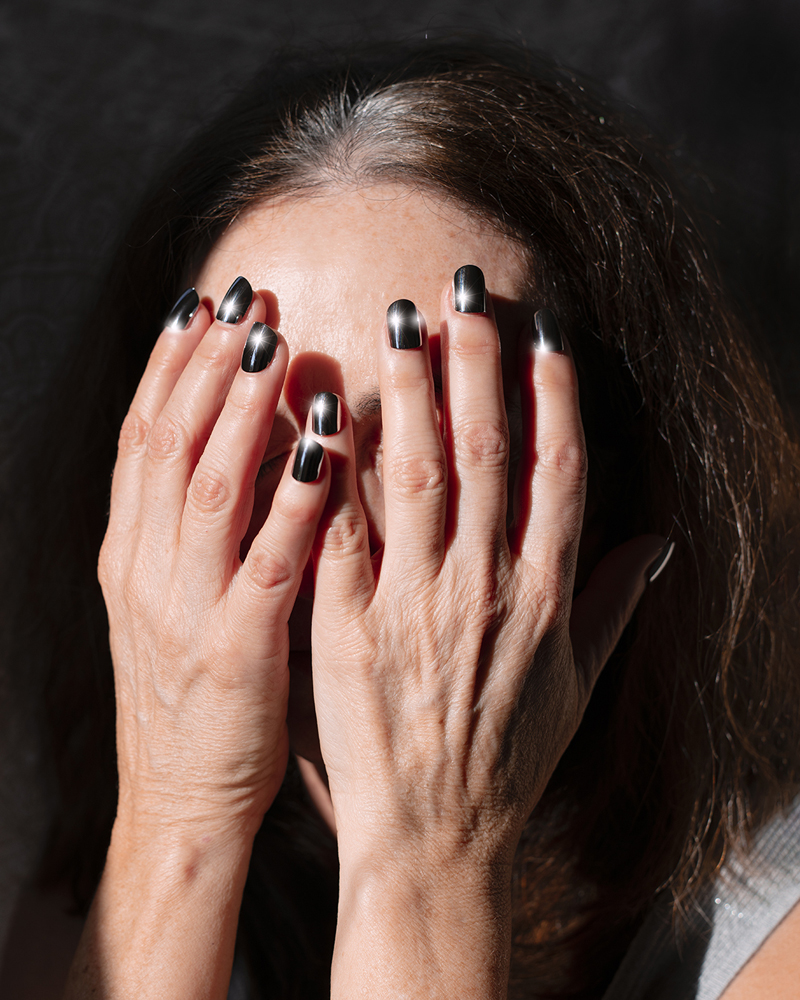
©Hannah Altman, Reflecting Light, 2021
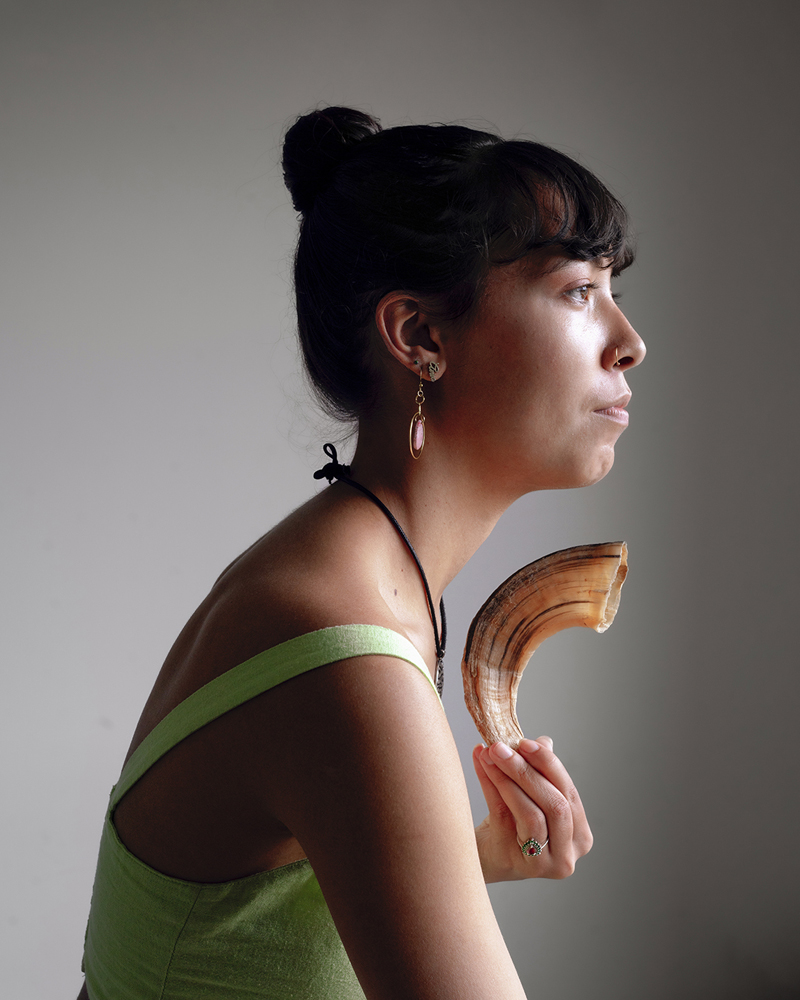
©Hannah Altman, Shofar (Voice Instruments), 2021
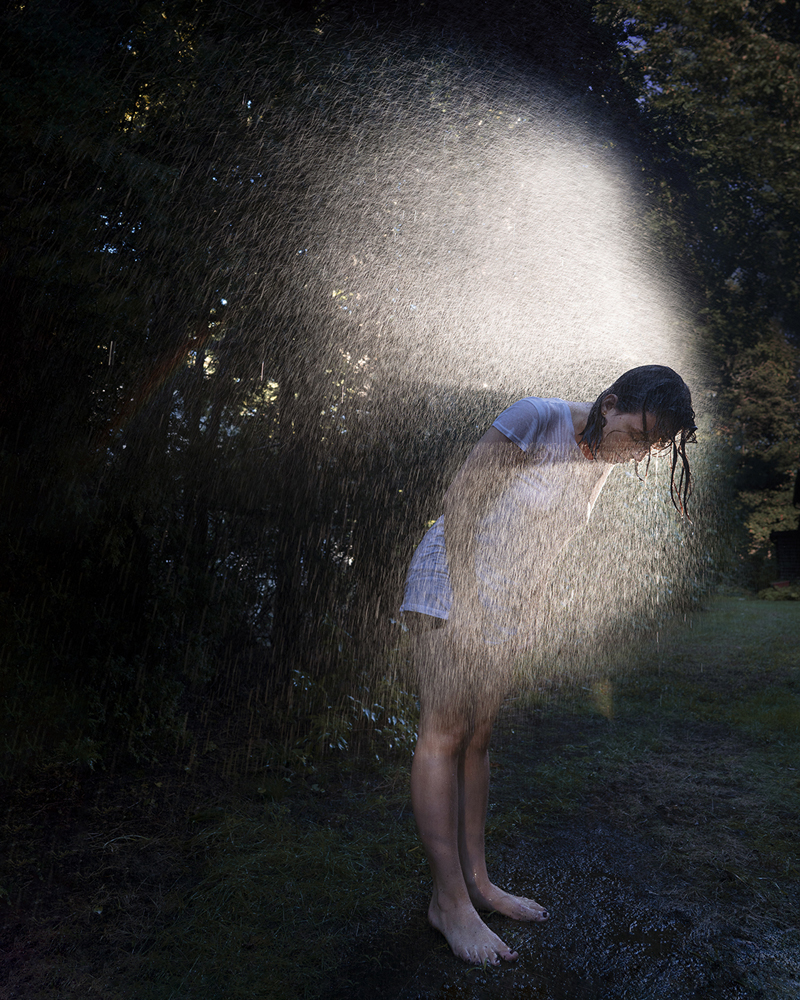
©Hannah Altman, Interruption
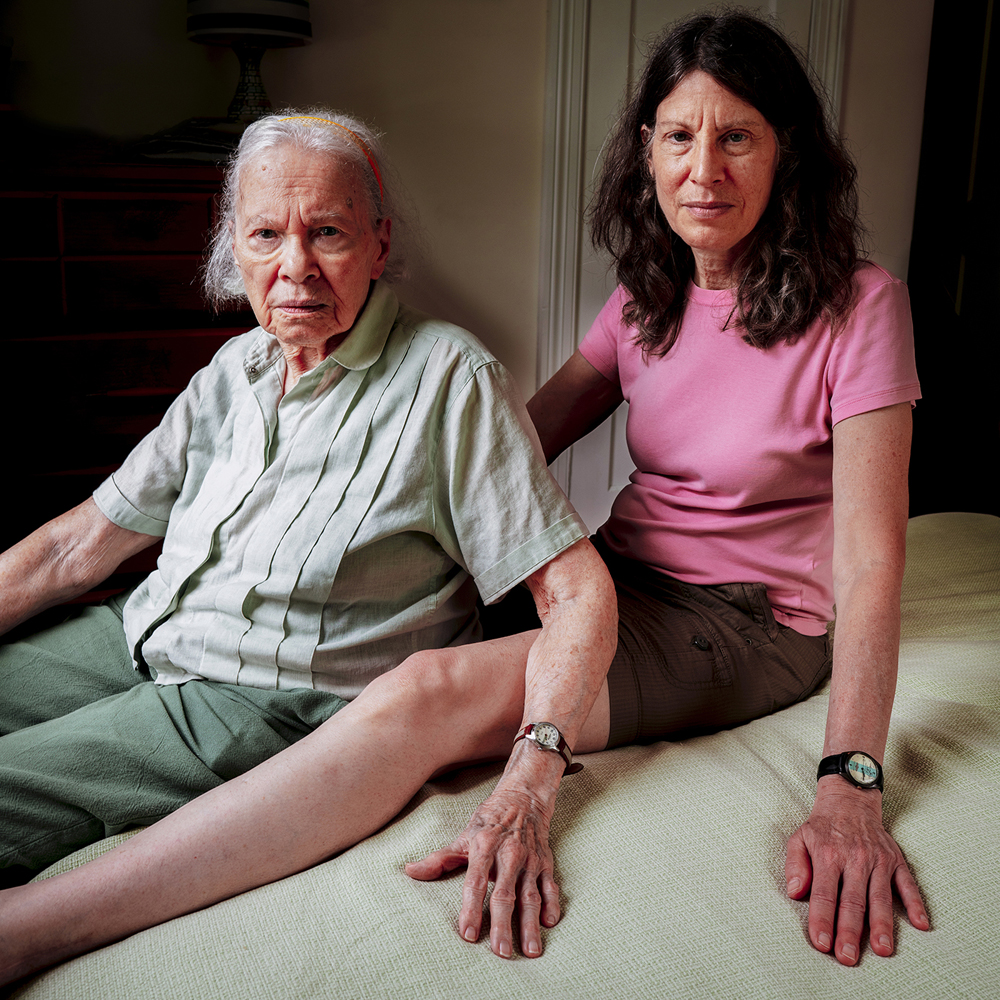
©Hannah Altman, Keeping Time, 2019
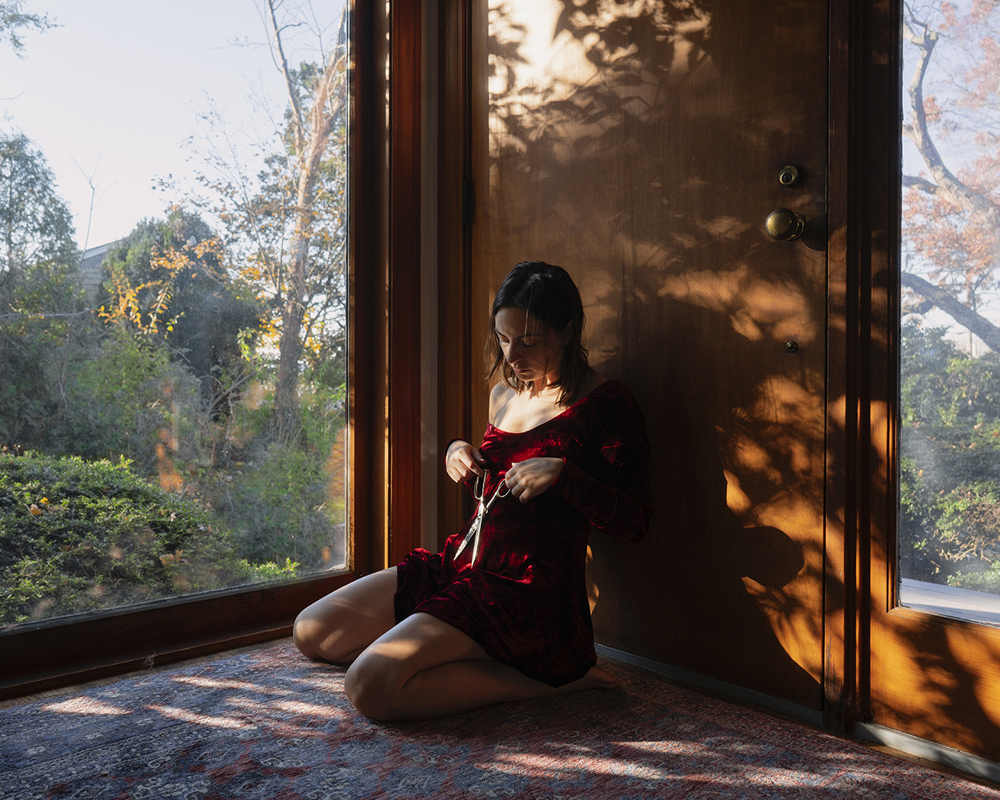
©Hannah Altman, Arrow
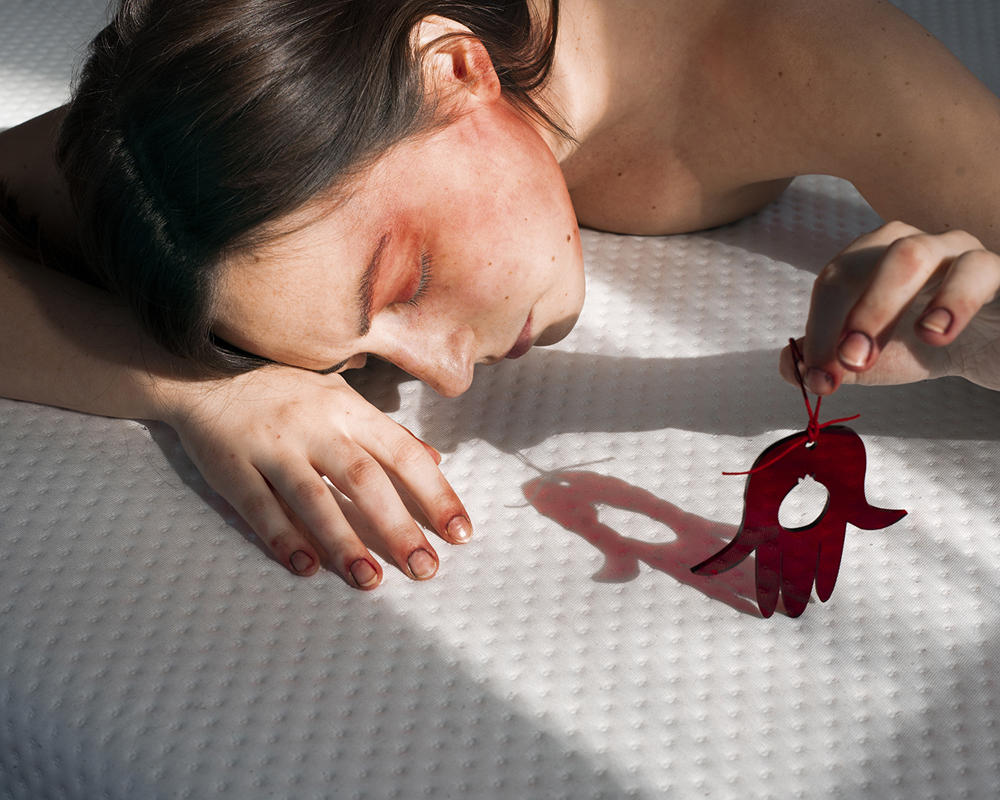
©Hannah Altman, Hamsa, 2021
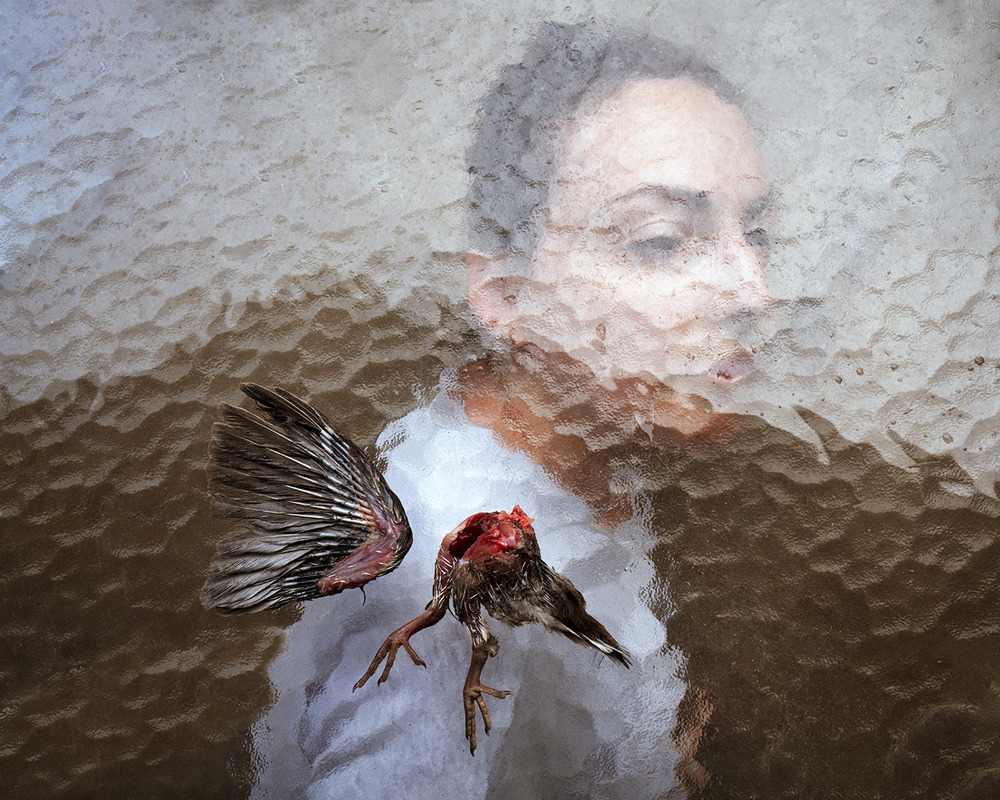
©Hannah Altman, Old Births, New Deaths, 2020
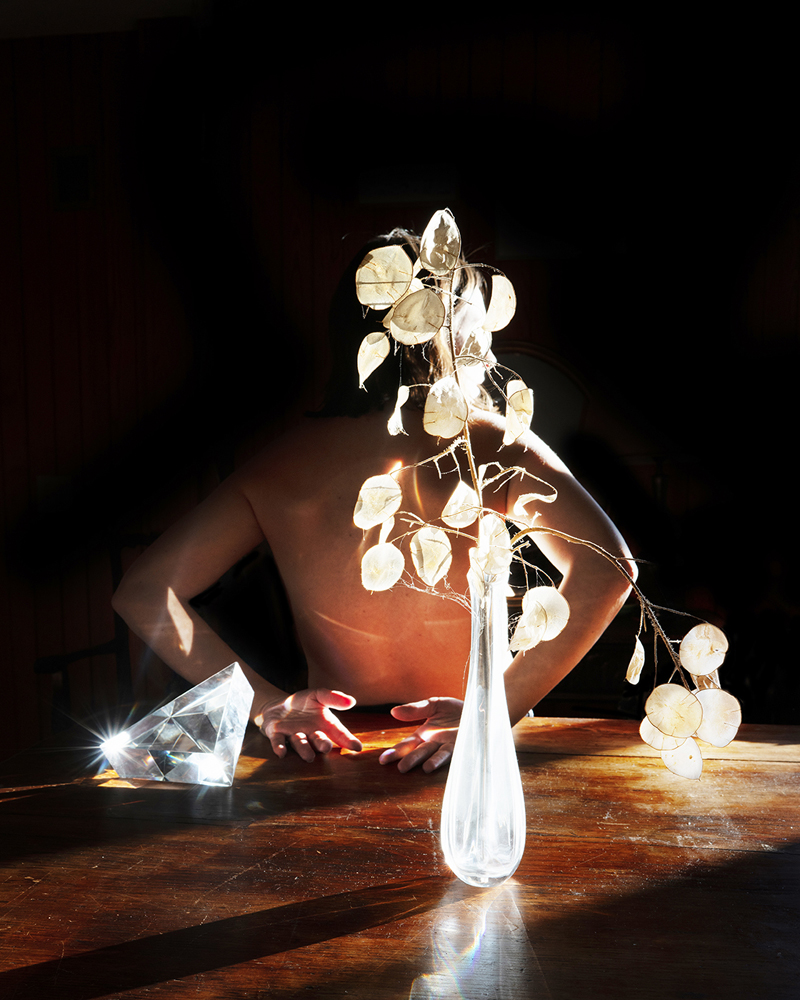
©Hannah Altman, Indirect Sunlight, 2021
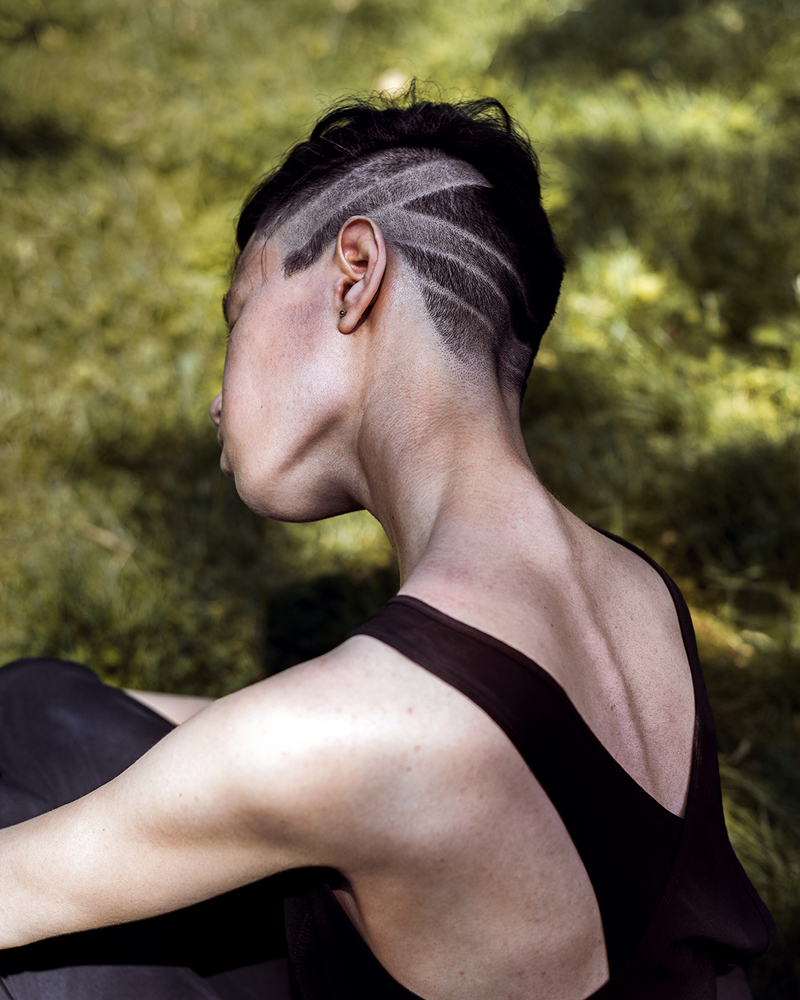
©Hannah Altman, Priestly Blessing, 2021

©Hannah Altman, Honey Fists, 2018
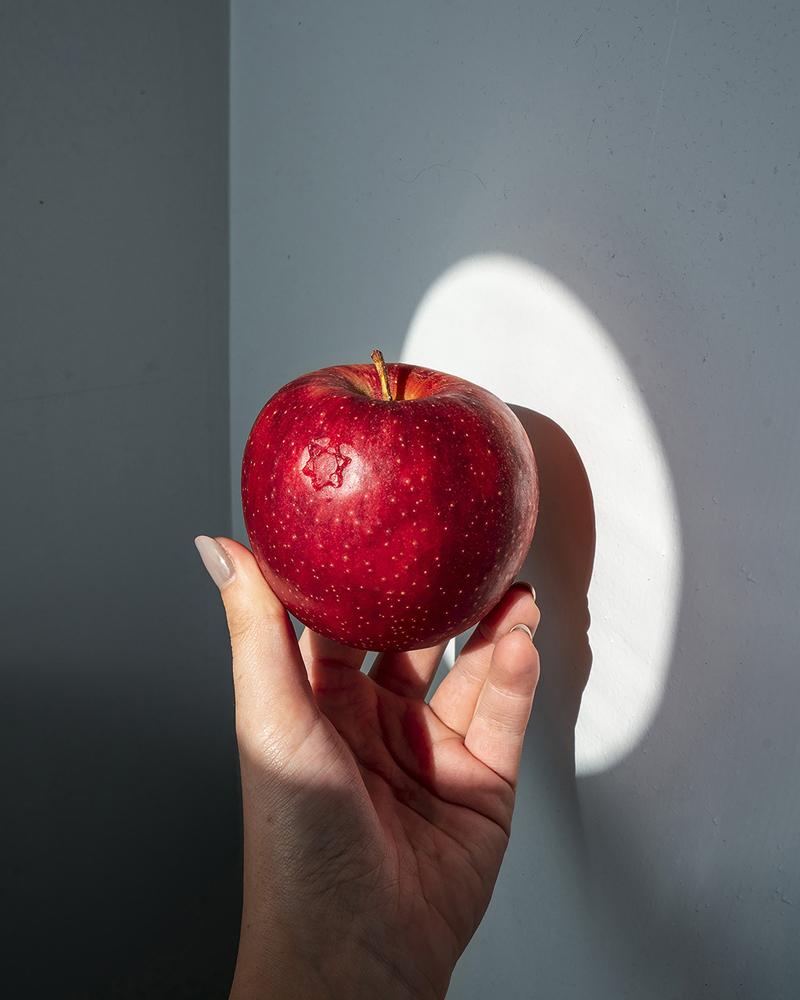
©Hannah Altman, Pressed Into Flesh, 2018
Posts on Lenscratch may not be reproduced without the permission of the Lenscratch staff and the photographer.
Recommended
-
Zanele Muholi: 2026 Hasselblad Award LaureateMarch 13th, 2026
-
Shane Hallinan: The 2025 Salon Jane Award WinnerFebruary 12th, 2026
-

Greg Constantine: 7 Doors: An American GulagJanuary 17th, 2026
-

Yorgos Efthymiadis: The James and Audrey Foster Prize 2025 WinnerJanuary 2nd, 2026
-
Arnold Newman Prize: C. Rose Smith: Scenes of Self: Redressing PatriarchyNovember 24th, 2025