The 2025 Lenscratch 3rd Place Student Prize Winner: Hannah Schneider
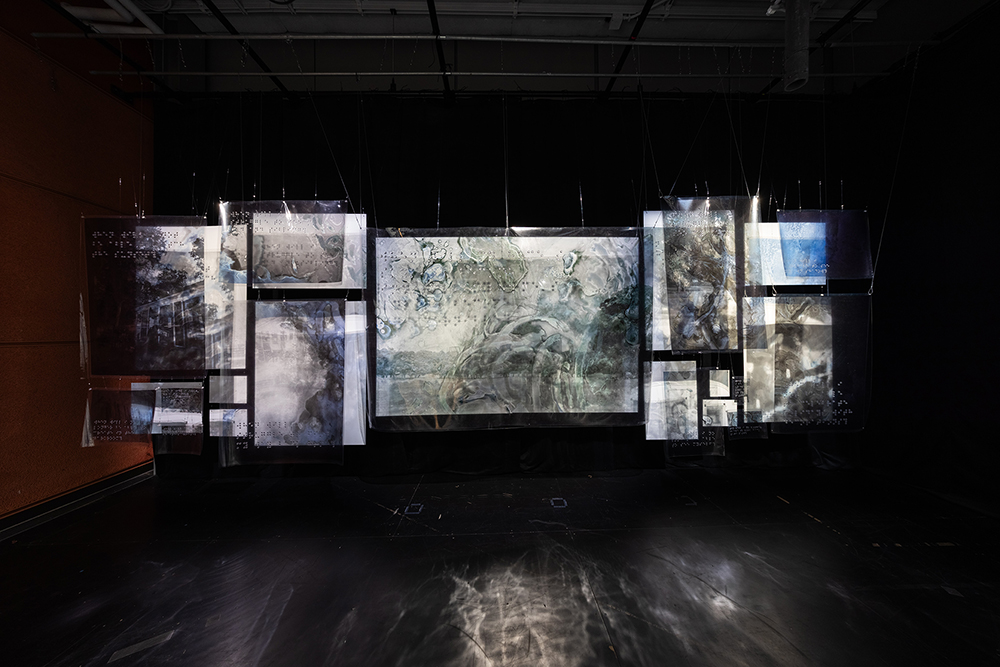
© Hannah Schneider, When will I go blind? On View at Duke University
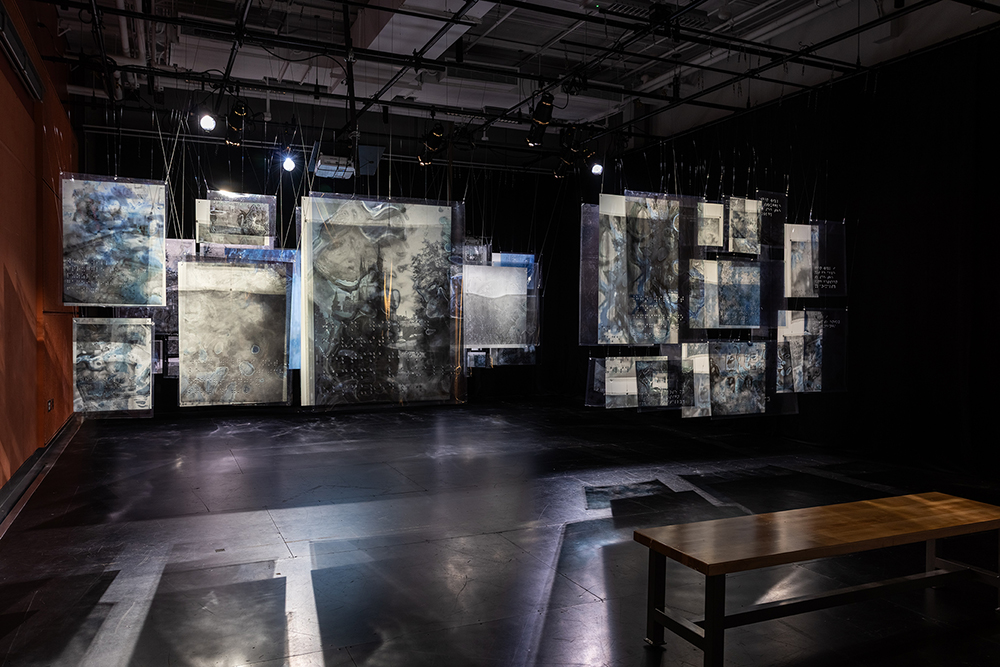
© Hannah Schneider, When will I go blind? On View at Duke University
It is with pleasure that the jurors announce the 2025 Lenscratch Student Prize 3rd Place Winner, Hannah Schneider. Schneider was selected for her project, When will I go Blind?, and is currently pursuing a MFA from Duke University’s Experimental and Documentary Arts Program. The 3rd Place Winner receives a $500 Cash Award, a feature on Lenscratch, a mini exhibition on the Curated Fridge, and a Lenscratch T-shirt and Tote.
Hannah Schneider’s project When will I go Blind? evokes a deep sense of fear and anticipation. Living with a disease that causes progressive loss of vision, Schneider offers an intimate, insider’s view into her spaces, beings, and experiences she holds dear. The viewer can see a glimpse into her quiet interiors, moments in nature, even her cat and a darkroom.
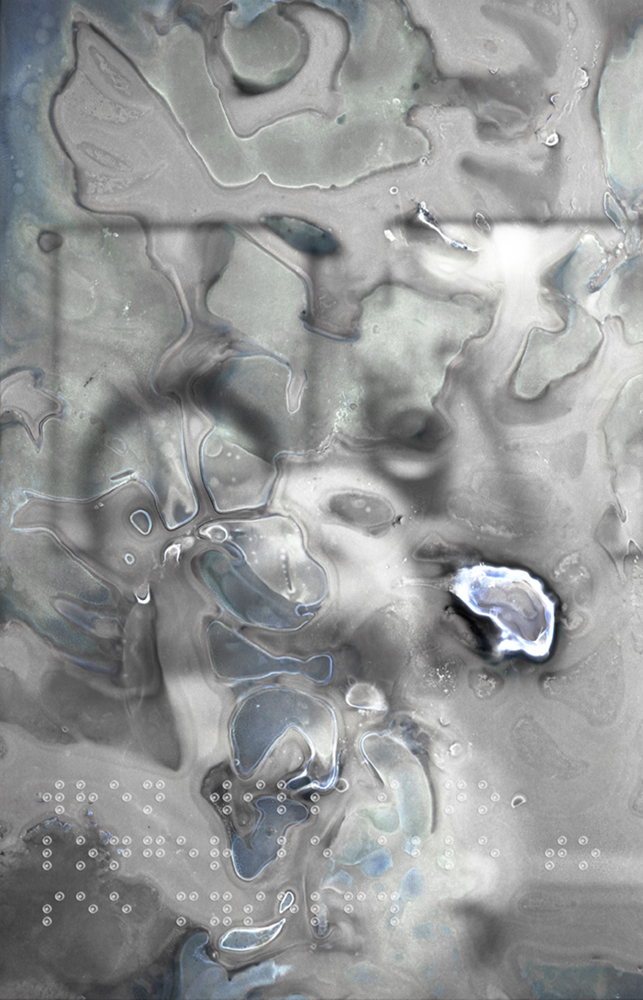
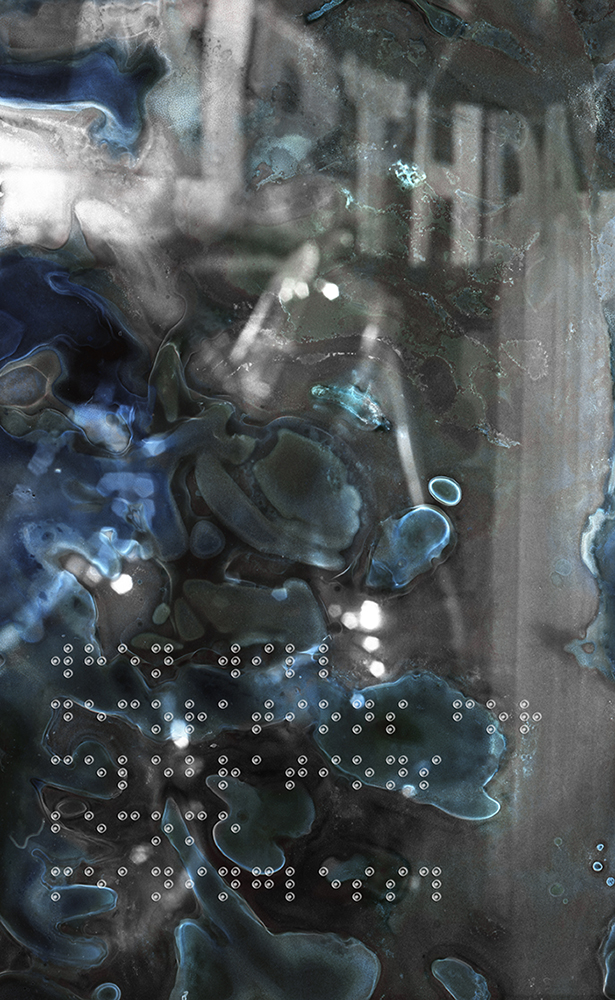
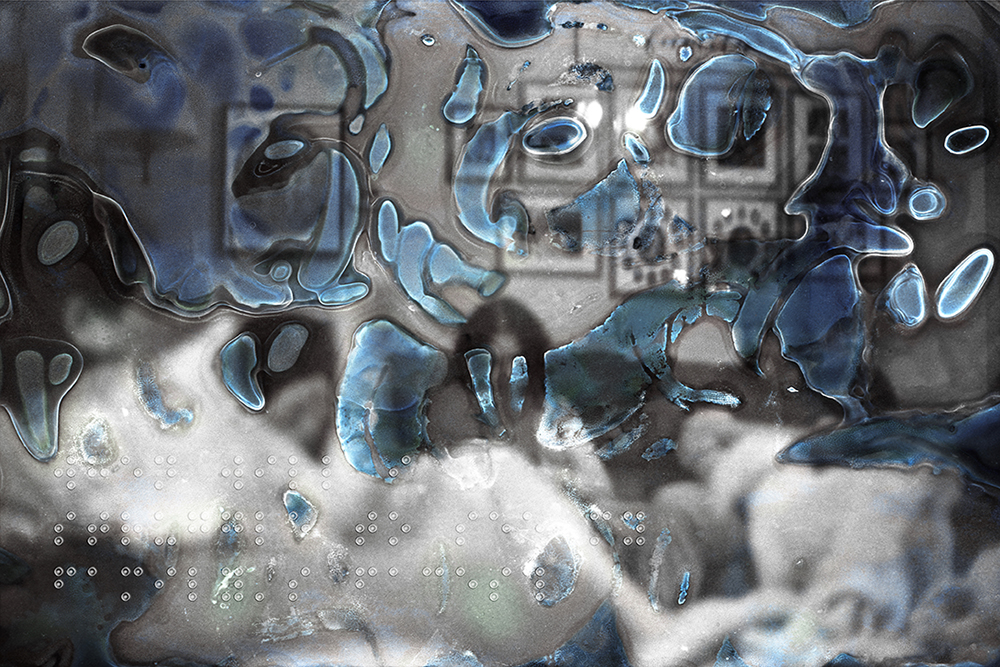
Her images appear to disintegrate, layered with fragments of braille that mirror the uncertainty and anxiety surrounding her condition. Through an experimental process, Schneider alters her photographs using medical substances typically associated with healing—antiseptics, eye ointments, even boiling water—transforming them into meditations on decay and irreversible loss.
Installed as large-scale hanging transparencies, the work amplifies the magnitude of the condition, with its emotional and physical implications evoking the complexity of navigating a visual world in transformation.

An enormous thank you to our jurors: Aline Smithson, Founder and Editor-in-Chief of Lenscratch, Educator and Artist, Daniel George, Submissions Editor of Lenscratch, Educator and Artist, Linda Alterwitz, Art + Science Editor of Lenscratch and Artist, Kellye Eisworth, Managing Editor of Lenscratch, Educator and Artist, Alexa Dilworth, publishing director, senior editor, and awards director at the Center for Documentary Studies (CDS) at Duke University, Samantha Johnson, Executive Director of the Colorado Photographic Arts Center, Kris Graves, Director of Kris Graves Projects, photographer and publisher based in New York and London, Elizabeth Cheng Krist, former Senior Photo Editor with National Geographic magazine and founding member of the Visual Thinking Collective, Hamidah Glasgow, Curator and former Director of the Center for Fine Art Photography, Fort Collins, CO, Yorgos Efthymiadis, Artist and Founder of the Curated Fridge, Drew Leventhal, Artist and Publisher, winner of the 2022 Lenscratch Student Prize, Allie Tsubota, Artist and Educator, winner of the 2021 Lenscratch Student Prize, Raymond Thompson, Jr., Artist and Educator, winner of the 2020 Lenscratch Student Prize, Guanyu Xu, Artist and Educator, winner of the 2019 Lenscratch Student Prize, Shawn Bush, Artist, Educator, and Publisher, winner of the 2017 Lenscratch Student Prize. Alayna Pernell, Artist, Lenscratch Editor, Educator, Epiphany Knedler, Artist, Editor for Lenscratch, Educator, Curator of MidWest Nice, Jeanine Michna Bales, Beyond the Photograph Editor of Lenscratch and Artist, Vicente Cayuela, Social Media Editor of Lenscratch and Artist, and Drew Nikonowicz, Artist, winner of the 2015 Lenscratch Student Prize.
© Hannah Schneider, From When will I go blind?
© Hannah Schneider, From When will I go blind?
If a camera can be compared to an eye, a disintegrating negative can be compared to a diseased retina. In this work, When will I go blind?, I use antiseptics, dry eye ointment, and boiling water to disintegrate images that feature the people, places, and things that bring me joy. As a photographer with Bardet-Biedl Syndrome, I am terrified and anxious about losing my vision. Without being able to see, I will be limited to my visual memories and not be able to engage with the world the way I used to. What will happen if these memories fade? Will I lose part of myself by having to engage in the world differently? I made this work while I am still sighted as a coping mechanism to process the initial stages of the disease. I hope this work connects with others who have gone through something similar, with the overlaid braille offering an exclusive entry point for them. For people who have never experienced anything like this, I invite them to visualize and feel my fear of loss through this work.
© Hannah Schneider, From When will I go blind?
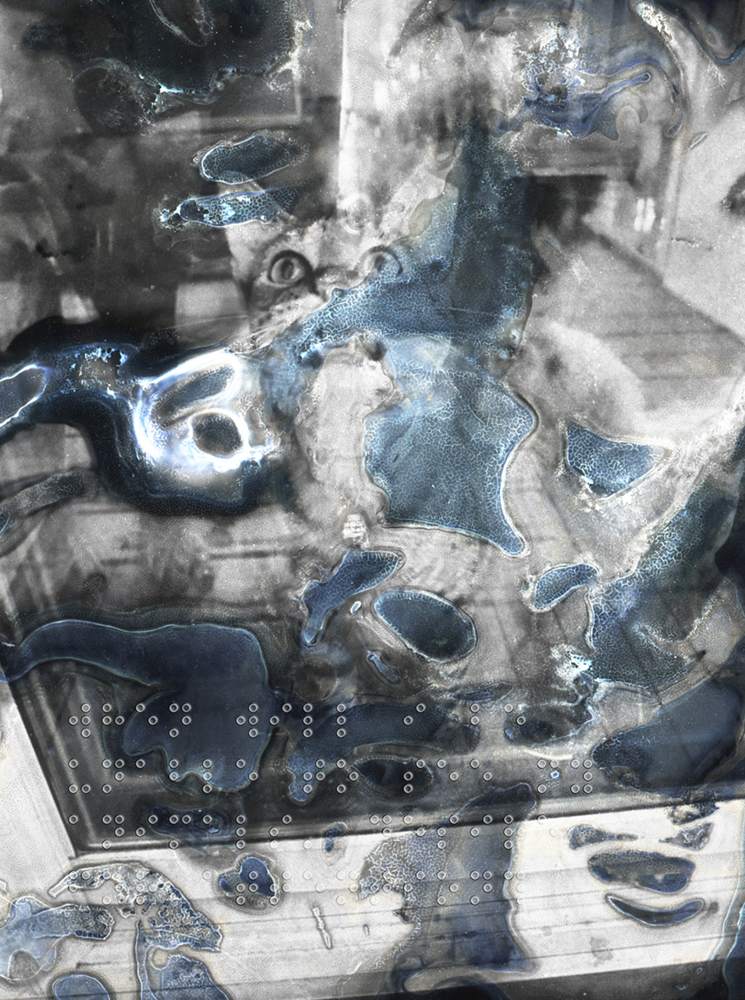
© Hannah Schneider, From When will I go blind?
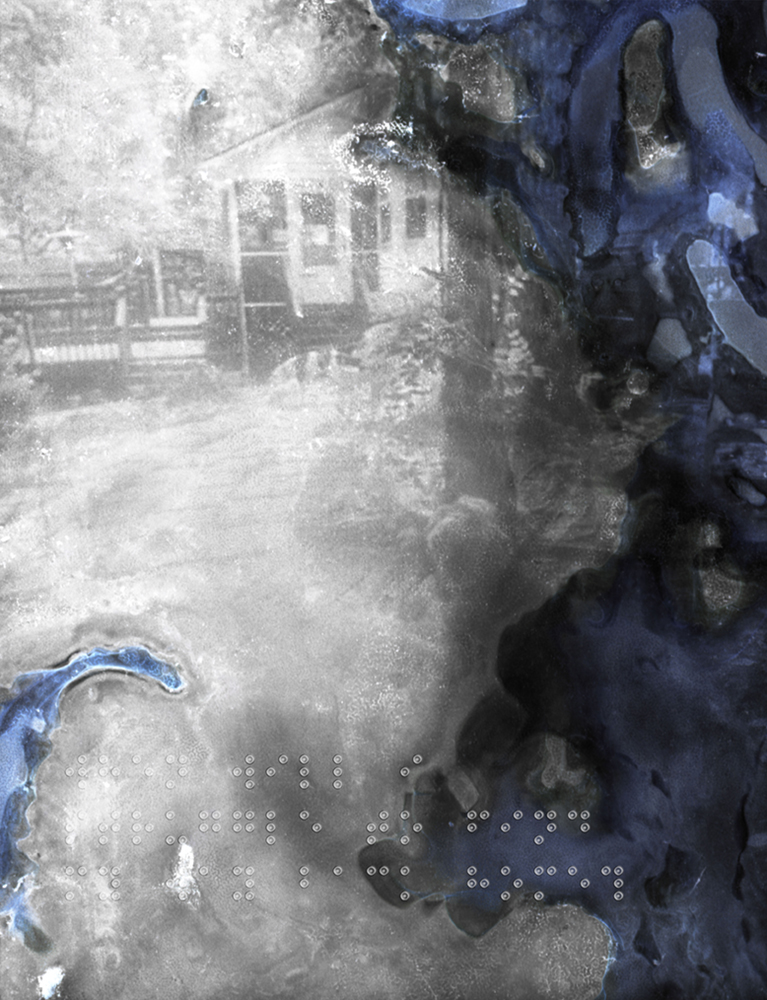
© Hannah Schneider, From When will I go blind?
Hannah Schneider is an artist and photographer based in Raleigh, North Carolina. She holds a BA in Graphic Design from Meredith College and an MFA in Experimental and Documentary Arts from Duke University. Since discovering the darkroom in 2021 as an undergrad at Meredith, Schneider has fallen in love with the experimentality of creating work there. She is passionate about using photography to push the boundaries of the media and create narratives that reflect what is seen and unseen. As an individual facing vision loss, Schneider experiments with disintegrating images using processes that connect to and reflect the loss she fears in the future. Her work has been presented in a solo exhibition at Duke University and group exhibitions at Meredith College (2023), SPE’s New Realities Conference (2024), Pullen Arts Center (2024), and North Carolina Museum of Art (2025). Publishings include The Colton Review (2020, 2021, 2022, 2023) and Overlapse’s Stir the Pot. Schneider was a finalist for Photolucida’s 2023 Critical Mass.
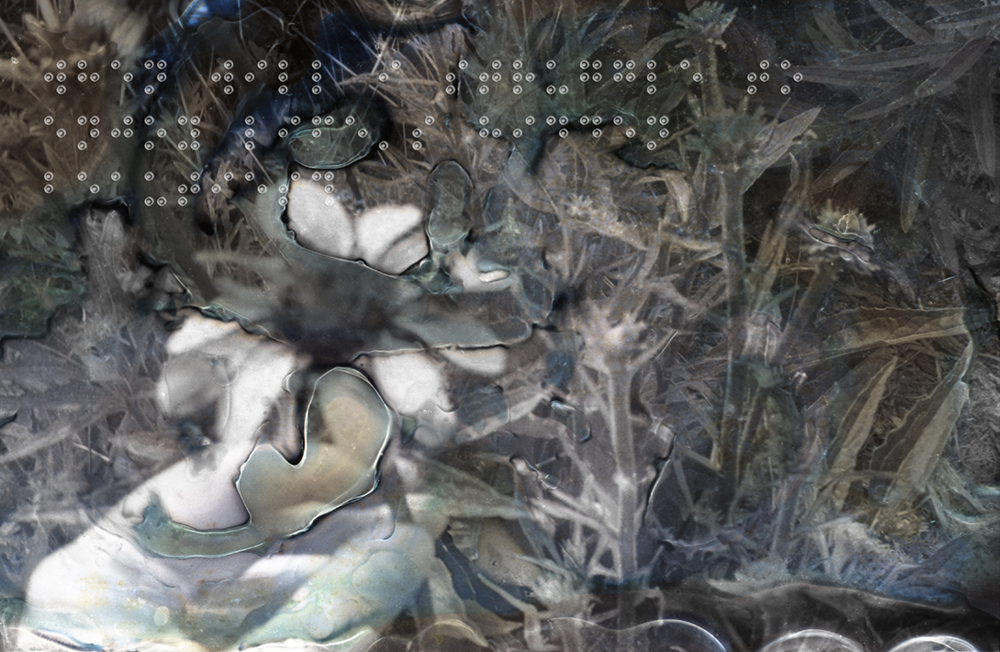
© Hannah Schneider, From When will I go blind?
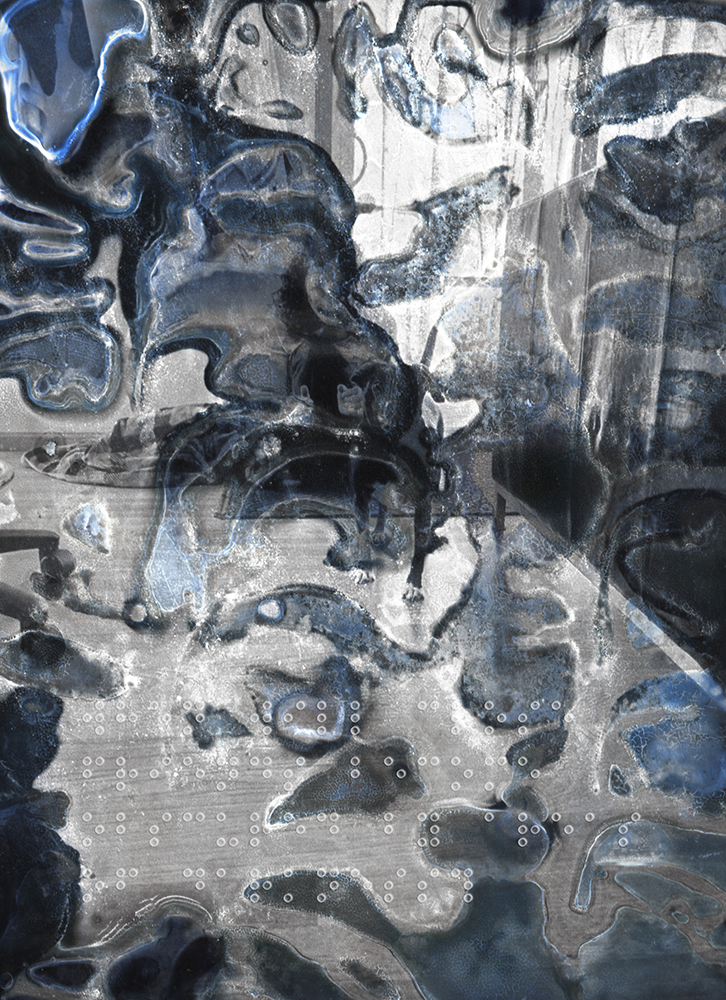
© Hannah Schneider, From When will I go blind?
LA: Can you tell us where you grew up and what it was like?
HS: I was born in Salisbury, MD. My family and I moved around a few times until I was ten, when we moved to the area of Raleigh, NC. I had a normal childhood, and no one thought anything was amiss about my health. Both my sibling, Ray, and I were born with the birth defect polydactyly, which meant that we had extra fingers and toes, but the genetic counselors my parents saw assured them that nothing more serious was going on. It wasn’t until 2021 when Ray began experiencing vision problems and saw a retinal specialist that the words “Bardet-Biedl Syndrome” were spoken.
LA: What brought you to photography?
HS: I was properly introduced to photography in Fall 2019, when I took Digital Photography 1 at Meredith College. Before then, I had only taken pictures using the camera on my phone or a cheap point-and-shoot camera and had no knowledge of the art or science of photography. Soon, I fell in love with photography for giving me both a new way of seeing and a new way of showing others what I see. I could craft visual narratives that made the unseen visible. Learning about photography unlocked a new world of expression for me. My love for photography only deepened when I was introduced to the darkroom during a Topics in Photography course in Fall 2021. I relished being given complete control of creating photographs and having the ability to experiment with altering the image during its exposure or development. This love of photographic experimentation has followed me to When will I go blind? and the present.
LA: Can you go into more depth in regard to the hands-on process and materials you used to create the photographs?
HS: The imagery in When will I go blind? was shot on 35mm and 16mm film that was chemically manipulated after development using lubricating eye ointment, hydrogen peroxide, and povidone-iodine. The ointment was applied in circular motions and acted as a resist on the film to the hydrogen peroxide, which bleached the film, and povidone-iodine, which toned the film brown. Those brown hues turned blue when the film negative was inverted. Once the chemicals sat on the film for a few hours, the film was placed in boiling water, causing a rapid temperature change that resulted in reticulation, or the surface of the emulsion cracking. Instead of the hydrogen peroxide and povidone-iodine cleansing and disinfecting the film, it corroded and decayed the imagery, acting as the catalyst for the irreversible loss of what can be seen. The application of the lubricating dry-eye ointment created organic shapes that can be compared to cells in the retina.
The images chosen for this series were handpicked from a nine-month period of heavy experimentation. I didn’t immediately come to this chemical combination. I also tried lemon juice, canola oil, baby oil, rubbing alcohol, and powder laundry detergent before finding the right chemical combination for my desired visual effect. Even after the trial and error, many negatives were still rejected after being chemically manipulated. There’s a level of risk you have to accept when degrading film negatives. There’s always a possibility that you go too far and are left with indecipherable imagery that is discarded. Contrastingly, I’ve also had to reject many negatives because they barely showed any degradation. After I apply the chemicals, I relinquish control and accept that the outcome is out of my hands. This lack of control can also be applied to my visionless future.
LA: Can you tell us about a mentor or educator you would like to acknowledge.
I would like to acknowledge and thank Meredith College Professor Dr. Shannon Johnstone, who introduced me to photography and the darkroom. I am grateful for not only the fundamental knowledge she has given me, but also the invaluable mentorship and guidance. Her support and encouragement have been instrumental in positioning where I am as an artist today. I would also like to acknowledge my thesis committee at Duke University, Tom Rankin, Lauren Henschel, and Raquel Salvatella de Prada, who supported me from my thesis’s conception to completion. They never turned away any ideas I had, no matter how ambitious or challenging they seemed.
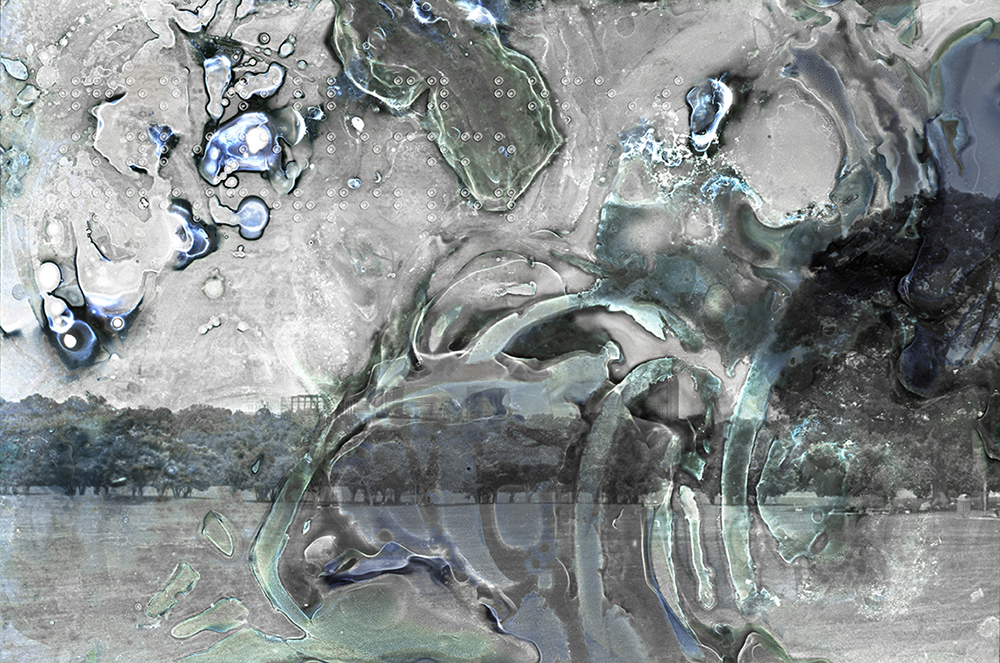
© Hannah Schneider, From When will I go blind?
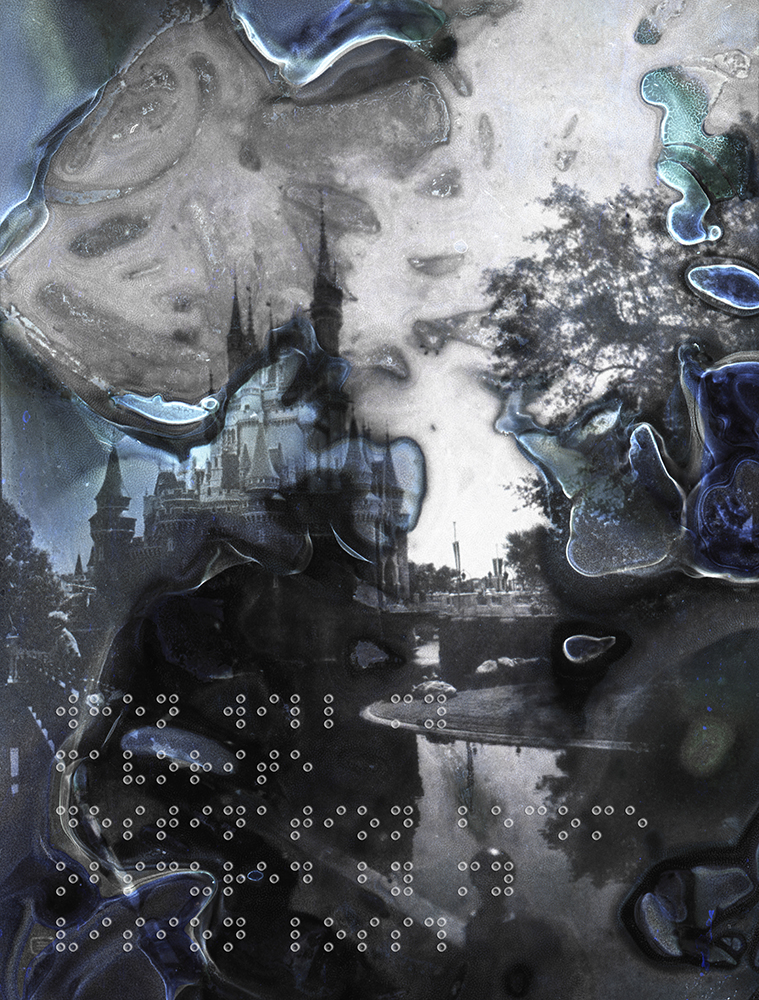
© Hannah Schneider, From When will I go blind?
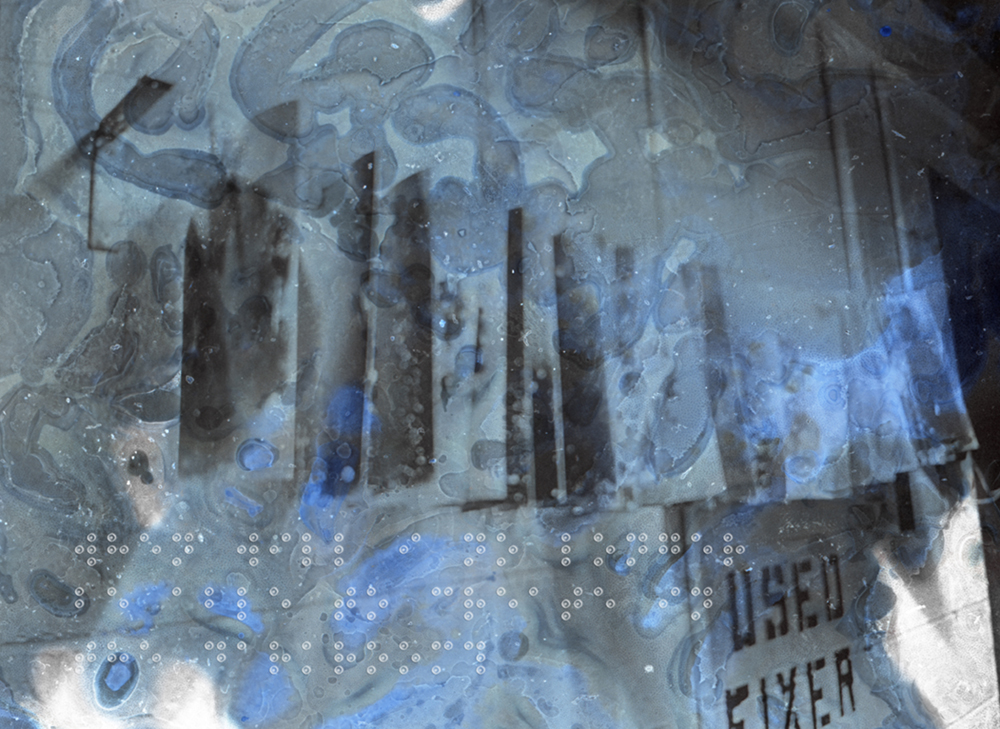
© Hannah Schneider, From When will I go blind?
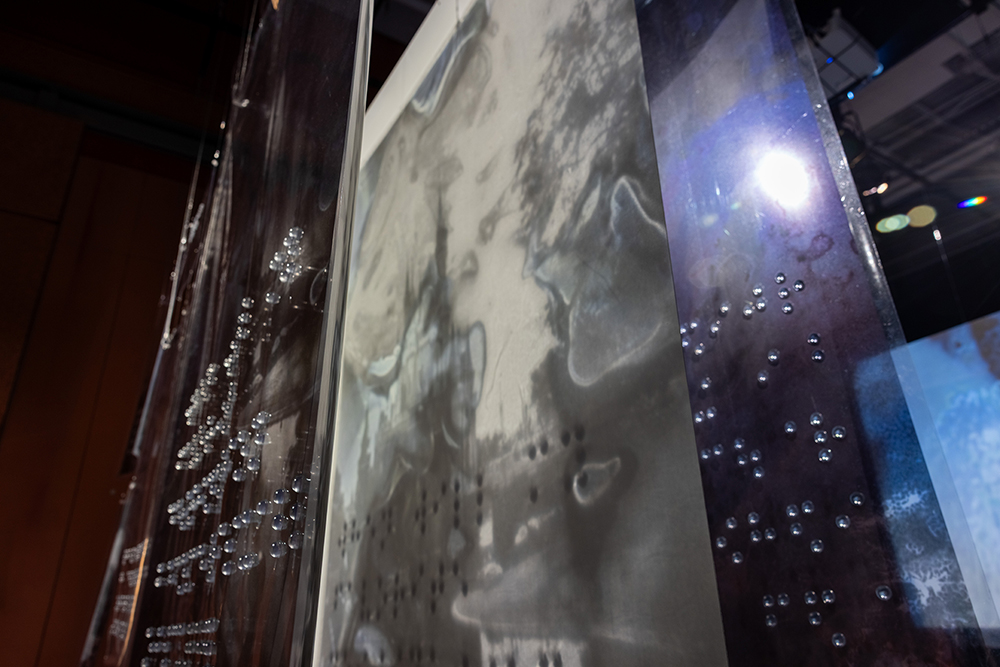
© Hannah Schneider, When will I go blind? On View at Duke University
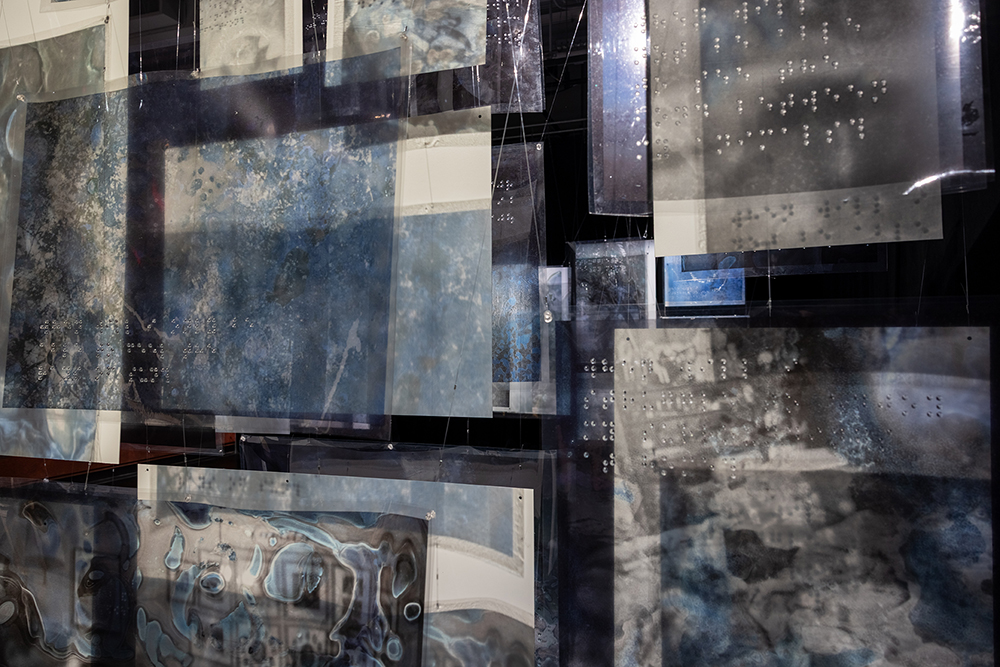
© Hannah Schneider, When will I go blind? On View at Duke University
© Hannah Schneider, When will I go blind? On View at Duke University
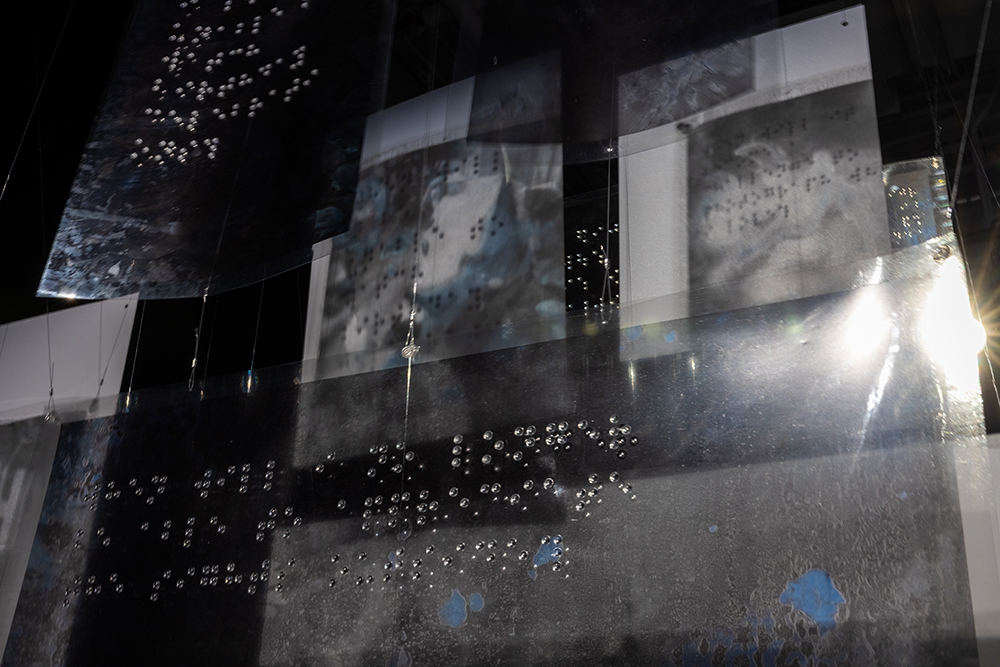
© Hannah Schneider, When will I go blind? On View at Duke University
Posts on Lenscratch may not be reproduced without the permission of the Lenscratch staff and the photographer.
Recommended
-

The 2025 Lenscratch Honorable Mention Winner: Erika Nina SuárezJuly 27th, 2025
-
The 2025 Lenscratch Honorable Mention Winner: Montenez LoweryJuly 26th, 2025
-

The 2025 Lenscratch Honorable Mention Winner: Ian Byers-GamberJuly 25th, 2025
-

The 2025 Lenscratch Honorable Mention Winner: Beihua GuoJuly 24th, 2025
-

The 2025 Lenscratch 3rd Place Student Prize Winner: Hannah SchneiderJuly 23rd, 2025