The Center Awards: Me&Eve Award: Mitsu Maeda
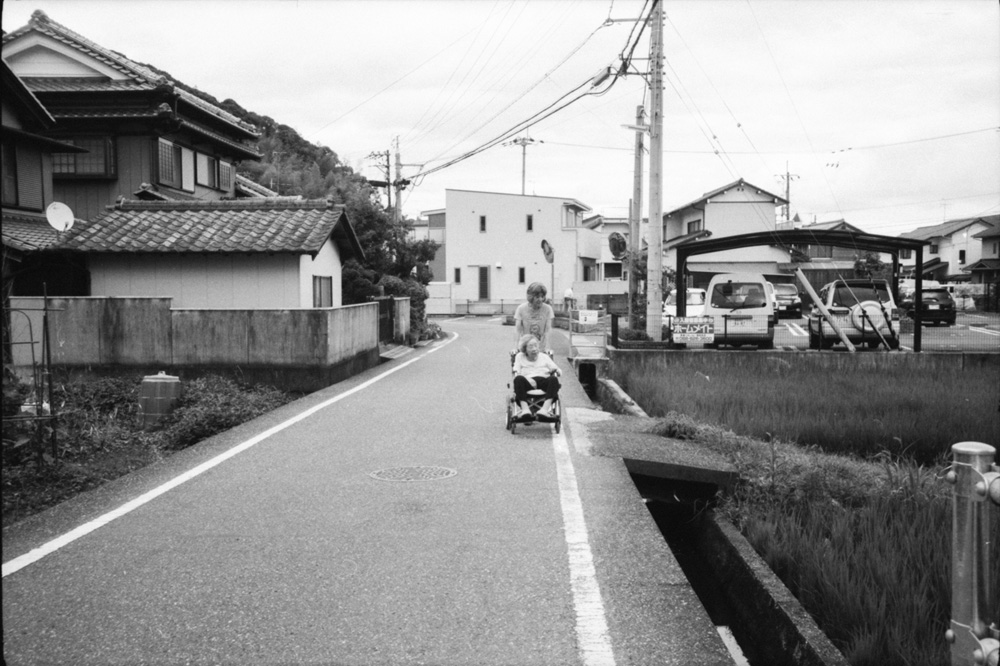
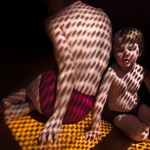
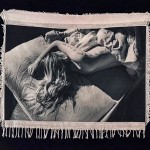
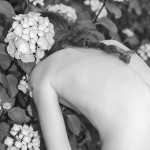
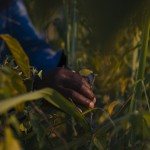
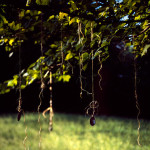
©Mitsu Maeda, from The Shining Lady

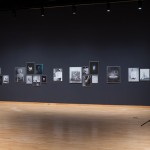
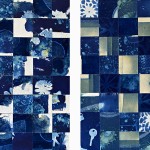
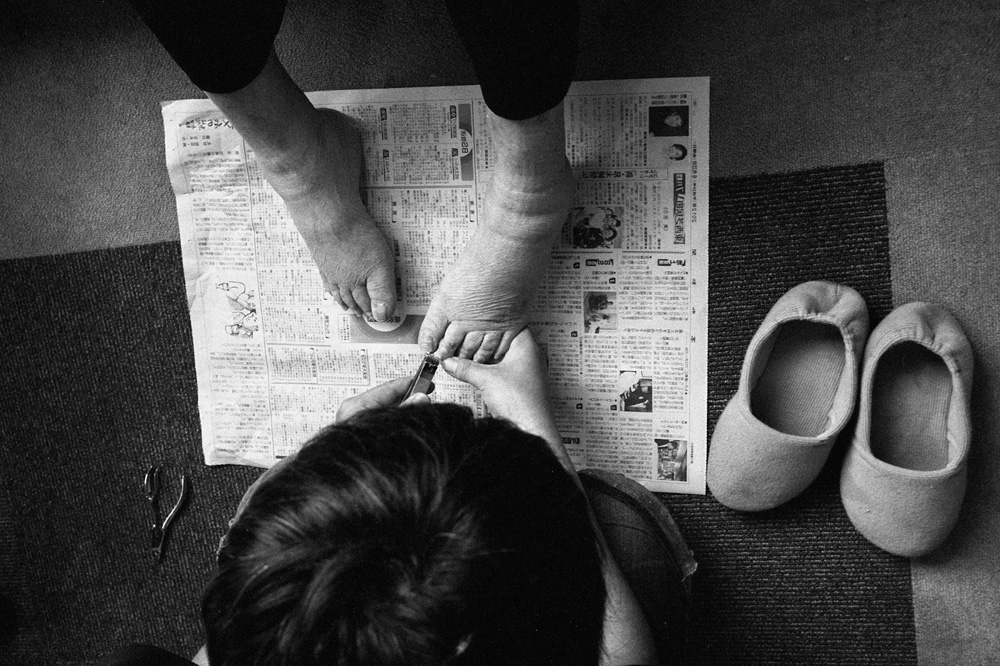
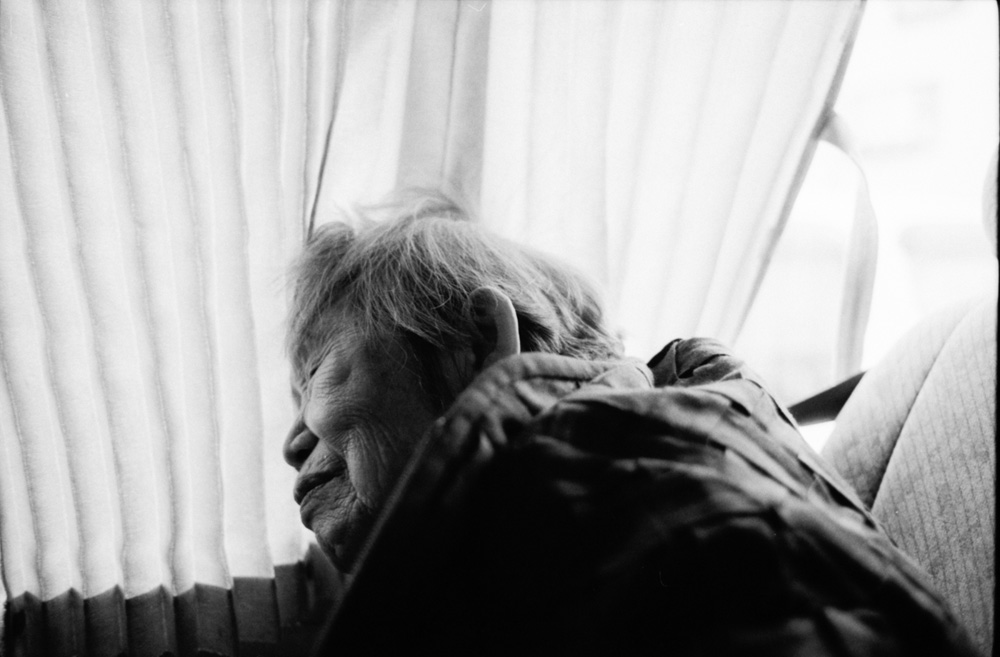
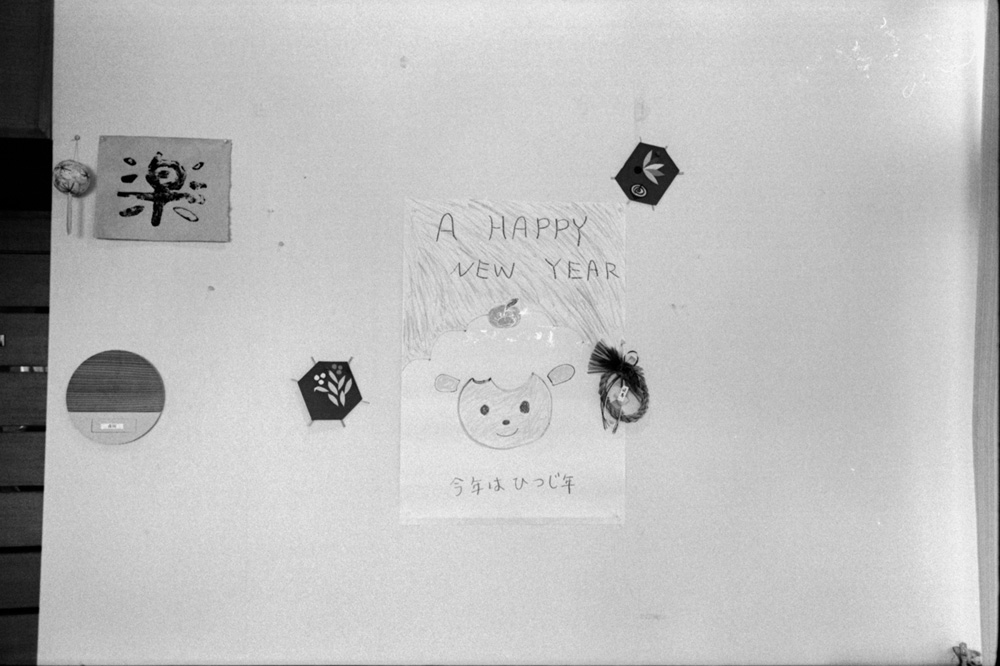
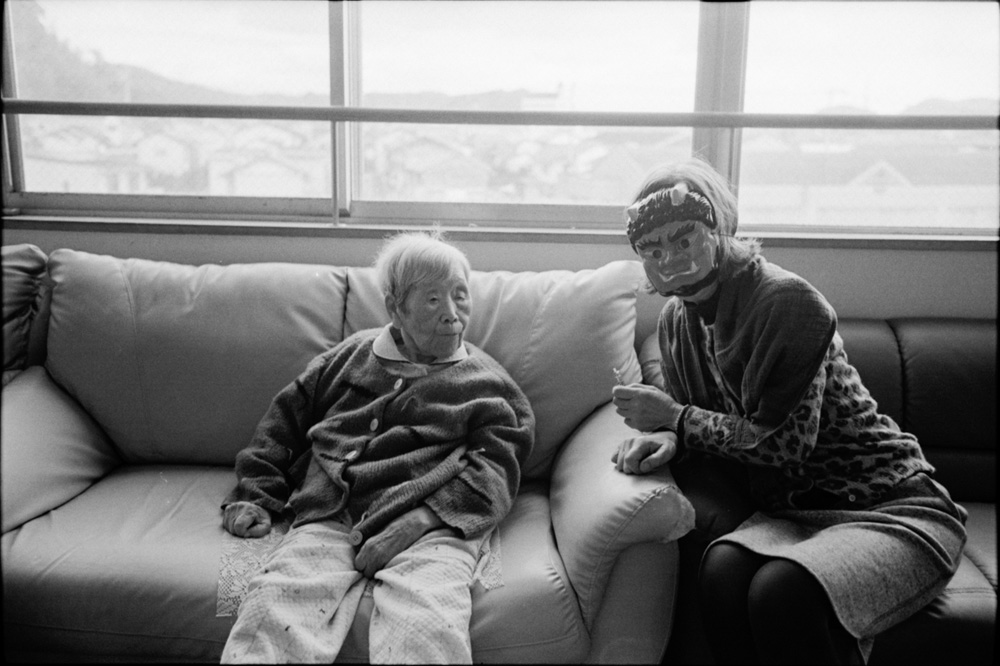
Congratulations to Mitsu Maeda for being selected for CENTER’s Me&Eve Grant recognizing her project, The Shining Lady a series of photos of her grandmother Tsuyajyo’s last 10 years. Her name Tsuyajyo means “the Shining Lady” in Japanese. The Me&Eve Grant provides financial support to a woman, female-identified, non-binary, transgender, gender non-conforming, or two-spirited photographer, 40 years of age and over. This grant is made possible by Review Santa Fe alumna, Dorie Hagler, whose project Me&Eve amplifies the voices of women. Initiated in 2016 on International Women’s Day, this project was inspired after seeing the transformative effects of witnessing women share their stories. The Grant includes a $1,000 cash award, Review Santa Fe participation, Publication in LENSCRATCH, Professional Development Seminars access, Inclusion in the printed Program Guide, and Inclusion in the CENTER Winners Gallery & Archive.
JUROR: Leonor Mamanna • Deputy Photo Director, Bloomberg Businessweek / Pursuits shares her thoughts on this selection:
I was moved by many of the submissions for this year’s Me&Eve Award, photographers across the board excavated from the depths of emotion to put forth deeply personal and complex projects and where families of all kinds was one of the more common themes.
I kept returning to The Shining Lady’s compelling photographs because Mitsu Maeda brought forth so much dignity, love, and humanity to her photos of their grandmother’s final years. This project touches on memory and elder care with a respectful tone and highlights end-of-life rituals with a keen artistic eye. The tenderness of these photographs will stick with me for a long time.
JUROR BIO: Leonor Mamanna is the Deputy Photo Director at Bloomberg Businessweek. In addition to the magazine, she is the Photo Editor for the Pursuits and Weekend brands. Previously, she worked at New York Magazine, The New York Times Magazine, Conde Nast Traveler, GQ, Men’s Vogue, Money Magazine and More. She was the photo director of the all-female magazine Mary Review. Her work in these magazines has won her awards from The Society of Publication Designers, American Photography, Photo District News, American Society of Magazine Editors, Art Directors Club, Communication Arts, POYi and more. She has served on juries for PDN Photo Annual, Photoville, Daylight Photo, Overseas Press Club, National Press Photographers Association, Latin American Fotografía and ASME. Leonor is a born-and-raised New Yorker from the Upper West Side who lives in Brooklyn with her daughter.
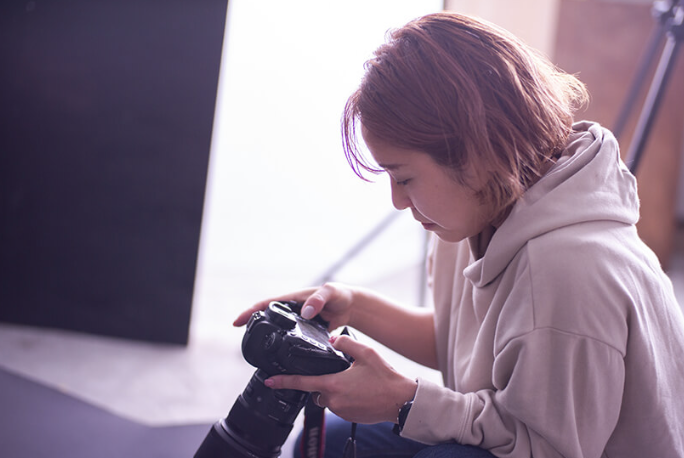
Portrait of Mitsu Maeda
The Shining Lady
Memories of my grandmother, Tsuyajyo, kindly stay with me all the time; A small purse in which Tsuyajyo collected 500 yen coins to give me and my sister when we visited her. Hide-and-seek in a morning after I stayed a night at their house.
My grandfather became sick and started staying in the hospital when I was a student. On one of his last days, I visited him and found him tied to the bed in a sterilization room after he had tried to remove a tube attached to his throat. He was still trying to move and staring at us, even though he could no longer make a sound. “He is not the grandpa you know; maybe you shouldn’t see him anymore.” Tsuyajyo told me.
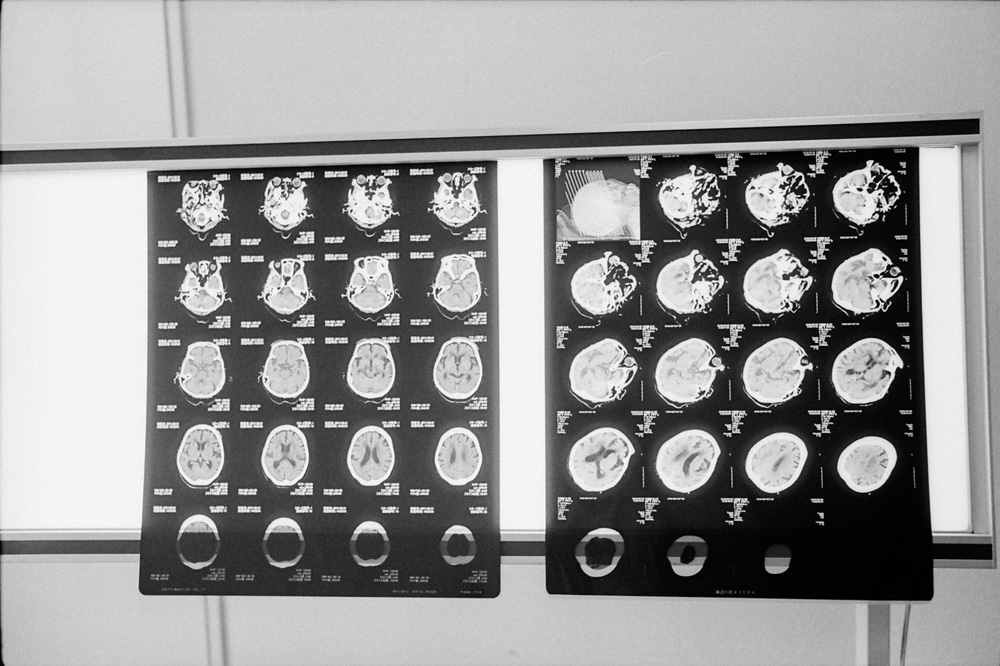
Tsuyajyo began showing symptoms of dementia around 2009. It was the first time my mother experienced having a family member with dementia. She took care of her mother, who could hardly perform basic tasks like eating or taking a bath. Tsuyajyo would often get angry irrationally and became someone my mother no longer recognized as her mother. These days lasted for about two years.
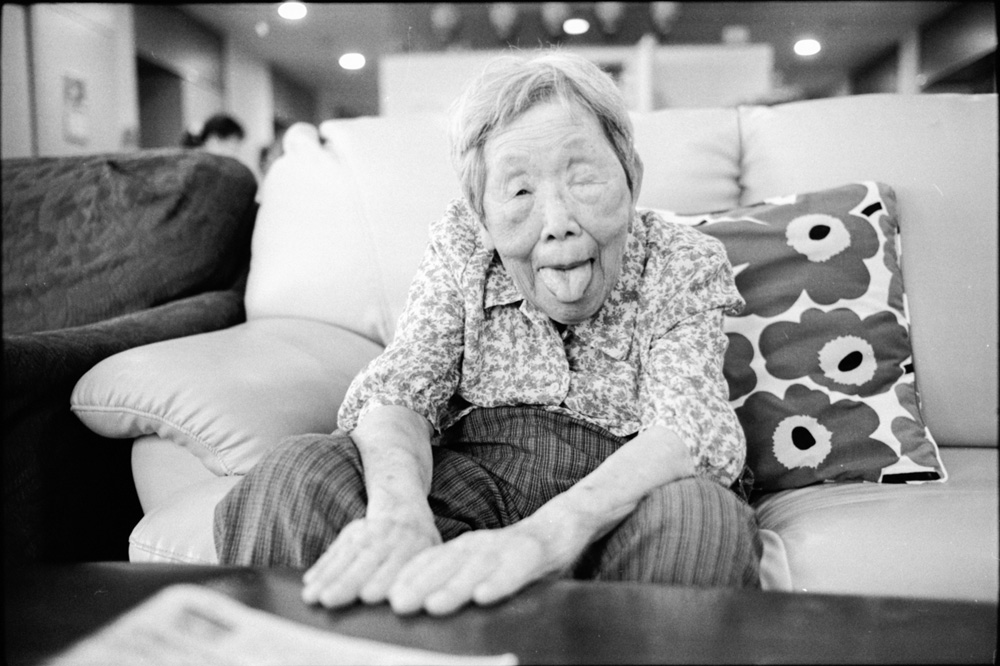
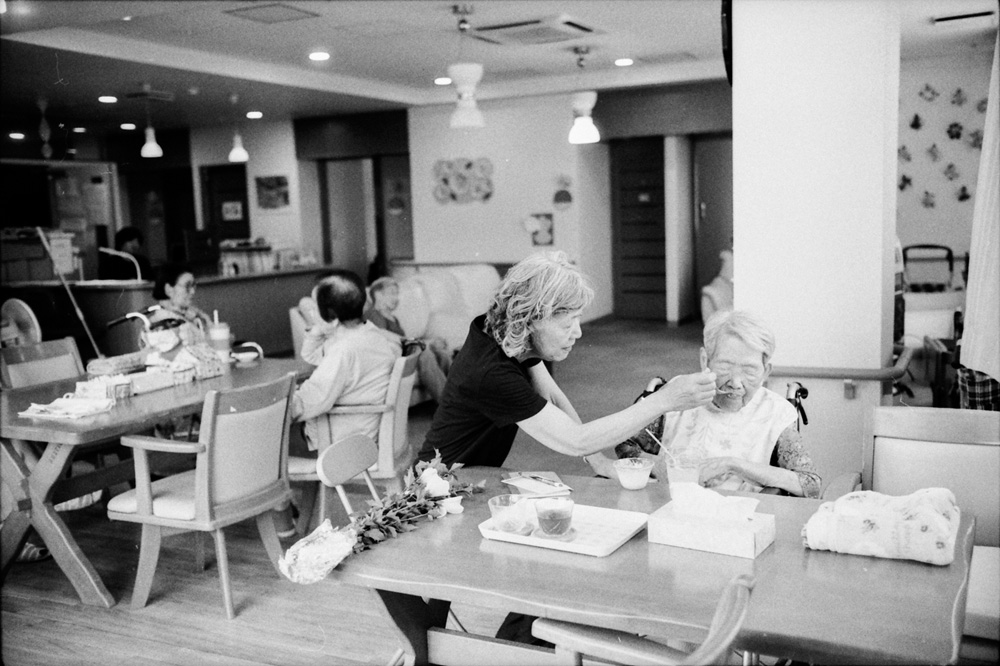
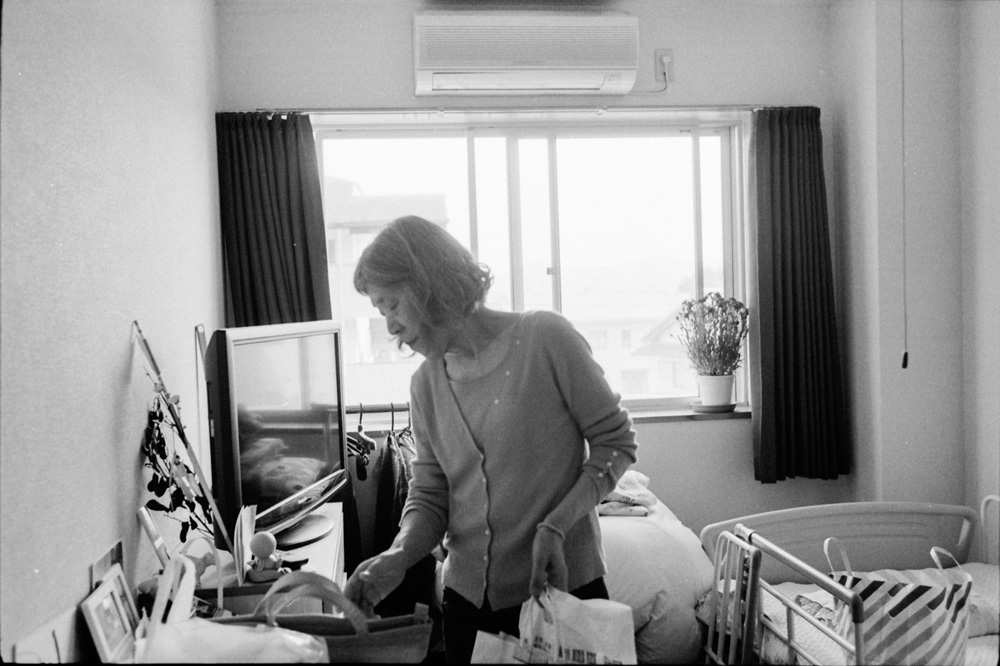
In 2012, Tsuyajyo moved to a care home where she would stay for the next seven years. I started photographing this series around that time as well. While my mother passed her responsibilities to the caregivers, she would visit her mother every few days to spend half an hour there, as if it were her duty, saying, “I just wish for her to laugh once a day.” Tsuyajyo gradually became calmer, and singing her original lines became her favorite activity. I was often amazed by her laughter. I was surprised when she gripped my hand more strongly than I expected, saying, “I want to grip your hand tightly until my blood vessels burst!”
I took pictures and made notes of her unique lines so that I could remember these small moments.
In 2018, Tsuyajyo moved to the hospital where her husband spent his last days. She started receiving intravenous fluids, as she could no longer eat. She also stopped singing. She could hardly move and was there until her organs slowly stopped working on a night in January 2020, at the age of 100. My mother, father, and I were there with her. I started to feel her absence, but we all smiled, seeing her face.
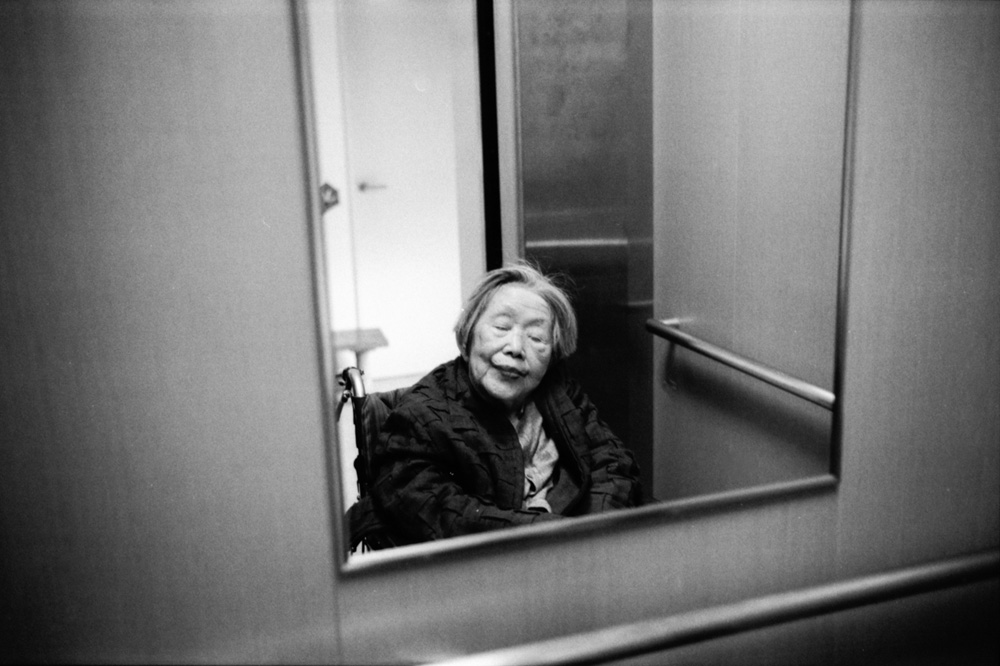
©Mitsu Maeda, from The Shining Lady
Mitsu Maeda is a photographer based in Kochi, Japan. After graduating from Kobe City University of Foreign Studies, she worked at the Consulate General of Japan in Penang, Malaysia.
Following her time there, she engaged in the creation of documentary pieces in both domestic and international contexts.
Since moving back to her native Kochi in 2014, she has specialized in both commercial and editorial photography while also creating personal image-based works.
Instagram: @mitsu_maeda
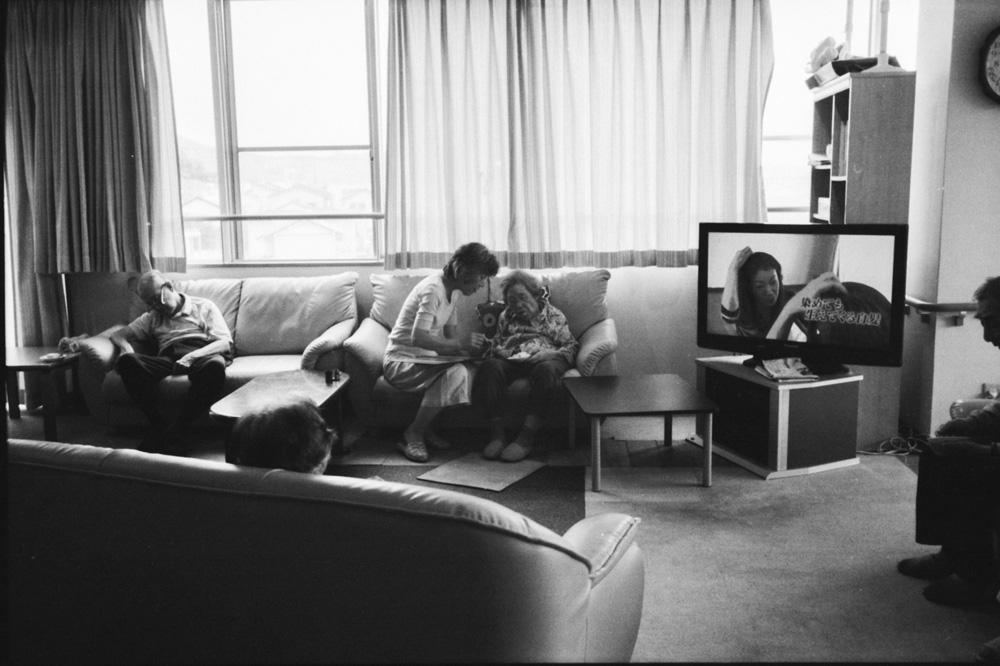
©Mitsu Maeda, from The Shining Lady
©Mitsu Maeda, from The Shining Lady
©Mitsu Maeda, from The Shining Lady
©Mitsu Maeda, from The Shining Lady
©Mitsu Maeda, from The Shining Lady
©Mitsu Maeda, from The Shining Lady
©Mitsu Maeda, from The Shining Lady
©Mitsu Maeda, from The Shining Lady
©Mitsu Maeda, from The Shining Lady
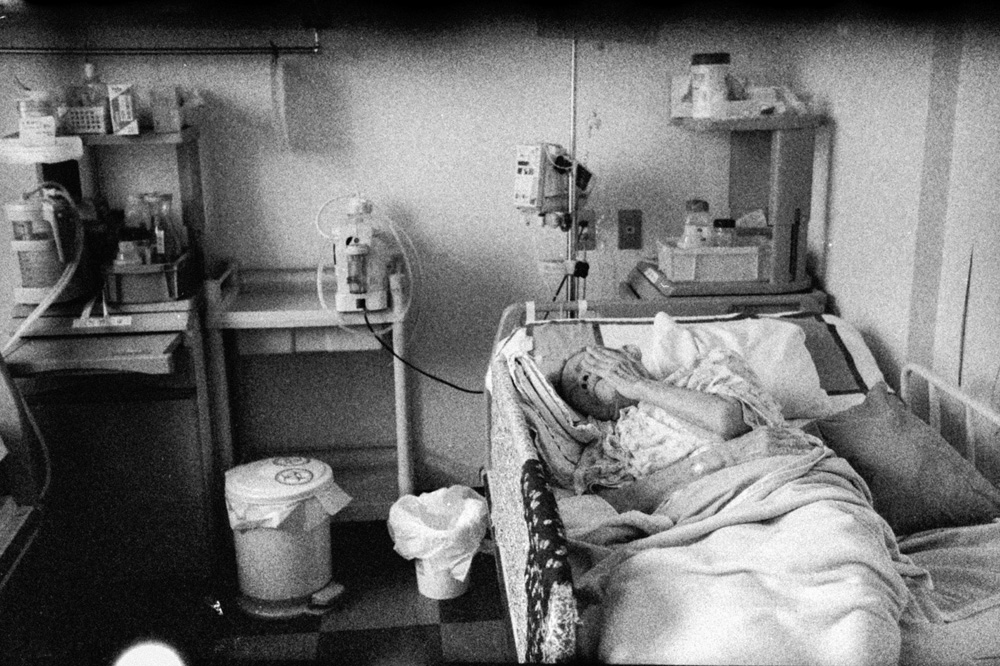
©Mitsu Maeda, from The Shining Lady
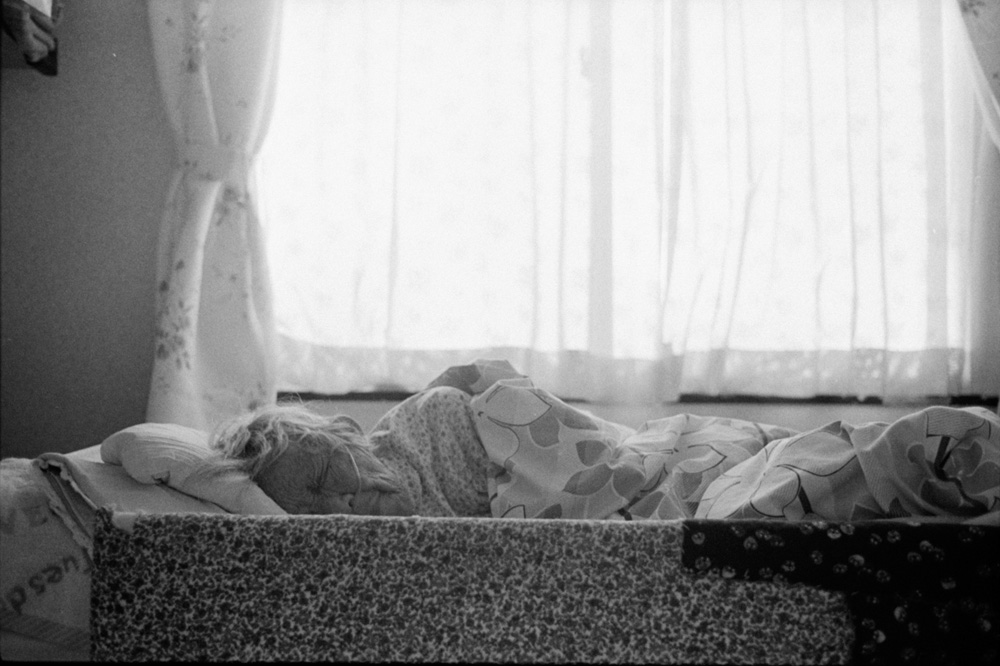
©Mitsu Maeda, from The Shining Lady

©Mitsu Maeda, from The Shining Lady
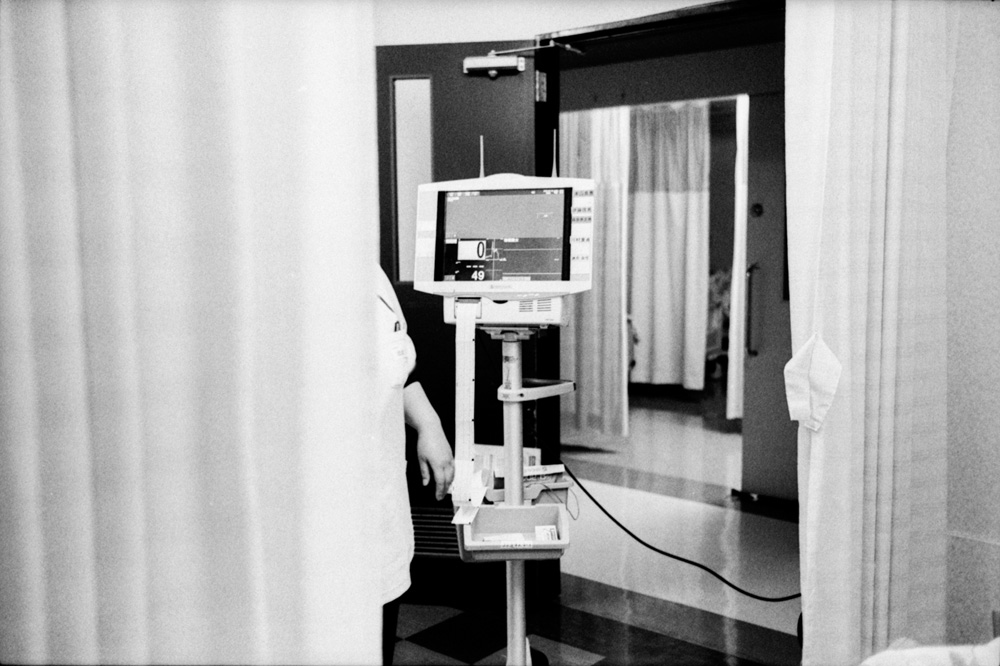
©Mitsu Maeda, from The Shining Lady
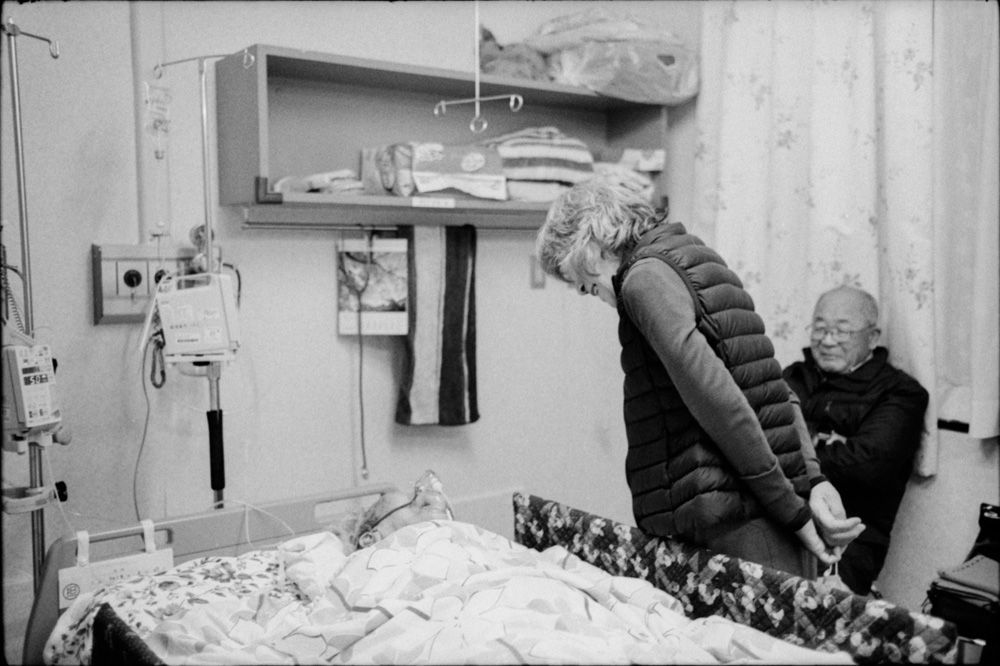
©Mitsu Maeda, from The Shining Lady
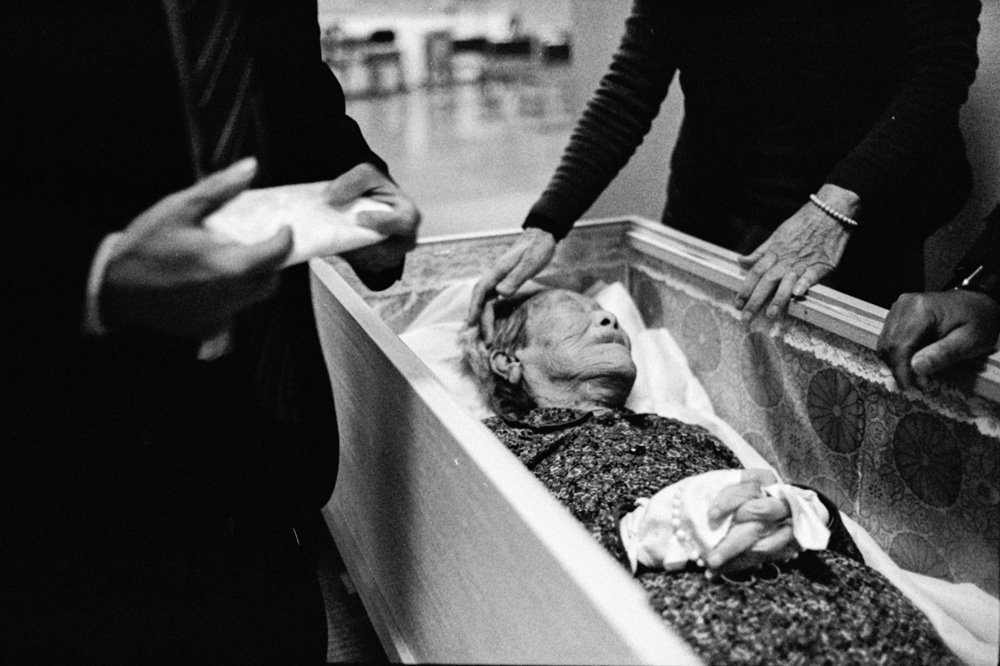
©Mitsu Maeda, from The Shining Lady
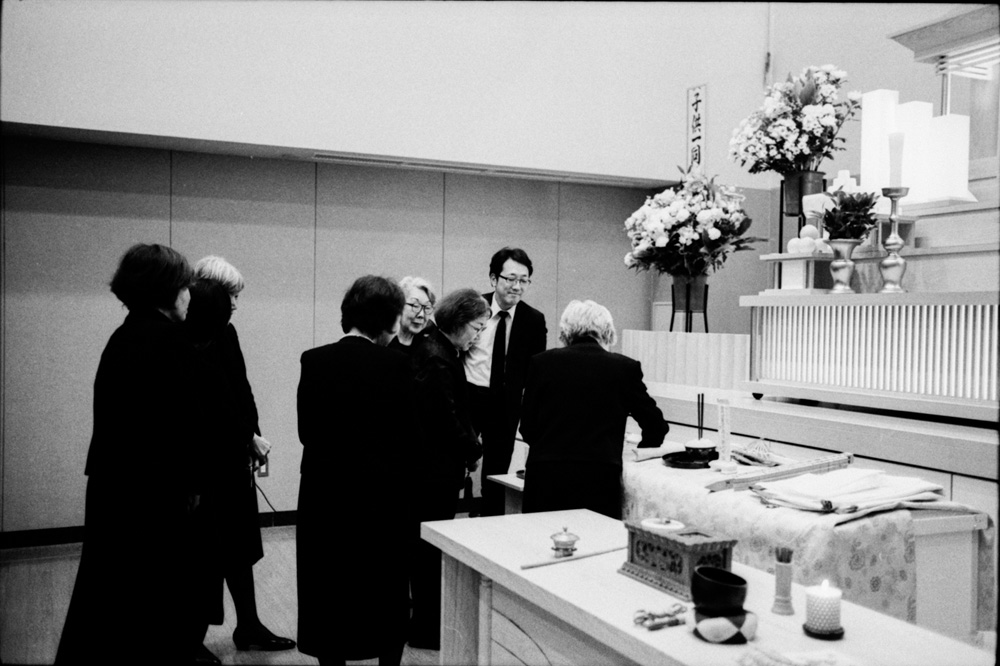
©Mitsu Maeda, from The Shining Lady

©Mitsu Maeda, from The Shining Lady
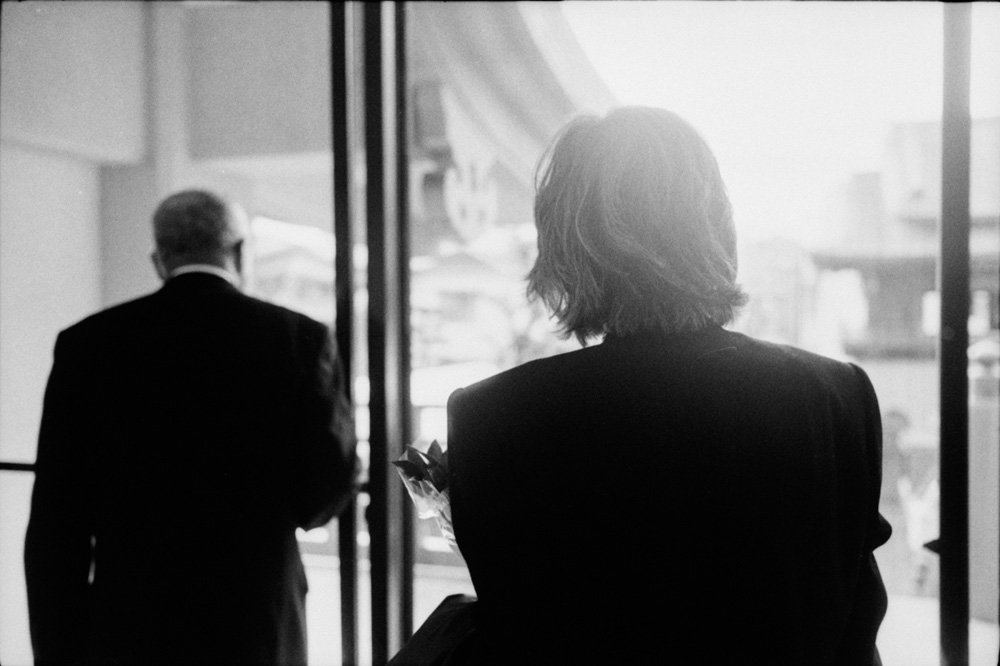
©Mitsu Maeda, from The Shining Lady
Posts on Lenscratch may not be reproduced without the permission of the Lenscratch staff and the photographer.
Recommended
-
The 2026 Lenscratch Student Prize Honorable Mention: G. Chevalier FustecAugust 9th, 2026
-
The 2026 Lenscratch Honorable Mention Student Prize Winner: Anton ZdanovichAugust 8th, 2026
-
The 2026 Lenscratch Honorable Mention Student Prize Winner: Anastasia SierraAugust 7th, 2026
-

The 2026 Student Prize Honorable Mention Winner: Luke RosingAugust 6th, 2026
-
The 2026 Lenscratch 3rd Place Student Prize Winner: Diana SosnowskaAugust 5th, 2026