Tristan Duke: Glacial Optics
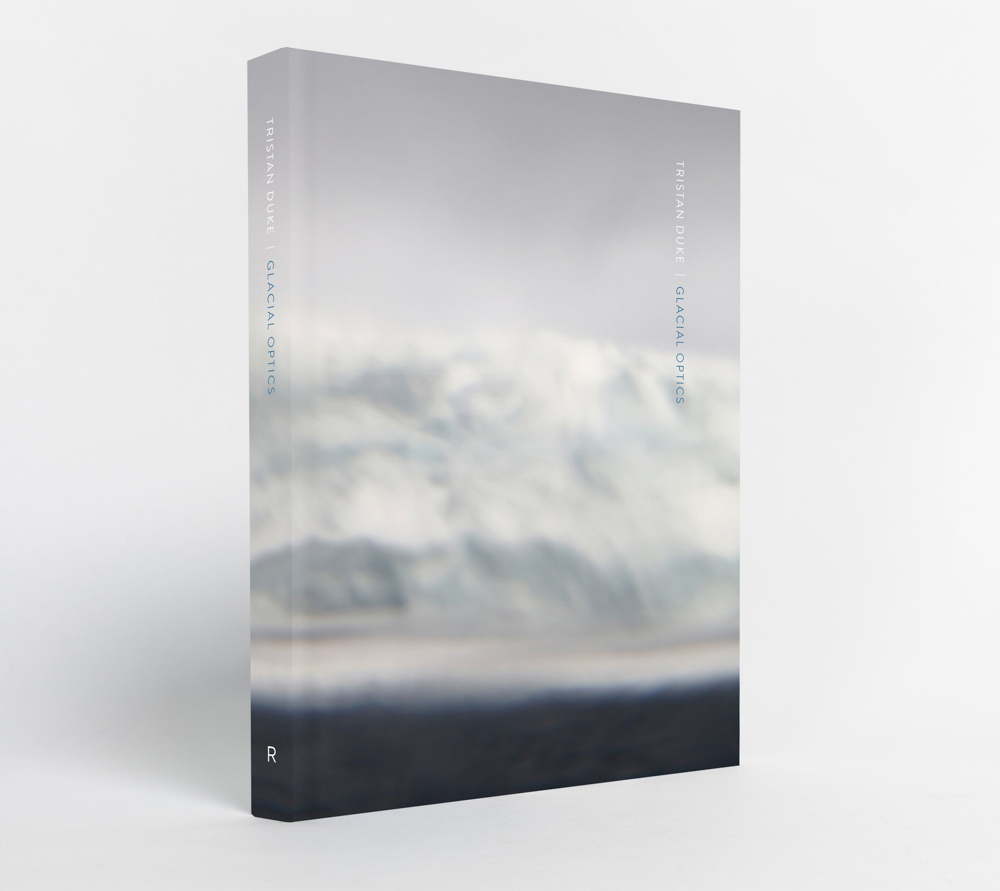
© Tristan Duke, Glacial Optics, Radius Books, 2025
In Glacial Optics by Tristan Duke (Radius, 2025), ice becomes both subject and optical instrument, used in three distinct ways to reflect on Earth’s climate crisis.
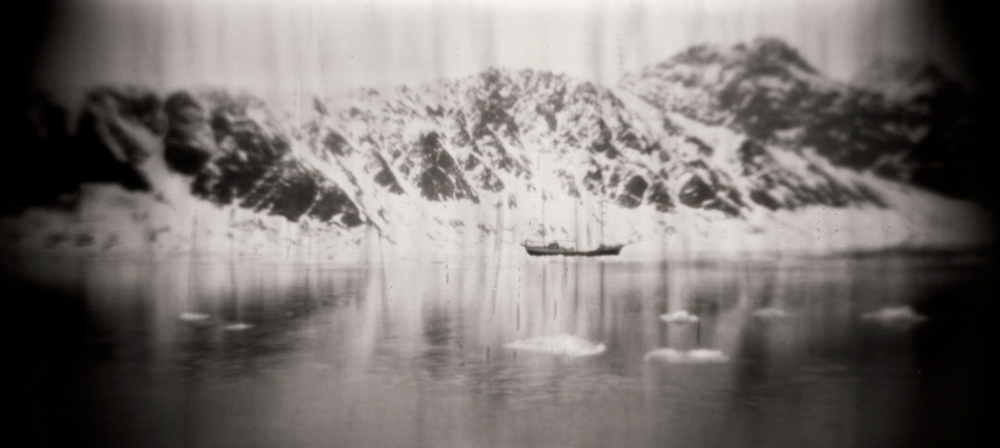
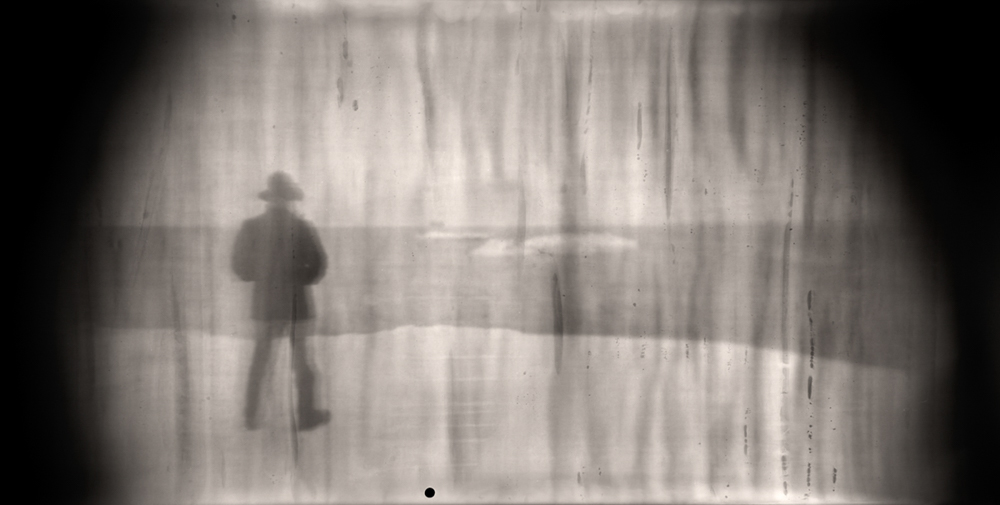
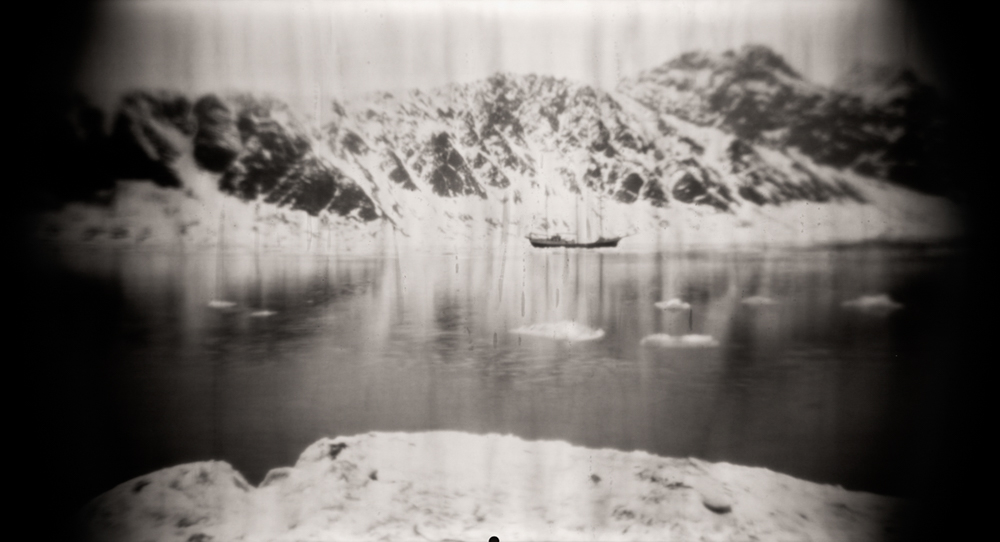
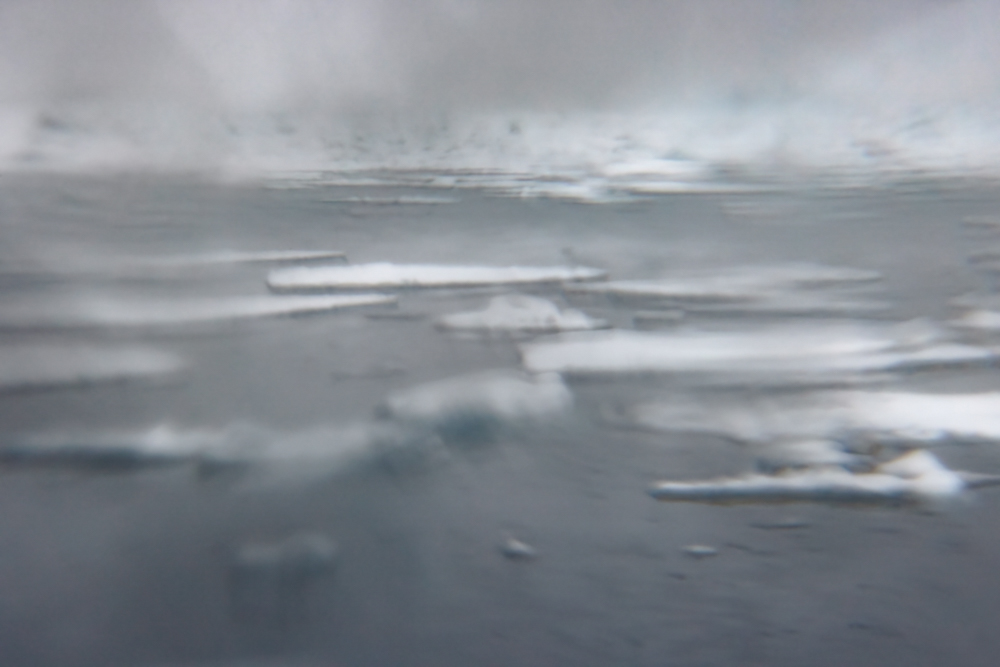
Duke traveled to Svalbard, Norway, where he constructed a custom mobile tent camera and used a large-format system to capture long exposures of slowly melting polar ice—photographed through a lens made from crystal clear glacier ice. The process demanded innovation and endurance, from crafting the custom made ice lens in the arctic terrain to producing large gelatin silver negatives in unpredictable environmental conditions.
After returning from the Arctic, Duke turned his ice lens toward another climate-related devastation: the aftermath of wildfires in the American West. With pigment prints, he revealed landscapes shaped by fire. Duke wrote, “Now I would bring the gaze of the glacier to bear witness to the smoke and fire of the Anthropocene.”
In the final chapter of his optical inquiry, Duke visited subzero ice core facilities to photograph the geological transformations preserved in ancient ice. At each site, he created gelatin silver photograms—camera-less images made directly from Arctic ice core samples. Though they appear as geometric abstractions, each is a singular record of Earth’s climate memory, suspended in deep time.
Glacial Optics includes essays by Lucy R. Lippard, Mark Cheetham, William L. Fox, and Brandee Caoba, with a foreword from Michael Govan, as well as the artist’s field notes and original research chronicling the unlikely history of ice lenses.
© Tristan Duke
© Tristan Duke
© Tristan Duke
It began as a poetic vision: reading about the exceptional clarity sometimes found in glacial ice, I began to think of the glaciers, perched on mountain tops and in the furthest polar climes, as natural optical elements; giant lenses compacted under the weight of eons, polished by wind and snow. In its massive fragility, the glacier’s gaze suggested a perspective both larger in size and longer in duration than our limited, anthropocentric view.
This idea quickly became an ongoing conceptual obsession, a major research project, and a huge technical and engineering challenge. I read about the crystal and refractive properties of ice. I used a visual programming language to simulate the way light moves through ice and a simulated annealing algorithm to generate optimized curvatures for ice lenses. I learned how to make crystal clear ice in my freezer and designed special tools for forming and polishing ice into the lens shapes. I designed special cameras equipped to hold these slippery, melting lenses and record images though them.
Meanwhile, I sought out conversations with glaciologists and climate scientists studying ancient polar ice. I began to learn more about how glacial ice opens a window into our climate past through information gleaned from ice cores. Finally, in April of 2022 I set out on an arctic expedition, sailing north of the 78th parallel on a three-masted tall ship in search of crystal clear, ancient glacial ice. I traveled with custom-made tools for forming ice lenses and a tent camera which I designed to record giant, 4×8-foot negatives.
I went not knowing if I would find ice clear enough to make a lens. I also went knowing I would be facing of some of the harshest conditions imaginable. This is still a work in progress, but I share here some images from my preparations and from the expedition… as well as a sneak peek at some of the first successful images made using glacial ice lenses.
© Tristan Duke
© Tristan Duke
© Tristan Duke
© Tristan Duke
Duke’s work often incorporates technologies and processes of his own invention, such as his Glacial Optics project: using camera lenses made from ice to explore the glacier as a literal and poetic lens through which to understand our times.
As the recipient of the 2023/2024 LACMA Art and Technology Lab Grant, Duke is continuing to build on his Glacial Optics Series, exploring cutting edge science on and in the glaciers –with partners including the National Science Foundation’s Ice Core Facility (NSF-ICF), the Byrd Polar and Climate Research Center, the Wisconsin IceCube Particle Astrophysics Center (WIPAC), The Nevada Museum of Art Center for Art + Environment, and many others.
Duke has pioneered numerous holographic technologies, including creating the first ever 3D hologram vinyl records. He has created original hologram artwork for many albums and soundtrack releases ranging from Jack White to Guns ‘n Roses and Star Wars, earning him a Clio Award in 2016. His holographic album artwork has been featured on the Tonight Show, and in Rolling Stone, Forbes, The Verge, Gizmodo and many more.
From 2010-2023 Duke worked in collaboration with artists Lauren Bon and Rich Nielsen, forming the Optics Division of the Metabolic Studio, a collective project seeking to recontextualizing photography as a land-based medium and social practice.
He has shared his work internationally, with exhibitions and public talks at institutions including the MIT Media Lab, the Getty Museum, the Santa Fe Institute, Tamarind Institute, the de Young Museum, the Exploratorium, RISD, C|O Berlin, LACMA, MASS MoCA, and many others.
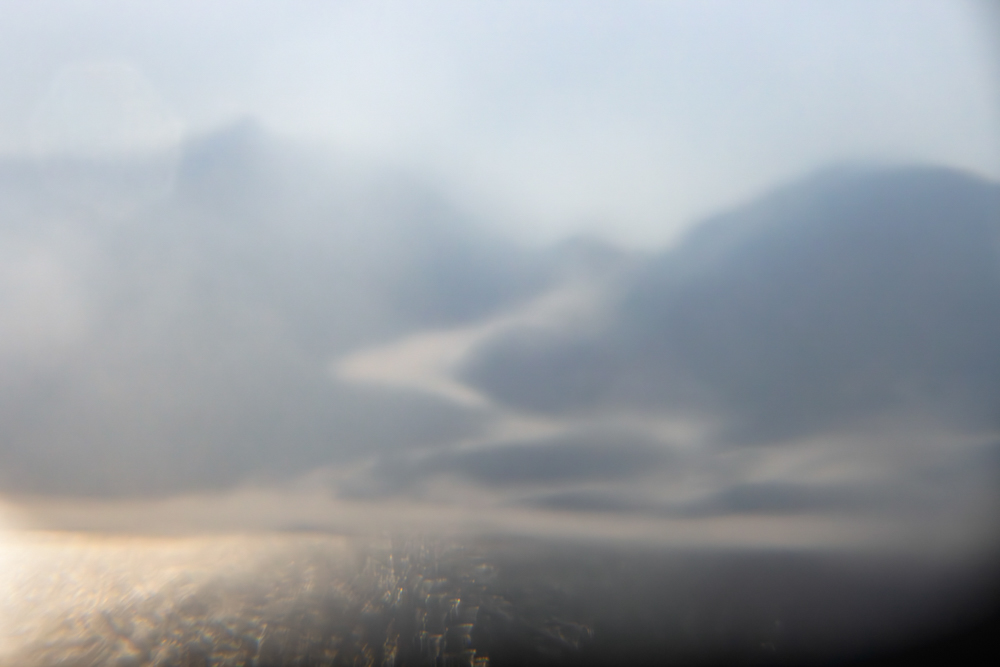
© Tristan Duke
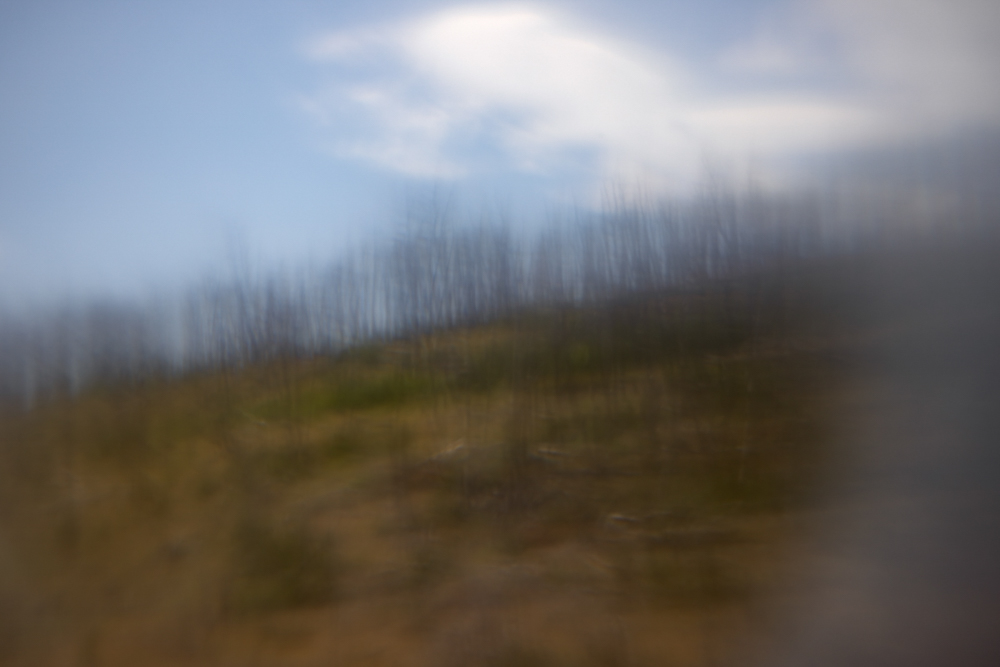
© Tristan Duke
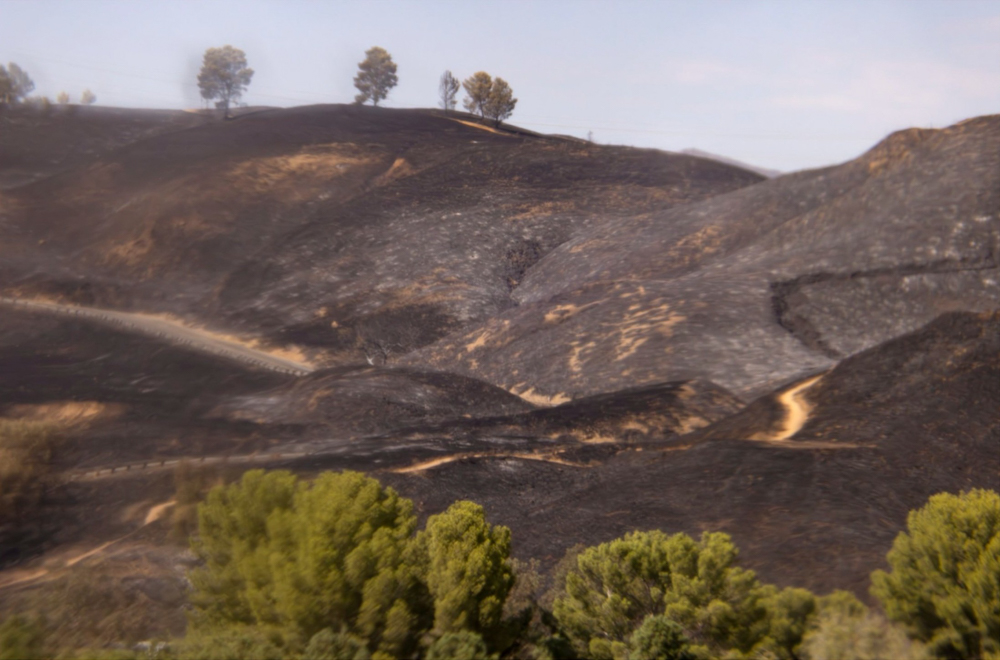
© Tristan Duke
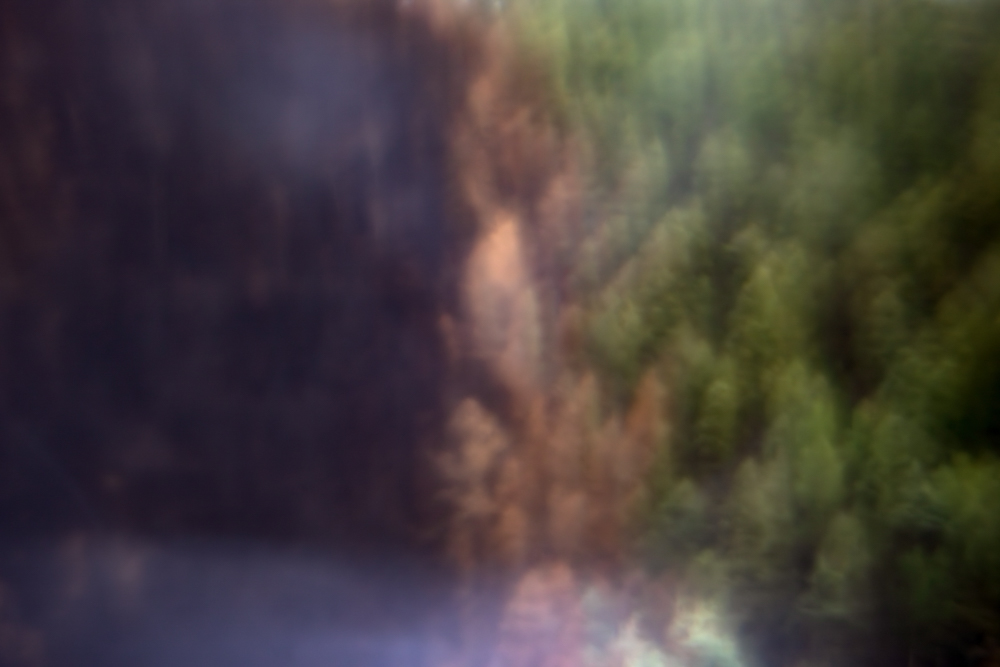
© Tristan Duke
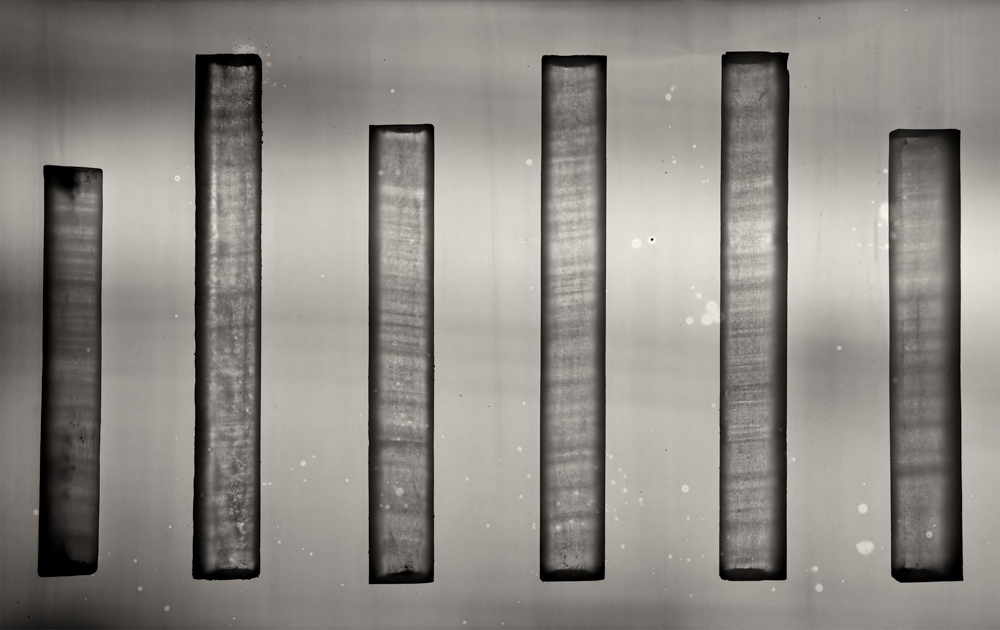
© Tristan Duke
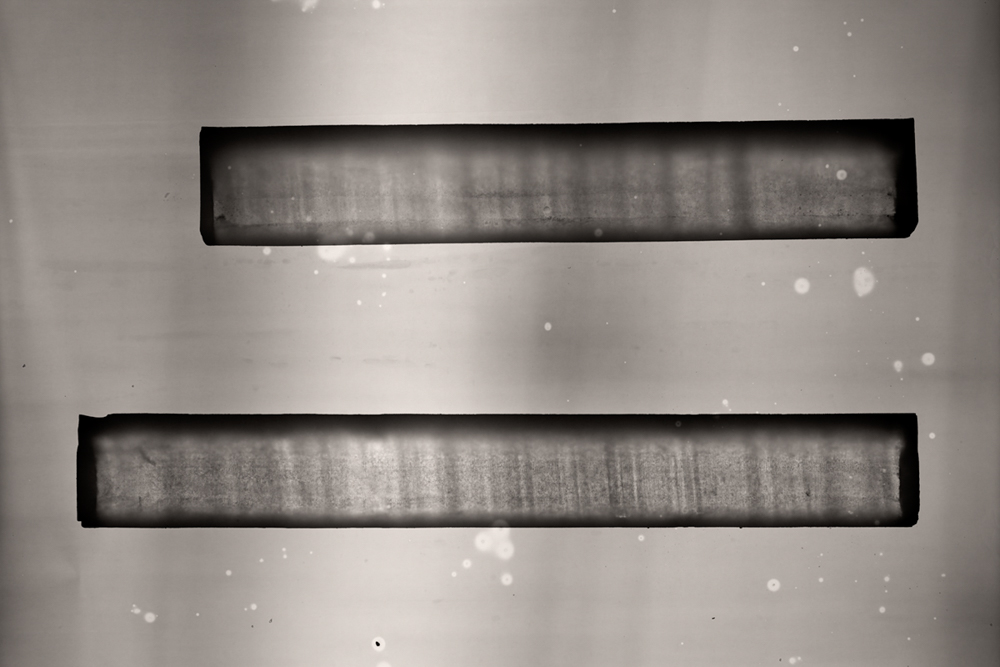
© Tristan Duke © Tristan Duke
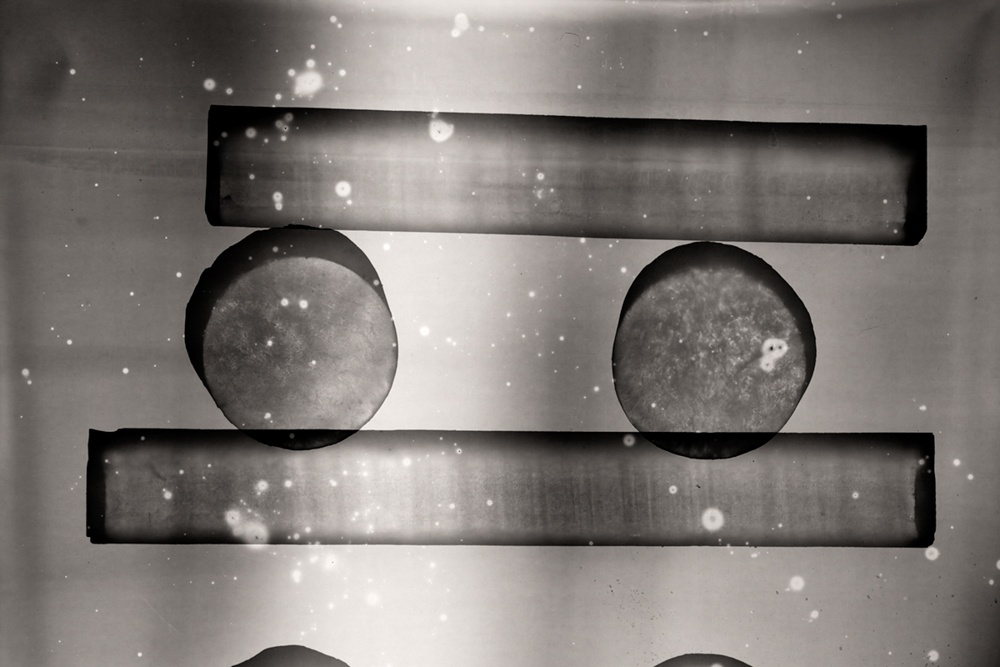
© Tristan Duke
Linda Alterwitz (American, b. 1960) is an independent interdisciplinary artist with a focus on photography. Her work homes in on visualizing unseen systems that shape our world, encouraging dialogue around choice, trust, and collective experience.
She has been an editor for Lenscratch Magazine since 2015 and is currently the Art + Science editor.
Posts on Lenscratch may not be reproduced without the permission of the Lenscratch staff and the photographer.
Recommended
-
Remembering The Future by Mark Klett and William L. FoxMarch 19th, 2026
-
Aaron Rothman: The SierraDecember 18th, 2025
-
Linda Foard Roberts: LamentNovember 25th, 2025
-
Leah Ollman: Ensnaring the MomentNovember 2nd, 2025
-
Tristan Duke: Glacial OpticsAugust 1st, 2025