Landscape ReEnvisioned Exhibition At the Monterey Museum of Art
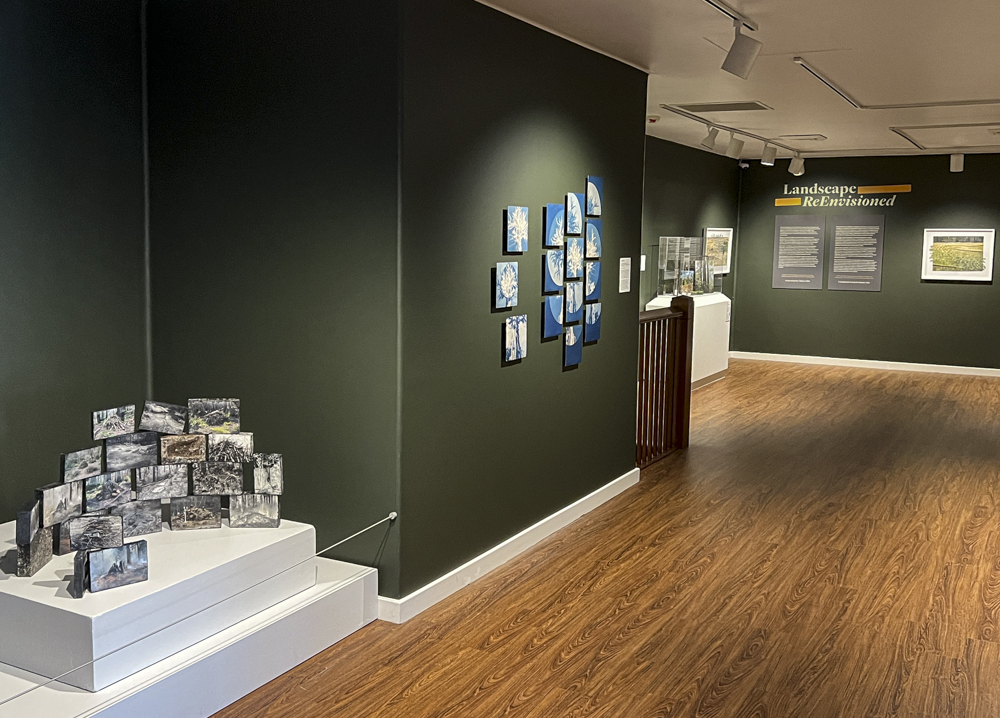
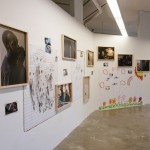
Installation view of Landscape ReEnvisioned at Monterey Museum of Art
Compiled by Debra Achen
In the Monterey Bay Area, home of the renowned West Coast Photography movement, landscape photography is a beloved tradition and source of local pride. But how do photographers respond today, when much of the natural world is at risk? This question was top of mind for Helaine Glick, curator of the Landscape ReEnvisioned exhibition, on view through April 26, 2026 at Monterey Museum of Art.
Landscape ReEnvisioned features the artwork of Debra Achen, Tony Bellaver, Adrienne Defendi, Charlotte Schmid-Maybach, Brian Taylor, and Vincent James Waring. Glick comments: “New complexities in the landscape inspire these artists to find more meaningful ways to depict what once seemed a straightforward and familiar subject. Their work takes shape in multiple mediums, including prints made with cyanotype and gum bichromate, as well as in tapestry, books, collage, and sculpture. They explore the character or beauty of a particular place, bear witness to environmental conditions or events, forewarn of potential peril, or document newly revealed resilience. What they all share is an approach that reaches beyond traditional photographic practice.”
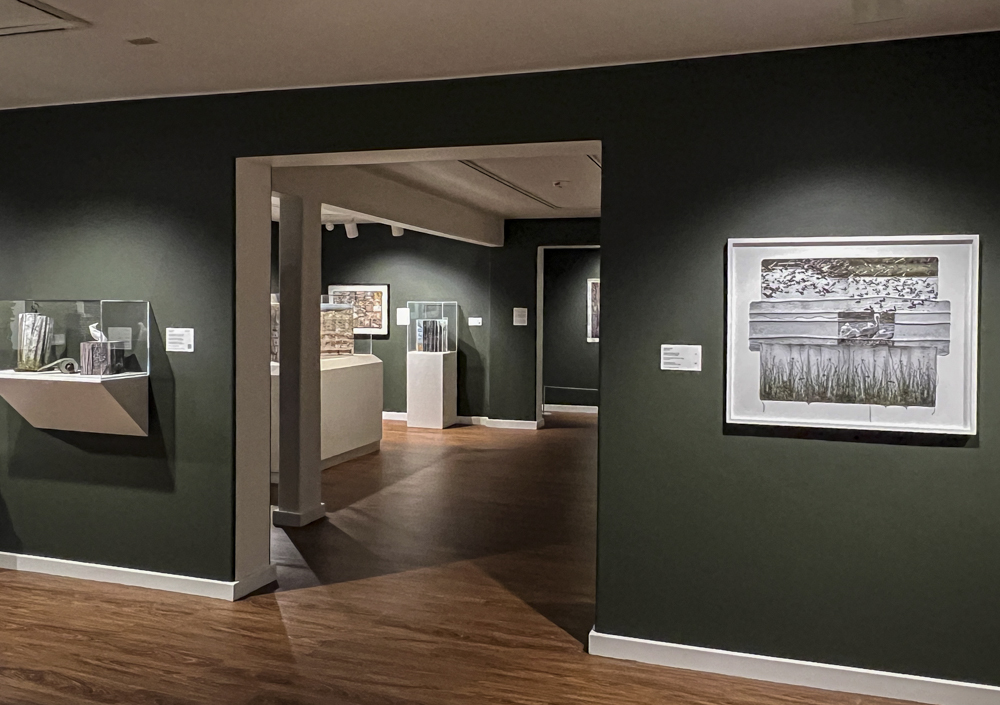
Installation view of Landscape ReEnvisioned at Monterey Museum of Art
The Artists
The hand-folded, torn, scorched, and woven prints on display from Debra Achen’s Folding and Mending project convey “the world folding in on itself” from the impacts of climate change. She notes, “As record storms and wildfires wreak havoc on our forests and communities, our ecosystems are unraveling at an alarming rate. My hand-manipulated photographs allude to the results. Coastlines erode and submerge as sea levels rise. Trees and forests, stressed from years of drought, succumb to disease and fire. Grasslands and wetlands shrink, and extinctions increase. All at the hand of mankind.” The stitching in Achen’s collages and sculptures is a metaphor for the restoration needed to make our world whole again. Her photo-sculptures speak to how informed decisions about the products we purchase and use every day influence the course of our climate crisis. “Nature is resilient and our impacts can be reversed,” she says, “do we have the resolve to make change happen?”
Instagram: @debbieachen
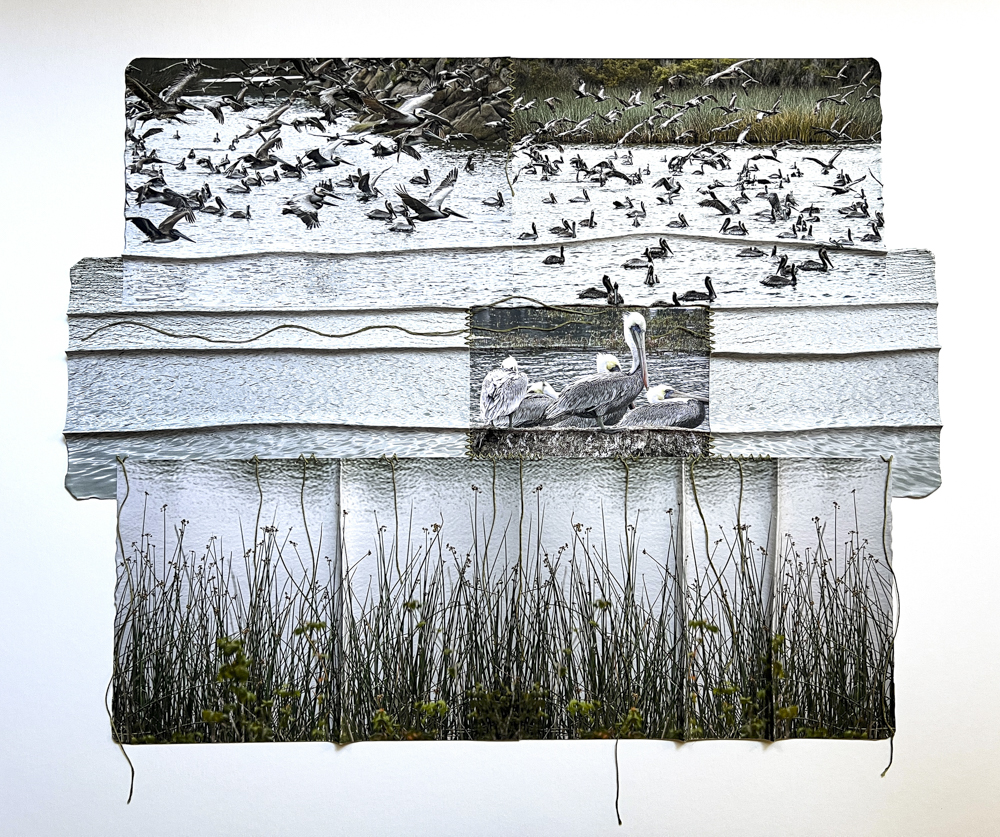
©Debra Achen, Wings of Resilience, 2025, Archival Pigment Print Collage, Collection of the Monterey Museum of Art
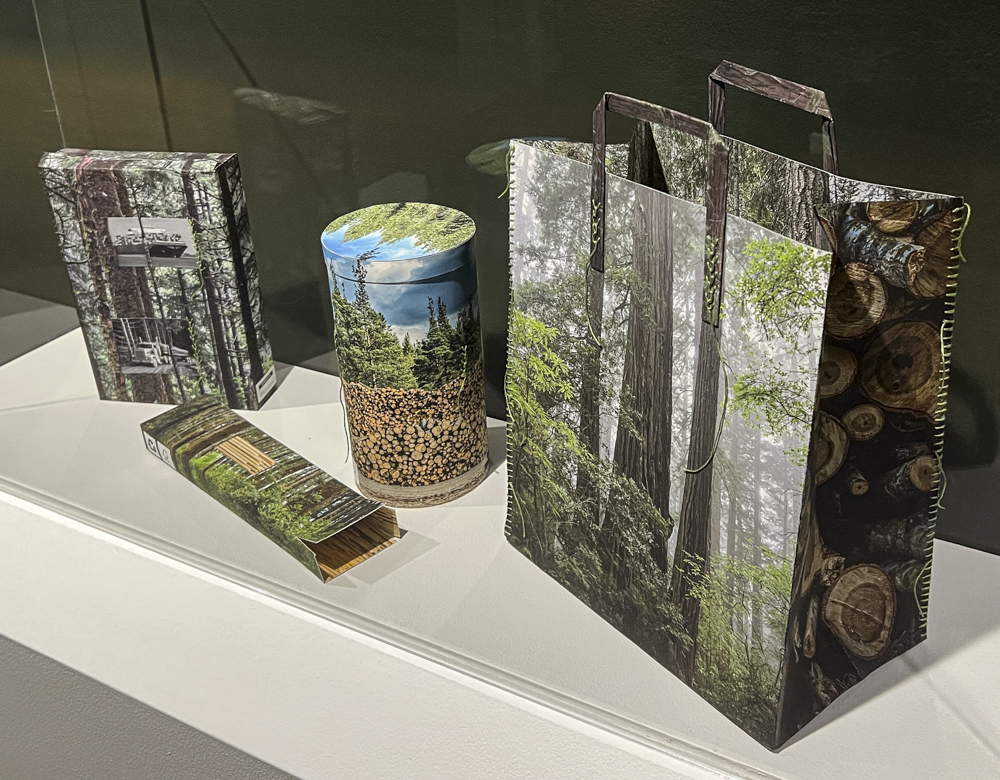
©Debra Achen, The Package Deal, 2025, Archival Pigment Print Sculptures
Tony Bellaver doesn’t have a special loyalty to any one medium, but has always loved using photography as an element in his work. He uses a variety of cameras for his images, ranging from large format to vintage bellows cameras. His own hand-embellished travel sketchbooks and journals provide the primary source material for his innovative multi-media works. Spending days in nature to hike and fly-fish, he photographs, writes poetry, paints and draws, and collects organic materials, recording the experience as he goes. Back in the studio he sorts and sifts and brings it all together in layered, artist book-sculptures. Ralph Nader and Gordon Parks are two of his major influences. As he states, “I heard Ralph Nader speak, and something he said I never forgot. He spoke about using your talent, whatever it was, being an artist, a poet, a lawyer, a journalist, to fight back against the injustice that you see. Gordon Parks said, “A camera is a weapon against poverty, racism, and discrimination. The camera could be used to expose injustices and bring about change in what we witness. I feel we have a moral obligation to do so.”
Instagram: @tonyvictorbellaver
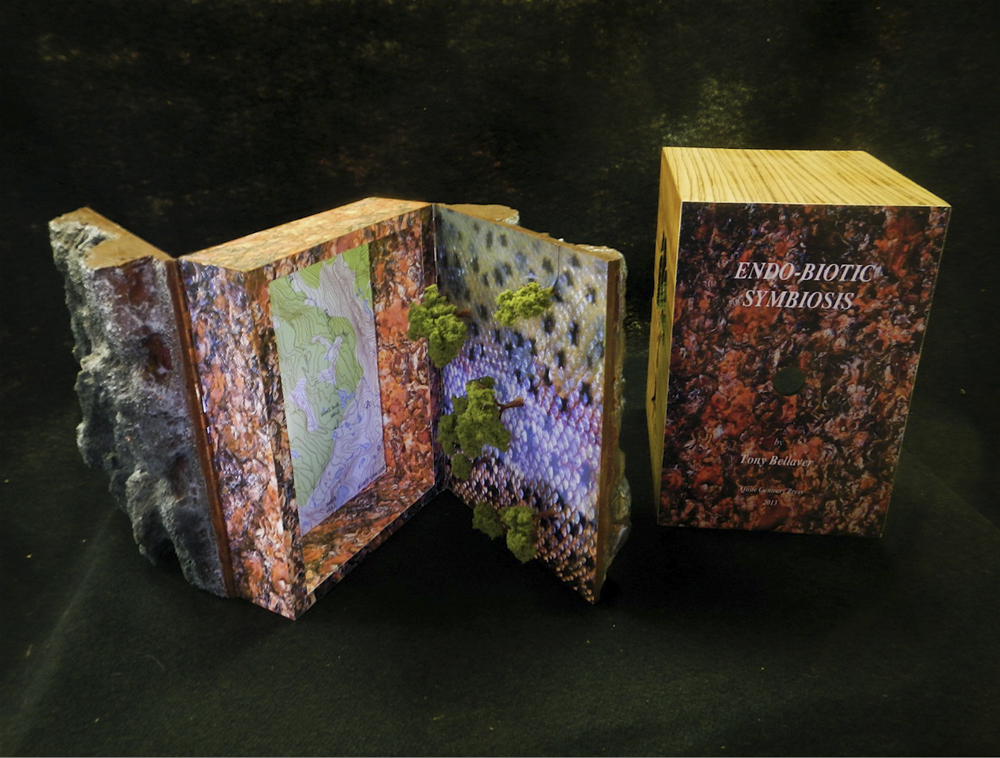
©Tony Bellaver, Endobiotic Symbiosis, 2014, artist book-veneer, vacuum form, pigment prints
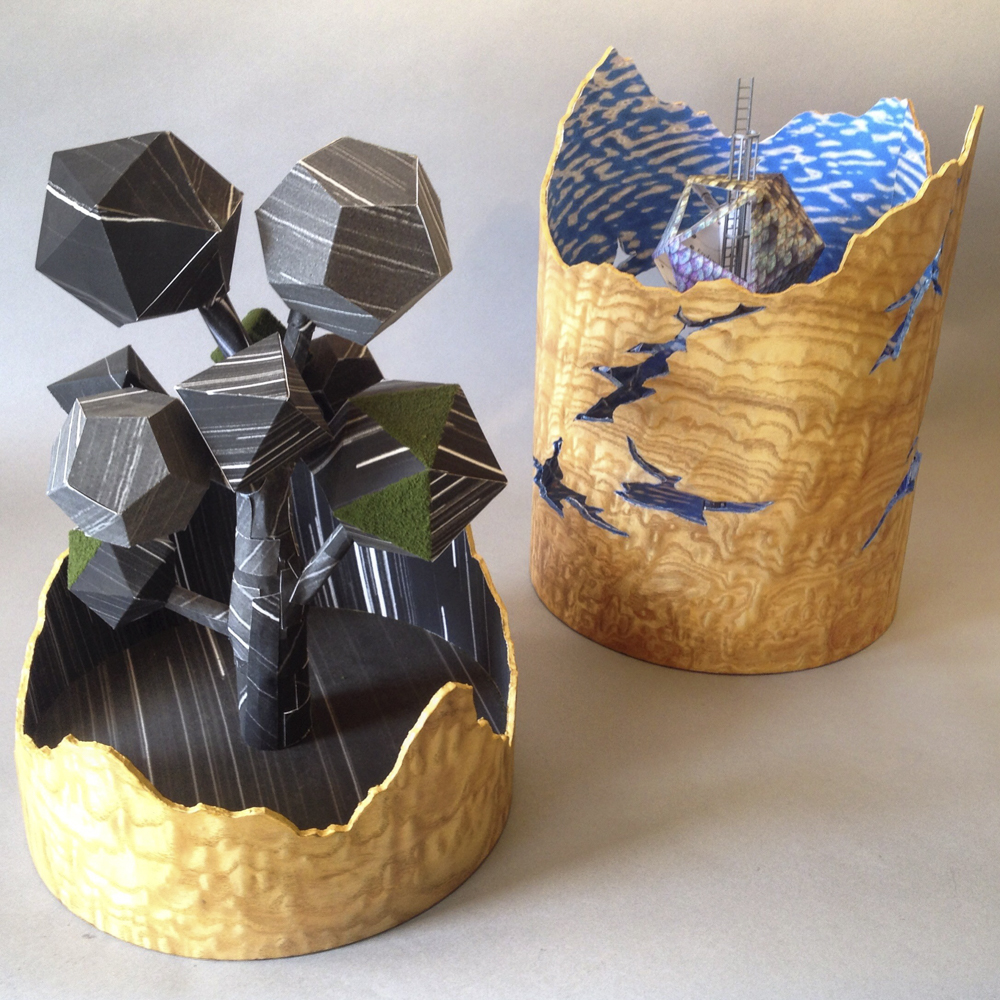
©Tony Bellaver, Sierra Basin Sonnet, 2015, Veneer, archival pigment prints, model styrene
In the aftermath of the CZU Lightning Complex fires (August 2020) in the Santa Cruz mountains, visual artist, Adrienne Defendi documented the charred landscape, forests, and residential properties in multiple variations. She says, “In my art practice, I am interested in how repetition can be generative, as in my insistent use of the iconic Mother Tree canopy (in Big Basin State Park), fragmented and recomposed, intimating the cyclical nature of destruction and renewal.” She also photographed the numerous brush piles amassed by those who worked in the park for its revival and for a more sustainable future. She notes, “Brush piles remind me of burial mounds, marking loss and remembrance and transformation. In response, I created photographic “bricks” depicting a variety of mounds and brush piles fusing them with beeswax in sedimentary layers of burn-scar charcoal ash and botanicals. Each brick can stand alone, yet in the act of placing one upon another, I commemorate loss in the hope for collective renewal. It takes labor to chart loss. It takes quietude and stillness to perceive increments of change, hidden beauty, commonality.”
Instagram: @adrienne_defendi
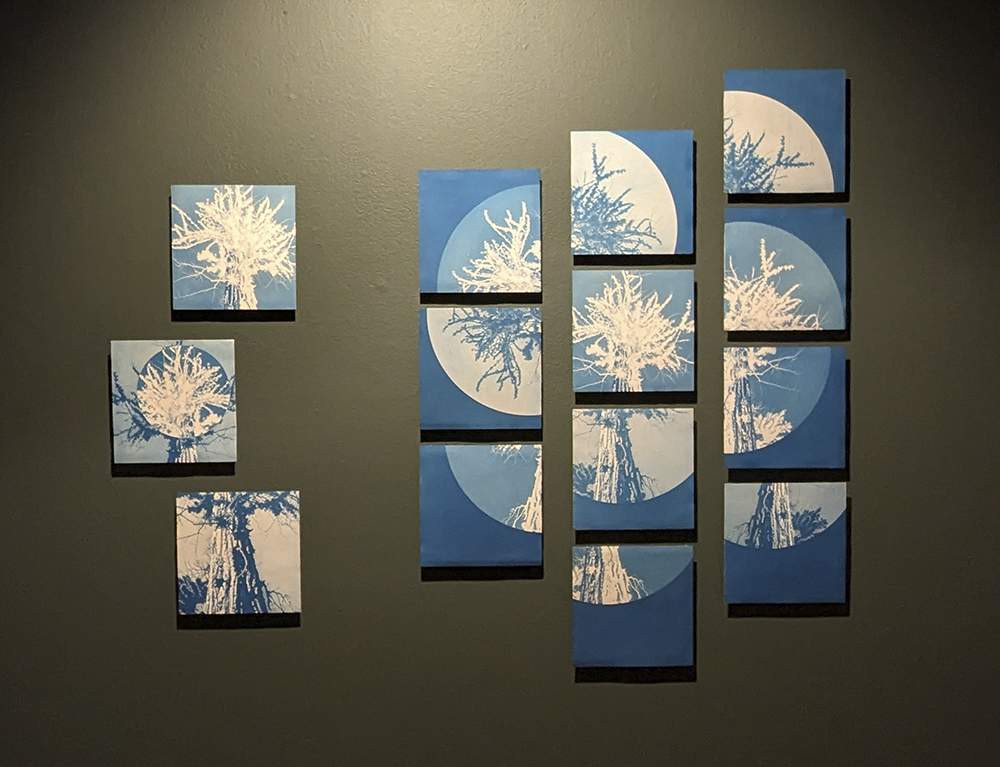
©Adrienne Defendi, Mother Tree Reimagined, 2023, Cyanotype Installation
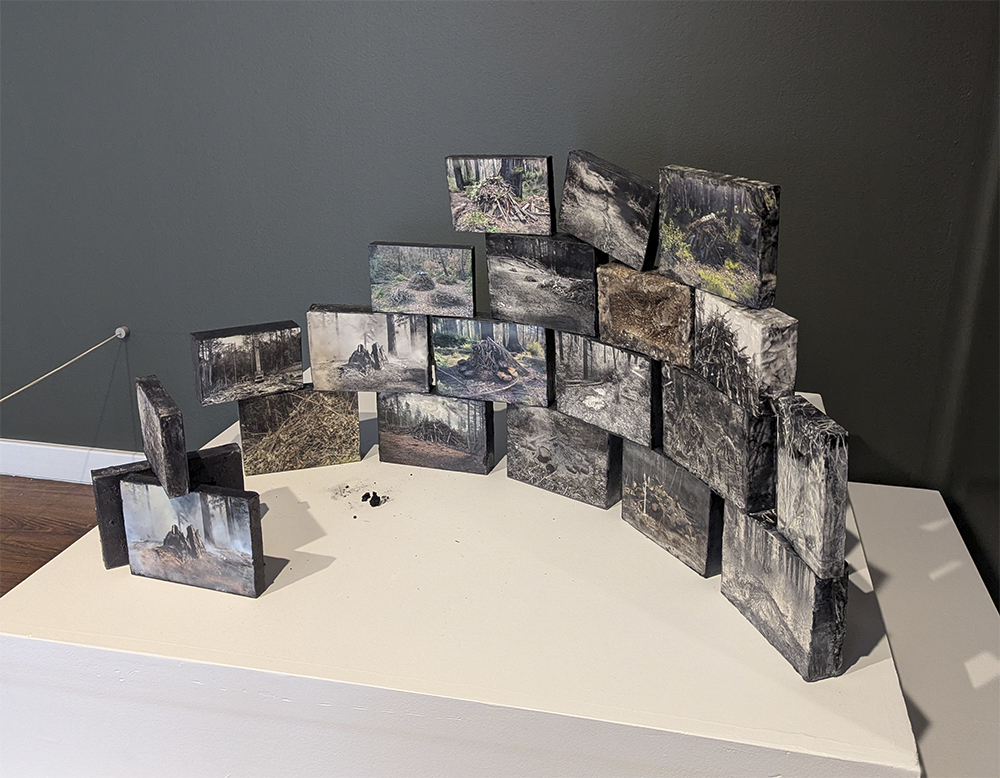
©Adrienne Defendi, Heart(h), 2025, Multi-media Photo Bricks
Charlotte Schmid-Maybach works with photography, cloth, and thread to create her photographic textile pieces. Using her interdisciplinary approach, she focuses on themes of nature, myth, and legend, with an emphasis on forests and trees. Sewing is one way that Schmid-Maybach “gets her hands into” the photograph. She says, “I sew on my prints with a free-motion sewing machine, like drawing with thread. The colored metallic and cotton fibers change the paper into something dimensional and textural. This intervention blurs the line between what’s real in the photograph and what’s beyond the picture, and its intricacy invites the viewer to take a closer look. The finished pieces feel like tapestry.” Most recently, Schmid-Maybach has printed her photographs on silk. Layering the printed gauze over her sewn images both deepens the pieces and emphasizes their ethereal quality. She observes, “It’s as if I’ve found a way to print a layer of fog and add it to my process. This misty layer creates a space, an elsewhere, that only exists in imagination or memory.”
Intagram: @ clsmstudio
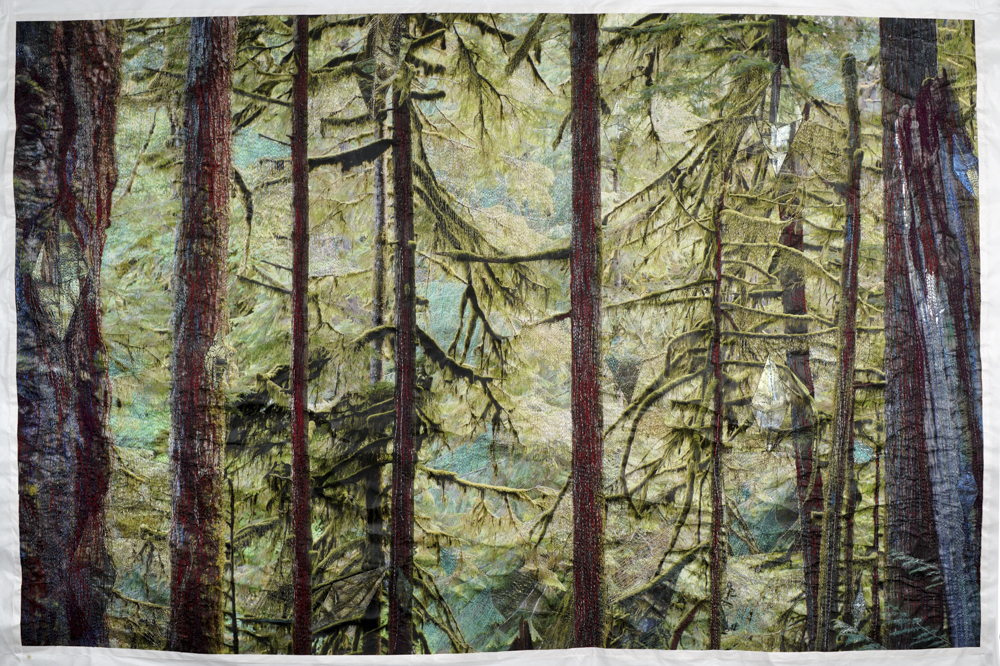
©Charlotte Schmid-Maybach, Reverence, 2025, Sewn archival pigment print on kozo paper, origami paper diamonds, iridescent watercolor, sewn tengu tape border
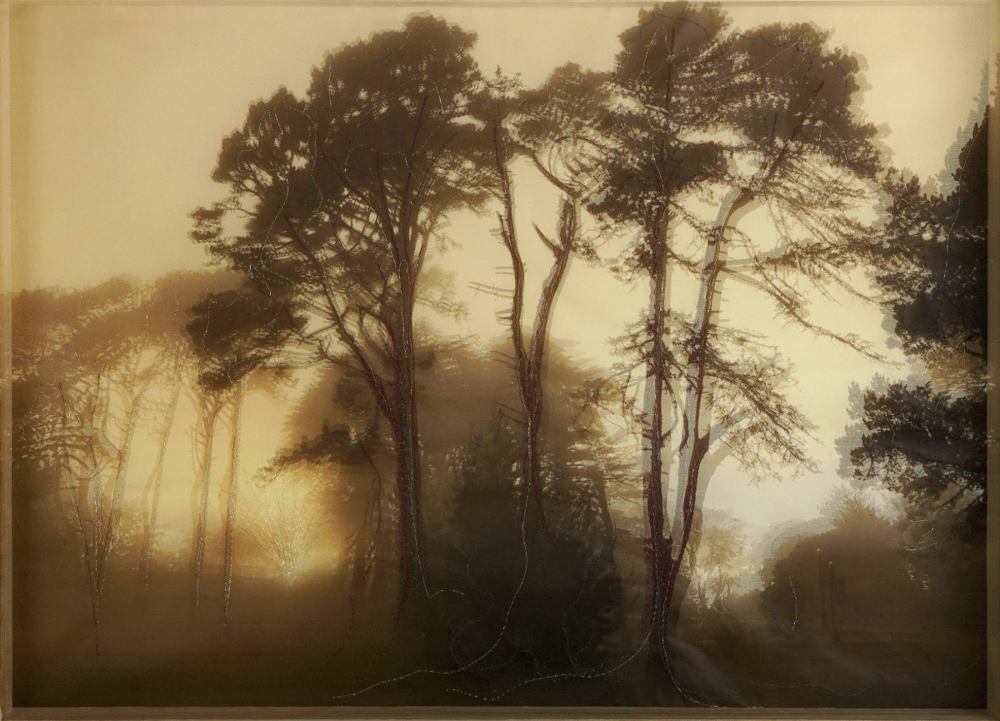
©Charlotte Schmid-Maybach, Golden Slumbers, 2024, sewn archival pigment print on kozo paper, thread. Printed gauze overlay in shadow box.
Brian Taylor is known for his innovative explorations of alternative photographic processes, including historic nineteenth-century printing techniques, mixed media, and illustrated handmade books. His images evoke antiquated sketchbooks, often presented as full-page spreads in open books, or loose pages “torn” from journals. “My sketches,” he says, “spring from a desire to incorporate more of my daily experience into my art and more art into my daily life. The artworks depict the world in front of my camera and include hand drawings, watercolors, and collage on the print surface to conjure up images from my imagination of scenes I wish I’d seen.” Taylor relishes revealing signs of his hand in his artworks – fingerprints, brush marks, and imperfections akin to those found in distressed, historic documents. He is drawn to creative methods that allow for surprise. “I welcome imperfections and textures in unpredictable, temperamental, and quixotic photographic processes. In this virtual age, I savor the tactile pleasures of making art by hand; I believe that a work of art created by a human touch may contain a resonance of that touch, a lingering aura.”
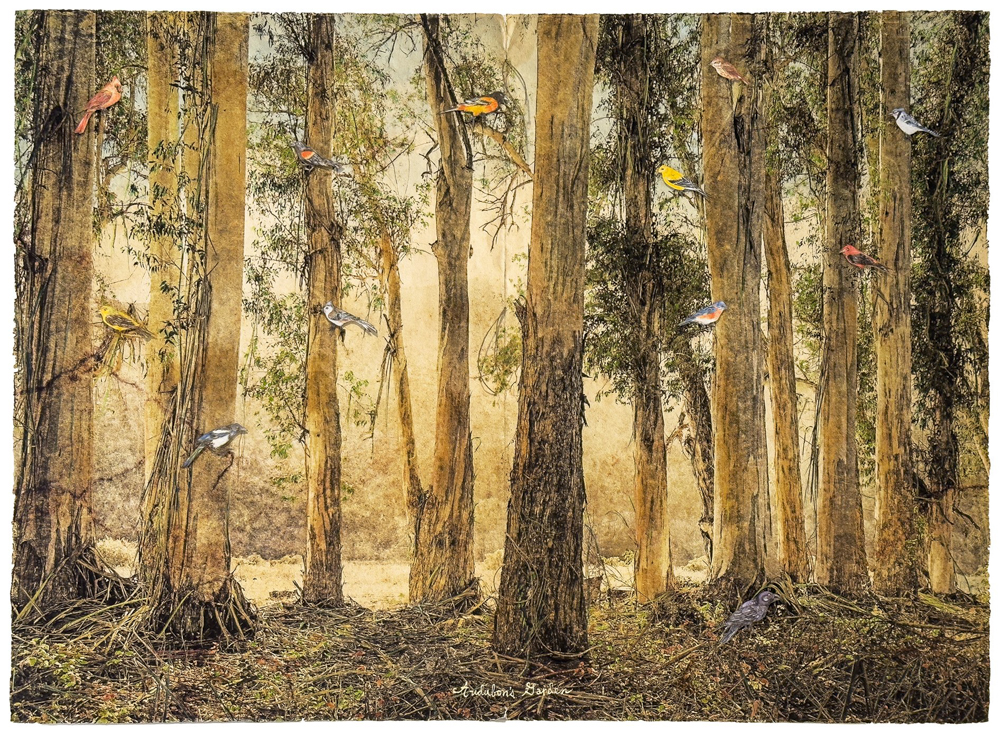
©Brian Taylor, Audubon’s Garden, 2023, Watercolor, pencil and gouache on pigment print
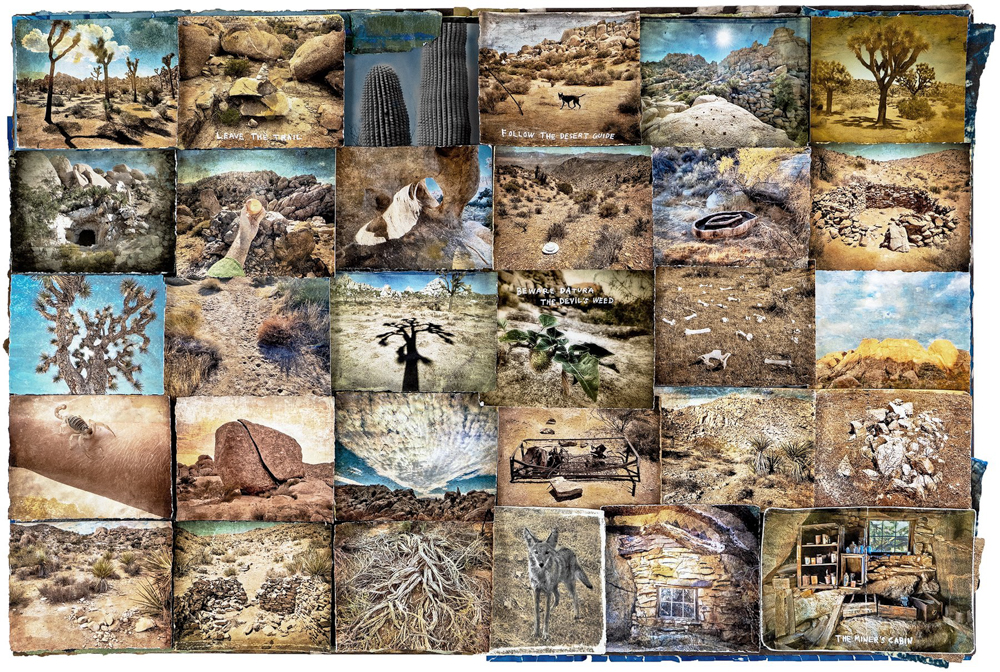
©Brian Taylor, Map to a Miner’s Cabin, 2024, Watercolor, pencil, and gouache on pigment prints
Vincent James Waring merges the handmade with the technological, weaving together design, drawing, painting, and photography into luminous blue works. Subtle and contemplative, his works explore the layers of reciprocal forces present in each moment and encourage a deeper appreciation for the beauty, fragility, and resiliency of life. In Waring’s words, “These landscape portraits function as self-portraits, though the human figure is absent, and instead reveal how our presence shapes and is shaped by the natural world. The work seeks to illuminate our transformative power—both as destructive actors and as potential stewards within greater ecological systems.” His cyanotype images begin as wash paintings, where water evaporates to leave behind textures formed by the interplay of oil, water, air, brushwork, and substrate. The painting is translated into a negative and processed into a cyanotype print, revealing what Waring refers to as “the alchemy of light and material transformation… In their making, artist and medium engage in a reciprocal dance – an exchange yielding artworks that are both earthly and mystical.”
Instagram: @vinwaring
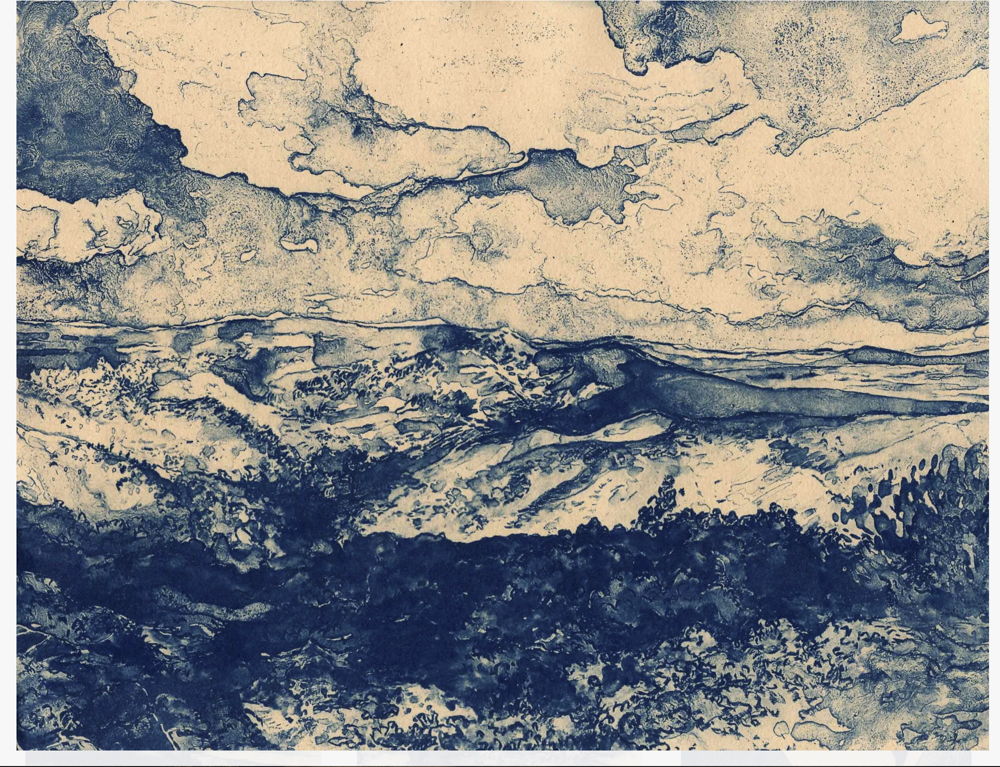
©Vincent Waring, Wind in Our Face, 2019, cyanotype from unique drawing on film
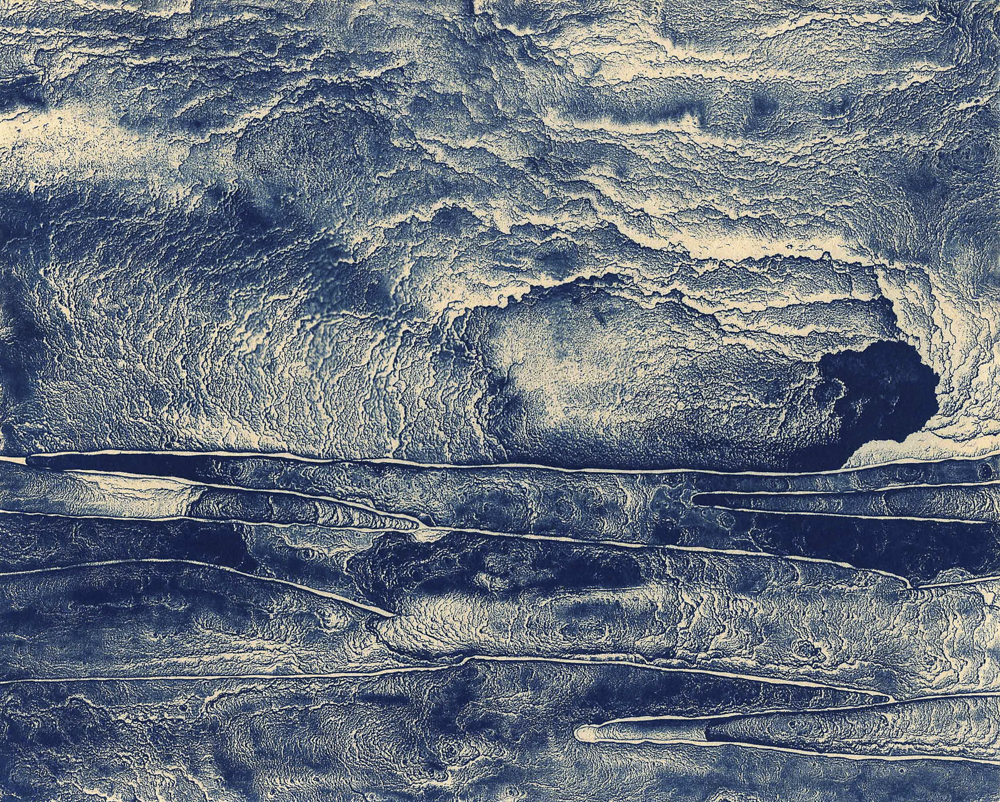
©Vincent Waring, Buzzing Stillness, 2019, Cyanotype from unique drawing on film
Landscape ReEnvisioned was curated by Helaine Glick, an independent curator and art writer. She is a former Assistant Curator at the Monterey Museum of Art in Monterey, where she curated a wide range of exhibitions featuring works on paper, paintings, and photography, plus the major photography exhibitions, In Sharp Focus: The Legacy of Monterey Photography, and Bob Kolbrener—In Real Time. She served on the Board of Trustees at the Center for Photographic Art in Carmel and curated four exhibitions there. She has curated exhibitions for the Sonoma Valley Museum of Art, Sonoma, the New Museum Los Gatos (NUMU), Los Gatos, the Monterey Museum of Art, Monterey, and the Winfield Gallery in Carmel. She has also authored numerous artist brochures, artist books, and exhibition catalog essays.
Landscape ReEnvisioned will be on view at Monterey Museum of Art though April 26, 2026. Visit the museum’s online artist gallery to learn more about the artists.
Instagram: @montereyart
Posts on Lenscratch may not be reproduced without the permission of the Lenscratch staff and the photographer.
Recommended
-

Blazing Light: Photographs by Mimi Plumb at the High MuseumApril 10th, 2026
-
Salon Jane: ResonanceApril 8th, 2026
-
Mort O’Sullivan: The Weight of Light: Printmaking as Documentary ActApril 7th, 2026
-

Analog Con at the Los Angeles Center of PhotographyApril 6th, 2026
-
Jordan Tovin: A Shaw DiaryMarch 21st, 2026