Review Santa Fe: Chandler Nelson Hubbard: They Greet Me With Goodbye
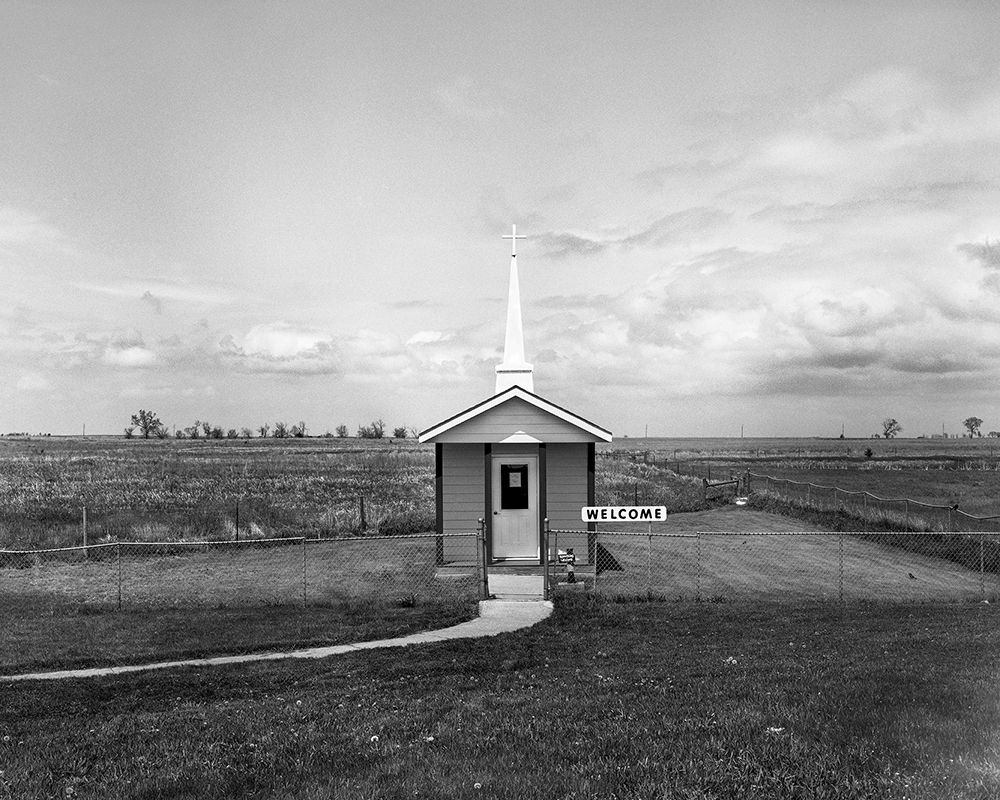
©Chandler Nelson Hubbard, Welcome
In early November 2025, I was invited to CENTER’s Review Santa Fe. Being my first time in the Southwest and experience on the Reviewer side of the table, I wasn’t quite sure what to expect. As an educator, I love reviewing work; when others hear “critique,” they may shy away, but I love the experience of helping others through their ideas. Review Santa Fe is an incredibly welcoming experience, carefully cultivating meaningful projects and conversations. Living in a very rural area, this was an inspiring opportunity to see what is on the horizon of the photo world. I’m so excited to share a few of these projects over the next week.
Today, we’ll be sharing Chandler Nelson Hubbard‘s They Greet Me With Goodbye.
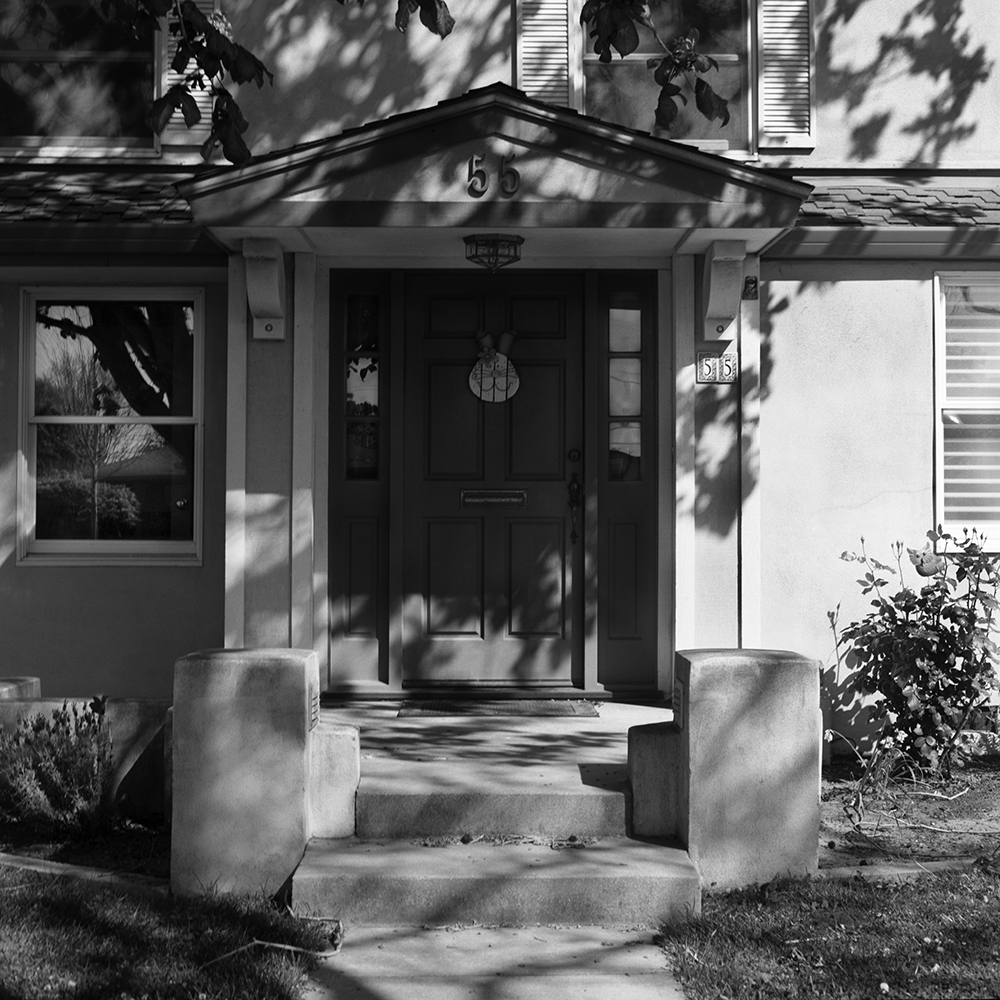
©Chandler Nelson Hubbard, 55
Chandler Nelson Hubbard is a California-based photographer, printmaker, and bookmaker. He was raised in the Salinas Valley, a productive agricultural region with a distinctiveness that is represented throughout Hubbard’s work. He now lives and works in Santa Barbara County, a similar geographic area to Salinas and which furthers the narratives represented through his work. Hubbard received his BA in Visual Arts from the University of San Diego (2015) and his MFA from Maine College of Art (2021).
Follow Chandler on Instagram: @mrbeardsly
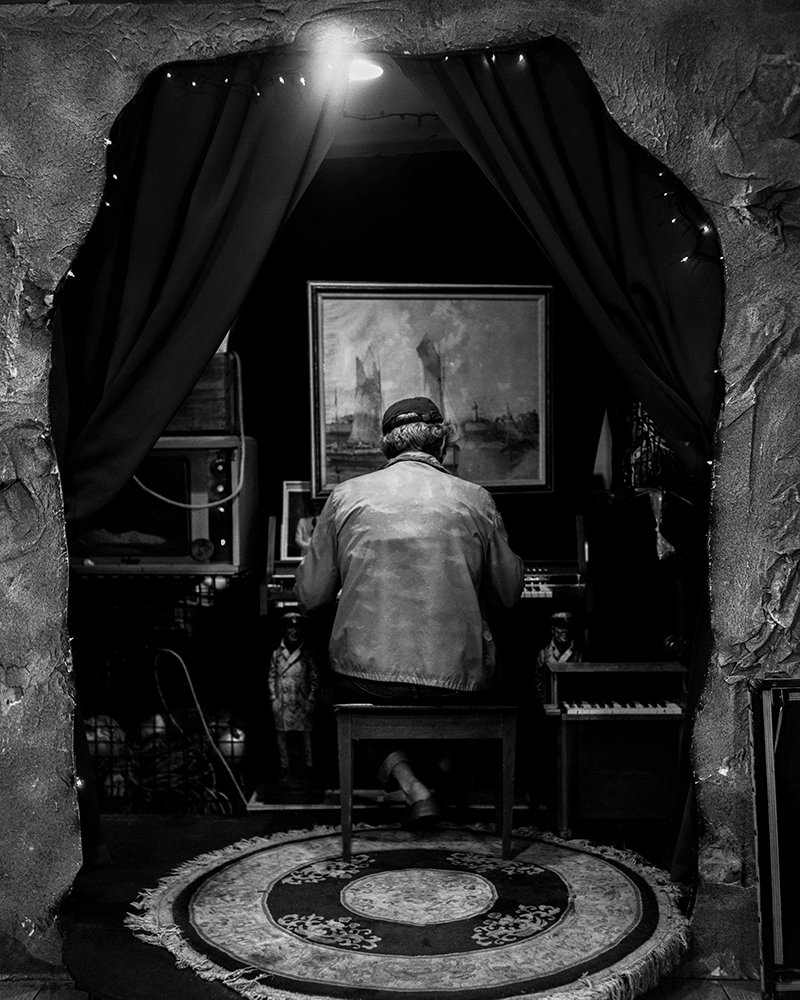
©Chandler Nelson Hubbard, A Funeral Home for Fish
They Greet Me With Goodbye
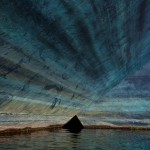
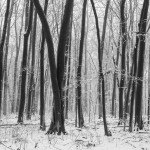
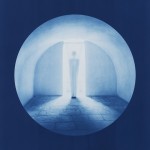
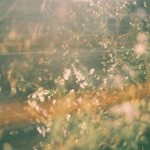
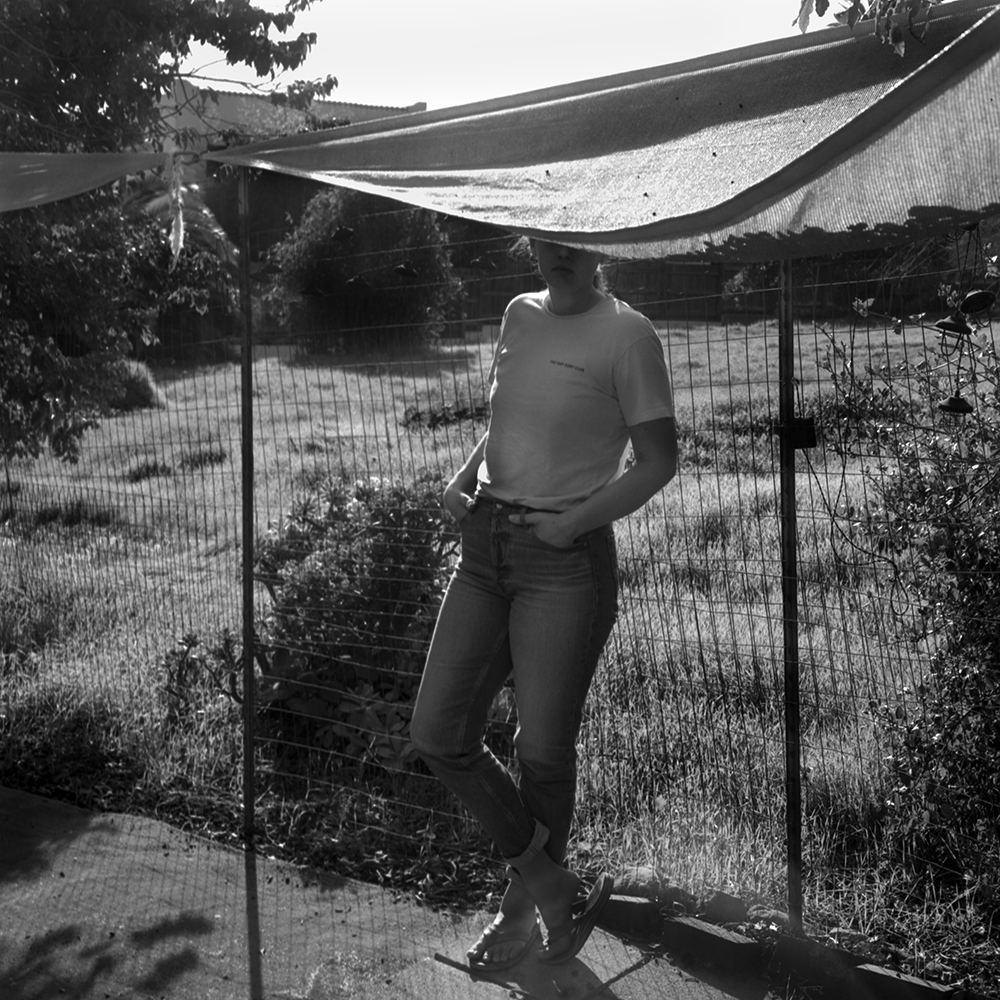
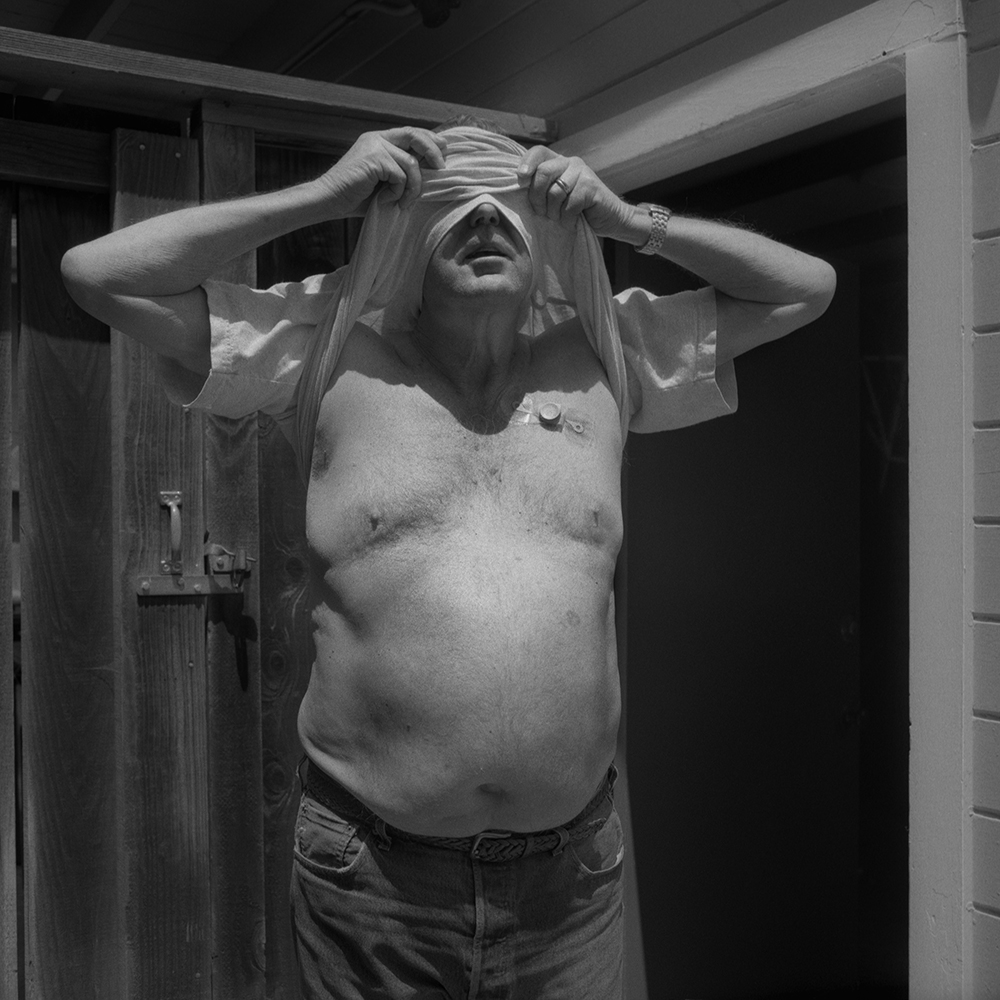
They Greet Me With Goodbye is based in the California landscape, a space where many of my memories have been feebly formed. Over a 10-year period, these images emerged in response to the fallibility of memory, when recognition and detail are mutually exclusive. The photographs in this project are memories of people and places that, to my traumatized brain, manifest with barriers. Objects and postures perform as partitions, demonstrating a memory that aches for certainty and falls short. These moments are simultaneously whole and fragmented, a representation of completeness that is flawed.
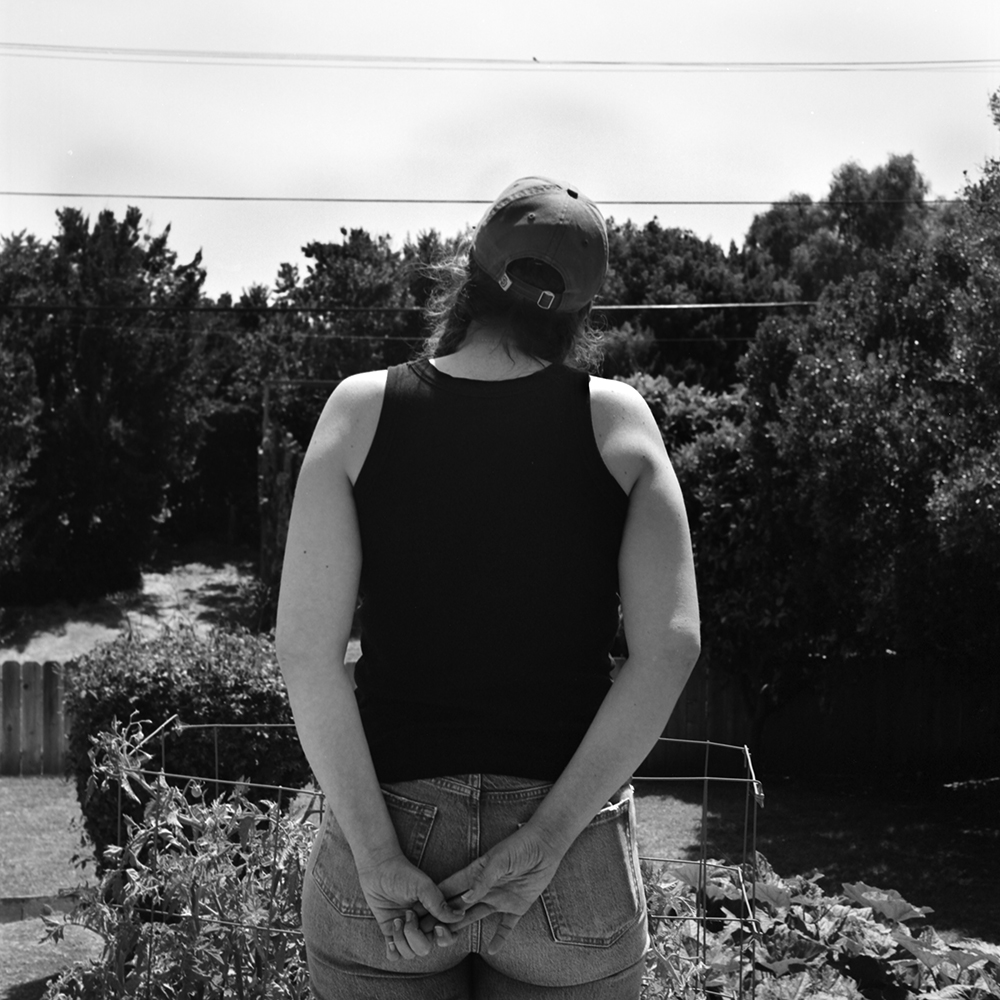
Many of these photographs were taken at my childhood home, documenting activities that have happened with regularity over the past decade: filling the bird bath (For the Birds), inspecting the peach tree (Watching the Curl (Hoping to be Fruitful)), gazing over the yard while soaking in the sun (Wishing You Would Turn). Others are extensions of the experience of home: frequent road trips, visits with friends, or keeping up family traditions from afar (Touch, Fall). The present assures the most clarity, of course, but the further I travel from the moment, the more eager my memories are to greet me with goodbye.
My practice is grounded in an investigation of memory, both as a function of the brain as well as a proximity to familiarity. Stemming from an acquired disability, my ability to recall detail is severely diminished. This especially manifests when trying to remember faces, even from those who I am closest to and with whom I spend significant time. Oscillating between photography and printmaking allows me to impart my personal experiences with recognition and recollection onto two-dimensional objects. These, in turn, become remnants of memory that I can refer to and revisit. The qualities of photography and printmaking are important, given their inherent reproducibility. This parallels my need to revisit images time and again, until even a small amount of visual data is retained in my memory. Photography is the catalyst for my work, utilizing its capabilities to preserve the visual qualities of my surroundings. From the preserved image, I employ printmaking to imbue my experiences further into the image. I take the visual data within the photograph and recreate it through the repetitive nature of printmaking, cutting each line until my body learns every crease, shadow, and silhouette. These become objects of memory, created through ritual and inscribed with signifiers that prompt the recollection of others. Still, this also calls into question the safety of memory, indicating the fallacies we create through perceived feelings, a longing for nostalgia; that which once was.
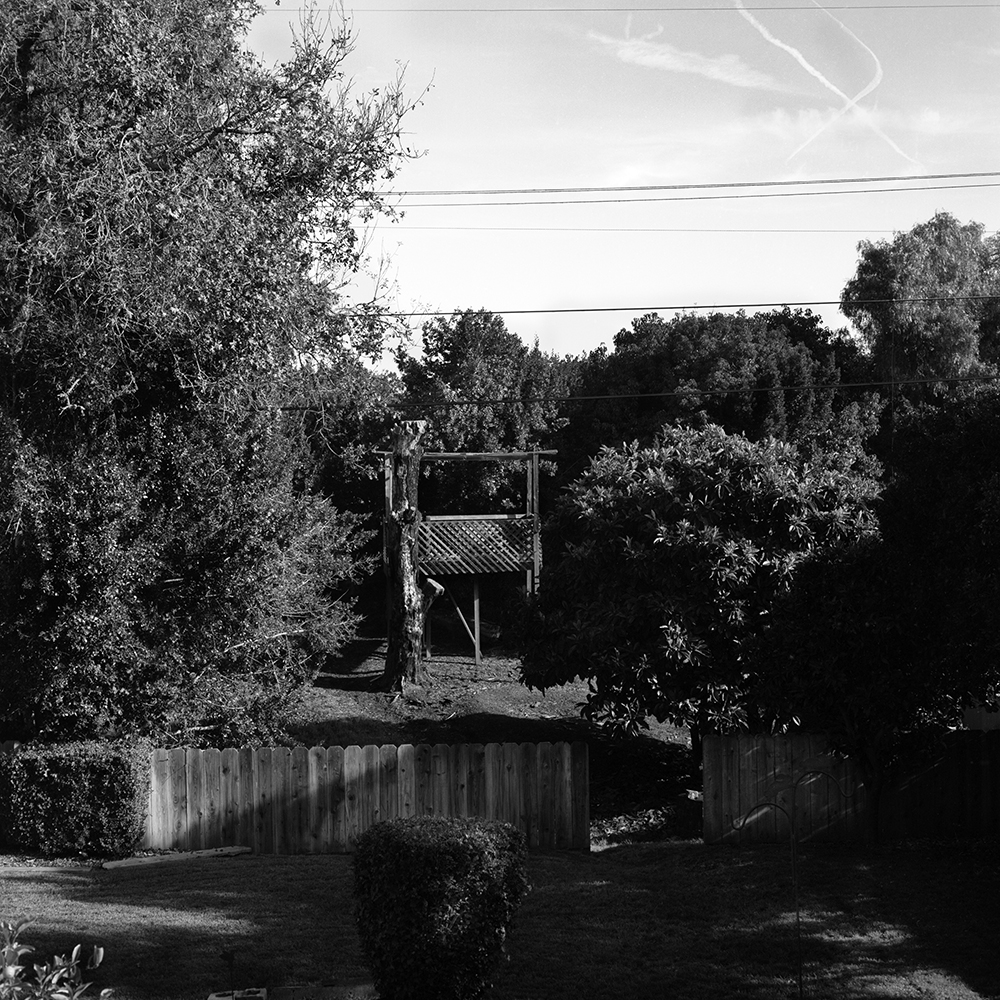
©Chandler Nelson Hubbard, Untitled (Treehouse 2017)
Epiphany Knedler: How did your project come about?
Chandler Nelson Hubbard: They Greet Me With Goodbye started in 2014, but really began to take shape around 2017 while living in the Hudson Valley. At the time, my wife was a graduate student and was in class most of the week. One day, when she returned home, I did not recognize her. It took me a minute or two to understand that it was her. Somewhere in my memory, I knew she was supposed to be here, but she did not look familiar to me. That experience made me reflect on my ability to remember family and friends, who all lived back in California. At that time, I started to realize that I could not remember what they looked or sounded like, only that I knew they were a part of my life. As scary and frustrating as that was, I started to use my image making as a way to make tangible what I was experiencing.
©Chandler Nelson Hubbard, Faceless
EK: Is there a specific image that is your favorite or particularly meaningful to this series?
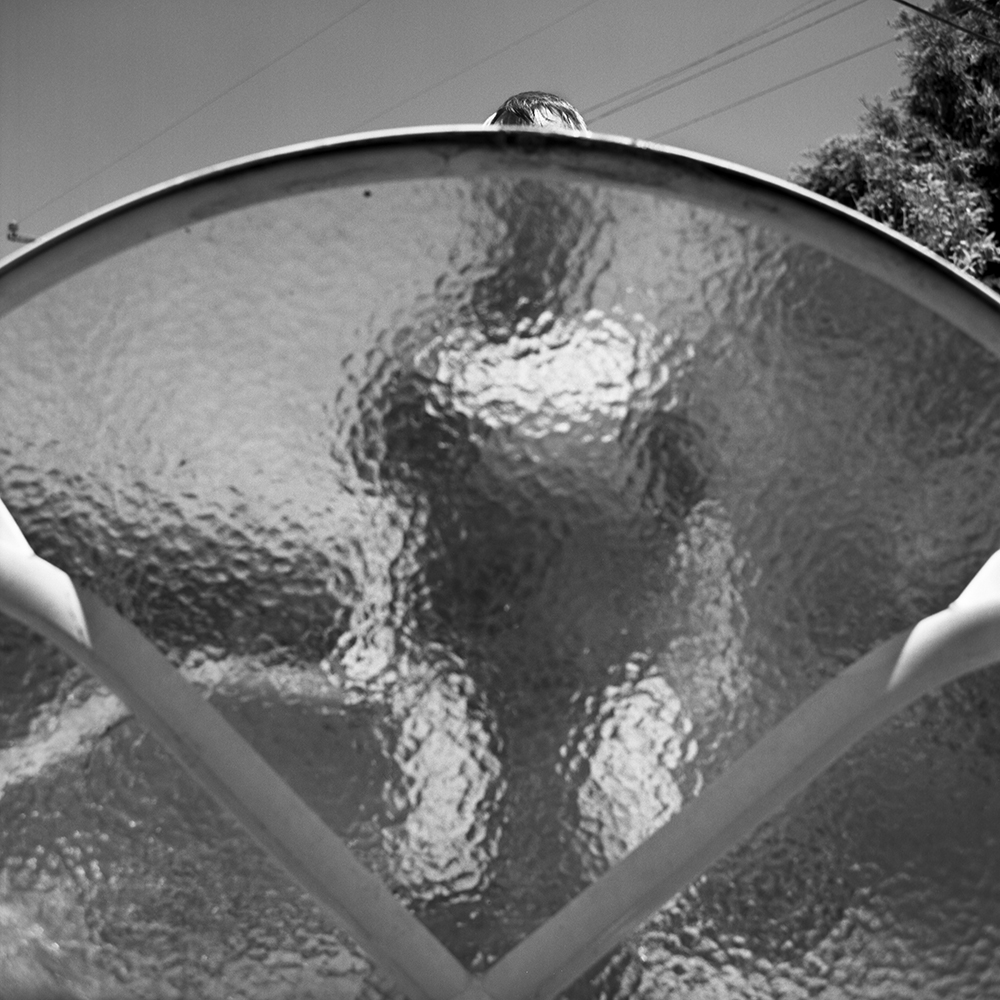
CNH: There are a few. Wishing You Would Turn is my favorite of the series. First, it’s of my wife and second, it encompasses the frustration I feel wanting to see and remember her face. Squirt and Projection of the Future are also meaningful images. Squirt closely visualizes how people look in my mind when I am really trying to focus and remember them. Projection of the Future is a self portrait of sorts, with my shadow projected on my dad, who is walking away. It’s a reflection of both the current state of my memory and the knowledge that my dad, as he ages, is slipping further away.
©Chandler Nelson Hubbard, Squirt
EK: Can you tell us about your artistic practice?
CNH: My practice is grounded in an investigation of memory, both as a function of the brain as well as a proximity to familiarity. I use both photography and printmaking, sometimes within the same image, as a way to explore this. I really gravitate towards mediums that are inherently reproducible. Multiplicity and repetition are an important part of my practice. Making one image over and over again is a ritual that serves memory, even if it is only in the moments I am producing the image.
©Chandler Nelson Hubbard, Untitled (Heart Monitor)
EK: What’s next for you?
CNH: I am working on finishing up They Greet Me With Goodbye and sequencing the images into a small edition of hand-made artist books. Outside of this project, I am researching the subject of funeral foods and working in the studio on ideas to visualize this. The intersection of funeral rituals and food encompasses a function of memory that I am interested in. It’s not necessarily the way we memorialize people we miss, but rather the ways in which we behave in their eternal absence to help us feel closer to them.
©Chandler Nelson Hubbard, Wishing You Would Turn
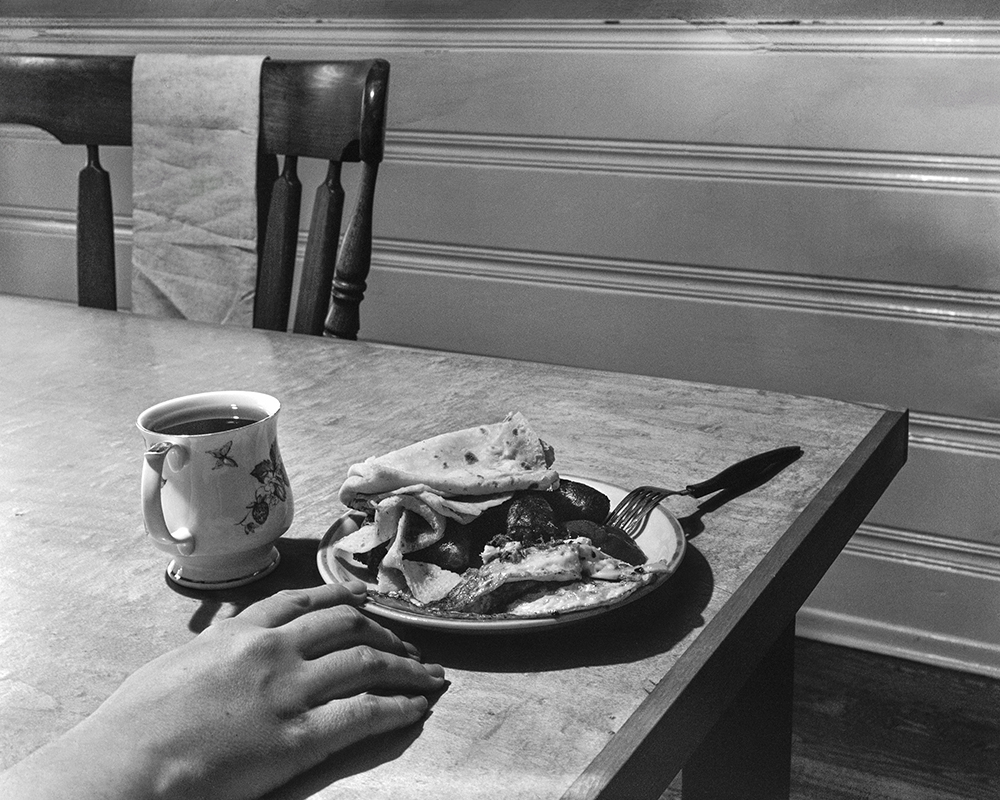
©Chandler Nelson Hubbard, Touch, Fall
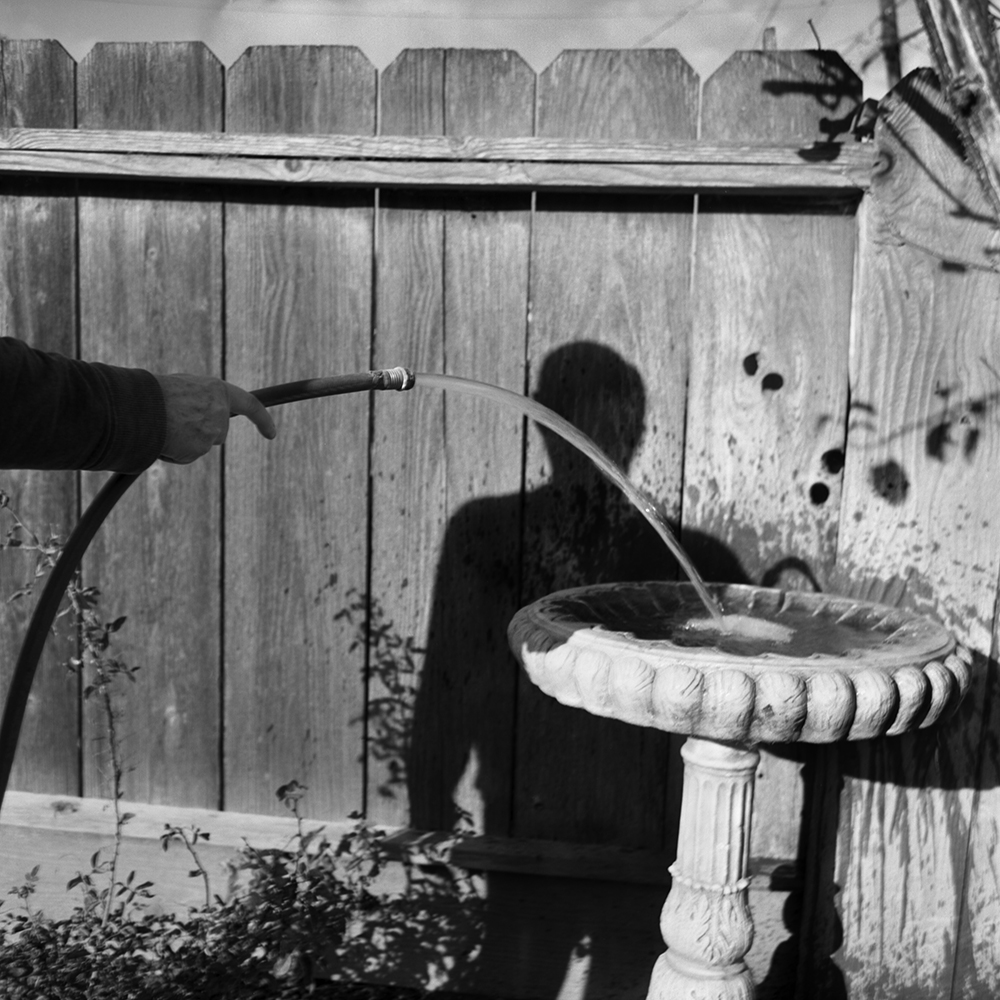
©Chandler Nelson Hubbard, For the Birds
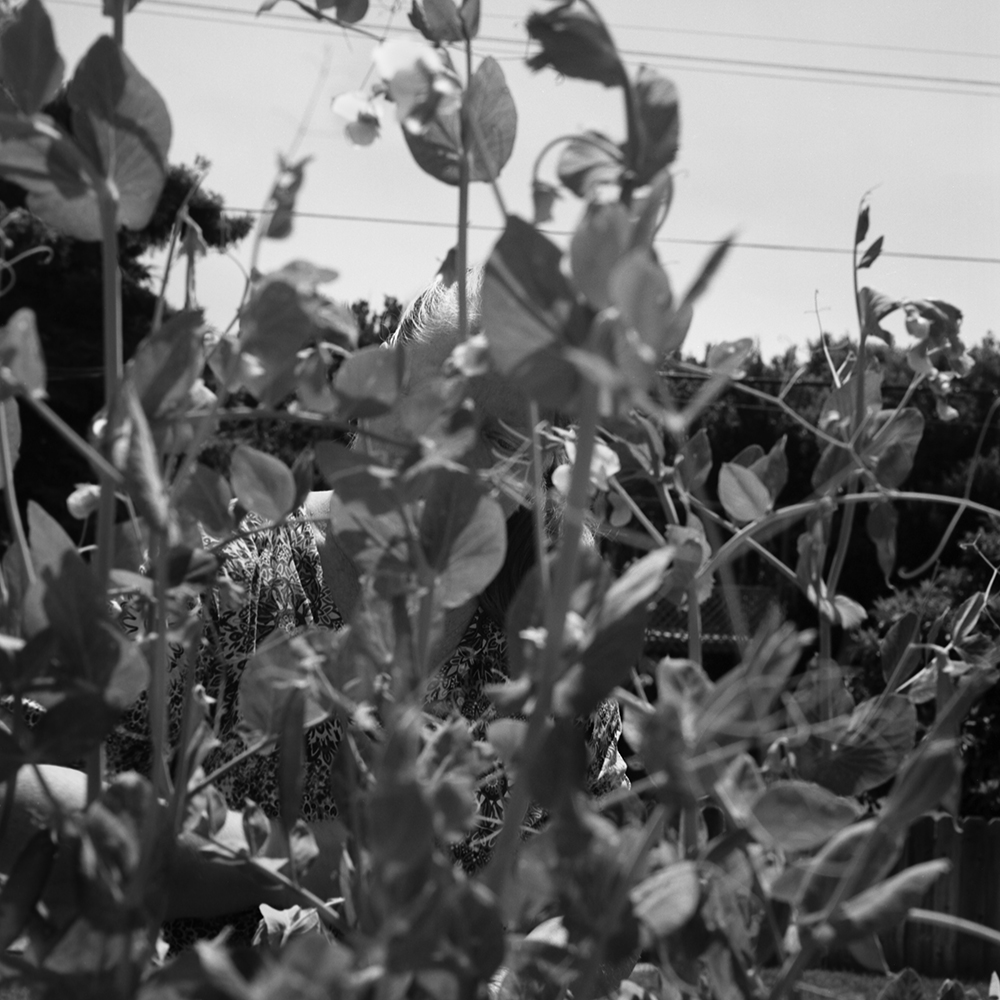
©Chandler Nelson Hubbard, Hidden
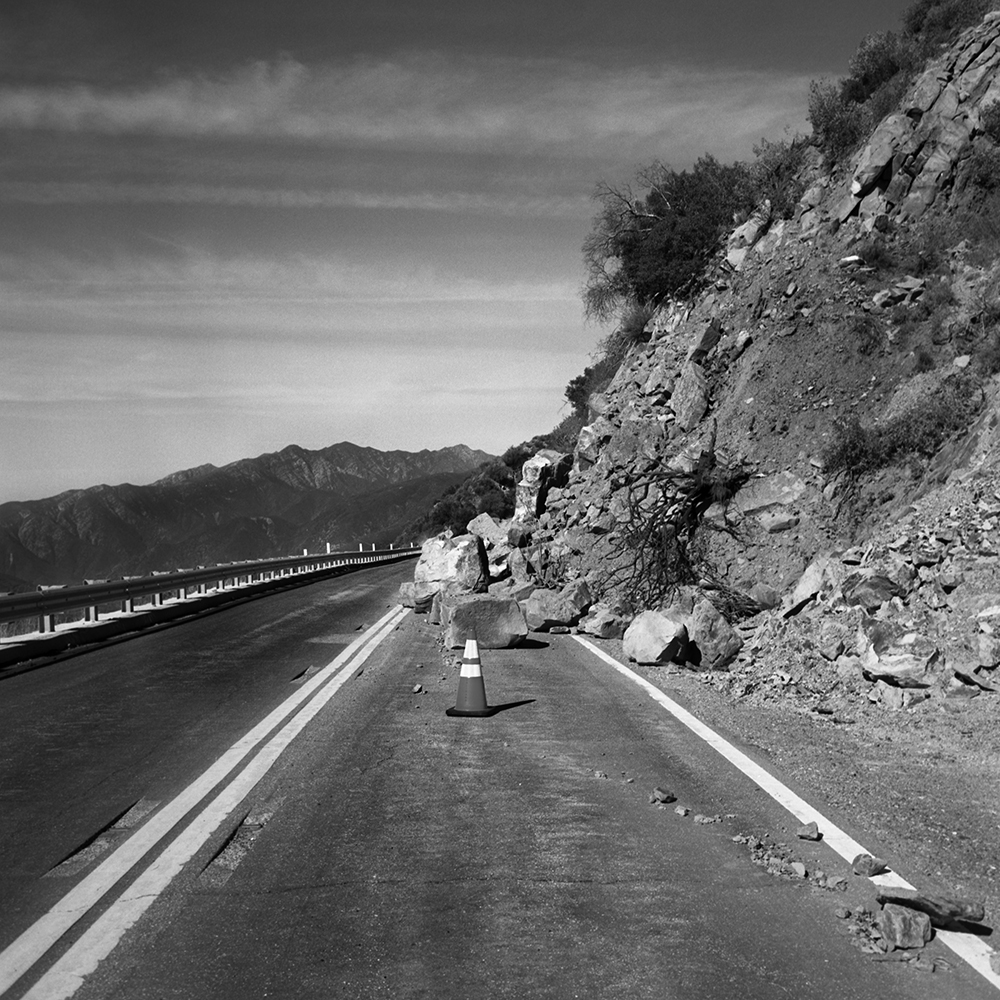
©Chandler Nelson Hubbard, Untitled (Single Lane)
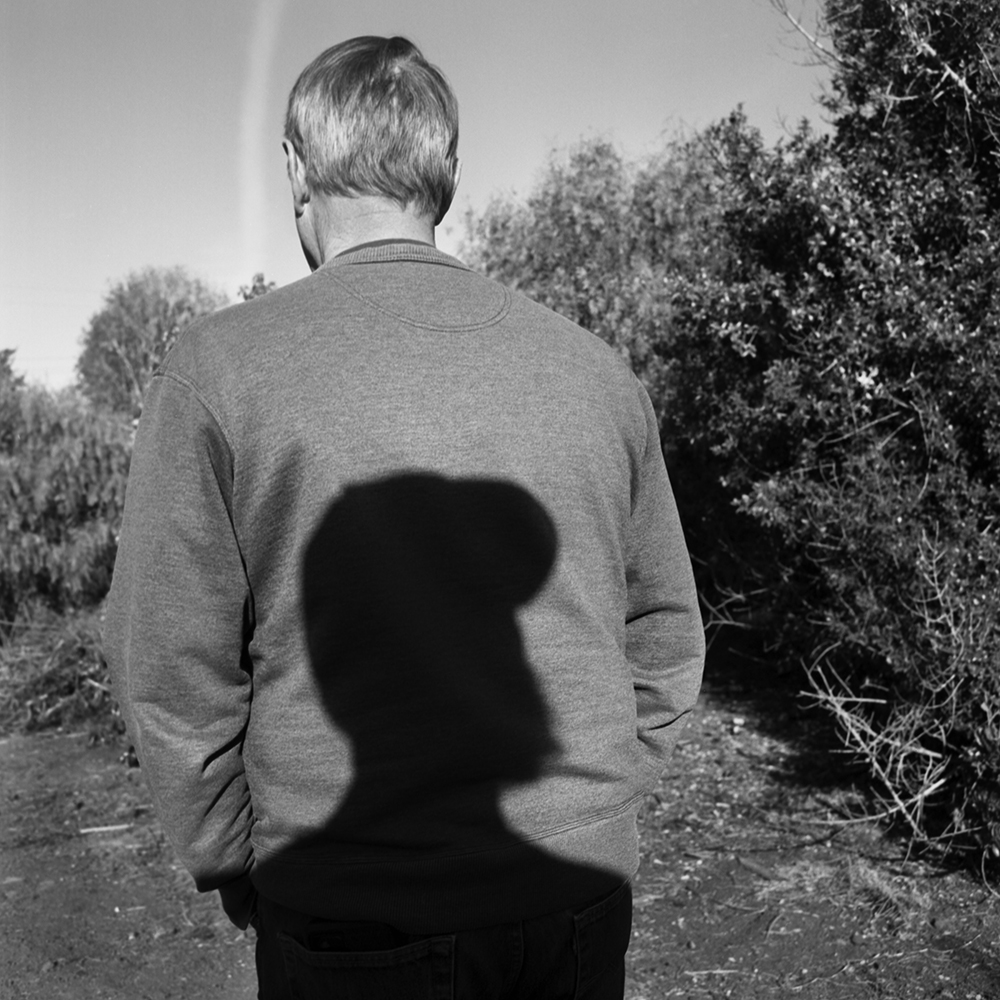
©Chandler Nelson Hubbard, Projection of the Future
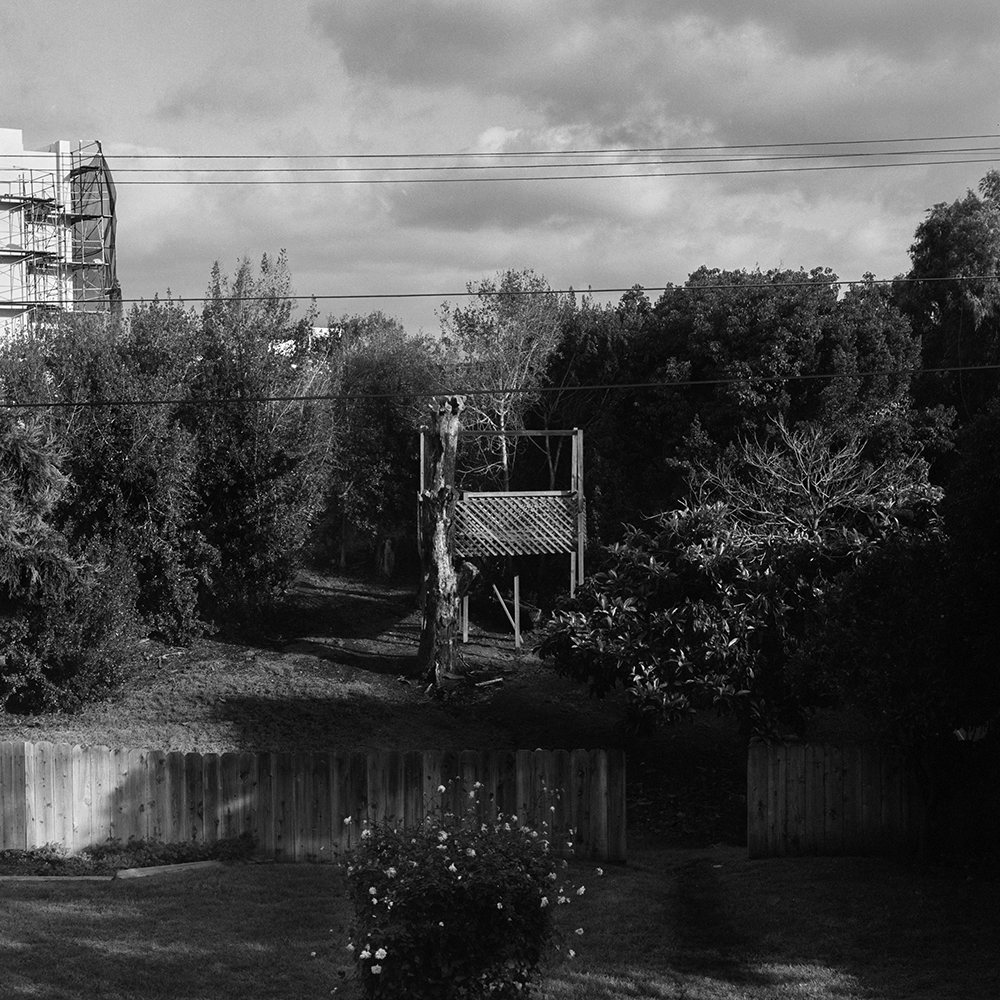
©Chandler Nelson Hubbard, Untitled (Tree House 2021)
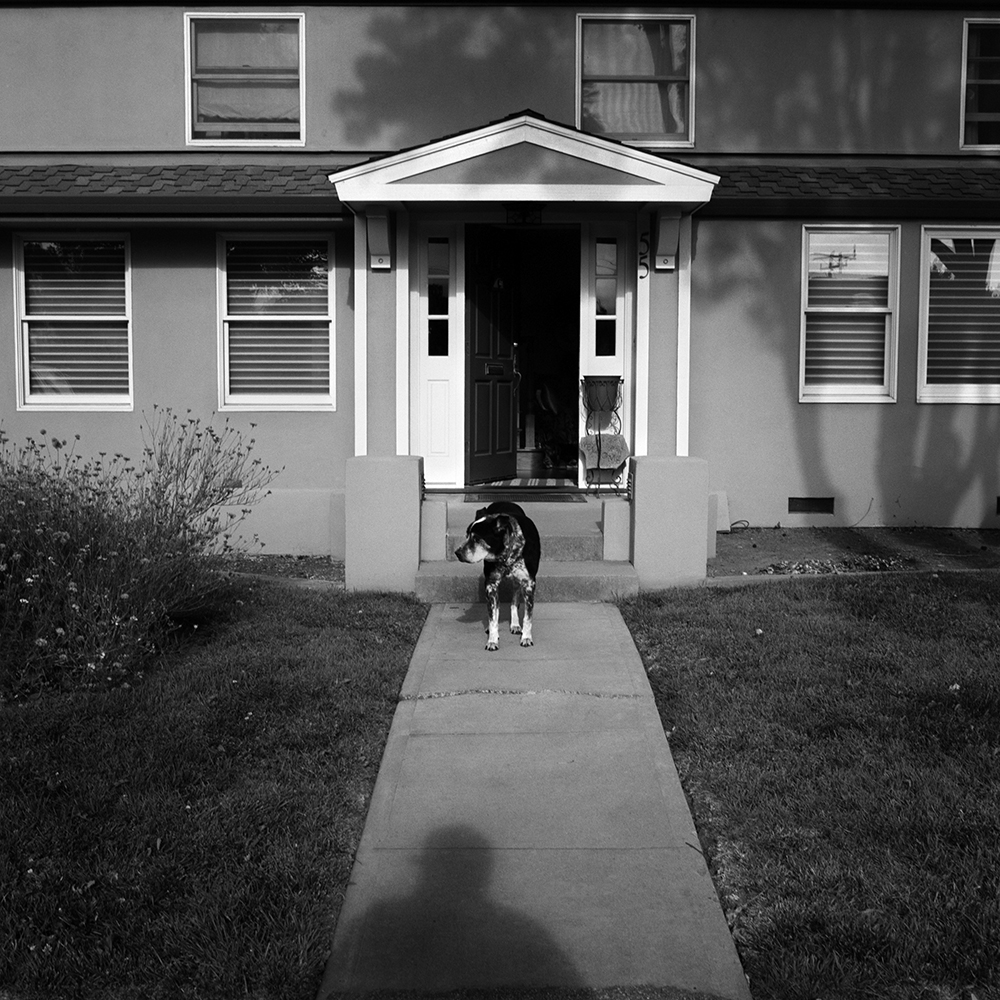
©Chandler Nelson Hubbard, First Assessment
Epiphany Knedler is an interdisciplinary artist + educator exploring the ways we engage with history. She graduated from the University of South Dakota with a BFA in Studio Art and a BA in Political Science and completed her MFA in Studio Art at East Carolina University. She is based in Aberdeen, South Dakota, serving as an Assistant Professor of Art and Coordinator of the Art Department at Northern State University, a Content Editor with LENSCRATCH, and the co-founder and curator of the art collective Midwest Nice Art. Her work has been exhibited in the New York Times, the Guardian, Vermont Center for Photography, Lenscratch, Dek Unu Arts, and awarded through Lensculture, the Lucie Foundation, F-Stop Magazine, and Photolucida Critical Mass.
Follow Epiphany on Instagram: @epiphanysk
Posts on Lenscratch may not be reproduced without the permission of the Lenscratch staff and the photographer.
Recommended
-

Mexico Week – Gerardo Montiel Klint: Cartographer of the UnconsciousMarch 28th, 2026
-

Mexico Week – Cristina Kahlo: When Memory Meets the LensMarch 27th, 2026
-
Mexico Week – Carol Espíndola: The World Is My Own BodyMarch 26th, 2026
-

Mexico Week – Paola Dávila: Beyond the LandscapeMarch 25th, 2026
-
Mexico Week – Tomás Casademunt: Time Frozen by LightMarch 24th, 2026