Vital Impacts: Whitney Snow: The Women’s Grass
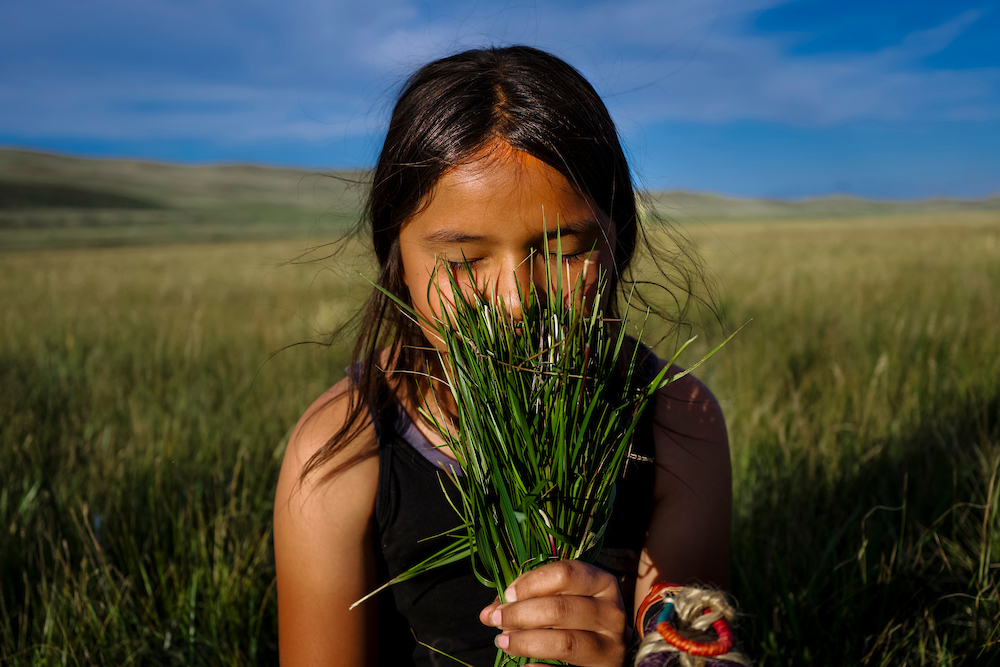
©Whitney Snow, A young Blackfeet girl smells freshly harvested sweetgrass, connecting with a plant now under threat from drought and overgrazing in Blackfeet Nation, United States of America, on July 29, 2025.
Now in its third year, Vital Impacts has awarded seven environmental photography fellowships totaling $50,000 and eleven year-long mentorships to visionary photographers illuminating the profound and often fragile connection between people and the planet. As support for indepth environmental storytelling declines and the urgency of these stories continues to grow, Vital Impacts champions the artists whose images spark empathy, inspire action, and remind us of our collective responsibility to protect the Earth we call home.
Vital Impacts is thrilled to announce the 2026 recipients of $50,000 in Environmental Photography Fellowships, honoring the legacy of visionary leaders including Dr. Jane Goodall, DBE, Dr. Sylvia Earle, Hindou Oumarou Ibrahim, Chico Mendes, Madonna Thunder Hawk, E.O. Wilson and Ian Lemaiyan. Fellows were selected for their locally rooted storytelling that highlights solutions and community resilience. In addition, 11 emerging photographers will participate in year-long intensive mentorships, developing their craft and vision.
This year’s judging panel included Alessia Glaviano, Head of Global PhotoVogue, Azu Nwagbogu, Founder and Director of African Artists’ Foundation and Lagos Photo Festival Evgenia Arbugaeva, National Geographic Storytelling Fellow and Academy Award Nominee, Kathy Moran, Deputy Director of Photography at National Geographic and Pat Kane, Vital Impacts Environmental Jane Goodall Fellowship Winner.
Whitney Snow, (Heart Butte, United States) has received the Madonna Thunder Hawk Environmental Photography Fellowship for her project, The Women’s Grass, that documents women of the Blackfeet Nation as they restore sacred sweetgrass, preserving its teachings for future generations.
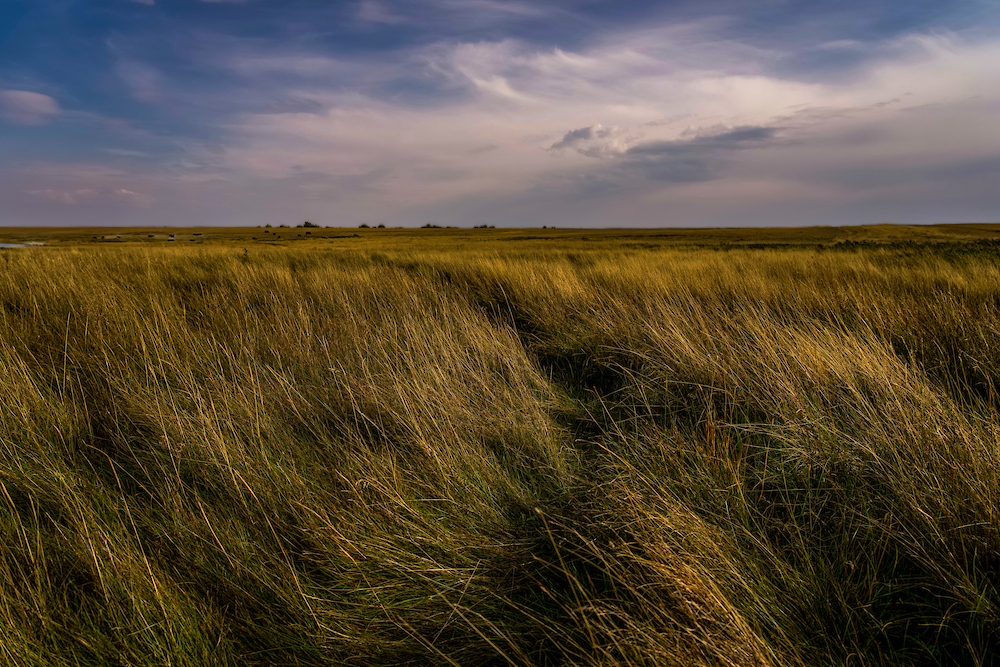
©Whitney Snow, Long strands of sweetgrass grow in a resident-protected field on the Blackfeet Reservation, where cattle still graze but with care to avoid overuse in Blackfeet Nation, United States of America, on September 14, 2025.
Whitney Snow is a documentary photographer whose work examines the Blackfeet Nation and the challenges it faces as an Indigenous and rural community. Her photography explores the intersections of tradition and contemporary life, emphasizing environmentalism and the unique relationship between the Blackfeet people and their natural surroundings.Whitney is committed to language revitalization, documenting efforts to preserve and promote the Blackfeet language, which is integral to the community’s heritage. By highlighting these themes, she underscores the importance of preserving knowledge and building resilience in Indigenous communities facing ongoing challenges.
Instagram: @whitneytsnow
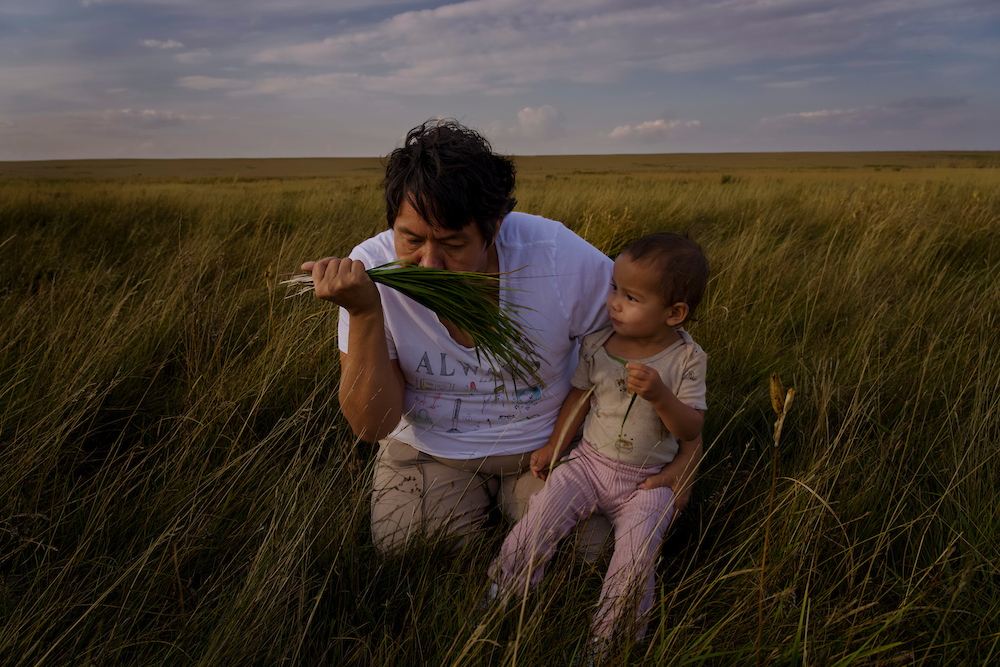
©Whitney Snow, Holding her granddaughter close, a Blackfeet woman smells sweetgrass as the child watches intently, learning from a young age to recognize the plant by its sweet fragrance in Blackfeet Nation, United States of America, on September 14, 2025.
The Women’s Grass
The Women’s Grass documents a women-led effort to revive sweetgrass on Blackfeet land in Montana, where drought, overgrazing, and disrupted water systems have accelerated its disappearance. Sweetgrass is one of our most sacred plants, tended and braided by women for generations. Its loss is not only botanical—it is cultural and spiritual. Without sweetgrass, ceremonies are incomplete, medicines are weakened, and intergenerational teachings risk being lost.
Through intimate photographic storytelling, I will follow a year of revival efforts, documenting the solutions women in my family and community are creating: from small propagation plots to designated areas where elders can gather, pray, and teach. This story weaves together ecological resilience, matriarchal leadership, and hope in a time of climate crisis.
Sweetgrass, once abundant across the Northern Plains, now survives only in fragile pockets. Its decline is both ecological and cultural, threatening the environment and the teachings that sustain us. Women in my community are reviving sweetgrass by carefully replanting shoots gathered from the wild back into native fields. Unlike greenhouse efforts that import plants grown elsewhere, this method is deeply traditional—an ancestral practice of renewal.
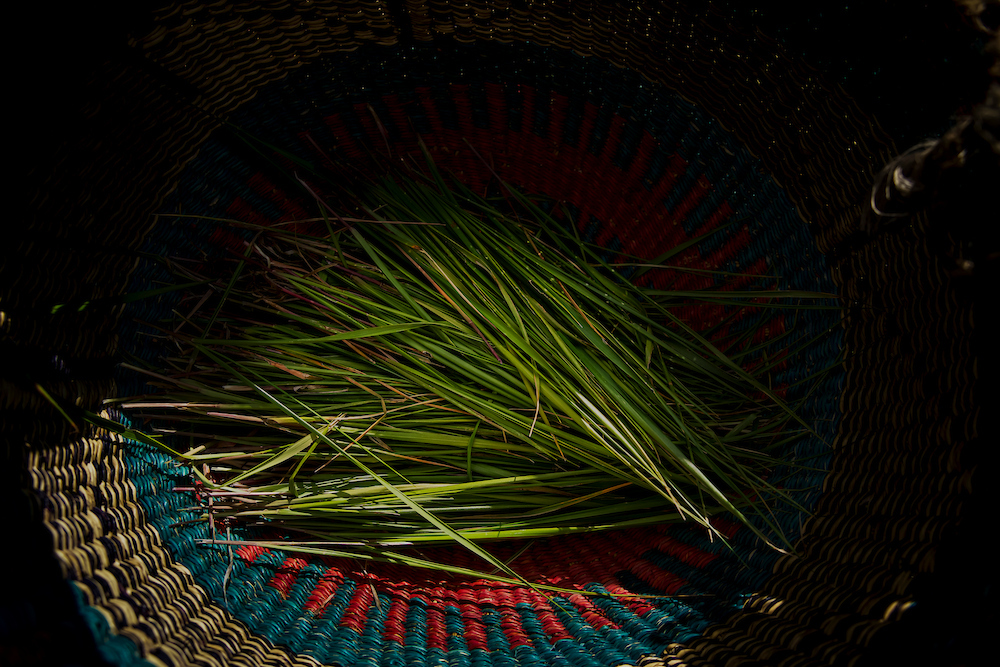
©Whitney Snow, Freshly harvested sweetgrass rests in a basket in Blackfeet Nation, United States of America, on July 11, 2025.
Early test plots are thriving, offering a culturally rooted blueprint the Blackfeet Tribal Council could expand across our 1.5 million-acre reservation. Restoring sweetgrass sustains not only a plant but the relationships and teachings that define who we are. These images will remind audiences that conservation is not just about landscapes or wildlife—it is about protecting knowledge and relatives that make us whole.
I carry this story in two ways: as a Blackfeet cultural practitioner who relies on sweetgrass for ceremony and medicine, and as an environmental photographer committed to preserving the land I call home. This dual perspective allows me to both participate in and document sweetgrass revival with intimacy and responsibility.
The grant would enable me to focus deeply on elders whose hands, voices, and teachings are central but under-documented. Sustained support will allow me to be present during key seasonal moments, ensuring their presence shapes the narrative. Rooted in this work, I have the trust and access to document moments that outsiders would miss, translating lived experience into images with multiple depths.
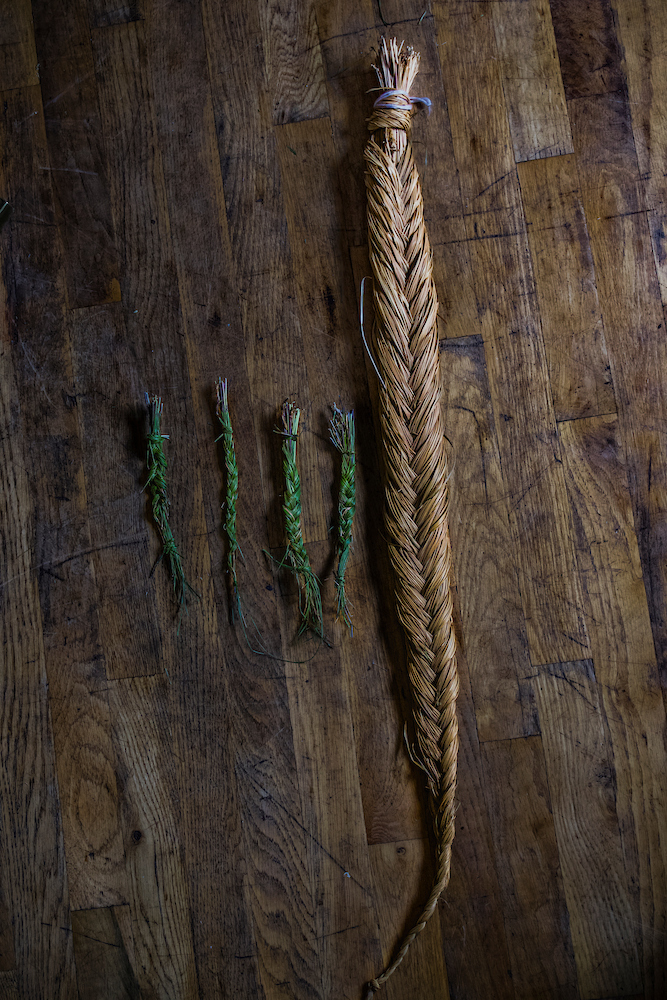
©Whitney Snow, Braids cut in June sit next to one over six years old, revealing how sweetgrass that should be ready by midsummer now grows only a fraction of its past length in Blackfeet Nation, United States of America, on June 29, 2024.
The project follows the ecological and cultural rhythms of sweetgrass over twelve months. In winter, families gather for stories, prayers, and medicine. I will document women preparing and using braids in ceremony, and as remedies for ailments, showing sweetgrass as a spiritual thread through the cold. As snow recedes in spring, families repair fences, safeguard plots from cattle, and anticipate new growth. I will capture these acts of care and the anticipation of renewal. In summer, women and children plant, harvest, and braid sweetgrass in golden light. I will photograph hands at work, braids drying, and green shoots thriving in once-parched soil. In fall, communities replant for the future and pass on teachings from elders to youth, reinforcing stewardship and cultural continuity.
To enrich the narrative, I will incorporate short videos and audio elements, including braiding, prayer, and storytelling, creating a multi-sensory experience rooted in Blackfeet heritage.
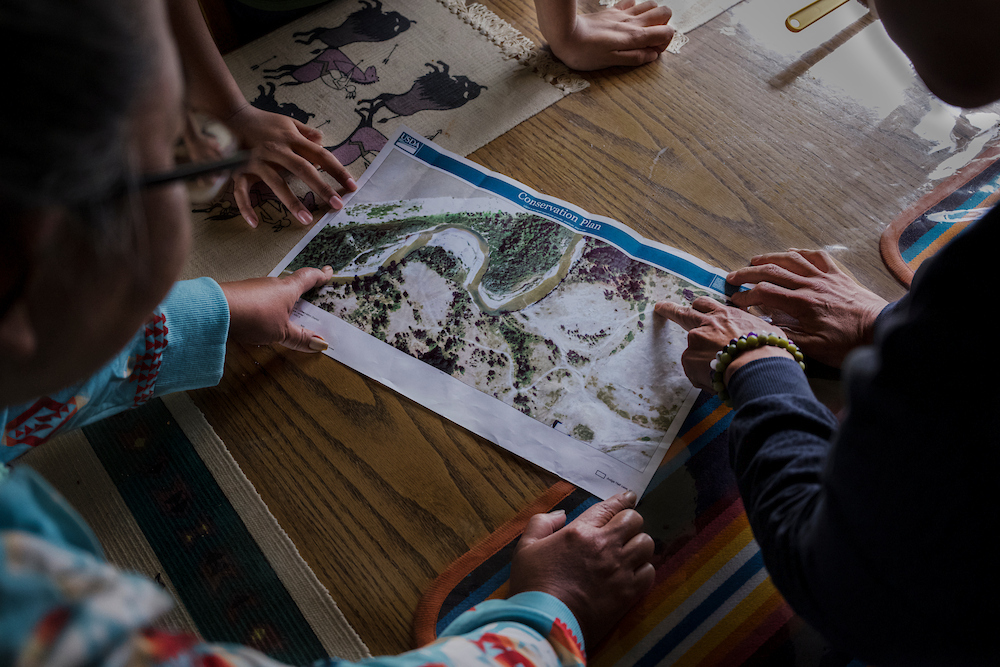
©Whitney Snow, At a table with a USDA conservation map, Blackfeet women mark out areas for a sweetgrass test plot on Badger Creek, a first step toward bringing the plant back, in Blackfeet Nation, United States of America, on September 13, 2024.
The $20,000 Vital Impacts grant will allow me to dedicate sustained time and resources to the project, including travel across the reservation to document sweetgrass plots and women-led initiatives in remote areas; photography and production costs, including equipment maintenance, archival storage, and multimedia; community collaboration, including prints and workshops for families and schools, ensuring the story returns to those who live it; and sustained field time, enabling immersion rather than balancing the work against other commitments.
This support allows me to document not only ecological revival but also the human connections, particularly with elders, that lend the story its cultural significance. My photography centers on the intersections of culture, ecology, and Indigenous resilience. As both a Blackfeet cultural practitioner and environmental photographer, I carry lived knowledge alongside technical expertise. My broader work in Indigenous and environmental photography has been exhibited with the Pulitzer Center, Women Photograph, and Indigenous Photograph. I collaborate with If Not Us Then Who and recently received a microgrant to revive Blackfeet place names in Montana.
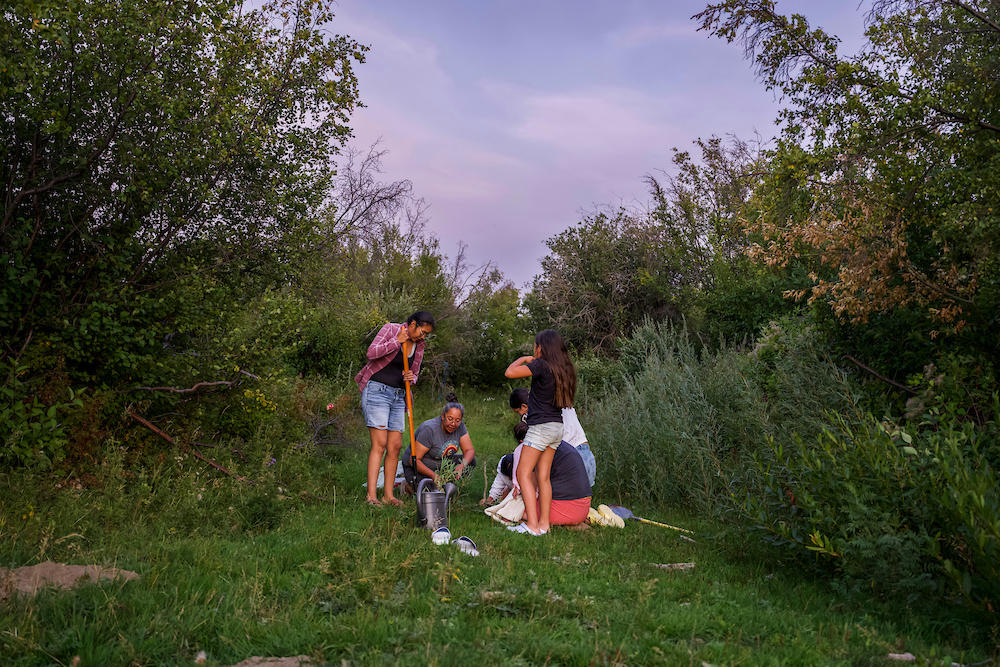
©Whitney Snow, A group of Blackfeet young women plants sweetgrass in a small test plot near Badger Creek, choosing a ditch that holds moisture from flooding and snowmelt. The site also naturally grows peppermint, a companion plant that signals the right conditions for sweetgrass to thrive. Because the ditch collects deep snowdrifts in winter, it offers a reliable, moist environment and a manageable plot close to home—an ideal place to monitor change over time, in Blackfeet Nation, United States of America, on September 8, 2024.
These experiences reflect my commitment to long-term, community-based storytelling that connects cultural and environmental resilience. With mentorship from Vital Impacts, I will refine this body of work and share it widely. My goal is to show the fragility of sweetgrass while highlighting women-led solutions ensuring its survival, serving as a blueprint for other Indigenous communities facing similar challenges.
As Robin Wall Kimmerer writes in Braiding Sweetgrass: “The Honorable Harvest teaches us that when we take care of sweetgrass, it takes care of us. When it is tended and gathered, it thrives; when ignored, it fades.” My great-great-grandmother, Mary Grounds, carried the same truth: if a plant is disrespected, it disappears, because it no longer feels needed or cared for.
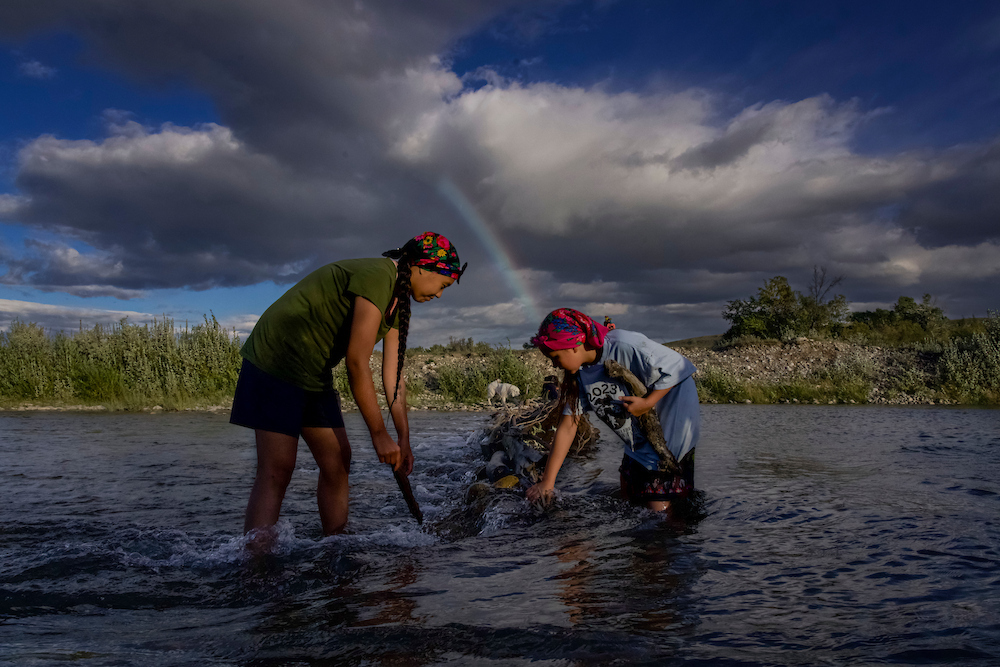
©Whitney Snow, A young Blackfeet woman and her sister build a beaver dam mimicry (BDA) along the ditch where sweetgrass has been planted, weaving willows into place to slow water and invite the land to hold moisture again. Behind them, a rainbow arcs across the sky, a reminder that renewal is possible even in the face of drought and change. Rooted in Indigenous knowledge, this practice restores not only the conditions sweetgrass needs to thrive, but also a sense of balance and possibility for the future, in Blackfeet Nation, United States of America, on September 13, 2024.
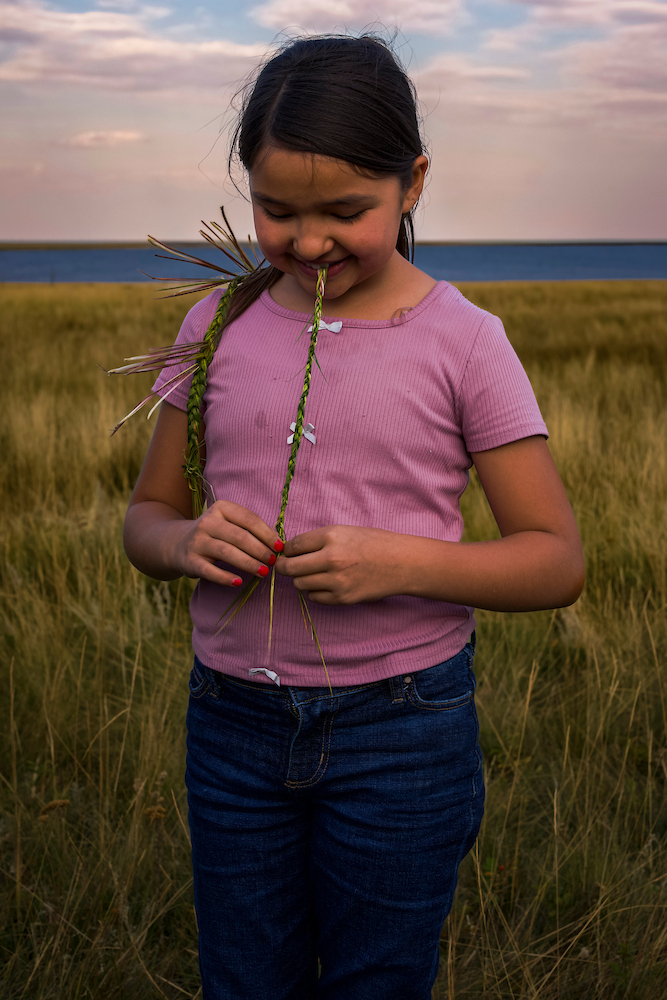
©Whitney Snow, As the sun sets, a young Blackfeet girl braids sweetgrass, clenching the strands between her teeth as her hands work quickly. A long braid hangs over her shoulder, made longer through a technique taught by her grandmother: adding new strands as she goes to stretch the small harvest into something greater. The method reflects both resourcefulness and tradition, honoring the plant by making the most of what is gathered and teaching youth to carry forward knowledge even in times of scarcity, in Blackfeet Nation, United States of America, on September 14, 2025.
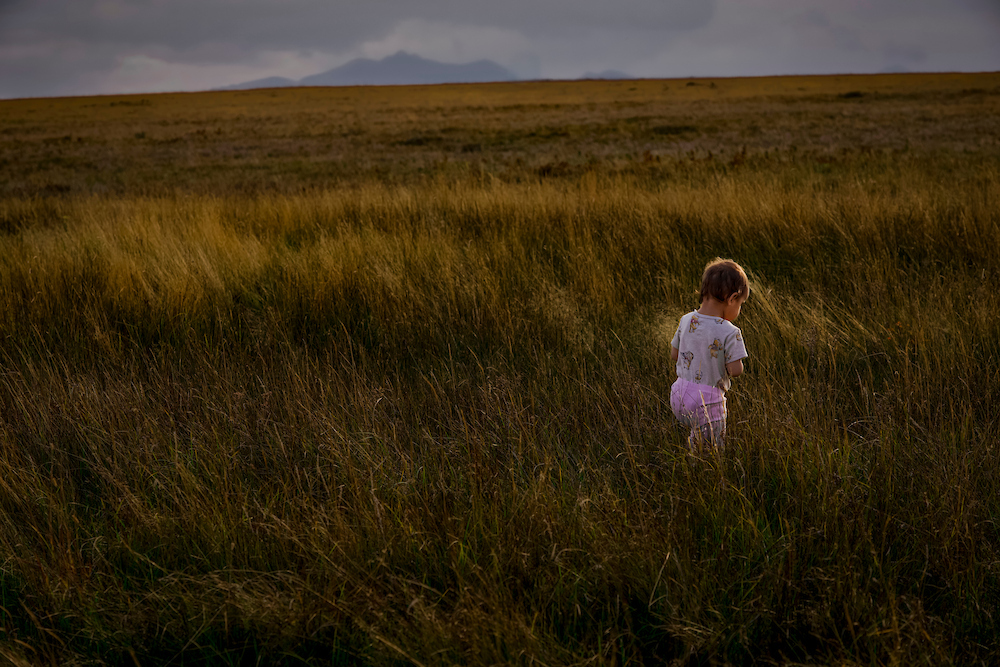
©Whitney Snow, A Blackfeet baby girl walks alone in a field of sweetgrass — the future carried in small steps among a plant fighting to survive in Blackfeet Nation, United States of America, on September 14, 2025.
About the Fellowships
Vital Impacts is dedicated to supporting visual storytellers who capture compelling, solutions-focused environmental stories at the local level. We are grateful to be able to offer one $20,000 fellowship and six $5,000 fellowships to help bring these vital stories to life. Fellows have twelve months to develop their projects, with support from Vital Impacts to publish and showcase their work.
“Our aim is to support and nurture the next generation of environmental storytellers through grants and mentoring programs,” said founder Ami Vitale “We aspire to create opportunities for these emerging voices to explore complex environmental issues with originality and nuance at this critical moment.”
The 2026 Mentorship Recipients
In addition to the grants, ten emerging photographers from diverse regions will participate in an intensive mentorship program designed to enhance their storytelling skills and artistic vision.
Over the span of twelve months, these individuals will have the opportunity to engage in one-on-one sessions with industry experts, renowned photographers, and influential photo editors. Through these sessions, participants will refine their storytelling skills, receive guidance on navigating the industry, and establish vital connections.
Over the past fifty years, Earth’s wildlife populations have declined by nearly three-quarters, a profound shift that challenges us to rethink how we care for the natural world. Yet even in the face of these losses, there is extraordinary reason for hope. Around the planet, communities, scientists, and storytellers are working together to reimagine solutions, restore ecosystems, and protect the places we all depend on.
Vital Impacts is a women-led 501c3 non-profit founded in 2021 by Ami Vitale and Eileen Mignoni to advance conservation through visual storytelling, community partnership, and strategic investment in local solutions. We harness the power of art, visual journalism, and community partnerships to support conservation and illuminate pathways toward a more resilient future. Central to our work is investing in storytellers. More than 1,000 journalists across 87 countries have received mentorship through our programs, gaining the tools and support to report on environmental issues with depth, sensitivity, and solutions-driven focus. Their stories bring global visibility to local challenges and to the people working creatively to solve them.
This storytelling network is paired with deep community engagement. Through partnerships, Vital Impacts has raised $3.5 million for local conservation initiatives. These resources help safeguard critical ecosystems, support community-led conservation, and ensure that those working closest to the land have the support they need to succeed.
We are also cultivating the next generation of environmental stewards. Our in-person student programs have reached 30,000 young people, inviting them to see themselves as active participants in shaping a healthier, more compassionate world. By connecting students with powerful stories and the people behind them, we spark curiosity, agency, and a lifelong commitment to caring for the planet.
At the heart of Vital Impacts is the belief that stories transform understanding and that understanding drives action. By elevating local voices, bridging science and narrative, and directing resources where they create lasting change, we are building a global community of people who recognize that restoring the planet is not only possible but already underway.
Instagram: @vital.impacts
Executive Director: Ami Vitale
Ami Vitale is a National Geographic Explorer at Large, award-winning photographer, writer, documentary filmmaker, and the founder of Vital Impacts. Her work explores the vital connections between people, wildlife, and the planet. With nearly three decades of experience working in over 100 countries, Ami uses storytelling as a tool for conservation, empathy, and action.
Her career began in conflict zones, where she witnessed firsthand how environmental degradation—including resource scarcity, displacement, and climate instability—profoundly affects human lives. These early experiences shaped her conviction that environmental and social issues are inseparable, guiding her toward long-term, solutions-focused work that highlights resilience, collaboration, and possibility.
Her work has been recognized with numerous honors, including Conservation International’s Lui-Walton Innovators Fellowship, the Lucie Humanitarian Award, the Missouri Honor Medal for Distinguished Service, the Daniel Pearl Award for Outstanding Reporting, and six World Press Photo awards. She is an honorary fellow of the Royal Photographic Society and an inductee into the North Carolina Media and Journalism Hall of Fame.
Through both her nonprofit leadership and her own creative work, she remains deeply committed to empowering emerging voices and advancing a more hopeful, solutions-driven future for our planet.
Instagram: @amivitale
Posts on Lenscratch may not be reproduced without the permission of the Lenscratch staff and the photographer.
Recommended
-
Vital Impacts: Whitney Snow: The Women’s GrassMay 1st, 2026
-

Vital Impacts: Supratim Bhattacharjee: The Cost of CoalApril 30th, 2026
-

Vital Impacts: River Claure: A Boat for the Future of the MountainsApril 29th, 2026
-
Vital Impacts: Tatsiana Chypsanava: Te Urewera – the Living Ancestor of Tūhoe peopleApril 28th, 2026
-

Vital Impacts: Tommaso Protti: Terra VermelhaApril 27th, 2026