EARTH WEEK: Tashiya de Mel: To Taste a Bittersweet History
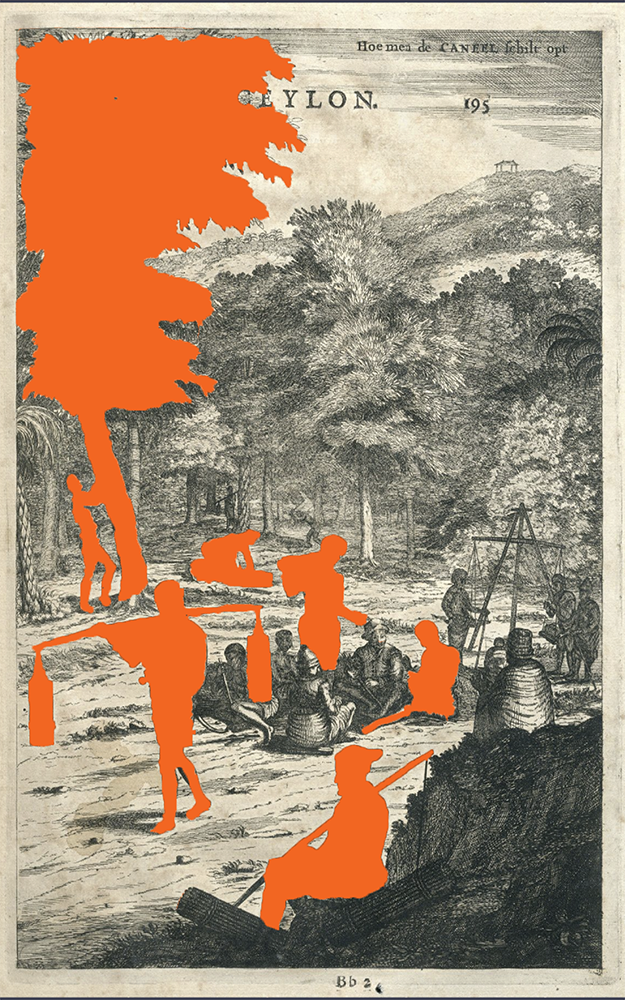
©Tashiya de Mel, Archival intervention of ‘Cinnamon Peelers’, anonymous (c.1672).
Each year during Earth Week I curate a collection of photographic projects from artists who are working to make the often-invisible nature of the global climate and the ecological crisis more visible using conceptual, lens-based art techniques. The arts – and the visual arts in particular – have a unique capacity to confront audiences with uncomfortable truths, provoke meaningful discussion, foster empathy, and inspire individuals to take action on today’s most pressing issues.
Today, we’re looking at Tashiya de Mel’s project, To Taste a Bittersweet History.
These bodies of work are linked by this thematic lens: making the often-invisible nature of the global climate and the ecological crisis more visible using conceptual, lens-based art techniques.
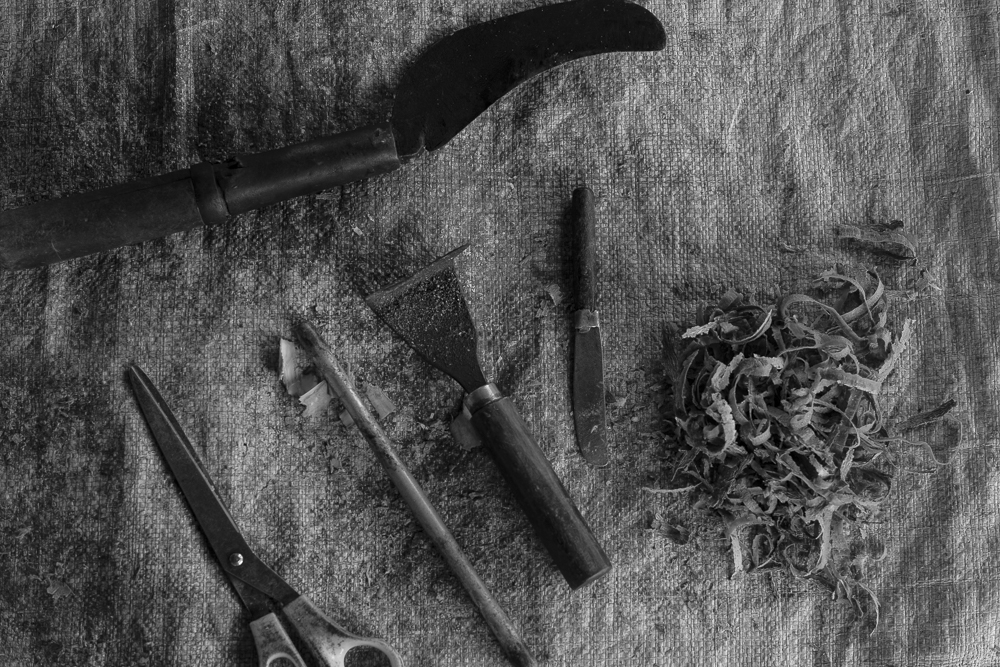
©Tashiya de Mel, An assortment of tools used for peeling Ceylon cinnamon.
To Taste a Bittersweet History
As someone who grew up in Sri Lanka and lived in the Netherlands, I am intrigued by how differently the Dutch-Sri Lankan colonial history is remembered; the history is absent from mainstream narratives on the Dutch colonial empire, while in Sri Lanka this period is associated with bittersweet nostalgia.
The Dutch East India Company (VOC) colonised Sri Lanka between 1658 and 1796. In their efforts to secure a monopoly on the cinnamon trade they transformed the landscape and culture of Sri Lanka, leaving traces visible today. I use the historical importance of cinnamon as a point of departure, to generate a critical dialogue that unpacks some of the forgotten stories and violent histories from this period.
‘To taste a bittersweet history’ is an ongoing project that brings together collective memory to offer new ways of engaging with a complex and nuanced history and explores how visual media can be used to address colonial legacies. The research has been published in FOMU Trigger and Issue #4 of the OVER Journal. Parts of the work have been exhibited at theRoyal Academy of Arts (NL) and Melkweg expo (NL) in 2024.
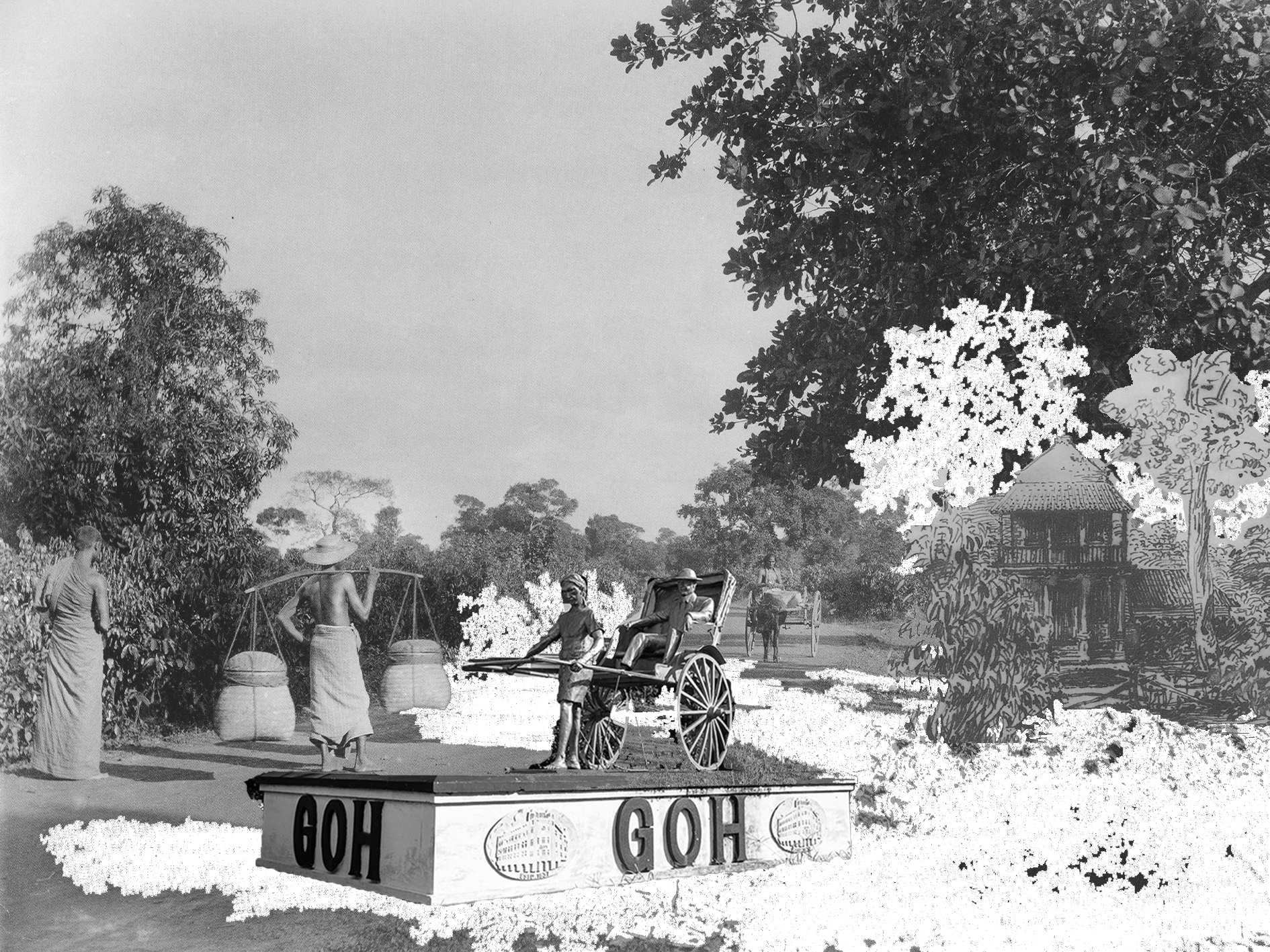
©Tashiya de Mel, Digital collage, Cinnamon Gardens. Using archival images from Colombo’s once-thriving cinnamon plantations, the collage reflects on the transformation of cultivated land into a contemporary elite district in Sri Lanka.
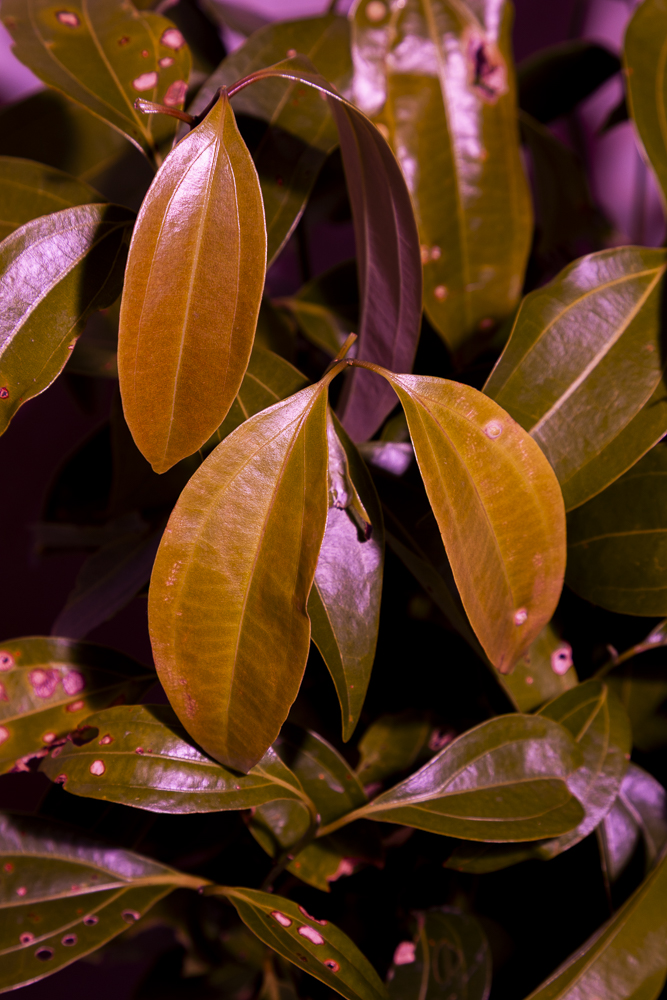
©Tashiya de Mel, A young cinnamon tree (Cinnamomum verum) photographed in Colombo, Sri Lanka.
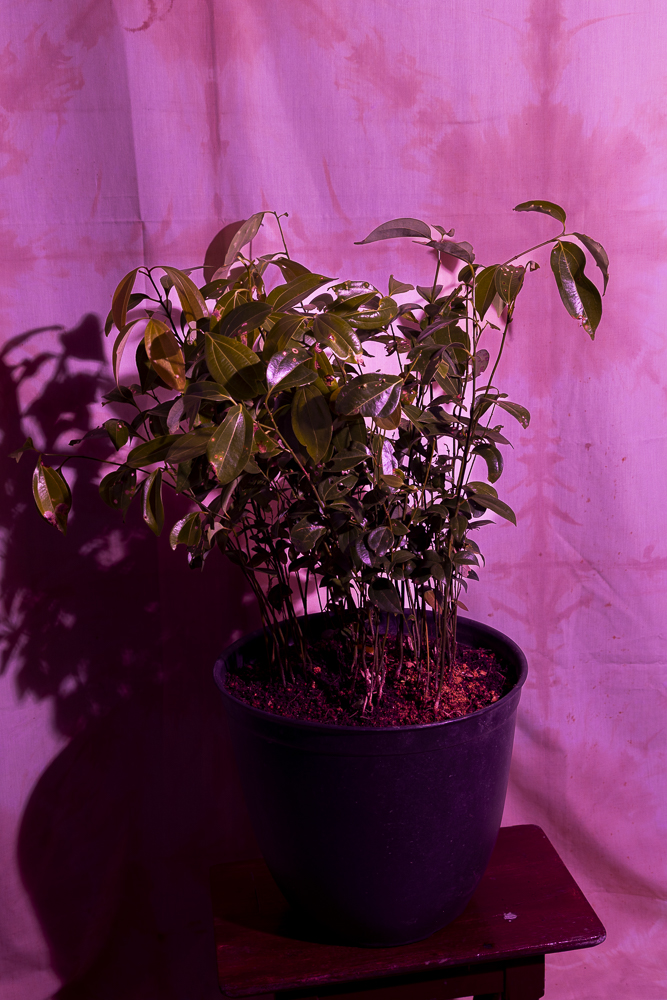
©Tashiya de Mel, Cinnamomum verum, better known as Ceylon Cinnamon, is a plant that is indigenous to Sri Lanka.
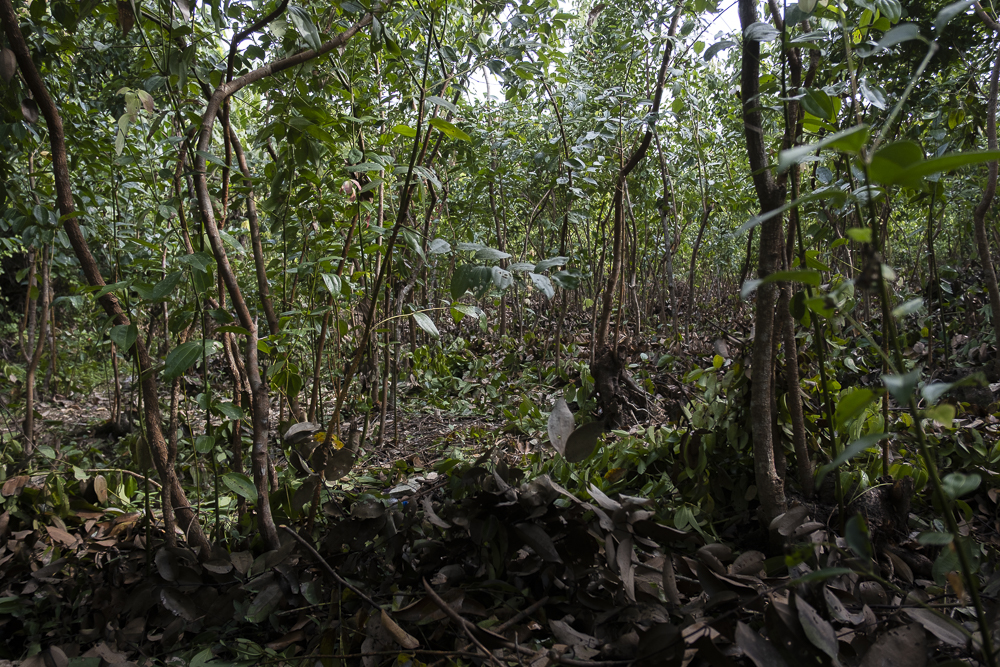
©Tashiya de Mel, A forest of Ceylon Cinnamon trees.
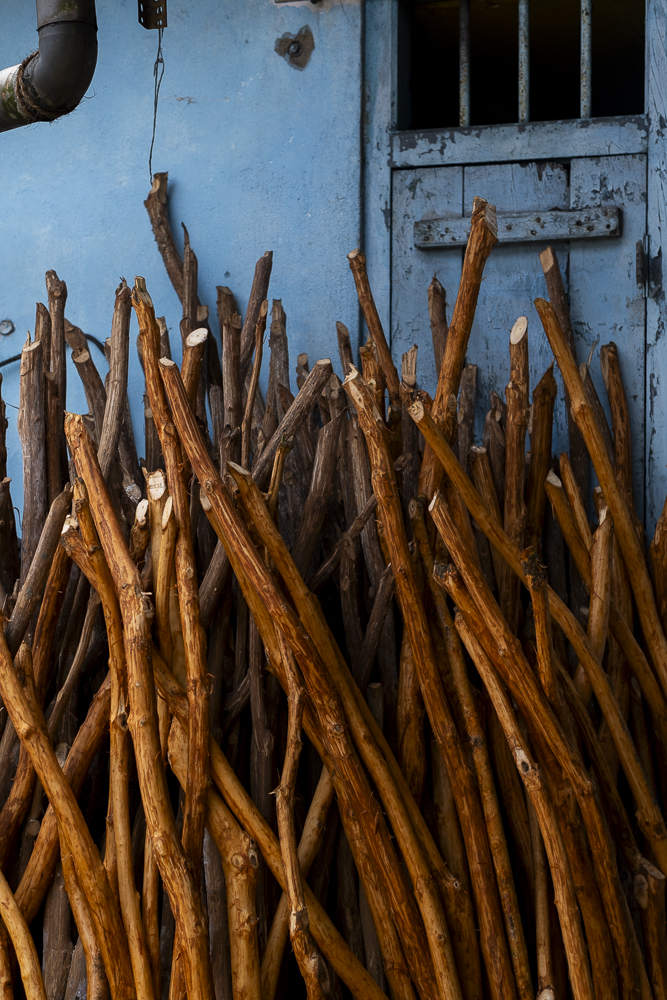
©Tashiya de Mel, Stacked cinnamon branches in Balapitiya, Sri Lanka.
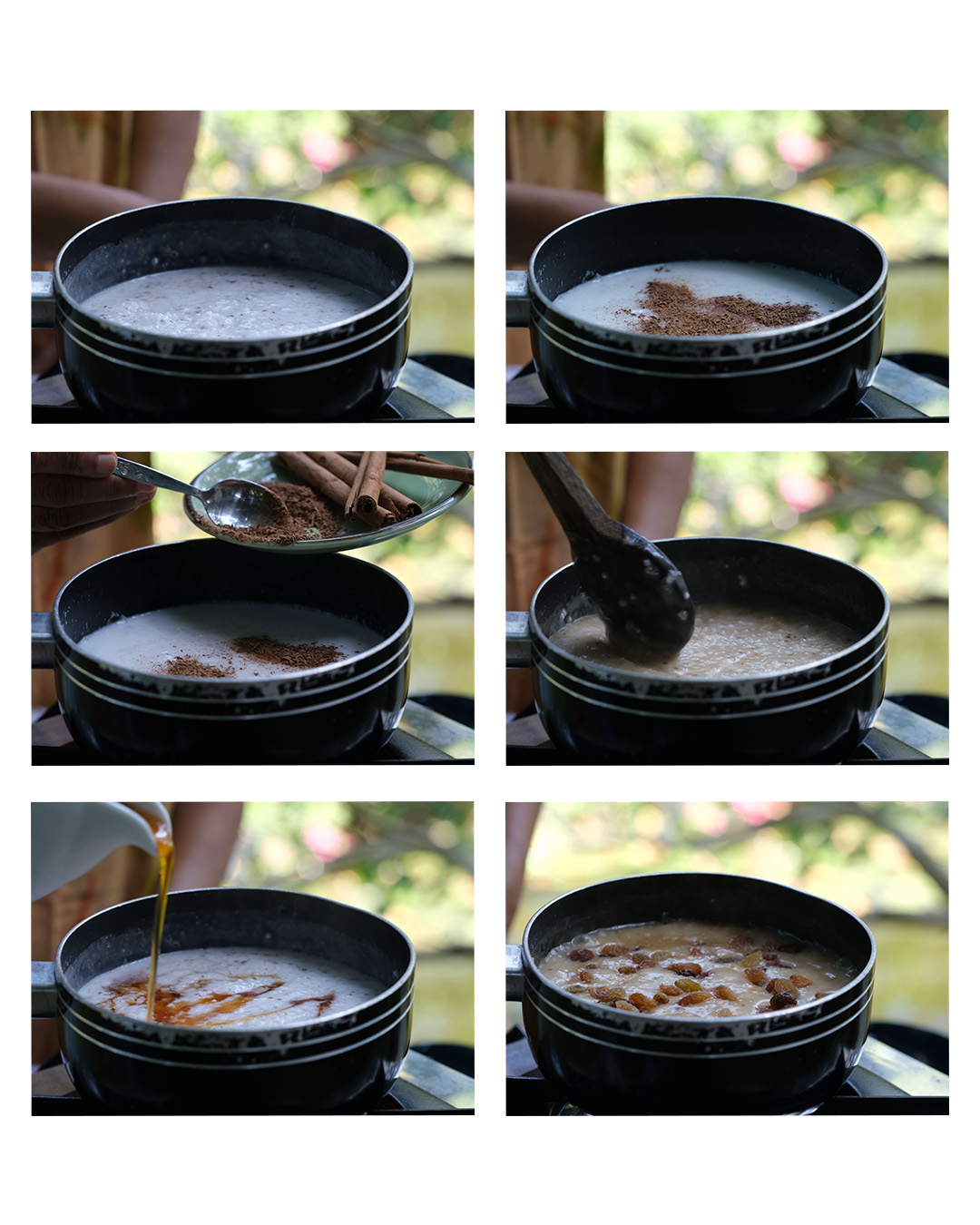
©Tashiya de Mel, My mother preparing sago pudding infused with cinnamon.
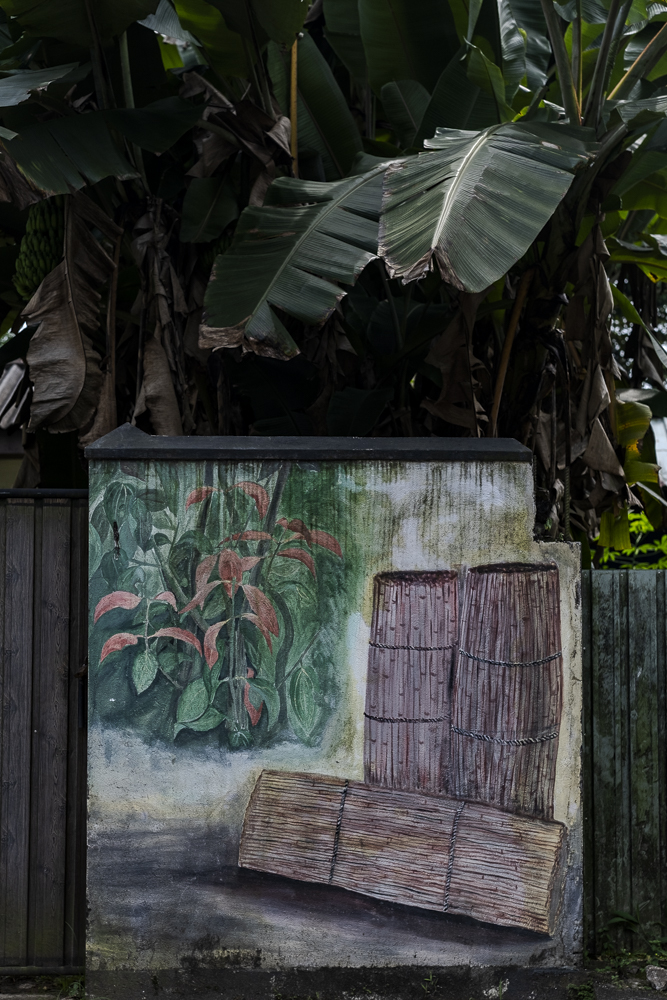
©Tashiya de Mel, Mural showing bales of cinnamon alongside a cinnamon tree in Balapitiya, Sri Lanka.
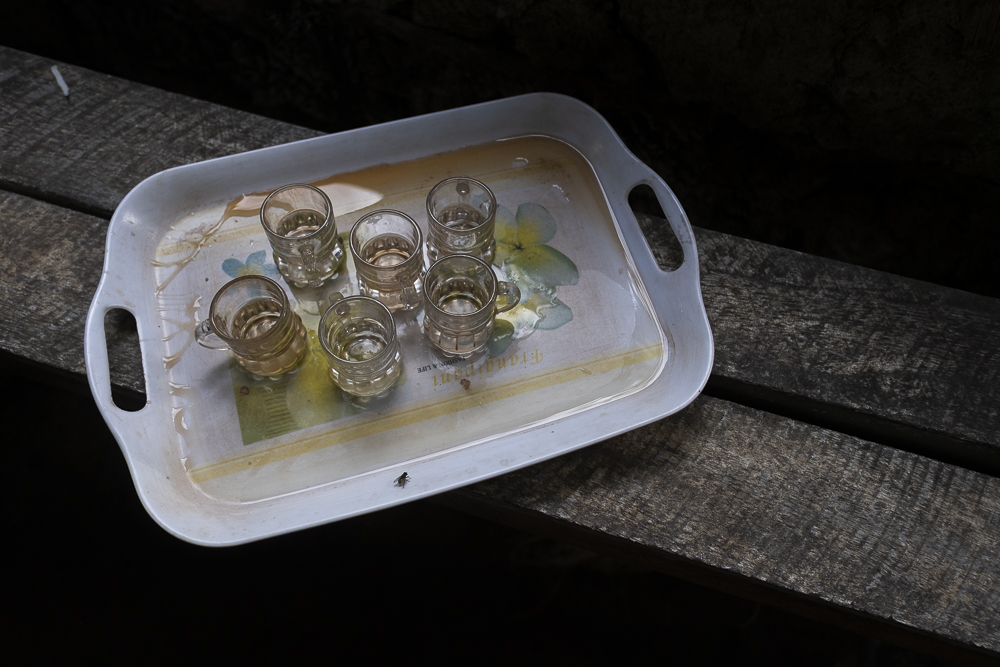
©Tashiya de Mel, : Empty glasses of cinnamon tea served at the Cinnamon Islands in Balapitiya, Sri Lanka.
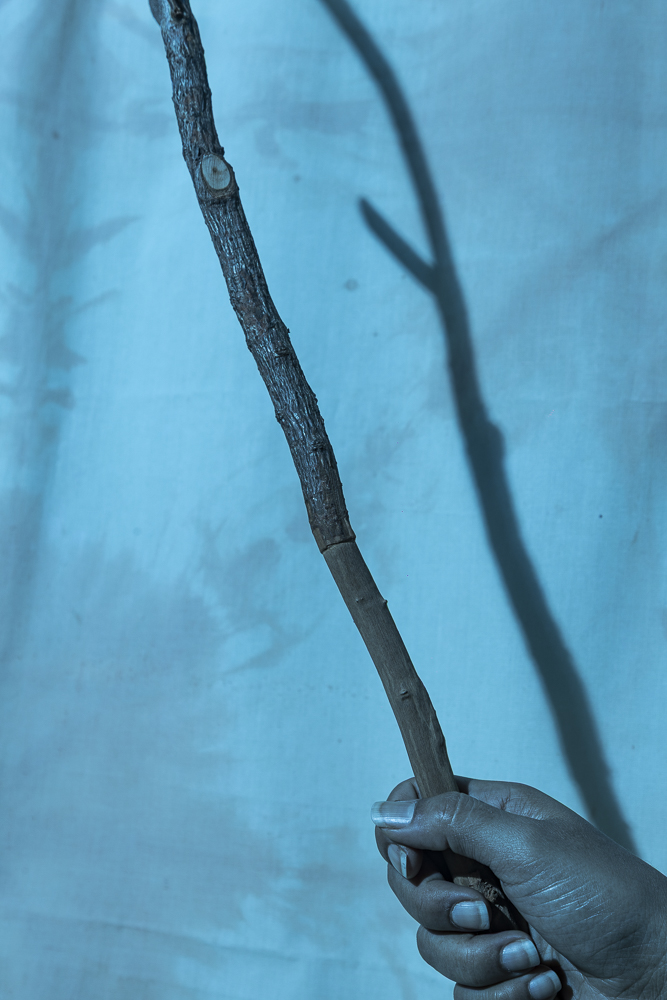
©Tashiya de Mel, Effects of peeling on the bark of Cinnamon verum tree photographed in Colombo, Sri Lanka.
Tashiya de Mel is a Sri Lankan photographer and conservationist who uses visual storytelling to create narratives that drive social change. Her practice explores the nature and possibilities of documentary image-making and deals with themes such as colonial histories, heritage, landscapes, and the climate crisis.
Tashiya is driven by a curiosity to forge connections with diverse disciplines such as art, history, academia and science, and find ways of bridging these disciplines through different forms of image-based media. She is the recipient of multiple awards and grants including the Visura grants for freelance visual journalists in 2023 for her project ‘Great Sandy River’ as well as Stroom talent award in 2024. She was selected for the 2024-25 FOTODOK Lighthouse Talent Program and was nominated to the Futures Photography platform in 2025.
Instagram: @tashiyademel
Posts on Lenscratch may not be reproduced without the permission of the Lenscratch staff and the photographer.
Recommended
-

The 2026 Lenscratch Honorable Mention Student Prize Winner: Anton ZdanovichAugust 8th, 2026
-

The 2026 Student Prize Honorable Mention Winner: Luke RosingAugust 6th, 2026
-

Student Prize: Top 25 to WatchAugust 2nd, 2026
-

Claire Beckett: Defense LanguageJuly 26th, 2026
-

Claudia Moreno: Axes & PowerJuly 21st, 2026