Marius Schultz: Red-Haired Girls
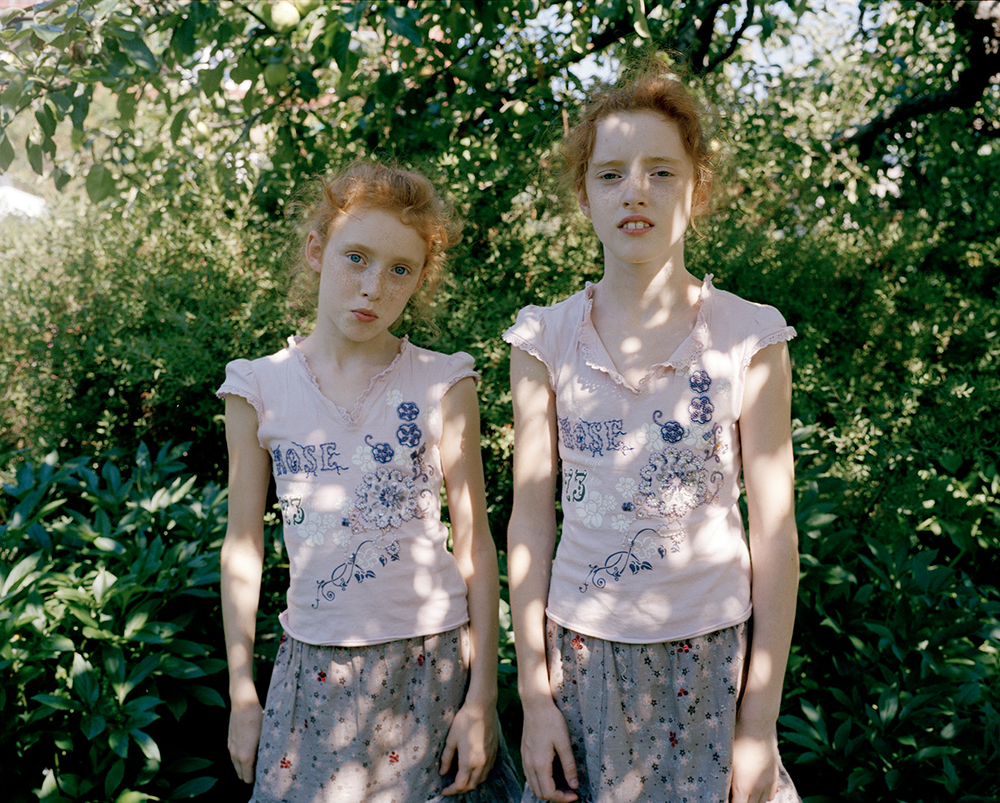
©Marius Schultz, August 2008
Recent European photography has undergone a sophisticated shift toward cinematic portraiture, moving away from the clinically perfect digital aesthetic of previous years infavor of a more deliberate, filmic narrative. This trend treats the single frame not as a standalone portrait, but as a still from a larger, unseen movie. By utilizing anamorphic-style wide crops, dramatic rim lighting, and a palette of “true-to-life; yet moody color grading— photographers are building suspense and emotional tension. This narrative imagery often prioritizes intentional imperfection; hard surfaces, grain, and unposed expressions are used as storytelling devices to evoke a sense of history and human touch; that feels increasingly vital in an era of AI-generated perfection. The visual focus has moved from capturing how a subject looks to establishing a visual voice that suggests a story happened just before the shutter clicked and will continue long after. Today, we feature the work of Marius Schultz.
Marius Schultz is a Norwegian photographer whose work explores the relationship between human presence, nature, time, and emotional atmosphere through long-term thematic series developed over many years. His work has been exhibited national and internationally. In 2017 Shultz published his book, «A Conversation with Nature» that launched at Paris Photo. He is a member of Forbundet Frie Fotografer and recipient of the LensCulture Portfolio Award and the Oslo Fotografihuset Award. He lives and works in Oslo, Norway.
Instagram: @mariusschultz
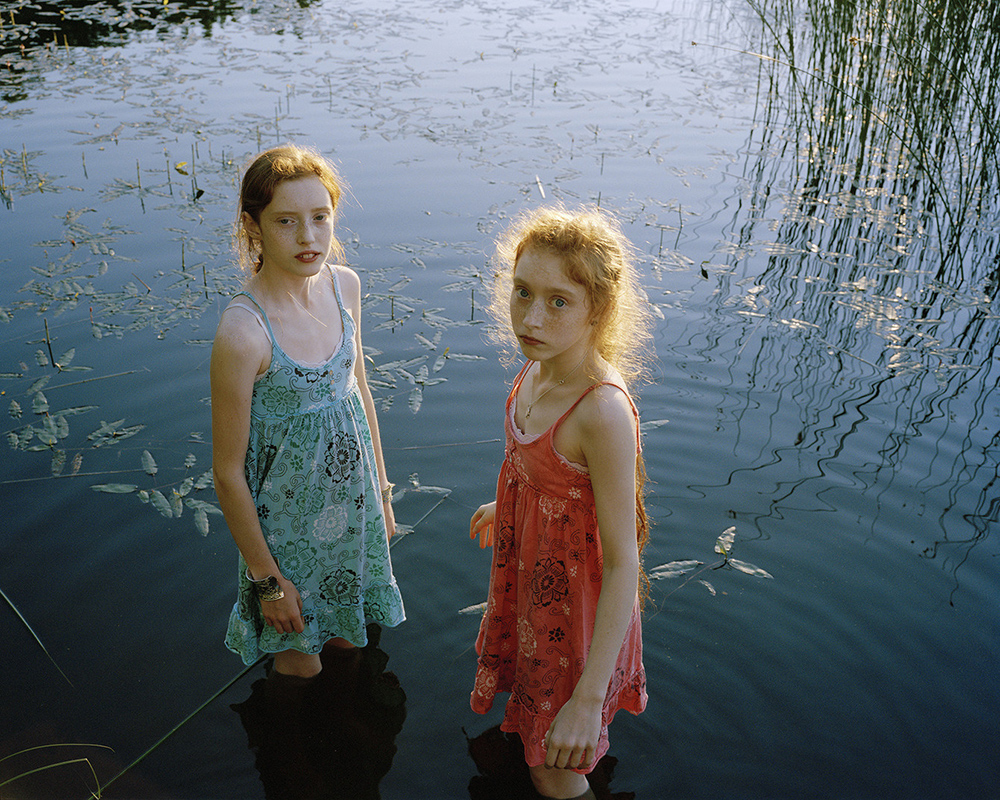
©Marius Schultz,, 2010
Red-Haired Girls
I have always been intrigued by Nicholas Nixon’s brilliant project, “The Brown Sisters”, that documents his wife and her three sisters in an annual group portrait from 1975 to the present. The portraits of the four sisters evoke continuity, the passage of time and family in an extraordinary way. As I discovered the work of Norwegian photographer, Marius Schultz and his project, “Red-Haired Girls”, I observed a subtle variation on the Nixon theme as he documents the lives of two young sisters (Amelia and Isabella) with brilliant red tresses on an annual basis over the years. While I originally thought that Schultz was photographing close relatives, I was surprised to learn that he had approached complete strangers to begin the annual documentary process with the initial assistance of the mother of the young girls.
The other variation from the Nixon project was the way Shultz photographed his two subjects in the lush natural environment of Norway instead of posing them in a more traditional manner. As you progress through the years that Schultz photographed, you see the young red-haired girls become adolescents and finally young women. Time passes as naturally for his subjects as it does for the leafy trees of the Norwegian woods that surround them.
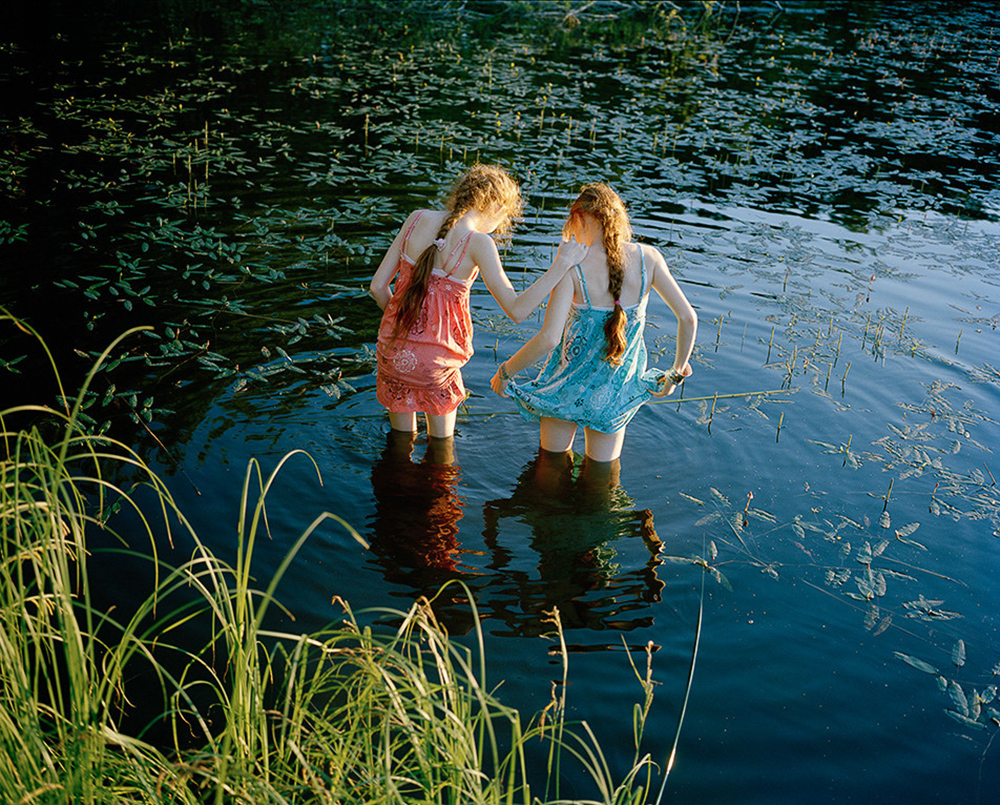
©Marius Schultz,, 2010
As Shultz relates, “my work is driven by intuition, feeling, and a search for images that hold emotional presence. I work slowly, often within long-term themes developed over many years, where time itself becomes part of the structure. What interests me is the meeting between human presence, landscape, light, and atmosphere — and how small changes in nature or in a person can carry meaning. Nature is never just a background in my photographs. It is an active part of the image, shaping mood, tension, and silence. I work only with natural light, in places I know well, using the same camera, lens, and film to create continuity and precision. Much of my work explores growth, transformation, memory, and the quiet emotional weight that exists beneath what is visible. Although composition is essential, the photograph must ultimately carry something beyond form: a feeling that remains open and continues in the viewer.”
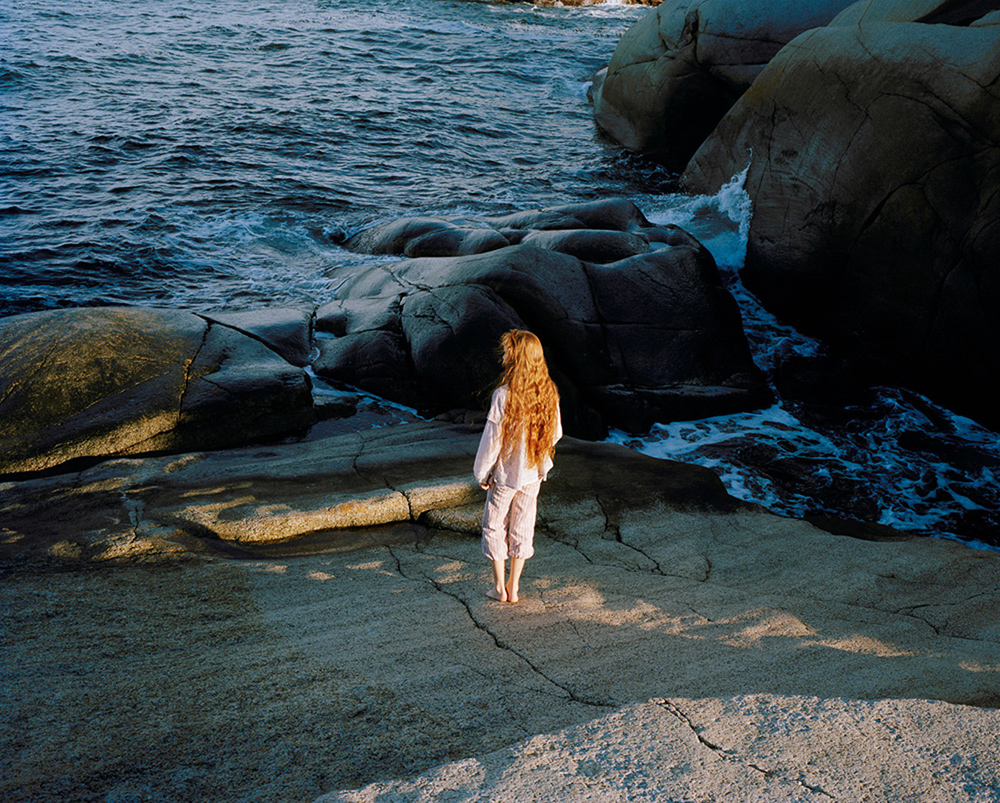
©Marius Schultz, 2011
MSH: In what ways have your life experiences shaped your perspective on capturing these portraits in nature? Am I correct in assuming that the red-haired girls might be related to you?
My life experiences have shaped my gaze far more than any formal training ever could. I grew up without my father. It was my mother’s family that raised me.
As a child, I grew up with Nikolai Astrup’s painting Prestegården hanging above my grandfather’s sofa. It taught me that an ordinary motif can hold extraordinary emotional weight. A white house, a path, a tree — nothing dramatic, yet full of atmosphere. That understanding became fundamental to my own work: what matters is often not what is obvious, but what is quietly felt. Intuition remains central to my process. I often recognize an image emotionally before I understand it intellectually. The red-haired girls are not related to me. I met them by chance on the street and asked if I could photograph them. Their mother agreed, and after the first images I understood there was something worth continuing. Over time, trust with the family became essential.
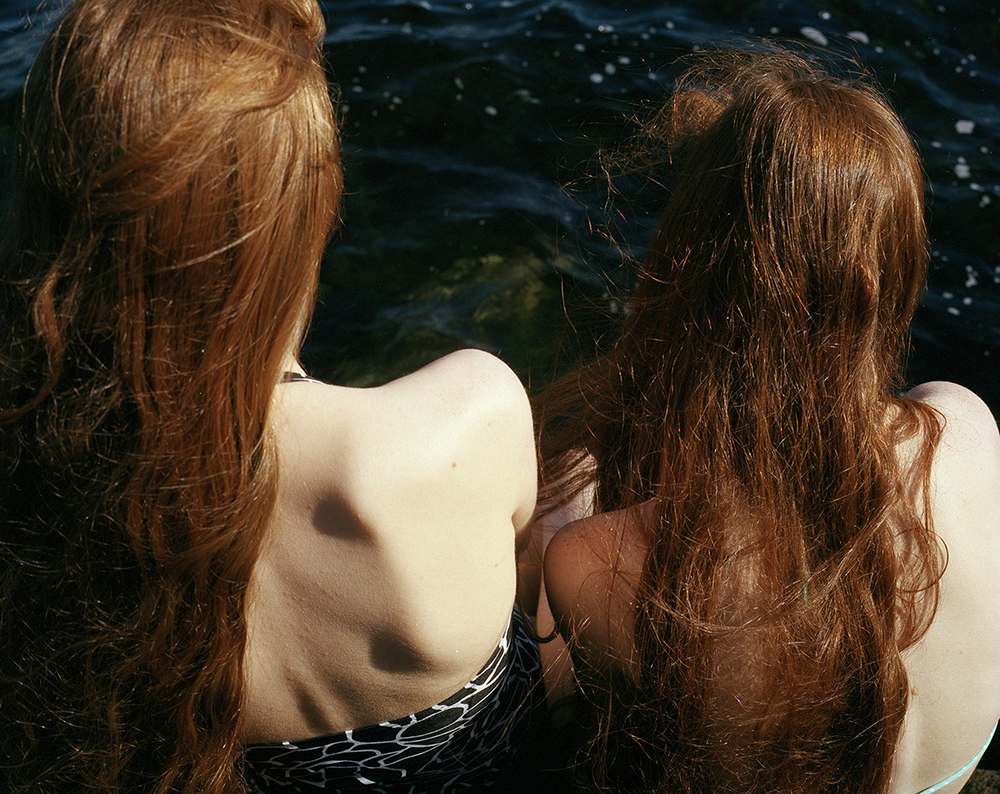
©Marius Schultz, 2012
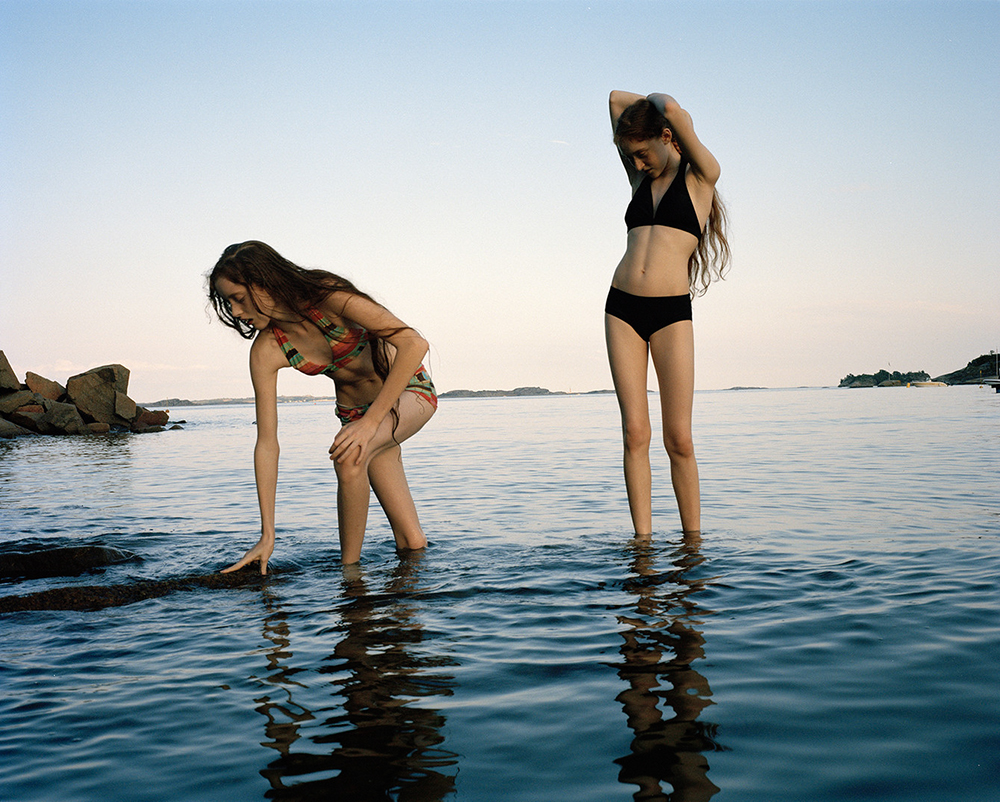
©Marius Schultz, 2012
MSH: The interplay between the two young girls and natural landscapes is quite striking. What specific narratives or themes are you exploring through this juxtaposition?
The relationship between the girls and the landscape is not a contrast but a continuity. I work with growth, belonging, and the slow formation of identity.Nature is never a backdrop. It carries rhythm, permanence, and memory. There is one year between each photograph, and that distance is essential. It allows time to enter naturally — both in the landscape and in the girls themselves. The work is slow and depends on patience rather than immediacy. The places are connected to their own lives, which means nothing is imposed. Wind, shoreline, trees, weather — these elements are active participants in the image. Several forces meet within each photograph: the girls, the family, the landscape, and my own intuition. In the early years, the mother of the girls played an important role through clothing and visual choices. As the girls grew older, they gradually shaped more of their own expression. That quiet shift is part of the work. What interests me is not dramatic change, but subtle transformation — how identity appears slowly within continuity. Over time, the series becomes less about portraiture itself and more about the relationship between presence, time, and belonging.
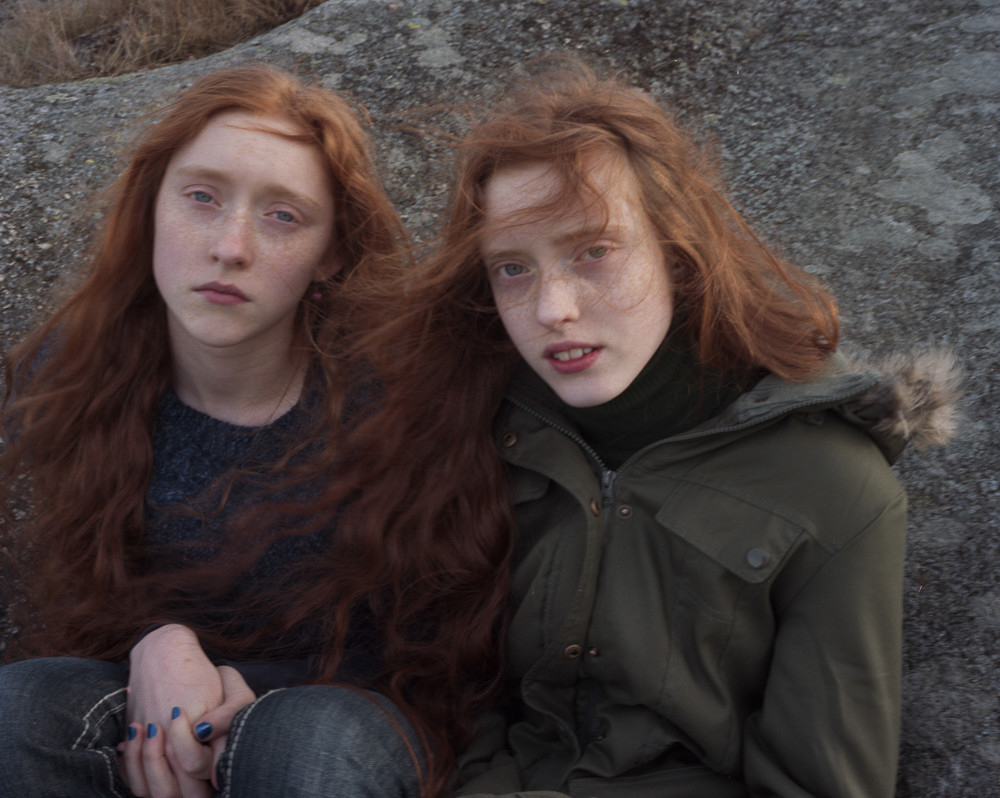
©Marius Schultz, 2012
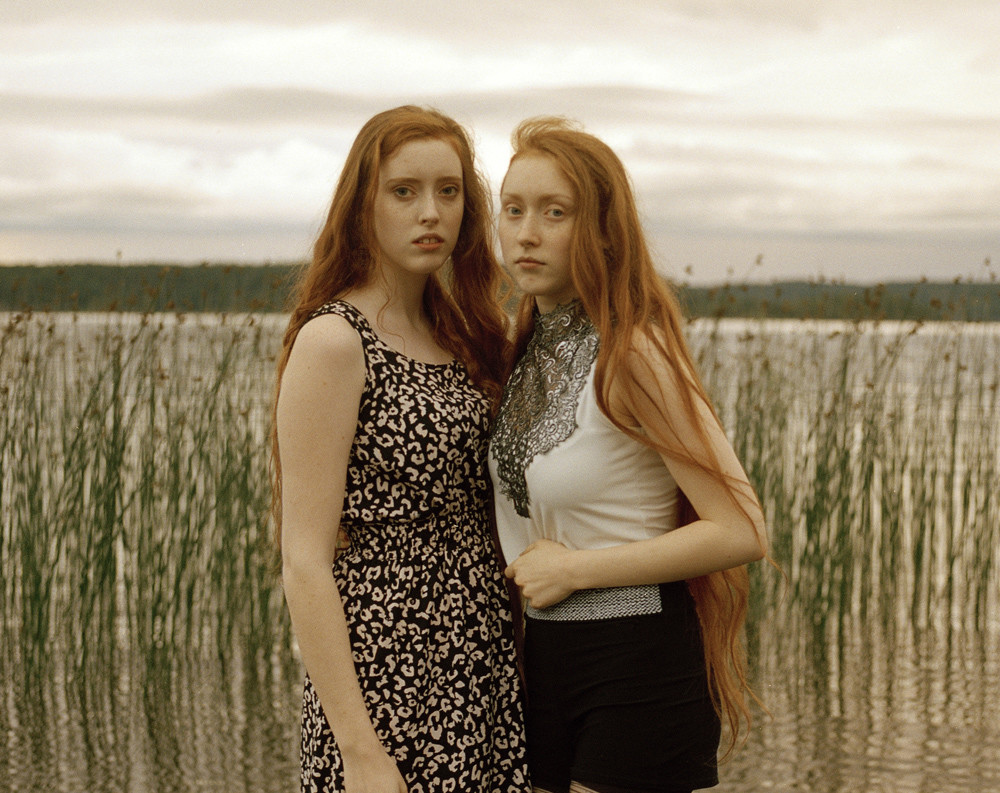
©Marius Schultz, 2014
MSH: Red hair is a vivid choice. What does it symbolize for you, and how does it influence the viewer’s perception of the subjects?
Red hair was not something I chose — it is simply who they are. But visually it carries extraordinary presence. Against northern greens, blues, and muted earth tones, it creates an intensity that feels almost painterly. It immediately gives the figures a distinct presence within the landscape. I have often thought about the resemblance to the painters of the Pre-Raphaelite Brotherhood —the luminous skin, the stillness, the quiet drama. That connection intrigued me. But in the end, the answer is in the red hair itself. The girls were never ordinary in appearance.
Their individuality and that striking color created a natural magnetism. For the viewer, the red hair is often the first point of entry into the image. It draws the eye, but gradually attention moves beyond color toward the relationship between the figures, the light, and the atmosphere around them.
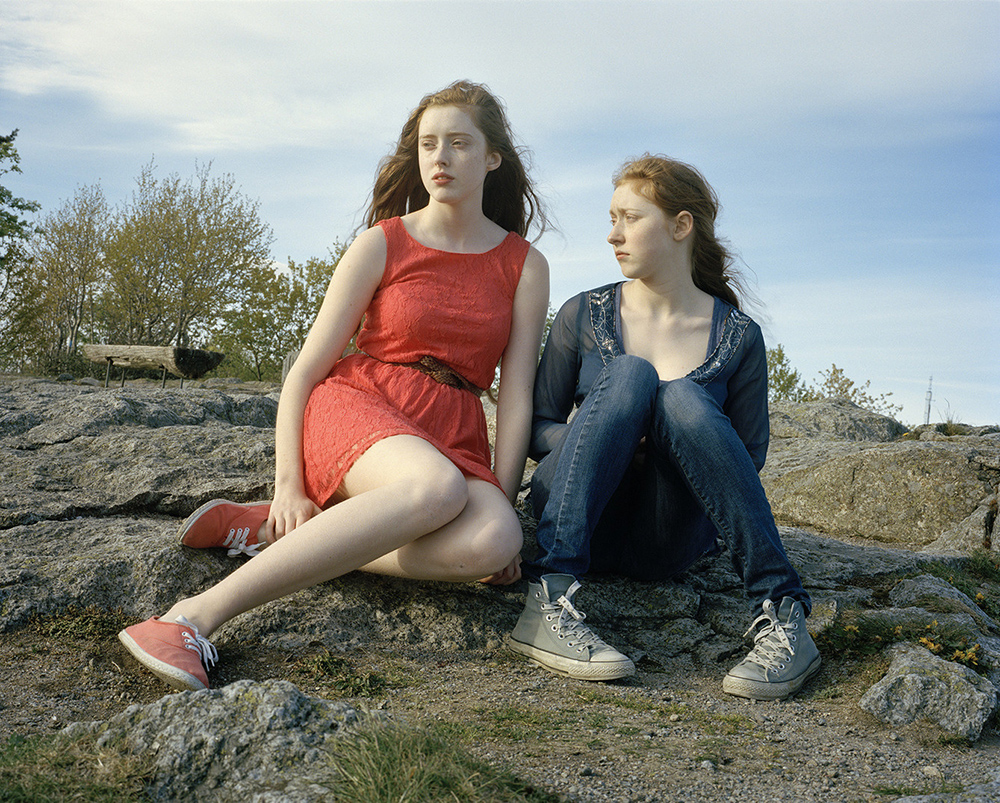
©Marius Schultz, 2014
H: How do you interpret the concept of time in your work, particularly in relation to the seasonal changes and the growth of your subjects?
Time is the framework of the entire project. There is one year between each photograph. That rhythm allows both the seasons and the girls to change naturally, without interruption. I do not try to dramatize change. I let time appear quietly — in posture, gaze, body language, and awareness. The landscape changes as they change: spring opens, autumn deepens, winter simplifies. Because the format remains constant, time becomes visible through subtle difference rather than dramatic contrast. Each image stands still on its own, but together they form a quiet narrative of growth. The seasons repeat. Childhood does not.
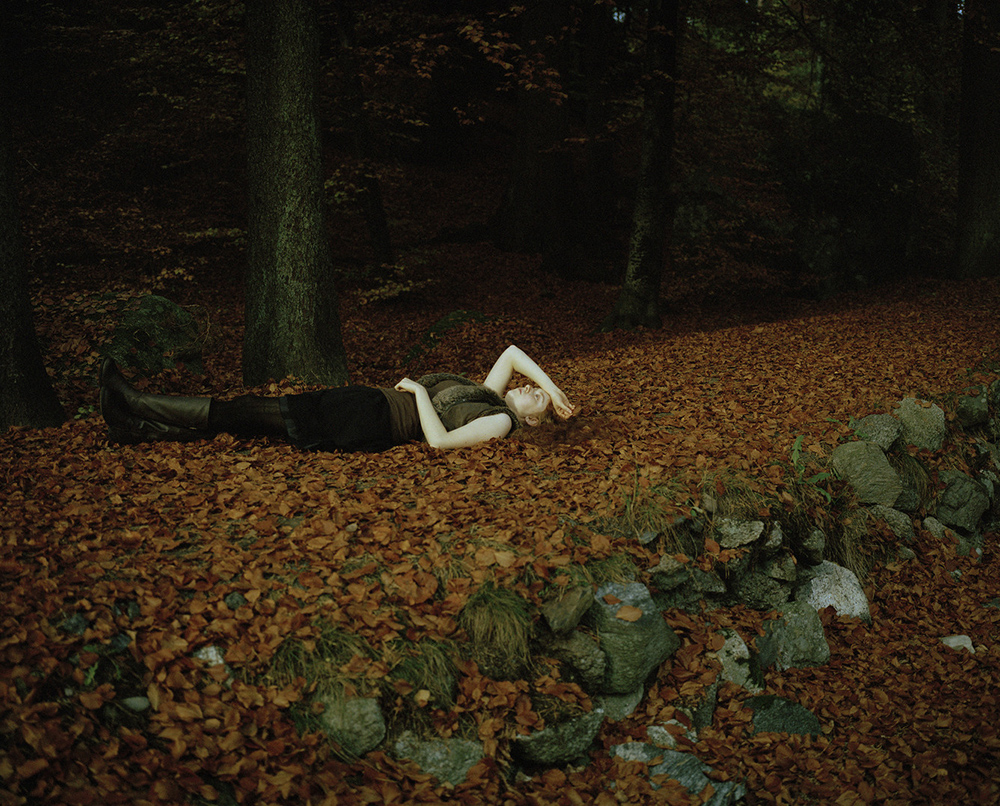
©Marius Schultz, 2015
MSH: In blending the subjects with their environments, how do you approach technical aspects like lighting and composition to achieve a cohesive narrative?
The process begins long before I raise the camera. My main tool is feeling and intuition. Most decisions are made instinctively — where to stand, when to wait, when the image begins to feel right. I respond to atmosphere before analysis. Place is always decisive. I work only in landscapes that already belong to them, because familiarity creates a natural presence. I use only natural light, and I follow weather carefully. Light determines mood, depth, and atmosphere, but the decision to photograph comes when light, place, and human presence begin to align emotionally. Over the years I have learned how specific locations behave — how light moves across a shoreline, how wind affects posture and fabric, how certain skies create calm or tension. Technically, I work with a handheld Mamiya 7 medium format camera. That camera is essential to the work. The format gives weight and balance to the composition, while handheld freedom allows movement and precision. I can adjust quickly and still preserve the depth and quiet intensity that medium format film gives. Composition is instinctive. I usually see the structure immediately. As a photographer, you must already be where the image is about to happen. The body within the landscape must feel inevitable — never decorative, never forced. A shoot usually lasts only a few hours. The cohesion comes from consistency: the same camera, the same format, the same disciplined use of natural light, and trust in intuition over time.
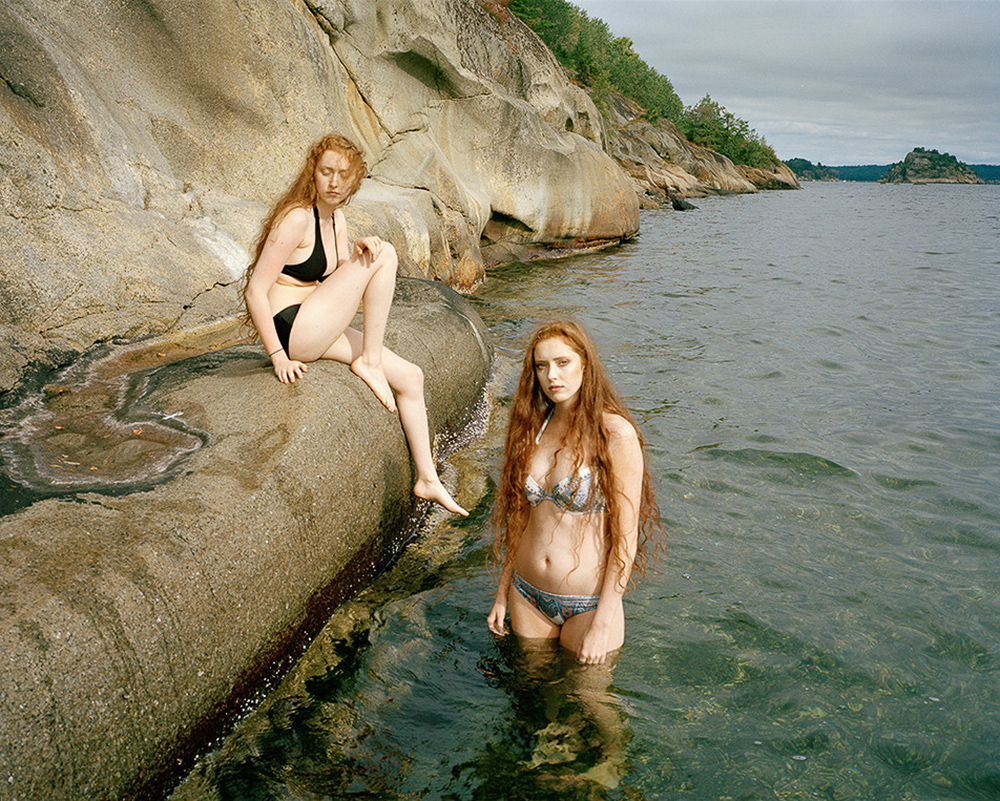
©Marius Schultz, 2015
MSH: What emotional landscapes do you aim to convey through your portraits, and how do these evolve as the girls age?
I am interested in restrained emotion — not performance, but presence. In the early years, the girls appear open and unselfconscious. As they grow older, awareness enters. They begin to understand being seen. The gaze becomes more deliberate. The body carries more intention. There is also a sensual vitality in the work, rooted in nature itself — wind on skin, light in hair, the physical presence of landscape. As they mature, that vitality becomes stronger, but never theatrical. The emotional shift is subtle: from openness toward self-possession. Time settles into the body.
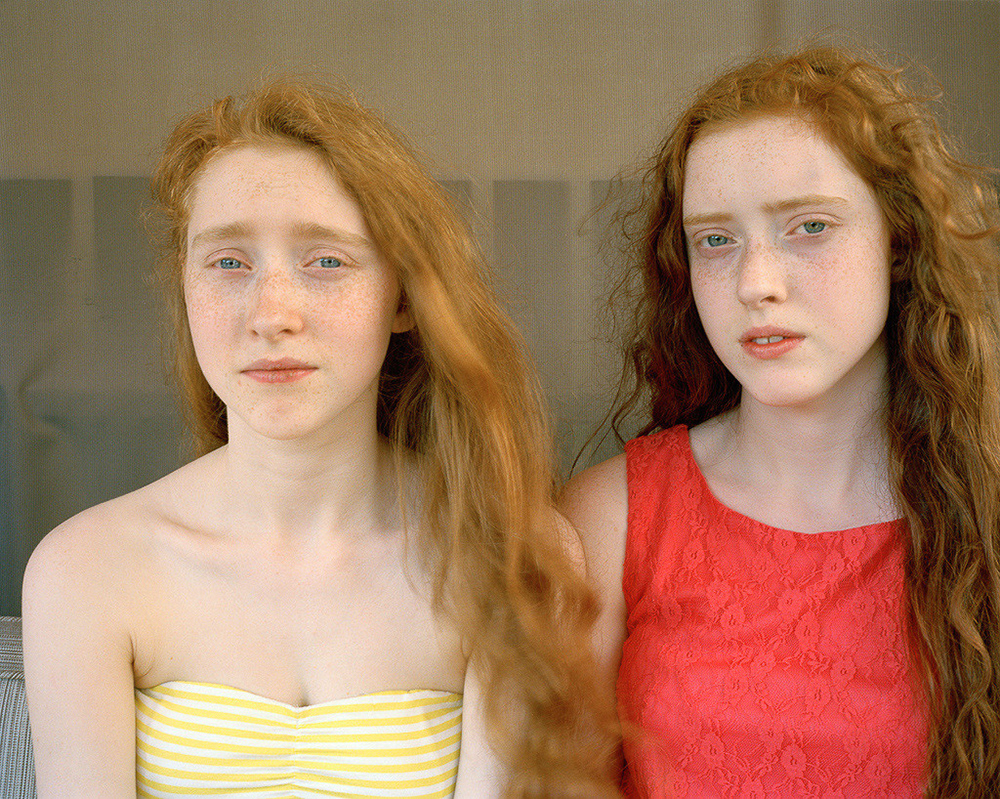
©Marius Schultz, 2013
SH: Color plays a pivotal role in your work. Can you discuss your intentional choices regarding color palettes and their emotional implications?
Color is fundamental because it comes directly from place, light, and season. I work only with natural light and analog film, which gives color a physical depth and softness that I trust. I do not manipulate color afterward. I rely on what the landscape gives. The palette belongs to the North — the sharp air, the long twilight, the muted greens, the shifting sky. These qualities create the emotional tone before the image is even made. The red hair becomes a natural intensity within this palette. It is visually strong, but it belongs organically to the landscape rather than dominating it. I have often felt a connection to both Edvard Munch and Nikolai Astrup in this respect — not stylistically, but in the sense that color is inseparable from northern light and emotional atmosphere. I do not seek dramatic color. I seek inevitability — tones that feel as if they could not have been otherwise. Color, for me, is never decoration. It is atmosphere.
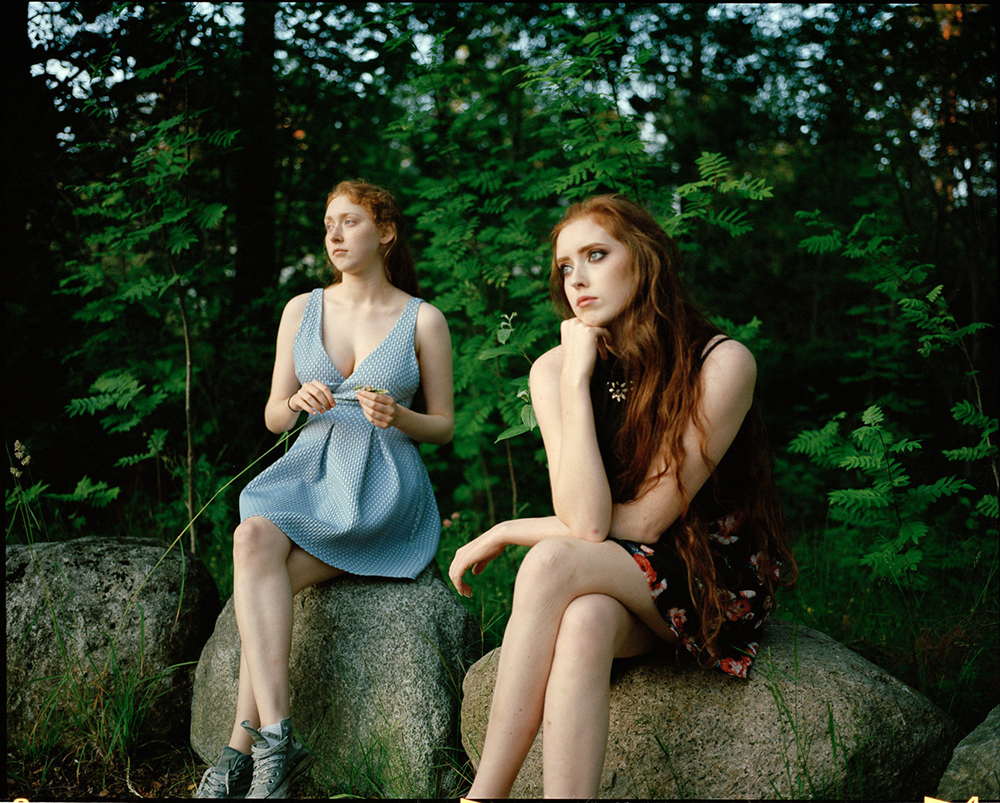
©Marius Schultz, 2015
MSH: Are there recurring visual motifs or symbols in your landscapes that resonate with the themes of growth and change?
Yes, certain motifs return naturally. Trees appear often because they carry time visibly — rooted, growing, enduring. Shorelines and horizons also recur. They suggest transition and openness. Paths and clearings sometimes appear almost unnoticed, but they imply movement and direction. Wind is perhaps the most consistent element. It animates hair, clothing, and posture, giving life to stillness. These are not symbols I impose. They belong to the places themselves. But over time they begin to resonate with growth, change, and continuity.

©Marius Schultz,
MSH: Are there any new themes or concepts you’re excited to explore in future projects that build upon this body of work?
Recently, I received a review suggesting that my images are less about aesthetics or literal space and more about feeling. I immediately recognized that observation. Place in my work has never been geography alone. It has always functioned as emotional terrain. Even when locations differ, they serve a larger atmosphere. That review clarified something I have long practiced intuitively: feeling often leads before thought. I usually know very early when something is right, long before I can explain why. Going forward, I want to trust that even more consciously. Not to move away from landscape, but to go further into what landscape carries emotionally rather than what it describes feels less like a new direction than a clarification. The camera remains the tool, but intuition continues to make the first decision.
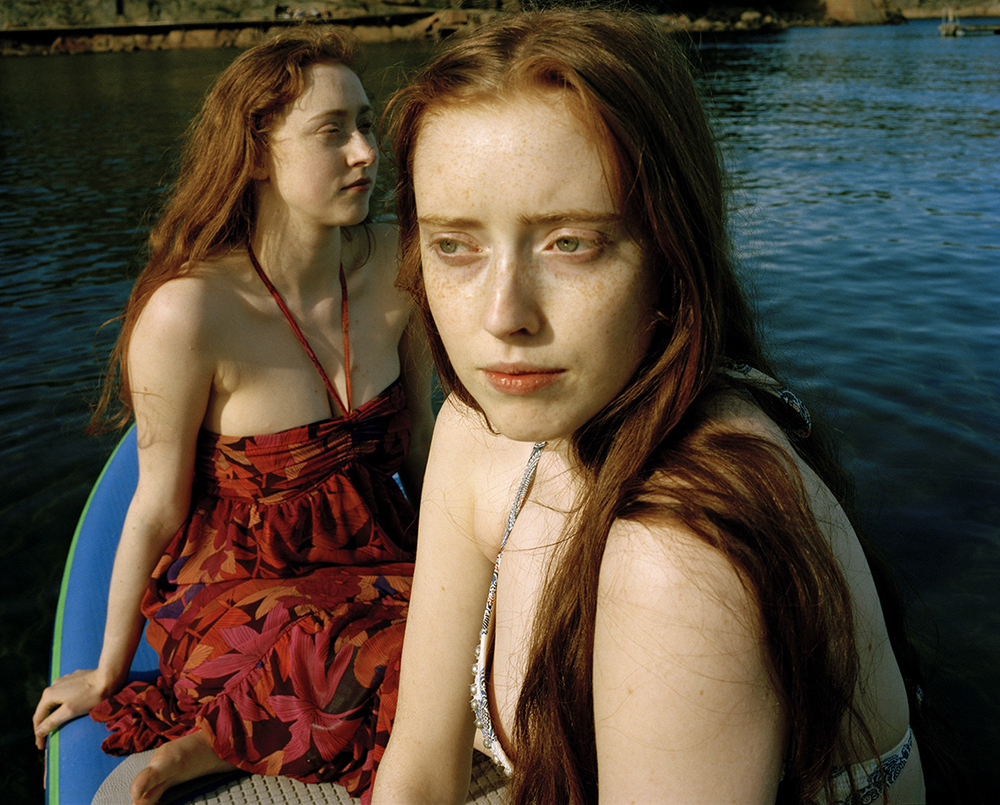
©Marius Schultz, 2017
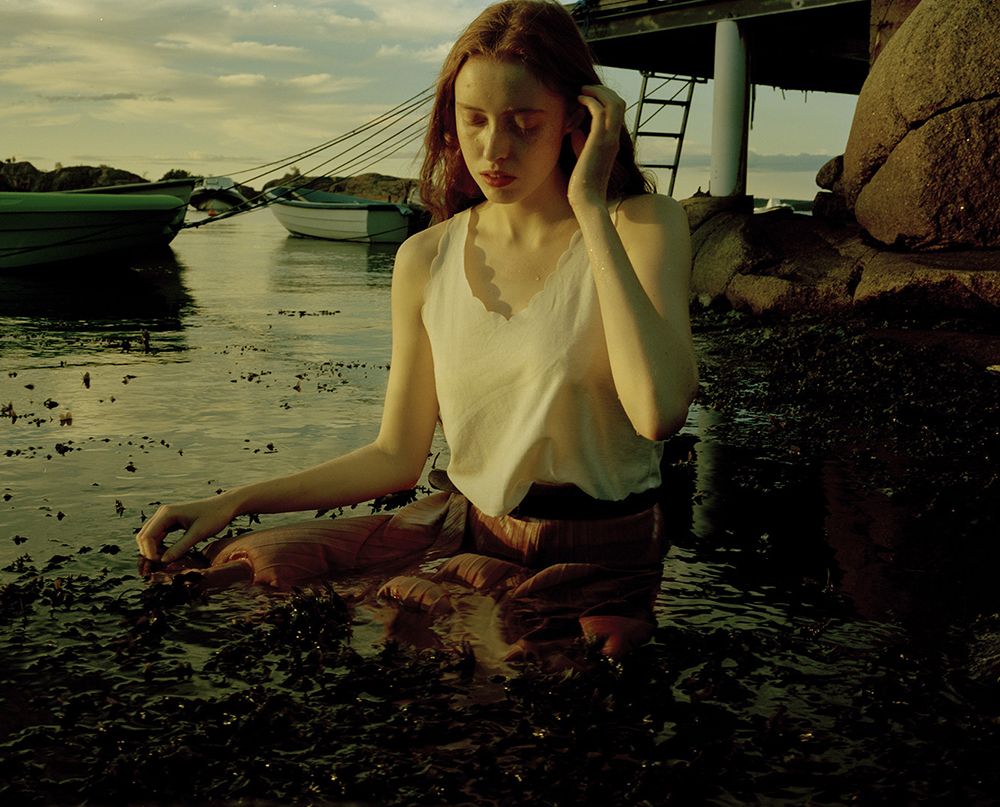
©Marius Schultz, 2018
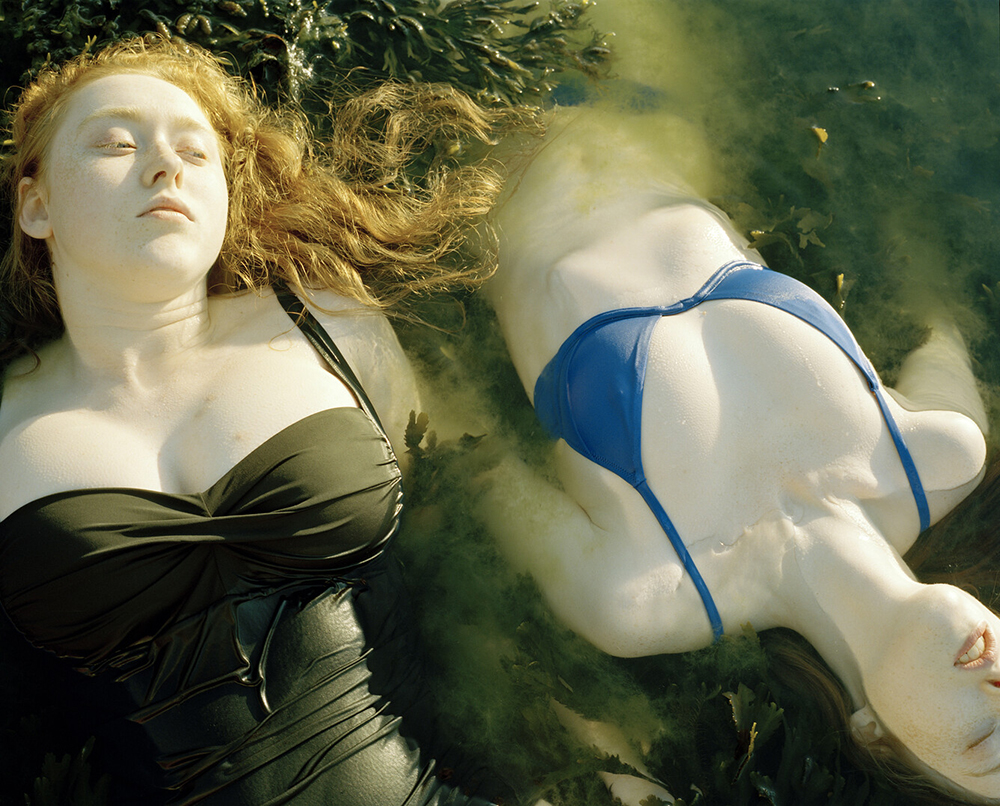
©Marius Schultz, 2018
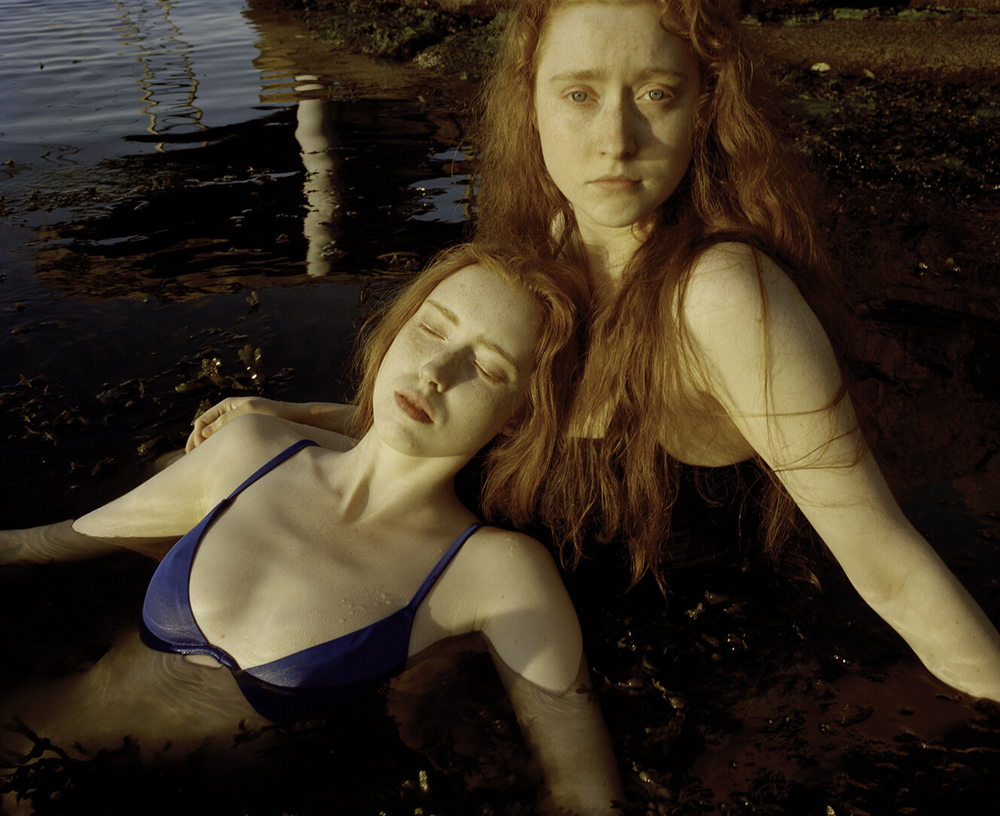
©Marius Schultz, 2018
Posts on Lenscratch may not be reproduced without the permission of the Lenscratch staff and the photographer.
Recommended
-

Brandon Tani: Mining New VeinsAugust 11th, 2026
-

Student Prize: Top 25 to WatchAugust 2nd, 2026
-

Claudia Moreno: Axes & PowerJuly 21st, 2026
-

Aidan Avery: Under Punches and The Open Call ListJune 22nd, 2026
-
The Infinite Light of Duane MichalsJune 16th, 2026