Nicolas Brunetti: Inshallah
©Nicolas Brunetti
Recent European photography has undergone a sophisticated shift toward cinematic portraiture, moving away from the clinically perfect digital aesthetic of previous years infavor of a more deliberate, filmic narrative. This trend treats the single frame not as a standalone portrait, but as a still from a larger, unseen movie. By utilizing anamorphic-style wide crops, dramatic rim lighting, and a palette of “true-to-life; yet moody color grading— photographers are building suspense and emotional tension. This narrative imagery often prioritizes intentional imperfection; hard surfaces, grain, and unposed expressions are used as storytelling devices to evoke a sense of history and human touch; that feels increasingly vital in an era of AI-generated perfection. The visual focus has moved from capturing how a subject looks to establishing a visual voice that suggests a story happened just before the shutter clicked and will continue long after. Today, we feature the work of Nicolas Brunetti.
Nicolas Brunetti is an Italian documentary photographer based in Cesena, Italy.
His work focuses on long-term photographic projects addressing social and environmental issues. Through an intimate and close approach, he tells stories of communities living on the margins of society, portraying personal life experiences that reflect collective urgencies and shared needs.
He has attended workshops and masterclasses with internationally renowned photographers such as Fulvio Bugani, Federico Borella, and Antonio Faccilongo. In 2025, he participated in the Eddie Adams Workshop XXXVIII in New York and was selected for Photograph-ER, the professional training program of Fotografia Europea in Reggio Emilia. His work has been published by Vogue, Perimetro, and InsideOver. He is the winner of the Patricia D. Richards Legacy Award 2025 and a finalist for the Prix Révélation 2025 at Les Rencontres d’Arles. He also won the 2024 Open Call Present is the New Future by Fondazione Imago Mundi, was a finalist at Encontros da Imagem – Emergentes 2024 in Portugal, won the Life Framer – Youth Award 2024, and was a finalist for National Geographic Italia in 2018.
Instagram:@nicolasbrunetti
©Nicolas Brunetti
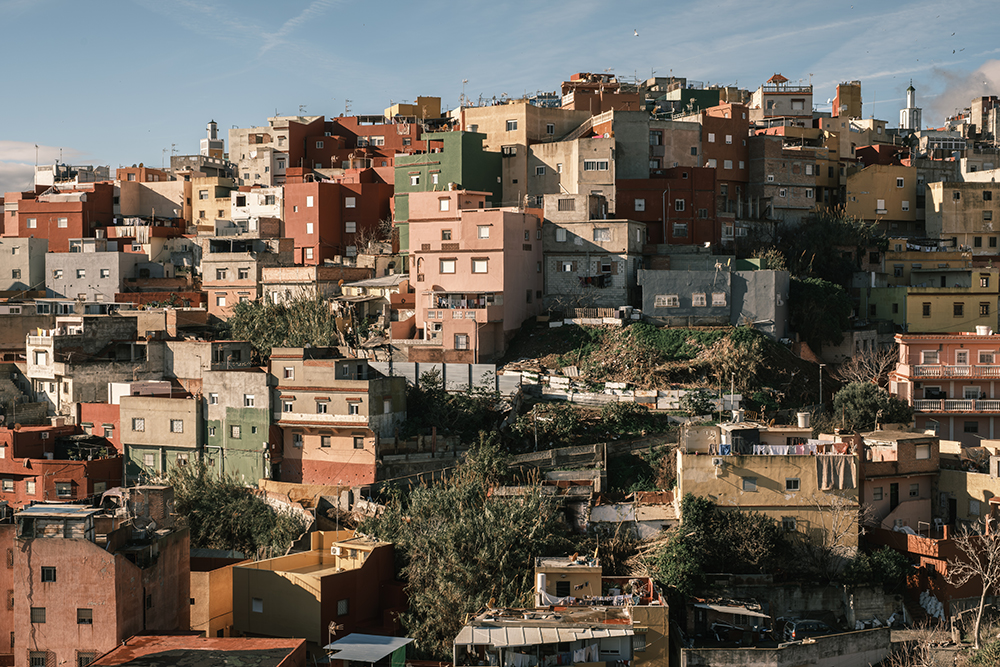
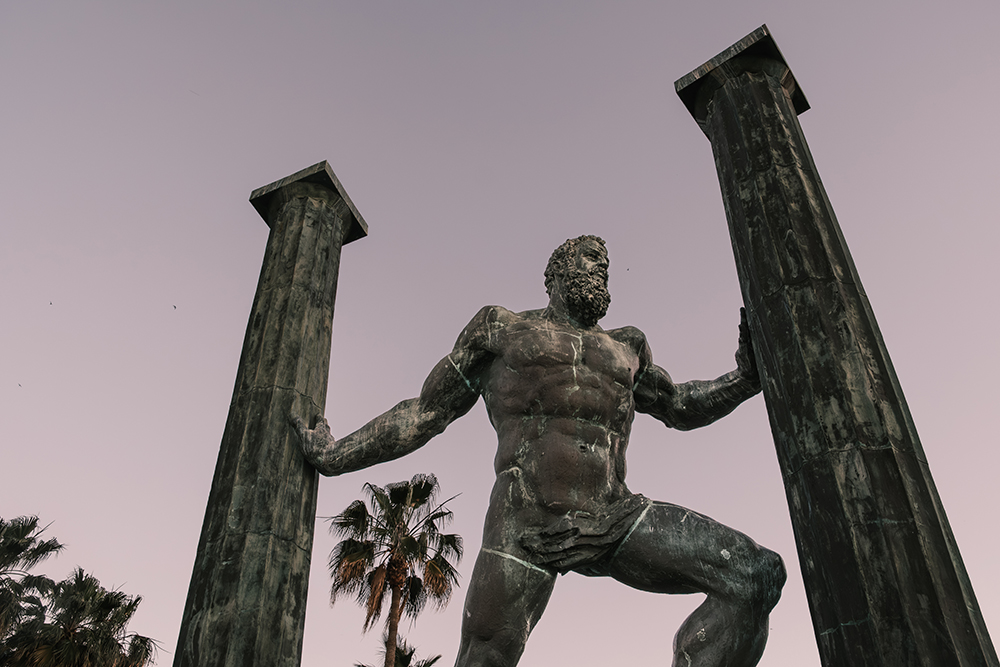
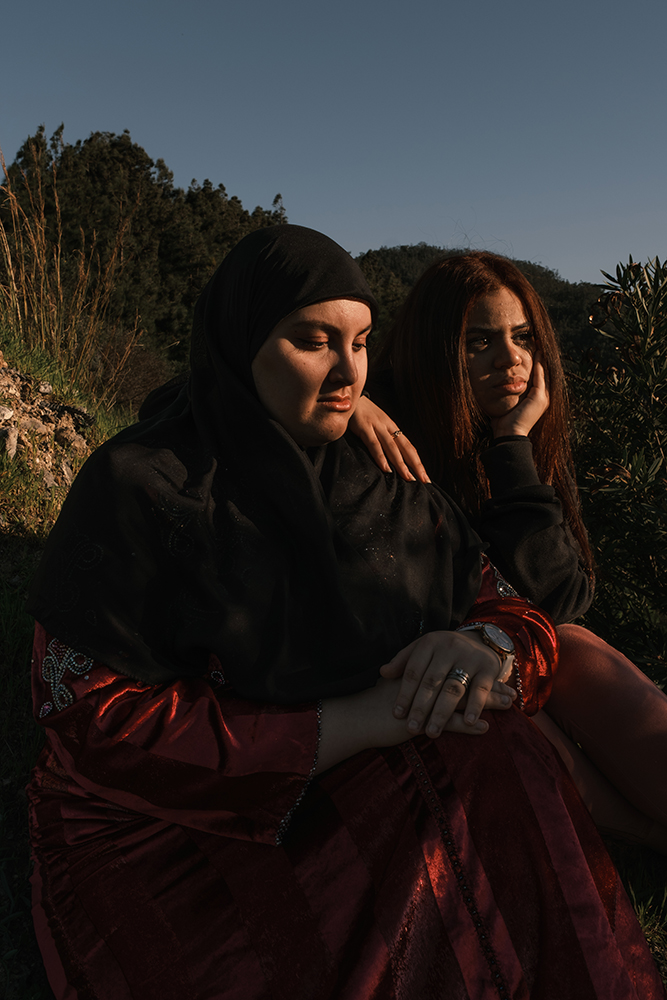
If you have ever visited far southern Spain or Morocco, you may have never been aware of the tiny autonomous Spanish city of Ceuta on the North African coast bordering Morocco and facing Gibraltar across the Mediterranean Sea. This independent city composed primarily of Christian and Arab populations with the Arab youth being the focus of Nicolas Brunetti’s interesting narrative portraits of the land and the youth living in a somewhat confining situation both literally and figuratively. Brunetti focuses on the youth of a particular Arab neighborhood, El Principe, known for its social fractures including drug trafficking and radicalization. But his poignant images tell a very different tale.
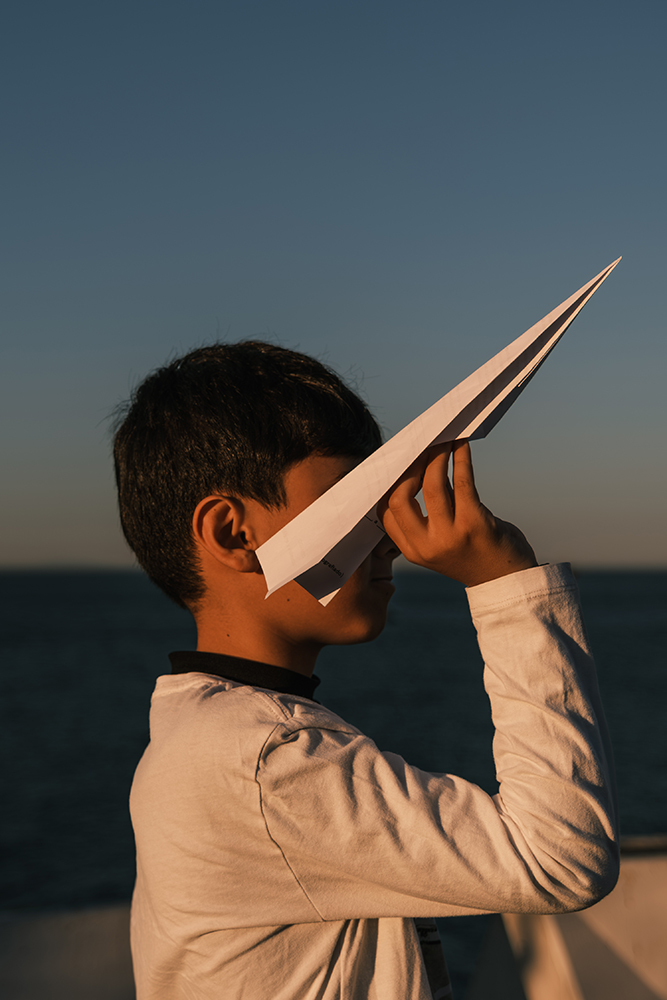
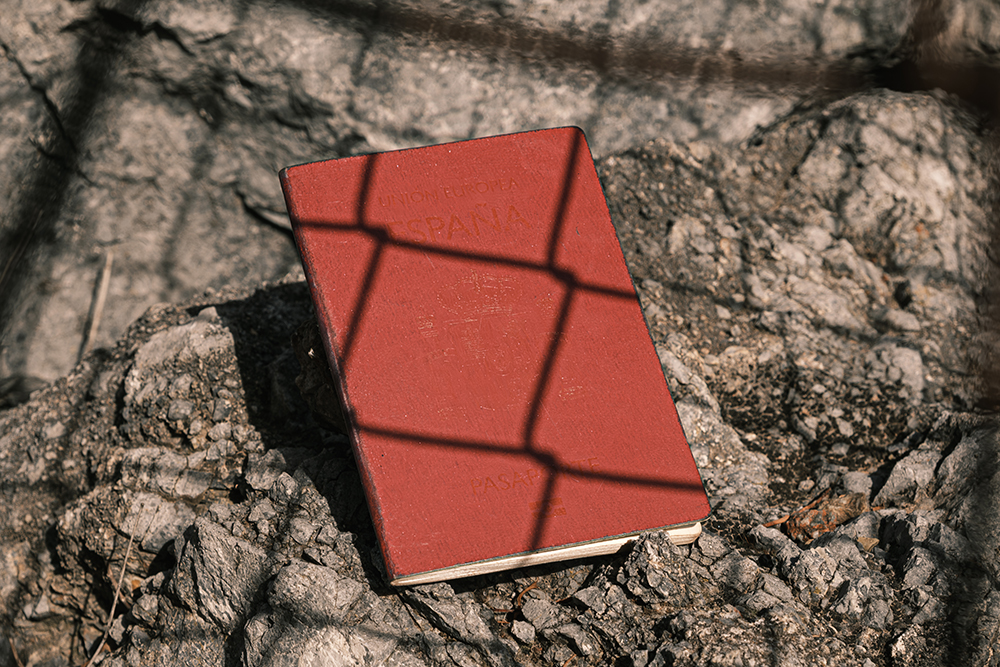
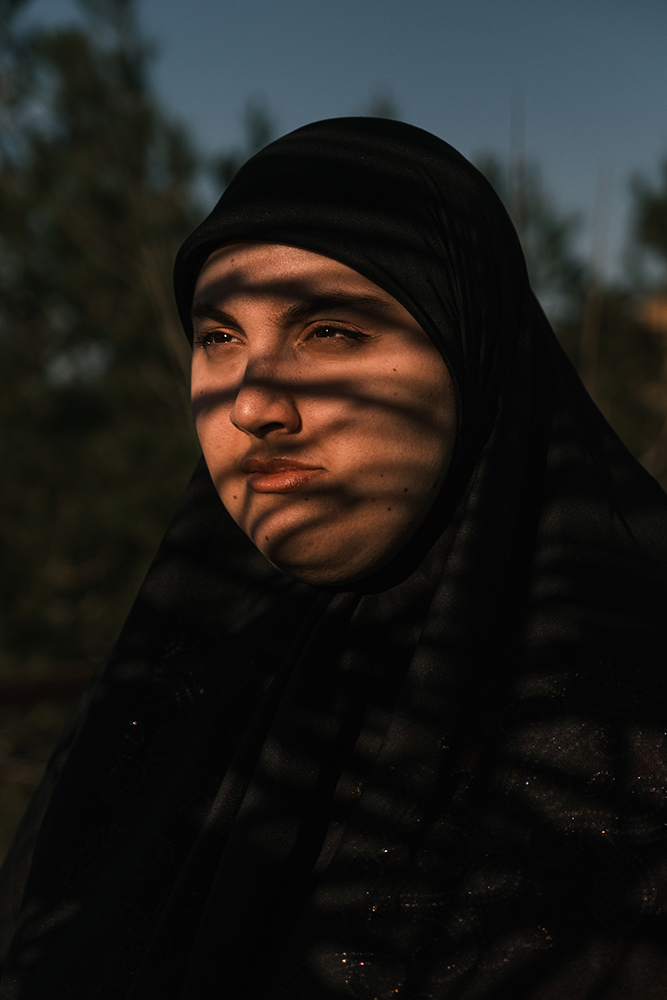
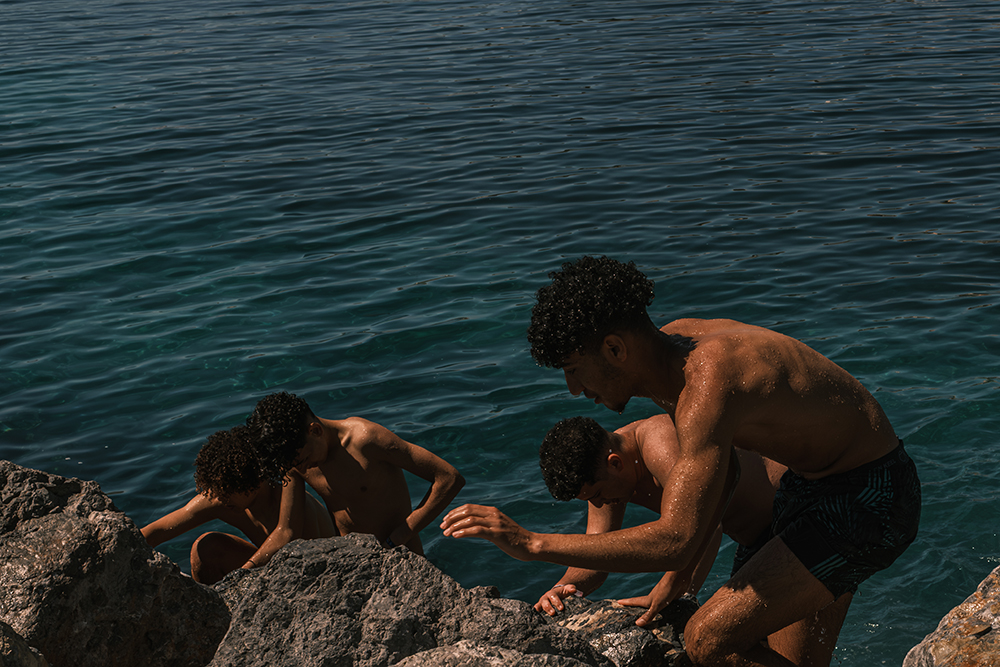
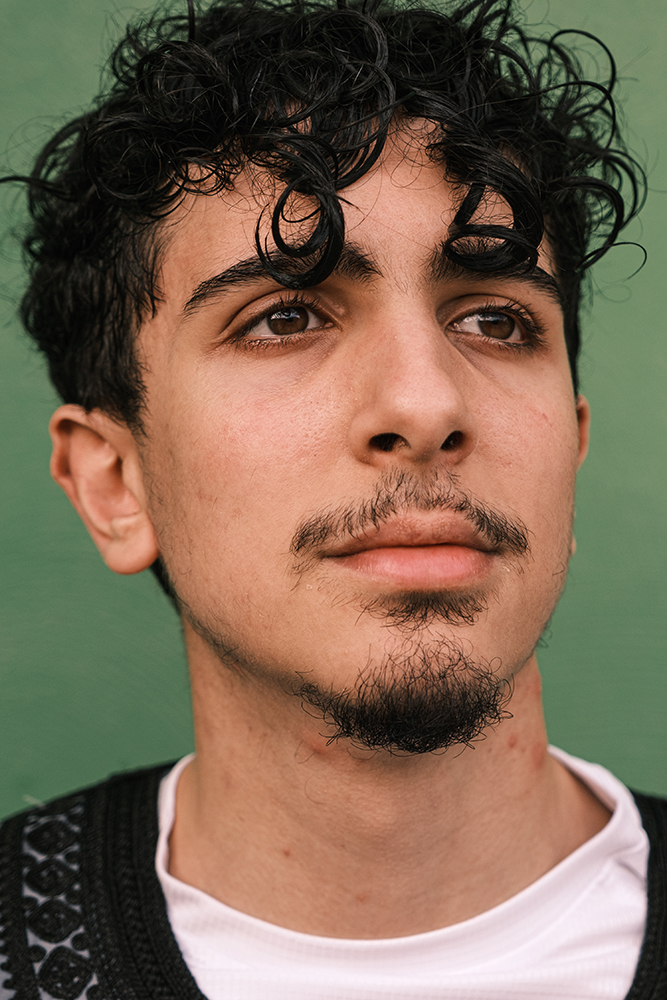
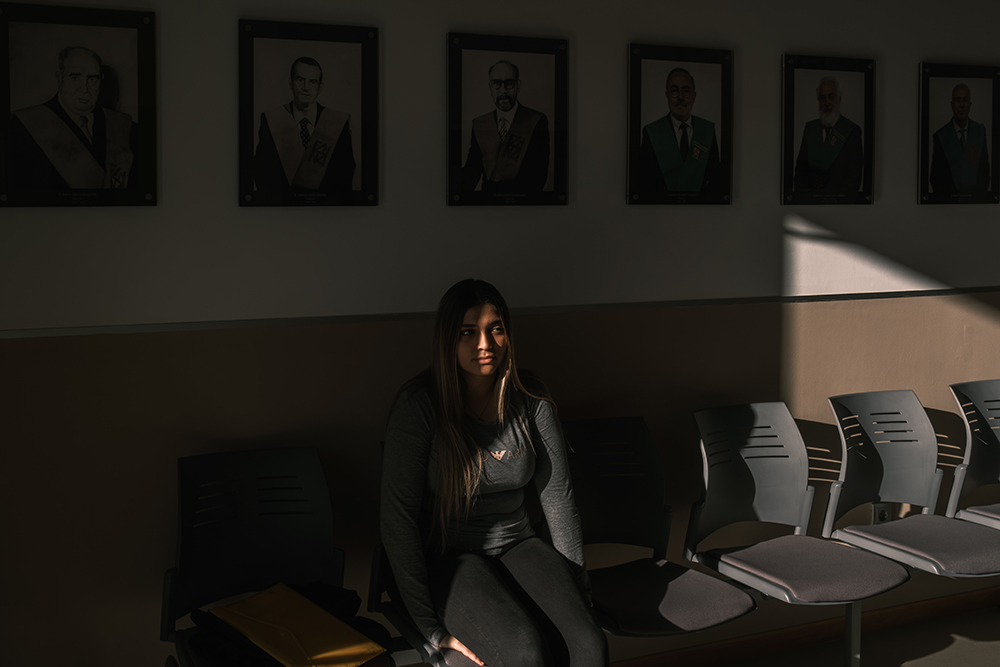
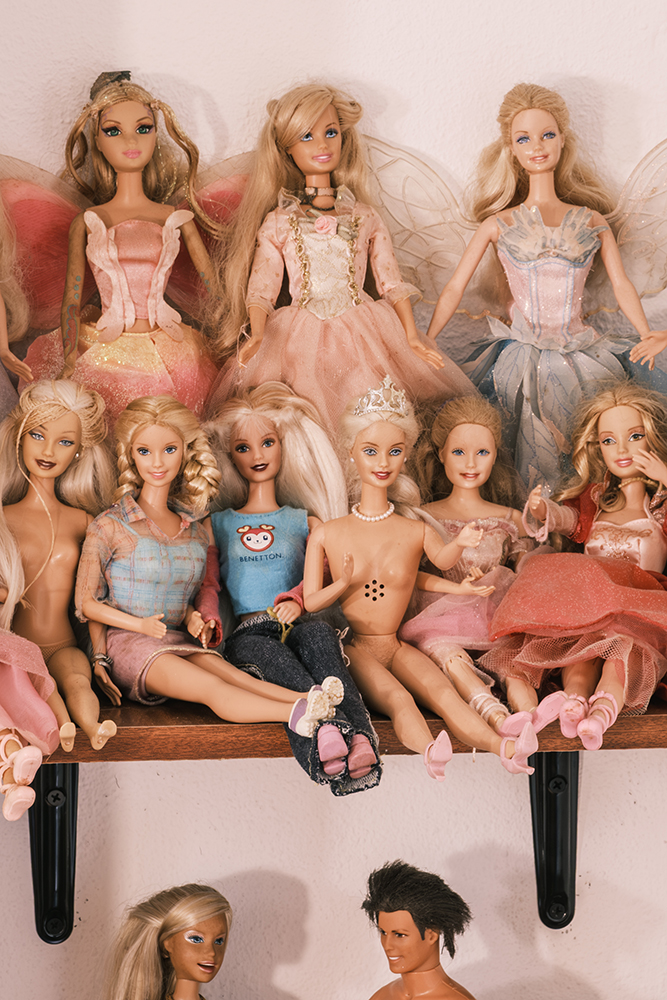
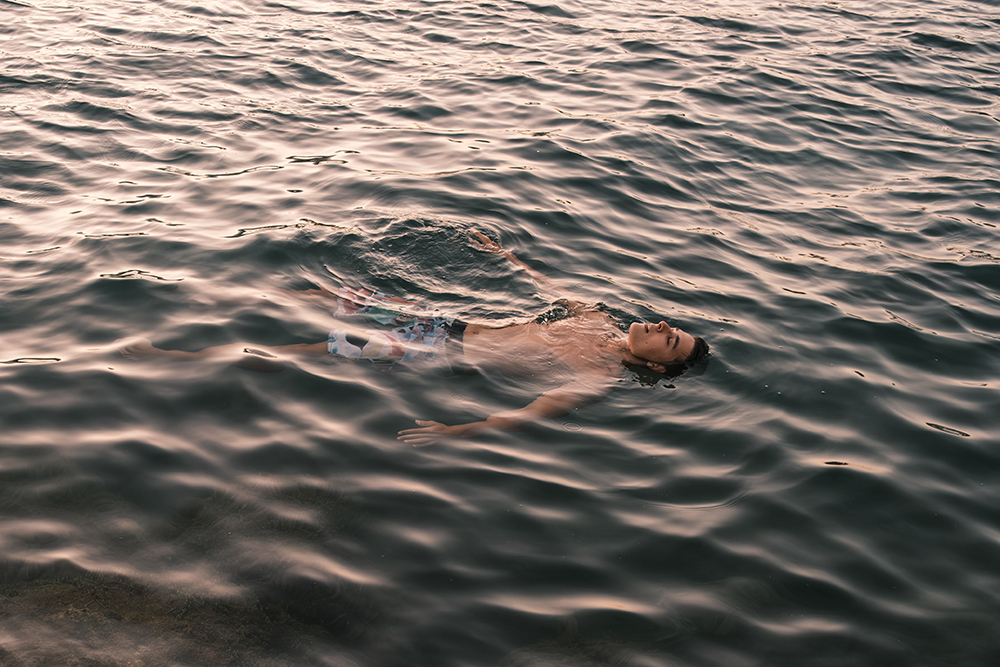
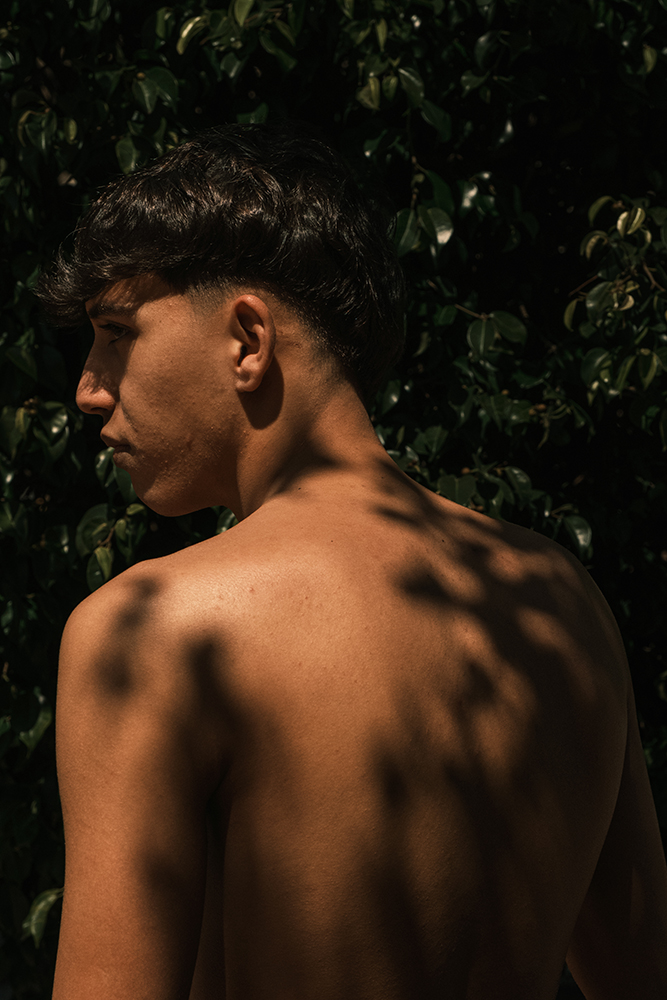
Brunetti’s project, “Inshallah” (or God Willing), uses portraits of El Principe’s youth and the surrounding landscape to relay a message of hope instead of despair. His portraits are frequently accompanied by veiled shadows of light that create a strong sense of confinement and suppression…giving the viewer a sense of the burdens under which his subjects suffer. But other images, particularly those of the sea, instill the hope and freedom that beckons for those young men and women who have an advantage of Spanish and European citizenship that most Arab youth might struggle to achieve.
©Nicolas Brunetti
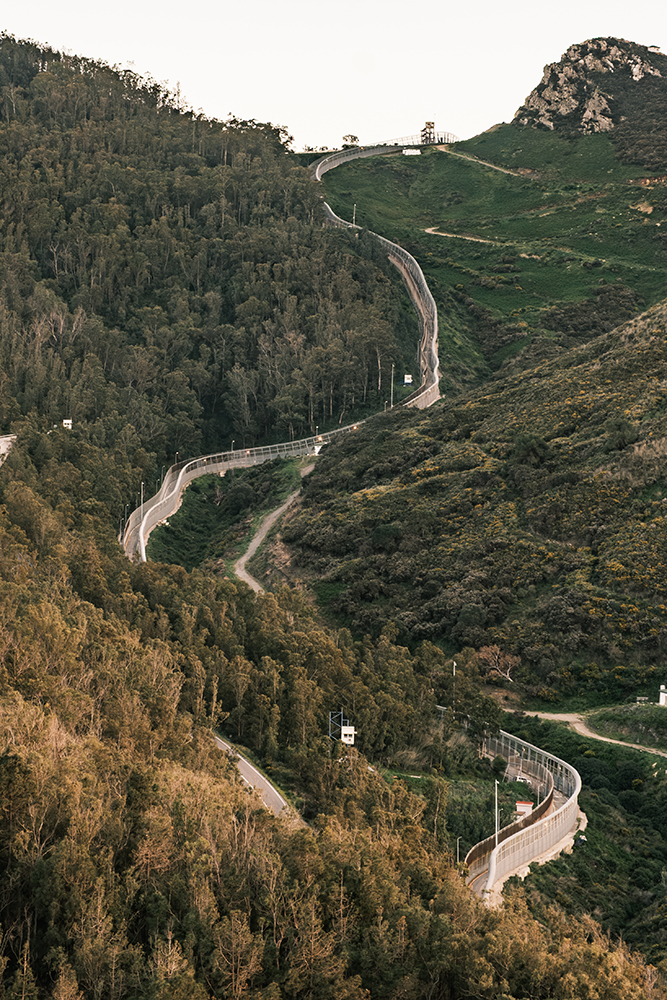
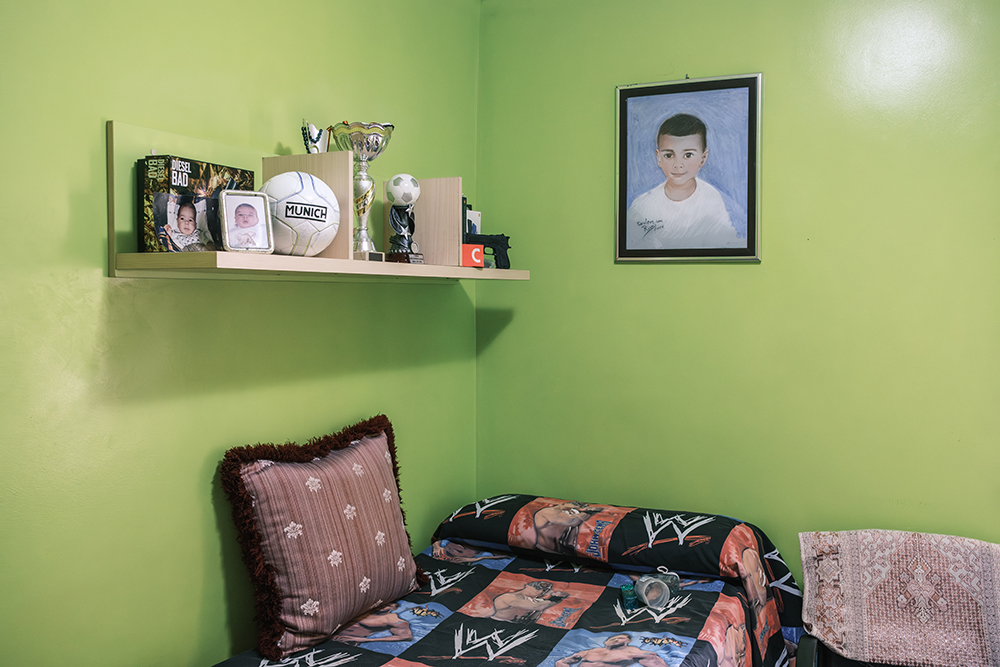
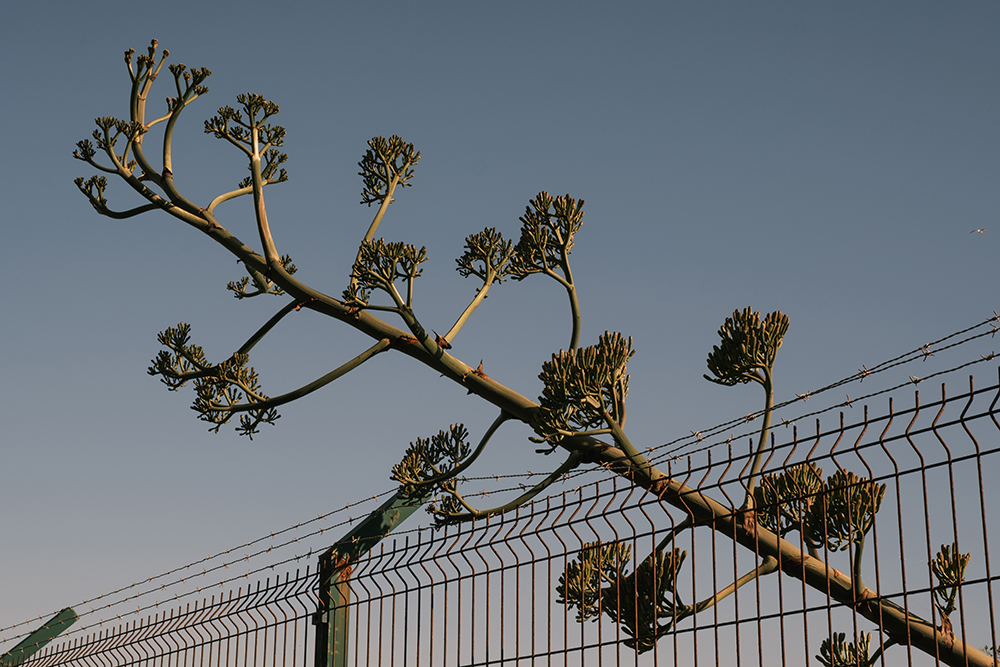
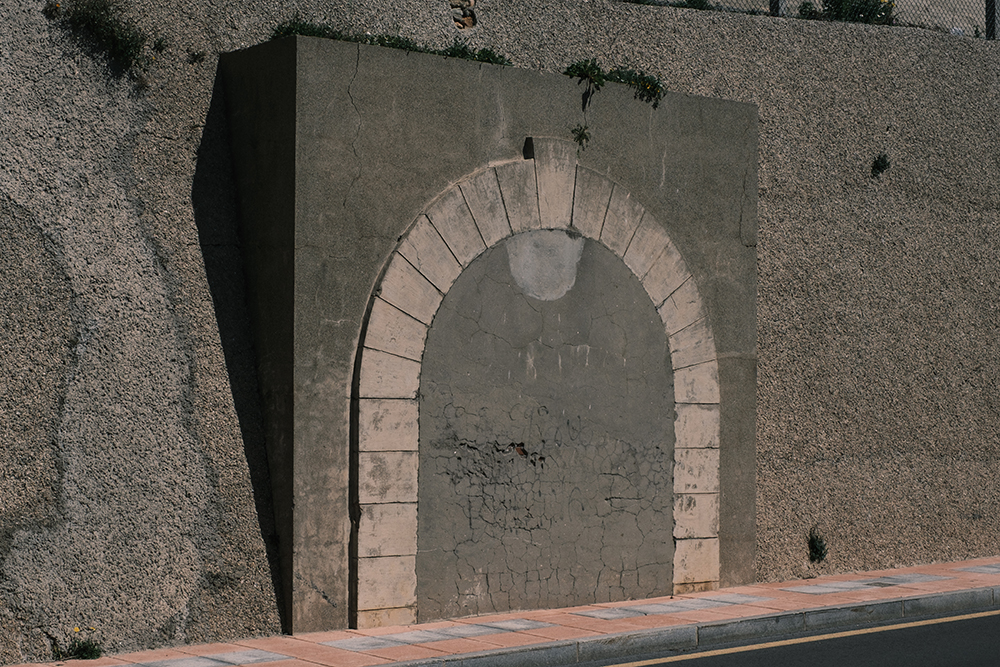
Brunetti also uses the landscape to convey a sense of isolation with an image of a wall used to separate Ceuta from Morocco and fencing that appears in various images evoking barriers and confinement. Separation and insecurity are key elements of the work. According to Brunetti, “the project aims to shed light on the uncertainty and precariousness faced by the neighborhood’s youth, while portraying them as protagonists: individuals who are fully aware of their condition and capable of shaping their own futures, creating space for free thought and action. These are intimate, personal stories that reflect the perspective of a wider community, young people of Moroccan origin with Spanish citizenship, European citizens living on the African continent, Muslims navigating their identity in relation to other cultures and religions.
The state of suspension experienced by these young people unfolds between opposing forces: the internal dimension of the barrio, where everyone knows, observes, and controls one another, and an outward gaze driven by the desire to escape; between daily responsibilities and leisure; between the risk of falling into criminal networks and the longing for redemption; between social decay and the aspiration to study, build a career, and improve their surroundings.”
©Nicolas Brunetti
MSH: Ceuta is one of the lesser-known regions of Europe and North Africa. How did you happen upon this interesting story in a relatively remote enclave of Spain?
I first came to Ceuta through a close friend who is originally from there. She spoke to me about the city’s quiet magic, its beauty, its contradictions, but also its deep problems, especially around migration and the neighborhood of Príncipe Alfonso. Her stories stayed with me, and I felt the need to go there myself, without preconceptions, to understand what kind of story could be told. A turning point was meeting Ismael, an extraordinary young man who later became a close friend. He is one of the most intelligent and insightful people I have ever met, and he had already worked as a fixer. Through long conversations, we realized that the most urgent and honest story, both for me and for Ceuta, was about giving a voice to the young people of the Príncipe Alfonso neighborhood. They live with social exclusion and high unemployment, largely because of the stigma attached to where they come from. We wanted to make them protagonists of their own narrative, focusing on their dreams and expectations for the future. Before arriving in Ceuta, I was honestly afraid, influenced by the way the media portrays the city. Instead, I found a place, and especially people, that deeply entered my heart. Today, Ceuta feels like a second home to me.
©Nicolas Brunetti
How were you able to manage to gain the confidence of the Muslim community to allow you to photograph portraits of families and individuals? Did you ever encounter resistance?
The first photographs with a truly conscious, long-term approach came about a month after my initial stay. This project simply would not exist without Ismael and Hadil, another close friend I met in Ceuta. They were essential, not just as collaborators, but as human bridges. Before taking a photograph, I always spend time with the person. I want to talk, listen, explain my intentions, and understand their needs and boundaries. Sometimes it takes two or three meetings before I even raise the camera. Trust cannot be rushed. I believe that in a portrait you can immediately sense whether someone has truly given you a part of their inner world. In the Príncipe Alfonso neighborhood, I found people who understood my intentions and welcomed me with openness and generosity. Rather than resistance, I encountered a desire to be seen and heard.
©Nicolas Brunetti
Did you observe any friction between the Arab population of Ceuta and those of Spanish origin? What were the underlying causes?
The tensions in Ceuta are very real. Every day, migrants attempt to cross the border in search of a better future in Europe, and many lose their lives trying. Within the Príncipe Alfonso neighborhood, there are serious issues, including drug trafficking, and even the police often avoid entering the area. What struck me the most, however, is the deep social exclusion experienced by young people there. I met incredibly talented youths with strong dreams and ambitions. The causes are complex and layered: social, political, cultural, religious, and structural. These young people are poorer, face extremely high unemployment, and often experience discrimination because they are Muslim and have Moroccan features.
The neighborhood is geographically isolated, close to the Moroccan border and far from schools and universities. Many students leave school early. Rather than describing this conflict in a direct or journalistic way, I chose a more conceptual approach, hoping these structural inequalities would quietly emerge through the images.
©Nicolas Brunetti
You employ a mixture of portraiture and landscapes to convey a specific message. What narrative or emotional threads tie the two together?
In the landscapes, I was searching for visual metaphors: the idea of borders, waiting, suspended dreams, and the limited possibilities these young people face due to social exclusion. All the landscapes are real places in Ceuta, lived and crossed daily by the people I photographed. The faces are powerful, but the image I feel most attached to is that of an agave plant growing across the border fence, a symbol of resistance, persistence, and quiet hope. For me, the dialogue between bodies and spaces creates a single emotional thread: a life lived in between
©Nicolas Brunetti
There is a quiet empathy in your portrayal of a community in a state of perpetual limbo. How has your portrayal made a difference, if at all?
I stay in constant contact with the young people from Ceuta, and they are genuinely happy that the project has received international attention, that their situation is being seen beyond their city. We hope it can contribute, even in a small way, to positive change. But also, to a broader message: discrimination must stop everywhere. The project has received very positive feedback, and personally, it helped me grow immensely as an author and as a human being. What matters most to me is having given visibility to these young people and, in some way, having supported them through photography.
©Nicolas Brunetti
It appears that “Inshallah” is a continuing project. How do you expect it to evolve over time?
If the project continues, I would like to follow the same individuals over time, to see where their dreams lead them, while also meeting new young people who are still waiting and hoping. The project will remain rooted in Ceuta. I imagine it becoming even more intimate and poetic. Soon, the first dummy of Inshallah will be released, and we plan to submit it to several international competitions, so the voices of Ceuta’s youth can travel further.
©Nicolas Brunetti
What is on the photographic horizon for Nicolas Brunetti?
I am currently beginning a new, more personal and authorial project in Italy, focusing on themes of belonging, climate change, and migration. We’ll see what other layers emerge along the way. Inshallah represents a starting point for me. I feel motivated to tell new stories and continue growing as both an artist and a person. What I want to protect above all is the freedom to photograph what truly feels mine, in the way I feel it, without shaping my work around the need to sell or win awards.
©Nicolas Brunetti
©Nicolas Brunetti
©Nicolas Brunetti
©Nicolas Brunetti
©Nicolas Brunetti
©Nicolas Brunetti

©Nicolas Brunetti
Posts on Lenscratch may not be reproduced without the permission of the Lenscratch staff and the photographer.
Recommended
-

Brandon Tani: Mining New VeinsAugust 11th, 2026
-
Student Prize: Top 25 to WatchAugust 2nd, 2026
-

Claudia Moreno: Axes & PowerJuly 21st, 2026
-
The Infinite Light of Duane MichalsJune 16th, 2026
-

Photography Educator: Rachel BoillotJune 12th, 2026