Review Santa Fe: Carolyn Monastra: Divergence of Birds
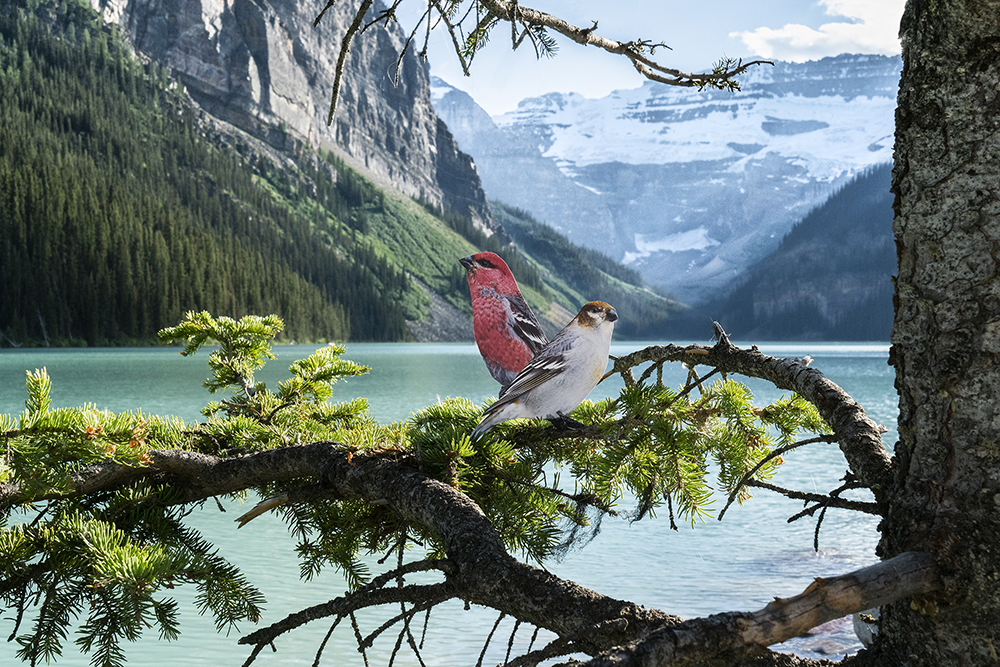
©Carolyn Monastra, Pair of “Pine Grosbeaks”
In early November 2025, I was invited to CENTER’s Review Santa Fe. Being my first time in the Southwest and experience on the Reviewer side of the table, I wasn’t quite sure what to expect. As an educator, I love reviewing work; when others hear “critique,” they may shy away, but I love the experience of helping others through their ideas. Review Santa Fe is an incredibly welcoming experience, carefully cultivating meaningful projects and conversations. Living in a very rural area, this was an inspiring opportunity to see what is on the horizon of the photo world. I’m so excited to share a few of these projects over the first week of February.
Today, we’ll be sharing Carolyn Monastra’s Divergence of Birds.
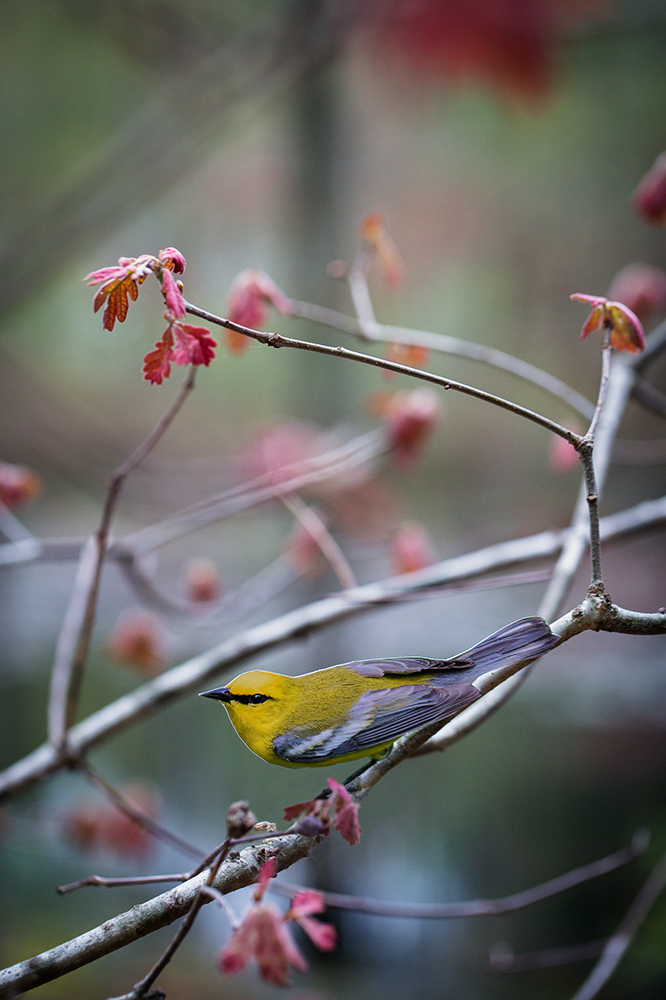
©Carolyn Monastra, “Blue-winged Warbler” in Oak Sapling
Carolyn Monastra‘s work is driven by a deep-rooted connection to the natural world and a long-standing passion for visual storytelling that can engender socio-environmental change. She uses photography, video, sound, and community-engagement workshops to address environmental concerns and examine humans’ relationship with our ecosystems. Her current climate project, Divergence of Birds, uses a conceptual approach to ask: What would our world be like without the presence and sound of birds?
Awards include grants from the Puffin Foundation and BRIC Arts Media, along with residencies at Ucross, Djerassi, StudioWorks, Blue Mountain Center, and NYC Bird Alliance, among others. Her recent climate project, “The Witness Tree,” has been exhibited in various locations in the United States, including at the Brooklyn Botanic Garden, and abroad at the Pingyao International Photography Festival in China. Carolyn has given dozens of presentations and workshops to a wide variety of audiences to create discourse and action on environmental issues. Her artwork is in the Margulies, Memorial Sloan Kettering, and Johnson & Johnson collections and has been exhibited in venues in the United States, China, Ireland, and England.
Carolyn’s work has been recognized with grants from the Puffin Foundation and BRIC Arts Media, and supported through residencies at Ucross, Djerassi, StudioWorks, Blue Mountain Center, and NYC Bird Alliance, among others. Her recent climate project, “The Witness Tree,” has traveled from the Brooklyn Botanic Garden to the Pingyao International Photography Festival in China, reaching audiences across continents. Through dozens of presentations and workshops, Carolyn has generated dialogue and inspired action on environmental issues with diverse audiences. Her artwork is held in prominent collections including Margulies, Memorial Sloan Kettering, and Johnson & Johnson, and has been exhibited internationally in the United States, China, Ireland, and England. Originally from Cleveland, Ohio, Carolyn has lived in Brooklyn, New York for over 25 years. She works wherever birds are found.
Follow Carolyn on Instagram: @Carolyn_Monastra
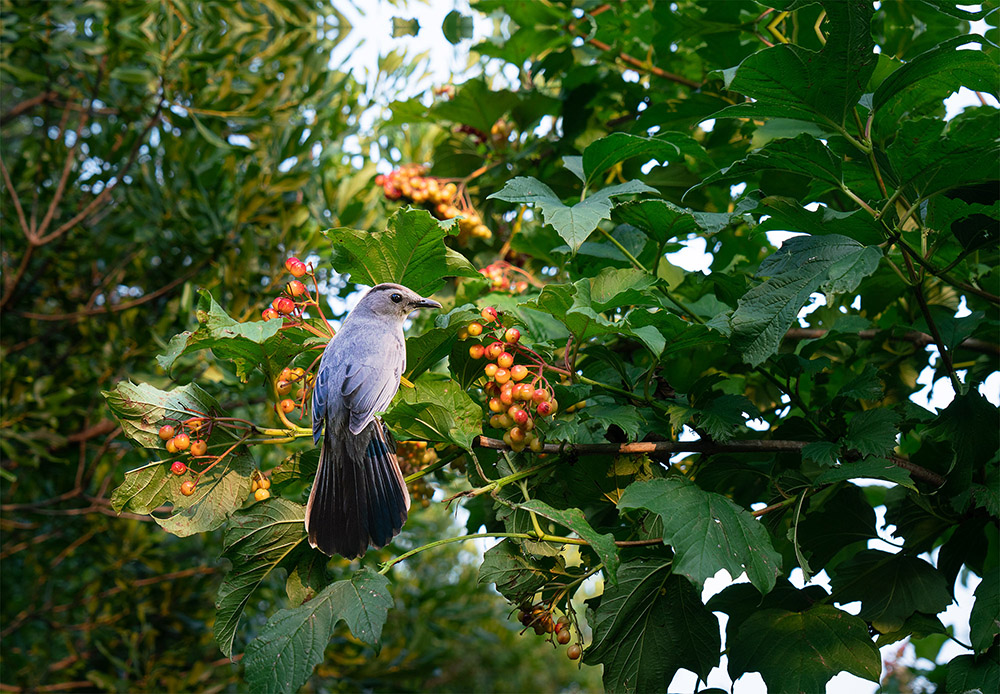
©Carolyn Monastra, “Gray Catbird” with Mapleleaf Viburnum
Divergence of Birds
Divergence of Birds is my conceptual art project that addresses the environmental impacts of climate change and habitat destruction through socially engaged practice. Through photography, site-specific installation, a dedicated website, and interactive workshops, this project builds bridges between science and art, presenting the startling realities of the future of our natural world with a call to action to prevent its demise.
For this project, I photograph paper cutouts of nearly 400 threatened species within the birds’ current habitats to appear lifelike, but upon closer inspection, they reveal themselves to be photos within photos. The images in this series disrupt the casual gaze, subverting expectations of nature photography. The work invites close attention to the birds while calling audiences to participate in climate activism to protect our birds and other threatened species.
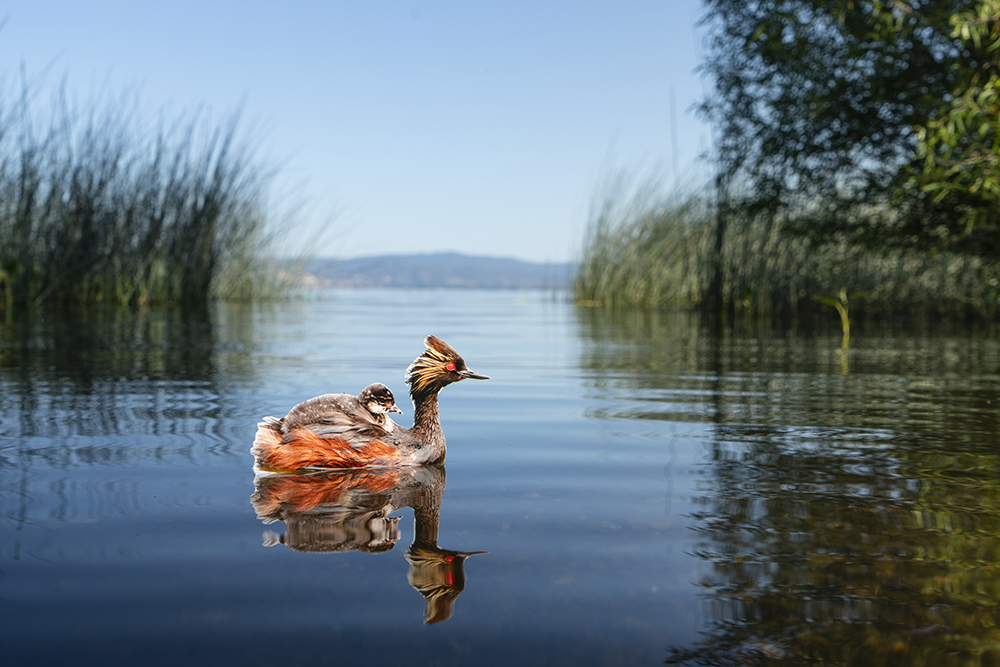
©Carolyn Monastra, “Eared Grebe and Chick” on a Lake
Epiphany Knedler: How did your project come about?
Carolyn Monastra: In 2015, while working on “The Witness Tree,” my documentary project about global climate impacts, I read a report by the National Audubon Society about birds and climate change. First published in 2014 and updated in 2019, these studies warn that, without conservation actions by humans, climate disruptions could affect the habitat range of two-thirds of North American birds by 2080. This reality startled and saddened me. More importantly, it motivated me to focus my attention on birds and the threat of species extinction.
Rather than create a straight photographic survey of climate-threatened birds, I searched for a strategy to engage audiences in questioning the roles we each play in the ongoing erasure of birds. I recalled that during a 2001 residency at Millay Colony, I became fascinated by the intricate architecture that birds employ in nest building. I purchased and studied secondhand books on bird behavior. Inspired, I built a nest. I cut out some of the pictures of birds to create a tableau, which I titled “Congregation.” It was the sole work using cutouts in a larger series of constructed narratives entitled “The Dominion of Trees.” I could not have predicted then that cutouts of birds would one day become the basis of another project.
Around the time I discovered the first Audubon report, I was reading Philip K. Dick’s 1968 dystopian sci-fi novel “Do Androids Dream of Electric Sheep?” in which electric versions of once-commonplace animals are so realistic that they fool humans. The simulacra in this story, along with my cutouts in “Congregation,” inspired me to embrace a conceptual framework for “Divergence of Birds.” Although audiences sometimes think my “birds” are real, my intention is not to trick people, but to engage them in conversations around conservation so that we are not left with just facsimiles in our future.
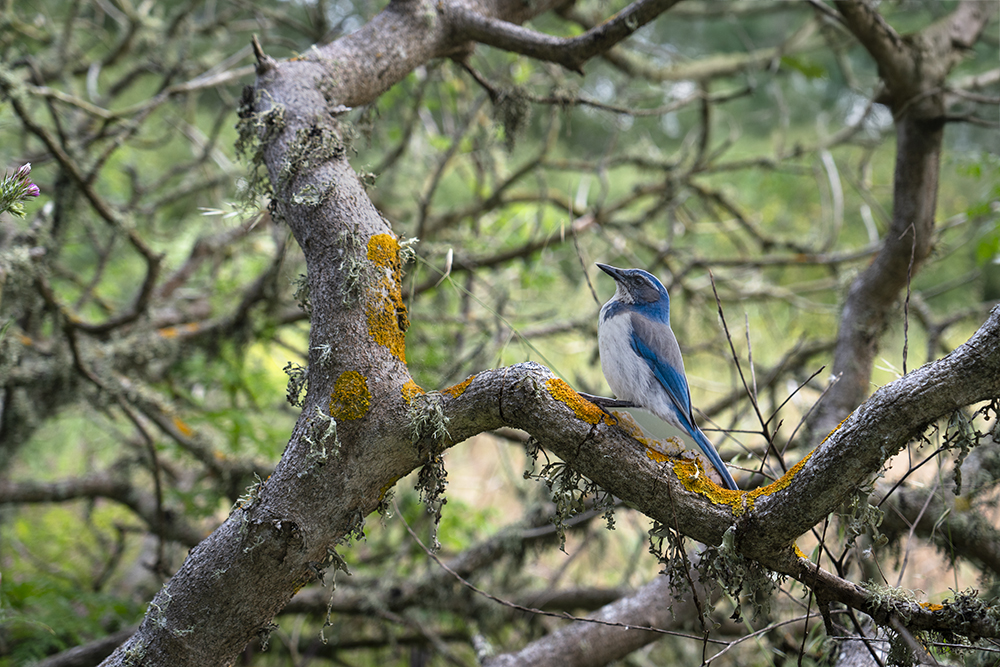
©Carolyn Monastra, “California Scrub-Jay” in Tree with Moss
EK: Is there a specific image that is your favorite or particularly meaningful to this series?
CM: Having photographed over 300 birds for a project that will include approximately 400, it’s not possible to choose a single favorite. But I would like to share one of the most meaningful moments that occurred during the creation of a photo for this project.
In 2019, my mother and I witnessed hundreds of thousands of Sandhill Cranes on their migration route along the Platte River near Kearney, Nebraska. It was a memorable and awe-inspiring experience to share with my mom. While I often work alone on my photography projects, she assisted me with my “Sandhill Crane” image by crouching at the edge of a harvested cornfield holding a photo of a crane on a stick, creating a treasured collaborative moment. We were walking back to the Audubon Center when a volunteer, spotting my crane cutout, excitedly exclaimed, “I was wondering what that bird was doing so close to the road! I thought it was real!” Such interactions with unsuspecting audiences are wonderful opportunities to discuss my project and the motivations behind it. While I didn’t need to expound on wildlife conservation to that volunteer, who was clearly a fellow bird lover, it was fun to introduce him to the genre of conceptual art.
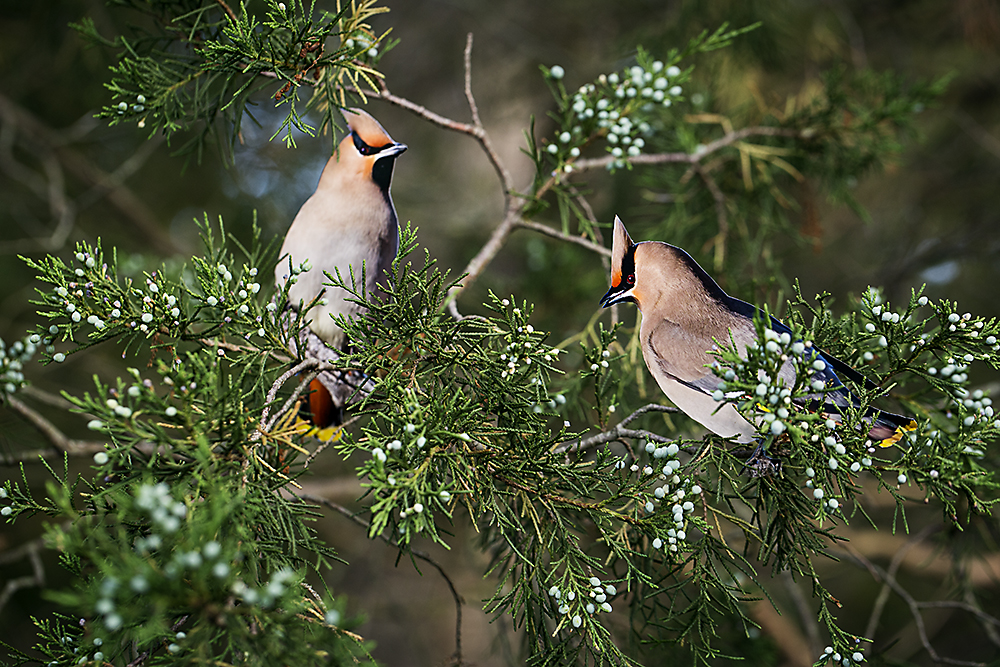
©Carolyn Monastra, “Bohemian Waxwings” in Eastern Red Cedar
EK: Can you tell us about your artistic practice?
CM: I use photography as a narrative means to bridge gaps between individual human stories and universal conditions like the shared crisis of climate change. Past projects include learning about the lives of strangers that I photographed on city streets, constructing fictive narratives for my series, “The Dominion of Trees,” and chronicling environmental impacts across the globe in “The Witness Tree.” My artistic style has evolved over the years, yet my background as an English major and early career as a social worker continue to anchor my practice in storytelling and social justice.
Around 2009, as I learned more about the climate crisis, I felt compelled to address the issue through my artwork. Although I never considered myself a “documentary photographer” per se, since there was (and perhaps still is) so much climate denial in the United States, for “The Witness Tree” I felt it was best to use a straight-forward approach. With “Divergence of Birds,” however, I wanted to use a process that provides greater poetic license.
One way that “The Witness Tree” and “Divergence of Birds” differ from my earlier projects is that they are both more research-oriented. I have large spreadsheets for both projects to track their various components. For “Divergence of Birds,” I log the bird’s size, climate impacts, type of habitat, maps of sightings, and more. I also keep track of the source of each photo I use for the cutouts: I acquire the photographs from stock agencies, Creative Commons and public domain websites, and as gifts from birders and ornithologists.
“Divergence of Birds” differs from most wildlife photography with its typical shallow depth-of-field in that I try to show more details of the habitats the birds are found in: the type of landscape (field, forest, water, etc.) or species of trees or plants they favor. Several times, I have set up a cutout to photograph, and I’ll hear or see a different bird nearby, as happened when photographing the “California Scrub-Jay.” When this occurs, I switch the cutout to match the bird found in that exact location. Also, as I’ve learned more about climate impacts on flora, I try to place my cutouts in native species, such as the mapleleaf viburnum that surrounds my “Gray Catbird.”
I was a casual birder before I started this project, but I have learned so much about birds, and that knowledge has helped me make stronger images. The birding community is so welcoming and nearly everyone I meet is curious and encouraging about my work. I want to give a shout-out to the members of the Brooklyn Bird Club with whom I frequently bird, as well as the NYC Bird Alliance, who have been very supportive of this project, including by awarding me an artist residency in 2023 at their summer home on Governors Island. Other residency programs have been integral to my process, including Ucross (Clearmont, WY), StudioWorks (Eastport, ME), Caldera (Sisters, OR), Mother’s Milk (Newton, KS), the LMCC Arts Center on Governors Island (NYC), Hypatia-in-the-Woods (Shelton, WA), Rensing Center (Pickens, SC), and, forthcoming in April, I’ll be at The Studios of Key West in Florida. The Puffin Foundation has also supported this project with a production grant, and The Cornell Lab of Ornithology has been incredibly open to letting me visit, photograph specimens, and ask questions. I could not have made this project without the generous support of so many people and organizations.
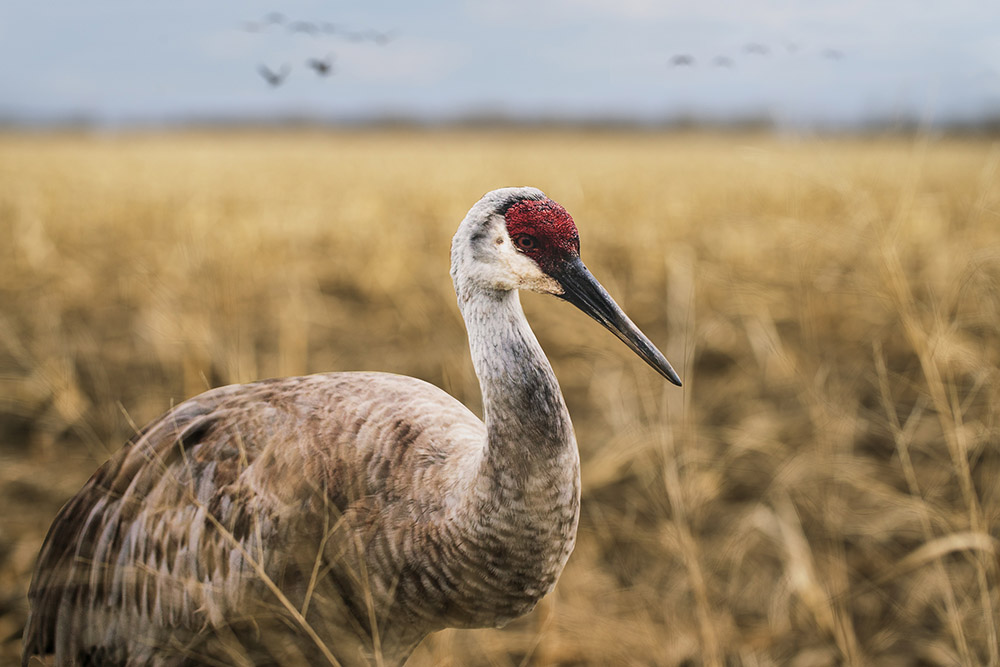
©Carolyn Monastra, “Sandhill Crane” in Harvested Cornfield
EK: What’s next for you?
CM: I plan to finish photographing the bird cutouts in the coming months. I still have a good bit of selecting and editing of images from the project. Getting the “Divergence of Birds” website launched last year was a big effort, and my web designer, Nicole Jaffe at Piknik Press, gets a lot of credit for her creative and playful approach to presenting the work. There are about sixty bird photos on the website now, and although I will add more, my primary focus this year is to create and publish a book of the project.
I’ll have a solo “Divergence of Birds” exhibit at Soka University in Aliso Viejo, California, from February 12-August 26, 2026, with an artist talk on February 14. And starting in January 2027, I will be part of a five-year traveling exhibit organized by Kathy Dowell of Mid-America Arts Alliance. Entitled “Murmurations: For the Love of Birds,” the exhibit will also feature work by Alice Hargrave and Carmen Ostermann. If any schools, galleries, or other organizations are interested in hosting this exhibit, they can contact ExhibitsUSA.
Quietly, I’ve started working on a new large-scale project. Although it’s not directly related to climate change, it is about the “climate” of certain cities in the U.S. It’s too early to give more details on this this project—so check back with me in a couple of years!
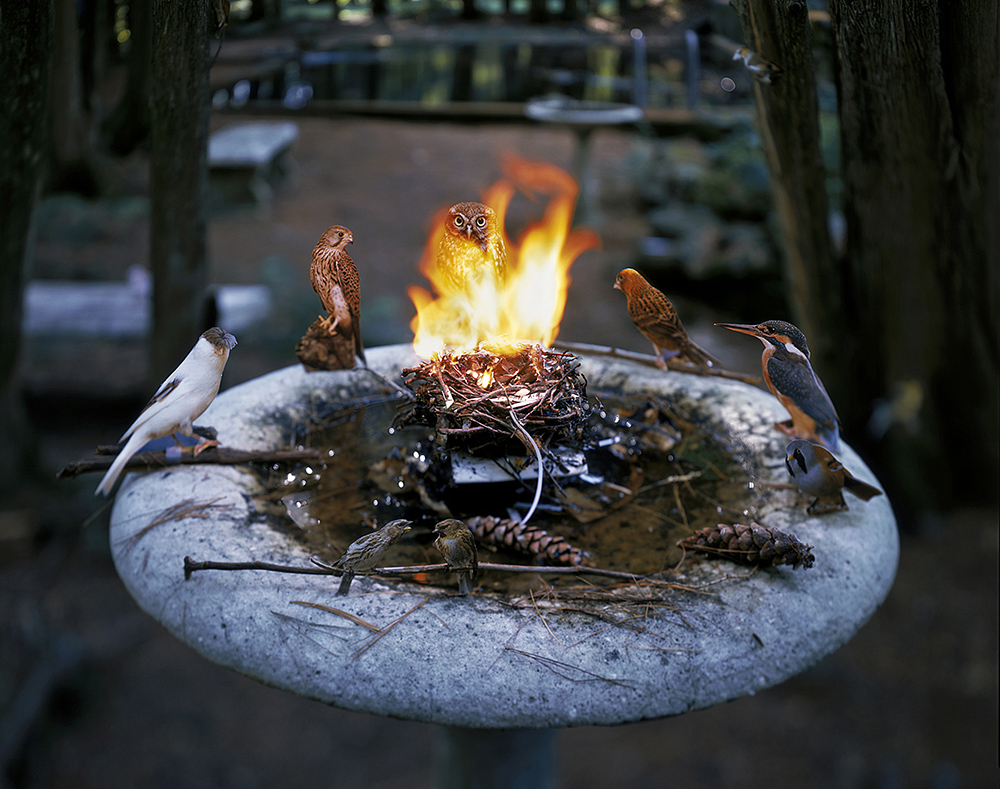
©Carolyn Monastra, “Congregation” from the project “The Dominion of Trees”
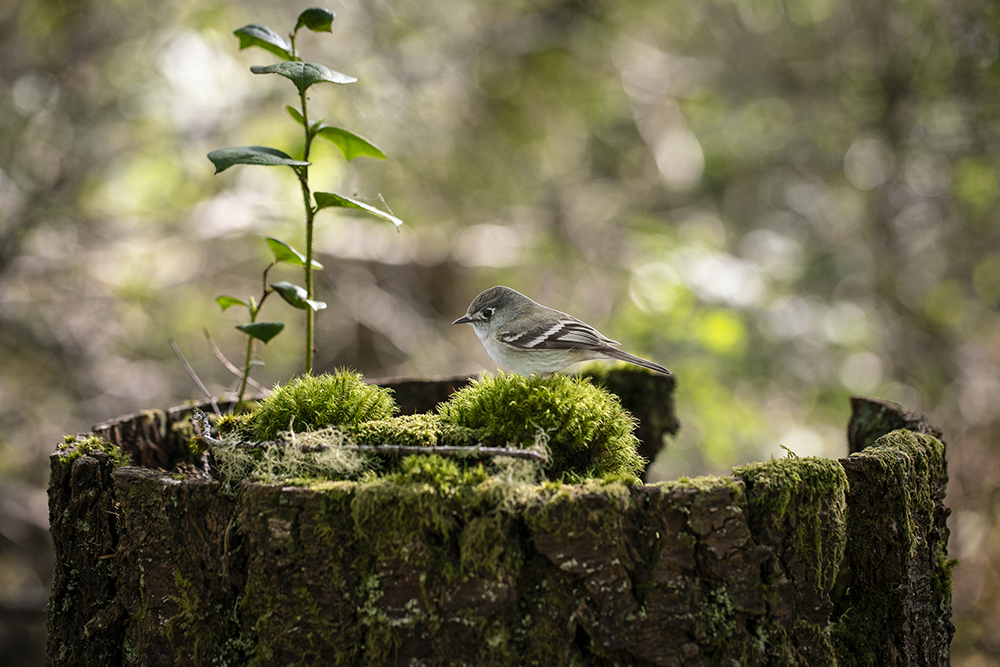
©Carolyn Monastra, “Hammond’s Flycatcher” perched on a Stump
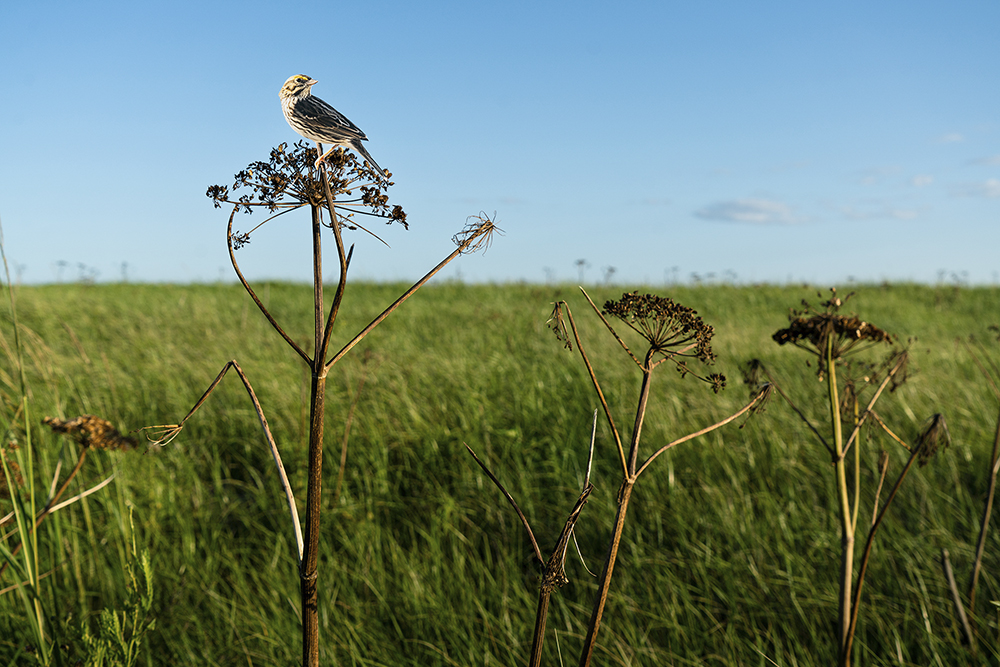
©Carolyn Monastra, “Savannah Sparrow” in Summer Field
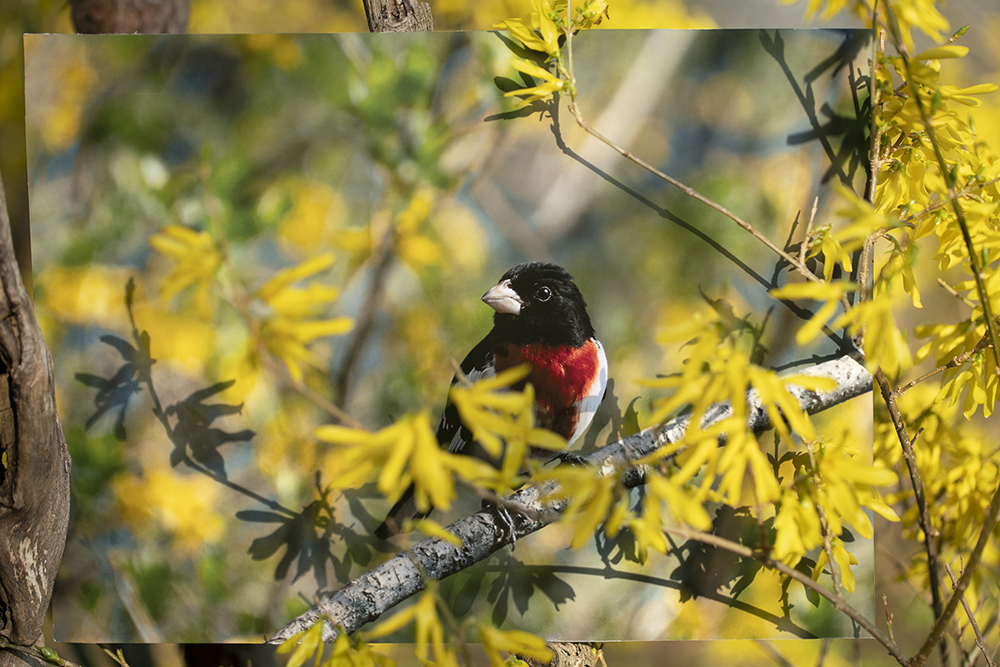
©Carolyn Monastra, “Rose-breasted Grosbeak” in Forsythia Bush
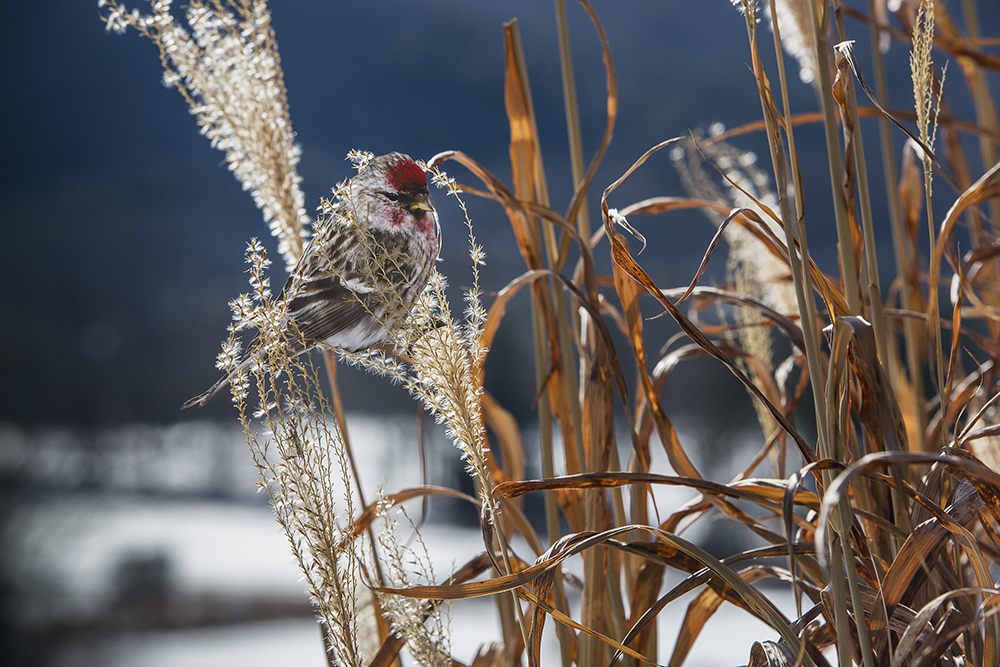
©Carolyn Monastra, “Redpoll” in Winter Landscape
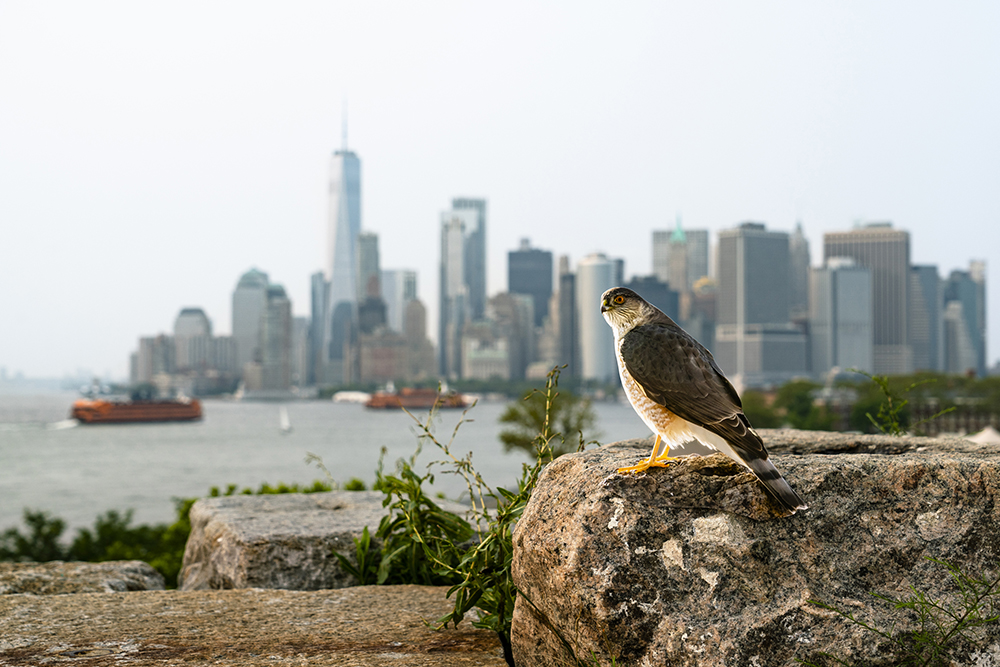
©Carolyn Monastra, “Sharp-shinned Hawk” with Urban Skyline
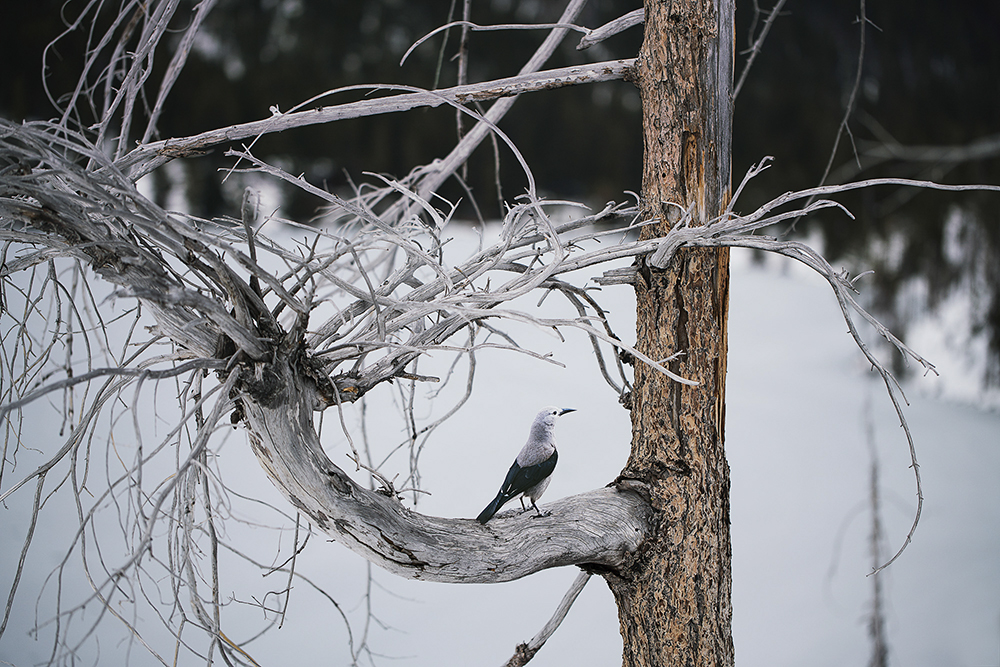
©Carolyn Monastra, “Clark’s Nutcracker” in Winter Landscape
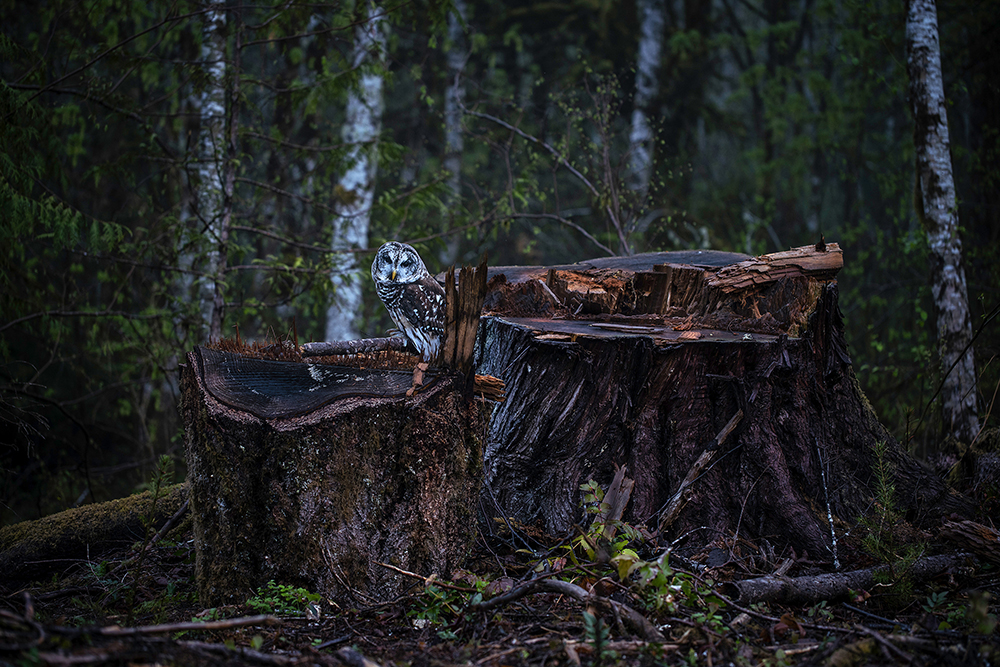
©Carolyn Monastra, “Spotted Owl” Perched on Felled Old-growth Tree
Epiphany Knedler is an interdisciplinary artist + educator exploring the ways we engage with history. She graduated from the University of South Dakota with a BFA in Studio Art and a BA in Political Science and completed her MFA in Studio Art at East Carolina University. She is based in Aberdeen, South Dakota, serving as an Assistant Professor of Art and Coordinator of the Art Department at Northern State University, a Content Editor with LENSCRATCH, and the co-founder and curator of the art collective Midwest Nice Art. Her work has been exhibited in the New York Times, the Guardian, Vermont Center for Photography, Lenscratch, Dek Unu Arts, and awarded through Lensculture, the Lucie Foundation, F-Stop Magazine, and Photolucida Critical Mass.
Follow Epiphany on Instagram: @epiphanysk
Posts on Lenscratch may not be reproduced without the permission of the Lenscratch staff and the photographer.
Recommended
-
Kerry Mansfield: The Intertidal ProjectJuly 22nd, 2026
-
Claudia Moreno: Axes & PowerJuly 21st, 2026
-

Enid Crow: American ValuesJuly 5th, 2026
-

Alena Solomonova: Self IncompleteJune 26th, 2026
-
The Infinite Light of Duane MichalsJune 16th, 2026