Photographers on Photographers: Christian Lee in Conversation with Jamel Shabazz
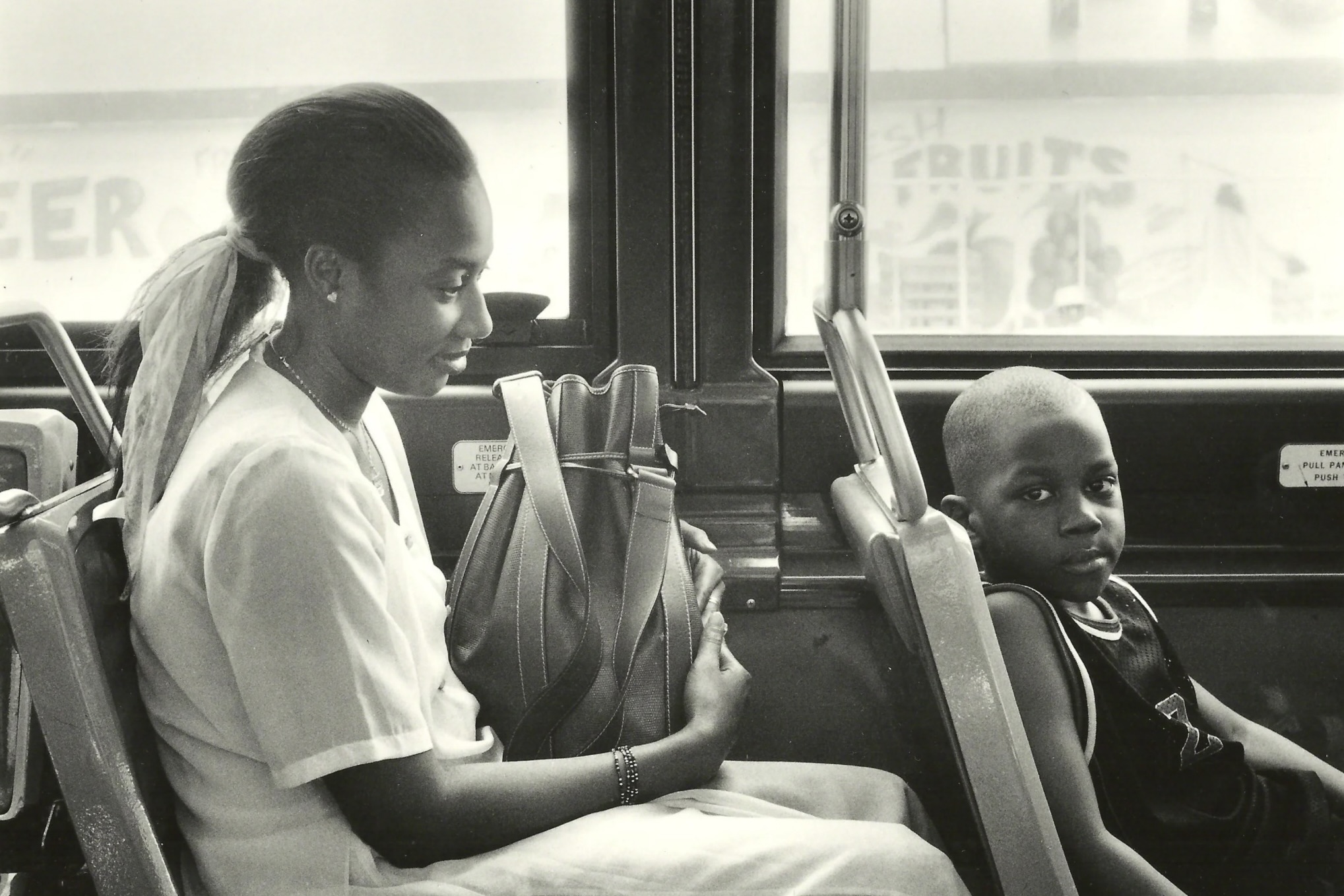
© Jamel Shabazz, The Look of Love, 1995.
Every August we ask the previous Top 25 Lenscratch Student Prize Winners to interview a hero or a mentor, offering an opportunity for conversation and connection. Today Christian Lee and Jamel Shabazz are in dialogue. Thank you to both of the artists.
We all have our heroes, and I had the privilege to dialogue with mine: Mr. Jamel Shabazz, the legendary imagemaker and recorder of U.S. history and culture. You cannot explore the canon of photography without encountering his aptly titled “visual medicine.” Akin to a griot, Mr. Shabazz illuminates the innovation, advocacy, and brilliance within working-class African American communities throughout Brooklyn and its culturally rich neighborhoods of Flatbush, Red Hook, and Bed-Stuy. Oftentimes art history books include a single paragraph on the defining American pictures, and you will undoubtedly discover his masterful artworks there.
I found myself a month away from graduating UCLA, where I studied Art. As I installed my senior thesis exhibition, I called Mr. Shabazz, whose photos lined my studio and notebooks. I first discovered this trailblazer’s world through A Time Before Crack—an aged library copy that I combed through with my eager 13-year-old eyes. The visuals sang with a tenderness and care that I had never seen before. History was conveyed through the eyes of those who lived, and that soulful individuality could be felt. It was surreal to appear before my greatest inspiration—the man who inspired me and countless others to see deeply.
Many caution against meeting your heroes, however, from the moment I logged onto the Zoom until the bittersweet end of our life changing conversation, I came to realization: Mr. Shabazz is as generous as his photographs. He embodies an empathy that is always alive to the details. Dissimilar to many “high” fine artists, this virtuoso is humble, warm, and wonderful to learn from and talk to. There is no pretentiousness in his manner but a deep humanity and striking intellect. It comes as no surprise to learn that Jamel Shabazz spent 20 years as a correctional officer at Rikers Island while mentoring local NYC youth who fell into addiction and crime. His compassion shone through our hour-long dialogue. There was something so touching about the way that he empowered and carved out space for me—a young, self-taught 22-year-old artist. We shared ideas and hopes and dreams—the magical things that Mr. Shabazz’s images celebrate.
It made me wonder about the interactions he had with the folks he photographs. From those interviewed participants and others whom he reconnects with decades later, building a relationship is equally as important to Mr. Shabazz as making the image. “Visual medicine” perfectly encapsulates what my hero does—he enables everyday people, who are often forgotten in the larger fabric of American life, to see themselves with clarity and dignity. There is nothing more radical than the joy that Mr. Shabazz cultivates through his healing camera. That tool truly does cure heartbreak and paves the way for real equality and justice.
Truth teller, teacher, community advocate, and citizen of the world, Mr. Shabazz is above all else a deep humanist and storyteller who reminds us that love is the only way forward. Perhaps that is his greatest gift to society.

Jamel Shabazz (b. 1960) is a legendary American documentary, fine-art, and street photographer from Brooklyn, New York. Celebrated for chronicling urban life, hip-hop culture, and African American communities from the 1980s onward, his masterful work bridges social documentary and profound community empathy
Mr. Shabazz was born and raised in Brooklyn, New York. At the age of fifteen, he picked up his first camera and started to document his peers. Inspired by photographers Leonard Freed, James Van Der Zee, and Gordon Parks, he was marveled with their documentation of the African American community. In 1980 as a concerned photographer with a clear vision he embarked on a mission to extensively document various aspects of life in New York City, from youth culture to a wide range of social conditions. Due to its spontaneity and uniqueness, the streets and subway system became backdrops for many of his photographs.
Shabazz says his goal is to contribute to the preservation of world history and culture. In the past 10 years he has had over two dozen solo exhibitions; “Men of Honor”, “A Time Before Crack”, “Pieces of a Man”, “Represent”, When Two Worlds Meet”, “Back in the Days,” and “Seconds of my Life,” which have been shown from Argentina to The Netherlands, England, Italy, Germany, France, Japan and throughout the United States. An even longer list of group showings include Art Basel; Miami, the Brooklyn Museum, the Newark Museum, the Contact Photo Festival, the Victoria and Albert Museum, The Studio Museum in Harlem, Duke University, and the Adidas Photo Festival in Ethiopia.
Over the years Jamel has volunteered, working with a wide range of organizations centered on inspiring young people in the field of photography and social responsibility. In addition, he has been a teaching artist with the Rush Philanthropic Arts Foundation; the Bronx Museum’s Teen Council youth program, The International Center of Photography, Friends of the Island Academy; and the Studio Museum in Harlem’s Expanding the Walls Project. Adding to his community service he has lectured at the Fashion Institute of Technology, The International Center for Photography, The Brooklyn Historic Foundation, Haverford College and Parsons New School of Design. Shabazz is the author of 5 monographs and has contributed to numerous others. He is presently working on a new book, titled “The Book of Life”.
Instagram: @jamelshabazz
© Jamel Shabazz, The Crew, 1980
CHRISTIAN LEE × JAMEL SHABAZZ
Edited & Condensed Interview Transcript
Jamel Shabazz: How’s your day so far?
Christian Lee: It’s good. I just got out of studio classes. I’m in my final few weeks at UCLA in the photo program here before I graduate. It’s sunny in Southern California. How is it over there in New York?
Jamel Shabazz: It’s beautiful. It’s a perfect spring day. I was in my garden earlier, just taking everything in, decompressing after very busy two weeks. So I’m in a good zone right now.
Christian Lee: How is your toothache? Did that get figured out?
Jamel Shabazz: Not really. Whatever reason, it comes and goes. But I’m better now. A couple, a few days ago was kind of rough. I got to make it to the dentist. I haven’t had time, but I got to do it. There’s nothing like walking around with really bad toothache. But I’m good now. Thanks for asking.
Christian Lee: I’m so sorry about that. Sending prayers and healing your way, sir. I’m so glad you could do the Zoom and glad we can have this conversation. I love the prints in the background. The iconic photographs.
Jamel Shabazz: Some inspiration. I’m surrounded by a lot of good memories, so they keep me inspired.
Christian Lee: Are you working on anything currently? Is there a project you’re developing right now that’s in progress?
Jamel Shabazz: I’m working about 10 projects right now. Out of nowhere, I got an invitation to a book on Harlem, so I’m really excited about working on that book, which is going to drop Harlem from really 1980 to 2025.
As I archive my work, all these ideas start to appear to me. So I’m working on another book project, which will come out probably later on this year about downtown Brooklyn. My earlier work, because there’s one section called the Albee Square Mall Downtown Brooklyn section where I did a lot of my photography. That was a nucleus. So I decided to do a book about that, and more importantly, to get the stories of the people I photographed.
I reconnected with so many people I photographed back in the ’80s, and now they’re telling this side of the story.
Then I’m working on my retrospective book with Taschen. I’m really excited because that has allowed me to dig really deep into my archive and pull out work that has never been shown before from different aspects of my life.
There’s a bunch of exhibitions coming up. I’m going to be doing Art Basel again with my gallery, and I got a couple of solo shows in Germany in September. That’s a full circle moment for me because I was stationed as a teenager, and now to go back as a photographer, I think is an incredible full circle moment.
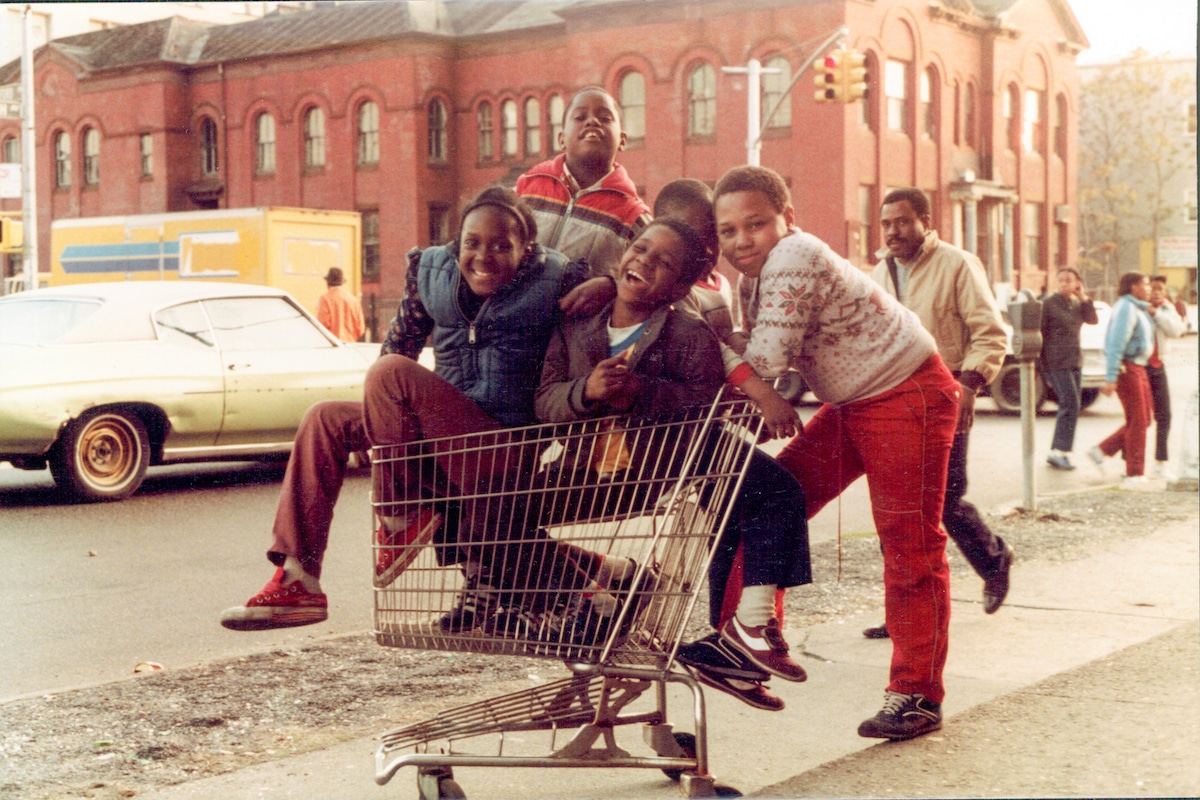
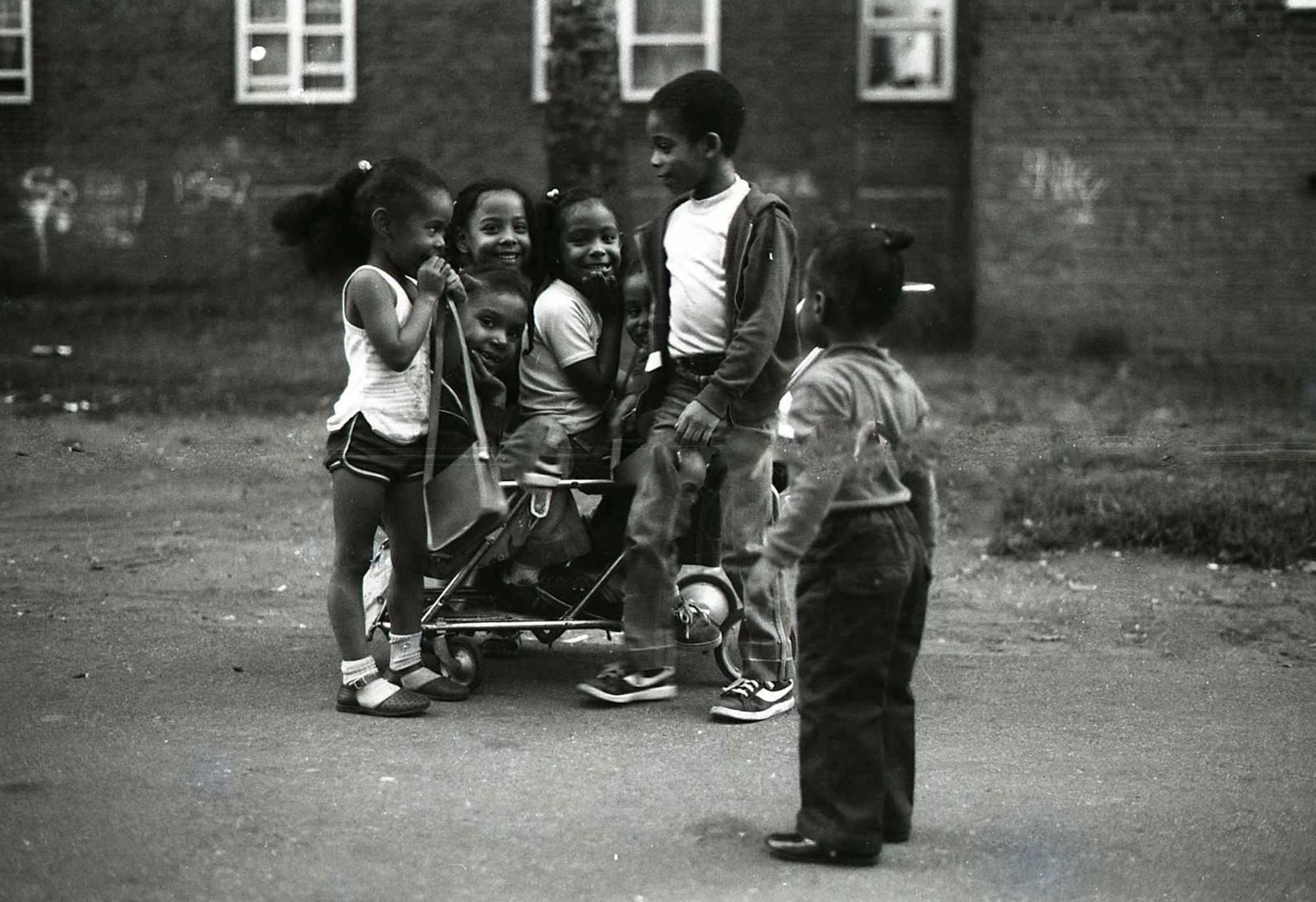
© Jamel Shabazz, A Time of Innocence (Kids Playing on a Shopping Cart), 1981
Reconnecting With the People He Photographed
Christian Lee: I saw the Museum of Modern Art video with you, where you reunited and reconnected with the folks you photographed. Could you speak a little bit more about that intimacy of understanding and knowing with familiarity the people you’re photographing and reconnecting with them years later after we created their images?
Jamel Shabazz: To be honest with you, it really came about through Instagram and Facebook. Through those platforms, I had an opportunity to share the work to a larger audience, and individuals who I photographed or their loved ones and friends tagged them, and it caused me to reconnect.
In the comments, they started leaving insight into what was going on, and I started to reach out to them and learn more about them because, as you know, in photography, there are two sides to a story. It’s my interpretation, what I see for the few seconds I have with you, and it’s this side of the story.
I started to be amazed with all the stories that were coming out of these brief interactions. One young man I photographed at downtown Brooklyn saw his photograph and told a backstory behind it that blew me away.
He said, “I was 16. The next day was my birthday, and I got falsely arrested for a crime I did not commit.” He was walking, and there were two intoxicated off-duty police officers. One bumped into him and called him a racial slur, and he defended himself. The guy was a cop, and then he called other cops and they arrested him. They beat him down for maybe three days. He got lost in the system.
As he told the story, he broke down and cried. I would never imagine. It just so happens I photographed him a day before his birthday. To find out 35-plus years later what happened after that photograph was taken, it amazes me.
I get these stories all the time. That’s what motivates me to share a lot of the work on social media because it allows me to reconnect with people.
Back in the old days, I wasn’t really taking notes, getting people’s names and things of that nature. So now, as I archive my work and I post these photographs on social media, not only am I reconnecting with people, but now I’m getting their names and I’m learning more about who they are.
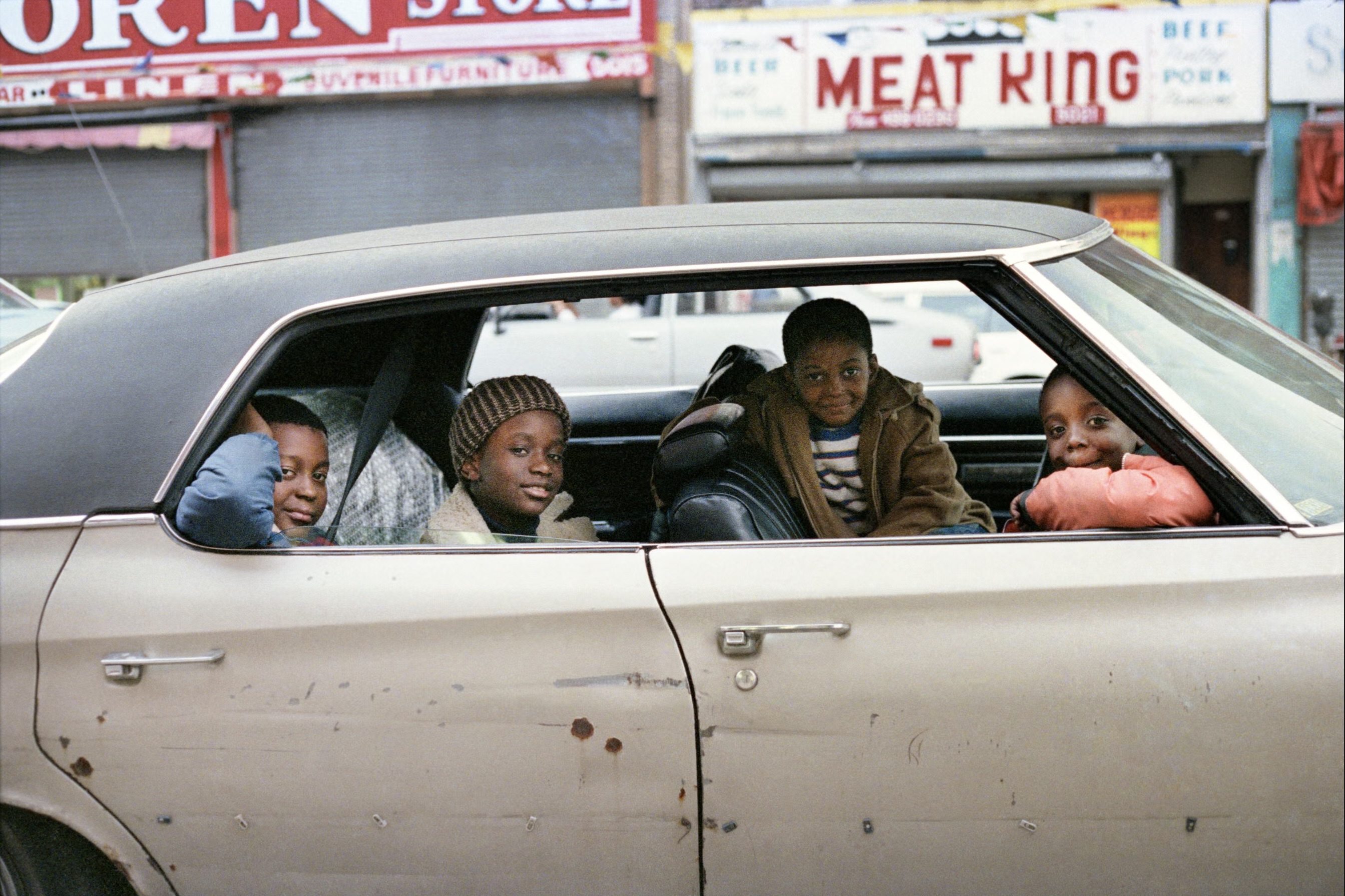
© Jamel Shabazz, Joy Riding, 1980, Flatbush, Brooklyn
And what’s interesting too is building friendships. Imagine I met somebody in 1982, photographed them, only had a brief encounter with them for about maybe five to ten minutes. Now 30, 40 years later, I reconnect with this person, but a friendship is now established based off that moment and what it meant to them.
I get these interactions every single day. Every time I post, there’s feedback. Somebody tags and says, “That’s me and my husband.”
This new platform has allowed me to really reconnect with people and gain greater insight on the people I photographed and where they are today.
Christian Lee: I’m so interested in that interactive element because social media, like you said, Instagram and Facebook, and being able to connect with those folks over the internet has kind of reshaped the intimacy of those images. But I’m also curious because the photo albums with the actual photographs that you’ve taken of other folks — is that still part of your practice currently?
Jamel Shabazz: It’s really not anymore. What makes it easier for me, I say just go to my Instagram page. The first question is asked: Are you on social media? I’m on Instagram, so now they go to my page and they can see all of my work in real time and get a broader understanding of what I do.
So there’s no real need to carry around the albums anymore. Occasionally I do if I go in a particular location, but now it’s about the cell phone. Just showing you my page does a really great job.
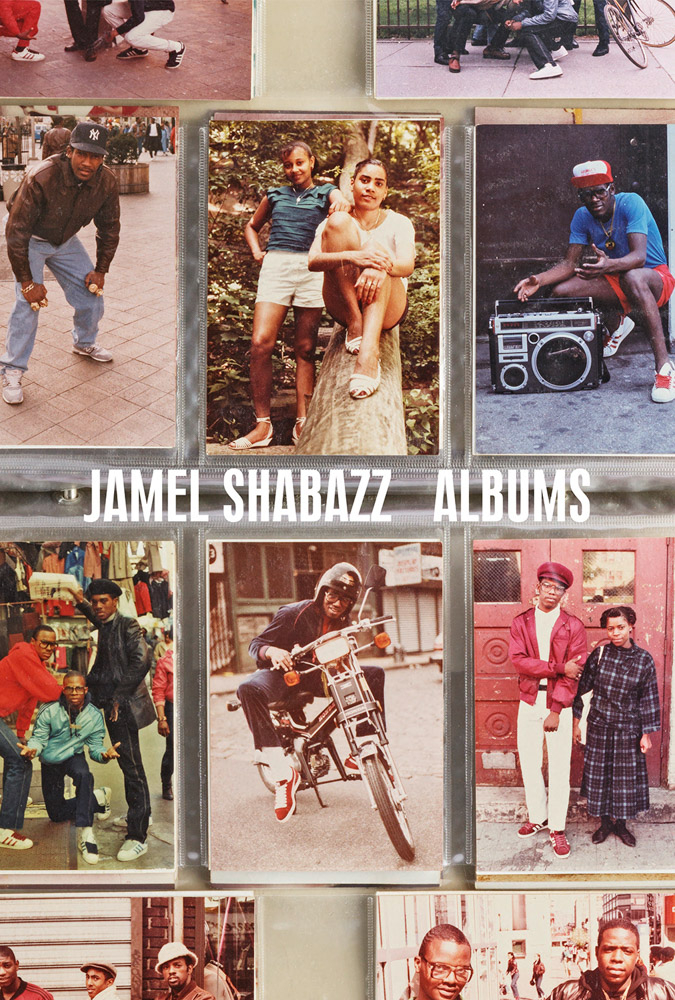
©Jamel Shabzz, Albums
Christian Lee: I’ve rented Albums so many times from the library. It’s so great to see your work in the book Albums because it’s sort of a compilation and a time capsule, but just the vastness of the communities that you’ve captured.
You’ve inspired generations of photographers. I’m this Asian kid who grew up in South Central. I’m not close to New York in any way, shape, or form, but you’ve sort of transcended everything in the way that you’ve made images.
I’m so curious because I know you talked to Sarah about it, but your new book, Prospect Park. Where do we start with that? I know you’ve been reactivating your own archives, and you’re going in there and finding images that bring up new memories, and you’re reconnecting with folks. But what was the sort of genesis for Prospect Park in this moment in time?
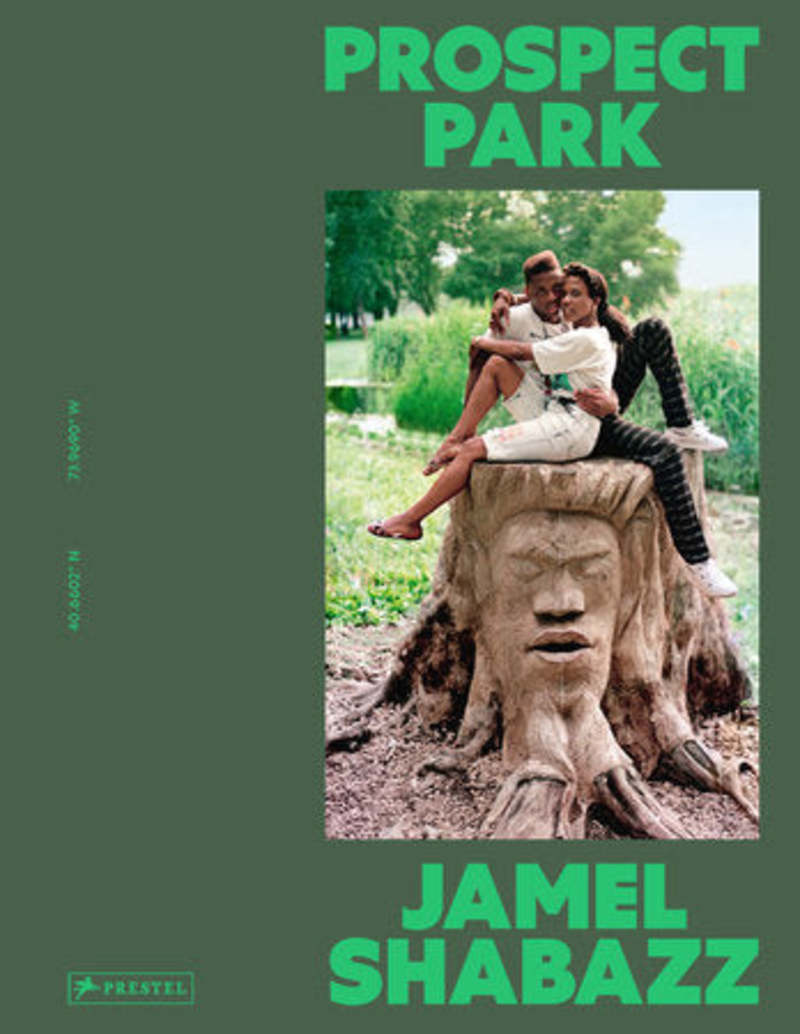
©Jamel Shabazz, Prospect Park
Jamel Shabazz: I think it provided me with an opportunity to speak about how parks are spaces for therapy and healing, and how I needed to go there to heal after the trauma of working in a prison, in a jail, for 20 years. I needed that balance. I needed to be amongst people that were seeking harmony like I was.
One of the things I discovered in Prospect Park, in particular, was the diversity of people that were there and how warm and friendly they were. It was something about that space that caused people to have a calmness about them and have that balance.
Unlike the concrete, where people are moving at a very fast pace, I found that in Prospect Park, everyone there is pretty much at a slower pace, and they’re seeking that calm. They’re taking in the fresh air and the fragrance of the vegetation.
It goes back to my youth as well because as a young child, my aunt used to take me and my cousins there when I was still in my single digits after school. After being in captive school for those five days, we needed a place to go to decompress. She would take us to the park, which was not that far away, and it was a great sense of freedom in going there and just seeing the lakes, the vegetation, the people, the children. It was a time that really stayed with me.
It really wasn’t until I returned back from the army in 1980 that I started to go there a lot because it reminded me of my time in the military stationed in Germany. I spent a lot of time in the forest, and I would reminisce oftentimes on guard duty about New York and home, and the closest thing that the forest reminded me of was Prospect Park.
So when I returned back home, and I was trying to get my balance, I would get my little flashbacks, and I would think about my time in the service. So I would go to Prospect Park, go up to the highest hill, and sit by a tree and just meditate and write about what I was feeling, and it became a healing place.
I would meet like-minded people, in particular, a lot of veterans, and I found that in the veterans that I met there, they were seeking that inner peace too. So that became my go-to place all the time.
Trying to maintain my physical health, I would go there to run. I would run off the trail and into the hills, try to maintain my military spirit. It became this place for me that gave me the balance I needed to really persevere in the hardships of the streets.
Now I’m dealing with the AIDS epidemic, the crack epidemic, uptick in violence, and I spent a lot of time in the streets. But I always needed to take a pause and go in the park for a couple hours to get some sun and to reinvigorate my spirit to continue on my mission.
The park became my base camp for healing to continue the work that I needed to do because I needed some silence. I needed to get away from the pollution, the police sirens, and all the noise and the distractions.
I found that in going to the park, I could kind of like isolate myself. I can go up into the hills. I can sit by a lake, and I could just compose myself and get my balance to persevere for another day.
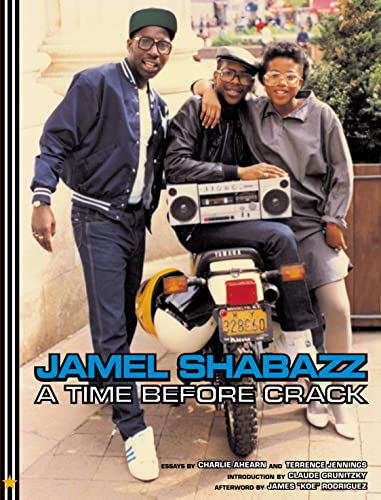
©Jamel Shabazz, A Time Before Crack
A Time Before Crack
Christian Lee: I’ve been reading interviews with you since high school, and you talked about A Time Before Crack, and you said it was one of your most important bodies of work. What were the years, or over how many years did you create those photographs, and at what point did you decide to compile them and edit them into a book?
Jamel Shabazz: I think A Time Before Crack was a result of my anger behind what the crack epidemic did, and how we started to see how things started to change, and nobody was really pointing to the fact that the crack epidemic contributed to this behavior, the change in the music.
The music now reflected the time. When crack came out, there was an uptick in violence. So now the music is beginning to speak about violence and crews and getting money. Prior to that, it wasn’t like that.
The love faded away because I grew up in the 1970s where we had love songs. When the crack epidemic hit, those love songs started to fade away. Jazz was very popular in New York, and then the jazz faded away, and then hip hop took center stage, and a lot of the gangster rap came into play to speak about those times.
Working in the jail at that time, I was very saddened by what I was seeing because a lot of young men and women who I knew prior to crack hitting, who I photographed, were coming in broken souls. I remember them how they looked when they were at their very best.
So I realized that my work was a form of visual medicine. With those who had fallen victim to crack and lost their way, I would show them pictures of themselves at their very best, and it would help them with the healing process. It was almost like a mirror.
I’m holding up a mirror of how your life was before crack hit. It would do something to them and do something to their friends and affiliates.
I wanted to send out a message, and I wanted to create a counter narrative to all the negativity in which I was seeing. With the crack epidemic, you have all the news now showing the violence. You see Black and brown faces every day who got caught up in the web of that violence, and I needed to create a counterbalance that represented hope, joy, love, friendship, and smiles — something that would fade away.
The idea to do that book really became part of conversations I had with my coworkers who were fellow correction officers. We would speak about our pain and what it was like growing up in the ’60s and ’70s and how life was and how life is now.
Initially, the title of the book was going to be called Strictly Old School. With the success of Back in the Days, my publisher was open to do another Back in the Days type book. It could have been Back in the Days, Part Two. Instead, I wanted to do something a little bit deeper.
I wanted to make a statement, and I wanted to remind people and start conversation. So I came up with the idea A Time Before Crack, and it really resonated. It was a title that grabbed people because a lot of folks want to know: Yeah, there was a different day and time. What was it like? Let’s talk about it.
For the newer generation today, they have no idea that there was a time before crack.
Jamel Shabazz: Everything they see today, as far as they’re concerned, is how it always has been. But crack changed so much in ways that people have no idea.
My strength is not in my writing, but now I realize that I have to write what’s in my heart to help people truly understand what’s being said.
There was a side of me that was very private about my 20 years working in law enforcement. But I can’t put that to the side. That’s a very essential part of the story.
I became a correction officer the same year that crack hit, and the same year Scarface came out. A lot of the inmates who I had under my custody during that time period, when they got released, many of them went into the drug trade.
There’s a lot of layers to the story, and the devastation still exists today because so much of what we see today is a result of crack.
When I grew up, we had families, we all had mothers and fathers. Most of our fathers and grandfathers served in the military, so they were very disciplined. There was structure.
But once crack came, it really broke the very fabric of the family. Kids went into foster care. Parents got arrested. Others fell victim, and then there was another group that sold drugs. At the end, nobody won.
I witnessed all this in real time, and I couldn’t let it fade. That’s why I decided to revisit the book again to keep the conversations going because there’s a lot of healing needs to be done.
Crack really devastated our community. You think about the mass incarceration and the thousands upon thousands of men, and you look at the disparities within the laws between cocaine and crack cocaine, and how so many poor people and people of color got caught up in the system.
Prison and jail is horrible. You go through that system, you’re never the same. It devastated me, and I could not remain mute and just put out books to just deal with fashion and style. I needed to make statements in my world, and I think A Time Before Crack was that book that really opened up a lot of conversation.
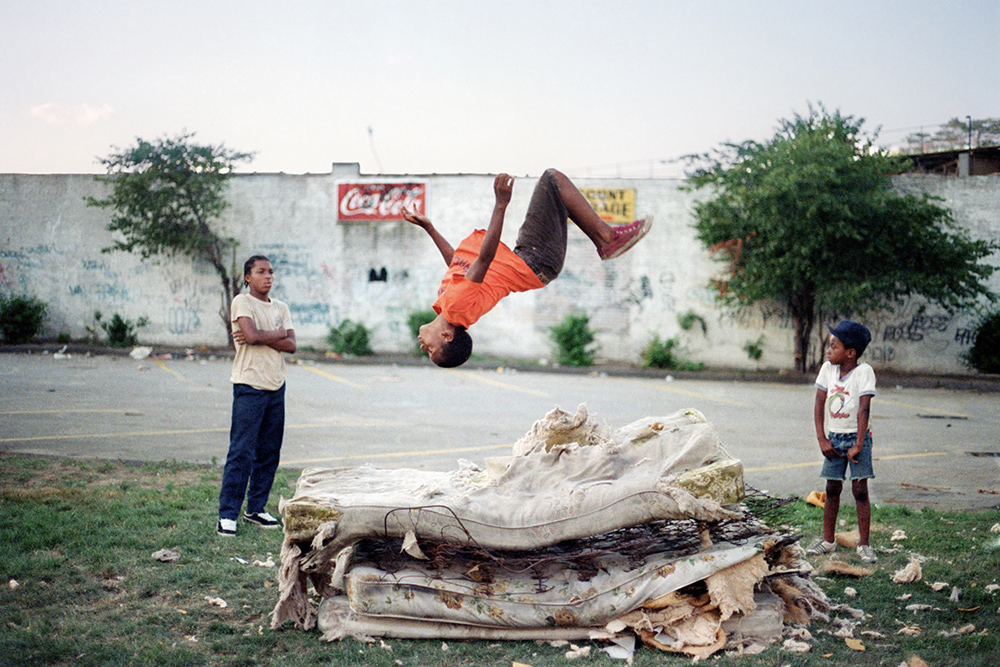
© Jamel Shabazz, Flying High, Brooklyn, 1981
Christian Lee: You are one of the great photographers. You are the greatest photographer in my eyes of any country, of any color, of any community.
I was looking at A Time Before Crack the other day. Those photographs are timeless, and they feel relevant now, especially more than ever. My generation is attempting to trace the roots of all these systemic issues and how things began.
Looking at your book is not only a map of possibility, of dignity, of resilience, of redemption, but it’s also an entire archive of history and this history that has been erased for so long.
What does it feel like to come back to these images that bear so much weight in the present moment as they did when you first created them?
Jamel Shabazz: What I find interesting now, I’ve been going through my negatives a lot, and it has allowed me to time travel back in a way that’s unbelievable.
The feeling of joy that I get when I look at my negatives — it’s like a footprint. I’m looking at a sequence of events that led to my journey, and it brings me great joy.
Especially to discover negatives I forgot all about and have no memory of. It’s a high, and I absolutely love to go back in the time.
That’s why I refer to my process as freezing time in motion: to freeze a moment in time, and then revisit it.
About maybe a month ago, I found a photograph I had no memory of, of a woman with four children. All of them commented and said, “That’s me. That’s my mother. That’s my sister. My brother.” They were all alive today, doing well.
Them seeing that image brought them so much joy. I took it back in like 1982, had no memory of it, and just rediscovered it.
It helped me to better understand what my assignment in life was. As I meditated, it’s beyond photography. My assignment is to contribute to the preservation, history, and culture, and at the same time, to be a light in a world that is so full of darkness right now.
Through my work now, I’m able to bring joy in the lives of so many people. Not only the people who I photograph, but a lot of up-and-coming photographers are trying to find their purpose through my work and my process. They’re drawing inspiration.
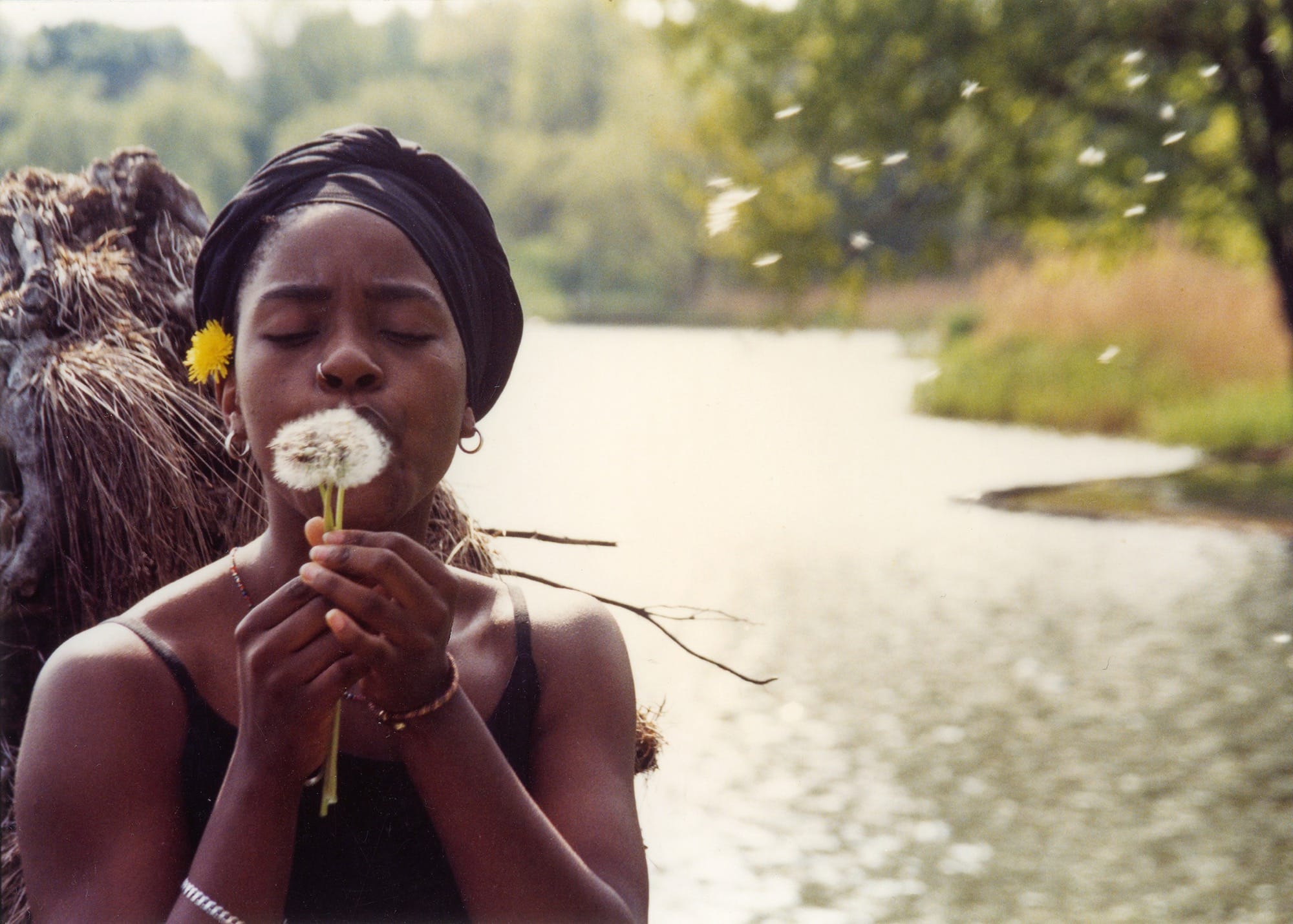
© Jamel Shabazz, Untitled, Prospect Park, Brooklyn, 2000
His Father and the Origins of His Photography
Christian Lee: You’re a photographer and a storyteller and an archivist, but you’re a historian. You’re the historian of Harlem, you’re the historian of this community. I’m curious about the influence of photographers like Roy DeCarava and how you encountered photography in the beginning through those civil rights images and African American photographers.
Jamel Shabazz: I was very fortunate to have a father that was a professional photographer. He was trained in the United States Navy in 1955, the same year that Emmett Till was killed.
The ship that he served on is now a museum here in New York, the USS Intrepid. He was 17 years old when he went in the Navy in 1955, and he was one of the photographers on that ship, an aircraft carrier.
When he came out of the military, he was a photographer. He did a lot of weddings, did a lot of portraits, documented the community.
So I grew up in a household full of photographs. In every home, there was a family photo album that was passed on from generation to generation. My father was the gatekeeper to family.
There were always cameras around my house. There was always art around my house. There were always photography books and magazines in my house.
As a young child, when my peers were reading comic books, I’m reading photography books, gaining an introduction to the world around me.
Life Magazine was to me what the internet is to young people today. That publication gave me life, and it’s through Life Magazine I was introduced to other photographers. I saw the work of Gordon Parks for the very first time in Life Magazine.
I was developing this curiosity and appreciation for history. You had the war in Vietnam going on. You had the civil rights movement going on. I’m seeing a lot of this unfold in front of my eyes on television and in these publications, but I’m not learning none of it in school.
I would spend endless hours at the library. I would get a Life magazine, National Geographic, and I would read them from cover to cover. It’s through those publications I started to learn more about the war in Vietnam and the draft and the civil rights movement and so many other things.
At 15, I picked up my mother’s camera and I just started photographing my friends. She had a Kodak Instamatic camera laying around the house that she used for parties.
When I picked up that camera, something happened to me. It opened up my third eye, and I was able to see life from a whole different perspective.
A lot of my friends were graffiti artists, and I did that for a minute, but it didn’t move me. It was something profound about photography that resonated with me — the ability to communicate with people and build relationships and help gain trust and document people, and then create those images and come back and show people.
It gave me a sense of purpose at 15 years old, so I became really inspired.
Unfortunately, my parents were divorced a couple years later, and there was no funding for the photography, so I ended up putting that away.
It wasn’t until I went in the military, got a Canon AE-1, and came home. Now my father sees my interest in photography, and now he’s training. He’s teaching me the fine art of 35 millimeter photography, developing and everything, and even understanding it.
Jamel Shabazz: One of the first lessons that my father gave me in understanding photography, he had me read the whole Time-Life photography section. It’s through reading those publications I learned about light, composition, subject matter, body language, and everything.
I have to also go back to 1968, ’69, when my father had a signed copy of the book Black in White America by Leonard Freed. That really blew me away.
In looking at that book, I was introduced to Black-and-white photography. Through that book, I saw the segregated South for the first time. I saw Harlem for the first time.
There were words that I did not understand in this book. I would have my dictionary at six, seven, eight years old trying to decipher words like Jim Crow, lynching, rape, homosexuality.
That book was tailor-made for me. The photographer did the work between 1960 and I think 1963. These images really represented real time for me coming of age and what was going on in America at that time.
That book planted the seeds and had me have an appreciation for Black-and-white photography, but also for the history of what was going on in this country that wasn’t being taught in school.
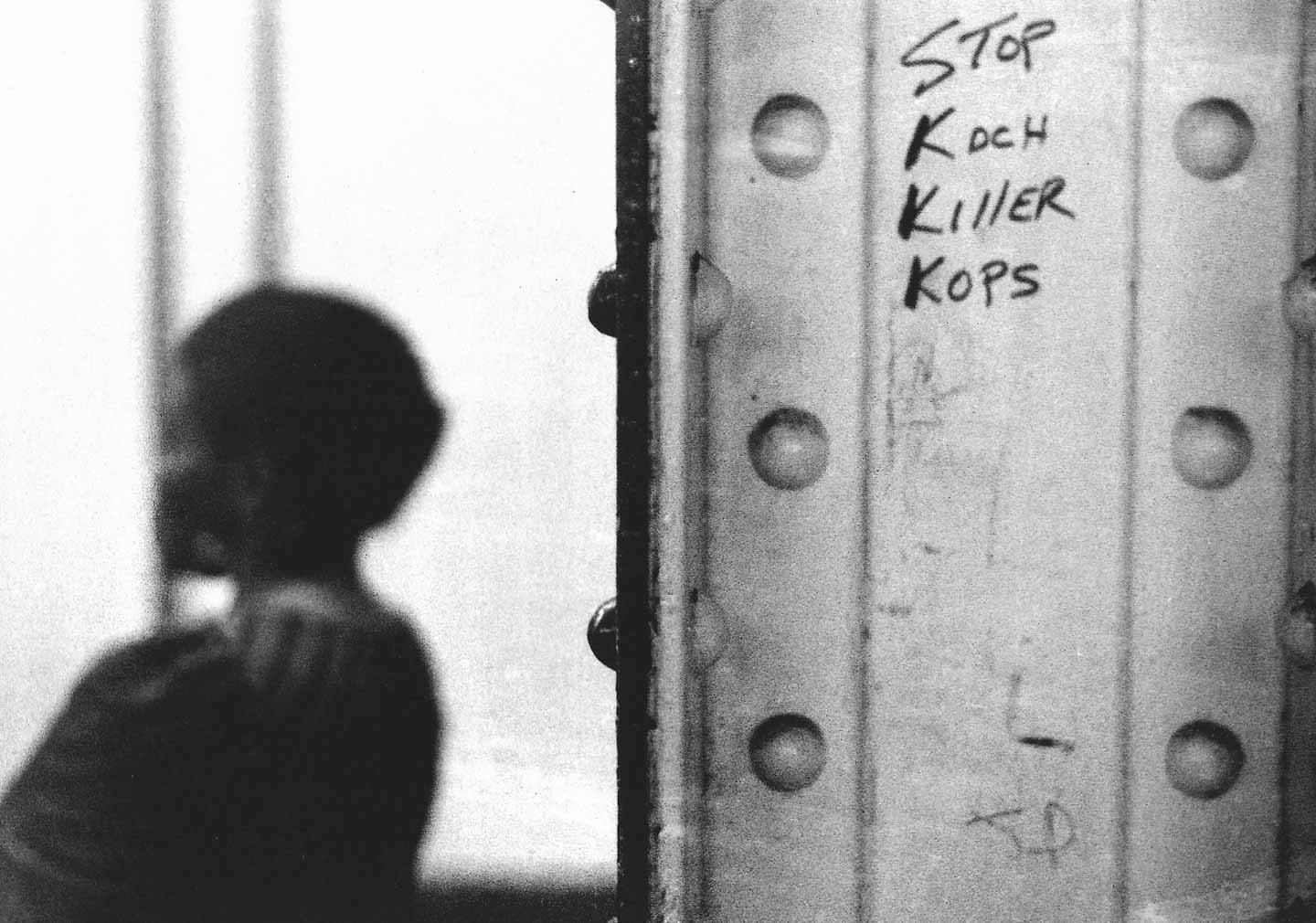
© Jamel Shabazz, Sign of the Time, Brooklyn, 1980
The Military
Christian Lee: How old were you when you were stationed?
Jamel Shabazz: I just turned 17.
I decided at 16 I wanted to go in the military to get away, so my 17th birthday was a big day for me, and I decided to go in against my father’s wishes.
My father understood the war in Vietnam and war in general. He did not want me to go. I was a naive kid because I didn’t understand how impactful the war in Vietnam was.
I was in the army, and we started singing military cadence about the war. It’s through that experience that I wanted to dig deeper to understand the war in Vietnam, because all of my trainers were Vietnam veterans.
It was very important for me to leave New York because at that time there was an uptick in violence. A lot of young men were dying at the hands of young men.
Me and my best friend went in the service around the same time, and it was an escape for us. We looked at it as a shortcut. Both our parents had divorced. We had gone astray. We didn’t have any economic stability.
We looked at the military as a space that would provide us with a foundation where we can go back to school, build our lives up, and come home as veterans, which we did.
During my time in the military, I made it a point to stay in school to educate myself. I stayed in the library, and I got into a lot of music, and it opened up my eyes to a larger world because I’m being introduced to people all over the United States.
I’m being introduced to racism at a really high level. You have people from the South who have never had any interactions with Blacks. You have Blacks from the South, from the West Coast.
Even though when we put on green, we’re all green. When we take off those uniforms, we have separation.
You have the Ku Klux Klan in the military. You have the neo-Nazis in the military. You have the Black Panthers in the military. You have all these different factions that exist, and we all trying to survive right now.
It was an experience I needed to go through to be a better person because all those life lessons I gained in the military have contributed to me being the man I am today, and now even being more empathetic.
What I found today through the arts is that art and photography is a global language. Now I can have conversations with people all over the world, even with people like yourself, because we have a common love in photography.
Through photography, I’ve gone back to Germany on so many occasions. What’s so profound about that experience for me? I find it phenomenal when I return back as an exhibiting artist, and I’m there with the grandchildren and great-grandchildren of German soldiers who served in World War II.
I’m there with them as a Black man whose grandfather and his brothers served in World War II. I am a Black man returning back to Germany in the 2000s, and I had grandchildren of German soldiers who are celebrating me, who are bringing me into their homes and honoring the work that I’ve done.
I think that’s phenomenal, and that’s really a full circle moment for me about life and how you elevate and you grow and you mature.
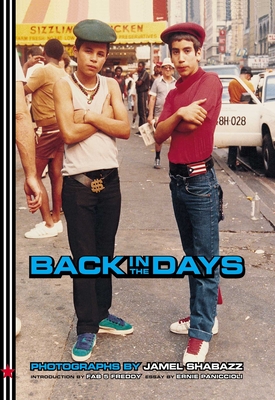
https://powerhousebooks.com/books/back-in-the-days/
Back in the Days
Christian Lee: I want to segue into Back in the Days. These bodies of work are all interconnected. Could you speak a little more to Back in the Days and the genesis of that project, and where you were in your life at the time that you were compiling those images and also photographing it?
Jamel Shabazz: That was pretty much 1980 when I came home from the army.
The summer of 1980, I came back, and I like to reference a song that really created the frequency that I was on mentally. It was a song by Marvin Gaye called “What’s Happening Brother,” and it’s about a soldier returning home from Vietnam, and he wants to know what’s going on. That’s pretty much just the frequency in which I was on mentally.
I was gone for three years. I’m coming back to a new decade, the 1980s. It’s a change. The music is changing. The culture is changing. The attitudes are changing.
To my surprise, I returned home to a war zone where a lot of young men were dying at the hands of other young men.
A lot of the young men who I was photographing were at war with each other, and I didn’t even know that. I came home neutral. I was considered a big brother to a lot of these young men who I photographed.
I started to connect with them, and I let them know I just came home from the military. What’s going on? How’s life? How’s life treating you?
I would have these conversations with these young brothers. I would photograph them.
Unbeknownst to me, some of the young men I was having conversations with were at war with other young men I would meet later on that day.
That devastated me. I realized that my role had to change from just being home, taking pictures, trying to reconnect, to now being a savior.
I realized now that I got to go around the community, particularly the high schools, and speak to young people about the importance of loving and respecting each other and dealing with conflict resolution.
One of the great gifts that were given to me during my time in the army was I learned how to play chess. So I started to teach young kids chess as a form of conflict resolution and decision making.
Life is a battlefield. You have to have your resources available around. You have to know how to utilize them. You have to be prepared to deal with obstacles, and you have to be prepared to be able to make decisions and deal with pressure.
I started to teach chess, and I started to help with the healing process. I would speak to a lot of guys that were enemies of each other, and that was a mission of mine.
That’s why when you notice in my photographs, people are looking in the camera. They are posed because I’m having connections with them.
I come from a place where you just couldn’t take a person’s picture. It had to be conversation. What it was about me, I had a good heart, and my intentions were very sincere. I had a genuine concern on your life and what’s going on, and I want the very best for young people.
It was really about activism, trying to save the lives of young men, and I became a big brother to a whole lot of them.
I gained their respect because when I would take the photographs, I would go home to my lab and make prints and give them prints for free. I didn’t want anything. If you want to get anything, give me a pound of bananas. We get some orange juice. Let’s go in the park and let’s have a conversation.
I never wanted any money. I took great pride in giving them copies of the photographs because that helped to build the bond.
It wasn’t about seeing people, taking a picture, and just leaving. No, I would come back, give them copies, build that relationship, and next thing they said, “Yo, Jamel, take a picture of me and my crew.”
A lot of these guys I didn’t really know, but it’s through that process that friendships were established.
Jamel Shabazz: That was your age when I did it. When I made Back in the Days, I was between the ages of 20 and 25 years old.
One of the things my father told me: carry your camera everywhere you go. Have it out. Don’t have a cap on it. Have it set. And that’s what I did.
I had the albums. The albums made the big difference. I carry these big albums around so they could visualize what it is I was trying to do.
Back then you didn’t have cell phones, and there weren’t a lot of photographers, so you had to gain people’s trust.
I can’t believe what I did because I would get on the train and go car to car looking to connect with people.
I looked at my camera as a compass that led me on paths that allowed me to meet people I needed to meet, and a lot of people I never knew.
You had to gain their trust. You had to dress a certain way, you had to be a certain way.
The book that helped give me guidance was by author Dale Carnegie, How to Win Friends and Influence People. That was very important to understand body language and understand the art of communication to know how to make people feel good and comfortable.
It wasn’t an easy process, just walking up on strangers. It was the psychology that you had to know how to implement.
You had to dress a certain way. You had to be a certain way in order to win people over. And I had a pretty good success rate.
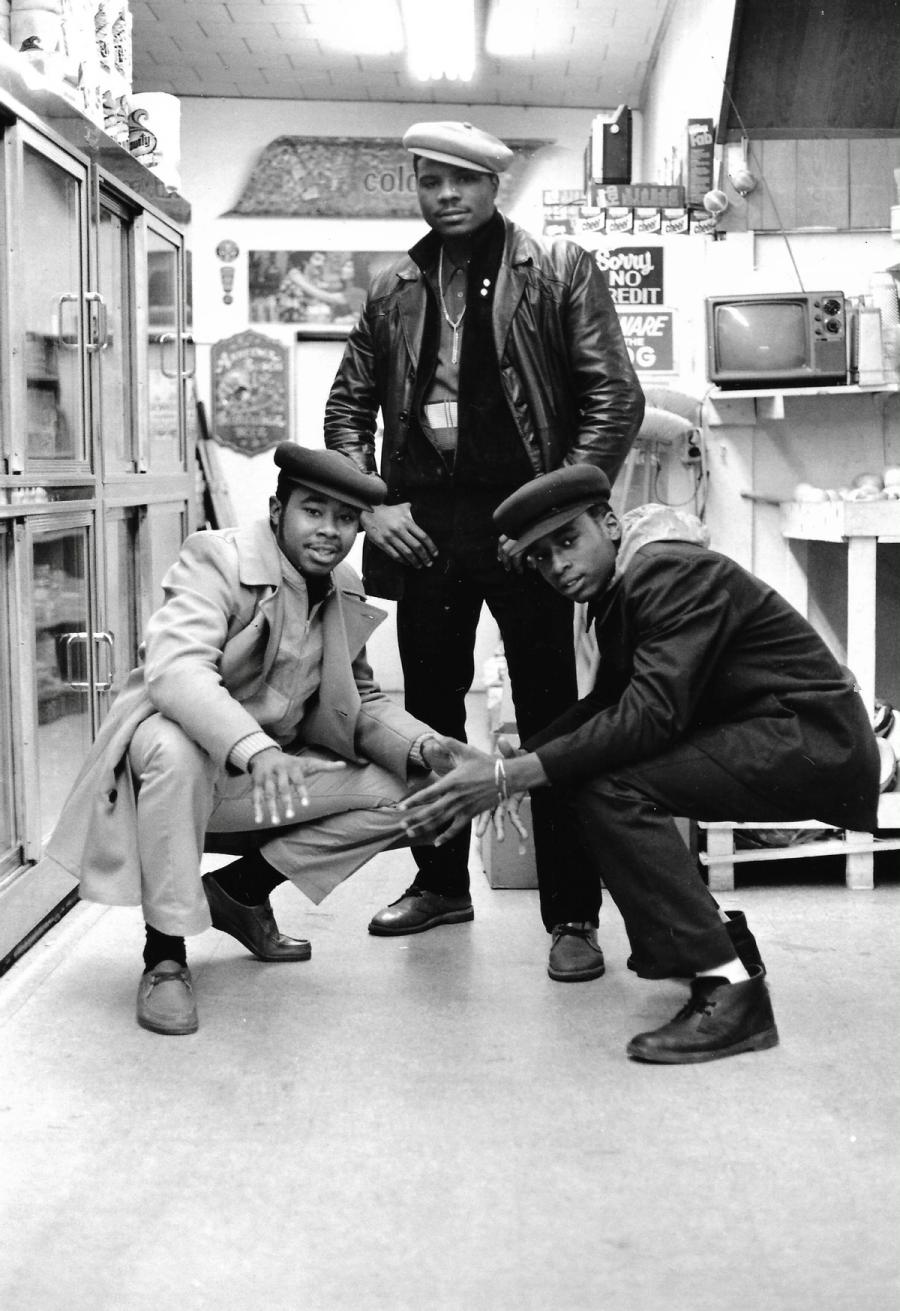
© Jamel Shabazz, Vietnam Vet, 1995
His Father’s Influence
Christian Lee: Did your father ever come to your first show?
Jamel Shabazz: He died early on, so he never had a chance to see it.
One of the first shows that he saw was the darkroom. When he would go into my darkroom and see the images hanging up, he would comment on them. He would critique my work. I would always bring my images to him, and he would have his red grease pencil.
He never saw the success of what I was doing. He saw the growth. He saw the instructions that he gave me, how they played out and how I was able to create iconic images.
One of the first instructions that he gave me was to document the community and not people. I didn’t find that inviting. He taught me to use the wide-angle lens, and that work didn’t gravitate. It didn’t really impact me. It was about interacting with people that really did.
But now when I look at those lessons, I follow those lessons. When I look at that work, it’s some of my most important work ever.
It’s hardcore street photography. It’s not interacting with people; it’s documenting the cars, the streets, the subways, and all of that.
Even though I was into the portraits, I documented homelessness and prostitution. He kind of frowned upon that, and he just wanted me to be a more traditional street photographer.
When I look at my negatives, I’m looking at a wide range of things. I’m looking at fine art. I’m looking at fashion. I’m looking at documentary. I’m looking at street. I did a little bit of everything. Within a roll of 36 shots, I mixed it up. So he taught me well.
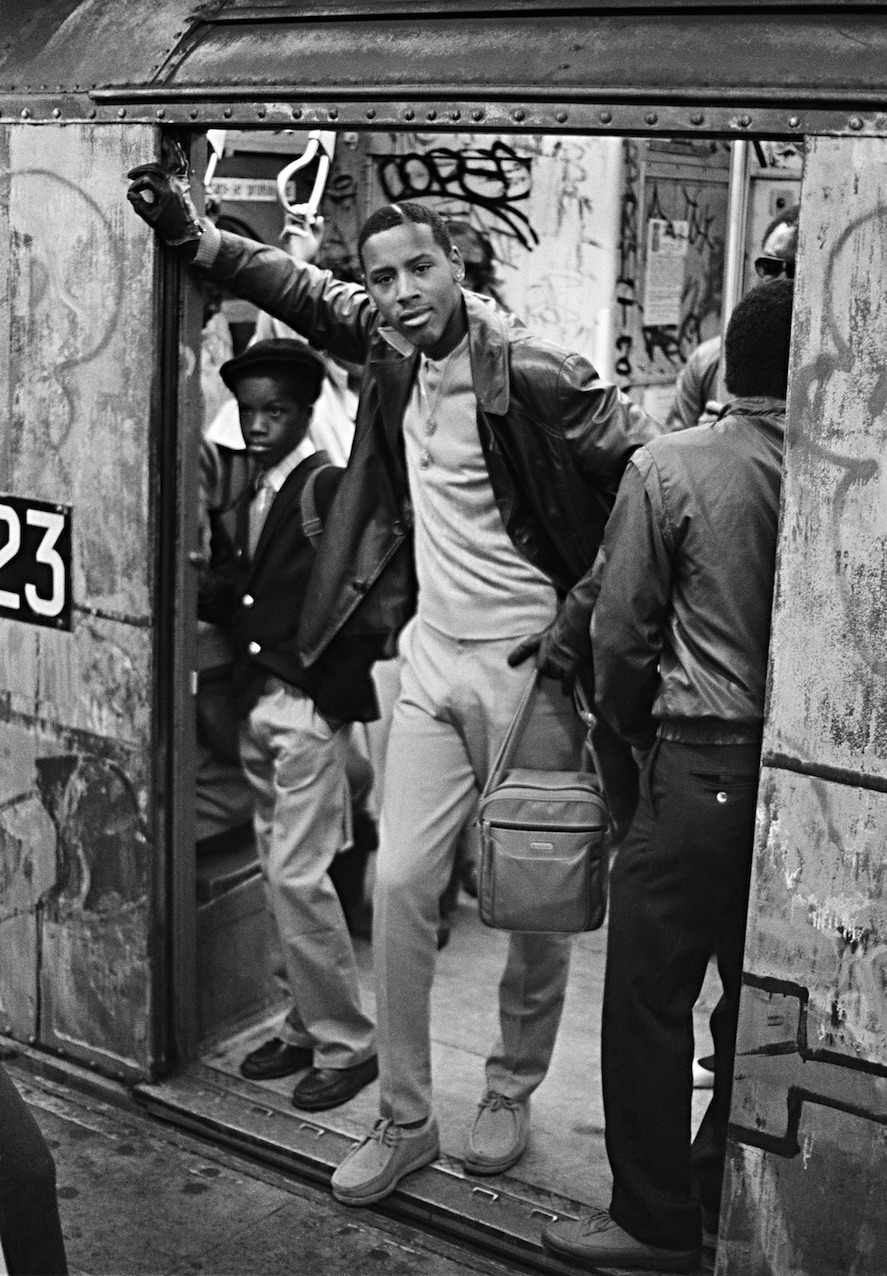
© Morning Rush Hour, Brooklyn, 1982
Still Photographing
Christian Lee: Do you still go on the subways? Do you still create those images, and how is that in the present moment of that interaction?
Jamel Shabazz: To my surprise, I still got it.
I actually did a documentary for the Bronx Documentary Center called I Still Got It because it challenged me.
They said they wanted to do a documentary about me. I said, “I can’t do that no more. I’m not. I can’t walk around and ask people. I can’t do what I did. It’s not like that. People got cell phones. They don’t need me to take their photographs.”
So I went that day, and they said, “Well, just try it.” I went to the major avenue, and I took a deep breath, and I was shocked. Everybody gave it to me. I was blown, and I was able to approach strangers, and everyone agreed.
Last week I was shooting in Harlem, and it was the same vibration. It made me feel so good.
Unlike when I grew up in the ’70s and the ’80s, when people didn’t have the headphones and the cell phones and the distractions, you can approach people easily.
Today, everyone has a cell phone. People got headphones on, they’re distracted. So to be able to captivate a person today is very challenging.
But to me, because I’ve been doing it for so many years, it’s second nature to me. I know how to approach. It’s about being a gentleman. It’s about being respectful.
I look at photographers like Bruce Gilden and how he’s just all in your face with the camera. I can never do that. Where I come from, you can’t do that. It’s about respect.
There’s a psychology behind what I do. I dress a certain way. I’m in a certain spirit. I meditate before I step out my house. I have certain fragrances on.
You’re looking at my dress, my mannerisms. It’s all psychology to win you over, and I have to convince you that my intentions are sincere.
I focus on love. So when you see people that love each other, whether it’s a mother and father, it’s best friends, it’s children, that love is what I really look for.
My process is different now because I’m in alignment with the technology. I approach you. I let you know that I recognize the love and the beauty. I want to take your photograph, but if you don’t mind, let me have your cell phone. Hold your cell phone and let me take a picture with your cell phone, so now you can have the picture in real time.
Unlike 30 years ago, where it’s about trust — “I’ll see you in an hour. Let me run in a one-hour photo” — now, if you trust me, I’ll take a picture with your cell phone, or I’ll take it with my cell phone and I’ll send it to you on Instagram, and you have it in real time.
To see the expression of joy in real time, there’s nothing like that. I try to put my heart and soul in creating an image that is timeless and special.
Christian Lee: You build community, you build bridges with your photographs. Your work is so compassionate. There’s just so much more depth to it.
When I sit with my immigrant family at night and we look at photo books, and my family has never been to a museum, they’ve never been to a gallery, there is something about your photographs that reaches them.
I can never thank you enough. Your images saved my life. They changed my life. They made everyone visible, and I can’t believe that I’m sitting virtually across from you right now and having this conversation and getting to talk about images that made me become a photographer.
Jamel Shabazz: And likewise, I look at your work and I’m very impressed with what you’ve done. Your documentation of the parade, I think, is phenomenal.
What you’re doing, a lot of people can’t do. For you to go to that particular area and document the people with dignity, it moves you to be so young.
We need all hands on deck right now. The history is being erased. There’s a lot of discrimination. There’s a lot of hatred.
What I’m striving to do now in my practice, I just did two major campaigns for two sneaker companies, and I feel good that my process is diversity. I’m in a position to cast, so I’m casting diversity.
I make sure that there’s representation across the board, and that means the world to me because I want everyone to feel special.
—
Korea, Hip-Hop, and Global Work
Jamel Shabazz: One of the greatest journeys in my life was going to Korea, and one of the greatest moments in my entire life in regards to hip hop was in Korea.
I was invited by the Korean government back in 2001 to participate and document the R16 B-boy competition.
What’s so phenomenal about that competition is that the Korean government paid for B-boys from around the world to come to Suwon, Korea, and battle.
These men could have been elite armies in all the countries in which they came from, and some of them were, but they had a love for hip hop, and they came not to battle with guns, but they came to battle on the dance floor.
What fascinated me about that experience was the Korean B-boys and all these crews that embrace hip hop, and they love it, and they’re committed to it.
We all gathered in an auditorium, and I took a group shot. When I look at that photograph, it’s profound for me.
World leaders and religious leaders have failed to bring us together as society. But through the global language of hip hop, look at the diversity in this audience. You have people from France, from Belgium, from the UK, from Palestine, from all these different countries, and their love is hip hop.
They’re battling not with guns, but they’re battling with technique.
That was a very important life lesson when I speak about the power of music and finding common ground that we can come together collectively.
Christian Lee: Blown away by the Korean story. Every Korean photographer I know who does documentary work worships you. We adore you, Mr. Shabazz. Your photographs, your work, your compassion, your empathy — it has always been the blueprint for all of us of any creed, of any culture, of any color, but especially for Asian or Asian American photographers.
Jamel Shabazz: Please check out my new book. You have to see my new book Albums because a lot of what I’m telling you is represented in this book Drama and Flavor.
I have a Chinese supermodel there. I got the Korean B-boys in there. I got kids from Japan in there.
Due to my travels to Korea, Japan, so many different countries, I’ve met wonderful people, and I want that inclusion in my work because I’ve had conversations with a lot of my Asian brothers and sisters who talk about the racism and discrimination they go through, and it pains me.
It’s important for me to have everyone incorporated in my projects right now, so they can see themselves.
I don’t want to be known as the person that shot Black and brown people. It’s bigger than that. That’s the foundation of my work, but it’s so much more now.
I see the best in humanity. Confucius once said, “Everything has its beauty, but not everyone sees it.” I try to see beauty in everybody.
When I think about Koreans, they’re very close to my heart because they were many of the merchants, and understanding who they are and their culture and the language and the food — something that a lot of people didn’t get to understand.
I look at what happened in South Central during the Rodney King situation, it hurt my heart because it was something that people didn’t understand, and the need to have communication to take the moment to understand the language, to be respectful.
I worked in Chinatown for like 10 years, so I developed a profound respect and admiration for the people, and I document it.
I don’t want people to see the limitations. Every country I go to, I build up a body of work that’s important to me.
Jamel Shabazz: Whether it be Germany, France, England, I’m connecting with people, and I’m glad I can still do it.
The same love I capture in Brooklyn, I’m able to capture in Japan, Korea, Thailand, any country I go to.
I want people to know I’m a global artist. It’s not limited to one location, one people. It’s deeper than what anyone could have imagined.
What my work is, in essence, is a visual diary of my life and all the people I cross paths with.
I strongly believe that everybody I meet in life, I meet for a reason. It may not make sense now, but it’s going to make sense later.
I always take the opportunity to engage people because I really believe again that my camera, my compass, has led me to you for whatever reason.
It may not make sense now, but now I might take your picture 10 years later. You write me and say, “That’s me,” and what that picture meant.
—
Photography as Therapy
Jamel Shabazz: The reason why I do so much of what I did is because I worked in an extremely violent, hateful, negative atmosphere.
The majority of photographs I took throughout the ’80s and ’90s, I’m leaving work, I’m leaving a jail, violence, hatred, and I’m stepping in. I’m looking for joy and hope because I’m in an atmosphere that is a great degree of hopelessness, and I got to balance that out.
A lot of my coworkers will leave and go to the bar. For me, I had to go find love.
Most people in the early days just thought I was a photographer, but they didn’t realize that from 1983 to 2003 I worked for the Department of Corrections.
Christian Lee: When you were a corrections officer, how old were you when you started?
Jamel Shabazz: 23.
It was a very violent atmosphere, but I documented. Because I didn’t document my time in the military, I decided that now, as a correction officer, I’m going to document my whole 20 years.
From the moment I got called, from the time I was in the academy, I documented every aspect of my journey. I started with my coworkers in the locker room, and I would branch out and photograph the inmates that I worked with.
That’s a very important body of work that will surprise people. Some of them would go and get their weapons and show me what they had.
In my retrospective, I’m going to really speak about that. Unlike my previous works, I’m going to do a lot of writing because I’ve been journaling for like 45 years.
I have all of my notes, and I’m going to put everything together and tell the story in a way that’s going to surprise people.
Thankfully, I have my sanity. I’m a 9/11 survivor, so there’s a lot to who I am and what I’ve seen throughout my life, and why photography is therapy for me.
—
The Retrospective
Christian Lee: How long have you been working on compiling all these images?
Jamel Shabazz: I say about maybe three years.
The main thing I’m doing now is just going into my archive and getting all the negatives drum scanned, professionally scanned, and color correcting, starting with the earlier work.
Taschen is one of the greatest publishing companies in the world. So to have a Taschen book is everything.
I’m digging deep into the archive and gathering up images to tell stories of my journey.
Prostitution was a very interesting subject that intrigued me when I came home from the army because I never understood how women can sell their bodies.
That was one of my first self-assignments, and I went out there with questions. I think that idea came from reading the autobiography of Malcolm X, how Malcolm would go out there and transform the lives of the downtrodden. I wanted to be like that.
I went out there with a very sincere heart. I was considered a concerned photographer, and I would have conversations with you first. I even used to have a tape recorder. I would tape these conversations.
I spent a lot of time documenting prostitutes. What moved me more than anything was when I found out how I was able to transform the lives of a lot of those young women.
Not only did I photograph them, but I had conversations with them that caused them to rethink their lives and leave that life alone. So that work is very important to me.
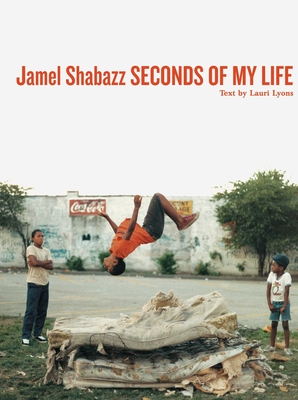
https://powerhousebooks.com/books/seconds-of-my-life/
Everybody’s Street and Permission
Jamel Shabazz: I was in a documentary called Everybody’s Street, and I vaguely spoke about a confrontation, but it’s deeper than what anyone could ever imagine.
I was walking through a park one day, and I happened to see a prostitute, a sex worker, engaged in a sex act with a Hasidic rabbi, and I photographed. Her pimp and his security people came and formed a half circle around me and my partner.
I explained to him who I am and my intentions weren’t malicious. It’s a scene that happened, and I didn’t mean disrespect.
He stopped me in the middle of my sentence. He says, “I like you. You know what? I give you permission to come out here and take pictures anytime you want.”
He allowed me to take a photograph that’s iconic, but people don’t know what’s going on in that photograph.
It’s a male with two females to his left and right, and a little boy holding a cat. Those women are prostitutes, and they were selling themselves on that street. One of the women in that photograph was one of the women that was engaged in a sex act with the Jewish rabbi, and that guy is a pimp.
Through that man, that pimp, he gave me the authorization to come out there any time and photograph those women.
I was able to return and document them for about two, three years with no problem. Then I would build relationships with other pimps, and they would allow me to photograph them.
That work is very important to me because it shows psychology and how do you gain the trust?
In Everybody’s Street again, we deal with the idea of asking for permission, which is a debatable subject.
My practice is not always because there’s certain circumstances that you don’t ask for permission, like my iconic picture, which is probably my most iconic photograph ever, the man swinging the door.
That’s not when you ask permission. You see a moment, you capture it.
So it’s a balance. There’s certain moments I ask for permission. There are other moments that it doesn’t warrant that you just take the shot. So you have to use that judgment.
Overall, I’m about engaging people and capturing that love. If it’s a couple, I want to get you. You could do it naturally, get a natural photograph.
But if you don’t ask permission, they might take offense. Where I come from, you don’t do that. You just don’t take people’s pictures without the authorization.
Jamel Shabazz: So for me, I always ask, and the most you could say is no.
I’m a complete stranger, and I want your photograph. That’s not an easy thing. It takes a lot of conviction to do, but I was able to pull it off.
—
Advice to Young Photographers
Christian Lee: What advice would you have for younger documentary photographers who are either photographing in their own communities and neighborhoods they grew up in, but also branching out and creating work about the larger world?
Jamel Shabazz: I tell a lot of young photographers today to focus on subject matters that mean something to you.
It could be bullying, it could be pollution, global warming, racism. Focus on a subject that you are compassionate about, and that you feel there’s a void that you need to cover, and go out there and document that.
Carry your camera everywhere you go. Establish relationships with people.
My good friend Joseph Rodriguez, who did a book Spanish Harlem, talked about the importance of getting inside, to get into their homes where people live, but build that connection with people.
Be respectful and get those stories because there’s important stories that need to be told.
Carry work with you if need be. Do the social media and the cell phone. You don’t really have to do it, but it’s still something about having that portfolio of your work to have people see what it is you’re trying to do.
And just take time to get to know your subjects.
Jamel Shabazz: I cannot overemphasize finding that void and finding things that bother you. I’m able to do that with my work.
Even on my Instagram feed, I deal with animal abuse, adoptions. I deal with a wide range of topics because I have a platform.
We need all hands on deck right now. We live in very turbulent and dark days, and I think the only ones that can change is our artists.
We have the ability to connect with people around the world. Find your voice, meditate on your purpose in life. It’s very important to understand what your assignment is.

https://powerhousebooks.com/books/drama-flava/
Passing It On
Jamel Shabazz: I’m able to let out all this history as I get older, and I have something to say as an individual, 65 years old, who lived through a lot. I have something to say.
So now I’m sharing my journey. I tell a lot of young people to realize that you’re on a path and live with purpose, live with intentions, and understand the value that you have as a photographer.
As photographers, we can encourage people by simply telling a young child you are beautiful, by seeing the love that a young man has for women and saying that to them.
As you taking a picture of that young kid, give him your camera and tell him take a picture of you. Let him pick up that camera and get the feel of what it is to freeze time and motion.
So, pass the knowledge on because we have the gift, and again, live with purpose.
Christian Lee: That was a masterclass. I love what you said about building community and passing that on and teaching kids.
I’ve been photographing in South Central. My family is from South Central, so we’re the Koreans that came in the ’70s, moved into African American neighborhoods, and built homes there. I’m photographing the kids, but I’m also teaching them how to shoot film.
Jamel Shabazz: Good, good.
Christian Lee: You’ve given me a love for not only the photographic image, but for how the photographic image can heal and build community, and how it can be used as a tool of teaching.
Your photographs pulled me out of a bad place. Just know that I follow in lineage of you, in service of you, in legacy of you. You’re a great teacher. You are a master of the craft, and I’m just so honored to know you.
Jamel Shabazz: I really appreciate that, and again I salute you for all of your accomplishments.
You’re making a lot of strides. I applaud you for all the important work you’re doing for such a young man. It’s guys like yourself that give me hope.
When I’m meeting so many young people right now, there’s a lot of negativity out there. We need to see positivity. We need to see people who are making the world a better place, and you’re one of them.
I’m really happy that we got an opportunity to connect because this is needed. I need it as well. It gives me a greater sense of purpose because I’m not really out in the street like I used to be.
I’m always open to do Zooms and build with people. It’s necessary, and it enlightens me at the same time.
Looking at your work, I’m learning. I’m being inspired to know that the younger generation is out there putting in work.
Jamel Shabazz: Within the music and the quotes, it gives you greater insight into my thought process.
You can have your own conclusion when you look at a photograph, but when I put a song that’s on there for maybe 90 seconds, you listen to that song. It’s like, okay, I get it now.
Music is an important collaboration with all of my photographs.
One of the reasons why is the inspiration I drew off album covers back in the days. Looking at vinyl. Those vinyl album covers: the Jackson Five, The Temptations, The Four Tops, those group shots that taught me composition and the beauty of photography.
Before I picked up a photography magazine, they were the albums.
So now I feel good in 2026 that I could put songs attached to my music. Something I’ve been doing for a long time because it allows you also to look at the picture longer, and now process it even more.
It’s one thing to look at a photograph that comes up, but now there’s a song. Now you look and you listen and you try and enjoy. What’s the relationship? What is he trying to convey? And that’s important for me.
Christian Lee: In a world full of activists and artists and photographers, you are the universe to people. You are a champion of world peace, of humanity, and you are my hero.
Jamel Shabazz: Those words mean so much to me. I’m honored that you want to write about me.
But I have to say, Christian, please take a moment, go to the bookstore, look at Drama and Flavor. That book is everything.
All of my books are important, but each book, I’m learning, I’m growing more. Prospect Park is very important too, but Drama and Flavor, it’s more global, and that means a lot to me.
I curated that whole book. Nobody could curate my work but me.
I didn’t write in that book, which is my regret, because all these writers wanted to write. I see, you know what? I’ll let them write. I’m not going to do that no more because nobody could really understand the essence of my work but me.
The pictures do speak for themselves. But from this point on, I’m going to do all of my writing because it’s the only way for people to truly understand the essence of my work.
I’m very vague on social media. I let the images speak for themselves. But when the time permits, I’m going to break it all down because there’s a lot to say.
Christian Lee: I will be there, Mr. Shabazz. I will bury my head in that copy. I will find a way, and that is so generous of you to make this time in your incredibly packed schedule.
This means the world. This is the highlight of my year. This is better than graduating from UCLA. This is the highlight, Mr. Shabazz. You are the universe to me. Thank you so much for your time. I would love to stay in touch. Social media, email, everything.
Jamel Shabazz: Anytime. Anytime you have any questions, please. If you get a chance, please go to the Getty Museum. Have you seen the show of the Black Arts Movement that’s up right now in L.A.?
Christian Lee: Yes, absolutely. I just had dinner with John Simmons. He has work. John is great, and John speaks so highly of you. Everybody loves your work. You’re a master.
Jamel Shabazz: We’ll be able to teach each other soon because I’m coming to the Lucy. Lucy’s giving me a solo show there in December, and my book drops in L.A. as well, my Harlem book.
I will be doing an exhibition on my subway work in L.A. in December, so we can get together and chop it up face to face. We got some time, but I’m coming your way.
Christian Lee: I would nearly have a heart attack, Mr. Shabazz. You are as generous and as incredible as your pictures. Thank you so much.
Jamel Shabazz: Thank you.
Christian Lee: You are seriously my hero. I’ll email you. I’d love to send you my address. I’ll definitely send you my book. This is amazing. You made my year. This is the highlight of 2026 for me. You changed my life. You saved my life. Your work saved my life. Your images saved my life. So thank you so much.
Thank you so much. Let’s stay connected. This has been a blessing to speak with you. I’m glad we were able to make it happen.
Christian Lee: My love to you and my healing to you. I hope the tooth is all right.
Jamel Shabazz: I’m good. I’m good now. This gave me a second wind. I don’t even think about the pain, so I’m thankful for meeting you on the path of life.
You have a great weekend, and I’ll be in touch.
Christian Lee: Bless you, Mr. Shabazz. Bless you.
Jamel Shabazz: Take care. All right, peace. Have a good one. Peace. Do the same.
Christian Lee (b. 2003) is a 43rd Annual Telly Award® winning photographer and filmmaker who graduated from UCLA and will pursue an MFA at Cornell University. Named by L.A. TACO as one of 10 Rising Directors to Watch, his work has been published in The New York Times, TIME Magazine, Vogue, and the Los Angeles Times. Lee received fellowships and grants from Lenscratch, The Emma Bowen Foundation, W.M. Keck Foundation, Gold House, The KALH, and YoungArts, among others. An alumnus of Canon’s Eddie Adams Workshop and The New York Times Portfolio Review, he worked in Creative Affairs at Warner Bros. Television, where he won Best Drama at the Pitch Competition for his limited series, Black Korea. Lee’s first book, Between Suns, was released through Kris Graves Projects and acquired by The MET Museum in New York City.
Born and raised in Los Angeles by an Asian immigrant family, Christian tells lyrical and meditative stories that illuminate the intersecting lives of working-class communities of color. Currently, he works in production for Film Independent and is a 2026 Gotham Institute Fellow, supported by NBCU, developing his first feature and a long-term photographic essay.
Instagram: @christianmakesfilms
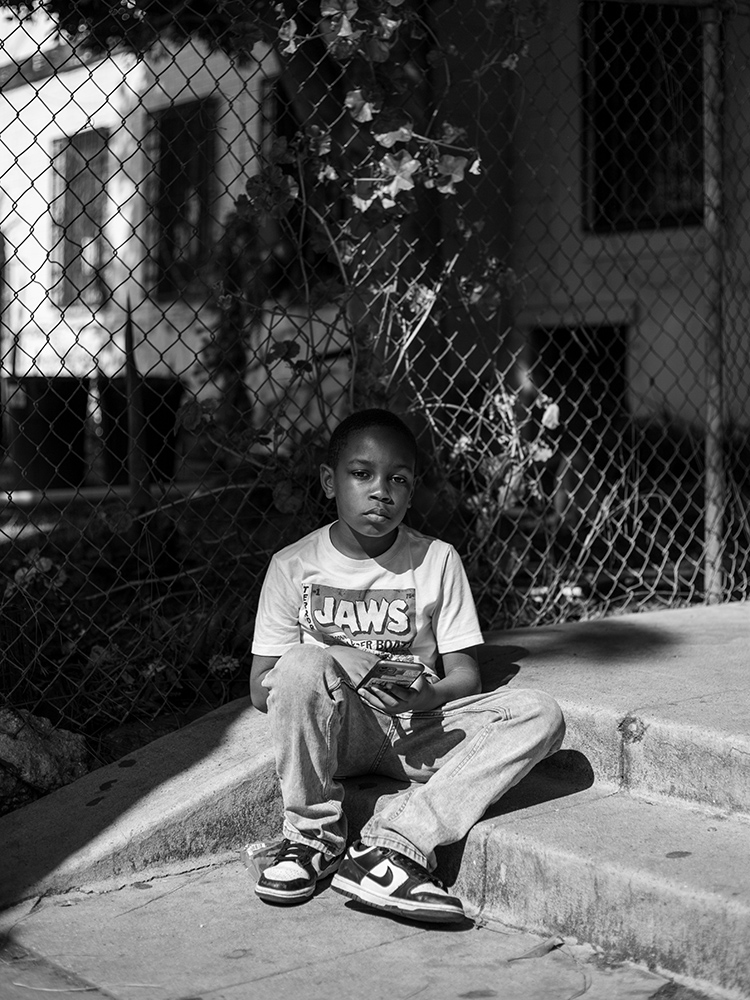
© Christian Lee, Boy Near Fence, Crenshaw, 2025
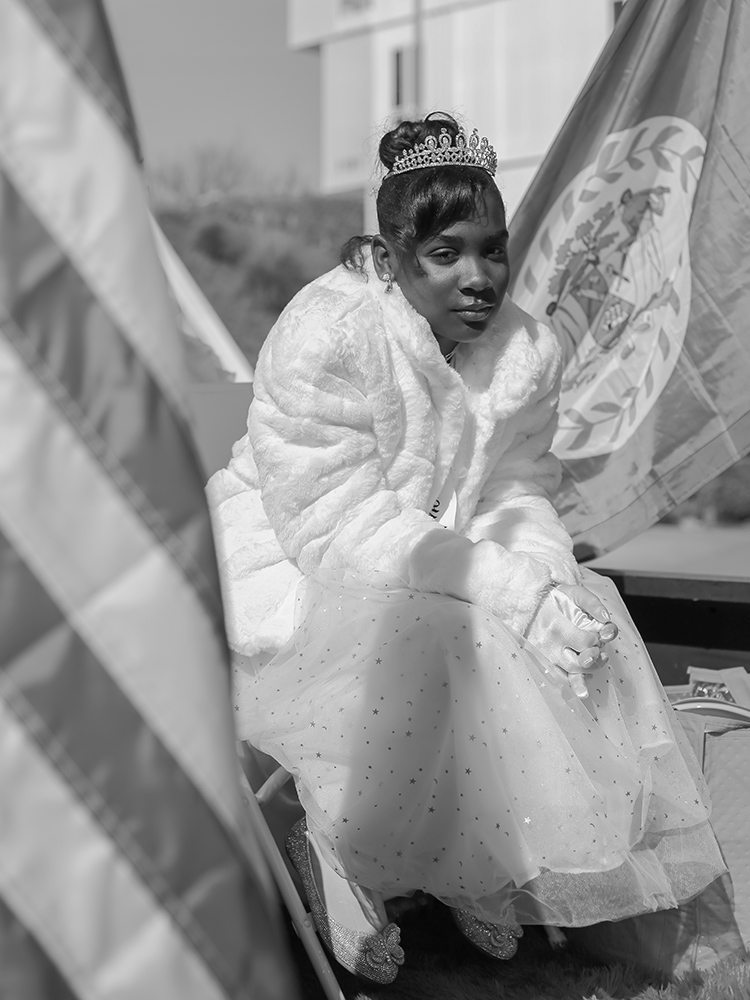
© Christian Lee, The Princess, Crenshaw, 2025
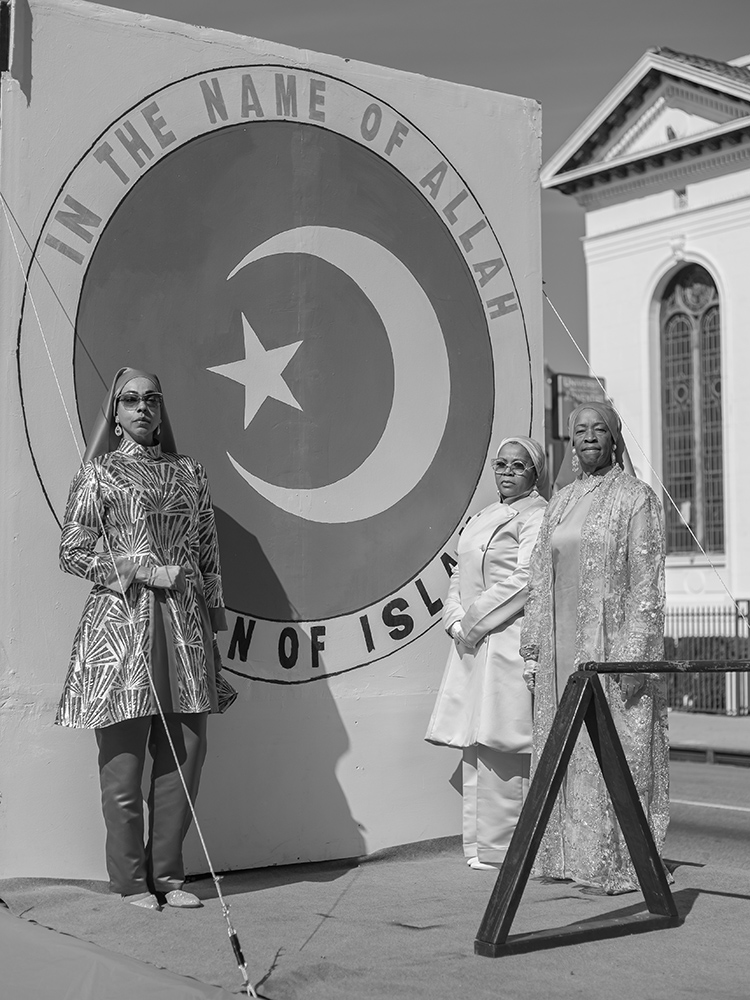
© Christian Lee, Sisters of the Nation of Islam, Crenshaw, 2025
2 © Christian Lee; The Princess, Crenshaw, 2025
3 © Christian Lee; Sisters of the Nation of Islam, Crenshaw, 2025
Posts on Lenscratch may not be reproduced without the permission of the Lenscratch staff and the photographer.
Recommended
-
Ryan Frigillana: Tears, Blood, SweatOctober 24th, 2026
-

Paul Mpagi Sepuya: Labyrinths & RicochetsOctober 18th, 2026
-

Neal Rantoul: A Life in PhotographsOctober 17th, 2026
-

The Female Gaze: Kimberly Schneider – Uncovering the IneffableOctober 11th, 2026
-

Book Talk: Text as Structure in the PhotobookOctober 3rd, 2026