Photography Educator: Lupita Murillo Tinnen
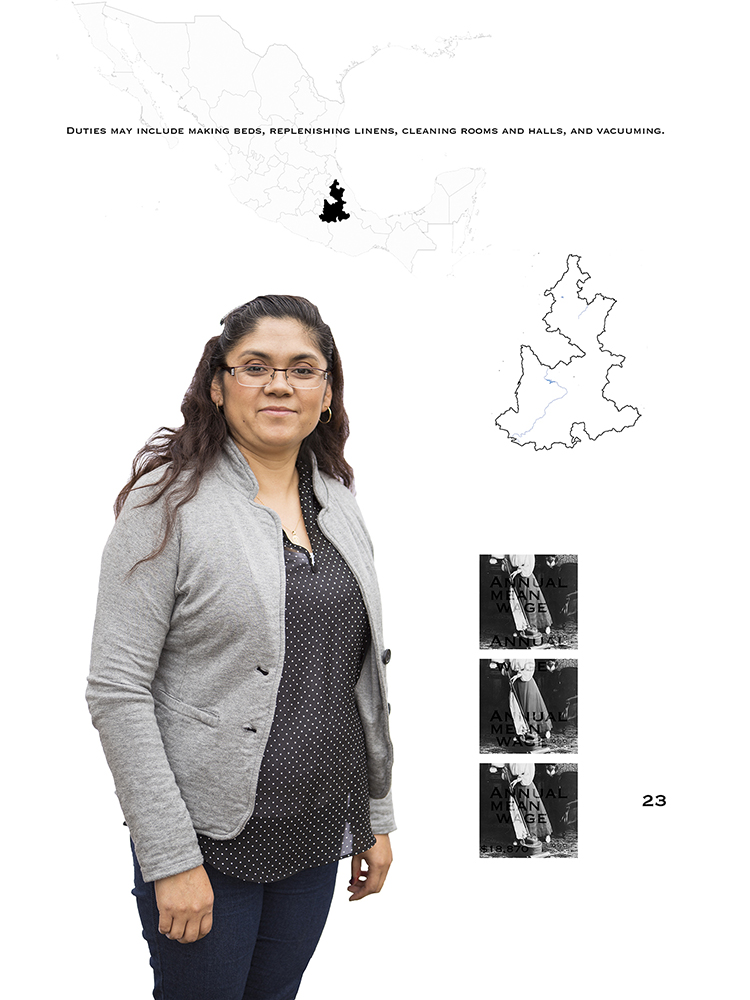
©Lupita Murillo Tinnen, Petronila, Domestic Worker, arrived at age 23, Matamoros, Puebla
Photography Educator is a monthly series on Lenscratch that highlights outstanding photography teachers who inspire students of all ages. Each month, the series celebrates an educator’s insights, strategies, and excellence in fostering creativity and resilience.
It gives me great pleasure to feature Lupita Murillo Tinnen this month, not only as an insightful artist but also as a gifted educator and mentor. Her commitment to supporting photographers and fellow teachers reflects a belief in the importance of cultivating creative voices. As Lupita puts it, “the most meaningful part of my job is helping faculty succeed so that they, in turn, can help students succeed”. That same care for others resonates in her own photographic work, which I deeply admire for its ability to bring personal stories into broader conversations about labor and identity. Informed by her own experience as a first-generation Mexican American, her photographs ask us to consider whose stories are told and whose experiences remain overlooked.
This article includes a selection of Lupita’s documentary portraits of Mexican immigrants, an interview, images and statements from some of her students.
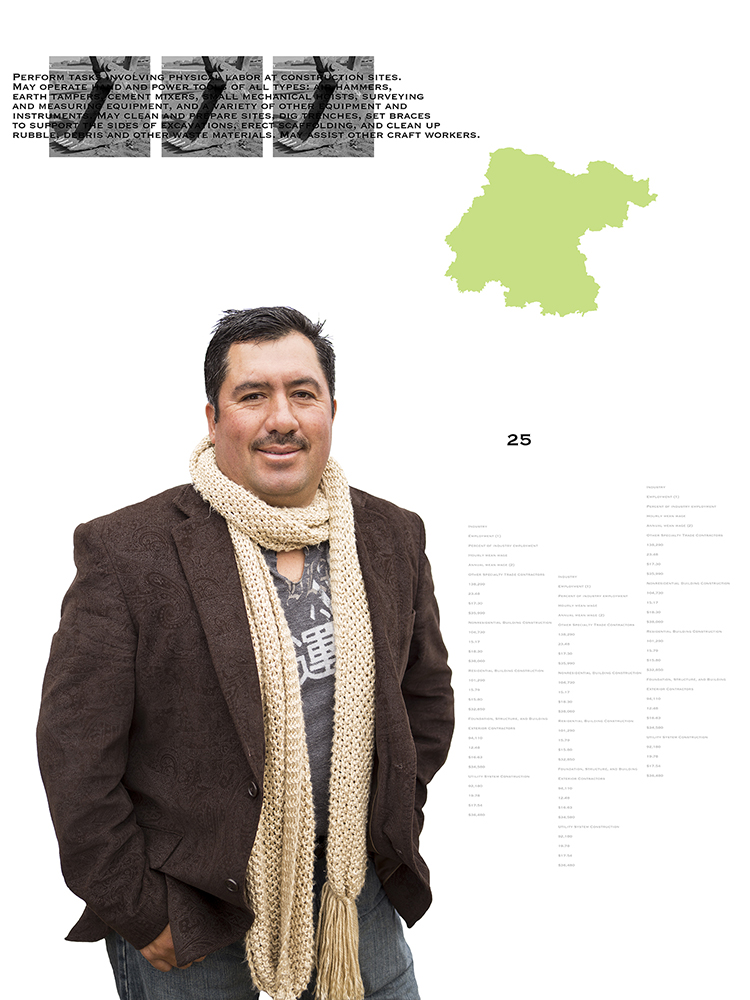
©Lupita Murillo Tinnen, Rene, Construction, arrived at age 25, Guanajuato
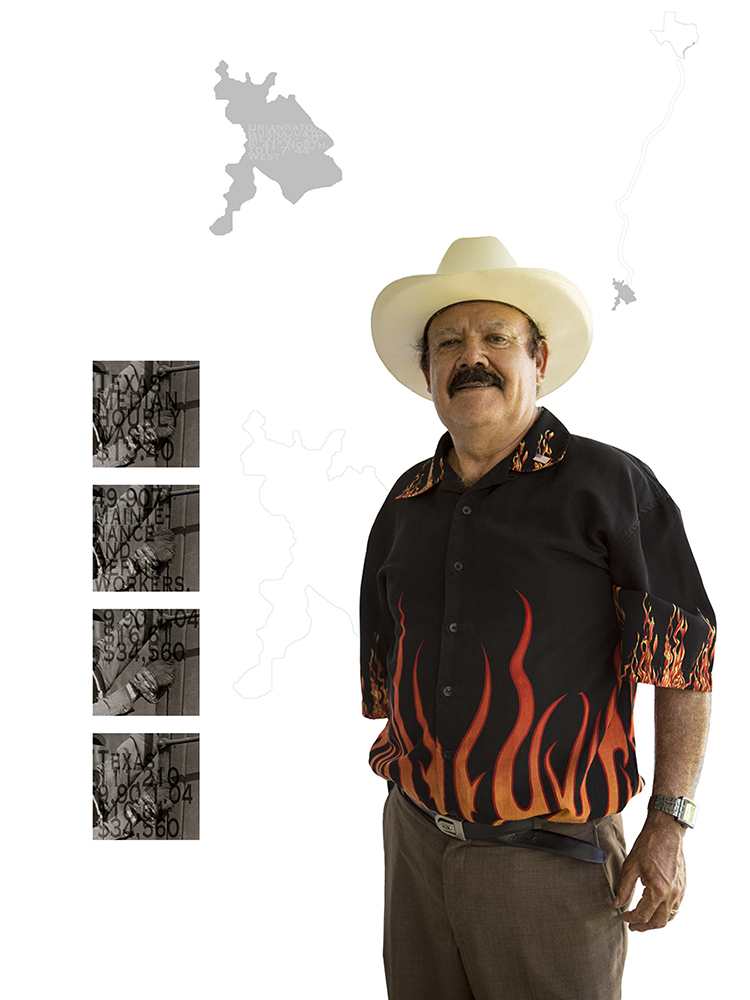
©Lupita Murillo Tinnen, Carlos, Maintenance, arrived at age 19, Guanajuato
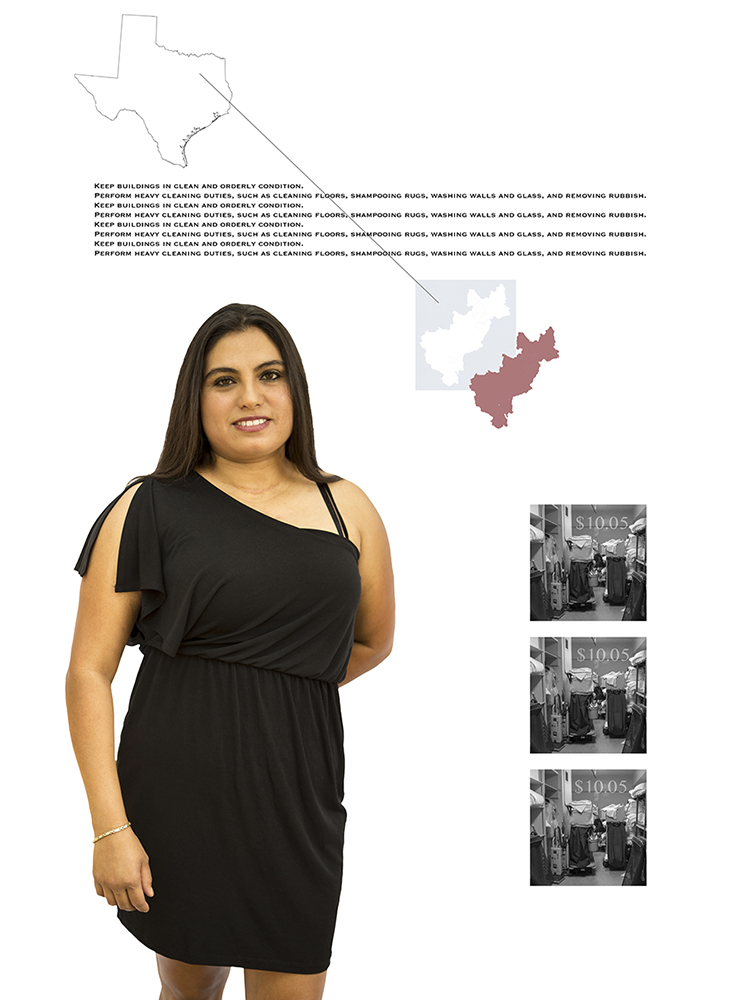
©Lupita Murillo Tinnen, Angelica, Building Cleaning Worker, Queretaro
Social documentary photography has been an extension of my professional life for nearly thirty years. Throughout my photographic career, the subject of my work has been the Mexican immigrant and undocumented community.
In the spirit of Richard Avedon, August Sander, Irving Penn, and more recently, Peter Yang, my contribution includes a photographic record of immigrant laborers currently residing in North Texas who are from Latin American countries. Unlike Avedon who was an outsider from New York, I have a unique perspective as an insider who comes from a working-class family of Mexican immigrants. I compare my work to the archives of German documentary photographer, August Sander, who catalogued social types in the period between the two World Wars. Sander’s goal was to create a major archive documenting the diverse social characteristics of German people.
I have created a documentary record of the many hardworking immigrant laborers who usually are relegated to the status of ‘non-belonging other’ and not as an equal. Instead of marginalizing the laborer by depicting them in their work environment, or in a uniform, they are dressed in their chosen attire and collaborate in the decisions regarding their portrayal. My aim is to expose the laborers as more than a simple statistic; instead, there is a face for the viewer to meet and encounter as an equal due in part to the large size of the prints. This body of work challenges social realist depictions of immigrant laborers, historically created by rhetoric, that produce the immigrant laborer as merely a worker rather than as an individual with a story. I combine text, graphics, and historical images of workers to create narratives concerning the individuals portrayed. These allow the viewer an opportunity to spend more time with each image. In contrast to the dominant tradition of stark realism long associated with social documentary photography, the photographs in this project are digital collages constructed onto large 30”x40” or 20”x24”white backgrounds.
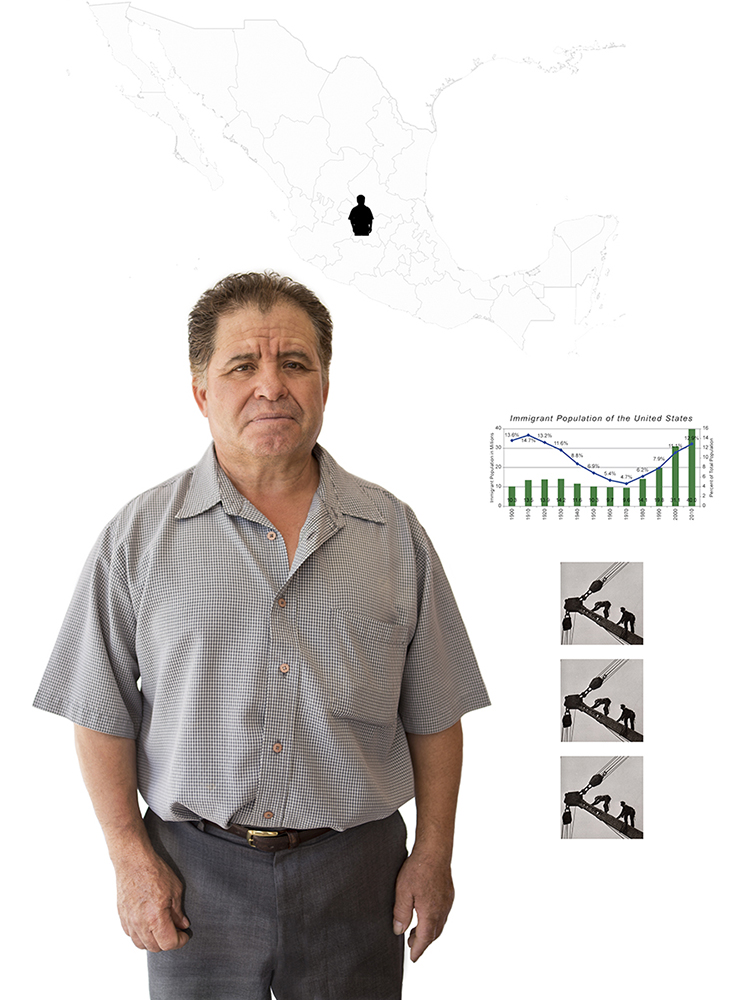
©Lupita Murillo Tinnen, Leonel, Factory Worker, El Charco, Guanajuato
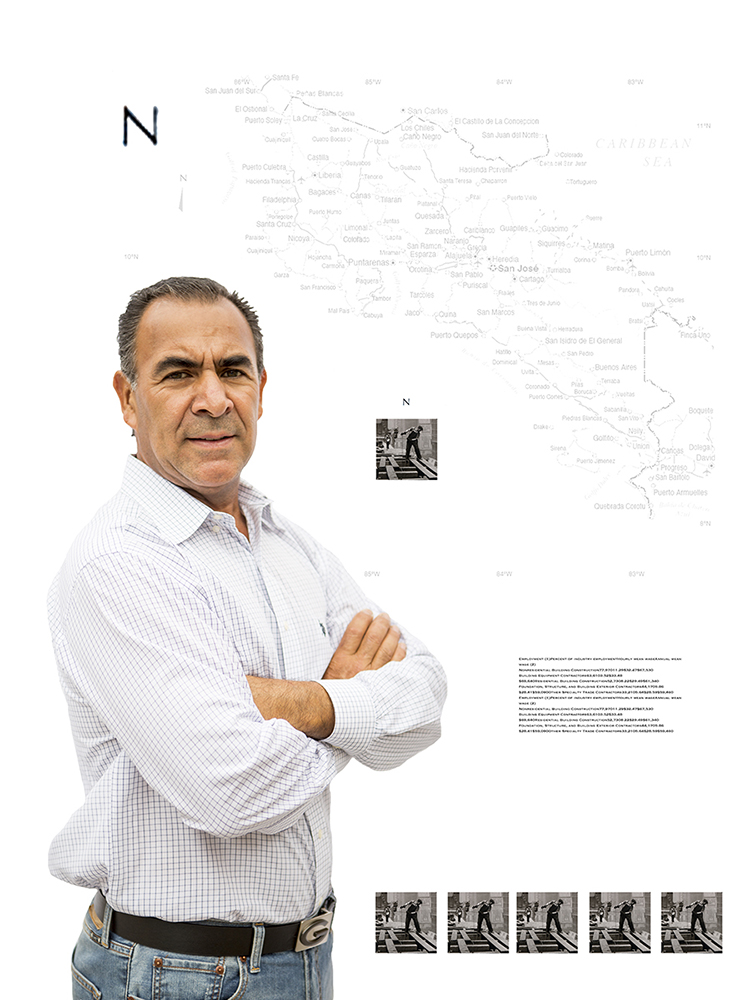
©Lupita Murillo Tinnen, Luis, Construction Sub-Contractor, arrived at age 26, Costa Rica
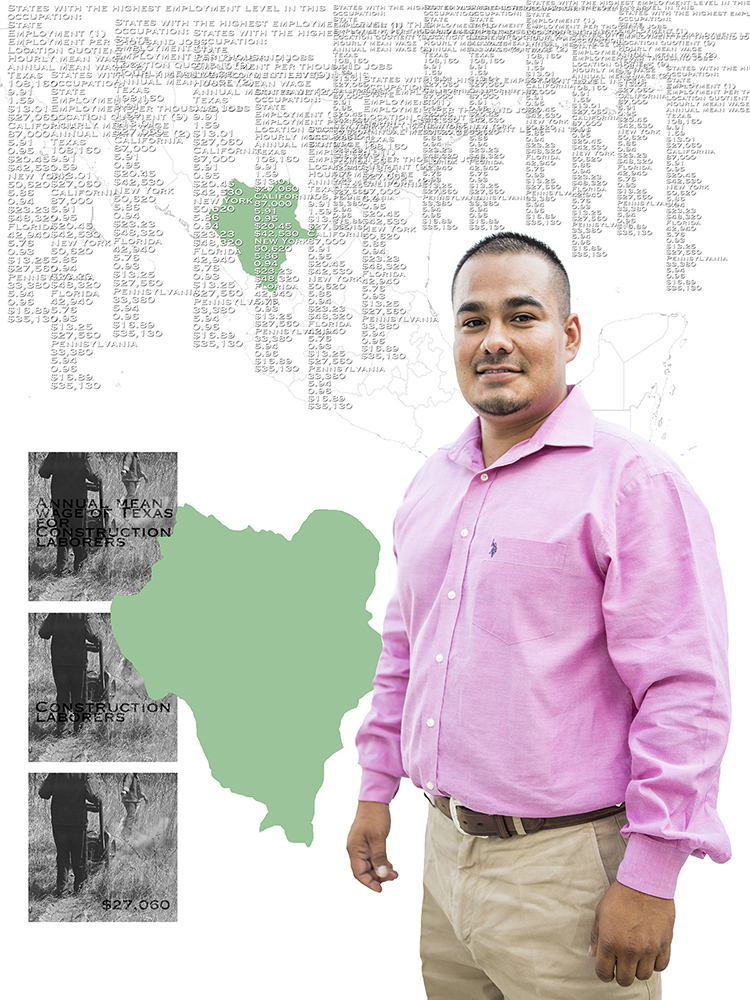
©Lupita Murillo Tinnen, Abel, Trencher, Durango
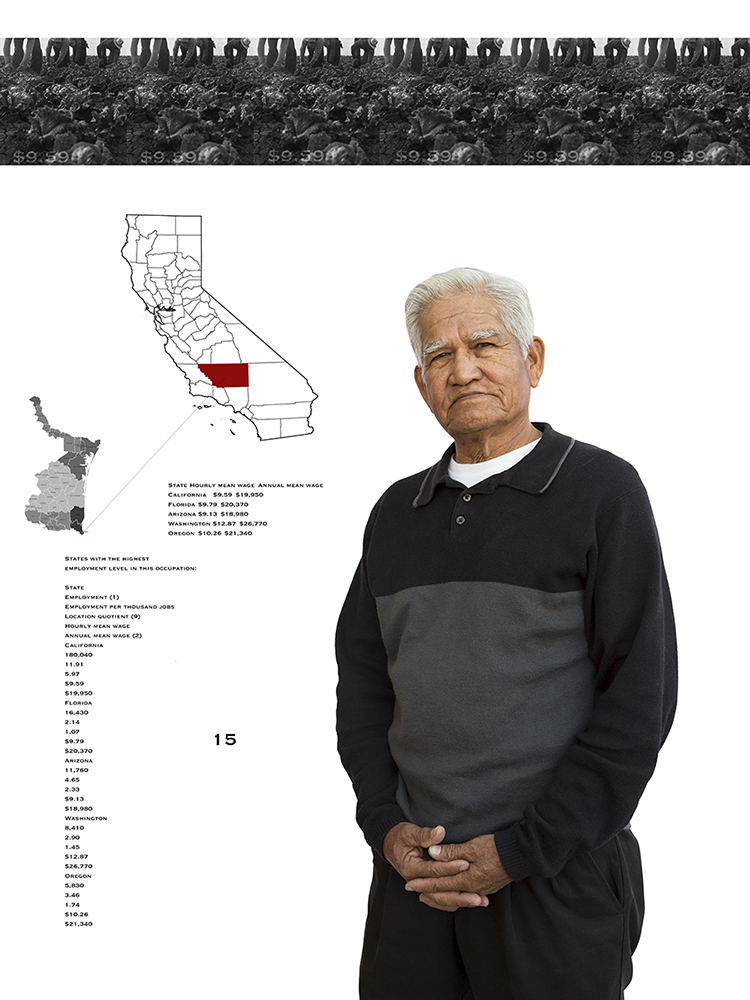
©Lupita Murillo Tinnen, Ramon, Agricultural Farmer, arrived at age 15, Tampico, Tamaulipas
ES: For a little background, can you share how you got into photography, teaching, and your present position as Dean of Academic Affairs and Workforce? Did you always want to work in academia?
LMT: My relationship with photography began when I was nine years old and desperately wanted a hot pink 110 film camera for Christmas. Once I had it, I photographed everything. I made little still lifes and regularly recruited my younger sister to be my model. It was playful, but even then I was interested in arranging the world within a frame.
Photography became something more serious when I took a class in high school. That experience changed the course of my life. My teacher, Terry Buckner, encouraged me to consider college and to study photography, which was not a path I had imagined for myself. Coming from a family of Mexican immigrants, I did not grow up knowing that going to college was something I could do.
I did not initially set out to build a career in academia. I discovered that calling in graduate school at the University of North Texas, where I became a graduate assistant under Dornith Doherty. I loved the classroom, and I especially loved introducing students to the magic of the darkroom: watching an image emerge in the developer and seeing students realize that they could make something entirely their own. I knew then that I wanted to teach.
After approximately 17 years in the classroom, I decided to apply for an associate dean position. I discovered that I also loved the work that happens behind the scenes in higher education. I am highly organized, I genuinely do not mind paperwork, and I enjoy solving problems and creating the conditions that allow other people to do their best work. Today, as Dean of Academic Affairs and Workforce, my impact is less visible than it was in the classroom, but it is broader. I may not teach students directly anymore, but I can support the faculty, programs, and systems that shape their education. I have found another way to teach and serve.
ES: Did you have an influential photography mentor or teacher? What was their biggest impact on you as both an artist and an educator?
LMT: I have been extraordinarily fortunate to have several teachers and mentors who changed the trajectory of my life, often by seeing possibilities for me before I could see them for myself. My high school photography teacher, Terry Buckner, was the first person who told me that I could go to college and study photography. That simple encouragement was transformative. She gave me permission to imagine a future I did not yet know existed.
In college, Stan Godwin took a chance on me and hired me to work in the photography area as a student worker. That experience gave me a sense of belonging in the department and allowed me to begin seeing photography not simply as something I studied, but as a community in which I could contribute. Bill McDowell encouraged me to pursue graduate school and, importantly, encouraged me to continue photographing my family. He helped me understand that the people, experiences, and cultural history closest to me were worthy subjects for serious artistic inquiry. He also introduced me to Dornith Doherty, who became enormously influential in the development and direction of my work at the University of North Texas. Later, my Ph.D. chair, Marilyn Waligore, helped me bring together my creative practice and scholarly thinking.
Each of these mentors gave me something different, but collectively they taught me one of the most important lessons I carried into teaching and now into administration: educators can alter a student’s sense of what is possible. Sometimes a student needs instruction. Sometimes they need critique. And sometimes they simply need someone they respect to say, “You can do this.”
ES: I know that much of your photography has concentrated on documenting the Mexican immigrant and undocumented community. These are very challenging and frightful times for this community with the current administration. Has your process changed in the last year?
LMT: My process has changed significantly, and the change has come from a sense of responsibility toward the people I photograph. Since 1995, much of my work has centered on Mexican immigrant and undocumented communities, often through intimate images connected to family, identity, migration, memory, and belonging. For many years, photographing real people was essential to how I approached those subjects.
More recently, I have become increasingly hesitant to make or publicly share photographs in which individuals could be identified. The people in these photographs are not abstractions or symbols; they are human beings who have trusted me. At this moment, I do not want the act of making or exhibiting my work to create additional fear or exposure for anyone. That concern has changed both what I photograph and how I think about visibility.
As a result, I have begun moving toward more poetic and indirect imagery. The work still draws from Mexican culture, personal history, family, and the visual language that has shaped me, but I am less interested right now in making a photograph that depends on an identifiable person. In some ways, fear has forced a formal shift in the work. I am asking how absence, objects, landscape, gesture, symbolism, and cultural memory can carry a story when a face cannot. I do not yet know where that will lead, but that uncertainty feels important.
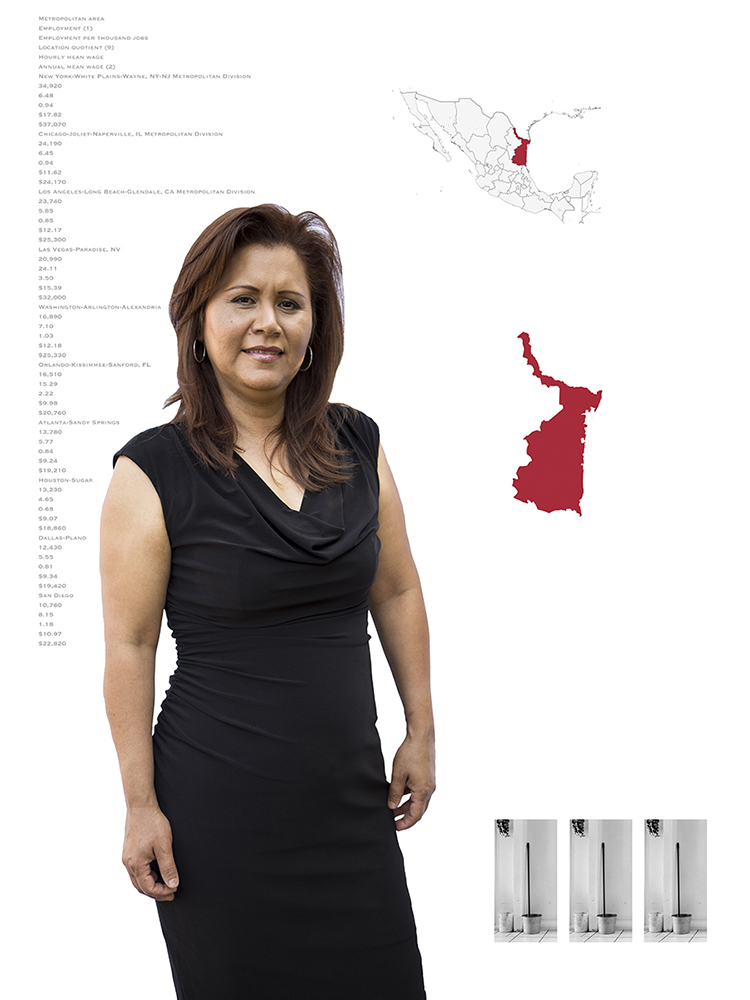
©Lupita Murillo Tinnen, Leticia, Domestic Worker, arrived at age 22, Nuevo Laredo, Tamaulipas
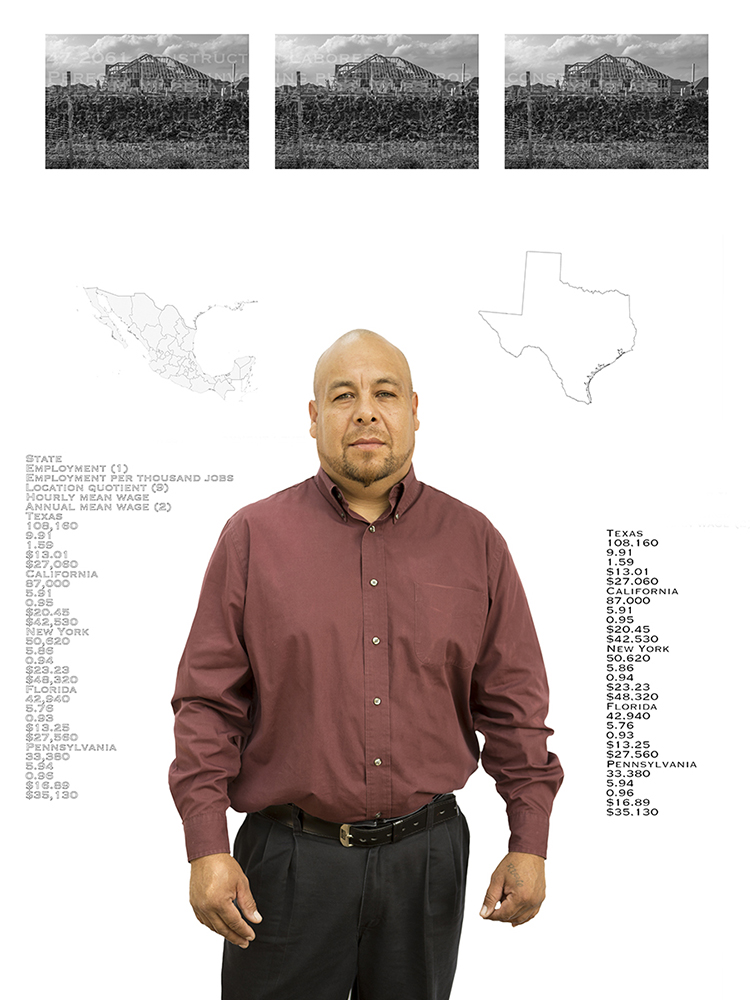
©Lupita Murillo Tinnen, Rodrigo, Construction, Queretaro
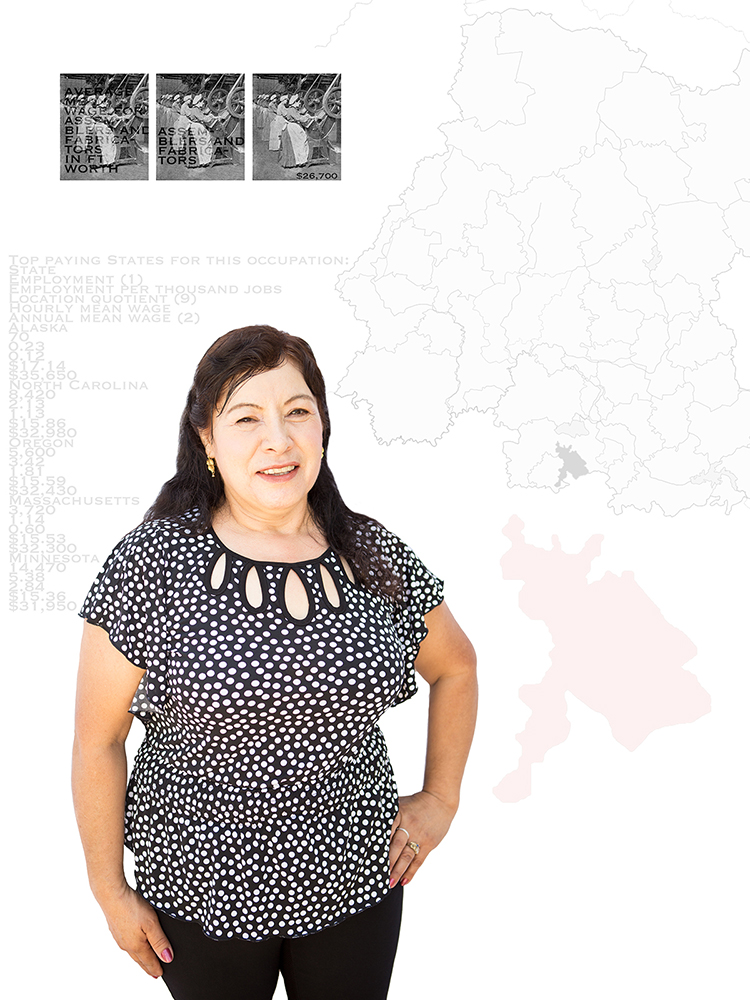
©Lupita Murillo Tinnen, Amalia, Factory Worker, Uriangato
ES: What are some of the challenges you see for educators in the arts at this moment in time? What challenges do your students face?
LMT: One of the most significant challenges for arts educators right now is undoubtedly artificial intelligence, but I also see it as an extraordinary creative opportunity. Photography has always been shaped by technological disruption. I began in the darkroom and lived through the transition to digital photography, the rise of camera phones, and the moment when many people wondered whether ubiquitous cameras would diminish the role of the photographer. They did not. In much the same way that photography did not eliminate painting, new technologies tend to change creative practice rather than end it. They force us to reconsider authorship, process, craft, and what makes an image matter.
I have therefore tried to approach AI with curiosity rather than fear. Creative people will experiment with it, resist it, misuse it, critique it, and eventually invent new forms and movements because of it. The challenge for educators is helping students participate in that experimentation without surrendering the learning itself.
That is where I think students are particularly vulnerable. Students do not always know what they do not yet know. If they routinely offload the difficult parts of thinking, writing, problem-solving, or making to AI before they have developed those abilities themselves, they may produce an acceptable result without acquiring the knowledge or judgment that should come from the process. In the arts, struggle, experimentation, failure, revision, and critique are not obstacles to learning. They are the learning. Our responsibility is to help students understand the difference between using a tool to extend their thinking and using it to replace their thinking.
ES: I know that working in academia can be both inspiring and draining. How do you recharge?
LMT: I recharge by returning to the things that remind me I am more than my administrative role. I make artwork, I read constantly, and I love movies. Those activities allow me to move into a different mental space after days that can be filled with meetings, budgets, personnel issues, schedules, and decisions.
I am also part of the Nuestra Artists Collective, which has been especially important to me. Being in community with other artists gives me the encouragement and accountability to continue making work while serving as a dean. Administration can consume every available hour if you let it, so maintaining a creative practice has to be intentional. The collective reconnects me to the part of myself that existed before I became an administrator and, in many ways, makes me better at the work I do now.
ES: What career accomplishments are you most proud of?
LMT: Earning my Ph.D. is one of the accomplishments of which I am most proud, not simply because of the degree itself, but because of what it represents in my family’s story. My parents had only an elementary-level education in Mexico, and I grew up without a roadmap for navigating higher education. To move from being the child of immigrants who did not know that studying photography in college was even an option, to earning an MFA and ultimately a doctorate, remains deeply significant to me.
I am especially proud that my doctoral work allowed me to remain an artist. My Ph.D. in Aesthetic Studies included a creative dissertation that brought together scholarly writing and photographic practice and culminated in an exhibition. I did not have to choose between being a scholar and being a maker. The work I am sharing with Lenscratch readers comes from that project, so it represents both an academic accomplishment and an important chapter in my development as an artist.
ES: What is the most meaningful part of your job?
LMT: The most meaningful part of my job is helping faculty succeed so that they, in turn, can help students succeed. I spent many years in the classroom, so I understand how much energy, preparation, creativity, and care good teaching requires. As a dean, I now have the opportunity to remove barriers, advocate for programs, solve problems, find resources, and create structures that allow faculty to concentrate on students and their disciplines.
There is something deeply satisfying about work that may never have my name attached to it but makes someone else’s good work possible. I loved the direct connection I had with students as a professor. As a dean, the connection is more indirect, but the potential reach is much larger. When faculty feel supported and programs are healthy, students benefit. That is the part of administration that continues to feel purposeful to me.
ES: How do you see your photography evolving in the next few years?
LMT: I hope my photography evolves into something I do not fully recognize yet. That possibility is exciting to me. I have been making work around Mexican immigrant experience, family, culture, and identity since 1995, and those concerns are so deeply connected to who I am that I do not imagine they will disappear. But the visual language I use to explore them is changing.
I am becoming more interested in suggestion than description, and in images that operate poetically rather than documentarily. I want to explore what can be communicated through objects, fragments, spaces, cultural references, constructed images, and perhaps processes I have not used before. The shift away from photographing identifiable people is already pushing me to think differently about representation and about what it means to make work rooted in a community while also protecting the people within it.
After so many years of making photographs, I no longer feel that evolution has to mean abandoning what came before. It can mean allowing the same questions to take a different form. I want to remain curious enough to let the work surprise me. If, a few years from now, I can still recognize the concerns at the heart of the photographs but not necessarily the way I chose to express them, I will consider that a good place to be.
STUDENT WORK
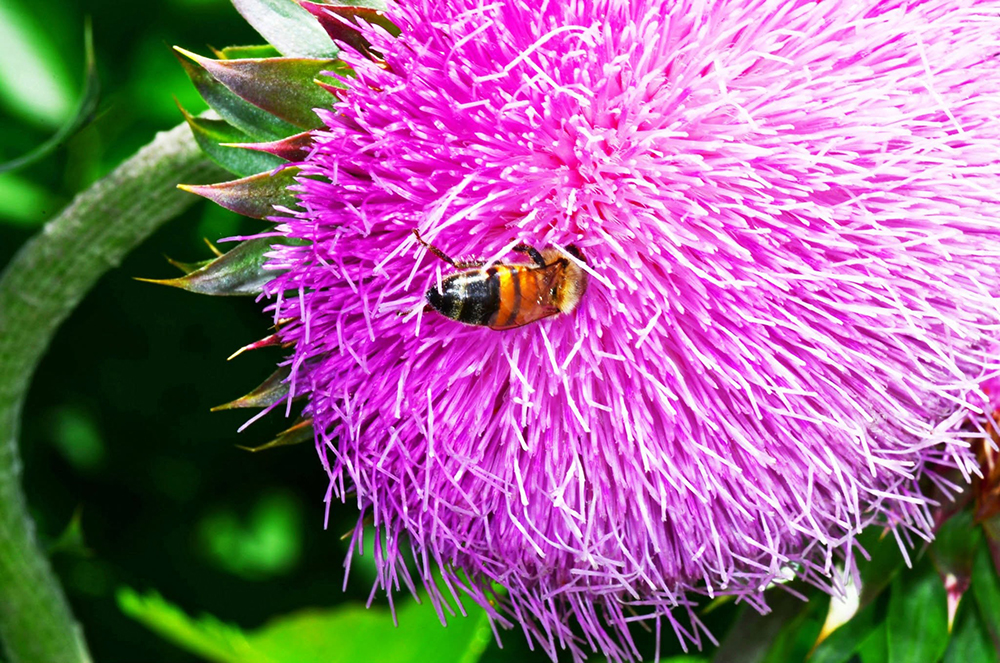
©Megan DeSoto
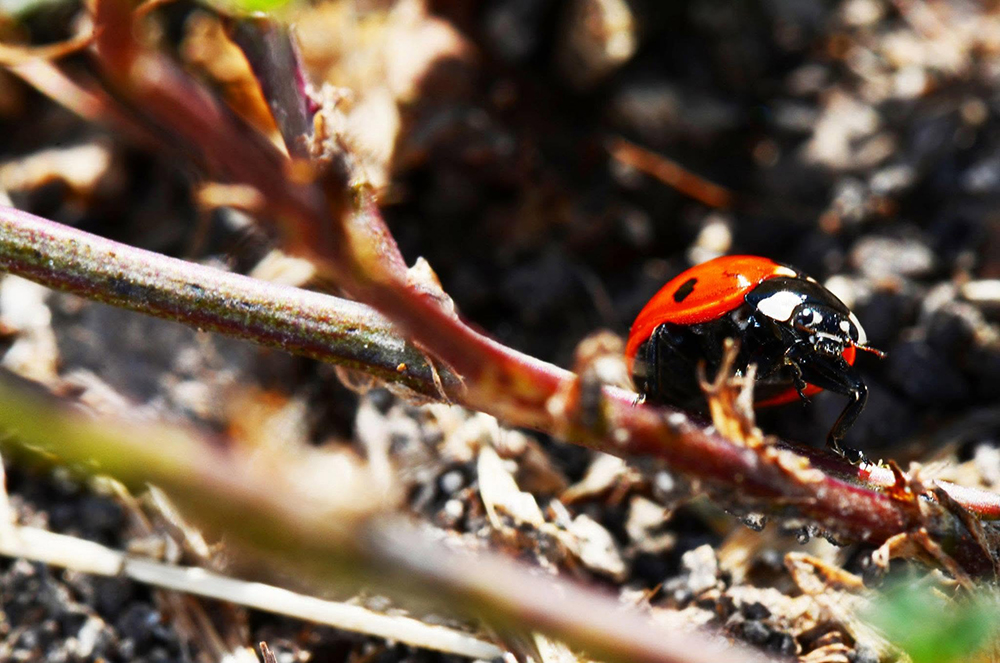
©Megan DeSoto
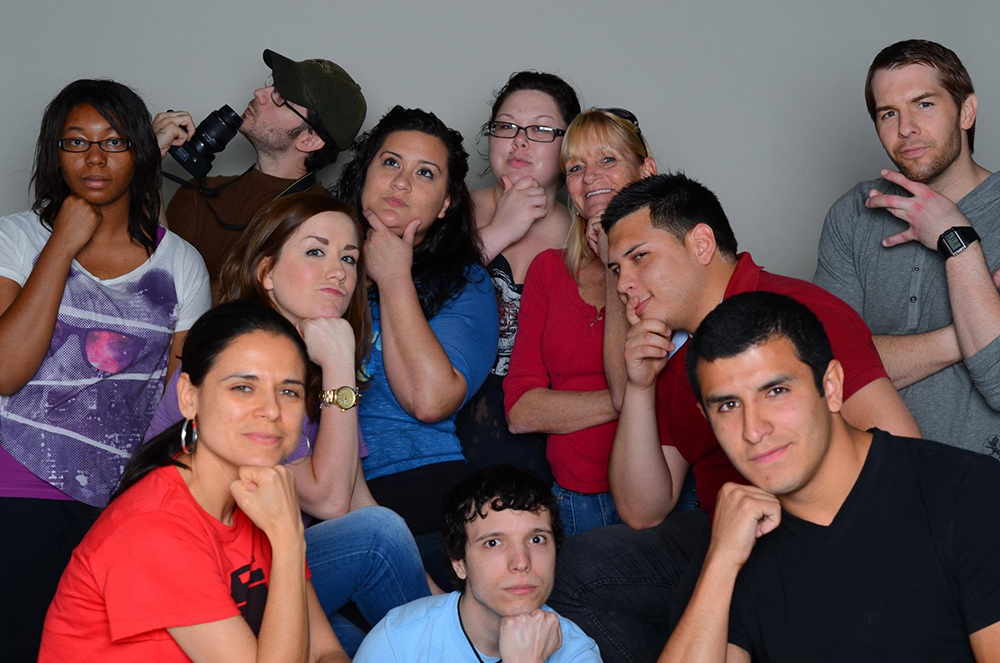
©Megan DeSoto
Dr. Tinnen had a gift for making students feel seen while encouraging us to trust our own creative voices. From conversations with her perched on a desk, Converse swinging, to the possibilities she opened through photography, her mentorship changed my life and continues to guide me in my own classroom as an educator.
Megan Desoto took Lupita’s beginning photography class in 2012, but has since received her MFA, and she just got a full-time faculty position at Collin College this year. This work is from when she was a student. She also wanted to include the fun image of the class that we took that year.

©Chris Baylor
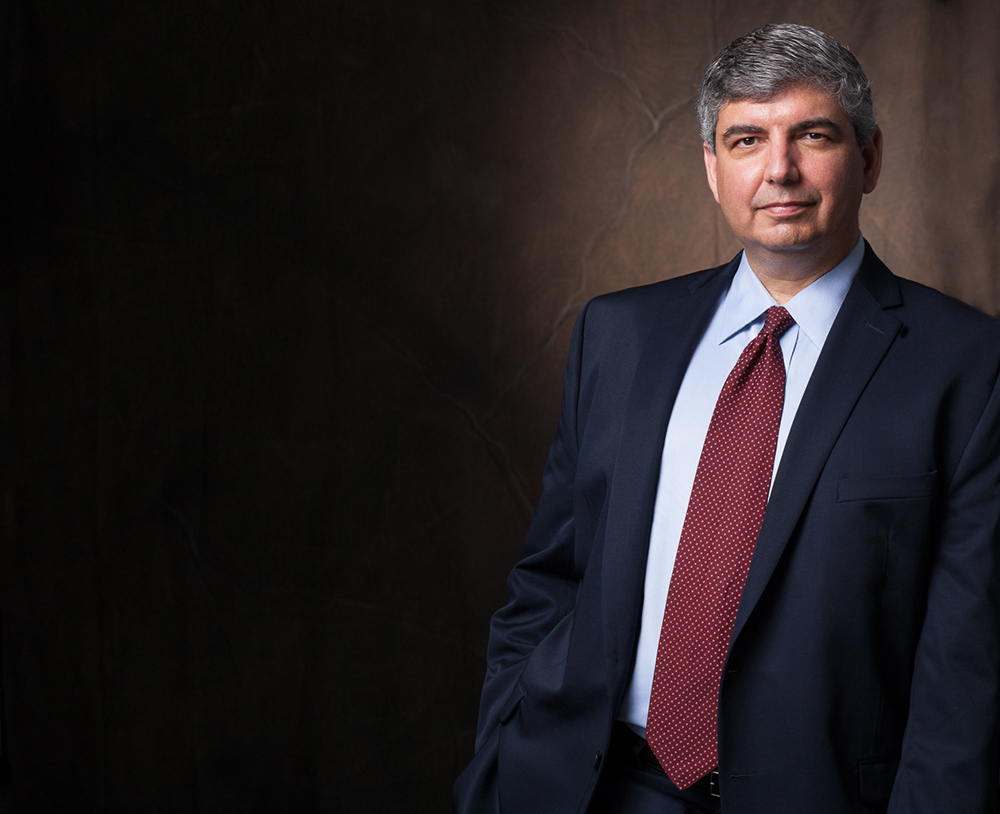
©Chris Baylor

©Chris Baylor
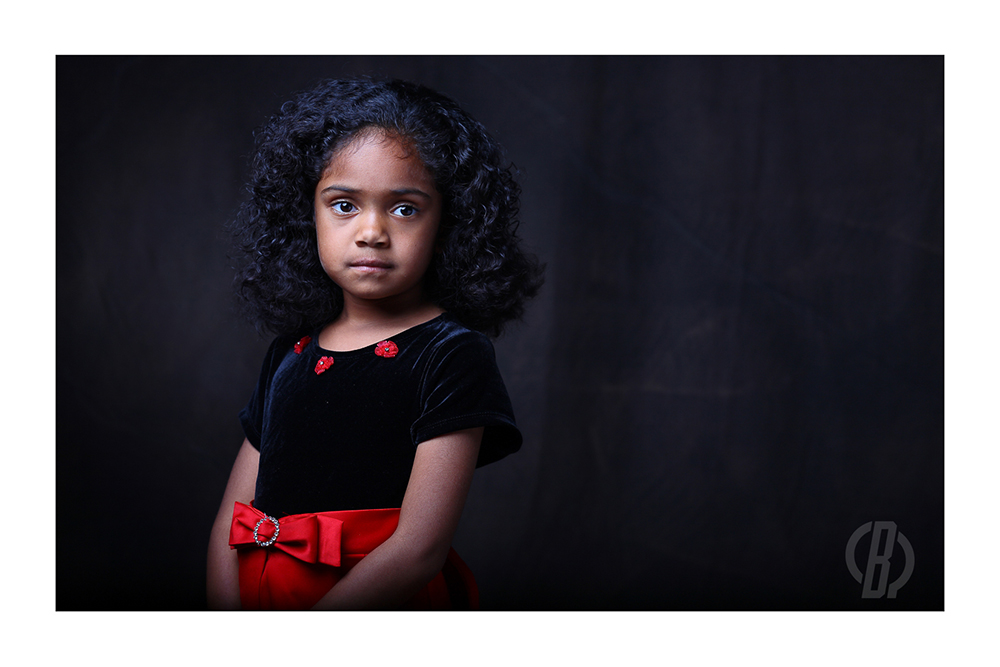
©Chris Baylor
I am Chris Baylor, former student of Dr. Tinnen and my story took flight in fall of 2009 after my first year of her teachings in my first portrait photography class the previous year—I vowed that I would go on to become her brightest pupil. To this day I am pretty sure she understood how serious I was then. She is one of the first of my teachers /professors I pay respect to anytime I speak about my path and growth as a photographer because she never let me do anything less than my very best. This helped push me even harder to be her best student product. I know I have exceeded her expectations for me and I keep raising my own bar to improve and impress her. I look at it as the greatest way to honor what she did for me… believing in a RAW talent and watching me turn into a highly polished gemstone with her initials cast into the base.
May you see the light you brought to your old student, the light you bring to all those around you, may you always be the light that shows the way.
Thank you and congratulations. Chris Baylor
Website: www.chrisbaylor.com
IG: chrisbaylorphotographer
Website: www.lupitamurillotinnen.com
Upcoming Exibition 2027: Nuestra Artist Collective at the Latino Cultural Center
Lupita Murillo Tinnen was born in Fort Worth, Texas. She serves as Dean of Academic Affairs and Workforce at Collin College Plano Campus. Tinnen earned a Ph.D. in Aesthetic Studies at the University of Texas at Dallas. Her dissertation addressed the historical portrayal of immigrants in documentary photography, the use of the photograph for social advocacy, and defined methods for the post-documentary. She holds an MFA in Photography from the University of North Texas and a BA in Photography from East Texas A&M. Her work focuses on cultural and personal issues stemming from her background as a first-generation Mexican American. Additionally, Tinnen served on the Society for Photographic Educators board of directors (2012-2016, Treasurer, 2014-2016). She served on the Texas Photographic Society Board of Directors (2010, Treasurer, 2015-2018). She is a member of the ArtCentre of Plano Board, and a member of the Nuestra Artist Collective.
Posts on Lenscratch may not be reproduced without the permission of the Lenscratch staff and the photographer.
Recommended
-

Photography Educator: Lupita Murillo TinnenOctober 16th, 2026
-

Moonsung Lee: Lyrical AttentivenessOctober 10th, 2026
-

Guggenheim 2026: Samantha AppletonOctober 9th, 2026
-

Guggenheim 2026: Chris Aluka BerryOctober 7th, 2026
-

Connor Archambault in Conversation with Douglas BreaultOctober 5th, 2026