GUGGENHEIM 2026: Lara Shipley
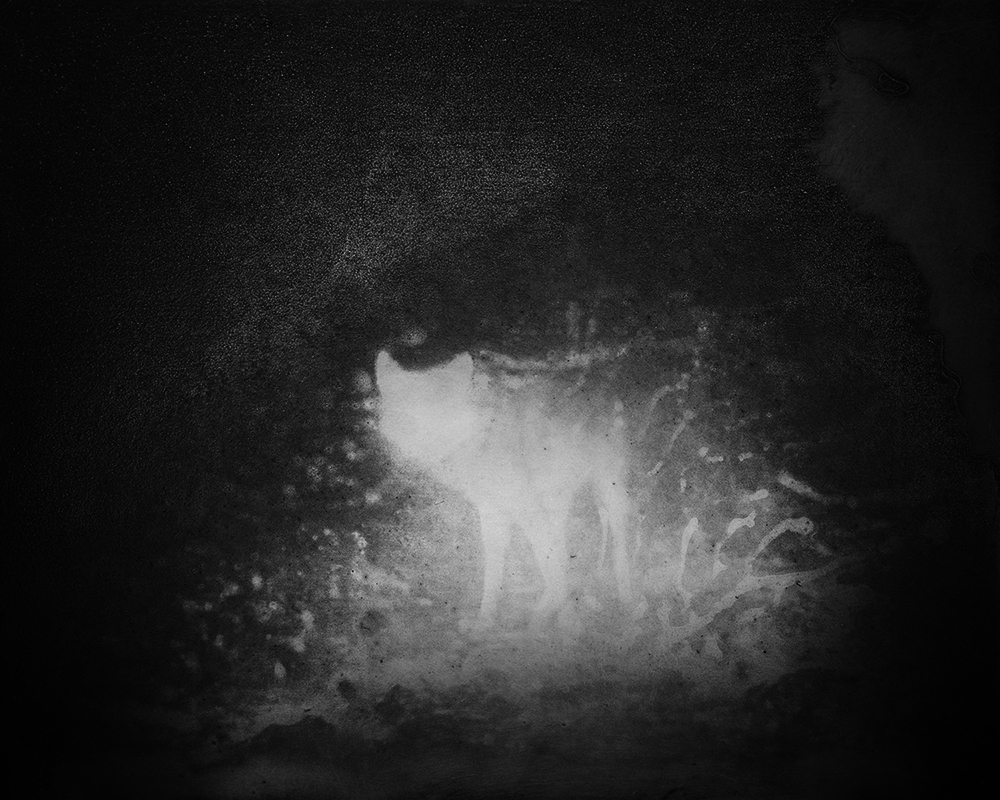
© Lara Shipley, untitled, from the project “The Age of Loneliness”
Over the next month or two, we are featuring the work of many of the 2026 Guggenheim Fellows as a way to celebrate their achievements and understand legacies and projects that have brought them this tremendous recognition.
The Board of Trustees of the John Simon Guggenheim Memorial Foundation announced their appointment of the 101st class of Guggenheim Fellows, including 223 distinguished individuals working across 55 disciplines. Chosen through a rigorous application and peer review process from a pool of nearly 5,000 applicants, the Class of 2026 Guggenheim Fellows was tapped based on both prior career achievement and exceptional promise. As established in 1925 by founder Senator Simon Guggenheim, each Fellow receives a monetary stipend to pursue independent work at the highest level under “the freest possible conditions.”
“Our new class of Guggenheim Fellows is representative of the world’s best thinkers, innovators, and creators in art, science, and scholarship,” said Edward Hirsch, award-winning poet and President of the Guggenheim Foundation. “As the Foundation enters its second century and looks to the future, I feel confident that this new class of 223 individuals will do bold and inspiring work, undaunted by the challenges ahead. We are honored to support their visionary contributions.”
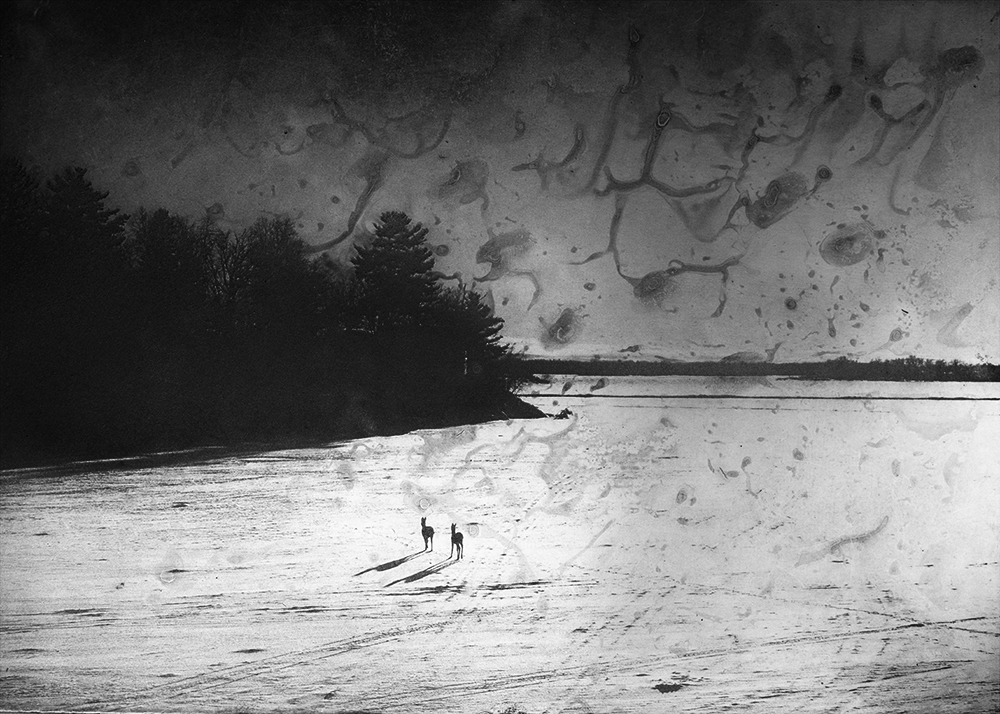
© Lara Shipley, untitled, from the project “The Age of Loneliness”
Lara Shipley is an American artist working primarily in photography. She is a 2026 Guggenheim Fellow. Her work has been exhibited recently at Rifugio Digitale in Florence, Italy; the Nelson-Atkins Museum of Art in Kansas City, Missouri; the Dayton Art Institute in Dayton, Ohio; the National Museum of Women in the Arts in Washington, DC; and at international photography festivals in Denmark, Greece, Italy, and Guatemala. Her work is held in the collections of the Museum of Modern Art Library, the Whitney Museum of American Art Library, the Smithsonian American Art Museum Library, the Museum of Contemporary Photography in Chicago, the Nelson-Atkins Museum of Art and others.
Shipley has published three photobooks: Devil’s Promenade (Overlapse Books, 2021) and The Naked Truth (Yogurt Editions, 2026), both made with artist Antone Dolezal, and Desire Lines (Overlapse Books, 2023). Her photographs have appeared in The New Yorker, Harper’s Magazine, British Journal of Photography, The Atlantic, Vice, and on NPR.
She holds an MFA in Photography from Arizona State University, a Bachelors in Photojournalism from the University of Missouri, and is an Associate Professor of Photography at Michigan State University.
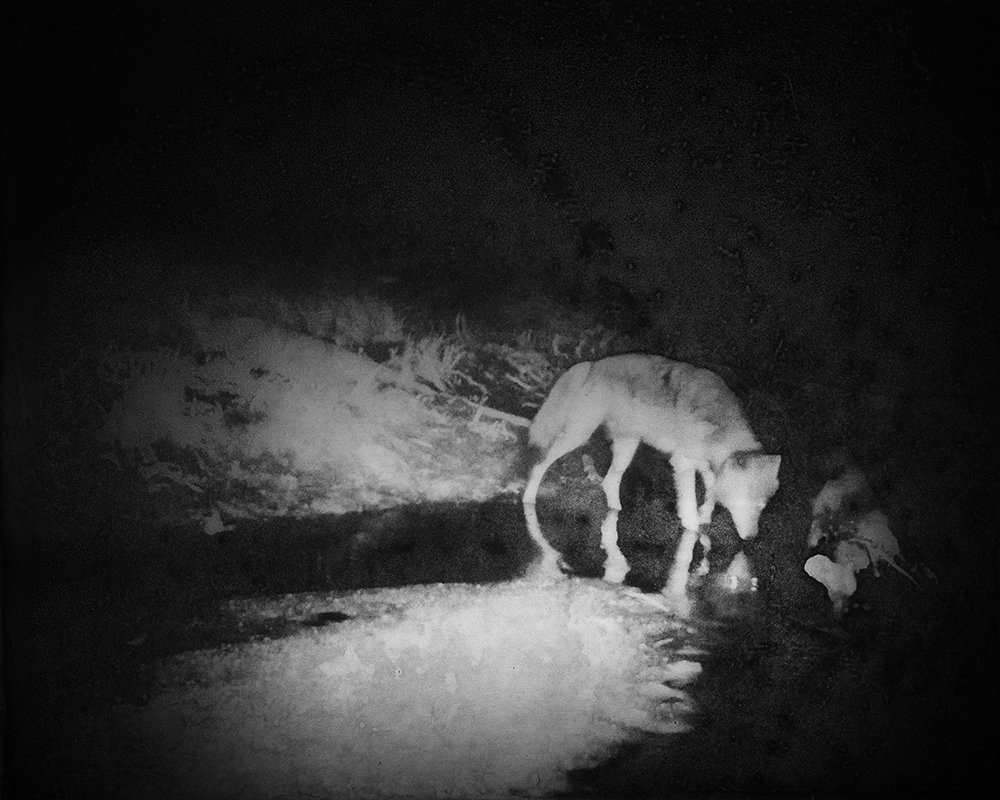
© Lara Shipley, untitled, from the project “The Age of Loneliness”
From a conversation on July 2, 2026, with Lara Shipley (LS) and Deanna Dikeman (DD):
DD: What did receiving a Guggenheim Fellowship mean to you at this stage of your career?
LS: It was just…it’s mind blowing! You know, it really is! There’s so many deserving artists working and it’s such a humbling experience. I am so grateful. I’ve been a working artist for 20 years. I never expected this kind of institutional recognition. My goal has always been to be able to do this for my whole life. And I hope that this will just make things a little bit easier, to connect the work with the kind of exhibition opportunities that I aspire to, to connect it with greater audiences. Yeah, I’m excited to see where this recognition will take the work.
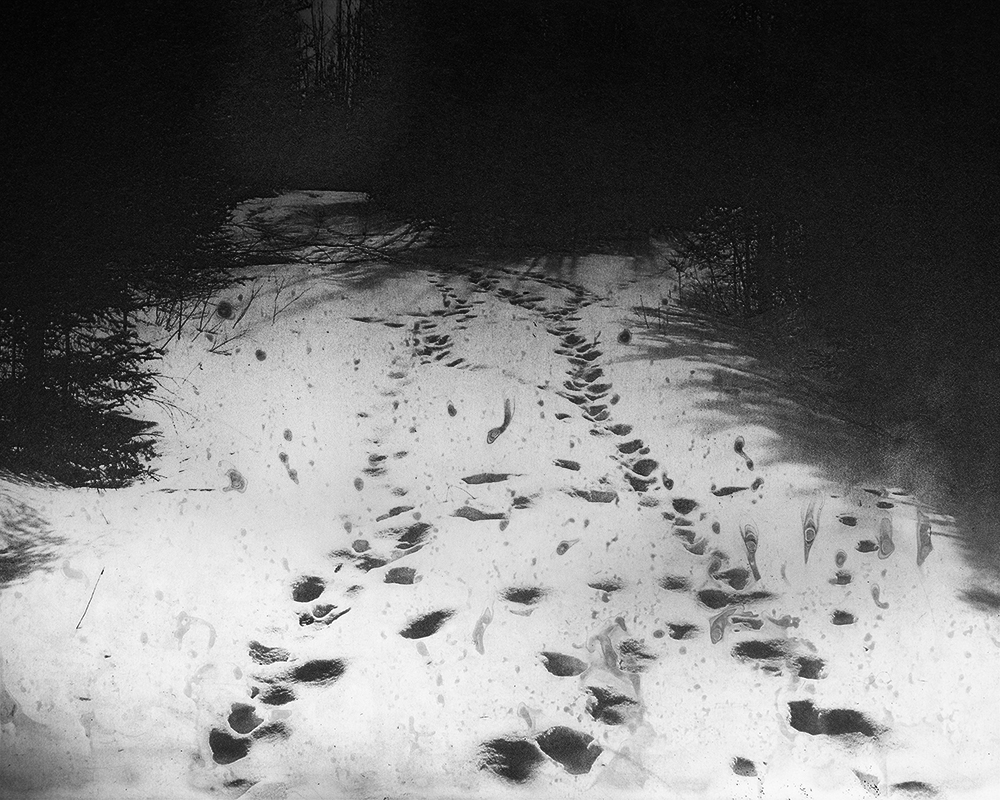
© Lara Shipley, untitled, from the project “The Age of Loneliness”
DD: Does the fellowship validate something you already knew about your work, or does it change how you see your practice?
LS: The work that I make, hmm…I don’t think that will really change. What I’m doing is so meaningful for me personally. I think I’m always changing, I’m always evolving, and this is another part of that evolution, but it’s kind of hard to predict. I think I have been just slowly over the years granting myself more freedom to experiment. I had this really traditional documentary background where I didn’t really feel like I had that freedom at all. And I’ve been keeping what I loved about that background, which is this curiosity about things that are happening in the world and research skills to connect with them.
But I have had this evolution in my practice of just trying to let go this idea of what a project has to be. I think I am still doing that. One thing that I’ve been really interested in lately is playing around with more types of materials, more types of non-photographic methods from printmaking to learning how to do some glass work.
All of this is giving me a lot of energy. The foundation will continue to be photography, but yeah, I’m really excited to see what all of these other methods can do. I never got a bachelor’s in fine arts, so I never had the experience of playing around in art school and trying new things. I feel like I’m trying to give myself that permission now. I don’t really know where this is gonna go, or if it’s gonna be something that will become a part of a project, but that’s okay.
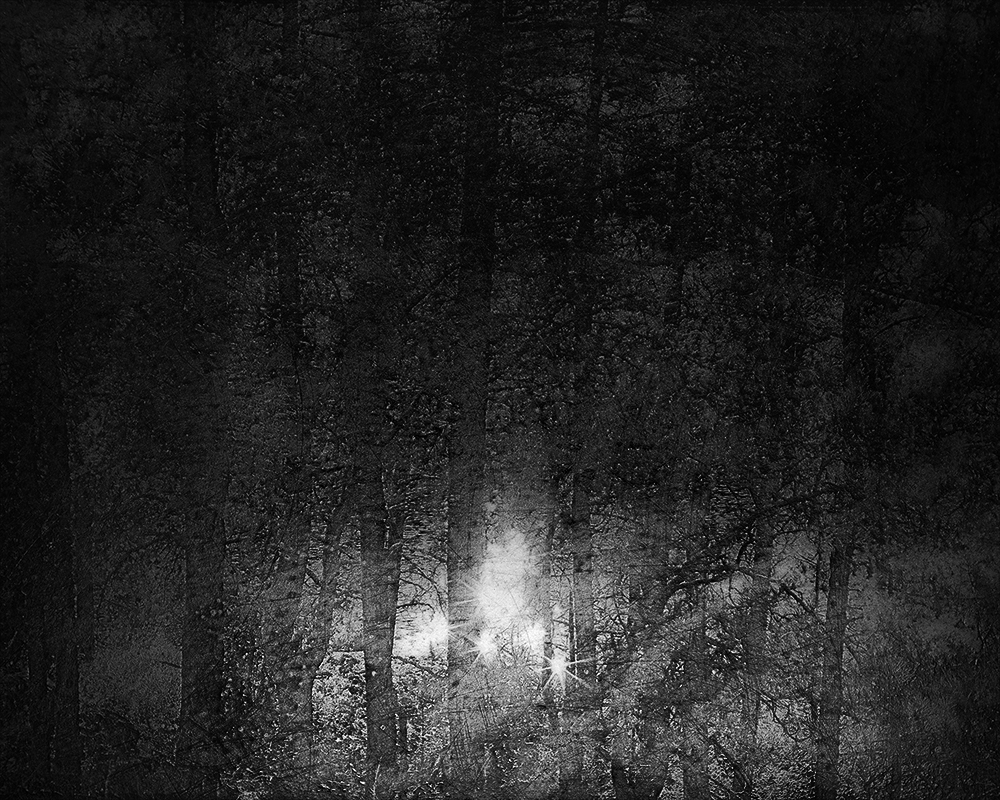
© Lara Shipley, untitled, from the project “The Age of Loneliness”
DD: How will you use the freedom the fellowship provides?
LS: In some ways, it’s really so fresh—I’m just back from the reception. We’ll see whether or not it changes my practice, but I think it will help fund my practice, right? It’s so exciting to know that if I’m careful, I can have my work supported for quite a long time. I would really like to make this funding stretch. And let my imagination stretch too.
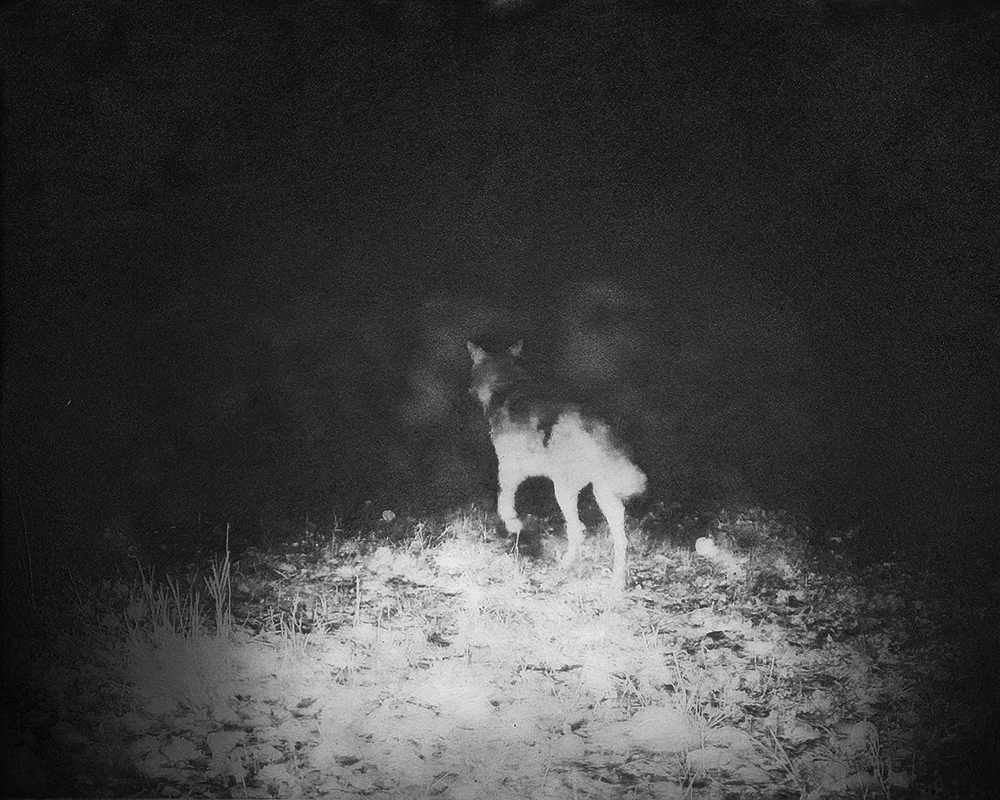
© Lara Shipley, untitled, from the project “The Age of Loneliness”
DD: What advice would you give to photographers for going through this process?
LS: I think it’s really helpful to have a friend or someone that you really trust to give a very careful reading of the application several times. And for me, that was an exchange. It was a friend of mine and we were both applying, so we read each other’s applications and gave each other feedback. We did that, two or three times, because it’s just very hard to catch everything yourself. You’re trying so hard to craft something so carefully and it can be easy to get lost in the wording. I also think clarity is really essential. I think it has been a strength for me with my background in journalism, in writing applications, to get to the point.
A lot of the work that you’re doing in an application is not in the application, it’s with yourself, right? Like, you have to really understand what you want, what’s driving you, what’s motivating your desire for a project. If you know those things, the writing becomes easier, right? Sometimes you can figure it out on paper, but then you have to get rid of that draft and start over once you’ve made those connections. So whether you’re talking it through with someone or just doing a lot of note-taking, I think the more you can get to that place, the easier it is.
Another thing to add is just to not give up. I mean, I’ve met people at the Guggenheim reception that have been applying for over a decade, and they’re there. We don’t really know why one person gets it over another and there’s so many people who really deserve it. I’ve met a lot of tenacious people who got a Guggenheim, so that definitely really helps.
I think for so long, I was working outside of the art world, and just kind of making zines. I was making these strange projects, doing my own thing. So I was hesitant to apply. It felt like a shot in the dark. But it was extremely cool to look at the work that got fellowships this year. I mean, it’s all over the place. It’s so exciting to work in photography right now. It’s not like in the different eras in the past where there was really an expected mode of what you could do and what it had to look like. I really don’t think that’s happening now. And you can see that in the work that got fellowships. There is completely traditional documentary to completely experimental mixed media. I don’t think that anyone should be feeling like “this might not be for me because my work takes a certain form,” you know?
I really thank my friends and mentors who encouraged me to apply. Maybe one thing I learned from getting the Guggenheim was what else am I not going for in my career that I really should be paying more attention to?
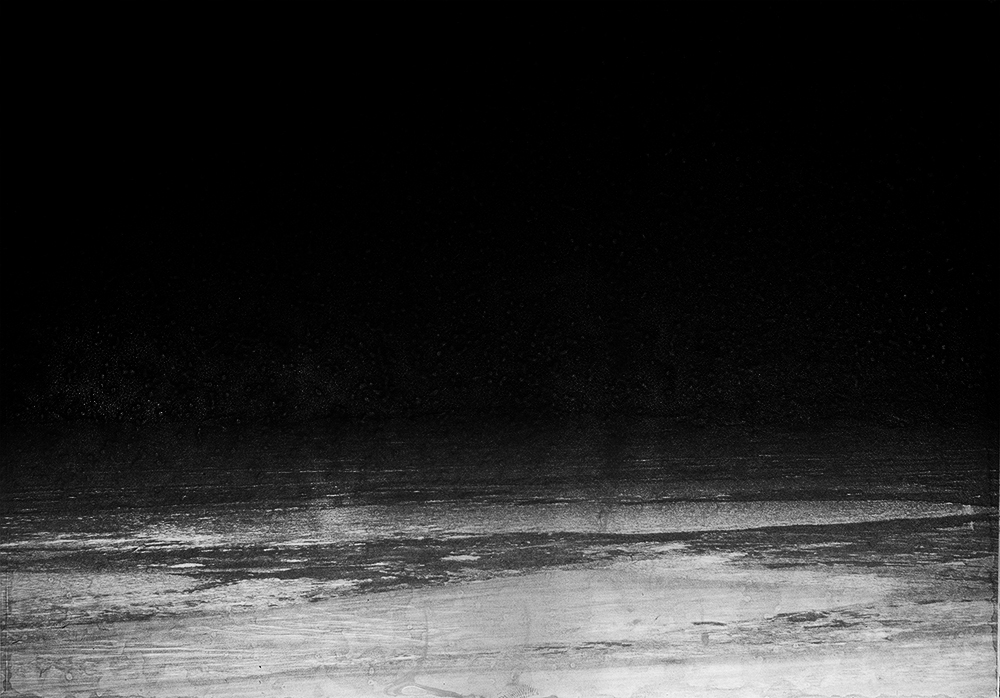
© Lara Shipley, untitled, from the project “The Age of Loneliness”
DD: Can you tell us about the project you are working on?
LS: The Age of Loneliness describes the time that we live in where mass extinction has created existential and ecological isolation for humanity. I made these photographs using traditional and motion sensor cameras and a process I developed incorporating printmaking techniques and photography. The wolves in these photographs live in northern Minnesota. Because of the extreme remoteness of the region, it is the only population of wolves in the lower 48 to never be completely eradicated. In the 1600s it was estimated that 2 to 3 wolves lived in every 10 square miles of land in the continental U.S., including Detroit, where I live. The Europeans who encountered these wolves were largely from dense cities. They had never seen a wolf before and met them with fear and hatred inherited from their folklore.
Beliefs haven’t changed, though our landscapes have. Now I must drive over 30 minutes to find a forest big enough to escape the sounds of traffic. These woods feel empty, domesticated. Wolves can thrive anywhere where they are tolerated by people. That so few of those places remain says much to an American confusion, fear, and distaste towards wildness.
Our lives are too short to see the world we make. Every generation of people is born into a new reality and deprived of a felt knowledge of what has been lost. This extinction of experience guarantees there will never be a reality we aren’t able to accept. It takes active imagination to create a different reality than the one we inherited. This is a real, present landscape. But for most of us, it’s as if it never existed.
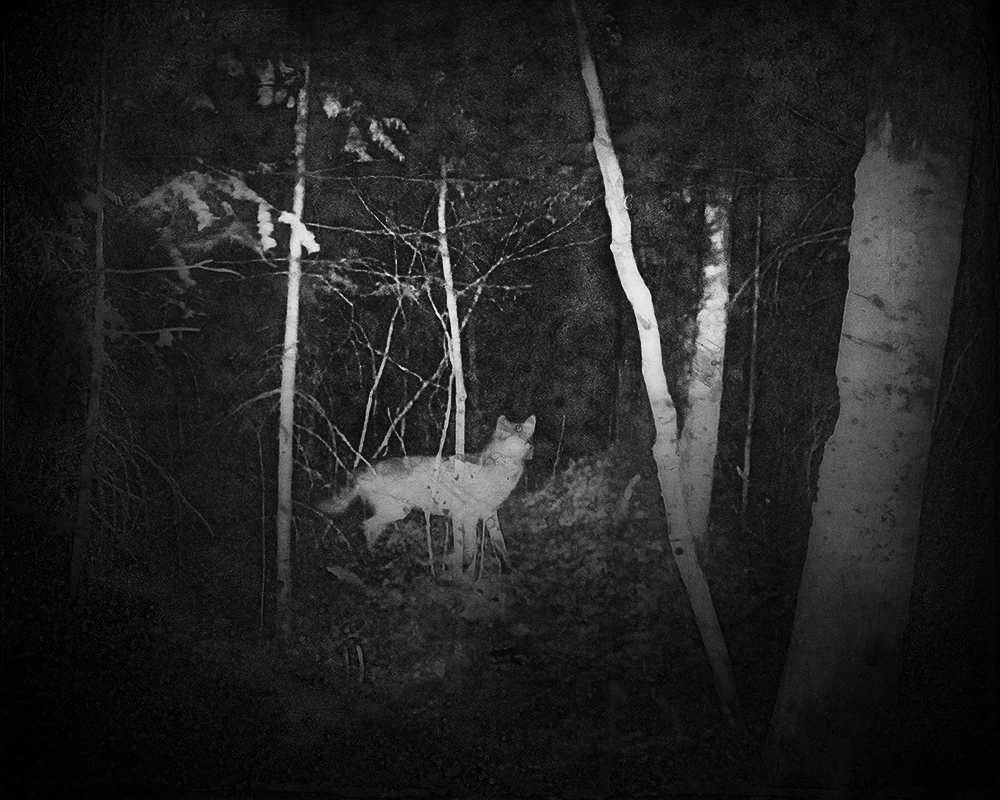
© Lara Shipley, untitled, from the project “The Age of Loneliness”
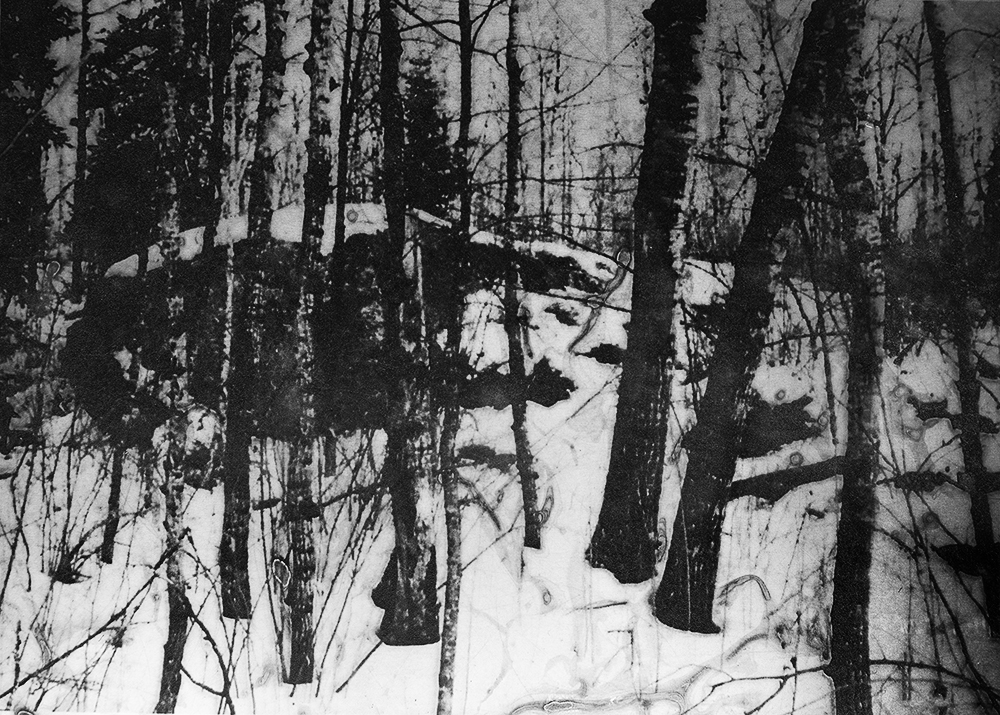
© Lara Shipley, untitled, from the project “The Age of Loneliness”
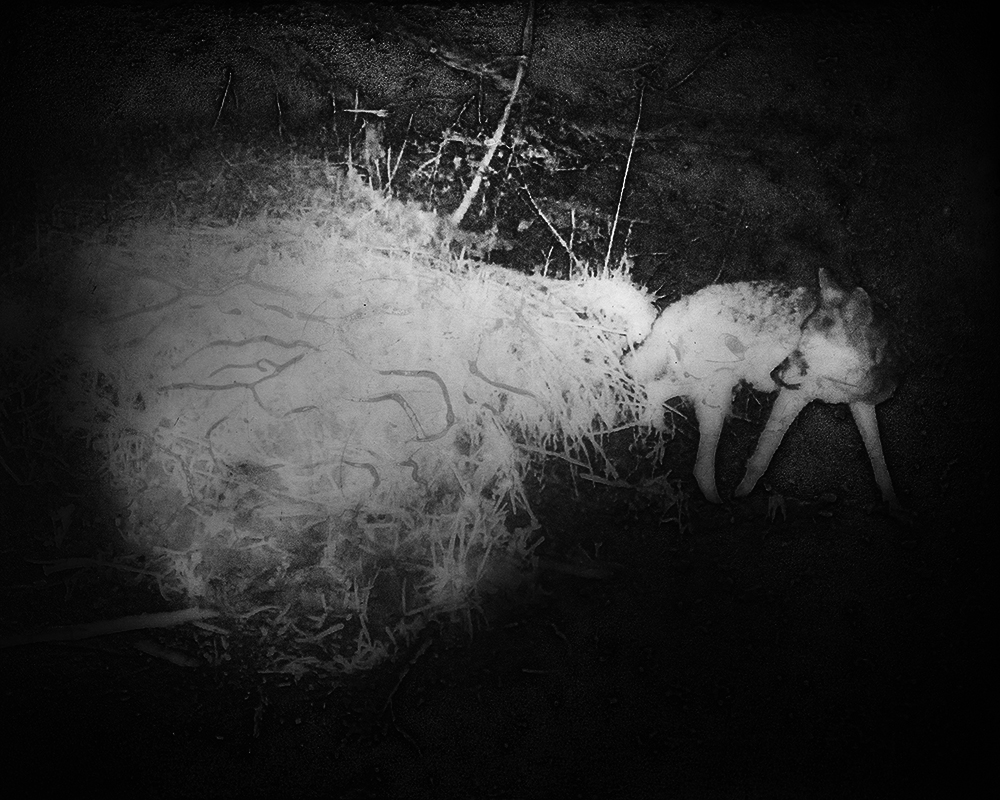
© Lara Shipley, untitled, from the project “The Age of Loneliness”
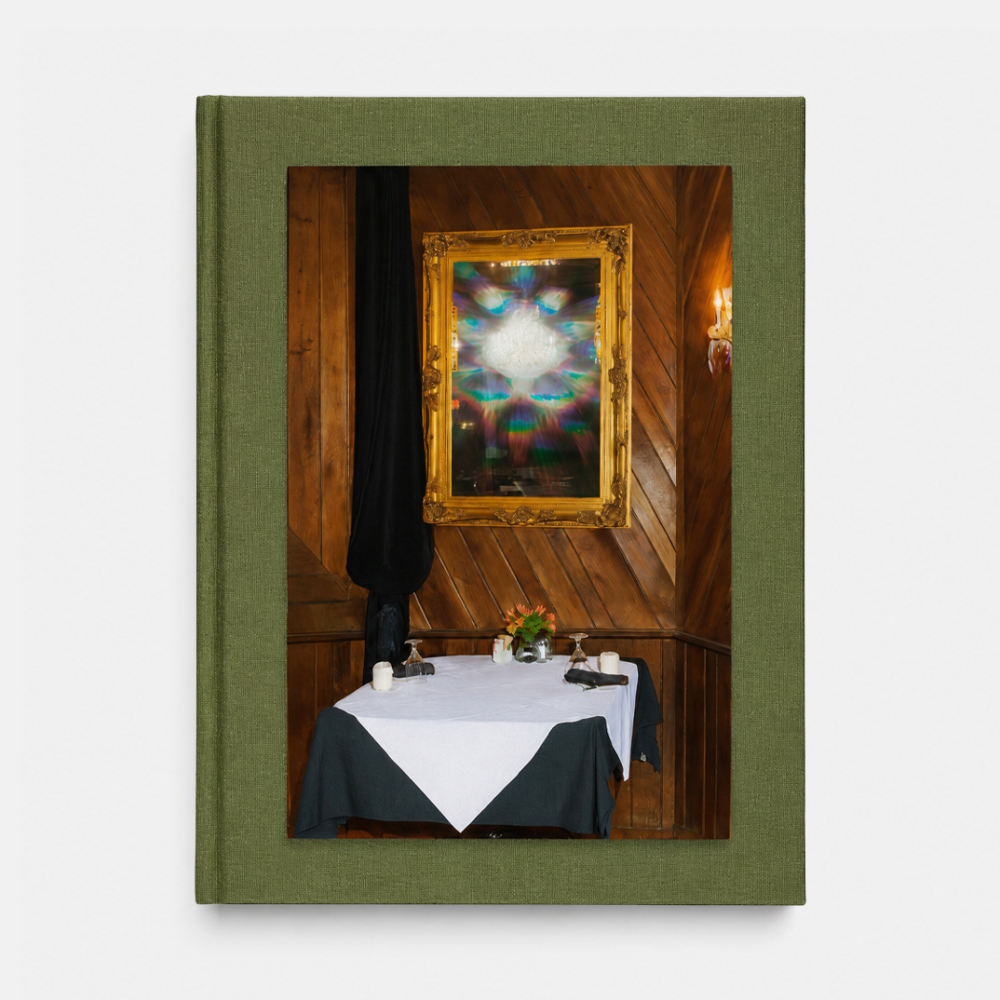
DD: You have a new book?
LS: My collaborator Antone Dolezal and I just published this book, which is just now becoming available in the United States. We will be doing a book signing at Polycopies in Paris this year.
https://www.instagram.com/lara.shipley/
Posts on Lenscratch may not be reproduced without the permission of the Lenscratch staff and the photographer.
Recommended
-
GUGGENHEIM 2026: Lara ShipleyOctober 8th, 2026
-
Brynne Quinlan in Conversation with Douglas BreaultSeptember 27th, 2026
-

Shawn Bush: Angle of DrawSeptember 4th, 2026
-
Student Prize: Top 25 to WatchAugust 2nd, 2026
-
Kerry Mansfield: The Intertidal ProjectJuly 22nd, 2026