William Josephs Radford: Transparent
©William Josephs Radford, Transparent
©William Josephs Radford, Transparent
Photography has a powerful ability to shape the way we remember. Over time, photographs can become so intertwined with our personal histories that the image and the memory begin to merge. We may believe we remember a person, place, or moment, when in fact what we remember most clearly is the photograph itself, the frozen moment in time that has come to stand in for the experience.
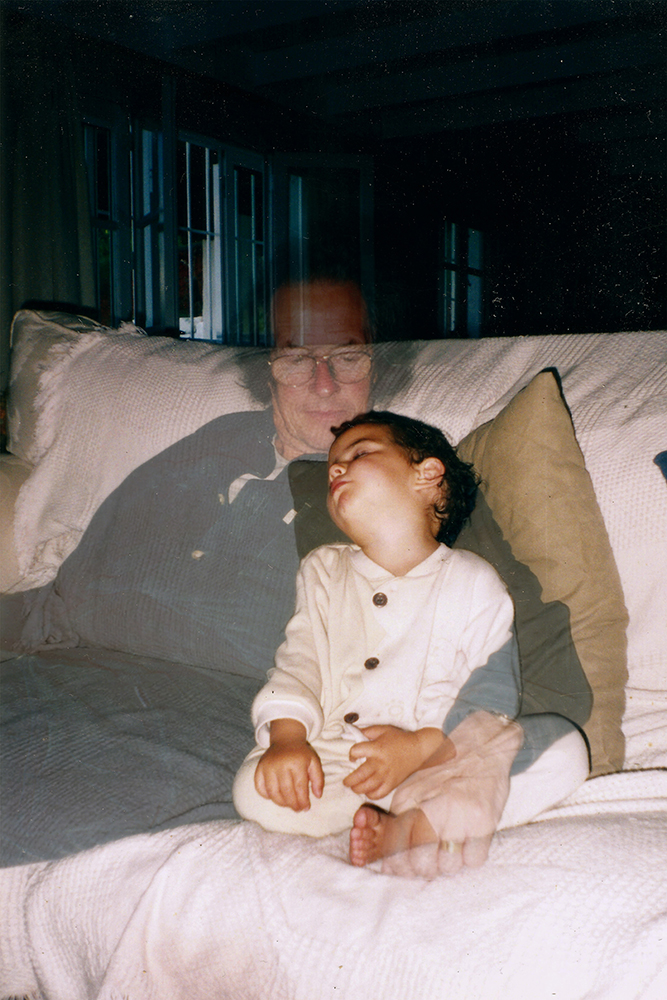
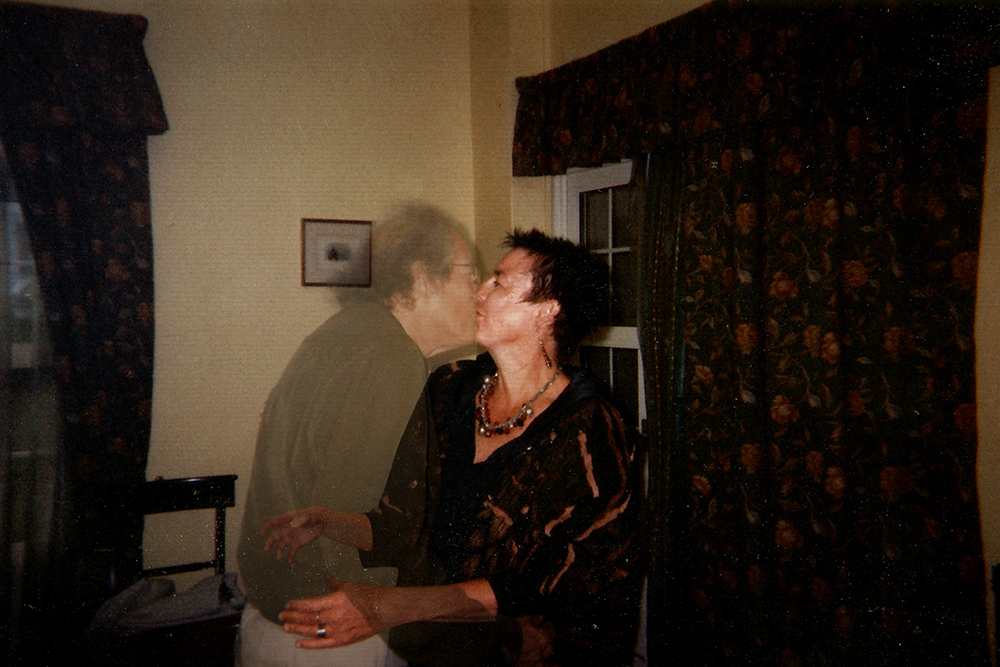
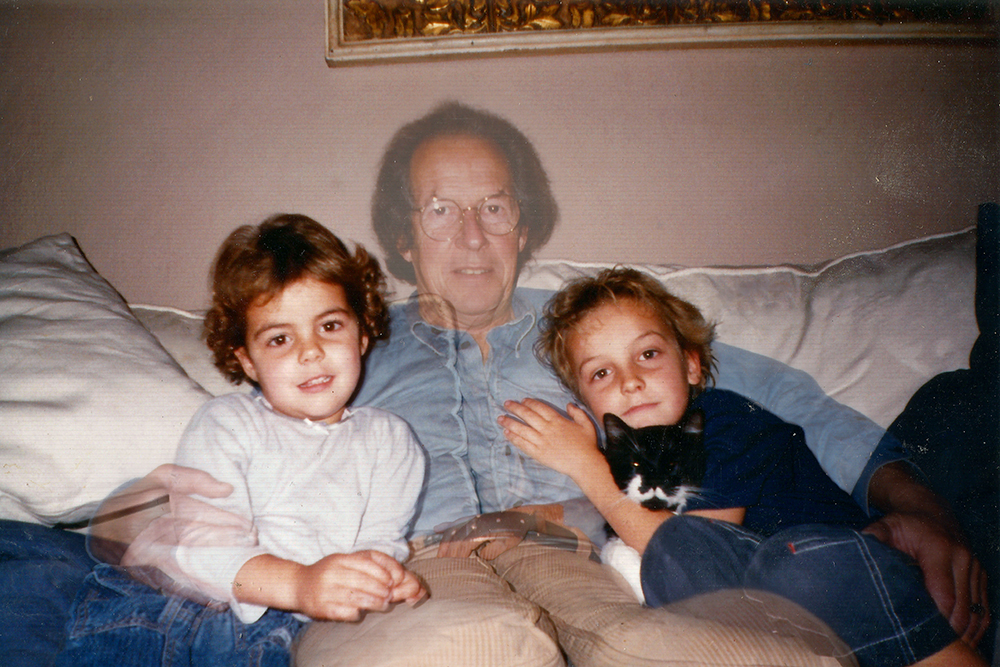
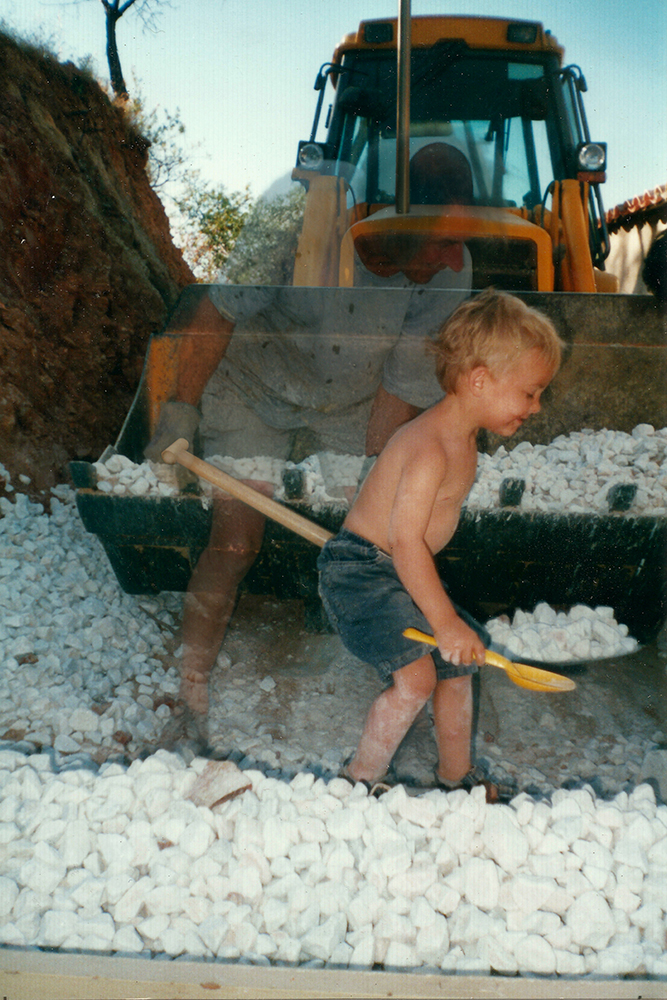
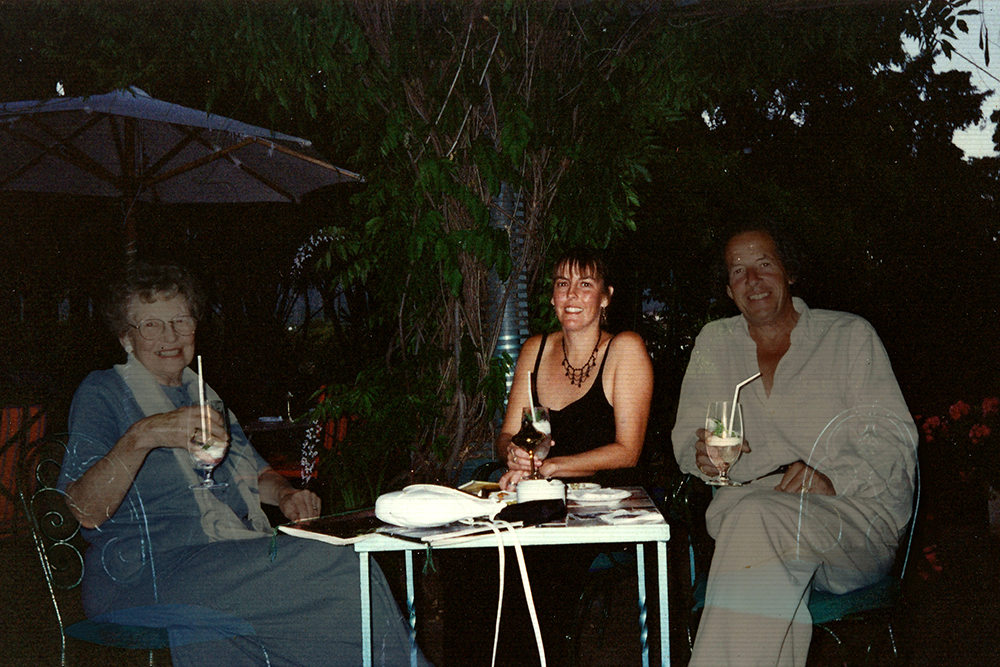
William Josephs Radford’s project, Transparent, began with a personal discovery in the family archive. After his father died, he returned to the family photo albums and was struck by how rarely he appeared. Among thousands of photographs, he found only a small number of images of his father, most taken during birthdays, holidays, or other occasions. His absence from the archive prompted a larger question: How do photographs determine who remains visible in a family history, and what happens to the memories of those who are missing?
By examining the relationship between presence and absence, this work considers photography not simply as a record of the past, but as an active force in constructing memory. It asks us to consider what we truly remember, what photographs have taught us to remember, and how the gaps within an archive can become as meaningful as the images it contains.
©William Josephs Radford, Transparent
©William Josephs Radford, Transparent
William Josephs Radford is a British-Spanish fine art photographer born in Marbella, Spain, and raised in the rural countryside of Andalucía. He is currently based in Cheltenham, UK. His work explores themes of life, death, sex, addiction, identity, and grief — using conceptual, in-camera techniques such as long exposure, light painting, colour gels, and lens masking to approach difficult subjects through striking, aesthetically driven imagery.
©William Josephs Radford, Transparent
Transparent
Have you ever remembered a person, a place, or a moment, only to later realise that what you remember is actually a photograph? A single image can become so deeply connected to our memories that, over time, it becomes difficult to separate the photograph from the experience itself. We begin to question whether we truly remember the moment, or whether we only remember the image that represents it.
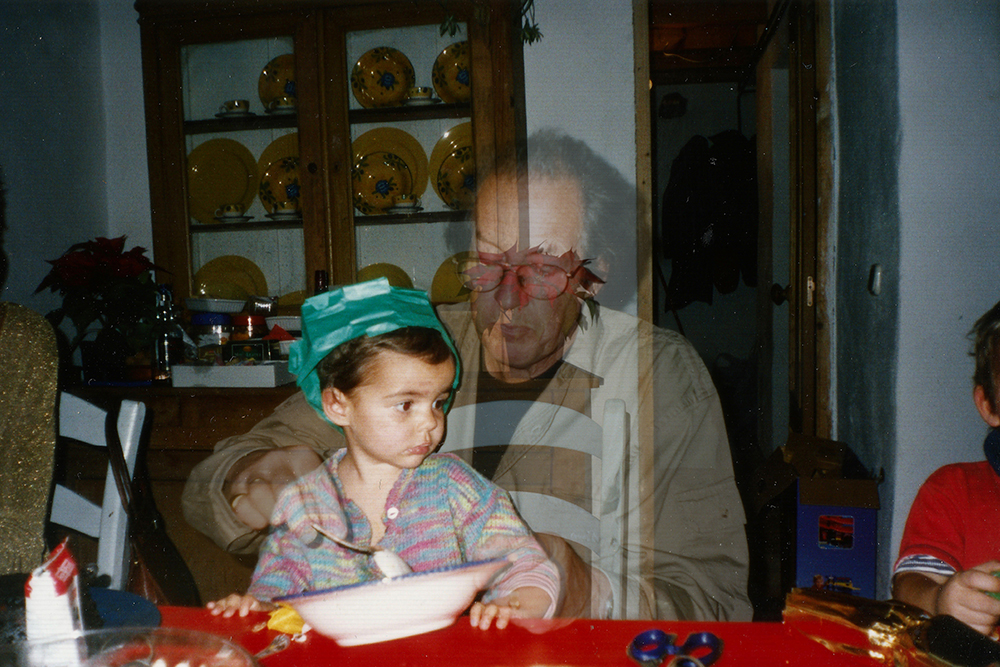
After my father died, I looked through our family photo albums. I was surprised by how few photographs included him. This made me question how present he really was during my childhood. Out of thousands of family photos, I found him in only a small number of them, mostly taken on special occasions like birthdays and holidays.
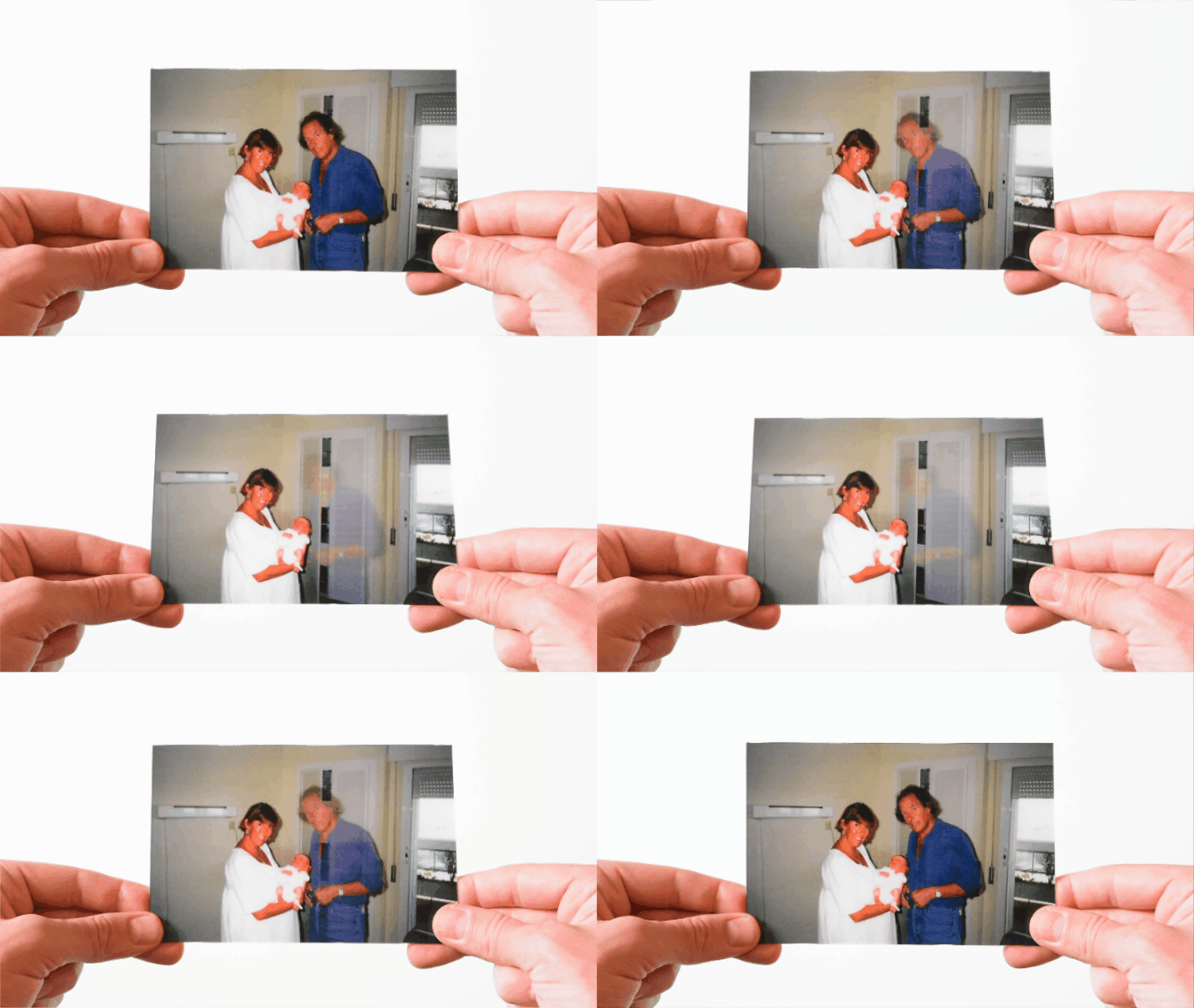
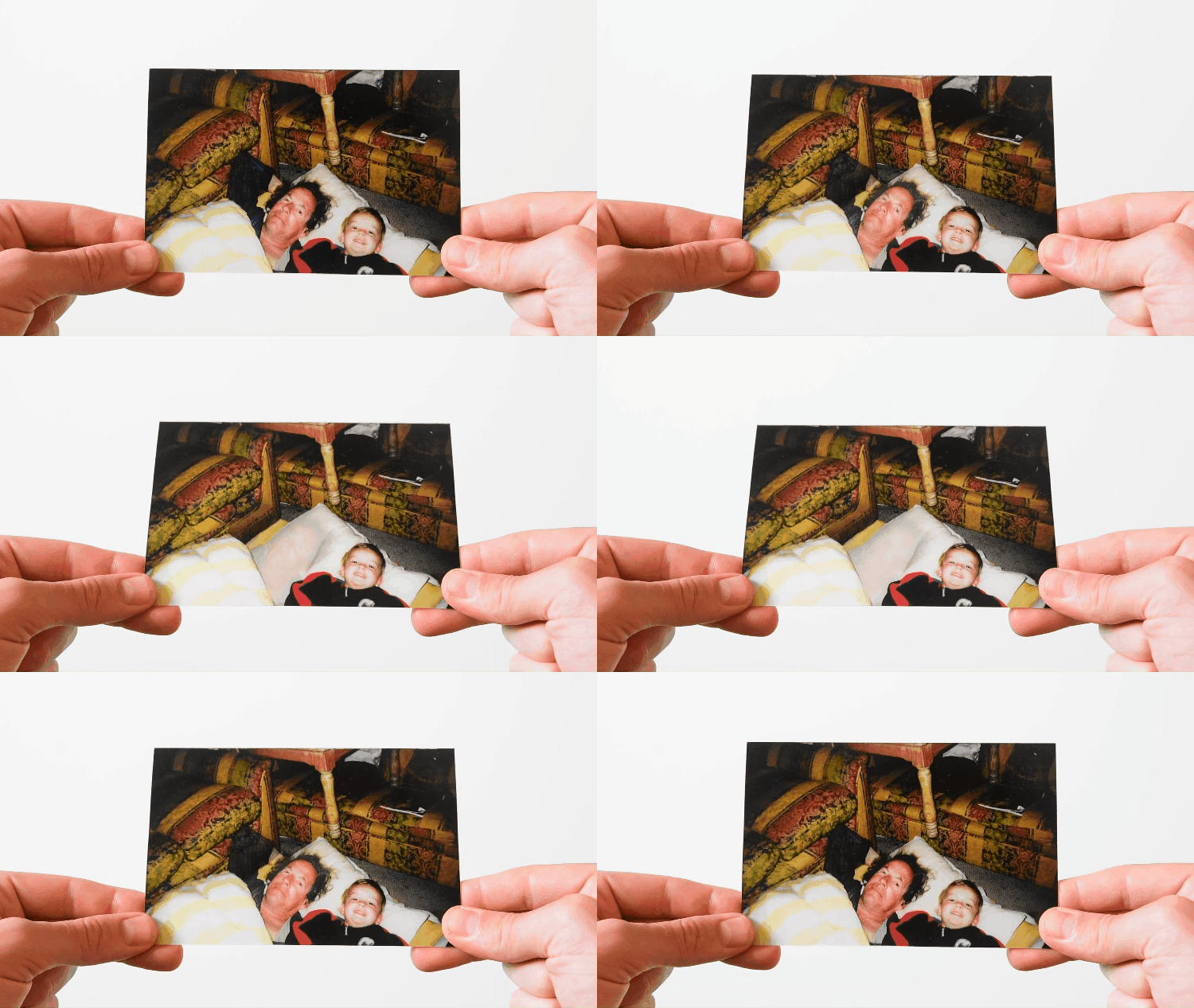
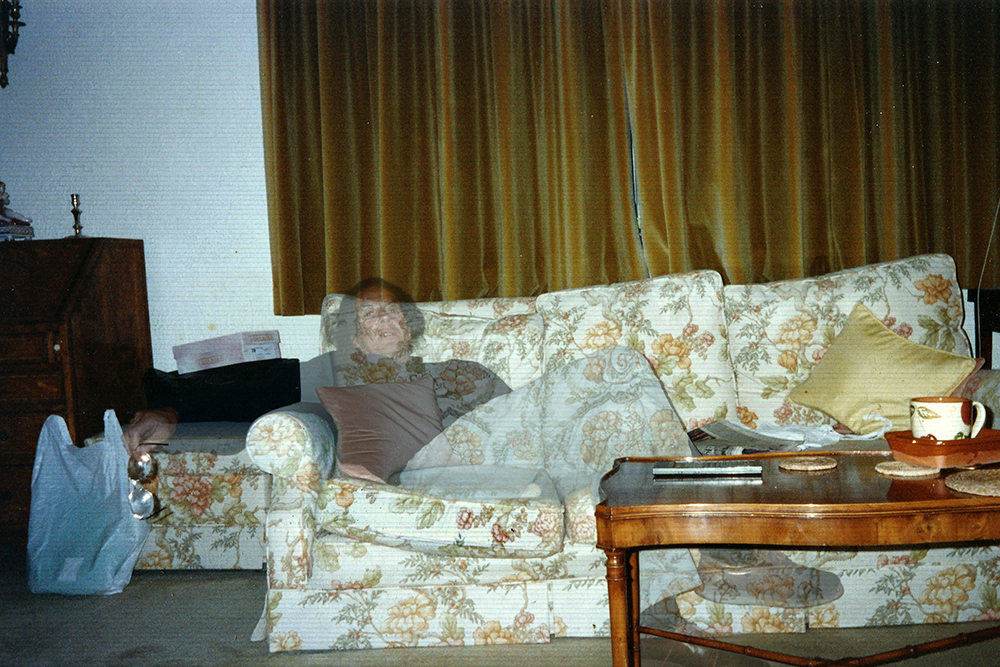
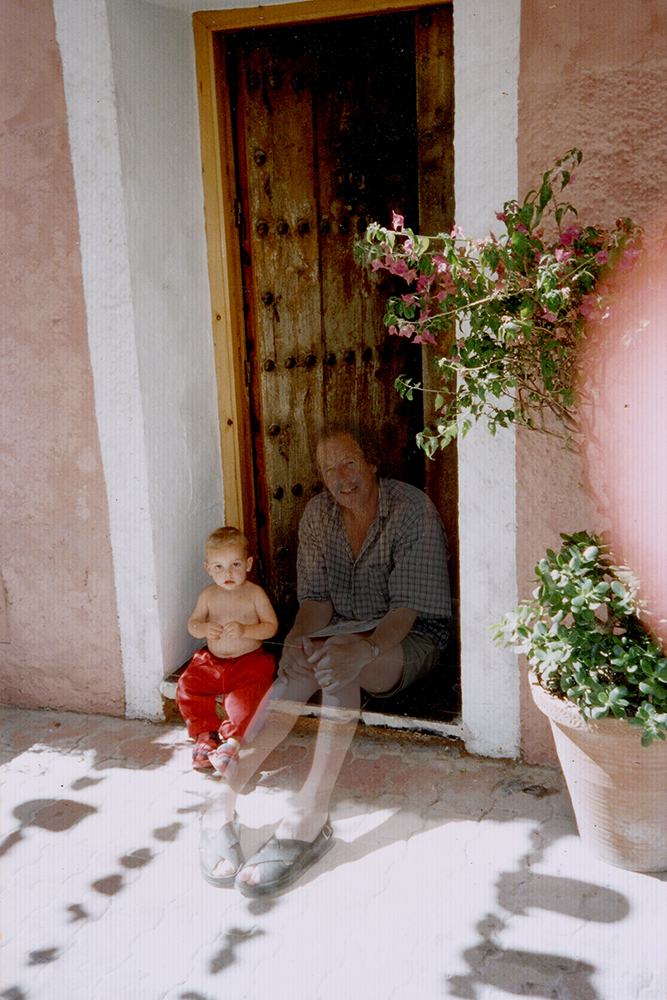
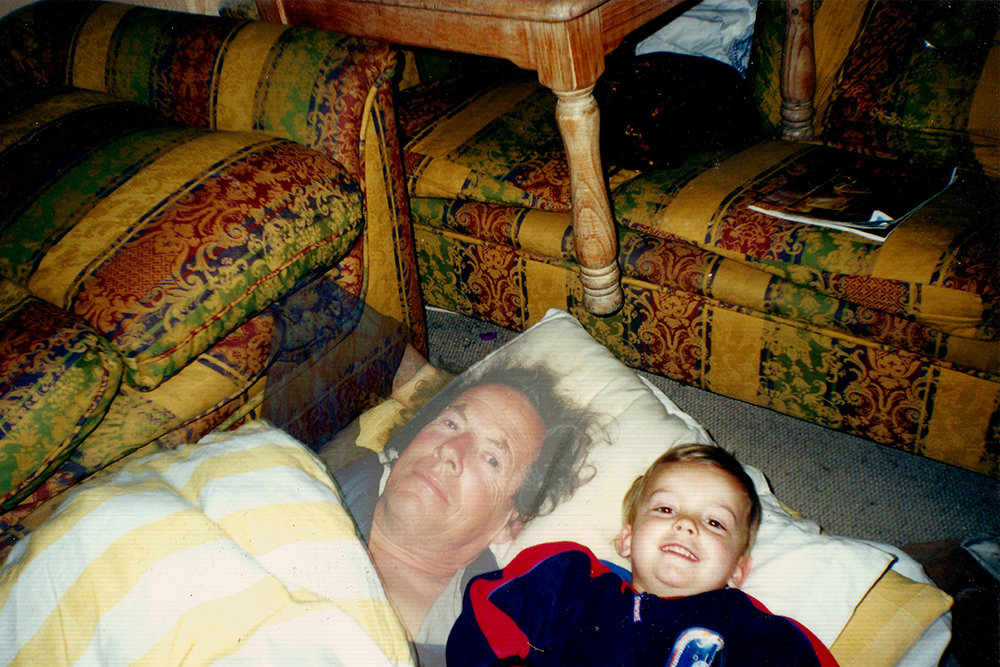
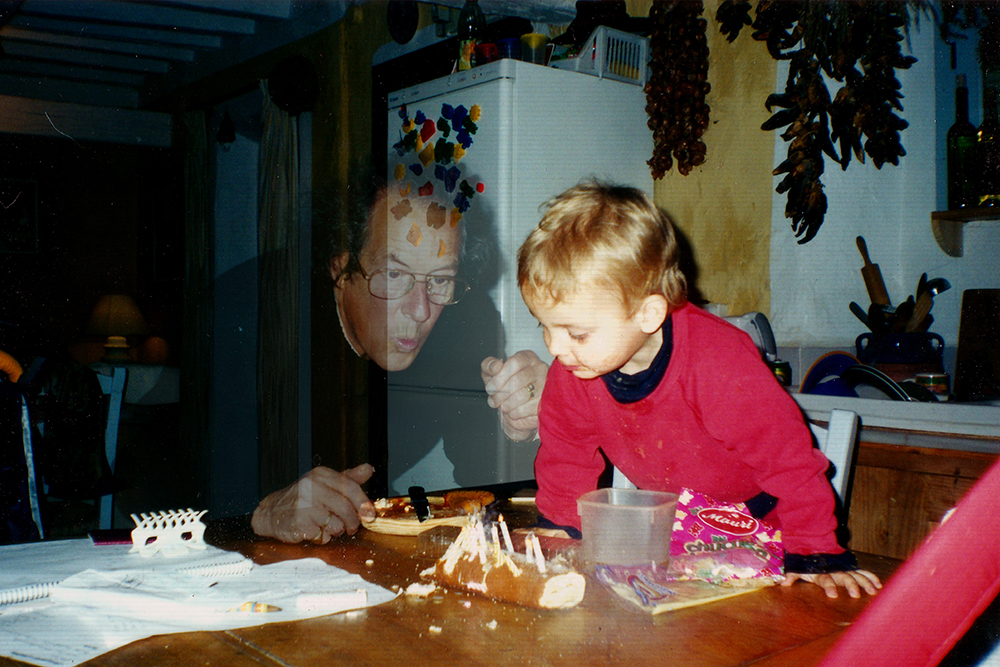
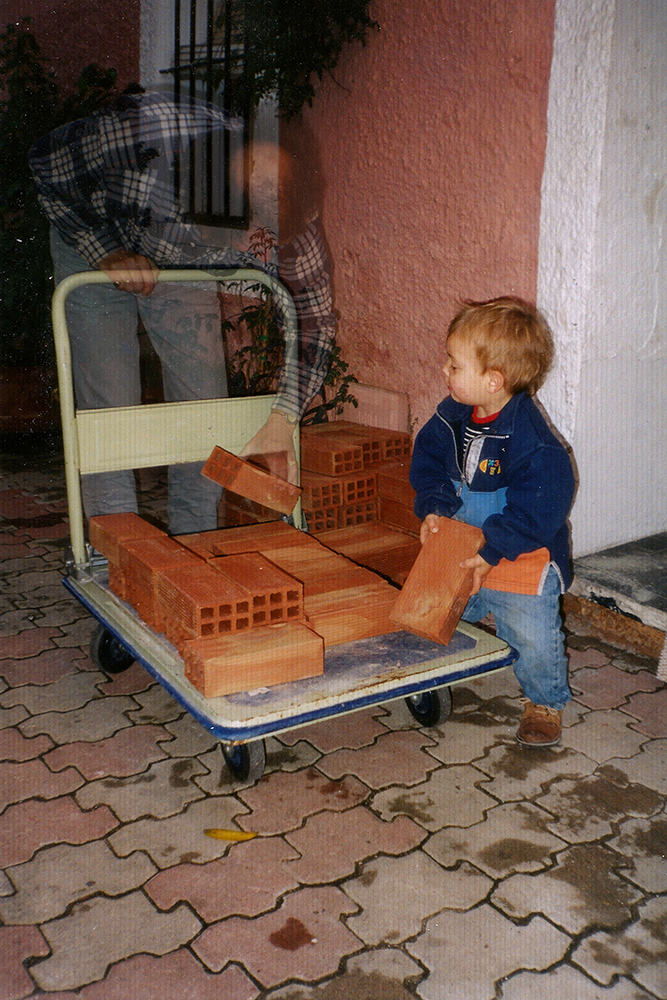
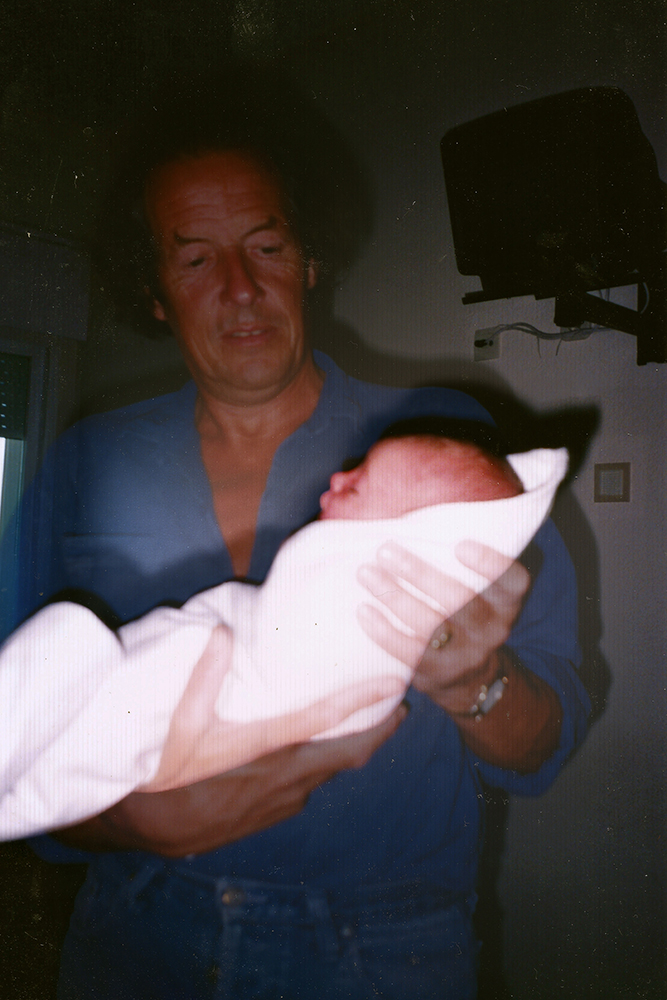
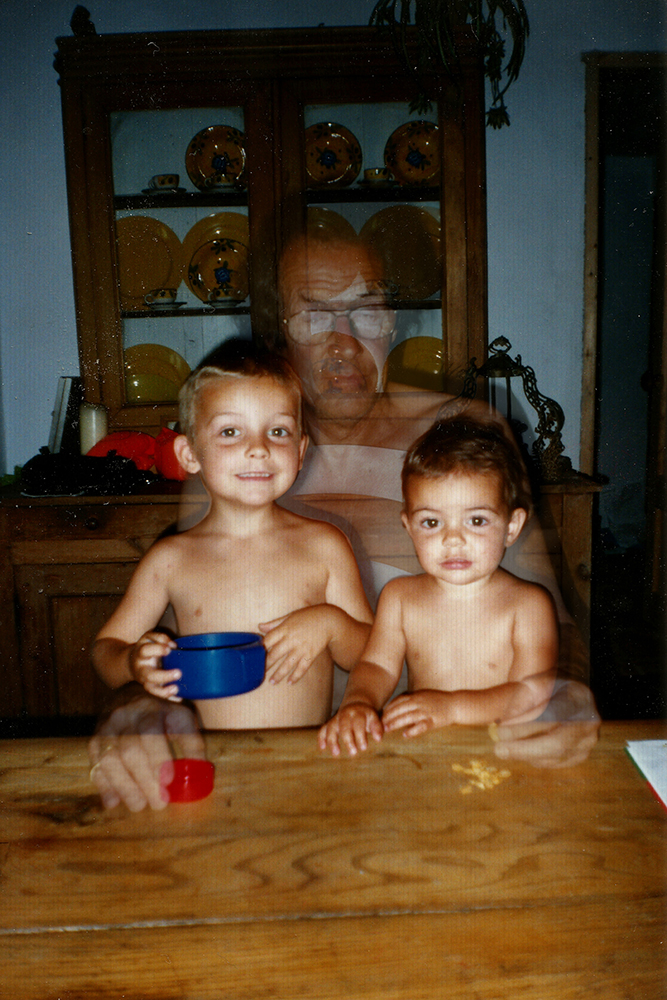
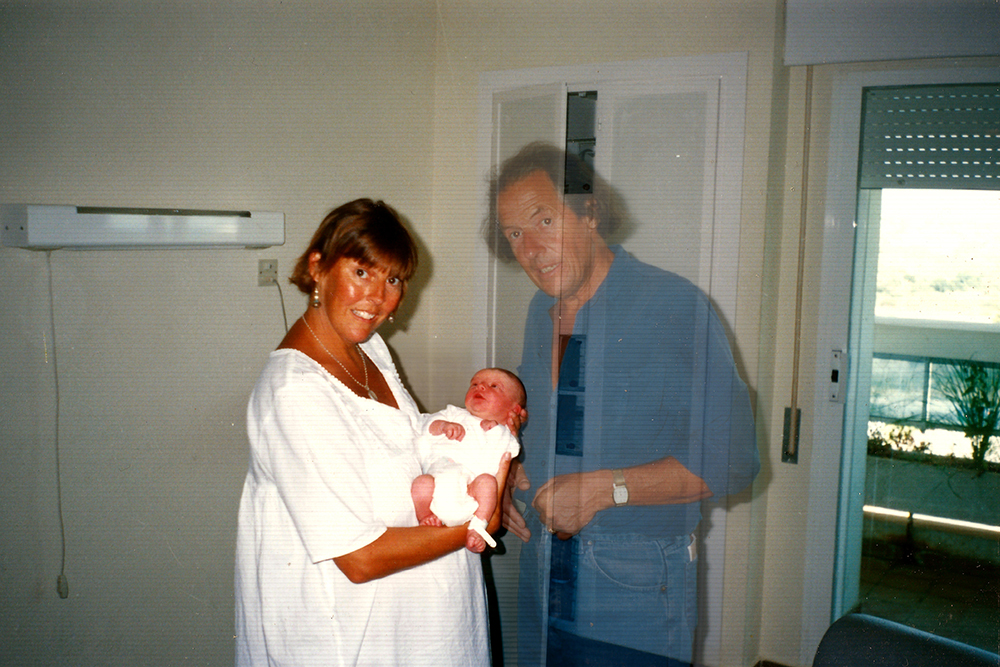
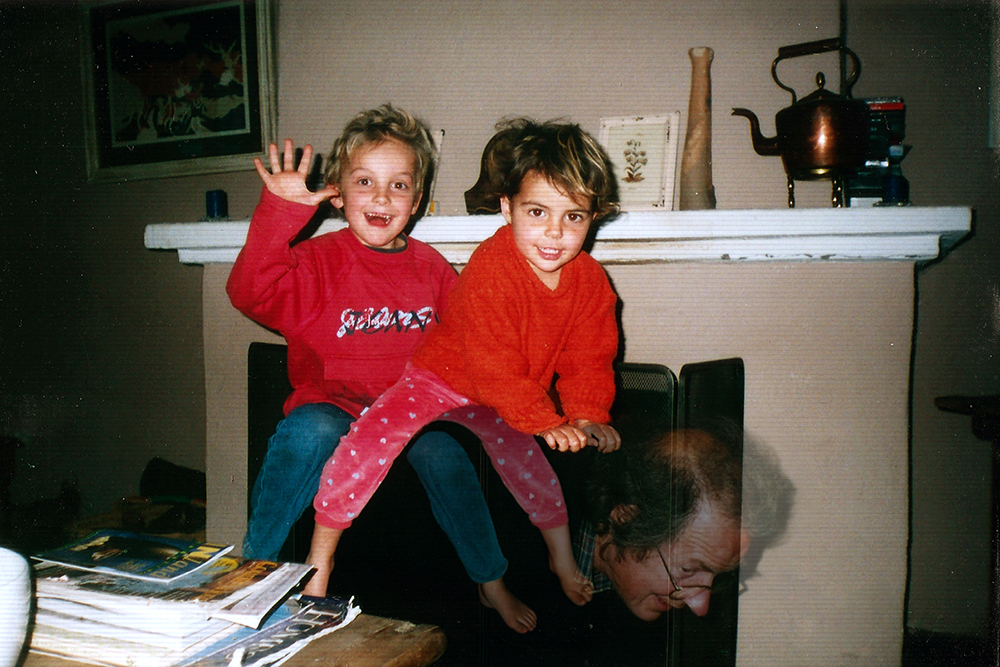
Transparent is the fifth and final project in a series exploring the stages of grief. This final chapter represents acceptance. Over six months, I carefully removed my father from our family photographs. I then transformed these altered images into lenticular prints that change as you move. The shifting images reflect not only that he is no longer with us, but also how memories can change over time.
©William Josephs Radford, Transparent
Tell us about your growing up and what brought you to photography?
I grew up in the countryside, on the outskirts of a small Spanish town called Coín. Raised by British expats, my childhood was a blend of cultures.
Having decided early on that I was an atheist, I recall adding my own multiple-choice answers to all the questions in a religious exam. Such as: “Who do you turn to in times of need?” To which I added “Superman.”
The teacher threatened to frame the exam and hang it in the hallway. I believe it was intended to shame me, but it ultimately gave me my first taste of how controversy can get you wall space.
Photography came later, with an introduction to cameras in an IT class. I bought my first bridge camera and started taking pictures with my friend to post on Instagram. I would spend hours following and unfollowing random accounts, trying to build an audience.
One of the first images that gained traction was of him wearing a bowler hat, framed through a noose. The comment section blew up with mixed reviews. Looking back, it’s clear this only reinforced my desire to spark a reaction through my work.
©William Josephs Radford, Transparent
Your project begins with the discovery that there are surprisingly few photographs of your father. How did that absence change the way you understood your own childhood and your relationship to him?
Being interviewed about your art is like hiring a therapist after you’ve already processed the trauma. You spend months, sometimes years, dealing with a life event through a language that feels familiar to you—in my case, making images—and then someone with a degree asks you, very simply, “And how did that make you feel?”
I used the medium to excavate something I couldn’t quite articulate in words, trying to understand his absence by making something from it. So when I’m asked about it now, I’m often trying to put words around something I originally chose to understand through images.
©William Josephs Radford, Transparent
You suggest that we sometimes remember the photograph rather than the actual experience. How does that idea influence the way you approach making or re-examining photographs?
A family photo is already an idealised version of reality, usually taken with some level of performance—whether it’s gathering everyone together for that single moment or the automatic smile you pull when a camera is pointed at you. I touch on this idea in my Strangely Familiar project, an attempt to estrange myself from the typical family photo album by placing stockings on their heads to add a sense of discomfort and unfamiliarity.
In Transparent I approach this re-examination of the family album through a different lens. Throughout the preceding projects on my father, memory becomes a core concept—more specifically, memory loss. In this chapter I am using photography to explore the malleable nature of memory, the lenticular prints acting as a physical embodiment of this impermanence.
©William Josephs Radford, Transparent
It’s less about one photograph becoming more significant than another, and more about the realisation that these are all the photographs of him that will ever exist.
©William Josephs Radford, Transparent
Does the process of working with these photographs bring back memories, or does it sometimes make you question whether the memories are your own or have been constructed by the images?
This is one of the project’s main inquiries: how to distinguish what’s a memory and what’s an artefact. It’s this overlap that I’m interested in—the space that lives between recollection and record. Sometimes the photograph becomes the memory, anchored so tightly by a visual record that it becomes impossible to untether. Other times a memory can become untied and slowly float away.
Let’s assume you spent your whole life not looking at any photos of your past—a completely uncontaminated set of memories. This version of reality existing purely in your mind, whilst in a cupboard sit hundreds of photographs waiting to be seen.
This tension becomes particularly interesting when you imagine what happens before the photograph is ever encountered. What if you could separate the memory from the image entirely, and consider what might remain if the photograph had never been there to shape it?
©William Josephs Radford, Transparent
What does this work reveal about photography’s role as a keeper of family history—and about the gaps and distortions inherent in that history?
It’s revealed that it’s really important to document and preserve family history. I visited my auntie after finishing the project and was astonished to find out she has albums that date as far back as the late 1800’s, along with a booklet written by my grandmother explaining who everyone is and their role in the family. It’s a huge privilege to have access to such detailed information about your lineage—and one that I know most people don’t have the privilege of experiencing. It’s also taught me a lot about generational wealth: not only in the families that could afford to get their photos taken, but in the ability to preserve them and keep them safe. Not many people will be able to say they’ve seen a photograph of their great-great-grandmother.
In response, I’ve obtained a Polaroid camera to start documenting my own life and family. I want to move away from the digitisation of modern family albums and lean towards the physical and tactile. There’s a level of authenticity that comes with the limited shots, in the sense that you can’t retake them. This also forces a slight staged aspect, as there is more pressure to get the photo right.
©William Josephs Radford, Transparent
Can you tell us about the other four projects in your series exploring the stages of grief?
It all began with White Knight, some of the most technically rigorous and experimental work of my career. I felt a need to push myself in order to do him proud, creating pieces which used lens masking and Vaseline to address the concepts of heaven/hell as well as his memory loss. Photography became deeply entangled with my grieving process; I started to feel guilty anytime I wasn’t making work in his honour.
Next came Gradient Loss, my first inquiry into black-and-white photography. With my camera set to monochrome I began focusing more on shapes and form; it felt like a release, letting go of colour. This chapter contains a lot of experimental self-portraiture which maps the psychological terrain I inhabited at the time.
After this I gave up even more control by turning my camera ISO up to its highest setting, again echoing my father’s memory loss and the idea of our own recollection of loved ones starting to get hazy.
The fourth chapter, Mourning Routine, was produced alongside as a form of internal reconciliation for using Photoshop to create the Transparent project—breaking a career-long avoidance of said tools. I restricted myself to the windows in my apartment, seeking to exercise my creative abilities and see how much variety I could extract from a single viewpoint.
©William Josephs Radford, Transparent
©William Josephs Radford, Transparent
Who or what is inspiring you?
Lately I’ve drawn inspiration from artists’ ability to channel their pain into the medium—art as a means of catharsis. Finding a new sense of appreciation for artworks born out of suffering, and the way different artists process these emotions through their practice. More specifically, how pain can be distilled into beauty. There’s a quote by Stephi Wagner that’s stuck with me recently: “Pain travels through families until someone is ready to feel it.” As artists I believe it’s our responsibility to feel it, to find a place for it to live.
©William Josephs Radford, Transparent
©William Josephs Radford, Transparent
©William Josephs Radford, Transparent
Posts on Lenscratch may not be reproduced without the permission of the Lenscratch staff and the photographer.
Recommended
-
William Josephs Radford: TransparentNovember 2nd, 2026
-
Dana Smessaert: In the Blue Light, I DiedOctober 30th, 2026
-
Jesse Ly: try, take time – take time, tryOctober 29th, 2026
-
Chantal Lesley: As I Lay It All To RestOctober 28th, 2026
-
Arron Levi Foster: Almost, EverythingOctober 26th, 2026