Connor Archambault in Conversation with Douglas Breault
©Connor Archambault
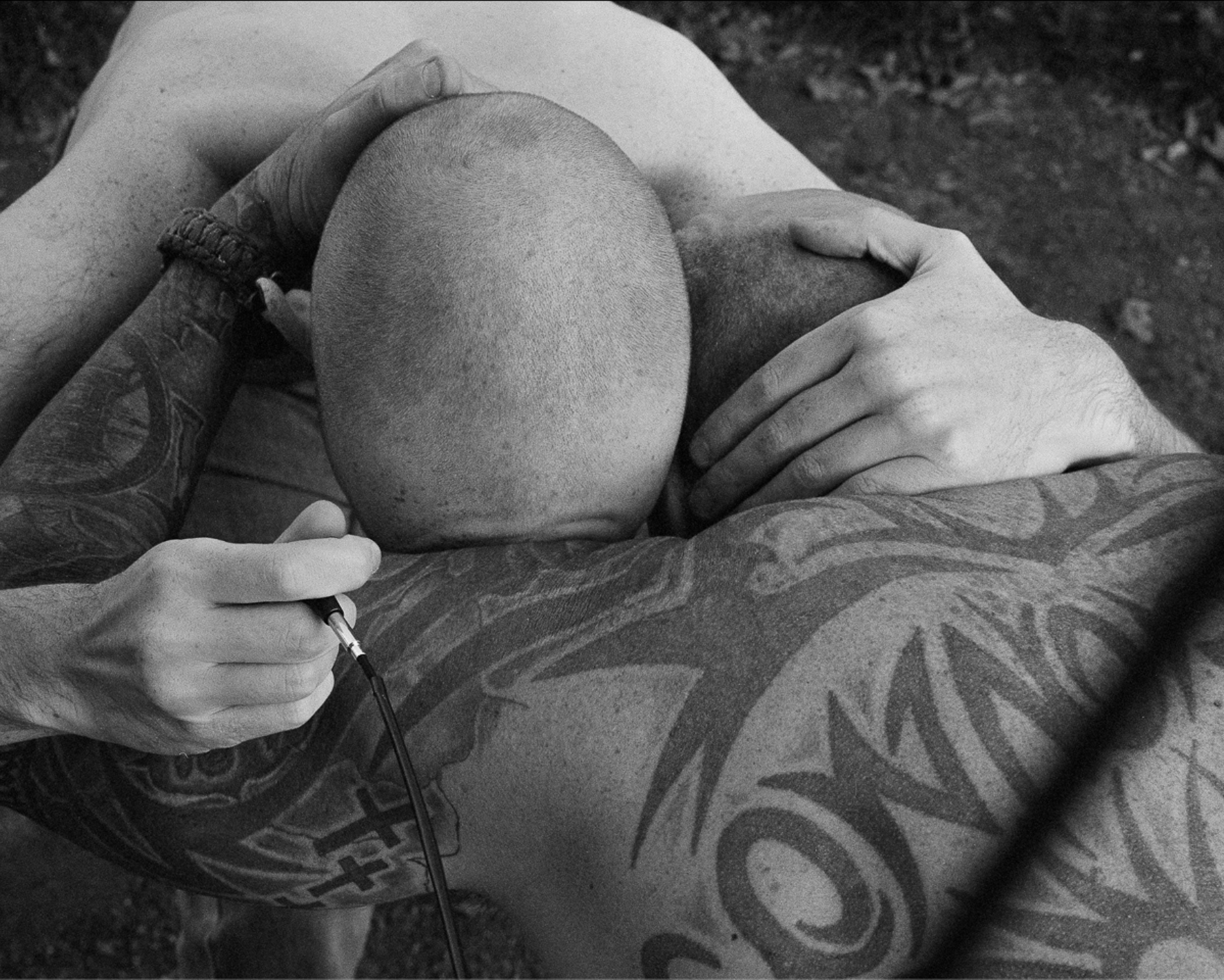
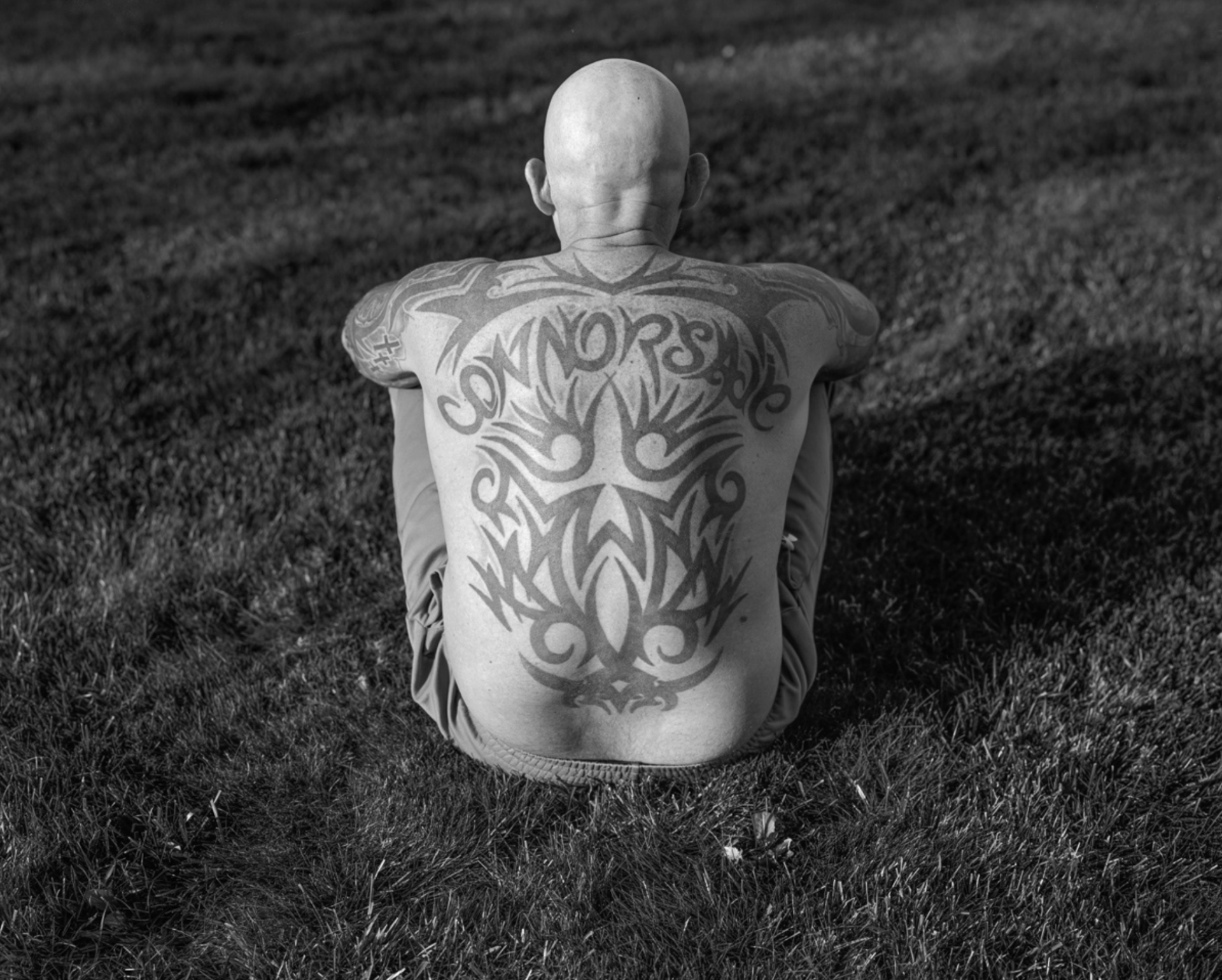
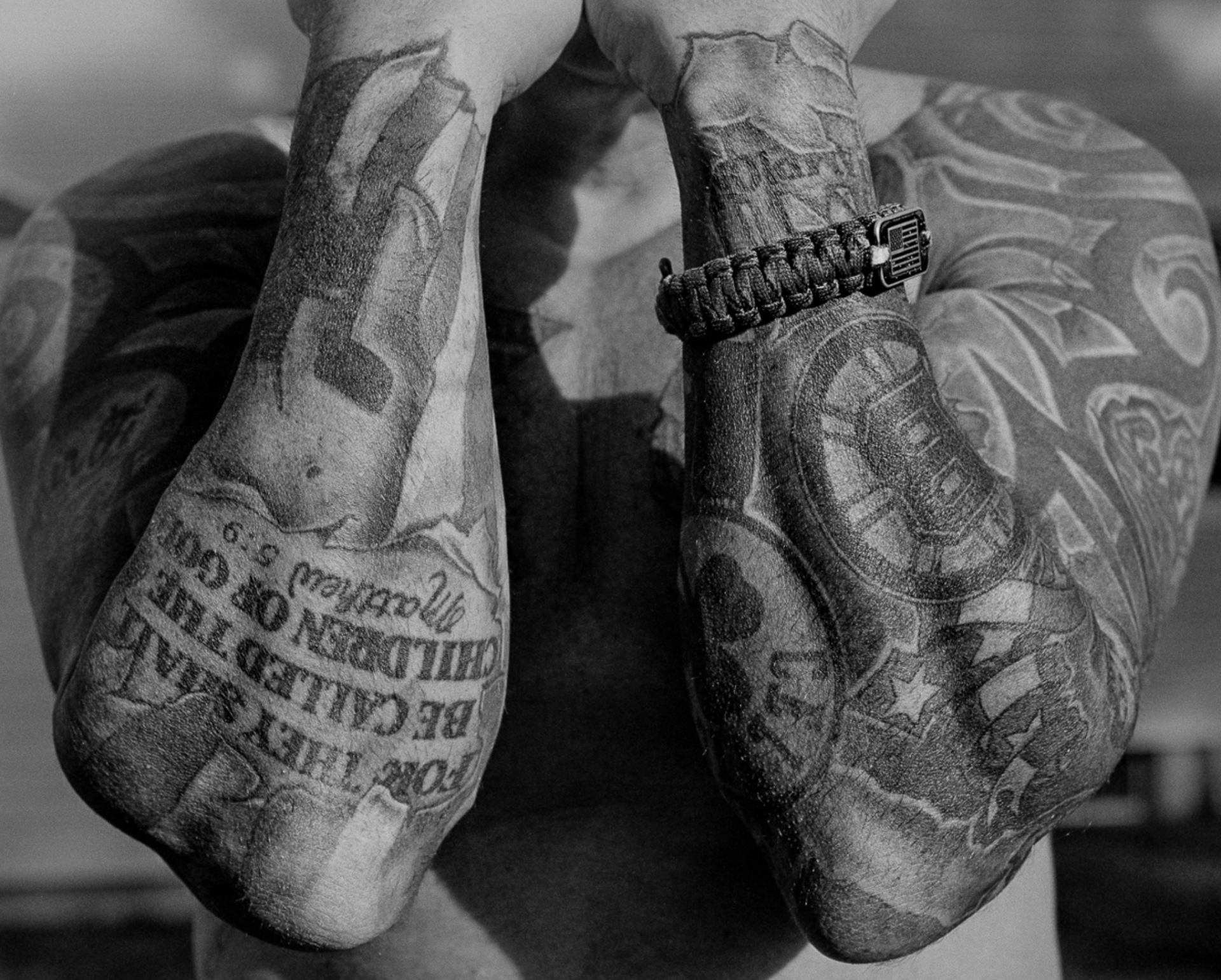
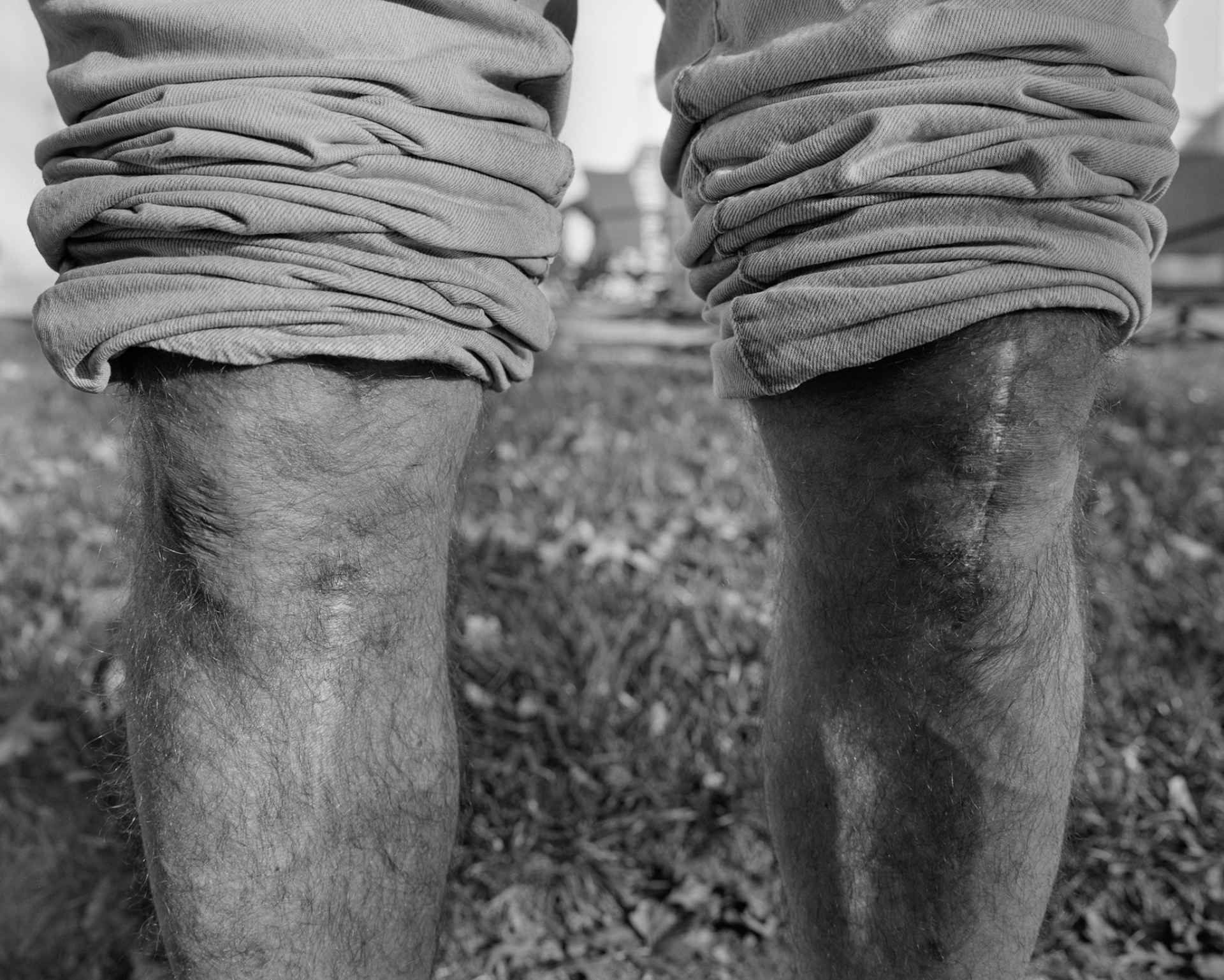
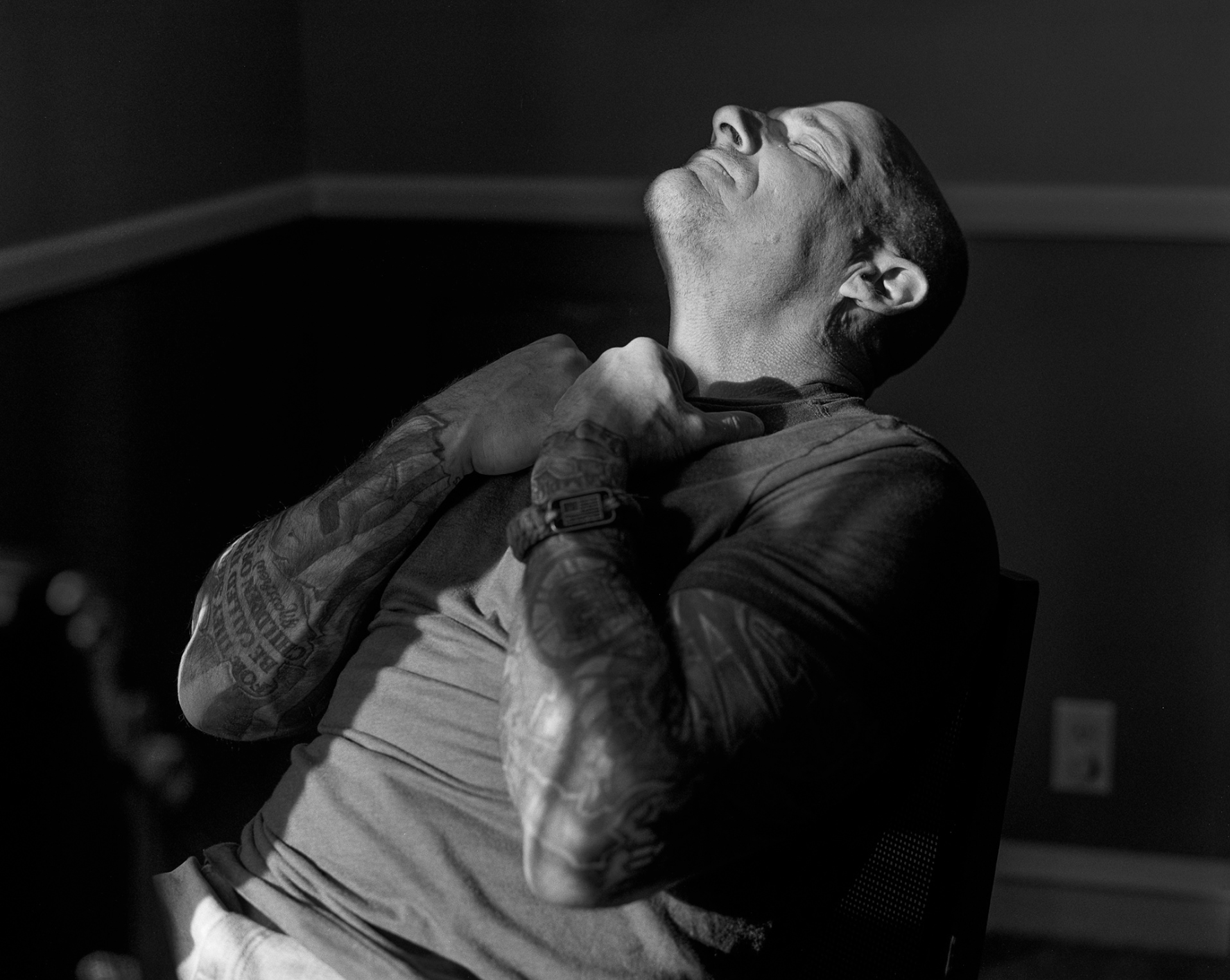
Photographs can translate complex contradictions that words are insufficient to describe. Connor Archambault’s photographic series, The Loudest Conversation We’ve Ever Had, is a striking collection of portraits of himself and his father, at once sensitive and sharp. His father is a looming figure of strength and Americana masculinity, with veins bulging beneath his hard-earned muscles and tattoos contouring his body. He looks like a man who has become hardened from life. Archambault’s documentary approach to photographing his relationship with his father feels unlike anything I’ve seen before.
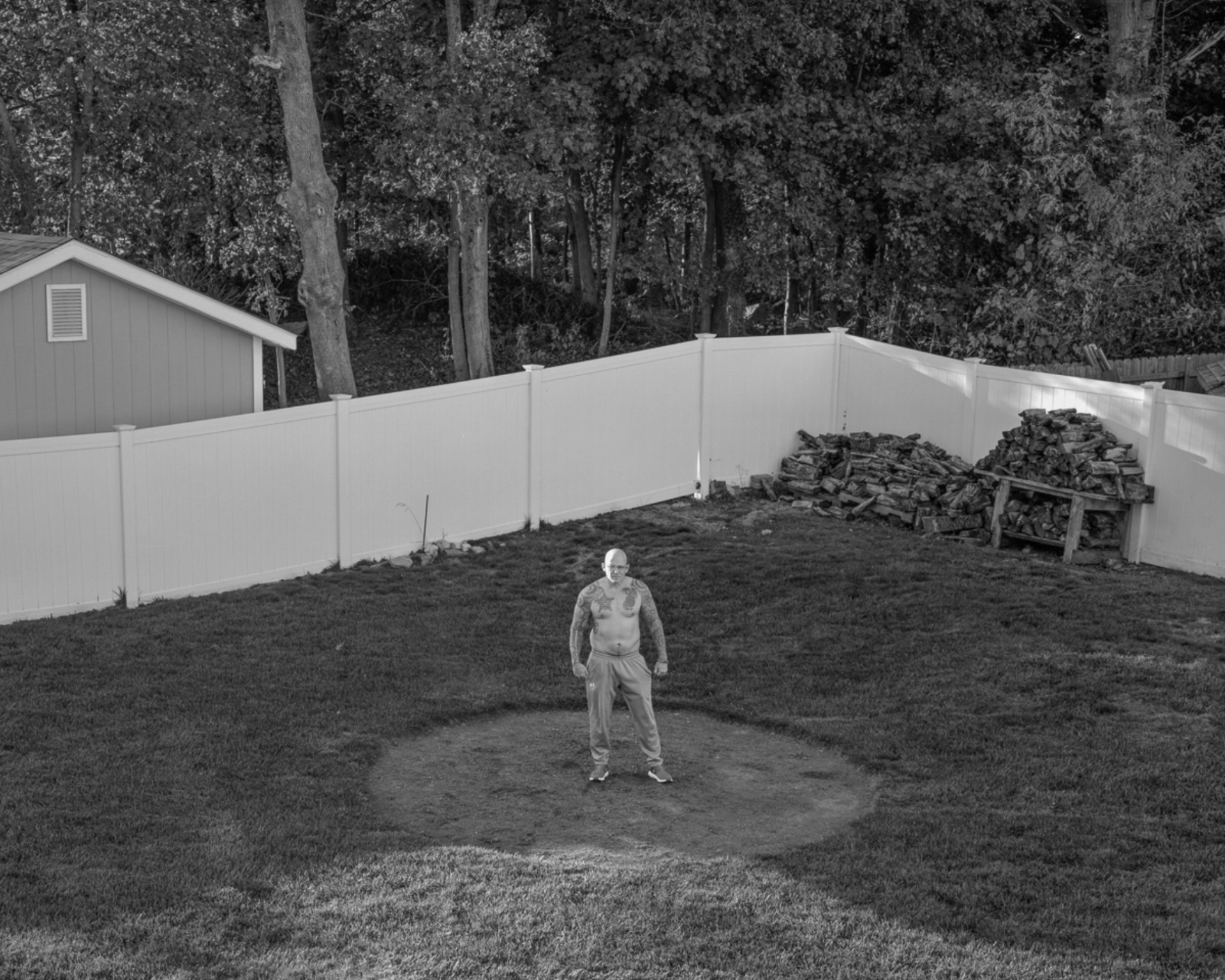
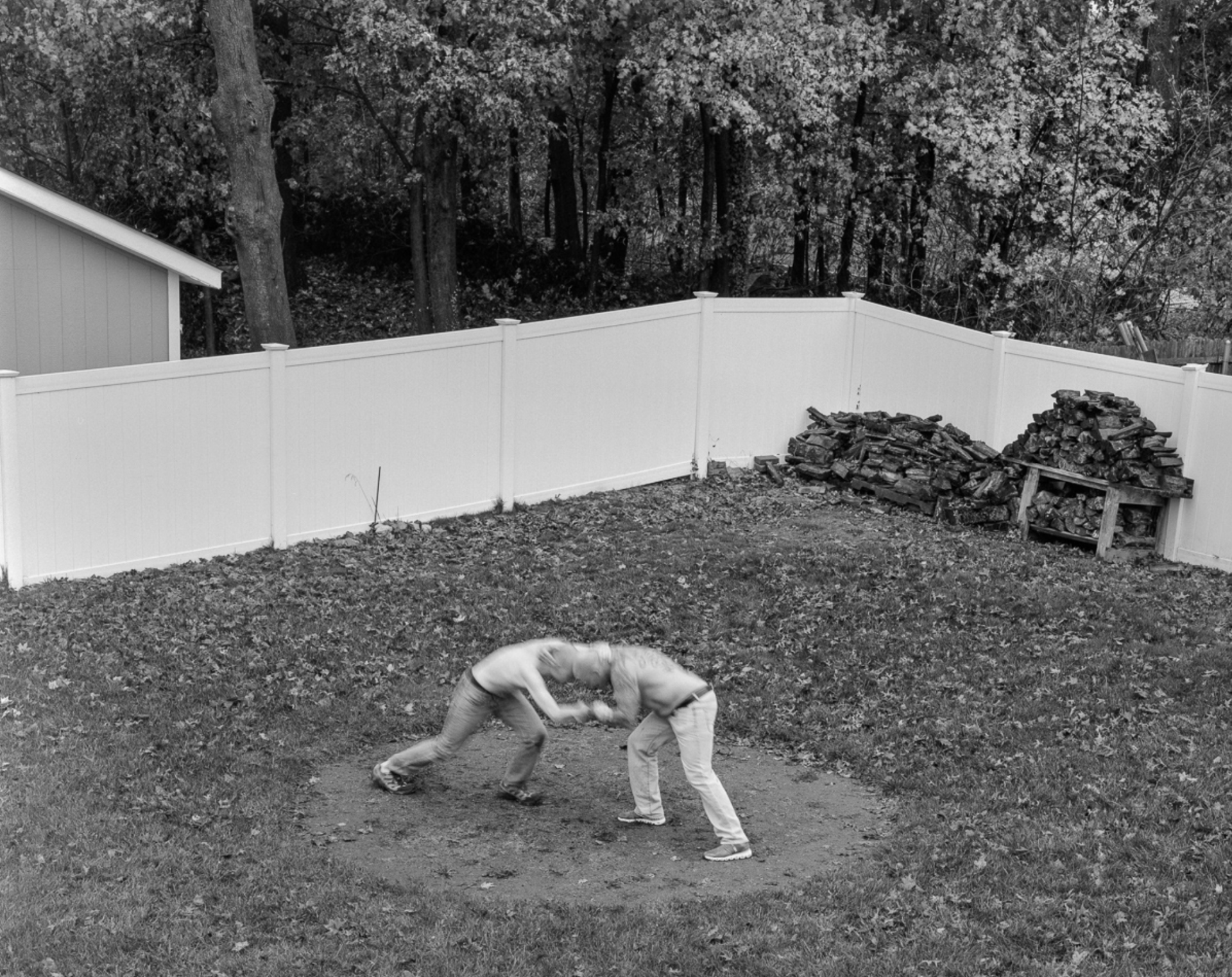
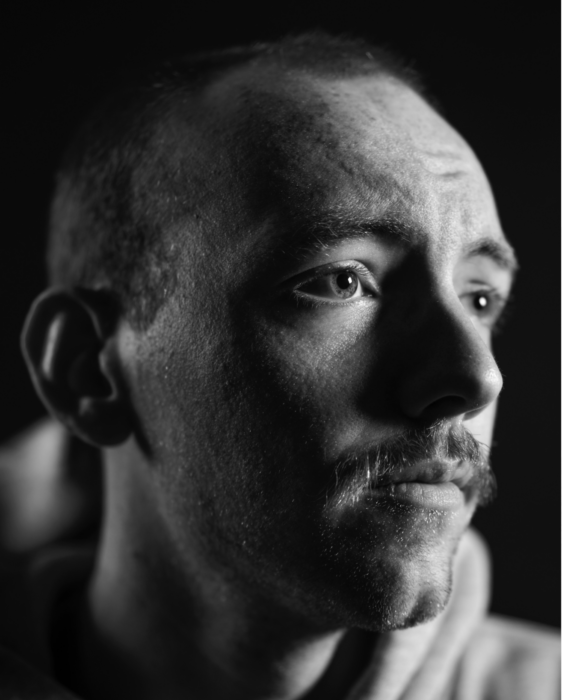
The self-portraits of Archambault with his father capture moments of embrace and pressure, strain and admiration. In one image, father and son become a blur of physical aggression, photographed from a bird’s-eye view of the backyard. They resemble one another, with their shaved heads and pointed chins, yet a fundamental misalignment persists between them. This tension is made visible through their bodies and gestures, suggesting a relationship in which recognition does not necessarily translate into understanding. Archambault’s self-portraiture becomes a means of examining not only his father but also how a son comes to understand himself through the person he resists and seeks to understand. The father is both an individual and a kind of mirror, reflecting an inherited identity that the son must negotiate on his own terms.
©Connor Archambault
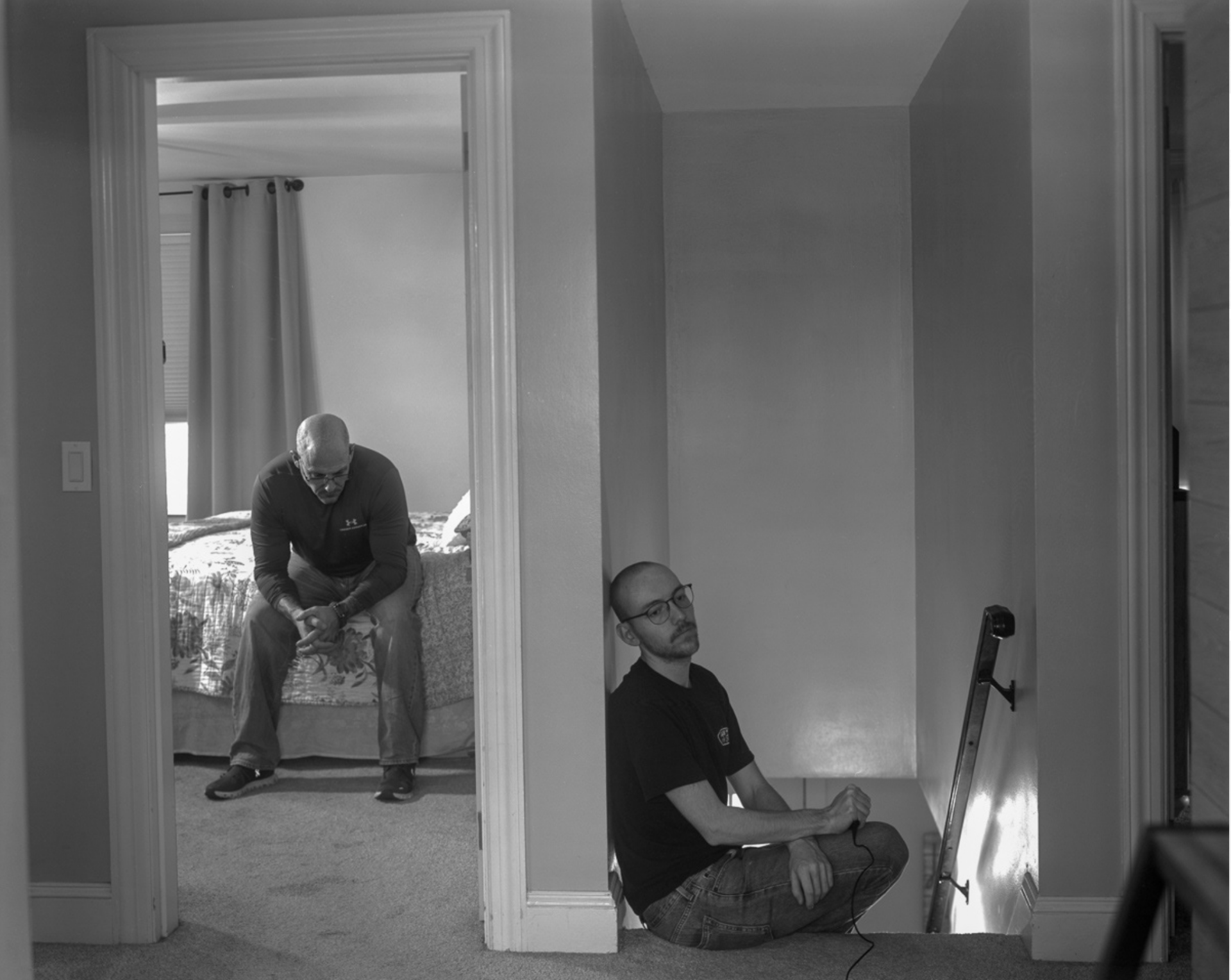
A photograph of Connor seated at the top of a staircase while his father sits in the adjacent room, both seemingly lost in contemplation, is astounding. It contains multitudes of questions rooted in both men occupying separate frames within a larger frame, divided by the architecture of the home itself. Their physical proximity underscores an emotional distance that remains unresolved, being both grounded in the space but mentally floating elsewhere. The image is ripe with silence that could unfold into personal feelings for someone thinking about their own relationship, or lack thereof, to their own father. Not knowing the full history of their lives only heightens this tension, positioning us as a third presence in the room, privy to an intimate moment without the language to fully understand it.
The title of the series alone sets the stage for emotional distance, an ailment often paired with masculinity. Archambault shares a vulnerability that is difficult to articulate, where intimacy can take the form of confrontation. Through these self-portraits, Archambault places himself within the very relationship he is attempting to understand. He is not simply documenting his father from a position of distance; he is implicated in their symbiotic dance, and often, you can see Archambault’s hand in the frame, managing the shutter release. He is the leader of the picture making. Rendered in harsh light, these photographs expose the fragility beneath the surface of masculine strength, revealing a shared humanity that neither man needs to articulate for the viewer to feel. The camera becomes a means of having a conversation that might otherwise remain unspoken, allowing the complexities of their relationship to exist in a world without a sharp resolution.
©Connor Archambault
©Connor Archambault
What did you learn about your father and yourself from creating this body of work?
For most of my life, I had known my father as someone with this hardened exterior. Spending more time with him, I started to see a vulnerability that allowed me to understand him as a person rather than just as this authoritative figure in my life.
I didn’t always feel comfortable going to my dad when I needed something, but over time, I began to see that I could rely on him and that he would be there for me. I think I had to let go of some of the anxiety that existed between us and allow myself to trust him.
©Connor Archambault
What was the first image in this series, and is this series ongoing?
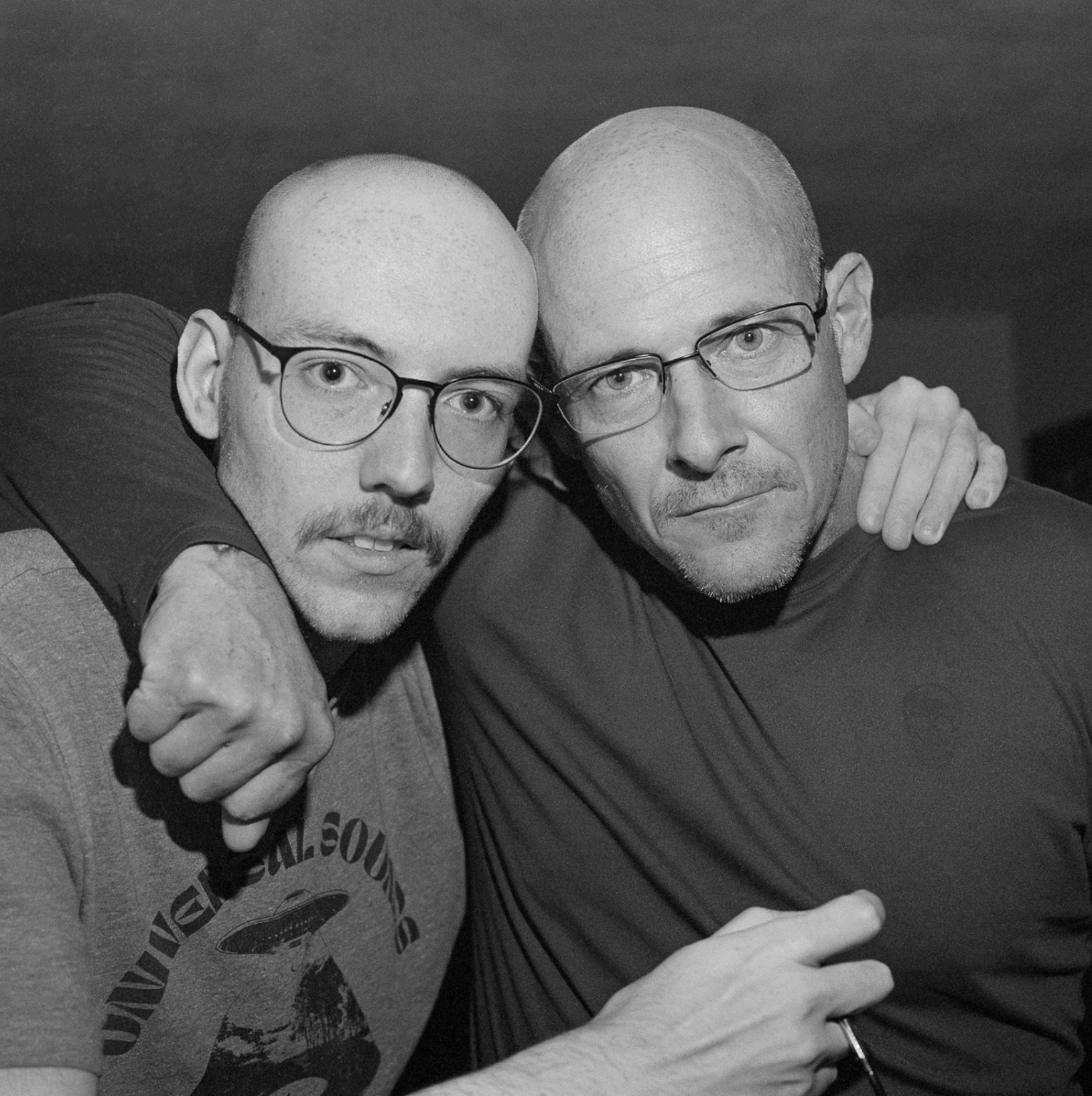
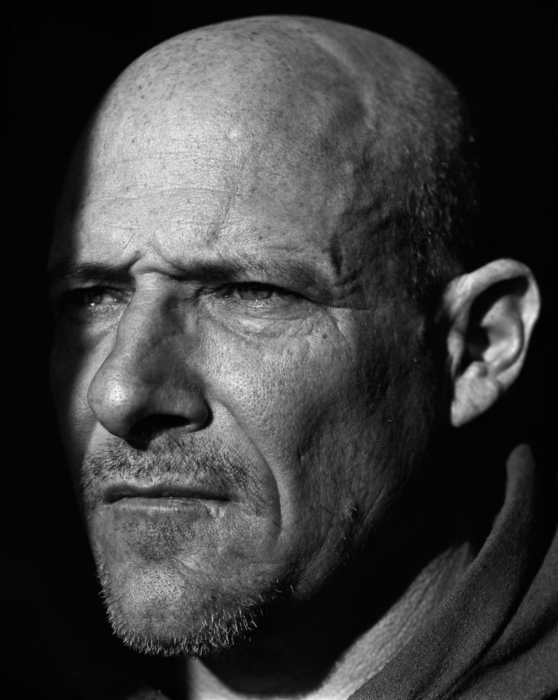
The first photograph where I really felt like I knew what I was doing with the project was an accidental portrait of my dad. I had eased him into letting me photograph him by starting with the tattoos on his body. At the time, I was using a Hasselblad film camera, and the lens wouldn’t focus up close, so my father’s face ended up entering the frame. There was this look on his face that I hadn’t really seen before. There was a vulnerability to it, and I knew immediately that it was something I wanted to explore further.
I haven’t continued the project since graduating in May, but I’d like to continue it in the future. I wouldn’t say that a project like this is ever really finished. For the latter half of my time at school, I was working with an 8×10 camera that I had to give back to the school. That camera became really important to the way I worked with my dad. It forced me to slow down and gave us time to be present with each other. When I return to the project, I need to find a way to maintain that same kind of slowness.
©Connor Archambault
©Connor Archambault
Where do you look for creative inspiration in your work?
A lot of my inspiration comes from my own family. There’s a rich history there that I didn’t really know about until I became an adult. Photography has given me a way to go back and explore it.
I think I’m drawn to photography because it gives me a reason to look more closely at people and things I want to understand. Having a camera gives me an excuse to approach things I might not otherwise know how to.
Were you taking photographs from an early age? Do you think that informs how you take photographs now as an adult?
I actually wanted to be a director growing up. I loved going to the movies, and from middle school through high school I was constantly making short films with my friends. My interest in photography really started with that love of cinema and seeing how cinematographers and directors could construct a scene.
I think it still has a big influence on how I photograph now. I tend to compose pretty deliberately and take my time with an image. That interest in storytelling has always stayed with me.
©Connor Archambault
©Connor Archambault
©Connor Archambault
©Connor Archambault
Follow Connor Archambault on Instagram: @con_tact.sheets
Douglas Breault is an interdisciplinary artist who overlaps elements of photography, painting, sculpture, and video. His work has been collected, published, and exhibited nationally and internationally, including at the MFA Boston, the Addison Gallery of American Art, the Czong Institute for Contemporary Art (South Korea), Space Place Gallery (Russia), the Bristol Art Museum, and the Rochester Museum of Fine Arts. In addition to being an artist, Breault writes about art, curates exhibitions, and teaches photography at different colleges.
Follow Douglas Breault on Instagram: @dug_bro
Posts on Lenscratch may not be reproduced without the permission of the Lenscratch staff and the photographer.
Recommended
-
Connor Archambault in Conversation with Douglas BreaultOctober 5th, 2026
-
Botanical Photography: The Basics and Moving Beyond the Basics: Natalie Colette WoodOctober 2nd, 2026
-

Botanical Photography: The Basics and Moving Beyond the Basics: Jennifer LatourOctober 1st, 2026
-

Botanical Photography: The Basics and Moving Beyond the Basics: Emily LauxSeptember 28th, 2026
-
Brynne Quinlan in Conversation with Douglas BreaultSeptember 27th, 2026