
Celebrating 20 Years of Critical Mass: Jesse Rieser (CM 2013) and Sian Davey (CM 2014)

Photolucida is a Portland-based nonprofit dedicated to providing platforms that expand, inspire, educate, and connect the national and international photography community. Critical Mass, Photolucida’s annual online program, is designed to foster meaningful connections in the photography world. Open to photographers at all levels, anywhere in the world, participants submit a portfolio of 10 images. Following an initial pre-screening, 200 finalists are selected to have their work reviewed and voted on by up to 200 distinguished international photography professionals. From this process, the Top 50 are chosen, and a range of awards is presented. Submissions open each June.
In 2025, we celebrate the twentieth year of announcing the Critical Mass Top 50 finalists! We are honored to partner with Lenscratch to reflect on this history through a special series highlighting two artists from two different years in each post. Each featured artist offers a window into the diversity of projects and voices that make up Critical Mass—from documentary and narrative photography to conceptual, photo-based practices. These Q&As share the history, intention, and trajectory of the artists, pairing their Critical Mass portfolios with newer work.
For Critical Mass 2025, we received submissions from artists across 26 countries, tackling subjects in countless styles—from black-and-white and digital photography to chemigrams, cyanotypes, photographic sculpture, and textiles. Our esteemed jurors, representing a wide range of global perspectives, dedicate their expertise and thoughtful consideration to this process, often leaving feedback and encouragement for the artists.
Critical Mass continues to elevate emerging photographers, providing a platform that amplifies their voices to broader audiences and to the industry professionals who help shape careers. We are deeply grateful to everyone who makes this possible.
Jesse Rieser 2013
Jesse Rieser’s photographs move between documentation and metaphor, grounding us in lived experience while hinting at the surreal dissonance of contemporary America. From The Wallow Fire—a searing account of Arizona’s largest wildfire—to American Hypnosis, a series that feels like a postcard from the heartland gone askew, Rieser confronts themes of change, loss, and the uneasy collision between truth and perception. A three-time Photolucida Critical Mass Top 50 artist, his work challenges viewers to see both the beauty and the fracture lines in our shifting environment and culture.
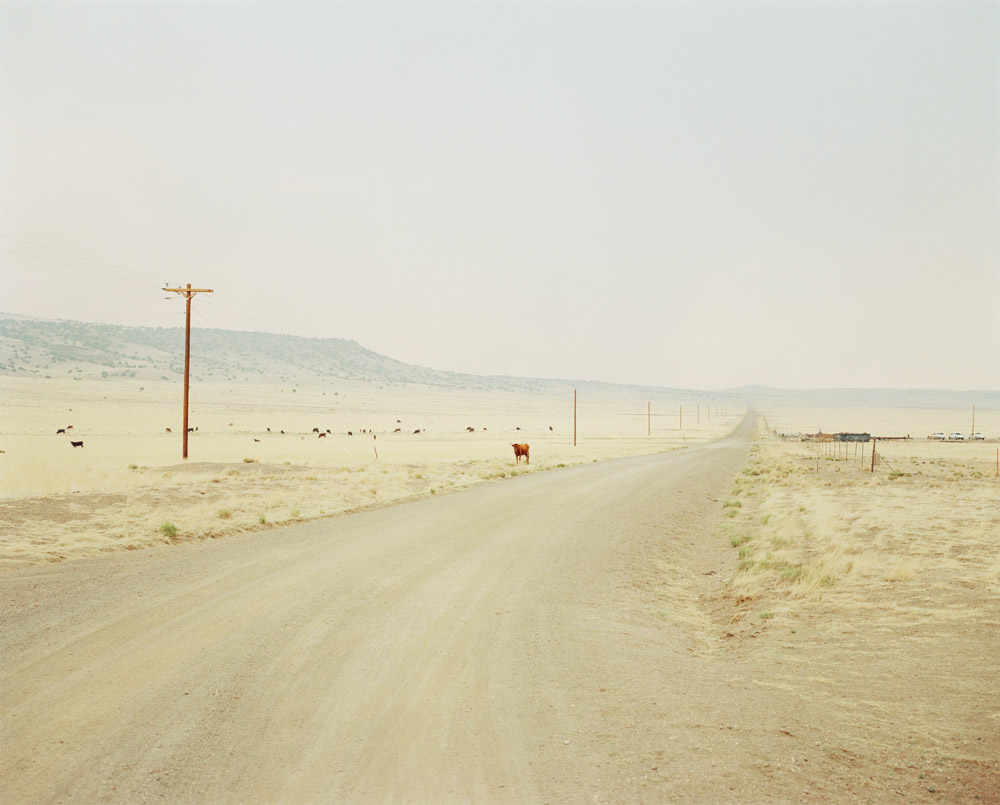
©Jesse Rieser, Wallowfire
Jesse Rieser was born in the Ozarks — an 80s kid with a Midwestern upbringing in Springfield, Missouri. At Arizona State University he majored in photography and art history while attending the Herberger Institute of Art and Design. His world has been shaped by his artistic parents: a mother who is a painter and educator and a father who draws and paints; they exposed him to the colorful pop art movement of the 50s, American photo realism of the 70s; and the use of light to celebrate the subjects in the Dutch Baroque, and Renaissance periods — all major influences in his aesthetic.
For the past decade Jesse has carefully constructed a photographic world built on the foundation of celebrating the mundane and humorous elements that often go overlooked in our day-to-day American experience. His use of light and bleached color, leaves the viewer with the illusion that our existence is equally beautiful as it is fleeting. In this world you will find one-time paradisal places and memories framed by our modern anxieties about the past, present, and future — examining our rituals and the artifacts left behind.
Clients find him as a creative additive to the collaborative process not only with his technical expertise but also in the ideation phase. He feels his greatest currency is how he communicates and sees the world. Some call it empathy. Some call it charm. His mom just says he’s a nice young man.
Instagram: @jesserieser
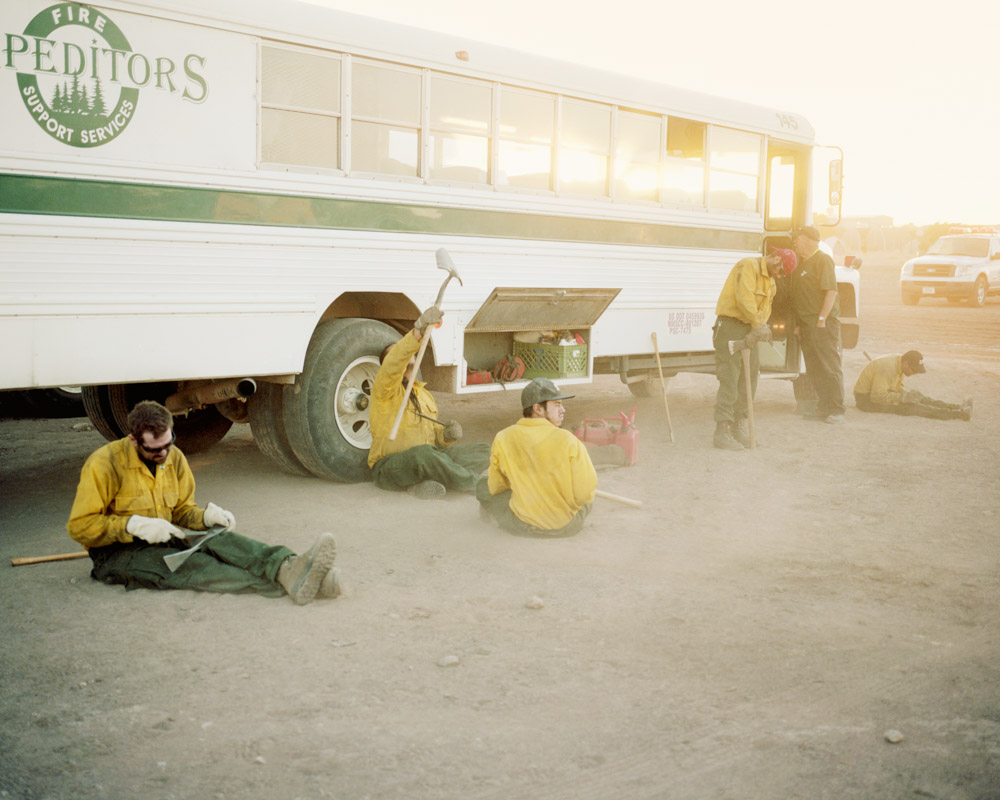
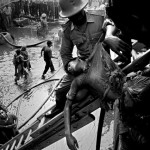
©Jesse Rieser, from Wallowfire
Q: Can you tell us how you first discovered Photolucida’s Critical Mass, and what motivated you to participate?
JR: I first learned about Critical Mass at my very first portfolio review, Photolucida, in 2011. At the time, I was working with Mary Virginia Swanson, who strongly advocated for the program. Since then, I’ve been honored to be selected for the Top 50 three times: in 2011, 2013, and 2018.
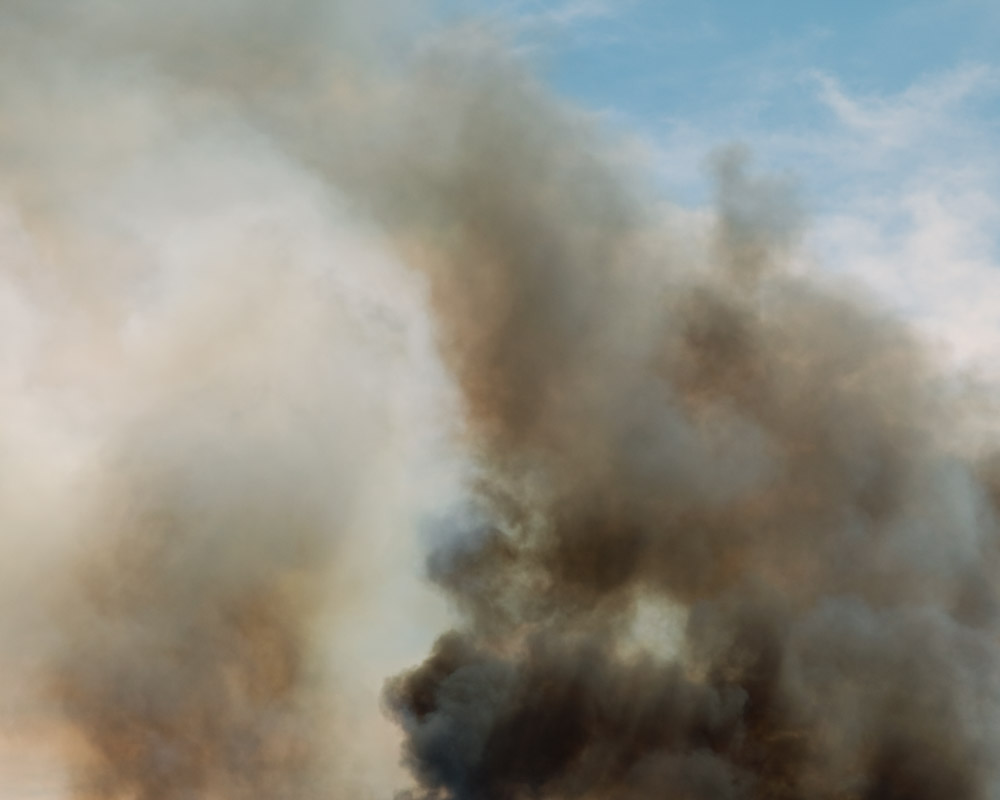
©Jesse Rieser, from Wallowfire
Q: Your 2013 Critical Mass Top 50 portfolio, The Wallow Fire, documents the largest wildfire in Arizona’s history. What compelled you to stop your travels and stay to photograph the fire, and how did witnessing the destruction firsthand shape your approach?
JR: Growing up in the Midwest, the threat and experience of a Western wildfire were completely foreign to me. The visuals and atmosphere felt otherworldly—like stepping through a portal into a world I hadn’t known existed.
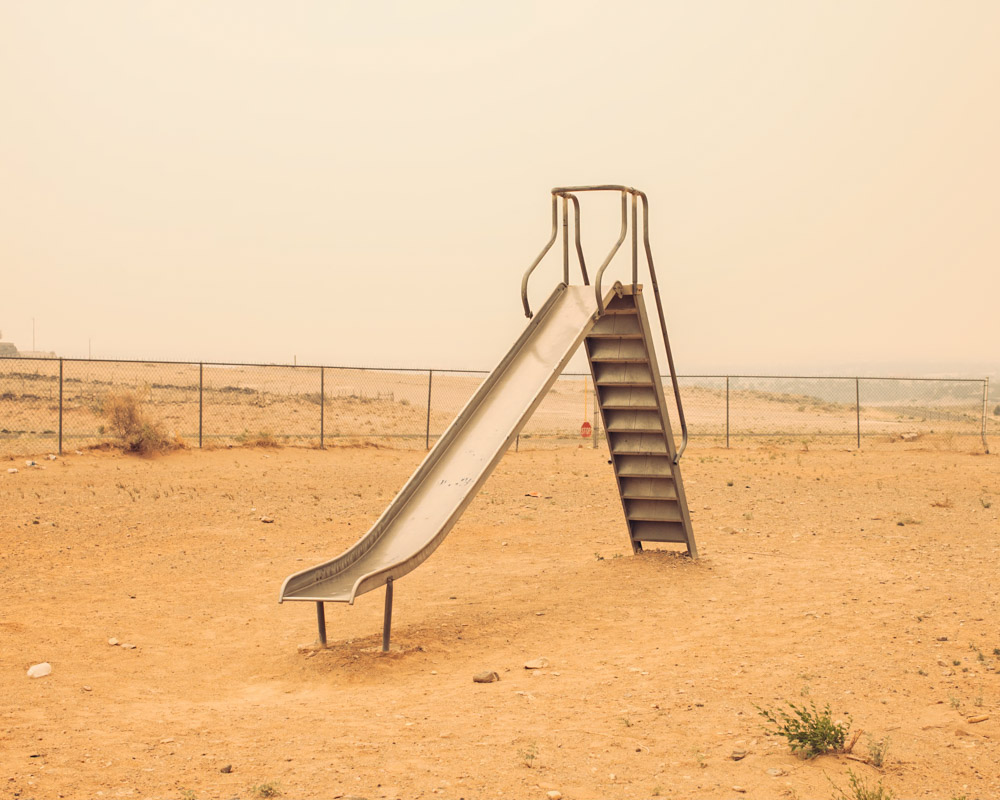
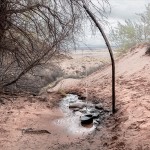
©Jesse Rieser, from Wallowfire
Q: You describe the aftermath as both devastating and strangely beautiful—lunar landscapes, yellowed skies, ash-scaled bark. How did you navigate the tension between tragedy and visual allure when composing these images?
JR: With any project, my goal is to create images that transmit a feeling. Since residents had already been evacuated, the sense of personal tragedy wasn’t immediately present. What remained was the magnitude of natural destruction, the dramatic transformation of the landscape, and the tireless work of the men and women fighting the fire. My photographs sought to balance that strange beauty with the sobering reality of what had been lost.
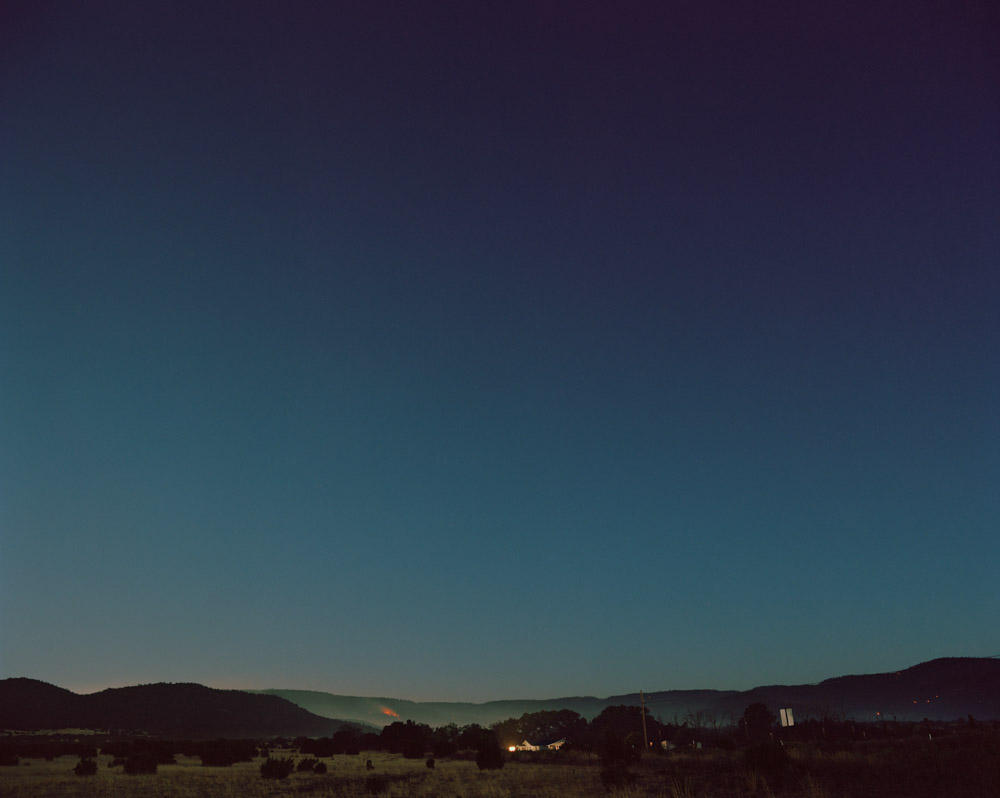
©Jesse Rieser, from Wallowfire
Q: The series includes both emptied spaces—playgrounds, grazing land—and portraits of the firefighters who confronted the blaze. How did you balance capturing the stark absence of daily life with the presence of those risking everything to contain the fire?
JR: Because of the scale of the fire, all residents were evacuated. What was left for me to photograph were the altered landscapes, the empty spaces stripped of daily life, and those on the front lines battling the flames. That juxtaposition became the story.
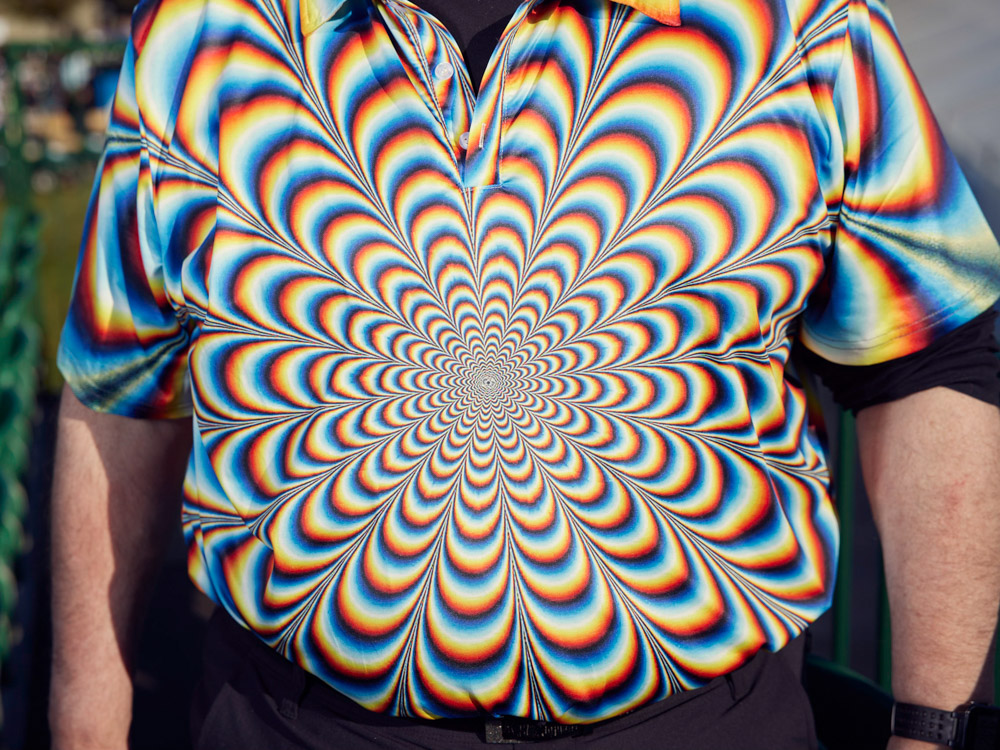
©Jesse Rieser, from Hypnosis
Q: You’ve noted that the Wallow Fire marked the beginning of a series of historic wildfires linked to climate change. Looking back, how do you see this project in dialogue with your later work, and what role do you think documentary photography plays in raising awareness of our shifting environment?
JR: My later projects feel broader, grappling with disorienting times, aging, and the accelerated pace of change—whether cultural, environmental, political, or technological. The Wallow Fire was an early chapter in that exploration of transformation and loss.
As for documentary photography’s role, I’m torn. A part of me remains romantic about its power to report, amplify, and warn. But I’m also cynical about its reach today. Traditional media is shrinking, and new digital platforms have fragmented trust. Increasingly, people only accept “truth” when it aligns with their beliefs. I’m not sure if we’re approaching, or have already passed, a point of no return in terms of collective trust in documentary images.
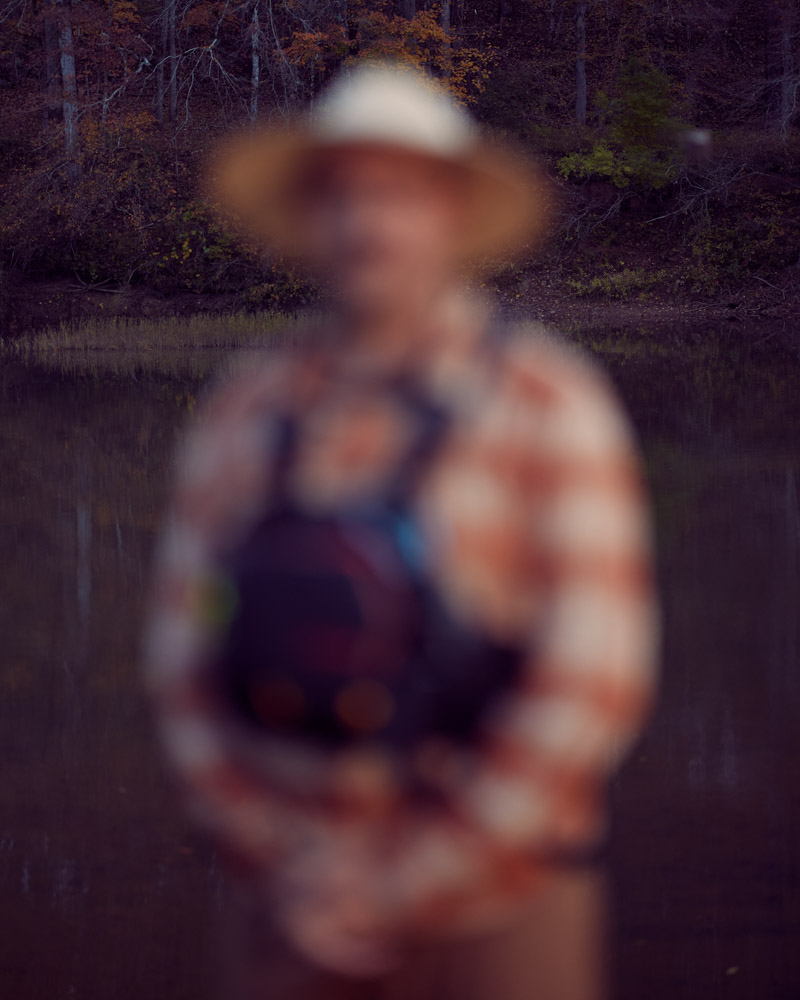
©Jesse Rieser, from Hypnosis
Q: In American Hypnosis, you frame the series as a kind of surreal postcard from the heartland. What inspired this approach, and how did your own upbringing in America shape the work?
JR: Growing up in the Midwest in the 80s and 90s, I was part of a micro-generation raised in an analogue world but coming of age in a digital one. My work reflects that contrast—the normalcy of the past colliding with the surrealism of the present. Being raised in the Ozarks also gives me a certain insider’s perspective on the themes I explore.
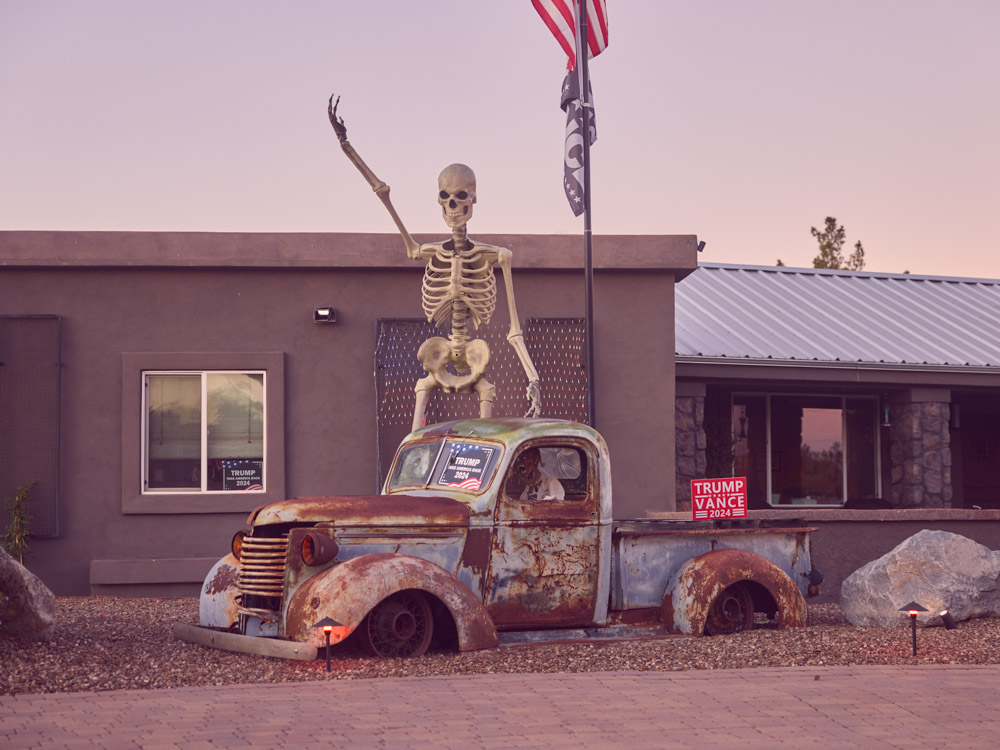
©Jesse Rieser, from Hypnosis
Q: The photographs in American Hypnosis straddle the line between the familiar and the unsettling. How did you use composition, color, and staging to evoke this sense of being both “at home” and disoriented at once?
JR: Suspicion is a recurring theme—not just of the person behind the camera or institutions, but of fellow citizens themselves. There’s also a sense of erasure, as though America itself is an unshareable concept that people fear losing.
Color plays a crucial role: it can be bright and hopeful, even when paired with darker moments, which heightens the dissonance. The work is unstaged, which underscores the reality that today, truth often feels stranger than fiction.
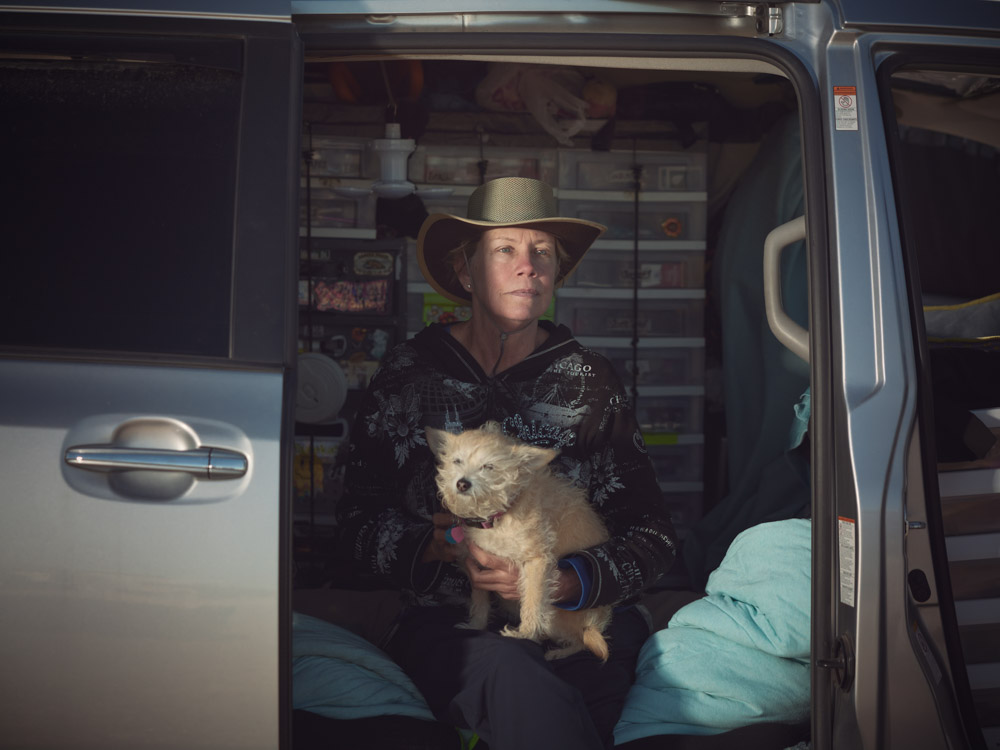
©Jesse Rieser, from Hypnosis
Q: You’ve compared the American condition to an animal pacing inside a zoo—free enough to move, but ultimately confined. How does this metaphor surface in the subjects and environments you chose to photograph?
JR: That metaphor speaks to the illusion of freedom as a form of control: just enough liberty to feel autonomous, but not enough to break free. Throughout the work, animal motifs reinforce this idea—the frightened child recoiling from a dinosaur costume, an Amtrak passenger in a fox mask, a one-eyed plastic dog in a cage, horses with their heads buried, and two goats mounted like trophies on a wall. Each image gestures toward captivity disguised as freedom.
Q: You’ve described the series as “deceptively nuanced photographs of—and for—an America that has done everything it can to abolish nuance.” How do you hope viewers reconcile the tension between what looks like fiction in your images and the uncomfortable truths they reveal?
JR: Viewers often tell me the work gives shape to feelings they couldn’t articulate themselves—almost like therapy. It reassures them that they’re not alone in their unease, that their anxieties about the present moment are shared.
Q: Finally, did being recognized as a Critical Mass Top 50 artist open new opportunities for you—whether immediately after the honor or more gradually over time?
JR: Absolutely. It has provided visibility and, just as importantly, validation. Being recognized is both an external affirmation and a marker of credibility in a field where those moments of recognition matter. It’s a feather in the cap that continues to carry weight.
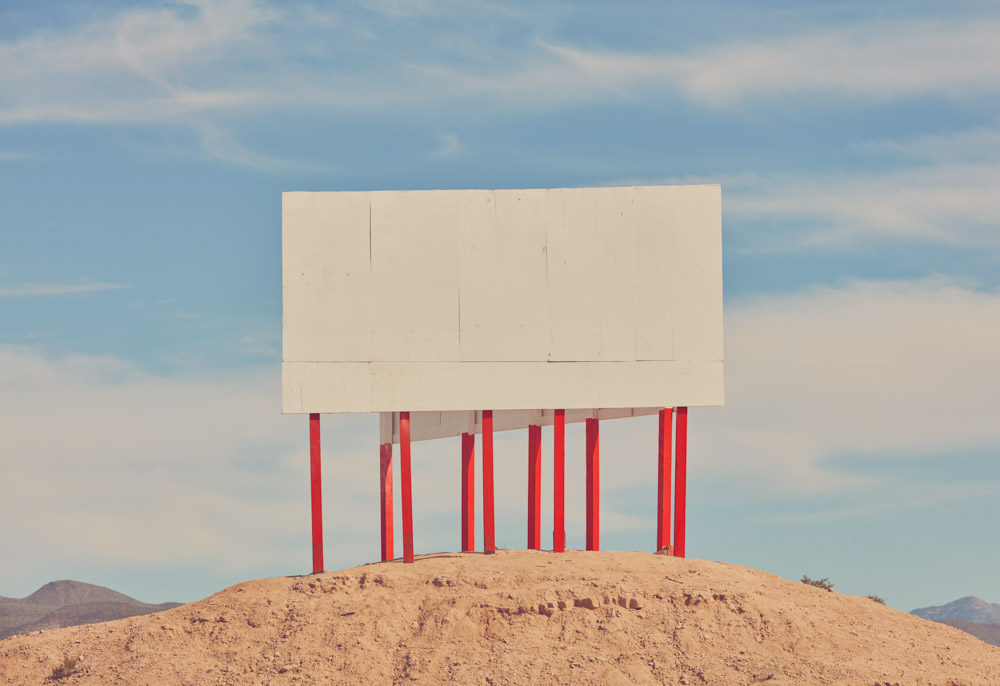
©Jesse Rieser, from Hypnosis
Siân Davey 2014
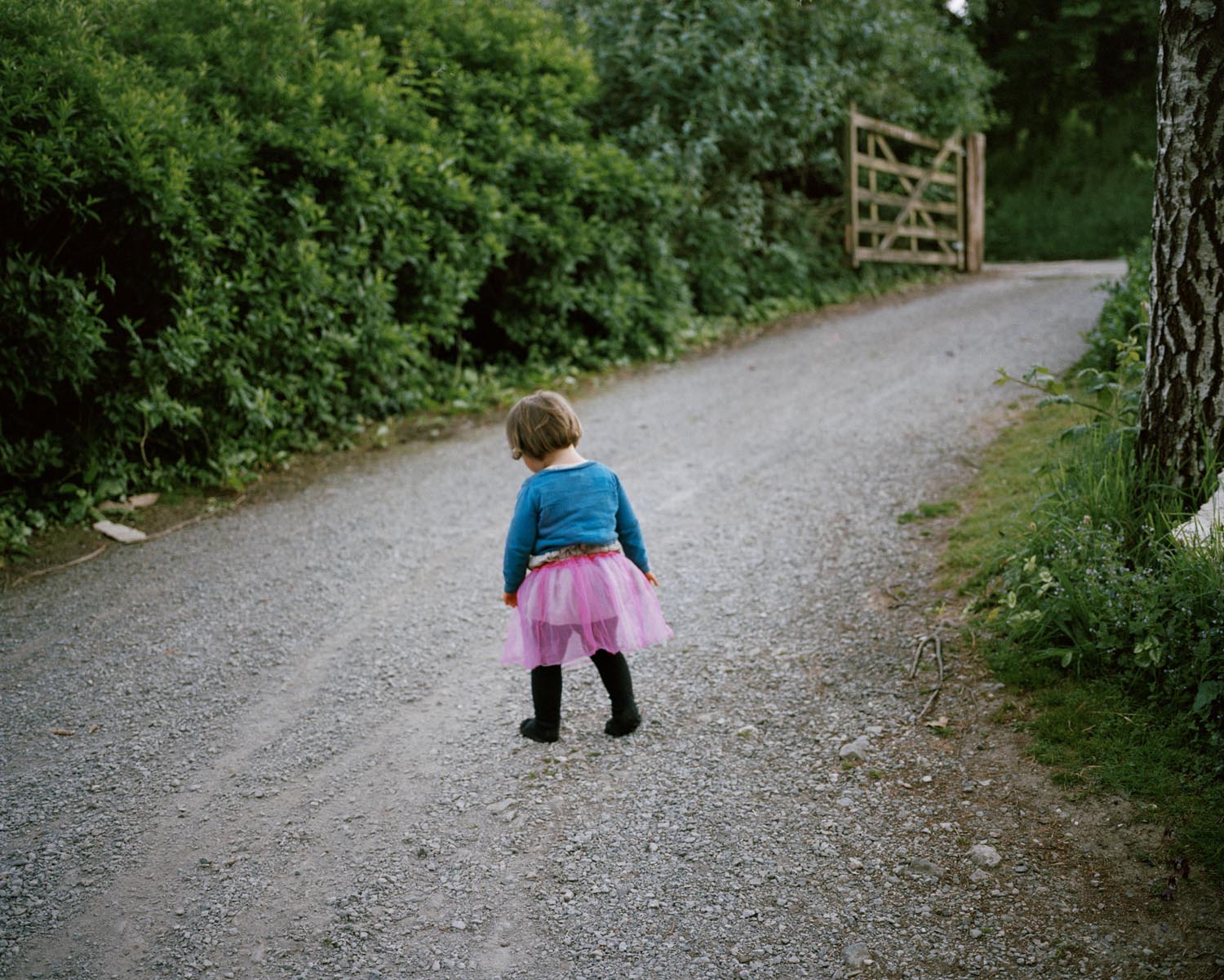
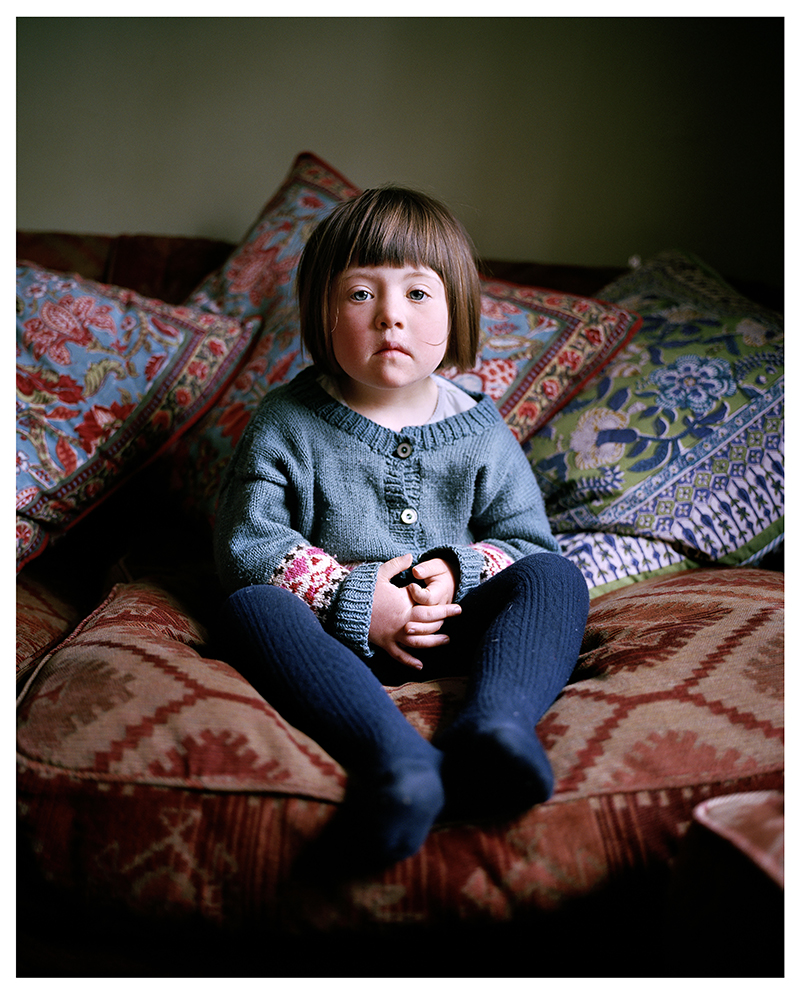
In her deeply personal projects, photographer Siân Davey has woven together the intimate and the political, transforming lived experience into art that confronts cultural assumptions about difference, resilience, and community. Her early series Looking for Alice on her daughter, who has Down syndrome, began from a place of anger at societal pressures to erase lives like hers, but evolved into a meditation on tenderness, love, and shared humanity. Later, with The Garden, she and her son turned their overgrown backyard into a wildflower sanctuary where neighbors and strangers alike were invited to sit for portraits—an act of communal healing that paralleled her own spiritual and personal transformation.
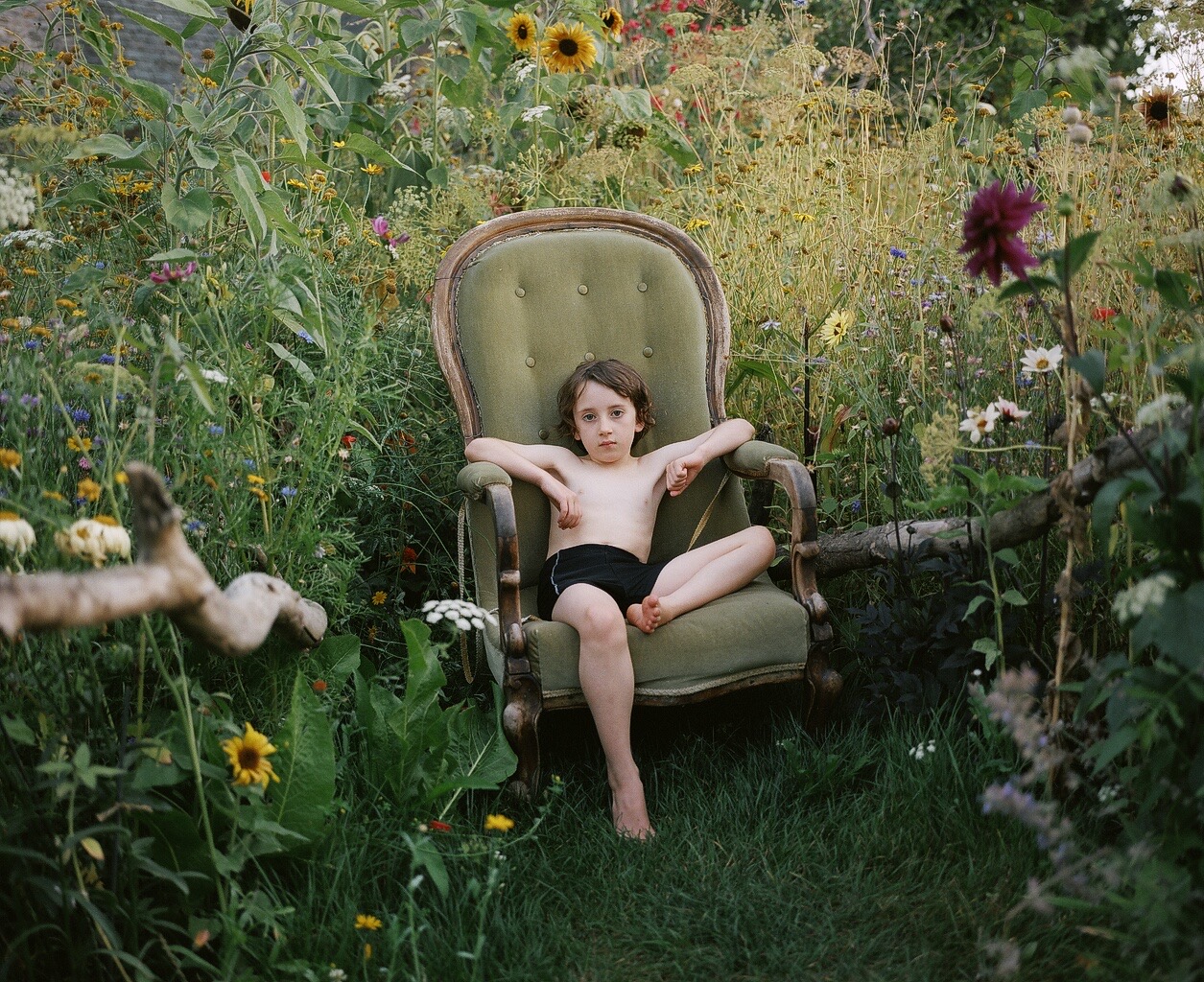
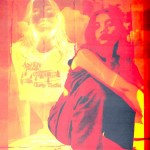
©Siân Davey
Following a 15 year career as a psychotherapist in private practice, British photographer Sian Davey launched a career in photography in 2014, drawing on her experiences as a psychotherapist and mother to inform her practice. Her work is an investigation of the psychological landscapes of both herself and those around her. Her family and community are central to her work. Davey studied Fine Art painting (Bath Academy of Fine Art, 1985) and Social Policy (University of Brighton, 1990) Humanistic Psychotherapy (1995) and more recently, photography (MA 2014 and MFA 2016 at Plymouth University).
Instagram: @siandavey1
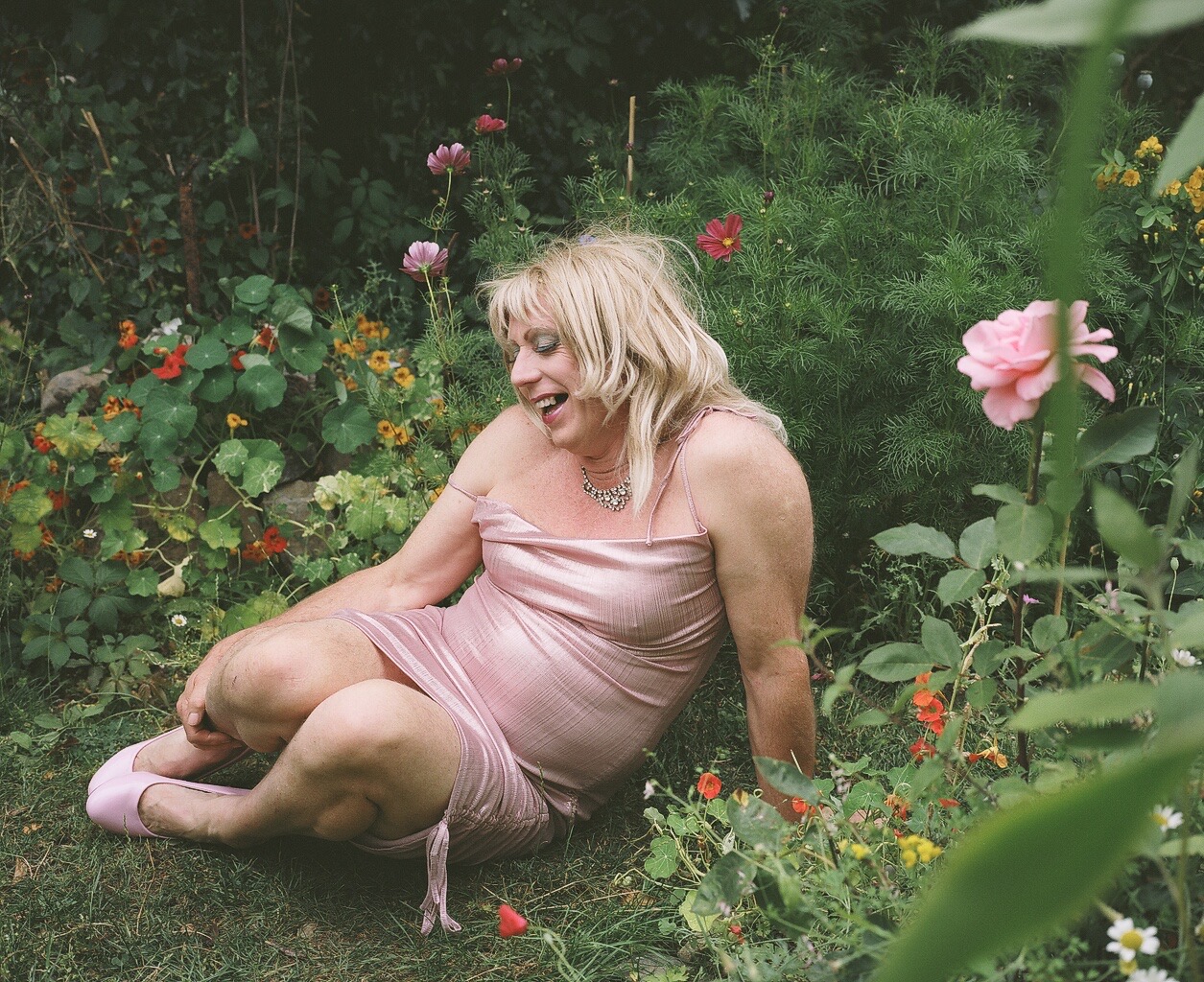
©Siân Davey
Q: “There is an immense, heart-wrenching tenderness in the images from your series about your daughter Alice, who has Down syndrome—not in a pitiful sense, but in a profoundly loving and tender way. Was this an emotion you intentionally sought to convey, and if so, how did you approach it through your photographs?”
SD: Nothing was intentional. This was my first real long-form project, and I quickly learned that when you’re working in that way, the work drives you—you don’t drive it. I didn’t begin knowing what I was looking for or what needed to be expressed. What pushed me into the project was anger. I had struggled to navigate the emotional terrain of my daughter’s diagnosis, and when I learned that the termination rate for babies with Down syndrome in the UK was 86%—with Iceland at 100%—I was outraged.
I am pro-choice, absolutely, but what disturbed me was the way the system works: parents are not given balanced information. From the moment of diagnosis, the process is weighted heavily toward termination. That realization galvanized me to begin this work—not just to speak from my personal experience, but to confront the wider medical and political narrative.
As the project evolved, the anger opened into something else. Alongside those political and social questions was my own relationship to difference, and to love. The tenderness people see in the images wasn’t something I set out to capture—it emerged naturally from being present with Alice, and from the love at the center of our relationship.
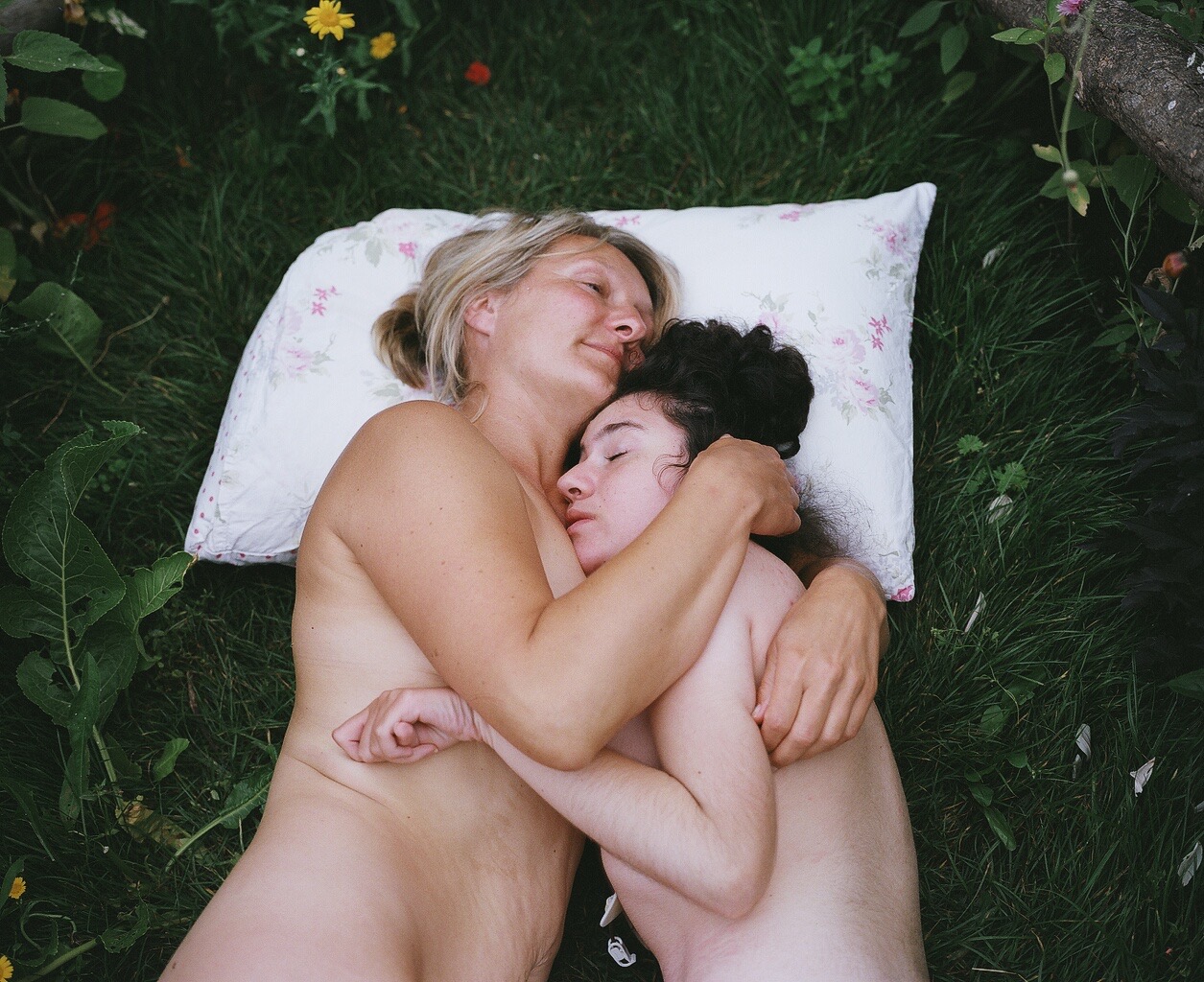
©Siân Davey
Q: You convey deeply personal emotions—initial anxieties, maternal love, and eventual clarity—but also assert that Alice “is no different to any other human being.” How do the images manage to retain both specificity and broad emotional resonance?
SD: Again, very little was conscious. At the start I was thinking, how do I communicate the mother’s story, the medical story, the political story? But those thoughts shut me down. I had to let go of trying to control how the story would be told and simply walk alongside Alice’s life with my camera.
What makes a project strong, I think, is when it comes from a dialogue between the intuitive and the intellectual. You don’t want the intellect to dominate. The most resonant images came when I stopped trying to “say” something and allowed the work to guide me. That’s where the universality comes from—when the images arise intuitively rather than from a preconceived agenda.
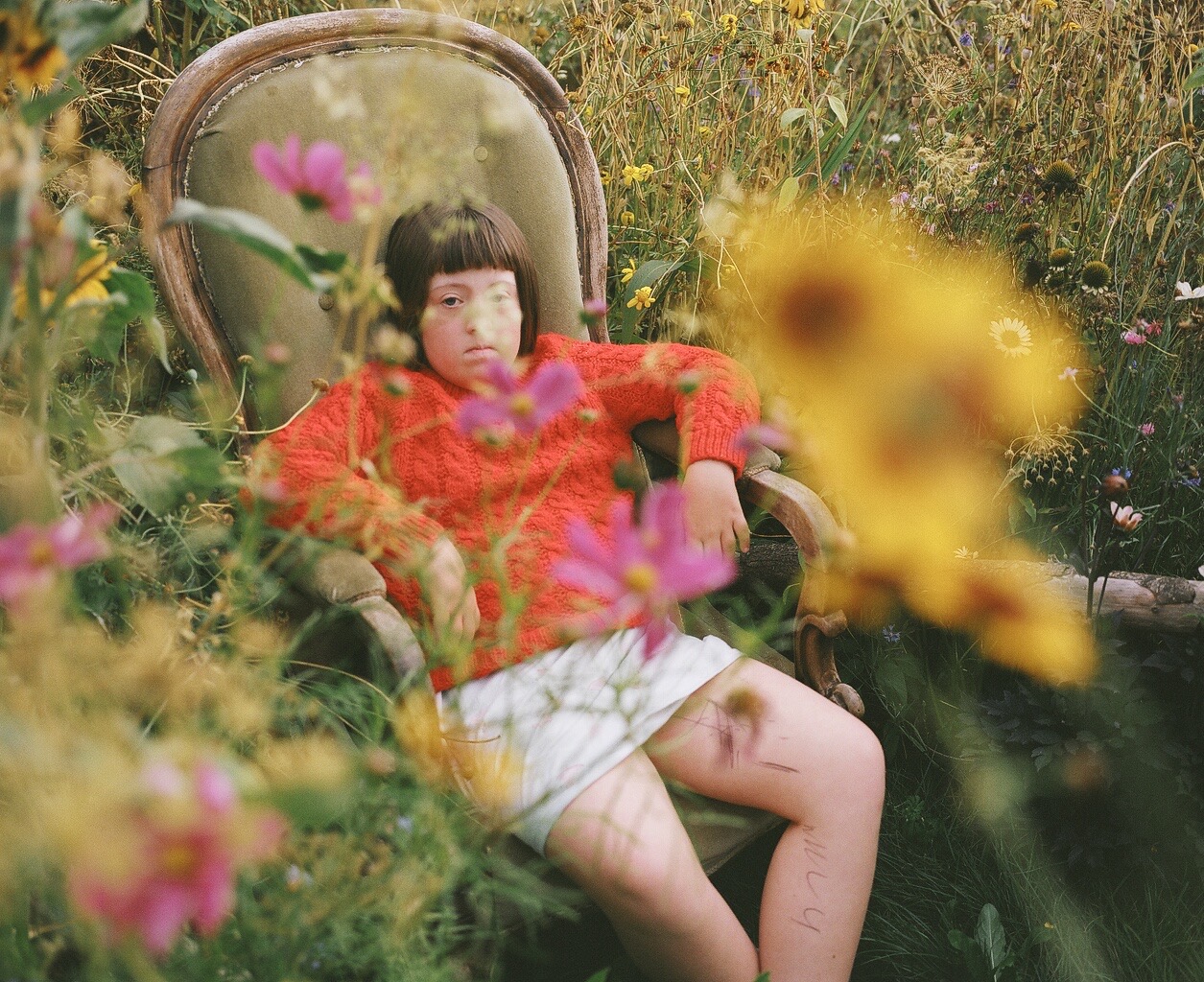
©Siân Davey
Q: In what ways does the work challenge stereotypes or societal narratives about Down syndrome?
SD: To be honest, I don’t always know what the stereotypes are. What I can say is that, as a culture, we are deeply afraid of difference. My relationship with Alice challenges that fear—because most of the time, I don’t even see her diagnosis. Occasionally she’ll do something and I’ll think, oh yes, that’s Down syndrome, but to me she is simply my daughter.
What’s been powerful is how the project connected with people. I’ve had big reach with other works, but this one touched people in a different way—particularly men, which surprised me. There’s something about the images that opens people, that softens them. Alice embodies love in a way that is infectious, not in a sentimental way but with a real wisdom. That, I think, is what challenges society’s assumptions.
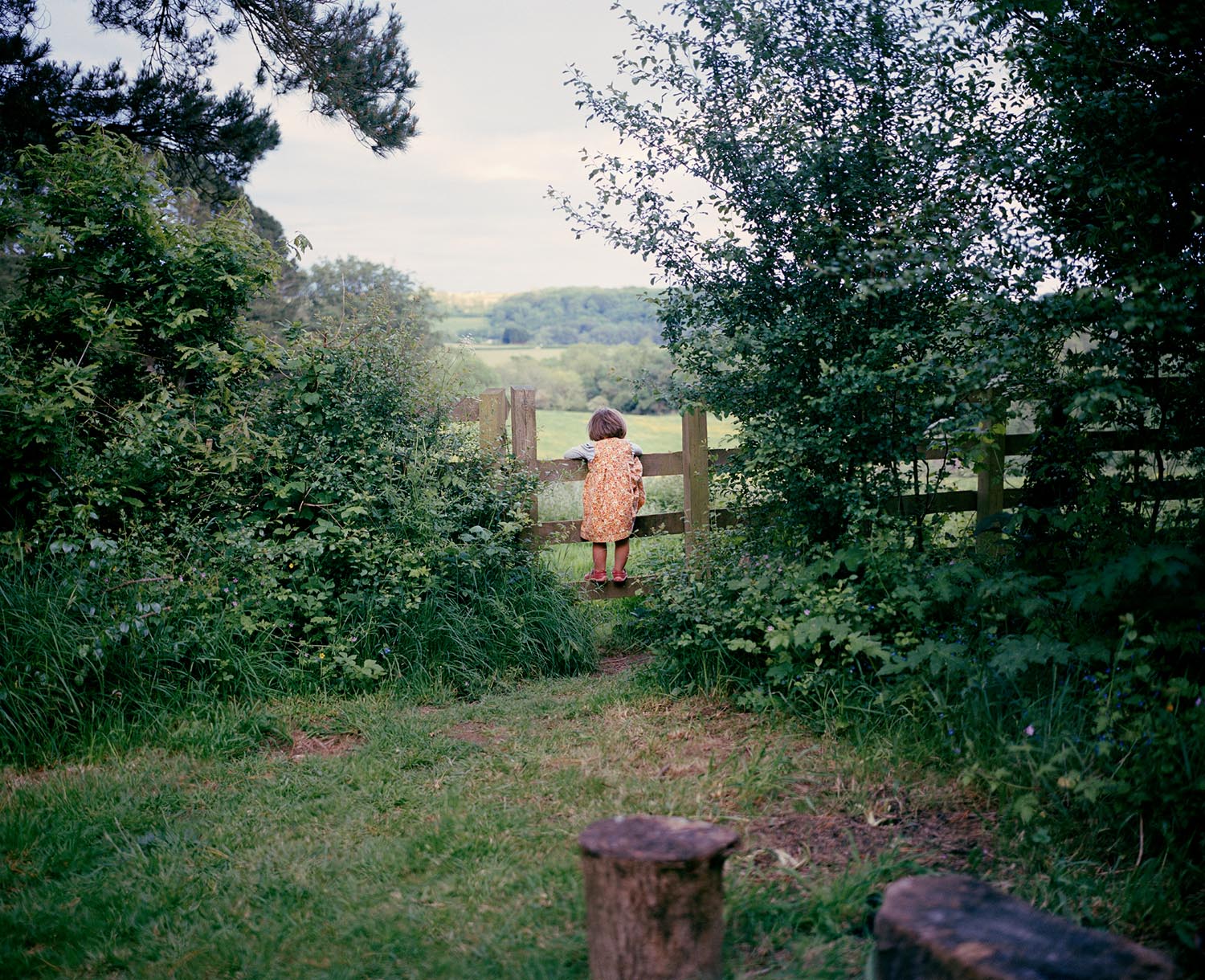
©Siân Davey
Q: Can you describe the genesis of The Garden project, where you and your son transformed your overgrown backyard into a refuge of wildflowers and invited passersby to step inside and sit for a portrait?
SD: The Garden grew out of both crisis and vision. After lockdown I separated from my partner, and chaos followed. In the midst of that, my son said, why don’t we turn our back garden into something so beautiful that people will want to come and be photographed in it? That simple suggestion became the seed of the work.
Clearing the garden became a parallel process to clearing my own history. I was raised in temporary housing, with a father who was an addicted gambler and cruel to my mother. As we tore out weeds and planted seeds, I was also unearthing that past, making sense of it, healing. My son and I became students of nature, learning how to build beauty out of neglect. Soon, the community became part of it—neighbors would ask what we were doing, then sit for portraits. Humanity became woven into the soil itself.
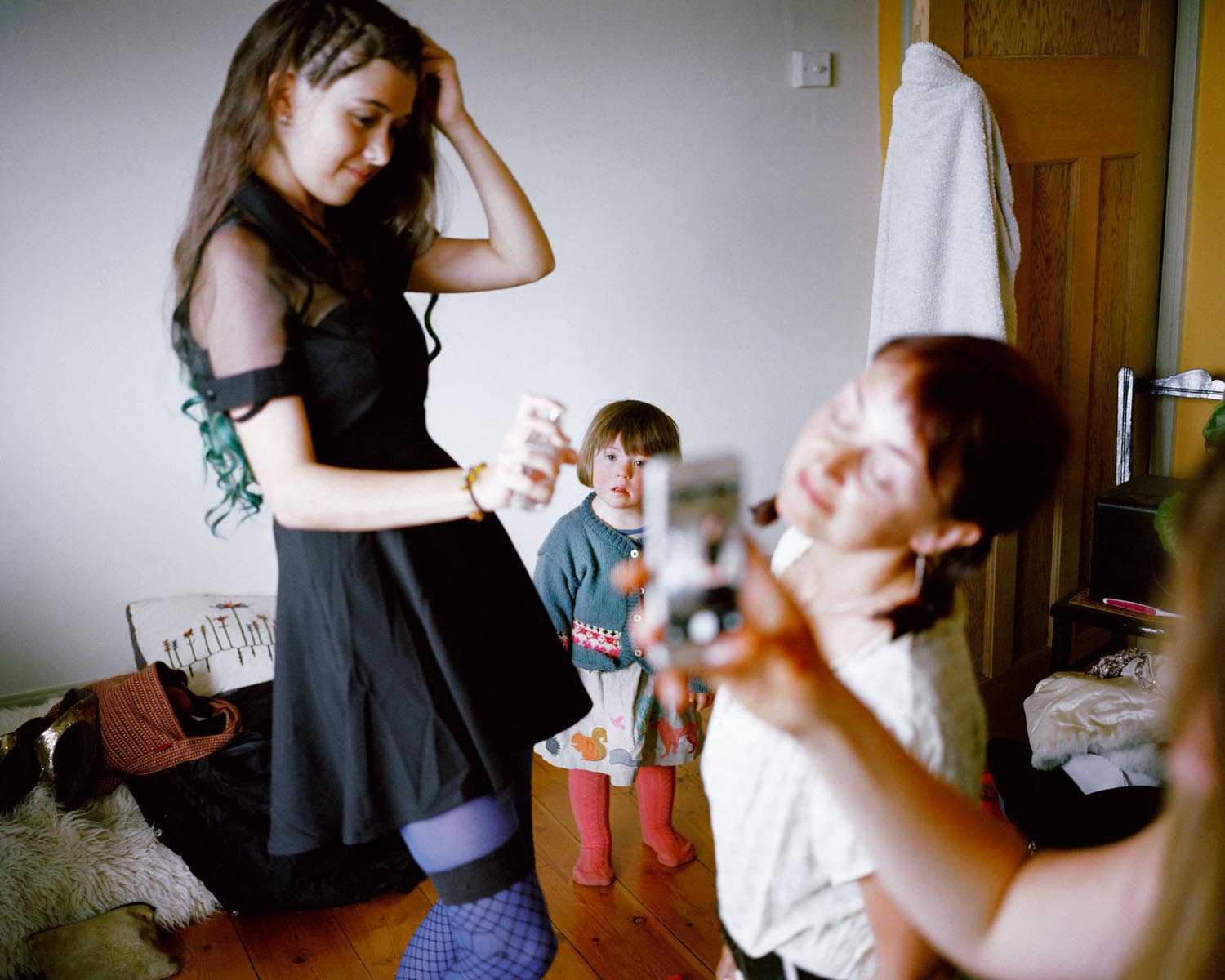
©Siân Davey
Q: What did you and your family learn about yourselves, others, and community through this endeavor?
SD: Two things guided us: nature and trust. We realized quickly that if we let nature lead, everything would fall into place. Nature became our teacher—showing us that when you care for it, you care for yourself and for others.
Through that process we learned about ecology, about interconnectedness, and about how community is built when people are invited into beauty. The portraits were simply extensions of that trust—moments of connection that grew naturally out of the shared experience of the garden.
©Siân Davey
Q: How does your background in psychotherapy and Buddhist-informed practice influence the atmosphere you create and your photographic process?
SD: It’s all seamless. My disruptive childhood, the rave culture of my twenties, my time in a monastery, my training as a psychotherapist—it’s all one thread. Everything interweaves, and each new chapter carries forward into the next. My work has always been a way of meeting life, of weaving personal, social, and spiritual experience into inquiry.
Q: What impact does the viewer’s awareness of the project’s communal and spontaneous nature have on how the images are interpreted?
SD: I think people feel the love and commitment. For three years my son and I were in the garden every day, sunrise to sunset, working with the soil, tending to the plants, welcoming whoever came by. We didn’t travel, we didn’t step away—it was total immersion.
That dedication, along with our Buddhist and Christian faith practices, shaped the atmosphere. For the first time in my life I stopped trying to control outcomes. I let the spirit of the work speak, and the people who entered the garden felt that surrender. That’s what you see in the images.
Q: Why have you decided not to work on long-form projects anymore?
SD: Each project I’ve made has been a portal into my unconscious—a way of unearthing and healing parts of my history. Alice took me back into the wounds of my childhood as an outsider. Martha, a project about my other daughter, revealed I was reconstructing an adolescence I never had. The Garden became a paradigm shift in consciousness, a spiritual journey of healing and growth.
When it was finished, I knew it was finished. That part of my life is complete. I’ve moved on to other forms—writing a book on creativity, running my Creative Body Process workshops, even working in fashion, which I adore. Long-form personal projects required me to go underground for years at a time, and I’ve said what I needed to say. Now I’m listening to my intuition again, and it’s telling me to move forward.
©Siân Davey
Photolucida is a 501(c)(3) nonprofit organization. Our mission is to provide platforms that expand, inspire, educate, and connect the regional, national, and international photography community.
Instagram: @photolucida
Posts on Lenscratch may not be reproduced without the permission of the Lenscratch staff and the photographer.
Recommended
-
The Museum of Fine Arts Announces Establishment of $50,000 Edelman Impact Award in PhotographyMay 31st, 2026
-
Donna Gordon: 2025 Denis Roussel Award WinnerMay 16th, 2026
-
Zanele Muholi: 2026 Hasselblad Award LaureateMarch 13th, 2026
-
Shane Hallinan: The 2025 Salon Jane Award WinnerFebruary 12th, 2026
-

Greg Constantine: 7 Doors: An American GulagJanuary 17th, 2026






 and Sian Davey (CM 2014))