Photographers on Photographers: Quincey Spagnoletti in Conversation with Rachelle Anayansi Mozman Solano
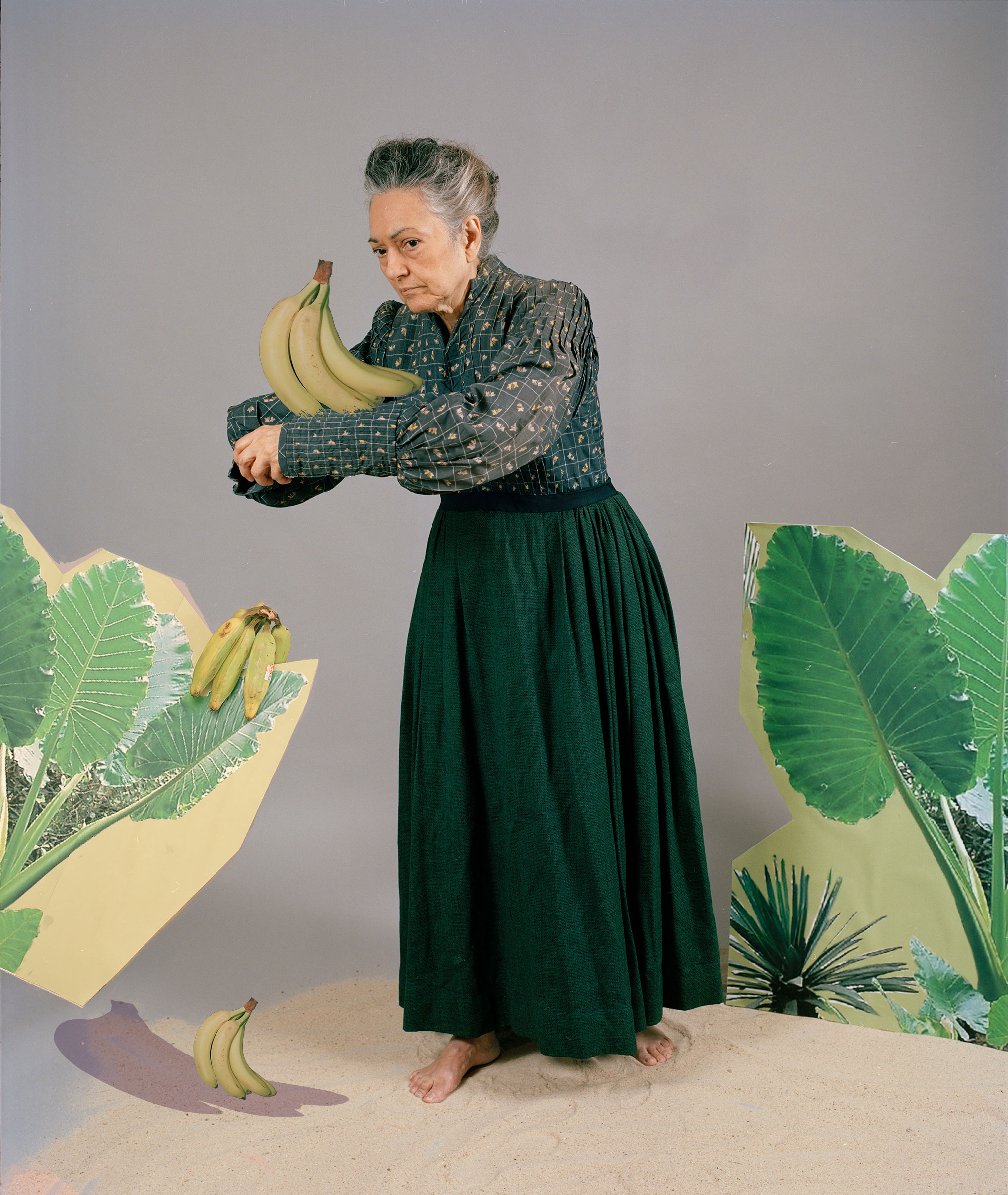
© Rachelle Anayansi Mozman Solano, When A Woman Falls In love with a Banano de sangre pura, from Venas Abiertas, 2021
Every August we ask the previous Top 25 Lenscratch Student Prize Winners to interview a hero or a mentor, offering an opportunity for conversation and connection. Today Quincey Spagnoletti and Rachelle Anayansi Mozman Solano are in dialogue. Thank you to both of the artists.
The figure of the mother serves as a powerful throughline in Rachelle Anayansi Mozman-Solano’s artistic practice. Drawing on the archetype of the matriarch, her work examines motherhood as both a lived experience and a symbolic force—one that shapes families, communities, and our relationship to the natural world. Through photography, Rachelle considers the mother as a source of creation, protection, and transformation.
I first met Rachelle while I was a graduate student at the School of the Museum of Fine Arts at Tufts University. Rachelle was both one of my advisors and a Professor of the Practice in the Photography Department. Since graduating, I have continued to seek out her guidance, sharing contact sheets from my photographic projects and discussing new ideas as they develop. She consistently offers thoughtful feedback, meaningful insight, and generous encouragement. Graduating from or leaving an academic institution often means losing the built-in network of mentors who are readily available to support your work. Finding someone who continues to invest their time, attention, and care in your artistic practice is rare. I am incredibly grateful to Rachelle for her ongoing mentorship and for the generosity with which she has supported my work over the years.
In this interview for Lenscratch, I had the pleasure of learning more about Rachelle’s artistic practice and how she balances her roles as both an educator and an artist. We discuss the ways she weaves her lived experiences together with her psychoanalytic background, informing both her teaching and her creative work in profound and compelling ways.
Mozman Solano is the recipient of the NYFA/NYSCA award in 2025, and the John Simon Guggenheim Fellowship and the Aperture Creator Labs Photo Fund in 2024. She received the Colen Brown Art Prize and the Rema Hort Mann Foundation award in 2022. In 2021 she had a solo exhibition, All These Things I Carry with Me, at South Bend Museum, South Bend, IN. In 2020 Mozman released her monograph, Colonial Echo with Kris Graves Projects. In 2019 she had a solo exhibition, Metamorphosis of Failure at Smack Mellon, Brooklyn, NY. Mozman has been awarded residencies at LMCC workspace, Smack Mellon, Baxter St at CCNY, and Light Work. Mozman has been awarded the NYSCA/NYFA Artist Fellowship, the NYC Film and Media Grant from the Jerome Foundation and others. Her work has been published in Aperture, Vogue, Contact Sheet, Presumed Innocence, Exit and numerous other publications.
Mozman Solano is a Fulbright Fellow, and has exhibited at Museum of Fine Art, Boston, Center for Photography, Kingston, NY, The Lumber Room, Portland, OR, Crystal Bridges Museum of American Art, Bentonville, AK, El Museo del Barrio, New York, the National Portrait Gallery at Smithsonian Institution, Washington D.C, the Americas Society, New York, New York, National Hispanic Cultural Center, Albuquerque, New Mexico, The Studio Museum in Harlem, New York, New York, the Chelsea Museum, New York, New York, The DeCordova Sculpture Park and Museum, Lincoln, Massachusetts, the Museum of Latin American Art, Long Beach, California, the Shore Institute of Contemporary Art, Long Branch, New Jersey, Festival de la luz at the Centro Cultural Recoleta, Buenos Aires, Argentina the Instituto Cultural Itau, São Paulo, Brazil, the Friese Museum, Berlin, Germany, the Museo Nacional de Bellas Artes, Santiago, Chile, Museo Nacional de Artes Visuales, Montevideo, Uruguay, Centro Cultural de España, Mexico City, Mexico, Festival Biarritz, Biarritz, France, as well as the IX Bienal de Cuenca, Ecuador.
Instagram: @rachellemozmansolano
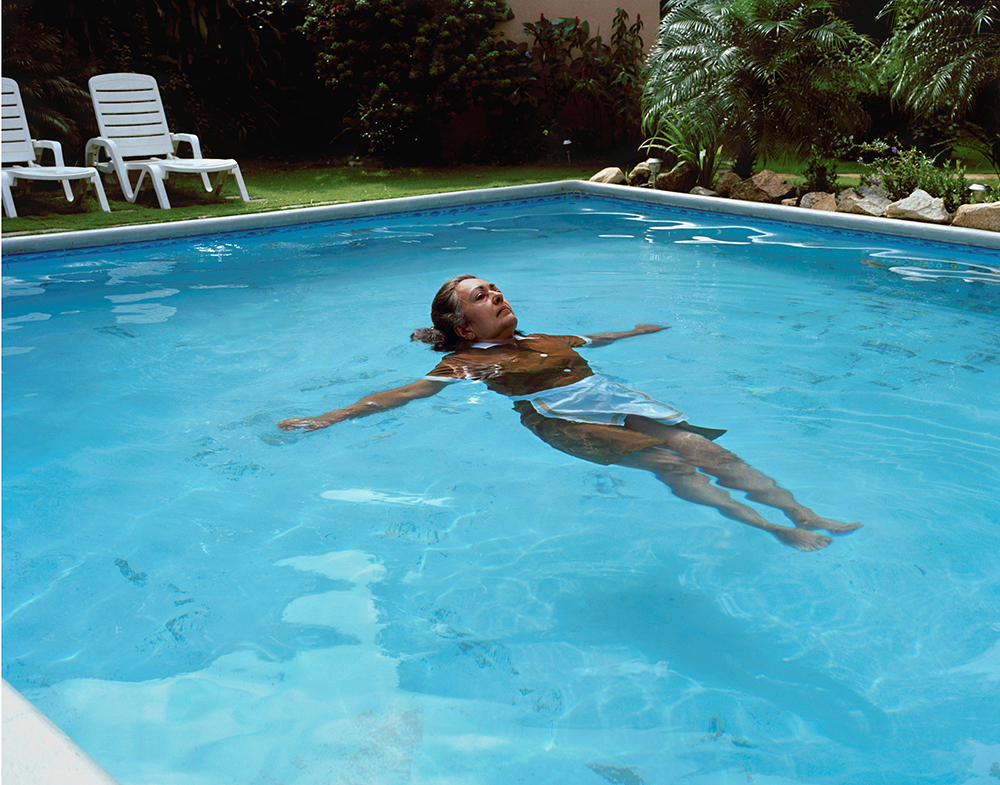
© Rachelle Anayansi Mozman Solano, Piscina, 2010
Quincey Spagnoletti: What’s one thing about teaching that has surprised you, and how has the experience of teaching influenced the way you approach your own work?
Rachelle Mozman-Solano: Relationships are at the center of my practice, and over time I realized that teaching is also about relationships. Students often stay connected or return, and this part of teaching is one I didn’t consider 25 years ago when I started because I was focused on finding and keeping work. Listening to my students who are shaped by a different world than I was has surprised me.
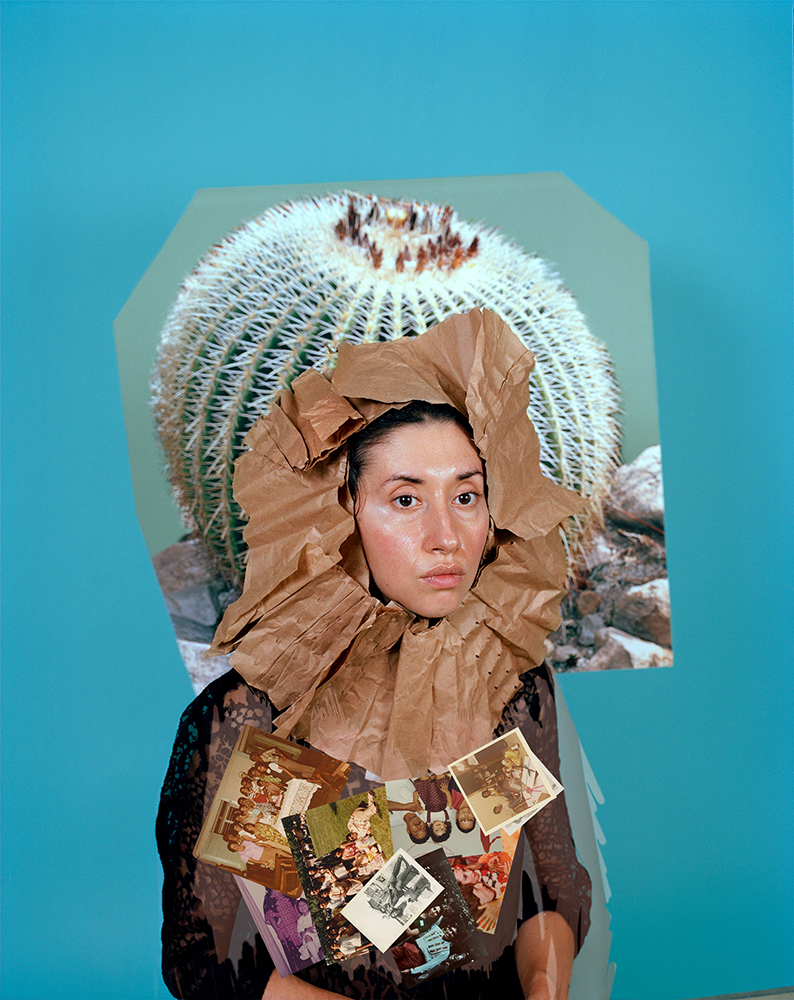
© Rachelle Anayansi Mozman Solano, Which was it to be strong, or submissive, rebellious or conforming?, from Venas Abiertas, 2021 (3)
Quincey Spagnoletti: Your work draws not only from your own lived experiences, but also from the stories and legacies of the women who came before you. I’m interested in how you approach that sense of intergenerational connection in your creative process.
Rachelle Mozman-Solano: The psyche and what we carry with us from our family and ancestors experiences drives a lot of my practice. I trained as a psychoanalyst in part to understand the impact of historical experiences on my family, my psychic and economic inheritance. The mind is a very fascinating realm and how our lives are shaped by it is endlessly interesting to me. My mother was always a mystery to me growing up. This led me to live in Panama multiple times, where my mother was born and raised. It is also the reason I continue to work there. Matriarchy was very powerful in my mothers family, and this seemed to come from generations past based on the oral stories told to me. For my first monograph Colonial Echo I brought in an interview my mother did of her mother recorded on a mini tape recorder. It was fascinating to listen back to my grandmother speak to her own mother and women in her family, raising over 11 children, some were not her own children.
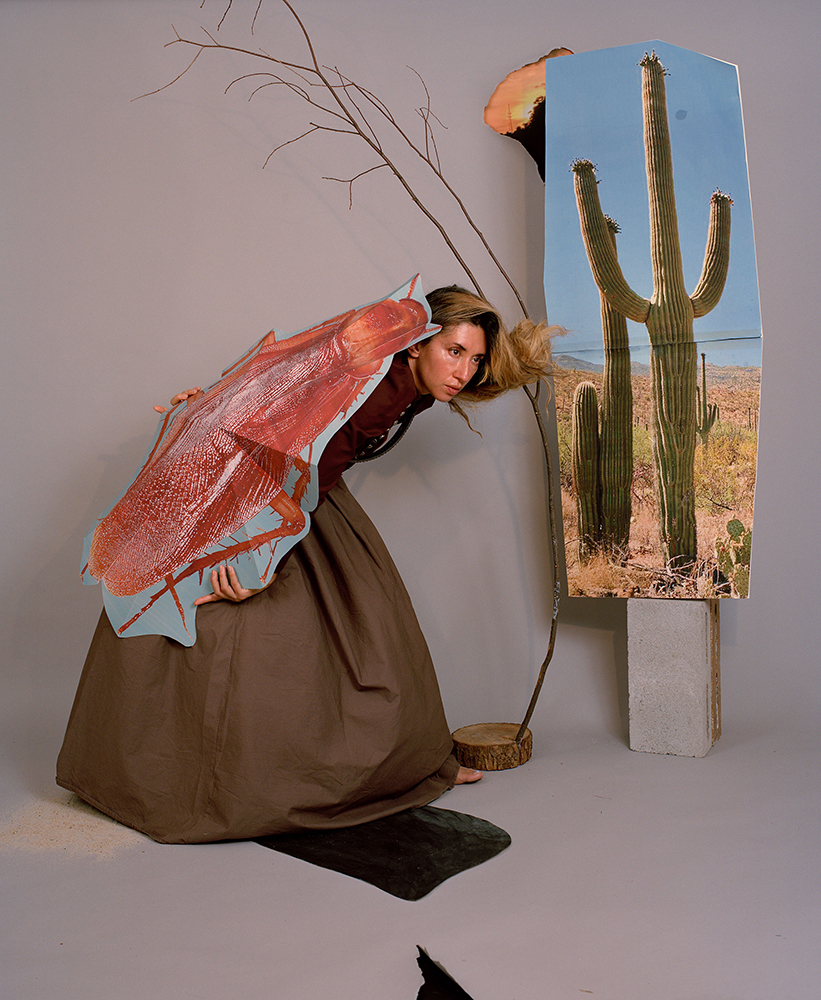
© Rachelle Anayansi Mozman Solano, La Cucaracha, Soldadera, Woman Warrior, from Venas Abiertas, 2021 (4)
Quincey Spagnoletti: Your mother is a recurring character in your photographs. How does working with your mom, or other family members, change or challenge the narrative of your work?
Rachelle Mozman-Solano: I am fascinated by archetypes and the function of the mother. The mother is one of the archetypes that most drives my work. How the mother functions in family, society, nature, to birth but also to give care. My own mother is also a unique, mysterious figure to me. She also happens to be interested in performing and enjoys collaborating in my work – until she is hungry. By working with my mother rather than a substitute mother, I am bringing her own biography to the work. In this way, I am interested in the document and real people.
When working with my friend Marissa Herrmann, I am also interested in Marissa’s lived experience, and how this bleeds into the work. She brings herself to the work, she is not just a model who I am shaping. In psychoanalysis it would be called “relational theory”. Within relationships we impact each other.
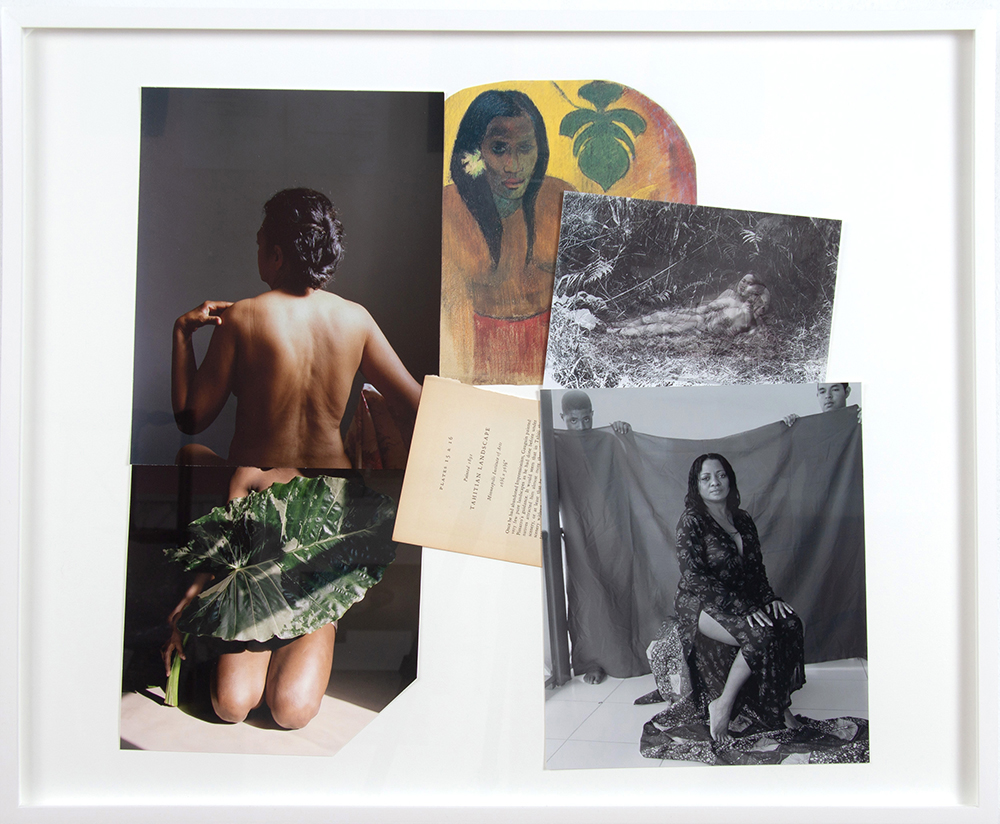
© Rachelle Anayansi Mozman Solano, I was hopeful to find in this place my happiness, From Cast of Women, 2018 (5)
Quincey Spagnoletti: Psychoanalysis is a big part of your artistic practice and your career as an artist. Can you describe how you got into this profession and how you bring it into the classroom as an educator?
Rachelle Mozman-Solano: Beginning at Bennington College and now in the eight years I have been at SMFA at Tufts I began creating courses that intersect art making with psychoanalysis. In my seven years seeing patients I felt there was so much creativity in the art of listening, in the way analysts can help a patient reconstruct their past through words. Many students in art school are drawn to studying art, to being immersed in art because it was a way to separate from something in their childhood home, a way to have their own space, protection or control. In my courses, the readings bring up important ideas most students have never encountered. I can see how it benefits their art making, to put ideas and words to their experiences. Psychoanalysis is a practice based on language and words. My courses establish this connection and the results can be wonderful.
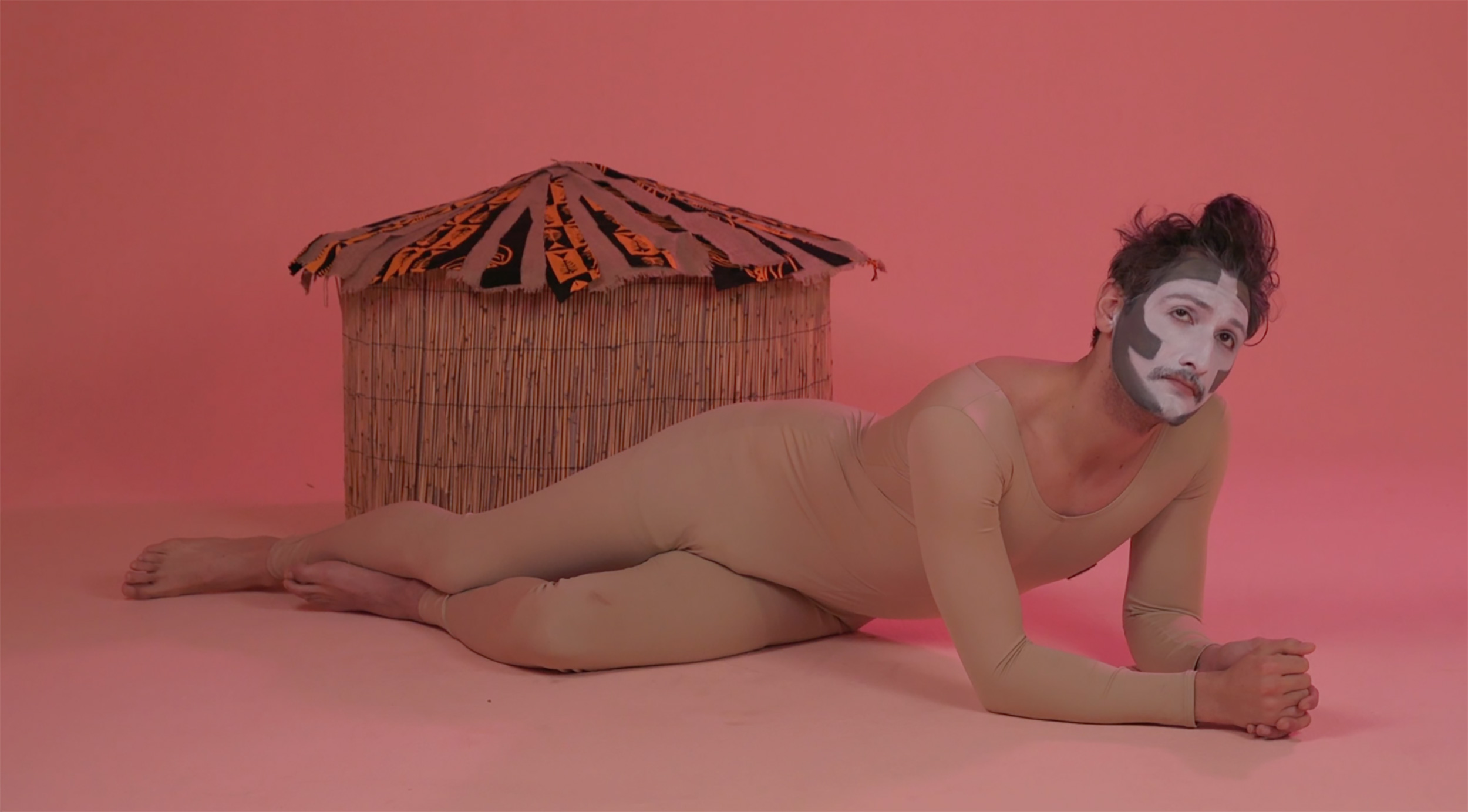
© Rachelle Anayansi Mozman Solano, Here I am in Panama, in excellent health as always, still from the film Opaque Mirror, 2017 (6)
Quincey Spagnoletti: In your work, there is always an element of collage. Whether you’re physically cutting images out and laying them on top of one another, or you’re dressing your models up in large cut outs. Can you describe how your work is layered and how you incorporate collage into your work?
Rachelle Mozman-Solano: I come from painting and went toward photography in college, but continued painting and doing printmaking. I also made clothing for many years. The collapsing of mediums and the intersecting of my interest in color, story telling, surface and cutting is at the center of my interest in bringing collage to nearly everything I do. I am driven by an obsession with layering – layering stories and perspectives- showing how much there is to consider in something that seems simple.
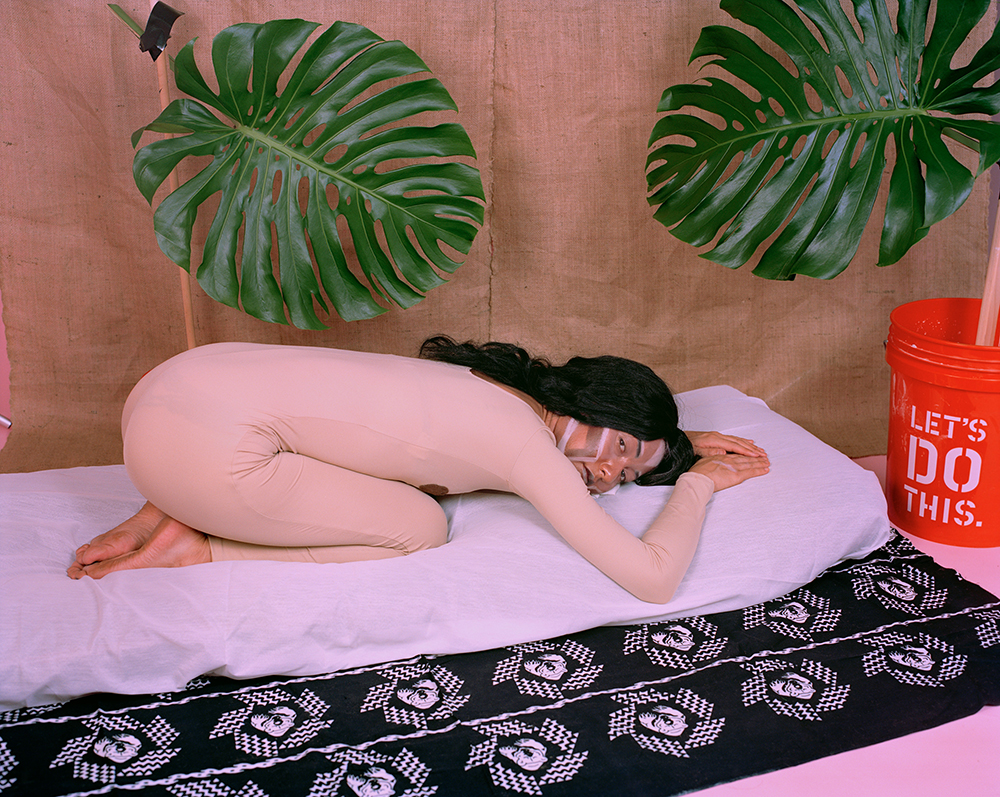
© Rachelle Anayansi Mozman Solano, Child pose, From Cast of Women, 2018 (7)
Quincey Spagnoletti: The relationship between video and photography in your work is incredibly compelling. How do these two mediums influence one another throughout your creative process?
Rachelle Mozman-Solano: My interest in story telling is what drives much of my work. Language and words are a central focus in much of my video work. In this way, the photographs can feel like a silent frame of the video work. The depth of the historical research in my video work, Opaque Mirror and The Dying Cavendish, influenced how I approached my photographs and collages in Venas Abiertas. I then brought this focus of language to the recent book I published with Kris Graves Monolith editions, titled, Venas Abiertas. In the book the titles appear underneath tipped in photographs and are the direct quotes from historical texts that shaped the making of the photographs. There is a circular way in which I work and that these parts begin to impact each other.
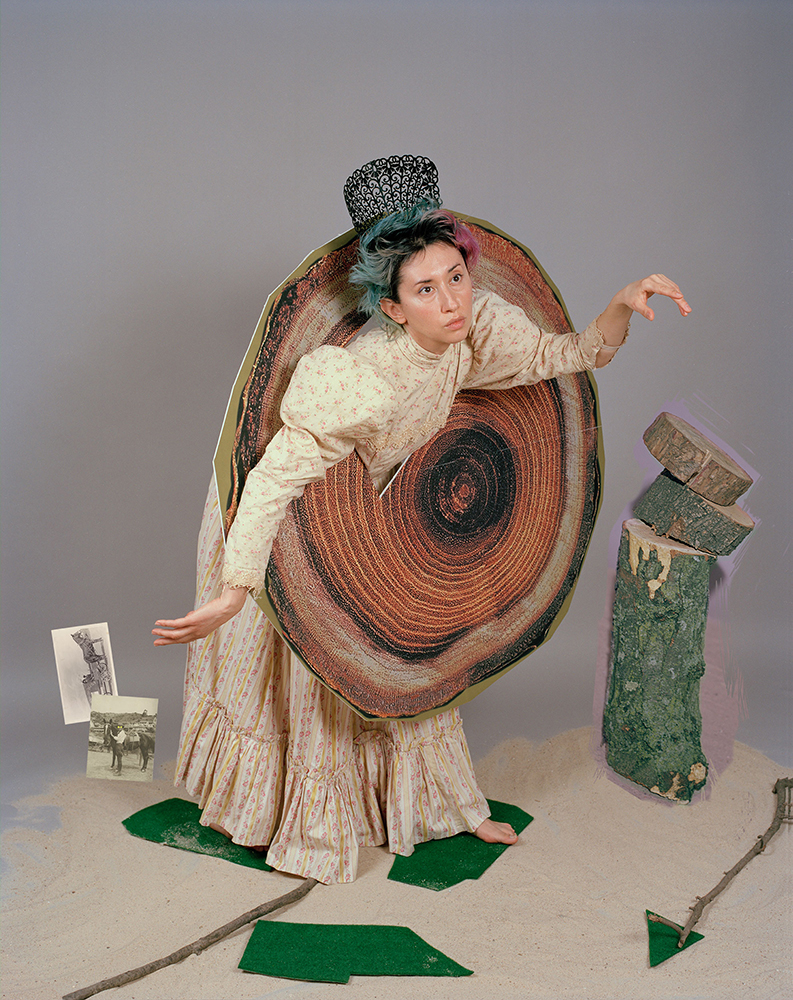
© Rachelle Anayansi Mozman Solano, California marks the limit of geographical progress of civilization from Venas Abiertas, 2021 (8)
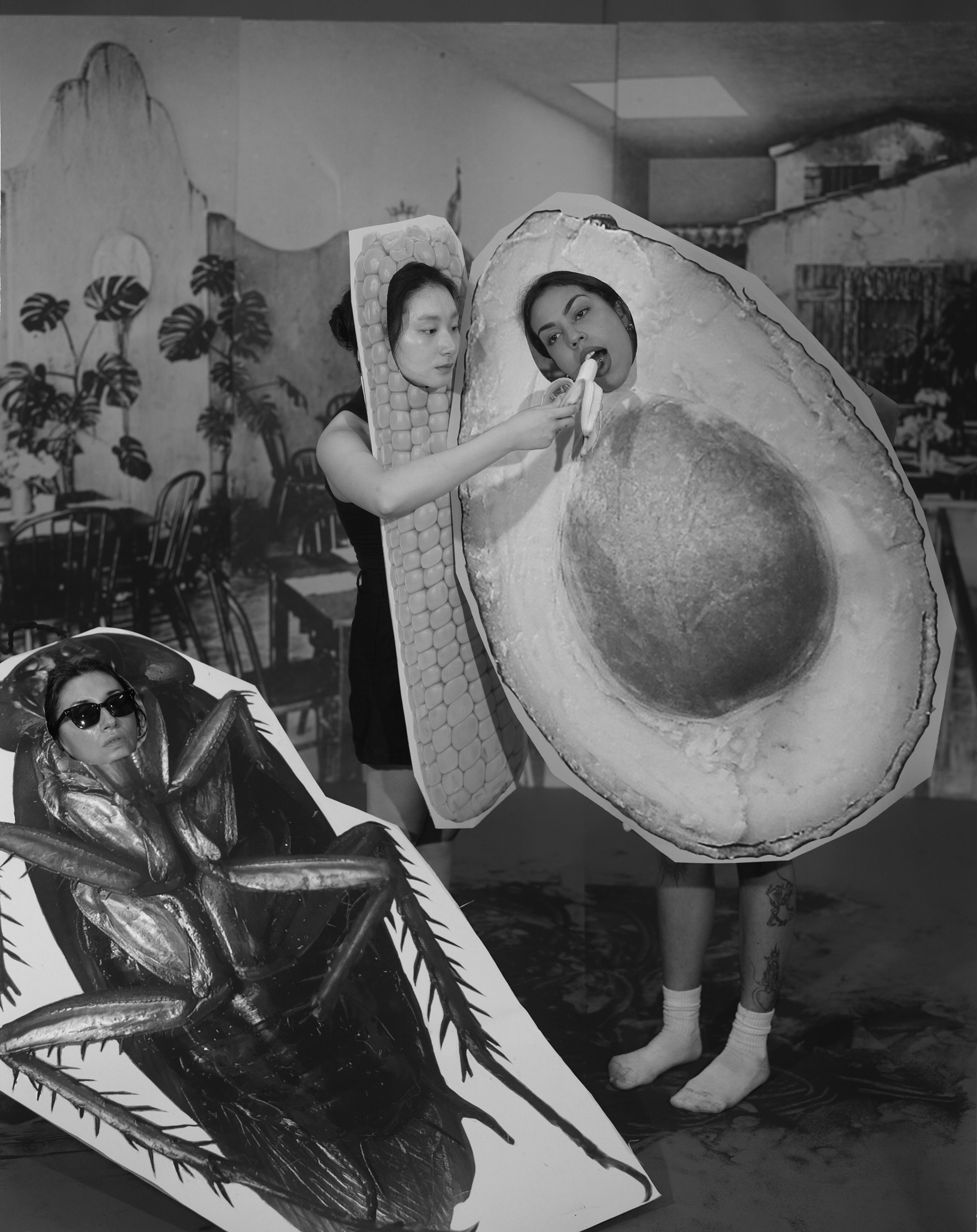
© Rachelle Anayansi Mozman Solano, Feeding bananas, Mexican Restaurant, 2025 (9)
Quincey Spagnoletti: You always have wonderful film and artist recommendations for me whenever we meet or have studio visits. What are you reading right now or watching that you think other photographers should know about?
Rachelle Mozman-Solano: Je Tu Il Elle, by Chantal Akerman is wonderful. I am reading The House of Bernarda Alba by Federico García Lora, and for anyone who identifies with growing up in a strong matriarchal family structure this play might resonate.
Rac
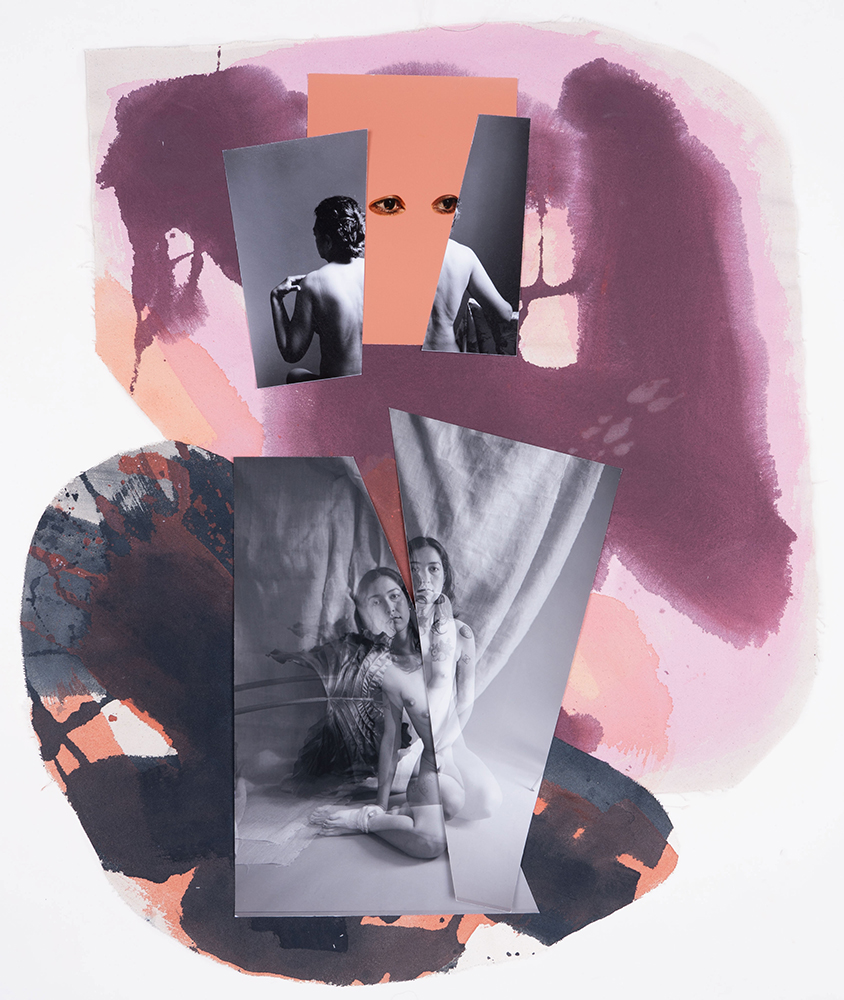
© Rachelle Anayansi Mozman Solano, Borderlands, where multiple worlds merge, come apart, scab over, #7 From Venas Abiertas, 2020 (10)
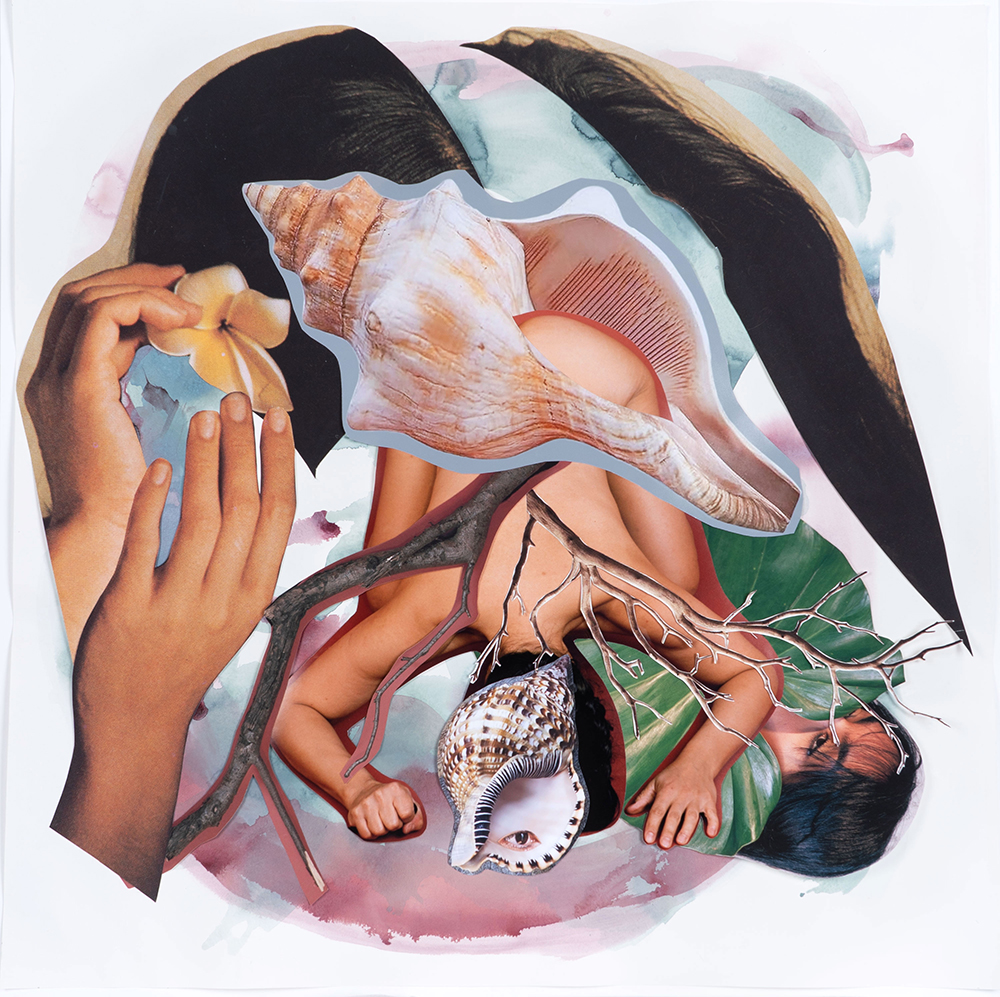
© Rachelle Anayansi Mozman Solano, Borderlands, where multiple worlds merge, come apart, scab over, #8 From Venas Abiertas, 2020 (11)
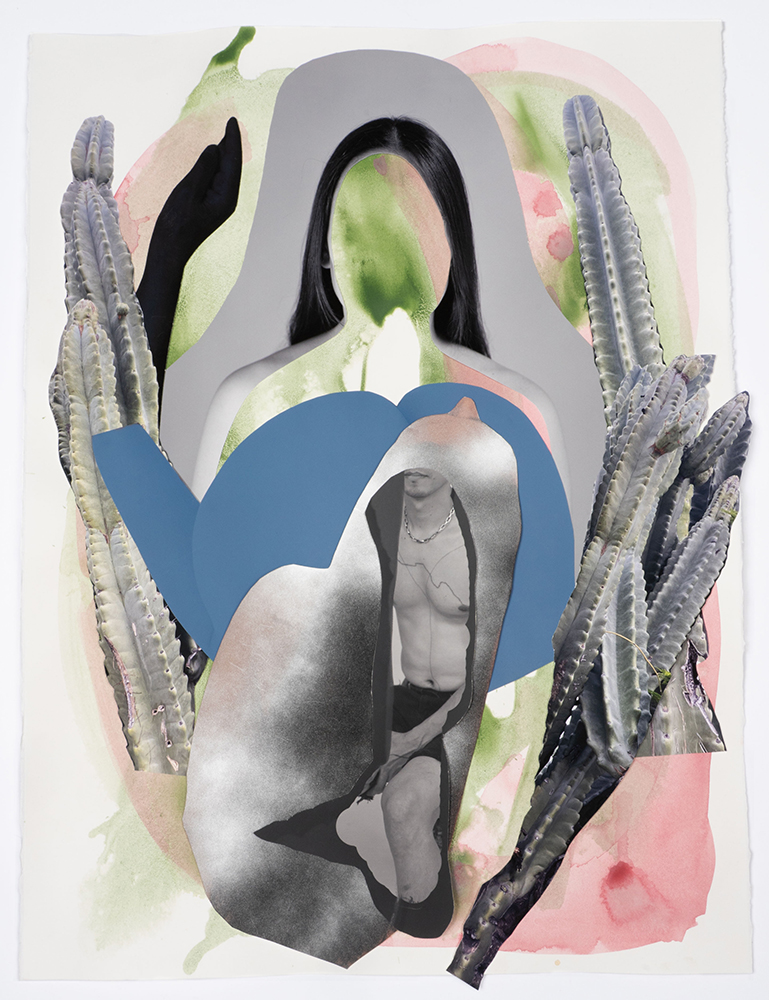
© Rachelle Anayansi Mozman Solano, Borderlands, where multiple worlds merge, come apart, scab over, #4, 2024
(12)
Quincey Spagnoletti is a Boston-based photographer whose practice explores identity and womanhood through photography, installation, and performance. Rooted in her personal history, her work combines images of the body with archival photographs from her childhood to construct layered narratives that examine memory, selfhood, and representation.
Spagnoletti received a BA from Colgate University and an MFA from the School of the Museum of Fine Arts at Tufts University. Her work has been featured in The Boston Globe, Boston Art Review, Der Greif, and Photoworks UK, among other publications. She is the recipient of the Levitate Foundation Emerging Visual Artist Grant (2026) the CAA Becker Fund for Visual Artists Grant (2025), and was recognized as one of Lenscratch’s Top 25 Photographers to Watch (2024) and a Top 200 Critical Mass Finalist (2024).
Most recently, Spagnoletti was the 2025–2026 artist-in-residence at Pratt Munson College of Art & Design, where she presented her debut solo exhibition, Home Studio, at the Pratt Munson Gallery at the Munson Museum of Art. She will be an artist-in-residence at Wassaic Project in August, 2026.
Instagram: @QuinceySpagsPhoto
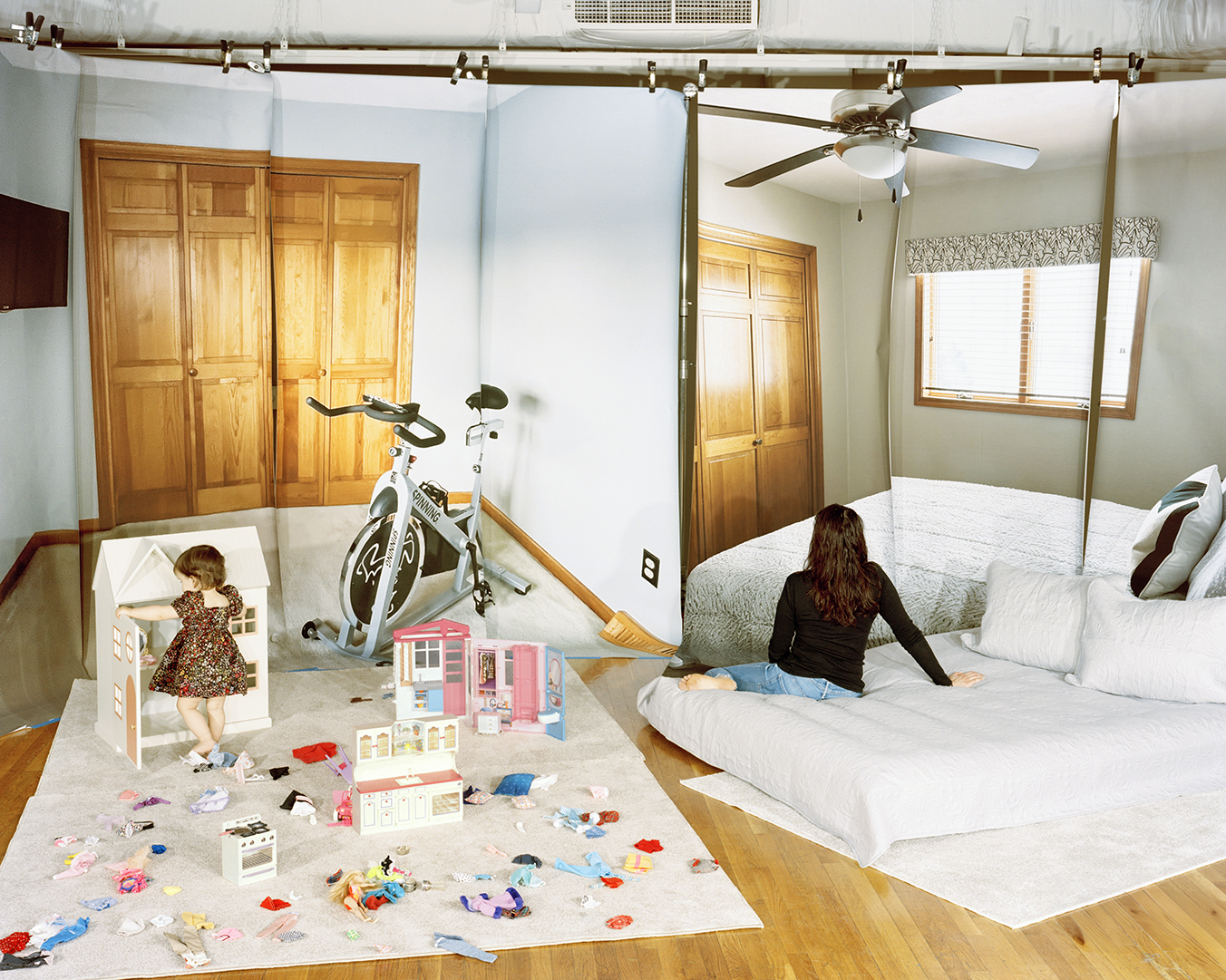
© Quincey Spagnoletti, Then & Now, 2025
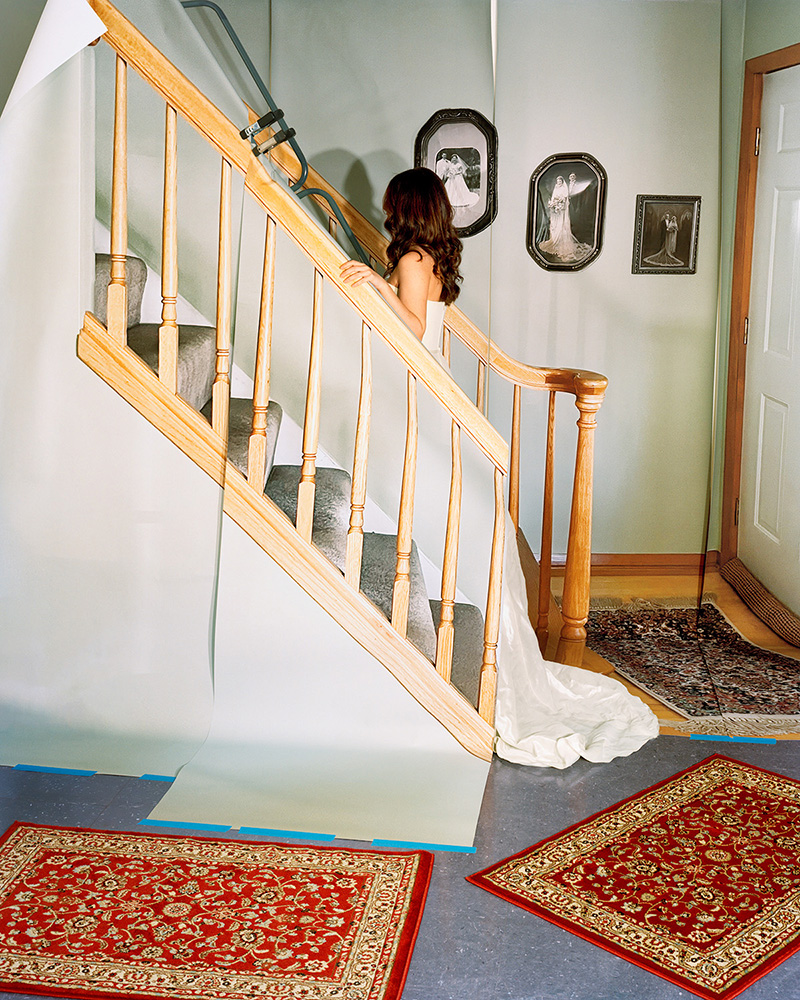
© Quincey Spagnoletti, Climbing the Staircase, 2025
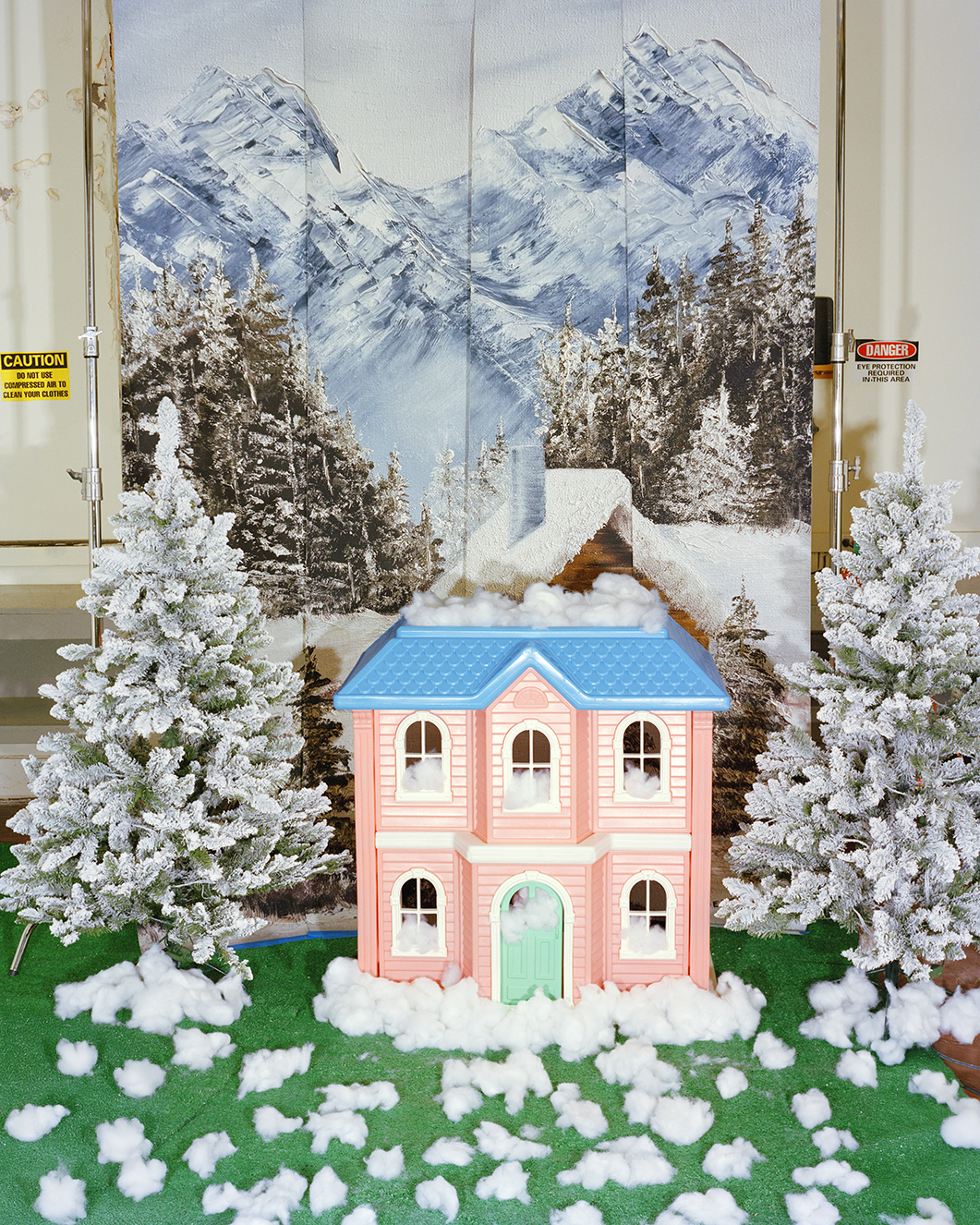
© Quincey Spagnoletti, Snowy Lines, 2025
Posts on Lenscratch may not be reproduced without the permission of the Lenscratch staff and the photographer.
Recommended
-
Photographers on Photographers: Quincey Spagnoletti in Conversation with Rachelle Anayansi Mozman SolanoAugust 18th, 2026
-

Photographers on Photographers: Jordan Tovin in Conversation with Kevin CookAugust 17th, 2026
-
Claudia Moreno: Axes & PowerJuly 21st, 2026
-

Zackery Hobler: Beneath Two SkiesJuly 20th, 2026
-

We Are Celebrating 20 years and Could Use Your Support!July 18th, 2026