Photography Educator: Jillian M. Browning
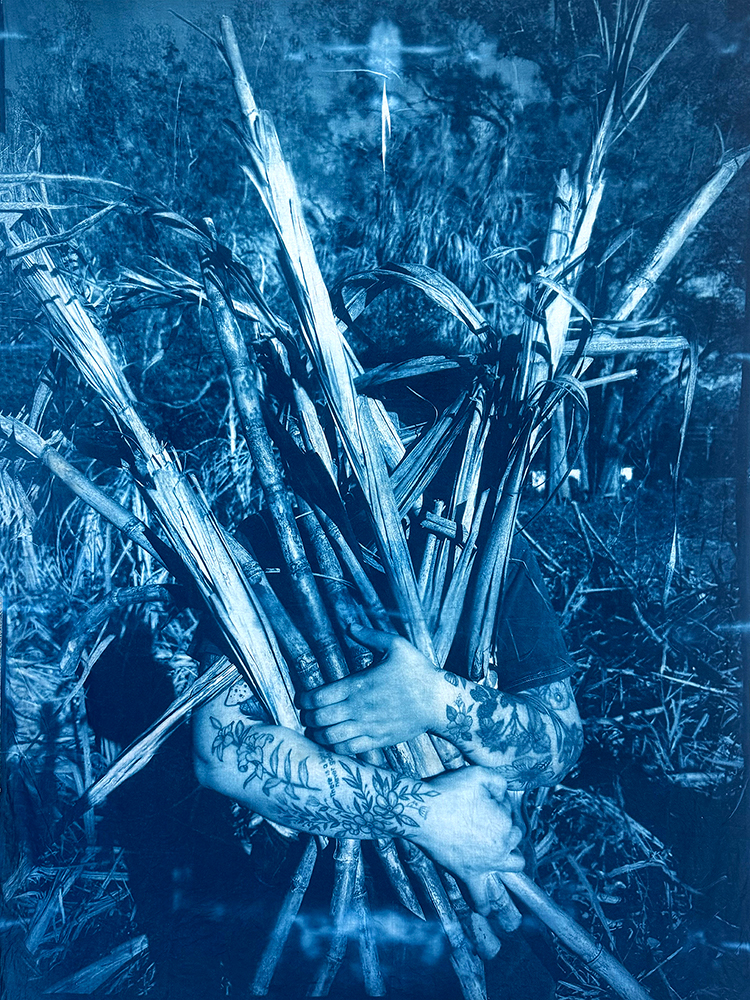
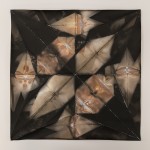
©Jillian M Browning, The Trees You Grew Up With Have Not Forgotten You, 2025, Cyanotype on Cotton Fabric
Photography Educator is a monthly series on Lenscratch that highlights outstanding photography teachers who inspire students of all ages. Each month, the series celebrates an educator’s insights, strategies, and excellence in fostering creativity and resilience.
It is a privilege each month to feature a photography educator who is committed not only to their own practice, but to teaching with generosity and integrity. I invite each featured artist to recommend others, allowing me to discover educators who go above and beyond for their students. Jillian M Browning was recommended by a fellow educator, and it is easy to see why. Their own work challenges traditional notions of the photograph, exploring the intersections of process, material, and image. The work of their students reflects a solid grasp of the medium with a sense of curiosity and personal perspective. This article starts with a sampling of Jillian’s photographic works, followed by an interview and a small sampling of their student’s work.
My work explores identity, memory, and the ways the places we call home continue to shape us. Growing up in rural Central Florida and now living in Alabama, I am deeply influenced by the Southern landscape and the histories it holds. As a Black artist, I see the landscape as a living archive shaped by generations of Black labor, family, and resilience, and I use my work to explore my own relationship to that inheritance. Through self-portraiture and cyanotype, I connect personal history with family, plants, and place to explore what it means to belong.
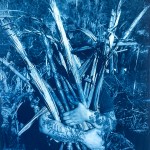
In much of my recent work the use of sugarcane becomes both a family heirloom and a symbol of resilience. The cane in these images was planted by my father and left to grow wild for years. Its tall stalks echo the shape of my locs, creating a visual connection between my body and the land that raised me. Alongside recurring plants like palmettos and oaks, sugarcane reflects the layered histories of the South—stories of care, labor, survival, and home.
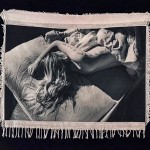
I create cyanotype prints on cotton fabric, transforming photographs into large-scale textile works that hang like tapestries. The softness and physical presence of the fabric encourage viewers to experience the images as both photographs and objects, while cotton itself carries deep connections to Southern histories of labor, land, and survival. Working by hand with sunlight, water, and fabric makes the process an act of care, allowing each piece to hold traces of time and touch.
As a Black femme artist, I use cyanotype to question who gets remembered, how histories are preserved, and whose stories are left out. Across my practice, photographs, plants, and textiles become living archives that hold memory, resilience, and connection, inviting viewers to consider how land remembers us and how returning to place can become an act of healing.
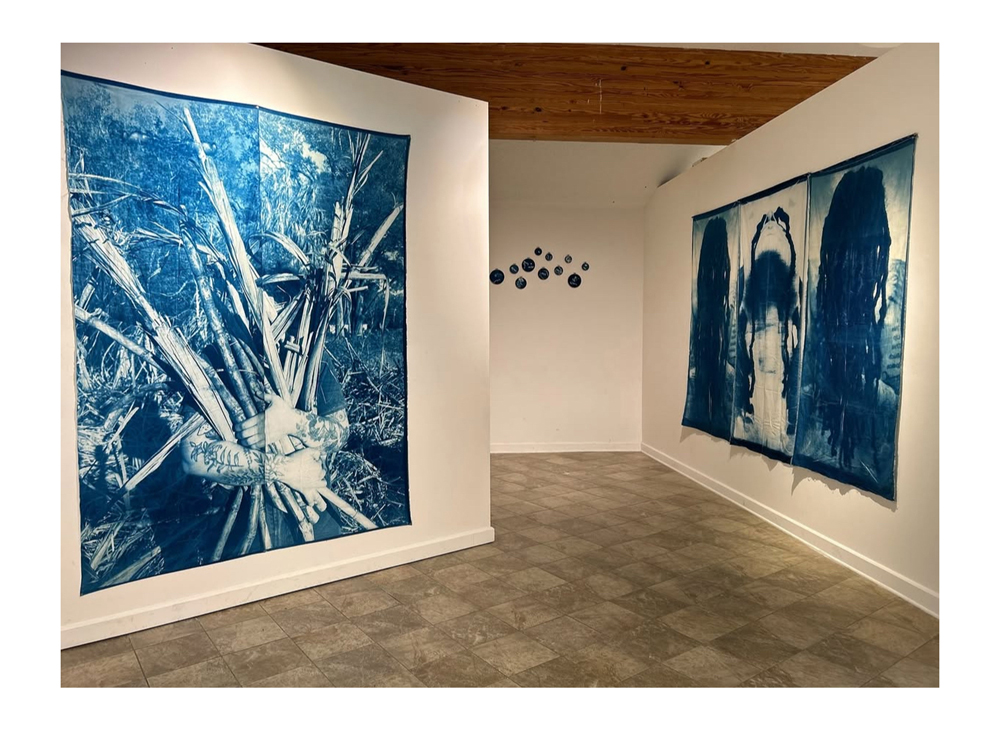
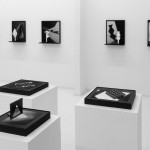
©Jillian M Browning, Installation view, Elizabeth Holden Gallery, 2025
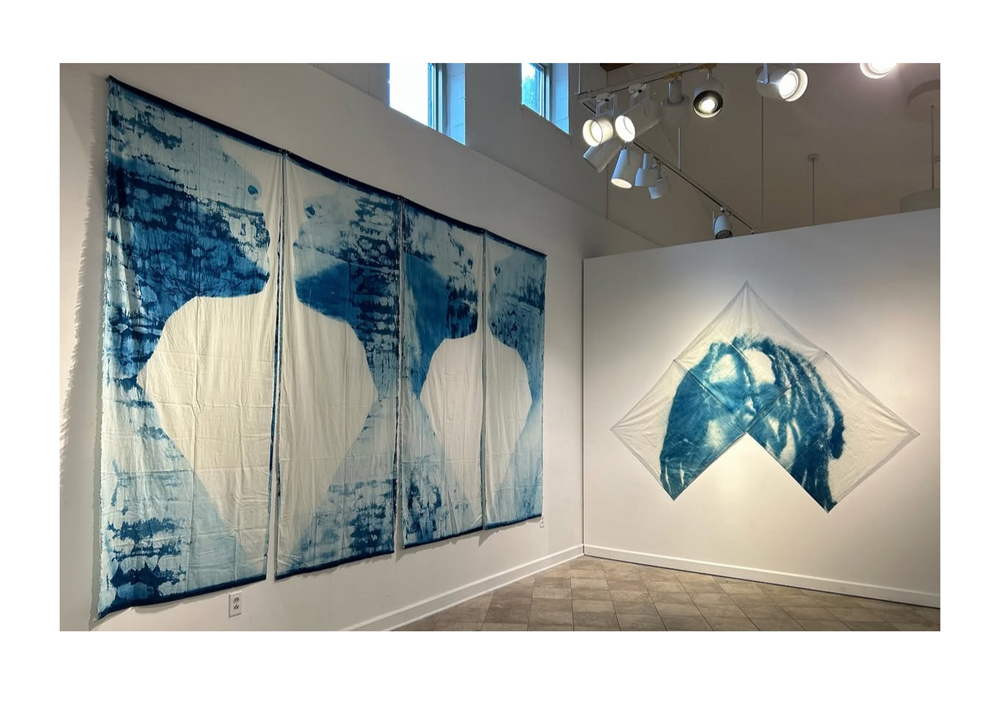
©Jillian M Browning, Installation view, Elizabeth Holden Gallery, 2025
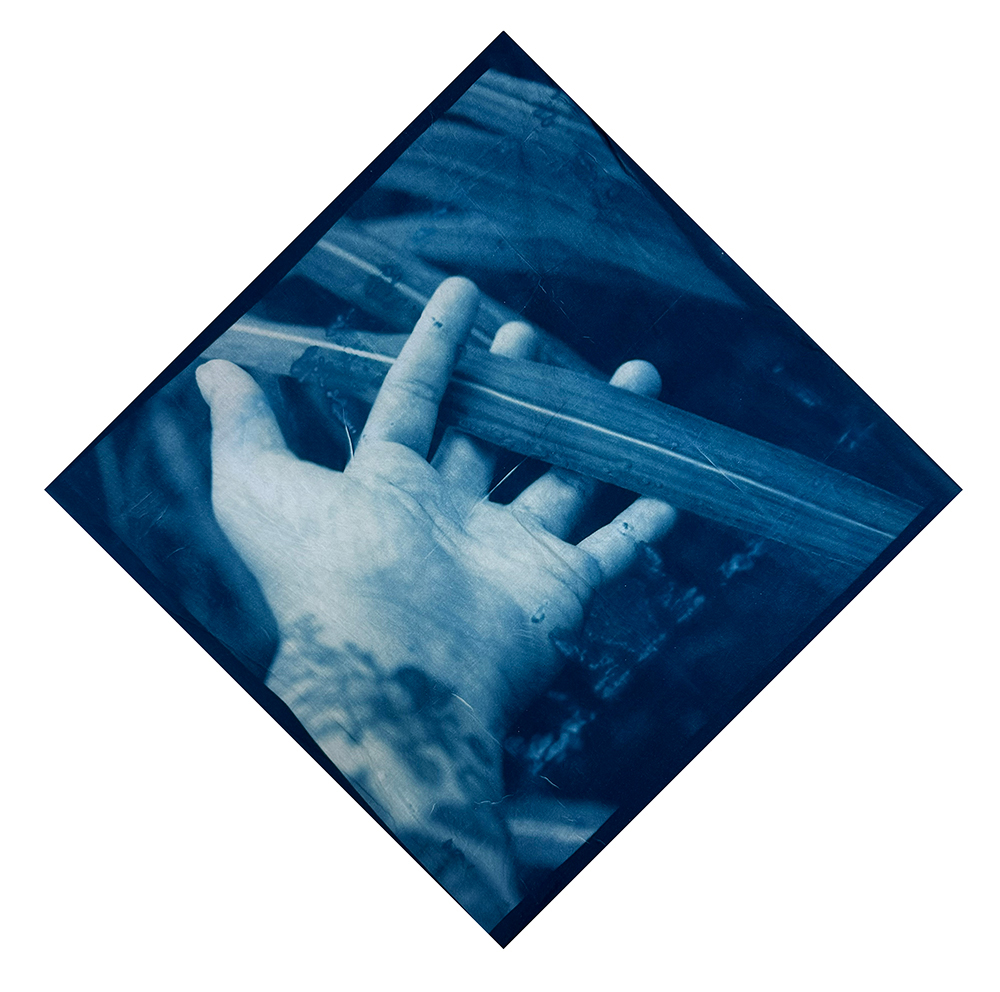
©Jillian M Browning, Helping Hand, 2025, Cyanotype on Cotton Fabric
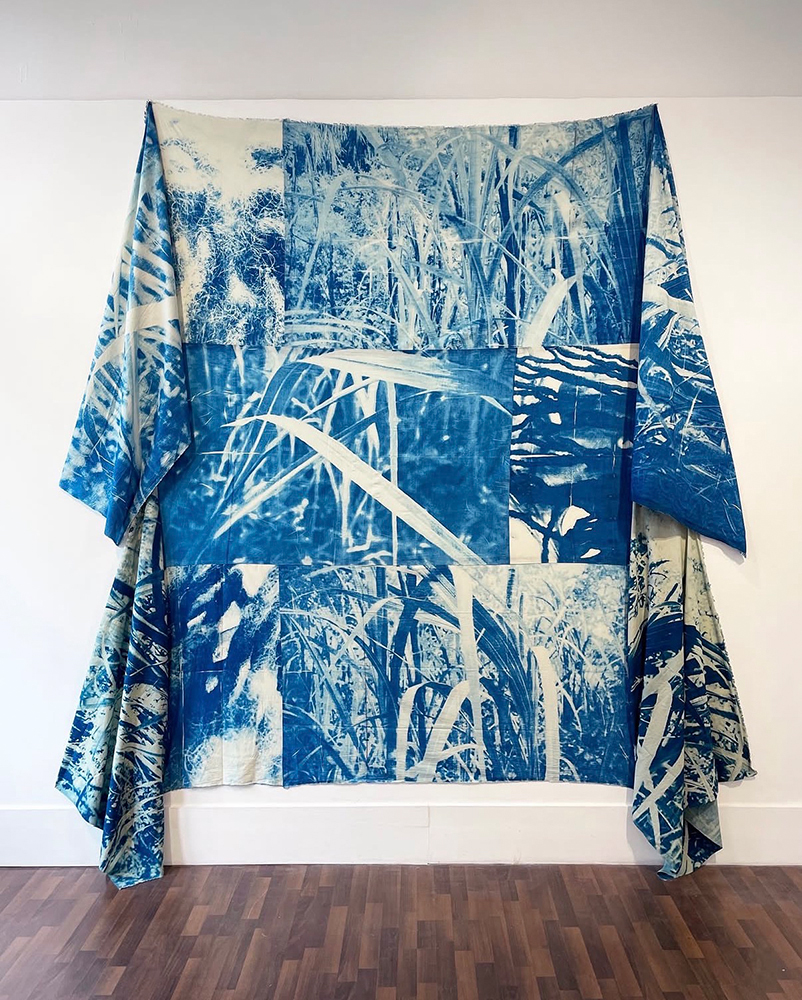
©Jillian M Browning, From The Ground Up, 2023, Cyanotype on Cotton Fabric
ES: Tell me about your background in photography and how you got into teaching. Did you always want to be a teacher?
JB: I definitely didn’t always want to be a teacher! I actually got into photography as a teenager through my local punk and hardcore music scene. I was always at shows with a camera, taking photos of bands and my friends. It was just the cool thing to do, but I absolutely loved it. That was really where photography became part of my life.
When I went to undergrad, I studied in a photography program that was very commercially focused. At the time I thought I wanted to be a fashion photographer or travel around on tour with bands. But after a few years, those dreams just weren’t doing it for me anymore. I didn’t feel connected to that kind of work, and honestly, it stopped being fun.
One of the best things that happened to me was getting a work-study job at the Southeast Museum of Photography on my campus. That experience completely changed how I thought about photography. I got to work in all kinds of departments and realized there were so many ways photography could exist outside of making commercial images.
The department I kept coming back to was education. I loved developing programs and curriculum, and I found that I really enjoyed helping people connect with art. There’s something really rewarding about encouraging someone to make something they didn’t think they could make, or introducing them to an artist or idea they’ve never encountered before.
After working with kids in museum education for several years, I knew one thing for sure was I didn’t want to teach traditional K–12. So I started thinking about teaching at the college level instead. That’s what led me to pursue my MFA. It felt like the perfect way to combine making my own work with mentoring students who were figuring out their own creative voices, just like I had.
ES: What key insights or skills do you hope your students gain through participating in your classes?
JB: The biggest thing I hope my students take away from my classes is a willingness to experiment. I think so many students today are afraid of making mistakes. But honestly, almost everything I know came from making a lot of mistakes.
You never really know what’s going to work or what’s going to become an important part of your practice until you’re willing to try something that might fail. So many of the techniques and visual qualities that people now recognize as part of my work came from me messing things up over and over again until I stumbled onto something interesting.
I want my classroom to be a place where students feel comfortable taking creative risks without worrying about getting everything right the first time. If you leave one of my classes feeling a little more curious, a little less afraid to fail, and excited to keep experimenting, then I feel like I’ve done my job.
ES: What career accomplishments are you most proud of?
JB: This is going to sound super cheesy, but I’m most proud of my students’ accomplishments.
When they win awards, get into graduate school, receive a prestigious residency, land a job they really wanted, or send me an email saying they just got published, that’s my favorite part of this career. Those moments make me way more excited than my own accomplishments.
A big reason is that there was a stretch during my own education where I didn’t really feel seen or supported. I didn’t have many faculty members who looked like me or who were willing to engage with my work in the way it needed to be engaged with. It wasn’t until after I graduated that I started finding mentors and a community that truly understood what I was trying to do. Once my work got in front of people who really connected with it, everything changed.
If I can help someone believe in their work enough to apply for that residency, submit to an exhibition, or take a chance on graduate school, then I feel like I’ve done what I set out to do. Seeing them succeed because they had the confidence to put themselves out there is incredibly rewarding.
I love making art. My own practice has given me opportunities I never imagined. It’s allowed me to travel, meet incredible people, and exhibit alongside artists I’ve admired for years. Those experiences are amazing, and I’m grateful for them. But if you ask me what I’m most proud of, it’s hearing from a former student that something wonderful happened in their career. That’s the best part.
ES: Has your personal work been affected by your teaching experience? How? What are you working on right now?
JB: The content I teach isn’t always directly related to what I make. My own practice is mostly centered around alternative and historic photographic processes, and unfortunately I can’t build an entire photography curriculum around that.
One thing teaching has done is force me to stay current with new photography technology. Every time software gets updated, a new camera comes out, or there’s a new editing technique, I have to know about it so I can make sure my students are learning industry-standard practices. That has actually been really good for me because it’s easy to get stuck doing things the same way you’ve always done them. Teaching keeps me from getting too comfortable and has definitely changed parts of my own workflow over the years.
My students also push me to keep learning. They’ll come into class with a photo they found online and ask, “Can we do this?” Sometimes I know the answer and if I don’t, we look it up! I really enjoy that part of teaching because it keeps me experimenting alongside them.
Right now I’ve been exploring printing cyanotypes on different materials. I primarily print on fabric, but lately I’ve been experimenting with printing on glass and metal after students kept bringing me examples and asking if it was possible. It’s been working out really well, and I’m excited to see where it goes. I’m still in that experimental phase of figuring out not only the technical process but also how these new materials might expand the conceptual side of my work.
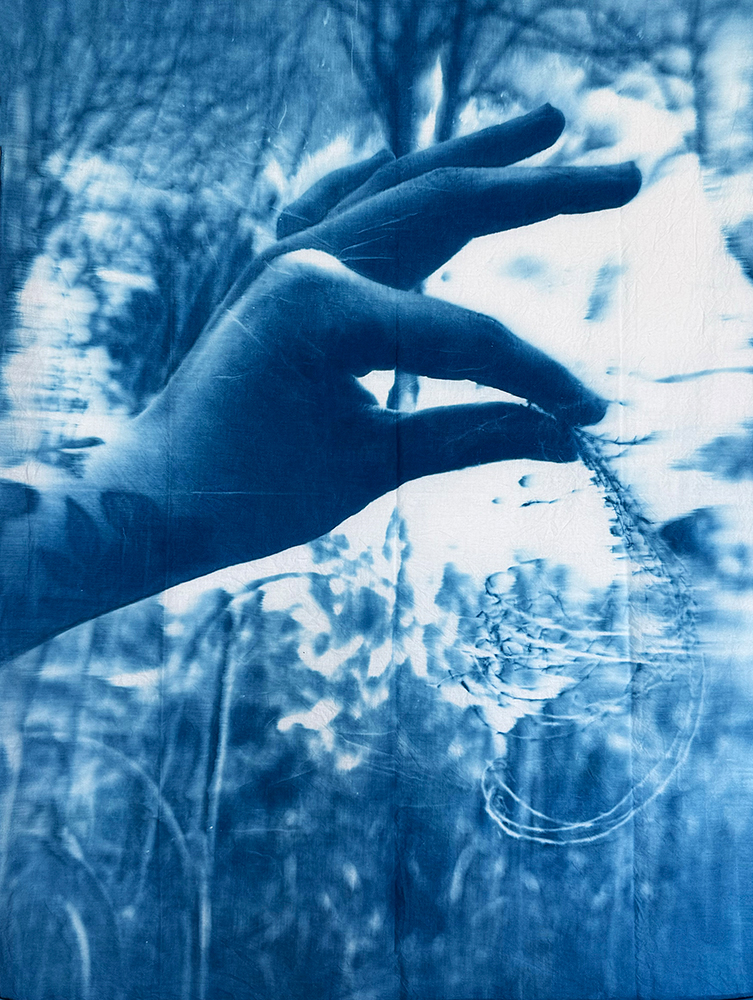
©Jillian M Browning, Pinch, 2026, Cyanotype on Cotton Fabric
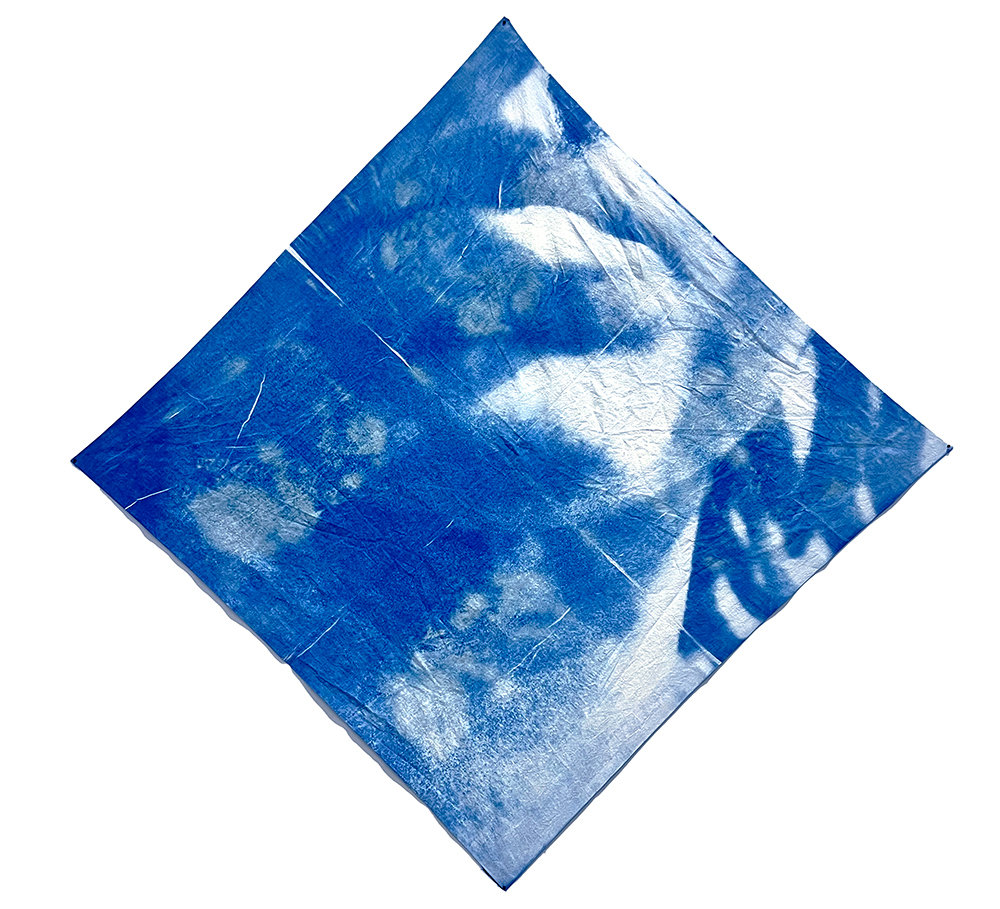
©Jillian M Browning, Speak On It, 2023, Cyanotype on Cotton Fabric
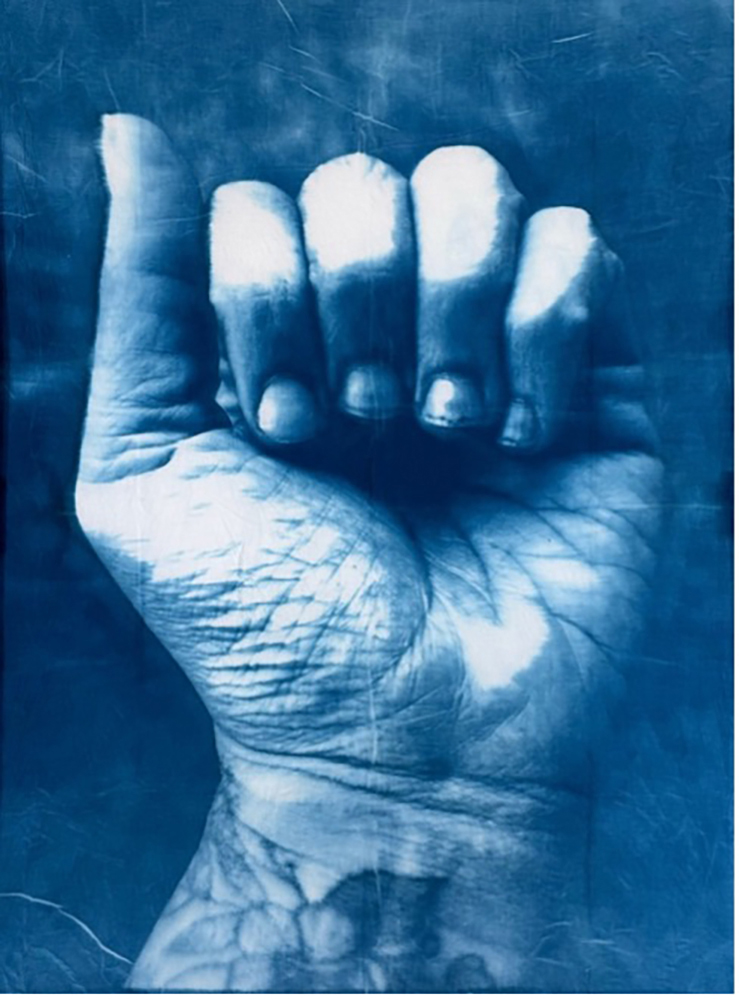
©Jillian M Browning, Working Hands, 2026, Cyanotype on Cotton Fabric
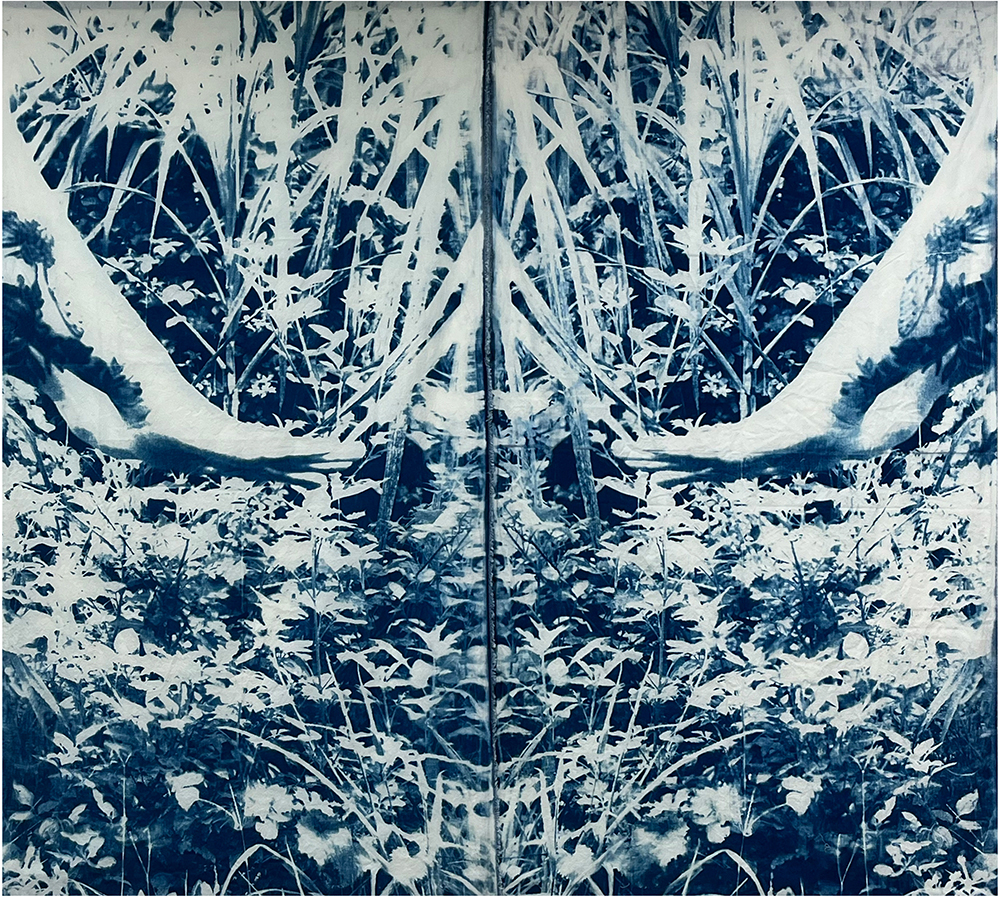
©Jillian M Browning, Laying Hands, 2024, Cyanotype on Cotton Fabric
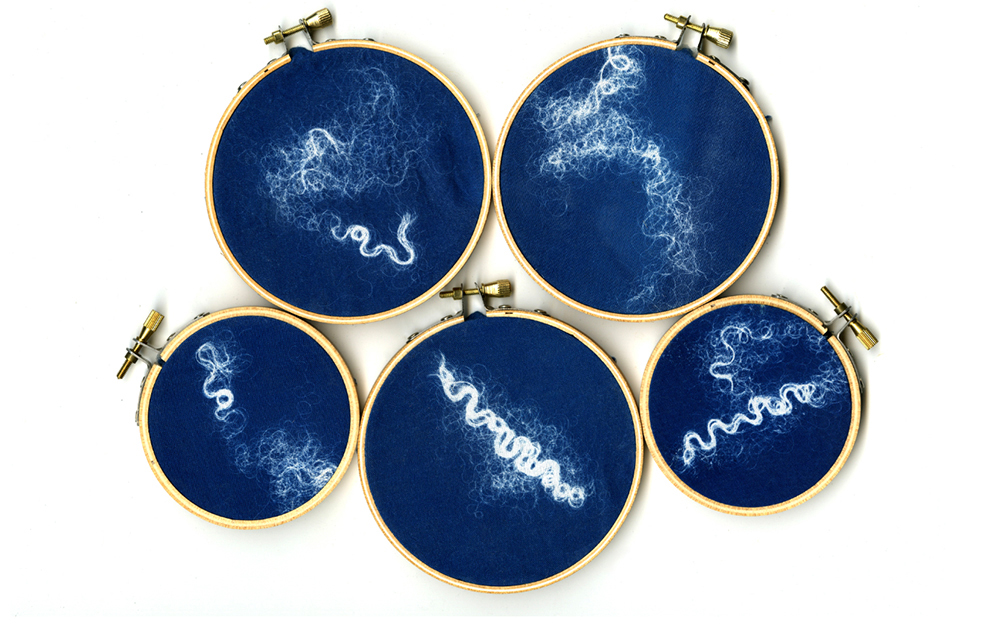
©Jillian M Browning, Matriarchal Line, 2018-2021 Cyanotype on Cotton Fabric in Wooden Embroidery Hoops
ES: How and where do you find inspiration for both your teaching and your photography? What/who are some of your influences?
JB: Honestly I’m chronically online! I am super interested in what other artists I love are making, and social media has become a huge source of inspiration for both my teaching and my own practice. It’s also where I’ve made a lot of really meaningful connections with other artists.
I think networking gets a bad reputation sometimes because people assume it’s only about getting opportunities, but for me it’s really about being part of a creative community. I want to know what my peers are making, what conversations they’re having, and what they’re excited about. That’s how I stay inspired, and it’s often how I find out about exhibitions, artist talks, and museums I want to visit.
I also think it’s incredibly important to see art in person whenever you can. Looking at work online is great, but standing in front of a photograph or an installation is a completely different experience. Going to galleries and museums is a huge part of how I recharge creatively, and I always come away with new ideas to bring back into both my studio practice and my classroom.
As far as artists who have influenced me, Lorna Simpson, Sonya Clark, and Nan Goldin are at the top of the list. I think anyone who’s familiar with my work or even just the way I write about it could probably spot those influences pretty quickly. They all approach photography, identity, memory, and storytelling in ways that have really shaped how I think about my own work. I definitely aspire to make work that has the same kind of emotional and conceptual impact as theirs.
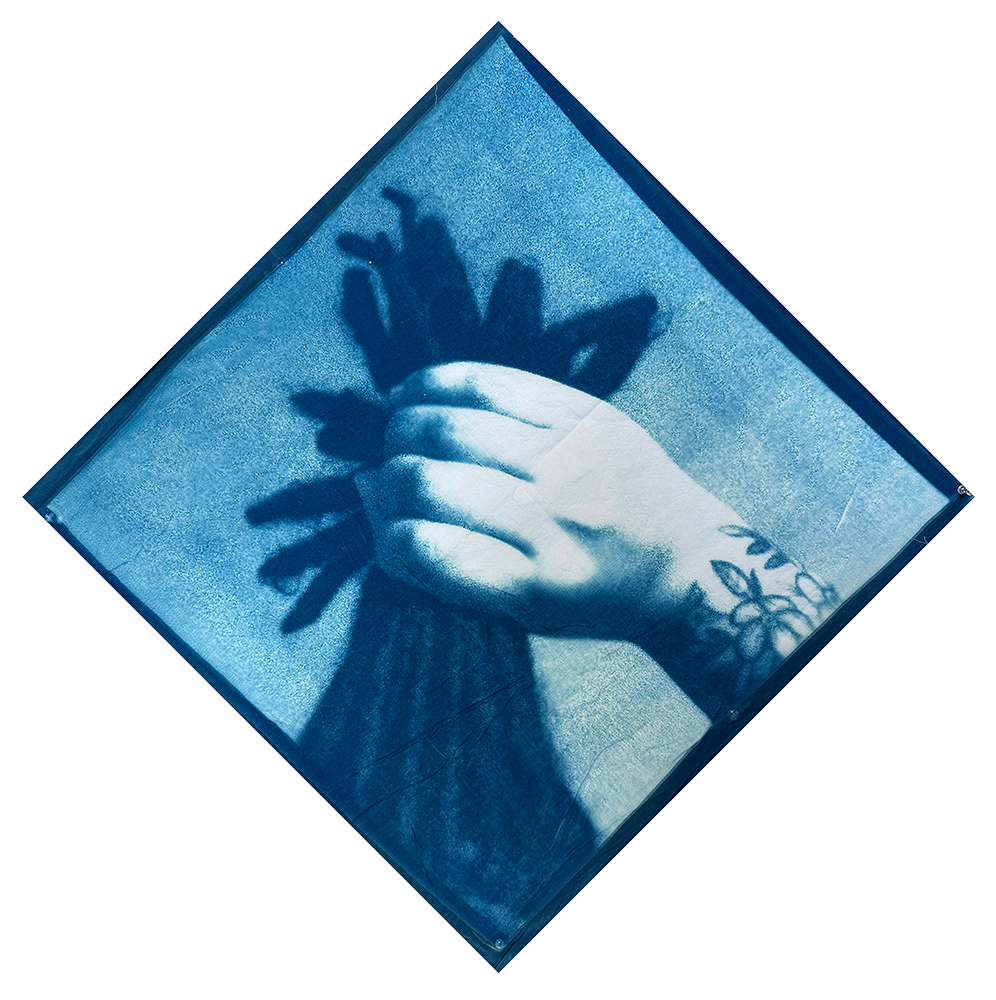
©Jillian M Browning, Stalks, 2025, Cyanotype on Cotton Fabric
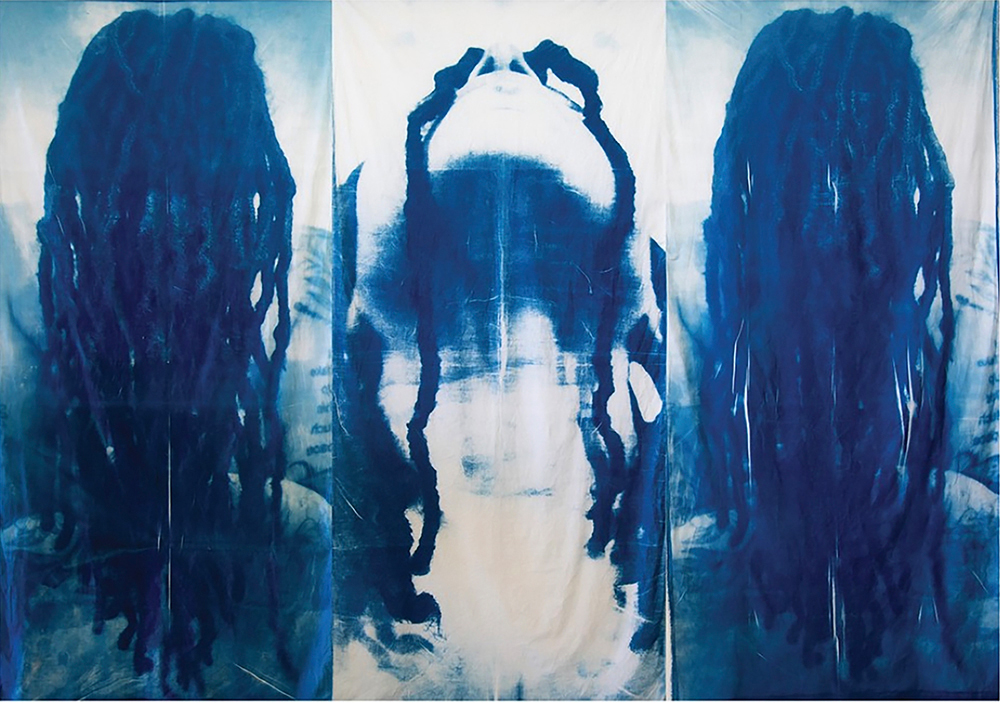
©Jillian M Browning, The Root, 2022, Cyanotype on Cotton Fabric
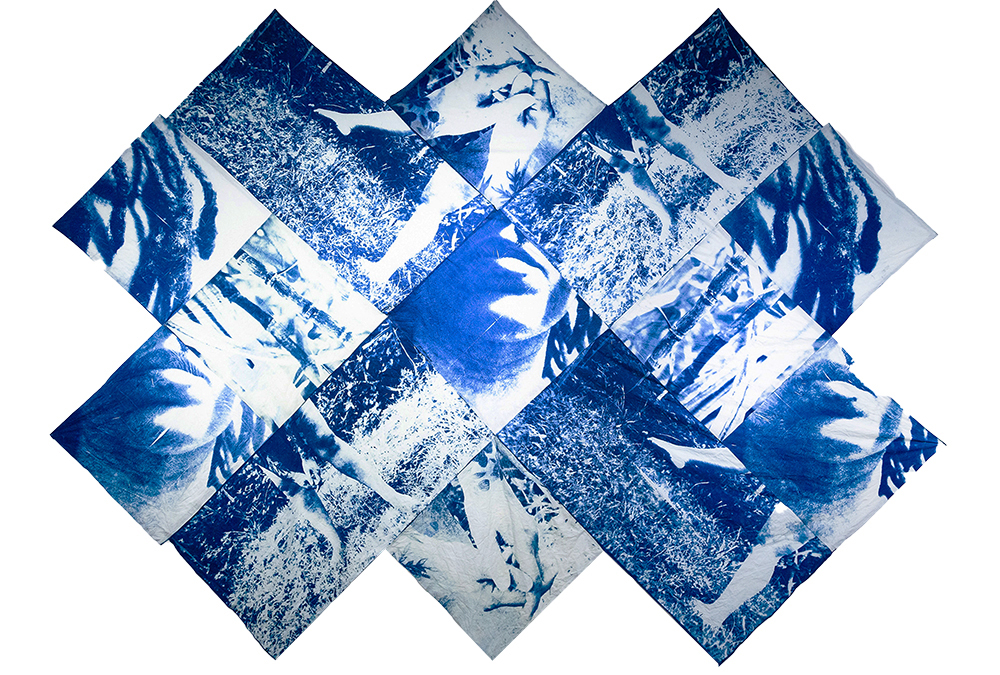
©Jillian M Browning, Growing Wild, 2025, Cyanotype on Cotton Fabric
ES: How do you help your students tap into curiosity and the creative process? What are some of the assignments that you give your students?
JB: I really beg my students to look at other people’s art. It’s kind of wild to me how many photography students don’t regularly go to museums or galleries or even spend time looking at what contemporary artists are making online. I really believe you have to see what other people are doing. Not so you can copy it, but so you can be inspired, ask questions, and become part of a larger conversation.
I also encourage them to make things they’ve never made before, work with each other, and reach out to artists they admire. Students get so afraid of making the first move, whether that’s sending an email or applying for an opportunity, but artists are usually way more generous than people think. You never know unless you ask.
I like to give assignments that push students past what they think they’re capable of. Living in Birmingham is really interesting because it’s a city that feels very urban in some places and very rural in others. In my beginning photography class I have an assignment where students have to photograph both urban and rural landscapes within the city. It gets them to really pay attention to where they are and how much an environment can change even when everything is relatively close together.
I also like to leave my assignments pretty open ended. I don’t like telling students exactly what they have to make. If they want to get weird with it, they absolutely can. If it doesn’t work, I don’t tell them to quit. I tell them to do it again. If it still doesn’t work, then we’ve learned something and we can try a different approach. But honestly, it hardly ever doesn’t work if they keep at it. Most of the time they just need to give themselves permission to keep experimenting.
ES: What advice would you give to photography students?
JB: This is honestly my advice for any student, not just photography students. Do as much as you can while you’re a student. There are so many opportunities that are only available to you because you’re a student. Grants, internships, portfolio reviews, mentorships, conferences. People are often much more willing to help, give advice, or open a door for you when they know you’re still learning. Take advantage of that while you can.
I also always encourage students to work as many jobs in their field as possible while they’re in school. Assist a photographer, do some freelance work, intern at a museum, shadow someone whose career interests you. Try everything. The most influential thing I did during undergrad was trying out a bunch of different photography-related jobs to figure out what I actually enjoyed. Why spend four years working toward a career only to graduate, start doing it, and realize you hate it? I’d much rather find that out while I’m still in school and have the freedom to pivot.
If I hadn’t explored so many different paths, I never would have found education and realized that teaching is what I’m actually most passionate about.
Thank you Jillian, your students are really luck to have you.
Student Work
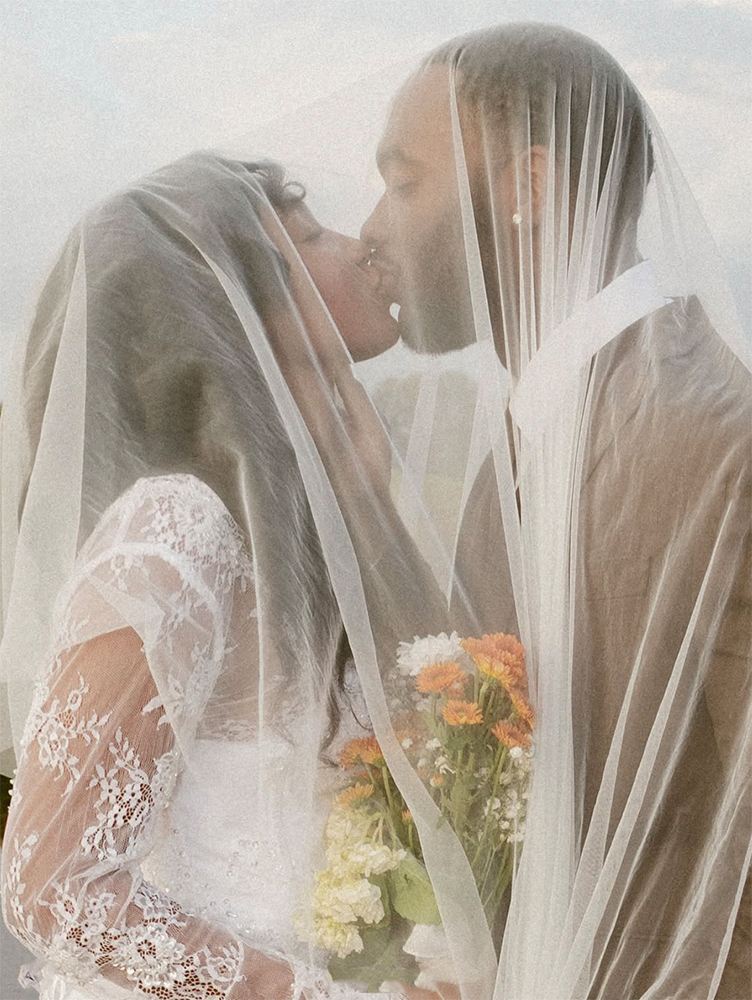
©Angelina Robinson
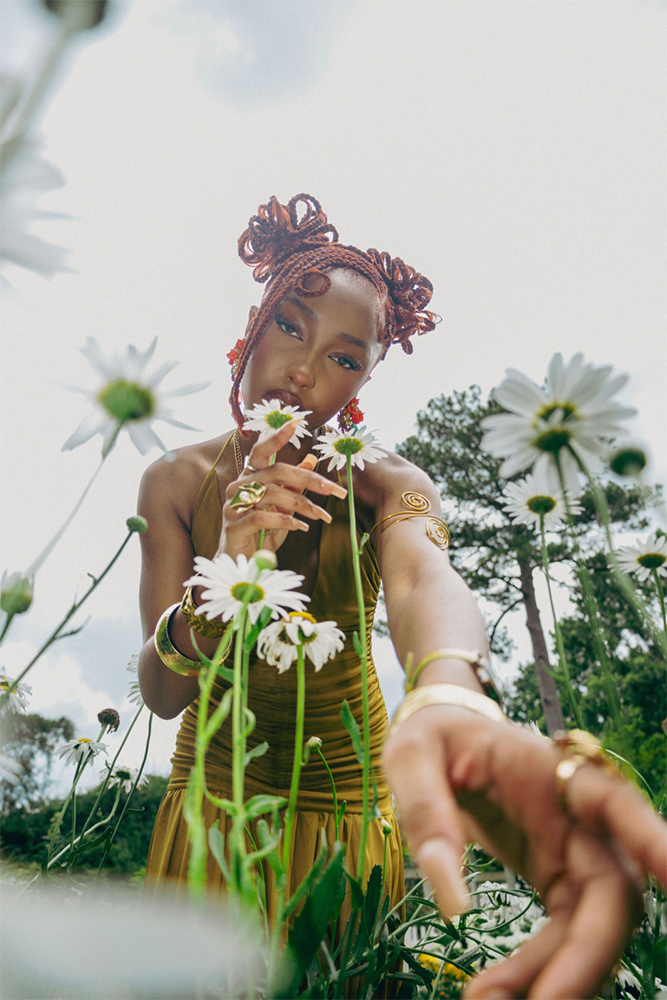
©Angelina Robinson
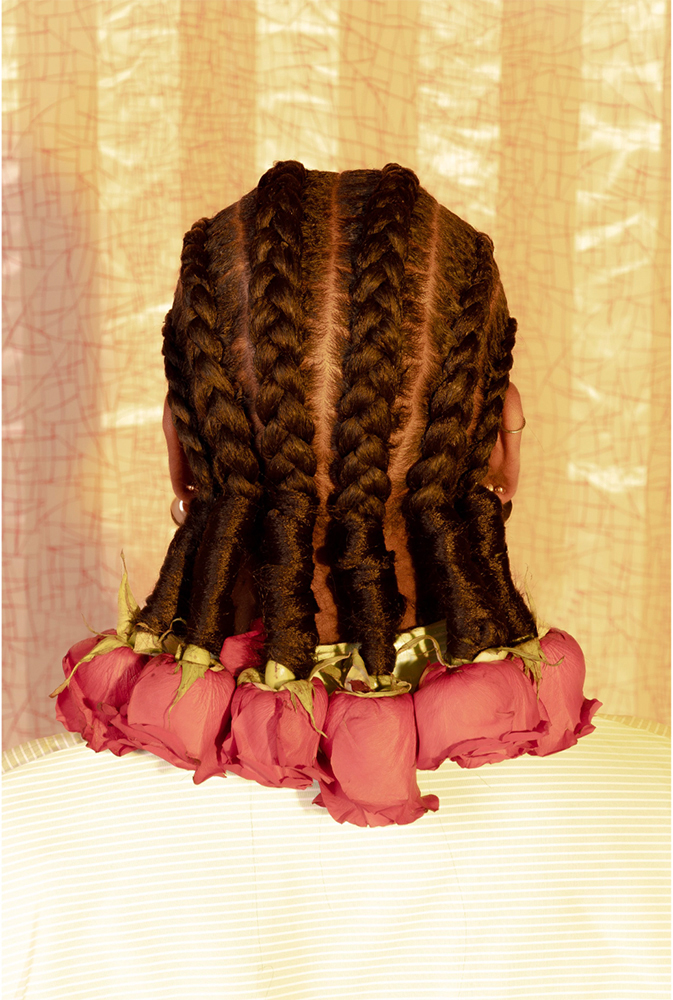
©Angelina Robinson
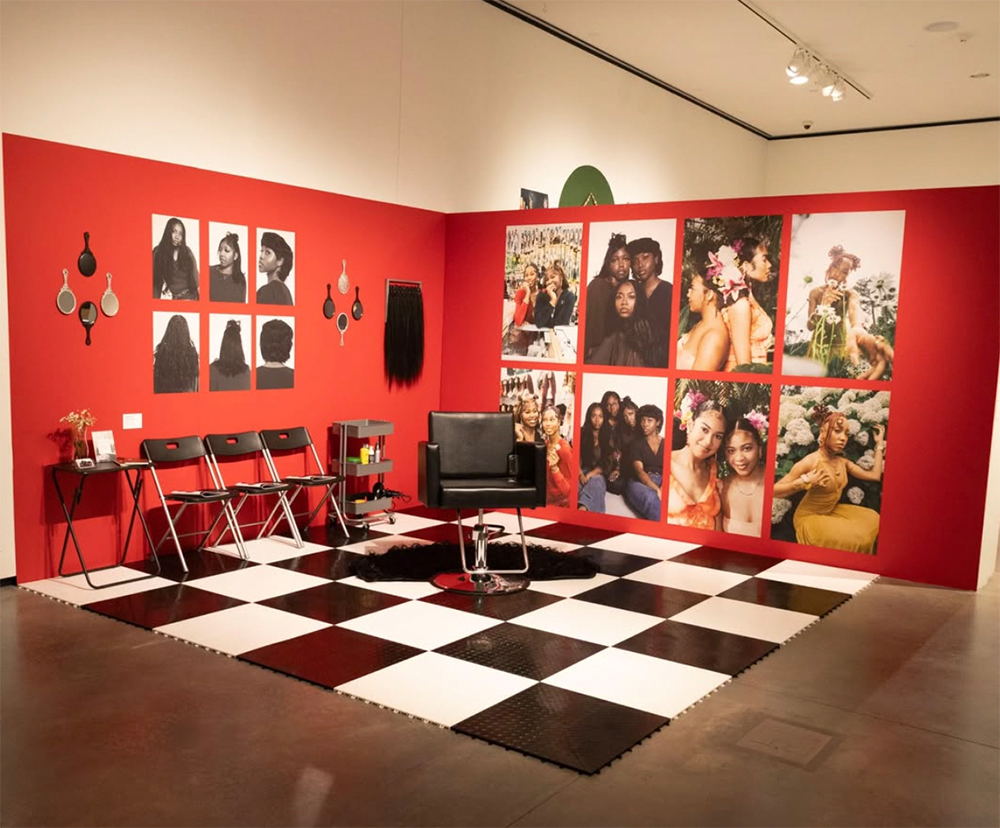
©Angelina Robinson, BFA Installation
Jillian is the absolute best mentor, advisor, and professor!! I’m so grateful I took the risk of taking a photography class after saying I’d never pursue photography. Jillian makes every aspect of photography so palatable and easy for anyone to enjoy the art making process. Her creative direction and technical expertise has been so rewarding to receive and I would recommend her expertise to anyone.
Angelina Robinson
Instagram @arenee.jpeg
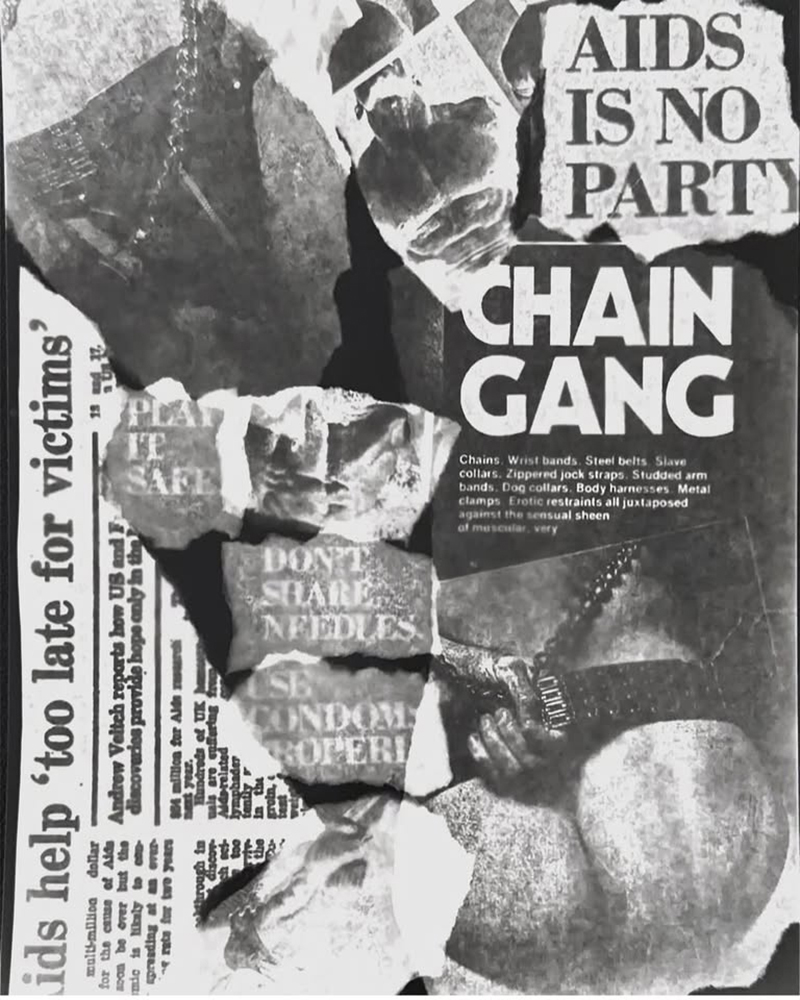
©Brandon Beasley
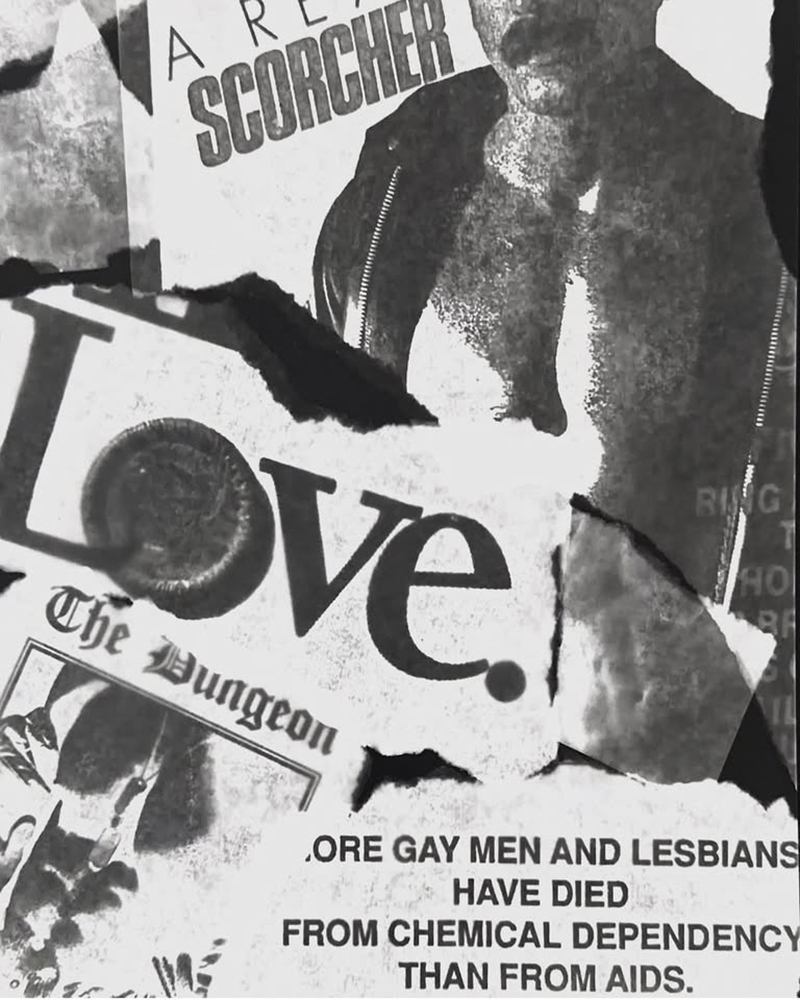
©Brandon Beasley
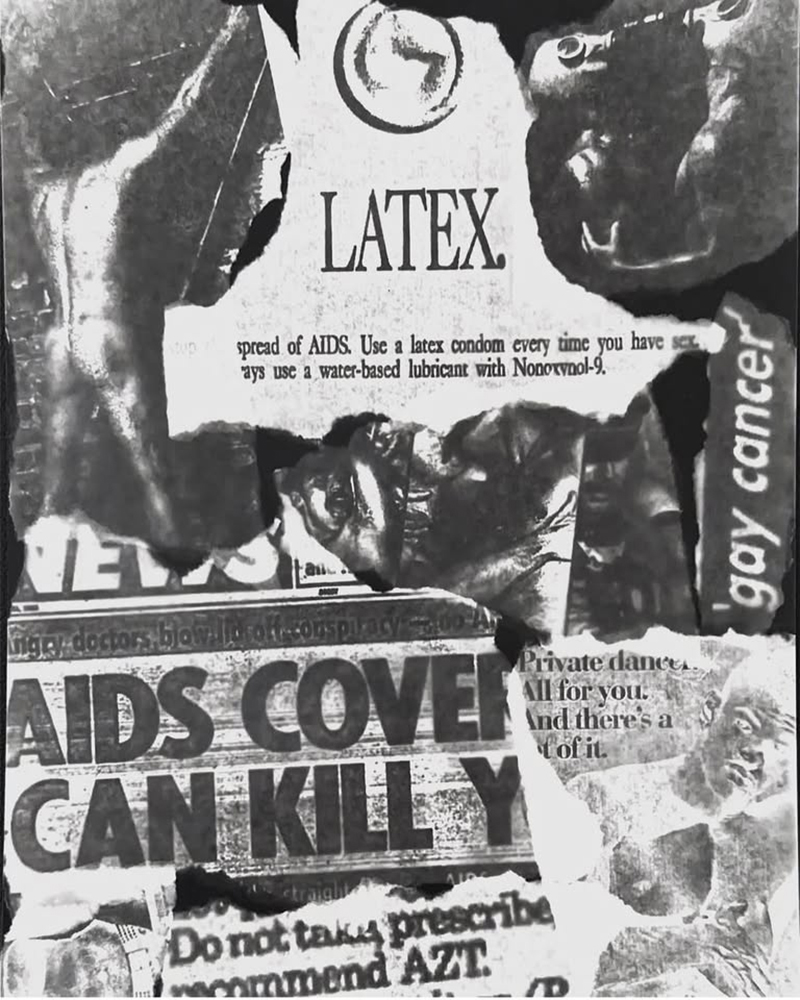
©Brandon Beasley
Jillian was an amazing teacher. Their class was the first time I’ve felt like I had the freedom to stretch my creativity and push myself further, and they always encouraged me to go further. They also gave me the space to mess around and try different things for assignments and would always be around to help or give advice based on stuff they have done.
Brandon Beasley
Instagram @b.brandn
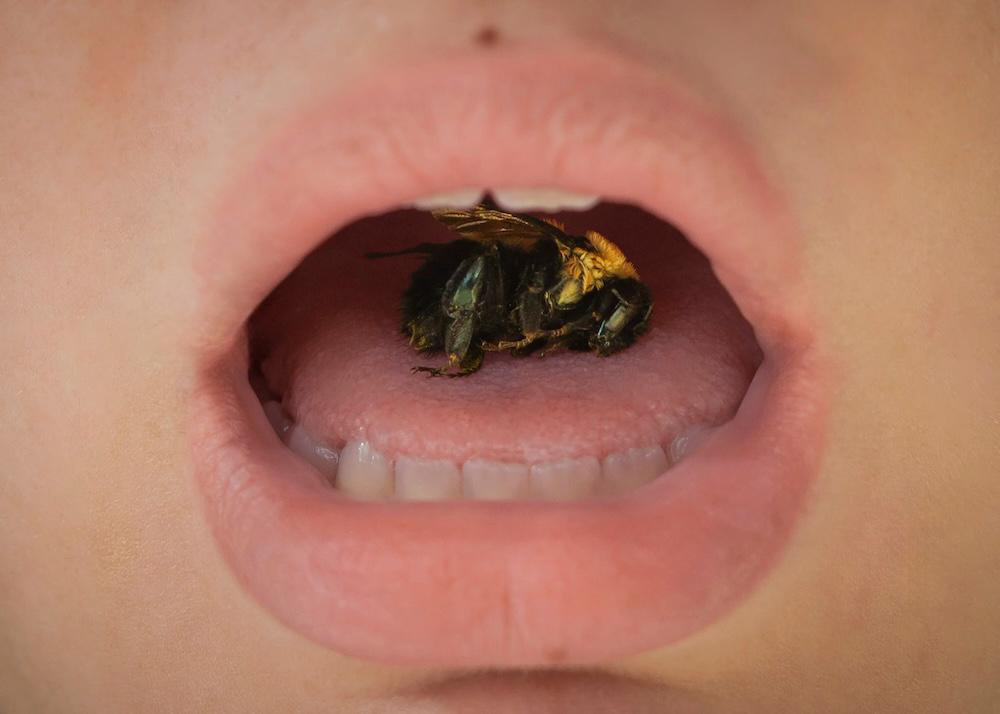
©Harper Nichols
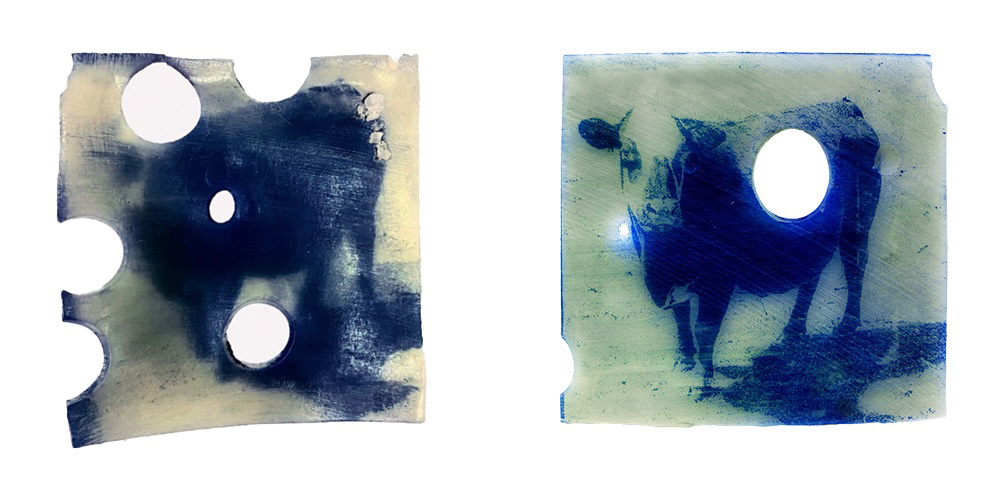
©Harper Nichols
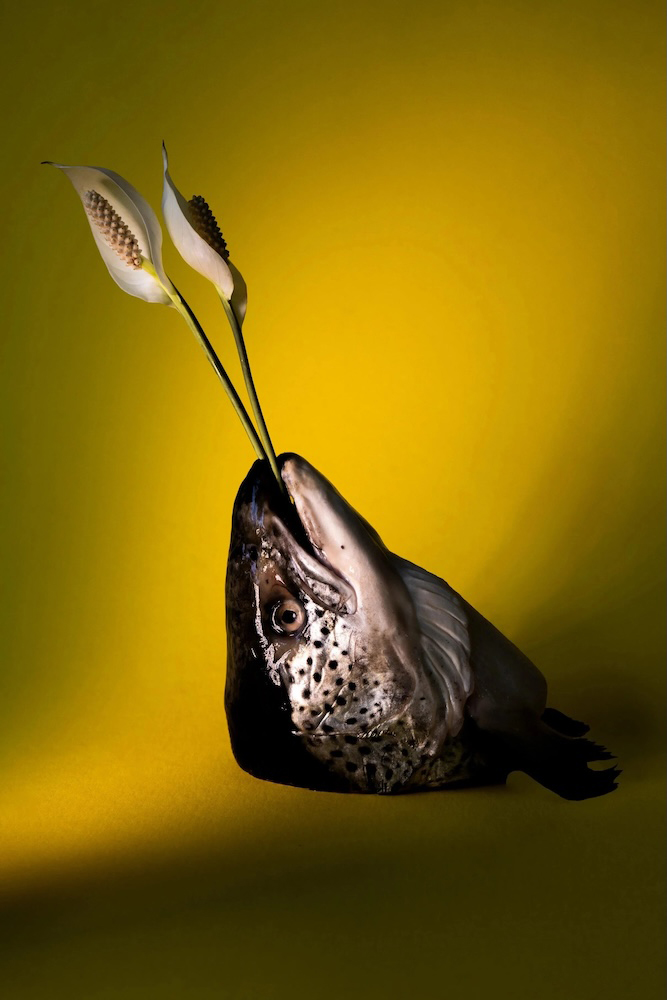
©Harper Nichols
The way she taught us to think about photography, not just as a medium, but as both an artistic practice and as a way of understanding our place in the world, expanded my thinking exponentially. She gave me a new language for the kind of work I wanted to be making. Before taking her classes, I thought of photography as something you observed, photographed, and then shared. Jillian showed me that photography could also be a tactile, multilayered, even sculptural practice. I had taken a few sculpture classes before, but she encouraged me to merge mediums, to experiment, and to think about all the different ways a photograph could exist in the world. That combination of encouragement and challenge has shaped the ways I approach making photographic work. Jillian never asked me to make safe photographs; she encouraged me to make stranger, more ambitious ones.
Harper Nichols
Instagram: @harpersphotographs
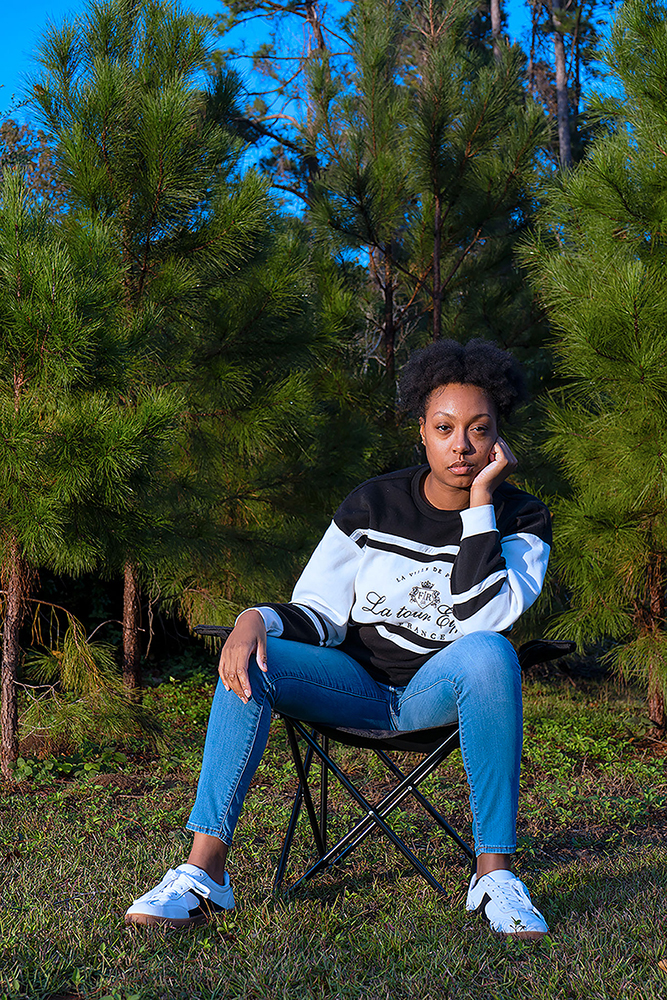
©Keilicia Parker
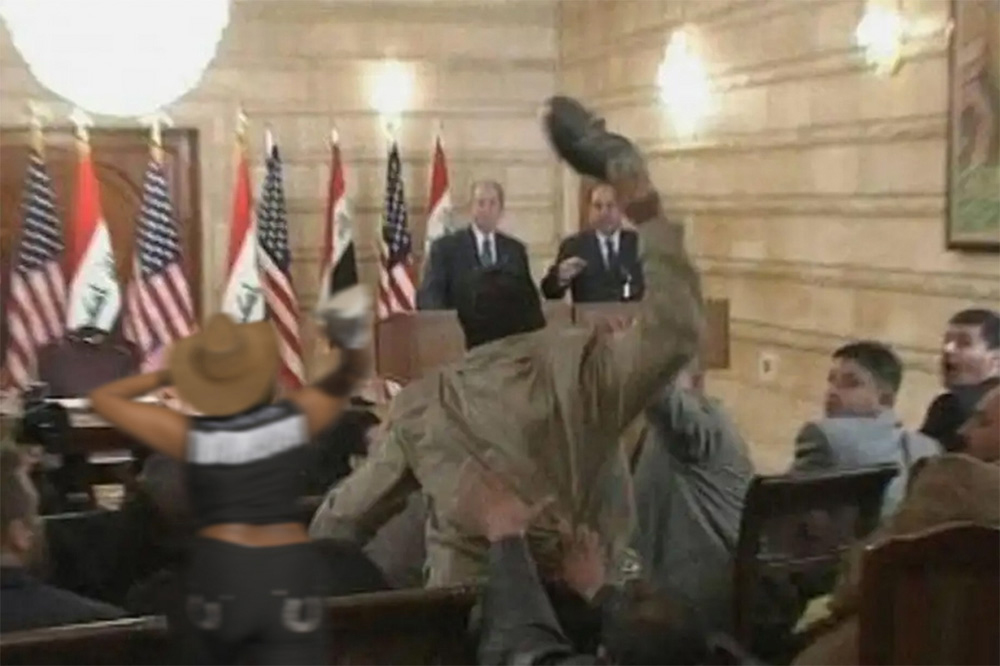
©Keilicia Parker
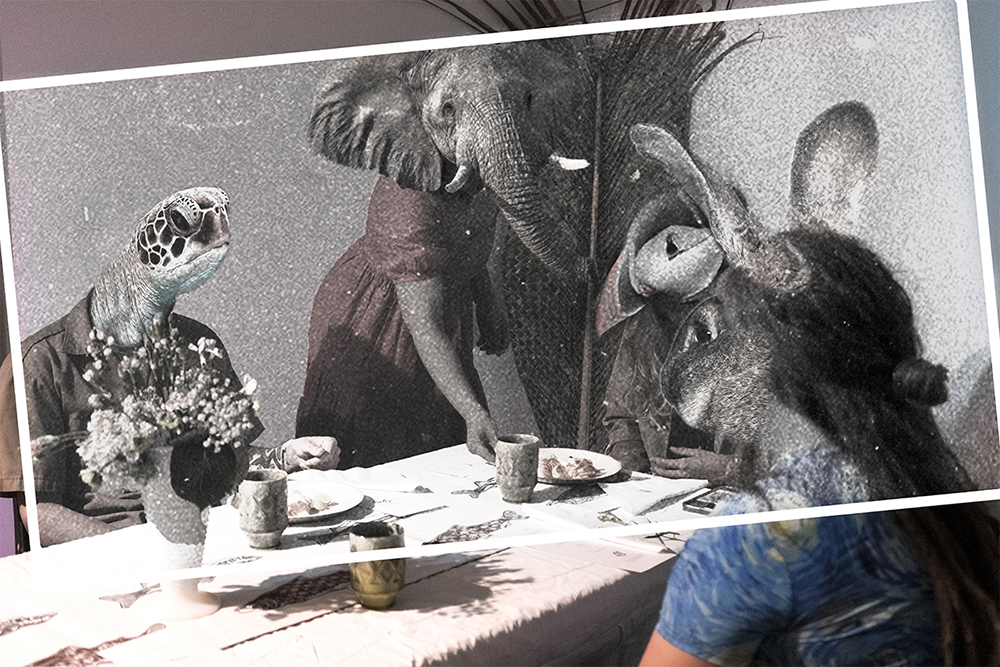
©Keilicia Parker
I met Jillian during my undergraduate studies, and since then, my life has not been the same. Jillian was the representation I looked for in the art world, and with that, a person I could turn to not only for art struggles but personal ones as well. They encouraged me to experiment with my photo editing and not force the photos into what I want them to be, but to let them take the shape they wanted. Always willing to give feedback, a critique felt like an open conversation instead of criticism. She may tell you something you may not want to hear, but it’s always cause she cares.
Keilicia Parker
Instagram @ whorrific_photos
Jillian Marie Browning (she/they) is an interdisciplinary artist whose work engages themes of feminism, identity, and the contemporary Black experience. Rooted in both personal narrative and broader cultural critique, Browning’s practice spans traditional photography, printmaking, and alternative photographic processes. Their work often interrogates systems of representation, reclaiming archival forms and visual language to center Black femme subjectivity.
Born in Ocala, Florida, Browning earned a Bachelor of Science in Photography from the University of Central Florida in 2012, followed by a Master of Fine Arts in Studio Art from Florida State University in 2015. Their work has been exhibited internationally and is included in the permanent collections of the Center for Photography at Woodstock, the Southeast Museum of Photography, and the David C. Driskell Center for the Study of Visual Arts and Culture of African Americans and the African Diaspora at the University of Maryland, among others. Browning currently serves as Assistant Professor of Photography at the University of Alabama at Birmingham.
Website: jillianmariebrowning.com
Instagram: @jillianmariebrowning
Posts on Lenscratch may not be reproduced without the permission of the Lenscratch staff and the photographer.
Recommended
-
Marky Kauffmann and Louise Kauffmann: We Were ChildrenAugust 10th, 2026
-
Student Prize: Top 25 to WatchAugust 2nd, 2026
-
Still Life Week: Alma HaserJuly 29th, 2026
-
Photography Educator: Jillian M. BrowningJuly 24th, 2026
-
Craig Easton: An Extremely Un-Get-atable PlaceJuly 6th, 2026