Reuben Radding: Heavenly Arms
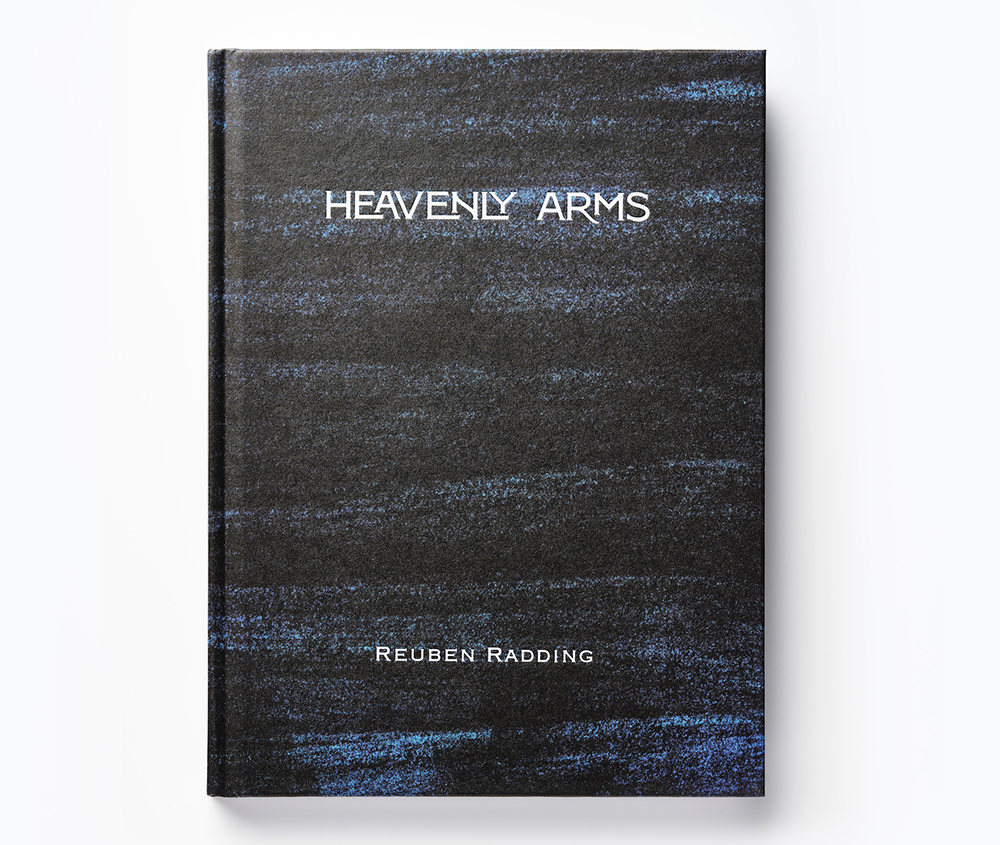
©Reuben Radding, Book Cover of Heavenly Arms published by Red Hook Editions
I first came across the work of Reuben Radding last Fall when we were both in the Dear New York exhibit, curated by Brandon Stanton of Humans of New York, in New York’s Vanderbilt Hall at Grand Central Station. I was struck by the vibrancy and energy of Reuben’s black and white photographs and I am a big fan of his work. When we were in another exhibition together this Spring, I spent time with his monograph, Heavenly Arms, published by Red Hook Editions, and I knew I wanted to talk to him more. We recently sat down and had a long meandering conversation, totally àpropos for someone who spent decades as a composer and performing musician.
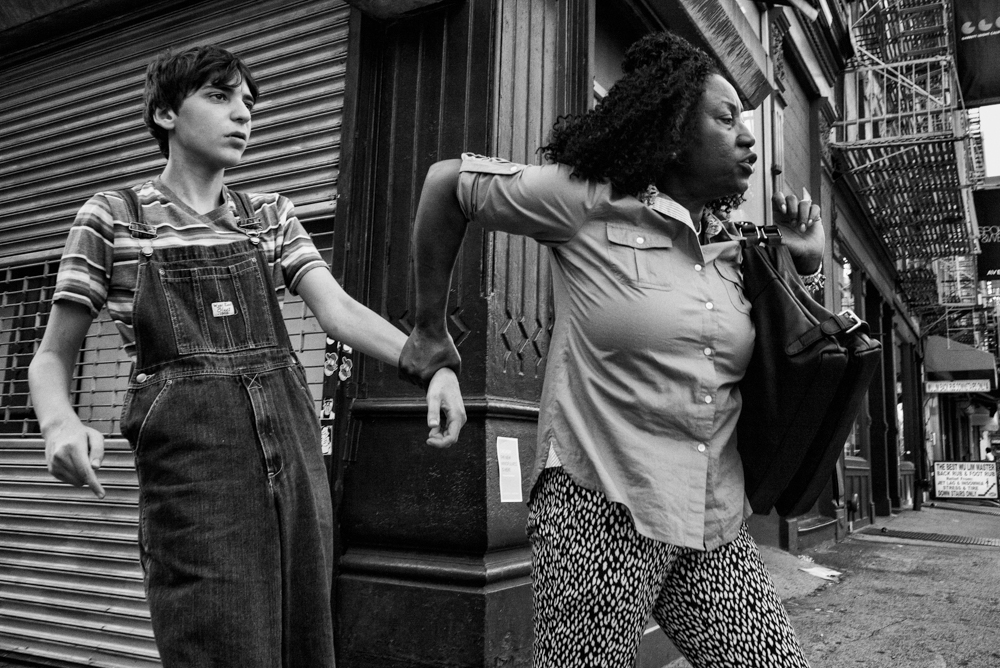
©Reuben Radding, from Heavenly Arms published by Red Hook Editions
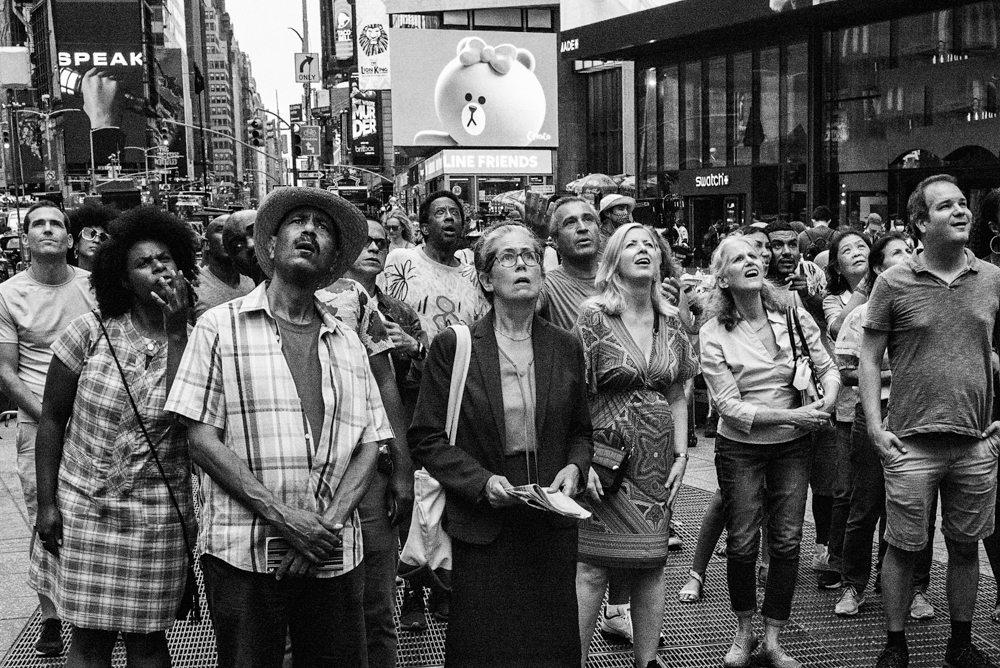
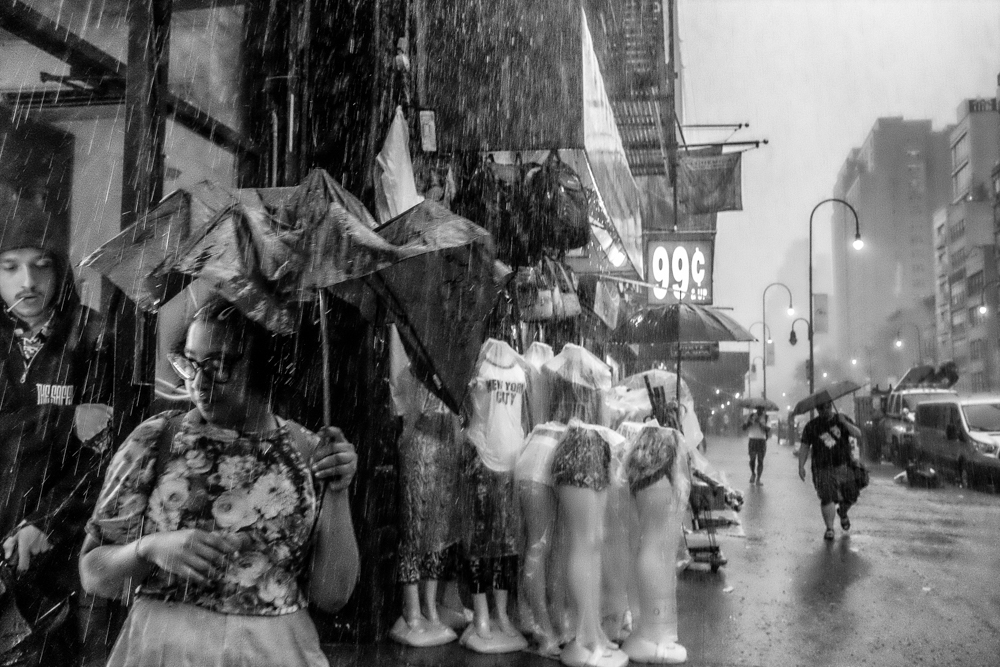
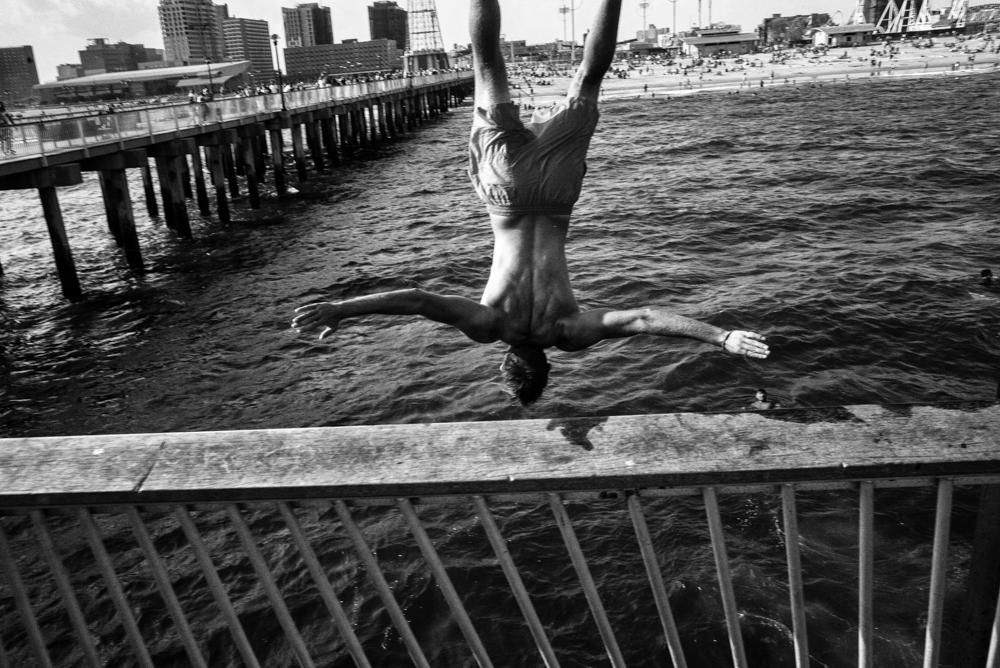
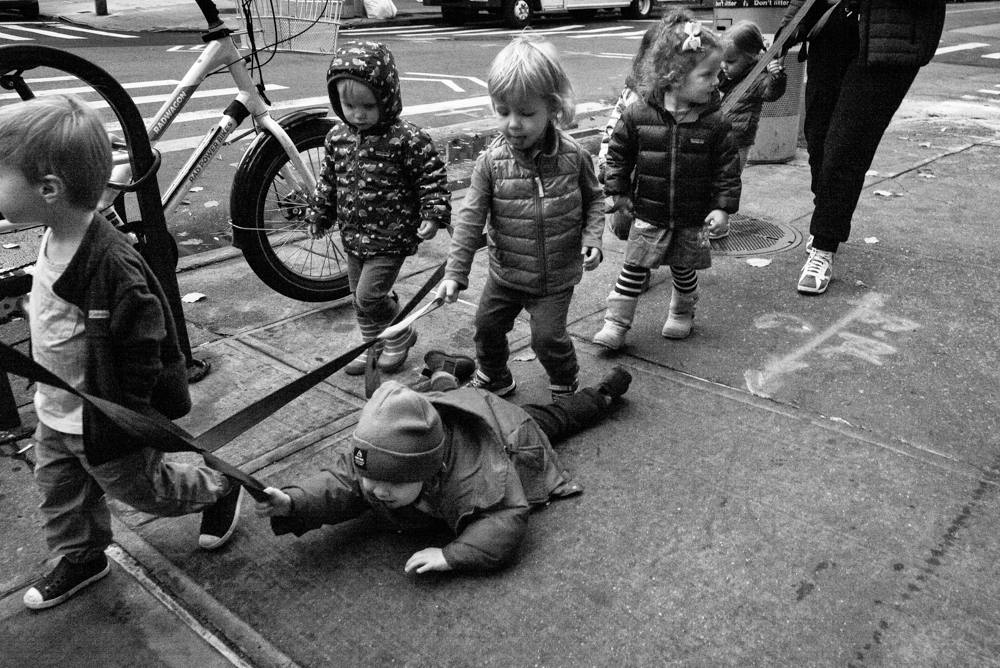
My photography is an improvisation, performed in long hours of wandering the New York City streets on foot, guided by the scent of great human character and fragility, poetic physical gestures of emotion or energy, explosions of life force, and human interactions which feel charged with ambiguous meanings. The resulting black and white pictures intentionally leave unanswered questions in the mind, and provide me with a venue for healing my long-felt sense of separation from others, the feeling of being apart, rather than a part. I am always seeking to discover my nature by seeing myself in my subjects, and likewise, seeing them in me. My stream-of-consciousness approach embraces both street photography and personal documentary, enabling me to realize my lifelong dream of erasing all separation between my art-making life and the rest of my life. – Reuben Radding
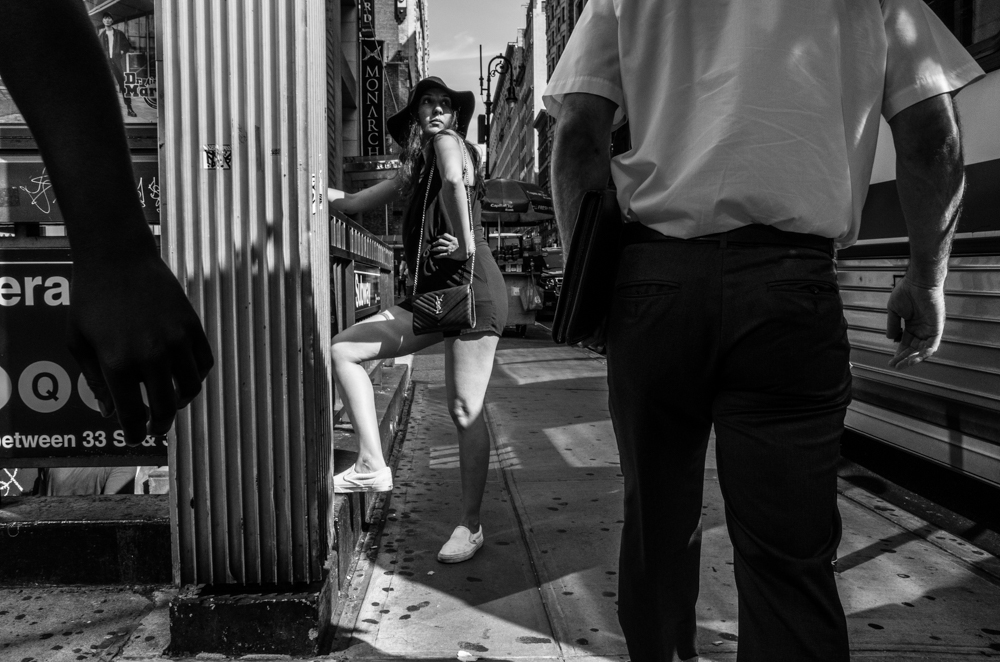
©Reuben Radding, from Heavenly Arms published by Red Hook Editions
Reuben Radding is a photographer, writer, teacher and musician whose work is built around a lifelong interest in improvisation, transformation, and the problem of human connection. His prolific output has been channeled into Heavenly Arms, his first photo book, published by Red Hook Editions in 2024 as well as a series of limited edition photo ‘zines that he continues to self-publish. His work has appeared in many galleries around the United States and Europe, and also in outlets such as The New York Times, Rolling Stone, Hamburger Eyes, The Guardian, and the New Republic. Radding leads photo workshops year-round and is on faculty at the International Center of Photography in New York City. He received an MFA in Interdisciplinary Arts from Goddard College in 2019.
Instagram: @reuben_radding
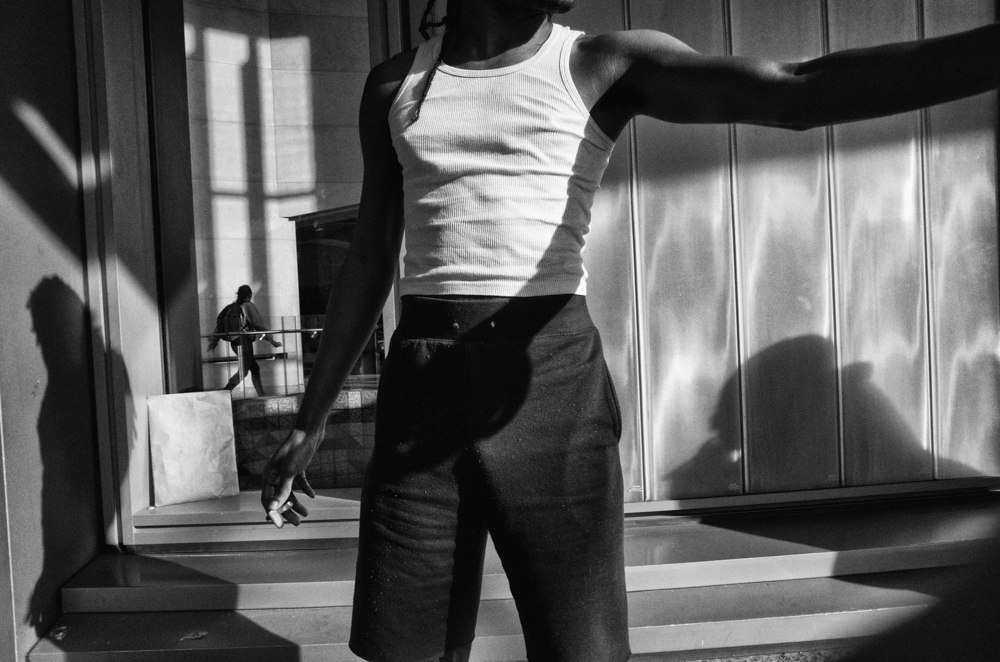
©Reuben Radding, from Heavenly Arms published by Red Hook Editions
SB: Congratulations on the book. Why did you decide to make it, and how did you choose the images?
RR: Throughout the ten years I was making these photographs, I felt there was a central thing I was chasing. The book became the best expression of that pursuit. I always imagined a photobook built from many disparate moments or scenes rather than a single place or event. Each image comes from a different time, often a different year and location, yet together they might create a world.
One thing that gets lost in discussions of street photography is that the work isn’t all one thing. There’s humor, melancholy, mystery, and tenderness. The challenge was figuring out what transformed these photographs from a collection of images into a unified work. That took much longer than I expected, but it was critical to me.
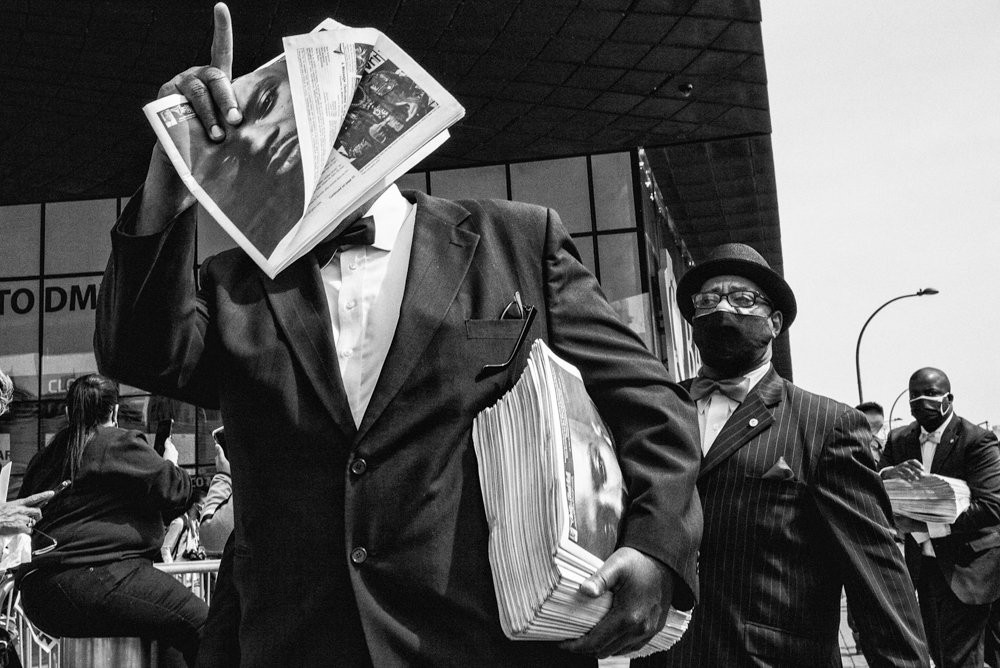
©Reuben Radding, from Heavenly Arms published by Red Hook Editions
SB: How did you arrive at that sense of unity?
RR: It was a difficult and emotional process. I knew I had enough pictures; the problem was understanding what the work actually was. After ten years of photographing, I understood it instinctively, but making a permanent object forced me to articulate those instincts.
I thought editing would take a couple of months. Instead, it took about a year. The first several months were spent narrowing a pool of roughly 300–350 images and trying to understand what felt true and what didn’t.
A turning point came when I showed an edit of about 85 photographs to a group of friends, all of whom had worked closely with the late photographer Jeff Jacobson. We speak a similar language about pictures. They immediately saw what needed to be refined. After that conversation, I finally felt like I understood what the book wanted to be. They had urged me to feature the pictures that left unanswered questions behind, and it was those images that seemed to not only feel cohesive together, but also seemed to have the most to say about life and human connection.
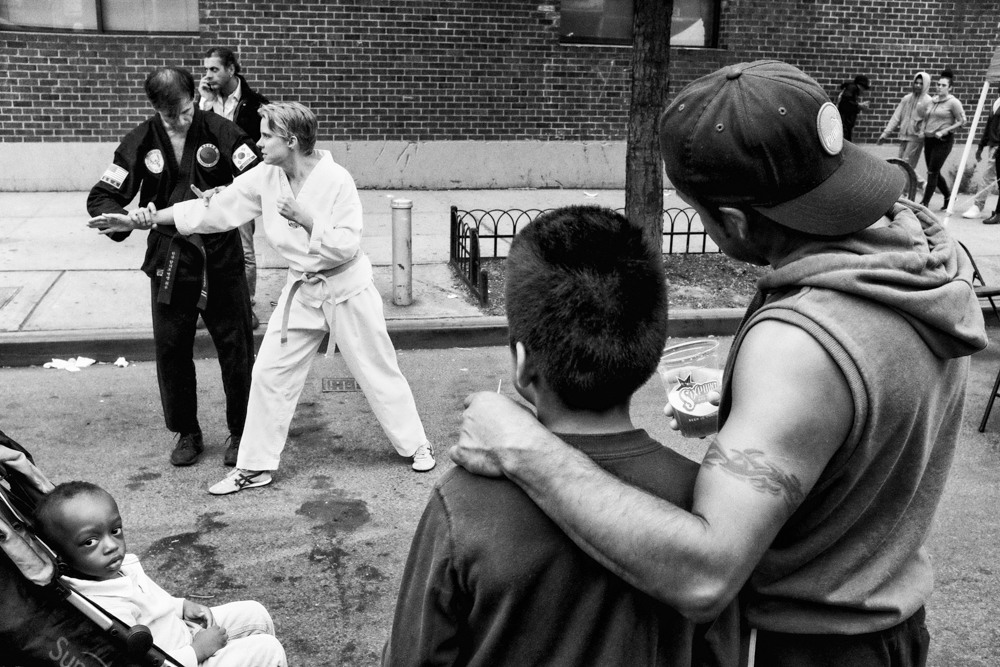
©Reuben Radding, from Heavenly Arms published by Red Hook Editions
SB: How many images are in the final book?
RR: Sixty-three. The edit went through countless versions—65 images, then 90, then 70. It was constantly changing. The final sequence emerged through a lot of trial and error.
SB: I thought the images might have been shot on film but they weren’t right? So why black and white?
RR: Yes, they’re digital. At this point, black and white is all I’m interested in. It’s hard to explain beyond saying that I love it completely. It doesn’t feel like a stylistic choice anymore—it feels almost biological. It’s interesting to reflect on the fact that for a great many years, black & white was considered the only “serious” photography. When artists like Eggleston began showing color it was considered a really bold and perhaps crass choice. Now color is so accepted that someone like myself who only works in black & white is constantly asked “why?” I don’t think it matters one bit.
When I was growing up, my family had a black-and-white television until I was in my teens. Maybe that played a role. Early in my photography, I worked in both color and black and white because I thought I was supposed to. When I finally committed to black and white, it opened up a whole new understanding of what interested me.
I realized I wasn’t looking for literal truth. My interest is in transformation. Color often felt too close to everyday reality. I want photographs that come from the real world but become something else—something energized by reality without simply reproducing it.
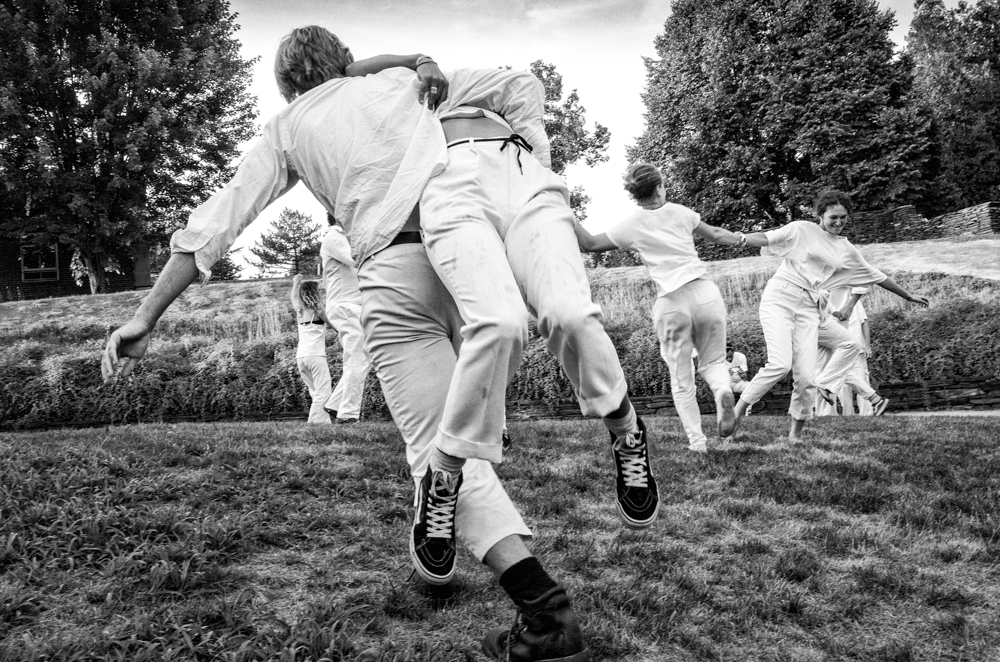
©Reuben Radding, from Heavenly Arms published by Red Hook Editions
SB: You’re also a musician. Do those practices connect for you?
RR: Very much. I’m a bass player and have played all kinds of music over the years. I grew up in punk rock, but my parents were classical musicians. Later I worked in jazz, experimental music, and many other traditions.
The strongest connection between music and photography for me is improvisation. In improvised music, you never know exactly what’s going to happen. That uncertainty creates a unique energy. There’s risk involved, and that risk is addictive. Audiences can feel it, whether they know it was part of the process or not.
Photography feels the same way to me. I’m not especially interested in making pictures where I know exactly what the outcome will be before I start. I’d rather go out into the world, take a chance, and discover something. Most of the time it doesn’t work, but when it does, the result feels unlike anything else.
©Reuben Radding, from Heavenly Arms published by Red Hook Editions
SB: That’s precisely what I feel from your book—a unique energy that coalesces nicely. When were the photographs made?
RR: They were all made over a ten-year period, between 2014 and 2024. Most were taken in New York, though not all of them.
SB: The book feels remarkably timeless. It reminded me of my early years exploring New York and discovering different neighborhoods.
RR: I’ve lived in New York for nearly four decades, and what fascinates me is that the city is constantly changing while somehow remaining itself.
Some of my strongest responses come from former New Yorkers. They recognize a certain feeling in the pictures—a stream of unlikely encounters, small moments of public life that somehow connect to private emotions. People who have lived here understand that experience immediately.
At the same time, it’s very easy to make photographs that feel tied to a specific moment in time. There’s a lot of conscious and unconscious filtering in my process. Certain things I simply turn away from because I know I don’t want them dominating the picture, placing you in a knowable reality.
My goal wasn’t to make images that look as though they were made forty years ago either. I wanted them to exist outside a specific time. That’s one reason there are no captions or dates. I didn’t want viewers focusing too much on location, either. Maybe ten or fifteen photographs in the book weren’t made in New York at all.
©Reuben Radding, from Heavenly Arms published by Red Hook Editions
SB: Oh that makes sense. I thought they were all in New York City, but then there’s an image of people dressed in white in a field that I was wondering about.
RR: That photograph was actually made in Vermont. But I like that uncertainty. You could imagine it happening in a New York park. The ambiguity is part of the intended experience.
©Reuben Radding, from Heavenly Arms published by Red Hook Editions
SB: Exactly. It stood out as maybe not being of New York but at the same time it could have been of New York. I love that ambiguity.
Do you have a daily practice?
RR: I photograph almost every day. Some periods are more intense than others. During graduate school and especially during the pandemic, I was walking enormous distances and shooting for very long hours.
A daily practice has always been important to me. It was central to my life as a musician too. One reason I gravitated toward street photography is that it’s always available. I can walk out the door and immediately begin working. I hate waiting. I see myself as working 24/7.
©Reuben Radding, from Heavenly Arms published by Red Hook Editions
SB: Has photography always been part of your life?
RR: Not seriously. I didn’t begin photographing in a committed way until I was almost forty. About ten years later I went to graduate school for photography. The program was interdisciplinary, but I just did my same practice.
SB: Do music and photography occupy equal space for you now?
RR: Not anymore. Before the pandemic I was still playing regularly, though far less than when music was my career. During the shutdown, that part of my life largely disappeared, and when things reopened, I simply wasn’t participating in the music community in the same way.
I still think about music constantly. I listen to it every day, attend concerts, and remain deeply connected to it. But my creative energy is almost entirely focused on photography now.
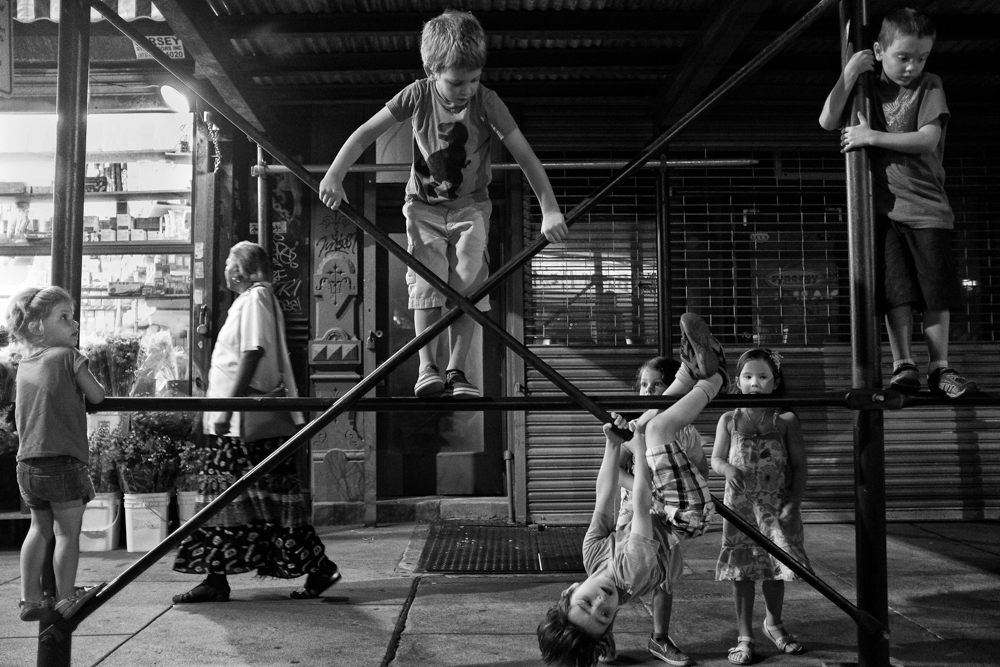
©Reuben Radding, from Heavenly Arms published by Red Hook Editions
SB: Who are some of your photographic influences?
RR: Influence is a complicated word. We usually think of influences as our heroes or favorite artists, but many of our deepest influences arrive indirectly.
When I was young, I was obsessed with records. Album covers often featured remarkable photographs, and I studied them without thinking of them as photography. They represented a life I wanted to inhabit. Whether it was jazz musicians, rock bands, or punk groups, I lived inside those images.
Only later did I realize how much those photographs shaped me.
One of my early obsessions was Rain Dogs by Tom Waits. The cover photograph was made by Anders Petersen, who eventually became one of my greatest photographic heroes. At the time, I had no idea who he was. The back cover photograph was by Robert Frank, another artist who would become hugely important to me.
The pathways that lead us
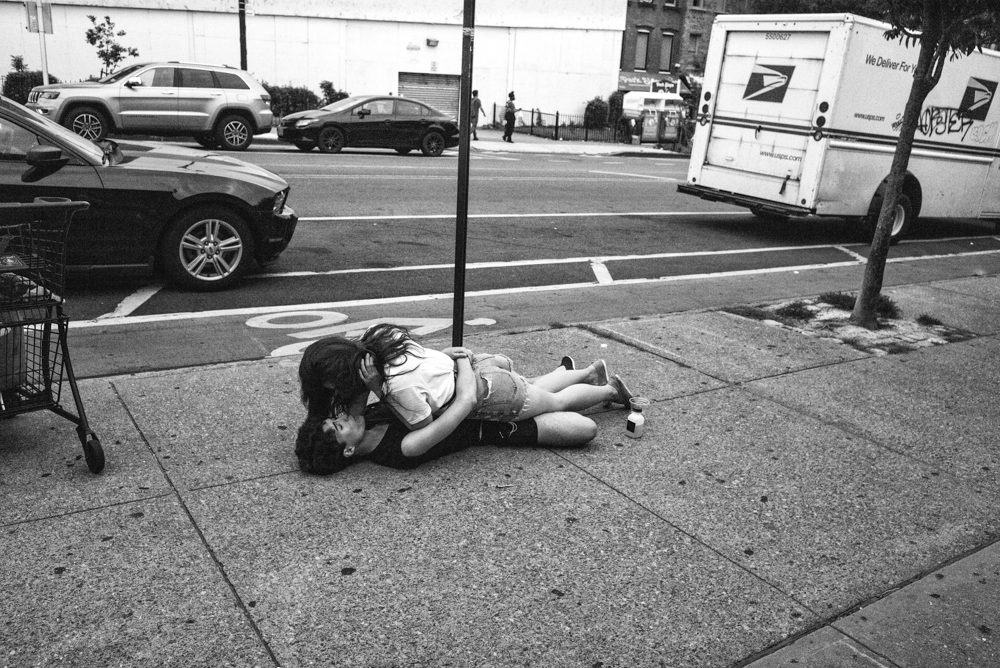
©Reuben Radding, from Heavenly Arms published by Red Hook Editions
SB: So true! Can you tell me about the title, Heavenly Arms?
RR: The title was one of the last pieces to fall into place. I knew what I didn’t want. I didn’t want a title that referenced New York or street photography.
I thought of the book almost like a record album. The albums that mattered to me growing up had poetic titles that created a mood and described meaning or encouraged the imagination rather than simply describing their contents. I wanted the book to work that way.
I also felt the title needed to relate both to the entire collection and to the opening photograph, which I think of almost as a title track.
The answer arrived while revisiting music that had been important to me in my late teens and early twenties. One of those records was The Blue Mask by Lou Reed. The final song on that album is called “Heavenly Arms.” As soon as I thought of it, I knew it was right.
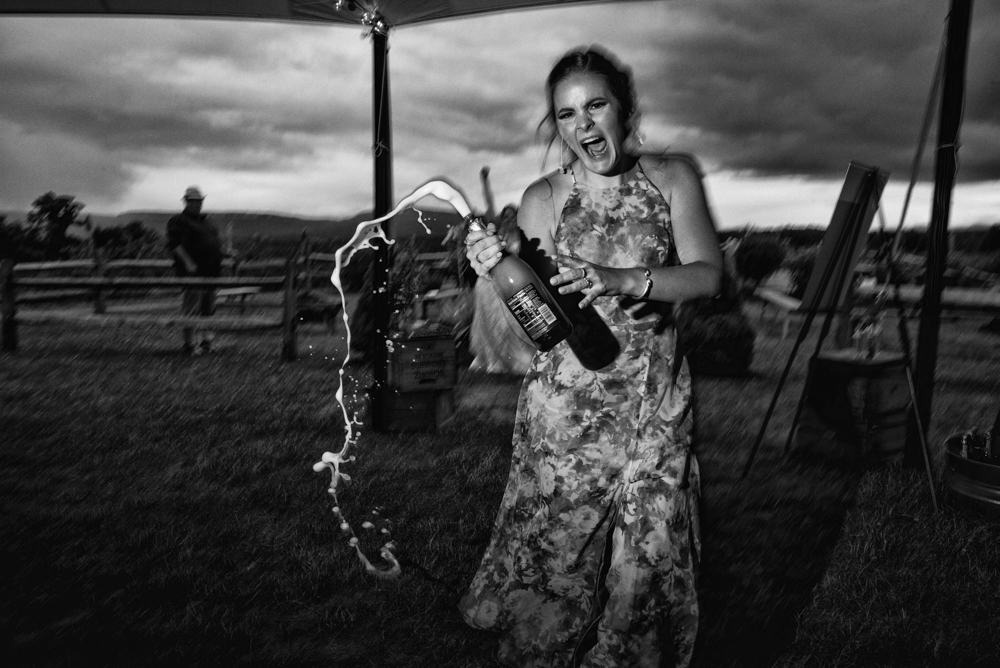
©Reuben Radding, from Heavenly Arms published by Red Hook Editions
SB: I think I could talk to you all day, but this is as good of a stopping place as any. Thank you so much Reuben. I really enjoyed talking with you..
RR: Thanks to you, too!
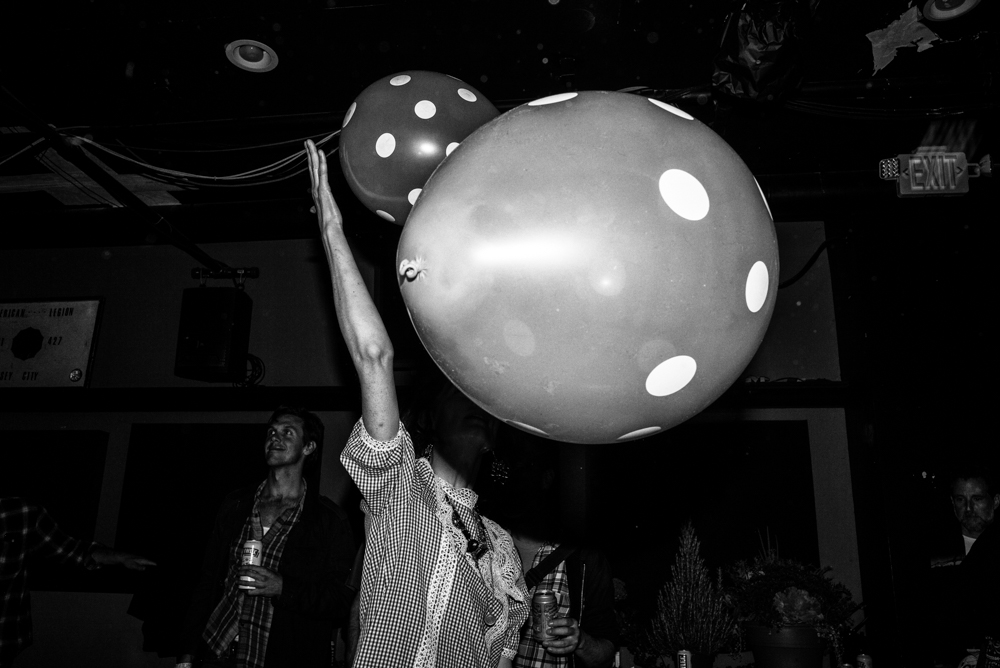
©Reuben Radding, from Heavenly Arms published by Red Hook Editions
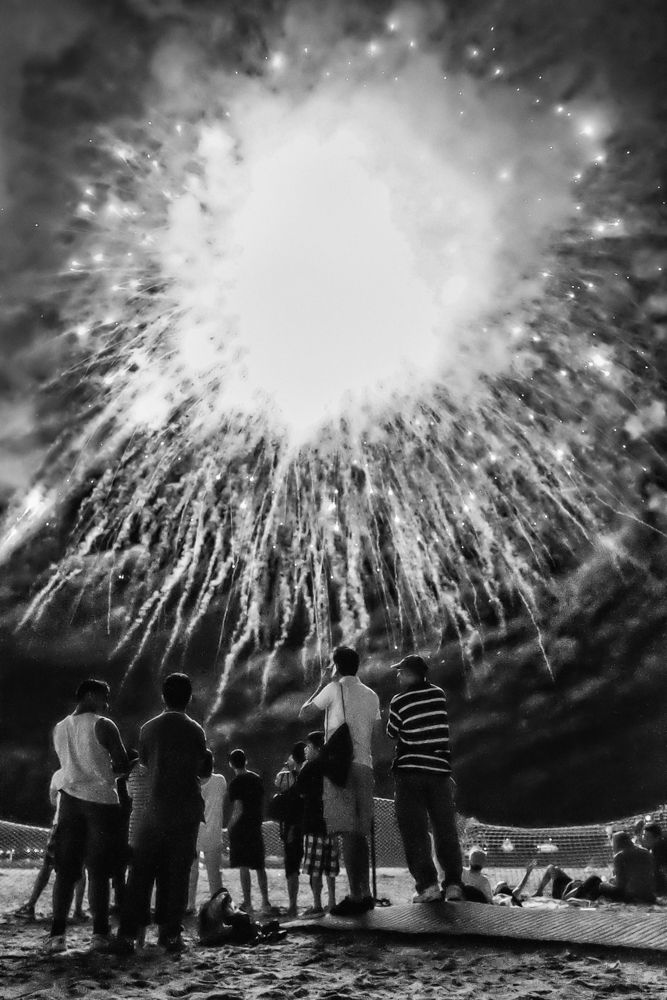
©Reuben Radding, from Heavenly Arms published by Red Hook Editions
To Purchase HEAVENLY ARMS: https://www.redhookeditions.com/books-1/heavenly-arms
To Purchase the Collectors Edition w/Print: https://www.redhookeditions.com/books-1/heavenly-arms-collectors-editions
WORKSHOPS & PRINTS ETC: https://reubenradding.bigcartel.com/
SARA BENNETT, a contributing editor to Lenscratch, is a 2024 Guggenheim Fellow. Her first monograph, Looking Inside: Women with Life Sentences (Kehrer Verlag 2026), is available here. Join her at the Brooklyn Public Library, Central Branch, on September 16, 6:30-8:00 p.m., for the launch of her book.
Instagram: @sarabennettbrooklyn
Posts on Lenscratch may not be reproduced without the permission of the Lenscratch staff and the photographer.
Recommended
-
Reuben Radding: Heavenly ArmsJuly 23rd, 2026
-
Zackery Hobler: Beneath Two SkiesJuly 20th, 2026
-
Danielle L Goldstein: TransienceJuly 19th, 2026
-
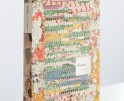
Laurie Lambrecht: tēxēreJuly 17th, 2026
-
Daniel Dorsa : To Skip A Sinking Stone : In Conversation with Tracy L ChandlerJuly 16th, 2026