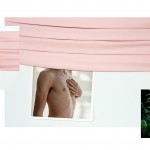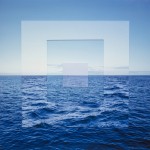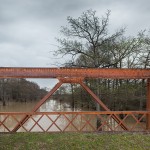
The 2026 Lenscratch Student Prize Honorable Mention: G. Chevalier Fustec
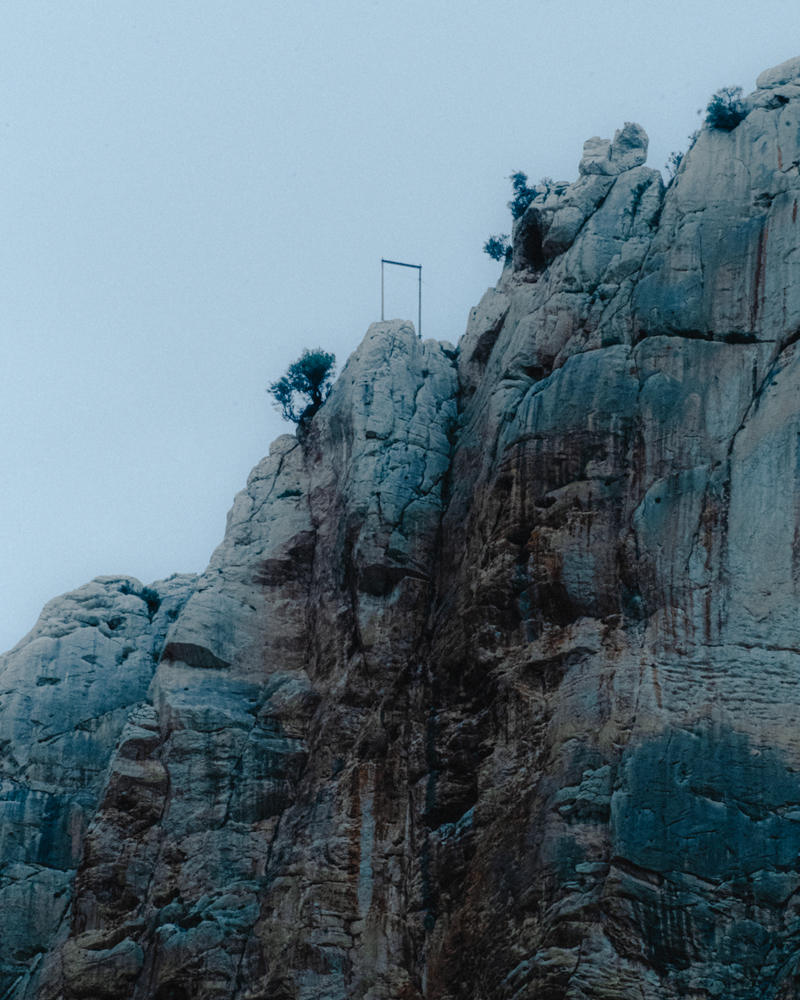
©G. Chevalier Fustec , Swift & Swallow, No. 62, C-Print on expired Highgloss paper, 2022-2026CInsta: @G.Chevalier_Fustec
It is with pleasure that the jurors announce the 2025 Lenscratch Student Prize Honorable Mention Winner, G. Chevalier Fustec. Fustec was selected for his project, Swift & Swallow, and recently received a Masters from the École nationale supérieure de la photographie. The Honorable Mention Winner receives a $500 Cash Award, a feature on Lenscratch, a mini exhibition on the Curated Fridge, and a Lenscratch T-shirt and Tote.
From the moment I began reviewing G. Chevalier Fustec’s images for Swift & Swallow, I was drawn into their quiet energy and prevailing atmosphere. I felt that I recognized what they were about rather than what they were of, which for me was an unusual way to regard photographs— they seemed to speak to the sensibility of the maker while possessing a “mind” of their own. I thought the photos were more about seeing than looking, so I went through the images a few times before reading the artist’s statement. I wanted to figure out how the pictures
worked as a body. I've rarely seen a series so coherent, an especial accomplishment given how illusory and elusive the “true” subject is and how many different materials, formats, and processes Fustec “summons” and “stages” in the work. Swift & Swallow is a waking dream in which photographs operate as talismans, “transitional objects,” that hold memory and carry us across and through states of being and apprehension, love and loss, here and there, then and now. I am honored to have had the opportunity to talk with Guillaume about these remarkable, and remarkably moving, images.
G. Chevalier Fustec develops a practice at the crossroads of photography, performance and installation. Trained in theatre, philosophy and clinical psychology, his work proceeds from a persistent question: how to keep seeing, within the gaps and accidents of the world, objects worthy of love. Through the alteration, fragmentation and staging of images within one another, he produces works in which the summoned materials, ash, film, cloth, become transitional objects in Winnicott’s sense: signatures of a gap between presence and absence. The aim is to render death visible, to accept its necessity without reducing it to an enjoyment of the morbid, and to turn these gaps, between a world that is always coming undone and one that is still to come, into a space in which one can love to live.
Instagram: ©G.Chevalier_Fustec
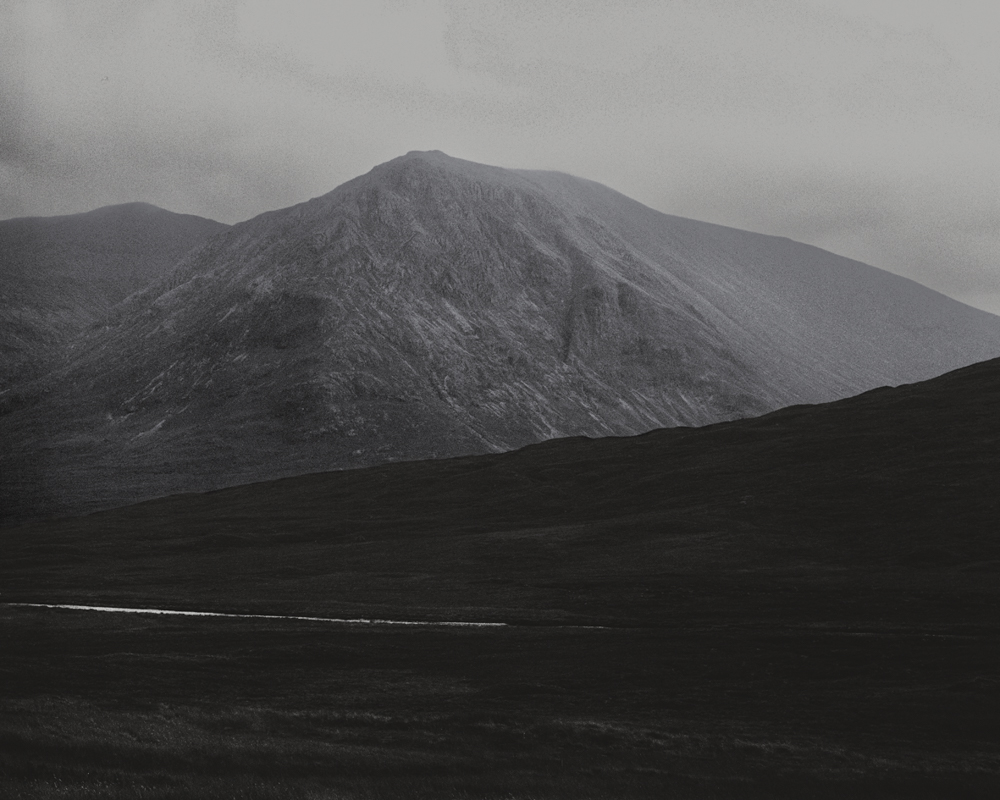
©G. Chevalier Fustec, Swift & Swallow, No.114, C-Print on expired Highgloss paper, 2022-2026
Swift & Swallow
In 2022, in the space of ten days, I lost two of the women closest to me. One of them had asked me to scatter her ashes in every place that would make me think of her. I carried these ashes in film canisters, and later used the film to photograph these places. Little by little, this double bereavement extended into everything I encountered and did. I began to stage my images inside one another, to fragment and alter the negatives, and to work directly on the prints themselves: some were left outside to weather and transform, others soaked in chemicals to shift their tone, others projected onto surfaces and rephotographed. I varied the mediums too, printing on paper, glass, aluminum, fabric, each with its own texture and framing, and combined them further: some prints were buried in the ground and rephotographed, others projected and rephotographed again, so that in the final installation, different versions of a single image can coexist. Finally, I also made images in places where I had left no ashes, places that felt inhabited, or tied to one of these two women.
Beyond my personal history, these losses opened something in me, a particular state, one that many of us have surely known. Reality began to speak through signs: a bird, the weather, a time of day, became messages that seemed full of meaning, while at the very same moment meaning nothing. The Surrealists called this "la vie étrange," a state in which chance, dream, and reality become porous. Nadja and Artaud are perhaps those who surrendered most fully to this way of reading: they gave themselves over so completely to reading the world as a network of signs that they risked losing a more grounded sense of the meaning of their own lives. This work, through the images themselves, their transformation, and their staging, is an account of a certain surrender to this state, an exploration in and through it.
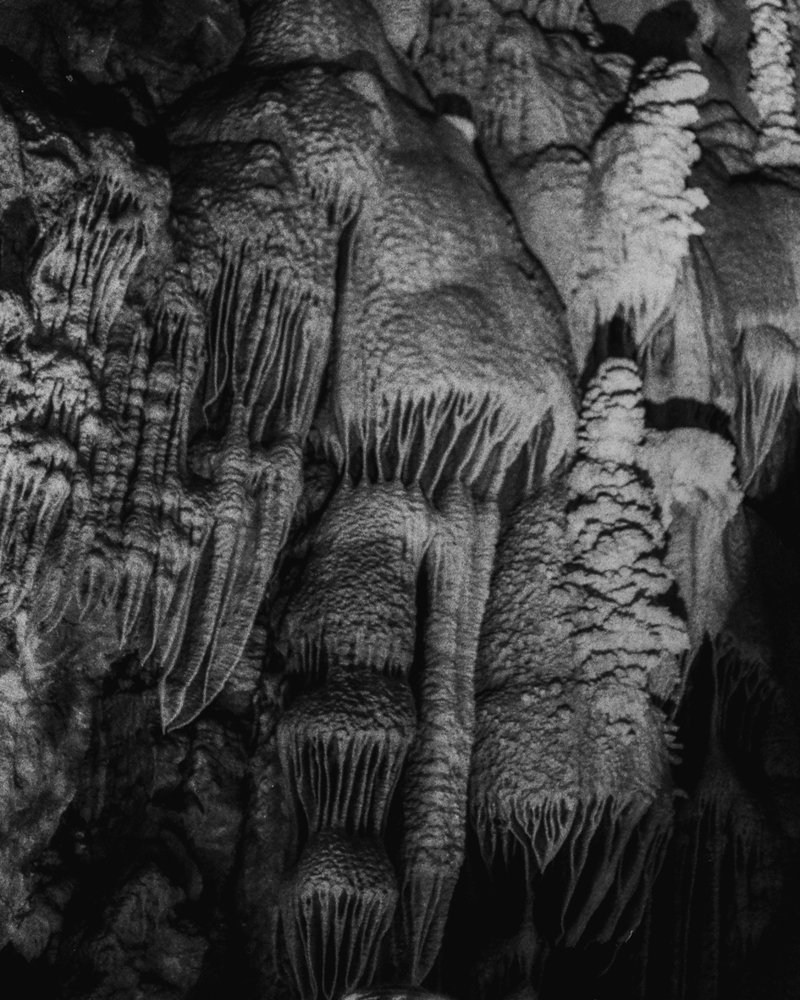
©G. Chevalier Fustec, Swift & Swallow, No. 52, UV print on aluminium, 2022-2026
Alexa Dilworth: I was very intrigued to read about your background in theater, philosophy, and clinical psychology. How did you come to photography and the visual arts?
G. Chevalier Fustec: I made my first images while I was still working in theater. Some of that work goes back to a period of training in Belarus, where I met the people who I would later go on to form an apartment-theater troupe with. As both an actor and a director, I created site-specific performances staged in people’s flats, always working in situ, through close observation of people, situations, and places. I was working in particular on a play, In the Solitude of Cotton Fields by Bernard-Marie Koltès, which I never quite managed to stage. That play led me to look at spaces that were deeply photographic, spaces that seemed as though they could be inhabited by one of the characters, without any of them actually being present. This taste for site-specificity, already present in my performances, carried through into my later staging work. I was looking for spaces that would function as scenography in themselves, without needing any further intervention. The shift in scale and environment that photography allows came afterwards.
Philosophy has actually been traveling with me for a long time now, and it isn’t about to stop. It isn’t just a backdrop either, it surfaces directly in the work itself—an aesthetics of the carrion, close to what Hicham Stéphane Afeissa writes about, runs through a project of mine that was shown alongside Swift & Swallow, one that depicts a decaying calf head. More generally, visual art, like every other form I’ve worked in, came out of the same necessity: things I couldn’t say any other way still had to be said somehow, and the image became that other way of saying them.
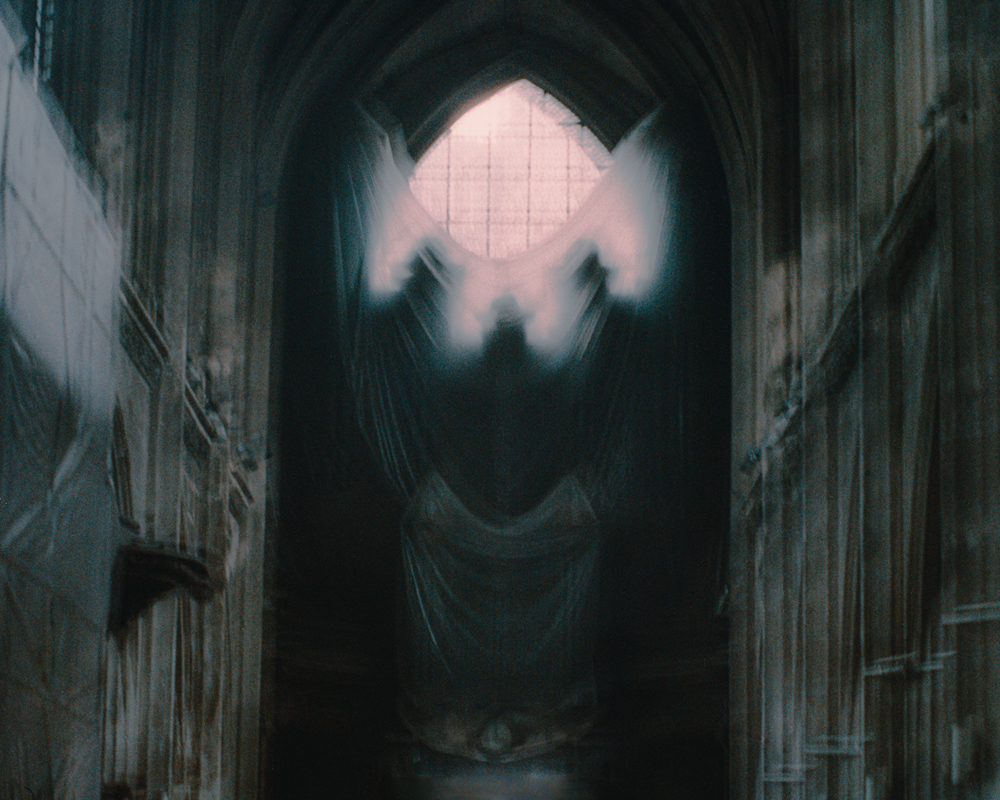
©G. Chevalier Fustec, Swift & Swallow, nNo. 7, C-Print on expired Highgloss paper, 2022-2026
AD: You use a variety of formats, films, papers, materials. Tell me about your first camera and
the first images you made.
GCF: My first camera was a Mamiya TL 1000, which had been given to my older sister and which I still use, a rugged machine, good for anything. Today, I use all sorts of cameras—mainly large format and only in 1.25 ratio, film or digital—or sometimes just an enlarger and chemistry. Papers and materials matter just as much, and chemical experimentation is also of importance, sometimes with no image at all, working directly on the photosensitive support . . . using marbling to create something that looks like the traces organic matter leave on pieces of fabric, except here it’s metals colliding with each other. From my very first images, people told me they were “haunted”: that they looked like portraits even though no one was in them. I already know this practice, this relationship to the image, will stay with me beyond this project: I think I’ll always make an image of someone, whether or not that someone is actually there.
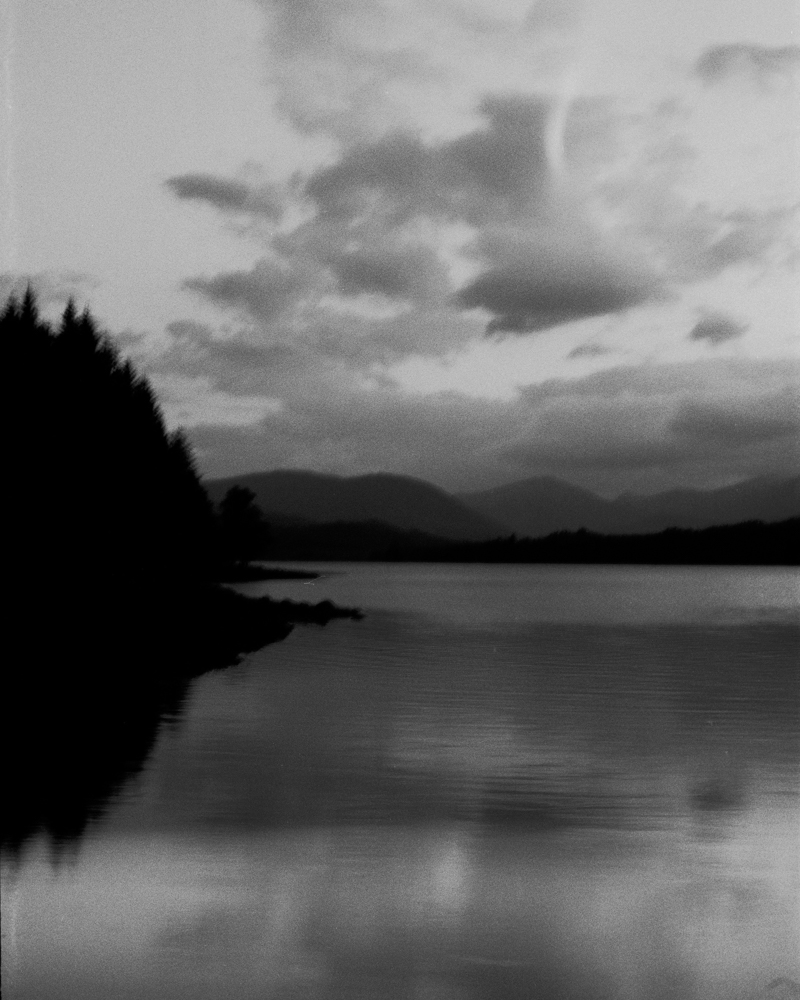
©G. Chevalier Fustec, Swift & Swallow, No. 1, Piezography on bamboo paper, 2022-2026
AD: Swift & Swallow is so personal and makes so much sense in light of your history and interests. On your website, you mention psychoanalyst D.W. Winnicott in reference to your use of materials as transitional objects that signal the gap between presence and absence. I’d love you to say more about this, if you would.
GCF: Among the different paths I’ve taken, clinical psychology came to matter enough that I went back and did a degree in it, after theater. Winnicott’s concept refers to what are commonly called comfort objects, or “transitional” objects: things children use to manage the distance from their primary caregiver. They’re objects that represent (though they aren’t merely representations) neither the parent nor the parent’s absence but the gap between the two: objects that allow for separation from the subject. Photographs are transitional objects in that same sense: an image only shows things from a “distance,” things that aren’t there anymore. The photographic print marks that gap between us, the viewers, and the scene that was once in front of the camera. The print is the signature of that gap. In this project specifically, that signature works twice over, as I’ve said, but also because these images are always images of a haunting, a haunting by one of the two people I lost.
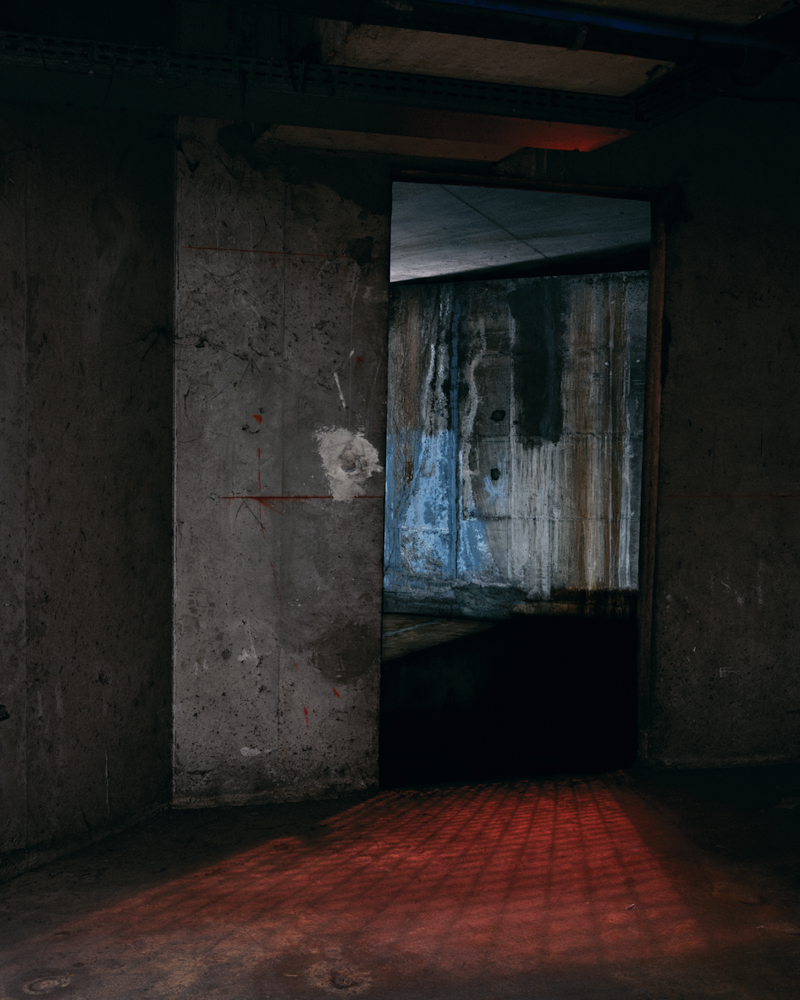
©G. Chevalier Fustec, Swift & Swallow, No. 63, C-Print on expired Highgloss paper, 2022-2026
AD: When I initially looked through your photographs, I felt something in them that preceded me thinking about what they were of, what they represented. That was an unusual experience for me. The images seem to be composed equally of sensation, dream, and reality. They are intangible and tangible at the same time. I’d love to hear more about how you both intuited and created these photographs, made them manifest.
GCF: There are two answers to that. My first one is about the images that I haven’t altered: to begin with, it wasn’t so much about looking for an image to make as about finding a place where I could scatter one of the women’s ashes, as she’d asked, a place where I thought of her.
Other places were already “inhabited,” either by a memory, or by a strong sense that the place was somehow linked to either Nadja or Artaud. This register of images came together by following “signs” that meant both everything and nothing at the same time.
My second answer is about the altered images. These work more or less the same way, except that what links them to the two women I lost is the alteration itself. By following the alterations they had undergone, and/or the changes in my relationship to their ghosts, certain images resisted these alterations. These are moments when the “signs” present in the first images couldn’t be read; they were incomprehensible, too full of other things. So by altering the images, often by reducing what could be seen in them, the signs became more legible. Without
necessarily making sense, their sensation could still be read.
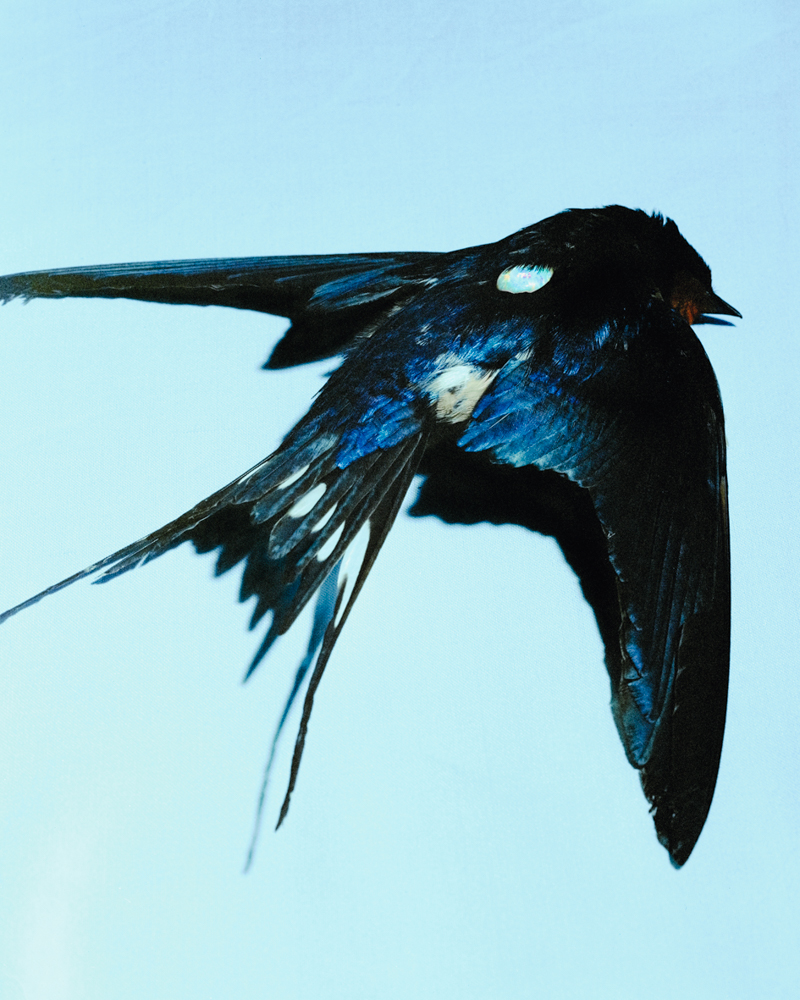
©G. Chevalier Fustec, Swift & Swallow, ,No. 2, UV print on aluminium, 2022-2026
AD: You write about loss and death, absence and presence. The way you have been able to commute (transform) the death of your two friends into something here, something physical, really moved me. I’ve received messages like the ones you describe myself. How did you go about editing together the ones we see here? How did you piece the signs together?
GCF: Editing has never been both as simple and complex as it is with this project, since I’ve never set any limit on the number of images. Even now, if I wanted to add another sixty images to this set, which is around 120, I would, because if there are signs, other things, anything to do with these ghosts, their place is in this project. As for connecting them, that isn’t my job, or at least I don’t think it is. I don’t believe in photography as proof, or as a document of truth. I believe photography has never described anything real, and therefore no picture ever contains one single, definitive truth. So, I don’t connect these images; I might arrange them in an exhibition, but that doesn’t produce a meaning or a reading. I think my job is to create a support, a space left open, for each person to think through their own relationship to the image and to loss.
It might be arrogant of me not to bother trying to make sense with, and of, my photographs, to refuse to document, but that doesn’t mean I have nothing to say. What I want to say doesn’t work through logic, through truths that can be put into words, but through sensation—a sensation that first expressed itself in the act of taking the photograph itself, and which, at risk of dissolving, tries to remain perceptible through the images. Trying to avoid too much dissolving is the complicated part.
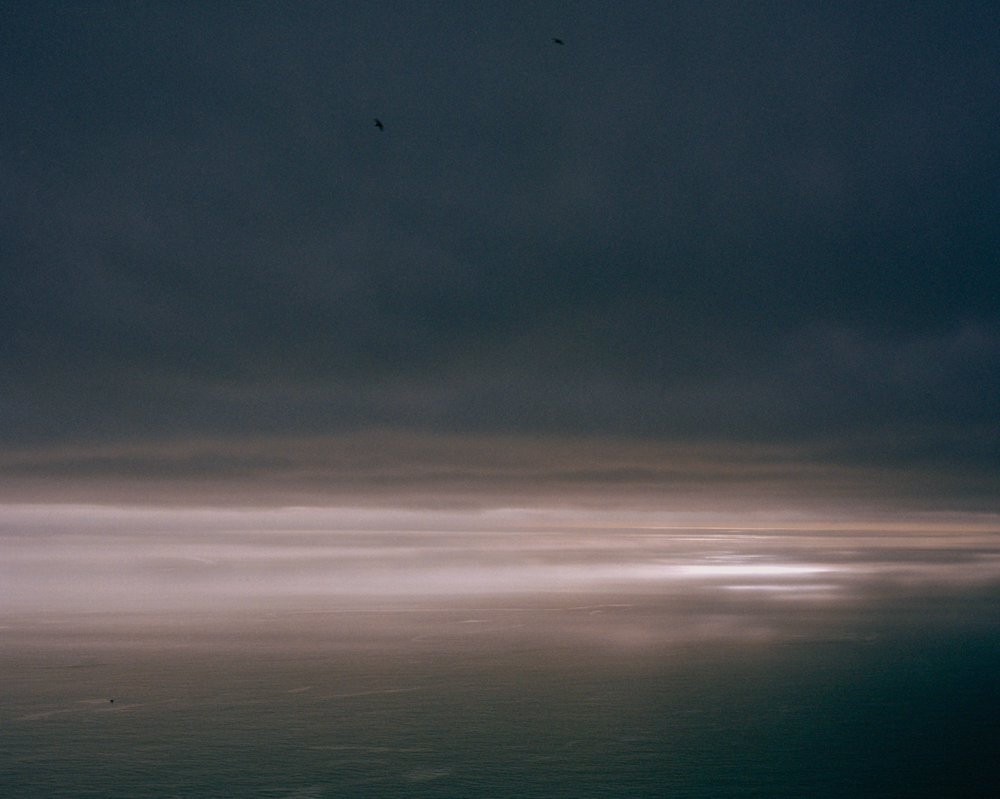
©G. Chevalier Fustec, Swift & Swallow, No. 42, C-Print on expired Highgloss paper, 2022-2026
AD: Are Nadja and Artaud the Swift and the Swallow? Would you mind sharing how you came to give this title to your project?
GFC: Nadja and Artaud were certainly a swift and a swallow in some past or future lives, but no, that’s not what I’m directly referring to. These two birds, as for many people, held an important place in the lives of the two people I lost. The title probably rings differently for English speakers, but to a French mind, the birds’ names aren’t widely known in their English translation, whereas the words swift as an adverb and swallow as a verb are very familiar. I wanted to play with this idea that we have to “swiftly swallow” certain hardships, learn to stomach them, digest them fast, and it’s this French expression, translated almost literally (vite becoming swift, avaler becoming
swallow), that gave rise to the title. To tell the whole truth, pairing the two words wasn’t my idea but one of the women’s.
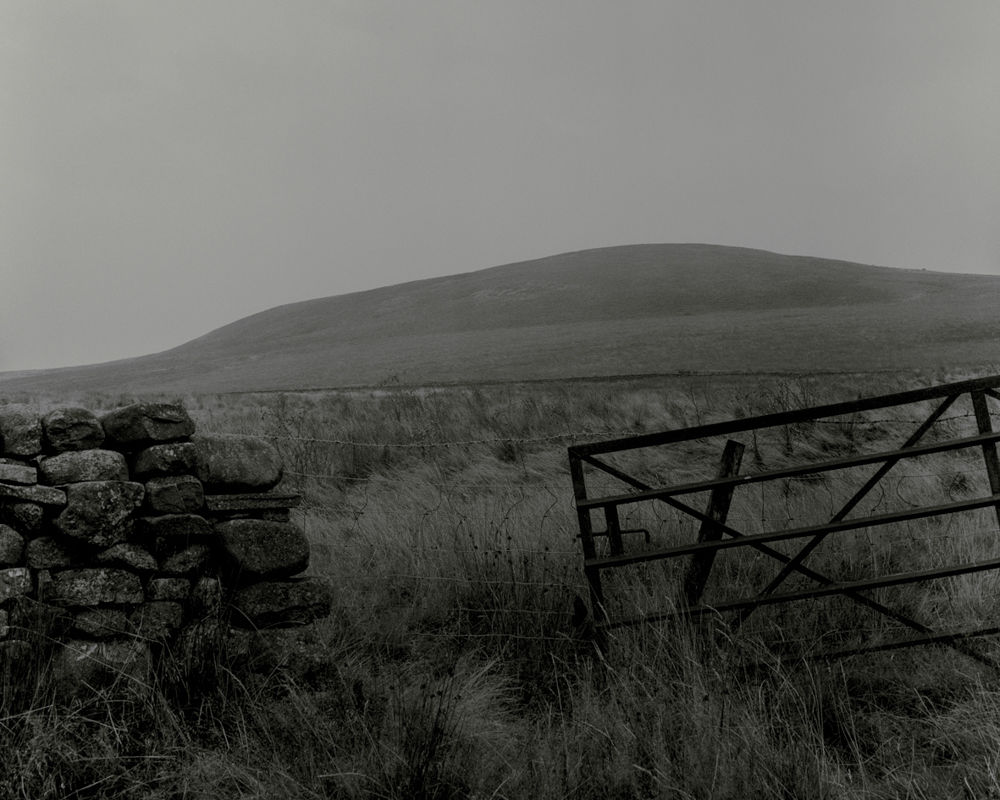
©G. Chevalier Fustec, Swift & Swallow, No. 8, C-Print on expired Highgloss paper, 2022-2026
AD: You’ve just received your master’s degree. Can you tell me about how your time in graduate school has shaped, or reshaped, you’re thinking about photography?
GDC: Very deeply, first because this master’s isn’t only a photography degree but a research one too: it’s closer to a practice-based research path. This course marked my relationship to photography without reshaping it, largely because it wasn’t my first artistic path—it would have been different straight out of school, or when I was younger. I arrived with few preconceived ideas and a great deal of drive: I learned an enormous amount, deepened my interests, all while fighting to hold on to my own sensibility. I believe I have things to say, and I want to say them in my own voice. Philosophy held an important place in this research master’s too; this is where I properly discovered Hölderlin, and where I found myself putting work like Afeissa’s or Jean- Baptiste Carobolante’s into perspective alongside my own.
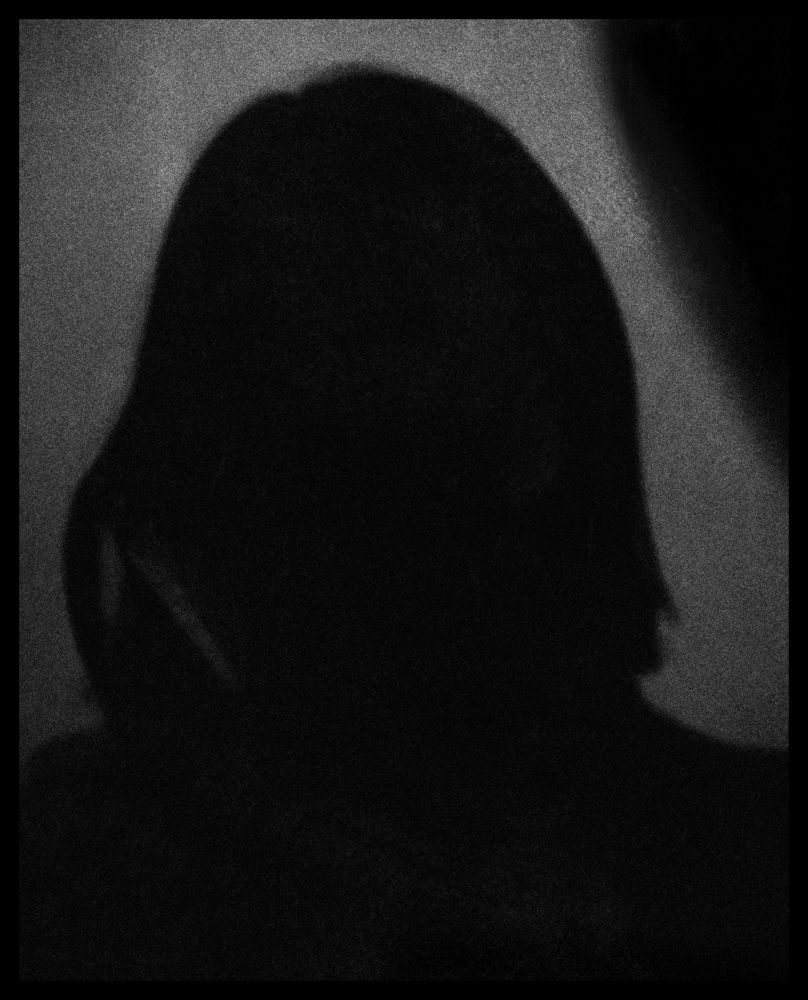
©G. Chevalier Fustec, Swift & Swallow, n° 3, Piezography mounted on aluminium, 2022-2026
AD: What’s next for you? What are you working on now? I’m very much looking forward to seeing it.
GFC: I’m working on several projects. First, I’ll be teaching for a while in the black-and-white darkroom, and in historical photographic processes. On the artistic side, I’m starting a short, very simple series on fetish objects tied to communities; it’s a simple series, but a gentle one, exploring why and how these objects, also transitional objects perhaps, crystallize certain people’s needs and desires.
Alongside that, I’m continuing an itinerant performance across France: a sin-eater practice inspired by old Welsh funerary traditions. Anyone who wants to take part will confide a fault or a burden to me, which I will symbolically “swallow” in exchange for the offering. It’s a performative piece of work: it’s meant to be lived more than explained.
Both of these strands, along with some research I’m doing on ticks, the creatures, and some thinking around the resurgence of violence in the West, are meant to come together, eventually, into a larger project that will include them all. I’d like all of this to grow into a doctorate at some point, it’s still too early to say exactly on what, though ritual, the body, and violence will stay close to its center.
My gaze continues to turn farther away from France as I go along. I’m also still carrying on with a documentary project on Belarusian artists in exile, Le soleil est nouveau tous les jours, born out of that same period of training I mentioned earlier. It isn’t finished, and it shouldn’t be; it’s a project that has to live.
A book should also be out in October, a translation of Plato’s Symposium, conceived as a play rather than purely as a philosophical text. And right now, until the end of October, the Swift & Swallow project is on view at the Rencontres d’Arles; it will then travel to Istanbul, and then on to Ankara and Izmir. Another piece, on danses macabres, is due to be shown in Paris during Paris Photo, as part of the PhotoSaintGermain festival.
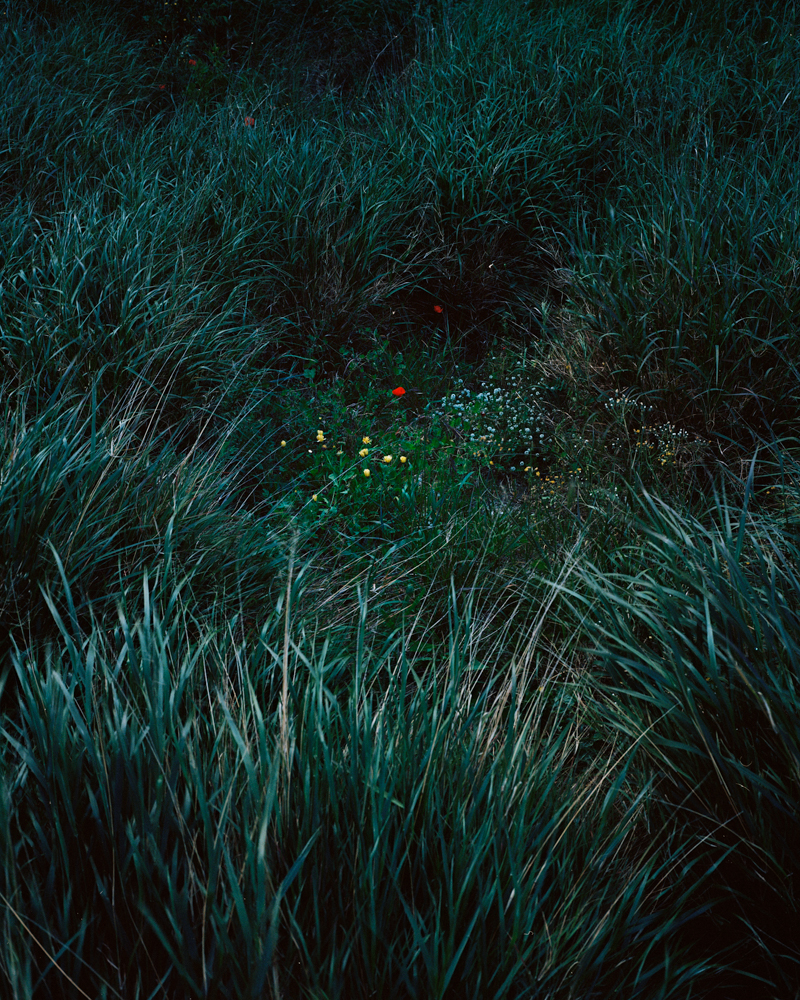
©G. Chevalier Fustec, Swift & Swallow, No. 72, C-Print on Velvet paper, 2022-2026
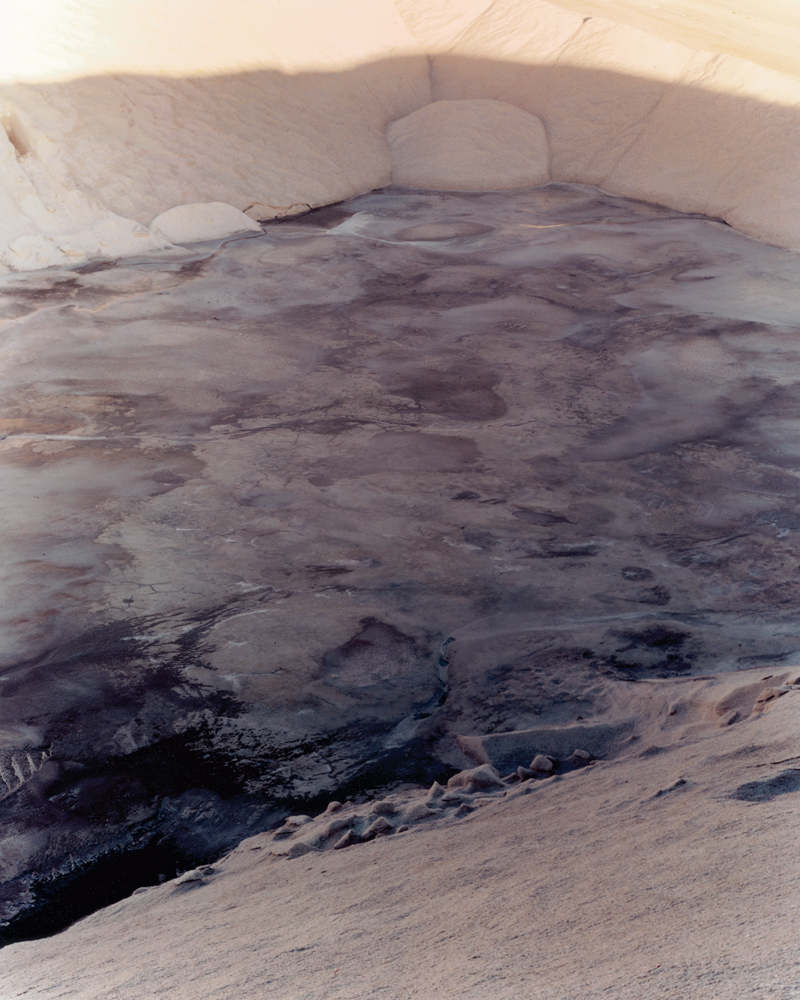
©G. Chevalier Fustec, Swift & Swallow, No. 81, C-Print on expired Highgloss paper, 2022-2026
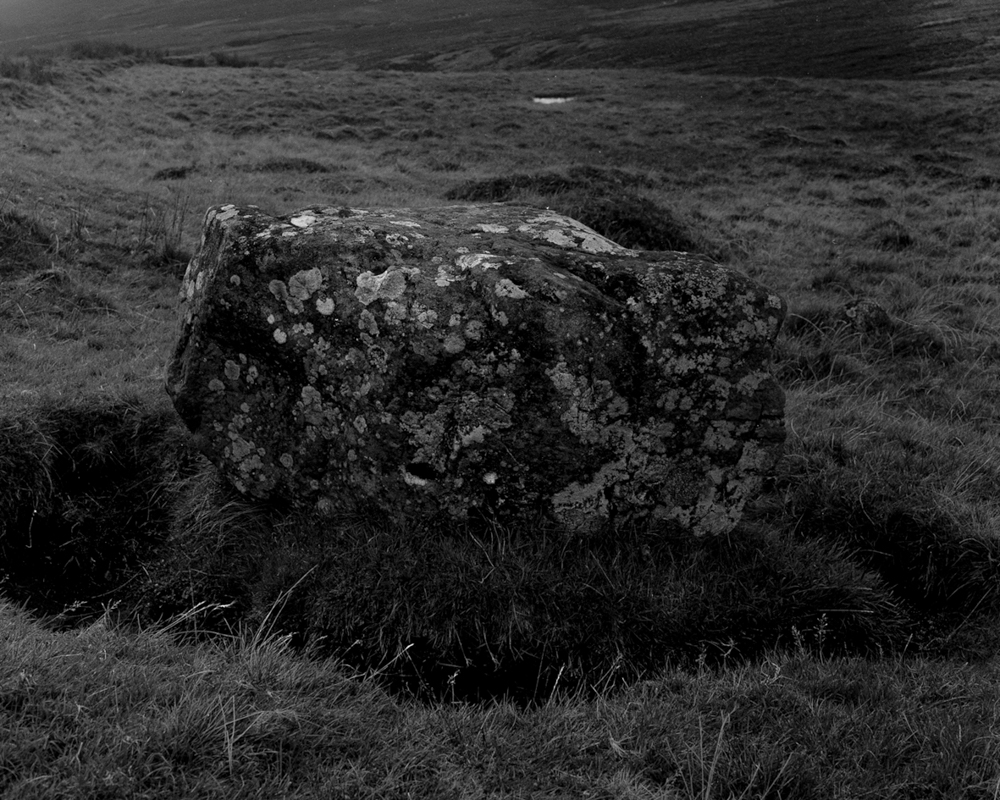
©G. Chevalier Fustec, Swift & Swallow, No. 17, C-Print on expired Highgloss paper, 2022-2026
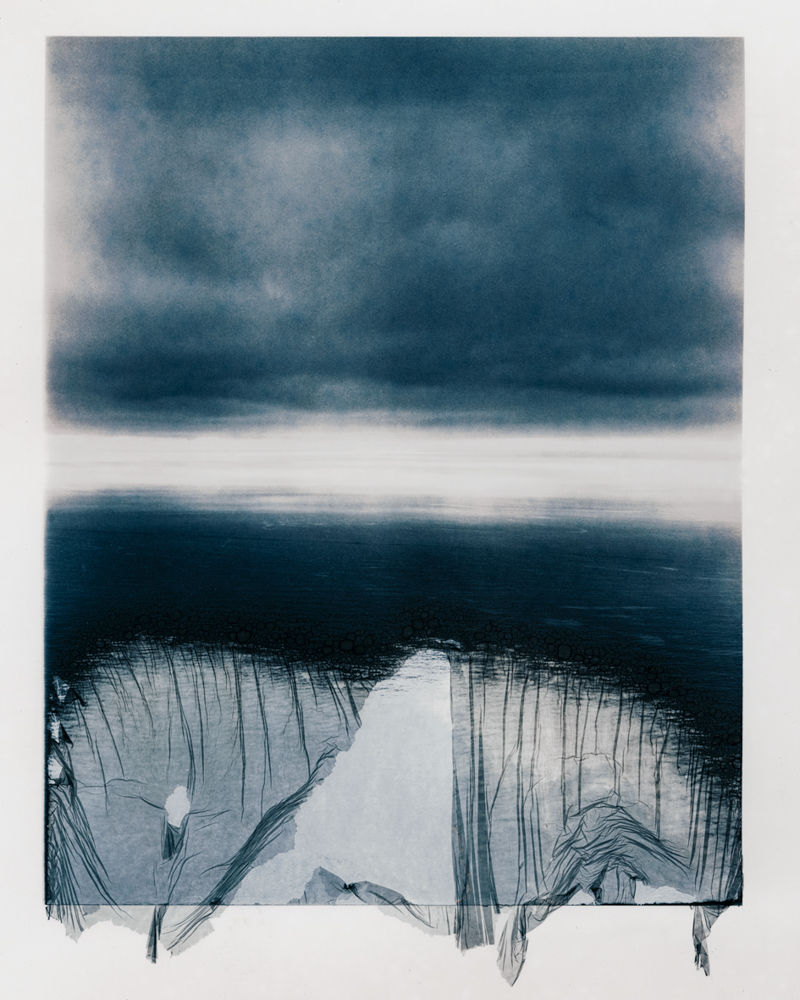
©G. Chevalier Fustec, Swift & Swallow, No. 23, C-Print on expired Highgloss paper, 2022-2026
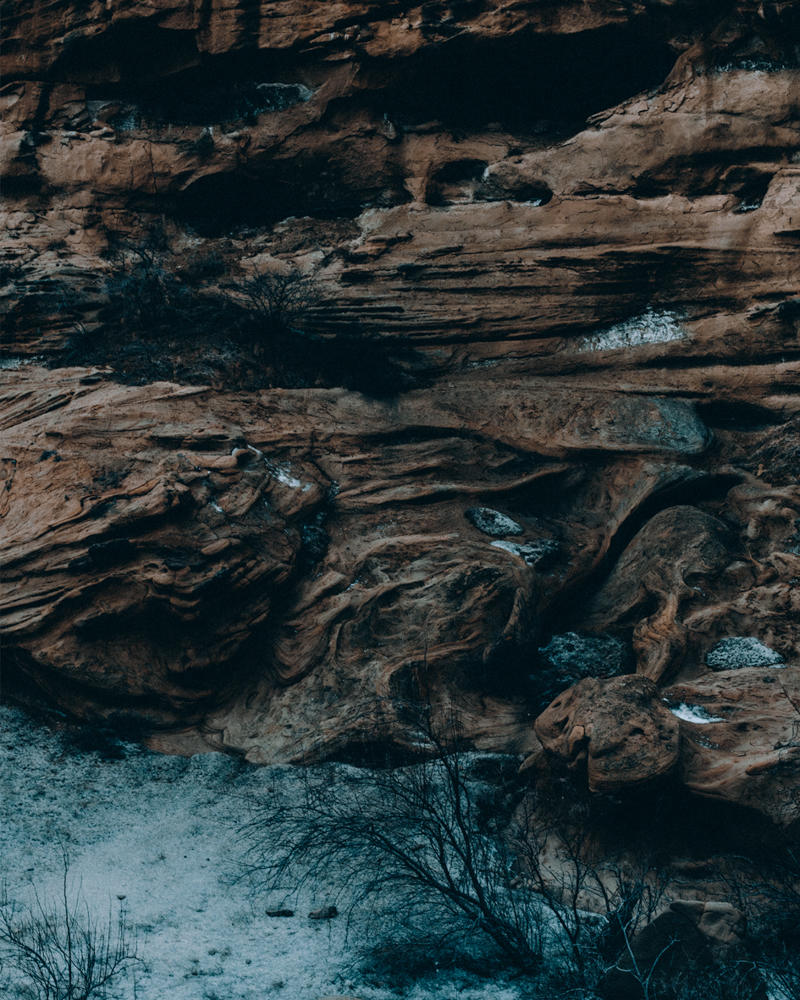
©G. Chevalier Fustec, Swift & Swallow, No. 68, C-Print on expired Highgloss paper, 2022-2026
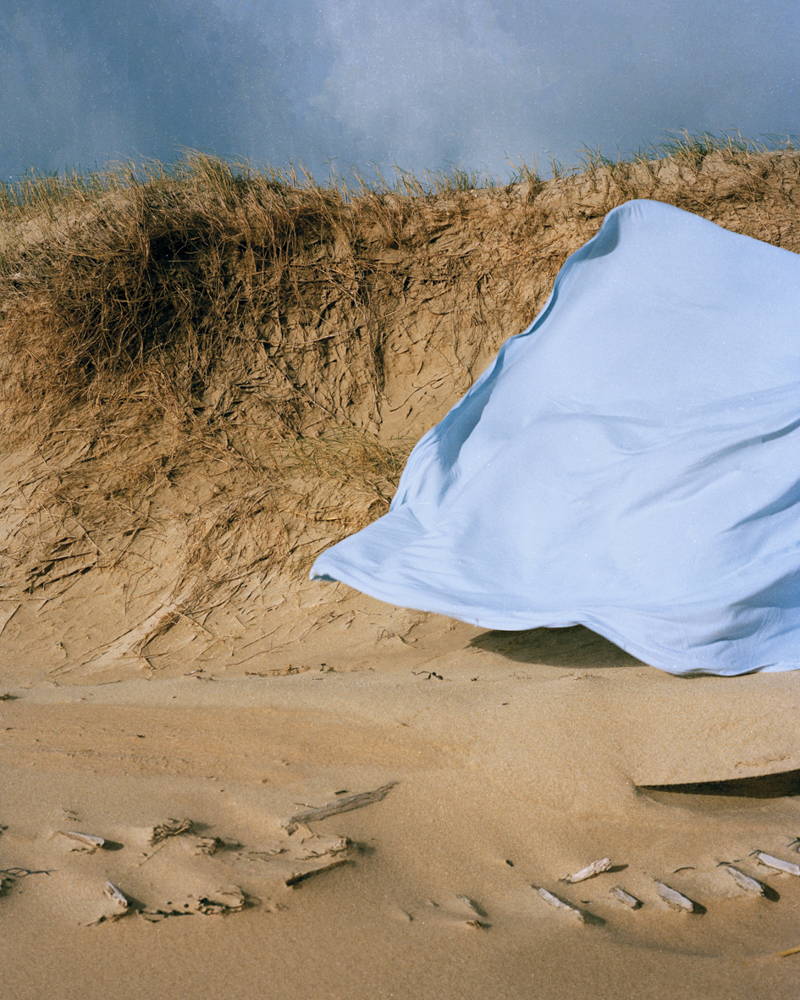
©G. Chevalier Fustec, Swift & Swallow, No. 9, C-Print on expired Highgloss paper, 2022-2026
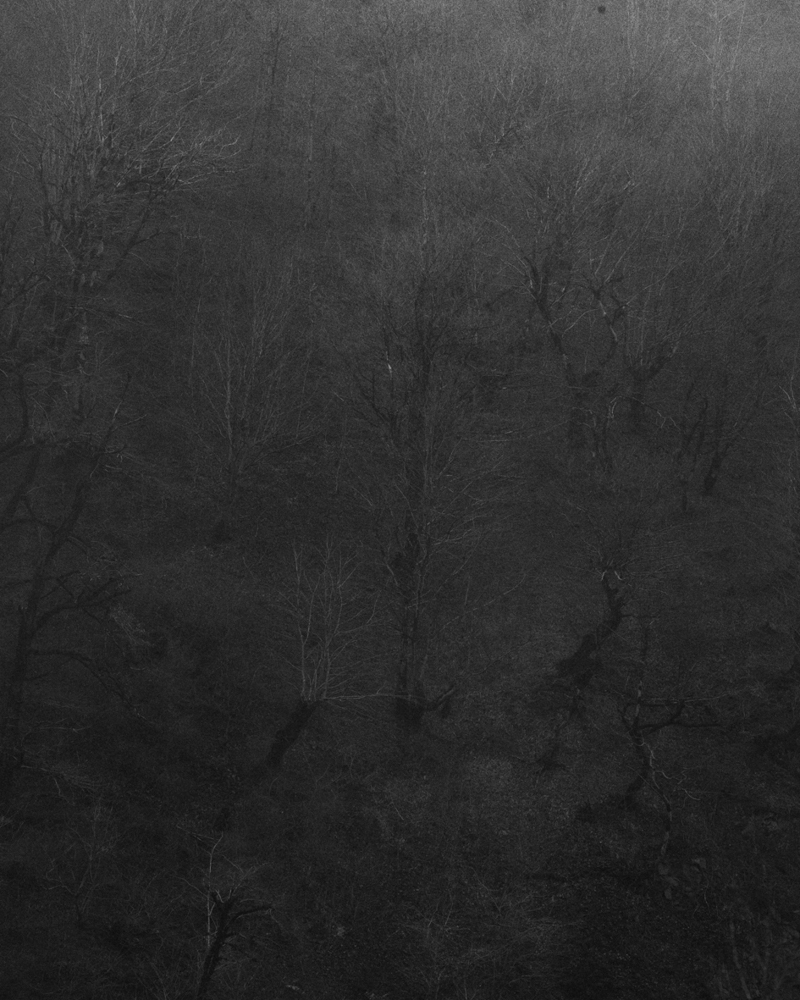
©G. Chevalier Fustec, Swift & Swallow, No. 84, Piezography on bamboo paper, 2022-2026
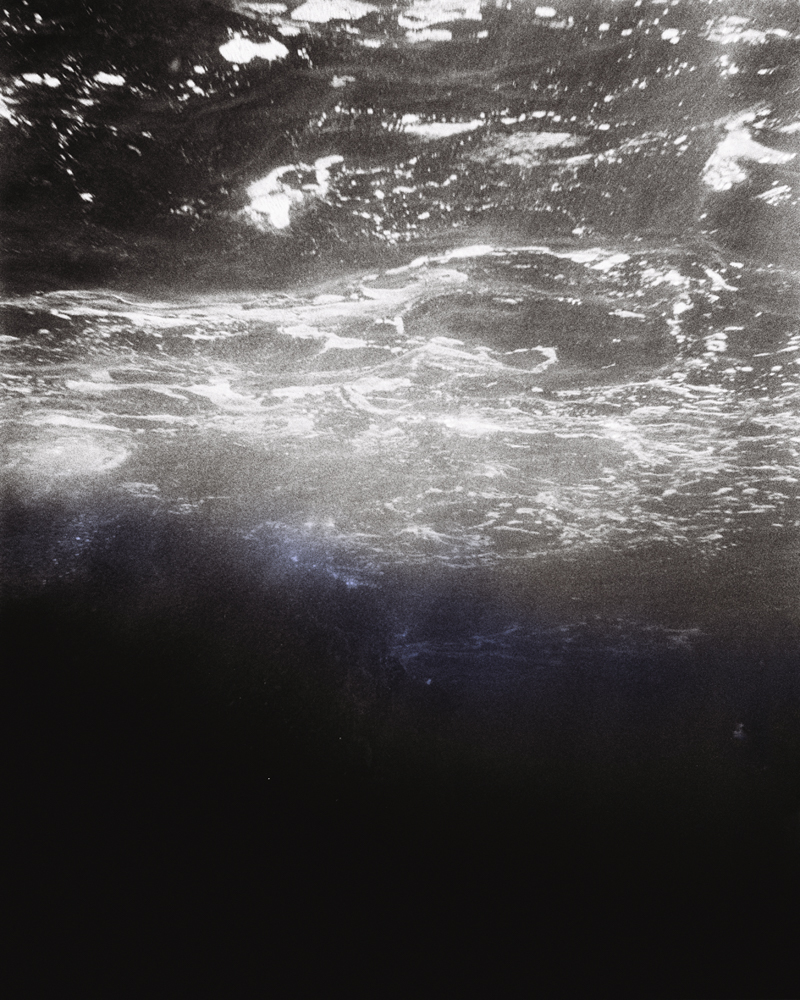
©G. Chevalier Fustec, Swift & Swallow, No. 44, C-Print on expired Highgloss paper, 2022-2026
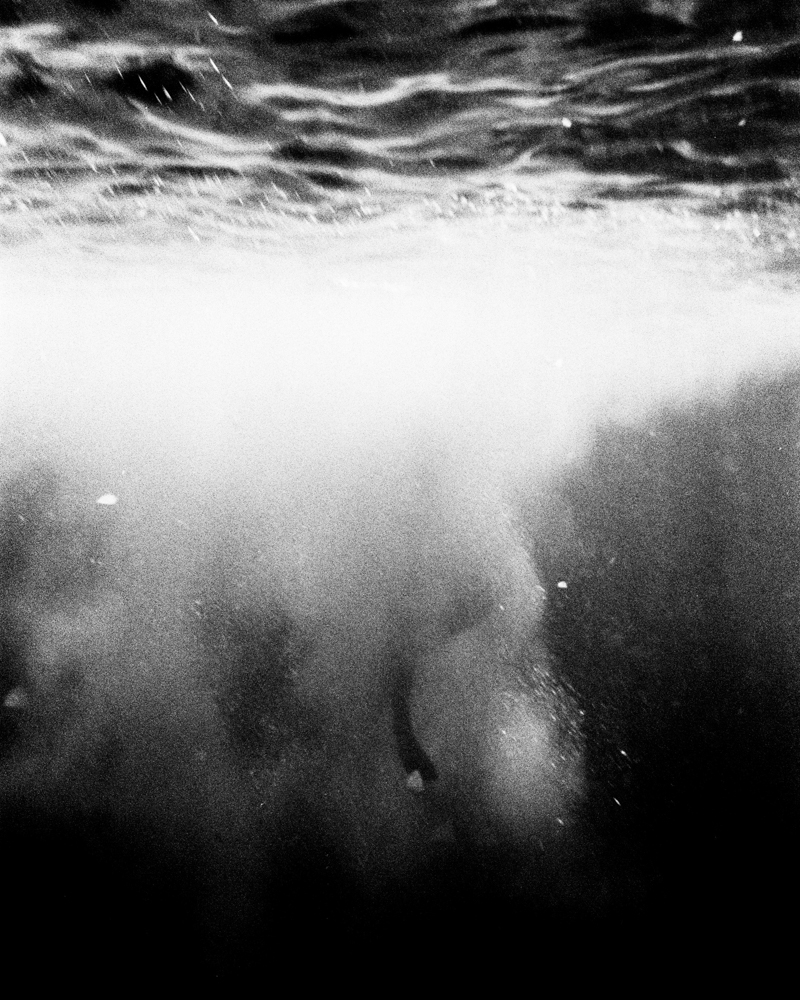
©G. Chevalier Fustec, Swift & Swallow, No. 78, C-Print on expired Highgloss paper, 2022-2026
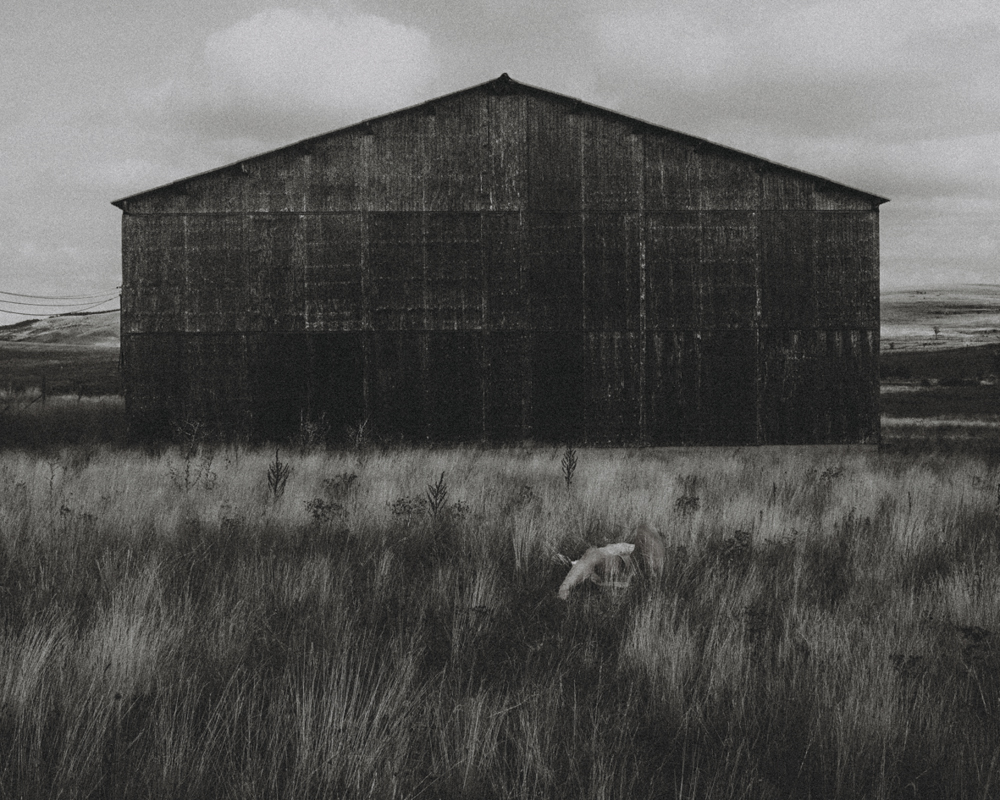
©G. Chevalier Fustec, Swift & Swallow, No. 116, C-Print on expired Highgloss paper, 2022-2026
Posts on Lenscratch may not be reproduced without the permission of the Lenscratch staff and the photographer.
Recommended
-
The 2026 Lenscratch Student Prize Honorable Mention: G. Chevalier FustecAugust 9th, 2026
-
The 2026 Lenscratch Honorable Mention Student Prize Winner: Anton ZdanovichAugust 8th, 2026
-
The 2026 Lenscratch Honorable Mention Student Prize Winner: Anastasia SierraAugust 7th, 2026
-
The 2026 Student Prize Honorable Mention Winner: Luke RosingAugust 6th, 2026
-
The 2026 Lenscratch 3rd Place Student Prize Winner: Diana SosnowskaAugust 5th, 2026