GUGGENHEIM 2026: Sadie Wechsler
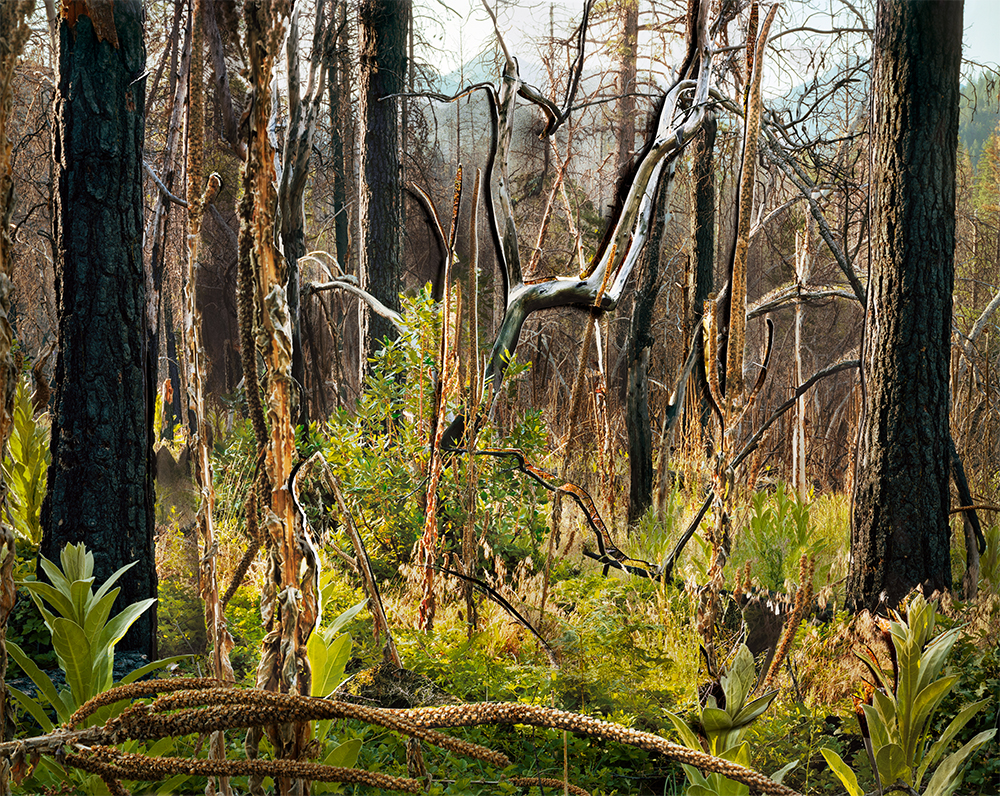
© Sadie Wechsler, Madrone + Mullein (in between fires), 2021
Over the next few months, we are featuring the work of many of the 2026 Guggenheim Fellows as a way to celebrate their achievements and understand legacies and projects that have brought them this tremendous recognition.
The Board of Trustees of the John Simon Guggenheim Memorial Foundation announced their appointment of the 101st class of Guggenheim Fellows, including 223 distinguished individuals working across 55 disciplines. Chosen through a rigorous application and peer review process from a pool of nearly 5,000 applicants, the Class of 2026 Guggenheim Fellows was tapped based on both prior career achievement and exceptional promise. As established in 1925 by founder Senator Simon Guggenheim, each Fellow receives a monetary stipend to pursue independent work at the highest level under “the freest possible conditions.”
“Our new class of Guggenheim Fellows is representative of the world’s best thinkers, innovators, and creators in art, science, and scholarship,” said Edward Hirsch, award-winning poet and President of the Guggenheim Foundation. “As the Foundation enters its second century and looks to the future, I feel confident that this new class of 223 individuals will do bold and inspiring work, undaunted by the challenges ahead. We are honored to support their visionary contributions.”
One artist that has been awarded a 2026 Guggenheim Fellowship is photographer Sadie Wechsler. Through destruction and recreation, Wechsler enhances the dialogue between the ecosystems past and present, creating a narrative that highlights how we change and adapt at an accelerating rate. Her project, Field Capacity, brings viewers into manipulated landscapes that seem other worldly, while eliciting reflection on how we as humans alter the environment around us.
Find her on Instagram @sadiewechsler
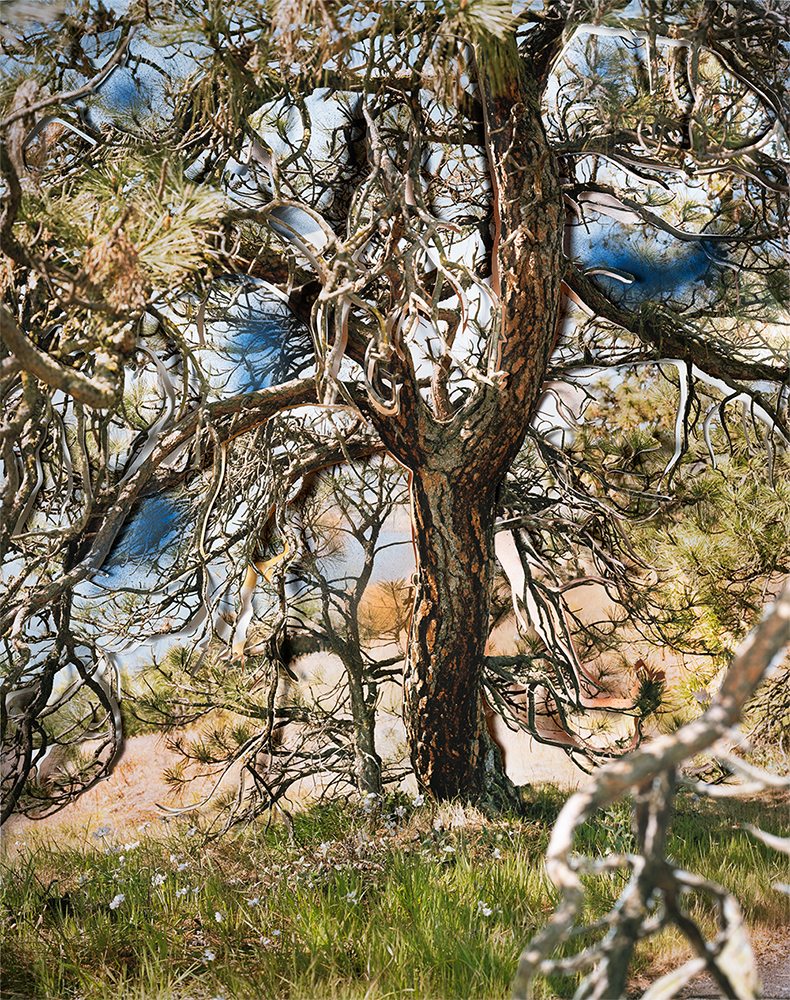
© Sadie Wechsler, Ponderosa on Columbia, 2024
Sadie Wechsler is a photography-based artist engaged with how land asserts its agency, often in peripheral places. She utilizes her background as an arborist and her upbringing in the Pacific Northwest to tell stories of home, highlighting the wild spaces that inhabit the cracks, slopes, and roadsides of the region. She received a 2026 Guggenheim Fellowship and completed a BA from Bard College in 2007 and an MFA from Yale School of Art in 2013. Her work can be found in the collections of the Yale University Library, the Hammer Art Museum, the Getty Research Institute, the Frye Art Museum, and the King County Portable Collection. In addition to her art practice, Wechsler is an ISA Certified Arborist who supports the tree canopy of Portland through education, pruning, care, and consulting.
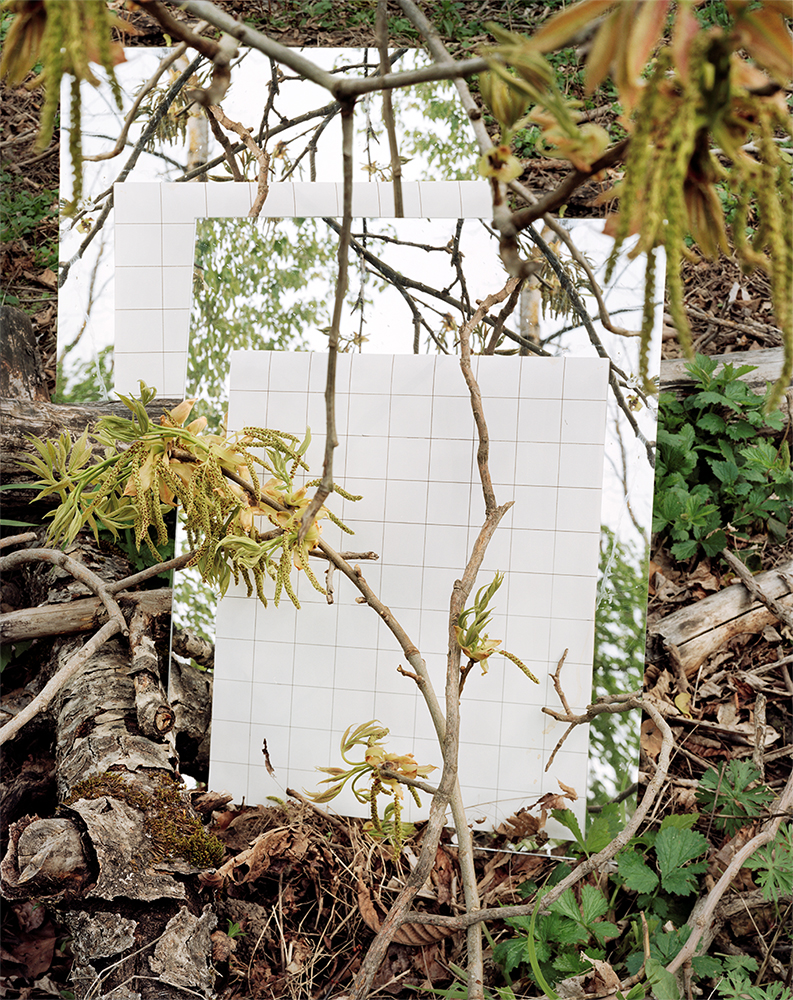
© Sadie Wechsler, Walnut Flowers for Study, 2024
Field Capacity
We live in a time of rapidly evolving, adapting, and disappearing ecosystems. This is the story of how Earth and its inhabitants were formed, but the speed and scale of change have now surpassed the pace of adaptation. In our current extreme climate, I am in awe at how some organisms are surviving due to their ingenuity and ability to adapt in small pockets. My project Field Capacity pictures life on the edge, moving among the bioregions of the region and the complicated reality of our shared wildlands.
For Field Capacity, I began visiting local herbaria and fossil collections, seed nurseries, and labs to examine the ecological histories of Portland, Oregon, where I live. By understanding how the ecosystems of a place have changed in the past, perhaps we can see better how they could shift in the future. I aim to develop this research and use photography’s inherent nature of exposure to “explore” life on the edge. The term “field capacity” refers to the state of the soil after water has drained through, but while its pores are still holding water; this is the only state at which plants can drink water. The title highlights the precarity of our situation as we are in a multi-year drought. But while many of the critical species (i.e., western red cedar) are struggling, life carries on, and some species continue to thrive. Field Capacity is about being in the thick of these understandings.
My creative process consists of making photographs and then cutting, ripping, and physically altering the prints before rephotographing them. This process came from two ways of thinking about place: First, I find that a single image never encapsulates the many views and perspectives; by bringing together different views or extenuating particular parts of an image, I create an image that better aligns with my experience. Second, cutting images is both a violent and creative act, I engage with how photographs and landscapes absorb this violence. My photographs, like the landscapes, offer hints, cuts that reveal different views that lead to a destabilized or less permanent view of a place. I am interested in the depth of information that hides in these images, such as the unreliability of the picture plane and the absorptive nature of photography. -Sadie Wechsler
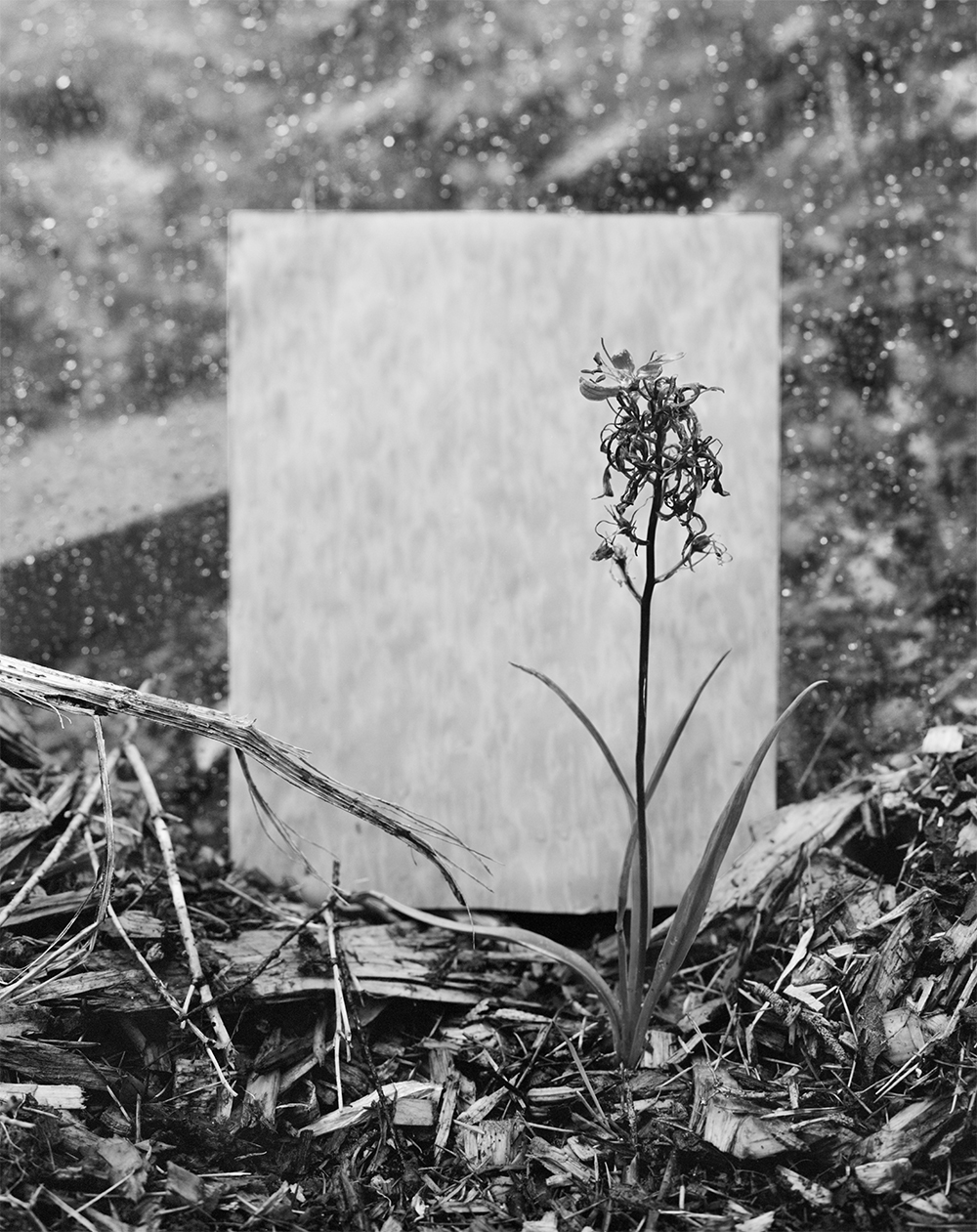
© Sadie Wechsler, My first camas, 2023
Kassandra Eller: How did your photography journey begin? What led you to this subject matter?
Sadie Wechsler: I took my first black-and-white darkroom class in middle school and so when I was able to start taking Photography classes in high school, I did. At the time it provided some type of cover for me, hiding in the darkroom in the endless and magical process was a way for me to escape the other dynamics of being in school. But entering college and taking classes with Stephen Shore, An-My Le, John Pilson and Larry Fink I began to understand the possibilities of the medium both technologically (types of cameras, printing, digital etc.) and expressively.
I have always been interested in the land and the stories it tells. I grew up looking at this one print of Edward Curtis’s Canyon de Chelly from 1904 and the scale drew me in and made me ask questions. And these questions and this joint love of the land skepticism about how photographs can picture it has fueled my work.
KE: How does your work as an arborist inform your work as a photographer? Do you see a distinct line between these two identities?
SW: I started taking classes at a local community college to learn more about the plants that were in the photographs I was making. I wanted to be able to engage with the inhabitants of my images differently. This is what led me to stop teaching and start working with trees. And so yes, the two disciplines feed each other; for instance, being trained in close looking helps me identify plants and critical features in trees easily. And then my research for work broadens how I think about my art. But ultimately, a lot of the time the words feel quite separate and involve conforming to quite opposing cultural/work standards. This can be a hard balance, but I appreciate the structure working in arboriculture provides.
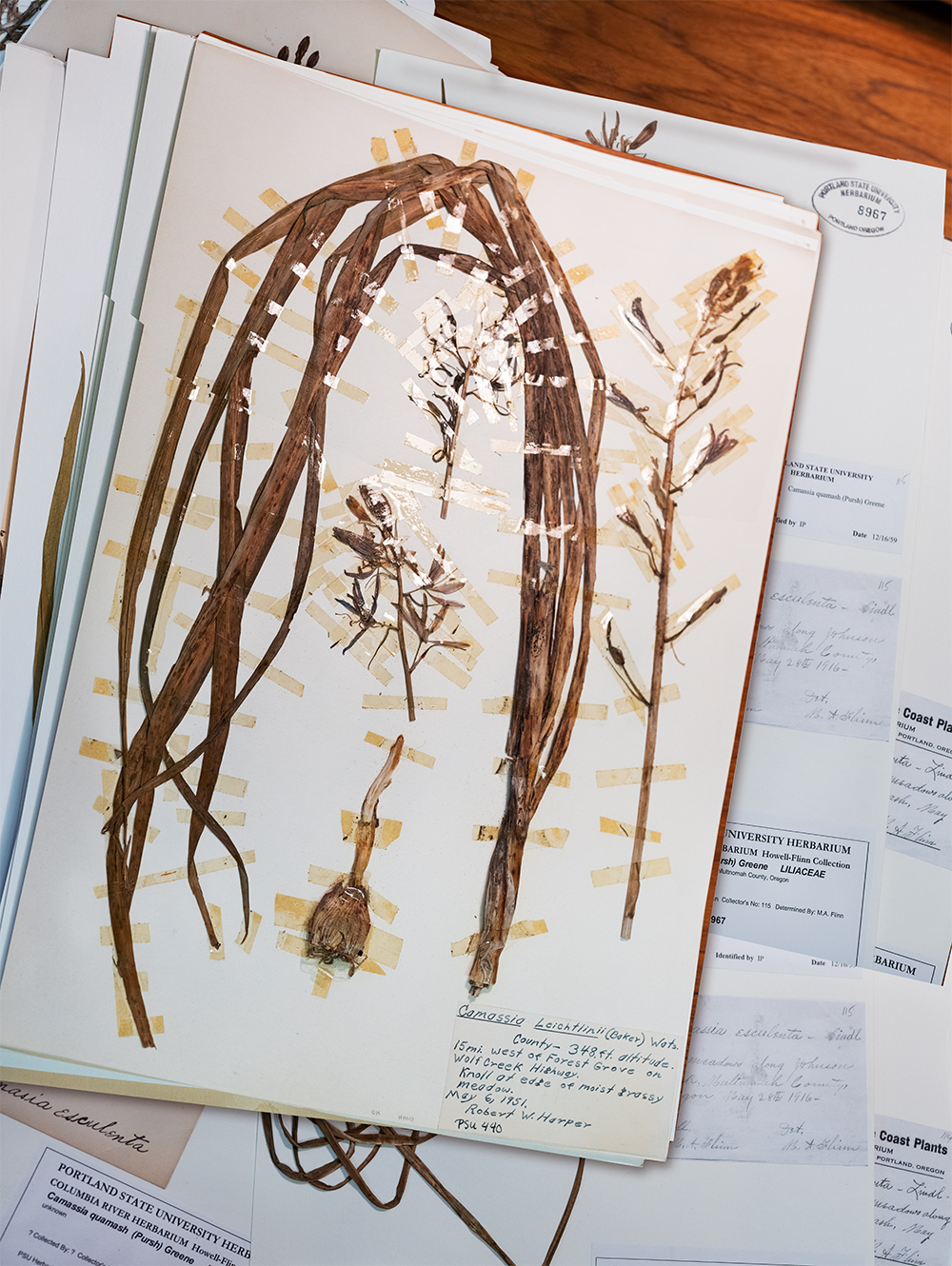
© Sadie Wechsler, May 6, 1951, 2023
KE: Where do you draw inspiration from? Are there any artists or environmentalists you emulate? Are there other viewpoints you challenge through your work?
SW: The ideas that get me into the field tend to come from areas outside of the arts. Botanical research, concepts I encounter when working with trees, and histories of place. But the way I make pictures and my draw to landscape come from the feeling that in many (especially early) landscape images the photographs were setting the scene for dreams and consumption, and trying instead to find a way to make photographs of our world and land that feel like they give agency to the individuals in the images.
KE: Sadie, what does being a Guggenheim artist mean to you?
SW: Wow, it is just the biggest honor. Just the recognition alone has felt like it created a huge shift in the value and purpose I can put into my work. I have made choices in my life (like moving to the Pacific Northwest, having a kid, leaving academia) that felt like they were serving my life and my work but also breaking rules I had internalized about how a person is a “real artist.” So receiving this Fellowship felt like someone was saying: you made all the right choices and your experiences are valued. And there is the money, of course, which feels like a bit of freedom, to just try things and work through things faster without getting quite so hung up on whether I can afford it.
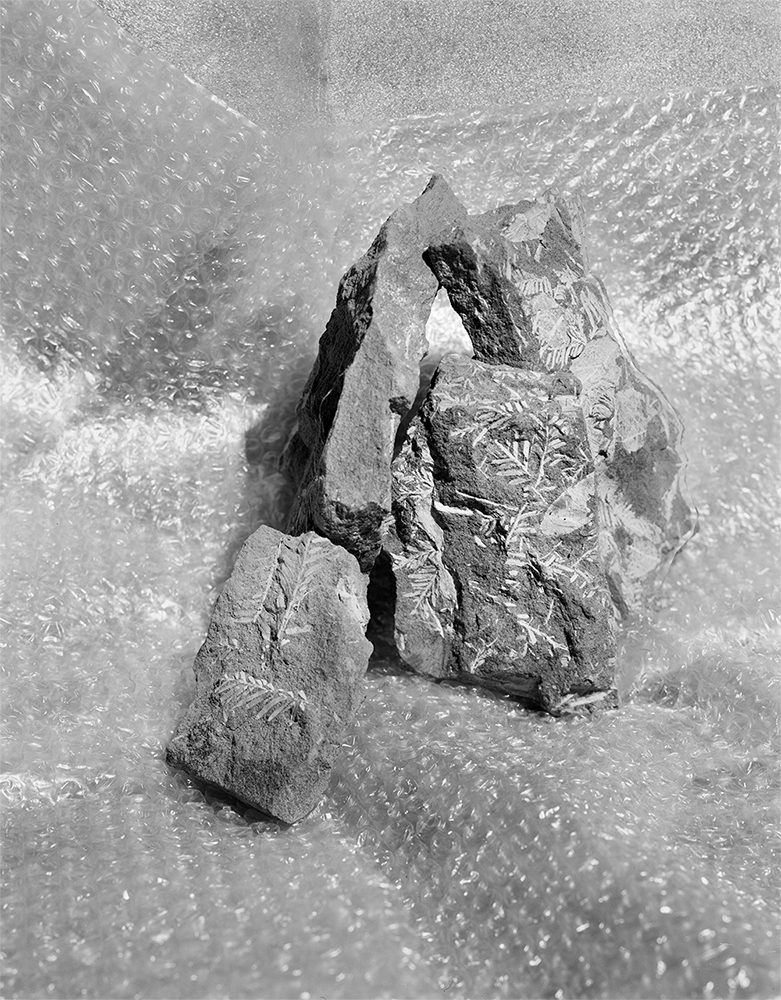
© Sadie Wechsler, Metasequoia glyptostroboides, 2024
KE: Let’s discuss your winning project, Field Capacity. When you begin your first phase of creating a photograph, do you have a certain composition in mind or do you allow the environment to lead you to what you capture?
SW: I have compositions I am drawn to. This changes, but right now, in relationship to plants: I love a tangle; I love a portrait-style image; I love making little still lifes of found and made materials while I watch the sky waiting for the sun; I love some backlight. Despite what I bring with me to the field, I try to respond to what I see and how my camera sees. I am always looking for new opportunities for framing and positioning that upend my expectations. I tend to be specific about the general location but have fewer fixed conceptions about what exactly will make it into the frame. I generally go into a shoot with ideas, props, or research that I am looking to illuminate or explore in the field.
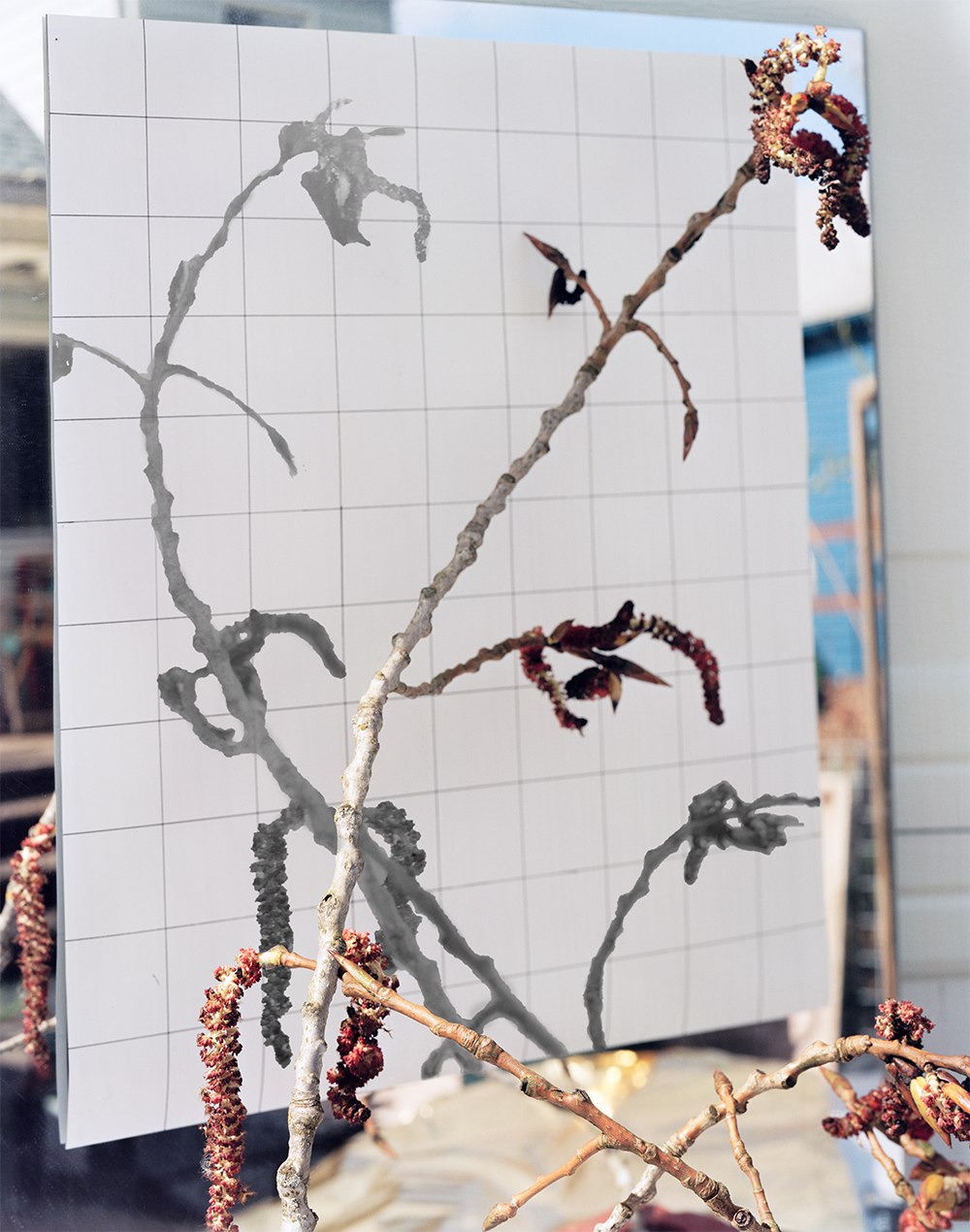
© Sadie Wechsler, Populus trichocarpa,, 2024
KE: Along the same vein, when you are in the process of physically dismantling the prints in order to create a new image, do you mimic any natural processes you see in the environment? What do you consider as you create these new images?
SW: When I am working in the studio, cutting and collaging and rephotographing, I am generally looking to get something out of the original image that does not exist there yet: a compositional fix, a feeling I had in place that is not showing up on the film, or putting multiple images into one, or layering multiple states of the same subject. I am interested in finding ways to create photographs that foreground the instability of the earth and ecosystems, and this is one way I work towards that.
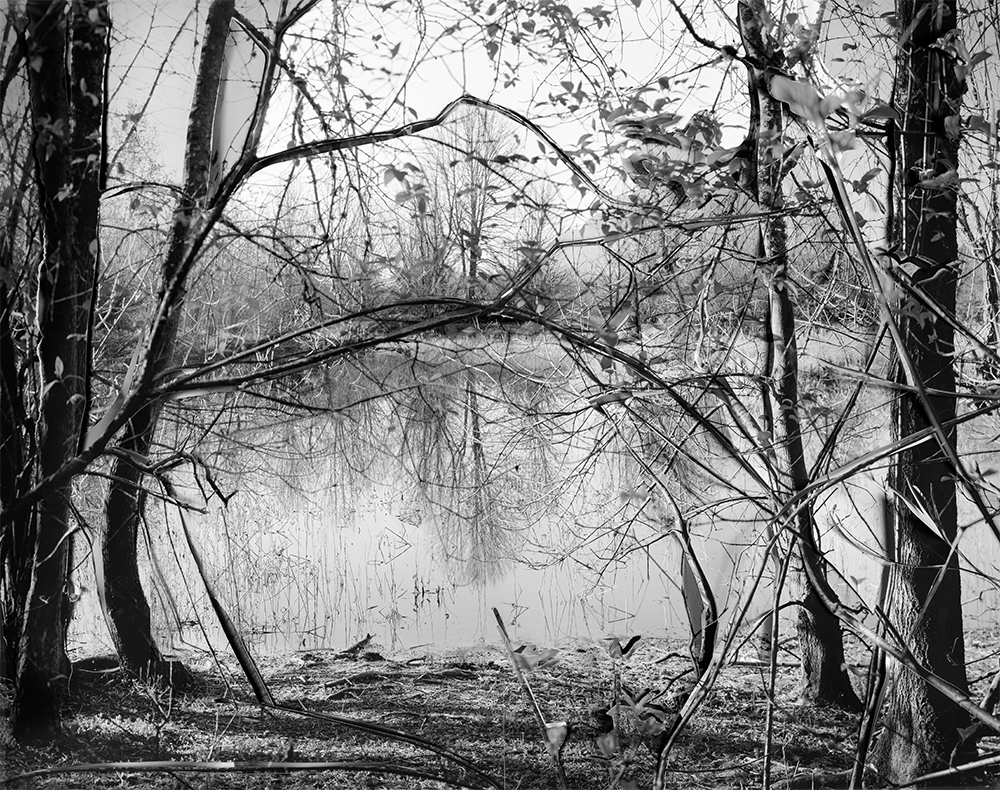
© Sadie Wechsler, Close to the confluence, 2024
KE: Your images evoke such an introspective narrative of how we interact with the environment. I am curious how you decide which images are presented in color versus black and white. What is your process for deciding how each image is presented?
SW: In this body of work, color and black and white images come together to create an atmosphere of instability or not knowing what will come next. For me, this is the feeling of being with the land; there are moments of understanding or recognition, but then also confusion and disorientation.
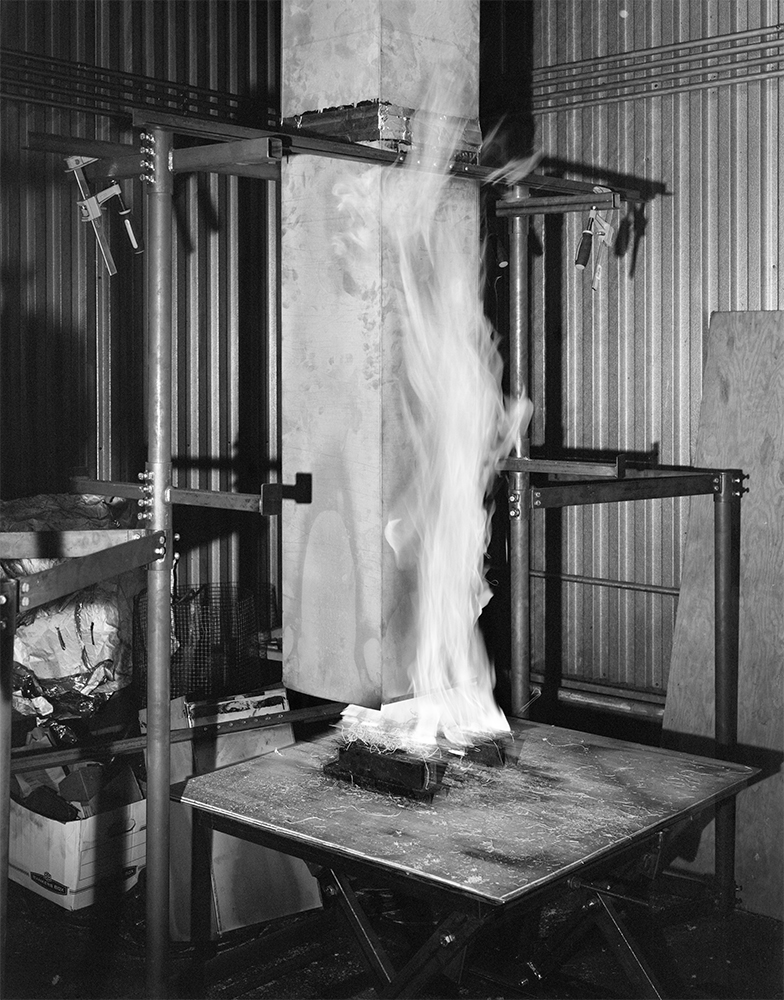
© Sadie Wechsler, Fire Chimney, 2024
KE: Do you see Field Capacity as a complete body of work or is there more you would like to explore with this project?
SW: It is evolving. I think this specific chapter is closed, but a new one is developing. It looks at one unique, extreme ecoregion and the organisms that have adapted to subsist there.
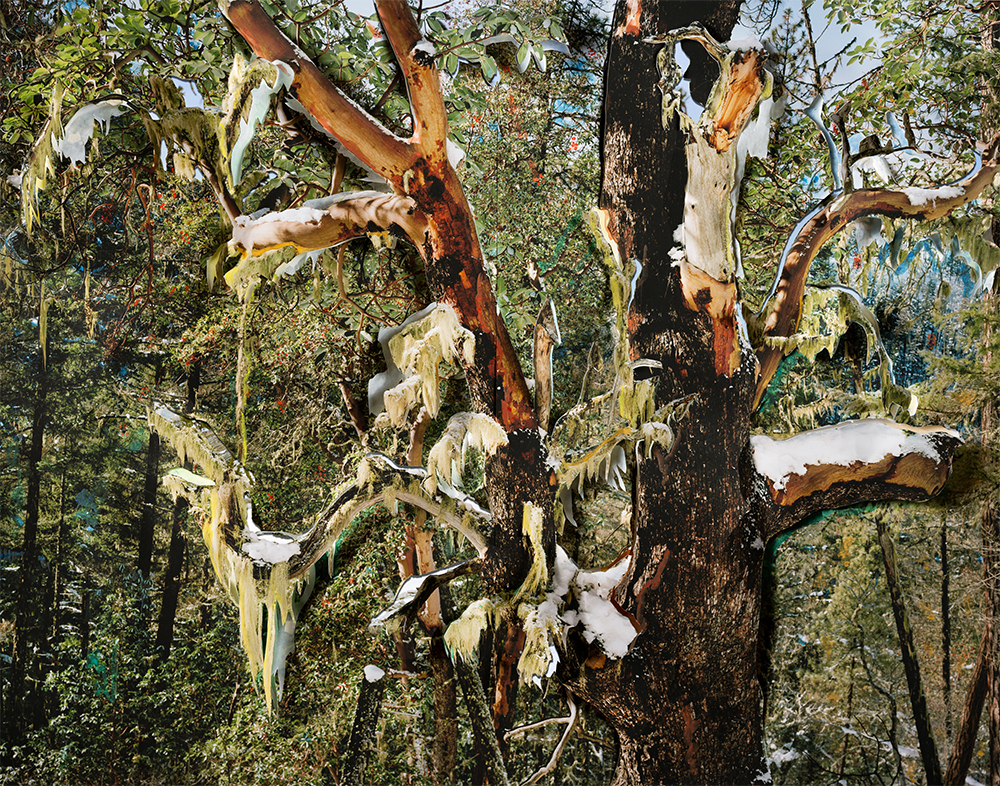
© Sadie Wechsler, Early Spring, 2023
Posts on Lenscratch may not be reproduced without the permission of the Lenscratch staff and the photographer.
Recommended
-
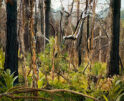
GUGGENHEIM 2026: Sadie WechslerNovember 21st, 2026
-
Guggenheim 2026: Pixy LiaoNovember 18th, 2026
-
Guggenheim 2026: Allison GrantNovember 17th, 2026
-
Guggenheim 2026: Jonathan Michael CastilloNovember 16th, 2026
-
Honorable Mention Art + Science Competition: Ann CuttingNovember 13th, 2026