Brynne Quinlan in Conversation with Douglas Breault
©Brynne Quinlan
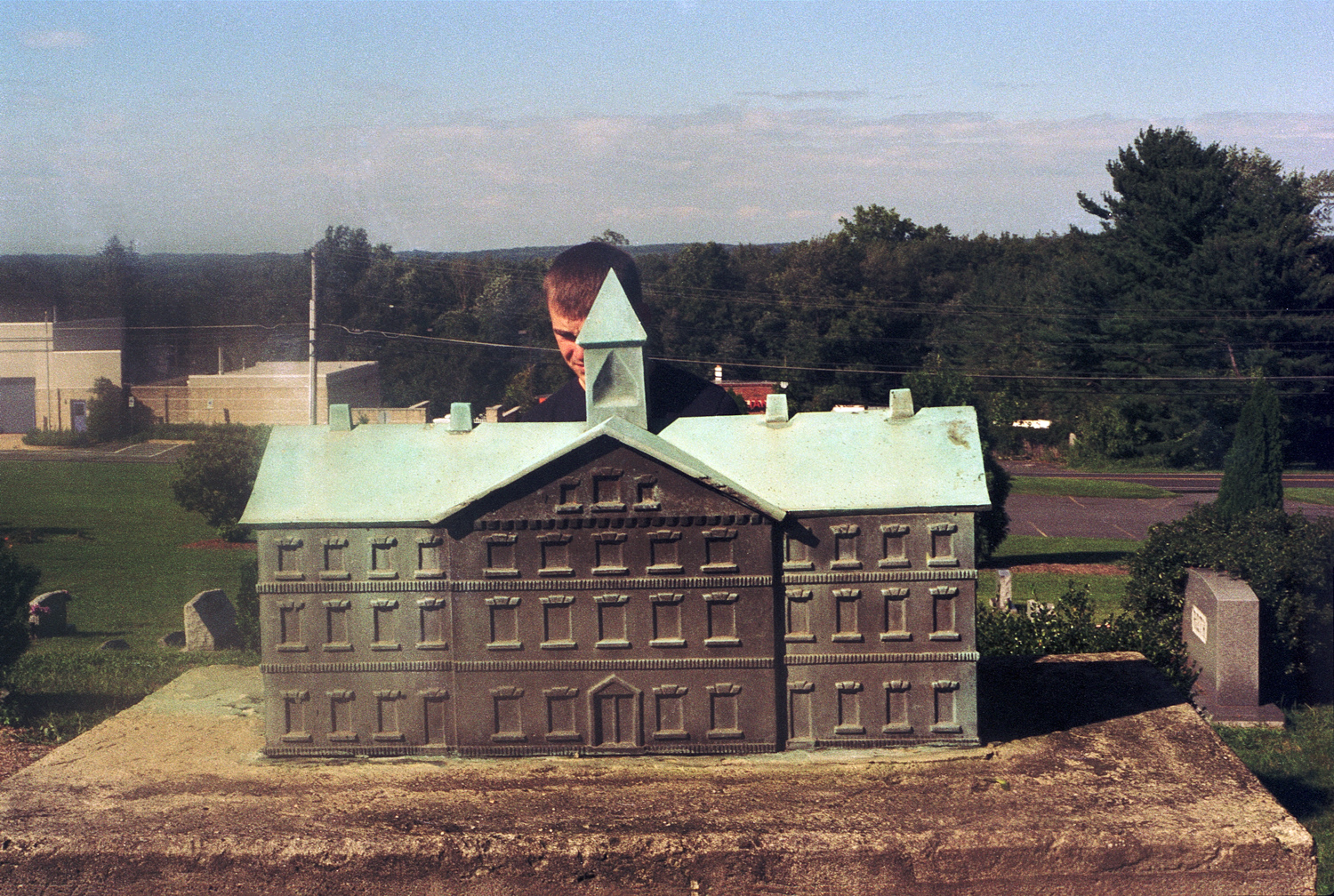
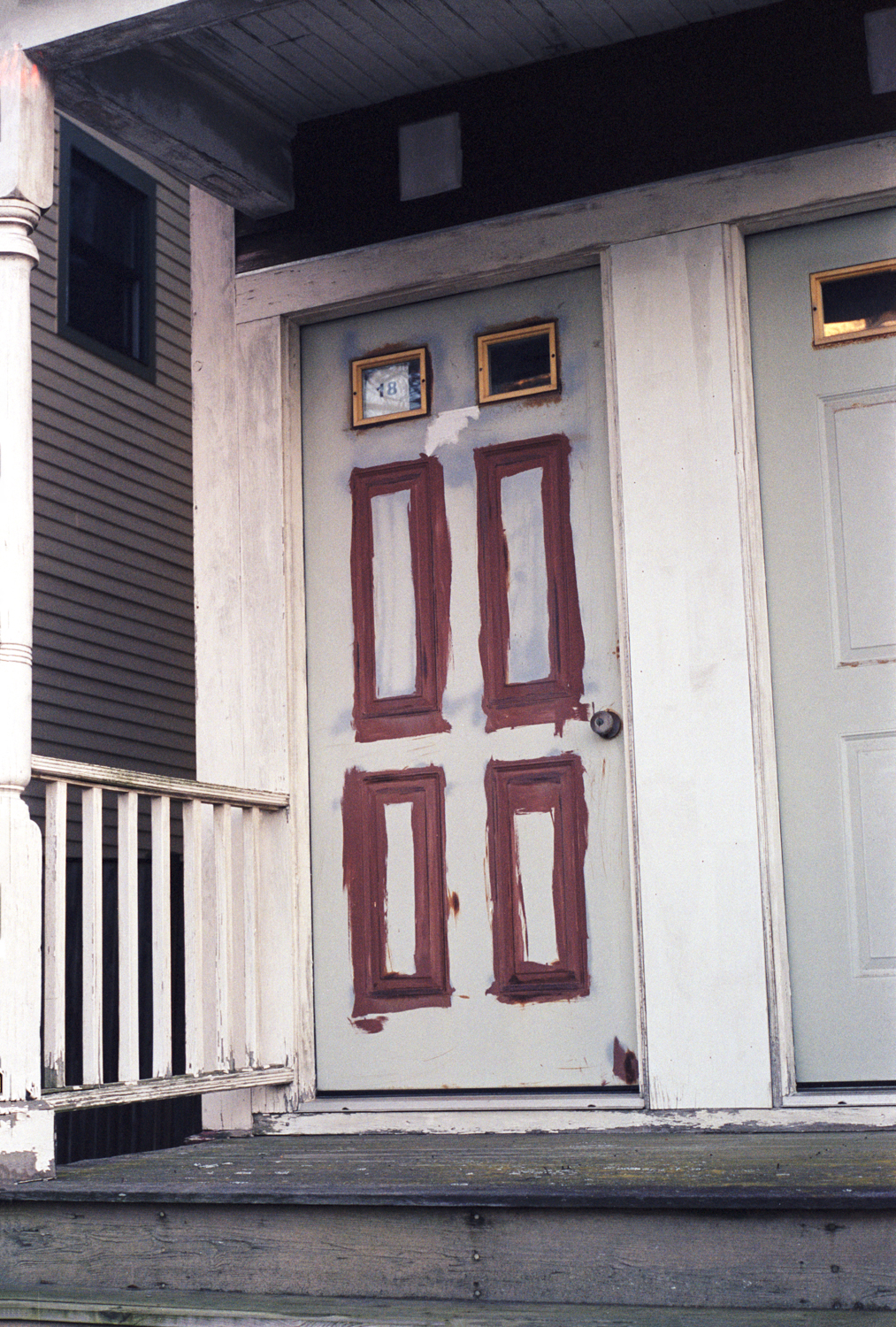
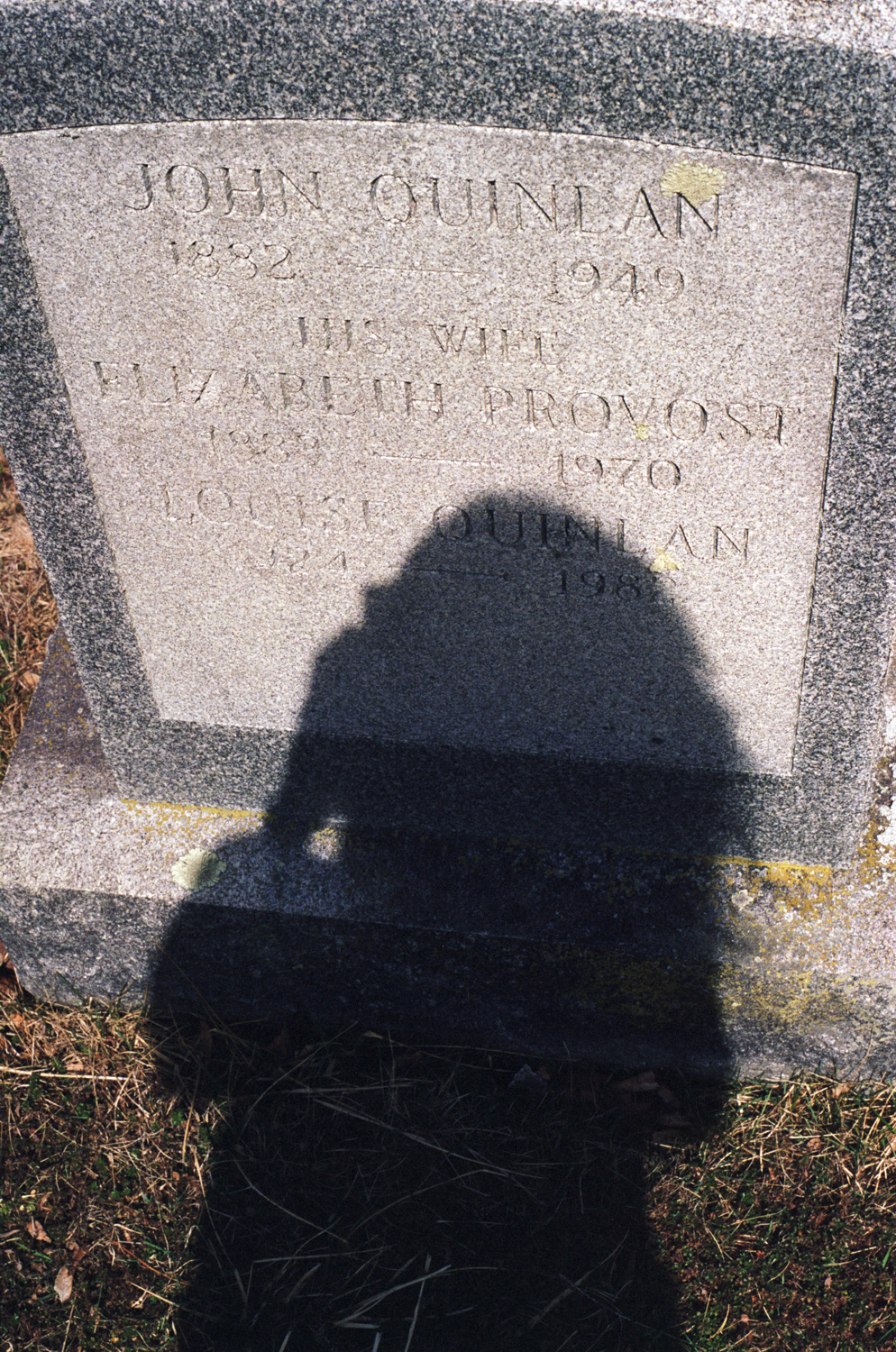
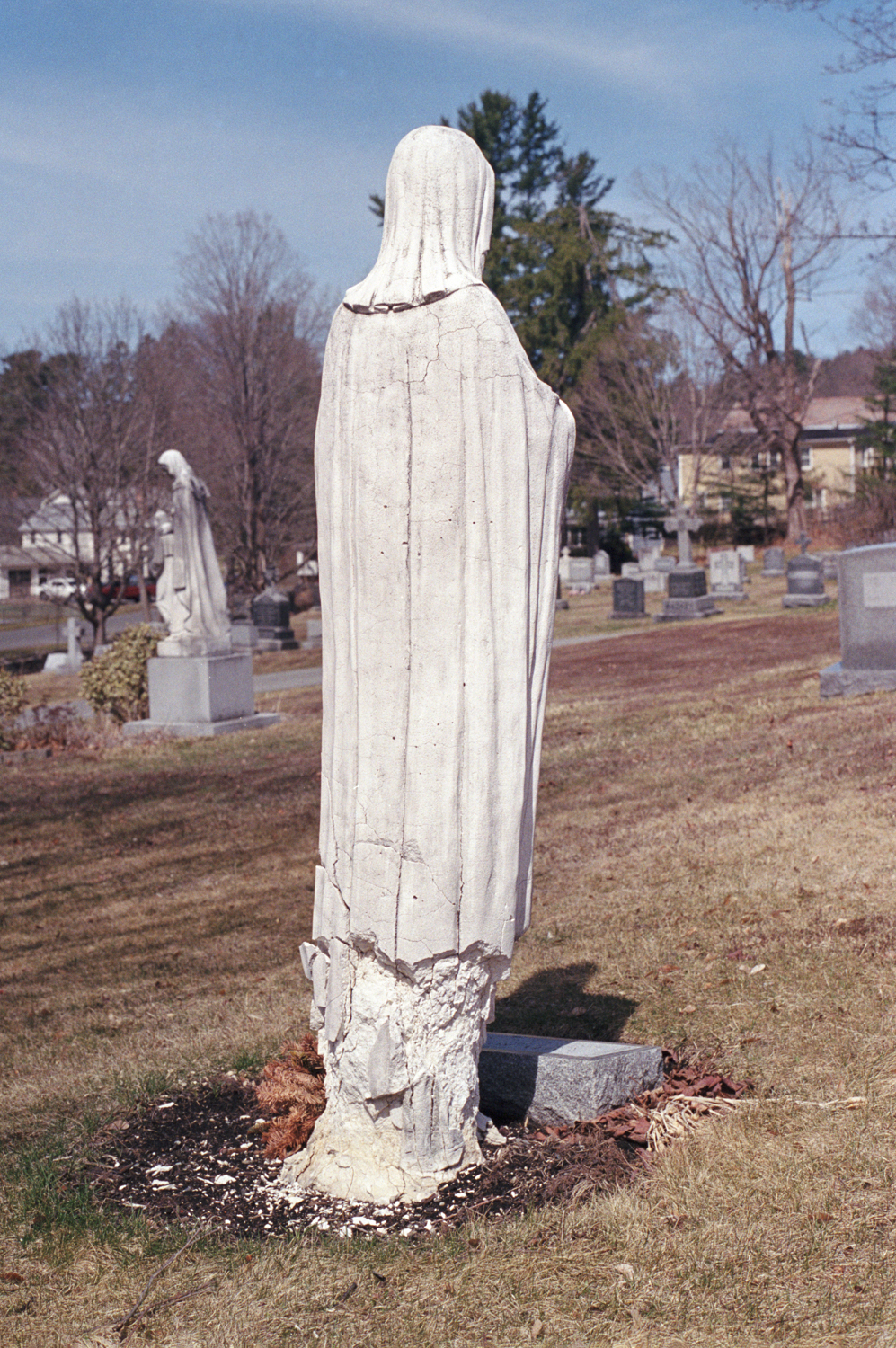
Step Work, a photographic series by Brynn Quinlan, is an ongoing project that started eighteen years ago that reads like a glimpse into the diary of an unknown author. Her images are a collection of lost-and-found minutiae from a strange and unforgiving world. Centered around the journey of her own sobriety and that of the men in her family, her work uses pictures to create an inventory of life, soaked in a restless energy fueled by looking and containing a feeling that is outside the precision of words. Her images reject a formula and chew on the imperfections of the camera as a truth teller in its own right. Her photographs are not self-conscious and embrace the democracy of the lens to denote that nothing is more or less important when rendered on film.
The photographs in this series feel like digging through a box tucked in the attic, not sure what you’re looking for, but it could mean something in the context of an acculumation. Stephen King wrote in his book On Writing, “The idea that the creative endeavor and mind-altering substances are entwined is one of the great pop-intellectual myths of our time.” Sobriety is a journey that requires repetition and failure, discovery and introspection. There is a clarity and specificity to Quinlans images that pulls a line between memory and writing your own future. She is clearly always looking and engaged with the world, which resonates both appreciation and weariness. While her work is autobiographical, she leaves remarkable pockets open for the viewer to peer into and potentially see their own life through someone elses eyes. People are judgmental of others who are experiencing any type of addiction, and the directness of the images reflects onto the viewer the idea that these experiences of addiction is something that anyone is susceptible to in their lifetime.
©Brynne Quinlan
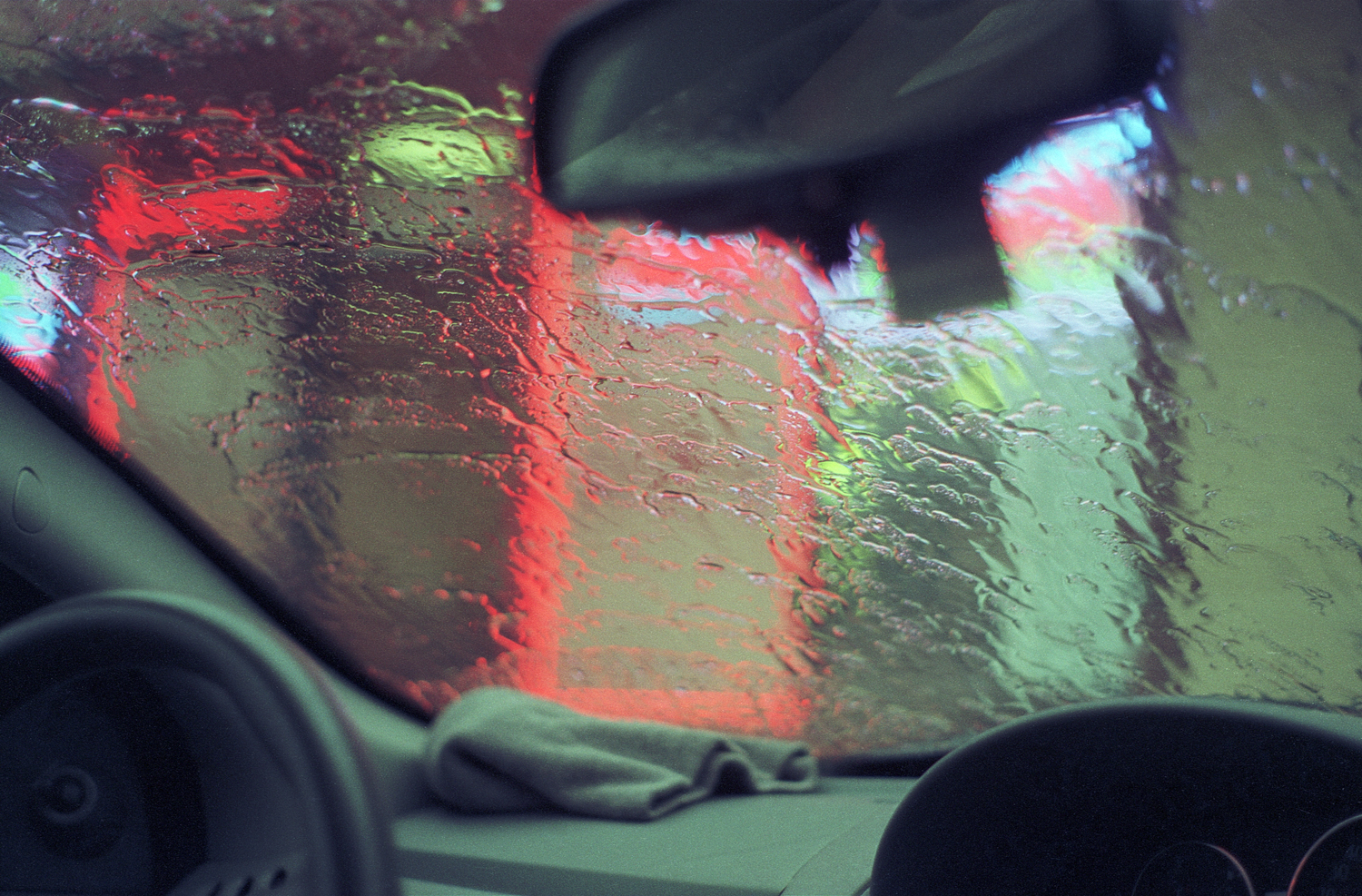
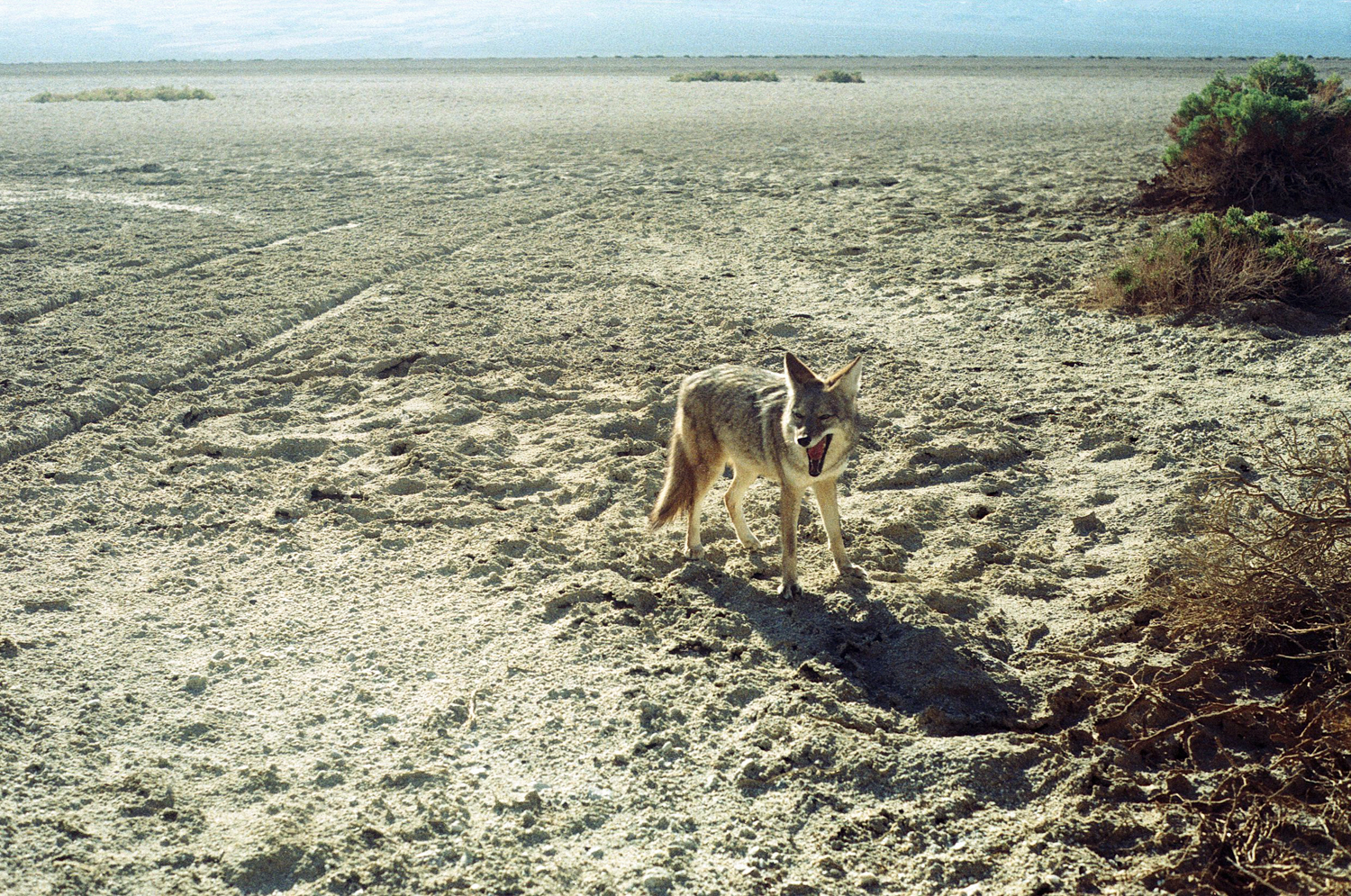
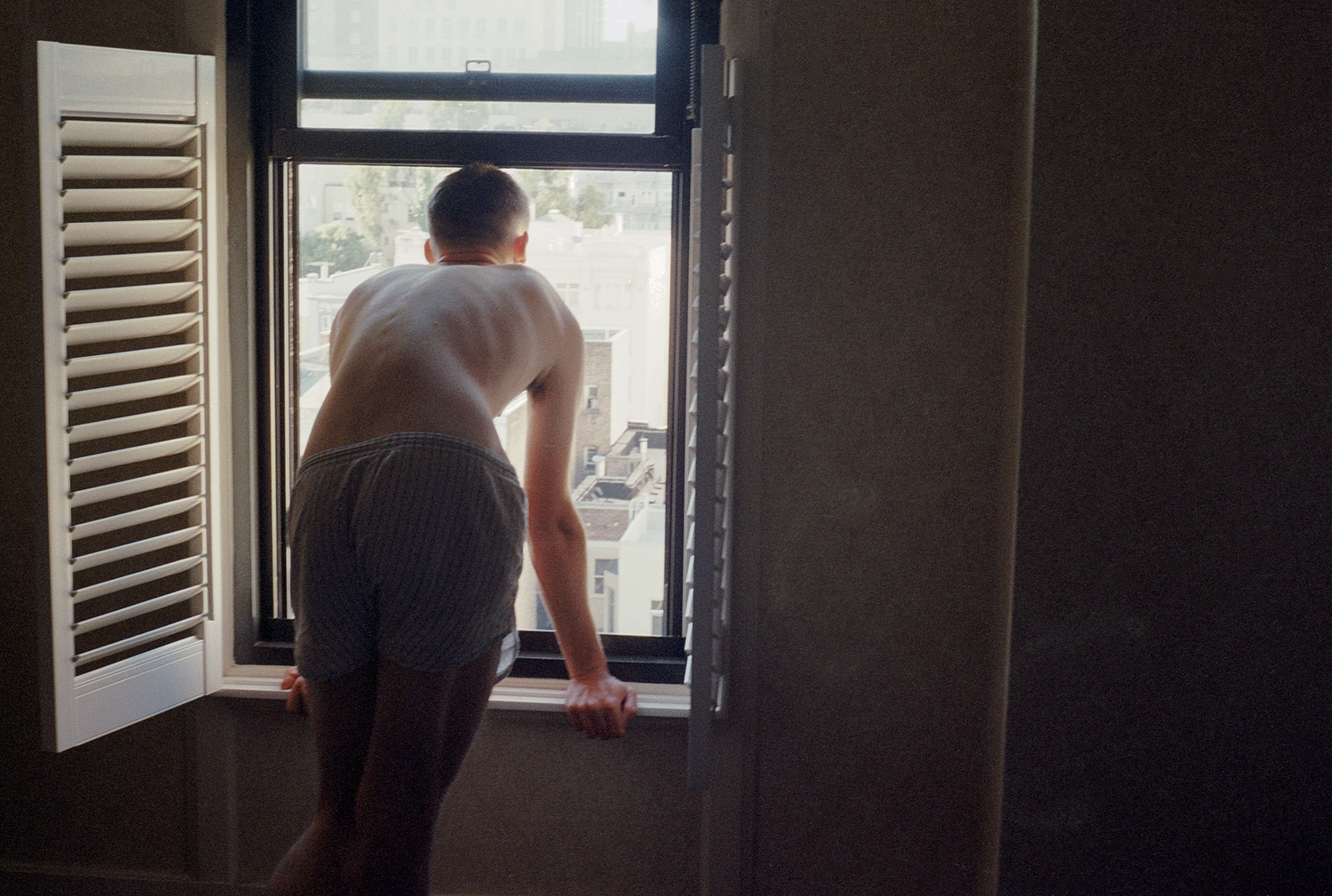
Step Work was developed into an artist-made photography book, binding together photographs that contain a slow reveal of aggression, longing, and absence, describing the sensation of finding sobriety. Oftentimes, the horizons are off-kilter and rendered in undersaturated tones of melancholy, conveying a simple relationship between camera and life that is too impulsive to be overthought. It appears that her everyday life is admirably accompanied by a 35mm film camera, which could potentially become a vice of its own, challenging fear and proximity to danger and loss. Quinlan, standing with a coyote, for example, seemingly alone in an empty landscape, places herself and us in direct connection with our own instincts for survival. Other photographs of dizzying shadows, the backsides of headstones, and glimpses through thickets of brush also generate the same feelings of perseverance in a heavy world. Her images feel resolute in their ability to hold their own contradictions and conjure their own narratives through imagination and the cruel realities of life, with all of its good and bad.
©Brynne Quinlan
©Brynne Quinlan
How has your work as a photojournalist informed the way you photograph the people and places in your own life?
I moved to Boston to study photojournalism, but ultimately it wasn’t for me. I was adrift in Montana, and more school made sense. I had an enjoyable internship and a few short jobs. I noticed that I was afraid I wouldn’t be able to tell someone else’s story correctly, and I was so turned inward that I didn’t know how to really speak to other people; I was overthinking everything, but in the long run, it was good practice. I also couldn’t construct a narrative to save my life. But it was incredibly humbling and did reinforce the importance of empathy and unbridled curiosity, and clarified my desire to keep photography as a personal tool.
Step Work is a personal series about yourself and family sobriety. Is the process of photographing this experience therapeutic, and how has that archive of images changed in meaning to you over time?
Before, nothing in my interior world felt related or cohesive. I had this stack of images going as far back as 2007, but I didn’t know what to do with them, and then when I quit drinking, I had so much time, photographing felt like a great way to keep myself out of trouble. I was also free of this gut-wrenching anxiety I had previously felt every time I stepped out in public. I had tagged along to a couple of genealogy lectures with a colleague and found out my grandfather was born and raised in Pittsfield, MA, and his parents were buried there. I hadn’t known about that when I moved out here, so to give myself some scaffolding as I started to make new images, I hung out in Pittsfield. I could see parallels in the choices and disposition between me and my father and my grandfather; I think I started to understand the idea of progression.
A photographer in a review told me that I needed to write 250 words about each image I had chosen to show him, and in that sense, it was very therapeutic. I was drawn to these specific pictures, but I didn’t know why, couldn’t speak about them honestly, so I started to outline whatever world existed around those pictures, what I was feeling when I took them, and how I’d held onto those feelings over time. The images were tethered to tough things, good things, confusing things. By the end of this exercise, I was frustrated because I felt like I had been forced to work through the fourth step in AA, self-reflection and personal inventory, but I felt lighter and more sure of myself, and I said, well, shit, I get why they make you do it. I went to meetings when I first stopped drinking; it felt amazing to be in a room with no pretense and to feel less alone, but the actual structure of the group didn’t take in a straightforward way, and didn’t with my father either. I realized the work I had been doing with this archive, and photography in general, was my own version of that. I could use them to understand myself over time. It also helped close the door on my old relationship to photography, and helped me develop a new one.
©Brynne Quinlan
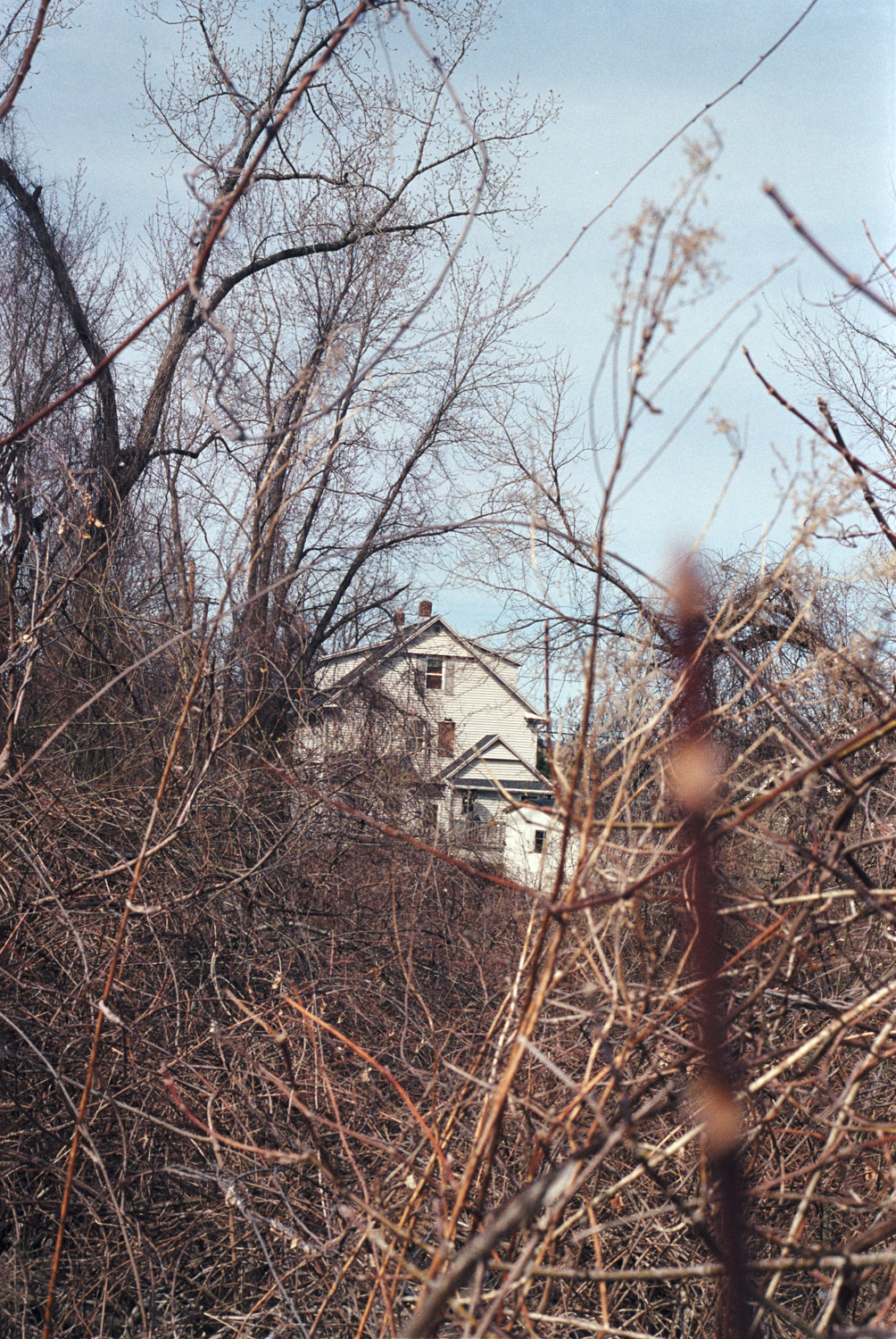
©Brynne Quinlan
What are some inspirations for your work, including but not limited to photographers?
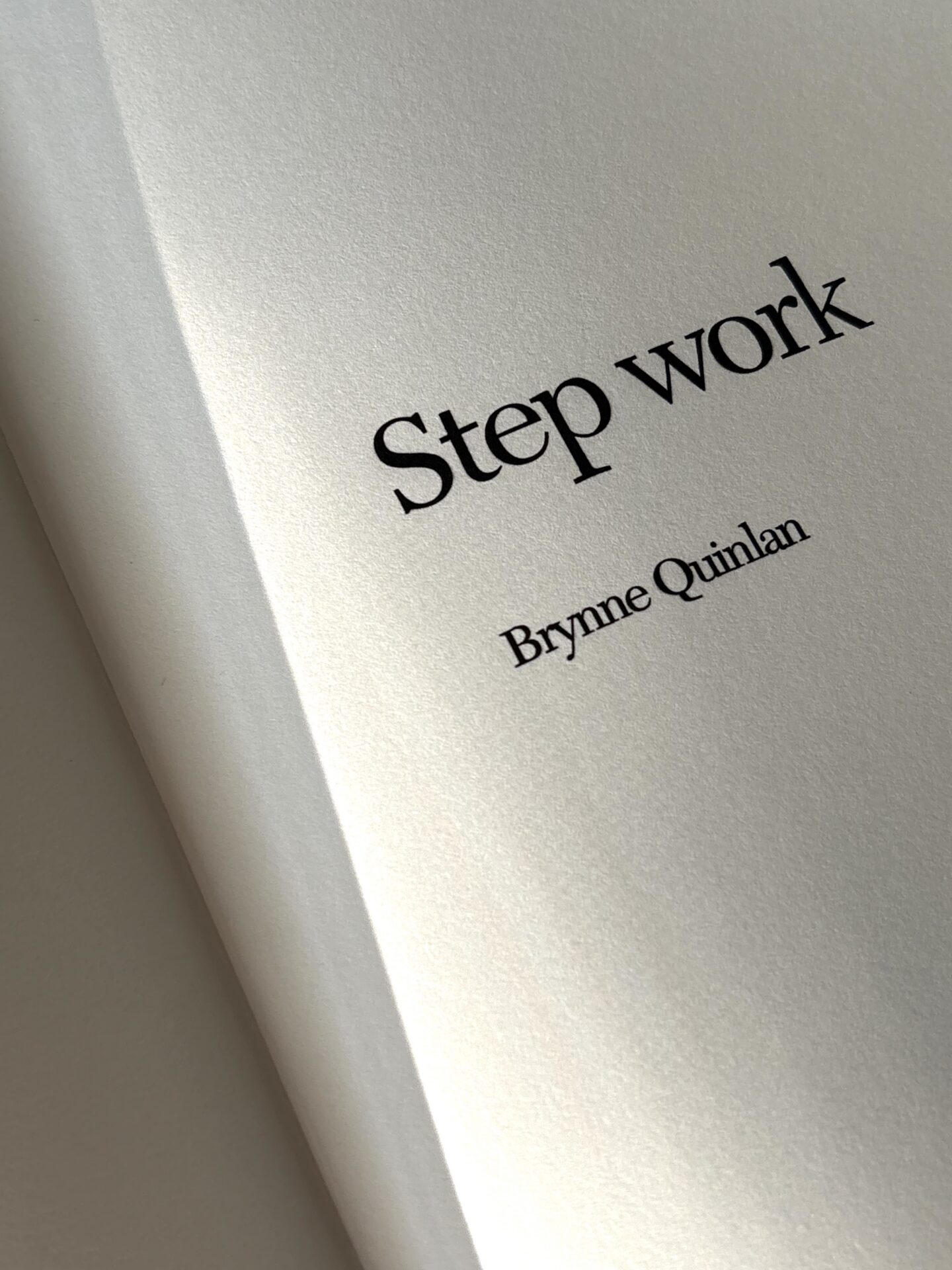
When I decided to study studio art, I didn’t have any plans to get into photography; I liked Franz Kline, Clyfford Still, Rothko, Frank Stella, and Raymond Pettibon. Franz Kline’s Painting No. 7 kept showing up in weird places, and I thought that meant something. But at some point in high school someone had shown me Nan Goldin’s work, and I was floored. I was drawn to Tillmans, Soth, Bladessari, Goldberg, Baudrillard, even if I couldn’t fully wrap my head around any of it. I wasn’t a very dedicated student, and I don’t think I looked at much photography after graduating. I just liked taking pictures, but I read a lot. I have a soft spot for Raymond Carver, George Saunders, Lorrie Moore, Lydia Davis, Mark Leyner. David Gate’s Jernigan and Maggie Nelson’s Bluets I come back to over and over again. I read Edouard Leve’s Autoportrait years and years ago, and that book played a big role in what Step work is. 112 pages, a single paragraph of declarative sentences. “Thorough abdication of all narrative responsibility” somehow containing the truth of a life. The book a) described how I “practiced” photography: being dedicated to the act and grounded in experience but lacking logic or direction when it came to content and b) described what it felt like to exist before I quit drinking: stuffed full of facts but with no greater understanding of a truth or identity.
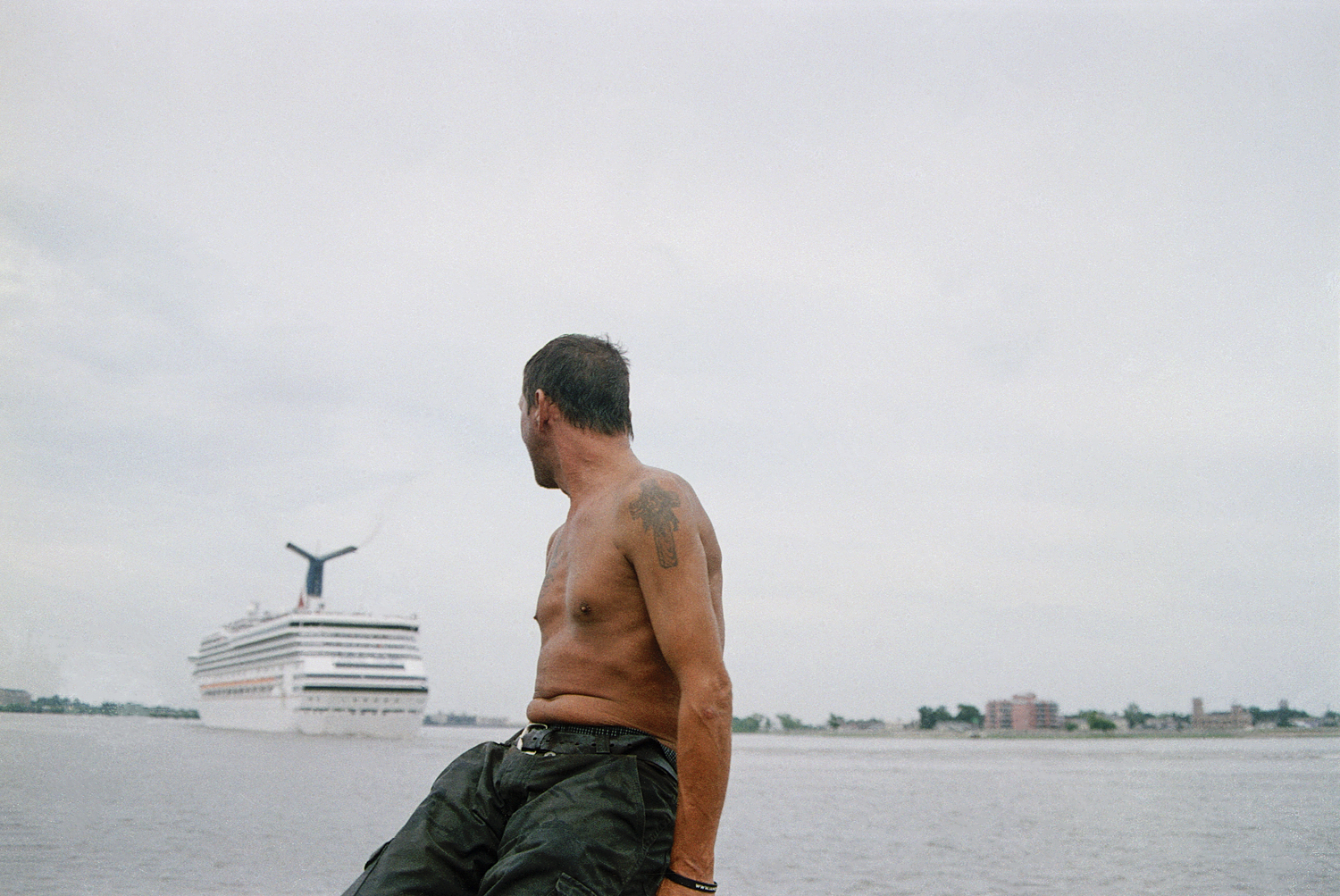
©Brynne Quinlan
What have you learned about sobriety, through your own journey and observing that experience in others, that could be helpful for others to know?
I don’t know that I can fully answer that question. I made a choice because it didn’t really feel like I had one anymore. But my experience isn’t extraordinary. That way of being is something that presents itself indescriminantly and has different reasons for announcing itself from person to person. Knowing that there was a group of people who could understand certain parts of me made a huge difference and I found ease in some of those new relationships. I’m always intrigued by how complicated and interesting we all are, and how much strength people possess, how important it is to hear and see another person. I know that I can be more open and vulnerable now. I know it’s important to take the right risks, and I notice a lack of friction. Each day builds upon the one before, and I get to see where that might lead.
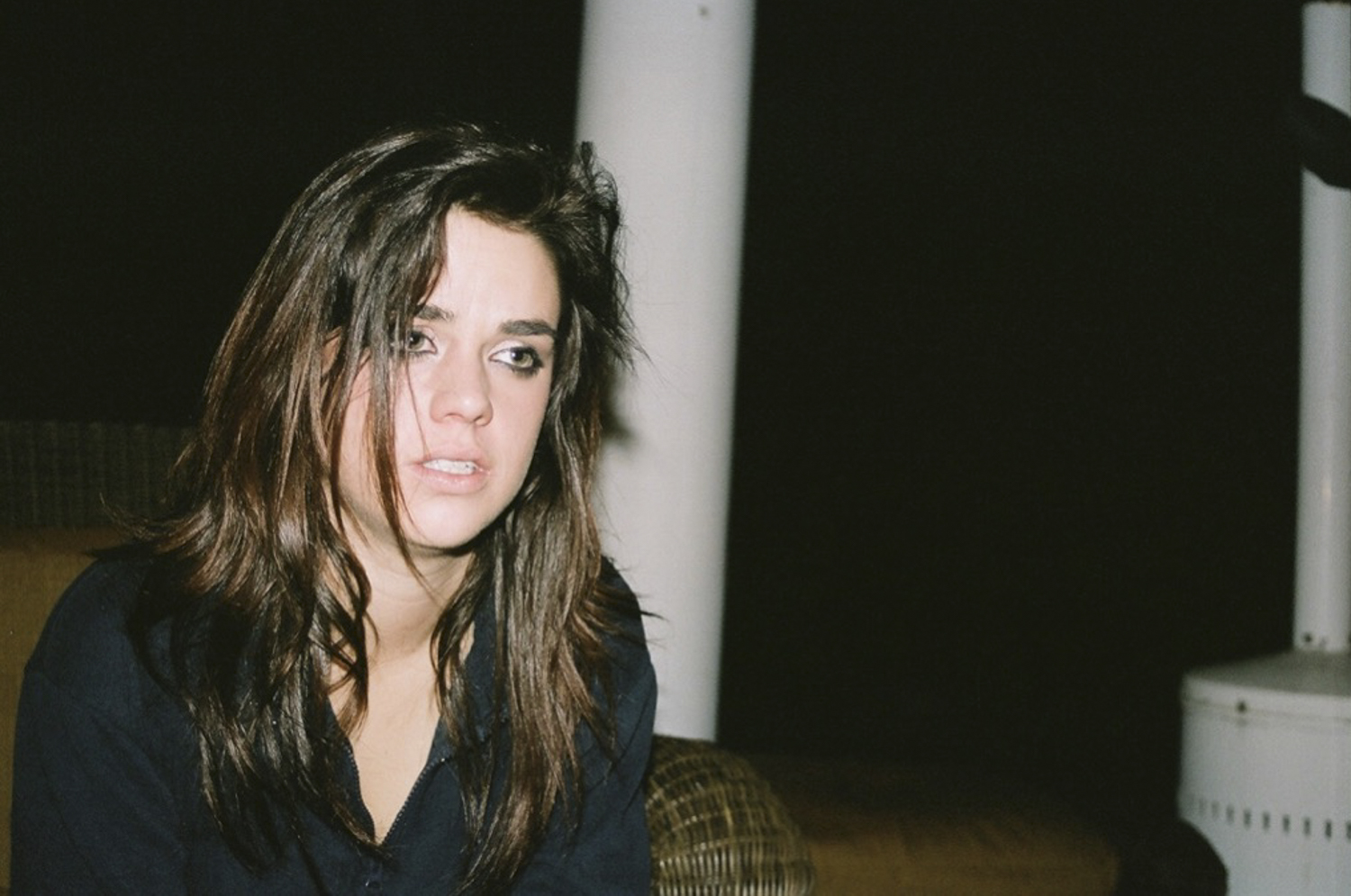
©Brynne Quinlan
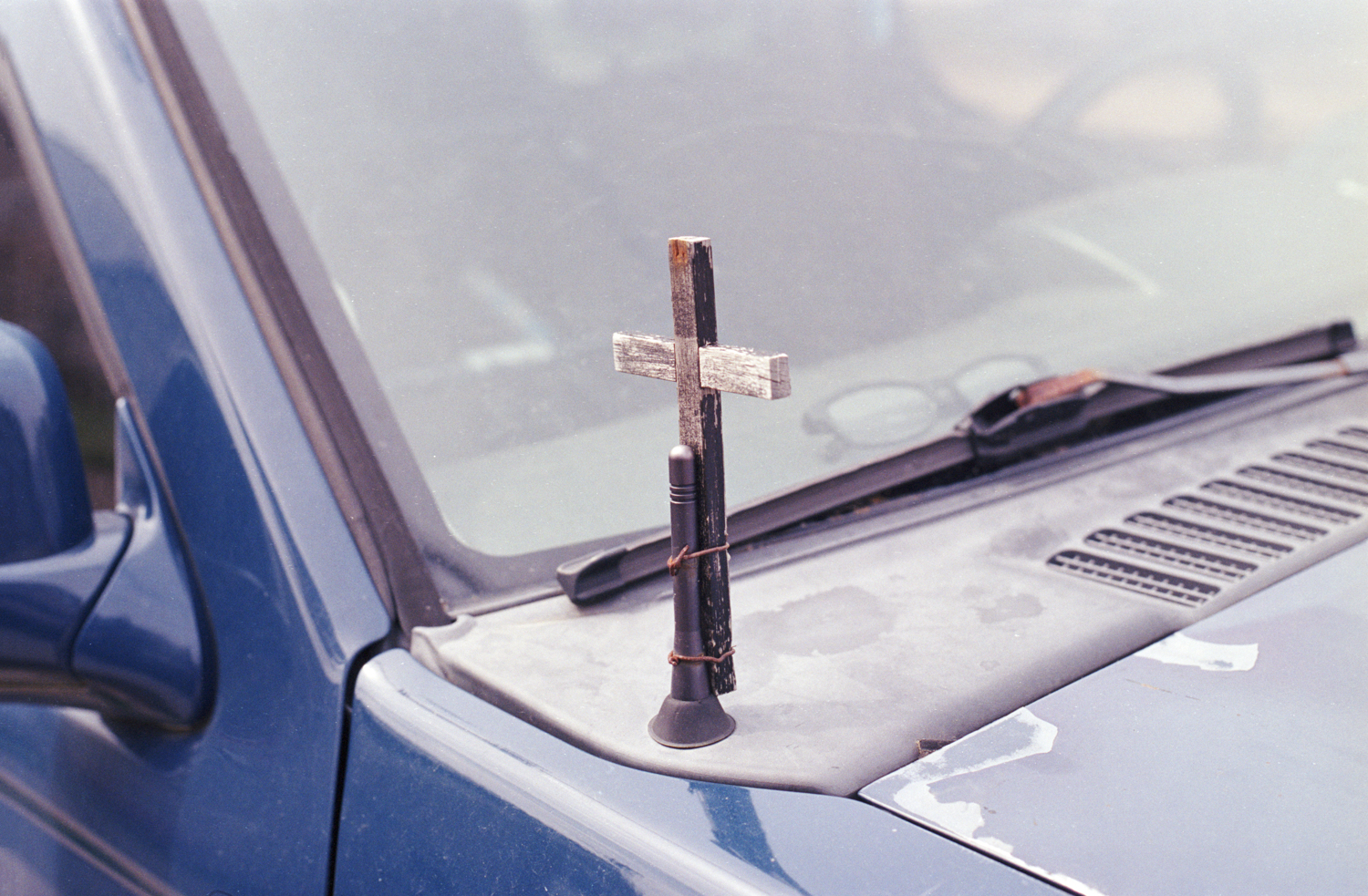
©Brynne Quinlan
©Brynne Quinlan
©Brynne Quinlan
©Brynne Quinlan
Brynne Quinlan is a photographer based in Somerville, Massachusetts. She was recently a finalist for the Carolyn Harder Scholarship supported by the Griffin Museum of Photography and a recipient of a Somerville Artist Fellowship Grant. Her work has been included in exhibitions at Kominek Gallery, ShowUp, and Throughline. Originally from Southern California, she received her BA from the Roski School of Fine Art, USC, and has completed masters in journalism and gerontology.
Follow Brynne Quinlan on Instagram: @brynnequinlan
Douglas Breault is an interdisciplinary artist who overlaps elements of photography, painting, sculpture, and video. His work has been collected, published, and exhibited nationally and internationally, including at the MFA Boston, the Addison Gallery of American Art, the Czong Institute for Contemporary Art (South Korea), Space Place Gallery (Russia), the Bristol Art Museum, and the Rochester Museum of Fine Arts. In addition to being an artist, Breault writes about art, curates exhibitions, and teaches photography at different colleges.
Follow Douglas Breault on Instagram: @dug_bro
Posts on Lenscratch may not be reproduced without the permission of the Lenscratch staff and the photographer.
Recommended
-
Brynne Quinlan in Conversation with Douglas BreaultSeptember 27th, 2026
-

Richard Provencio: The Delivery of MagicSeptember 26th, 2026
-
Isabel Moreno Cortez: Ángel MiguelSeptember 24th, 2026
-
Linda Alterwitz: Injection SiteSeptember 21st, 2026
-
Sara Bennett: Looking Inside: Women with Life SentencesSeptember 20th, 2026