Ryan Frigillana: Tears, Blood, Sweat
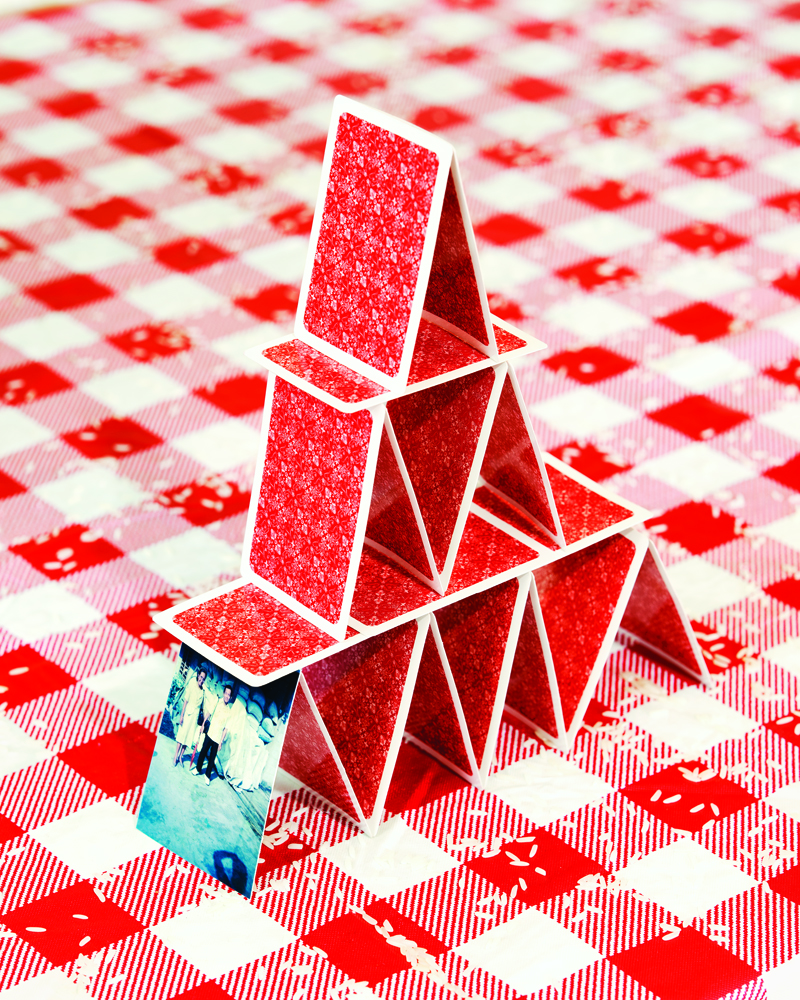
©Ryan Frigillana, The House They Built, 2022
How do memory, images, and systems of belief shape lived experience and a sense of belonging?
This question is at the heart of Tears, Blood, Sweat, in which Ryan Frigillana reconsiders the American Dream through intertwined histories of land, labor, and citizenship. Drawing on his experience as a first-generation Filipino American, he interweaves personal and family histories with broader sociopolitical narratives.
Co-curated by Helen Trompeteler and Leo Hsu, the exhibition at Silver Eye Center of Photography, brings together three interconnected bodies of work that explore displacement, belonging, and memory through distinct photographic strategies. Helen Trompeteler recently spoke with Ryan about the experiences, ideas, and questions that connect these projects. Tears, Blood, Sweat continues through November 7, 2026.
An interview with Helen Trompeteler and Ryan Frigillana follows.
HT: It’s so good to see you again, Ryan. I wanted to start with Balikbayan, which opens the exhibition. This body of work explores your desire to return to the Philippines, using studio still lifes, collage, and tableau to explore your connection to family and homeland. In The House They Built for example, an archival photograph of your grandparents forms the foundation of a deck of cards, introducing tensions between family love, stability, and precarity.
What role does the family album play in Balikbayan, and how do collage or staging allow you to reimagine it?
RF: Thanks for having me and for this lovely conversation. The family album was my introduction to photography. Most people engage with the family album in a book-like form, and that’s how I came to know of photography’s utility from the way my family used it.
Balikbayan differs from other projects which usually begin with a question or curiosity. I was so used to working in a traditional documentary mode for most of my practice, making images intuitively out in the field with my family. Before then, I rarely staged images and felt that staging or intervening was a big no-no for me. With Balikbayan, I really wanted to try something different by leading with a process-based endeavor. The questions came afterward. It was the inverse of my normal way of making.
It started with this curiosity about what I could do with props and staging. I’d experimented with still lifes before, but I wanted to use things that were available to me in relation to my family and history, things that tied me back to my home in the Philippines. This meant working with the tangible family pictures and albums that I had access to, and playing with the physicality of the images.
The House They Built was a spontaneous image. My niece had come over, and we were playing with cards on the table. After my brother had dropped her off at her mother’s, I noticed the pile of cards lying on the table with the picnic tablecloth, and I started building a little house structure. We had also been looking at pictures from the Philippines, including photographs of my grandparents, and then I just started playing with those too.
For me, the project is about play and experimenting. I’m not imposing a rigid set of rules for myself in terms of what this project should or could be. I think that by having fun, and then allowing yourself to just explore things freely, maybe from there things can escalate into more serious questions.
HT: Thank you for sharing that, I love that you were driven by process and intuition, and that work evolved out of your relationship with your niece. That’s really beautiful.
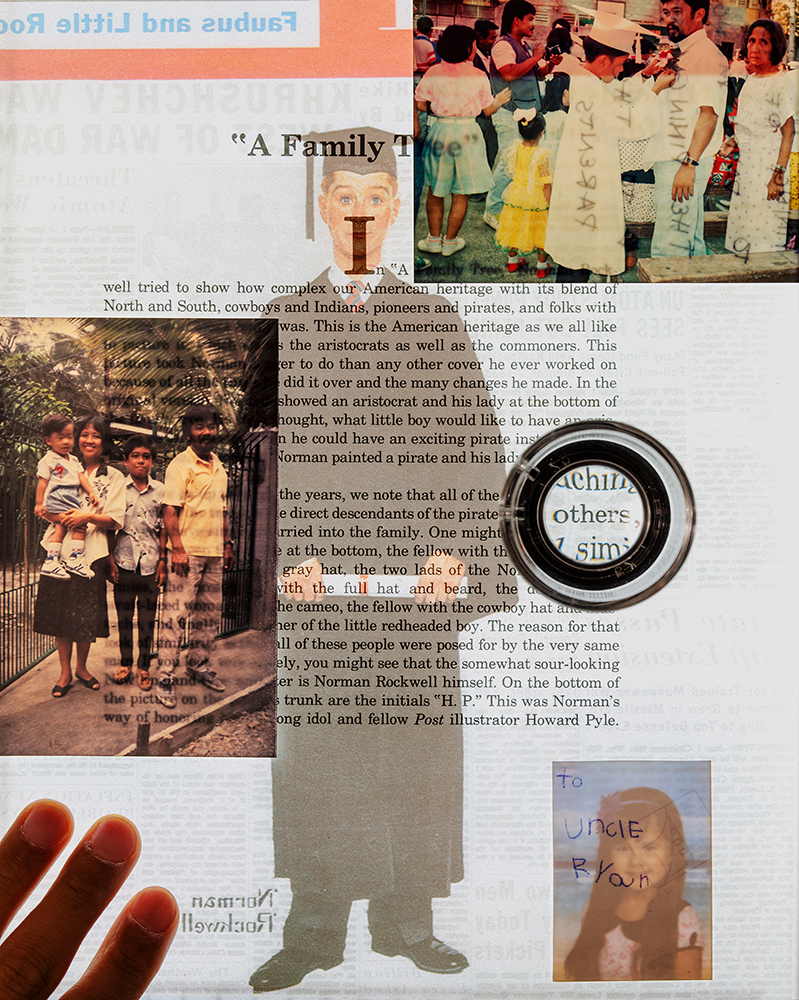
Ryan Frigillana, Family Tree (after Rockwell), 2022
HT: I’d like to explore this process-driven approach further through Family Tree (after Rockwell), which layers Norman Rockwell’s The Graduate, originally published as an illustration for The Saturday Evening Post, with family photographs. Your hand and loupe also appear on a lightbox, making the process of looking and assembling visible.
Could you talk about how the lightbox and its interplay of opacity and luminance shape the piece, and what you hope this dimension offers the viewer?
RF: I think the lightbox serves two purposes. It allows for the opacity to shine through, showing the physical layering of objects on the surface. But I also wanted to allude to the idea of scrutiny, as if you were examining something scientifically on a table.
I was thinking about this two-pronged notion of hypervisibility and invisibility, as someone who comes into this country. Invisibility meaning you often feel alienated, maybe unheard or unseen. But there’s also this aspect of hypervisibility, where you’re very conscious of how you carry yourself or present yourself to others. For me, that’s what the lightbox and loupe allude to.
The Rockwell images, though, I don’t think I’ve ever mentioned this to you, but it really came from when I first moved into my family home on Long Island. The previous homeowners were an elderly couple from a very different time and background from my family. When they moved, they left behind this trove of books and materials in the basement and the garage, including Norman Rockwell books and illustrated encyclopedias for boys and girls. These were the visual materials from the 60s and 70s that I trained my eye on as a young child, and they informed the way I viewed myself in relation to being American. That visual experience was very formative for me.
Using the Norman Rockwell images was a way for me to impose my own family’s presence into this storied culture of what America could or should be, and how it views itself. The opacity also speaks to the unseen moments of care and tenderness that we share amongst ourselves, yet aren’t visible to the public eye.
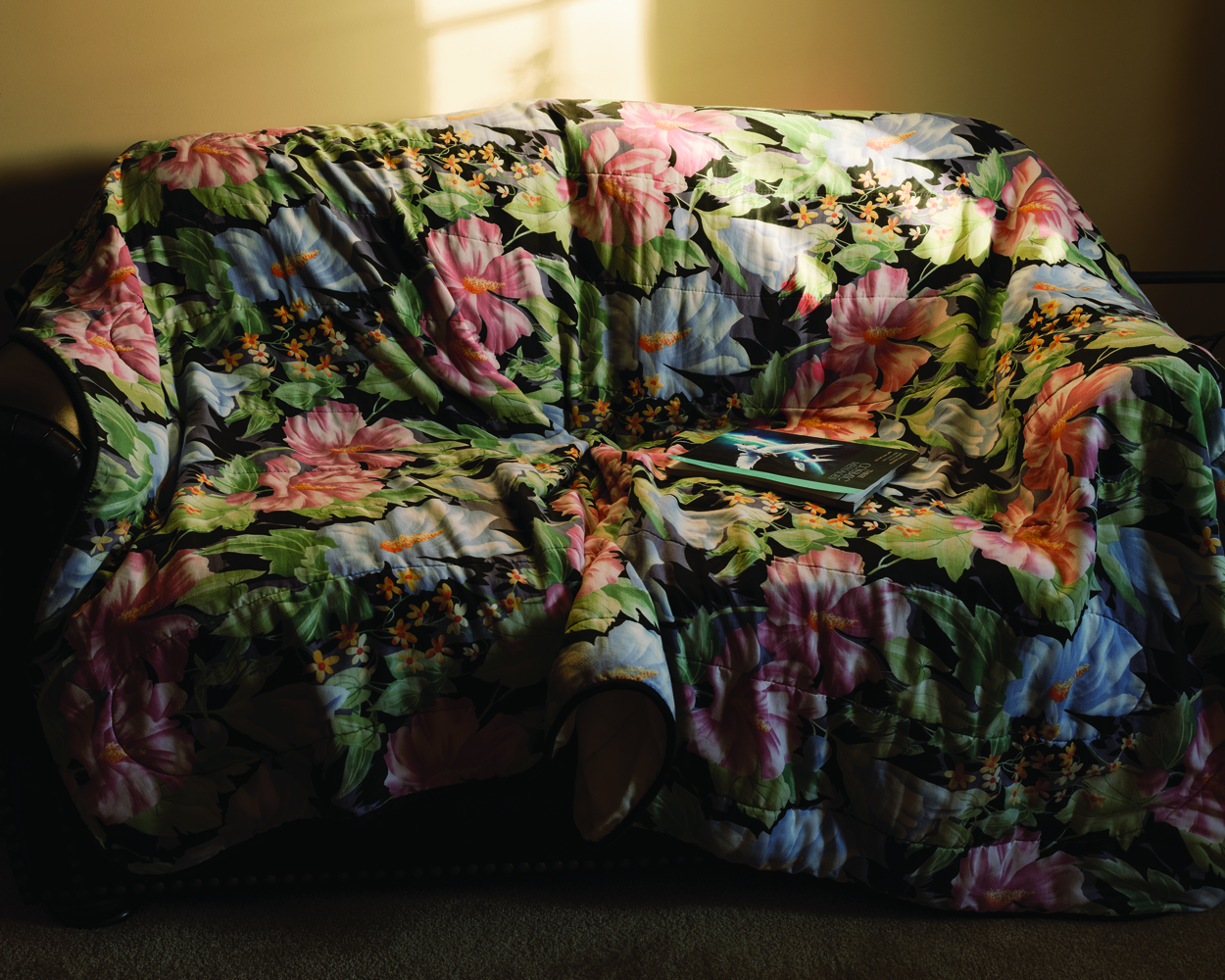
©Ryan Frigillana, Memories of a Body, 2023
HT: Invisibility is something I’ve thought about a lot in relation to this exhibition. In Kung Ano Ang Nagpapakain Sa Iyo (What Feeds You), for example, one of our first encounters with your mother is through her gestures of care shown in shadow. Later, in Memories of a Body, we see the indentations her body leaves behind on the couch, her presence isn’t seen but deeply felt. In PATMOS, you never make the president fully visible.
I’m interested in how invisibility operates differently across the exhibition, as both a form of care and a form of resistance. Could you talk more about that tension between presence and absence?
RF: Yeah, I guess I’m not really consciously thinking about these dynamics. What I’m trying to say is that, when I’m creating work, I sometimes make things invisible to protect my family.
In the case of the PATMOS images, it was also a way of protecting myself from the barrage of media I was experiencing. Sometimes, for me, omitting presence is a way of either amplifying someone’s presence through imagination, or protecting them. With the PATMOS images, Trump is this larger-than-life figure. We all know what he looks like, but I was more focused on how this person’s presence makes you feel and on the guttural reaction to the images.
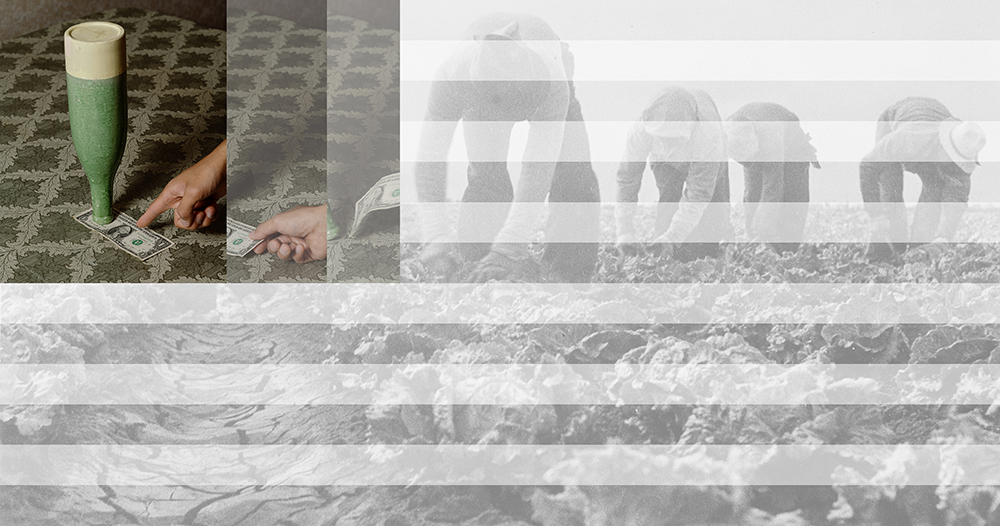
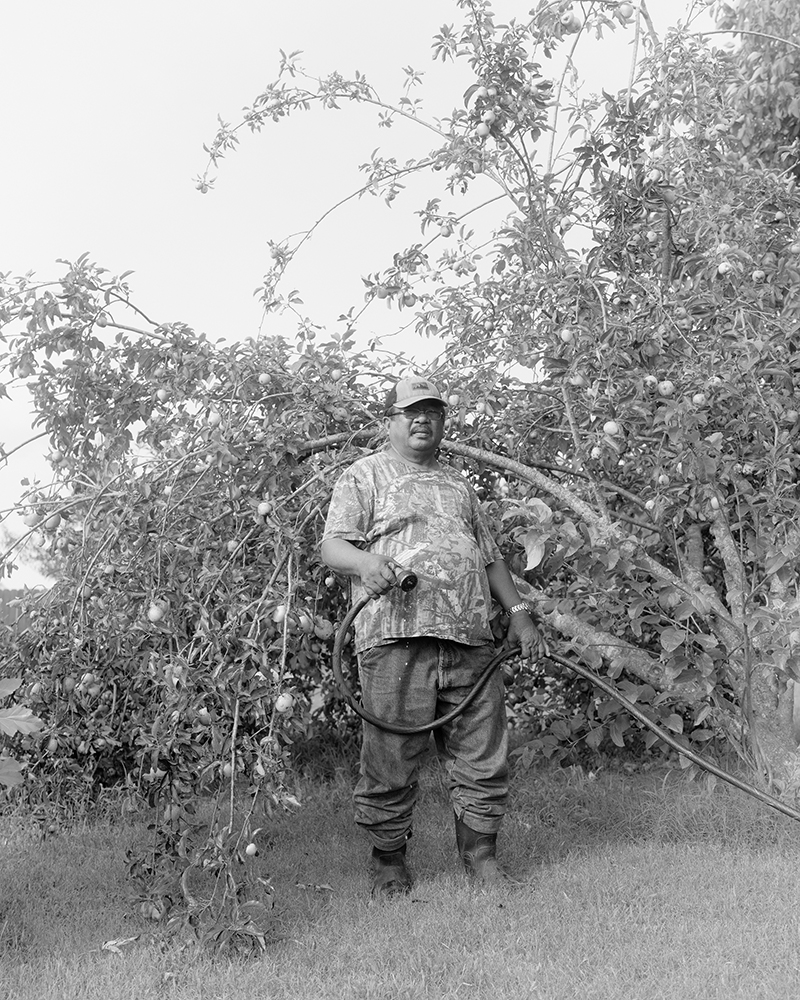
©Ryan Frigillana, Keeper, 2021
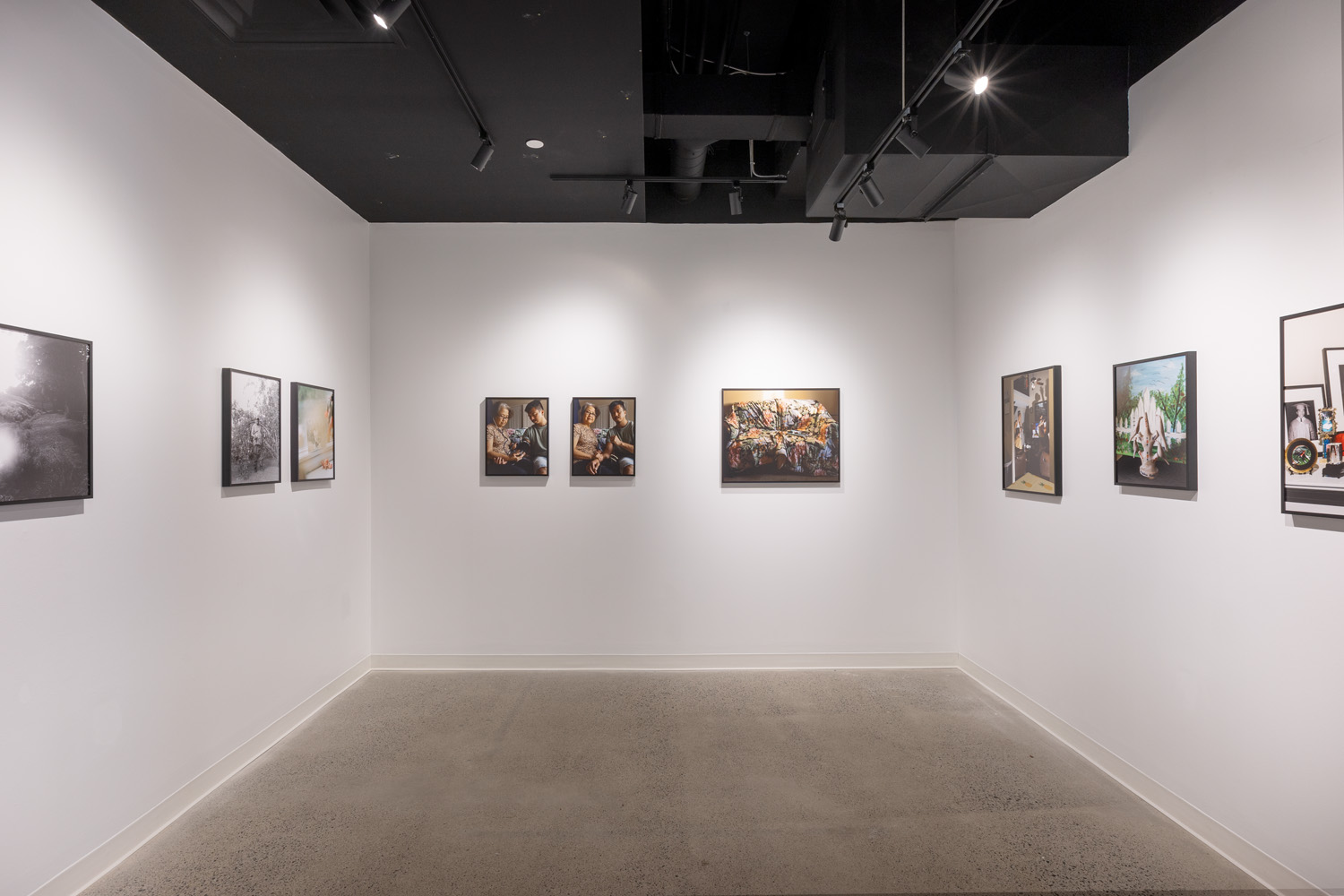
HT: Labor is an important thread throughout the exhibition, particularly the legacy of Filipino labor at key moments in American history. At a pivotal moment in the exhibition you recontextualized an image by Dorothea Lange of migrant workers in California. In Manong, you explore these histories through your own family experience.
Could you talk about how you approach these histories of labor in relation to your family?
RF: The Manong project really started with photographing my father in his garden. Sometimes for me, a body of work doesn’t always start with a question, but with doing something, an accumulation of a behavior. So, I was repeatedly photographing my father while he was tending to his garden, and initially I didn’t know why I was drawn to that. Partly, it was a way to spend time with him, so the camera became a bridge for our relationship.
But from there, I started to ask broader questions. Why was I drawn to agrarian labor and this act of caring and tending to one’s land? And what does that mean for Filipinos now, or for Filipinos in the past? From there, I started digging deeper into the legacies of tending to land as a Filipino here in America. That’s what brought me to the FSA images in the Library of Congress archives, where I found the Dorothea Lange image.
When I came across the FSA images online, I was struck by how that experience and history had been flattened. I wanted to learn more about the people depicted in these fields, who were hunched over and laboring, and who I felt had essentially been flattened into silhouettes, one homogenous idea of migrant labor. I think those people were more than just labor, and I wanted to humanize them: to understand who they were, their stories, their histories, and the families they left behind.
So, in asking those questions, I did my own research, trying to fill in the gaps I felt were missing, but I couldn’t fill them. So I did it with my own family by looking at my mother’s story, which I felt paralleled that of the Manong generation who came in the early 1930s to work in the fields. My mother came in the late 1980s as a nurse. I was thinking about the parallels in the extraction of labor, and that’s something I’m still exploring with this project. It’s ongoing. As I make and collect more images, more questions arise, and I just follow where those questions take me.
HT: I think your work offers a counterpoint to those historical photographic surveys, which, as you say, often turned individuals into symbols for broader narratives, obscuring their individual experiences. Your work reintroduces a sense of care and individuality in a really moving way.
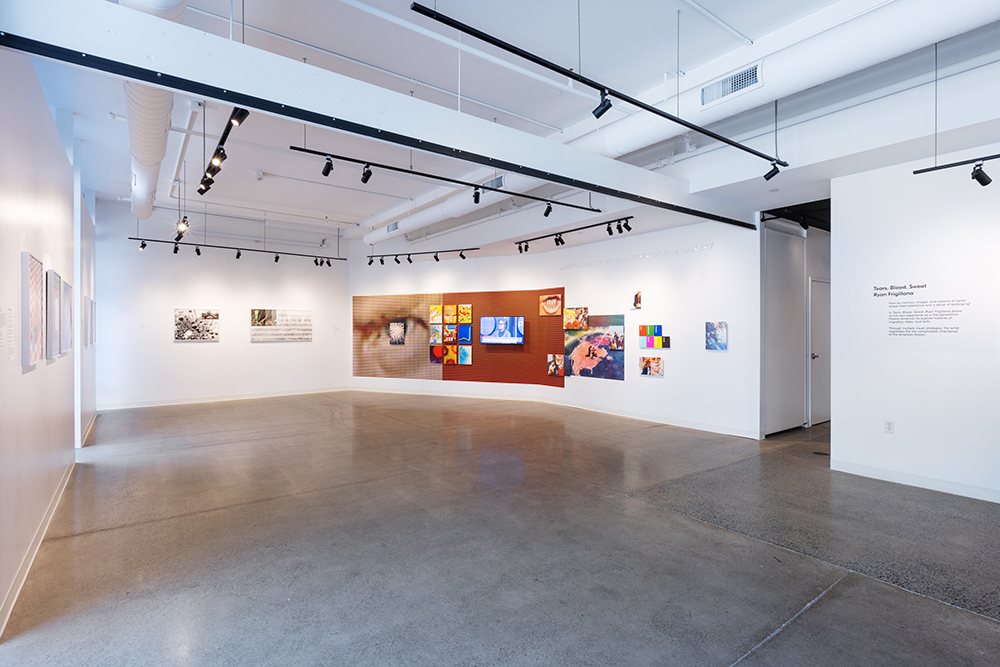
Installation view of Tears, Blood, Sweat, featuring PATMOS. Photograph by Sean Carroll
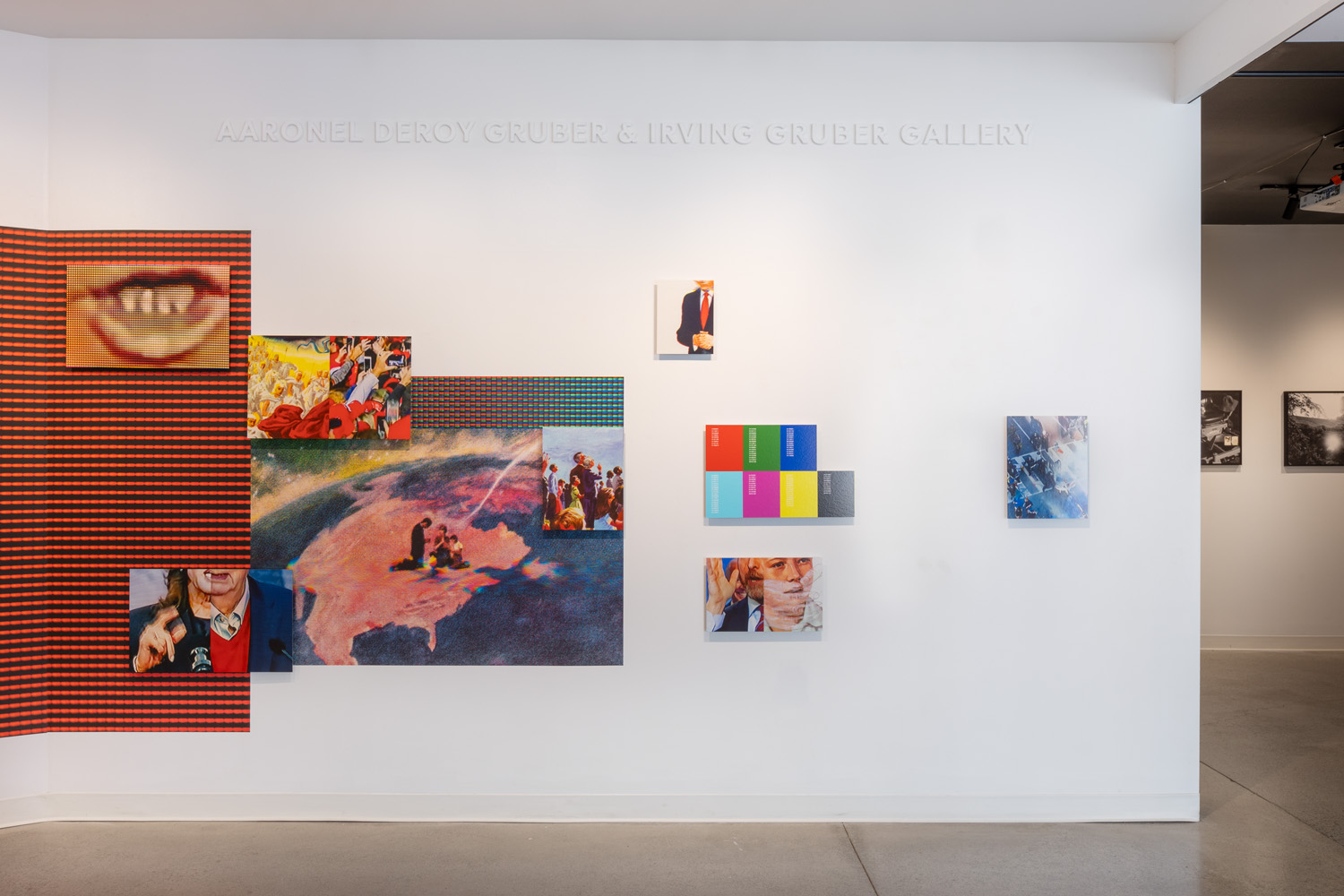
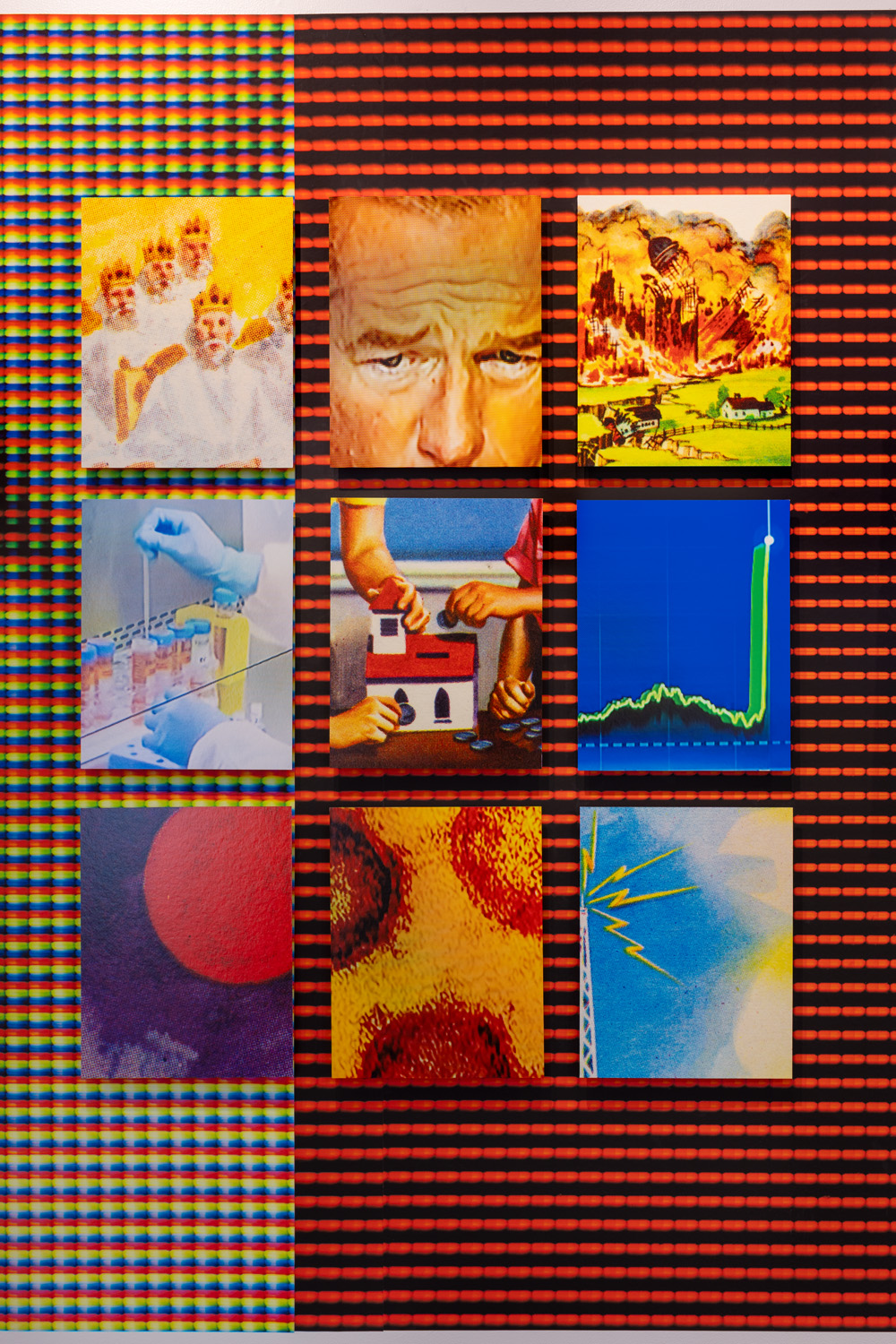
HT: I’d like to turn to PATMOS, which breaks news imagery down into its constituent elements of pixels and halftone dots, challenging their authority.
How did you approach translating these disrupted images into the exhibition space, and what kind of physical encounter did you want to create for viewers?
RF: I think the embodied experience was something I was thinking a lot about when putting together that installation. When I first made those images from screen captures during the 2020 and 2024 presidential elections, I felt like I was being swallowed by those images and totally engulfed. I wanted to recreate that sort of frenzy and the feeling of overwhelm I experienced, as well as the trepidation I felt for the future. It’s almost like an assault on the senses.
With the book, I tried as hard as I could to recreate that feeling through full-bleed pages in a large format. But being able to translate that into physical space only amplified it for me. The physical embodiment of the work as an installation really communicated the feelings I was trying to create effectively.
Scale was important with the vinyl pieces. I really wanted people to think not just about their physical proximity to images, but also about the proximity of images in their lives. When you get closer to the print, the image loses its potency in a way. It becomes difficult to read. Maybe I want people to think about their relationship to images in that regard: the closer you get, the more you understand how images work, and the more you’re able to think about the motives behind them.
HT: Very much so. It feels as though, by revealing how images are constructed, you’re inviting viewers to reflect on their role in society and their personal relationship to the images around them.
Since you began the project, how have your thoughts on the authority of images and questions of agency and control around them shifted? Has your sense of art’s capacity to address or bridge divides, whether personal or ideological, changed, too?
RF: I think it’s become more dire now than ever. Media literacy is more important than ever, especially with so much disinformation and the rise of artificial images. I mean, that’s a whole other topic.
When I was making PATMOS, I was thinking about the way images shape behavior and how they sell you a certain notion of idealism. Bringing in biblical imagery was a way of speaking to the dangers of that. I grew up in a very religious background, and I think a lot about how, as a kid, I was trained on these images of utopia and heaven, an ideal universe and way of life. But alongside these utopian images in the Bible were images of violence, trauma, and fear.
I’m thinking about the contemporary images that swim around us now, and about American idealism as something sold to us as an ideal, a utopia. There’s this idea of America as a democratic ideal, with justice and equality as its selling points. But I don’t often see that reflected in reality, so I’m trying to show you what I experience and feel as a person here in America.
HT: I really appreciate your openness in sharing how PATMOS is a very visceral expression of what it feels like to live in the world we’re living in.
Do you feel that Manong and Balikbayan offer another kind of utopia? A utopia rooted in family, love, and connection to the generations before us?
RF: Yes, I mean, I would hope so. I hope there’s something to redeem from that experience, because if not, then I don’t know what the point of making the work would be for me.
By bookending the exhibition with Manong and Balikbayan, I hope people come away with the sense that family and community are larger than whatever the experiences of PATMOS are inflicting on us, psychologically and physically. Family and community are always the bookends to things. You can always come and go and return. They will be there, as you said, as our utopia, our safe haven, and the spaces where we actually are safe.
I think the point of PATMOS for me is that politicians won’t save you. I think the real salvation lies in the people in your communities, the communities you build and foster, and your families. So, I hope people get a sense of that hope, and of those pockets of light they can see in their own lives.
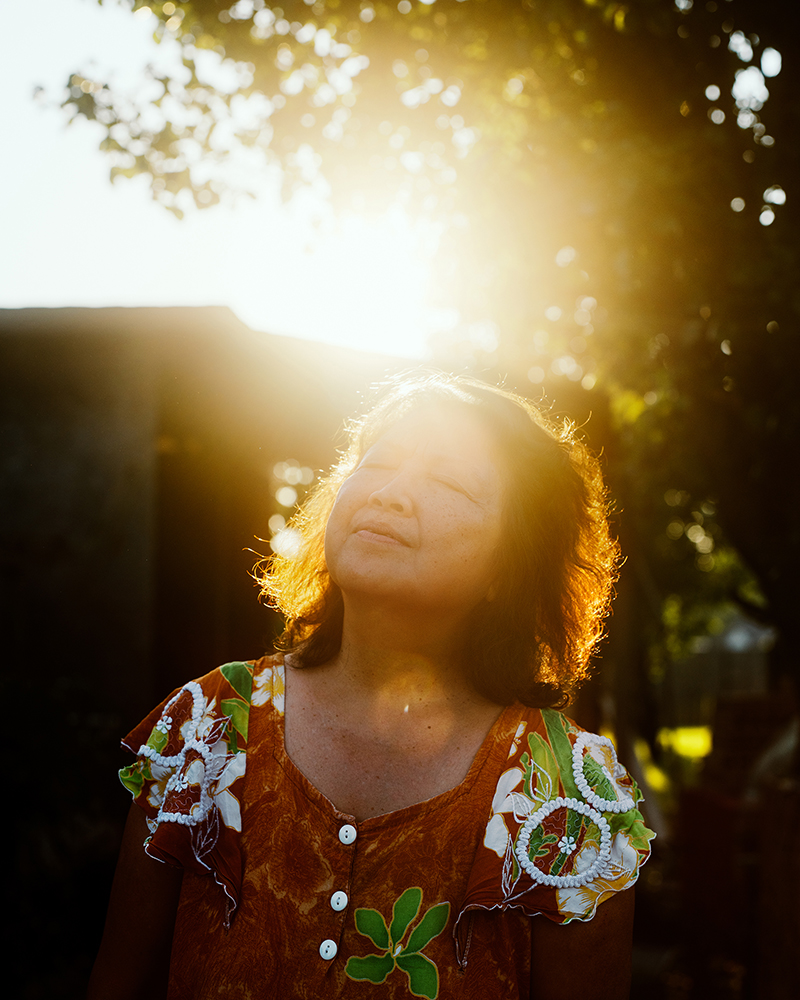
©Ryan Frigillana, Mother’s Faith, 2022
HT: Absolutely, thank you for sharing that, Ryan. For me, it’s been so palpable that those two projects provide a foundation for navigating this in-between world, which can often feel disorientating. Thank you. I have just one final question.
This exhibition brings Balikbayan, PATMOS, and Manong into conversation for the first time. Each body of work has emerged through its own process of discovery, yet they feel very interconnected and continually unfolding.
Has bringing these works together for the first time changed your understanding of them, either individually or collectively? And has seeing them in conversation opened up new directions for your practice?
RF: I don’t know if it’s changed the way I see them individually, but I think it’s caused me to reflect on my practice as a whole. The exhibition has given me an opportunity to step back and see what I’m curious about each time, and the language I’m building with each successive body of work.
Maybe that’s something I wasn’t fully conscious of before. When I’m making a body of work, I’m just following an intuition or a curiosity, and I’m not necessarily thinking about what I made before. Now, I’m thinking more about building on a language and a way of questioning.
I don’t know where that will take me. I’m still working on several projects, but I think it’s given me a sense of direction in terms of why I’m curious about certain things. It’s given me some clarity, and maybe I can use this experience of the exhibition to help further build the language that I’m creating for myself for future projects.
HT: Thank you so much, Ryan. I really appreciate the chance to be in conversation with you again.
RF: Thank you. It’s lovely to catch up and speak, and to think about this work. You know, every time I get to talk about it, something shifts or clarifies in me. So I always relish these opportunities. So, thank you.
HT: Thank you!
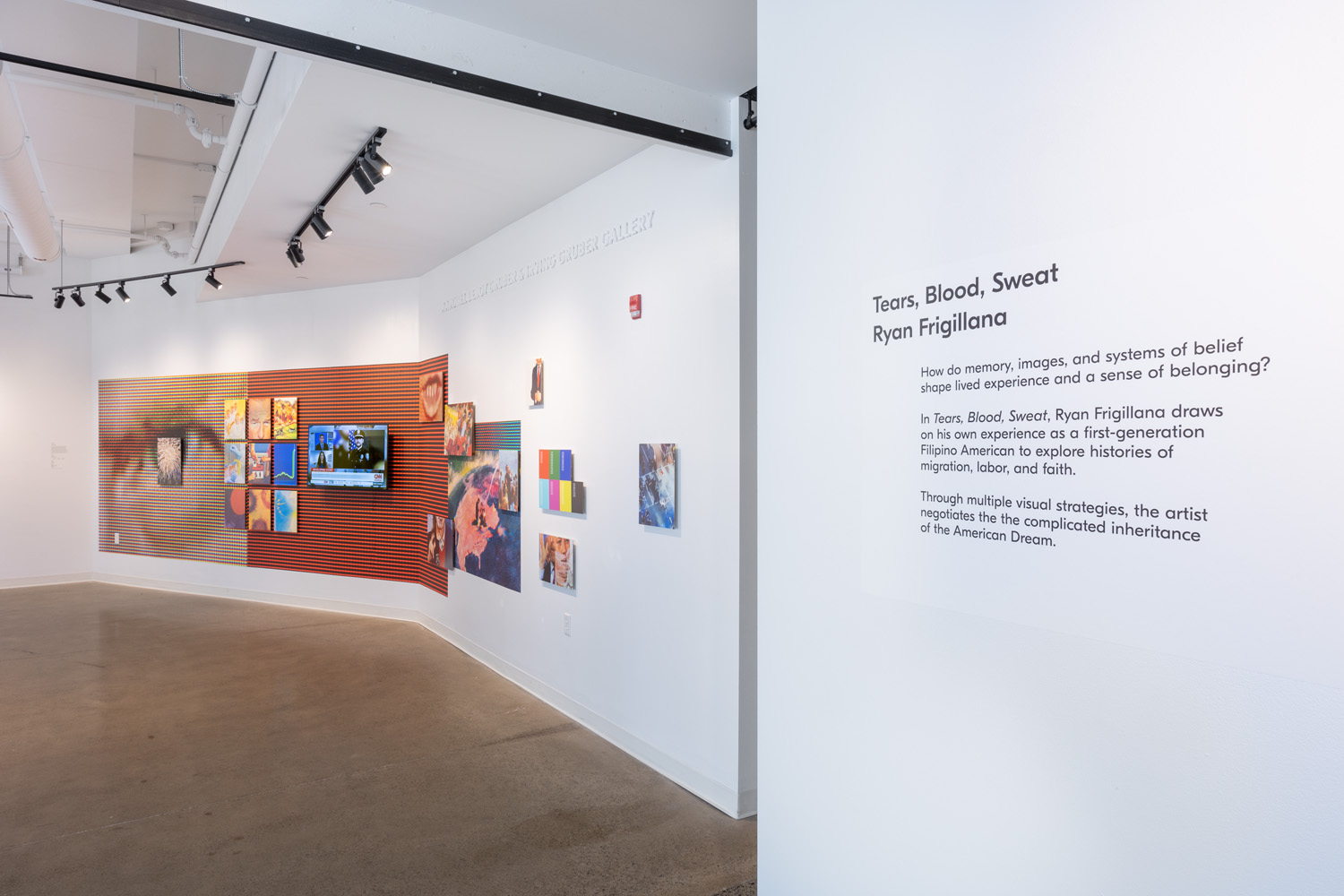
Installation view of Tears, Blood, Sweat. Photograph by Sean Carroll
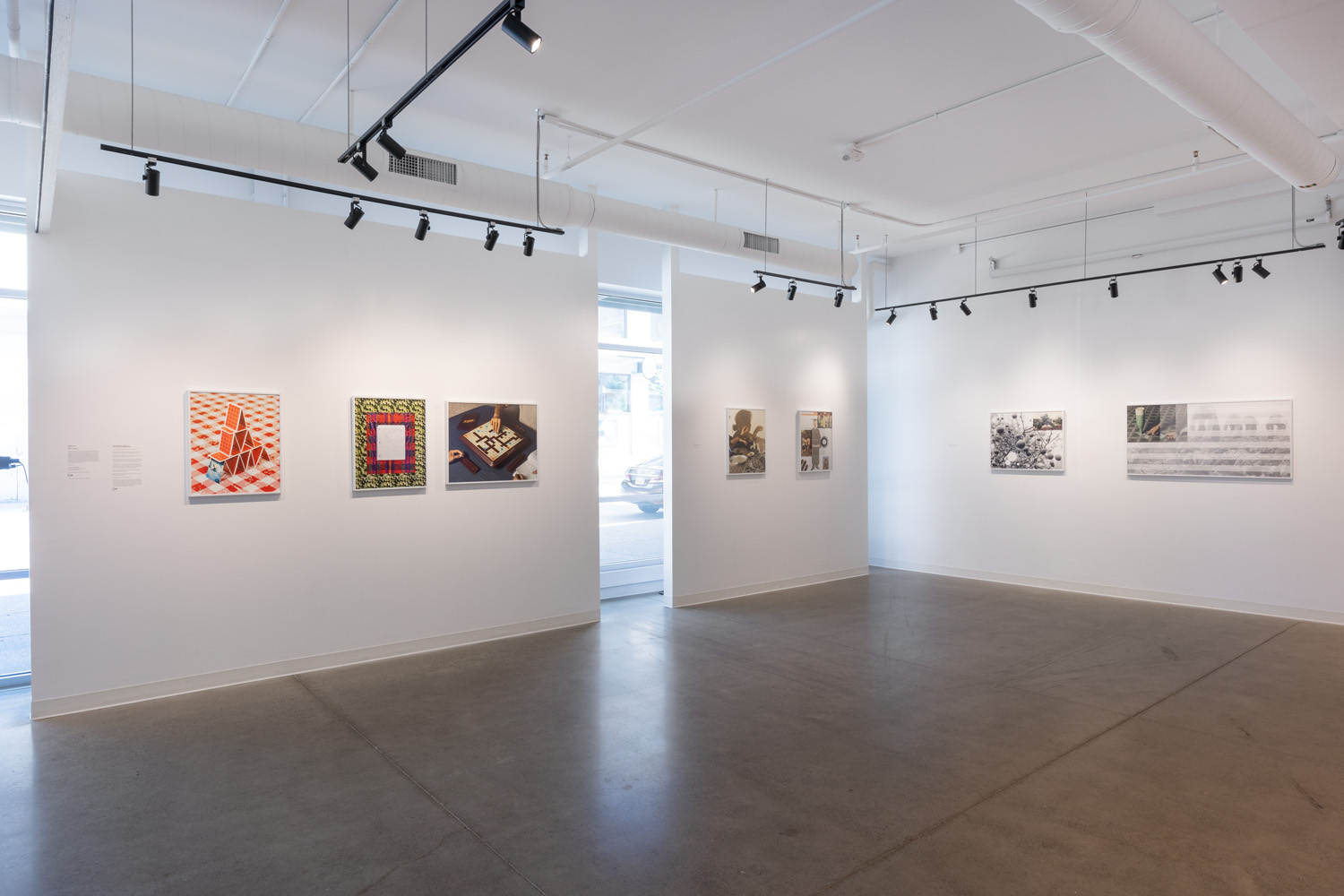
Installation view of Tears, Blood, Sweat. Photograph by Sean Carroll
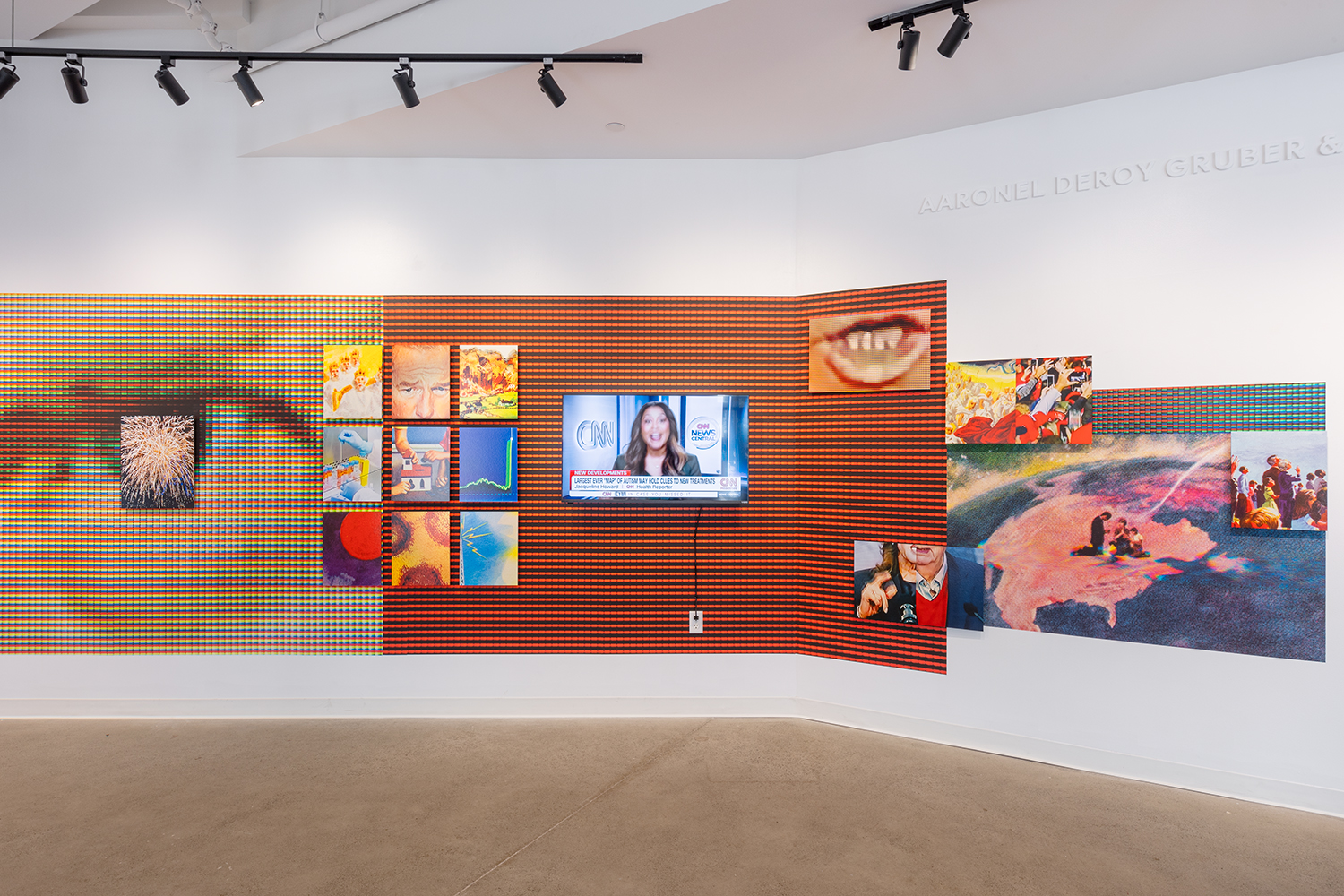
Installation view of Tears, Blood, Sweat. Photograph by Sean Carroll
Installation view of Tears, Blood, Sweat. Photograph by Sean Carroll
Installation view of Tears, Blood, Sweat. Photograph by Sean Carroll
Installation view of Tears, Blood, Sweat. Photograph by Sean Carroll
Ryan Frigillana (b. Iligan City, Philippines) is a lens-based artist working between Long Island,New York, and Southaven, Mississippi. Drawing from an upbringing shaped by migration and Adventism, he combines photographs with reworked materials—including print media, family and public archives, and biblical illustrations from his childhood—to address the tensions and continuities of diaspora and faith.
Through books and installations, he approaches photography as a form of evidence, allegory, and prayer: as record, symbol, and confession.Frigillana has exhibited at Light Work, Houston Center for Photography, Blue Sky Oregon Centerfor the Photographic Arts, and Candela Photographic Arts. He is a recipient of the NYSCA/NYFA Artist Fellowship in Photography (‘25), the JGS Fellowship for Photography (‘25, ‘21), theAperture & Google Creator Labs Photo Fund (‘23), and the En Foco Photography Fellowship(‘23), and has completed residencies through the Penumbra Workspace Program (‘24) and the Penumbra Foundation Risograph Print & Publication Residency (‘21). His work has been published by Aperture, Atlanta Center for Photography, Humble Arts Foundation, Booooooom, PhMuseum, Der Greif, Musée magazine, and The New Yorker among others. He holds a BFA inPhotography and Related Media (2020) from the Fashion Institute of Technology.
Instagram @ryan.frigillana
About Silver Eye Center for Photography
Silver Eye Center for Photography is the Pittsburgh region’s only nonprofit institution dedicated exclusively to contemporary photography. Our mission is to promote the power of contemporary photography as a fine art medium by creating original exhibitions, unique educational programming, and a space for artists to learn, create, and connect through our digital lab and education center, The Lab @ Silver Eye. Our programs are dedicated to supporting the work of emerging, mid-career, and under-recognized artists and sharing that work with our diverse audience in engaging and meaningful ways.
Instagram: @silvereyecenter
Posts on Lenscratch may not be reproduced without the permission of the Lenscratch staff and the photographer.
Recommended
-
Ryan Frigillana: Tears, Blood, SweatOctober 24th, 2026
-
Paul Mpagi Sepuya: Labyrinths & RicochetsOctober 18th, 2026
-
Neal Rantoul: A Life in PhotographsOctober 17th, 2026
-
The Female Gaze: Kimberly Schneider – Uncovering the IneffableOctober 11th, 2026
-
Book Talk: Text as Structure in the PhotobookOctober 3rd, 2026