The PhotoNOLA Prize: Samantha Geballe
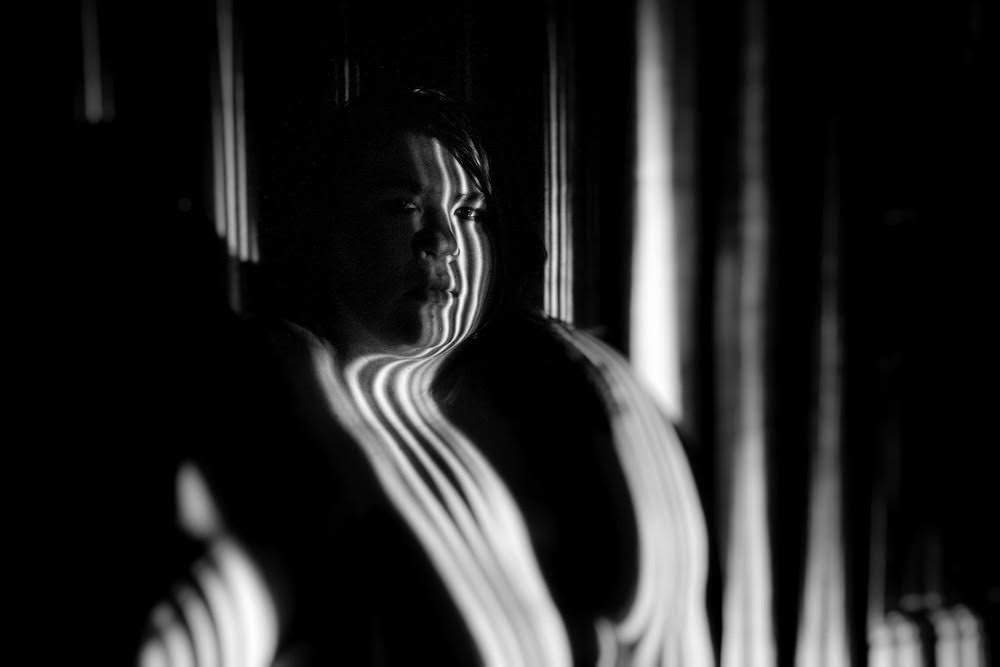
©Samantha Geballe
This past December, I once again had the great pleasure of reviewing portfolios at PhotoNOLA. It’s an exceptional experience that includes a city decorated for the holidays ready to delight all the senses (and the palettes). There is always a stellar group of photographers who come to the reviews, and on the final day, after the last meetings, the reviewers are asked to rank the work they have seen at the reviews or the portfolio walk. Needless to say, it is not an easy task as there was so much excellent work and the prize is significant. The winner of the PhotoNOLA Review Prize includes a solo exhibition at the New Orleans Photo Alliance Gallery during the twelfth annual PhotoNOLA, a cash award of $1000, and a marketing consultation with Mary Virginia Swanson.
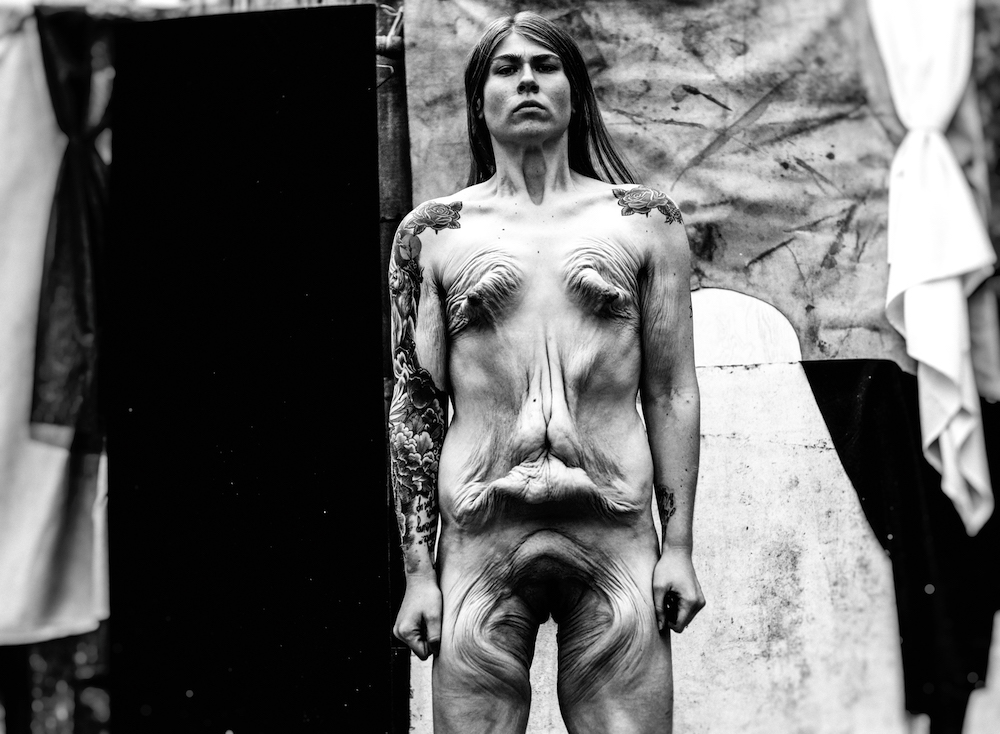
The winner of the 2016 PhotoNOLA Review Prize is Samantha Geballe, who I am happy to say has been a friend in Los Angeles for a number of years, and in that time she has stayed consistent to her vision of self. Samantha is a brave, fearless, and powerful photographic and video artist, chronicling her body’s transformation through weight loss, but more importantly, her story is not about a number on the scale, it’s about the weight of being human, the weight of the body as a battleground, the weight of being in a skin that no longer fits, and the weight of a culture that comes with judgement. Samantha’s work is not unlike a novel, with chapters of different selves, layers of self-knowledge, and an honesty and truthfulness that is rare. She wants us to see her, stripped down and more than naked, defiant and vulnerable, in order to help us understand not only her journey, but our own, and to see the beauty and burden of the body in all its incarnations.
Samantha Geballe, a California native, was born and raised just outside of San Francisco. Art is an interest of her family’s, but that is not what propelled Samantha to create. Her ability to express herself through creative form is in her nature, and she has been producing art in many different mediums since early childhood.
Currently, Samantha’s work focuses on conceptual portraiture, allowing her to explore human emotion from the inside out. She is working on an on-going self-portrait series focused on body image and healing that challenges viewers to question what it means to accept oneself.
Samantha is based in Los Angeles, CA.

©Samantha Geballe, Cottage
Samantha writes:
This is not another fat kid’s story. There are times when I do assume that role but it does not define me. I don’t have the body I have for no reason but it would be all too easy to extend blame. What people don’t often see are the functions of obesity. I hide behind my size, mask vulnerabilities, and create walls as a way to protect myself. Something I have learned and portray in my art is that being vulnerable and forming connection have created new function and even healing. I share my body and my story not as a way to seek pity or define myself as a number, but as a venue for a viewer to say “I’ve been there too.”
I take self-portraits as a way to reverse perspective from how I see myself to my interpretation of how I am seen by others. This body of work represents the feeling that interpretation provokes. This work does not exclusively relate to obesity or size. It is also about misuse of a human and not being seen as such. This is a body of work that requires fearlessness. I have had to set my fears aside in order to convey my intended message. I think judgment derives from lack of information, meaning – when we don’t know the whole story, we fill in the missing pieces with our own knowledge. I think the reason we fight as a community is that we dissociate from humanity, not allowing ourselves to really know a person is a person.
Regardless of appearance, everyone has been made to feel small at some point. My hope is to generate a relationship between myself and others through my work and I ask you, as a viewer, to look for the similarities instead of the differences.

©Samantha Geballe, Bathroom Floor
Prepare yourself. Prepare yourself to feel alone, scared and like no one on earth could understand. Prepare yourself for the miles ahead of unfamiliar roads and paths that weave into a journey of seeing you for the first time. Prepare for everything in your life to change when you wake up. Everything.
Prepare for the floor to vanish beneath your feet. Brace for the fall. Know that it’s coming and fast and in a blink it’s here. A hard smack of today and suddenly you no longer recognize the person standing mirrored before you, nor the one stored in photos from the years prior. Prepare to meet yourself again or for the first time. It’s jarring for the first time. Understand that you will stare at you, a lot. Feel how uncomfortable it is to believe that everyone thinks you’re obsessed with yourself because you stare so much. What they don’t know is that you’ve never seen this person before this very moment. At this very second, you’ve come to the realization that you are this person that everyone else sees. Prepare to feel sad to think of what you once were. Learn to grieve the loss and cope with the unbearable blow that you didn’t know it was that bad.
Prepare to go easy on yourself. Give yourself a break; your whole fucking life just changed for fuck sake. Now breathe and try not to pass out from the mouthful of sadness. The bearing down sadness you feel realizing you had no idea what you’ve looked like your entire life. Prepare to question yourself more than ever. Now, prepare for this to happen all while everyone else is seeing you for the first time too. It’s almost the hardest part. I think that it amplifies what you will already be dealing with. Try to love yourself through it all – as best as you can. Try and then try harder when you fall down.

©Samantha Geballe, X
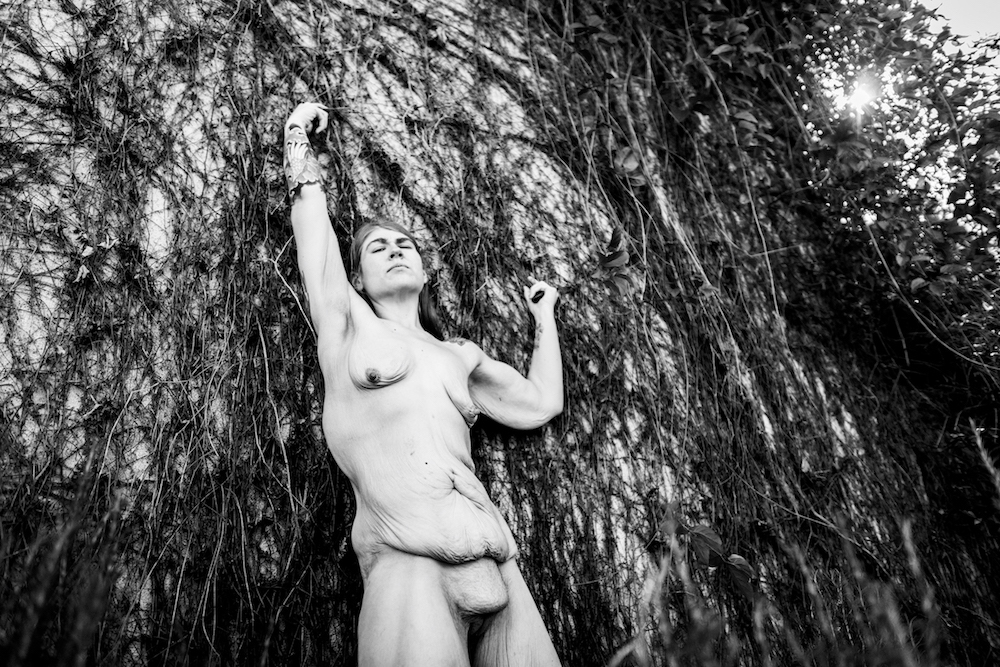
©Samantha Geballe, Vine Pull
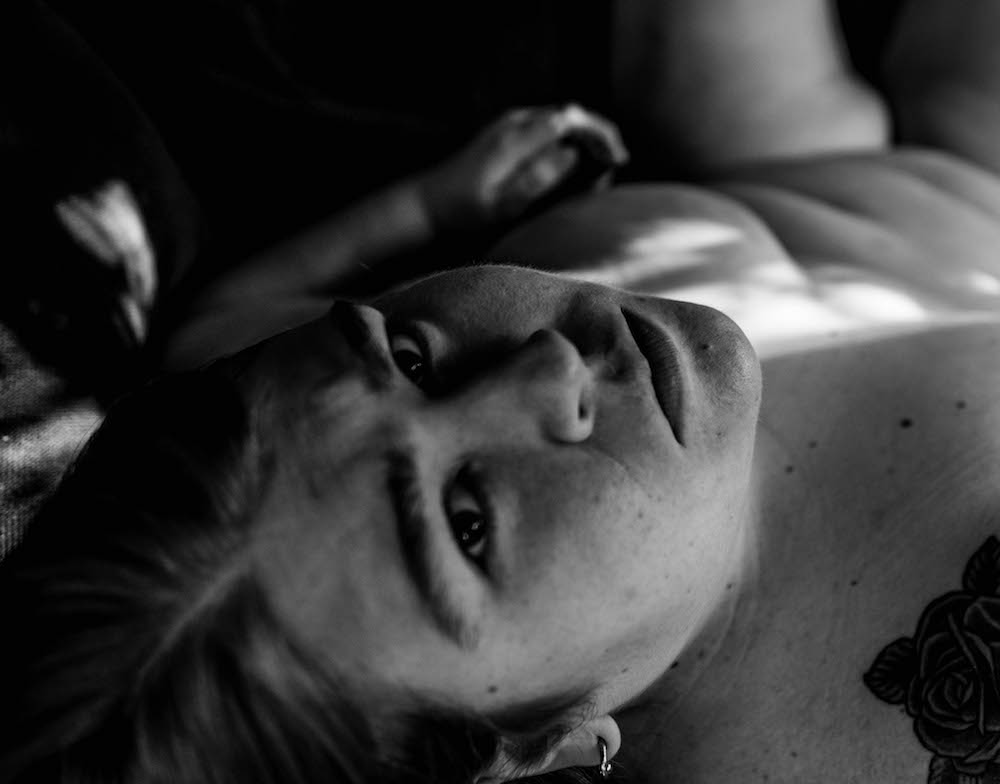
©Samantha Geballe, Upside Down
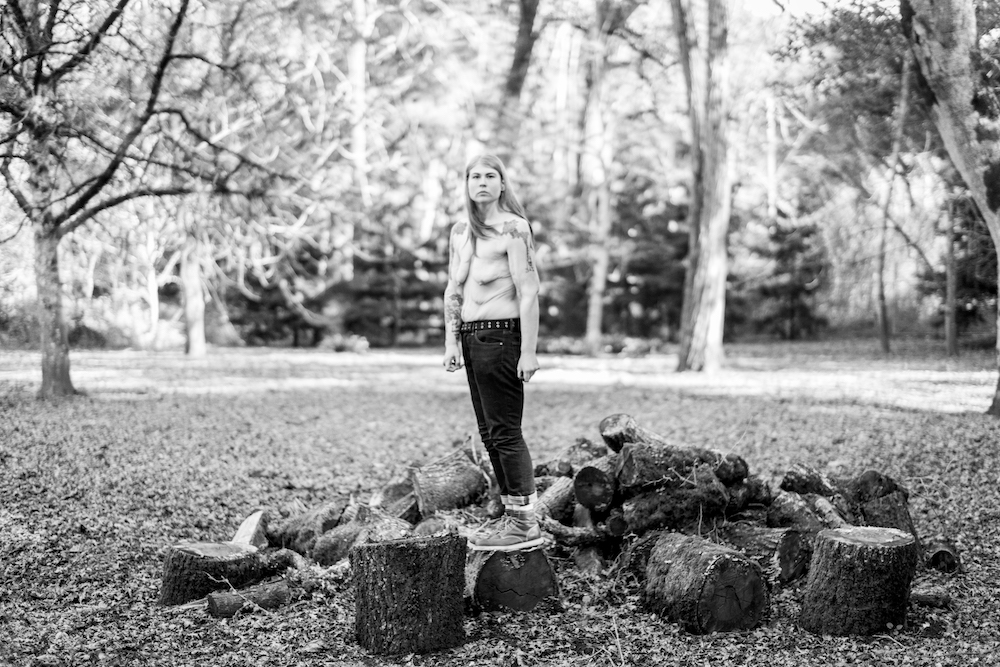
©Samantha Geballe, Tree by the Barn
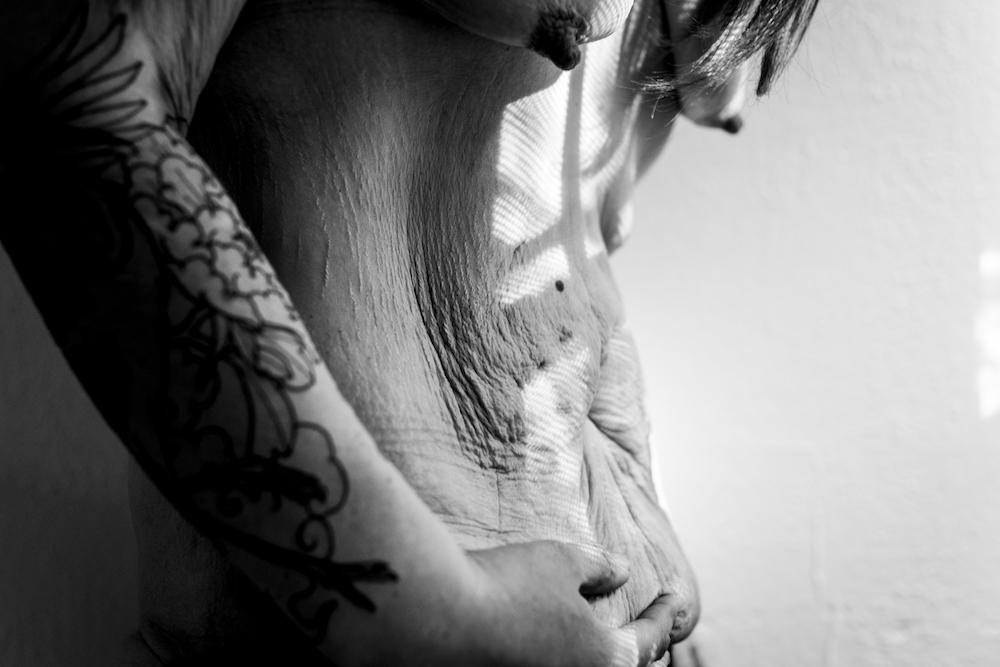
©Samantha Geballe, Stomach Hold
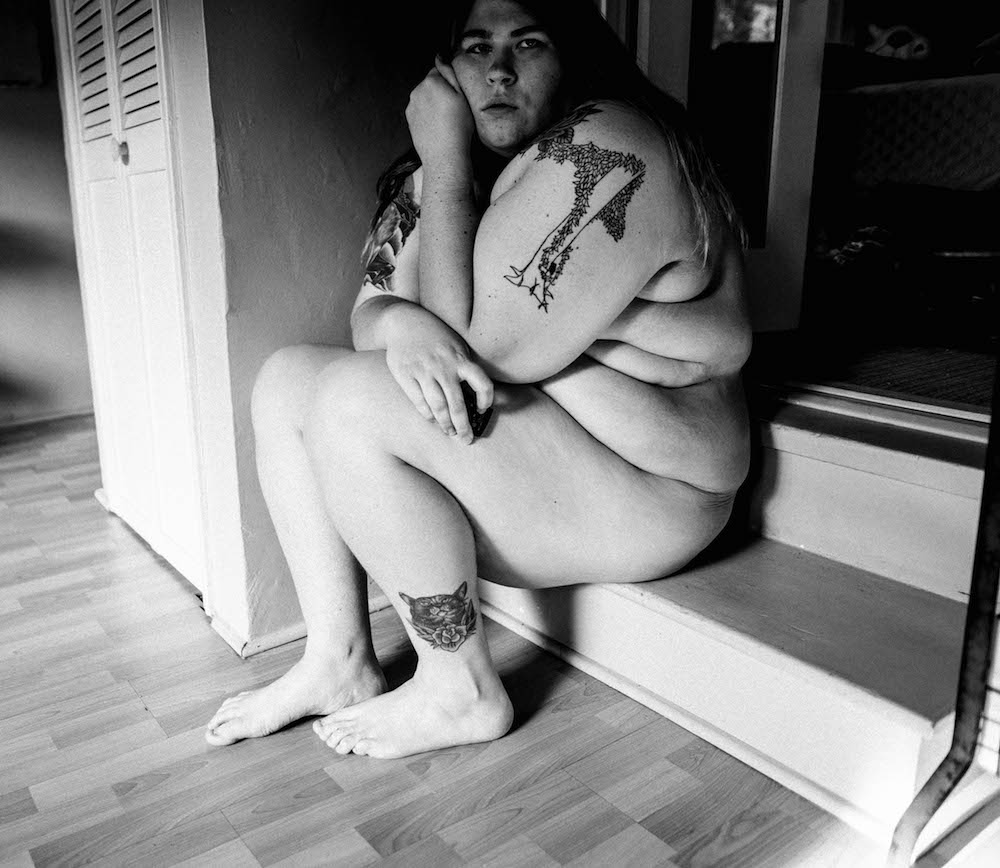
©Samantha Geballe, Sitting
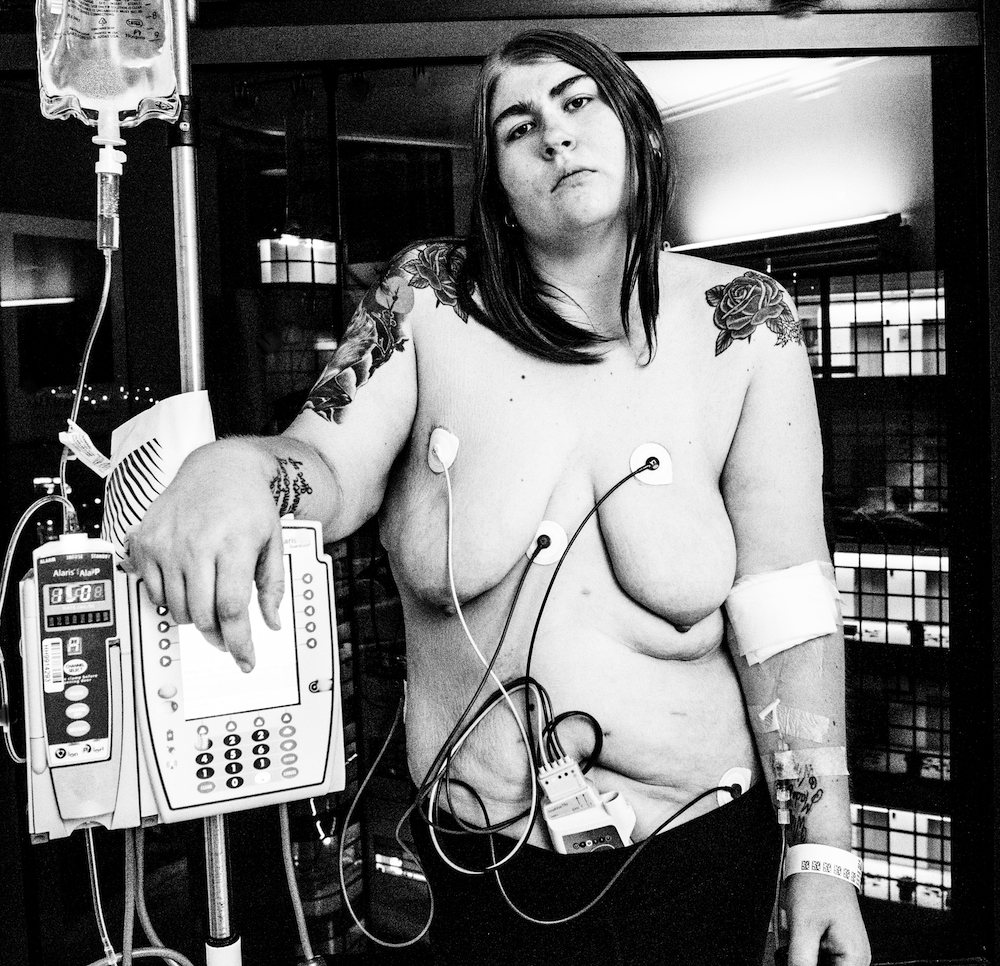
©Samantha Geballe, Night Before
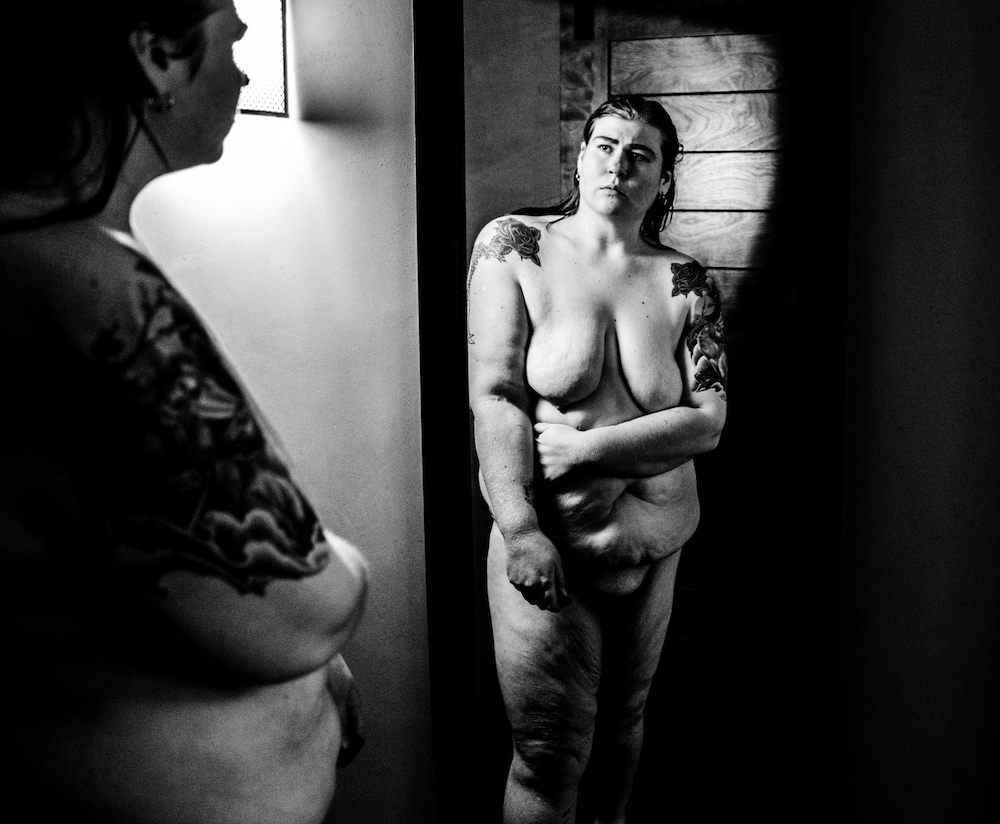
©Samantha Geballe, Looking at Me
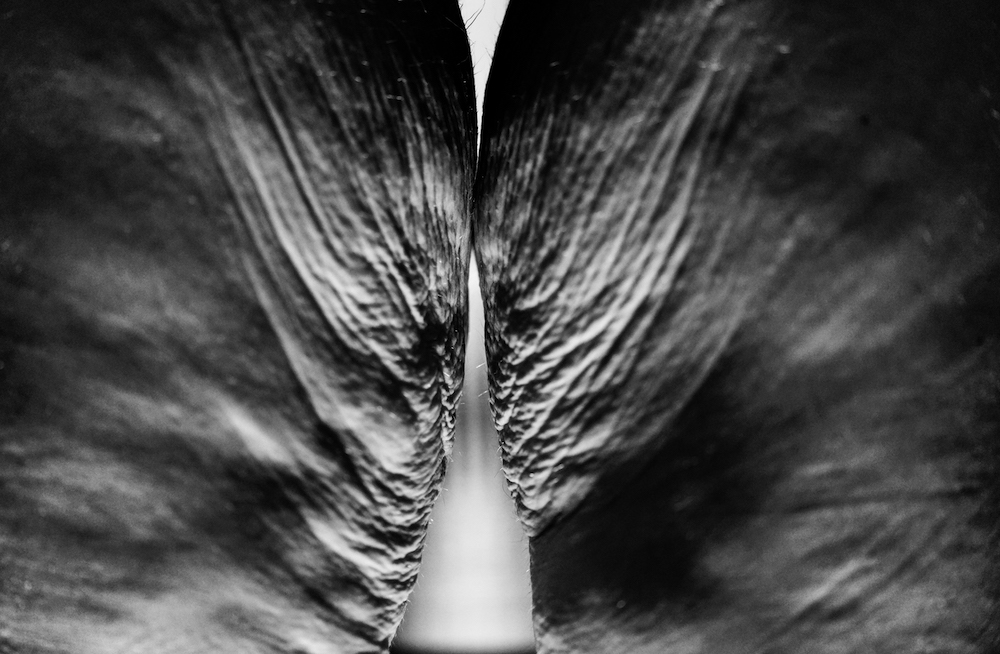
©Samantha Geballe, Legs
©Samantha Geballe, Jump
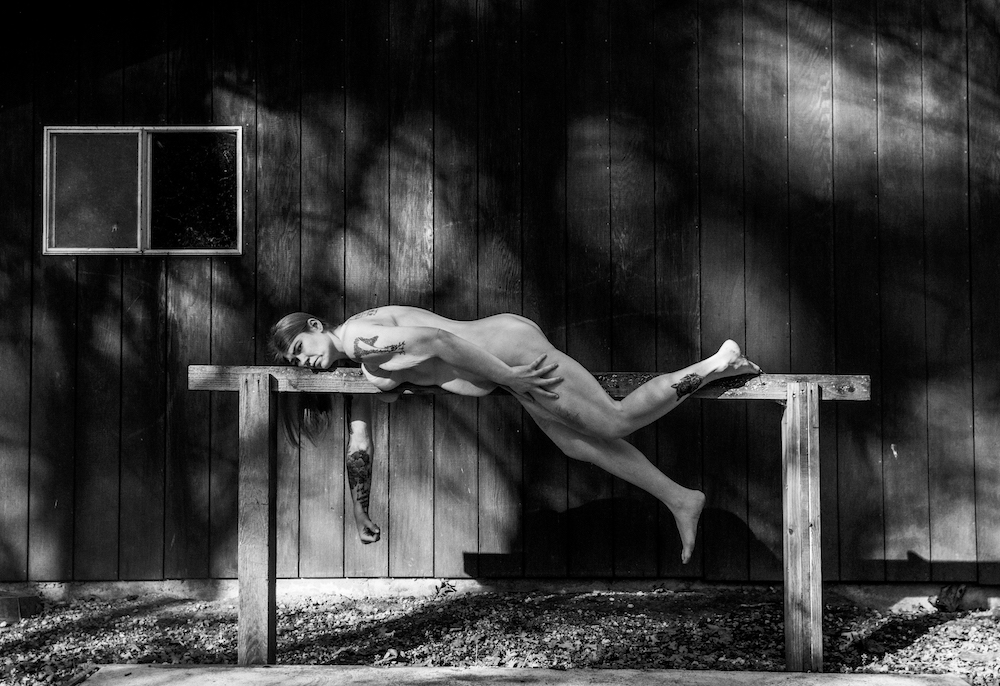
©Samantha Geballe, Hitching Post
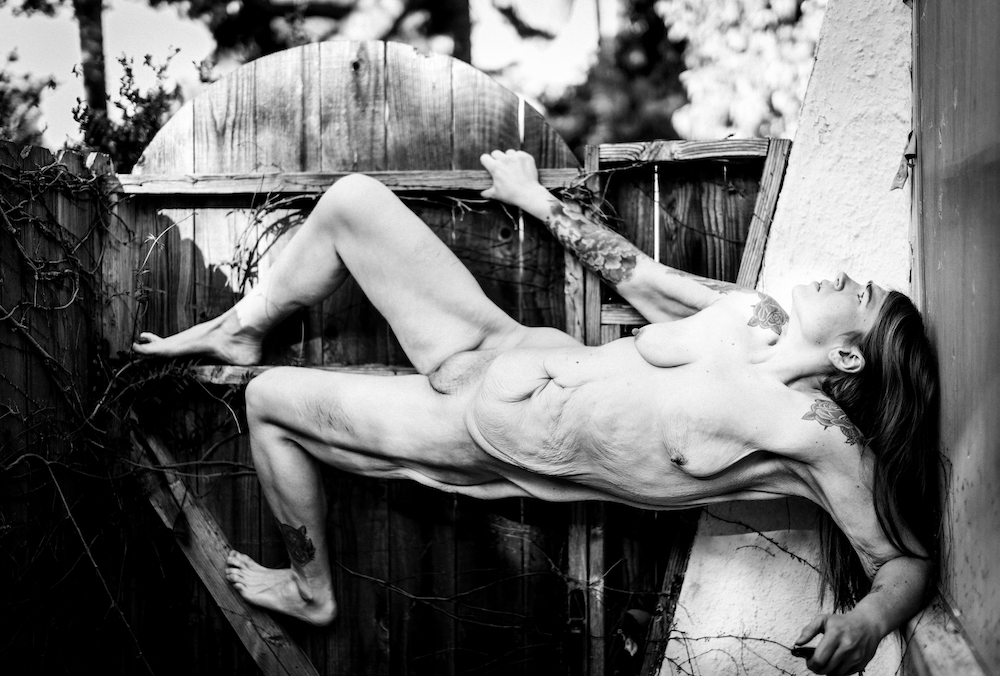
©Samantha Geballe, Hangs
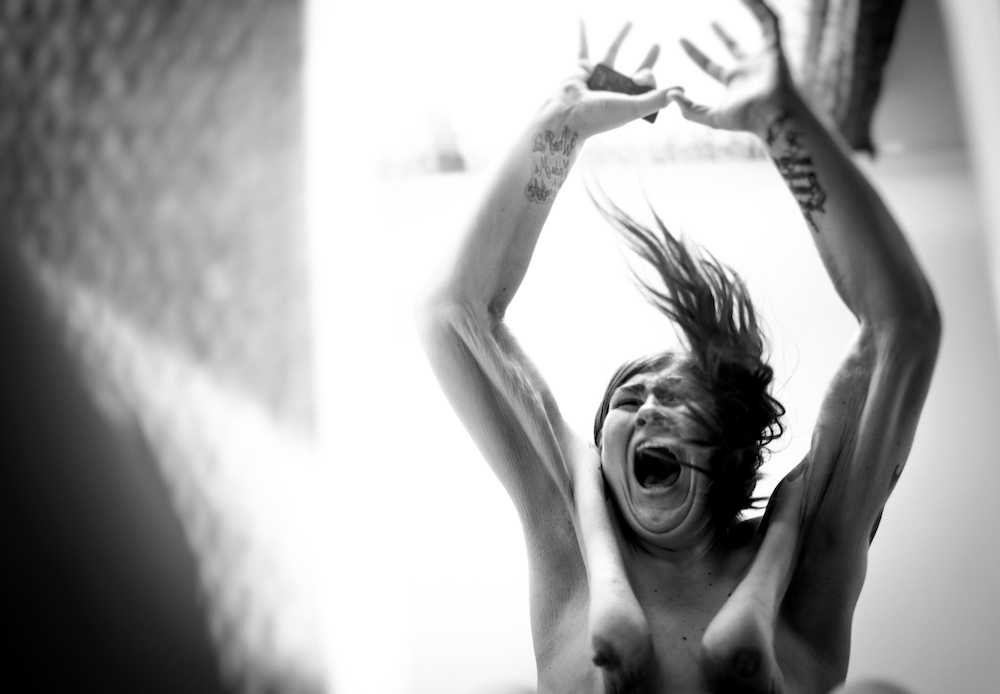
©Samantha Geballe, Falling
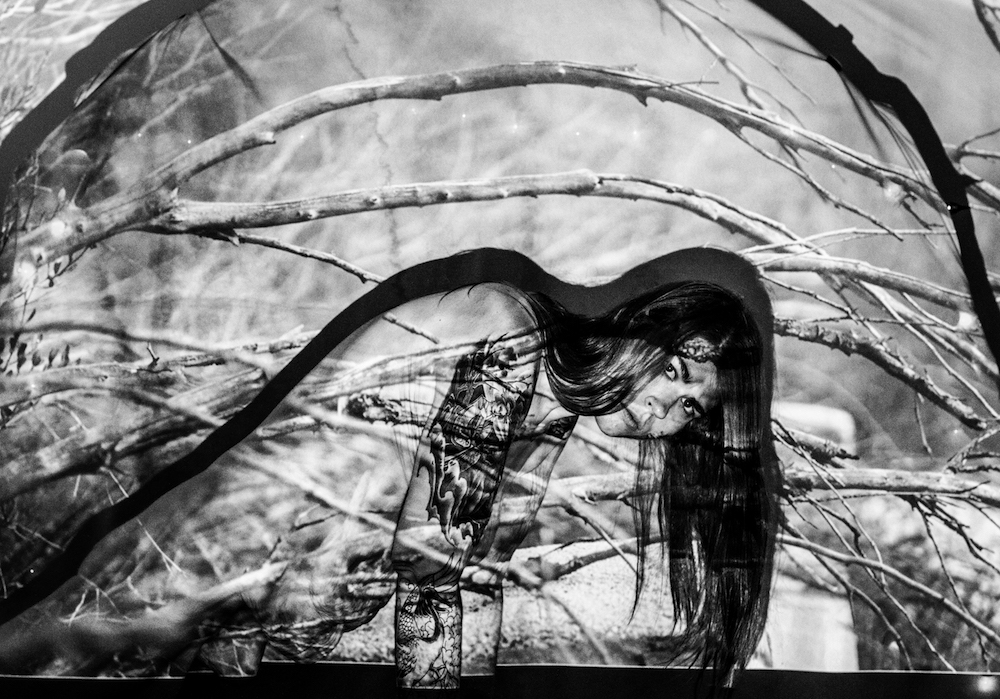
©Samantha Geballe, Branches
Posts on Lenscratch may not be reproduced without the permission of the Lenscratch staff and the photographer.
Recommended
-
Zanele Muholi: 2026 Hasselblad Award LaureateMarch 13th, 2026
-
Shane Hallinan: The 2025 Salon Jane Award WinnerFebruary 12th, 2026
-

Greg Constantine: 7 Doors: An American GulagJanuary 17th, 2026
-
Yorgos Efthymiadis: The James and Audrey Foster Prize 2025 WinnerJanuary 2nd, 2026
-

Arnold Newman Prize: C. Rose Smith: Scenes of Self: Redressing PatriarchyNovember 24th, 2025