Emanuele Amighetti: 2017 LENSCRATCH Student Prize Honorable Mention Winner
© Emanuele Amighetti
I am very pleased to feature our next honorable mention whose work highlights an important world issue. Emanuele Amighetti‘s photojournalistic photographs remind his viewers of a world mostly unseen, that of oversees wars. These strong dynamic images represent a place caught between hostility, border issues and loss. Amighetti’s photographs show the life of people who have been displaced through the tragedies of war for over two decades.
Emanuele Amighetti is a freelance documentary photographer and photojournalist. His work focuses on social issues and the aftermath of war. He is graduating in Persian and Arabic language, literature and history of the Islamic countries at Center for Middle Eastern Studies of Ca’ Foscari University (Venice, Italy). His works have been published on WIRED, VICE, POLITICO Europe, Open Society Foundations, PDN, Panorama, Pagina 99, The Towner, OpenMigration, Ejo/European Journalism Observatory and Lettera 43 among the others. His photographs have been exhibited in Italy, Greece, Australia and the UK.
In 2017, Emanuele was a winner in the PDN Photo Annual, Shortlisted for the Belfast Photo Festival, a Finalist in the Head On Photo Festival, and received the Award of Excellence from The Society for News Design. He has exhibited at the Millepiani Art Gallery, Rome (IT), the Head On Photo Festival, NSW Parliament House, Sydney (AUS), Reclaim Photo Festival, Light House Media Centre, Wolverhampton (UK), and the Blank Wall Gallery, Monochrome Exhibition, Athens (GR).
© Emanuele Amighetti
© Emanuele Amighetti
Unrecognized Nation, Forgotten War
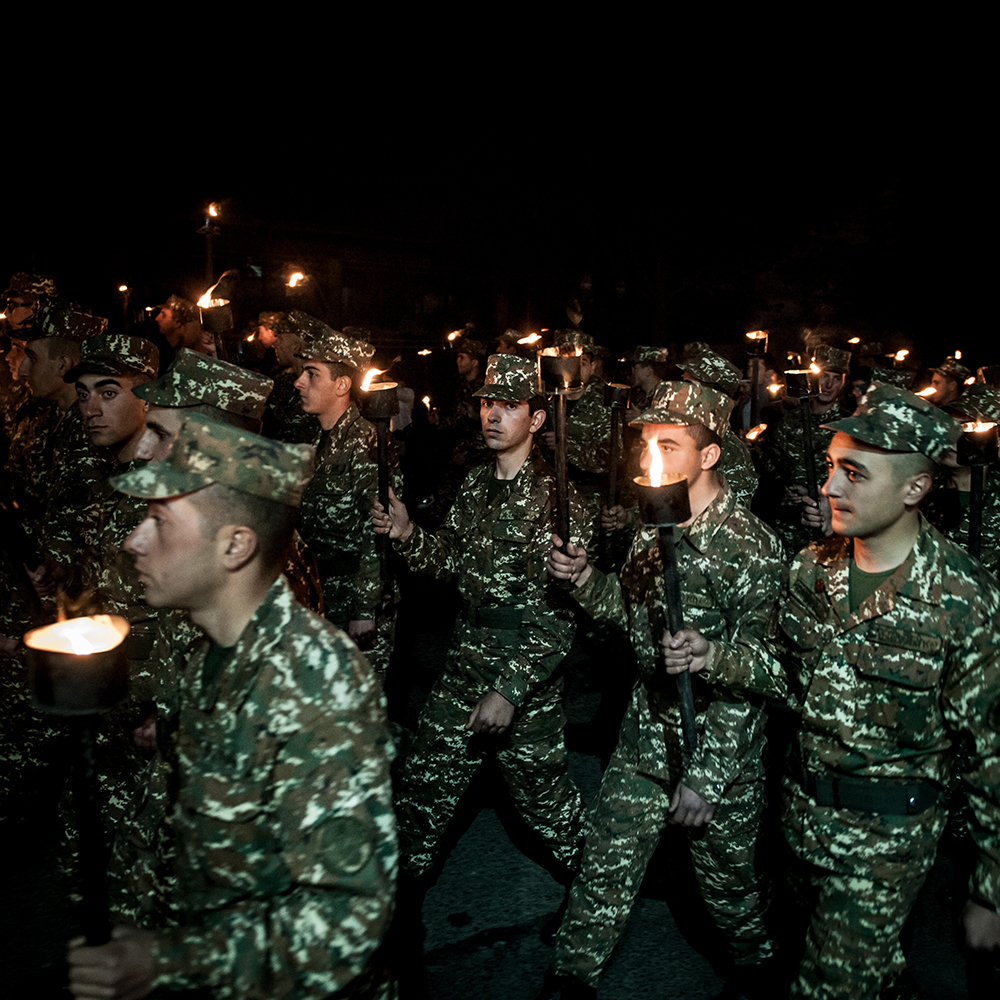
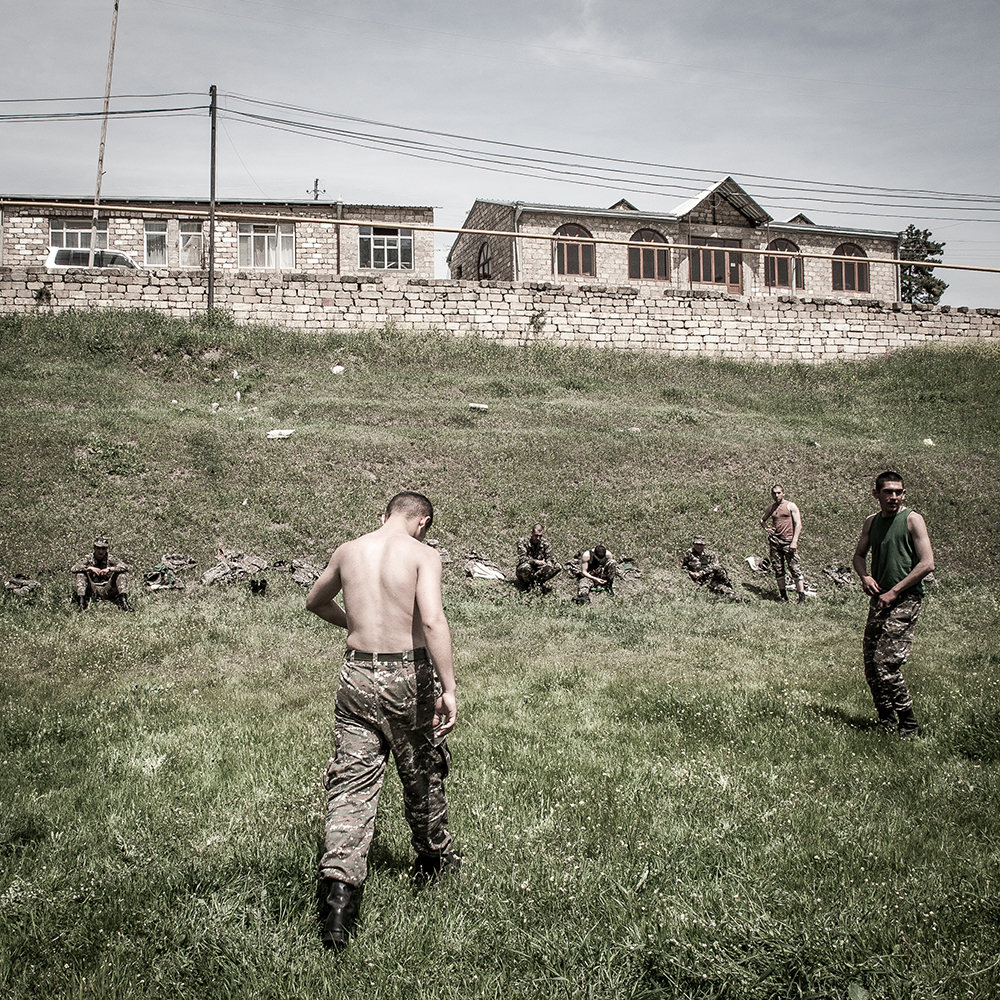
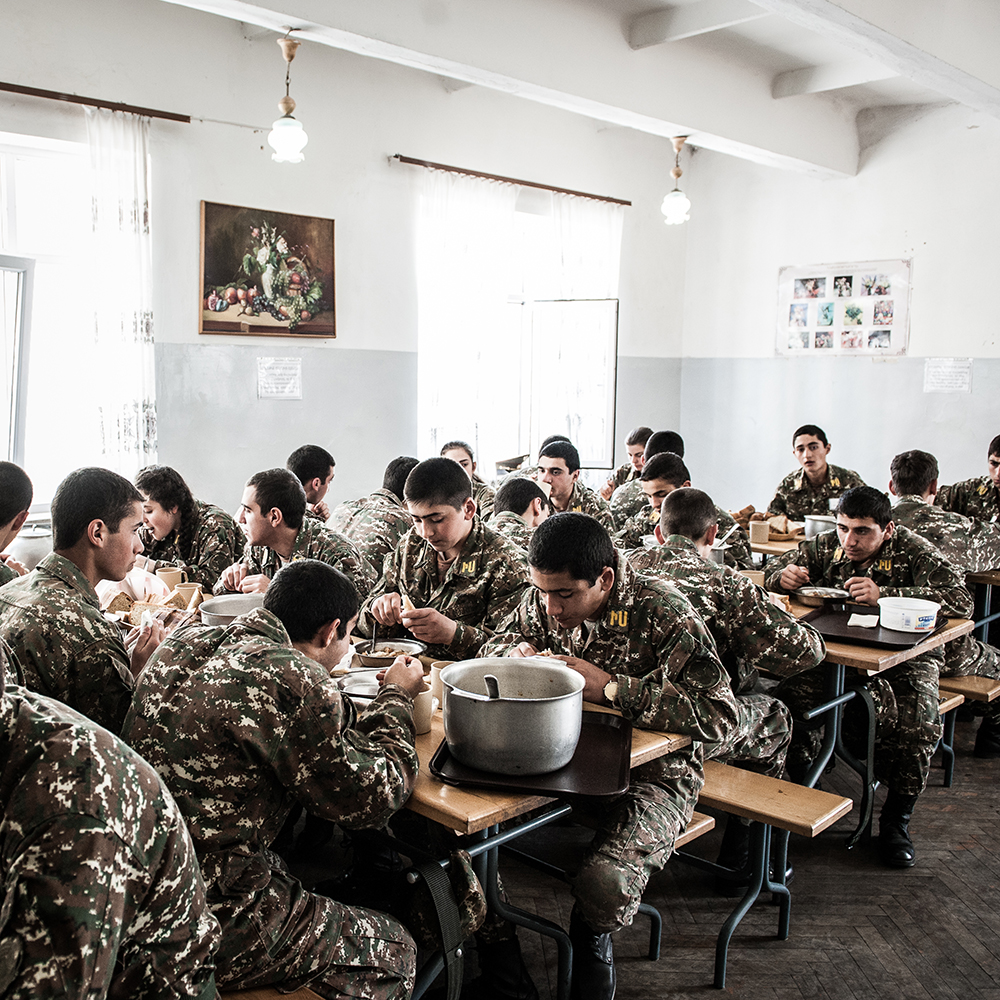
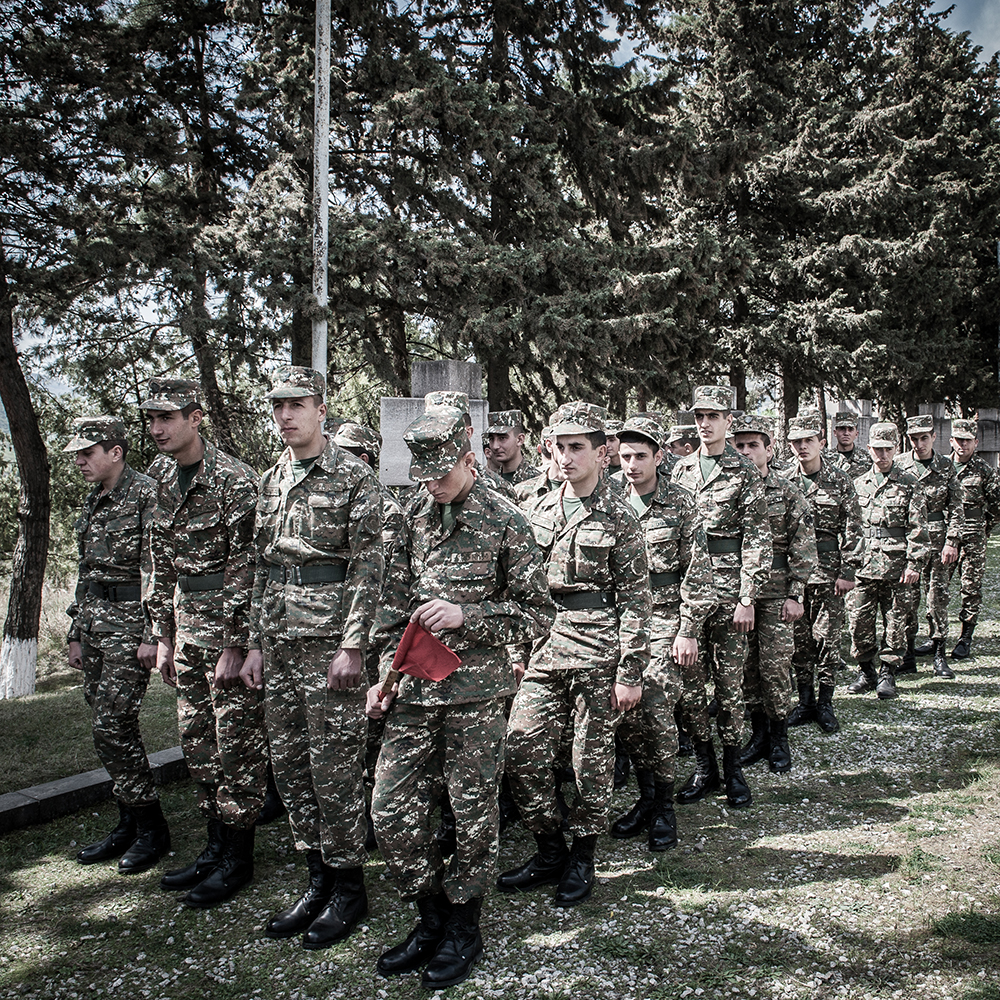
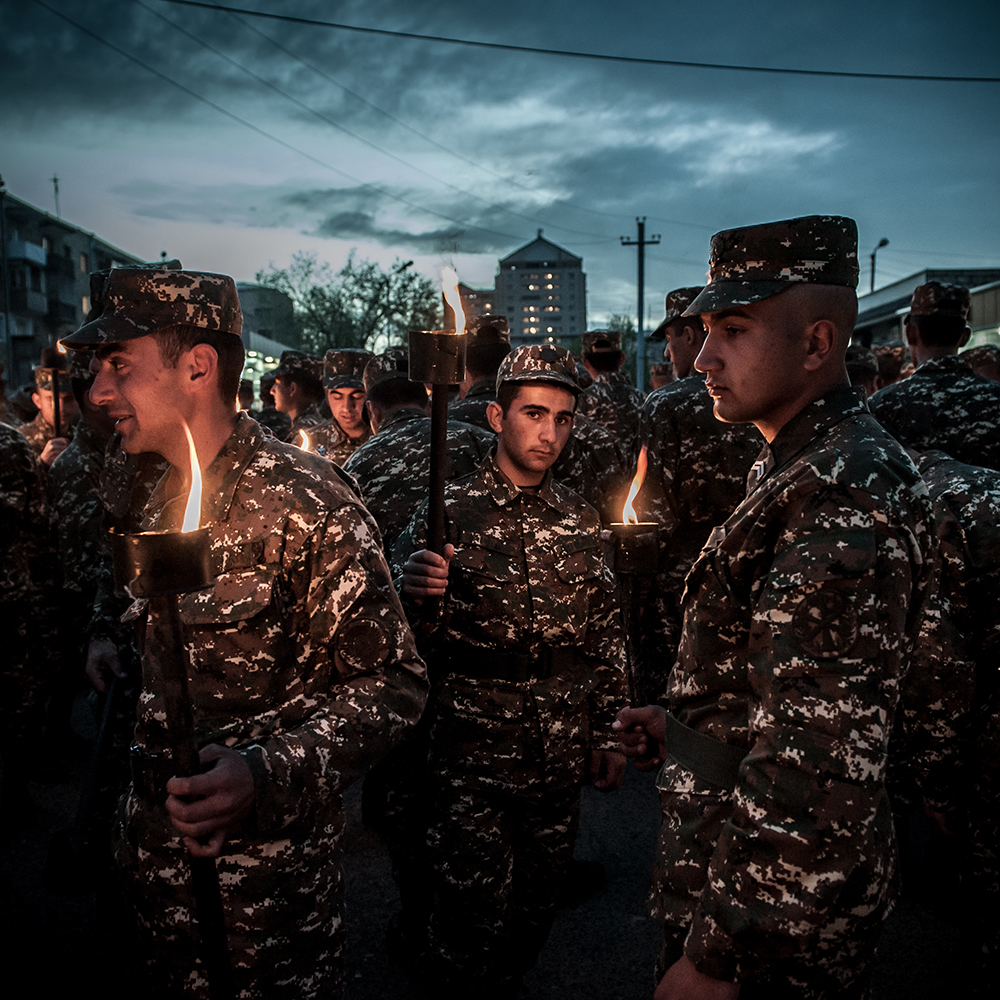
Unrecognized nation, forgotten war Nagorno-Karabakh’s young soldiers and cadets’ lives in limbo. “All men and women of Nagorno-Karabakh Republic are part of the army, but we cannot say how many soldiers are now operative over the frontline” explains me an official from the Ministry of Foreign Affairs in Stepanakert. Almost one year after the April War a supposed-to-be ordinary life is going on among villages and streets of the Armenia backed unrecognized nation. All the aspiring republic’s inhabitants clearly remember the destructive violence of the decades-old conflict. Some of them aspire for a resolution. They believe in a better future to live for the next generations.
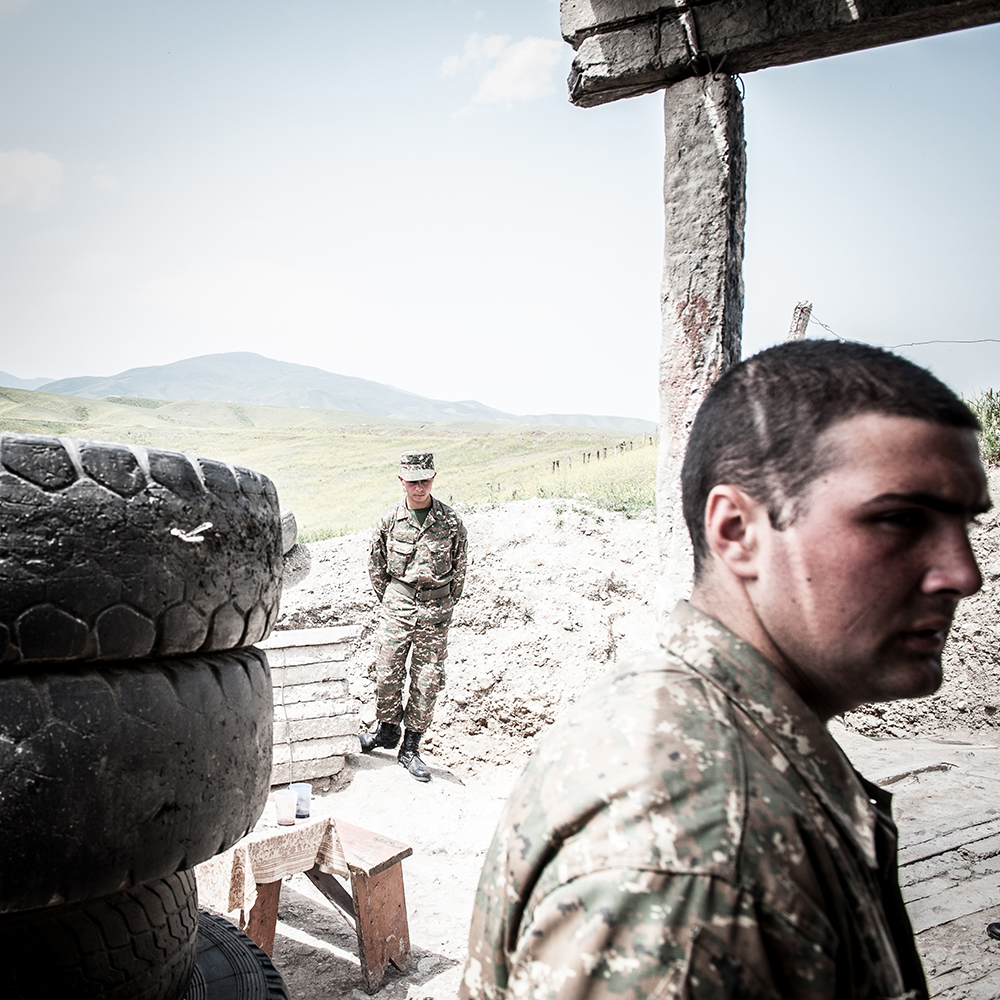
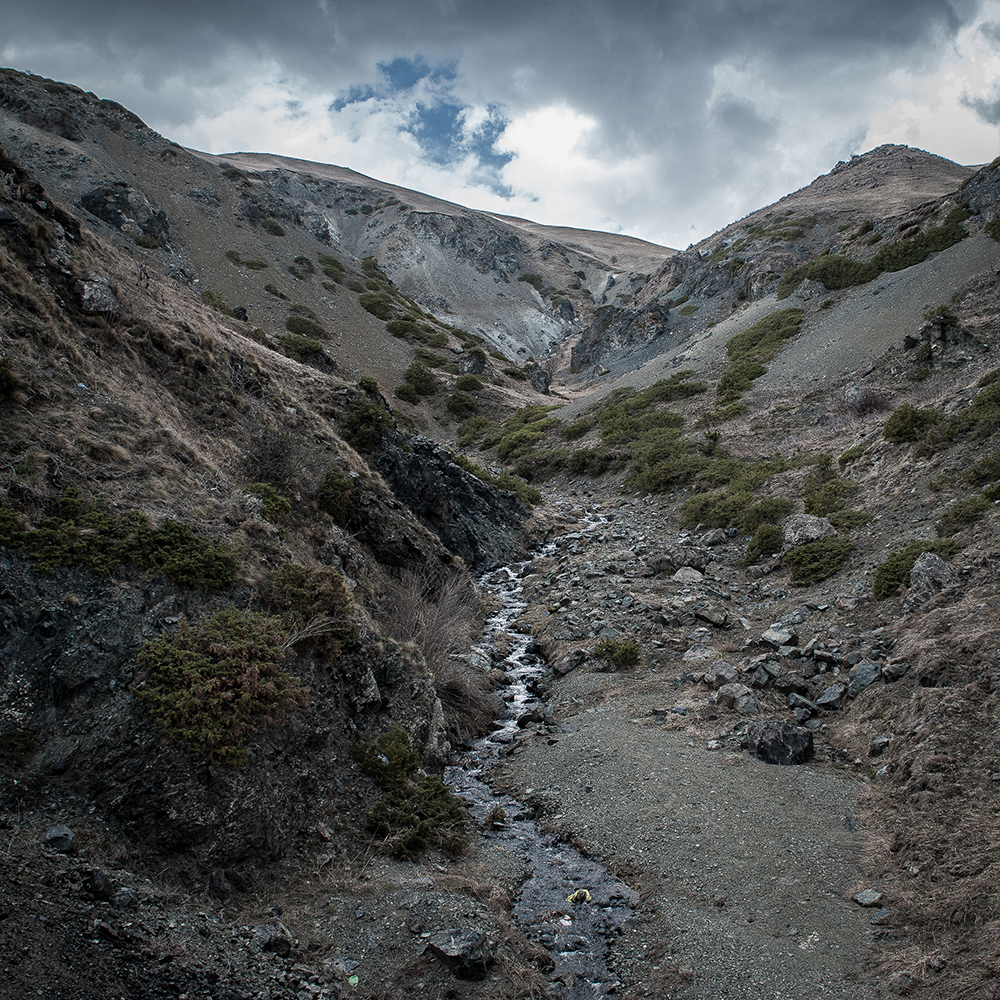
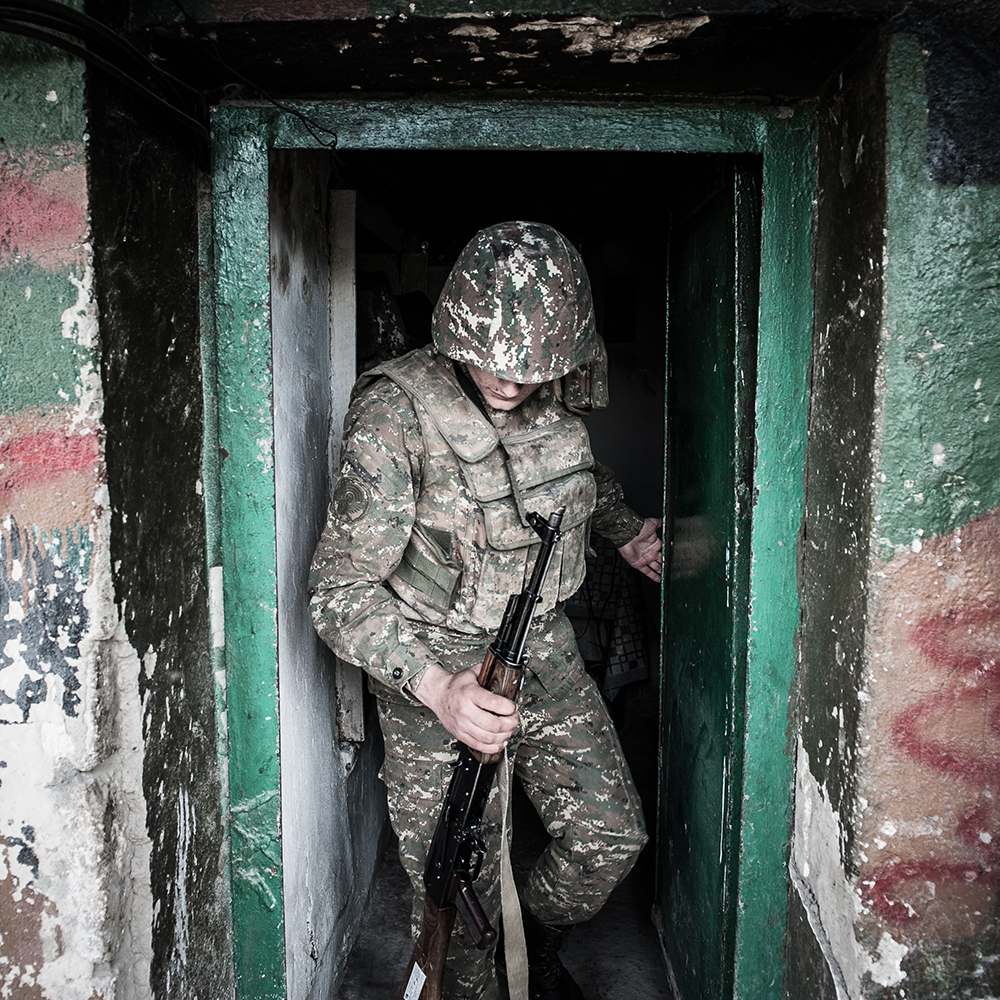
The conflict started in 1988 and escalated into full-scale war when the Soviet Union collapsed in 1991. Armenians went to war with Azerbaijan, with backing from Armenia. The conflict left 65,000 ethnic Armenians and 40,000 ethnic Azeris displaced. While a cease-fire was declared in May 1994 and the violence abated, soldiers are still engaged in defending their positions over the frontline and required training in military bases. Final negotiations are taking place in Moscow but the ceasefire is regularly broken with casualties on both sides. Few days before I was there one of the Artsakh young soldiers was shot by Azeri snipers and injured. Transferred to the hospital in Yerevan, his life is still on risk.
Clashes between the Azerbaijani and ethnic Armenian forces over the breakaway enclave of Nagorno-Karabakh last year were the worst violence the region has seen since the ethnic war over the territory ended in 1994. Azerbaijan boasted of “destroying” 170 opposing troops, while sources from the Armenian Karabakhi forces estimated they had killed 300 Azeri soldiers.
© Emanuele Amighetti
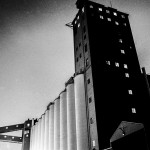
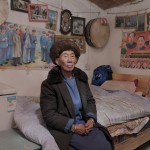
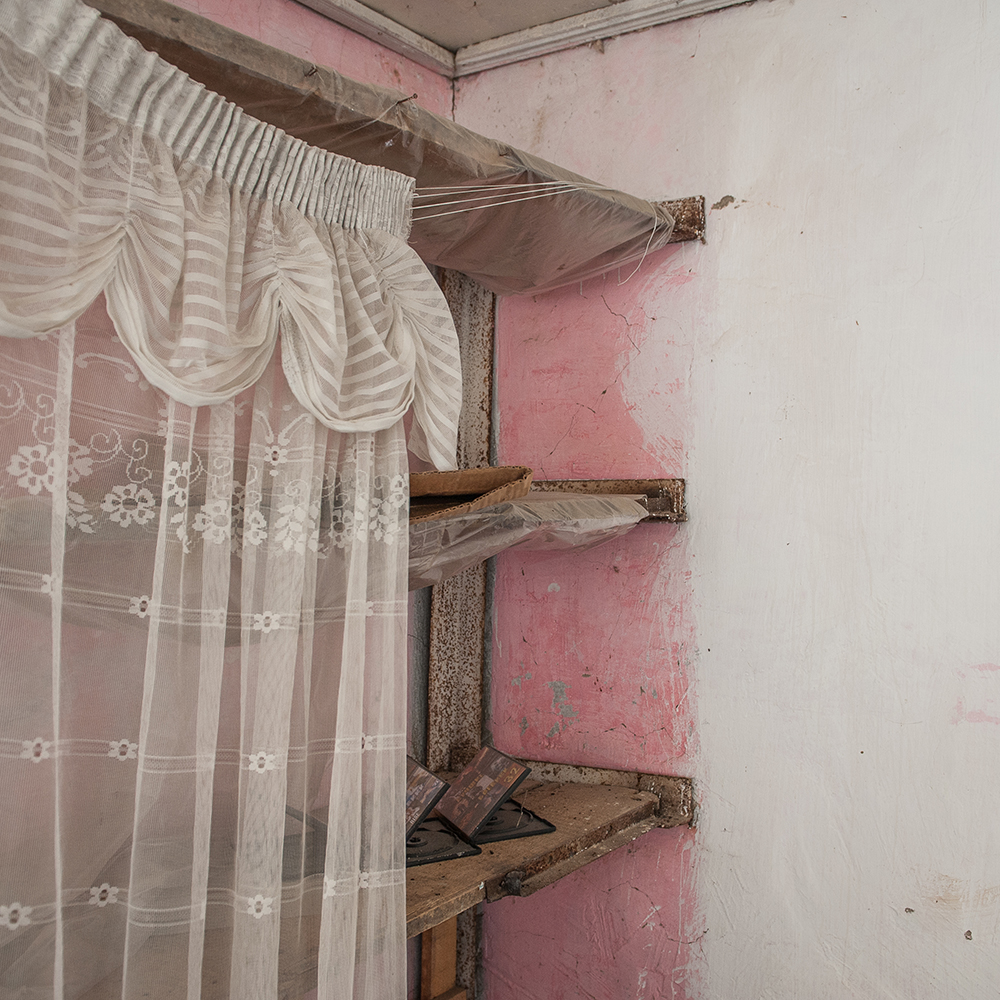
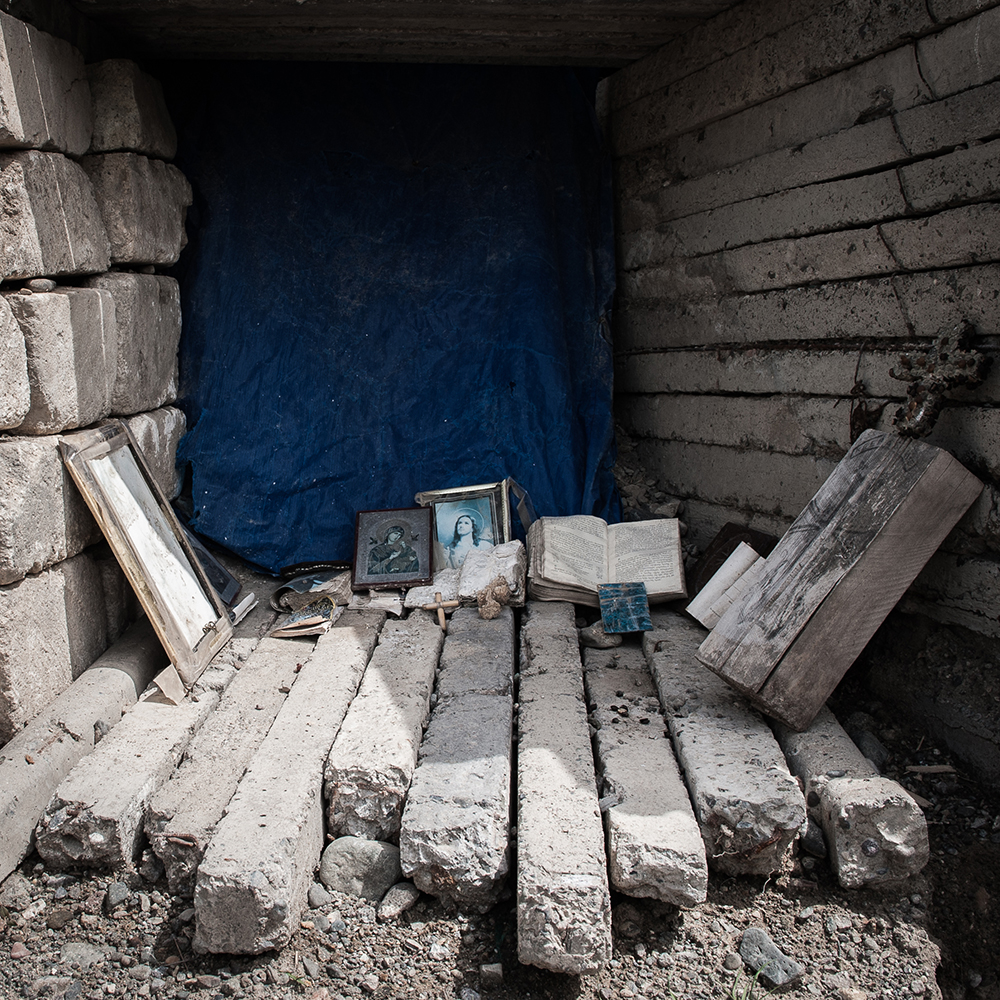
In the village of Talish, Azeris forces entered houses killing four old-men. Their ears were brutally cut off. Traces of those raids are still visible walking through bombed-out houses, shops and destroyed schools. Locals were transferred to near villages, where they found relatives and neighbours. The border territory is now full of military camps and bases proving how military life is not over.
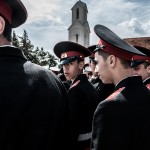
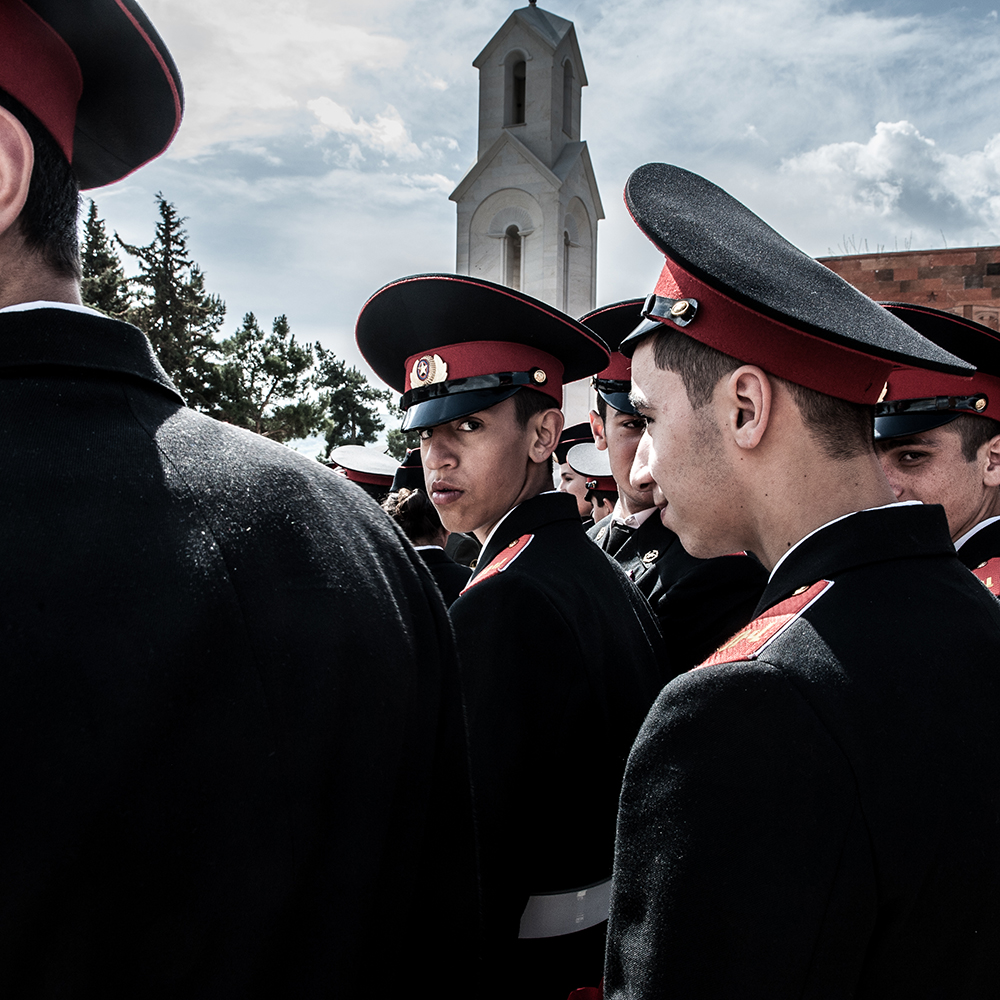
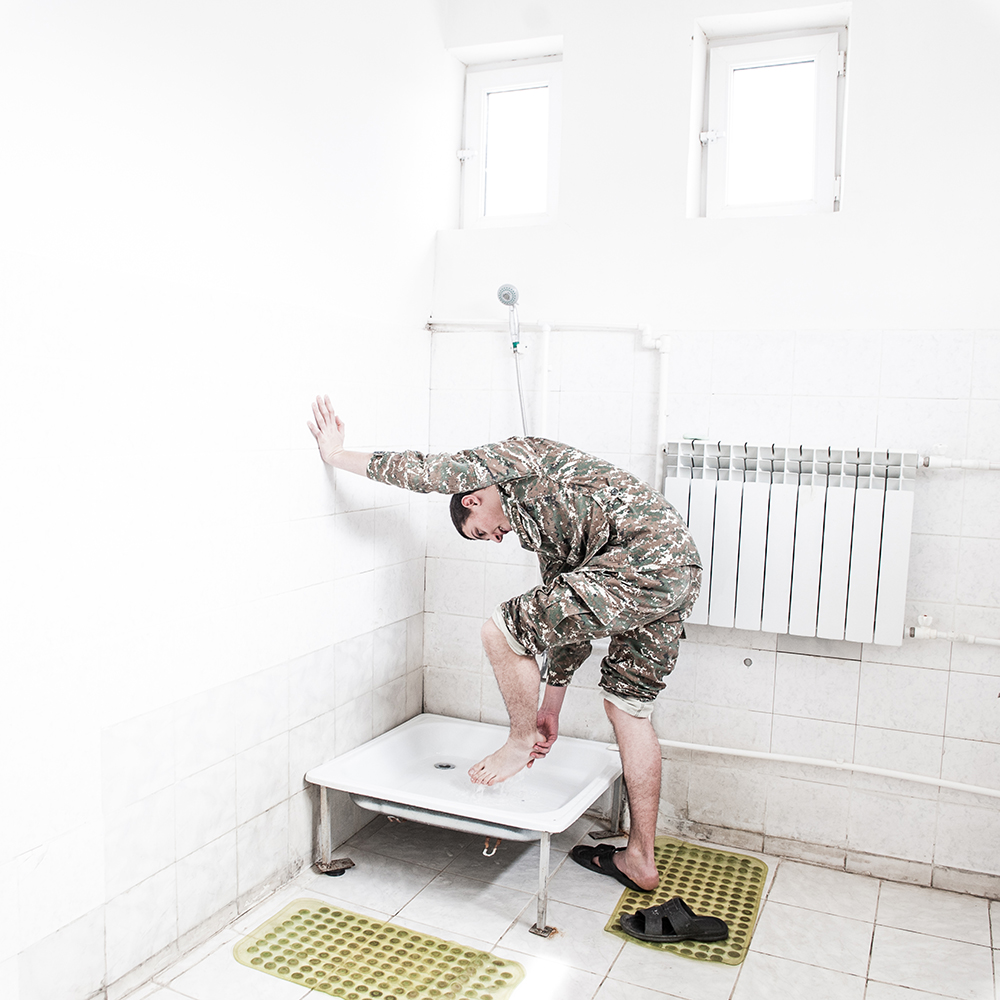
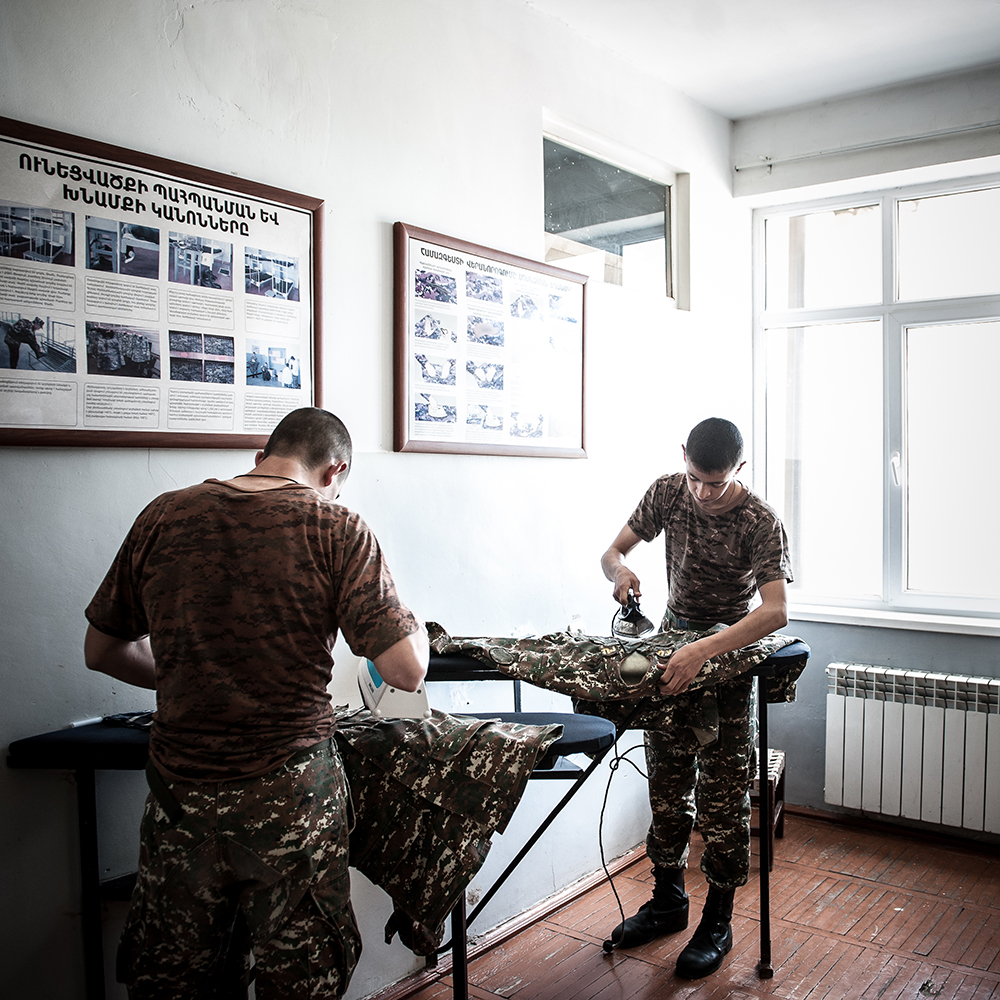
In Stepanakert, the capital, a military academy substituted the traditional high-school. Male and female teenagers aged 13-18 are learning maths, history and english after physical exercises and marches. Unemployment is high, salaries are low, opportunities are few; the young continue to leave in search of better futures abroad. When Artsakh men reach 18 years-old they are whisked away for two years of military national service. That’s what it means living in a region stalked by conflict: security measures trump most other considerations.
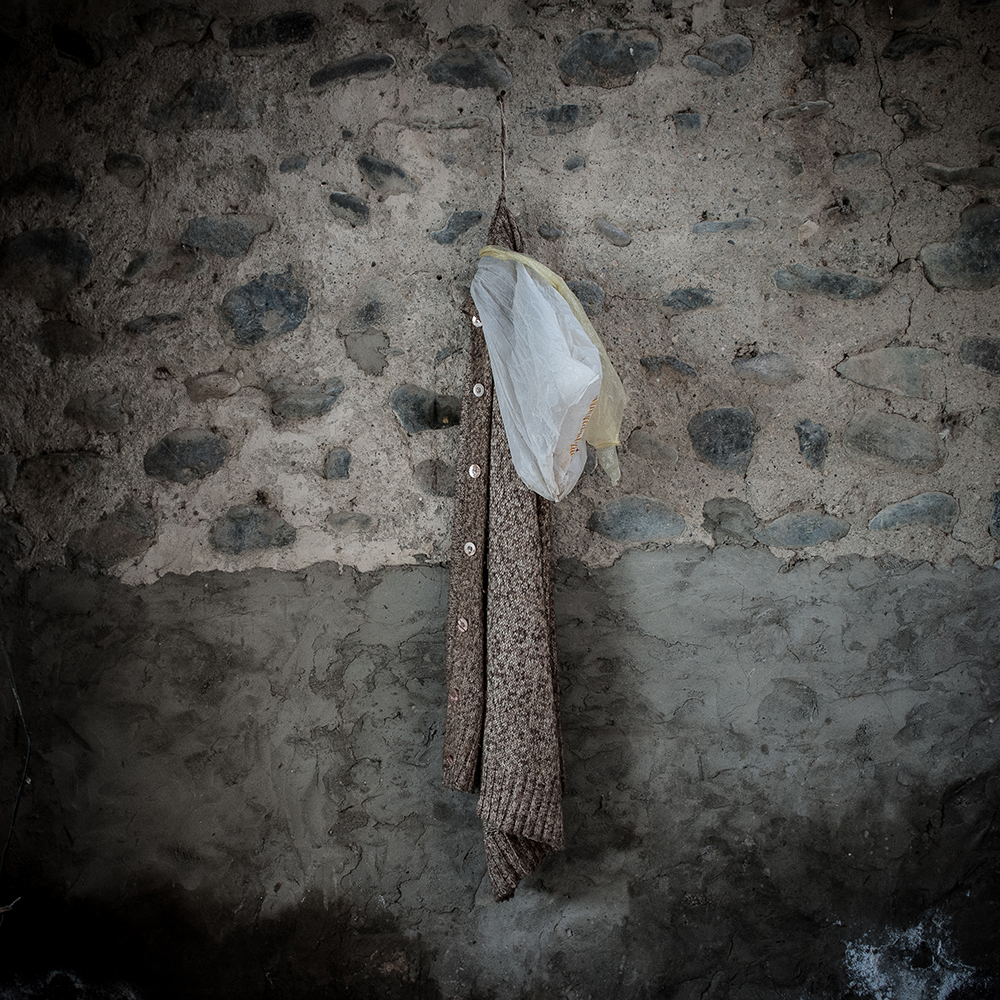
Unrecognized Nation, Forgotten War is a visual journey through the everyday lives of those young soldiers. They seems to be stuck in a frozen limbo. They can’t to anything to escape from that.
© Emanuele Amighetti
© Emanuele Amighetti
© Emanuele Amighetti
© Emanuele Amighetti
© Emanuele Amighetti
© Emanuele Amighetti
© Emanuele Amighetti
© Emanuele Amighetti
© Emanuele Amighetti
© Emanuele Amighetti
Posts on Lenscratch may not be reproduced without the permission of the Lenscratch staff and the photographer.
Recommended
-

Zhao Qian: 2017 LENSCRATCH Student Prize Honorable Mention WinnerJuly 16th, 2017
-
Marlena Jablonska: 2017 LENSCRATCH Student Prize Honorable Mention WinnerJuly 15th, 2017
-
Emanuele Amighetti: 2017 LENSCRATCH Student Prize Honorable Mention WinnerJuly 14th, 2017
-
Jordan Gale: 2017 LENSCRATCH Student Prize Honorable Mention WinnerJuly 13th, 2017
-
Evie Metz: LENSCRATCH Student Prize 3rd Place WinnerJuly 12th, 2017