The Foto Awards presented by Las Fotos Project: Thalía Gochez in Conversation with Paloma Shutes
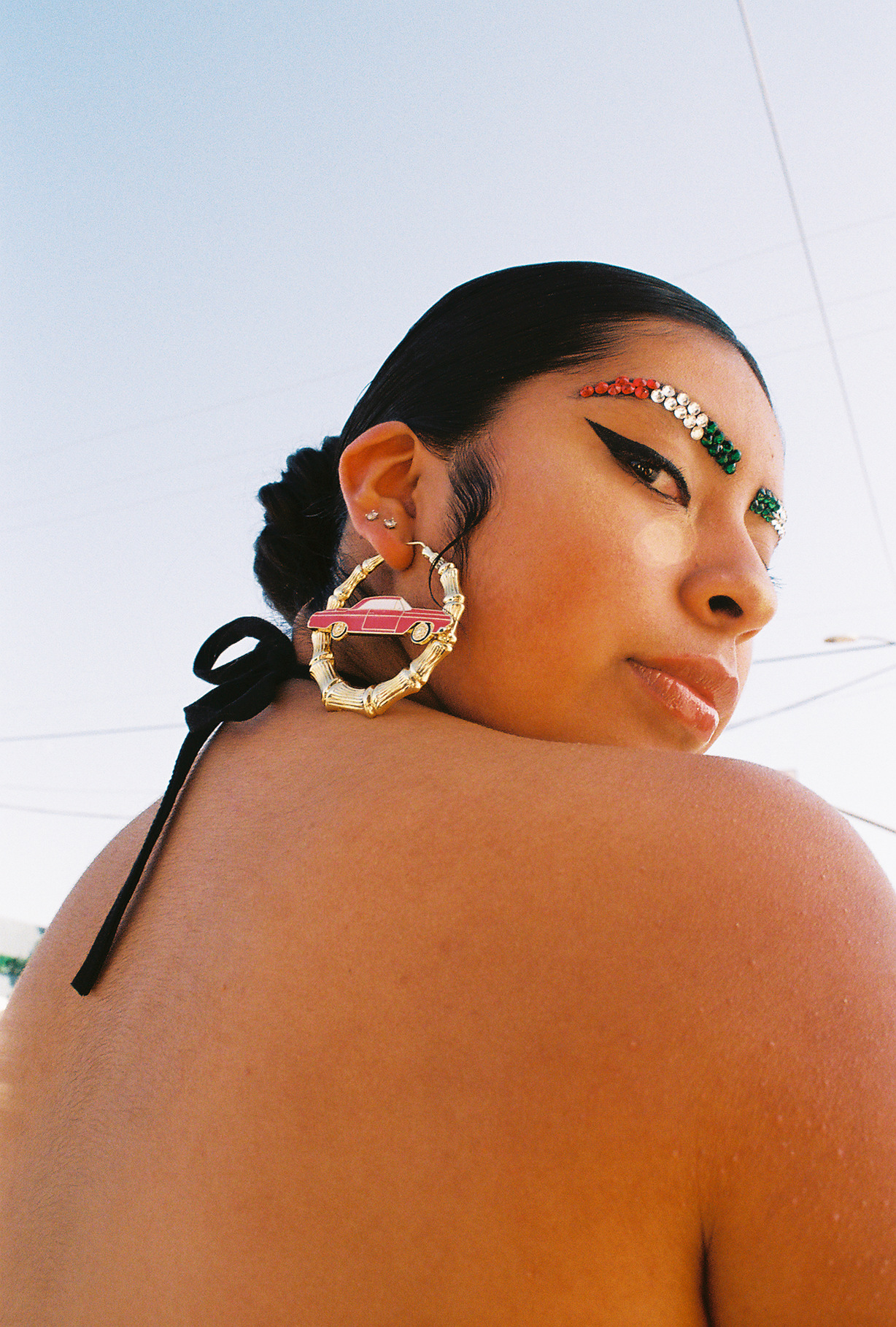
©Thalía Gochez, Lillian in Inglewood for Bella Dona, 2019
This week in honor of Latinx Heritage Month, we are celebrating a wonderful organization in Los Angeles, the Las Fotos Project, and The Foto Awards taking place on October 23, 2021. Today we celebrate Editorial Awardee Thalía Gochez. The Editorial Award is given for inspirational entrepreneurs or innovators.
Las Fotos Project’s mission is to elevate the voices of teenage girls through photography and mentoring, empowering them to channel their creativity for the benefit of themselves, their community and future careers. The organization was founded in 2010 to introduce teenage girls to the transformational power of photography and advance positive change in the surrounding community.
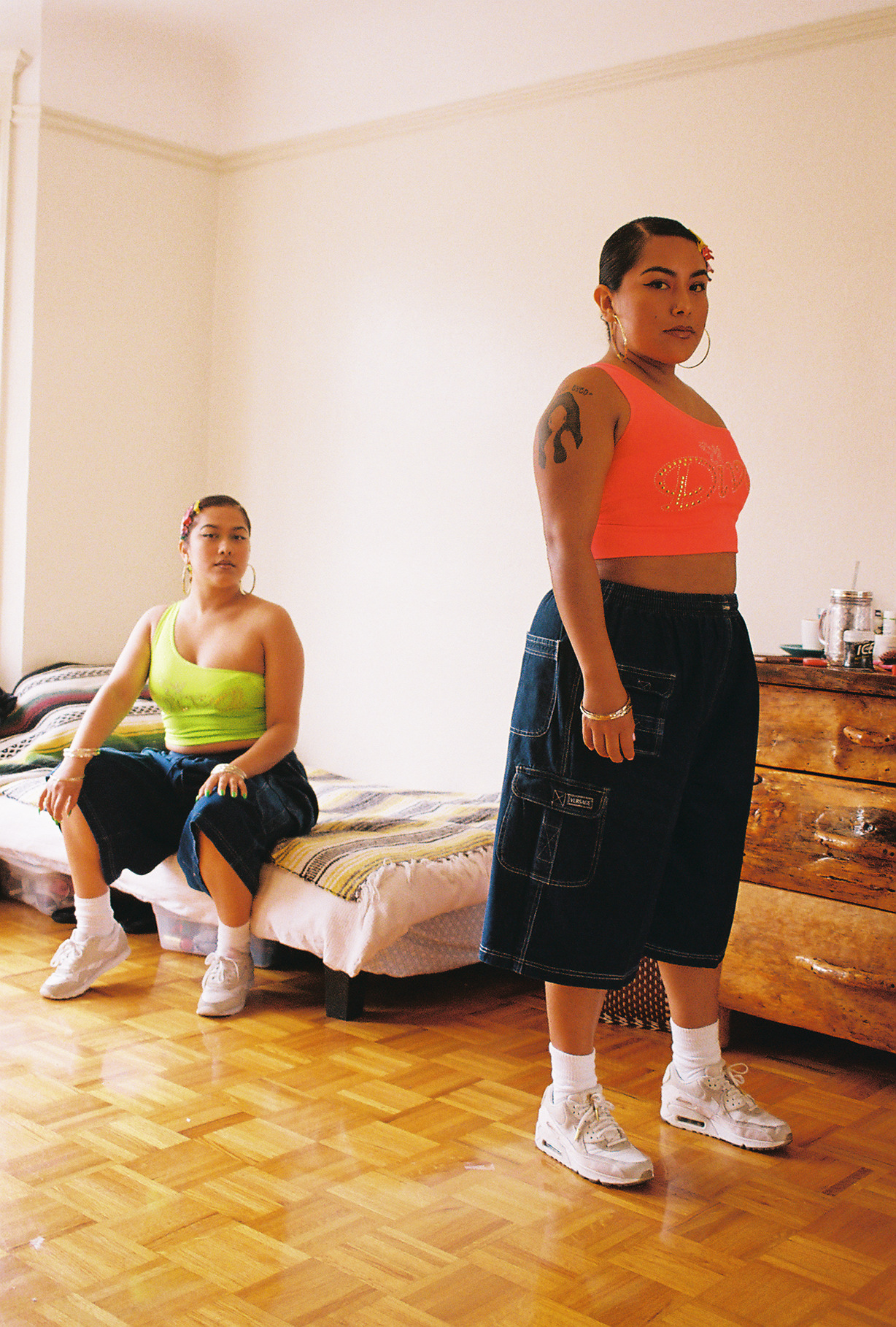
©Thalía Gochez, Sister friends Marilyn & Yose, 2019
Thalía Gochez is a self taught Salvadorian Mexican-American photographer, creative director, and stylist. Thalia’s work strives to amplify all BIPOC identities through honest storytelling imagery. Her creative process is a community effort and plans to lead it with intention empowerment and integrity.
Photographer Thalía Gochez captures vibrant portraits of her community. Her sitters, often female-identifying and Latinx, look directly back at the viewer with a piercing confidence. I’m instantly drawn to the intensity and self-awareness of each person photographed. The styled details– perfect nails, hoop earrings, intricate hairstyles, colorful clips, sparkling lips and eyebrows, add a depth to the photographs that brings out each person’s individual style and vibe. The eye contact is unrelenting, ”Look at me, I’m stunning!” It’s refreshing to see beauty portrayed this way, beyond the conformities of traditional Eurocentric beauty standards. Follow Thalía on Instagram @thaliagochez
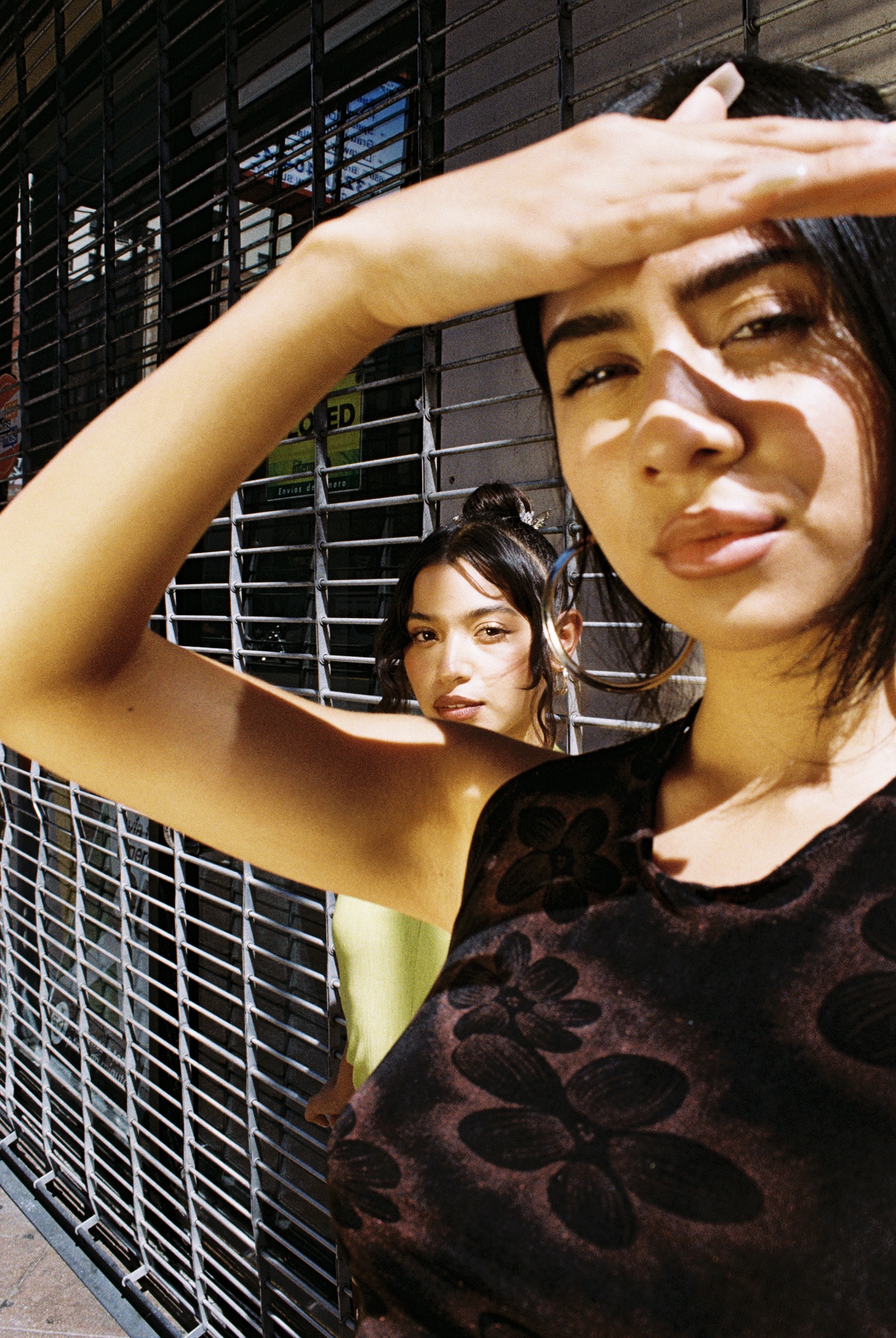
©Thalía Gochez, Judah and Alex, Los Angeles, 2020
Tell me about growing up and your introduction to photography. How and why did you start photographing?
I’ve always been a creative person. Unlike academics or sports, the arts weren’t a resource I had readily available growing up. However, I do remember my dad always documenting our lives through images and videos, he almost always had a camera in his hand. I quickly discovered the importance and beauty of someone connected to you, capturing your image. I didn’t start to explore my photography until I entered community college. I enrolled in the fashion department and started to notice a lack of images and stories I felt connected to. I had a strong urge to see my community reflected with respect and love in these fashion and creative spaces. I’ve always been deeply inspired by my community and culture, so these concepts came naturally and almost instantly.
I sourced my first camera at a flea market for $1 and I shot with that camera until its dying breath. After I shot my first photo shoot for a school project, I was hooked and began to shoot every chance I could. I saw the importance of not only capturing a fashion-led visual with style and aesthetic but one centered around story and community. That has always been at the forefront of my work.
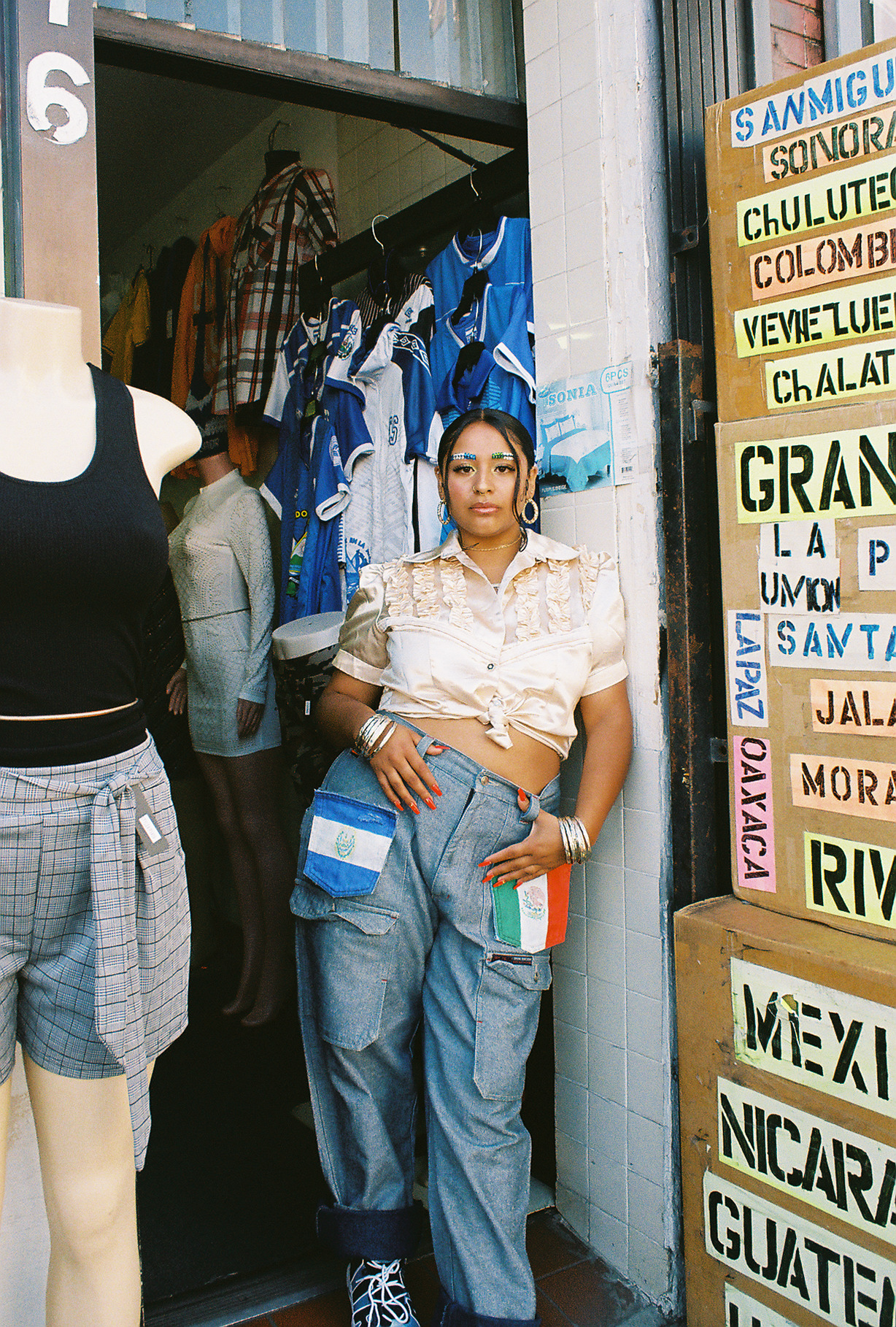
©Thalía Gochez, Annya, Dos Sangres, 2019
How do your life experiences inform your work?
My culture and childhood are constant inspirations for the creative ideas as well as how I interact with the subject(s). My upbringing and experiences give me the privilege of connecting to the subjects I photograph in a deeper way, since we often share similar life experiences and culturally specific beliefs.
The people who sit for your portraits look so comfortable and filled with pride. They exude confidence and style. How do you usually collaborate with your sitters? What is your process?
My main approach is treating the people I photograph like people and not trying to get something out of them. I engage in genuine conversation and listen to their story and needs. Communication is key. I typically photograph folks in environments and locations that they are rooted and connected to— that helps tremendously. Their community and sometimes even their home is a safe space that I get access to. It never escapes me how special and sacred that is. The photo shoots are very subject-led, so communicating with the subject on what feels comfortable to them is of the utmost importance. For the creative and styling, since I have a fashion background, I typically bring a bunch of different clothes that I feel inspired by and sometimes we source from their own closet as well. The subject has the last say so if they don’t feel comfortable in the outfit then we switch it up! Before we shoot it’s important for everybody to be on the same page and feeling good or else the photo shoot isn’t worth exploring.
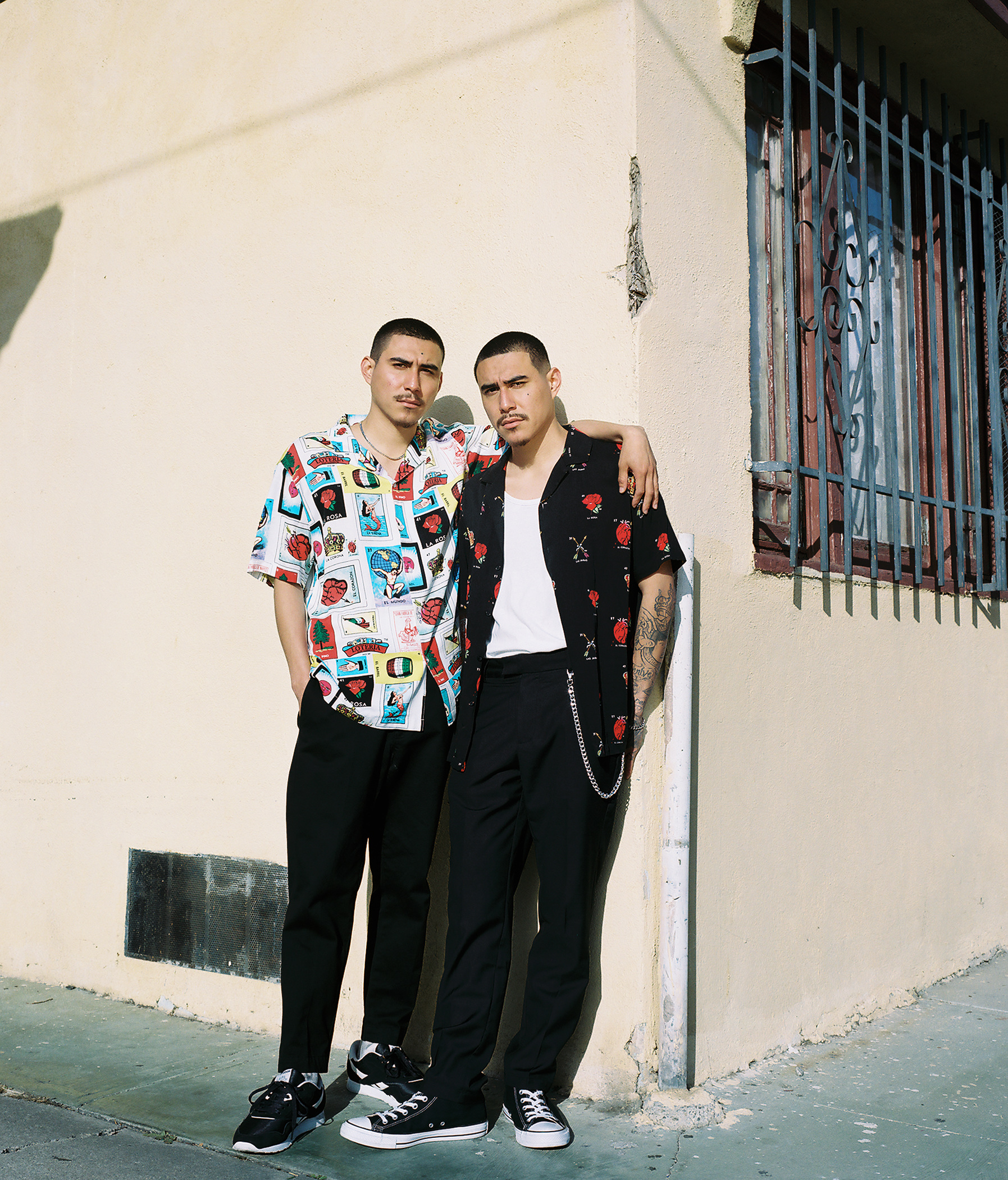
©Thalía Gochez, Jose and Hector at their home for Lotería Forever 21 campaign, 2020
Fashion is where I first explored my creativity. Color and my culture have always been a huge source of inspiration. Each photo shoot and concept is so different but the common thread is it starts with a simple conversation getting to know my subject and picking out what elements of their identity they want to explore and highlight. I like to take culturally specific items and mix and match with an entirely different aesthetic to create contrast. Details are very important to me so, down to socks and hair accessories, everything is carefully and intentionally sourced. The subject is very much involved in this creative process and has the final say.

©Thalía Gochez, Xhíyo, Chingona en su barrio, 2018
Do you keep in touch with your sitters? How do those relationships influence your work?
I’ve always said my relationship to the people I photograph does not end when the camera turns off. I keep in touch with every single person I photograph and cherish each relationship very much. Historically, there has always been a power dynamic between subject and photographer and so much of my creative practice is about bridging that connection gap.
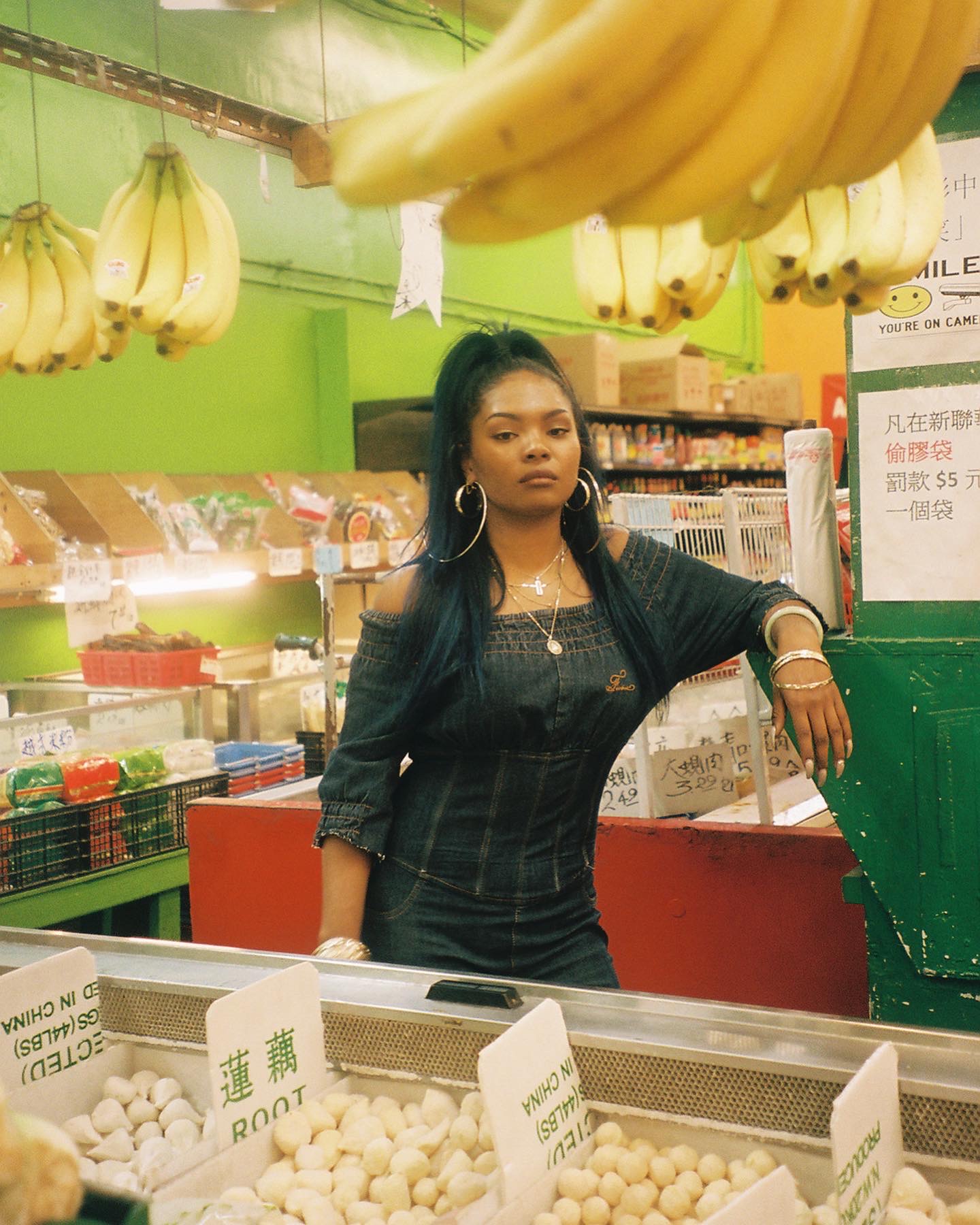
©Thalía Gochez, Chris, 2018
Describe a memorable story from one of your commissions:
The most memorable creative/editorial experience would have to be my very first big professional photoshoot gig. I received an email from a women-centered agency (@girlgaze) and they were interested in hiring me for a campaign. I needed to sign an NDA. I didn’t even know what an NDA was! I quickly signed it and they told me the client was Nike! I’ll never forget that feeling, I truly was in shock. Up until that point I had never been on set aside from the small sets I created with my subjects with a crew of just me and the subject. I was shooting with my community and often dreamt about big opportunities like this but never thought it was within reach so rapidly. The experience was such a huge learning curve! I knew how to take a good photo but I didn’t know much about industry language or other professional elements when producing a large scale photoshoot. Luckily, my mentor Diana really carried me through the whole experience. Without her guidance, care, and love I wouldn’t be the confident creative I am today! I’ve experienced firsthand the power of mentorship and deeply believe in it. I hope to be at least half the mentor Diana has been to me! She’s the best! Also, the photos turned out great!
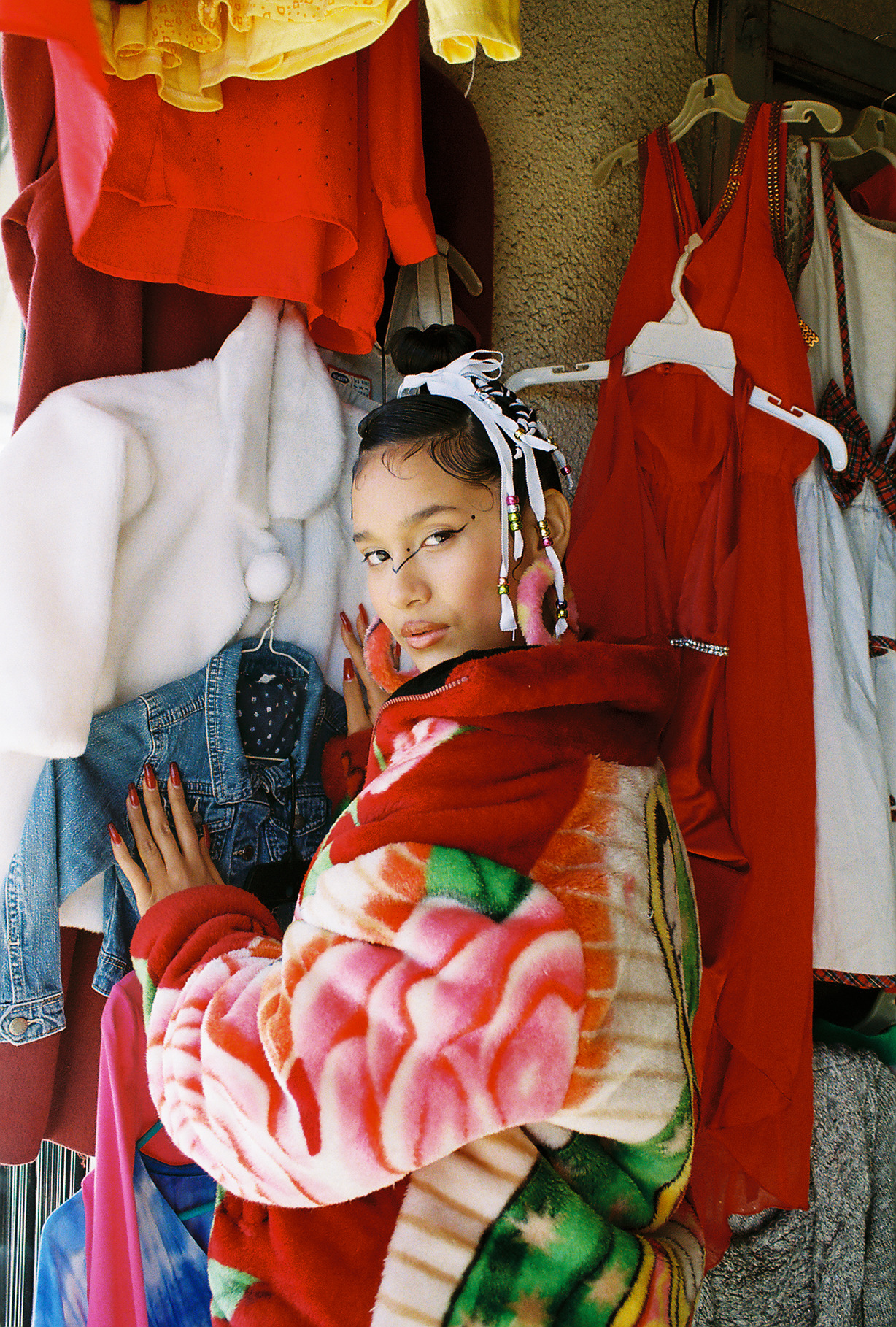
©Thalía Gochez, Sarita around her neighborhood for Equihua, 2019
What’s your relationship to Las Fotos Project?
I found them on Instagram! I instantly fell in love with their community mission and wanted to get involved in some way. I truly believe knowledge shouldn’t be gatekept, and if I have any resources to share with others I will. It’s imperative to my code of ethics to share with others. I don’t know everything but, as a self-taught photographer, I’ve learned a lot from my wins and losses. I’ve partnered with LFP on a few big professional photo shoots and I’ve spoken on a couple different online engagements! I love and have immense respect for the Las Fotos Project students and staff. They have always welcomed me with open arms and I’m so grateful to have the privilege and access to build community with them. We learn from each other, the students all have such strong creative vision, and it’s beautiful what a nurturing creative space like Las Fotos Project can do for one’s creative identity. Love and care gives our community wings!
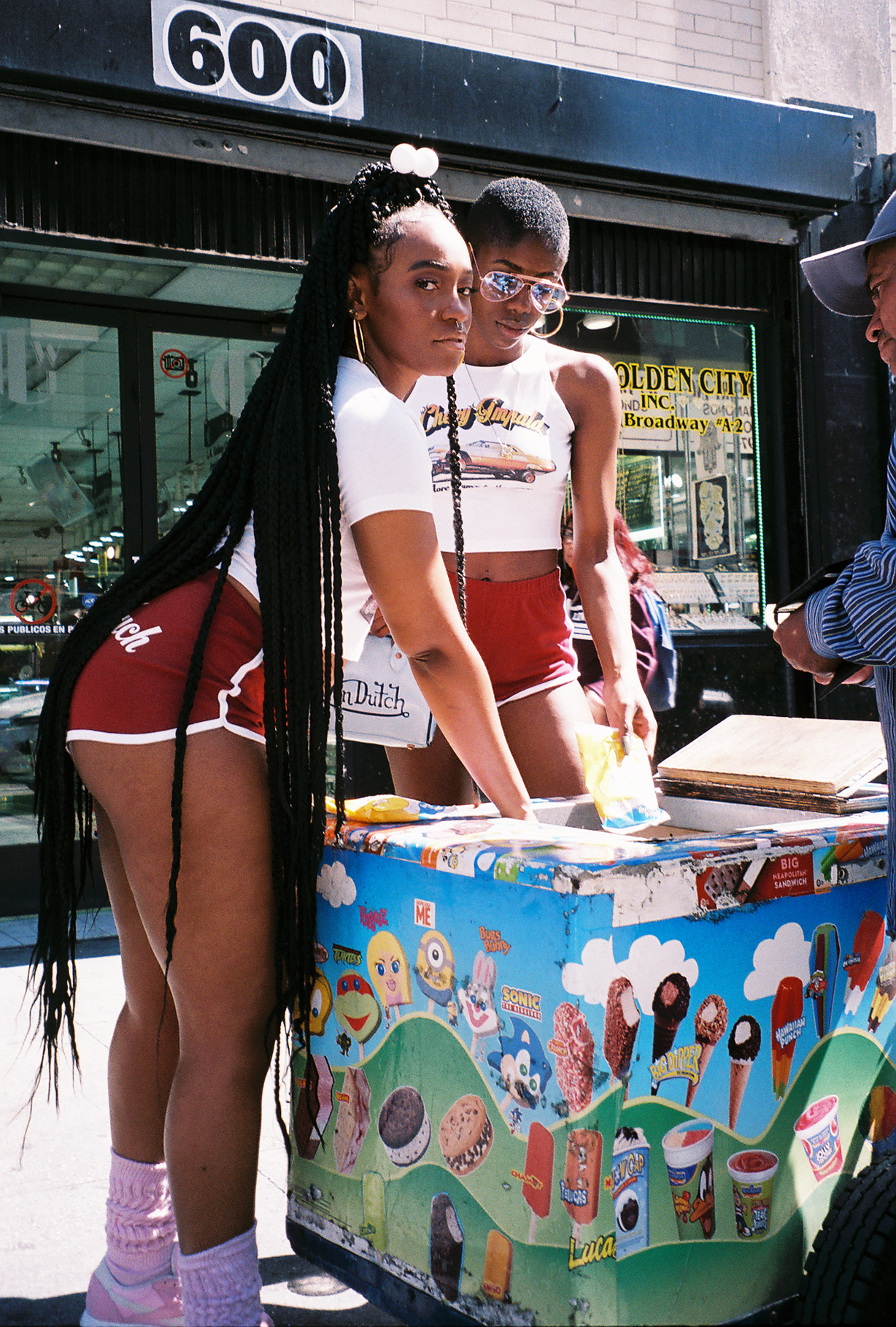
©Thalía Gochez, Shelby and Ryanne in Los Angeles for Bella Dona, 2018
What advice do you have for young photographers?
Ask questions! Seek mentorship. Don’t be afraid to receive guidance from someone with a little more experience. Also, focus on yourself and your creative vision! Don’t compare your progress to anybody but YOU. Your creative voice is what makes you unique and it is what is going to separate you from everybody else. There is enough opportunity and resources for everybody!
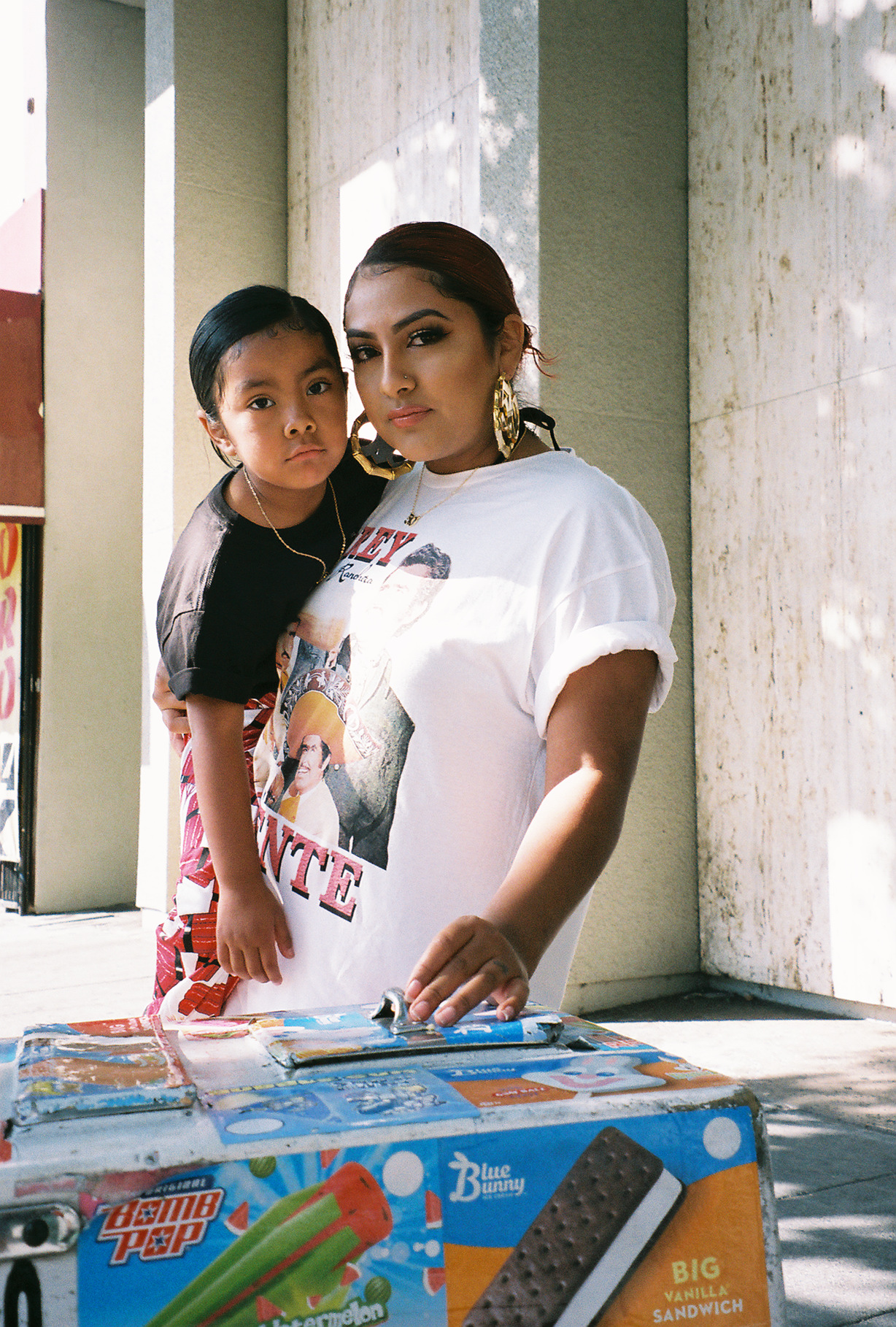
©Thalía Gochez, Diana and Laila in East Oakland for Bella Dona, 2019
What photo projects are you dreaming about making lately?
I’ve been dreaming about making my first photography book. I want to do it right and at the utmost quality. I want it to be like a staple coffee table book. It will happen!
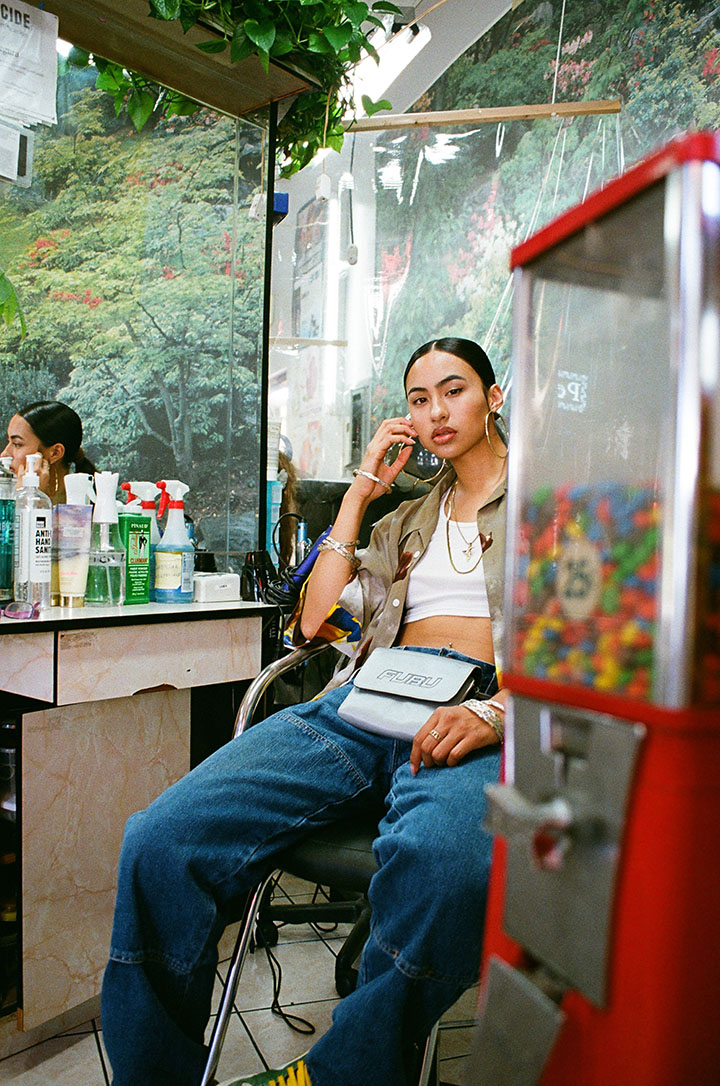
©Thalía Gochez, Salvadoreña, 2021
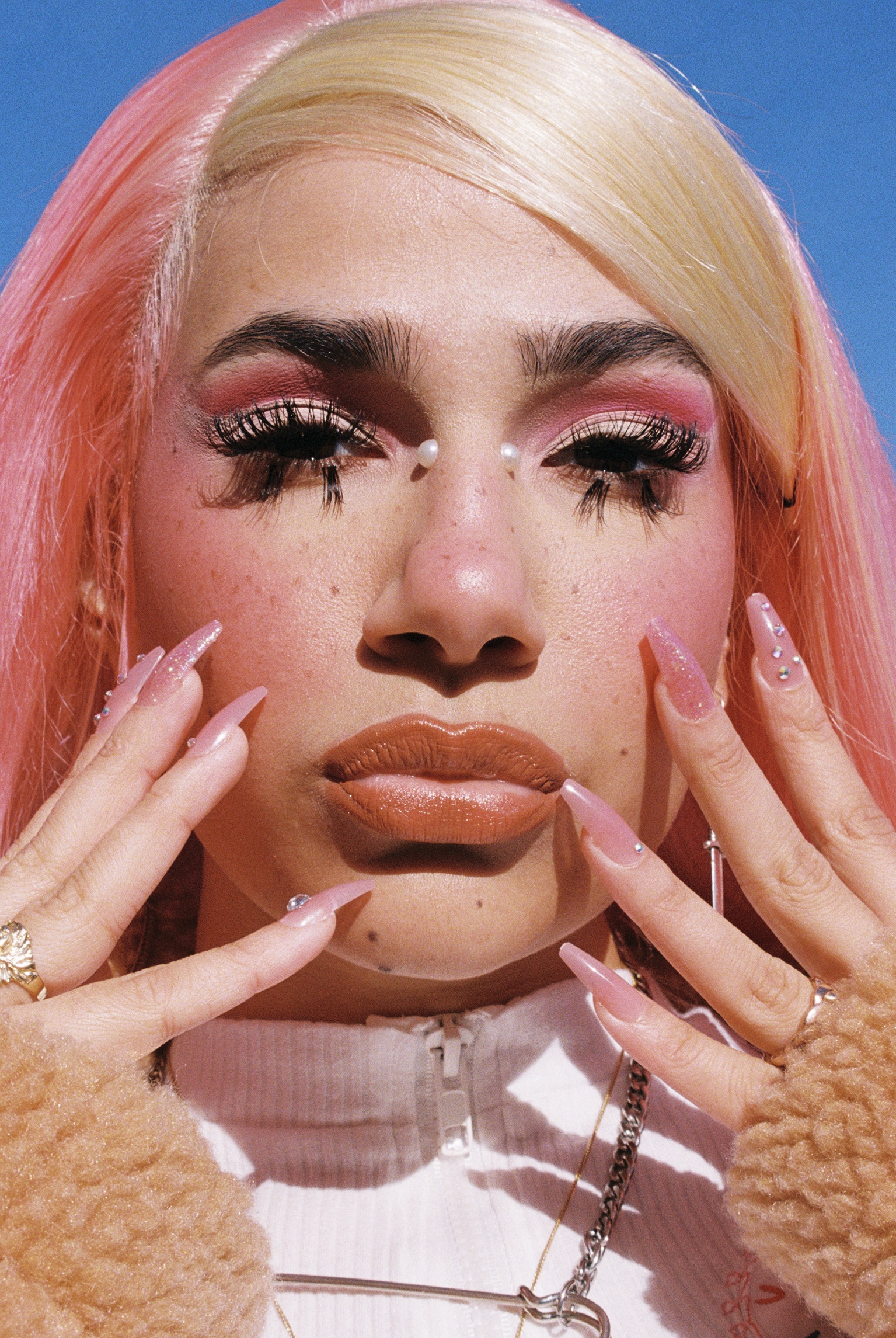
©Thalía Gochez, Uzumaki around her art gallery, Los Angeles, 2021
Paloma Shutes is a photo editor based in Oakland, California. She has worked at The California Sunday Magazine, GQ, Wired, and for various commercial clients. Her work has been recognized by the Society of Publication Designers. She is a committee member for The 2021 Foto Awards and a mentor with First Exposures. You can find her on Instagram @palomashutes
Posts on Lenscratch may not be reproduced without the permission of the Lenscratch staff and the photographer.
Recommended
-
Zanele Muholi: 2026 Hasselblad Award LaureateMarch 13th, 2026
-
Shane Hallinan: The 2025 Salon Jane Award WinnerFebruary 12th, 2026
-

Greg Constantine: 7 Doors: An American GulagJanuary 17th, 2026
-
Yorgos Efthymiadis: The James and Audrey Foster Prize 2025 WinnerJanuary 2nd, 2026
-
Arnold Newman Prize: C. Rose Smith: Scenes of Self: Redressing PatriarchyNovember 24th, 2025




![In the early morning of Sunday, September 15, 1963, four members of the United Klans of AmericaÑThomas Edwin Blanton Jr.,Herman Frank Cash, Robert Edward Chambliss, and Bobby Frank CherryÑplanted a minimum of 15 sticks of dynamite with a time delay under the steps of the 16th Street Baptist Church in Birmingham, Alabama, close to the basement.
At approximately 10:22 a.m., an anonymous man phoned the 16th Street Baptist Church. The call was answered by the acting Sunday School secretary: a 14-year-old girl named Carolyn Maull. To Maull, the anonymous caller simply said the words, "Three minutes", before terminating the call. Less than one minute later, the bomb exploded as five children were present within the basement assembly, changing into their choir robes in preparation for a sermon entitled "A Love That Forgives". According to one survivor, the explosion shook the entire building and propelled the girls' bodies through the air "like rag dolls".
The explosion blew a hole measuring seven feet in diameter in the church's rear wall, and a crater five feet wide and two feet deep in the ladies' basement lounge, destroying the rear steps to the church and blowing one passing motorist out of his car. Several other cars parked near the site of the blast were destroyed, and windows of properties located more than two blocks from the church were also damaged. All but one of the church's stained-glass windows were destroyed in the explosion. The sole stained-glass window largely undamaged in the explosion depicted Christ leading a group of young children.
Hundreds of individuals, some of them lightly wounded, converged on the church to search the debris for survivors as police erected barricades around the church and several outraged men scuffled with police. An estimated 2,000 black people, many of them hysterical, converged on the scene in the hours following the explosion as the church's pastor, the Reverend John Cross Jr., attempted to placate the crowd by loudly reciting the 23rd Psalm through a bullhorn. One individual who converged on the scene to help search for survivors, Charles Vann, later recollected that he had observed a solitary white man whom he recognized as Robert Edward Chambliss (a known member of the Ku Klux Klan) standing alone and motionless at a barricade. According to Vann's later testimony, Chambliss was standing "looking down toward the church, like a firebug watching his fire".
Four girls, Addie Mae Collins (age 14, born April 18, 1949), Carol Denise McNair (age 11, born November 17, 1951), Carole Robertson (age 14, born April 24, 1949), and Cynthia Wesley (age 14, born April 30, 1949), were killed in the attack. The explosion was so intense that one of the girls' bodies was decapitated and so badly mutilated in the explosion that her body could only be identified through her clothing and a ring, whereas another victim had been killed by a piece of mortar embedded in her skull. The then-pastor of the church, the Reverend John Cross, would recollect in 2001 that the girls' bodies were found "stacked on top of each other, clung together". All four girls were pronounced dead on arrival at the Hillman Emergency Clinic.
More than 20 additional people were injured in the explosion, one of whom was Addie Mae's younger sister, 12-year-old Sarah Collins, who had 21 pieces of glass embedded in her face and was blinded in one eye. In her later recollections of the bombing, Collins would recall that in the moments immediately before the explosion, she had observed her sister, Addie, tying her dress sash.[33] Another sister of Addie Mae Collins, 16-year-old Junie Collins, would later recall that shortly before the explosion, she had been sitting in the basement of the church reading the Bible and had observed Addie Mae Collins tying the dress sash of Carol Denise McNair before she had herself returned upstairs to the ground floor of the church.](http://lenscratch.com/wp-content/uploads/2019/02/001-16th-Street-Baptist-Church-Easter-v2-14x14-150x150.jpg)