In Focus: The MFA Review: New Mexico State University

©Trey Broomfield, Alum
Each installment of In Focus: The MFA Review highlights a different MFA program for photographic artists, offering readers a concise overview of its identity, curriculum, faculty, student experience, financial support, and post-graduation outcomes. It also serves as a showcase of the creative work produced by faculty, students, and alumni. Rather than functioning as rankings or endorsements, these features are intended as practical starting points—tools to help prospective students compare programs, identify what matters most to them, and make more informed decisions about their graduate education. While certain details shared in these articles may change over time, my hope is that these program snapshots offer a clear sense of what each represents in the present moment.
Thank you to Bree Lamb for completing this interview and compiling all the images/resources!
Institution name: New Mexico State University (NMSU)
Degree Title: MFA with an emphasis in Studio Art
Location: Las Cruces, NM
Link to Program Page: https://artdepartment.nmsu.edu/index.html
Link to Application Page: https://artdepartment.nmsu.edu/pages/academics/mfamaapplicationrequirements.html
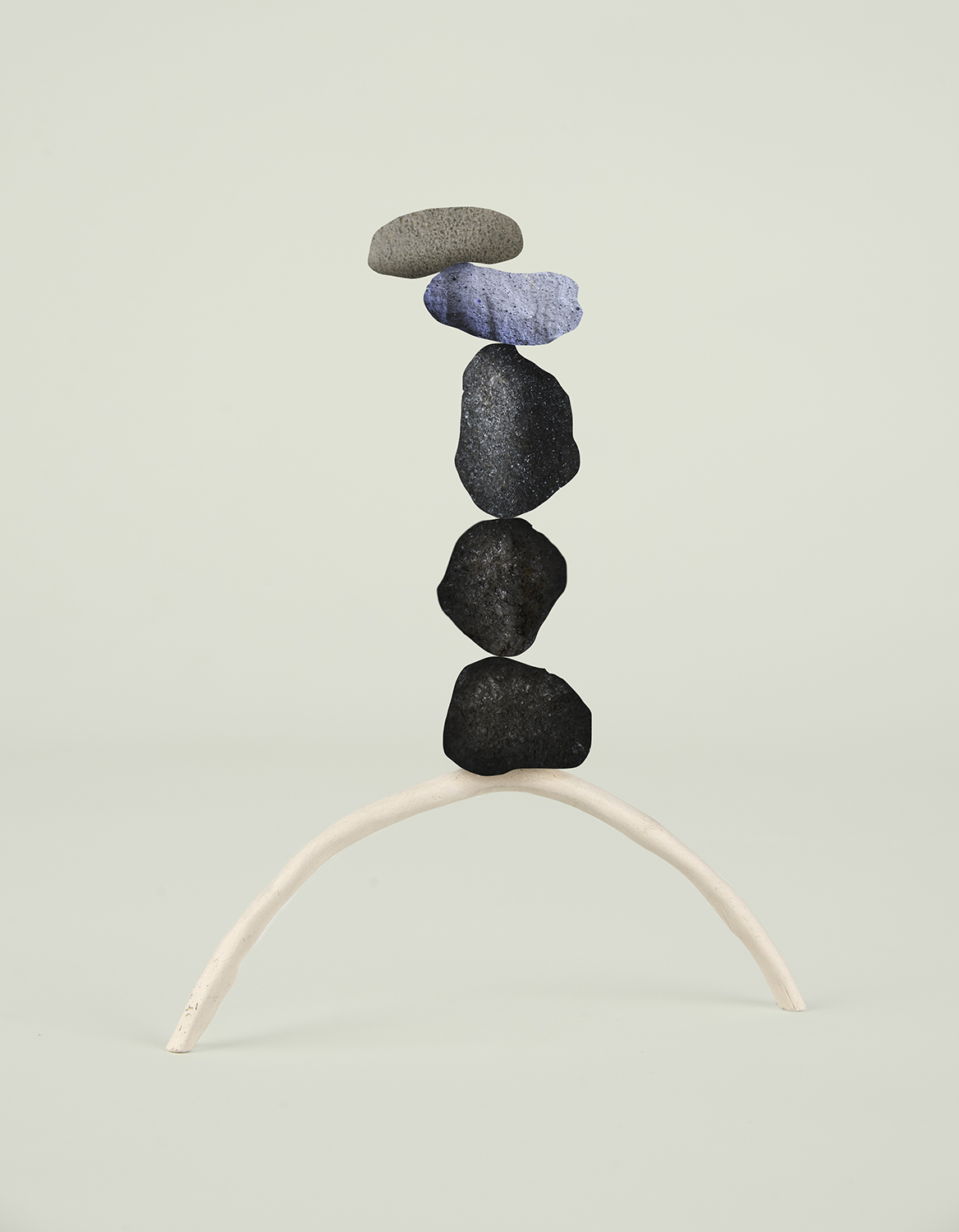
©Ashley Saldana, Alum
Tell us a little about your program. How would you define its scope and purpose?
New Mexico State University (NMSU) offers a three-year, 60-credit MFA degree that focuses on the advancement of our students’ creative practice, critical research, and professional development. Through one-on-one mentorship, experiential learning, and competitive graduate assistantships, we support our students in the evolution of their technical, aesthetic, and conceptual skills.
New Mexico State University (NMSU) is a public land-grant research university with First-Generation Serving and Hispanic-Serving institutional designations, and a Carnegie Classification of R1. Within the scope of our university’s land-grant mission, the Department of Art utilizes our unique geographic location to serve and reflect distinctive border communities. The MFA program supports innovative and hybrid practices, investigation of materials through both studio practice and a museum conservation program, as well as exhibition and curatorial opportunities. Establishing a foundation in critical and cultural discourse, our program includes in-depth examination of theory, methodology, and historiography of art and art history.

©Elham Sabri, Alum
What would you say makes your program special?
The MFA program at NMSU has a unique combination of elements that makes us dynamic, including our supportive and community-centered atmosphere, state-of-the-art facilities, private graduate studios, free tuition and affordable location, wide range of teaching and graduate assistantships, small student to faculty ratio, museum certificate opportunity, professional MFA exhibition, Visiting Artists and Scholars program, and unique professional partnerships for students.
We foster a great sense of community in our department, with dedicated faculty and staff, which sets an inclusive tone for our graduate and undergraduate cohorts alike. Faculty are generous with their time and expertise, viewing their roles as facilitators of creative and professional growth. We strive to maintain a learning environment that cultivates agency and inclusivity, working closely with all students from a wide range of interests and backgrounds. If you’re someone who is looking to be challenged while growing your practice within a supportive community of makers, NMSU is a great fit.
Additionally, we have amazing facilities, including private graduate studios with 24/7 access, water, ventilation, and furniture. We also have a Graduate Student Lounge, with a couch, table, chairs, fridge, microwave, and coffee maker. In 2019, the Department of Art moved into our new building, Devasthali Hall. Each of our studio areas (photography, graphic design, painting and drawing, metalsmithing and jewelry, ceramics, sculpture, conservation, digital fabrication) have state-of-the-art studios, outfitted with a balanced hybrid of traditional equipment and emerging technology.
Graduate students also have the opportunity to earn a certificate in Museum Studies, working directly with our University Art Museum (UAM) staff, and our Museum Conservation faculty, with whom we share our building. The UAM consists of four separate galleries, and they curate inspiring exhibitions from the highest caliber of international artists. Each spring, our MFA students have their thesis exhibition in the University Art Museum, and work closely with UAM staff through the entire exhibition process, from proposal and curation, to press-release and promotion, to installation and graduate-led public events.
As of fall 2026, graduate tuition is free, and we have 10-20 hr/week assistantships available in a range of areas for all graduate students (detailed financial information below). We have a very active Visiting Artist and Scholars program, with several visiting professionals each semester, giving artist talks and demonstrations, while also engaging in individual studio visits with graduate students.
Lastly, our photography faculty continue to build relationships with renowned arts organizations to provide unique student opportunities, including: annual participation in and special events for NMSU students during Review Santa Fe, in partnership with CENTER, Santa Fe, NM; BIPOC Student Scholarships for Photography and New Media Workshops at Anderson Ranch Arts Center, granting a fully-funded, week-long photography workshop for one eligible, nominated graduate student or undergraduate student each summer as part of their Student Scholarship/Partnership Program; annual presentation and recruitment for NMSU student applicants for Santa Fe Workshops summer employment; and special programming and visiting artists in collaboration with New Mexico Museum of Art. Beyond on-campus collaboration, our faculty engage in long-term mentorship with our students and alumni, working hard to support a range of career pathways and professional opportunities.
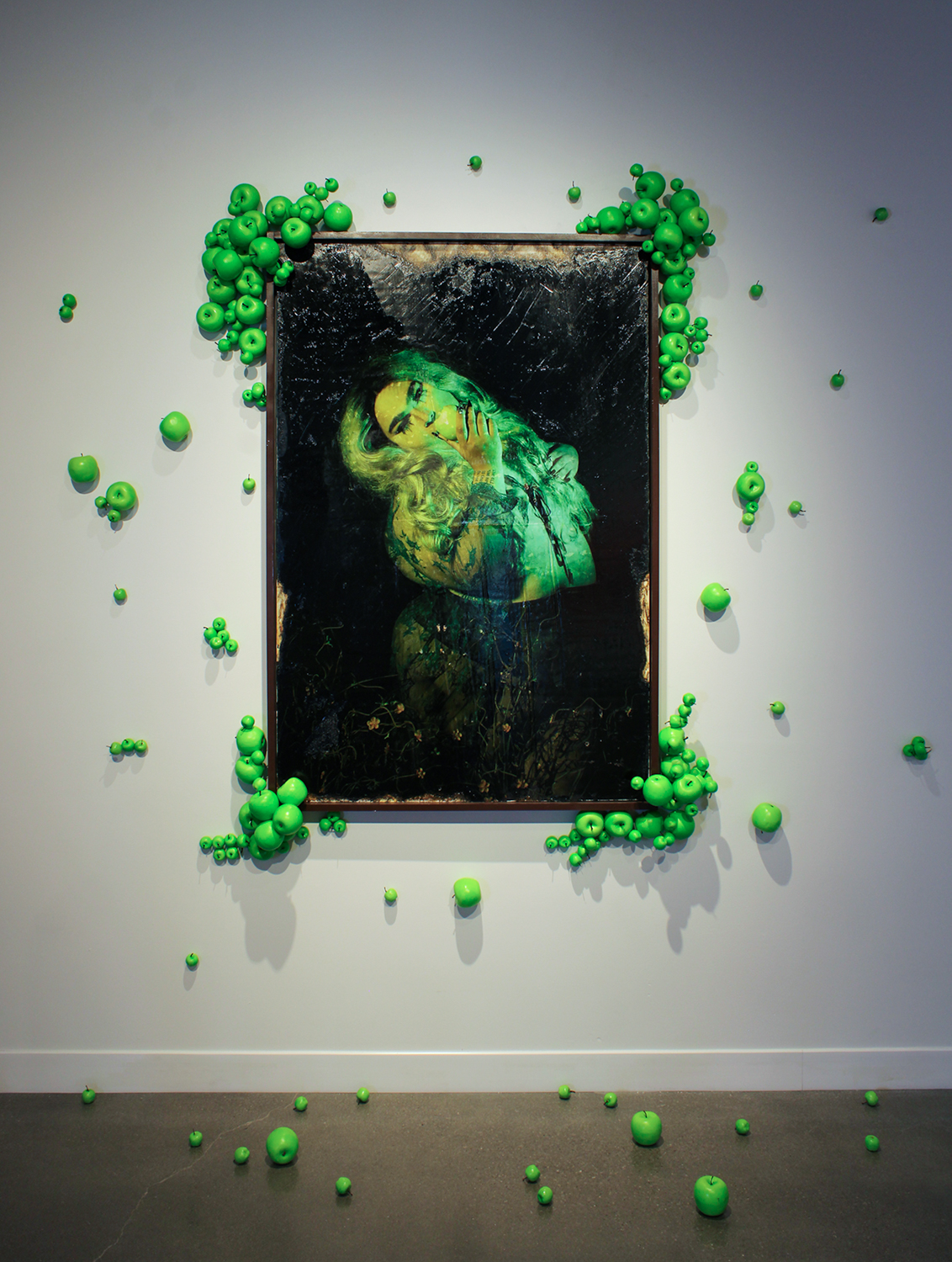
©Gus Ramirez, Alum
What specialized facilities are available for student use (i.e. darkroom, lighting studio, print lab)?
As previously mentioned, the Department of Art was fortunate to open our new building, Devasthali Hall, in the Fall of 2019. We have a wide array of traditional, digital, and emerging technology in all of our media areas. Our photography area includes three separate classrooms.
Our digital lab is equipped for advanced editing and printing, including: 20 iMacs with full Adobe Creative Suite for industry-standard editing and design; large-format inkjet printers capable of printing up to 44 inches wide; laser printers for high-volume prints, bookmaking, and experimental work; high-quality scanners with transparent and reflective scanning capabilities; GTI print viewers for professional color management; finishing equipment for custom matting and presentation.
The 500-square foot lighting Studio provides a professional space for photo shoots, featuring: strobe & continuous lighting kits for controlled illumination; an array of light modifiers to fine-tune lighting effects; a variety of seamless backdrops for diverse creative setups
Our darkroom is capable of silver-based and alternative processes. For those working with film photography, we have the ability to process both black and white and color films. The darkroom facilities include: black & white enlargers compatible with 35mm, medium format, and large format film; dedicated space for alternative photographic processes, including UV and mercury exposure units; film-loading rooms for light-safe film handling; a large dry area with individual lockers & flat files for student storage; a copy stand for high-quality photo reproduction.
We have a robust selection of equipment available for checkout, including: full-frame Canon DSLR camera bodies for high-resolution digital photography; a wide range of high-quality Canon prime and zoom lenses; Fuji GFX 100S Mirrorless Medium Format digital camera with three lenses; Toyo 45 CX & Seagull Medium Format film cameras; multiple projectors and 32” monitors for reviewing and presenting work; Rode microphones for high-quality audio recording; Moza gimbals & a DJI Mavik 2 drone for dynamic video capture; Godox & Digibee strobe kits for studio and remote location lighting; Canon & Godox flash units with off-camera transceivers for versatile flash photography; Manfrotto tripods (standard & fluid-head models) for stability and precision; Wacom tablets for digital editing and retouching; Insta360 X2 camera for immersive 360-degree photography.
The Department of Art also has several shared spaces, including our Digital Craft Research Lab, Documentation Studio, Woodshop and Wells Hall.
In the Digital Craft Research Lab, students can utilize a range of emerging technology, including: laser cutters, water jet cutter, CNC router, vinyl cutter, 3D printers, 3D ceramic printer, 3D scanner, Risograph, large format photo printers, flatbed scanners, decal printer, vacuum former, tufting guns, digital embroidery machine, and a large (12’W x 7’D x 7’H) ventilated spray booth. We host regular public workshops in the Digital Craft Research Lab to expand access and training on the available equipment. Graduate students are encouraged to participate in any of these workshops that help integrate new ways of conceptualizing and making into their practice. Additionally, graduate students can propose a workshop to lead in the lab, if they are interested in seeking additional teaching opportunities.
Graduate students are trained in the Woodshop as part of their graduate orientation their first semester. We also offer regular woodshop training sessions, and one-on-one machine training with our expert staff, as well as a frame-building workshop each semester to empower students to build their own frames and find unique presentation methods. Our Documentation Studio is outfitted with lights, backdrops and stabilizers for professional-level documentation of all 2D and 3D work.
Graduate student reviews and advancement to candidacies are held at Wells Hall, a separate building from where our Department of Art lives. Wells Hall was a former dormitory, and our department has access to nine smaller rooms, as well as two large bays available for students to install work. Outside of our once-a-semester reviews, classes will frequently have pop-up exhibitions at Well Halls, and graduate students are able to rent out the space if they need room beyond their private studio for larger installations or experimental work.
Across campus, students also have access to facilities, programming, and staff expertise at the Aggie Innovation Space and Arrowhead Center. The Aggie Innovation Space is part of the College of Engineering, and all NMSU students from any college or department are encouraged to use their resources, with a wide range of advanced fabrication equipment. Graduate students also have the opportunity to collaborate/consult with staff and engineering students at the Aggie Innovation Space to design and fabricate unique components for artworks that they would not be able to produce on their own. Arrowhead Center is the dedicated launchpad at NMSU for entrepreneurship, business incubation, product launches, mentorship and funding opportunities. We encourage our students to utilize the amazing resources at Arrowhead by participating in their innovative programs and finding mentorship opportunities to support their entrepreneurial interests.
We have a wide range of resources available within our Department of Art and across NMSU’s campus to support the creative, technical and professional development of our students.
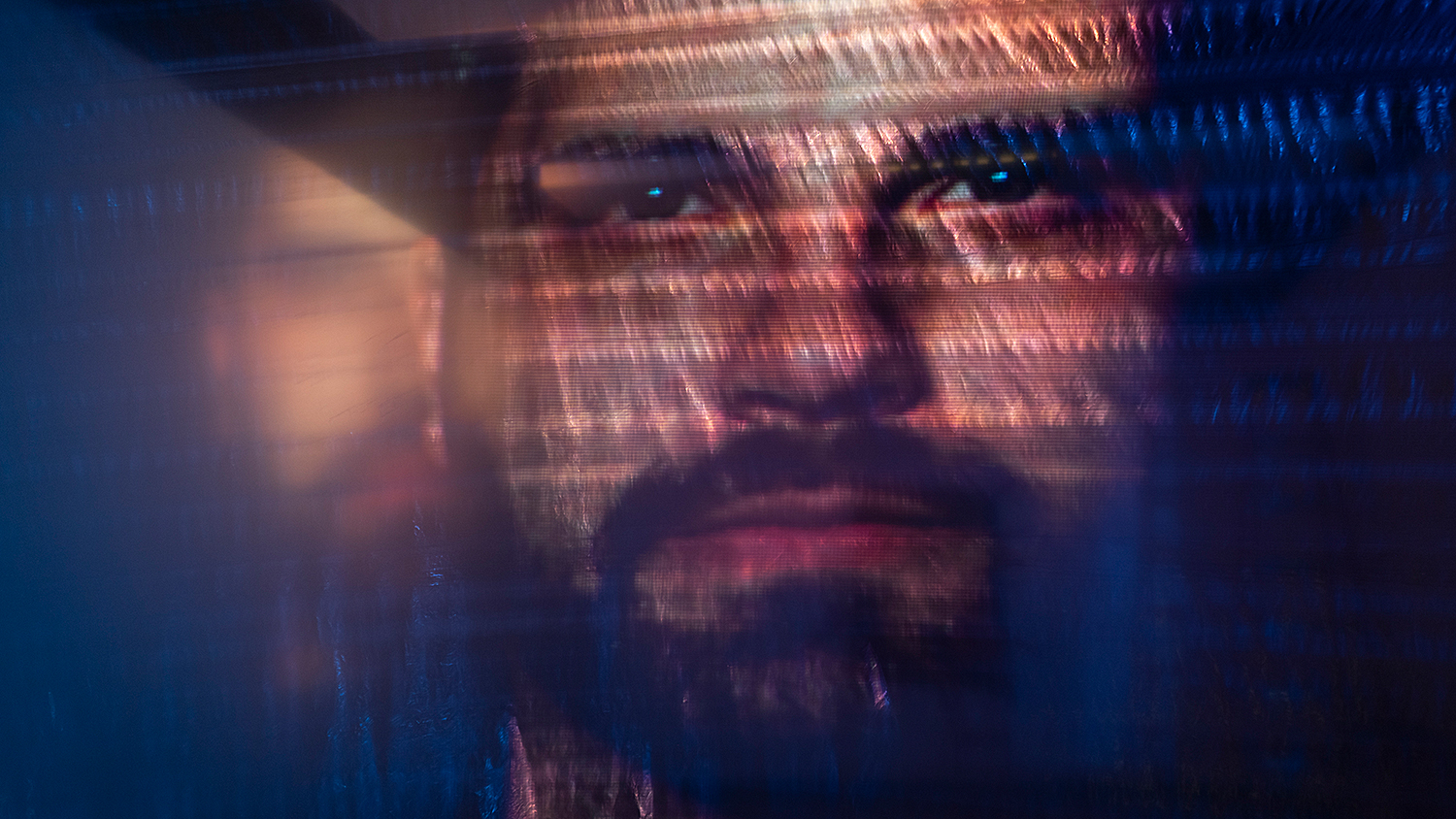
©Alex Nipper, Alum
Is your program strictly photography-focused, or does it encourage/allow interdisciplinary work?
Students are encouraged to work in the media areas that most effectively communicate their ideas. Our department intrinsically supports interdisciplinary workflows, but material engagement is always determined by the interests of the student.
We have had graduate photo-based students who have stayed in the medium of photography throughout their entire three years, and others who have broadened their practice to include sculpture, installation, ceramics, video, and performance. We also have many students who come in under a different media area (sculpture, ceramics, for example) and take photo classes and incorporate photography into their practice. It’s exciting to have a range of artists in the same class or graduate cohort, thinking about, creating, and utilizing images in different ways. We support all creative efforts, and are proud to be a fluid program that encourages as much or as little material exploration as suits the student’s goals.
There is so much room for experimentation within the medium of photography! We have the equipment and facilities for photographic exploration in traditional, alternative, and digital processes. We teach more traditional photo classes (Color & Light; Creative Portraiture, Digital Workflow, Darkroom, View Camera, Portfolio Development etc), but also have designed a series of courses that push scale, material, and presentation (Materiality & Form, Experimental Installation, The Photo Book, Composite & Collage etc). All photo courses try to uncover the many iterations/identities of photography socially, politically, personally, and reflect on the embedded and evergrowing relationship between photography, technology and process. We discuss the context within which images are made – by and for whom? We look at the innovative ways in which contemporary practitioners are expanding the traditional “print, mat, frame” model, and think about how adding new workflows, or familiarizing oneself with additional processes may enhance the final presentation of a work. We center our conversations on the integrity of an idea, while engaging in coursework that strengthens technical skillsets, so that students are able to effectively articulate their ideas.
All to say – as faculty members, we are most excited about graduate students in any media area who are committed to growing their practice and research, and are thoughtful, kind members of our larger creative community at NMSU.

©Bill Morée, Alum
Do you specialize in a particular area (i.e. documentary, experimental, environmental work)? And once in the program, is a student able to shift their focus if their creative interests change?
In one sense, our program is quite conceptual and experimental; however, we also greatly emphasize technical skill development. Not only is technical knowledge crucial for effectively communicating ideas, it is also the foundation for a range of creative careers. We work hard to ensure that our graduate students are leaving our program with a breadth of technical knowledge to serve them as they move forward in their careers. There is a rich history of photographic exploration in New Mexico and we encourage students to carve their own path while we provide resources and support.
Students can always pivot their methods and areas of investigation. Our photo grads come to us with a wide range of experience and interests, from long careers in commercial and editorial work, to developing practices in wet-plate processes, to traditional documentary and photojournalistic frameworks. We deeply value student interest, and we work closely with each grad to find the best ways to support their growing interests and goals. We not only utilize our resources within the department, but we encourage students to connect with faculty in different disciplines to grow their research and expertise.
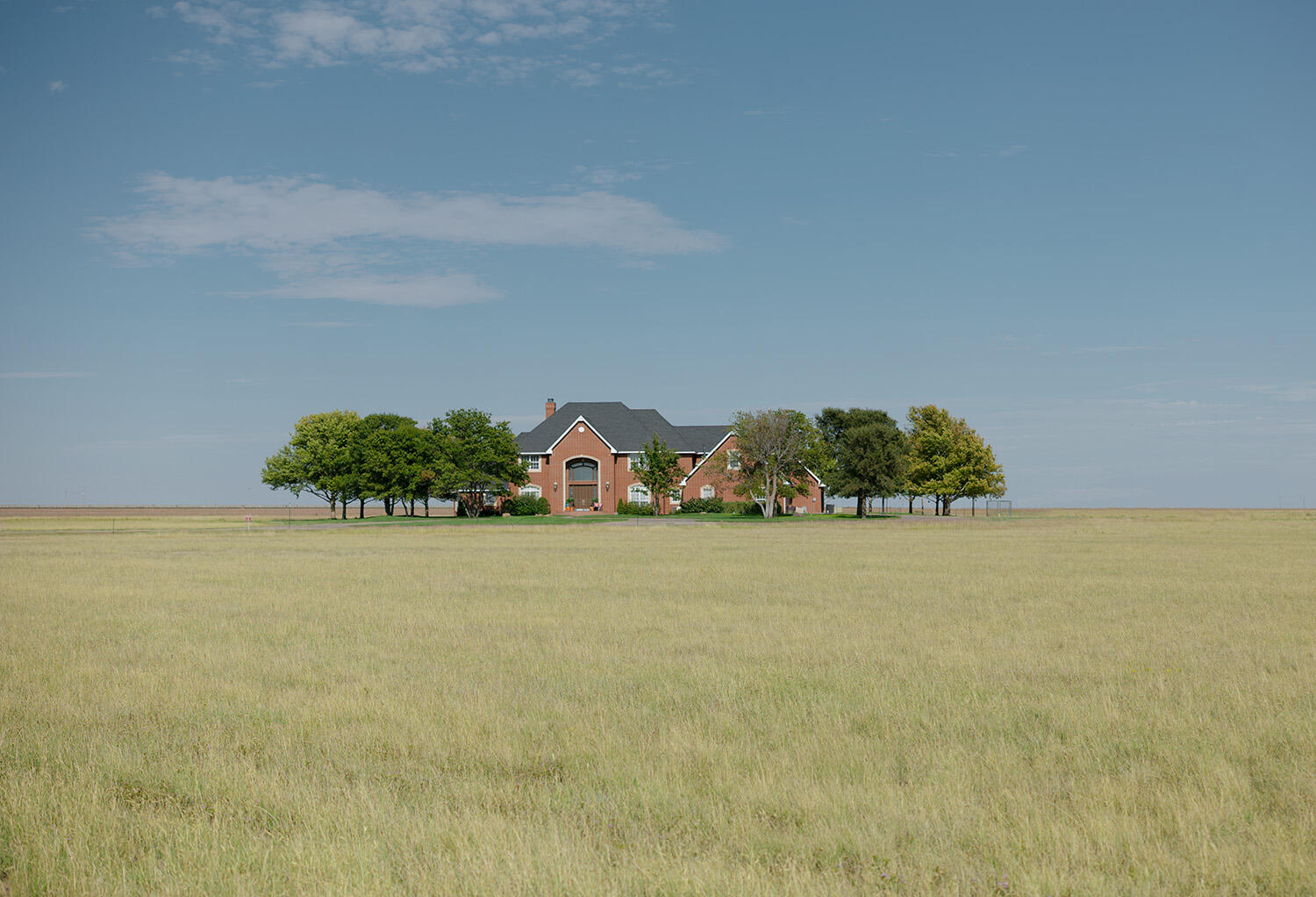
©Celeste Leuschel, Current Student
How structured is the curriculum? Are there required courses, or is it more self-directed?
The MFA in Studio Art degree map has a great balance between structure and self-direction. Students are required to take our Graduate Seminar five of their six semesters. This class is led by a different faculty member each semester, which helps to naturally build the relationships between students and faculty across media areas. The critique-centered class focuses on the individual production of work, with regular feedback from peers and faculty.
Grads also take two non-art courses outside of the department to help deepen their research. These courses can be in any discipline, and we’ve had grads work in many areas including but not limited to: geology, cultural geography, border and ethnic studies, anthropology, creative writing, film, gender and sexuality studies, psychology, sociology, and history.
In the fall of their last year, grads take Studio Core 3: Professional Practices, which teaches students how to engage as a professional practicing artist, including how to find opportunities and jobs, documenting and archiving artwork, installing art for display, shipping art, and how to apply for exhibitions and grants, among other topics. In their final semester, grads take Studio Core 4: Thesis Production & Display, which entails special research and independent study leading to graduate MFA thesis-exhibition. The course focuses on thesis development as well as practical training in exhibition and installation. Grads also take 15 credits of Studio Electives; 9 credits of rotating Art History topics courses; a Methodology and Historiography course; and 6 credits of thesis with their committee chair.
In terms of the photography courses available, we build courses that reflect the expansive nature of the field of contemporary photography. We evaluate the function, value, and practicality of coursework, and are determined to implement meaningful content that cultivates expertise which can be applied across a wide variety of creative careers. Through a variety of technical, aesthetic, and theoretical undertakings, photography students refine their stylistic methods of visual communication in meaningful ways that reflect their personal interests, positions, and histories. Each semester two special topics courses are taught that can each be taken for graduate credit. Topics rotate, and offer a wide array of approaches and theoretical frameworks. Courses include: Advanced Digital Imaging; Between Truth & Fiction; Color & Light; Collage & Composite; Creative Portraiture; Digital Workflow; Experimental Darkroom; Experimental Installation; History, Process, Output; Image & Identity; Materiality & Form; The Moving Image; The Photo Book; Portfolio Development; The Staged Photograph; The View Camera.
Grad students can, and often do, take studio electives in other media areas, which also have two rotating special topics each semester.
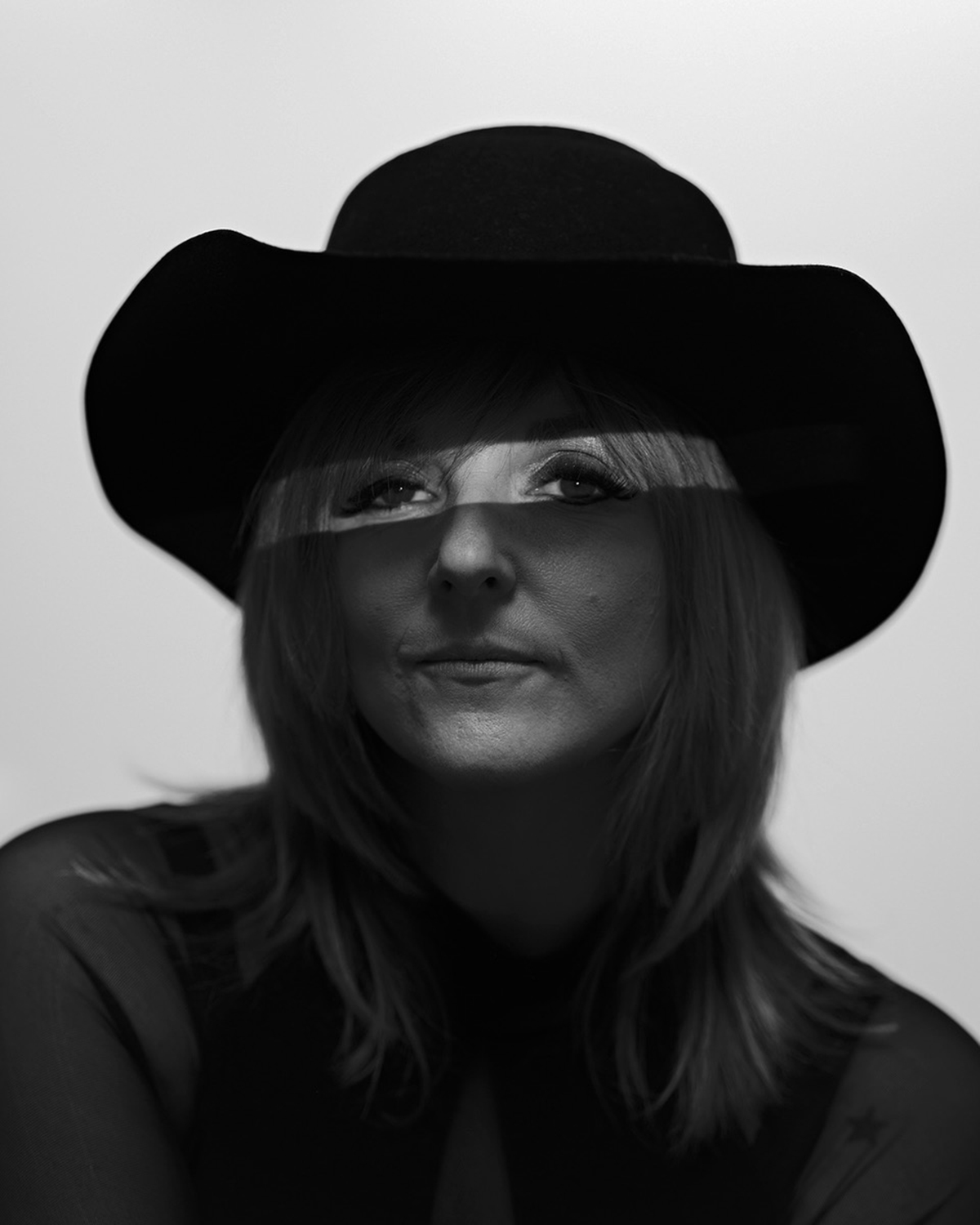
©Andrew Williams, Current Student
Does the program incorporate video work or emerging media such as AI, VR/AR, or 3D/360 imaging?
Yes, we have an array of video equipment (DSLRs, gimbals, fluid-head tripods, skate/tripod dollys, Rode microphones, projectors, monitors, drone, 360 camera for VR) available for graduate student use. We also regularly teach a video course, “The Moving Image.” We investigate the implementation of AI in Photoshop and other editing software, and discuss its potential for creative experimentation, while acknowledging its inherent ethical problems and the environmental impact of AI for image generation.
Courses such as “Between Truth and Fiction” and “Image & Identity” look more deeply at emerging technology and the growing landscape of image-making devices (ie: AI, door/dash/game cameras, social photos, surveillance cameras, facial recognition software, Google Earth etc) and consider these tools and their uses, biases, and impact, as well as their aesthetic and creative potential. We think of contemporary technology broadly, and in conversation with the historical, technical evolution of the medium of photography and its often tenuous relationship to “truth.” All to say – any and all tools for image-making are supported, yet thoughtful reflection, skilled use, and a solid connection between method and idea are the foundations of photographic experimentation in our program.
Does the program offer career development support, such as portfolio reviews, workshop/conference attendance, or networking opportunities?
We are lucky to have a thriving photographic and artistic community in New Mexico. Faculty and staff have many established and emerging relationships with a variety of galleries, museums and residencies throughout the region and we are proactive in connecting our students with unique career and networking opportunities.
As previously mentioned, our photography grad students, as well as our advanced undergraduate students attend the well-known portfolio review and photography festival, Review Santa Fe (RSF) every fall. CENTER, the organization that hosts the events, has been extremely generous in their partnership with NMSU. Our students volunteer for one small time block during the three-day festival, and in return they receive free accommodations, open portfolio reviews with industry professionals, present their own work at a table at the Farmer’s Market Portfolio Walkthrough, and have special events (ie: “Career in the Arts” lecture, or “Coffee with an Editor”) put together just for them.
We have several other opportunities in addition to Review Santa Fe. Each year, NMSU photo faculty nominates one graduate and one undergraduate student for Anderson Ranch Arts Center’s BIPOC student scholarship to attend a fully-funded Photography and New Media summer workshop. We continue to develop our partnership with the New Mexico Museum of Art (NMMA). In 2024, staff from NMMA brought a visiting artist to our photography classes, and we are currently working on additional events, including participation in their proposed “Photography Master Series.” We network with Santa Fe workshops, and they present to our students and recruit our students for their summer employment opportunities. Our Department has a strong relationship with the Roswell Artist-in-Residence program, often having their residents visiting our department for lectures and demonstrations.
We encourage Society for Photographic Education membership and conference attendance at the National Conference and/or our regional West/Southwest Chapter conferences. In 2023, NMSU hosted a traveling exhibition, New Wave: The Society for Photographic Education West x Southwest Chapters Juried Student Exhibition (juried by Nelson Chan); the exhibition traveled to Anderson Ranch (Snowmass Village, CO), Rocky Mountain College of Art + Design (Denver, CO); NMSU, Solano Community College (Fairfield, CA)). Our faculty members have presented at a Southwest Chapter conference (2018), and also been a portfolio reviewer (2020) and a proposal reviewer (2021) for the SPE National Conference.
Graduate students can apply for NMSU’s College of Arts & Sciences Student Travel Awards, with calls for applications every fall and spring semester. These awards help fund travel to conferences or exhibitions graduate students are participating in, as well as artist residencies.
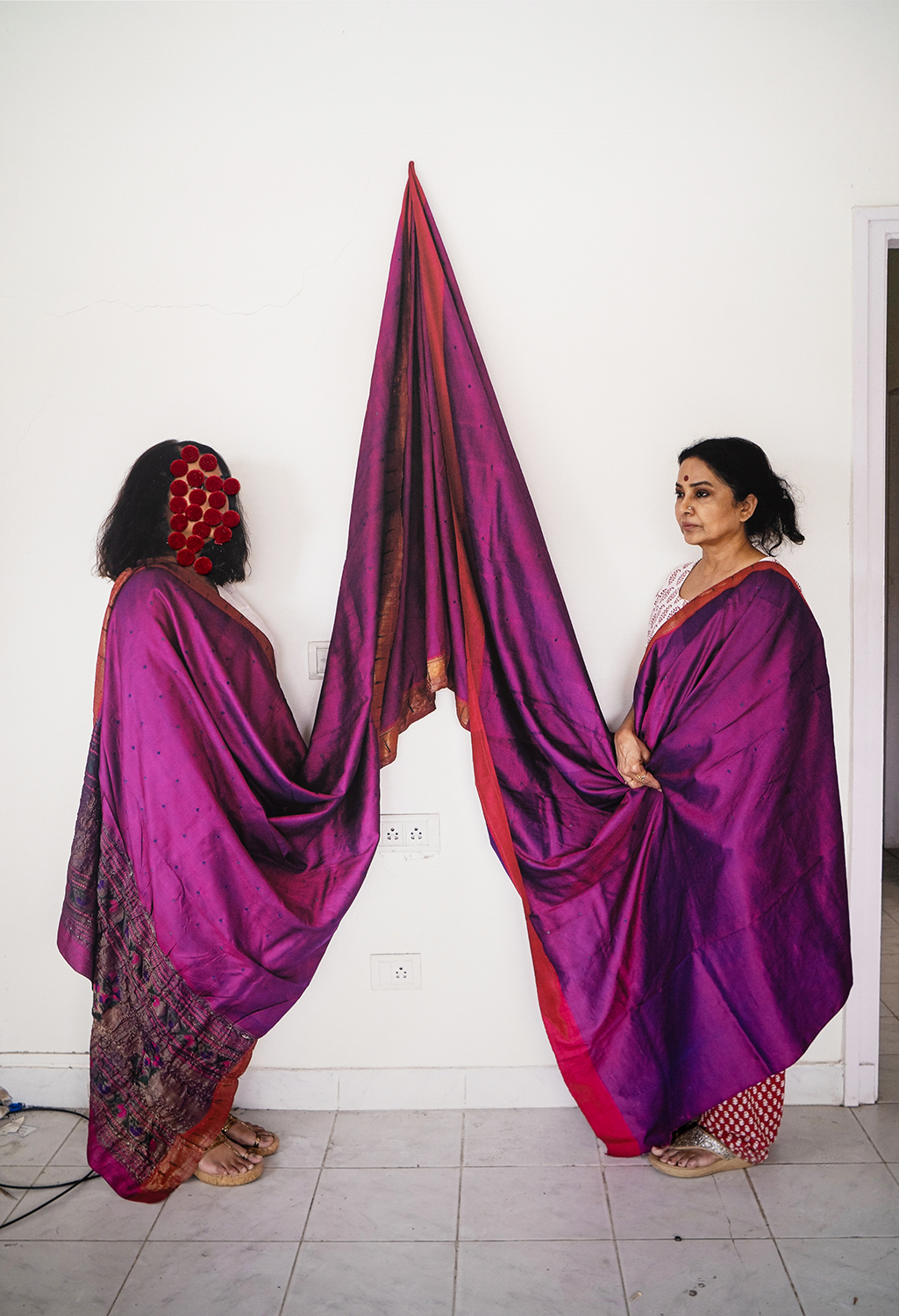
©Yashoda Latkar, Faculty
What are key graduation requirements (exhibition, thesis paper, portfolio, etc.)?
There are several main components for graduation: successful completion of all coursework (including 6 credits of Studio Thesis with Committee Chair); professional exhibition of artwork; approved written component; and oral exam with full thesis committee (2-3 departmental members, 1 outside Department of Art member).
Graduating MFA students exhibit their thesis work in the Contemporary Gallery of the University Art Museum each spring, with a public opening and additional public programming developed by exhibiting graduate students in coordination with the University Art Museum staff. Graduate students must participate in all aspects of the exhibition process, meeting all relevant deadlines under the mentorship of museum staff.
Students must also submit either an “Expanded Artist Statement” or a professional artist catalog, both of which provide written reflection and insight into how the artist contextualizes their practice in the broader field of contemporary art. Students work with a committee member to review drafts of the paper or catalog prior to sending the final version to committee members. After completed installation, but before the public opening, students participate in an hour-long oral exam with their committee members. The final draft of all written materials are provided prior to the exam, and the exam takes place in the University Art Museum in front of the installed work.
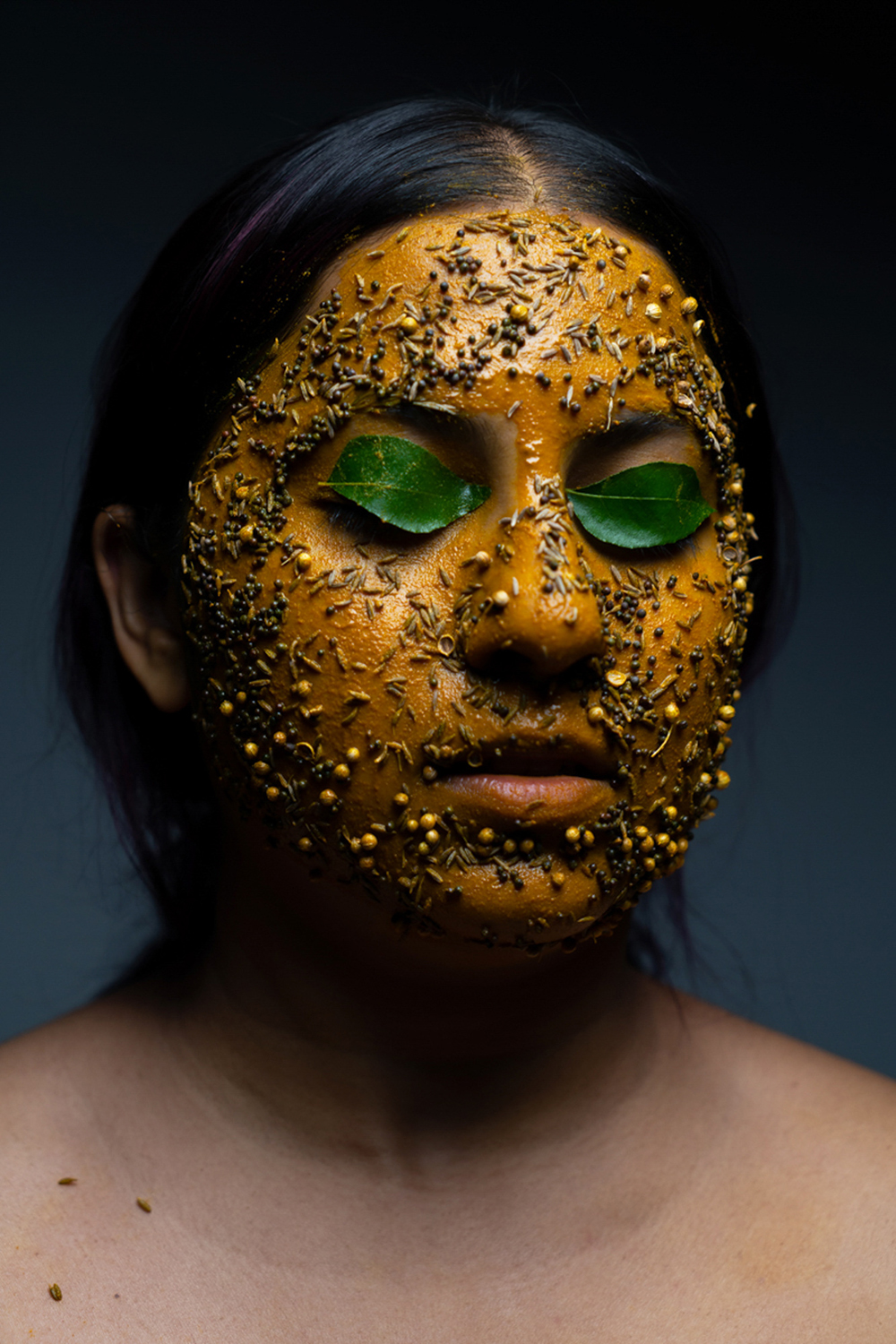
©Yashoda Latkar, Faculty
Who are your current faculty members? What are their areas of creative interest?
Our primary photography faculty member is Bree Lamb. Yashoda Latkar also regularly teaches photography courses, in addition to teaching classes in design and foundations.
Lamb’s creative research questions social conventions, with particular focus on the complexities of identity, domesticity, and consumerism. Her work examines our shared desires to identify, connect, and indulge through images, as well as the inherent complications of contemporary vernacular photography. Lamb also has a collaborative art practice, Muscle Memory Collective, with NMSU ceramics faculty, Joshua Clark. Through the pairings of referential and uncanny objects and images, Muscle Memory seeks to create surface visions bound in expectation, excess, and desire, offering complex reflections of a contemporary American landscape.
Yashoda Latkar uses self-portraiture, family photographs, performative video, and mixed-media installations to explore migration and identity. Her work reflects the experience of living in an in-between space—negotiating belonging, home, and displacement through multisensory cues of visuals, sound, texture, and smell.
Are faculty members primarily full-time or adjunct?
Bree Lamb and Yashoda Latkar are full-time faculty members. Occasionally we have adjunct faculty in the photography area, but our graduate students are prioritized for teaching sections of ARTS1410: Introduction to Photography.
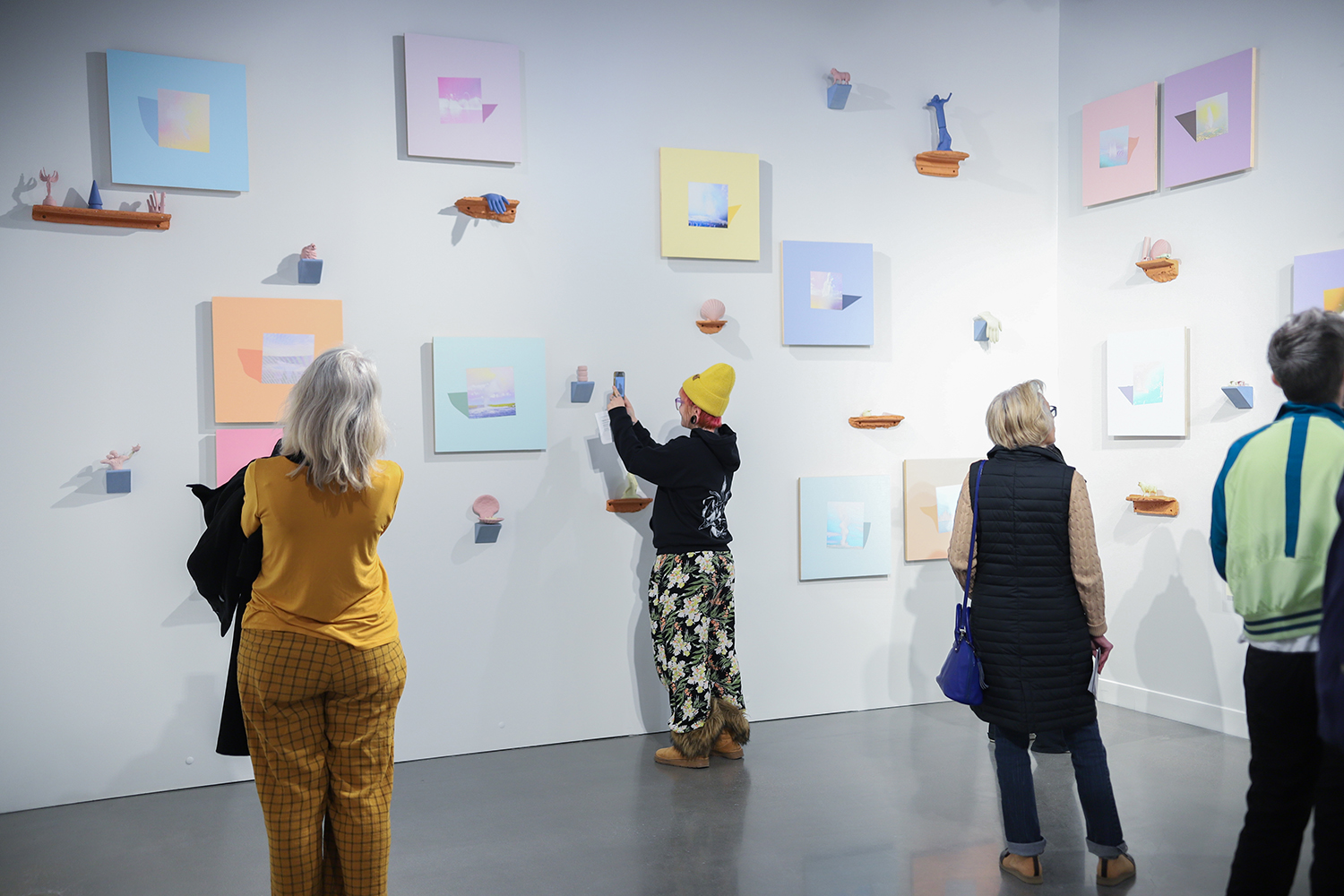
©Bree Lamb, Faculty
How involved are faculty in mentoring students beyond coursework?
Our faculty are very involved in mentoring graduate students coursework. We regularly have independent studies with grads, and/or frequent studio visits. Faculty have active creative practices and are often in our building working on their own projects, which leads to informal discussions of practice, concept, and method, outside of structured class time. Faculty are dedicated to student success, and work hard to connect students with unique opportunities for growth, and are frequently in touch post-graduation for continued career mentorship.
How often do guest artists, curators, or critics visit for lectures and/or critiques?
We have a dynamic Visiting Artists and Scholars Program (VAS), with several visiting professionals each semester who participate in studio visits with graduate students, in addition to providing lectures or demonstrations. The Visiting Artist Committee is comprised of studio faculty, art history faculty, University Art Museum staff, and graduate student representatives. Graduate students can volunteer to participate in the VAS committee, allowing them to propose artists or scholars to come to NMSU. They also are able to host artists with campus or facility tours, or join in on shared meals.
In addition to our VAS Program, the University Art Museum has an extensive programming schedule throughout the calendar year, hosting a wide range of activities, lectures, panels, and workshops in relation to their exhibitions that are all available to graduate students.
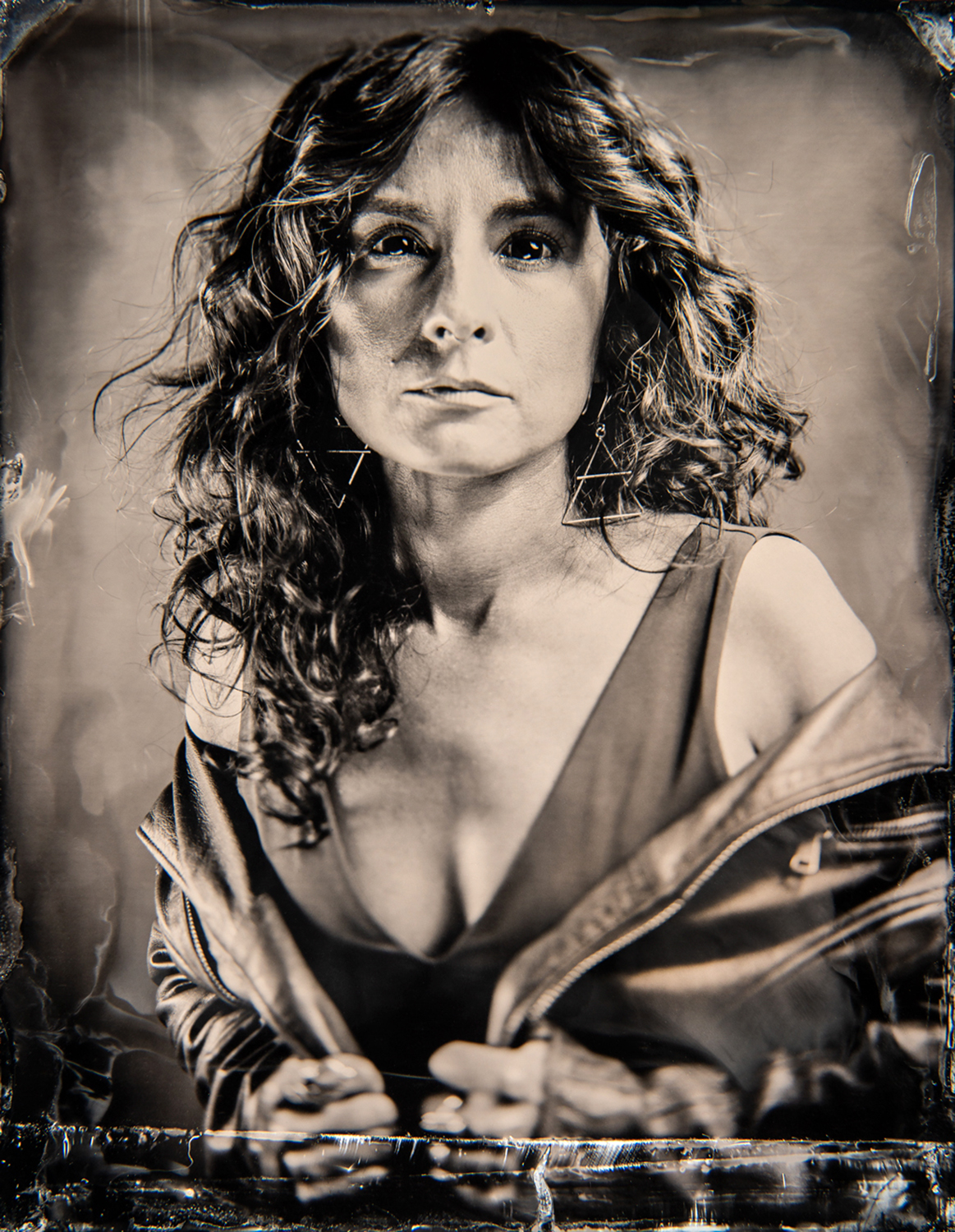
©Nick Gialanella, Alum
How many students are admitted each year, and how many are photography focused?
Our annual admissions vary year-to-year, but we generally admit between 5-6 graduate students each year, across all media areas. We tend to have between 2-4 photography-focused students at all times. Due to the interdisciplinary nature of our program, graduate students have the opportunity to work closely with all studio and art history faculty.
What is the approximate cohort size, and what effect does this have on critiques, collaboration, and networking?
Our total graduate cohort is between 15-18 students. Our grads tend to have a very tight-knit community, frequently spending time in the shared studios together, or partaking in informal critiques, or just hanging out in their studios or our grad lounge. Our grads also have had a great track record of collaborating and curating exhibitions, both on and off-campus. This happens during their time in our program, and often naturally continues beyond their time at NMSU. We have a unique exhibition space in our building that is geared towards student participation. The Serafino Student Collaboration Space was designed so that students would regularly propose and produce their own exhibitions. We are fortunate to have other exhibition spaces in Las Cruces and our greater region that are receptive to proposals for exhibitions.
Every fall, graduate students take on the coordination of Open Studios, with public workshops, pop-up exhibitions, art sales, and open graduate studios. Additionally, every fall and spring semester, we have one Friday that all first-semester reviews, second-semester reviews, and/or advancement to candidacy (3rd semester) are scheduled. All studio and art history faculty, as well as museum staff, participate in the reviews and discussions of graduate work. The grads always show up first thing in the morning to support one another, and stay until the last review – offering their support, taking notes, or cheering each other on – even if they aren’t participating in a review that semester. It’s an event that exemplifies the graduate cohort comradery at NMSU.
Our mid-size program is large enough to find your independence and own creative rhythm, yet intimate enough to know and work with everyone in the Department during your three years.
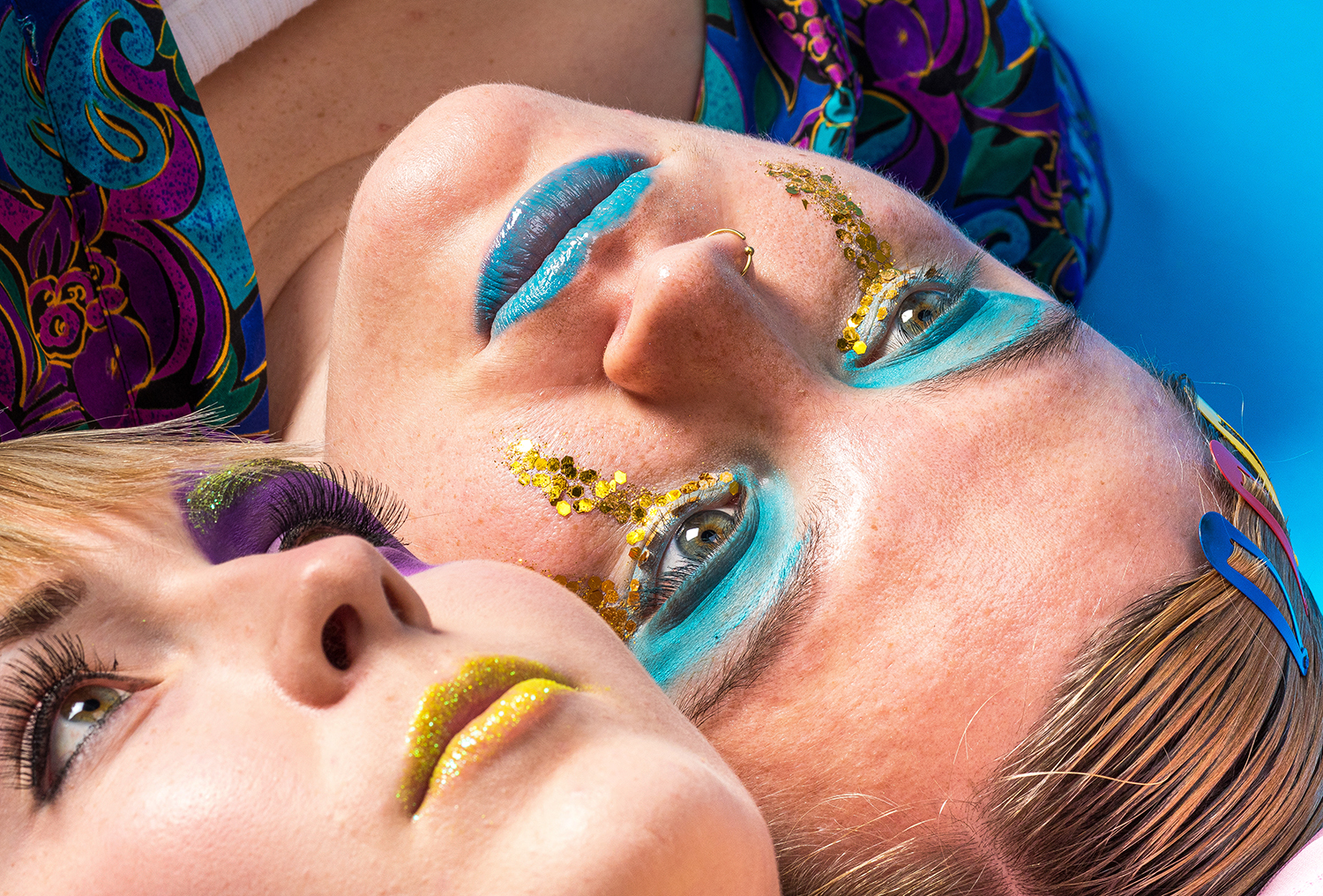
©Katrina Chandler, Alum
What kind of work are current students creating?
Our MFA students are using photography in a wide range of applications. Student work is experimental and conceptual, with strong technical and aesthetic foundations. In recent years, we have seen a lot of exploration with presentation, scale, material and alternative installation. We also have a very solid core in lighting and portraiture, whether students come in with advanced technical skills, or deepen them in coursework.
Because of our unique geographical location in southern New Mexico and the larger Borderplex region, we see a lot of multidisciplinary artists considering place and using the lens of geo-inquiry (spatial, cultural, political, economic, historical, ecological, geological) to position their practice and investigate our particular region.
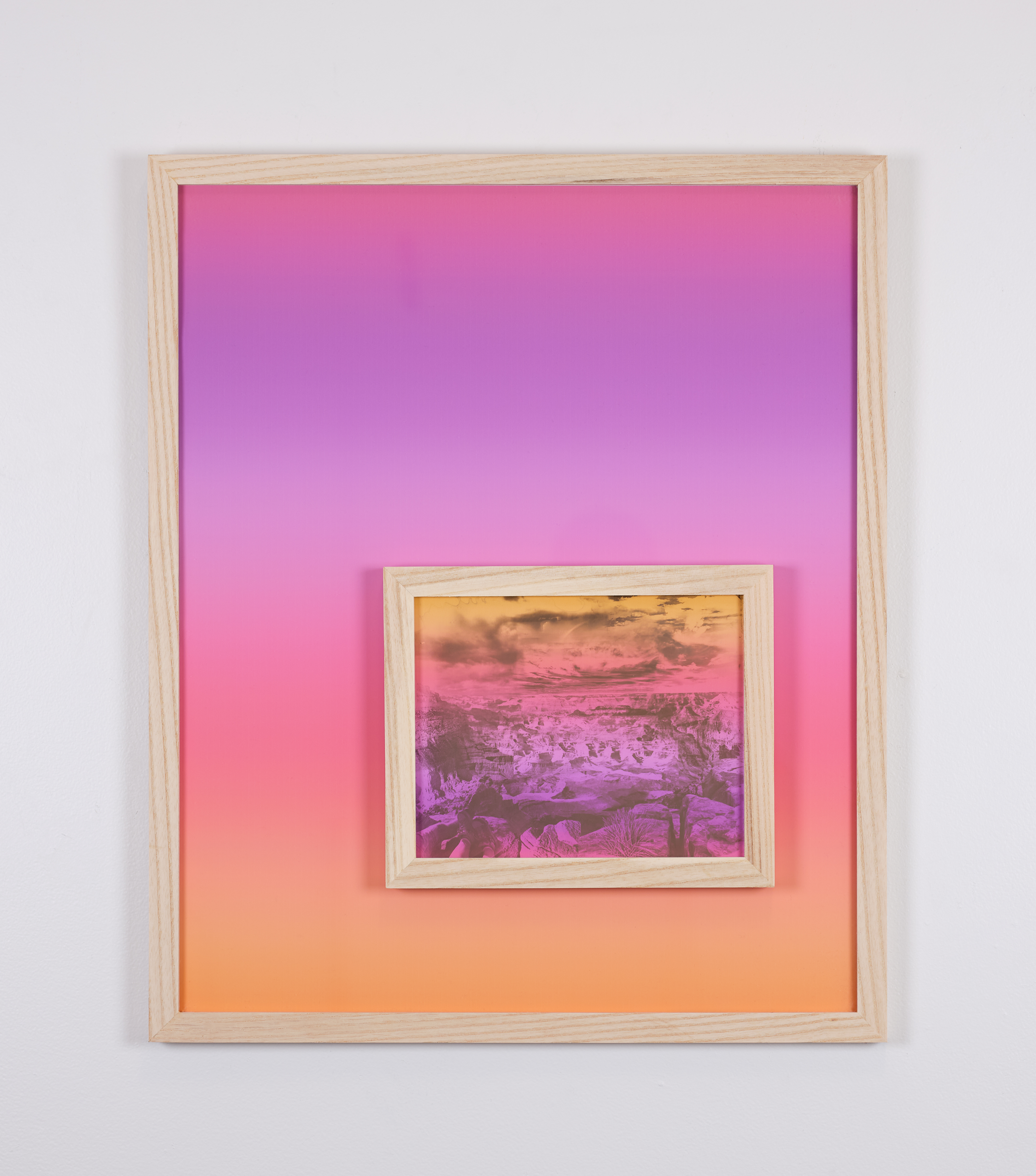
©Bree Lamb, Faculty
What is the total cost of the program (and duration), and what funding options are available? Are there teaching assistantships, and what percentage of tuition do they cover?
We are proud to offer 9 credits/semester of tuition remission (free tuition) to all graduate students, as of Fall 2026. All graduate students, regardless of residency status, are eligible for 9-credits of tuition-remission if they hold a 10-hour/week graduate assistantship. The Department of Art offers a minimum of a 10 hour/week assistantship to any student accepted into our MFA program, with most of our graduates having a 20 hour/week assistantship. We also occasionally have funds for hiring graduate students for summer work. Your salary from a GA is paid to you directly twice a month.
The one important note is that during the third year of graduate school, students take 12 credits each semester, so the student is responsible for covering the cost of the remaining 3 credits each semester. Our current tuition rates for 2025-2026 year are $349 per credit for residents (including all fees). All graduate students, regardless of residency status, qualify for resident rate if they hold a 10-hour/week assistantship.
The NMSU Graduate Student Union has been successful in their bargaining in recent years, and has seen steady increases to Graduate Assistantships salaries. Current (2025-2026) GA salary rates are as follows:
– 10 hr/week (considered half-time or 0.25 FTE): $10,643.70 for the academic year (or $5,323.38 per semester)
– 20 hr/week (considered full-time or 0.50 FTE): $21,288.42 for the academic year (or $10,643.70 per semester)
We offer assistantships in a variety of areas, including Instructor-of-Record in media-based and art appreciation courses; Studio Technician; Gallery Preparator; Collections Management; and Gallery Manager.
While opportunities and placement always depend on budgets, departmental need, and student interest/skills, typical photography graduate students will be assigned assistantships as a technician in our photography studios, or Instructor of Record for ARTS1410: Introduction to Photography. Photography Studio Technicians assist undergraduates with all digital and analog processes, from editing, printing, lighting, to developing film or using enlargers, as well as checking our equipment. Photo grads have also frequently been assigned as a technician for our Digital Craft Research Lab, learning about and using a range of emerging technology. All assistantships – as a technician or Instructor of Record – come with detailed orientation, hands-on training and consistent faculty supervision/mentorship.
Are additional grants/resources available to support student projects?
Yes! We have a range of grants and scholarships available for our graduate students.
Within our Department of Art, undergraduate and graduate students apply for a range of scholarships (totalling roughly $) that are only for our art majors and MFA students. These are awarded each spring at the Juried Student Show.
The College of Arts and Sciences has several opportunities to support student travel, including; the Graduate Student Travel Grant (up to $500 to support travel, with a call for applications in the fall semester and one in the spring semester).
Every spring, we nominate and apply on behalf of our grads for several different Graduate School Awards. Current awards (2025-2026) include Preparing Future Faculty Award (guaranteed 20 hrs/wk GA, plus participation in prestigious NMSU Teaching Academy program), Outstanding Graduate Research Scholarship Award ($3,000), and Outstanding Graduate Teaching Scholarship Award ($3,000).
Additionally, underrepresented New Mexico residents may be eligible for the State of New Mexico Higher Education Department (NMHED) Graduate Scholarship, which covers all tuition and can be awarded all three years of the MFA program. We have also had successful graduate applications to the Fulbright Student Program, with resources on campus to help prepare applications.
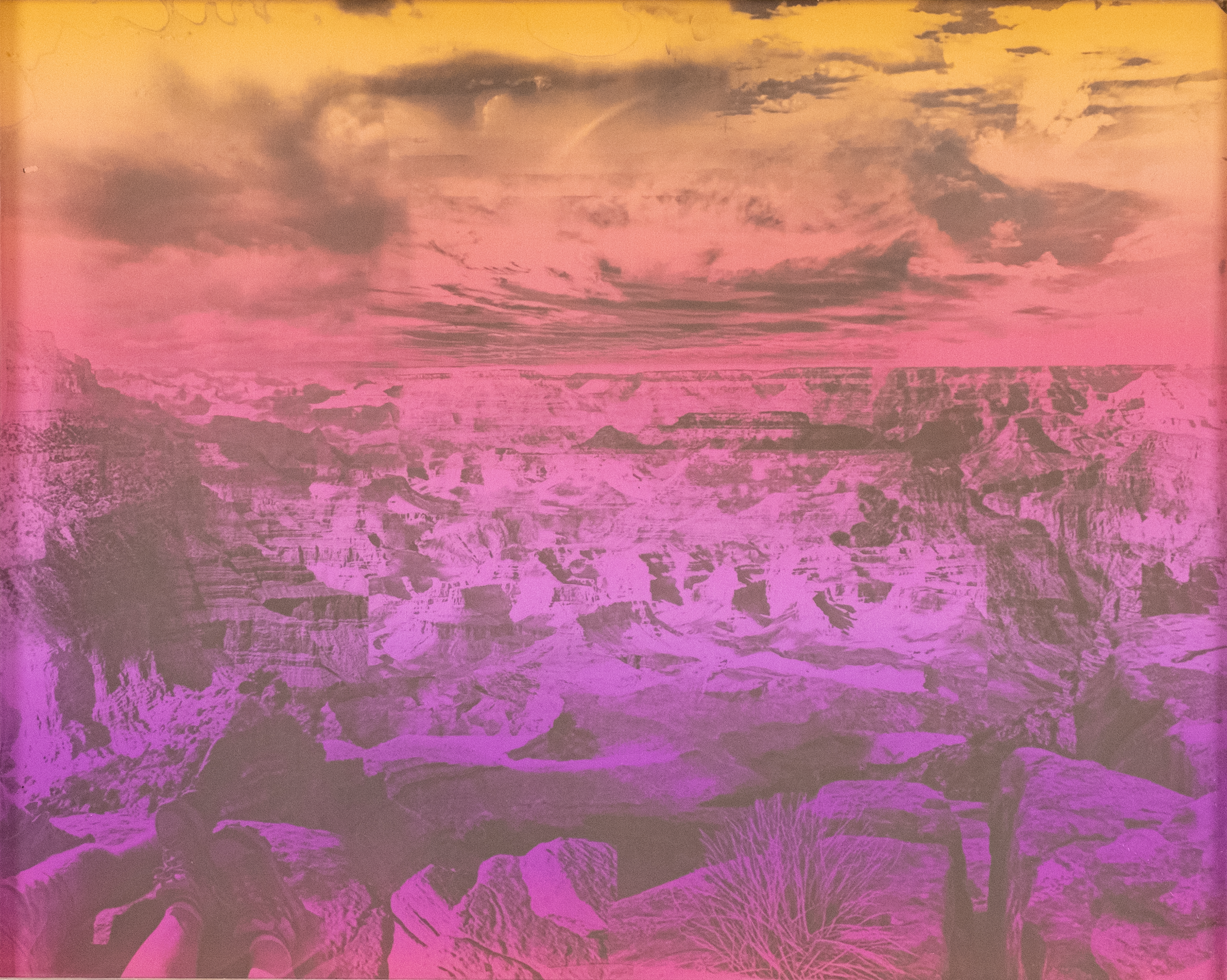
©Bree Lamb, Faculty
What types of careers to alumni pursue, and how does the program support students after graduation? How connected is the alumni network, and do graduates stay involved with the program?
Our alumni have found success in a wide range of careers around the country, including: educators in secondary or higher education, directors of creative agencies and non-profits, program managers at fabrication labs, gallery managers, commercial and editorial photographers, graphic and industrial designers, fabricators, arts administrators, museum staff, and small business owners, amongst many exciting creative careers.
Our tight-knit program and community-centered environment establishes the groundwork for long-term relationships, continued mentorship, and alumni networking. Individual faculty members have strong relationships with our alumni, supporting their individual pursuits, and valuing them as creative forces and professionals in their fields. We highlight alumni on our social media and website, which helps build connections, and we invite alumni back for talks to current students. Many of our alumni develop strong friendships while in our graduate program, and after graduation we have seen really exciting creative collaborations and mutual professional support amongst our alumni.
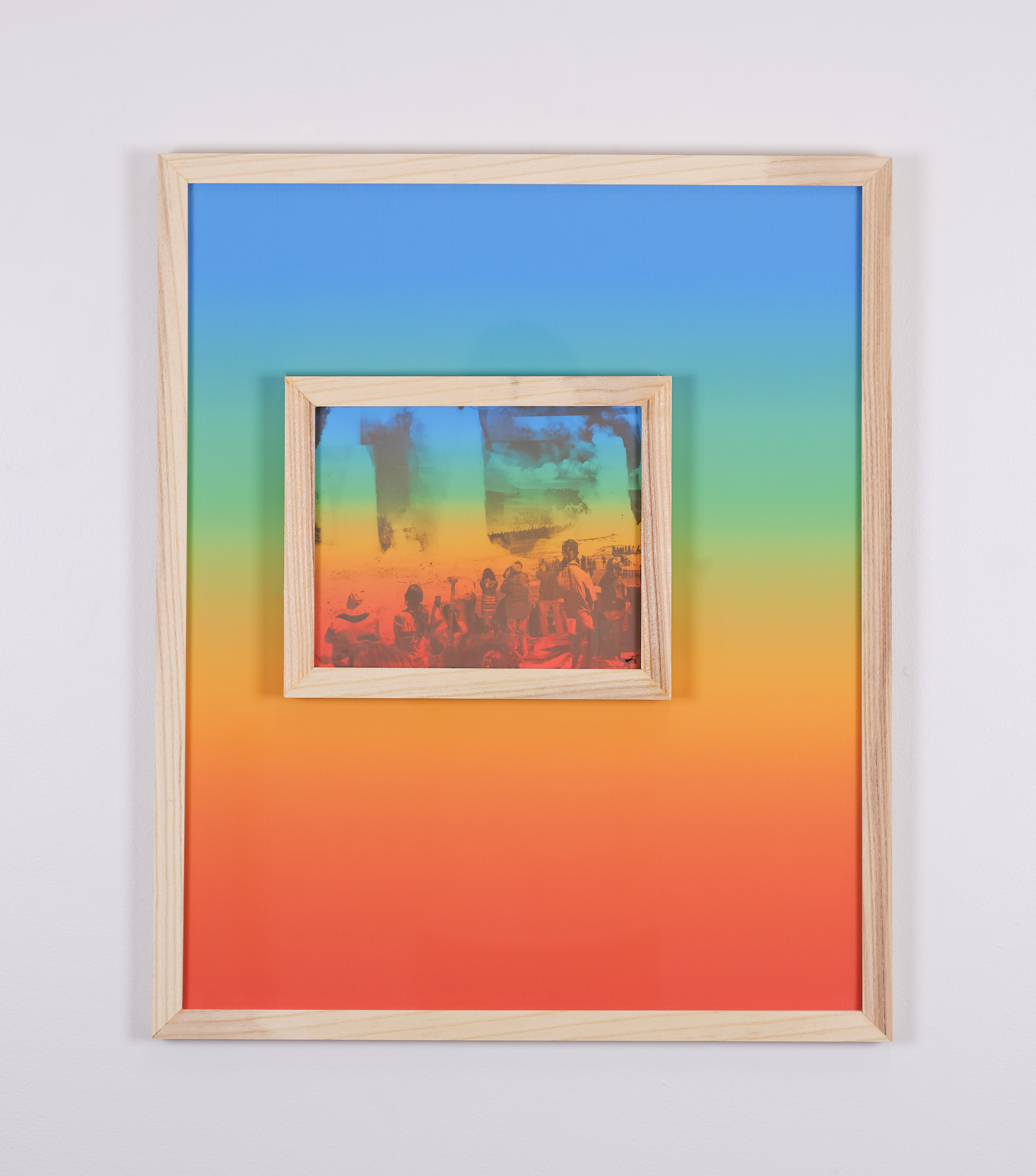
©Bree Lamb, Faculty
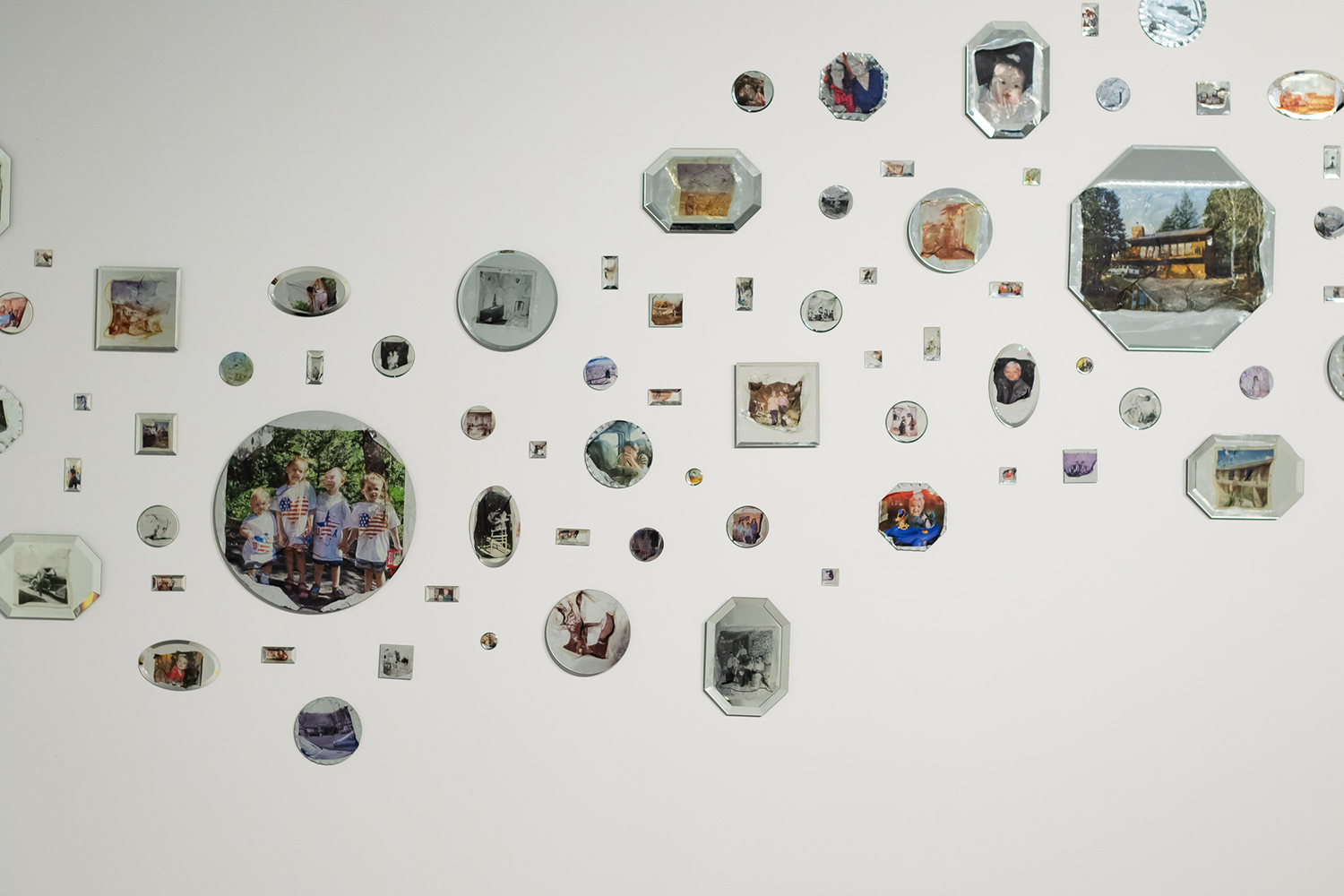
©Donovan Swann, Alum
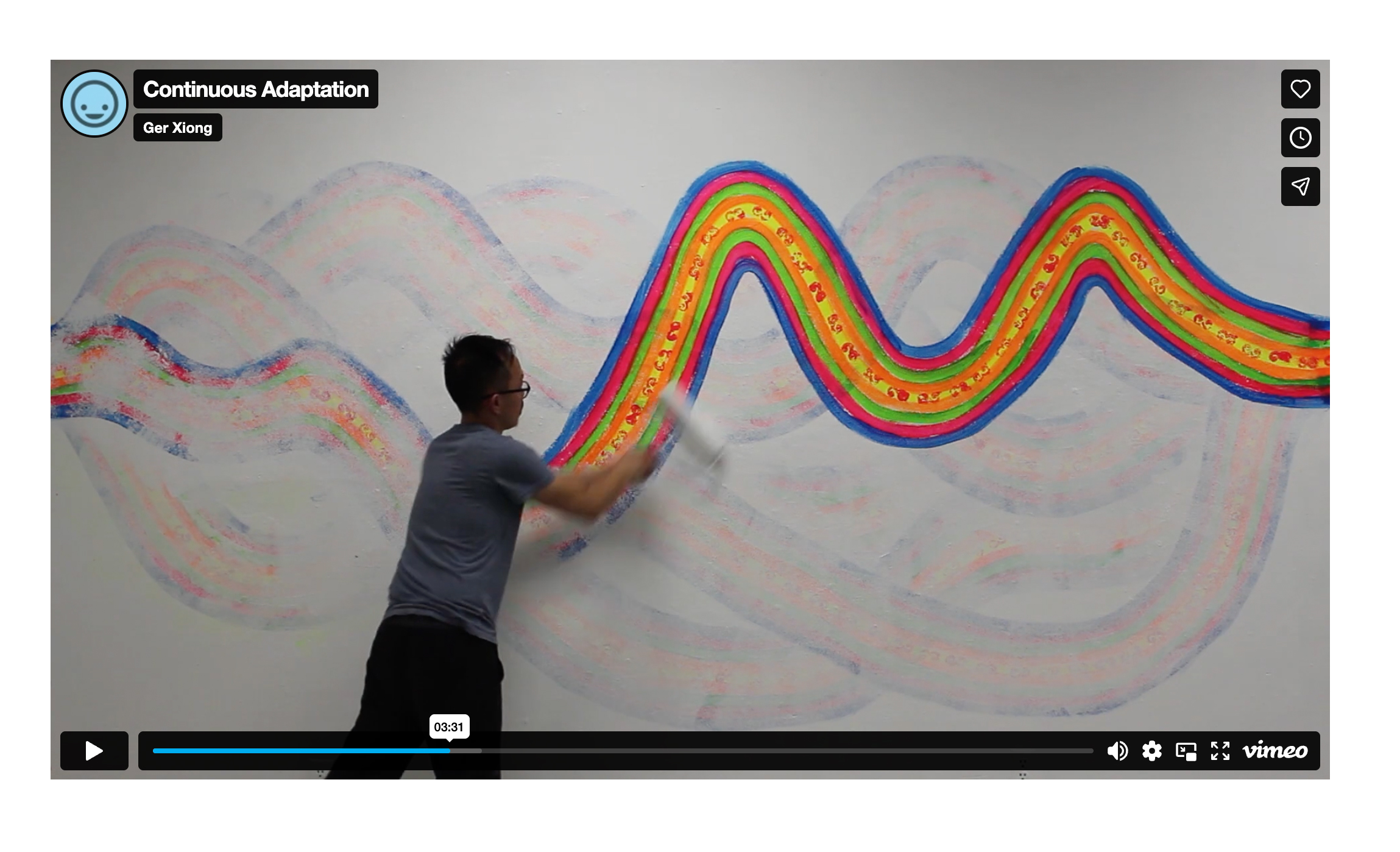
©Ger Xiong, Alum
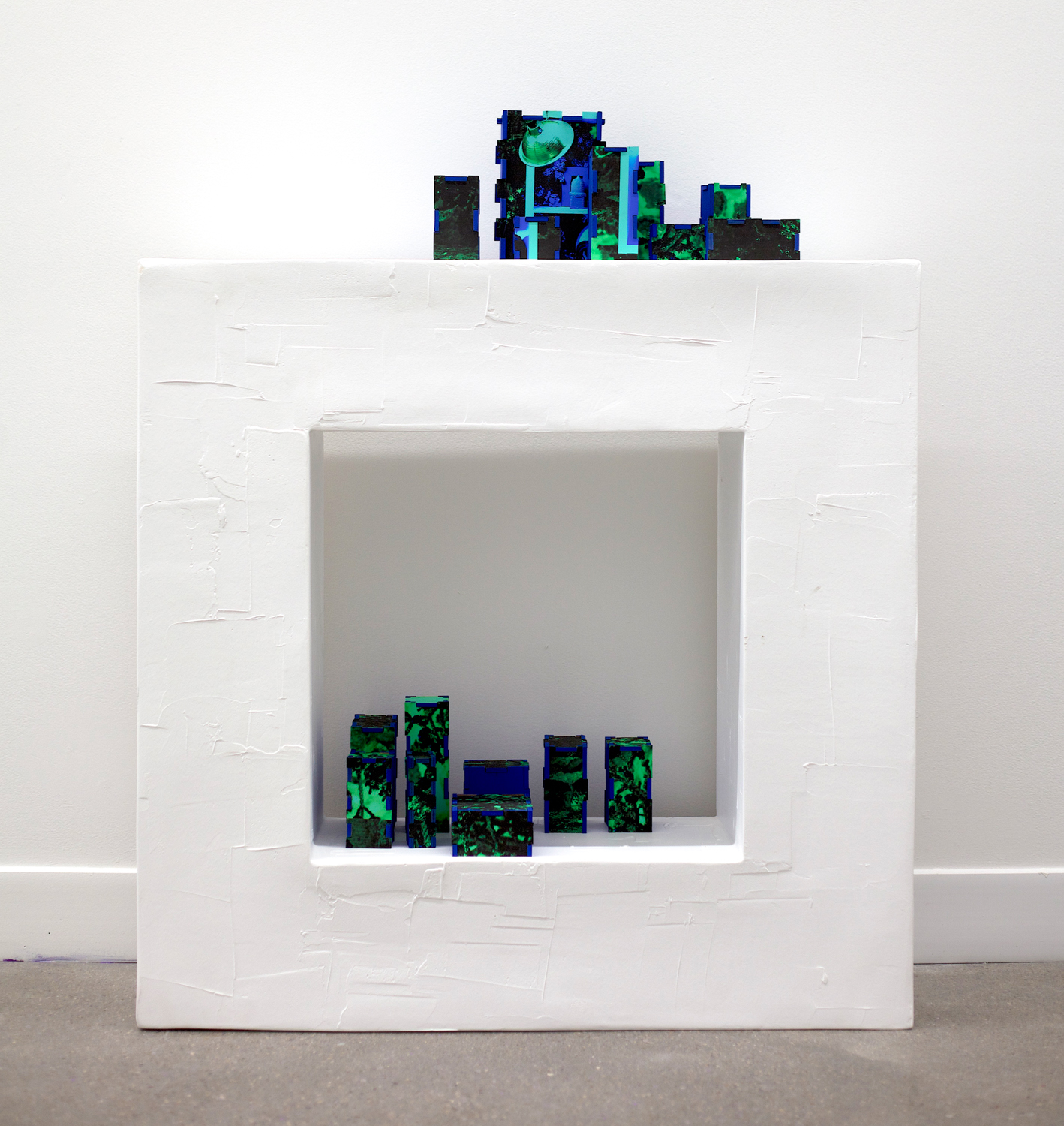
©Dina Perlasca, Alum

©Allison Prescott, Current Student
Posts on Lenscratch may not be reproduced without the permission of the Lenscratch staff and the photographer.
Recommended
-
In Focus: The MFA Review: Cranbrook Academy of ArtJune 11th, 2026
-

In Focus: The MFA Review: The Ohio State UniversityJune 10th, 2026
-
In Focus: The MFA Review: Parsons School of Design, The New SchoolJune 9th, 2026
-
In Focus: The MFA Review: Savannah College of Art and DesignJune 8th, 2026
-
In Focus: The MFA Review: Rochester Institute of TechnologyJune 7th, 2026