In Focus: The MFA Review: SUNY New Paltz
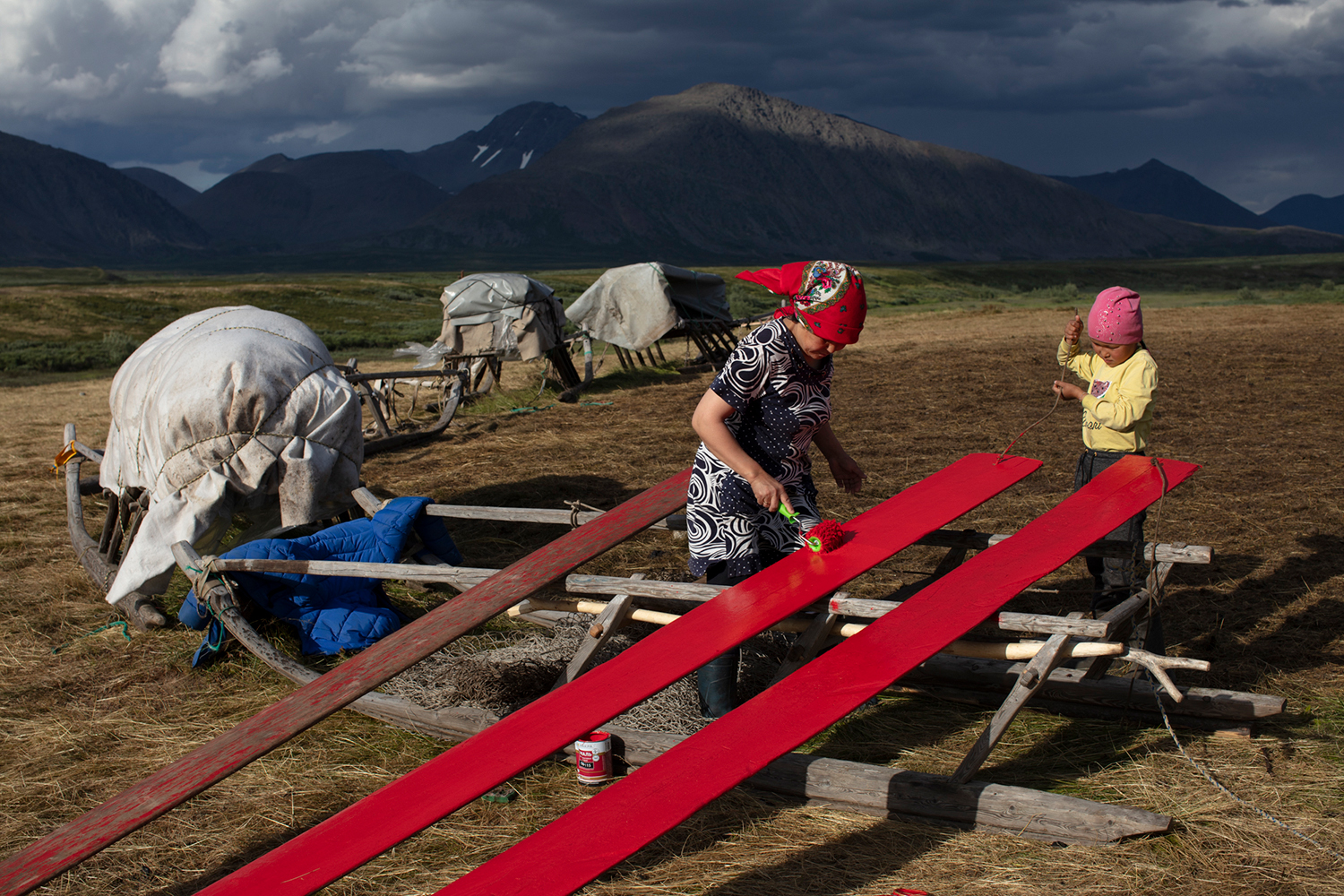
©Nadia Sablin, Associate Professor
Each installment of In Focus: The MFA Review highlights a different MFA program for photographic artists, offering readers a concise overview of its identity, curriculum, faculty, student experience, financial support, and post-graduation outcomes. It also serves as a showcase of the creative work produced by faculty, students, and alumni. Rather than functioning as rankings or endorsements, these features are intended as practical starting points—tools to help prospective students compare programs, identify what matters most to them, and make more informed decisions about their graduate education. While certain details shared in these articles may change over time, my hope is that these program snapshots offer a clear sense of what each represents in the present moment.
Thank you to Andrea Frank for completing this interview and compiling all the images/resources!
Institution name: SUNY New Paltz
Degree Title: MFA in Studio Art, Photography track
Location: New Paltz, NY
Link to Program Page: https://www.newpaltz.edu/fpa/mfa/areas-of-study/photography-related-media/
Link to Application Page: https://www.newpaltz.edu/fpa/mfa/apply/
Instagram: @npmfa
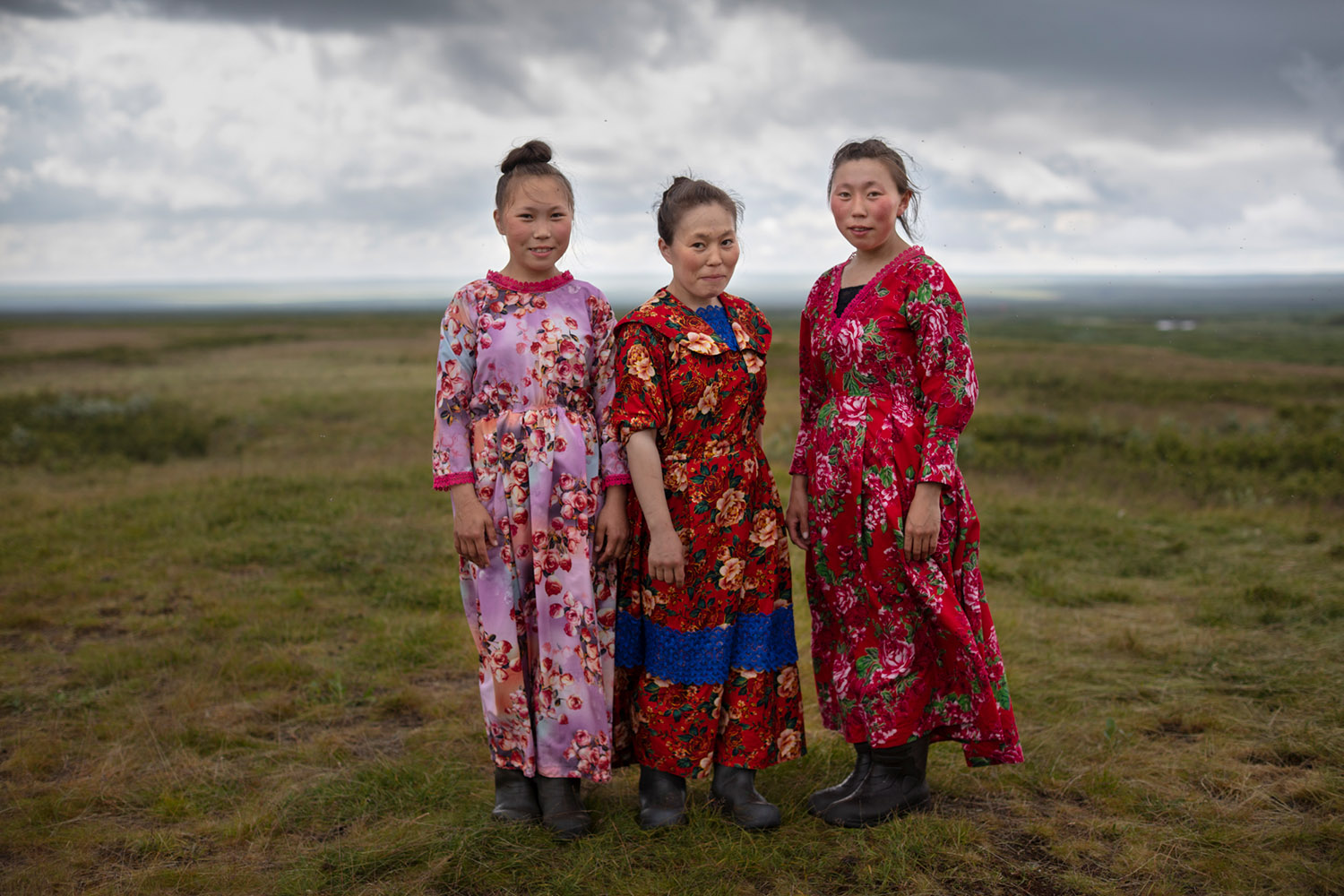
©Nadia Sablin, Associate Professor
Tell us a little about your program. How would you define its scope and purpose?
We proudly offer affordable and immersive graduate photography education in a stimulating creative community with well-equipped labs and spaces. Our students engage in creative research and technical and conceptual exploration in the context of ongoing critical dialogue and with access to studios, tools, and a network of art professionals across disciplines. We embrace a holistic view as we support our students develop their creative voice based on their personal history, identity, and vision.
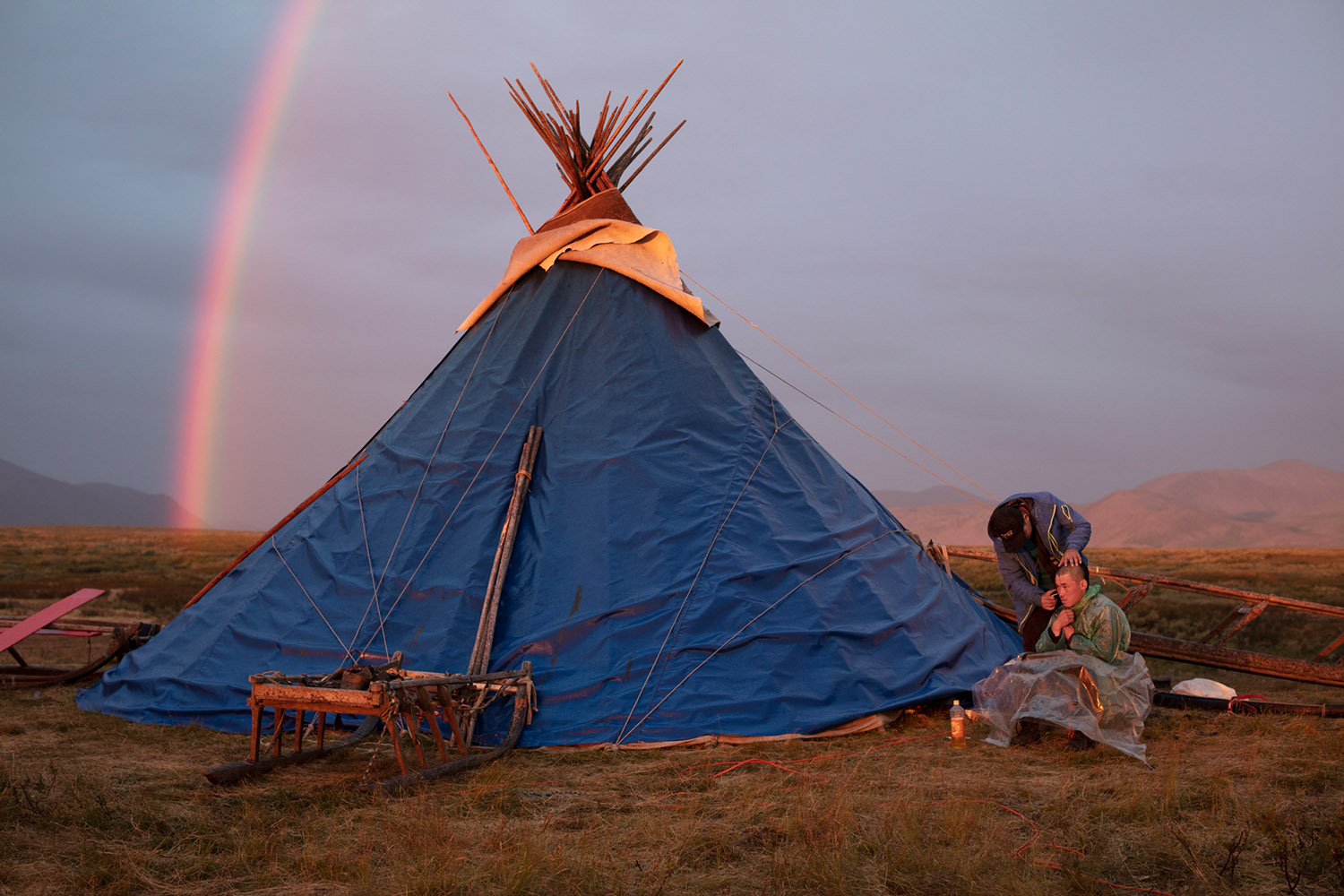
©Nadia Sablin, Associate Professor
What would you say makes your program special?
We are located in the Hudson Valley with its nature preserves and lively art and music scene, 90 minutes from NYC. Our tight-knit community and program size assures individual focus. We offer spaces and tools in digital, analog, and sustainable photography, as well as access to adjacent media and interdisciplinary production possibilities.
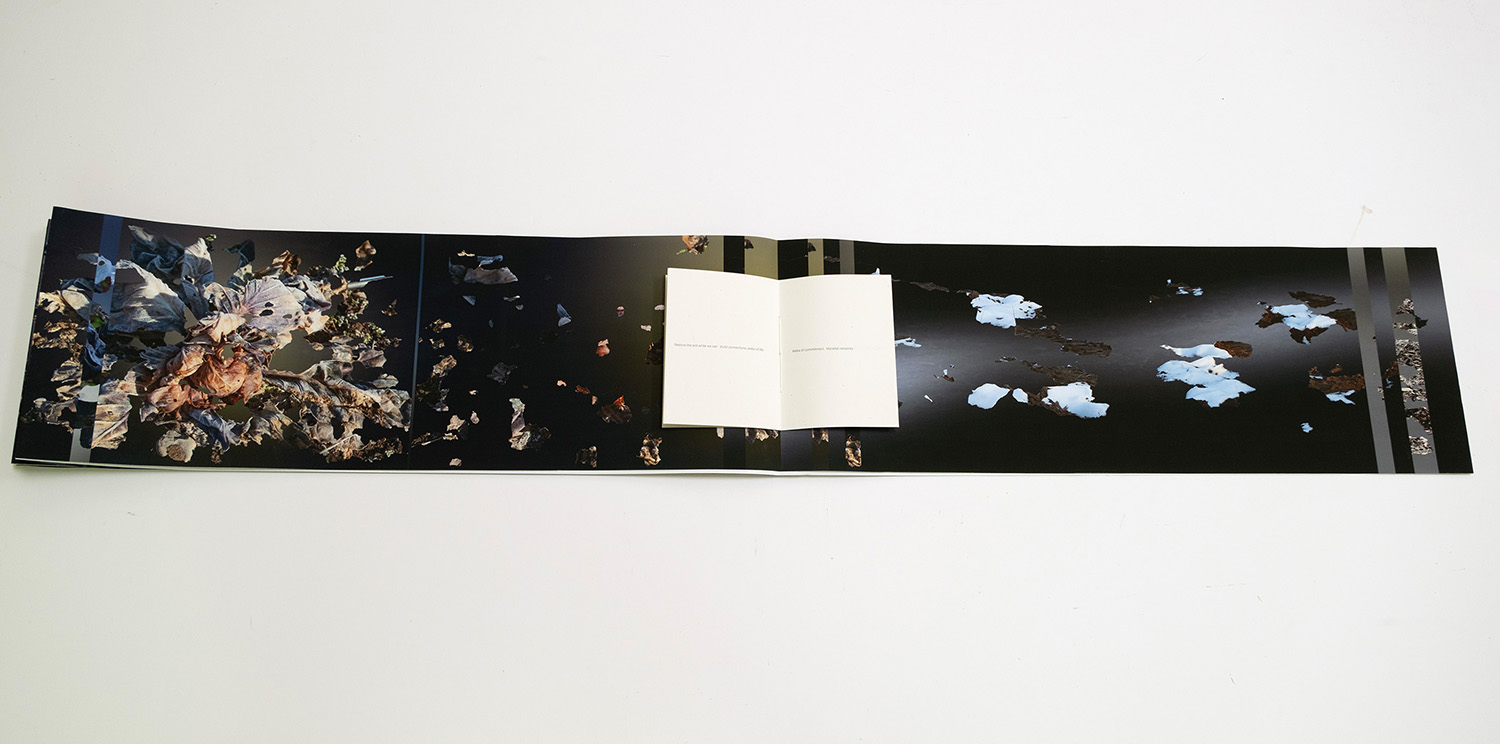
©Andrea Frank, Professor
What specialized facilities are available for student use (i.e. darkroom, lighting studio, print lab)?
Our Photography program is equipped with digital labs with Imacon scanner, desktop to 44 in. printers, a 17-station darkroom including a cyanotype exposure unit, a film developing room, lighting studio, mounting and mat cutting room, and a bookmaking studio, and graduate studio spaces.
Tools for check-out include 35mm to 20×24 film cameras, digital mirrorless and medium format cameras, portable lighting kits, flashes, tripods, etc.
In addition, students can register for classes in the adjacent programs in Ceramics, Printmaking, Metal, and Sculpture and gain access to our wood studio, 3D printers and laser cutters.
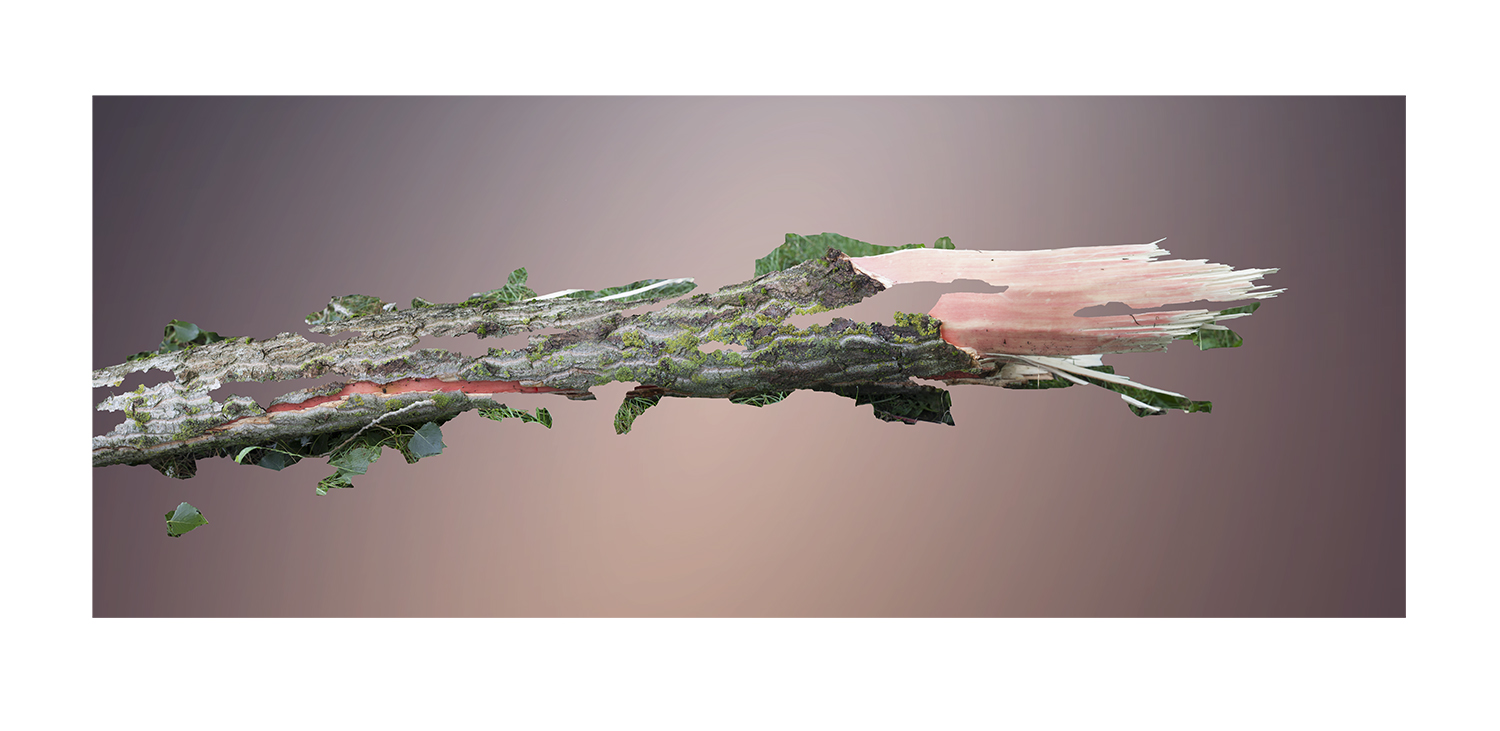
©Andrea Frank, Professor
Is your program strictly photography-focused, or does it encourage/allow interdisciplinary work?
We welcome both, students who are interested in photography and those who want to explore across disciplines. We work with them to select classes which give them the skills and access to expand into other areas such as ceramics, printmaking, sculpture, painting, metal, digital design and fabrication, or other disciplines. We also are interested in students whose work expands into experiential and socially engaged realms.
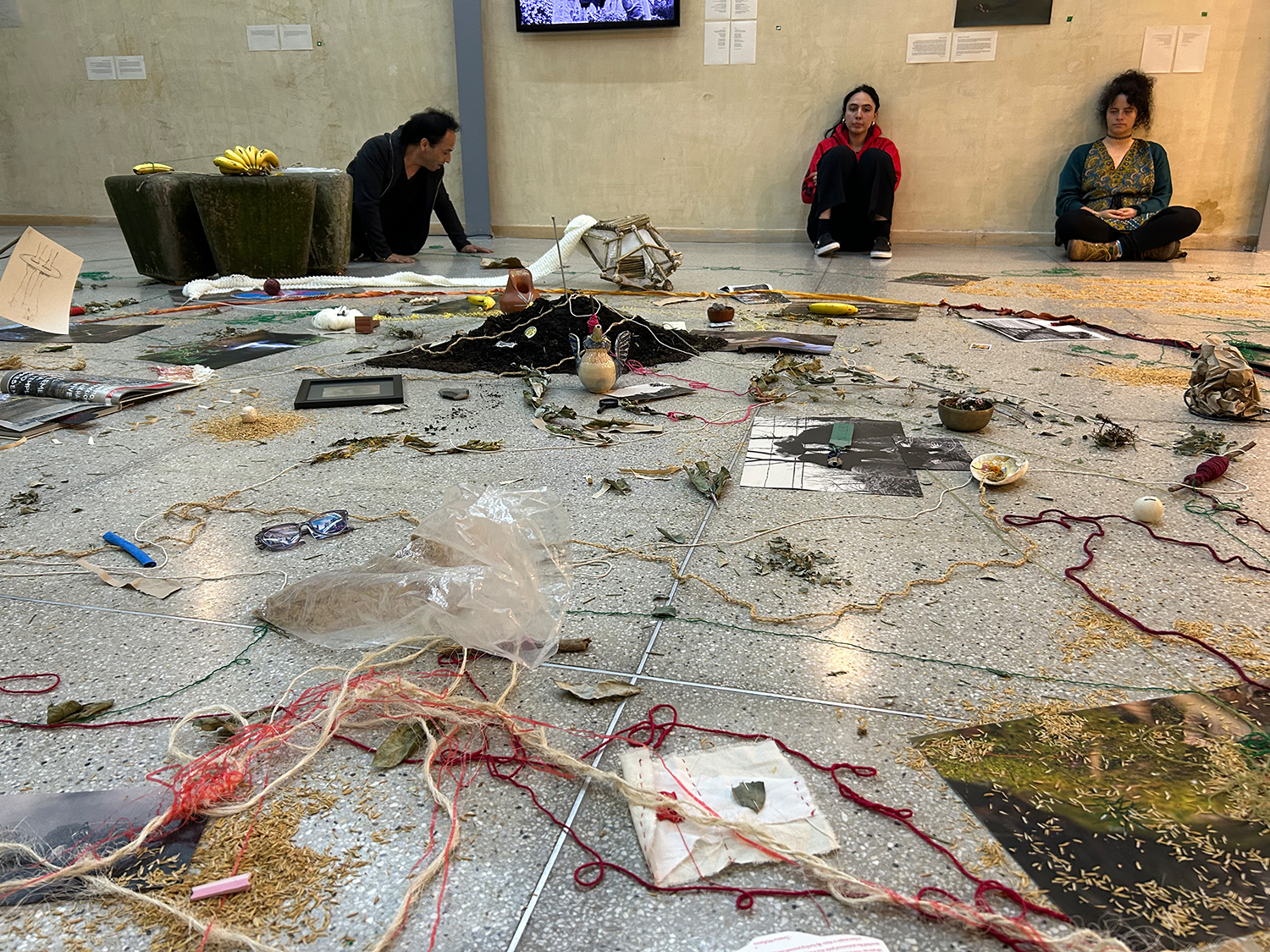
©Andrea Frank, Professor
Do you specialize in a particular area (i.e. documentary, experimental, environmental work)? And once in the program, is a student able to shift their focus if their creative interests change?
We support students in their creative development and journey wherever it takes them. Our faculty cover a broad range of interests and modes of working, including documentary/fiction, sustainable processes, artist books, video, installation, and experiential and experimental process-based research. If interested, students are welcome to engage in experiential research in the nearby nature preserves with a small awareness-based research group which focuses on sustainability, ecology, and indigenous worldviews.
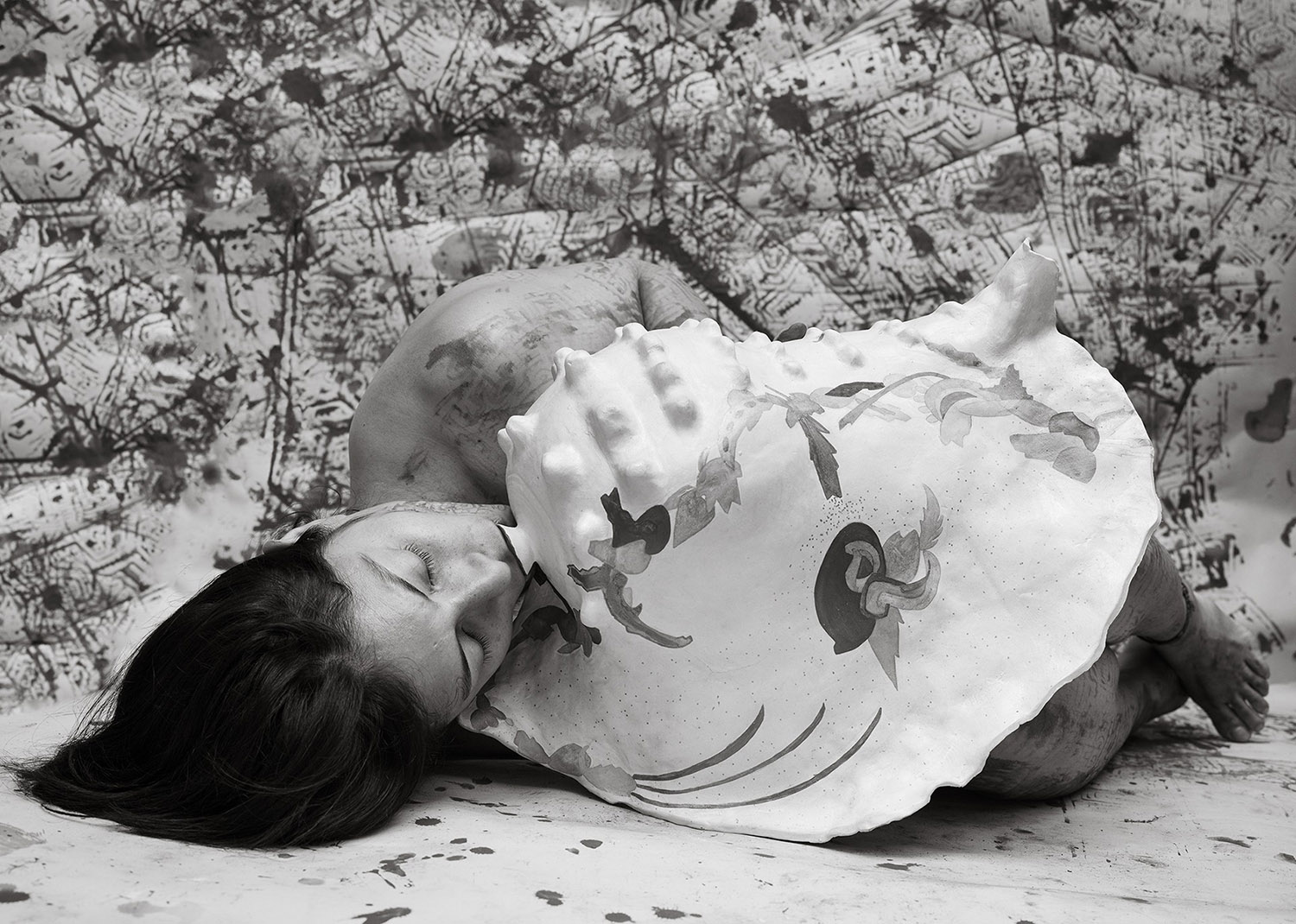
©Koyoltzintli, Alum
How structured is the curriculum? Are there required courses, or is it more self-directed?
Our curriculum offers a basic structure with lots of freedom to either choose courses of interest or focus on more individualized work. Students are required to take the core Photography and Related Media graduate studio course on Wednesday afternoons every semester, as well as seminars focusing on critical dialogue, professional development, and art history. They select further courses or Independent Studies according to their interests and needs for a total of 15 credits per semester.
Does the program incorporate video work or emerging media such as AI, VR/AR, or 3D/360 imaging?
Students often use video in their work. We regularly offer a Digital Video course, where students can develop video projects.
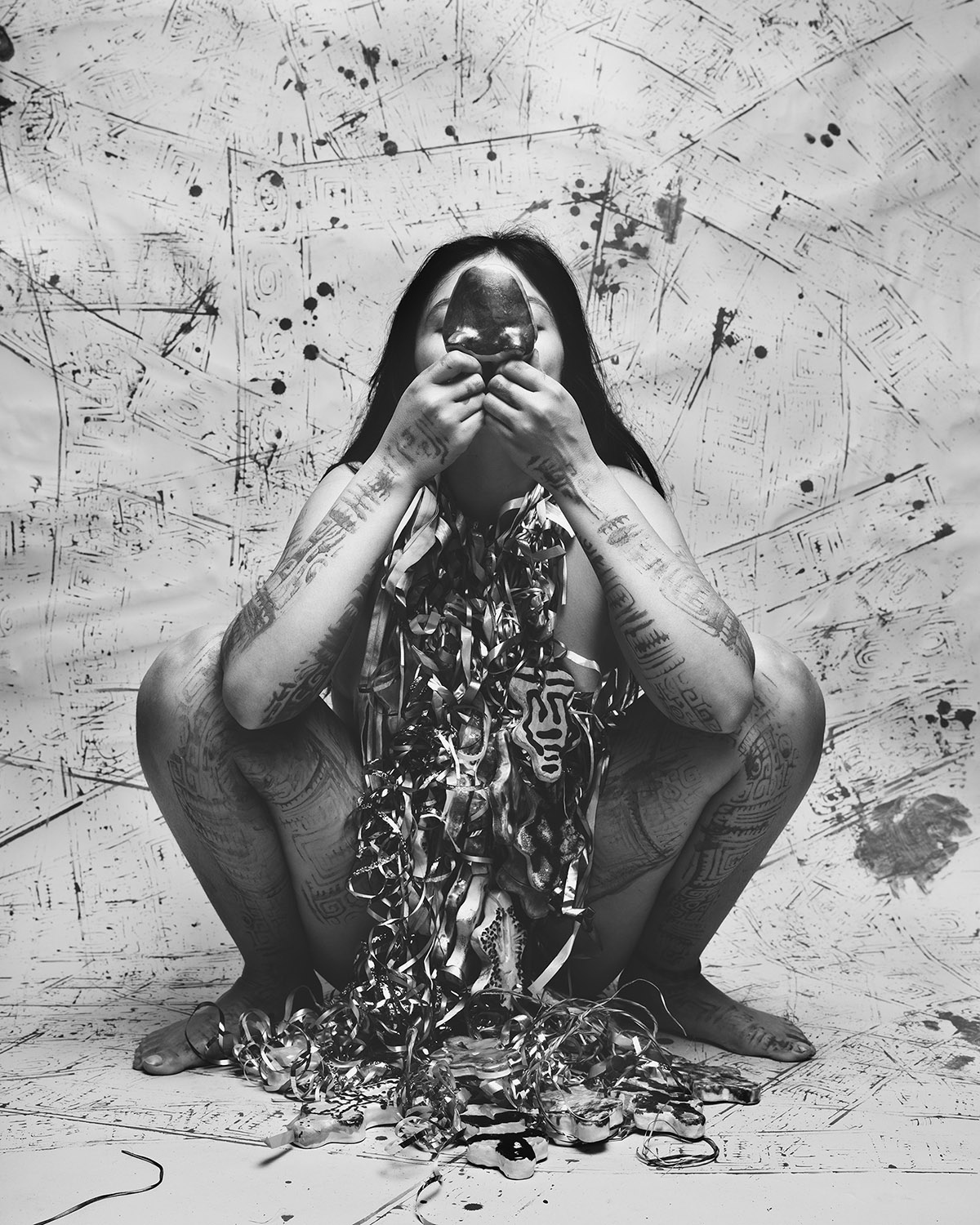
©Koyoltzintli, Alum
Does the program offer career development support, such as portfolio reviews, workshop/conference attendance, or networking opportunities?
All our graduate students take the course Artist Survival Skills, which focuses on career development. They are encouraged to present at and/or attend the National and Regional SPE conferences with the faculty. Students can apply for a Graduate Assistantship for organizing the Student Art Alliance lecture series, which offers all art students opportunities to attend artist lectures and sign up for studio visits with student-invited artists. A competitive Graduate Assistantship to work with the Dorsky Museum is also available. Every semester, all Art Department faculty participate in a graduate critique day, where groups of faculty do formal studio visits with our grads. The Photography program also invites visiting photographers and artists, and organizes program bus trip to NYC each semester and regularly visits the regional museums and art spaces for artist talks, curator tours, etc.
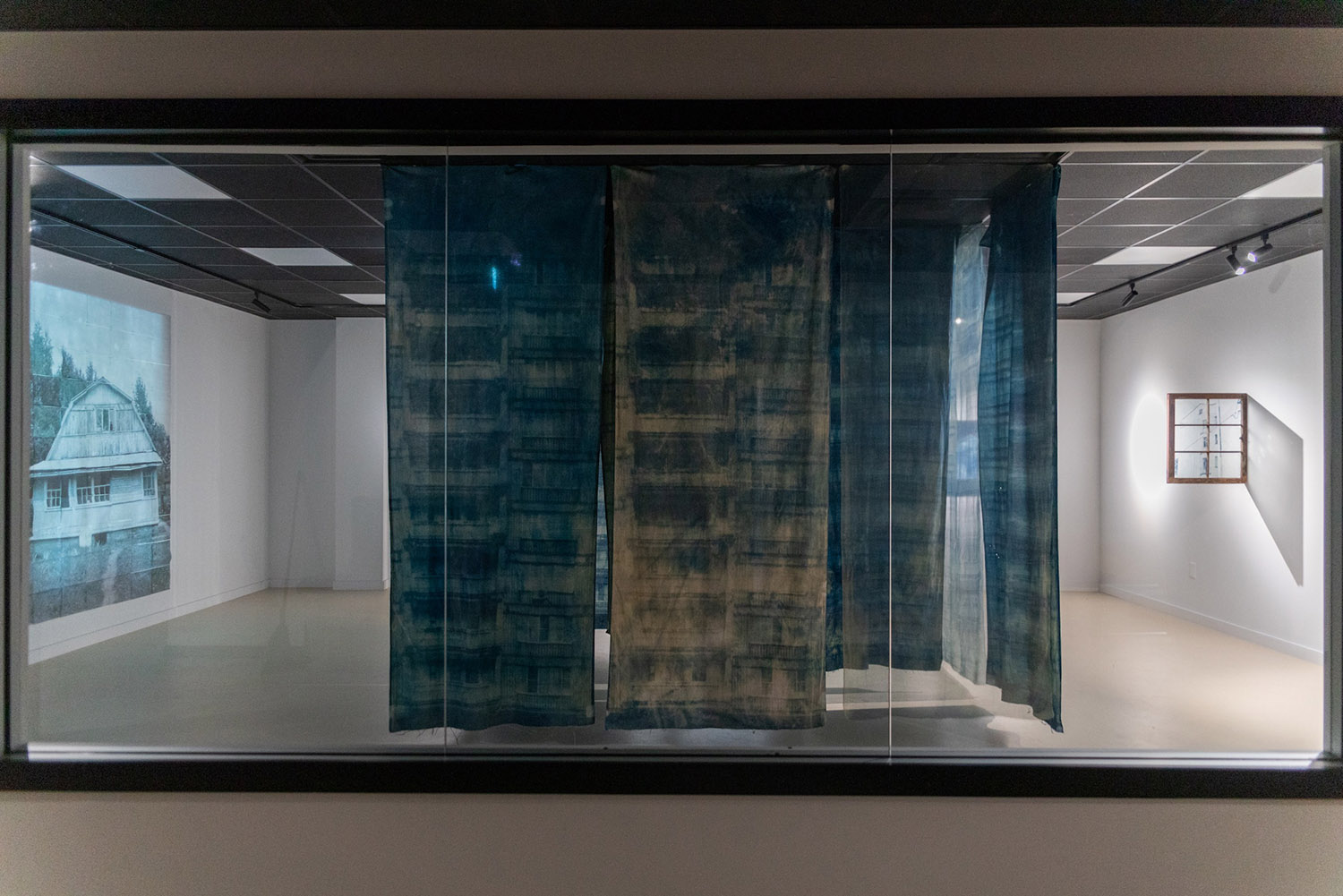
©Viktorsha Uliyanova, Alum
What are key graduation requirements (exhibition, thesis paper, portfolio, etc.)?
Graduation requirements include an exhibition of the work developed during their time at New Paltz in the Dorsky Museum on campus, and a related thesis paper. Most students produce a comprehensive portfolio and/or book of their work (or another format depending on the medium they work in).
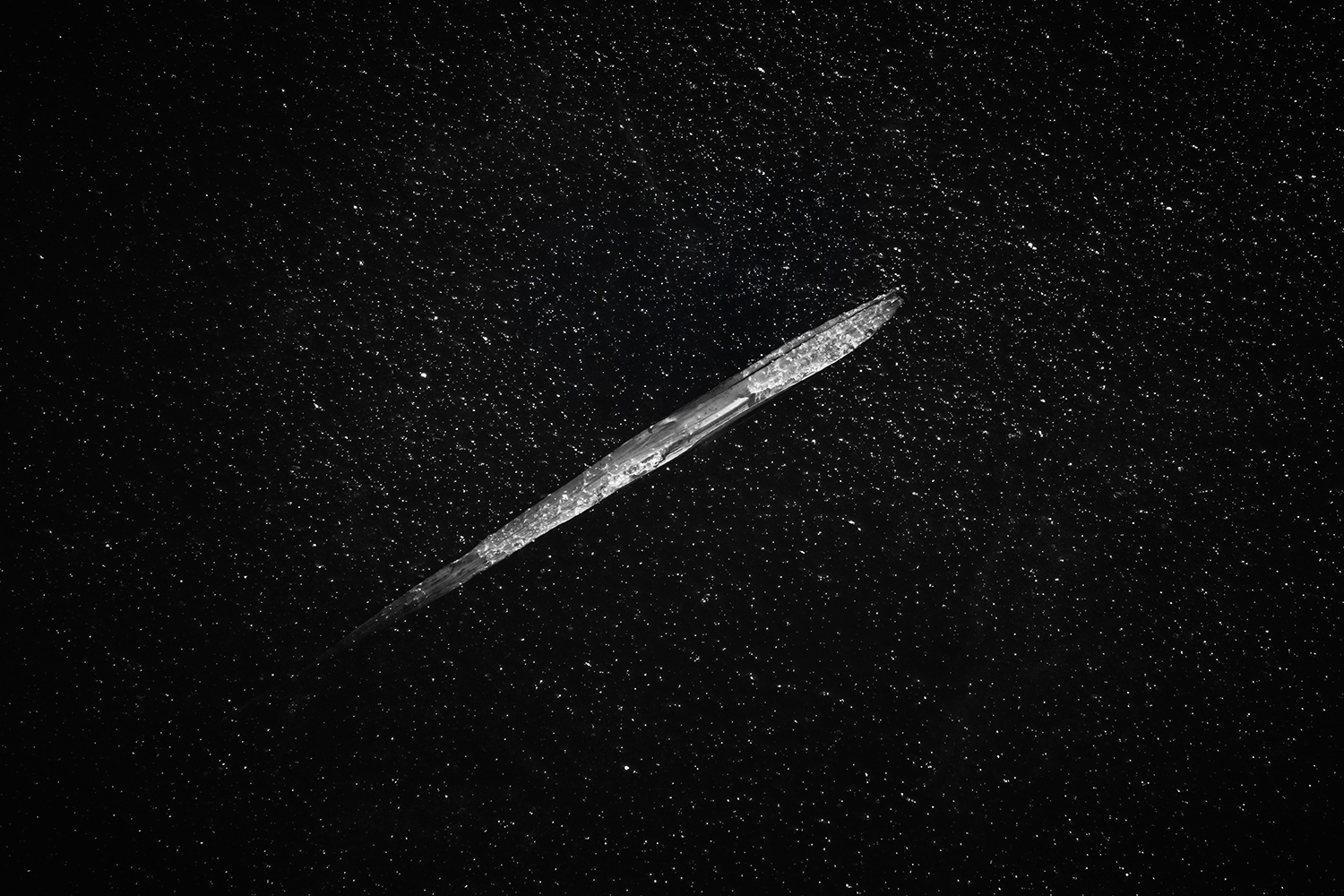
©Chika Kobari, MFA Candidate
Who are your current faculty members? What are their areas of creative interest?
Nadia Sablin is a Guggenheim fellow and Fulbright Scholar working in the expanded documentary field.
Andrea Frank works in a range of photographic and related media and engages experiential modalities with a focus on ecology, regeneration and collective responsibility.
Matthew Friday, the graduate coordinator, focuses his research on the development of apparatuses and systems that examine and provoke new political ecologies.
Are faculty members primarily full-time or adjunct?
Our graduate faculty are full-time. Students are also encouraged to also reach out to colleagues in other areas as well as our adjunct faculty for consultations and studio visits.
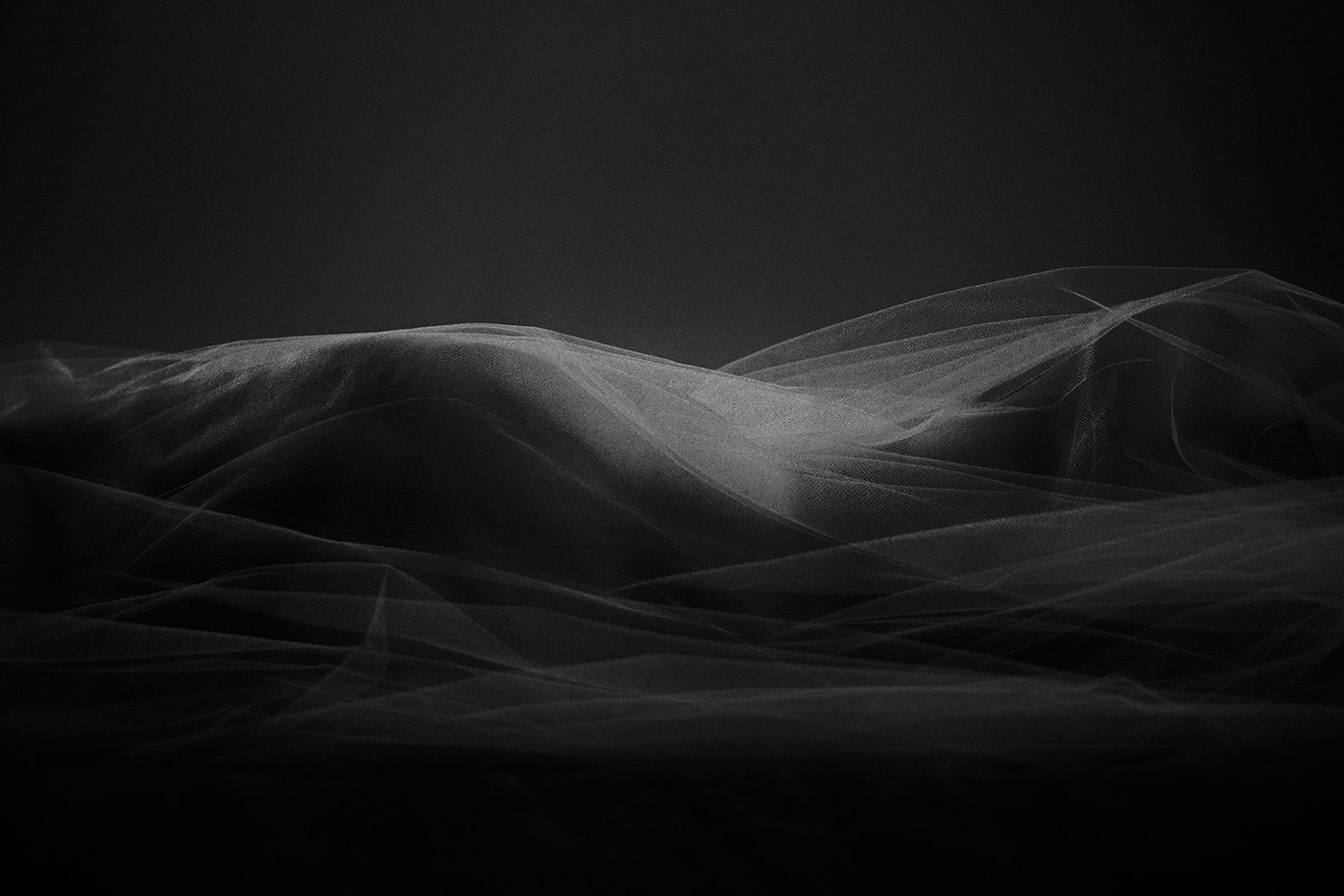
©Chika Kobari, MFA Candidate
How involved are faculty in mentoring students beyond coursework?
Our faculty has open doors and is available and engaged with each of our students. We organize field trips, dinner conversations, collaborate on research when there are overlaps of interest and advise on future pathways.
How often do guest artists, curators, or critics visit for lectures and/or critiques?
Each semester, we bring in about two to four visitors in the Photography Program and an additional four artist lectures are organized by the Student Art Alliance. We also invite colleagues from other disciplines as guest critics. As mentioned earlier, students also participate in Graduate Critiques where art faculty and regional art professionals do group studio visits.
Students can also enroll in the course Studio Critique run by a rotating art faculty member, which is centered on dialogue around developing work.
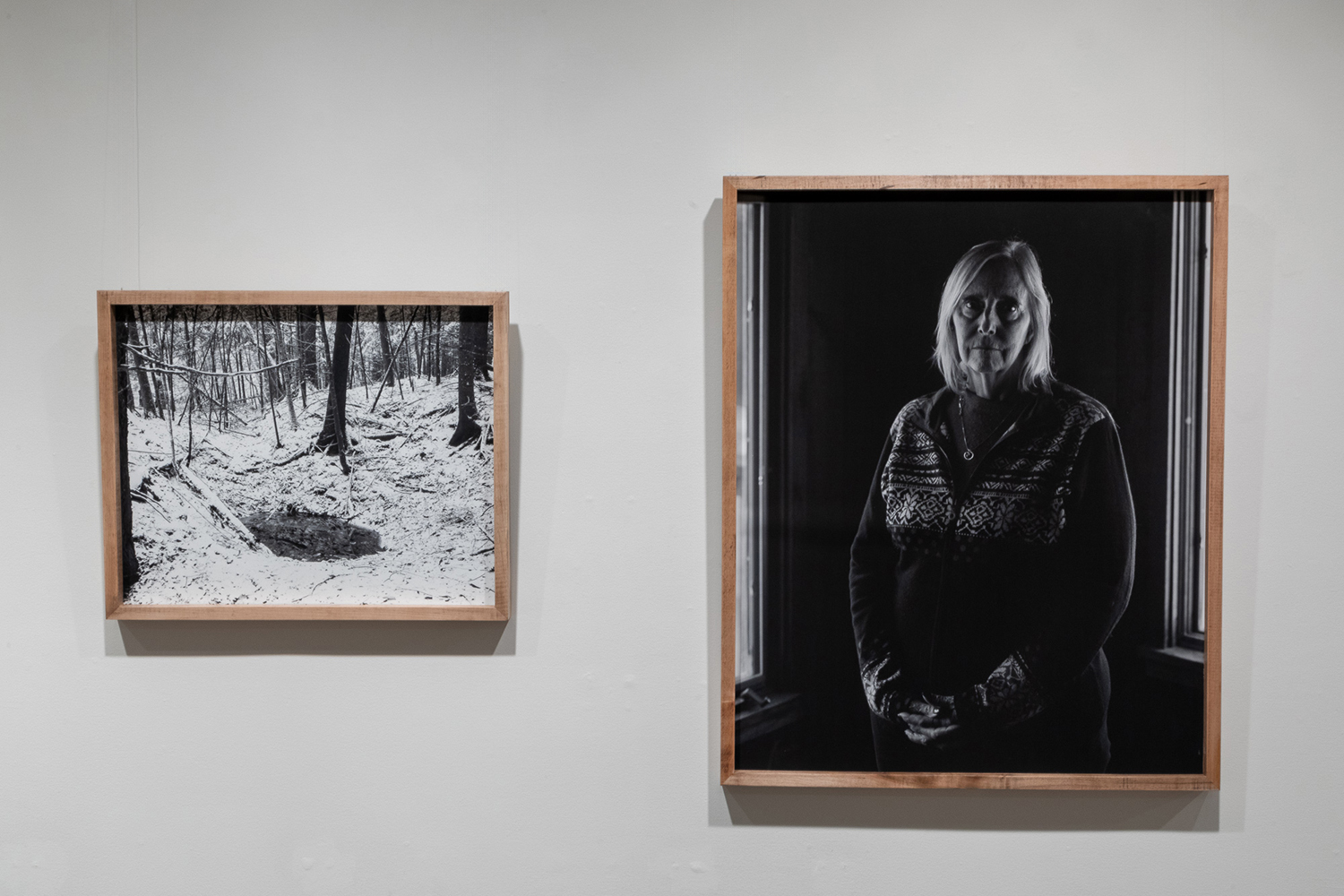
©Jackson Hardin, Alum
How many students are admitted each year, and how many are photography focused?
15-20 students are admitted to the Studio Art graduate program each year. About three of them are admitted to the Photography track.
What is the approximate cohort size, and what effect does this have on critiques, collaboration, and networking?
In the Photography area, we have 5 – 7 students each year. They take the Photography and Related Media course together each semester. Art Criticism and other seminars are taken with students of the different tracks of their Studio Art cohort of about 17. Our Photography graduate students are a tight-knit community with tight bonds with students in other areas/tracks. Many collaborate and support each others’ creative process.
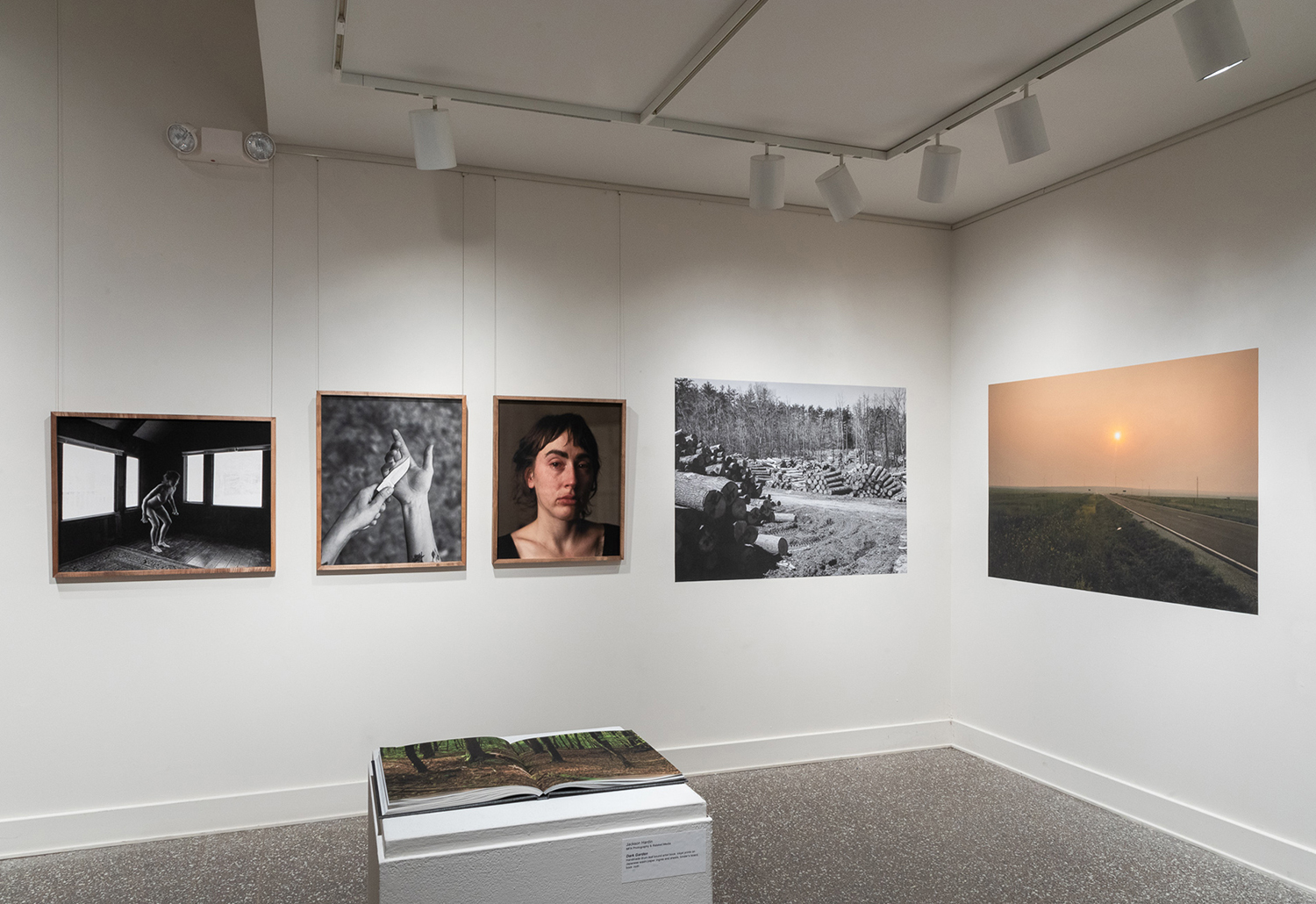
©Jackson Hardin, Alum
What kind of work are current students creating?
We currently have students working in more traditional photographic modalities as well as across media.
We have a student painting on large photographs, creating large pieces reminiscent of ancient scrolls. Her focus is on a dystopian post -oil and animal-bonded future. Another student is creating what he calls anthropotypes, using consumer goods and foods to create contemporary versions of anthotypes in a critique of capitalist consumer society. Another student is combining printmaking strategies with photographic work to create installations exploring themes around addiction.
One student is documenting the cycle of work of Hudson Valley-based Ghanaian rice farmers and another student is creating videos, photographs, and sculptural installations investigating memories of her mother and related para-natural experiences.

©Bruce Wahl, Alum
What is the total cost of the program (and duration), and what funding options are available?
We offer a two-year program. Tuition and fees each semester are about $6,400. The MFA Scholarship, which reduces tuition and fees from 11,550.00 to $6,400 is automatically awarded to all incoming out-of-state and international students. Out-of-state students are eligible to receive this for their first year of graduate study and have the option of applying for New York State residency during their first year so they can continue to pay in-state rates. International students receive the MFA scholarship for the duration of their study. Our TR and GA awards as well as grants and fellowships are listed below.
Are there teaching assistantships, and what percentage of tuition do they cover?
Yes, we offer competitive Teacher of Record positions. After taking Internship to College Teaching, the student teaches a Basic Photography course in our program or a course in the Foundations program. Students receive a stipend of $2,500 as well as a 6-credit tuition waiver of about $2,800, which effectively reduces tuition that semester to about $1,100.
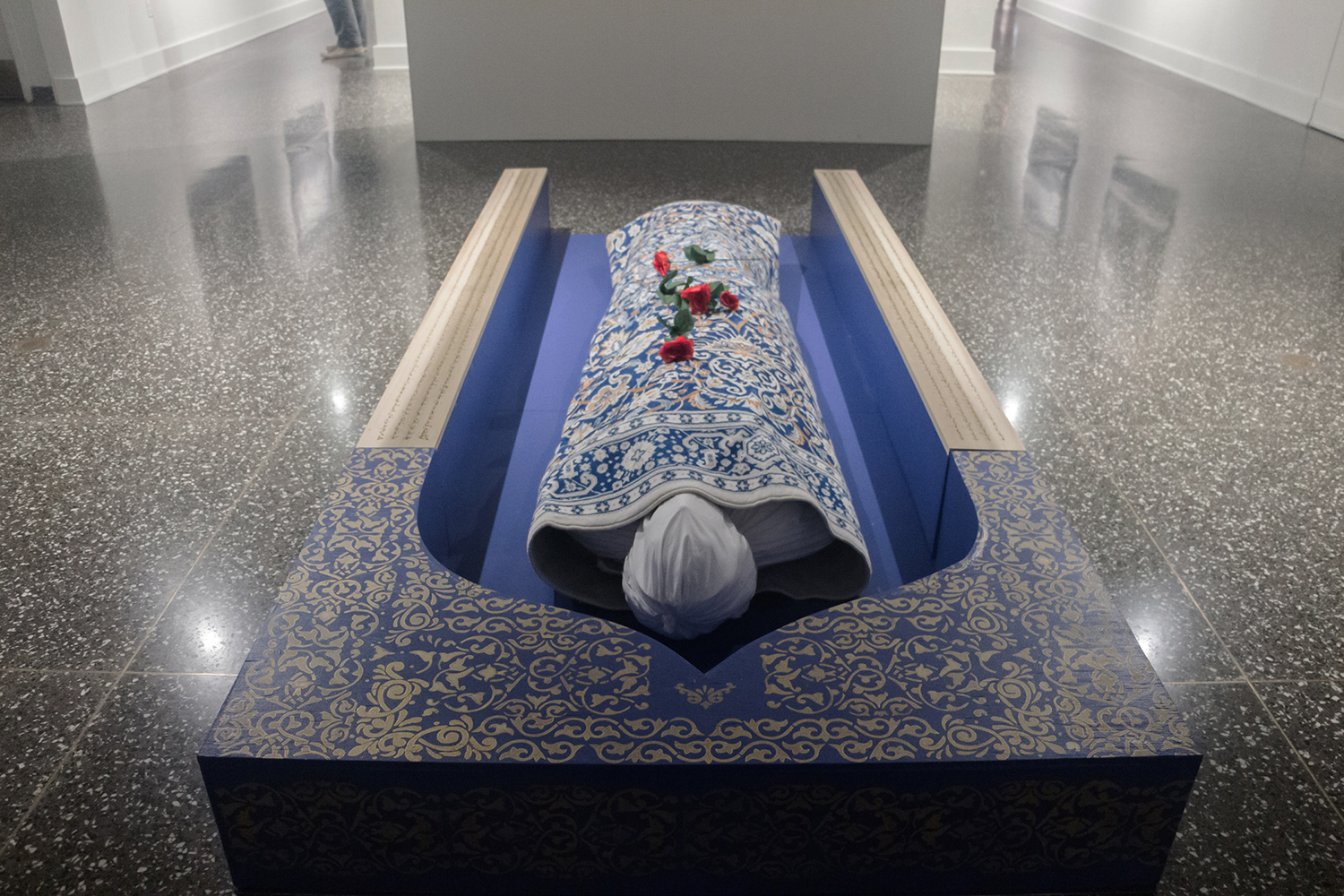
©Maedeh Ojaghloo, Alum
Are additional grants/resources available to support student projects?
We offer competitive Graduate Assistant positions, which come with a $2,500 stipend and the Ashokan Scholarship (a 6-credit tuition waiver) worth about $ 2,800 for a total of $ 5,300 in aid per semester of award. Stipends are paid in the form of a bi-weekly check, and the tuition waiver is applied directly to the student’s tuition bill. Assistantships are available in the Photography Program, as well as the Dorsky Museum, the Student Art Association Lecture Series, Art Education, and others.
Additional competitive scholarships and grants are the Sojourner Truth Diversity Fellowship, the Luigi and Anita Traverso Photography Award Endowment ($1,000 for a graduating photo MFA), the Ann Lovett Photography Scholarship Fund, and the Linda M. Cohen La Spina ’73 Scholarship Fund, among others. A range of Research and Creative Activities awards are available during the semester to support ongoing research and production.
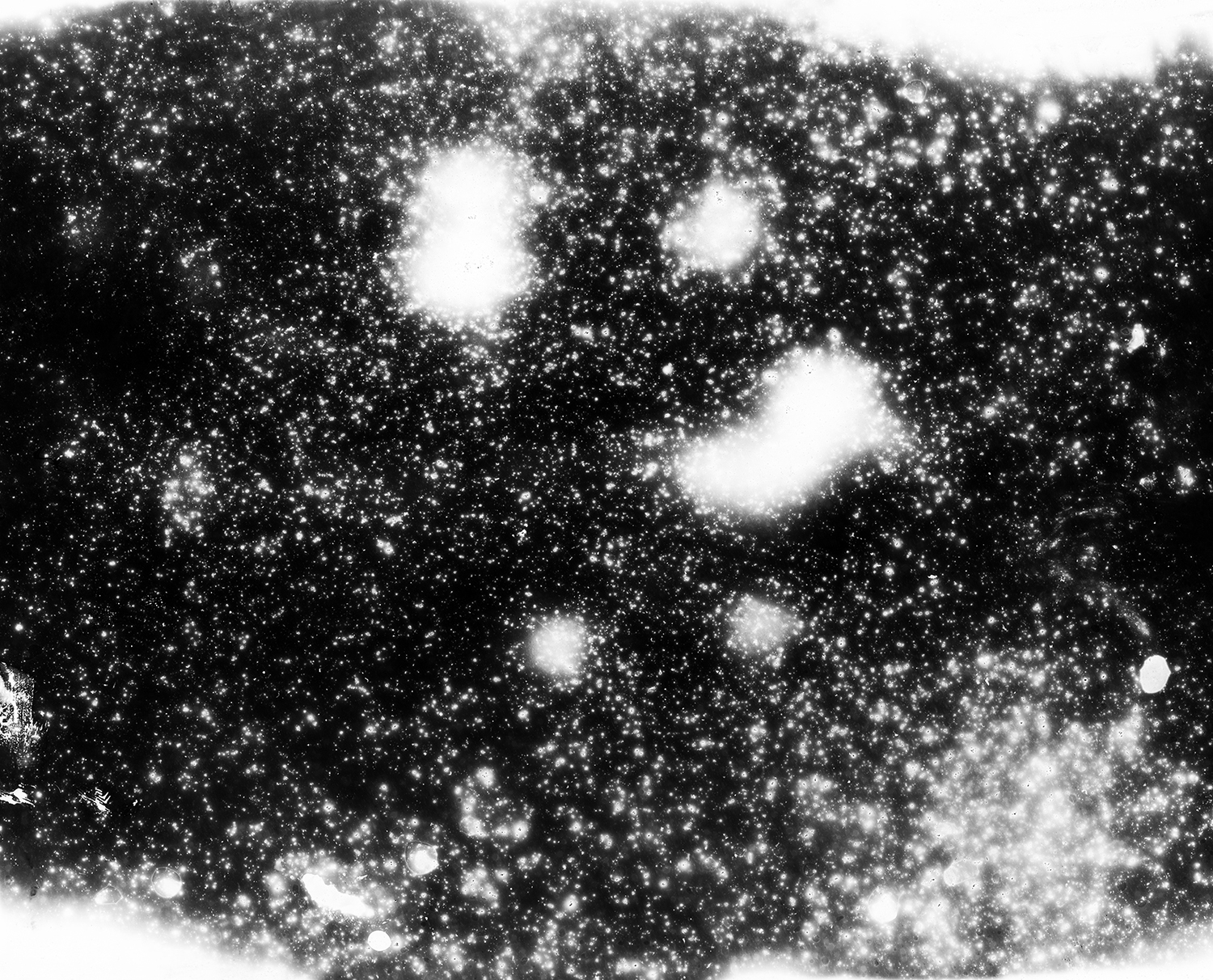
©Ikechukwu Sharpe, MFA Candidate
What types of careers to alumni pursue, and how does the program support students after graduation?
Our graduates exhibit their work, teach photography at the college level, they work in art organizations such as CPW or work in commercial photography or other areas.
How connected is the alumni network, and do graduates stay involved with the program?
Our graduates mostly stay in touch, they attend our end-of-semester gatherings if nearby, hire our undergrads as assistants, and send us great new graduate students. We support them by writing recommendations or connecting them with individuals in the field.
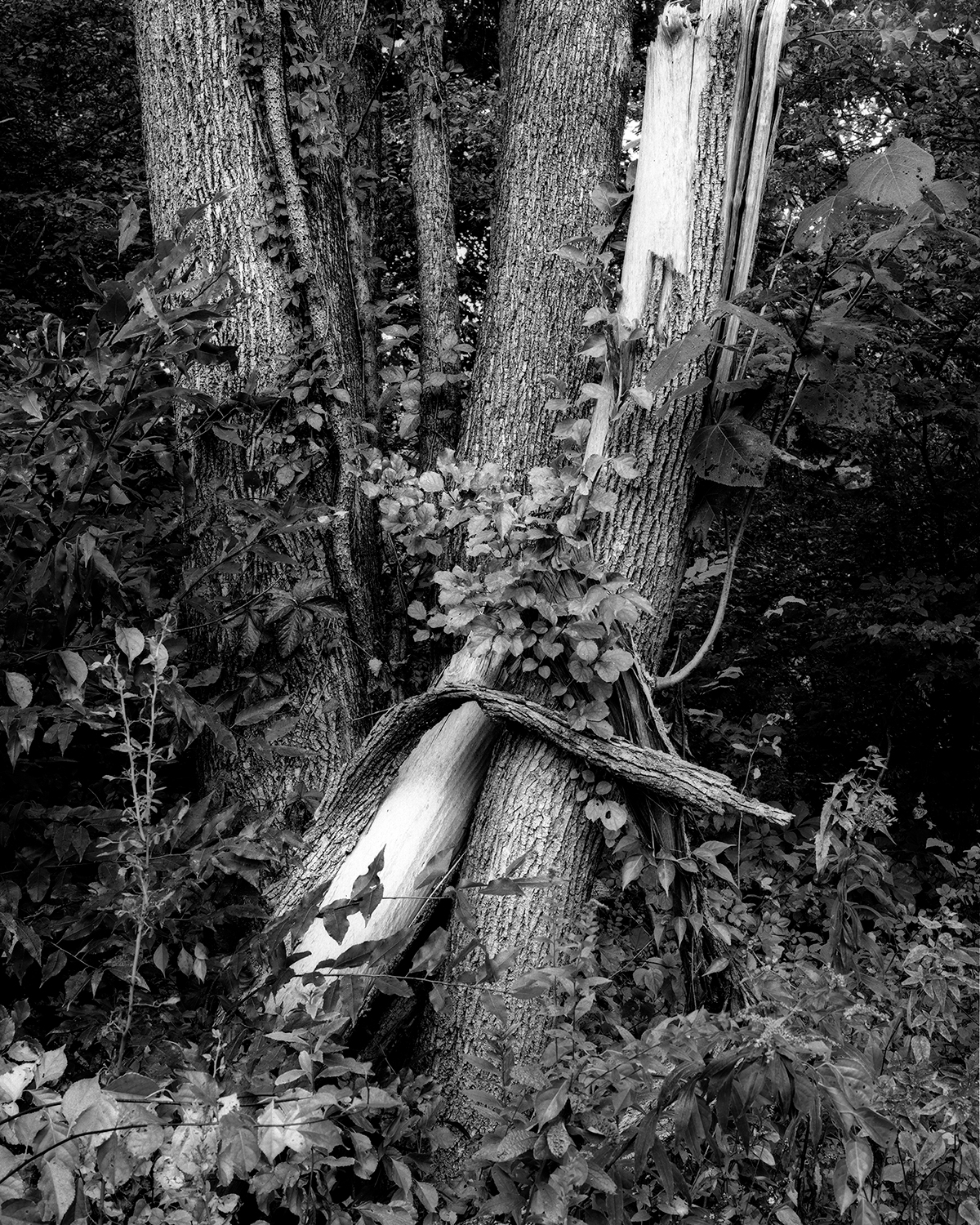
©Ikechukwu Sharpe, MFA Candidate
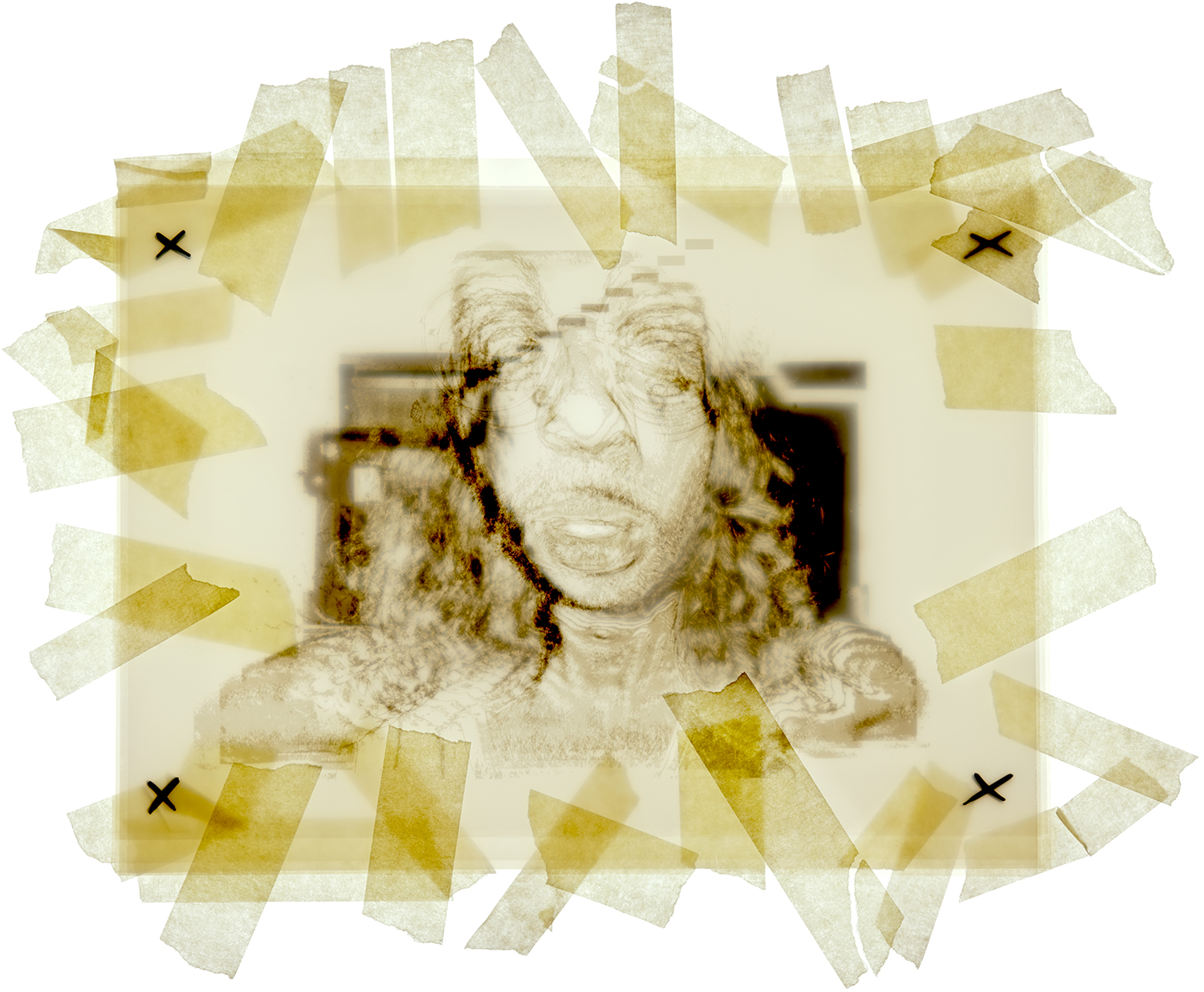
©Seth Britton, MFA Candidate
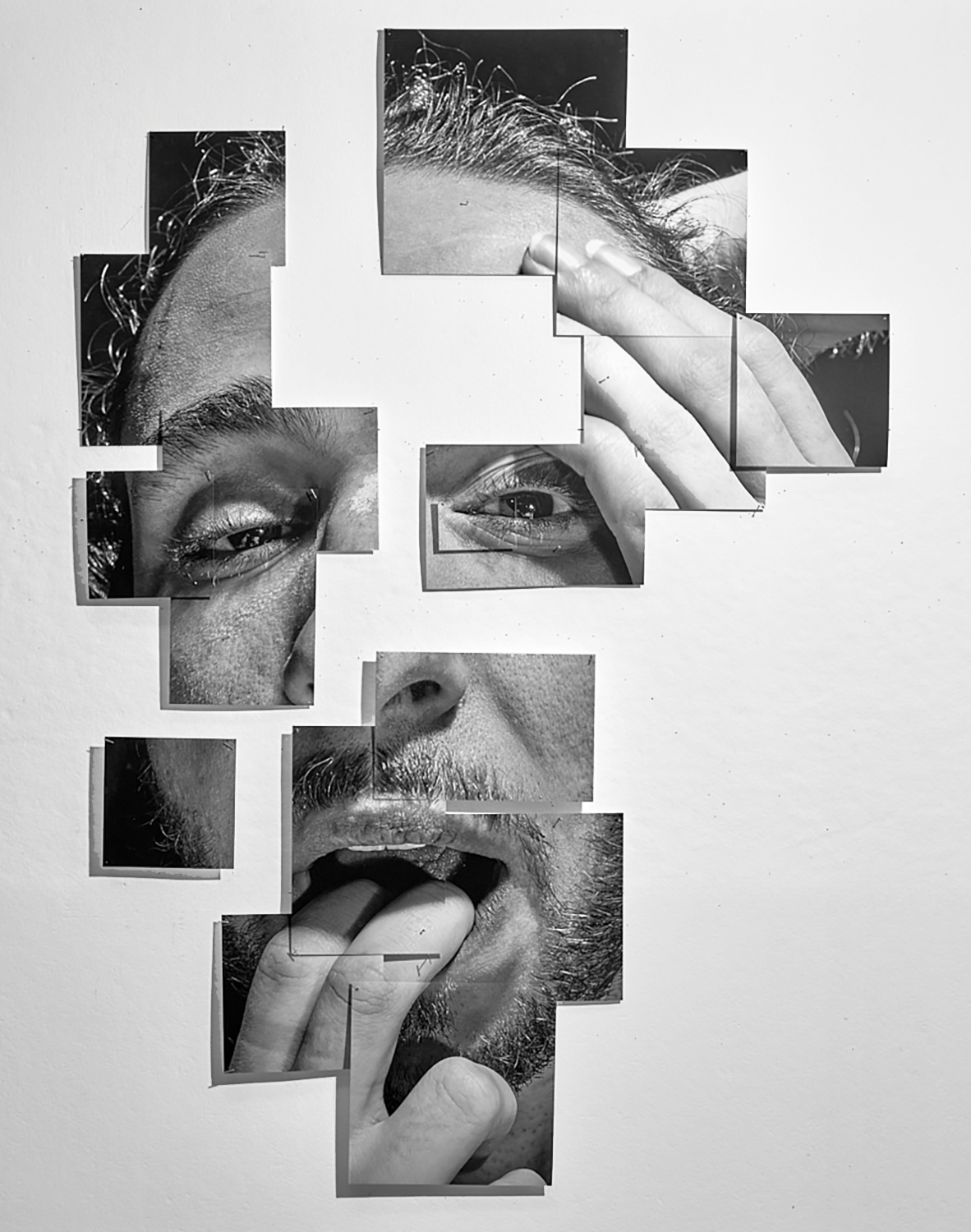
©Seth Britton, MFA Candidate
Posts on Lenscratch may not be reproduced without the permission of the Lenscratch staff and the photographer.
Recommended
-
In Focus: The MFA Review: Cranbrook Academy of ArtJune 11th, 2026
-

In Focus: The MFA Review: The Ohio State UniversityJune 10th, 2026
-
In Focus: The MFA Review: Parsons School of Design, The New SchoolJune 9th, 2026
-
In Focus: The MFA Review: Savannah College of Art and DesignJune 8th, 2026
-
In Focus: The MFA Review: Rochester Institute of TechnologyJune 7th, 2026