Andrea Birnbaum: Spilt Milk
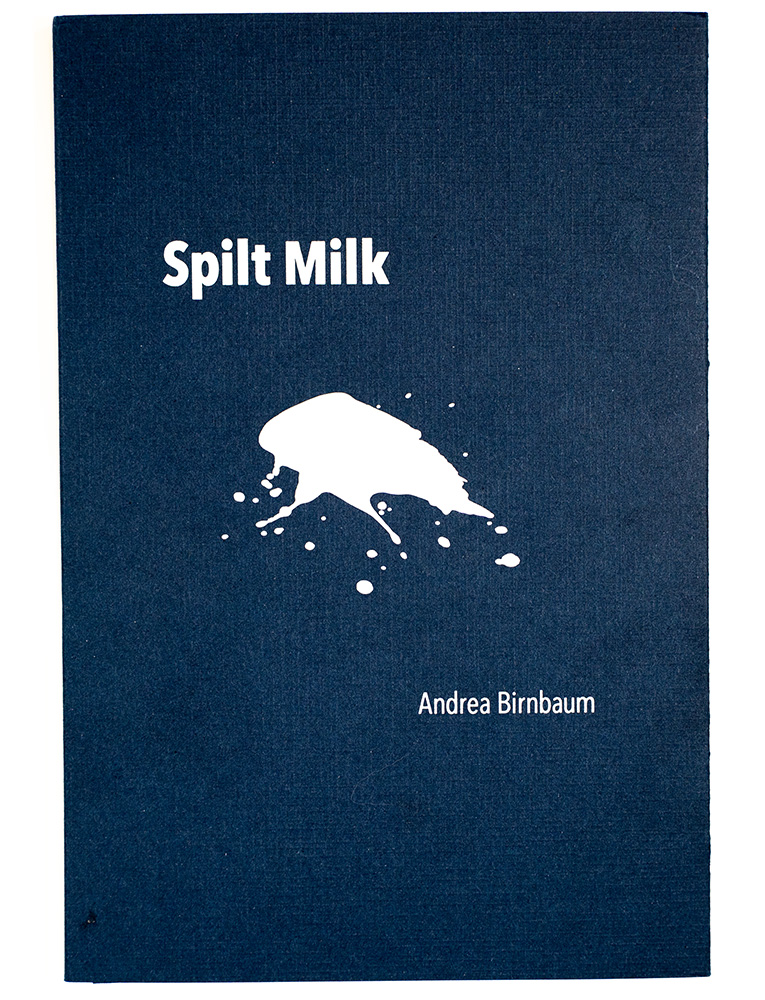
©Andrea Birnbaum, Cover from Spilt Milk
Families are shaped not only by the stories they tell, but also by the stories they cannot tell. We inherit more than photographs, objects, or heirlooms from our parents, we also inherit ways of seeing the world, ways of behaving, fears, and wounds that often originate long before we are born. Whether acknowledged or hidden, the past leaves traces, echoing through relationships and shaping the ways we love, communicate, and understand ourselves.
Andrea Birnbaum‘s new monograph, Spilt Milk, is an exploration of those echoes. At its core, Spilt Milk is about inheritance: the burdens we carry, the stories we absorb, and the possibility of breaking cycles through understanding. It is a meditation on family, memory, forgiveness, and the complicated ways love survives, even when it is imperfectly expressed.
Andrea Birnbaum is a photographer and educator whose personal work explores memory, identity and belonging. Her photographs and documentary projects have been exhibited throughout the country and internationally. She teaches photography and mentors students both online and in-person, and leads retreats and workshops internationally. She currently lives in the New York City area. Andrea is the Educational Coordinator for the Photographic Nights of Selma Photo Festival, an annual festival held each November in Selma, Alabama.
Instagram: @andreabirnbaumphoto
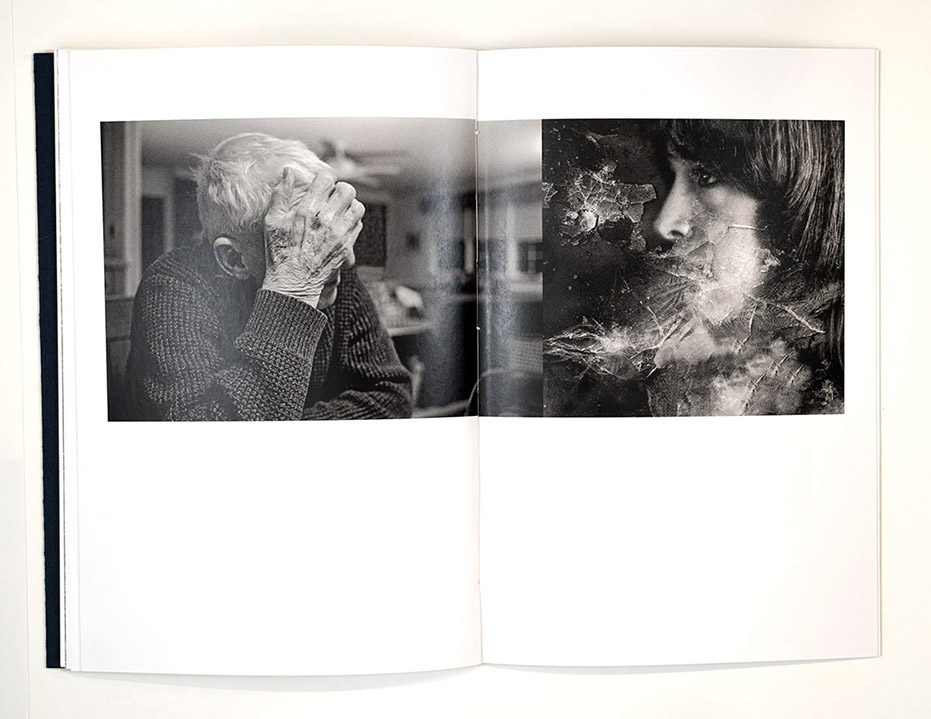
©Andrea Birnbaum, Dad and Me from Spilt Milk
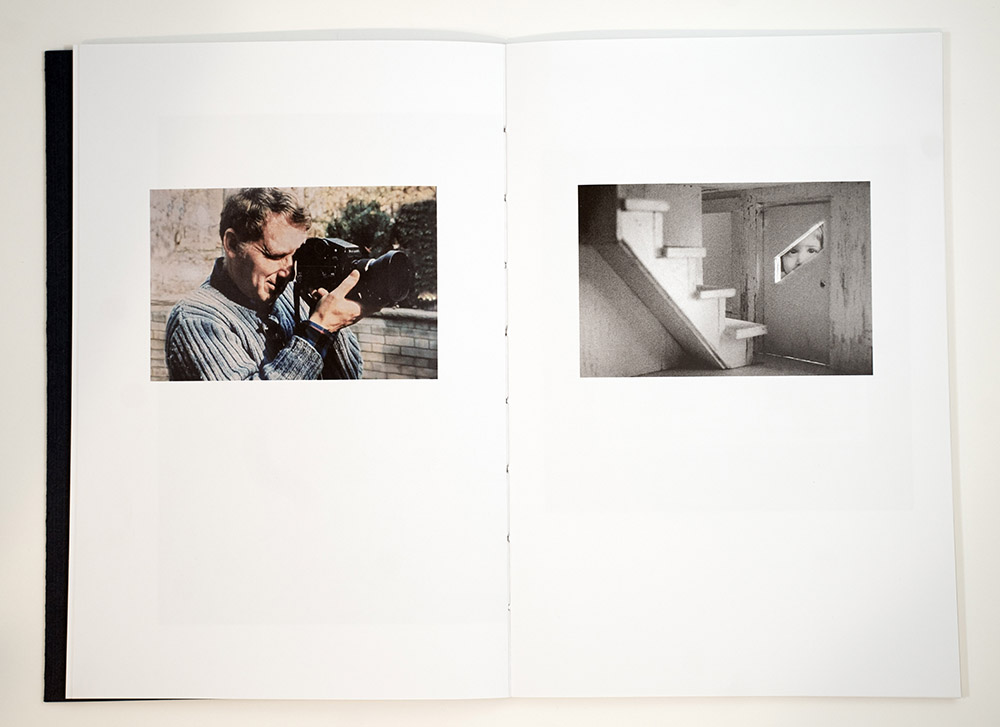
©Andrea Birnbaum, Dad and Dollhouse from Spilt Milk
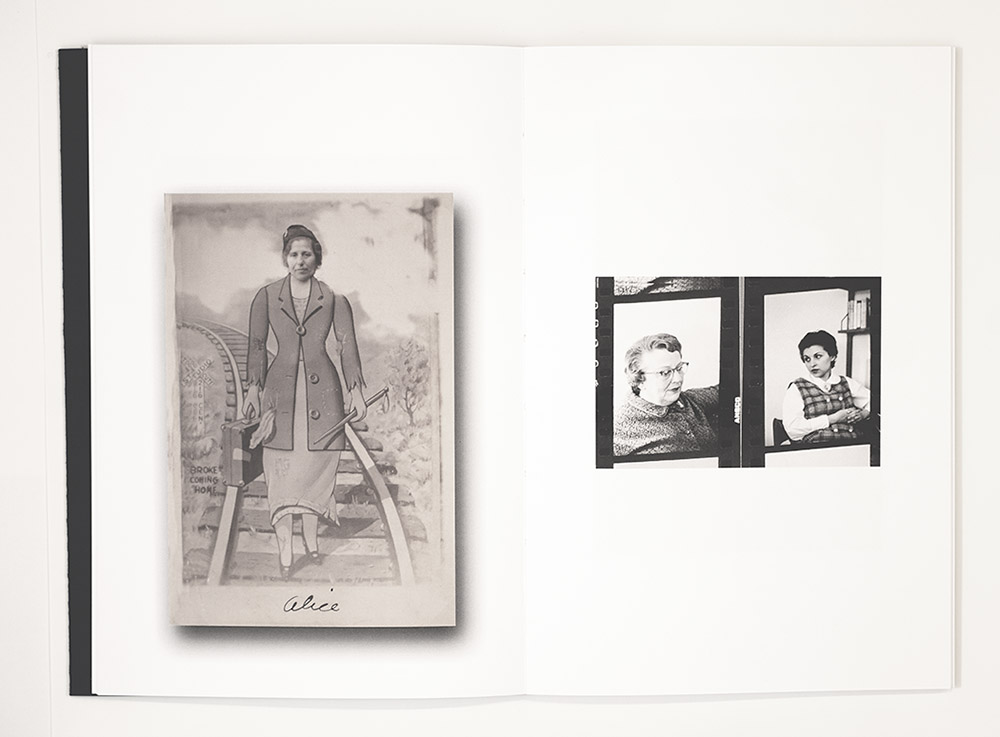
©Andrea Birnbaum, Grandma and Mom from Spilt Milk
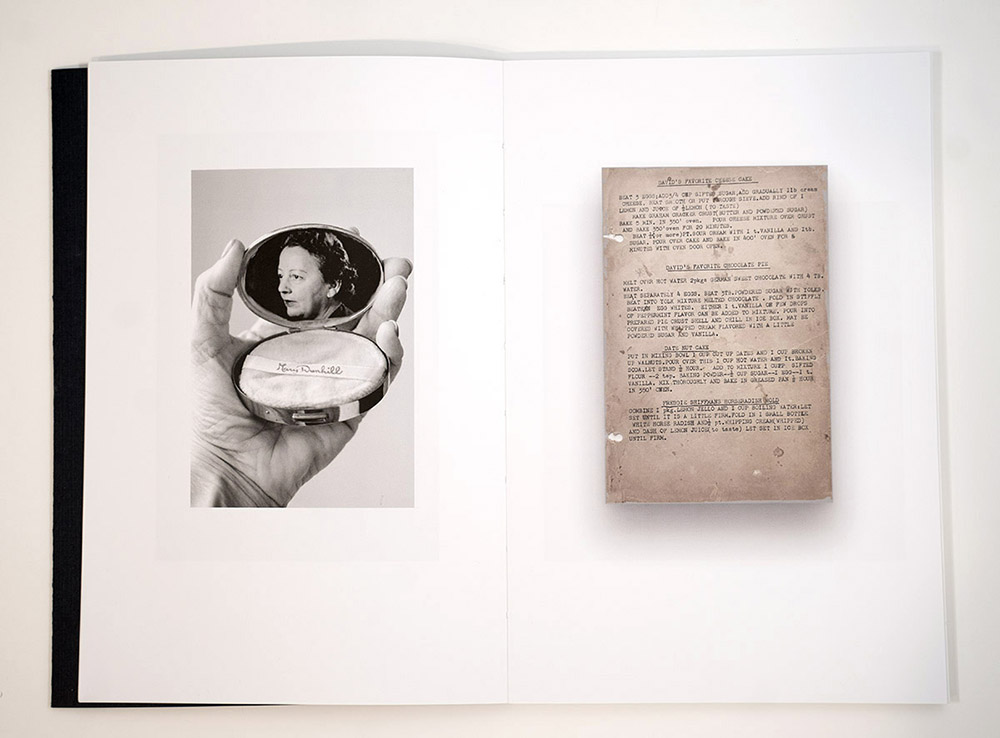
©Andrea Birnbaum, Grandma from Spilt Milk
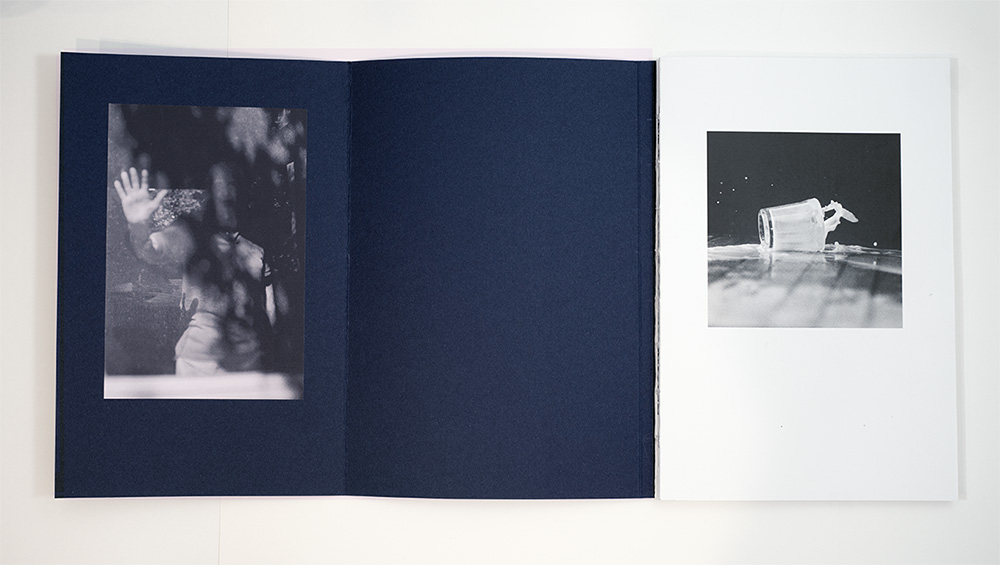
©Andrea Birnbaum, Open Flap from Spilt Milk
Spilt Milk
Spilt Milk is about family, memory, and what is handed down through generations, specifically from my grandmother to her son, my father, to me. Using my father’s old photographs, family photos and my own newly constructed images, I am exploring how generational trauma has affected him, and our relationship.
I began this project trying to wrestle with my anger and frustration toward my father. I ended it with something I never expected: empathy and understanding.
For much of my career, I’ve worked in a documentary style, drawn again and again to the threads of girlhood, womanhood, belonging, and identity. But with Spilt Milk, I turned the camera inward. Instead of seeking stories in others, I began tracing my own. I wanted to understand myself, to sift through memory and image until I could see more clearly.
It became apparent to me that my complicated feelings revolved around my father. At times, warm and loving, but then in the blink of an eye his inability to express himself in any way other than yelling appeared. I remembered the shouting matches that shook the walls of our house, my parents’ voices crashing into each other like storms. I hated the noise, the anger, the way it filled the air. I would retreat to my room, hiding from a world that felt too volatile to belong to. As my father got older, and retired from the job that gave him his self worth, depression appeared, touching all of us, and making him unable to connect with his family.
Spilt Milk weaves together fragments of our lives—family photographs, the portraits my father, as a hobbiest photographer, loved making, and images I constructed years later. In the layering, tearing, and recomposing, I searched for ways to express the invisible wounds I felt from the silence after the arguments, the words that never came, the way my father’s fury over something as trivial as “spilt milk” shaped the atmosphere of our home, and the depression that seeped into every family gathering in later years.
In altering these photographs—ripping, collaging, obscuring—I was also facing memory as I imagined it was, shifting perspective, and inching toward reconciliation. My father was both: a man who could be loving, supportive, and generous, yet also critical, domineering, and unpredictable.
And still, he gave me photography. He put a camera—my first Nikkormat—into my hands. He built me darkrooms. He taught me how to see, how to wait for an image to appear. Even when his words cut me down, even when he withheld praise, photography was our language. It was the gift that tethered us together.
As I gained confidence in my work, and began to make images in a way he did not understand, distance grew.
Discovering that he had not printed the candid shots of my childhood because he was more interested in making and printing his portraits of others created confusion and frustration in me that my childhood had been lost to his need for adulation.
When I photographed the belongings of my grandmother Alice—his mother, whom I adored—I thought I was preserving memory. But in listening to my relatives’ stories, I learned she was also formidable, and could be unkind. I began to understand that the hardness I felt from my father had been carved into him long before it reached me. Where once I saw only his distance, now I saw sorrow. His childhood had bled into mine.
Over time, the images revealed something larger than pain. For all their rips and tears, they also carry connection, history, and the threads that bind a family even when love feels fractured.
And then life did something astonishing. After a serious health scare, my father briefly softened. The man who had barked, criticized, and withdrawn emerged humbled, open, and—for the first time—apologetic. He admitted his faults. He said he was sorry.
It was something I never expected: the validation I had longed for, the apology I thought would never come, Did he change his ways completely? No, but I am different now, and don’t react in anger to him, but with more patience and understanding. – Andrea Birnbaum, 2026
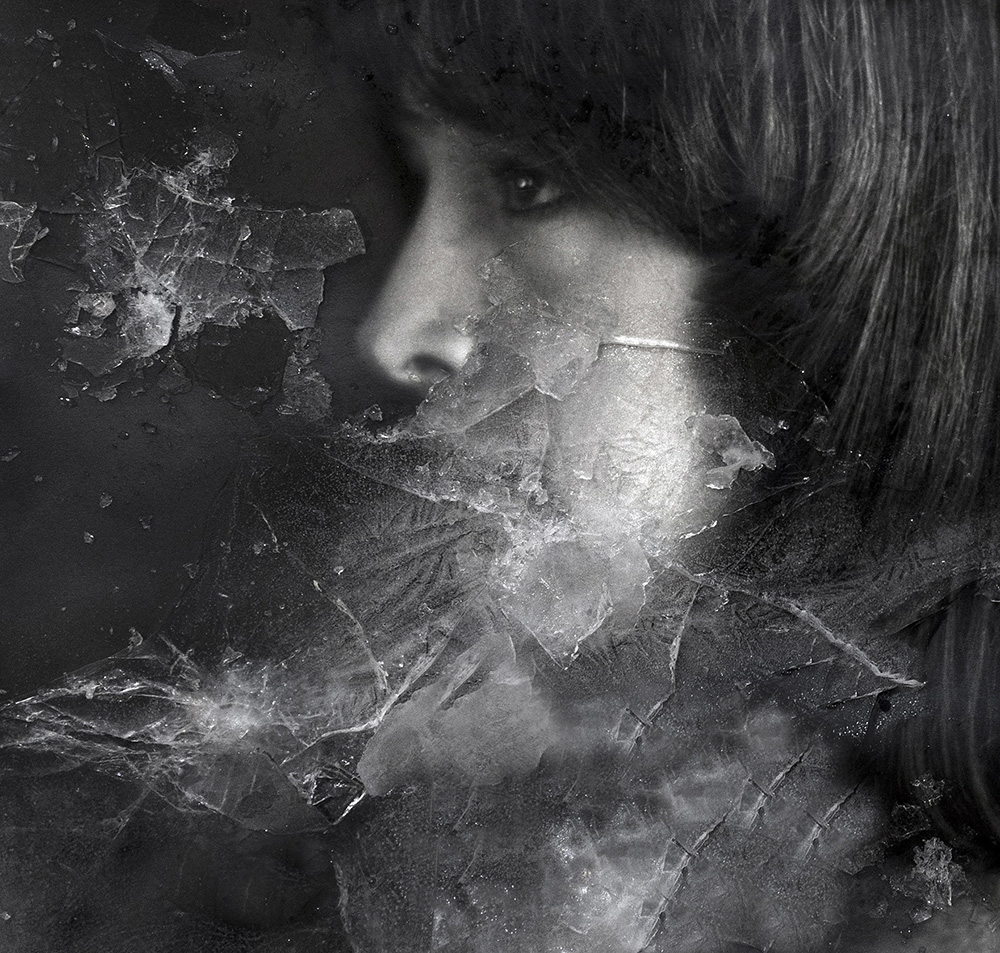
©Andrea Birnbaum, Destroying the Past from Spilt Milk
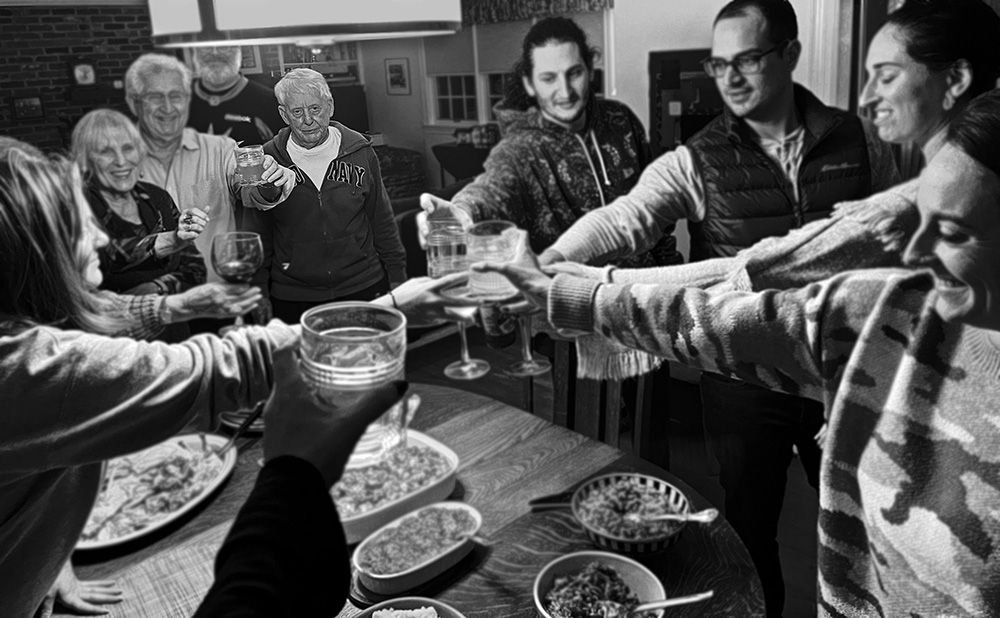
©Andrea Birnbaum, Family Time from Spilt Milk
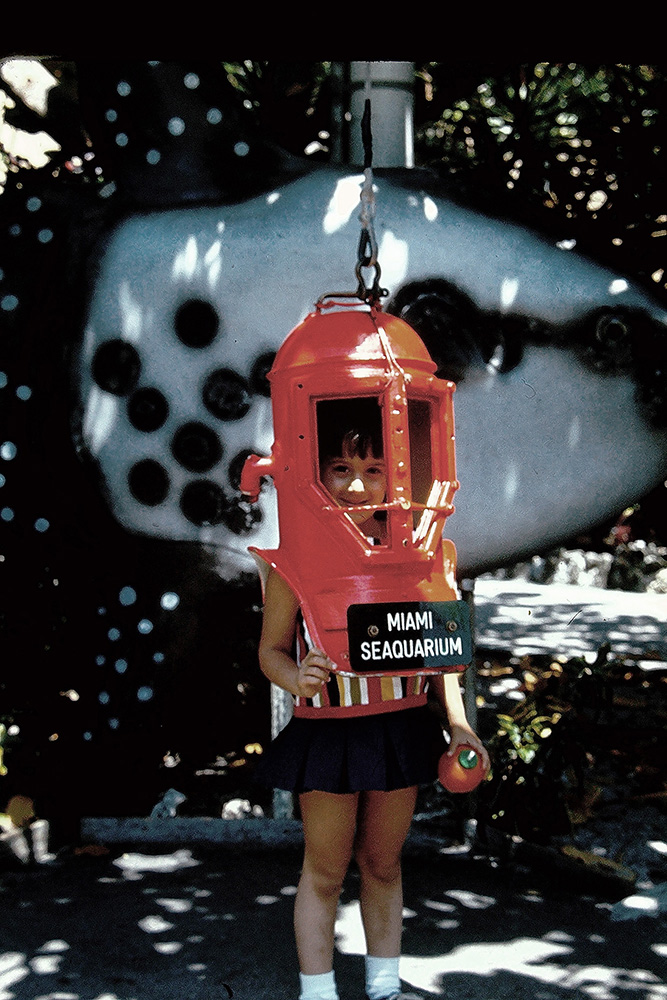
©Andrea Birnbaum, Forgotten Childhood from Spilt Milk
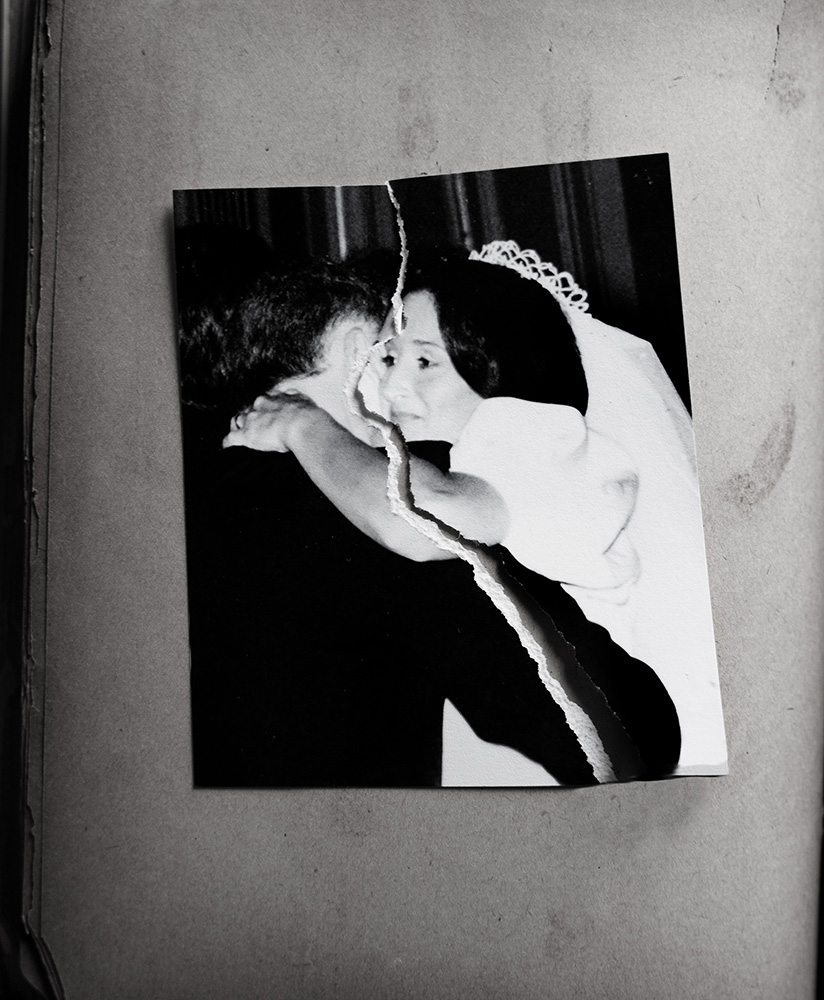
©Andrea Birnbaum, Heartbreak from Spilt Milk
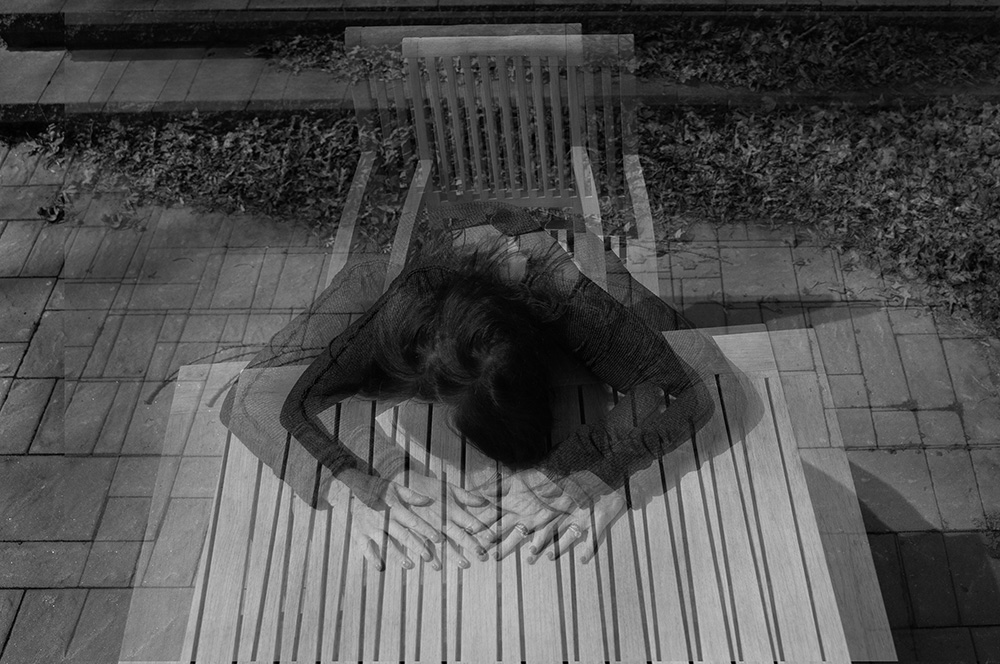
©Andrea Birnbaum, Helplessness from Spilt Milk
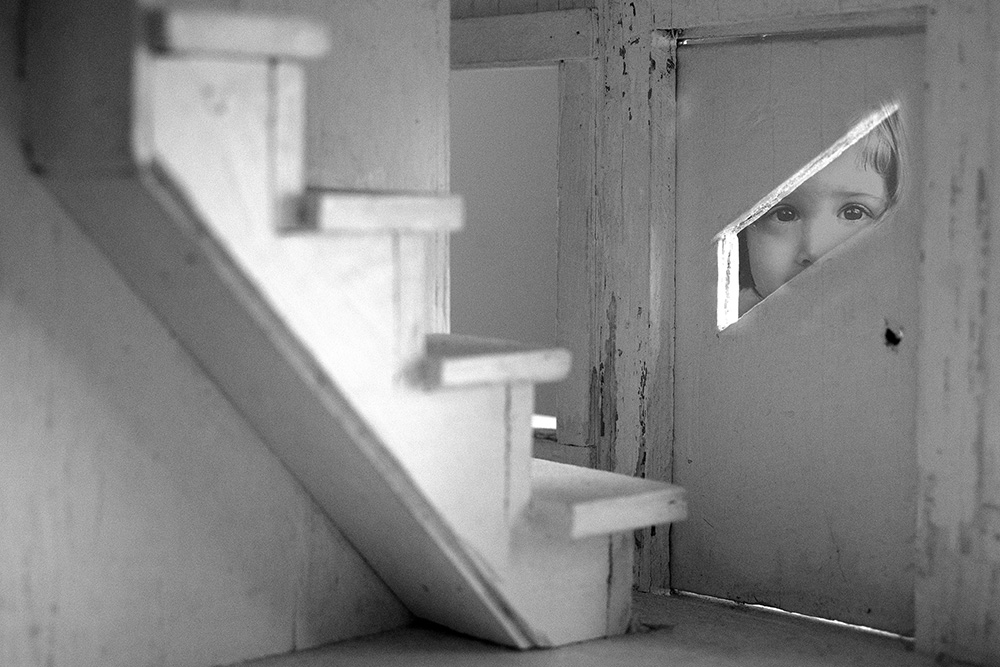
©Andrea Birnbaum, Hidden from Spilt Milk
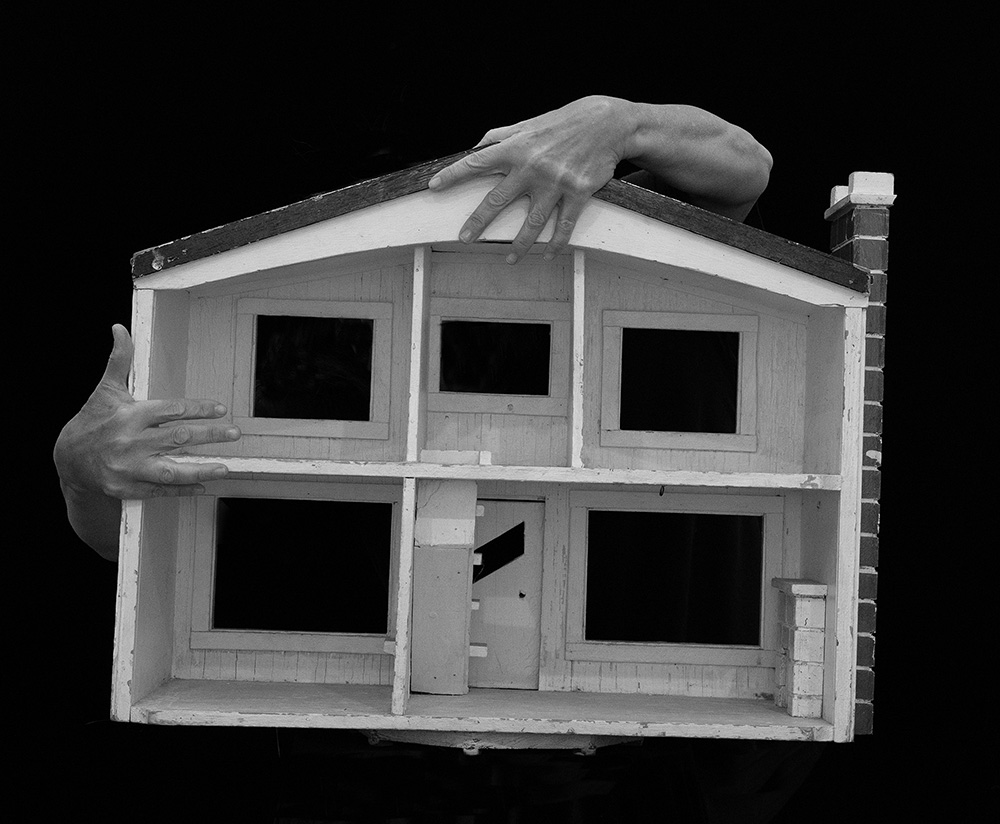
©Andrea Birnbaum, Holding Memories from Spilt Milk
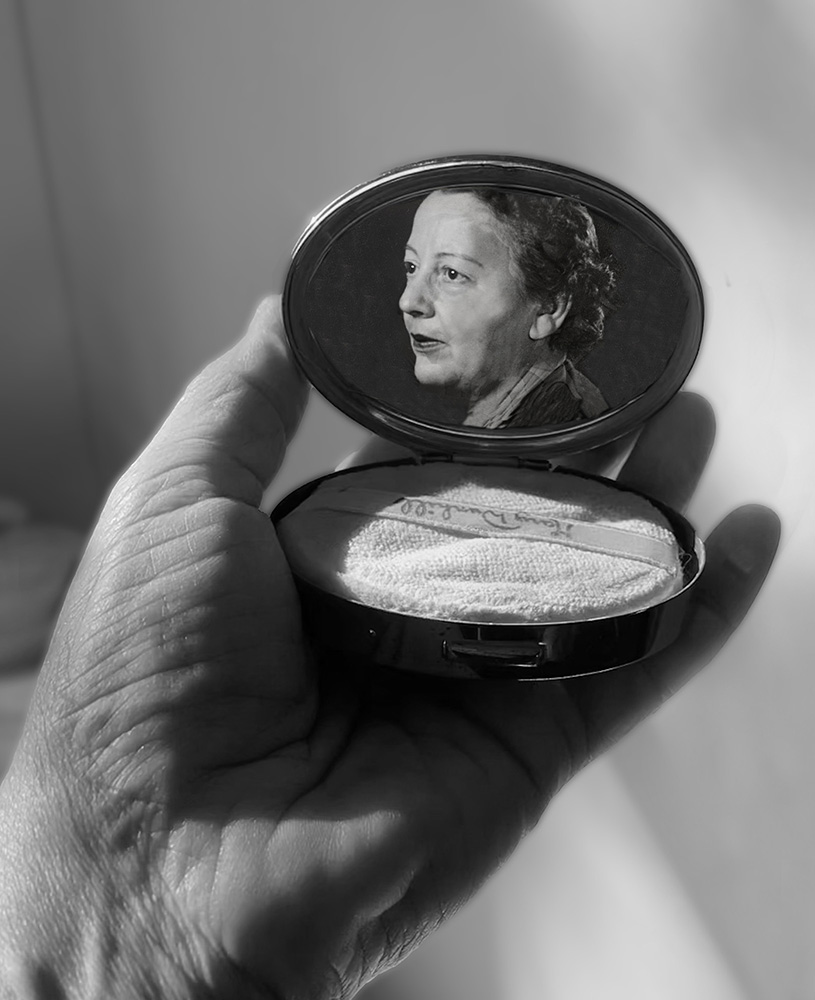
©Andrea Birnbaum, How to Be from Spilt Milk
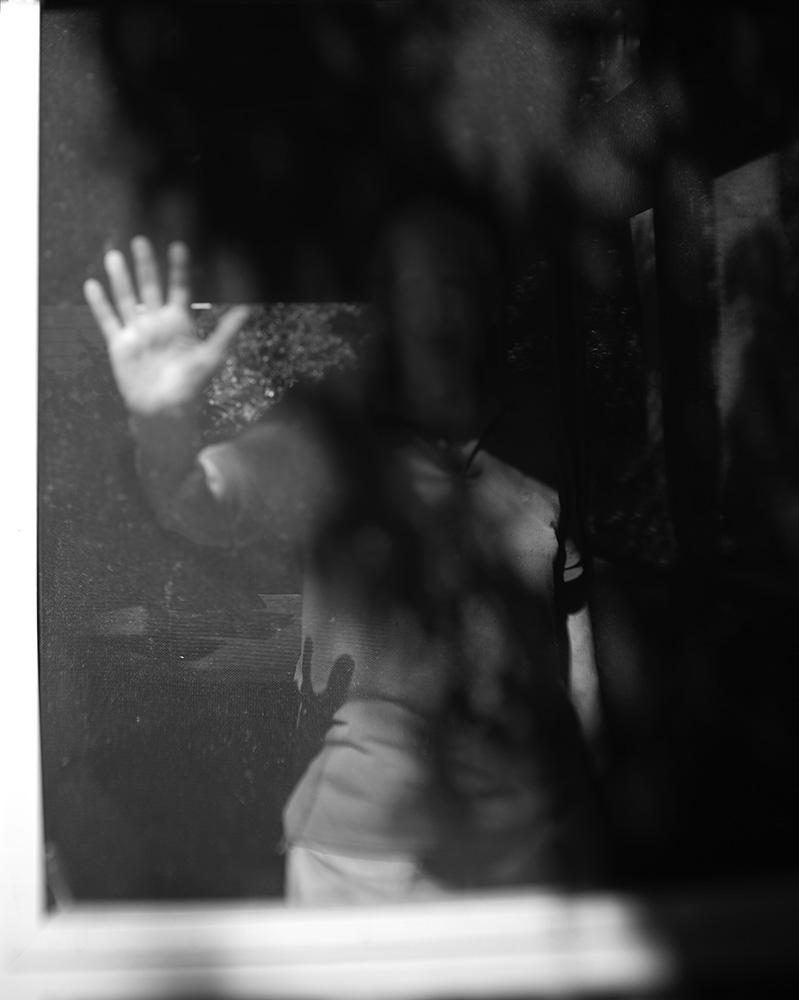
©Andrea Birnbaum, Keeping his distance from Spilt Milk
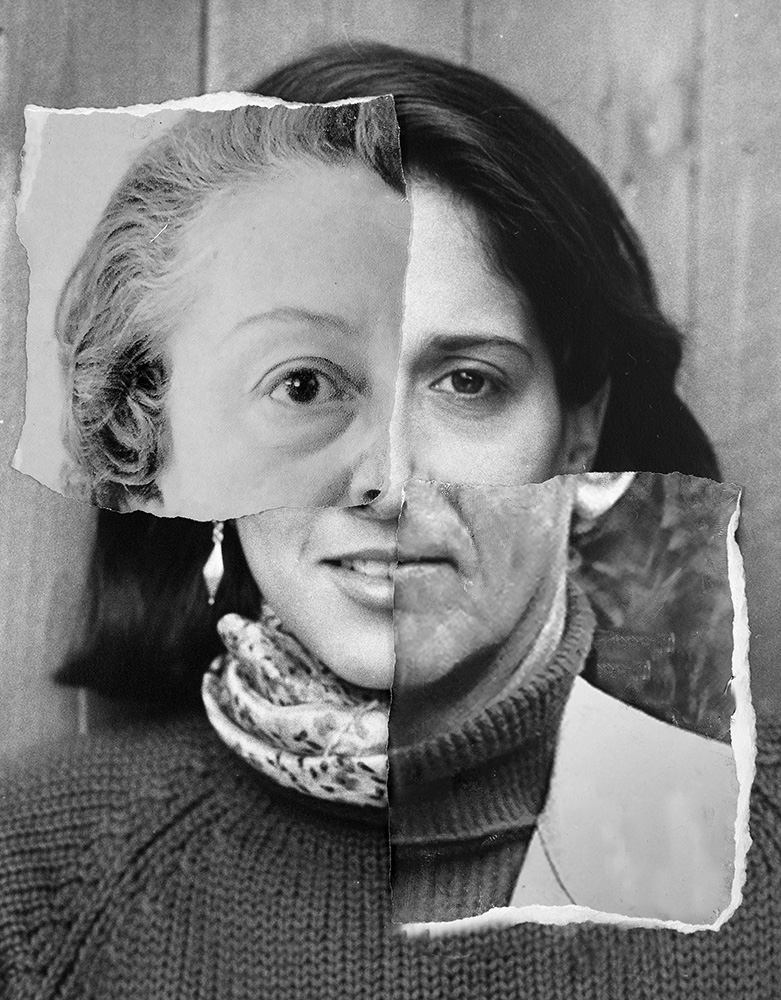
©Andrea Birnbaum, Pieces of Me from Spilt Milk
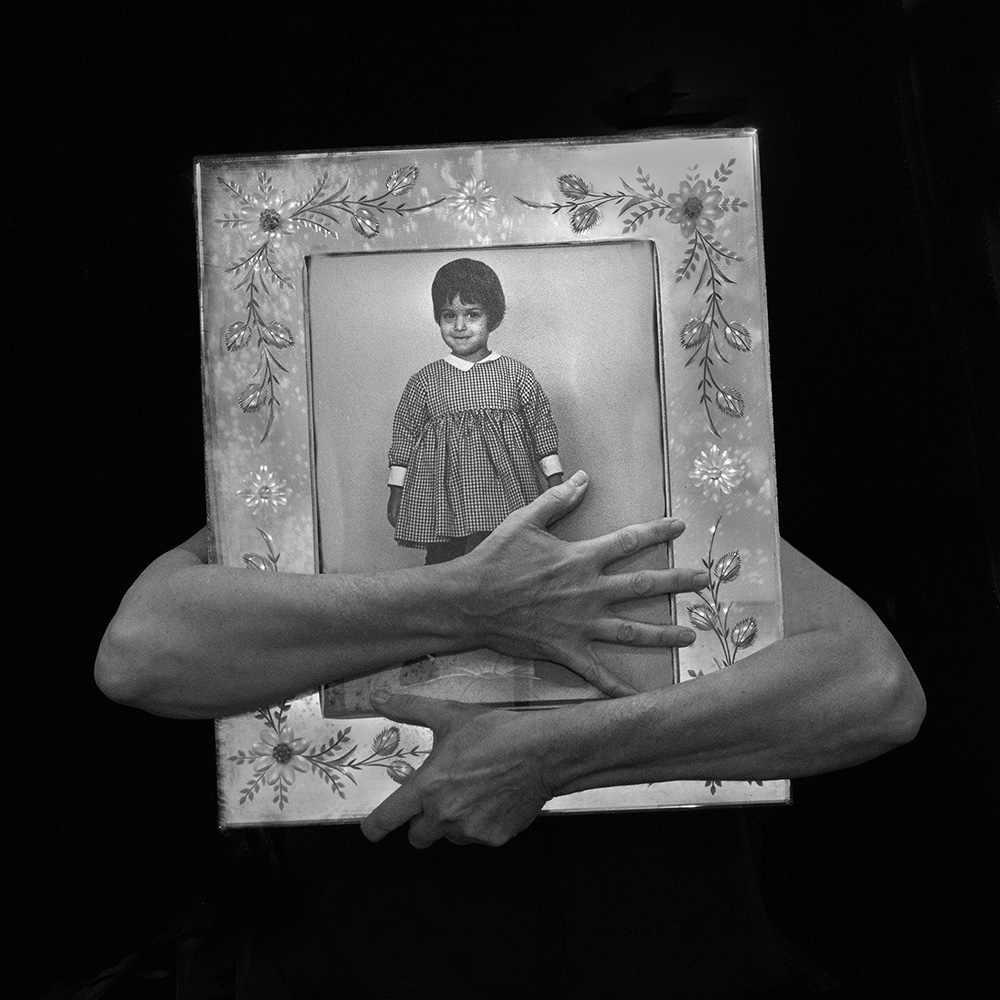
©Andrea Birnbaum, Protecting Myself from Spilt Milk
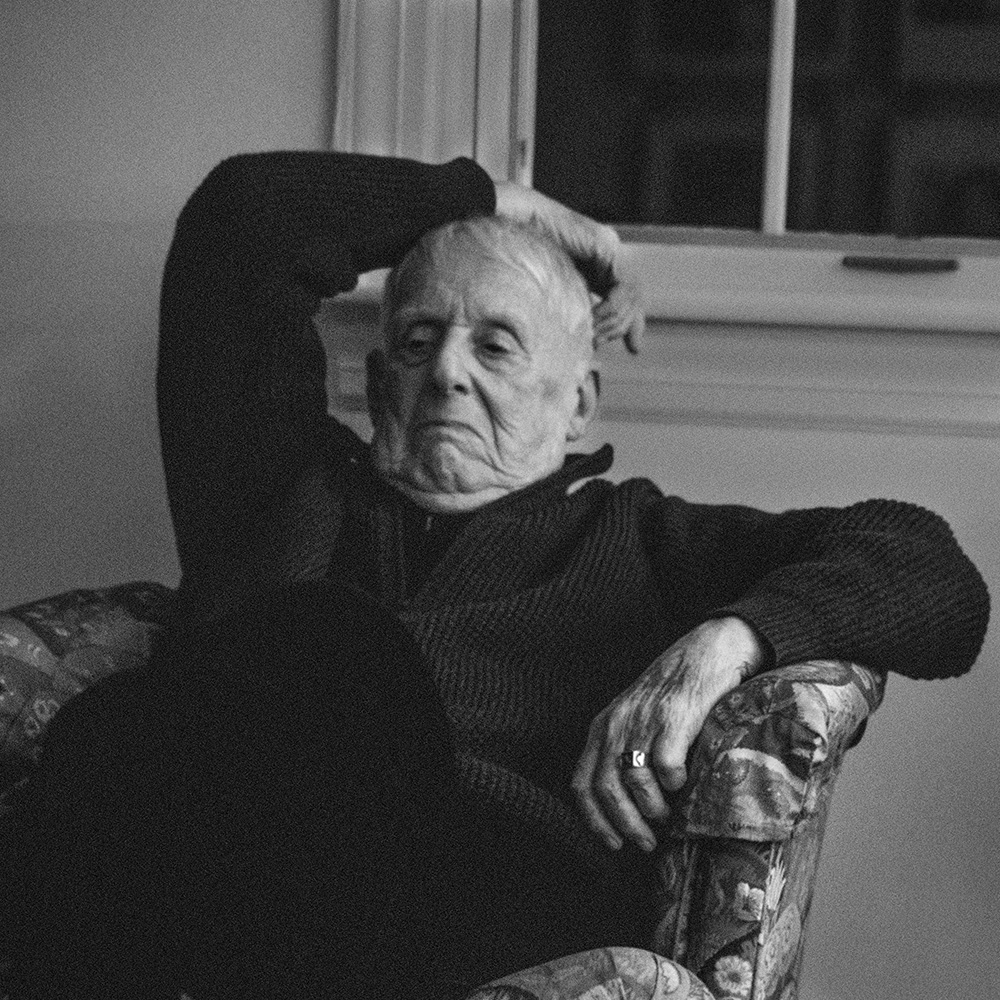
©Andrea Birnbaum, Sadness from Spilt Milk
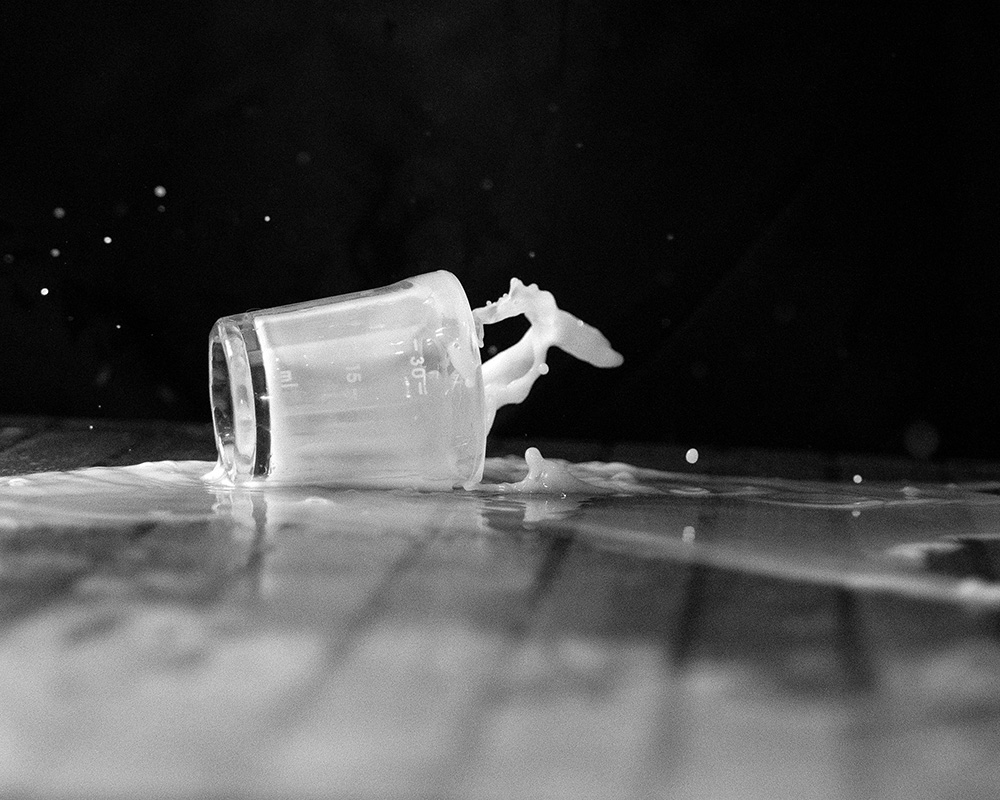
©Andrea Birnbaum, Spilt Milk from Spilt Milk
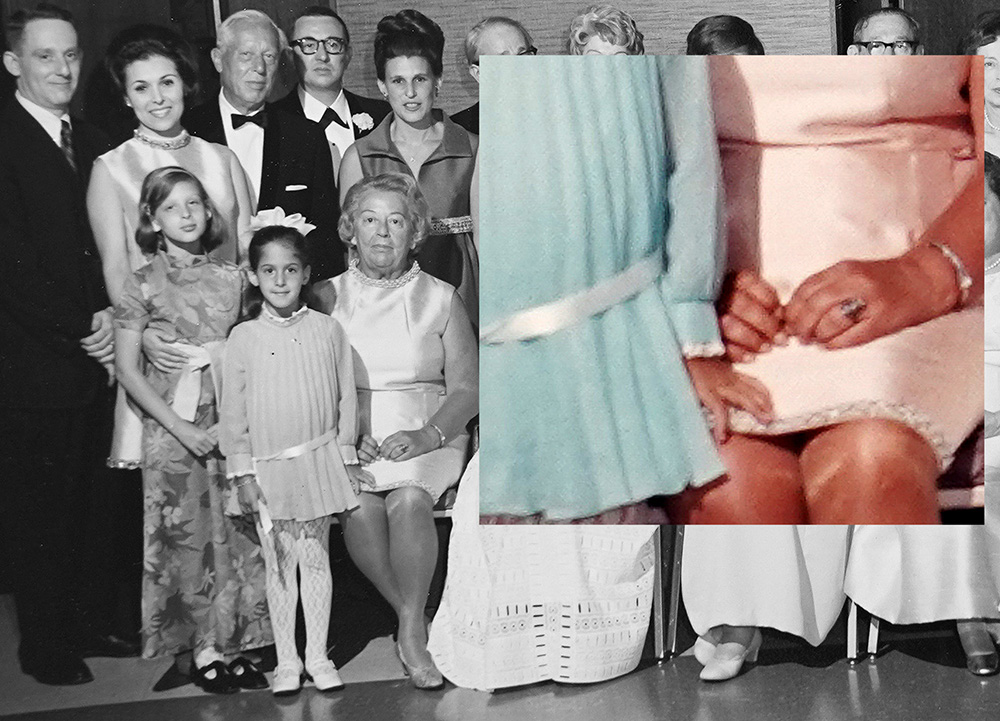
©Andrea Birnbaum, Trying to Connect from Spilt Milk
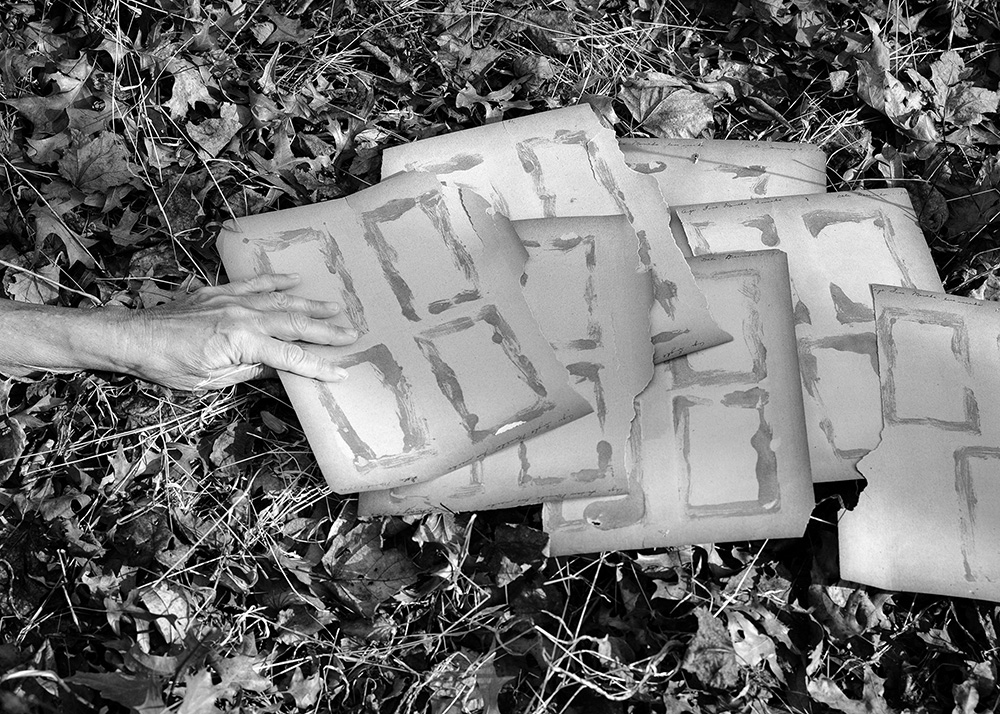
©Andrea Birnbaum, What is Not There from Spilt Milk
How to order the book: https://www.andreabirnbaum.com/books/spilt-milk-limited-edition
Book was printed by Conveyor Studios: https://www.conveyor.studio/
Photo Editor Alison Morley: https://www.alisonmorley.com/
Posts on Lenscratch may not be reproduced without the permission of the Lenscratch staff and the photographer.
Recommended
-
Claire Beckett: Defense LanguageJuly 26th, 2026
-
Reuben Radding: Heavenly ArmsJuly 23rd, 2026
-
Zackery Hobler: Beneath Two SkiesJuly 20th, 2026
-
Danielle L Goldstein: TransienceJuly 19th, 2026
-
Laurie Lambrecht: tēxēreJuly 17th, 2026