Laurie Lambrecht: tēxēre
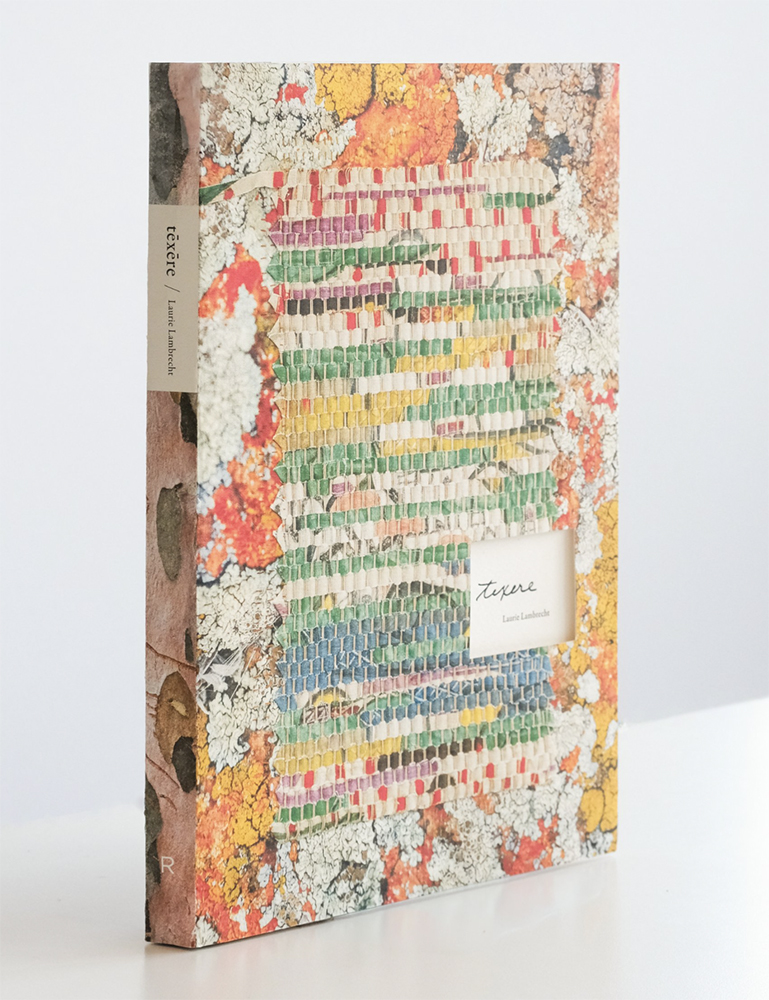
© 2026 Radius Books, © 2026 Laurie Lambrecht
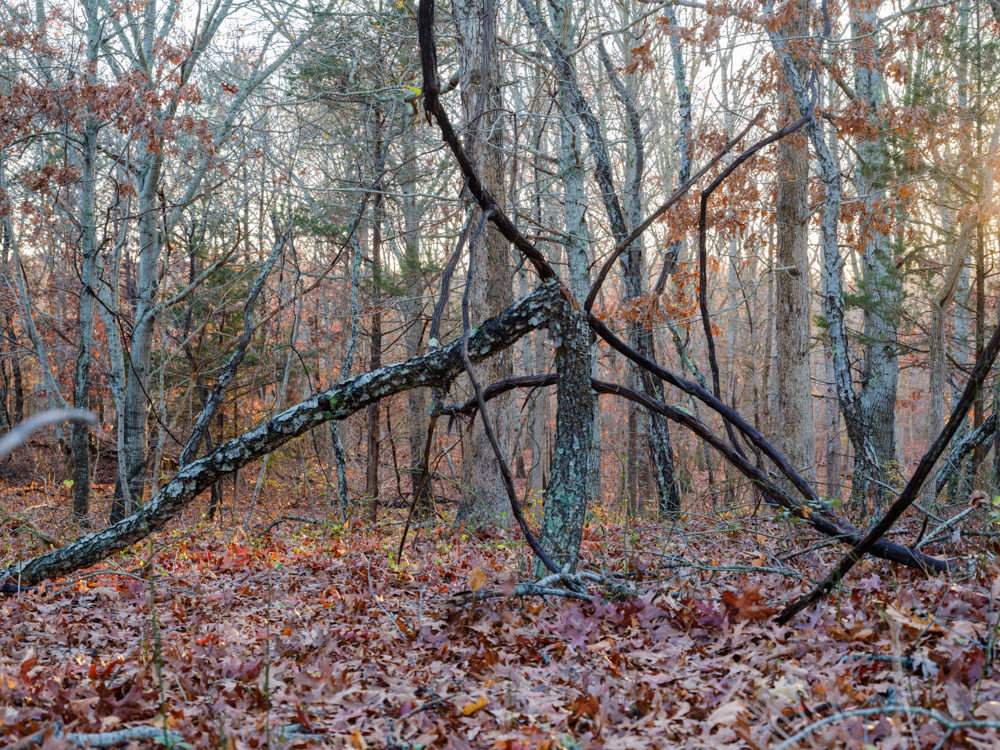
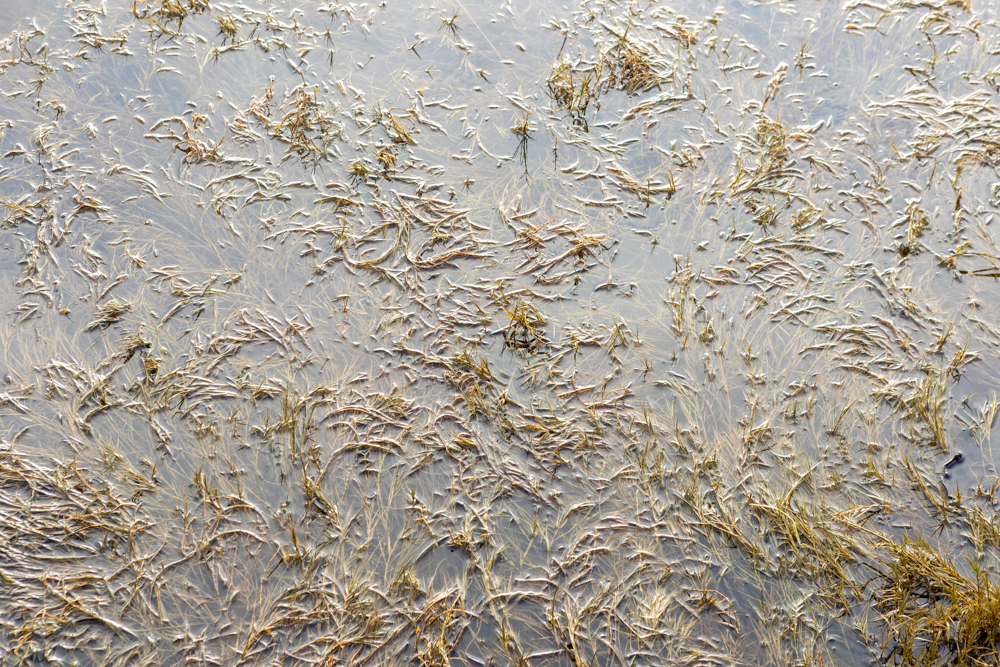
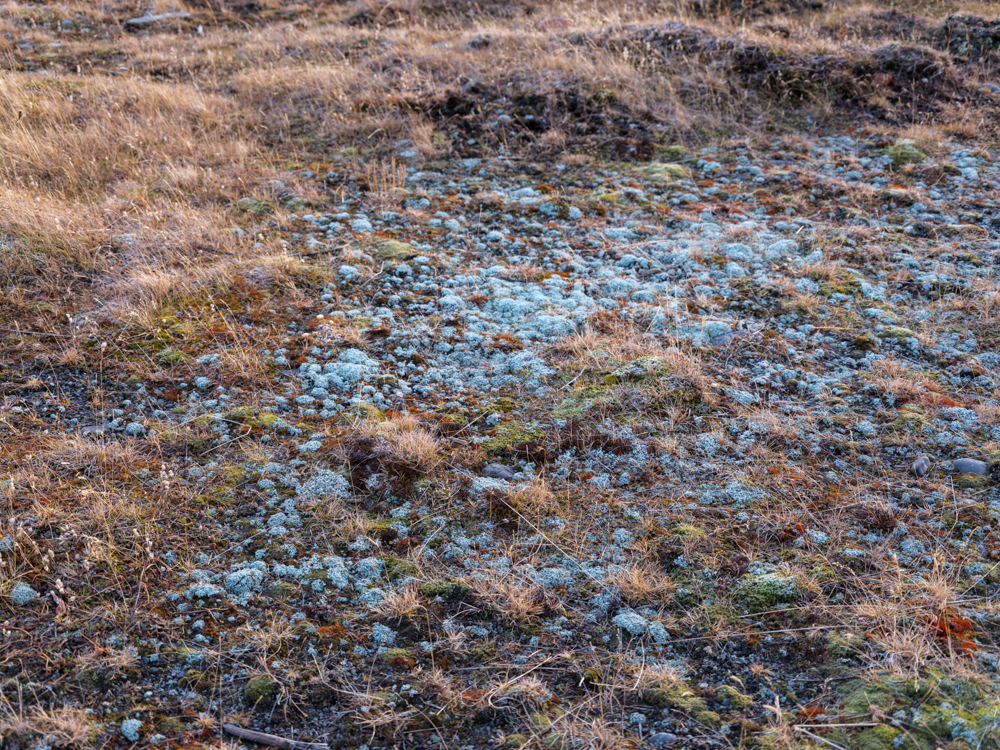
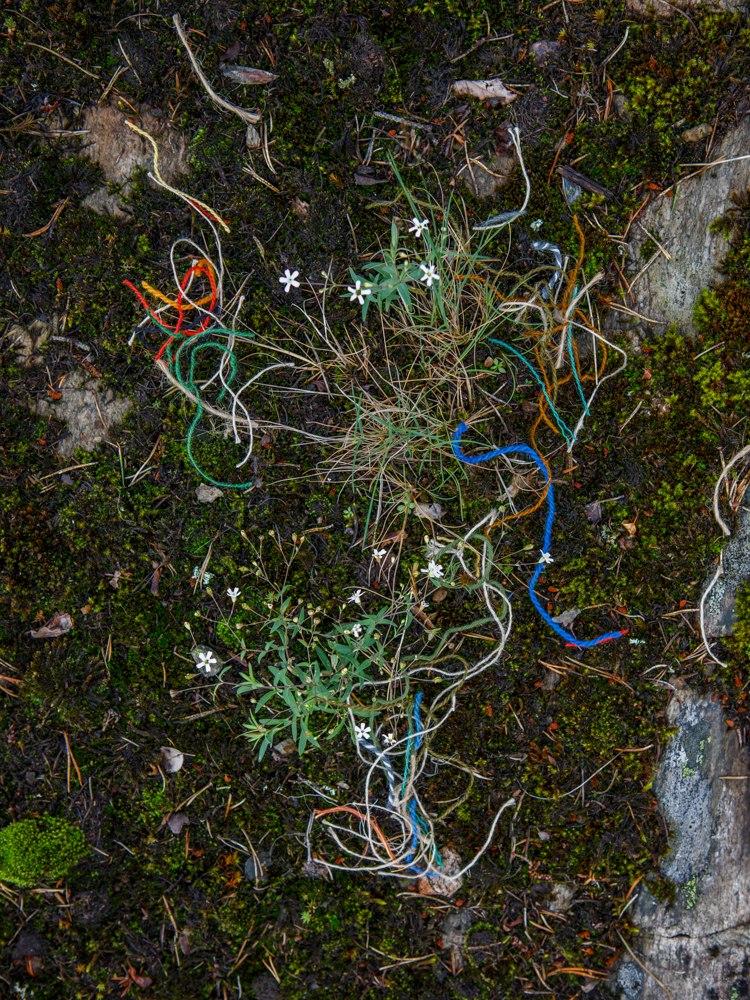
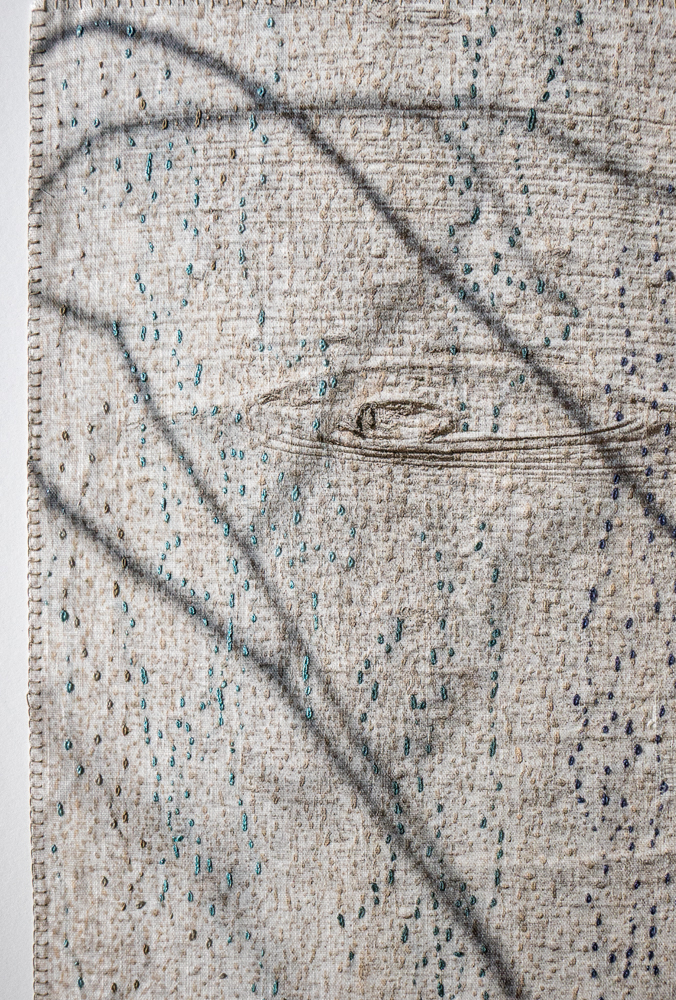
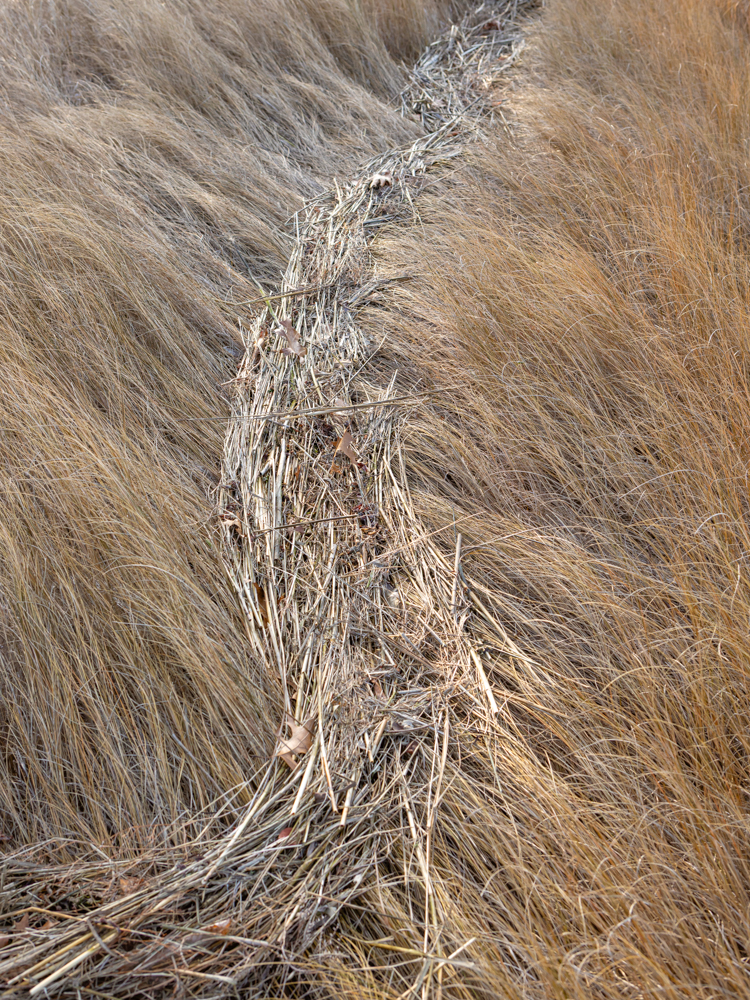
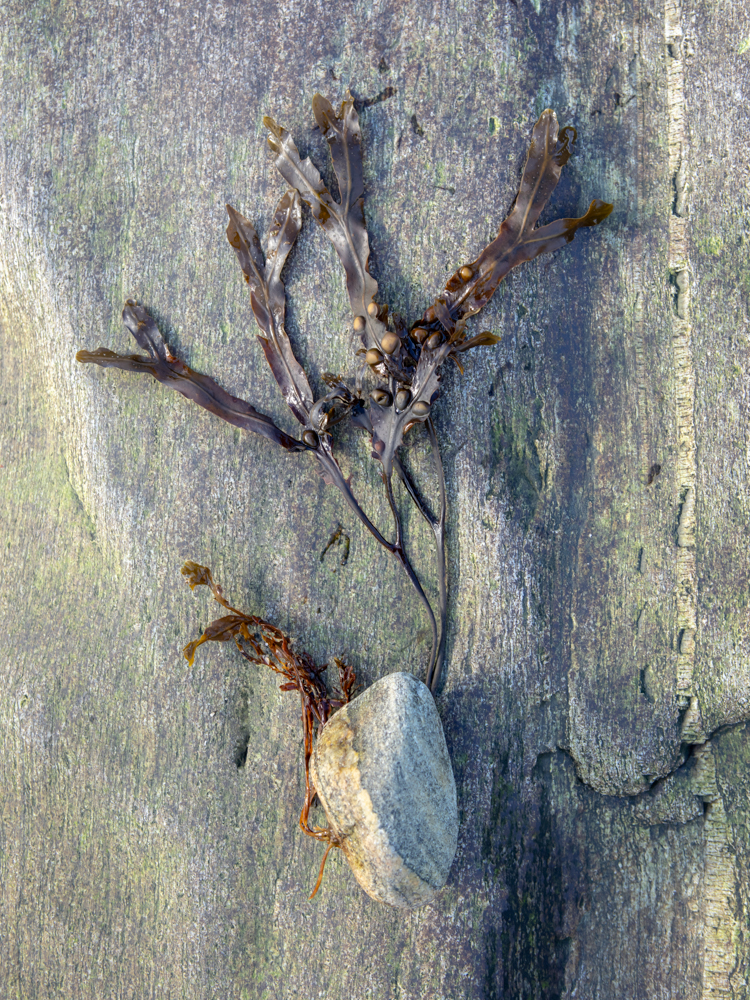
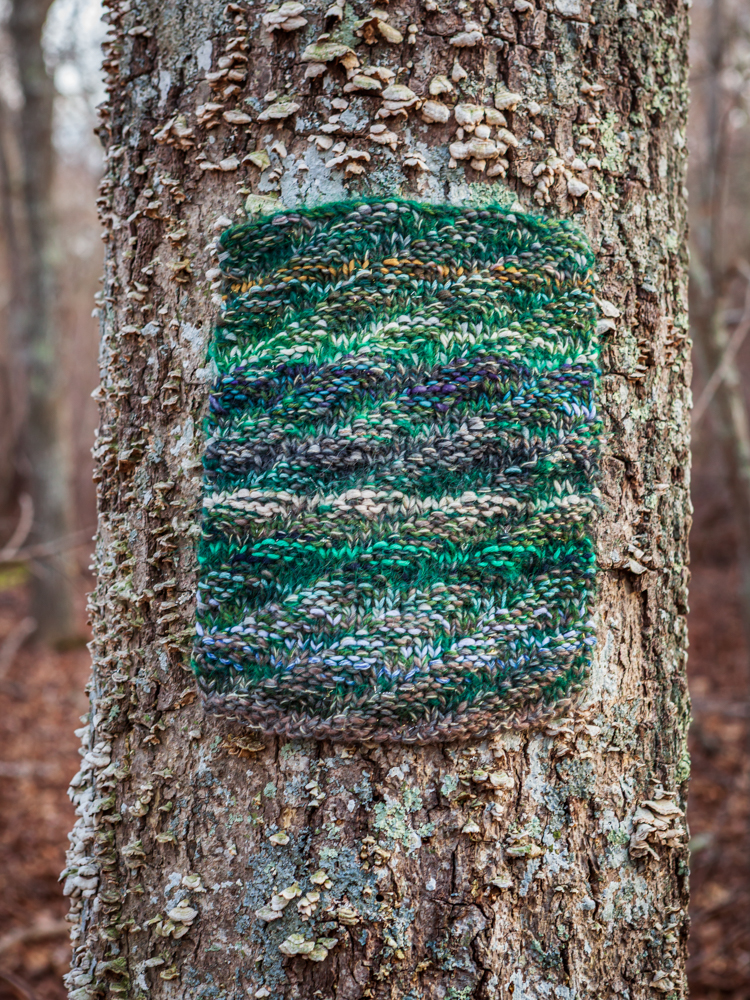
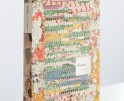
There is a quiet magic in Laurie Lambrecht’s tēxēre (Radius Books, 2026). Photography, thread, cloth, and the landscape itself invite the viewer into a world rooted in the wild, where attentive looking and creating come together. There is a tactile, playful quality to this work as Lambrecht enters into conversation with the land through weaving, sewing, gathering, and arranging. Strands of colored wool echo fallen pine needles, woven forms mirror the structures of bark and lichen, and stitched interventions become so integrated into the landscape that it is often difficult to distinguish what belongs to nature from what has been added by the artist’s hand.
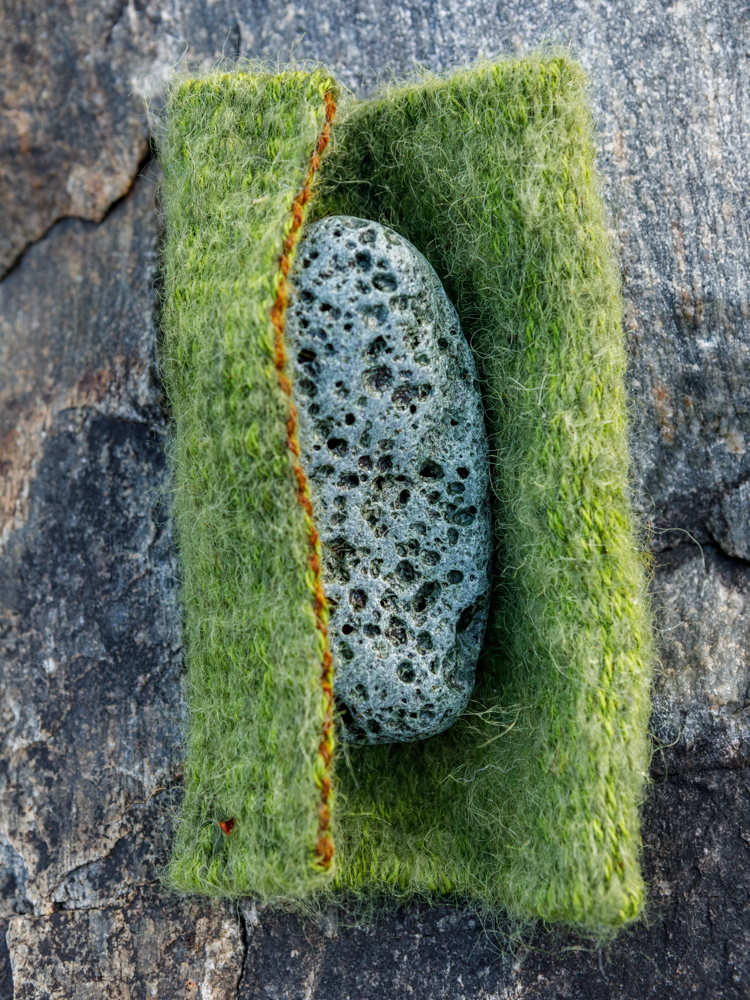
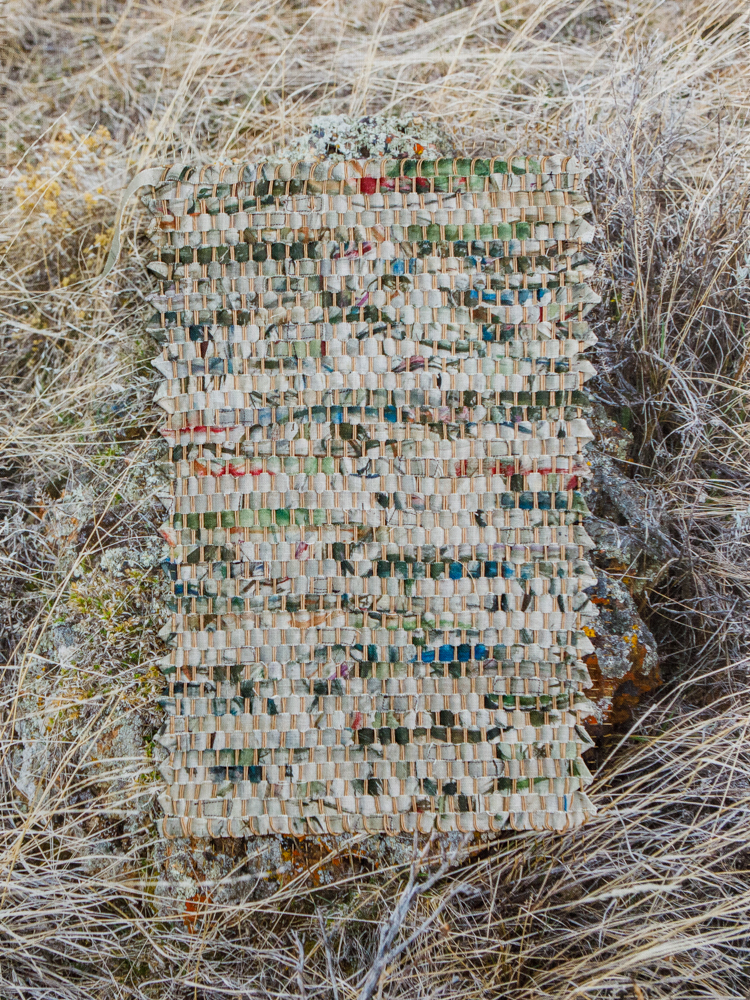
Cloth, traditionally used to protect and shelter the human body, takes on a different role here. Trees are wrapped in woven textiles, rocks wear knitted coverings, conveying an unexpected sense of care and tenderness toward the natural world. Trailing knotted threads introduce an element of chance, while woven rectangular forms reveal the hidden order already present in nature. In Lambrecht’s hands, chance and structure are not opposing forces but complementary ones, reflecting the same rhythms found throughout the natural world. Ultimately, tēxēre reminds us that human creativity and the natural world are not separate but are both shaped by those same forces.
© 2026 Laurie Lambrecht
© 2026 Laurie Lambrecht
© 2026 Laurie Lambrecht
tēxēre
Growing up in Bridgehampton at a time when farmland extended to the Atlantic Ocean, I remember the visual experience of limitless open fields. That early landscape formed my sense of space and scale and left me with a lasting awareness that a place is felt as much as it is seen.
Years later, I find myself curious about how other environments differ from what I grew up knowing. What does the tideline look like? What shape do the rocks take? How has the wind formed the trees? The more I explore, the more I’m drawn to the subtle contrasts and shared rhythms of places near and far. I notice the universal impulse of living things to reach toward sun and water.
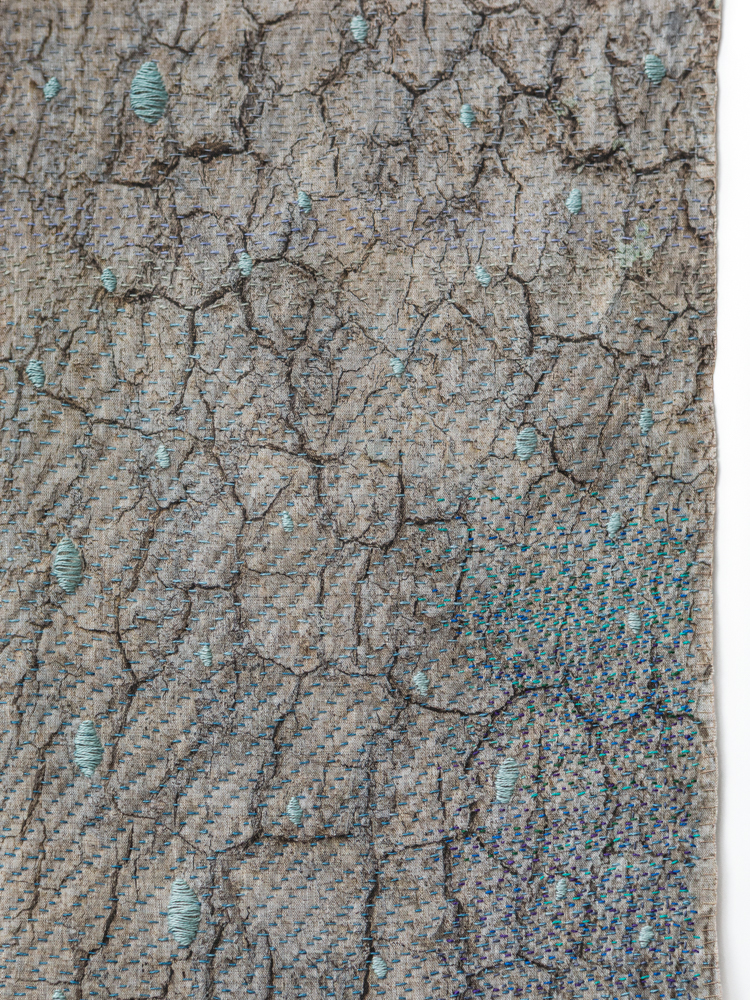
My work grows from an ongoing effort to bring together the two practices I love: photography and working with thread. Each place I encounter invites me to reconsider how image and handwork can meet, and how surface, texture, and time can carry the experience of nature. I seek a tactile connection to what I see. Often, when I embroider onto a photograph of tree bark printed on linen, I imagine I am holding a piece of the tree in my lap. Touch offers a more direct, nonverbal path to memory.
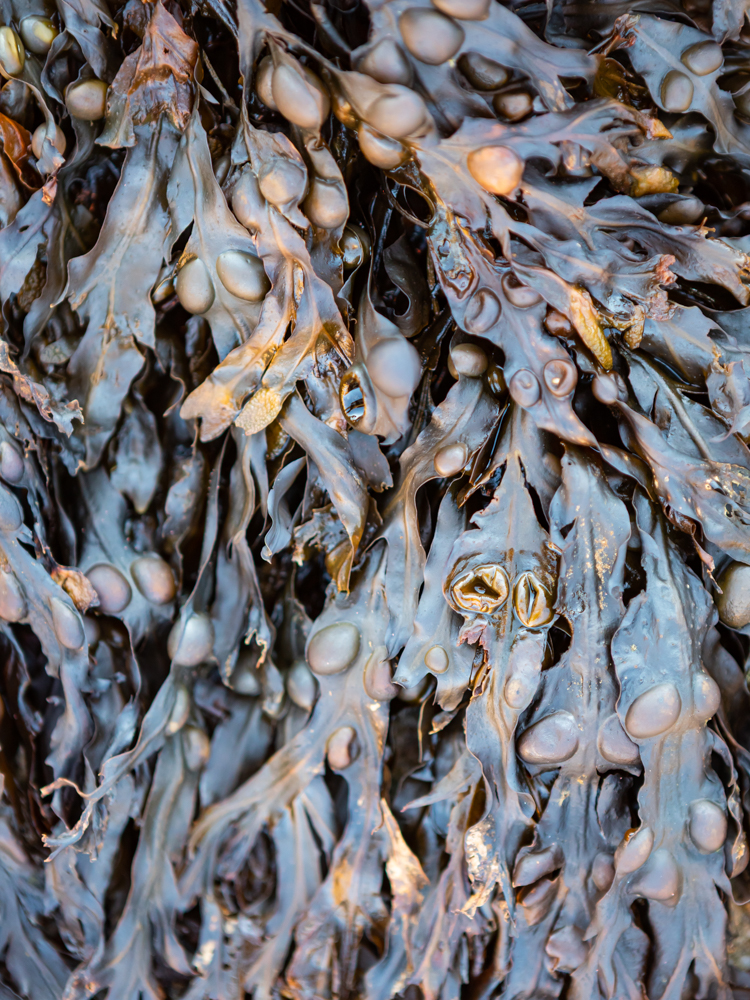
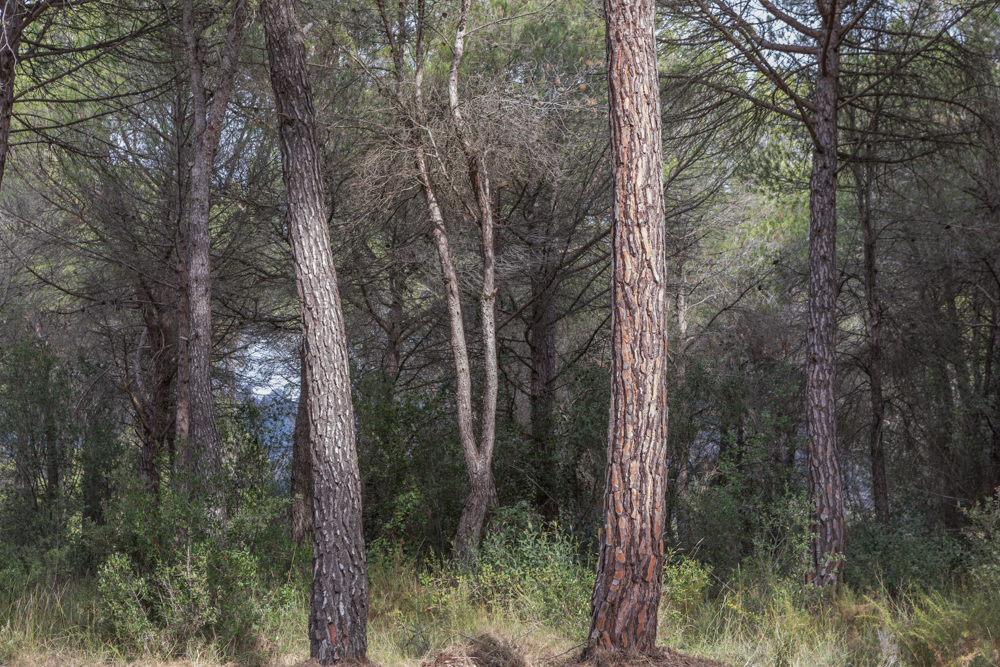
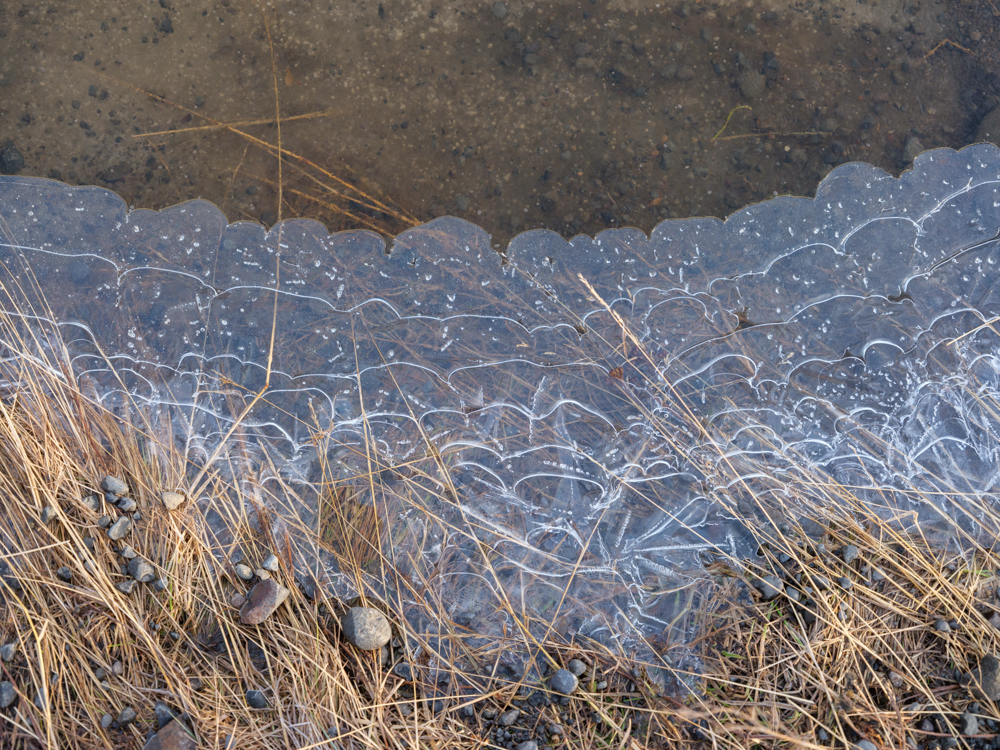
Over the last decade, artist residencies have allowed me to experience a range of landscapes firsthand. At KH Messen on the Hardangerfjord in Norway, I photographed along a seaweed-strewn shore beneath snowcapped mountains. At Can Serat, near Montserrat in Catalonia, I worked within rugged terrain shaped by centuries of passage. On the Oregon Coast, the Sitka Center for Art and Ecology became home, bordered by towering Sitka spruce and the steady presence of the Pacific. One winter, at the Icelandic Textile Center on the edge of the North Atlantic, I explored black sand beaches and shifting ice formations, learning from the region’s long wool traditions. During a month-long residency at Jentel near Wyoming’s Big Horn Mountains, I was absorbed by open hills scattered with sagebrush and lava rock. Eighteen miles off the grid, I spent two weeks solo at the Montello Foundation’s retreat in eastern Nevada, where the desert asked for listening as much as looking.
In each residency, the character of the natural world became a source of inspiration for my work, for which I am grateful. – Laurie Lambrecht
© 2026 Laurie Lambrecht
© 2026 Laurie Lambrecht
© 2026 Laurie Lambrecht
© 2026 Laurie Lambrecht
© 2026 Laurie Lambrecht
© 2026 Laurie Lambrecht
Laurie Lambrecht’s interest in photography and textiles stretches back to her early twenties. Working at Light Gallery and encountering the work of photographic masters such as Aaron Siskind and Harry Callahan provided a foundation for a long career in image making. Alongside her photographic practice, Lambrecht became a noted designer of women’s handknit sweaters, experimenting with fiber and color and introducing a tactile dimension that continues to inform her studio work.
In the early 1990s, Lambrecht worked as administrative assistant to Roy Lichtenstein, simultaneously photographing the artist and his studio process. Roy Lichtenstein in His Studio, the monograph of her project, was published in 2011 by Monacelli Press. In 1993, she began working with theatre artist Robert Wilson on visual arts projects at the Watermill Center, a collaboration that continued until his passing in 2025. From 2012–2014, over numerous visits, Lambrecht photographed a documentary project for the Rauschenberg Foundation in Captiva, Florida. Time spent in this dense, vine-laden landscape sparked her integration of fiber work with photography.
In 2019, she created her first outdoor, site-specific installation combining weaving and photography at the Madoo Garden Conservancy, presented by the Parrish Art Museum. Since then, she has created immersive installations at the Watermill Center, Sylvester Manor, the Leiber Collection Garden, and the Nassau County Museum of Art (NY). Lambrecht’s photographs are held in museum collections including the National Gallery of Art, the Center for Creative Photography, and the Parrish Art Museum. She has had numerous solo exhibitions in the United States and abroad. The National Gallery of Art, the Morgan Library & Museum, and the Art Institute of Chicago have hosted her public lectures, and she has taught interdisciplinary workshops at art museums and centers internationally.
© 2026 Laurie Lambrecht
© 2026 Laurie Lambrecht
© 2026 Laurie Lambrecht
© 2026 Laurie Lambrecht
© 2026 Laurie Lambrecht
Linda Alterwitz is an independent interdisciplinary artist with a focus on photography. Her work homes in on visualizing unseen systems that shape our world, encouraging dialogue around choice, trust, and collective experience. She has been an editor for Lenscratch Magazine since 2015 and is currently the Art + Science editor.
Posts on Lenscratch may not be reproduced without the permission of the Lenscratch staff and the photographer.
Recommended
-
Laurie Lambrecht: tēxēreJuly 17th, 2026
-
Robin Dahlberg: Breaking PointJuly 7th, 2026
-
Ryan McIntosh and Yogan Muller: Tracy HillsJune 19th, 2026
-

Eugenia Brodsky: ChrysanthemumMay 19th, 2026
-
Remembering The Future by Mark Klett and William L. FoxMarch 19th, 2026