Film Photo Award – Spring 2022 Visionary Project Award recipient: Kristina Knipe
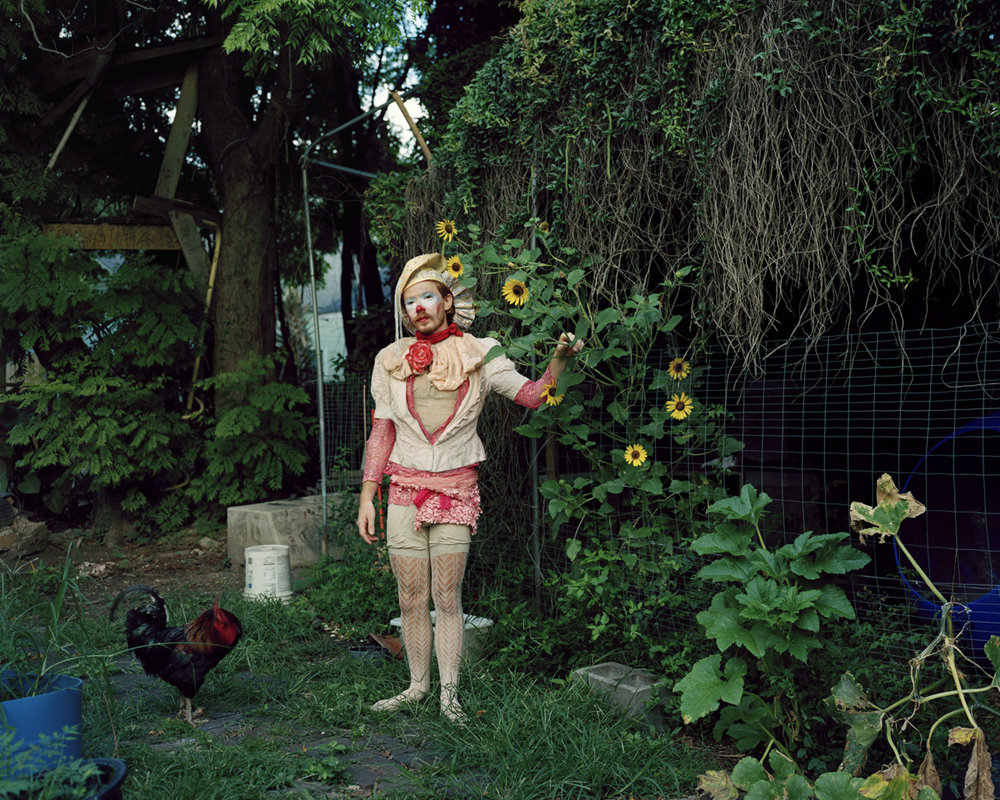
©Kristina Knipe, Nike in Ostara Costume at Dawn, from the series Talisman, 2015
Over the coming days, we are excited to present the recipients of the Film Photo Award from the Fall 2021 submission period. Today we celebrate Kristina Knipe, the Film Photo Award Spring 2022 Visionary Project Award recipient.
The Film Photo Award is open to all emerging, established, and student photographers worldwide. Each award period provides three distinct grants of Kodak Professional Film and complimentary film processing by Griffin Editions to photographers who demonstrate a serious commitment to the field and are motivated to continue the development of still, film-based photography in the 21st century.
Two Visionary Project Awards (100 rolls or 200 sheets of Kodak Professional Film + film processing via Griffin Editions) and one Student Project Award (100 rolls or 200 sheets of Kodak Professional Film + film processing via Griffin Editions + a 4×5 view camera by Standard Cameras) are awarded twice a year during the spring and fall.
Stay tuned for the Fall 2022 call for proposals that will open for submission toward the end of the summer of 2022. For the latest information, follow Film Photo Award on Instagram: @filmphotoaward
Kristina Knipe is an artist and educator who makes photographs, videos, books, and installations. Kristina earned her B.F.A. at New York University, Tisch School of the Arts in 2012 and her M.F.A. from Tulane University in 2016. She is the 2020 recipient of the Clarence John Laughlin Award. Her work has been exhibited in the Ogden Museum of Southern Art, The Contemporary Art Center of New Orleans, SF Camera Work, The Center for Photography at Woodstock, and numerous artist-run collective spaces in New Orleans, Louisiana.

©Kristina Knipe, Antony and Seven Swans, from the series Talisman, 2015
Kristina Knipe is an artist and educator who makes photographs, videos, books, and installations. Through a variety of approaches, her work examines how objects, symbols, spaces and the body function as markers of identity. She considers art making a healing practice, which can catalyze healing with others. Kristina earned her BFA at NYU Tisch School of the Arts in 2012 and her MFA from Tulane University in 2016. She is the 2020 recipient of the Clarence John Laughlin Award. Her work has been exhibited in the Ogden Museum of Southern Art, The Contemporary Art Center of NewOrleans, SF Camera Work, The Center for Photography at Woodstock, and numerous artist-run collective spaces in New Orleans, Louisiana. She is a member of Only Connect Collective and Staple Goods Collective.
Follow her on Instagram: @kristiknipe

©Kristina Knipe, Soleil in Saint Roch Cemetery, from the series Talisman, 2017
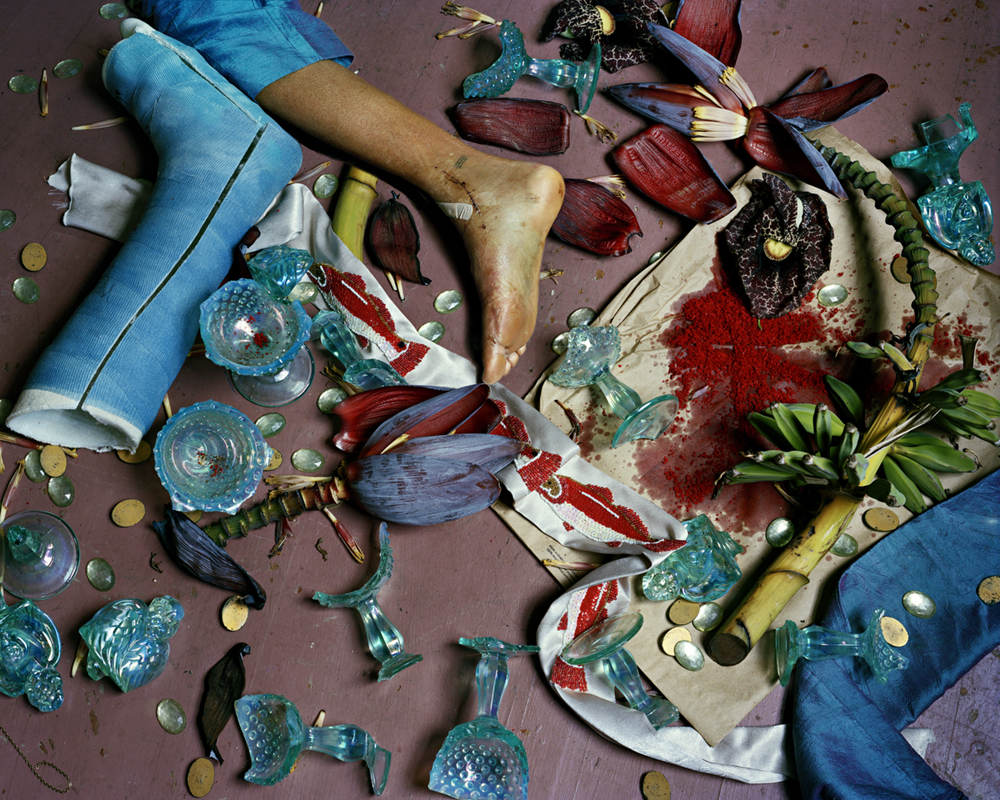
©Kristina Knipe, Soleil with Injury from Mardi Gras Day, from the series Talisman, 2017

©Kristina Knipe, Daiquiri with Crawfish, from the series Talisman, 2018
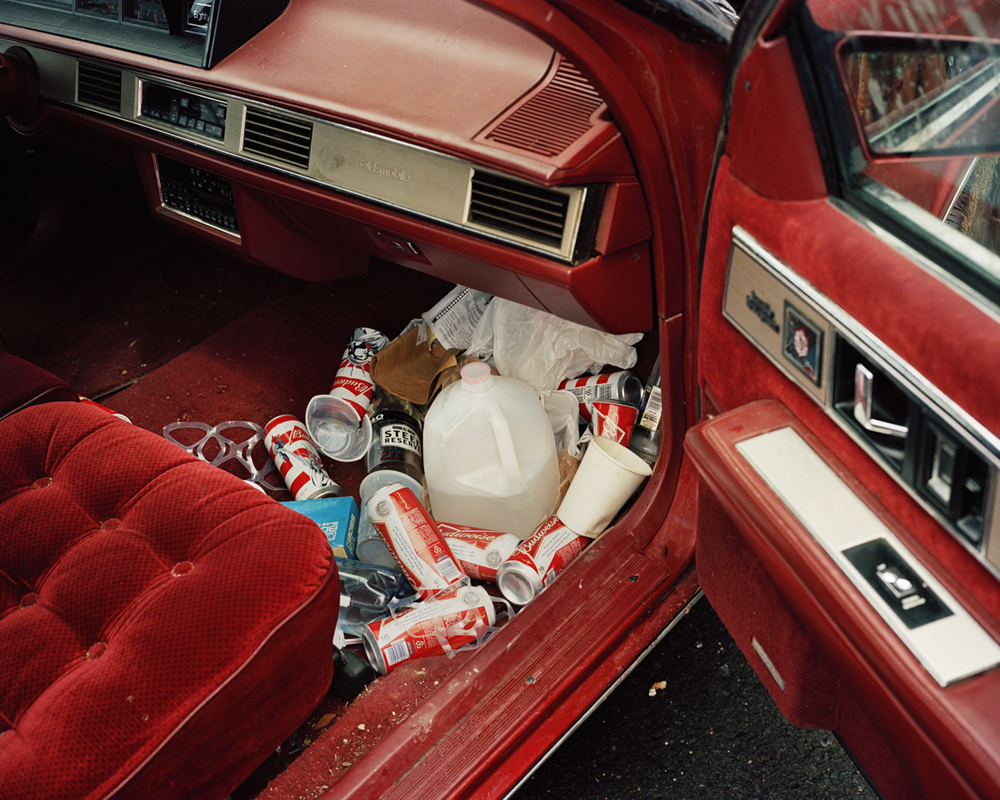
©Kristina Knipe, Mike’s Car, from the series Talisman, 2018
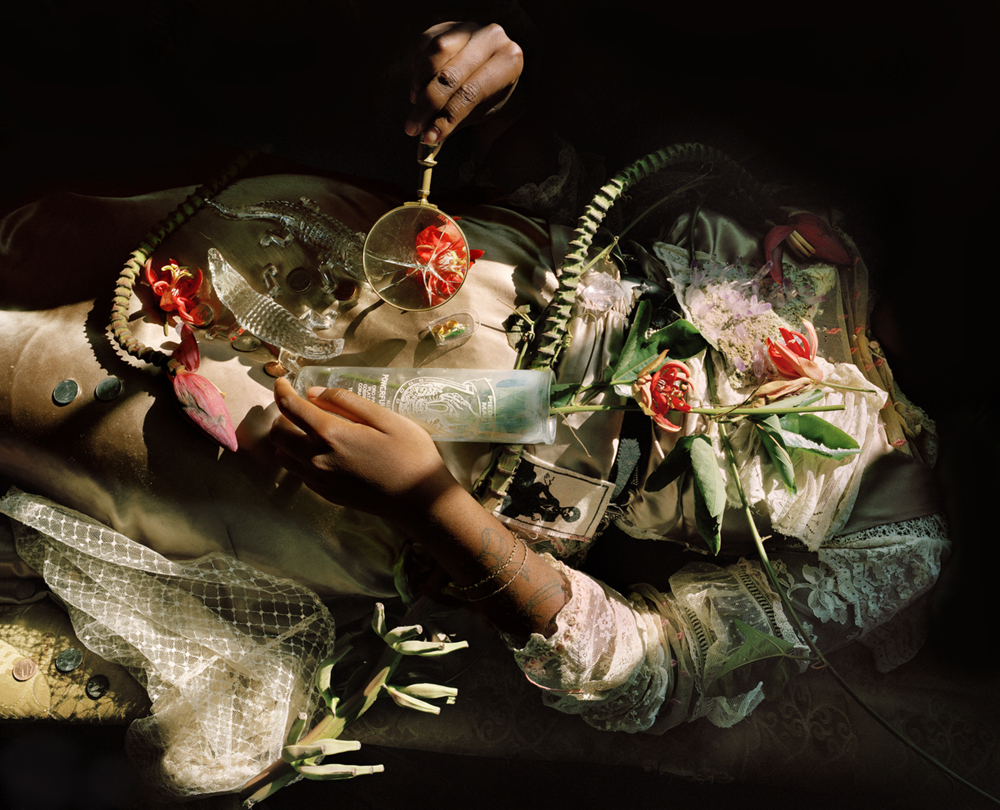
©Kristina Knipe, Erica Magnifying Passionflower, from the series Talisman,2019
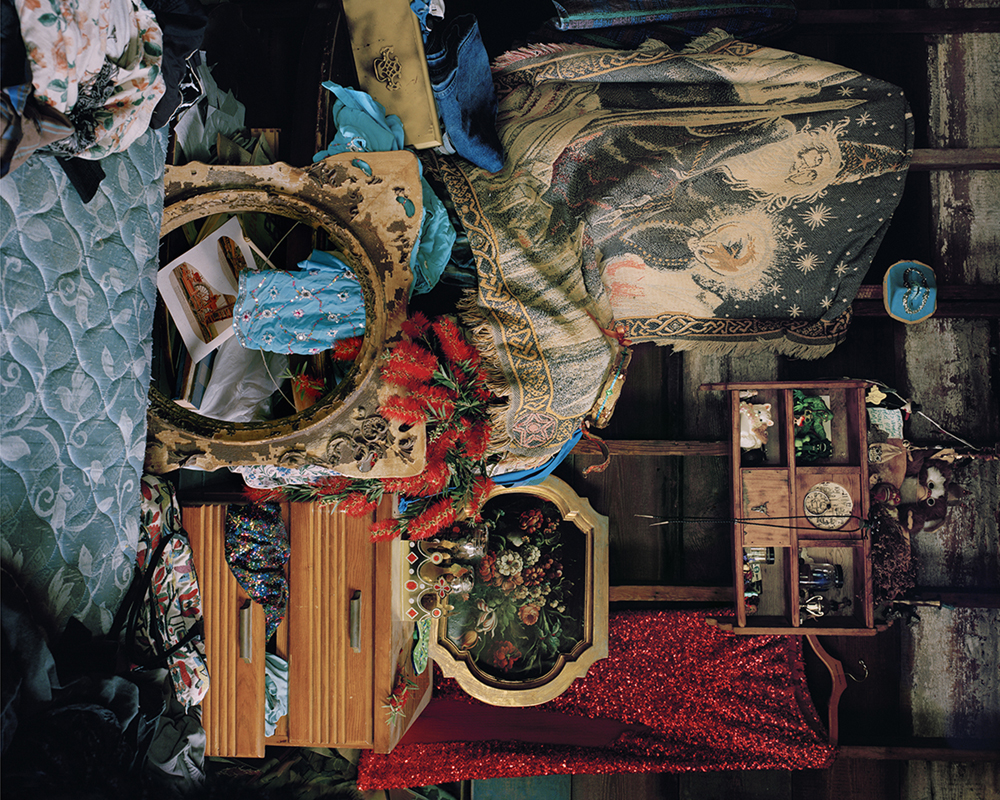
©Kristina Knipe, Auryn’s Shack, from the series Talisman, 2020

©Kristina Knipe, Miss Bernadette on Rampart, from the series Talisman, 2020

©Kristina Knipe, Erica’s Lamp, from the series Talisman, 2019

©Kristina Knipe, Jeremy with Angels and Broken Goblets, from the series Talisman, 2019

©Kristina Knipe, Whitney’s 29th Birthday, from the series Talisman, 2015

©Kristina Knipe, Antony and Zachary, from the series Talisman, 2015
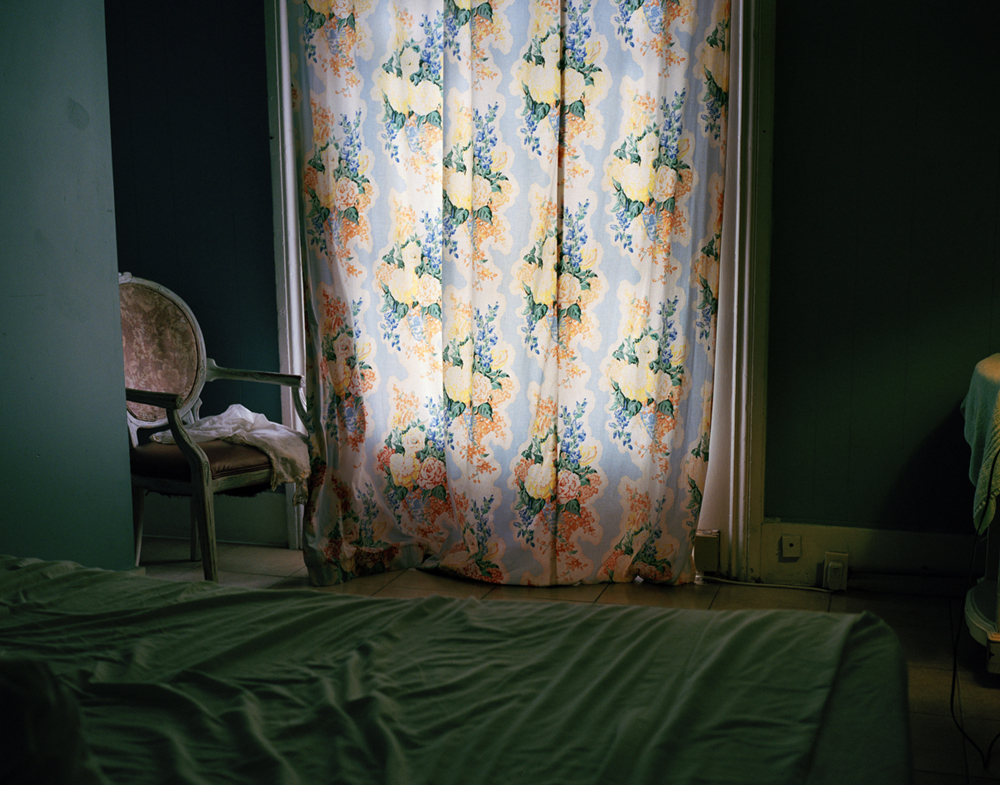
©Kristina Knipe, Floral Curtain, from the series Talisman, 2018

©Kristina Knipe, Whit during Quarantine, from the series Talisman, 2021
Posts on Lenscratch may not be reproduced without the permission of the Lenscratch staff and the photographer.
Recommended
-

The 2026 Lenscratch Student Prize Honorable Mention: G. Chevalier FustecAugust 9th, 2026
-

The 2026 Lenscratch Honorable Mention Student Prize Winner: Anton ZdanovichAugust 8th, 2026
-

The 2026 Lenscratch Honorable Mention Student Prize Winner: Anastasia SierraAugust 7th, 2026
-

The 2026 Student Prize Honorable Mention Winner: Luke RosingAugust 6th, 2026
-
The 2026 Lenscratch 3rd Place Student Prize Winner: Diana SosnowskaAugust 5th, 2026