The 2026 Paula Riff Award Winner: Angélica Arbulú
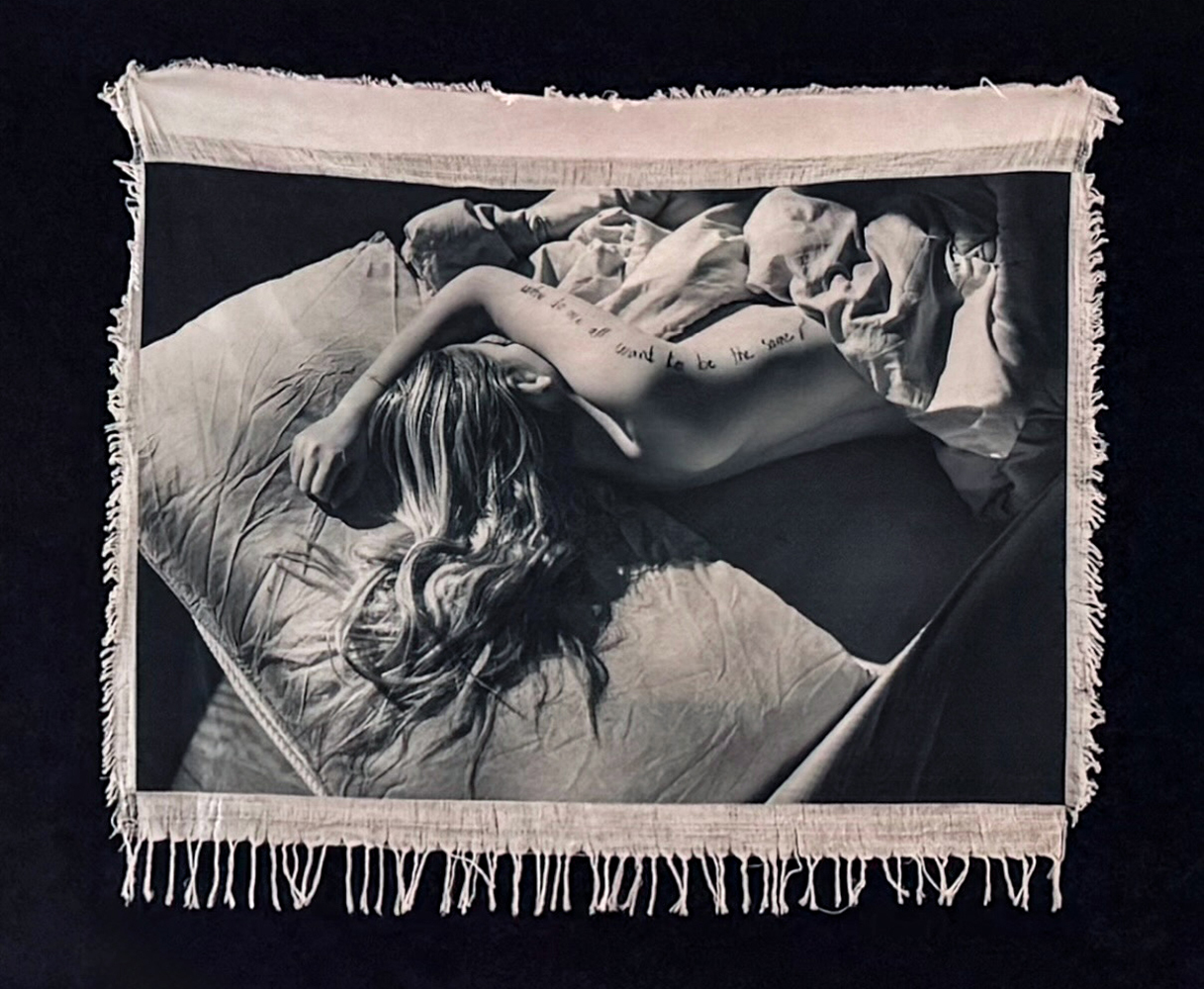
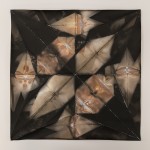
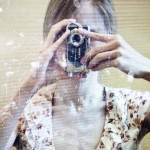
©Angélica Arbulú, Unanswered
The Center for Photographic Art and Lenscratch are thrilled to present the 2026 Paula Riff Award to Angélica Arbulú. This award was created in honor of a beloved artist, Paula Riff, who elevated the photographic medium by her investigations into color and alternative processes. Paula was an innovator, using lensless photography and historical processes to create objects of remarkable beauty.
The annual Award is open to artists whose art is challenging conventional photography through work that reflects the artist’s hand, either based on the historical/alternative photographic processes or with physical intervention through cutting, sewing, etc. We received hundreds of submissions for this year’s competition from photographers across the country and around the world. Juror Tarrah von Lintel had quite a challenge selecting a single artist and we are grateful for her time and energies. When asked about the jurying process, von Lintel stated: This was a very interesting pool of sophisticated artists and I used a process of elimination to narrow down my favorites and then went on to finally pick Angelica Arubulu. Angelica stood out to me with her unique and distinctive visual language, which does not come across as being formulaic and solely dependent on process. There is also depth, intimacy and fragility in her work that I found very memorable.
An interview with the artist follows.
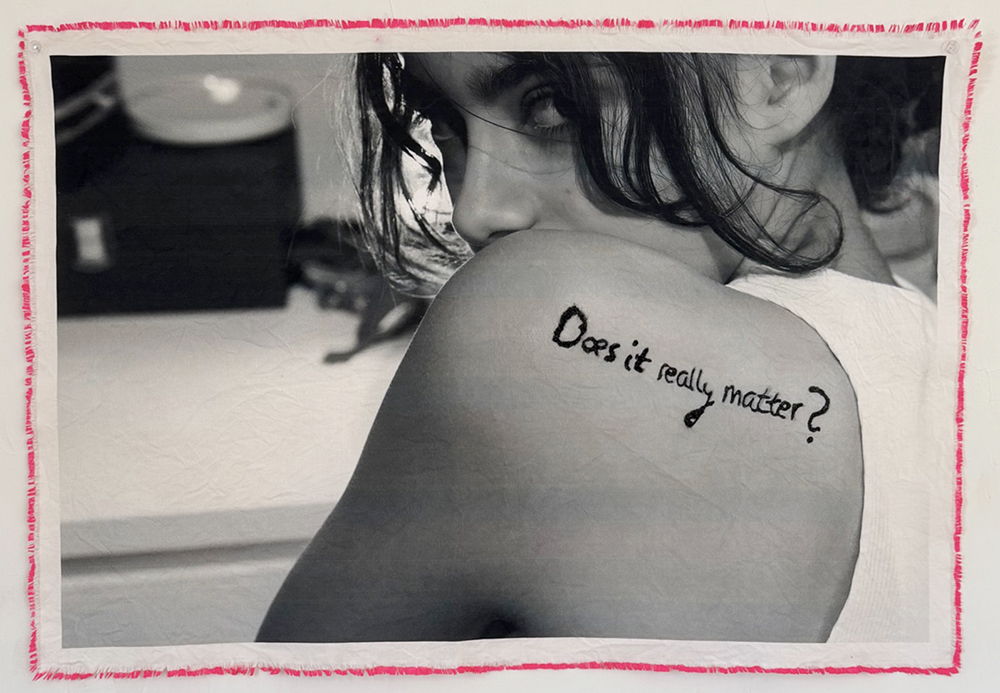
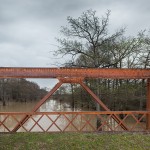
Angélica Arbulú, Does It Really Matter
Spain/Mexico 1973
Angélica Arbulú studied photography at the Center for Visual Arts (Madrid), psychology at the Universidad Complutense and earned a Master’s degree in Photographic Projects from PHotoEspaña. Additionally, she has been invited to study under renowned professionals such as Alex and Rebecca Webb (Magnum), Elizabeth Avedon, Chien-Chi Chang (Magnum), Ron Haviv (VII), Allison Morley (ICP), and Tito Herrera (STUDIO at Getty Images).
Arbulú was selected for the New York Art Triennial Artist Residency (2025), with her open studio forming part of the Opening in Governor’s Island, and is part of the exclusive, invitation-only Photography generator at the Los Angeles Center of Photography under the mentorship of Mishka Henner (2026). This program will culminate with an exhibition curated by Rotem Rozental (2027).
Her photography has been exhibited in prominent venues such as the International Center of Photography (New York), The Photographers Gallery (London), Centro de Arte de Alcobendas (Spain), and the Foreign Correspondents Club (Cambodia) as well as in established international art fairs and festivals including Zona Maco (Mexico), Photo London, ESTAMPA (Madrid), the Phnom Penh Photo Festival (Cambodia), the NYLAAT art triennial and PHotoEspaña.
Arbulú has combined her photography work with over 20 years of gender-focused work for the United Nations. During this time, she has lived in places as diverse as Kenya, Cambodia, and Ecuador. These experiences form an intrinsic part of her work and shape her distinctive perspective on humanity.
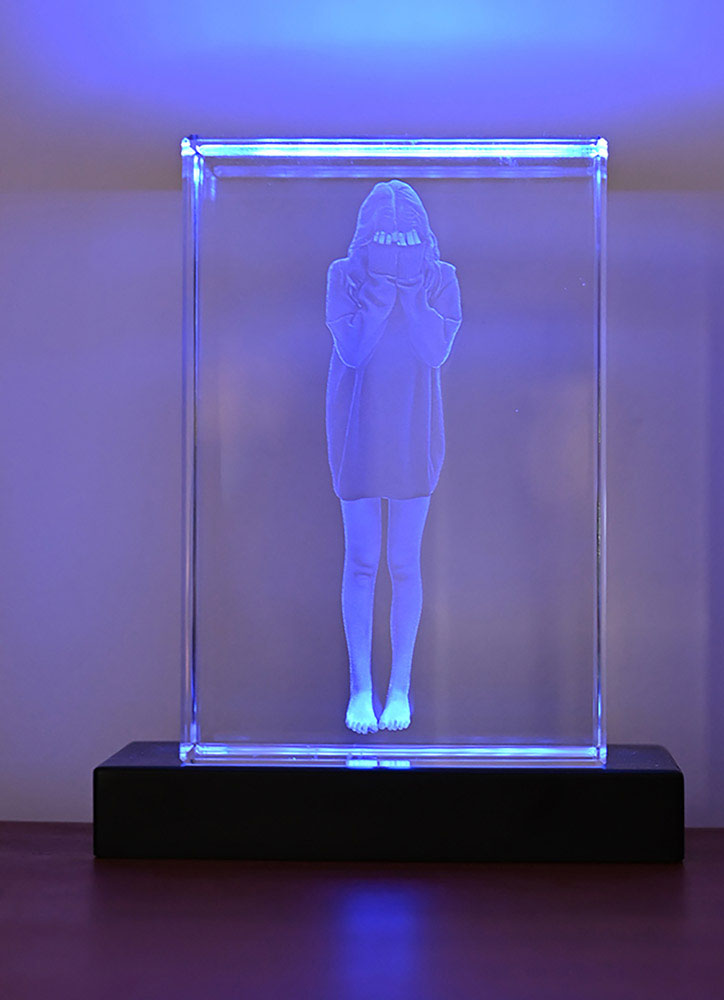
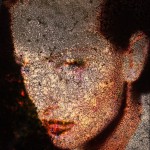
©Angélica Arbulú,, Made of Glass
My work is a continuous exploration on the themes of identity, gender, and belonging, drawing from my experiences as a woman and a migrant. Through carefully composed images, I create visual narratives that invite reflection on the tensions, contradictions, and complexities inherent to the human experience. Always curious about what hides beyond the obvious, I invite my subjects to express themselves through self-chosen text, and layer the images with textiles, embroidery and other delicate materials, not to embellish, but to offer alternative narratives. Through the intervention and manipulation, I seek to blur the boundaries between the visual and the tangible, between the subject and the artist, moving beyond representation to a more complex reflection on memory, transformation, and the ways in which our personal stories shape who we are and how we see others. – Angélica Arbulú
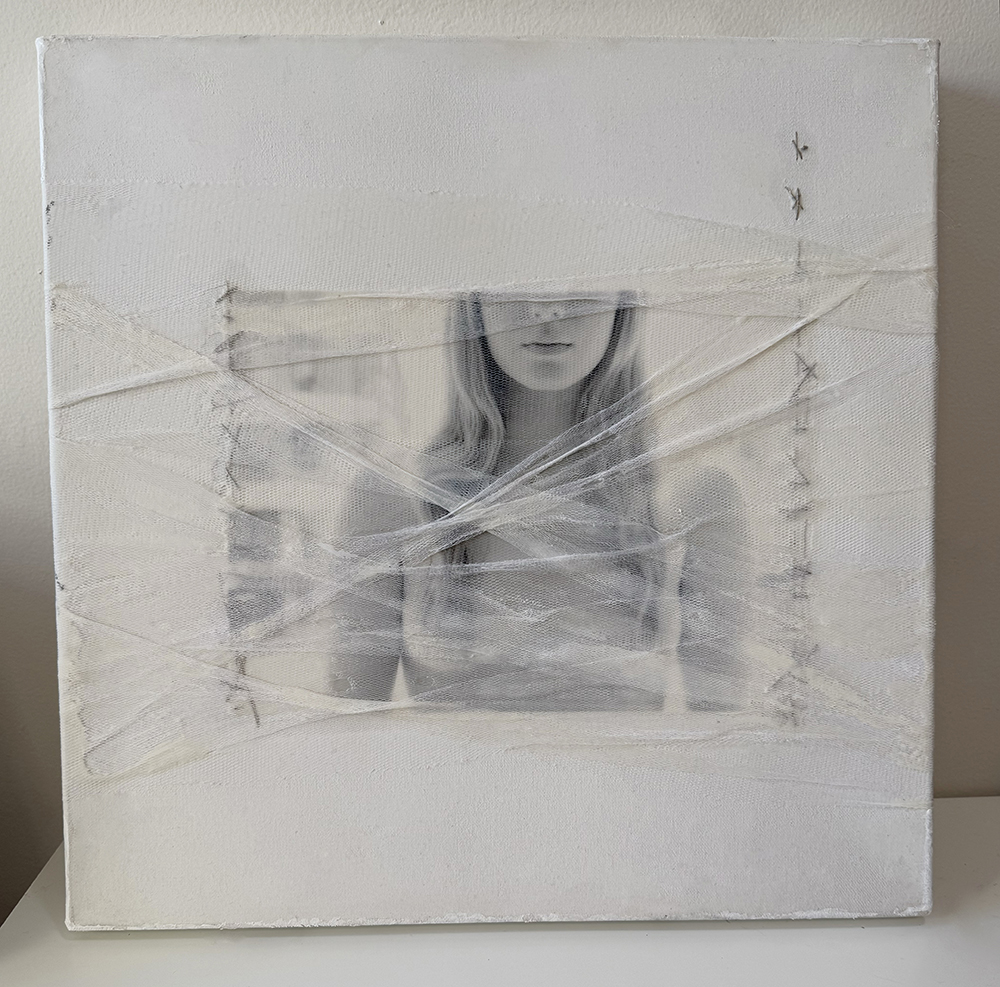
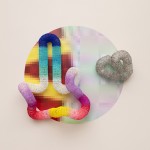
©Angélica Arbulú, Eve
Tell us about your growing up and what brought you to Photography….
I grew up moving around between Europe, the US and Latin America. I think photography speaks to my acute awareness that things are transient, and the desire to ‘hold on’ to the moment. I was also always very intrigued by people. I did theater growing up. My first portraits were very posed with theater costumes and props I’d borrow. To play a role you have to think about the language of the body; how would this character walk? how would they sit? this silent language of the body was probably my first obsession in photography, what led me to study psychology and what still fascinates me about photographing people today. Even then I liked to intervene the photographs, I would print them in the dark room and color manually.
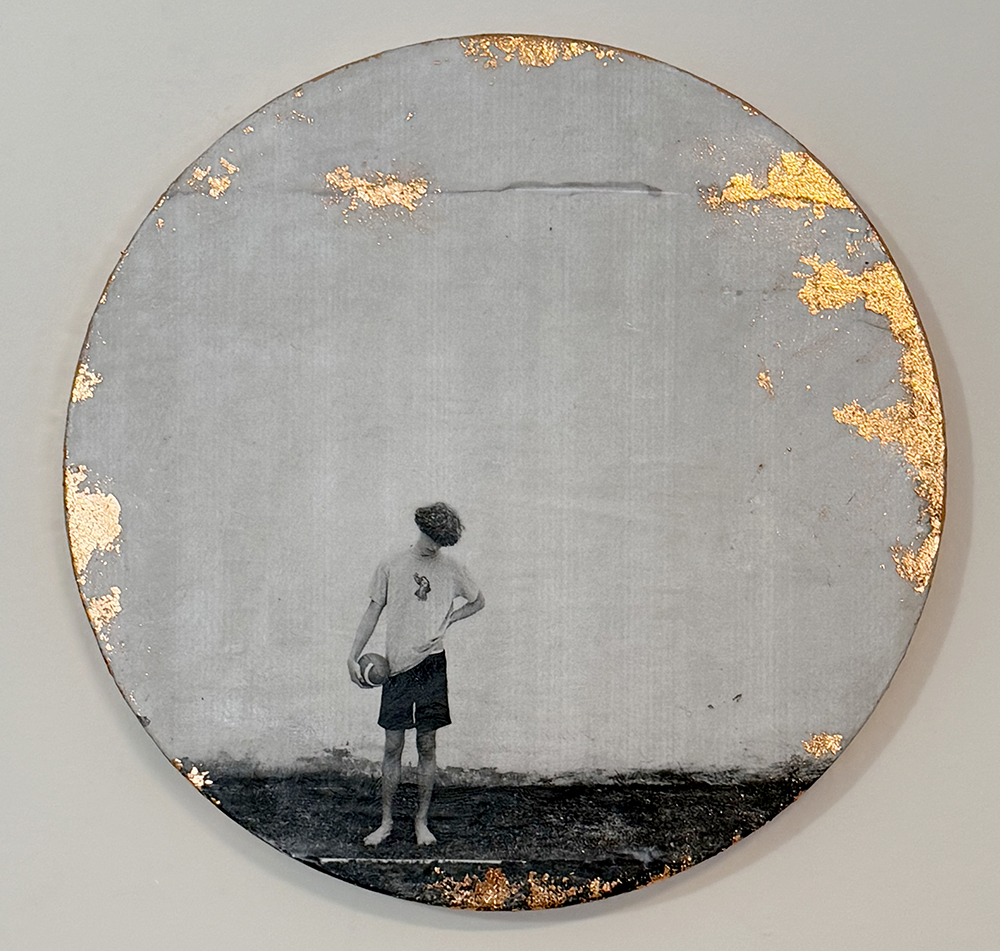
©Angélica Arbulú, Lonely Boy
Congratulations on the Paula Riff Award! Were you aware of her work prior to this?
I became acquainted with her work when I was researching the award.
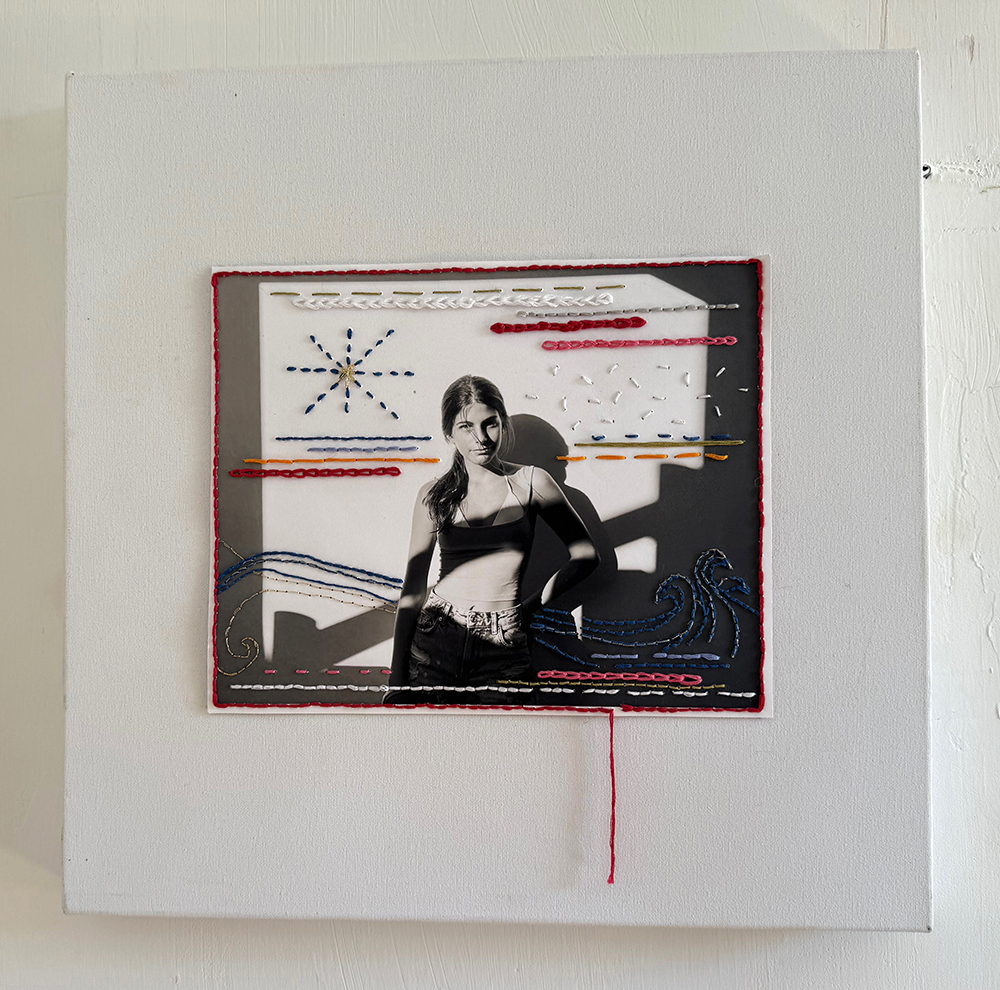
©Angélica Arbulú, Night Sky with Exit Wounds
What are you drawn to in her work?
I like her playfulness and her disregard for rules and form. The idea of testing the boundaries of photography is something that has always been attractive to me. I’m also attracted to her minimalist aesthetic. I find it very soothing and certainly something I am trying to integrate into my work. Big believer that less is more. I call it “quiet” art because it feels like sitting in a quiet space. It brings me peace.
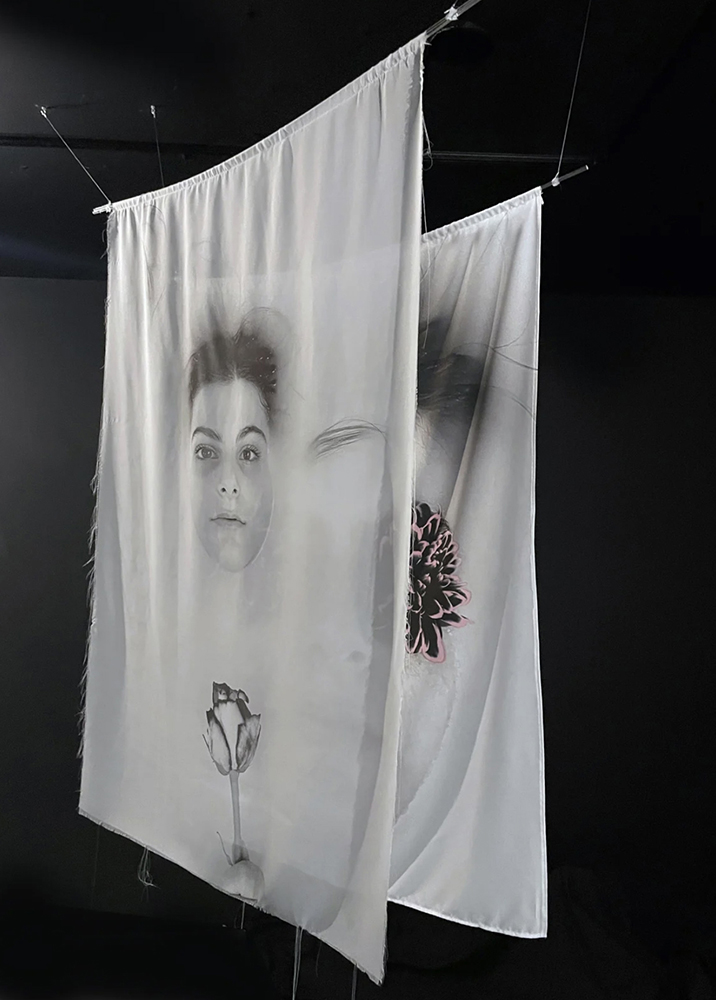
©Angélica Arbulú, Ophelia’s Ghost
You have many unique ways of presenting an image, how do you decide on the substrate?
I have to live with the images. I hang them around the studio and regularly dive back into my archives… at a certain point it clicks, the image tells me what it needs, what it’s trying to say, that is where the materiality comes in. Then it’s just about trial and error. Sometimes it works, sometimes it doesn’t. Sometimes they sit half-finished on the wall until the next step comes to me. Sometimes a previous error makes sense in a new image. I like to have a lot of materials in my studio, found and recycled materials too, so that when I do get an idea I can start experimenting right away.
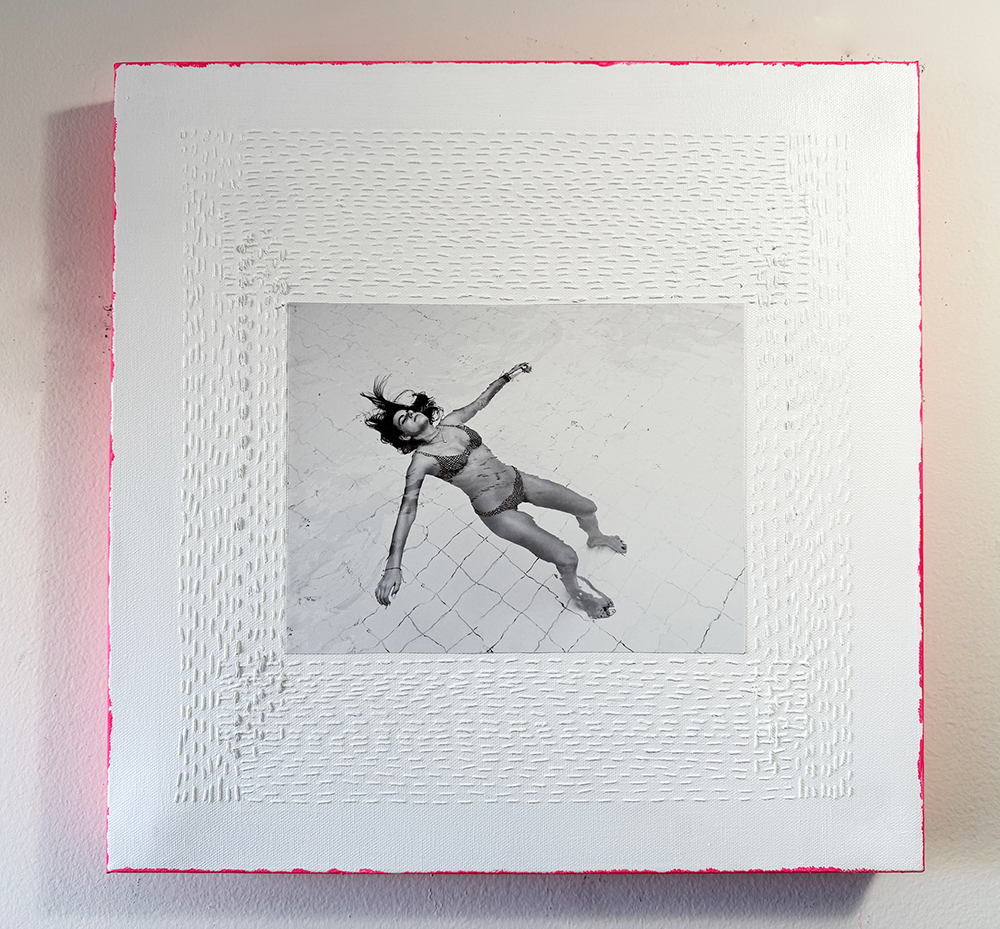
©Angélica Arbulú, Pink Scars
What stories do you want to tell as an artist?
I’m also attracted to landscapes and believe we interpret them through the echoes of our own memories. I’m increasingly aware of the autobiographical aspect of all my work. For example, this series started as a me trying to document adolescence. It took me a long time to understand that really, I was reflecting on what it meant to be the mother of adolescents. My hope is for my work to elicit emotions. For the viewer to relate what they are feeling to their own story.
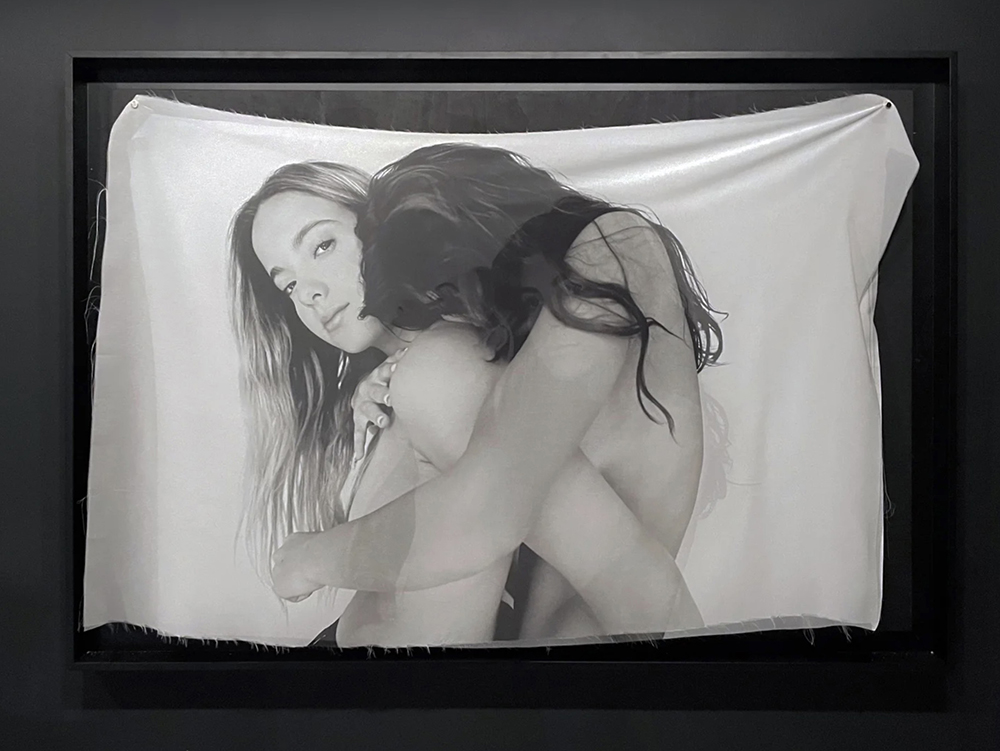
©Angélica Arbulú, Pythagoras Theorem (or Women Supporting Women)
Who or what is a current influence?
I am currently doing a mentorship with Mishka Henner. I really relate to and am inspired by his desire to question photography and how we relate to an image. The idea of art as play, where error is just part of the process.
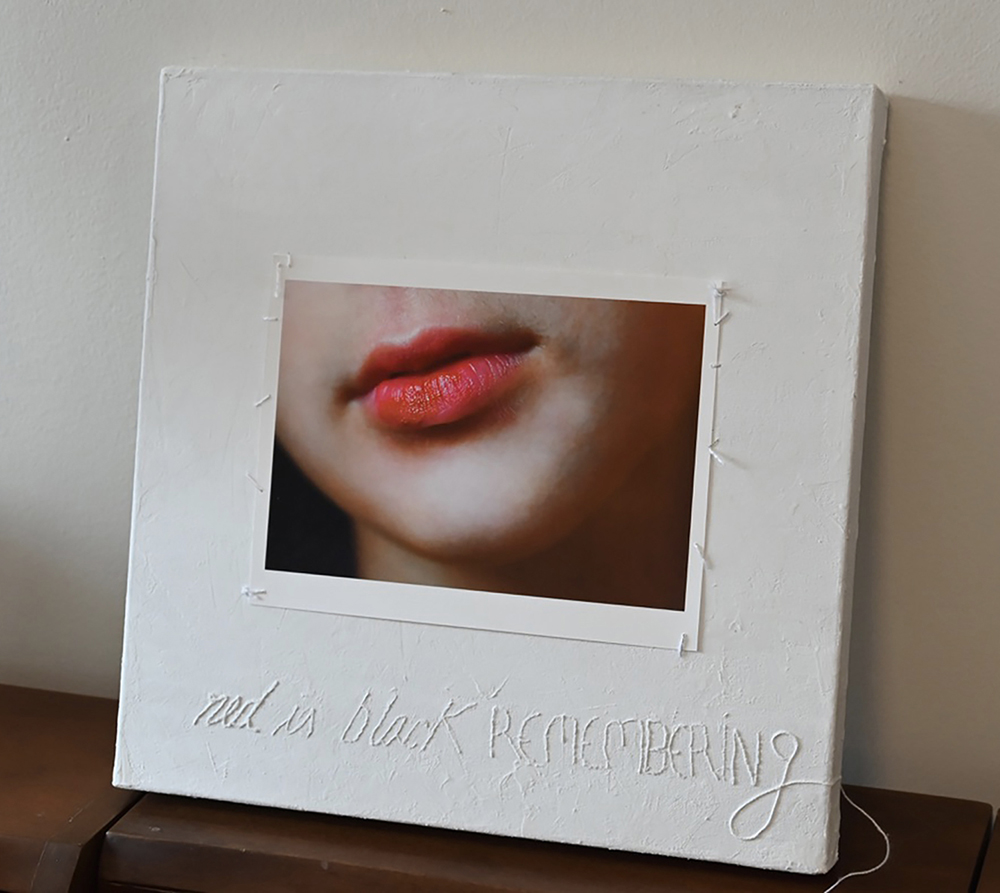
©Angélica Arbulú, Red is Black Remembering
Do you have a dream project?
yes, I am very keen on working more with nature. I would love to spend some time in the desert, the ultimate minimalist landscape, physically incorporating materials from the landscape into the work. Water is the other element I am attracted to. Opposites, but equally minimalistic. Beautiful , calm but also ruthless landscapes, they speak to me of the human spirit and this quiet resistance.
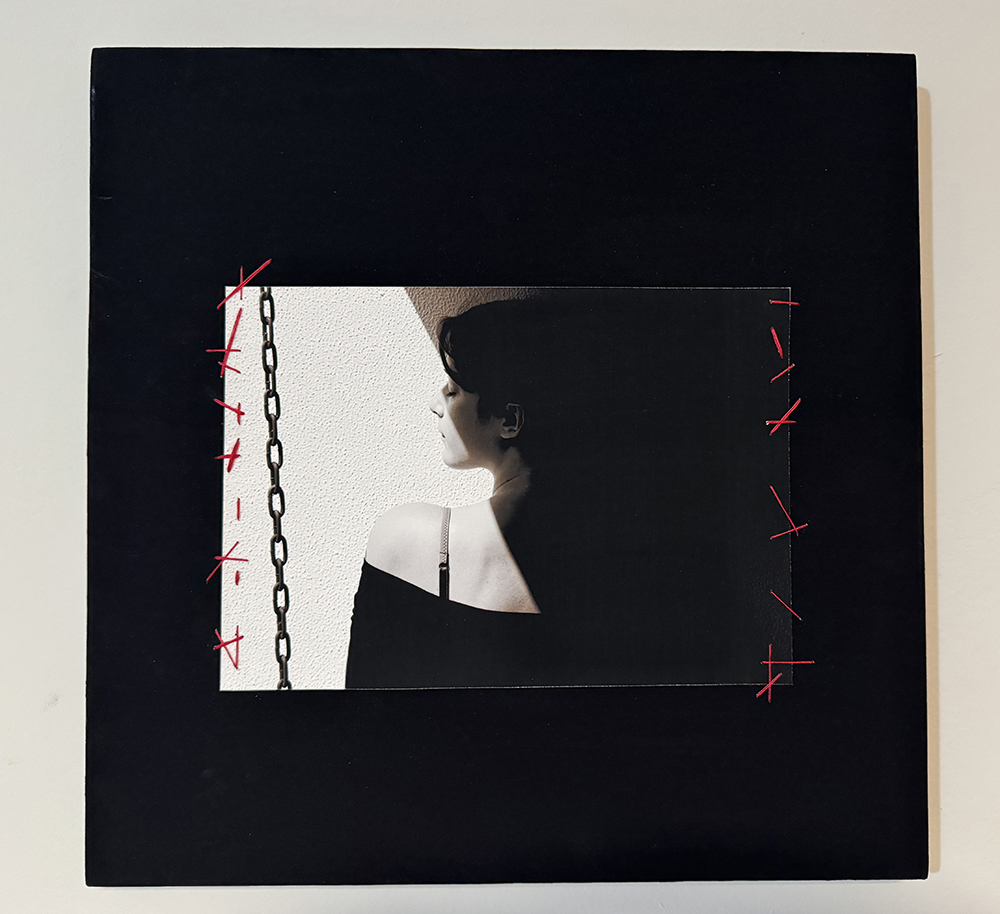
©Angélica Arbulú, The Wolf You Feed
What’s next for you?
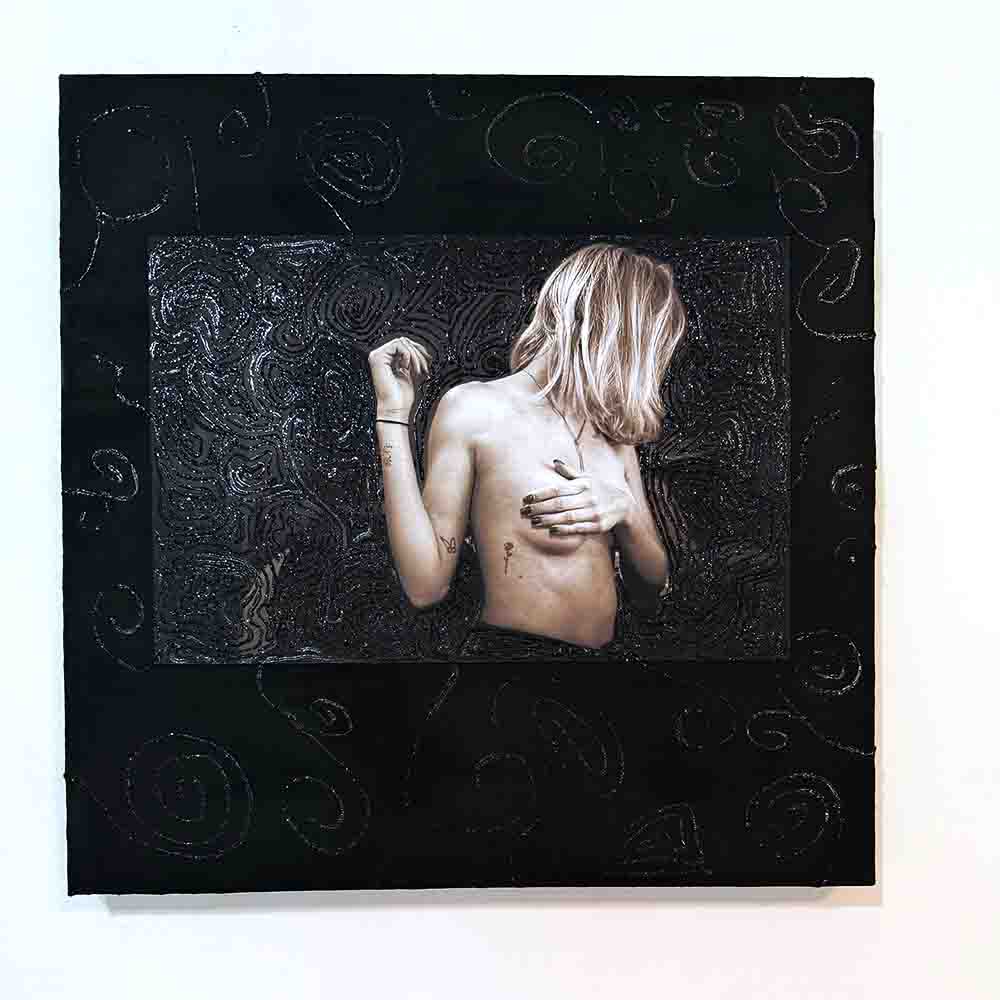
©Angélica Arbulú, Starry Night
Posts on Lenscratch may not be reproduced without the permission of the Lenscratch staff and the photographer.
Recommended
-
Marky Kauffmann and Louise Kauffmann: We Were ChildrenAugust 10th, 2026
-
Student Prize: Top 25 to WatchAugust 2nd, 2026
-
Still Life Week: Alma HaserJuly 29th, 2026
-
Photography Educator: Jillian M. BrowningJuly 24th, 2026
-
Craig Easton: An Extremely Un-Get-atable PlaceJuly 6th, 2026