CENTER Environmental Award: Margeaux Walter – Don’t Be a Square
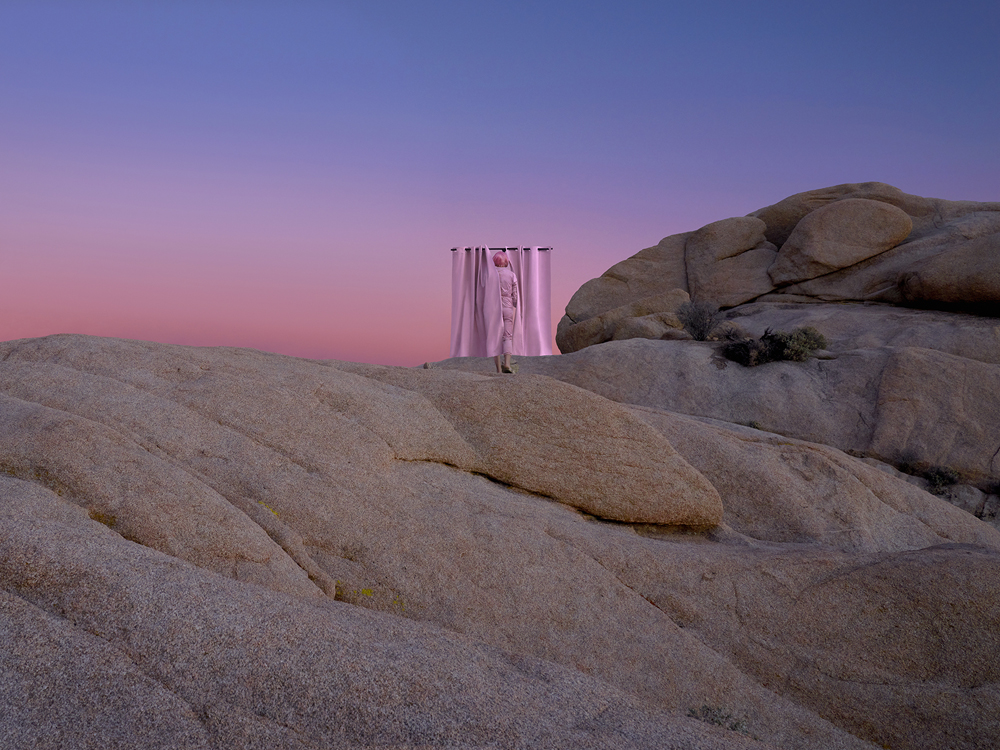
©Margeaux Walter, Backstage

Congratulations to Margeaux Walter for being selected for CENTER’s Environmental Award recognizing her project, Don’t Be a Square. The Environmental Awards recognize work focusing on the state of the ecological environment. Topics may include but are not limited to, conservation, biodiversity, ecology, climate change, or other issues concerning the natural world. All projects exploring ecological relationships, topics, or themes are eligible. The Award includes Professional Development Seminars, a Review Santa Fe Admission and Project Presentation, a Project Publication with Lenscratch and Inclusion in the CENTER Image Library & Archive.
Juror Quentin Nardi, Chief Photo Editor, Smithsonian magazine shares her thoughts on the selection:
As creatives, we are often compelled to document the beauty and sadness of the world around us. To capture photos of our environment is something to which we are naturally drawn. Whether it is to show the heartbreak or the wonder–to me, this is what this category is all about.
And as visual people, we do what we do best: create images of our environment in the hopes that the work we do will not only challenge or change the status quo; but create a new way of looking at things, as well.
As I viewed the submissions, I was acutely aware of how urgently the images were calling out to be seen, to bear witness to the environmental splendor and the degradation that they are documenting. I was also thinking about how, as creatives, we must flip the narrative once in a while, and change our approach. To get people to see the environment in a different light, in a different way… in a smart way that feels cohesive and well-thought-out… to make the viewer pause as if they were seeing the subject matter in a whole new light… in a whole new way.
For this reason, for the 2023 Environmental Award, I have chosen Don’t Be a Square by Margeaux Walter.
Don’t Be a Square is smart and clever and speaks to the disconnection we feel when confronted by climate change denial. The artist brilliantly uses herself as a glitch in the image that makes the viewer pause to take a longer look at what is really going on. Besides being gorgeous, well-done images, I really liked that they made me pause and really try to understand what Walter was trying to communicate through them: the notion of being invisible and under constant surveillance at the same time.
It was an absolute pleasure to view all of the well-done and meaningful work for this award. Thank you all for sharing your images.
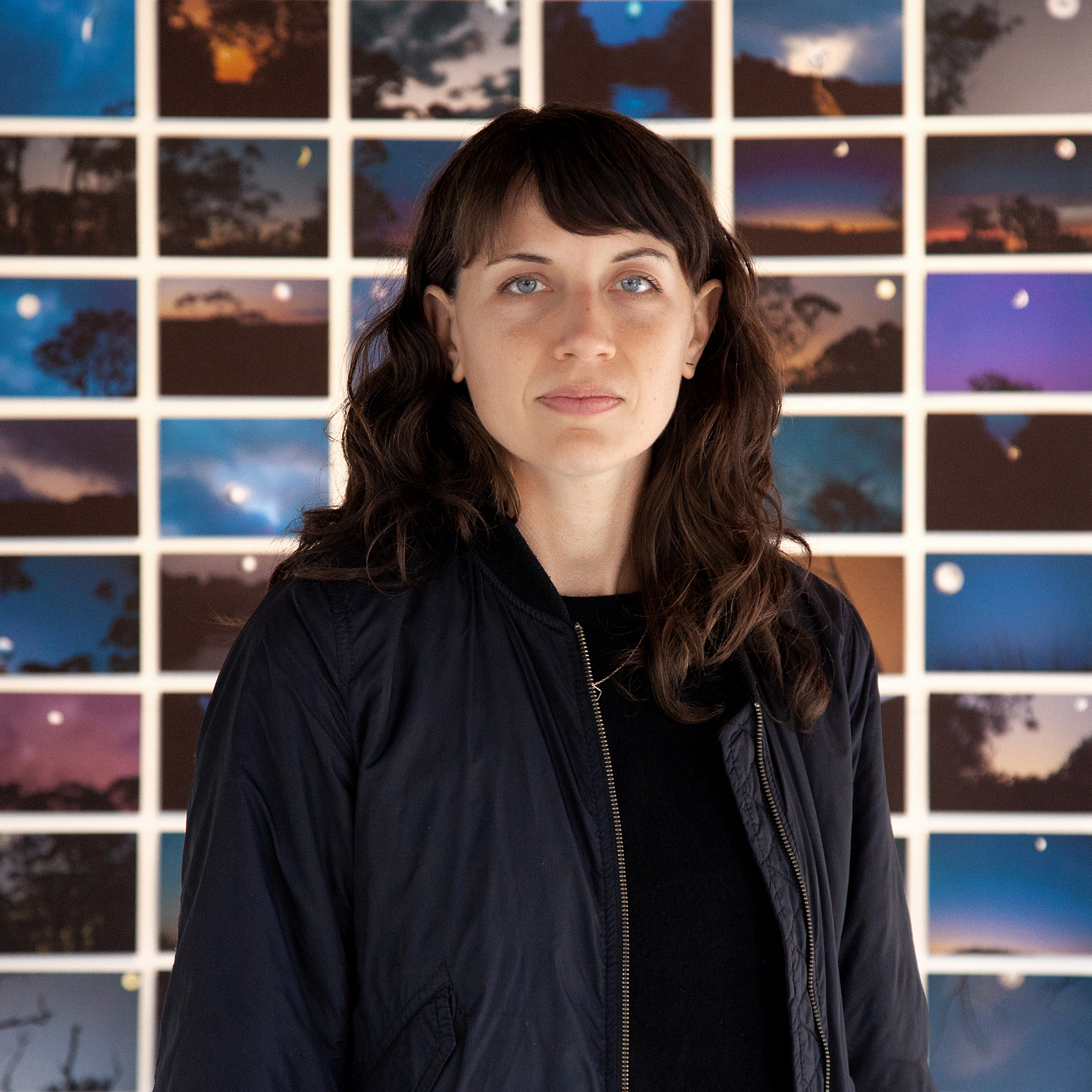
Portrait of Margeaux Walter
Quentin Nardi, Chief Photo Editor for the Smithsonian magazine, is a photo editor/director professional with 20 years of national magazine and photo editing experience in both print and digital platforms.
________________________
Margeaux Walter received her MFA from Hunter College in 2014 and her BFA from NYU’s Tisch School of the Arts in 2006. She has received multiple honors from the Magenta Foundation Flash Forward, HeadOn Photo Festival, Photolucida, Prix de la Photographie Paris, International Photography Awards, The Julia Margaret Cameron Award, and other organizations. She has been awarded artist-in-residence programs at Montalvo Arts Center, MacDowell Colony, Yaddo, Marble House Project, JTHAR, Joshua Tree National Park, VCCA, Red Gate Gallery in Beijing and BigCi in Bilpin, Australia (Environmental award). In 2020 she was the recipient of the Sony Alpha Female Award (2020). She is represented by Winston Wachter Fine Art in NY, and Foto Relevance in Houston, TX, and has participated in dozens of exhibitions at institutions such as MOCA in Los Angeles, CA, Hunterdon Art Museum in Clinton, NJ, The Center for Photography in Woodstock, NY, The Butler Institute of American Art in Youngstown, OH, Sonoma County Museum in Santa Rosa, CA, Tacoma Art Museum in Tacoma, WA, and the Griffin Museum of Photography in Winchester, MA. Her work has been featured in publications including The New York Times, New York Post, Seattle Times, Boston Globe, Courrier International, and Blouin Art Info.
@margeauxwalter
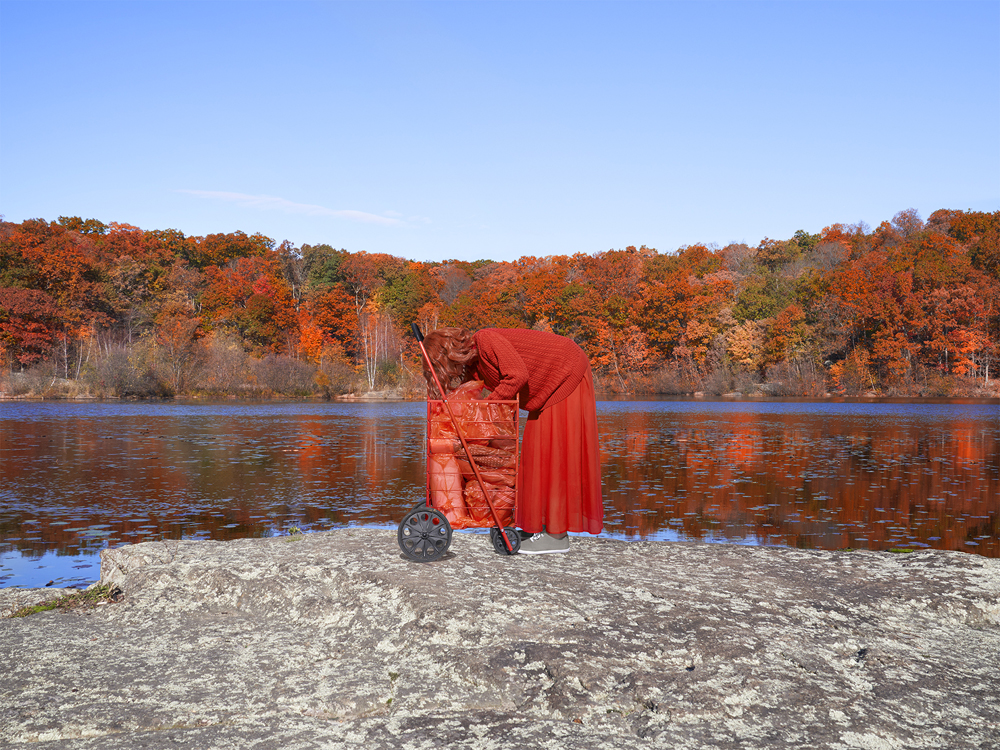
©Margeaux Walter, Checkout
Don’t Be a Square
I am exploring ways to depict a disconnection with the landscape in reference to climate change denial through staged site-specific photography. Thinking about the notion of invisibility in the age of heightened surveillance I have been conceptualizing works centered around how invisibility and denial feed into representations of climate change. In this series, Don’t Be a Square, I am staging site-specific interventions in the landscape that when seen through a camera lens disrupt the landscape much like a glitch in the image. I see the Anthropocene age as a glitch in time; it is so short in the greater timeline of life, and yet has caused so much havoc. In my performative photographs, this glitch can be seen as a pixel, a cubicle, or a portal, yet there is a glimpse of humanity that is both camouflaged into the land and completely disconnected from it. I use my own body and sets I build in dialogue with the landscape to create these images. In doing so, I experience a deep connection with the land and simultaneously a disconnect. I see an inherent cultural disassociation with the environment as directly linked to climate change, and this is what I hope to highlight through these images. – Margeaux Walter
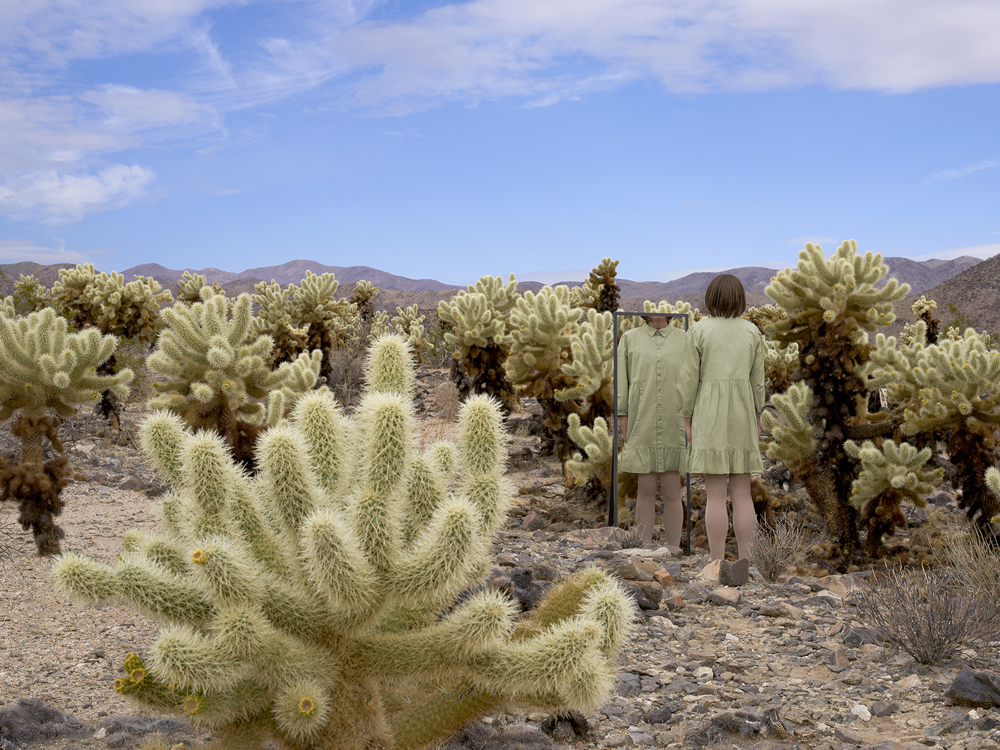
©Margeaux Walter, Cholla Garden
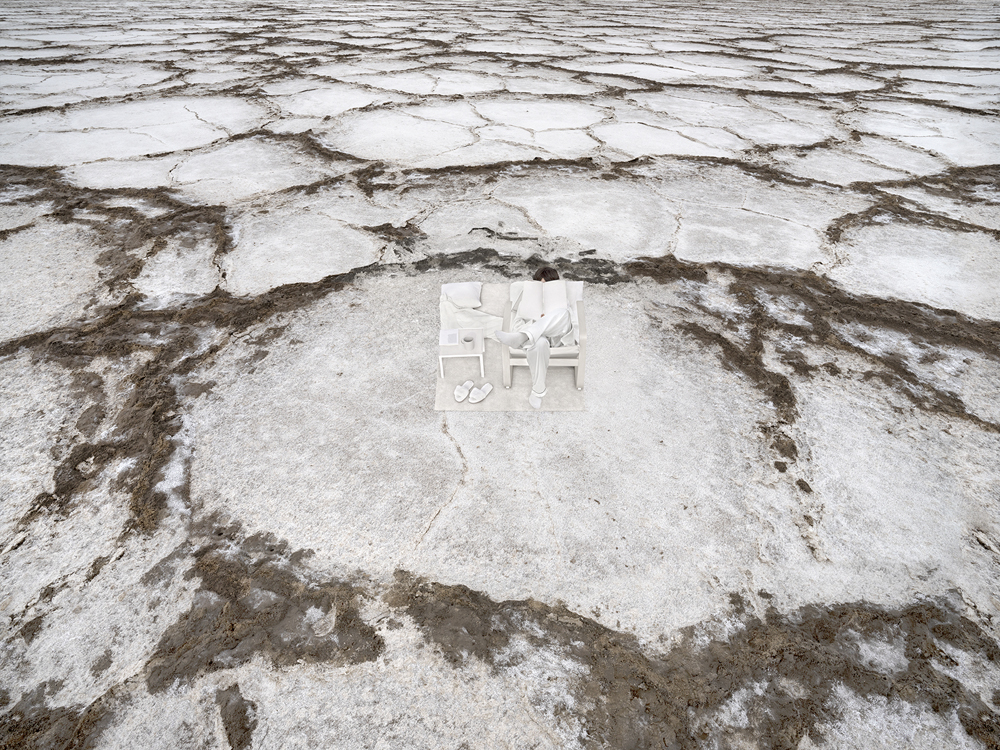
©Margeaux Walter, Fade
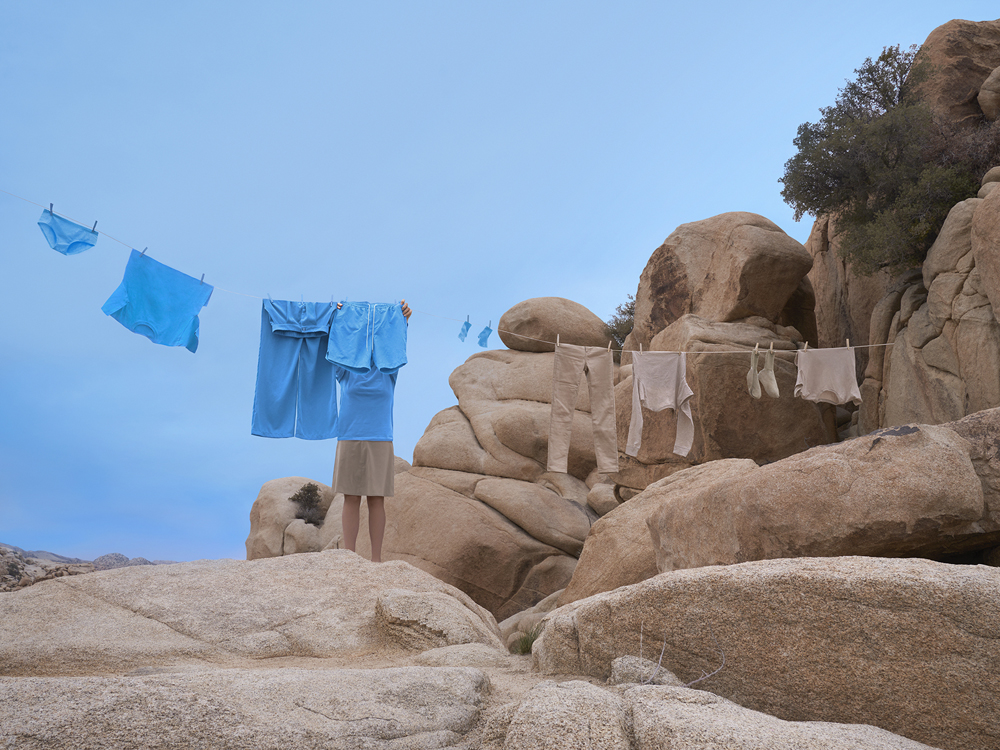
©Margeaux Walter, Hang Dry
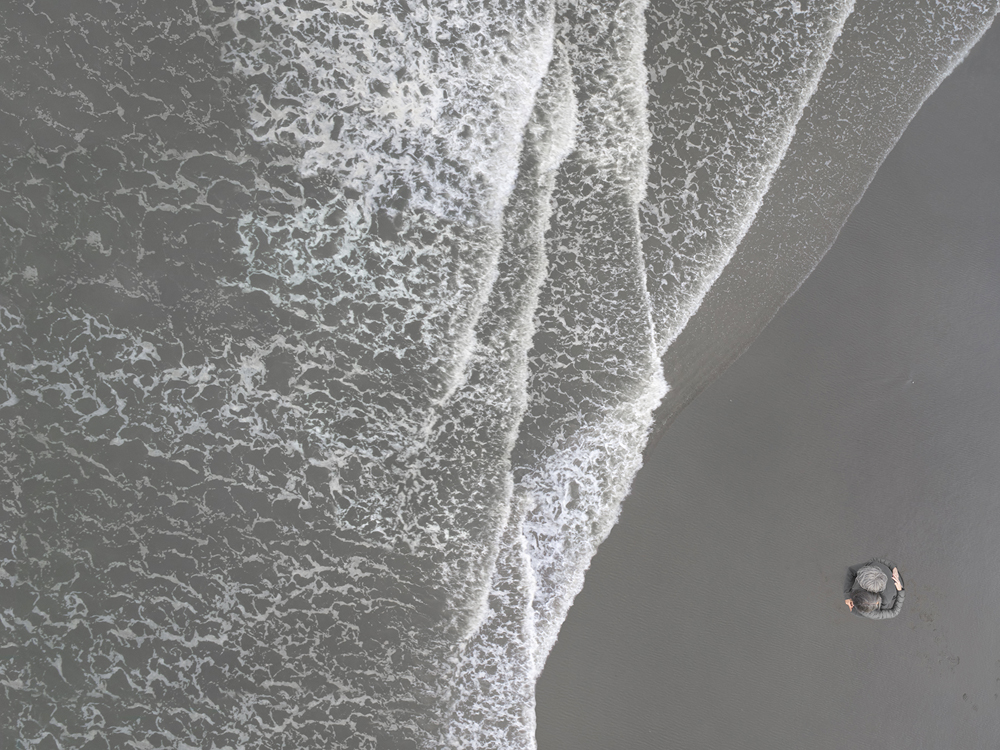
©Margeaux Walter, Hug
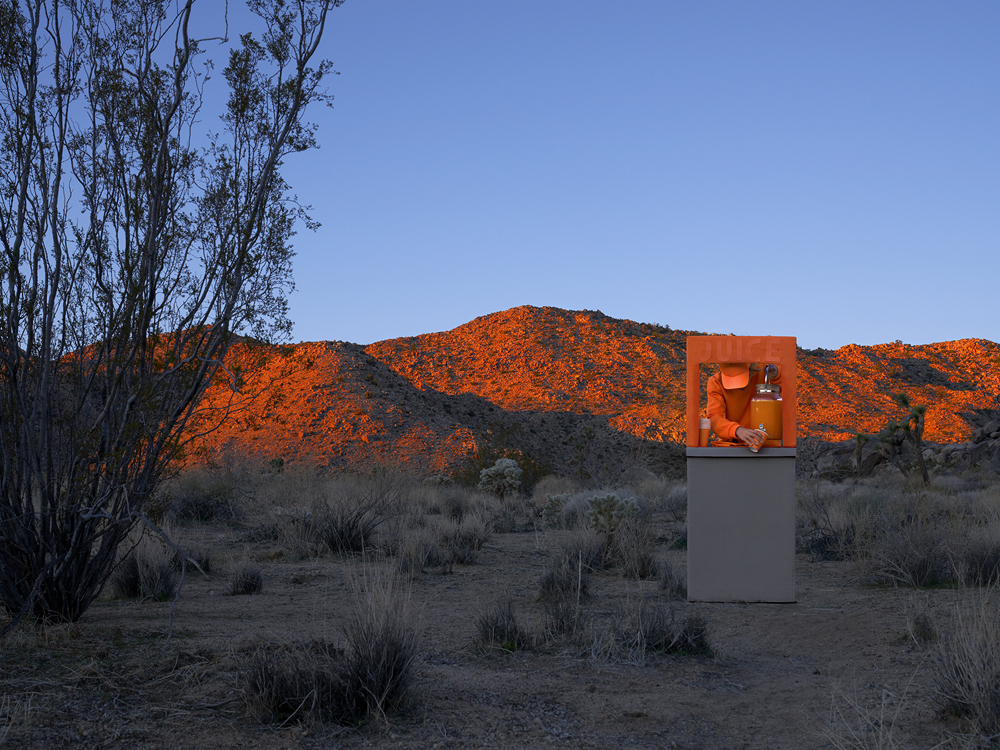
©Margeaux Walter, Juice Bar
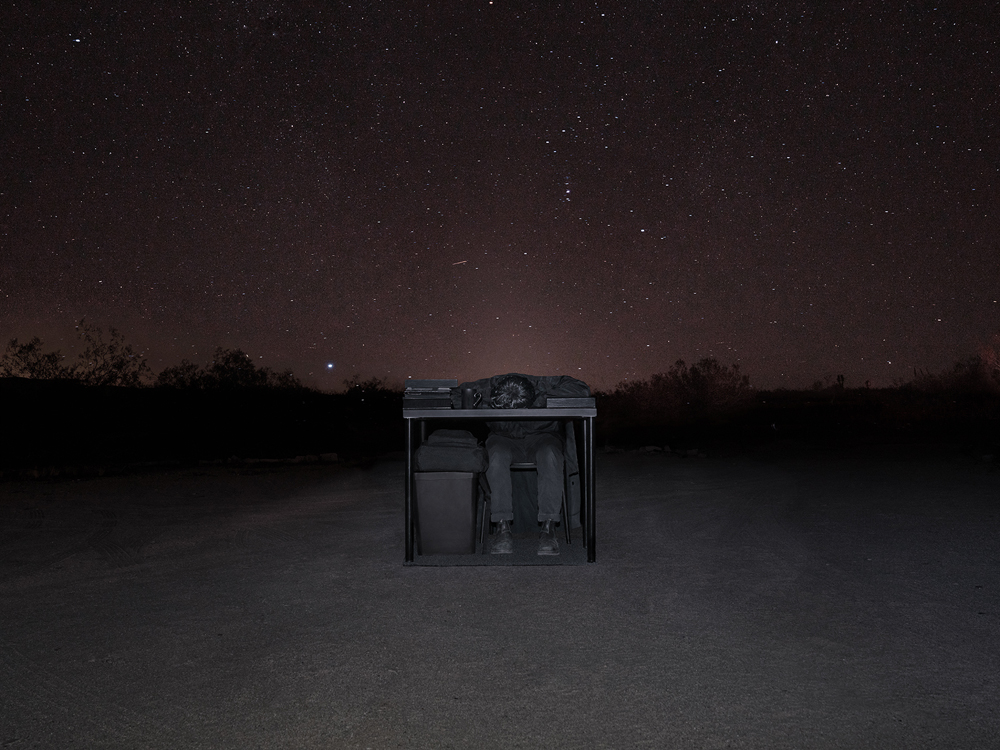
©Margeaux Walter, Pegasus
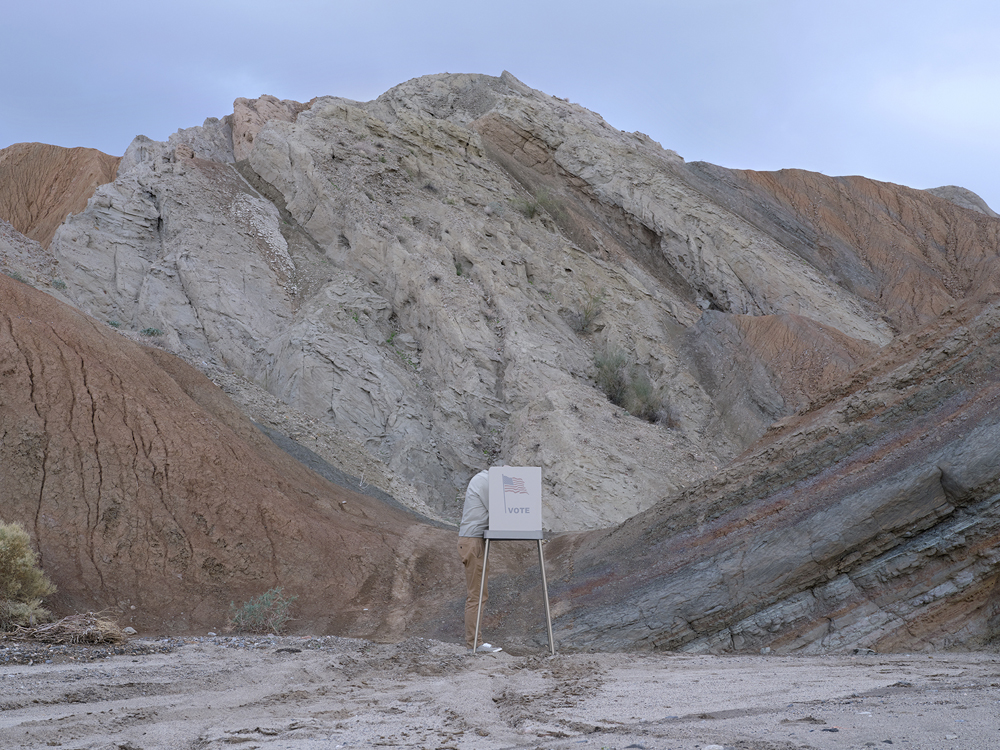
©Margeaux Walter, Polling
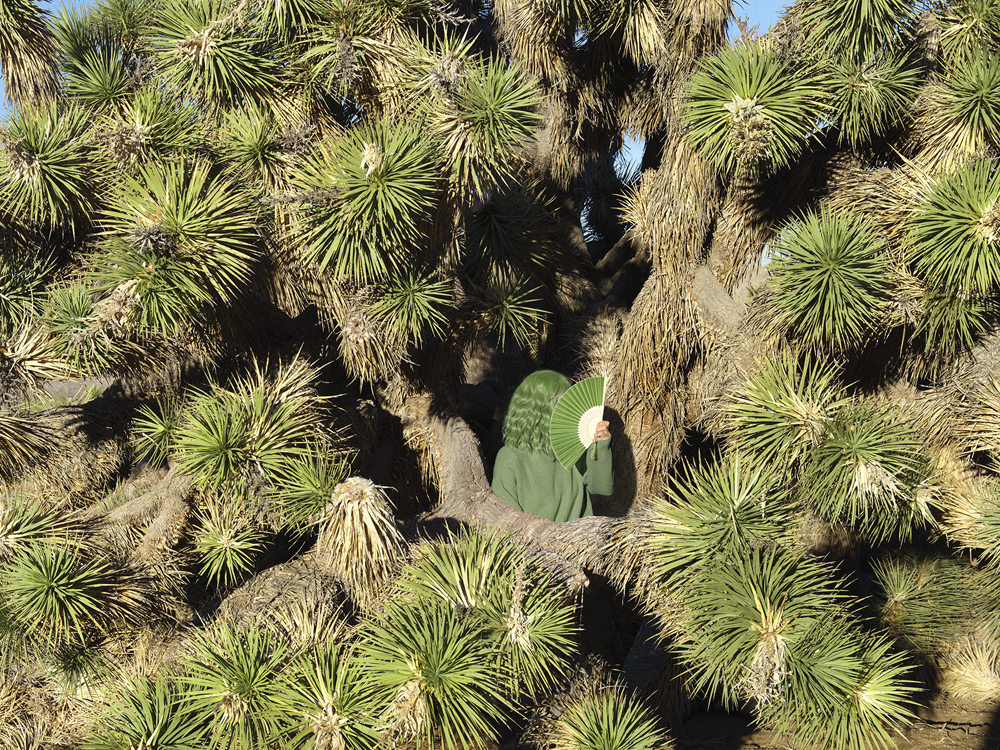
©Margeaux Walter, Yucca
About CENTER
Founded in Santa Fe, New Mexico, in 1994, the 501(c)(3) not-for-profit organization CENTER supports socially and environmentally engaged lens-based projects through education, public platforms, funding, and partnerships.
Image-making holds a unique power to confront audiences with uncomfortable truths, advance cultural understandings, and promote social justice. Through our advancement of artists and their work, CENTER serves to deepen public understanding of lens-based media’s complex history and ongoing cultural significance. By establishing trans-disciplinary partnerships between artists and justice-driven communities, historians, cultural critics, students, and the art world, they honor our unique role in advancing projects that respect all people, open minds, and engage our shared humanity.
Characterized by a community of gifted and committed photographers, CENTER has proven for the last 29 years that it can help photographers and lens-based artists grow into their full potential. CENTER programs foster insights and actualizations that ripple and impact all involved by providing platforms where the creative impulse can be engaged and challenged.
ANNUAL PROGRAMS | Includes the Project Launch Grant, Project Development Grant, Me&Eve Grant, the three CENTER Awards: Personal, Social and Environmental, the Excellence in Multimedia Storytelling Award, Santa Fe Fellowship, Callanan Excellence in Teaching Award, and the Review Santa Fe Photo Symposium. Public exhibitions, educational presentations, and expositions of the work are held in conjunction with the awards, grants, and Review Santa Fe. These programs are open for submission to international and national photographers and lens-based artists during our annual Calls for Entry.
Follow CENTER on Instagram: @centersantafe
Posts on Lenscratch may not be reproduced without the permission of the Lenscratch staff and the photographer.
Recommended
-
Zanele Muholi: 2026 Hasselblad Award LaureateMarch 13th, 2026
-

Shane Hallinan: The 2025 Salon Jane Award WinnerFebruary 12th, 2026
-

Greg Constantine: 7 Doors: An American GulagJanuary 17th, 2026
-

Yorgos Efthymiadis: The James and Audrey Foster Prize 2025 WinnerJanuary 2nd, 2026
-
Arnold Newman Prize: C. Rose Smith: Scenes of Self: Redressing PatriarchyNovember 24th, 2025