
Motherhood: Kerry Payne Stailey: The Children (I Never Had)
©Kerry Payyne Stailey, from The Children I Never Had
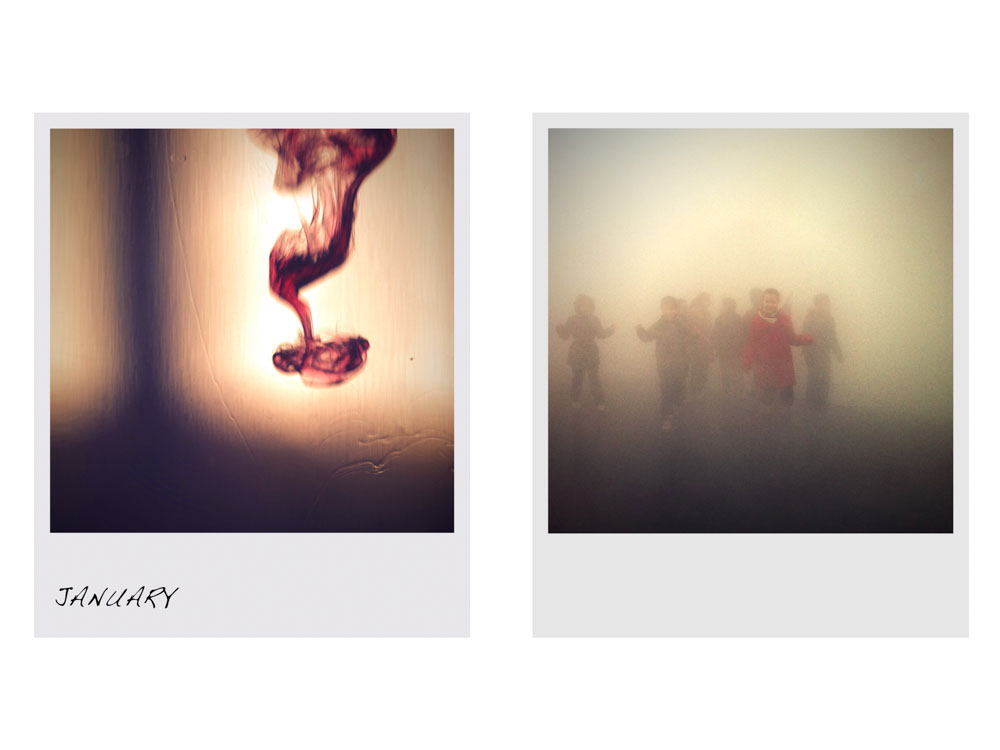
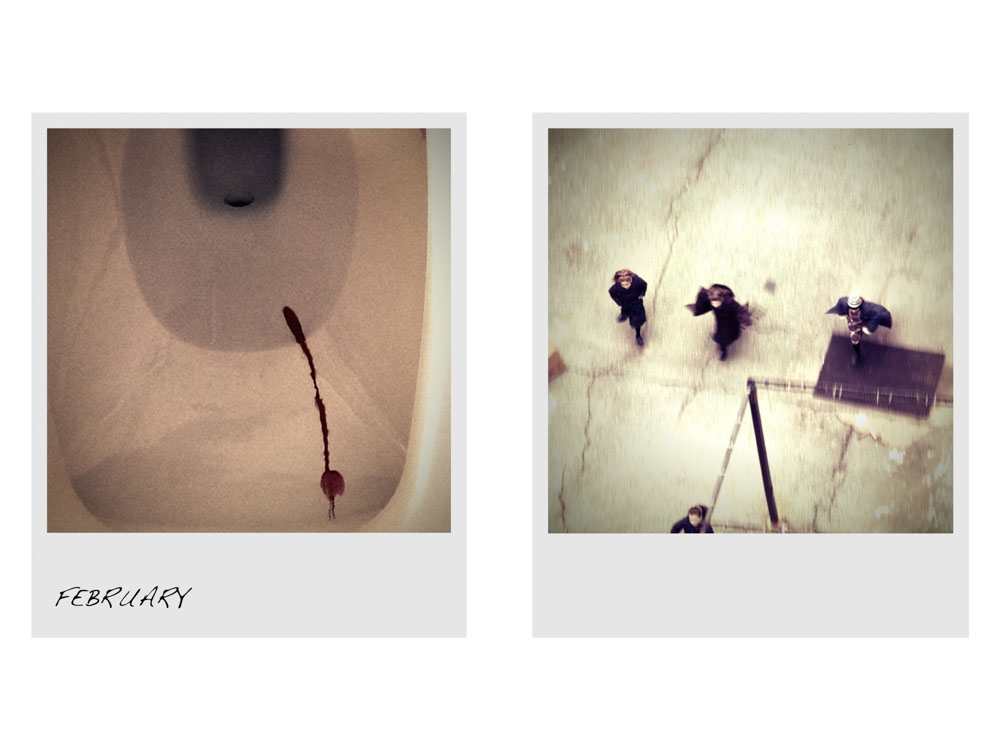
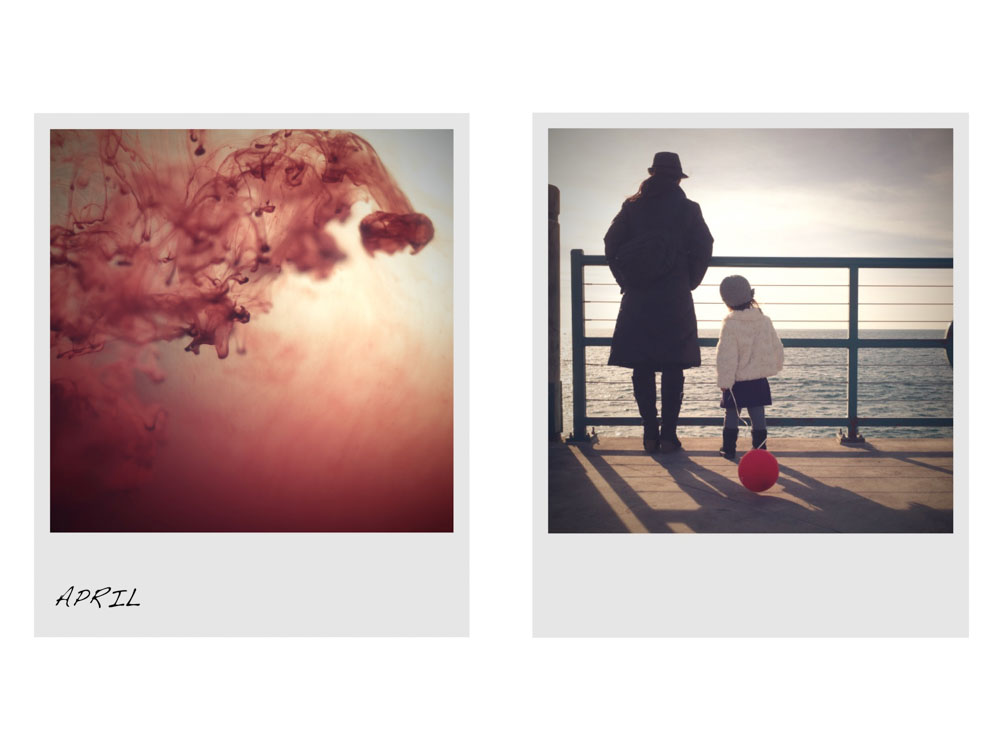
Kerry Payne Stailey has created a powerful and deeply felt project about the struggle to conceive a child. The Children (I Never Had) is a photographic series that confronts the quiet, cyclical grief of infertility. It is an experience often lived in private yet shared by countless women. Through visceral imagery and deeply personal narrative, the work traces a year marked by anticipation and disappointment, where hope rises and collapses in relentless rhythm. The photographs become a fragment of a story shaped by longing: imagined futures, absent children, and the body’s recurring refusal.
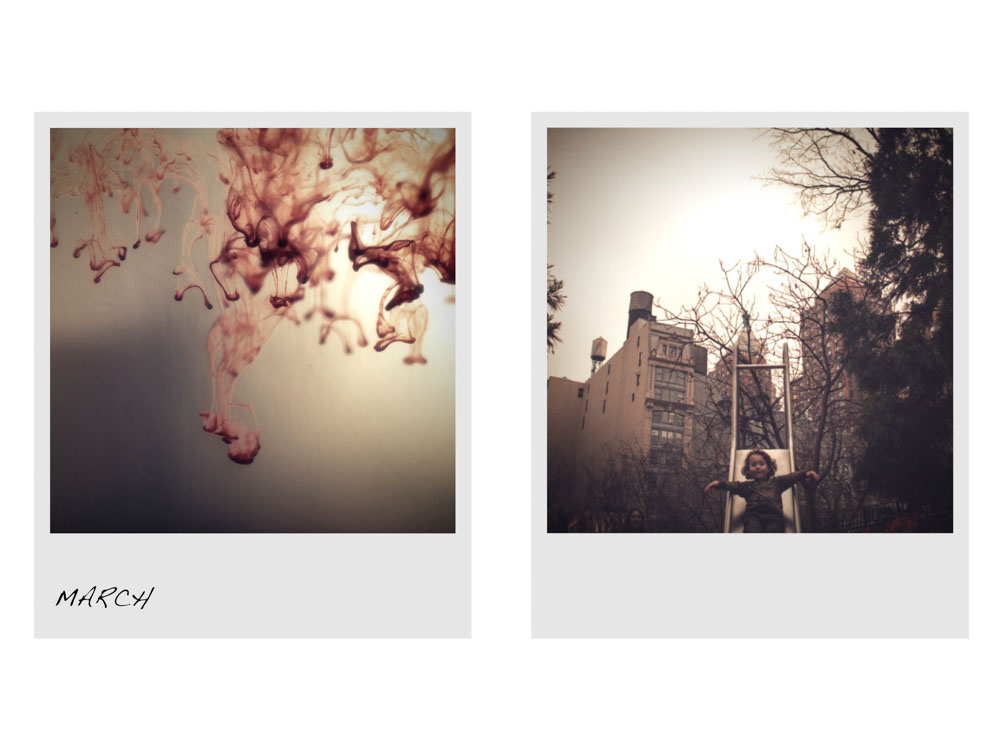
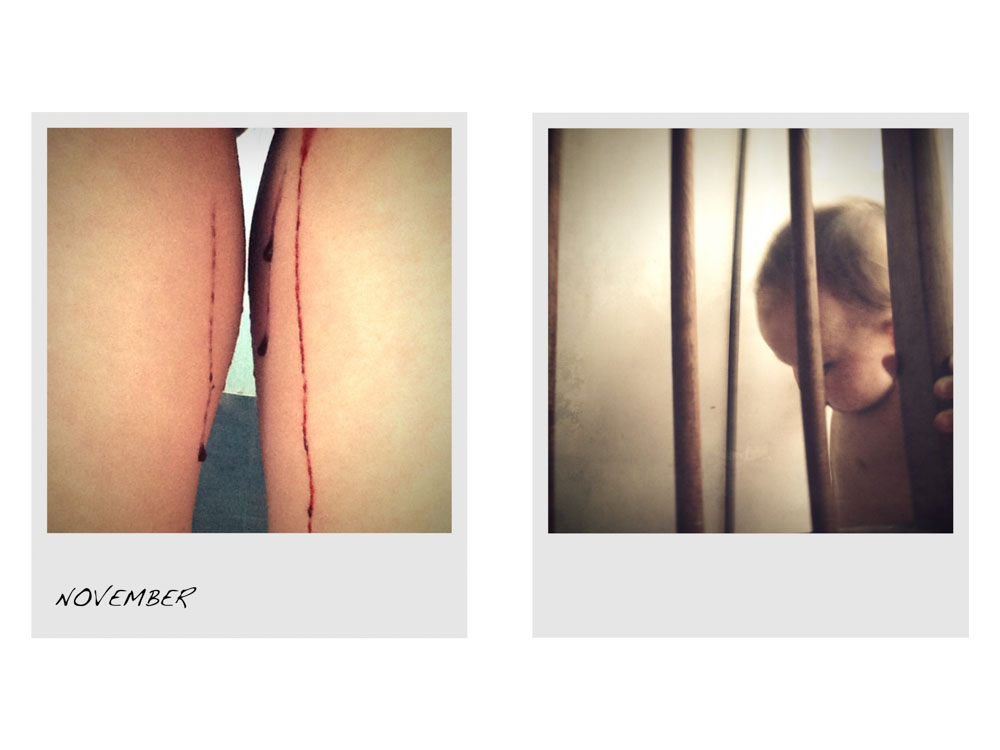
Stailey renders this struggle in terms that are both poetic and unflinching. The series holds space for contradiction of the beauty and brutality, capturing what it means to endure a process that is deeply intimate. Blood, in this context, is not only biological but symbolic: a monthly marker of loss, defiance, and the persistence of desire.
The Children (I Never Had) is an act of witnessing. It gives form to what cannot be held, naming the unseen children and honoring the emotional terrain they inhabit. In doing so, it transforms personal sorrow into collective recognition, inviting viewers to reflect on the fragility of expectation and the enduring weight of absence.
An interview with the artist follows.
©Kerry Payne Stailey, from The Children I Never Had
The Children (I Never Had)
I was not called to be a mother
all the years I might have been.
now there is him
and in his eyes I see them,
the children I never had.
forgive me, love
my body has won.
so quietly
we grieve
the babies I bleed.
©Kerry Payyne Stailey, from The Children I Never Had
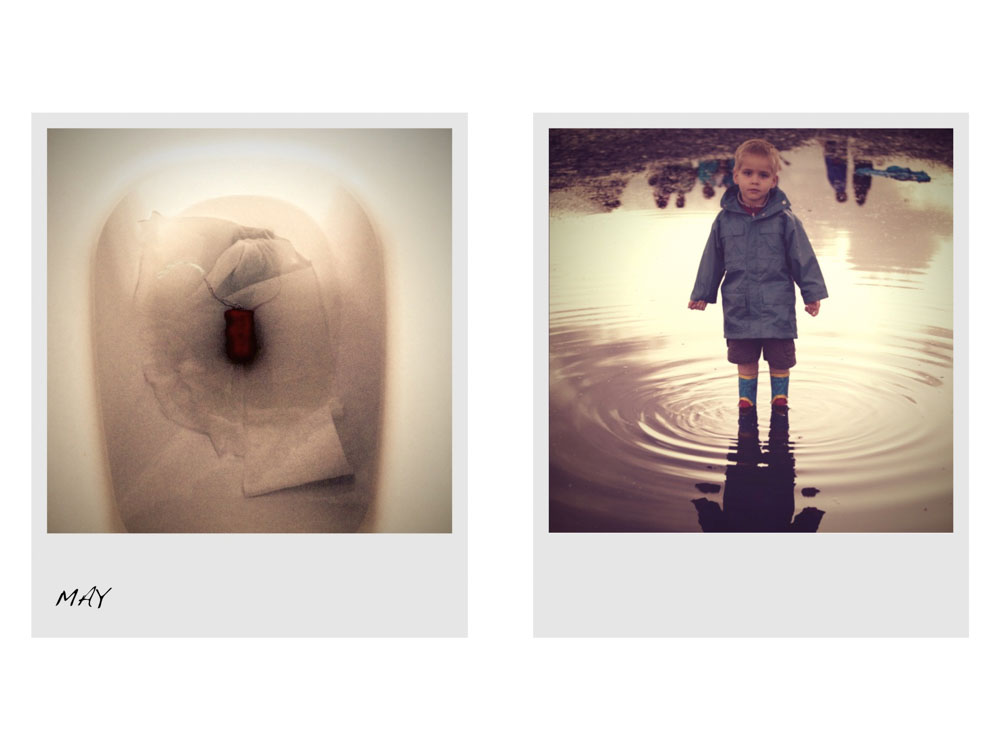
The Children (I Never Had) explores the bloody battle of infertility, of hope and loss, played out monthly by women everywhere in their fruitless quest to become mothers.
Our year of reproductive discontent was poetic and ugly and bittersweet, so like the melancholy I carry for the babies I did not.
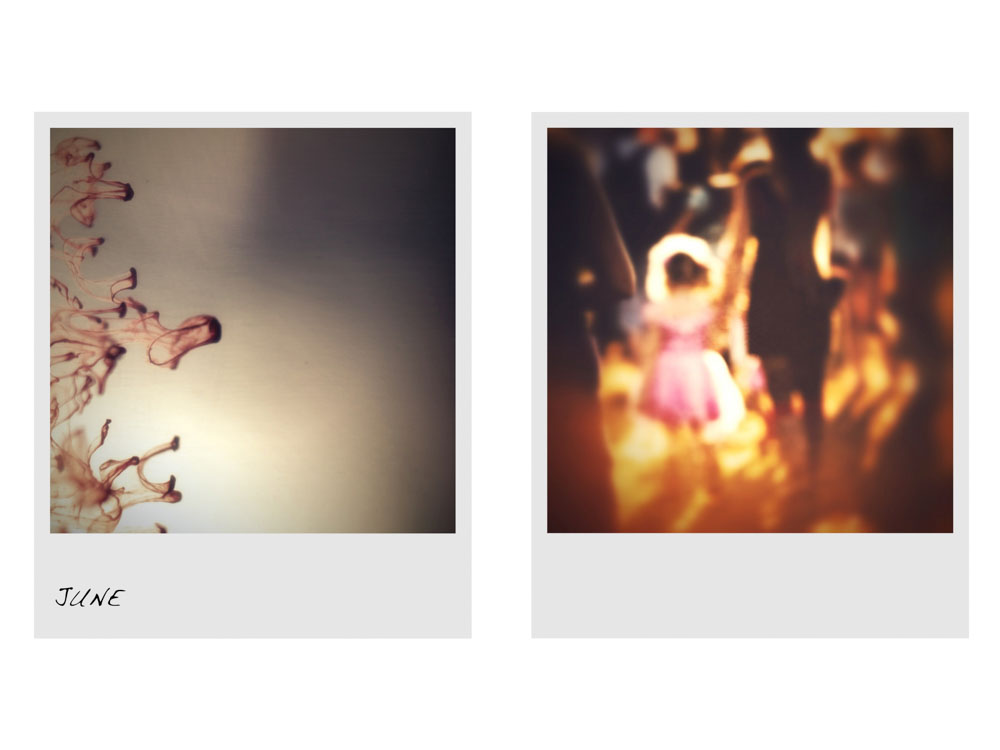
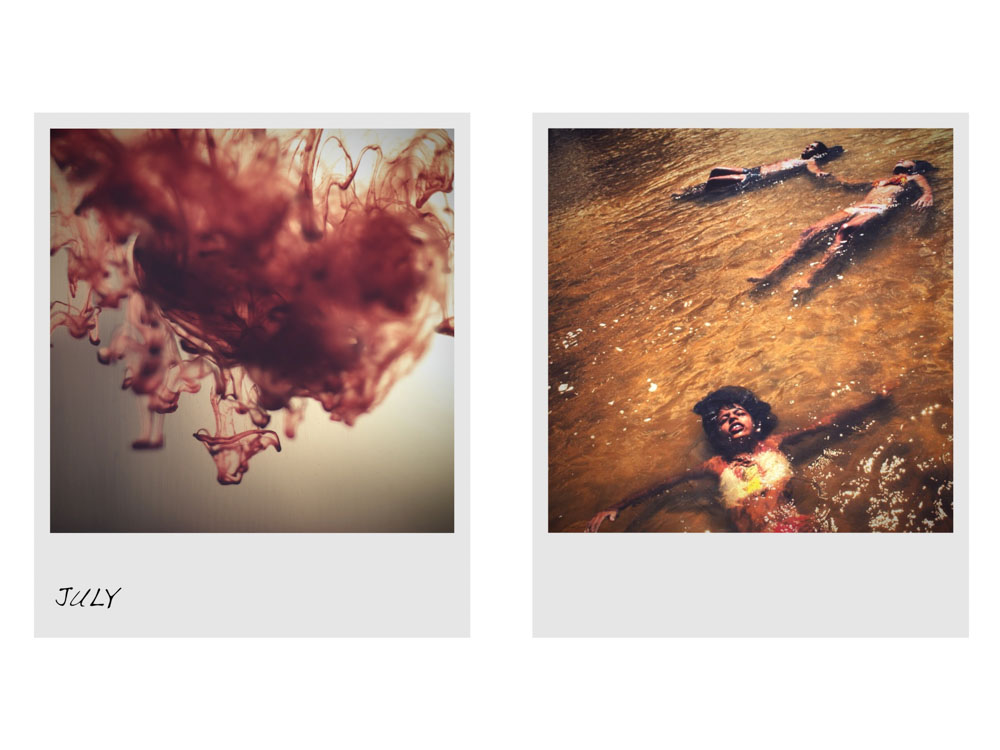
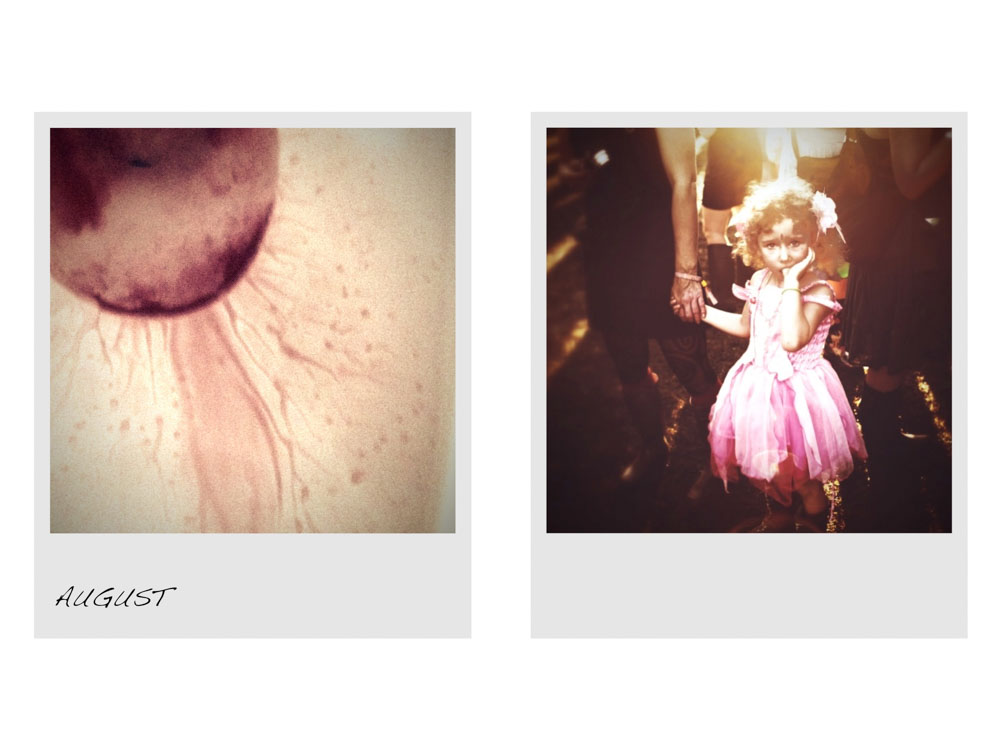
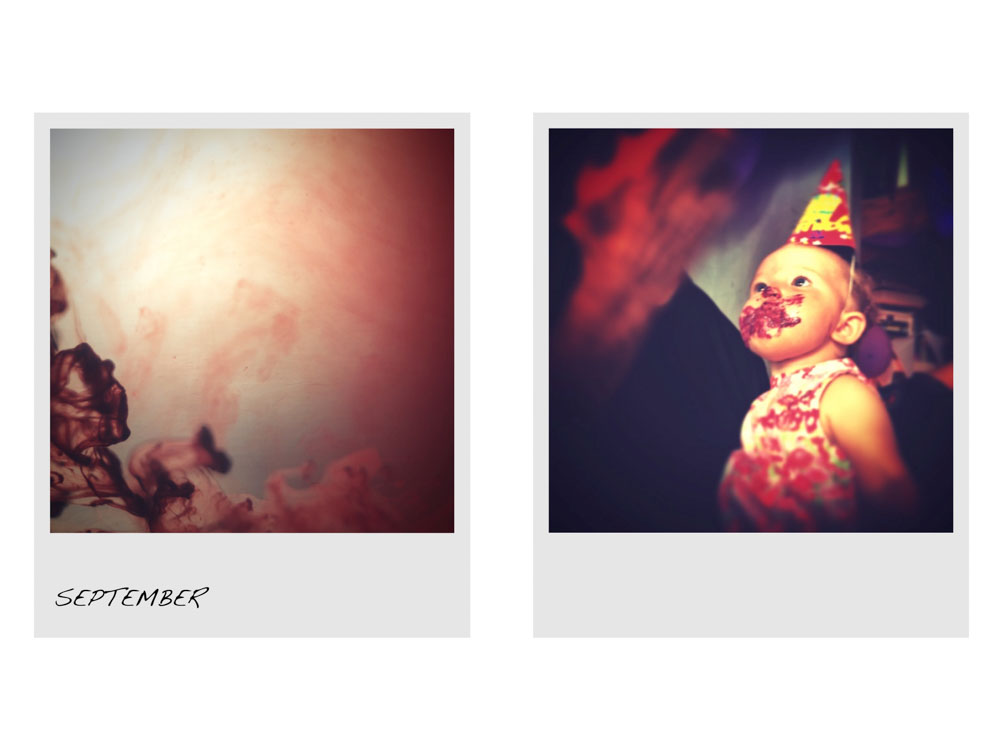
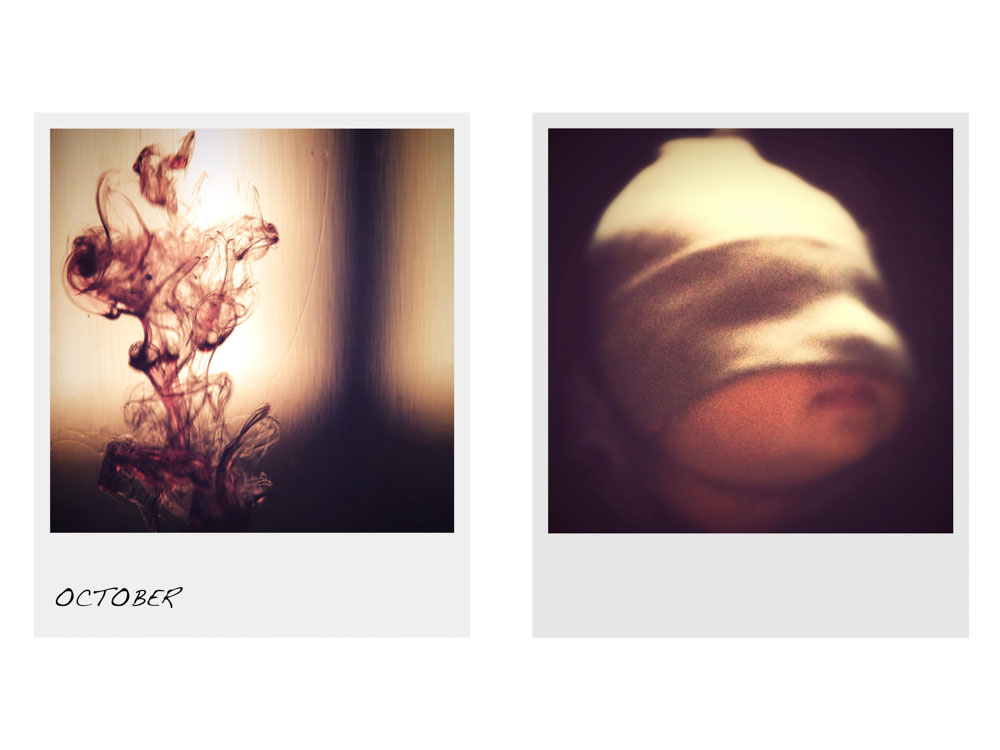
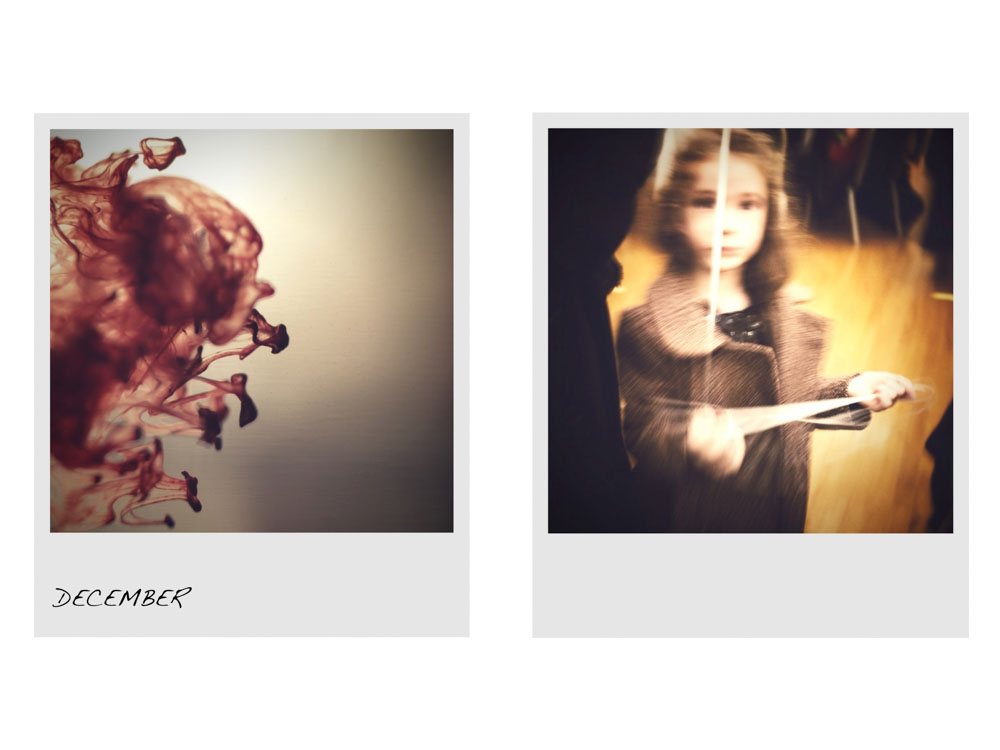
These are the children I imagined would be ours, and the menstrual blood that defied us, every twenty-eighth day.
This is a grief that often exists without witness—held privately, carried quietly, and rarely given language. While it is lived in the body, it is not carried alone. In sharing this work, I came to understand how many stories sit just beneath the surface—spoken and unspoken, across women and men alike—each shaped by longing, loss, and the life imagined but not lived.
©Kerry Payyne Stailey, from The Children I Never Had
Kerry Payne Stailey is an Australian-born, Maine-based photographer whose work explores grief, identity, longing, and the quiet emotional landscapes that shape our lives. Through intimate, concept-driven projects, she examines themes of family, inheritance, addiction, infertility, and loss—creating images that give form to experiences often carried in silence.
Her practice is rooted in personal narrative, using photography as both a means of inquiry and a way through. Projects such as My Father’s Daughter, The Children (I Never Had), and Dear Ethanol draw from lived experience while resonating on a broader, universal level.
Kerry has studied photography, documentary filmmaking, and writing at the International Center of Photography, the School of Visual Arts, and New York University. In 2015, she was named “Photographer of the Year” by the Lucie Foundation in the Moving Images category. Her work has been widely published and exhibited internationally, including features in Time Lightbox, The New York Times Lens Blog, Marie Claire, Esquire, and Burn Magazine, among others.
She is the founder of Blenheim Park Maine, a lakeside orchard and creative estate where she hosts immersive photography workshops for photographers from around the world (www.maineworkshops.com). Designed as a place to step away from the noise and reconnect—with creativity, community, and self—the program brings together leading photographic voices and a small cohort of participants for an experience that is part workshop, part retreat.
Alongside her photographic practice, Kerry has an extensive background in business consulting and has advised creative organizations and photographers on strategy, positioning, and audience development.
Kerry Payne Stailey is an Australian photographer based in Maine. She is drawn to what lives beneath the surface—using photography to explore grief, longing, and identity, and to give form to experiences often carried in silence.
Instagram @kerrypayne
Instagram: @blenheimparkmaine
©Kerry Payyne Stailey, from The Children I Never Had
Tell us about your growing up and what brought you to photography?
I grew up in a small country town in Queensland, Australia, always aware there was more to the world than what I could see around me. From the age of twelve, I knew I wanted to be a photographer, but coming from a working-class family, I wasn’t sure how to pursue it.Instead, I built a career in business that took me around the world. But the pull of photography never left. After moving to the United States, I began studying at the Academy of Art in San Francisco, and knew I had found what I was meant to do.
Not long after, my father died by suicide, and for a time, I was unable to create. Photography eventually became a way back—first as a means of processing my own grief, and then by telling the stories of others who had experienced similar loss. That work, Left Behind, became both cathartic and connective, reaching people navigating the same kind of unimaginable grief.
©Kerry Payyne Stailey, from The Children I Never Had
Thank you for sharing this compelling series–how did you visually concept a subject that is so intimate and personal? Did producing the work help you process your experience?
My earlier project, Left Behind, had already shown me that photography could be a way through—both a personal healing tool and a means of connecting with others. By the time I began this work, I had fallen in love and married, and was in the habit of photographing our daily life—the small, quiet moments of beauty.
When we began trying to have a child, I turned the camera toward that experience without any thought of publication. I was simply documenting what was unfolding—our attempts, our hope, and, eventually, the evidence of loss. As the months turned and we were unable to become parents, I found myself photographing not only what was happening to us, but also children—often catching something fleeting and unexpectedly melancholic.
The work remained private until I attended a workshop with Duane Michals. He spoke about the absence of certain truths in photography, asking why we never see images of menstruation. I remember raising my hand and saying, “I have some.” After seeing the work, he told me, emphatically, “You must publish this.” That moment gave me the initial permission to take the work seriously.
In its earliest form, the project was far more literal—more explicitly biological. When I later shared it with an editor, I was told it was “too much,” that people wouldn’t want to look at it. That response stayed with me, particularly in contrast to the kinds of images we readily accept elsewhere.
Rather than abandon the work, I began to reconsider how it might be seen without losing its truth. With the help of my husband, we started experimenting—collecting menstrual fluid and photographing it as it moved through water, captured at high speed. What emerged was something more poetic, less immediately confrontational, but no less real.
That shift allowed the work to be engaged with rather than turned away from—and, ultimately, to reach a far wider audience.
©Kerry Payyne Stailey, from The Children I Never Had
Sometimes sharing an experience that is so personal and private makes one realize that you are not alone–was this the case for you?
Through my earlier project, Left Behind, I had already experienced how sharing something deeply personal can open the door for others to do the same. I understood, on some level, that this kind of work doesn’t stay yours alone once it’s released.
Still, when The Children (I Never Had) was published, I was blown away by the response. It was shared across several countries and languages, and I received tens of thousands of messages from people who had experienced some version of this loss. What struck me just as deeply were the notes from people I knew—close friends who had never spoken of it before.
The messages came from both women and men—people navigating infertility, loss, or the quiet unraveling of expectations they had for their lives. Many spoke about how rarely these experiences are acknowledged, and how difficult it can be to find language for them.
What stayed with me was the honesty. It revealed how much sits just beneath the surface—how many people are carrying this, often without ever speaking it out loud. I didn’t feel less alone so much as more aware of others—of how quietly this kind of grief is shared — and more determined than ever to remove stigmas surrounding personal grief, loss and trauma.
©Kerry Payyne Stailey, from The Children I Never Had
Is there anything that you would like to share that is not in the photographs?
Twelve years on, my husband and I are at peace with the life we’ve built together, and with our small, self-made family of dogs. There was a time when that future felt impossible to imagine, and yet, slowly, something shifted.
I would never suggest that this path looks the same for everyone, or that the loss simply resolves. But I have come to understand that life can expand again, even after it contracts so completely. That meaning and happiness can take different forms than the ones we once held so tightly. In a world that feels increasingly uncertain, I find myself quietly grateful for the life we have. Not as a replacement for what was lost, but as something whole in its own right.
If there is anything I would offer to someone going through this now, it is simply this: what you are feeling is real, and it matters—and it won’t always feel exactly as it does today.
©Kerry Payyne Stailey, from The Children I Never Had
Who or what inspires you?
Photographers, poets, musicians, authors, love, nature, heartache and beauty are my muses. Being blessed to live and work in beautiful Midcoast Maine and surrounded by a seemingly endless pool of talented and wonderful humans, as well as the instructors and students we welcome to our photo workshops each year (Cig Harvey, Greg Gorman, Pamela Springsteen, Maggie Steber, Sarah Leen, George Nobechi, and this year, Aline Smithson and Claire Rosen), the inspiration runs freely! Leaving NYC for Maine nine years ago was the right decision for my husband and me.
©Kerry Payyne Stailey, from The Children I Never Had
Any thoughts in expanding this work?
I continue to document the different phases of my life – my entire body of work is autobiographical in nature, and I’m currently working on two new projects that tell the story of this stage of my life.
©Kerry Payyne Stailey, from The Children I Never Had
©Kerry Payyne Stailey, from The Children I Never Had
Posts on Lenscratch may not be reproduced without the permission of the Lenscratch staff and the photographer.
Recommended
-
Brandon Tani: Mining New VeinsAugust 11th, 2026
-
Marky Kauffmann and Louise Kauffmann: We Were ChildrenAugust 10th, 2026
-
The 2026 Lenscratch 3rd Place Student Prize Winner: Diana SosnowskaAugust 5th, 2026
-
Student Prize: Top 25 to WatchAugust 2nd, 2026
-

Camilo Echavarria: Rincón del MarJuly 25th, 2026










)