In Focus: The MFA Review: Parsons School of Design, The New School
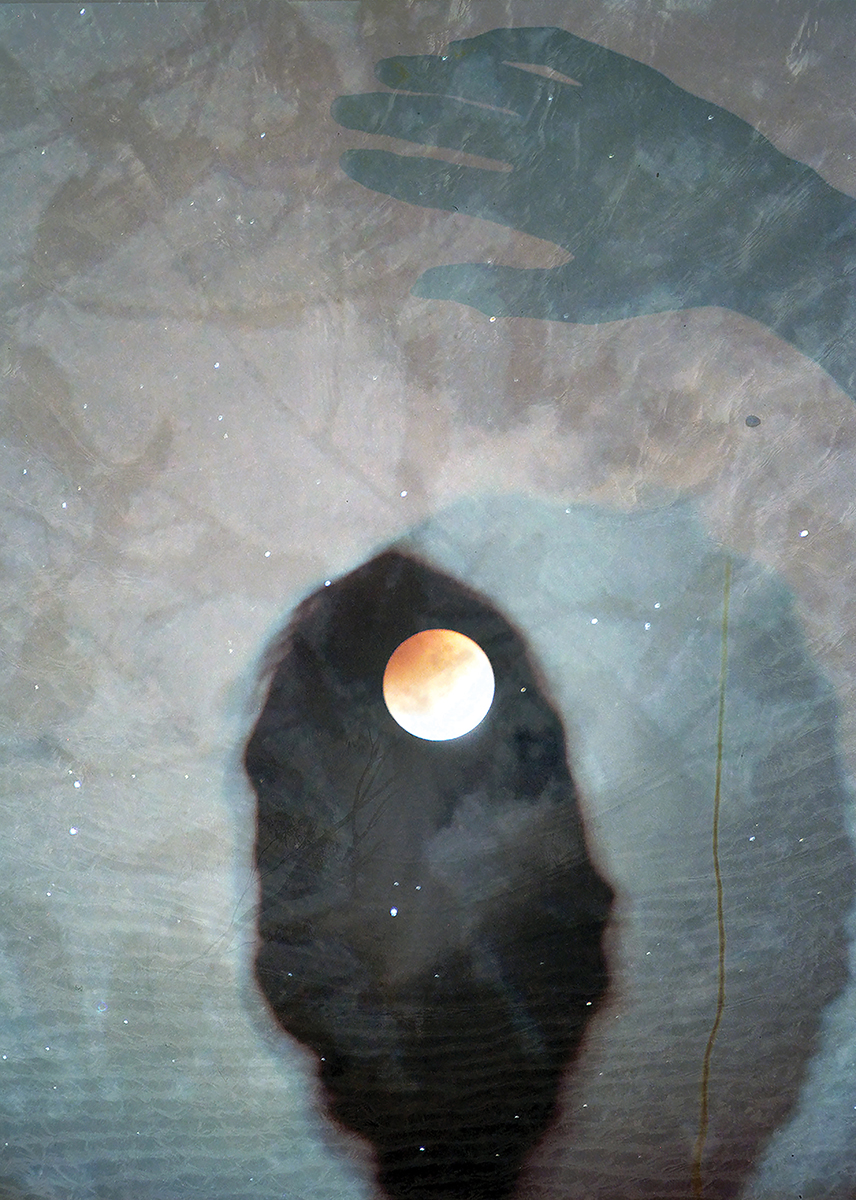
©Douglas Simone, Professor
Each installment of In Focus: The MFA Review highlights a different MFA program for photographic artists, offering readers a concise overview of its identity, curriculum, faculty, student experience, financial support, and post-graduation outcomes. It also serves as a showcase of the creative work produced by faculty, students, and alumni. Rather than functioning as rankings or endorsements, these features are intended as practical starting points—tools to help prospective students compare programs, identify what matters most to them, and make more informed decisions about their graduate education. While certain details shared in these articles may change over time, my hope is that these program snapshots offer a clear sense of what each represents in the present moment.
Thank you to James Ramer for completing this interview and compiling all the images/resources!
Institution name: Parsons School of Design, The New School
Degree Title: MFA in Photography
Location: New York, NY
Link to Program Page: https://www.newschool.edu/parsons/mfa-photography/
Link to Application Page: https://www.newschool.edu/parsons/how-to-apply-graduate/
Instagram: @parsonsmfaphoto
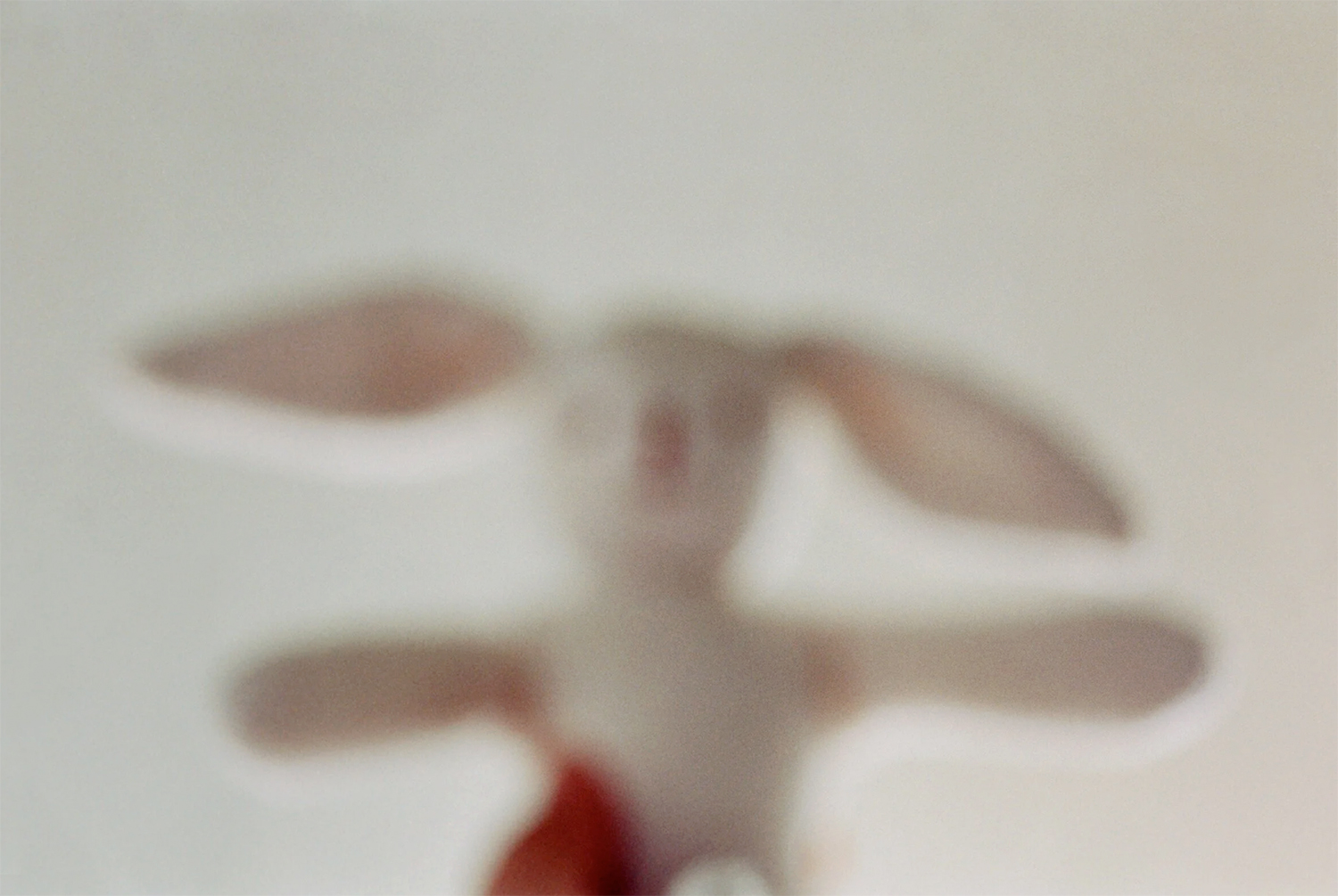
©Milagros de la Torre, Part-time Lecturer
Tell us a little about your program. How would you define its scope and purpose?
The goal of the MFA Photography program is to prepare students to become practicing artists, scholars, and industry professionals who actively redefine the creative role of photography in contemporary culture. The program encourages students to move beyond existing paradigms, not simply responding to shifts in the field, but anticipating and shaping them.
The program was founded some twenty-two years ago in the wake of the digital revolution. From the outset, its design was guided by a series of central questions: What is the role of the creative photographer? How is that role evolving? What new forms of practice become possible through emerging technologies? How is the language of photography changing?
Those questions continue to shape the program today. They guided us through the transition from analog to digital practice, through the rise of the networked image and social media, through the iPhone revolution, and now into the computational and AI-driven era. Rather than treating photography as a fixed medium, we approach it as an evolving field of ideas, technologies, and cultural practices.
While grounded in photography, the program embraces expanded forms of image-making, including video, installation, interactive media, sound, publishing, sculpture, computational practices, AI-assisted work, and immersive media. Our emphasis is not simply on learning new tools, but on understanding how technologies shape perception, communication, representation, and contemporary visual culture.
At its core, the program is committed to keeping photography intellectually rigorous, critically engaged, and open to reinvention. We believe that continually exploring the possibilities of the medium is what keeps photography vital, relevant, and alive.
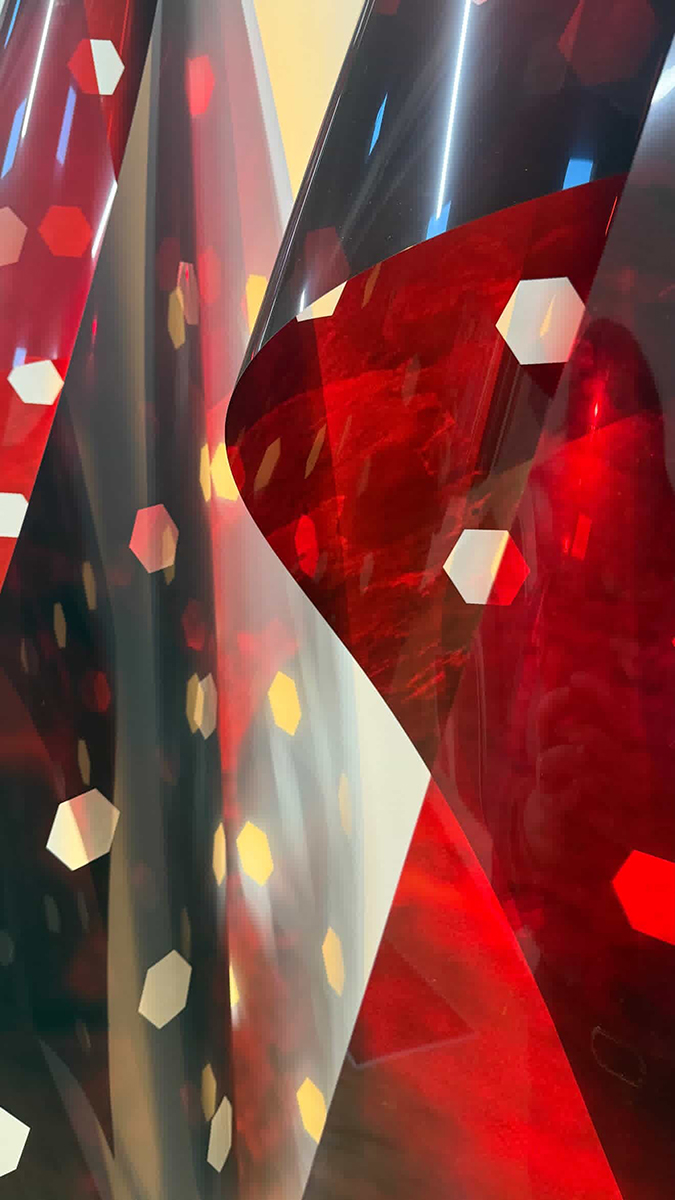
©Jim Ramer, Professor
What would you say makes your program special?
What makes the Parsons MFA Photography program a distinctive place to study begins with its faculty. The program is built around an award-winning, internationally recognized, and forward-thinking group of artists, scholars, and educators whose practices actively engage contemporary culture and the evolving field of photography. The faculty are the program’s greatest resource.
The faculty create an environment that is both rigorous and supportive, encouraging students to challenge assumptions, take creative risks, and develop independent voices. Rather than advancing a single definition of photography, the program embraces a broad and evolving understanding of the medium, shaped through dialogue, experimentation, critique, and research.
The programs atypical academic calendar also makes it unique. Rather than following a traditional 18-month or two-year structure, the MFA Photography program operates as a 26-month program built around active summer residencies. By utilizing the summers, the program is able to provide students with additional time for artistic and intellectual maturation without increased tuition costs. This extended structure allows students to develop more ambitious bodies of work while sustaining a deeper and more reflective research process.
The calendar also creates a number of practical and professional advantages. Summer intensive residency periods provide students with fully immersive time to work, while the flexibility of the fall and spring terms allows them to pursue internships, professional opportunities, field research, and extended travel connected to their practice, as well as take full advantage of New York City’s cultural resources. With proper planning, students can spend significant periods of time working away from NYC when their research requires it, whether that means conducting projects in India, Palestine, or elsewhere. The structure is designed to support mobility, independence, and engagement with the broader world.
International exchange and global engagement are central to the culture of the program. For the past eighteen years, the program has organized student participation in photography festivals and exhibitions in China. These experiences are deeply immersive and professionally oriented. Students curate their own exhibitions, install the work on site, produce exhibition catalogues, participate in public discussions, and floor talks, and engage directly with local cultural communities. The trips also include visits to major art and photography institutions in cities such as Beijing and Shanghai, where students are introduced to artists, curators, galleries, and broader contemporary art/photo networks.
The program regularly participates in additional international and public-facing projects as well. In early 2026, students and recent alumni organized an exhibition as part of the Jaipur Arts Week in India, bringing together work from first-year students, second-year students, and alumni. This month, the program is participating in Photoville in New York City. Over the years, the program has also developed projects, exhibitions, and collaborations in countries including New Zealand, Australia, Germany, and Netherlands among others, reinforcing its commitment to international dialogue, and expanded photographic practice.
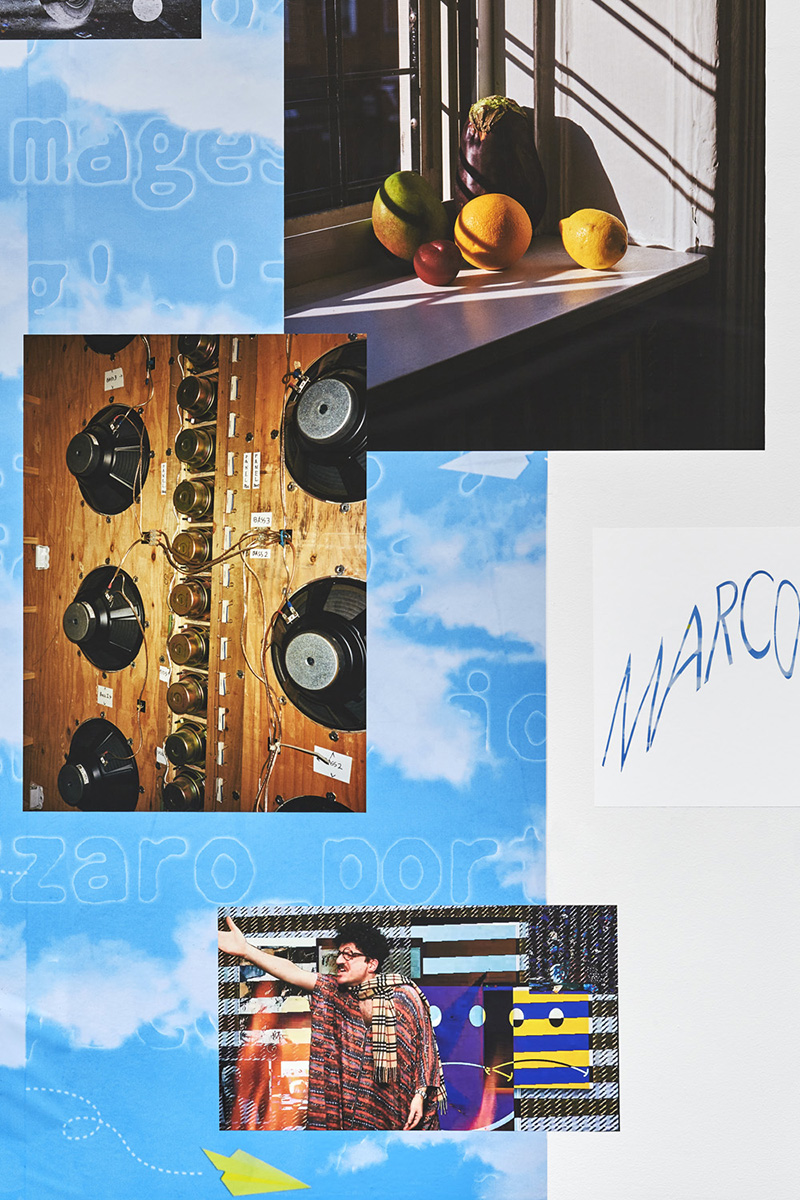
©Marco Scozzaro, Part-time Lecturer
What specialized facilities are available for student use (i.e. darkroom, lighting studio, print lab)?
Our facilities support a wide range of contemporary and traditional photographic practices. The Black & White darkroom was recently renovated and has twenty Omega 45 enlargers along with a dedicated cold-light enlarger. We also maintain a newly renovated non-silver lab where students work with alternative processes including cyanotype, Van Dyke Brown, salt printing, gum bichromate, and related historical techniques.
We no longer maintain a conventional color darkroom. In its place, we have installed a digital C-print processor capable of producing chromogenic prints from digital files on a range of Fuji surfaces. This allows students to combine contemporary digital workflows with the material qualities of traditional photographic printing. A 30 x 40in print costs between $12 and $16 depending on the surface.
Our two digital labs feature current Mac workstations, color-managed Eizo monitors, and extensive scanning and printing capabilities. Students have access to a broad range of professional imaging tools supporting both high-resolution digital production and hybrid analog/digital workflows. There is one 65 in Epson Printer and six 44 in Epson printers as well a the smaller printers. All printing is subsidized student buys paper we buy ink.
The program includes four private shooting studios in addition to a large eight-bay studio facility. Each studio and shooting bay is equipped with tethering stations and dedicated computers. Students have access to both strobe and continuous lighting systems for still and moving image production.
We share with Design Technology Program, a Motion Capture studio with a full camera array.
The Equipment Resource Center is exceptionally well equipped. Available equipment includes extensive Canon, Nikon, and Fujifilm systems, including approximately fifty Canon 5D Mark IV and mirrorless cameras, alongside comparable Nikon and Fuji inventories. In medium format, the program recently added a dozen Fujifilm GFX systems, in addition to Phase One and Hasselblad digital medium-format platforms.
For analog work, students have access to approximately forty-five Hasselblad camera systems, Mamiya RZ67 cameras, Mamiya 7II cameras, and an extensive large-format inventory including Toyo 8×10 cameras, Toyo 4×5 field cameras, and Sinar 4×5 rail systems. The program also supports experimental and moving-image practices through access to specialty lenses, drones, 16mm Bolex film cameras, and additional cinema/video equipment.
Lighting resources are equally extensive. The majority of our lighting equipment consists of Profoto systems supplemented by Broncolor kits, with roughly forty-five (two Light Kits) lighting kits available alongside a wide range of modifiers and grip equipment.
In short, there is no shortage of tools or technical resources available to students.
The photo facilities I just described is overseen by a fulltime technical staff where at most colleges would be a fully formed Photo faculty.
In addition to our photography-specific facilities, the program is deeply connected to the university’s broader Making Center infrastructure, which plays an important role in supporting our interdisciplinary and expanded-media approach to photographic practice. Students regularly move between photography, fabrication, installation, sculpture, digital production, and emerging technologies as part of their creative process.
The Making Center provides access to an extensive range of fabrication labs and production facilities. These include a Laser Cutting Lab equipped with twelve 30×40-inch laser cutters in addition to a larger-format machine for oversized projects. Students also have access to CNC fabrication equipment and a fully equipped metal shop featuring bending, braking, shaping, and cutting equipment, including a plasma cutter.
The facilities further support experimental material practices through resources such as a digital loom, allowing students to integrate photographic imagery into woven and textile-based forms. The Print Center includes RISO printing and UV printing capabilities, supporting publishing projects, installation work, surface experimentation, and hybrid media production.
The 3D Printing Lab offers a broad range of additive manufacturing technologies and printing options, enabling students to prototype sculptural work, fabricate custom components, or integrate computational and spatial practices into their projects.
These resources are central to the program’s understanding of photography as an expanded field. Students are encouraged to move fluidly across media and production methods, using the Making Center not simply as technical support infrastructure, but as an active site for experimentation, research, and interdisciplinary practice.
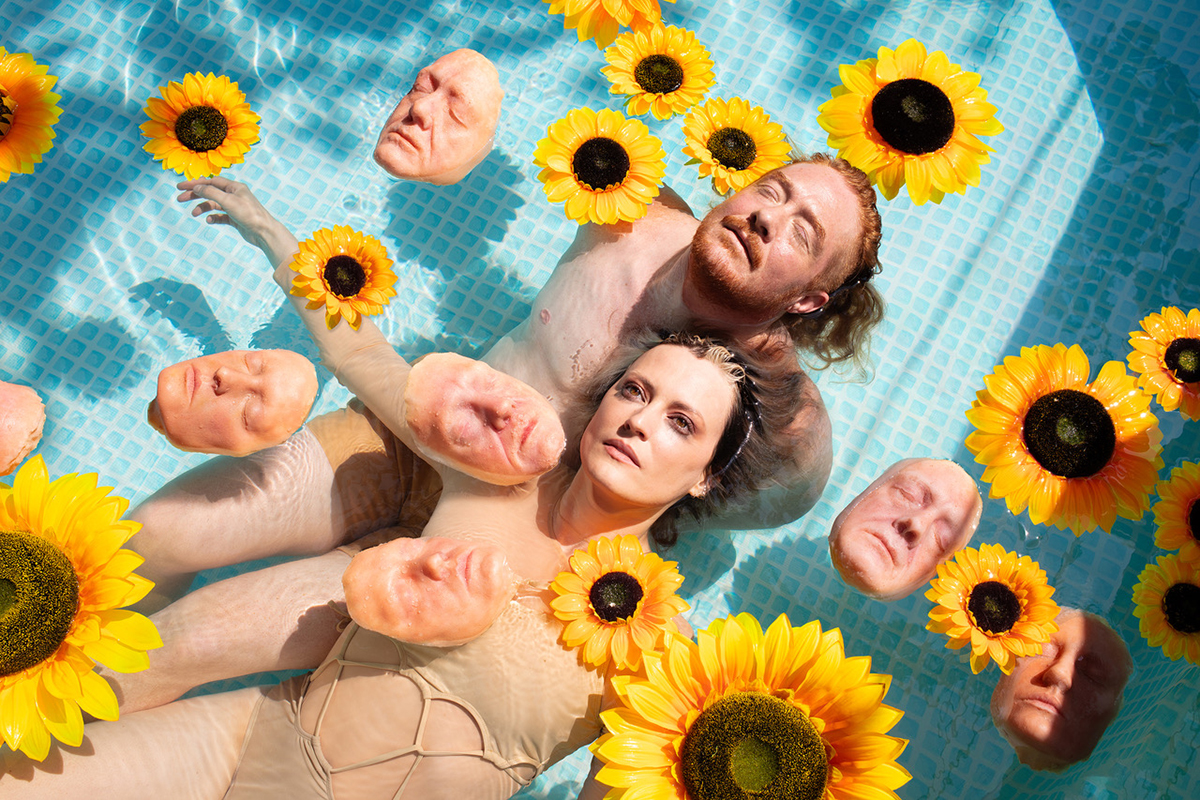
©Laura Parnes, Part-time Assistant Professor
Is your program strictly photography-focused, or does it encourage/allow interdisciplinary work?
Yes we actively encourage students to go outside the lines.
Do you specialize in a particular area (i.e. documentary, experimental, environmental work)? And once in the program, is a student able to shift their focus if their creative interests change?
Yes of course, they are able to shift their focus when they arrive in NYC and see all the possibilities. In contemporary culture, photography has become an increasingly plural and expansive field. Its languages, technologies, and forms continue to evolve rapidly, reshaping both how images are produced and how they function in the world. The work within the program reflects this diversity and complexity.
Student practices range from non-silver to documentary approaches to relational and research-based projects. Some students engage computational and AI-driven methodologies, including a systems that analyze the artist’s journals and generate visual outputs in response to those texts. Another project explores speculative narrative frame works, in this work the artist who had recently been reunited with her long-estranged father. Through recorded interviews in conjunction with computational and AI means, she created a speculative family album for a childhood she never experienced.
What connects these varied practices is a shared commitment to critically examining contemporary image culture while pushing the boundaries of what photography can be.
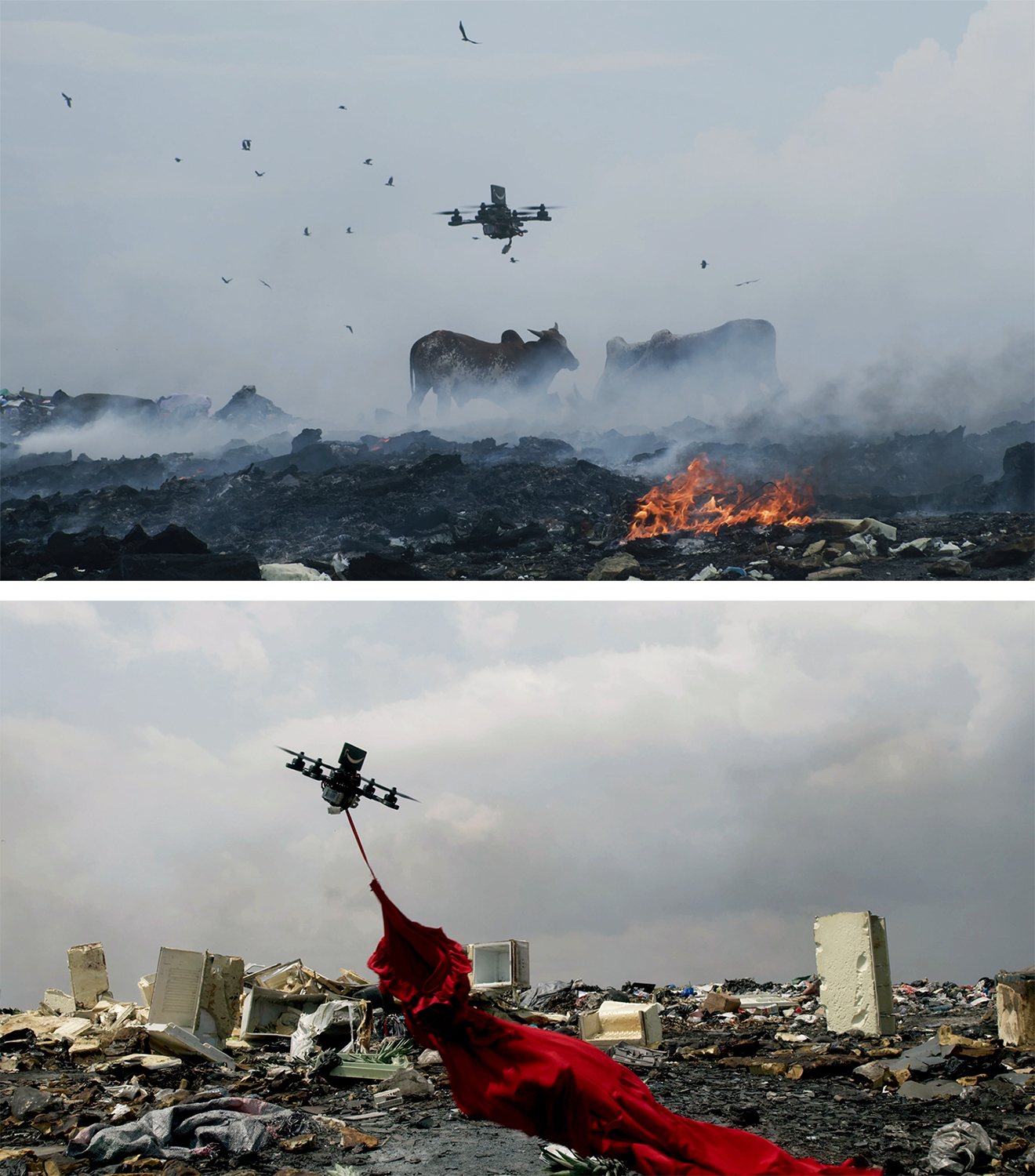
©Marievic, Part-time Assistant Professor
How structured is the curriculum? Are there required courses, or is it more self-directed?
The curriculum is intentionally open and self-directed. In both the Major Studio and Independent Studio courses, students develop their own lines of inquiry and creative practice rather than working through a fixed sequence of assignments. At the beginning of each semester, students work closely with faculty to develop a plan of study that identifies goals, research directions, methodologies, and potential outcomes. These plans serve as a framework and point of departure, while recognizing that the work will inevitably evolve, expand, and transform through the research process itself.
The program includes three required Graduate Seminars, one during each summer residency, which provide critical and theoretical grounding for the work being developed in the studios. In addition, students complete five electives over the course of the program. Electives may be taken across all graduate programs at The New School, allowing students to tailor their studies to their individual research interests and professional goals. Rather than prescribing rigid pathways, the program prioritizes customization, interdisciplinary exploration, and intellectual flexibility.
For hard skills acquisition, students have access to multiple pathways that support both technical development and interdisciplinary exploration. The program encourages a culture of peer-to-peer learning through workshops led by fellow students, allowing participants to share specialized knowledge, emerging techniques, and individual areas of expertise with the broader cohort.
Students may also audit technical workshops and skill-based courses to expand their proficiency in specific processes, technologies, or methodologies. In addition, they are encouraged to take specialized graduate courses across other programs. This flexibility allows students to build highly individualized skill sets that support the conceptual and material needs of their practice rather than following a standardized technical track.
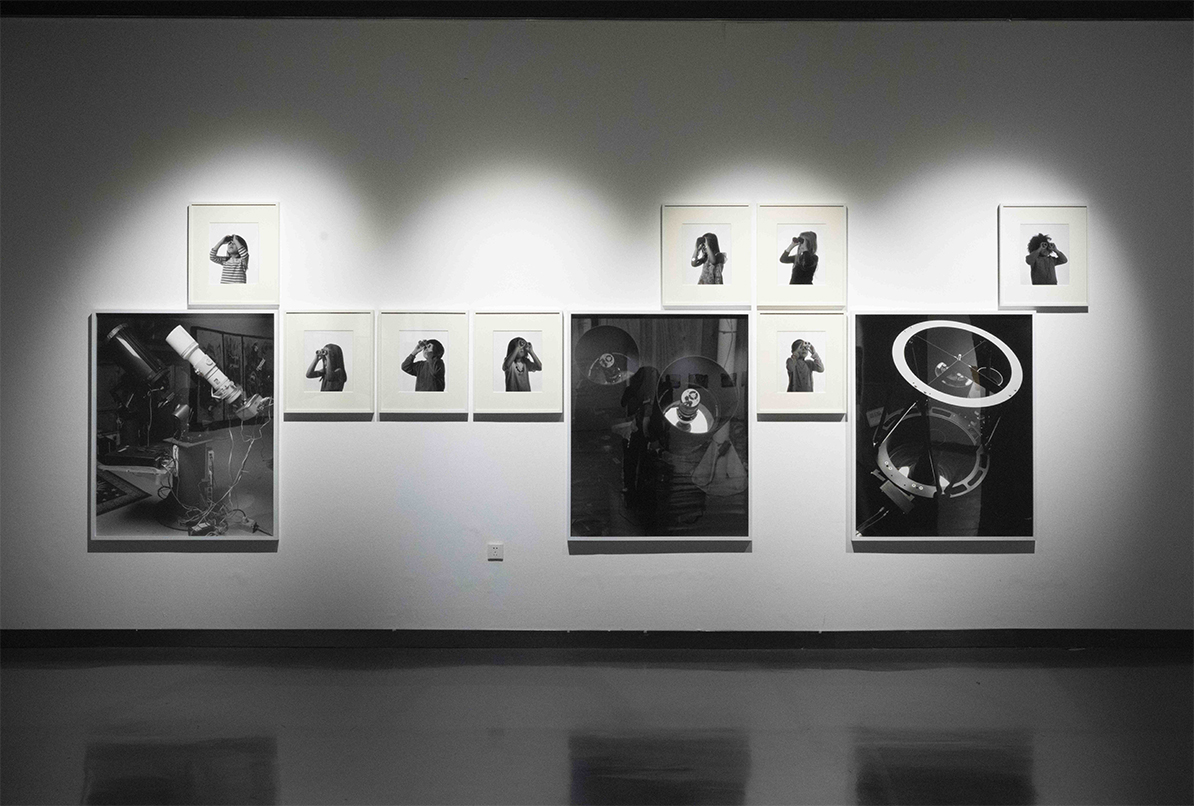
©Arthur Ou, Professor
Does the program incorporate video work or emerging media such as AI, VR/AR, or 3D/360 imaging?
Yes. While the program is grounded in photography, we approach photography as an expanded and evolving field rather than a narrowly defined medium. Students regularly work across video, video installation, sound, sculpture, interactive media, performance, publishing, computational practices, and installation-based work.
Our emphasis is not simply on learning new tools for their own sake, but on understanding how technologies shape perception, representation, communication, and contemporary visual culture. Students are encouraged to critically examine the social, political, and aesthetic implications of emerging image systems while developing work that is conceptually rigorous and formally ambitious.
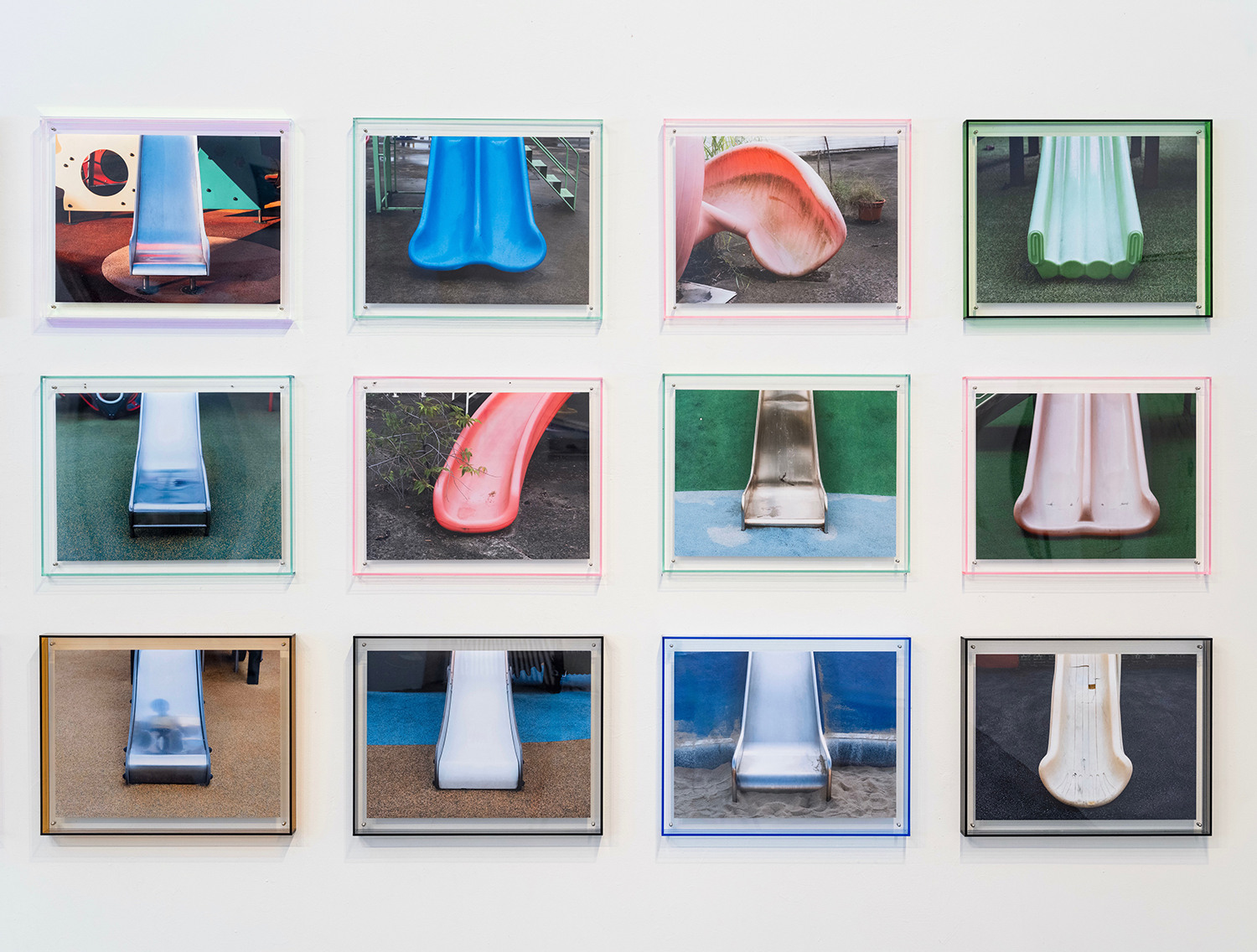
©Kyla Liang, MFA Candidate
Does the program offer career development support, such as portfolio reviews, workshop/conference attendance, or networking opportunities?
Yes. Professional development is deeply integrated into the structure of the program, particularly during the final three terms, which focus on career development, exhibition planning, and exit strategies as students prepare to transition into professional practice.
Throughout the program, students have extensive opportunities to engage with visiting artists, curators, critics, and other arts professionals through studio visits, lectures, critiques, and informal conversations. These interactions provide valuable feedback, mentorship, and networking opportunities while students are still actively developing their work.
We also actively encourage and promote participation in portfolio reviews, conferences, festivals, exhibitions, and other professional events as part of students’ broader professional development. Many students participate in opportunities such as Photoville or SPE, international photography festivals, and portfolio review events during their time in the program.
In addition, students have access to the extensive resources of the Parsons and The New School Career Services offices, which provide support related to professional practice, networking, internships, fellowships, resumes/CVs, grant applications, and career planning.
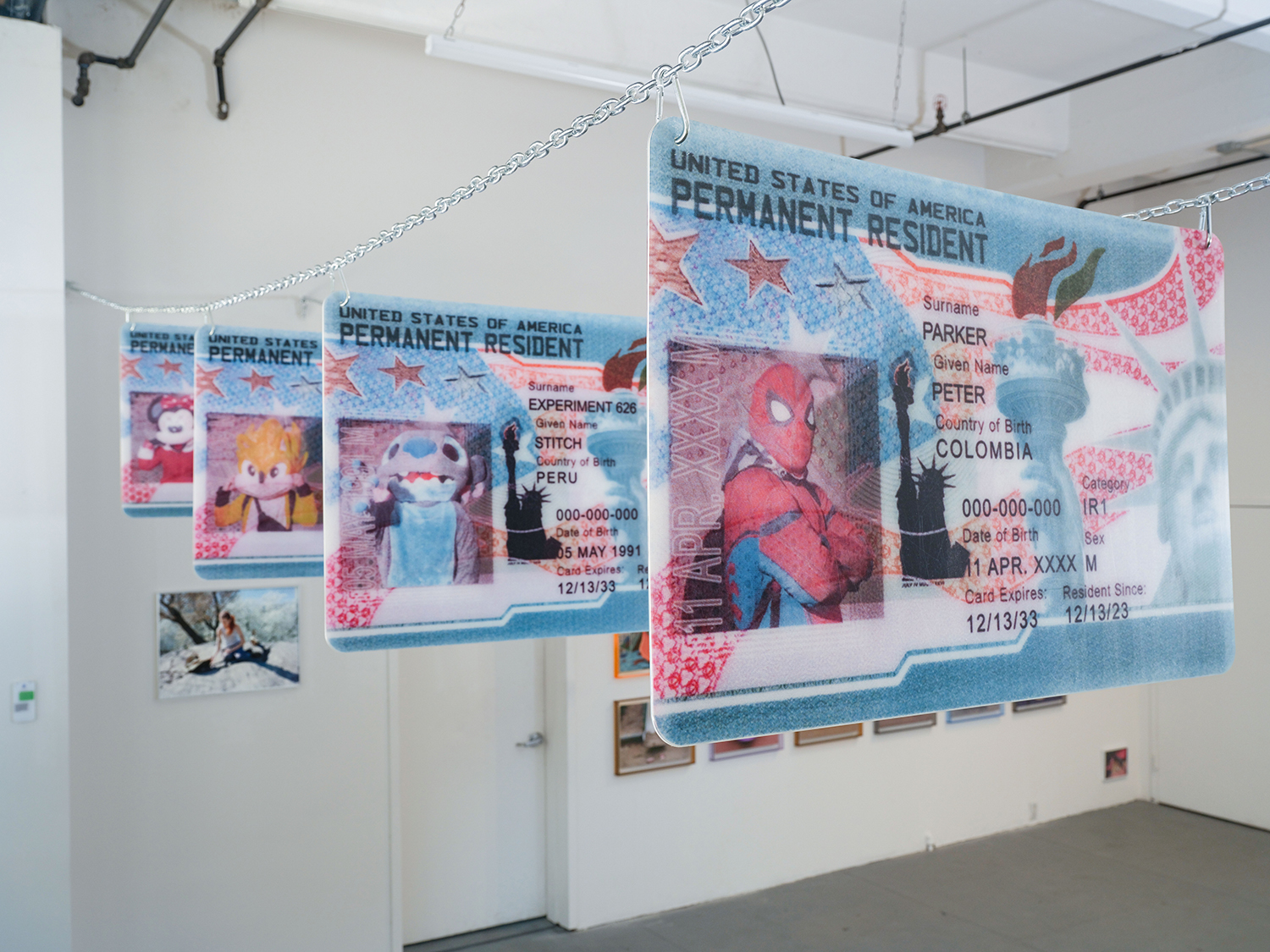
©Yu Huang, MFA Candidate
What are key graduation requirements (exhibition, thesis paper, portfolio, etc.)?
To complete the program, MFA Photography candidates are required to produce a thesis exhibition, a written statement of not more than 1500 words, supporting the exhibition, and successfully deliver 30minute artist talk and defense of their work. The thesis exhibition, statement, presentation, and defense are the final formal steps before the degree is awarded and should be prepared and conducted with careful consideration and respect for their importance.
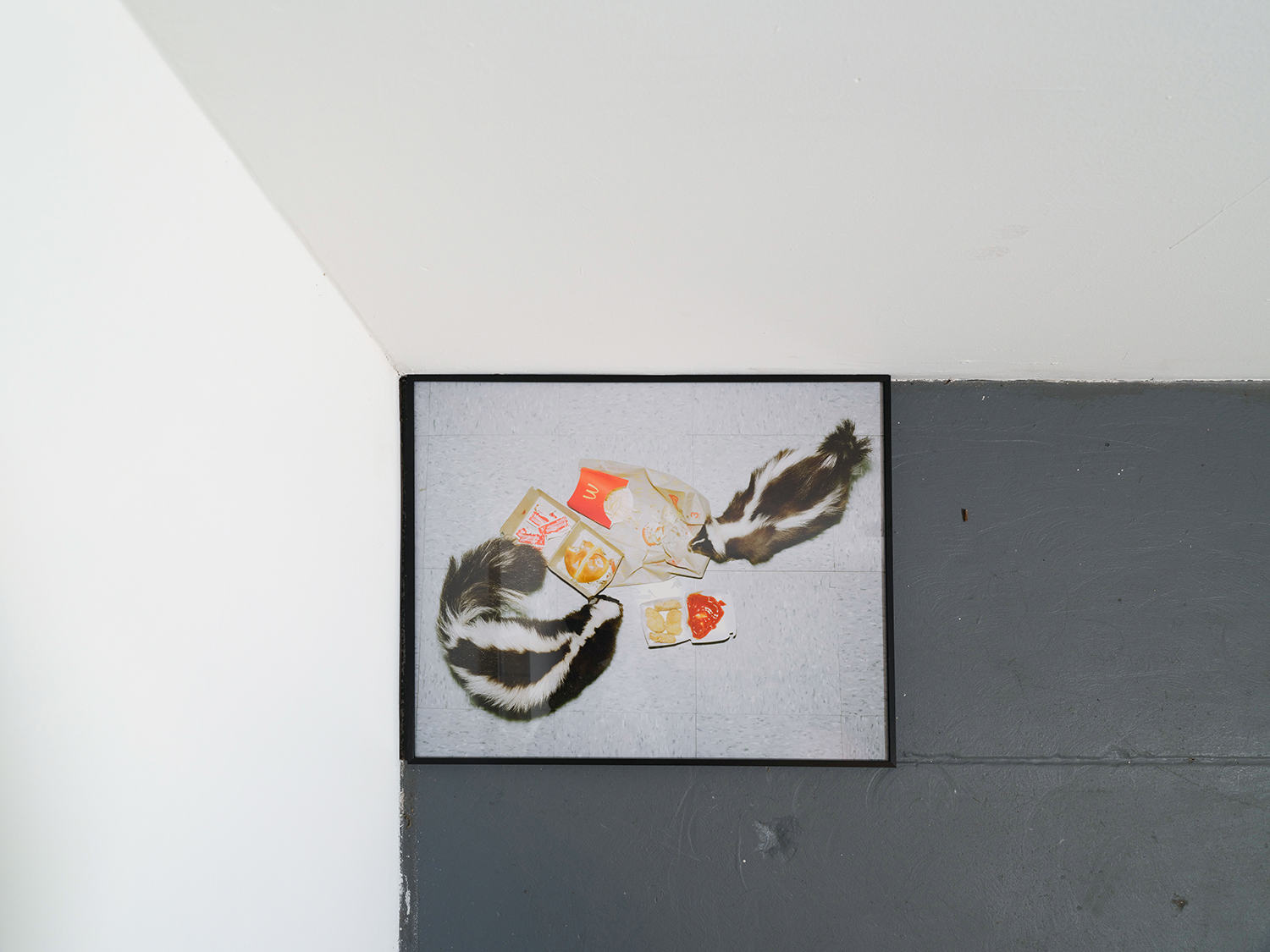
©Lexi Hide, MFA Candidate
Who are your current faculty members?
Studio: Professor Arthur Ou, Professor Simone Douglas, Professor Jim Ramer, Assistant Professor Shabtai Pinchevsky, Laura Parnes Assistant Professor (PT), Leigh Ledare Assistant Professor (PT), Sarah Palmer, Assistant Professor (PT), MarieVic, Assistant Professor (PT), Furen Dia, Assistant Professor (PT), Milagros de la Torre, Assistant Professor (PT), William Lamson, Assistant Professor (PT), Marco Scozzaro, Assistant Professor (PT), Seminar: Keren Moscovitch Assistant Professor (PT), Jeff Weber, Assistant Professor (PT), Sam Barzilay, Assistant Professor ( PT)…
Are faculty members primarily full-time or adjunct? We are a blend of Full and Part-time.

©Madison Lanier, MFA Candidate
How involved are faculty in mentoring students beyond coursework?
Faculty are deeply involved in mentoring students well beyond the classroom. Because the program is relatively small and highly community-oriented, students work closely with faculty throughout their time in the program in both formal and informal ways.
Faculty regularly attend student exhibitions, Open Studios, critiques, thesis reviews, and public events, creating ongoing dialogue around the development of the work. Mentorship often extends into professional development as well, with faculty helping students build networks, identify exhibition and publication opportunities, prepare applications and proposals, and connect with curators, artists, institutions, and professional organizations.
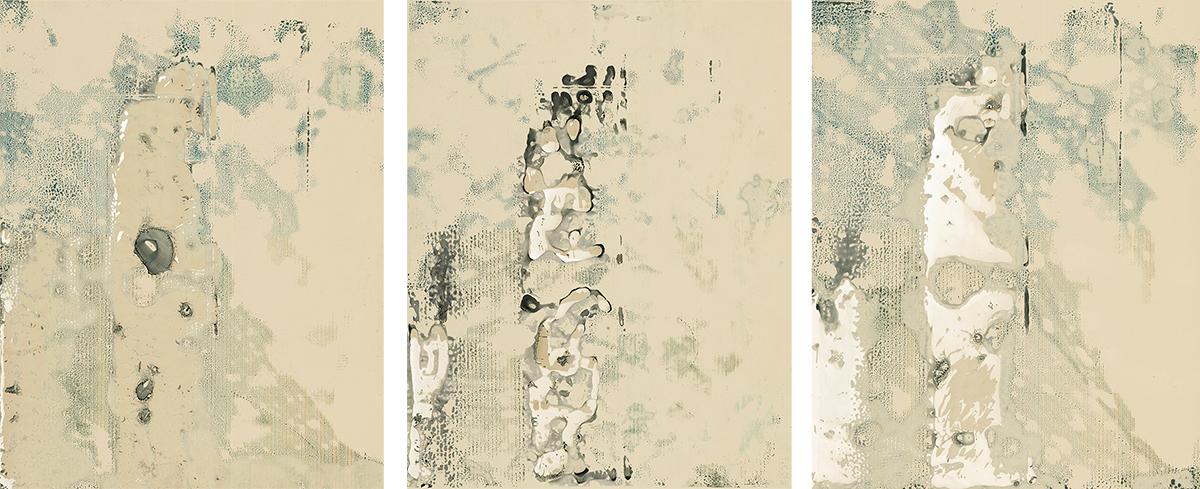
©Ivo Nagel, MFA Candidate
How often do guest artists, curators, or critics visit for lectures and/or critiques?
Over the course of the Summer Intensive Session there are 18 plus visiting artist who come in to do studio visits with students and give an artist talk every Tuesday Wednesday Thursdays through out the summer. It is an excellent opportunity to get external on their work and also provides students opportunity to network and to extend their community. The Wednesday lectures primarily concerned with professional life so visitors on this bill are curators, grant writers, gallerist. We spend a lot of time on exit planning.
Parsons Photo also is a cosponsor of the Aperture Lecture Series. There are approimatly 6 artists per year in this series. There is also the Vera List Lecture Series for are and politics. As well a the Fine Arts Lecture series.
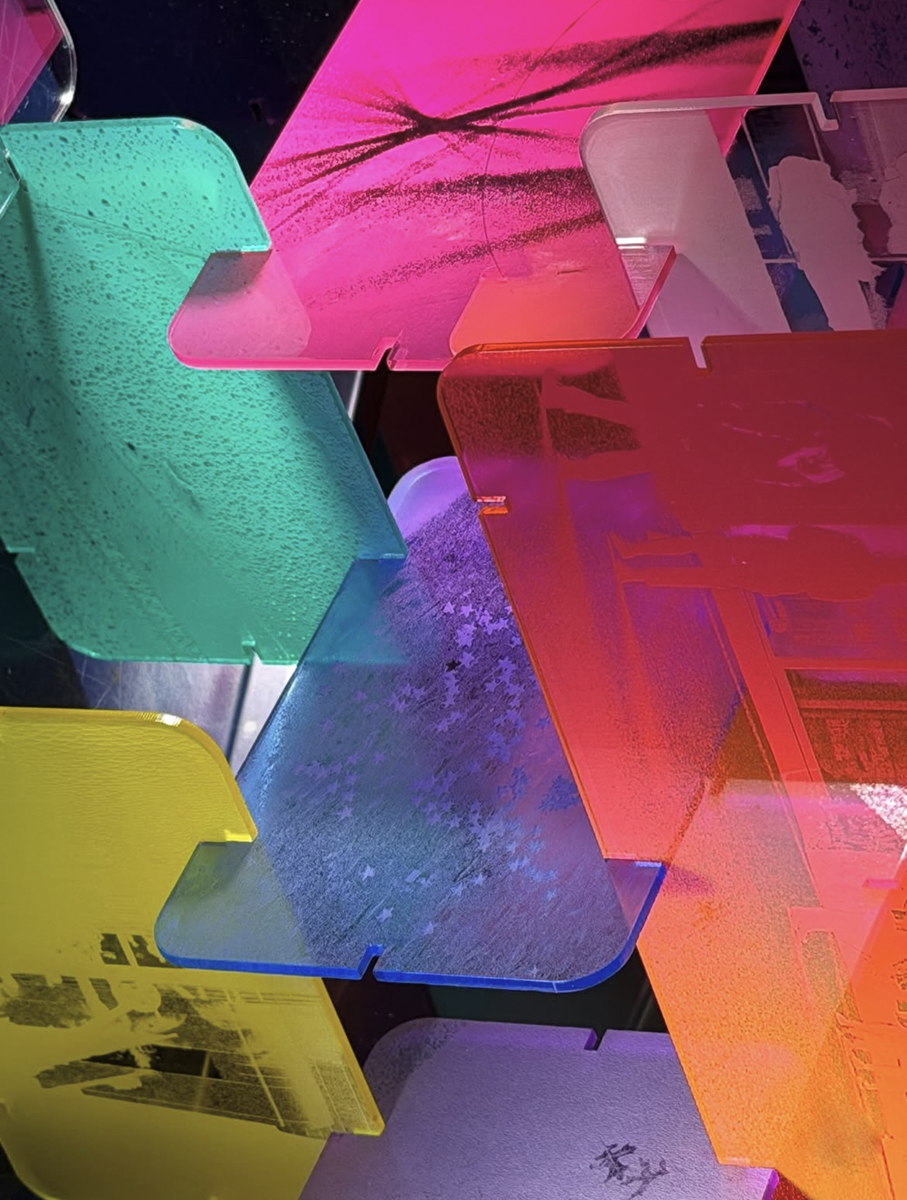
©Eugene Lee, MFA Candidate
How many students are admitted each year, and how many are photography focused?
All students in the program are engaged with photography as both a discipline and an expanding field, encompassing video, installation, interactive media, gaming, and AI and computational issues..
The program aims to seat approximately 16–17 students per cohort. While this may initially seem large, it is intentional. The cohort is structured by design to reflect a global community, with roughly 50% international representation at any given time. Current countries represented include Argentina, Canada, China, Colombia, Germany, India, Mexico, Pakistan, South Africa, South Korea, Turkey, Venezuela, and the United States.
I find is a bit like planning a dinner party the more diverse and expansive and inclusive the guests the better the conversation. In practical terms, this means critiques are informed by varied cultural viewpoints, collaborations emerge across different methodologies and lived experiences, and students graduate with an international peer network that extends into the global art and imaging world.
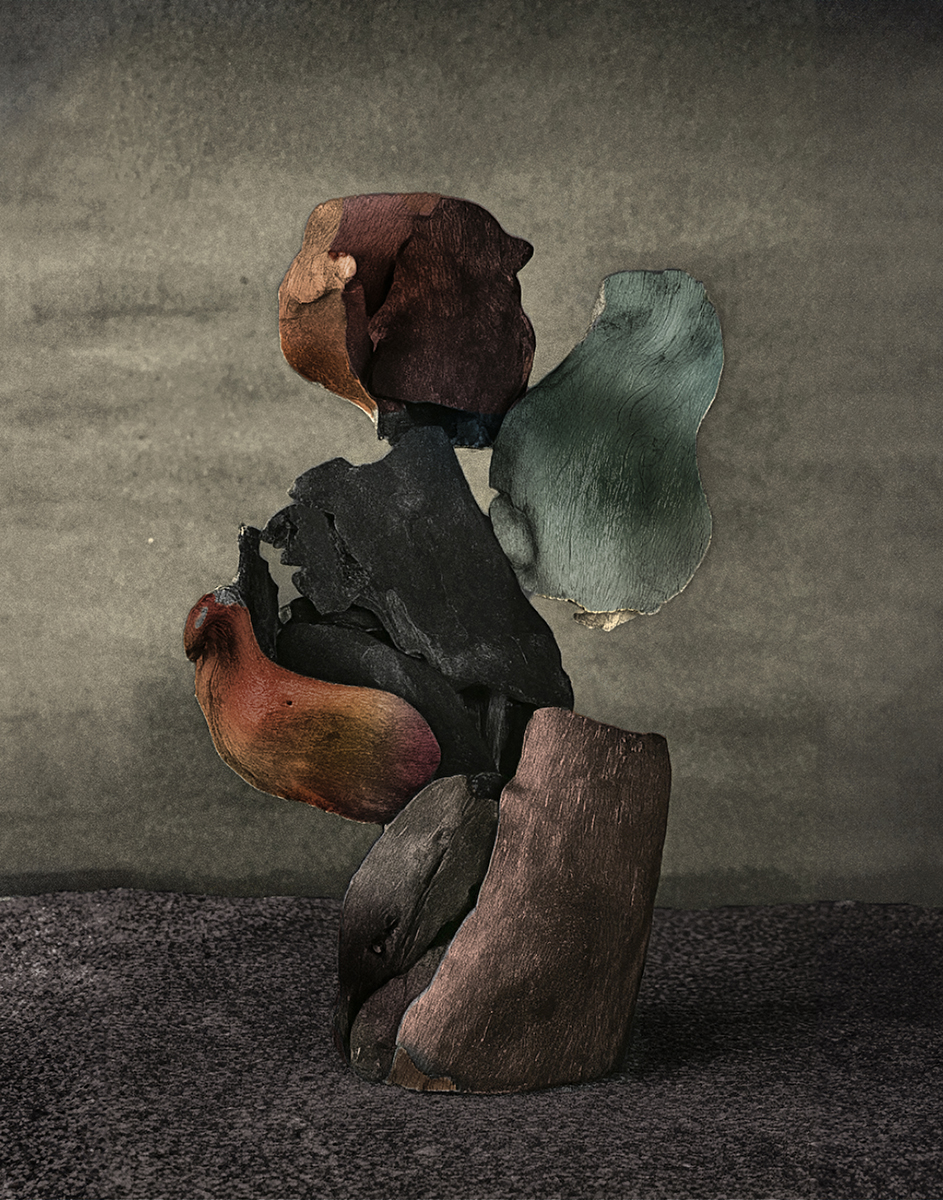
©Tania Quintanilla, MFA Candidate
What is the approximate cohort size, and what effect does this have on critiques, collaboration, and networking?
The cohort size is approximately 16 students. This number represents a critical mass: large enough to ensure a diversity of perspectives and approaches, yet small enough to maintain depth and rigor in engagement.
In critiques, this allows for substantial and varied feedback without becoming unwieldy. In terms of collaboration, it fosters a dynamic exchange of ideas across practices while still enabling meaningful peer-to-peer interaction. For networking, the cohort size supports strong, lasting connections, students are exposed to a broad range of voices while remaining part of a cohesive and supportive community.
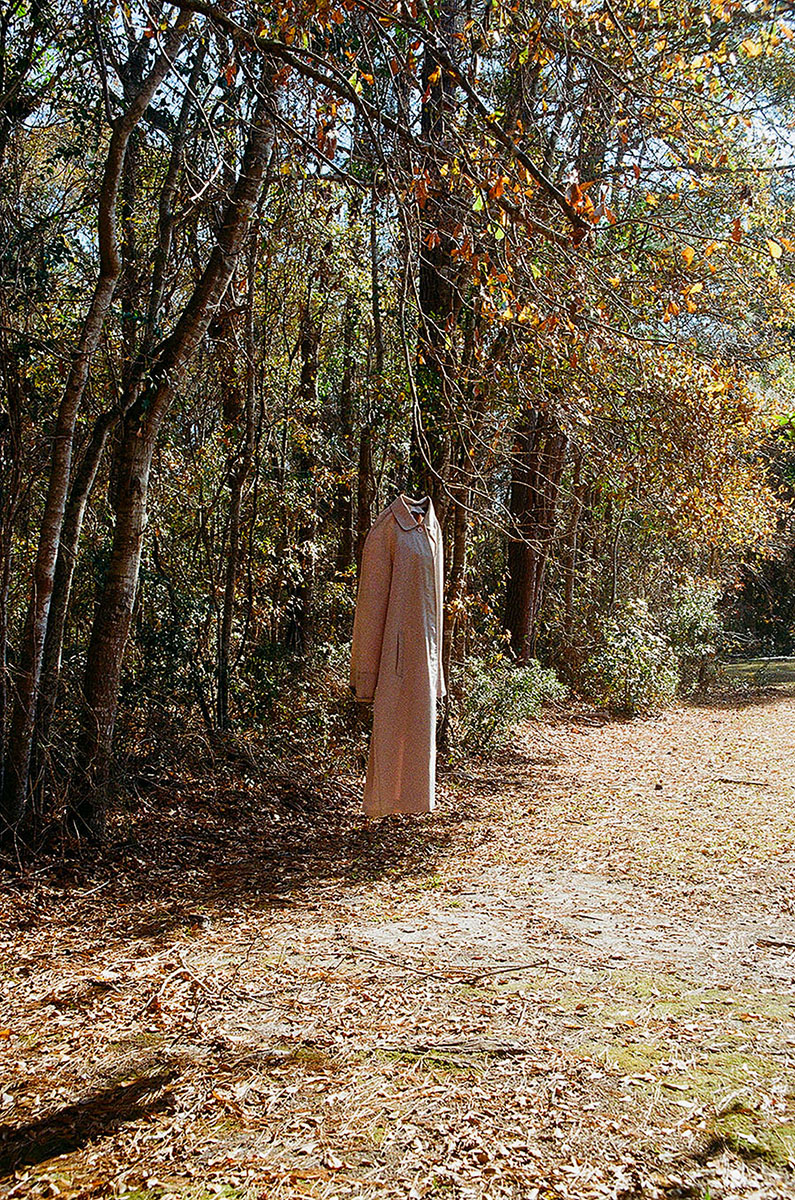
©Leana Spain, MFA Candidate
What kind of work are current students creating?
It has always been a point of pride we don’t have a stock look or style. All studio work is self-assigned and reflects the students interests and ideas. It ranges from solid documentary work, new documentary, to installation work, to relational practices. They seriously run the breadth of the photographic practice.
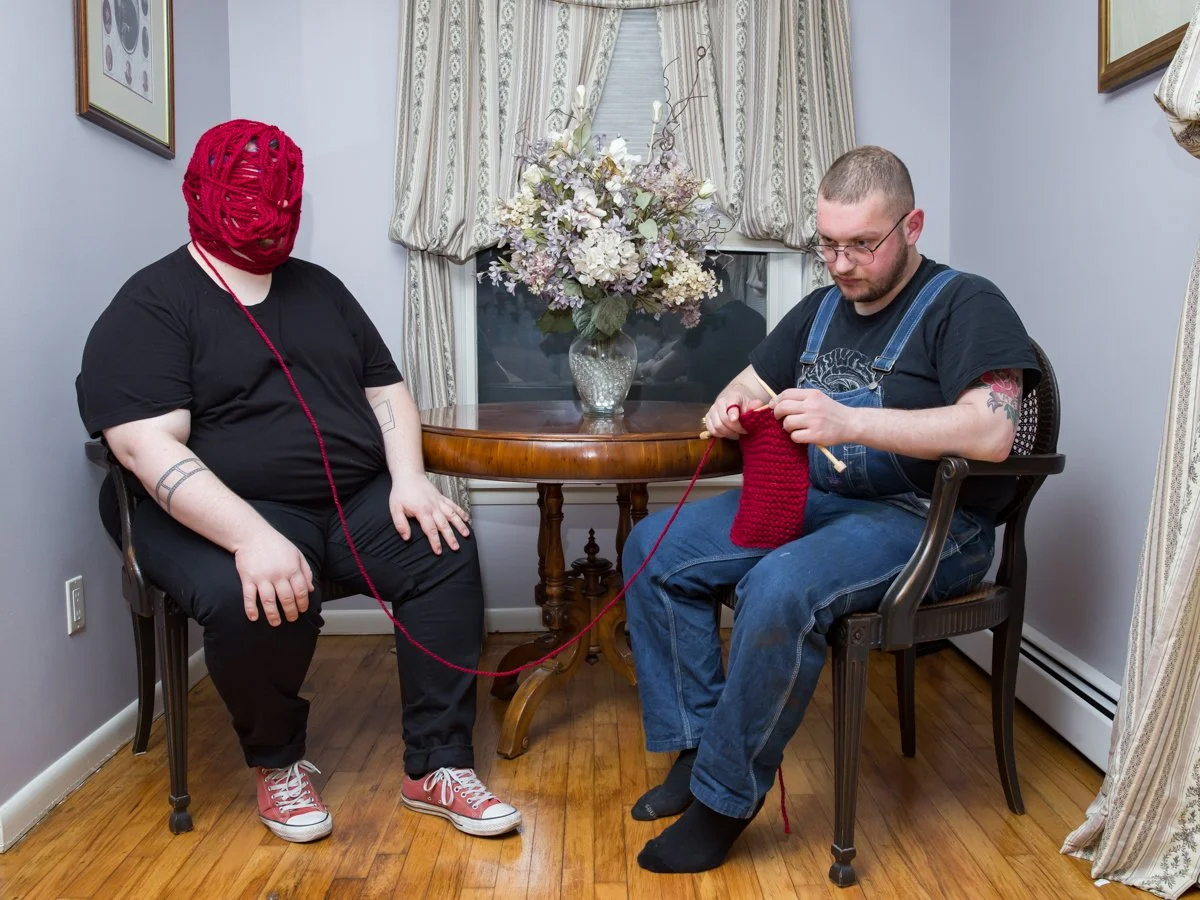
©Jesse Egner, Alum
What is the total cost of the program (and duration), and what funding options are available?
Program runs for 26 months. So students receive an extra 6 month of instruction at no additional tuition cost. Merit base scholarships range between 35% and 75% of tuition. The tuition cost is approximately 115,000 dollars total spread across 7 terms this is before scholarships of course.
Are there teaching assistantships, and what percentage of tuition do they cover?
Yes, Teaching Assistant and Teaching Fellows positions are available in the second year. These positions are not teaching for tuition type TA’s. They are unionized and the course fee set each year by agreement. So, the rate would be determined by the type of position and the number of contact hours taught. You can find out more here: https://www.newschool.edu/provost/student-funding-opportunities/
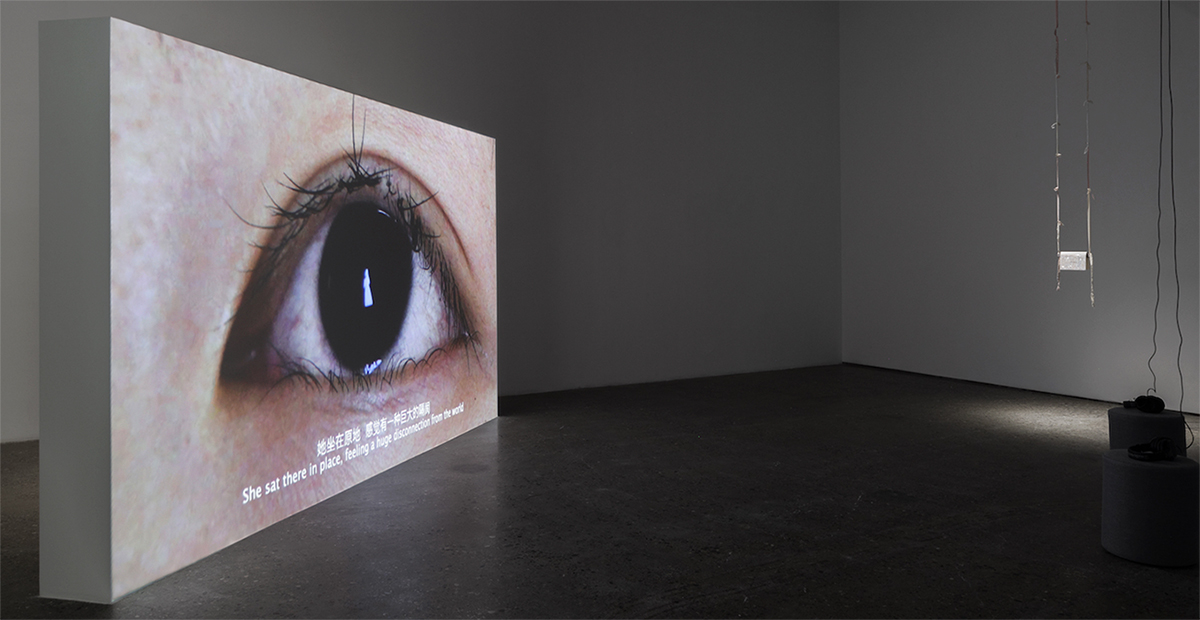
©Yasmine Anlan Haung, Alum
Are additional grants/resources available to support student projects?
Yes, there are a few of things that immediately come to mind: The first is the Research Assistants. Fulltime faculty members receive monies so that they can hire Grad student to assist them with their research. This could be anything from project management to studio work. This pays approximately 33 dollars per hour. These are available the first year.
The is also work in the Equipment Resource Center. The ERC’s robust holdings these position provides the opportunity to build teaching skill and by learning all of the equipment in the ERC and Making Center provide a good technical foundation.
With Respect to grants there is the Student Research Awards. A collaboration between the University Student Senate and the Office of the President, the New School Student Research Award provides support for students in their work as researchers, scholars, and creative practitioners.
The university awards small grants for developing or implementing a research project (broadly defined to include the full scope of scholarly, creative, and professional practices across the colleges of The New School) with project-related expenses—for example, travel, equipment and supplies, and access fees for data, memberships, or dissemination. Proposals are also welcome for other kinds of expenses relevant to student research (broadly defined), including but not limited to support for travel to research sites, travel and registration costs for presenting completed work at an academic or professional conference, and costs for showcasing artwork or performances. Applicants may apply for a maximum of $3,000 for individual grants or a maximum of $5,000 for collaborative grants that involve more than one student, but applications for lower levels of funding are also encouraged.
There is also the Graduate Student Travel Fund was created to cushion the economic burden of travel to support graduate students’ pursuit of development opportunities.
Some examples of appropriate requests for funds include but are not restricted to:
- Conferences where students will participate as, for example, a discussant, a panel chair, or a presenter
- Participation in travel/study opportunities as part of a project
- Workshops focused on area of study/research
- Professional conferences promoting development in your area of study
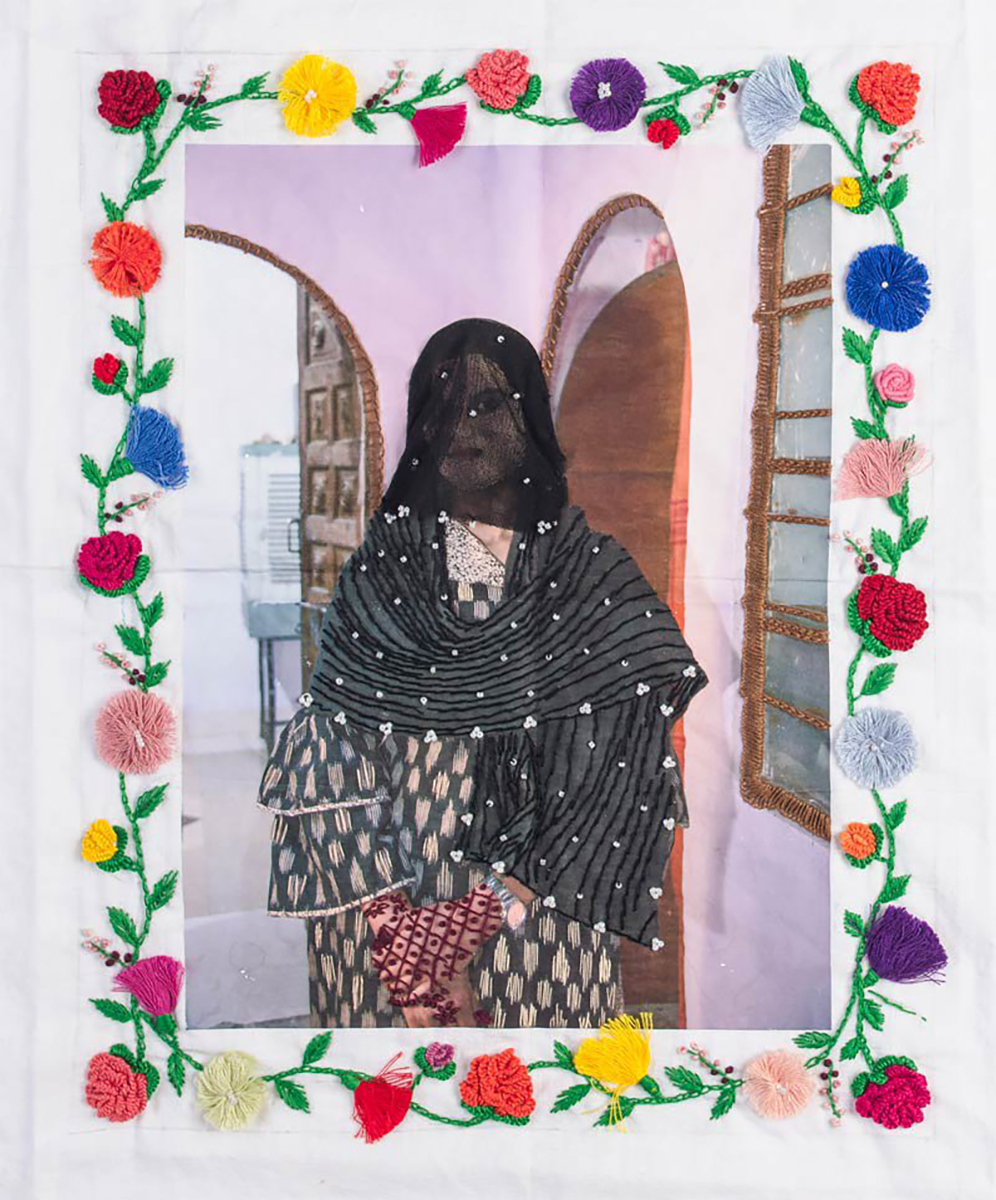
©Spandita Malik, Alum
What types of careers to alumni pursue, and how does the program support students after graduation?
They work as artists/photographers, commercial photographers and videographers, fashion photographers, educators both full and part-time, arts administrators, curators, gallerists, gallery owners, book publishers, product developers, photo editors, some have gone on to do PhDs, and in their early year’s artist/photo assistants…
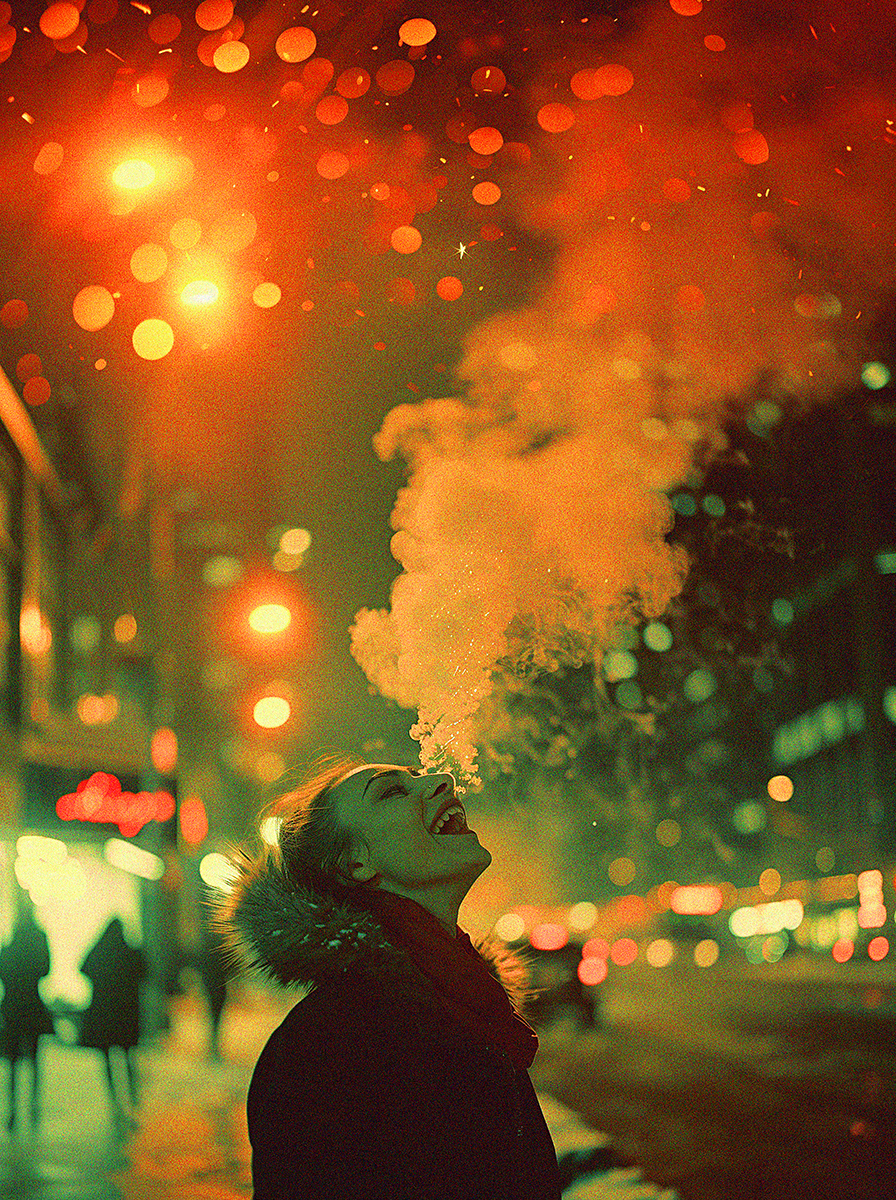
©Jun Ahn, Alum
How connected is the alumni network, and do graduates stay involved with the program?
The alumni are well connected I would say. We actively try to support and network photo alumni. We try to get alumni together as much as we can. We host events around the thesis shows, at the SPE National Conference as well as place we do student projects such as Europe, China, India, Korea and wherever we have alumni clusters. The goal is to network new alumni with older alumni these are well attended events. The also join a much larger and global network of Parsons Alumni.
They also attend our Open Studios, Thesis Exhibitions, and external exhibitions. Alumni are involved in the Visiting Artist Lecture Series, Advancement to Candidacy Reviews, and regular critiques.
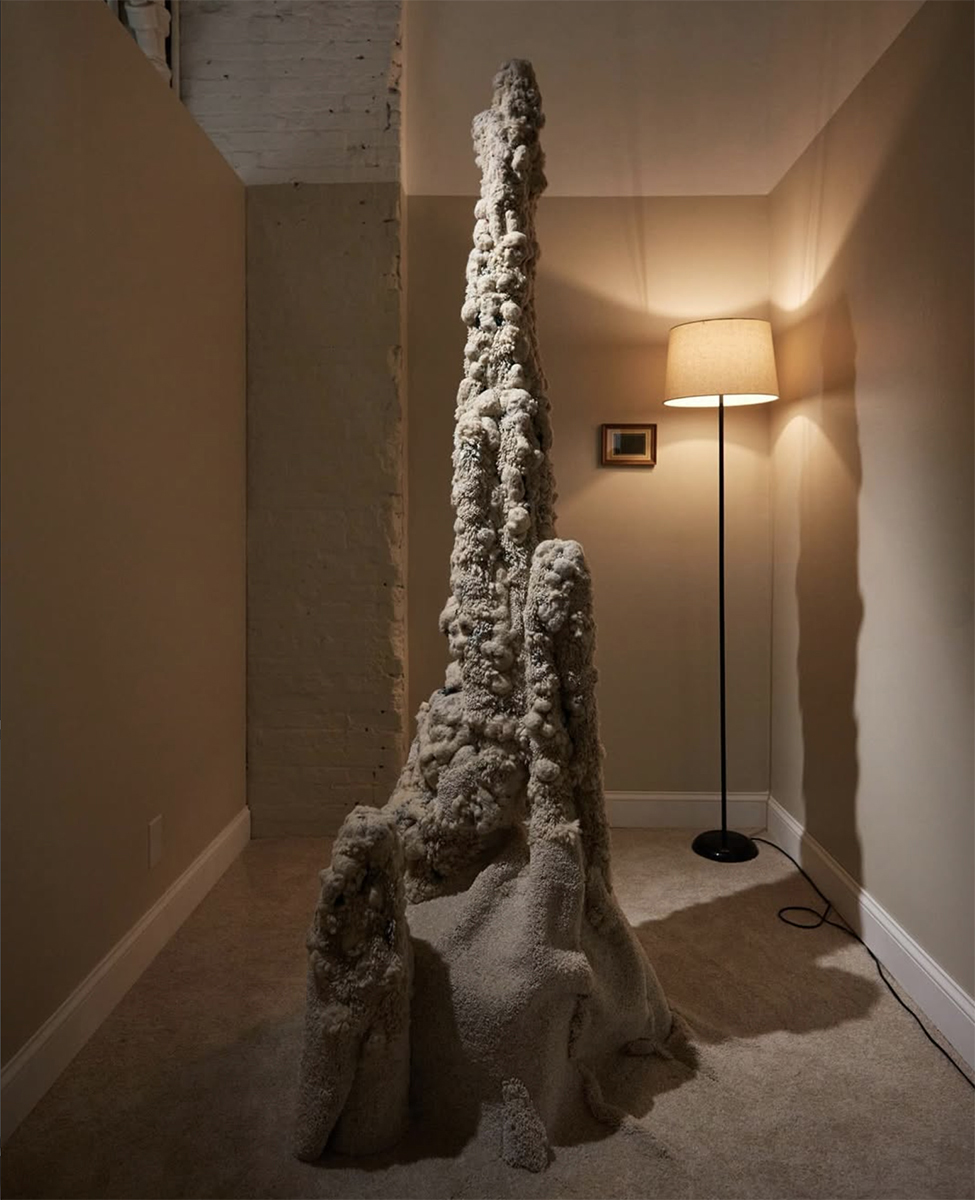
©Kate Stone, Alum
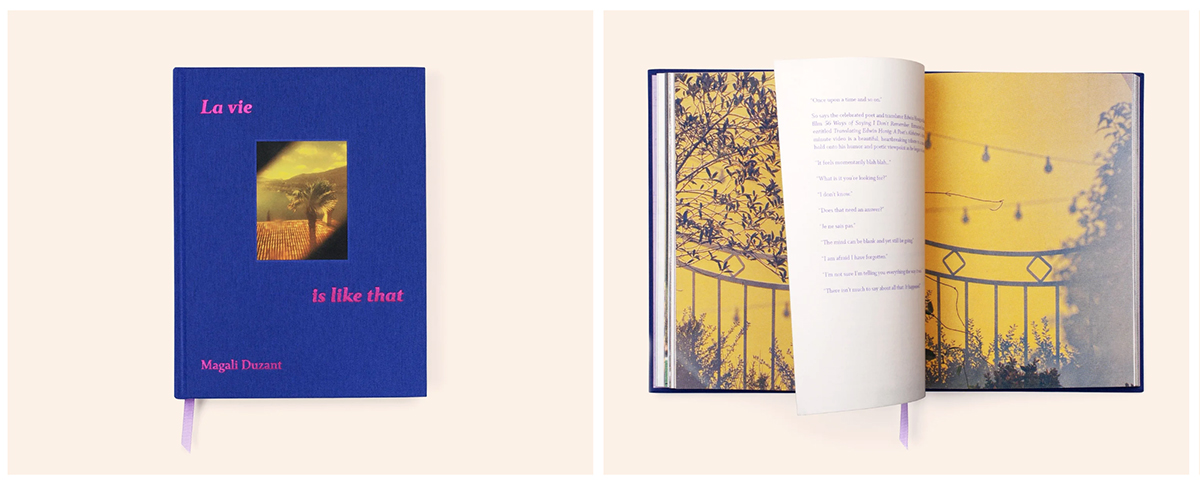
©Magali Duzant, Alum
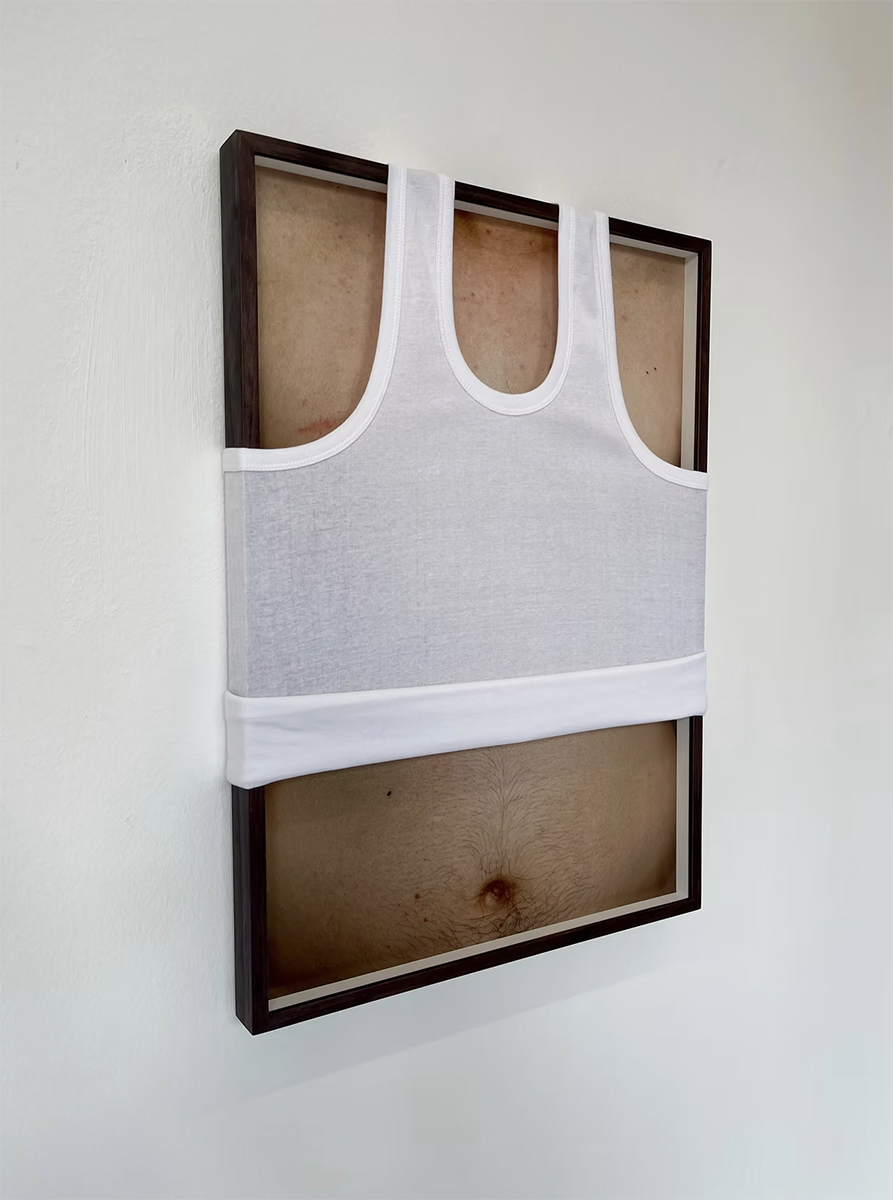
©Hu QiRen, Alum
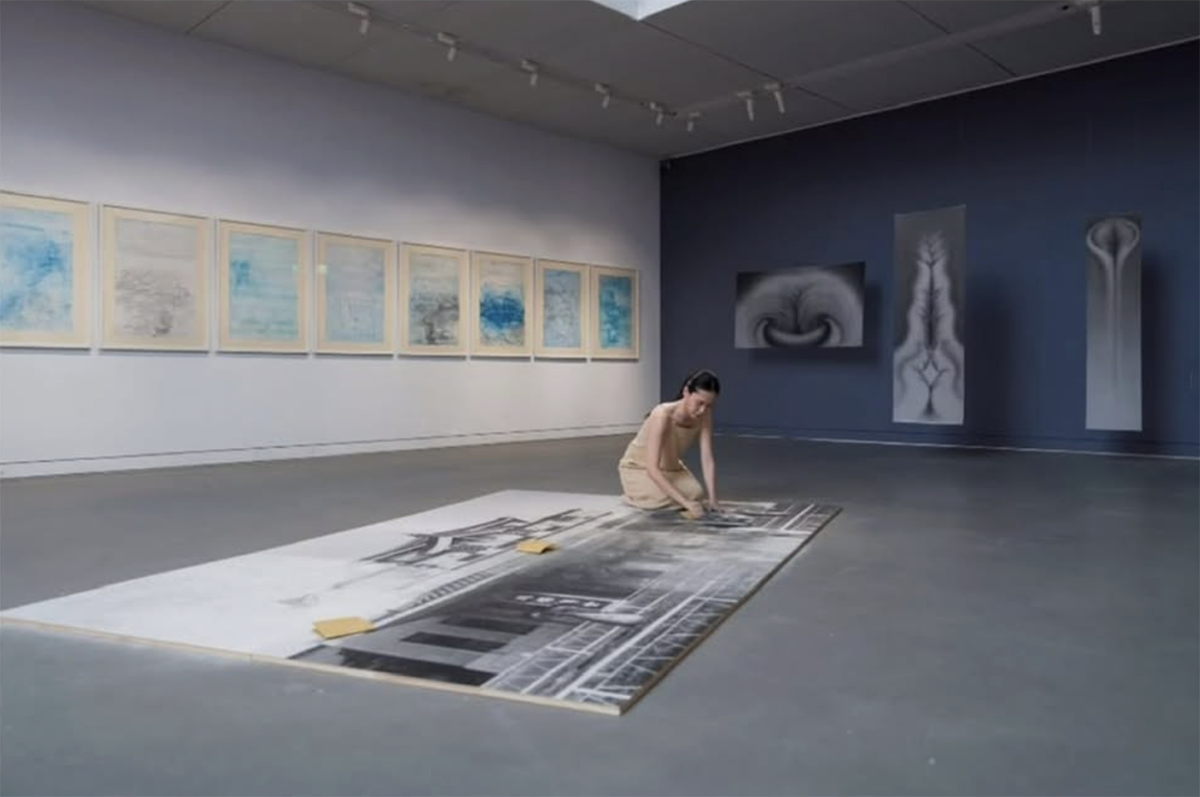
©Way, Alum
Posts on Lenscratch may not be reproduced without the permission of the Lenscratch staff and the photographer.
Recommended
-
In Focus: The MFA Review: Cranbrook Academy of ArtJune 11th, 2026
-

In Focus: The MFA Review: The Ohio State UniversityJune 10th, 2026
-
In Focus: The MFA Review: Parsons School of Design, The New SchoolJune 9th, 2026
-
In Focus: The MFA Review: Savannah College of Art and DesignJune 8th, 2026
-
In Focus: The MFA Review: Rochester Institute of TechnologyJune 7th, 2026