Motherhood: Corinne May Botz: Milk Factory
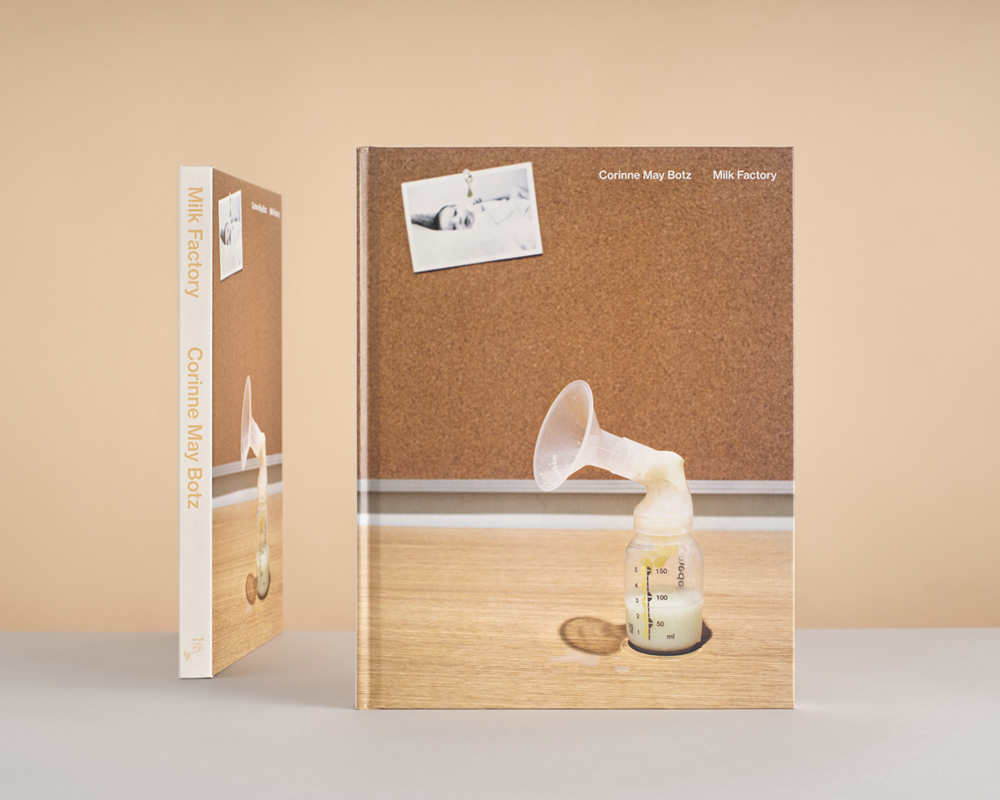
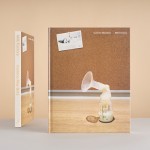
© Corinne May Botz / Saint Lucy Books, Milk Factory Cover
For photographer and filmmaker Corinne May Botz, the experience of space is a recurring source of inquiry and reflection. Across bodies of work addressing topics ranging from objectophilia to haunted houses, from crime scene dioramas to lactation spaces, the built environment as captured through Botz’s lens pulsates with meaning and memory. Her work explores the active relationship between human beings and the physical spaces and objects surrounding them, and in so doing invites viewers to step into both her depicted interiors and the emotional interiority embedded within them.
Botz’s photographs and films have been exhibited internationally at institutions such as the Brooklyn Museum, Kunstmuseum Basel, Turner Contemporary, and the Wellcome Collection, and reviewed widely in publications including The New York Times, Washington Post, The Boston Globe, Slate, and Bookforum. Having long admired her work from afar, I was honored by the opportunity to include her film Milk Factory in the Museum of Arts and Design’s presentation of the traveling exhibition Designing Motherhood: Things That Make and Break Our Births last fall.
Set in the lactation suite at the Longworth House Office Building of the U.S. House of Representatives, the film—alongside a series of photographs taken in an array of lactation spaces across the United States, and a book by the same name—makes material the unseen labor of motherhood in America, still the only high-resource country in the world that does not offer paid family leave. The project’s incisive portrayal of parental care under late capitalism wholly supported the exhibition’s aim of interrogating how design—whether of discrete objects and spaces, or of policies and systems (and in this case, both)—has shaped diverse experiences of birth. Once installed in the museum, I watched how the film’s rhythmic whir of the breast pump and murmurs of Capitol Hill staffers sharing photos of their babies absorbed visitors, first pulling them from other corners of the gallery with an almost gravitational imperative and then slowly but inevitably prompting their own hushed responses as a kind of parallel soundtrack: “I just had to use a bathroom stall every time.” “We didn’t have electric ones like this back then.” “I didn’t think I’d want to, but then I did.” “There was a room, but it was always freezing.” “My boss gave me so much shit for it that I stopped.” “Does it hurt, Mom?”
These utterances—sometimes, it seemed, to no one else at all—evaporated into the gallery space, but they speak to Botz’s remarkable ability to turn intimate, individual experiences into opportunities for connection, for community. Luckily for us, other reflections on the experience of pumping are recorded in Milk Factory (Saint Lucy Books), spanning a gradient of milk-colored paged alongside Botz’s portraits of the lactation spaces that prompted those reflections, and prompting new ones in turn. Through its documentation of the resilience and tenderness implicit in caregiving under capitalism, Milk Factory implores viewers to consider the physical environments that have shaped their own experiences, and how we might come together to design and advocate for more compassionate and equitable landscapes for the future. – Elizabeth Koehn, Associate Curator at the Museum of Arts and Design
An interview with Elizabeth Koehn and the artist follows.
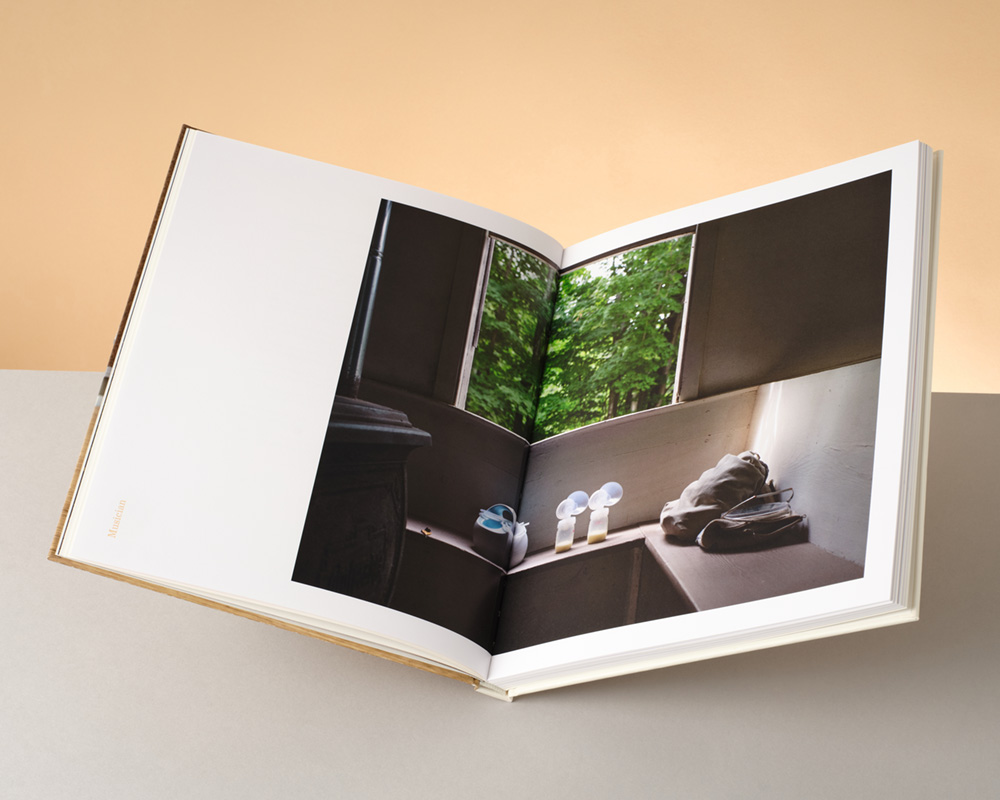
© Corinne May Botz / Saint Lucy Books, Spread from Milk Factory
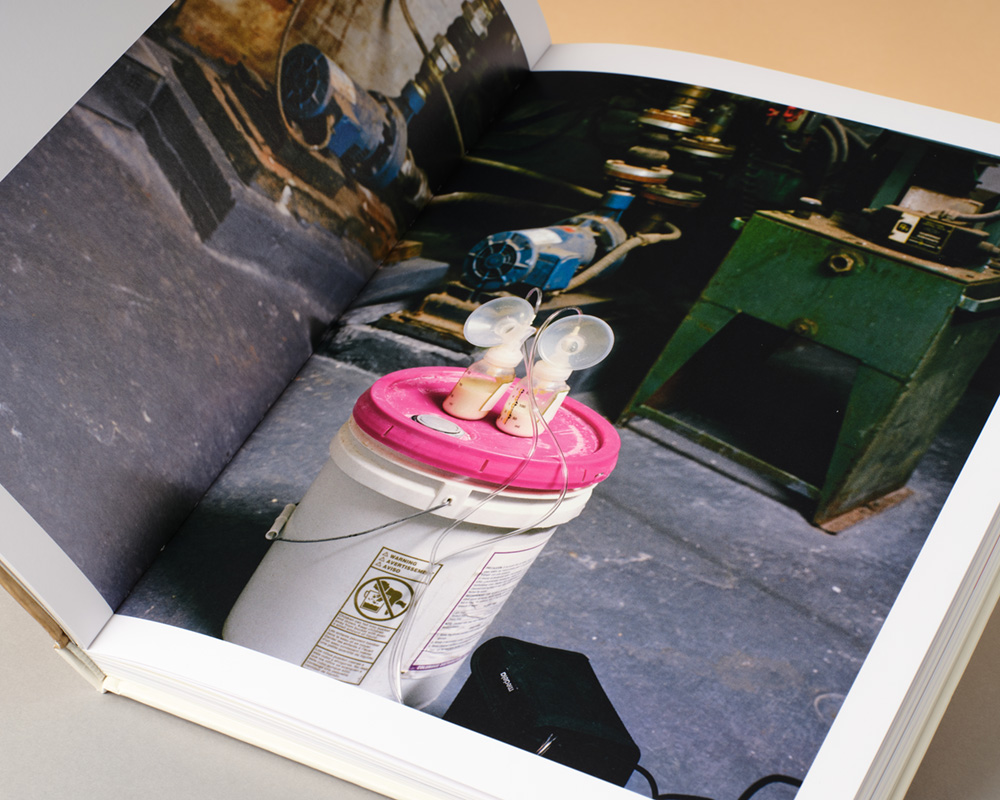
© Corinne May Botz / Saint Lucy Books, Spread from Milk Factory
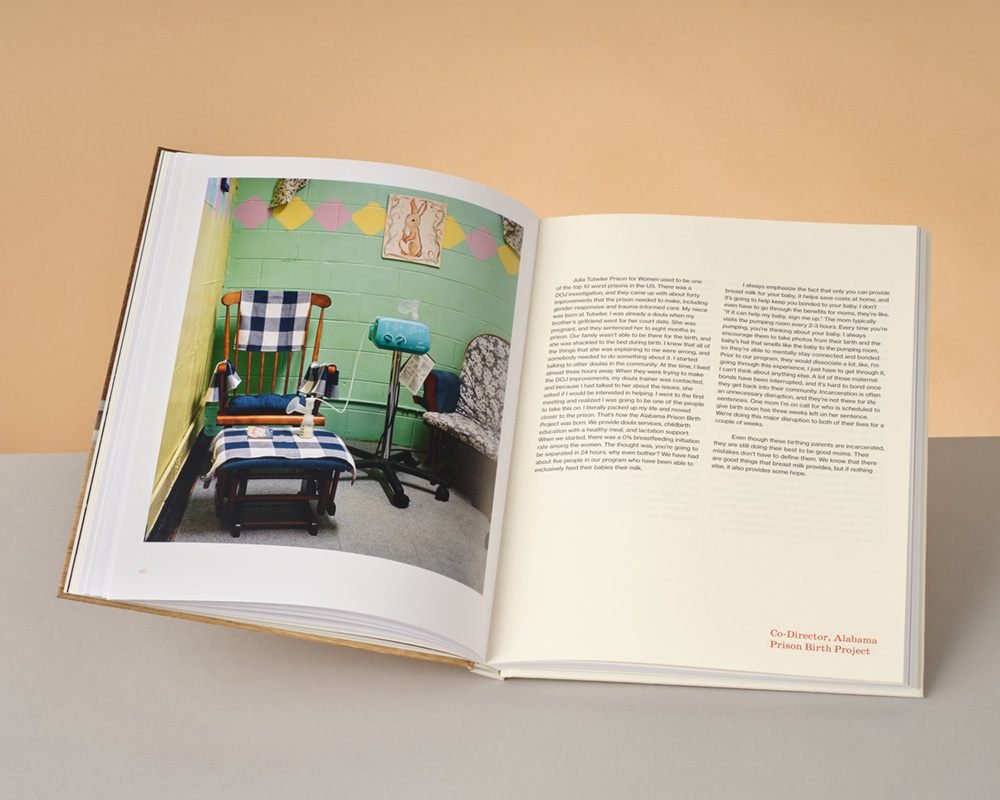
© Corinne May Botz / Saint Lucy Books, Spread from Milk Factory
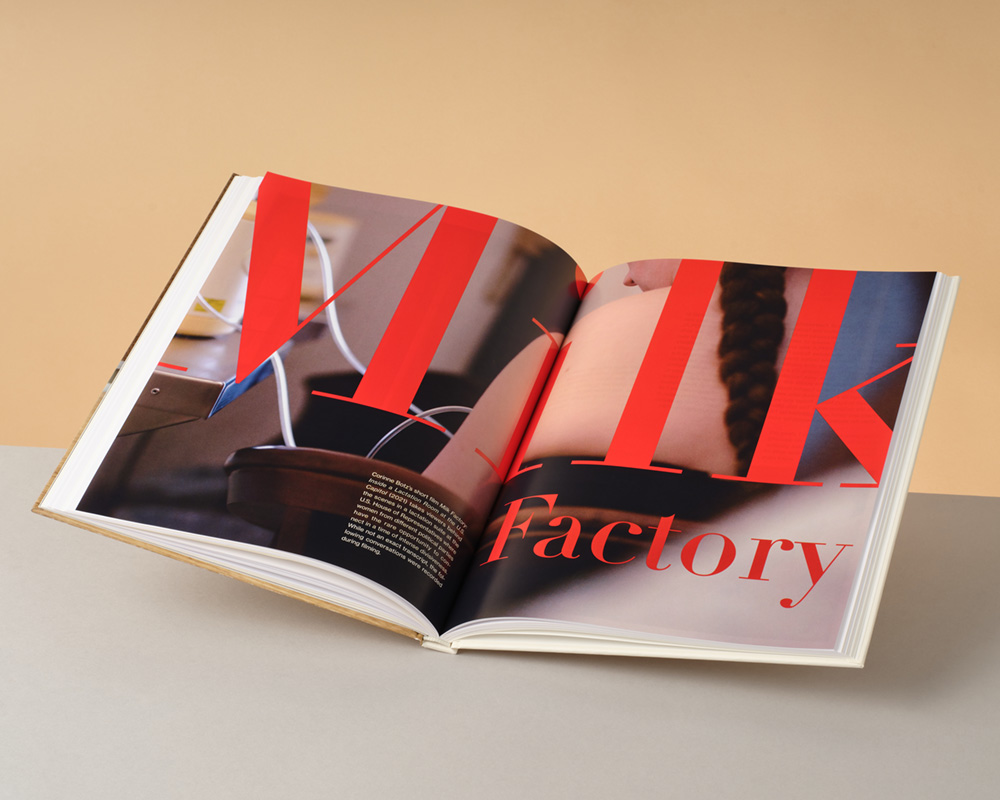
© Corinne May Botz / Saint Lucy Books, Spread from Milk Factory
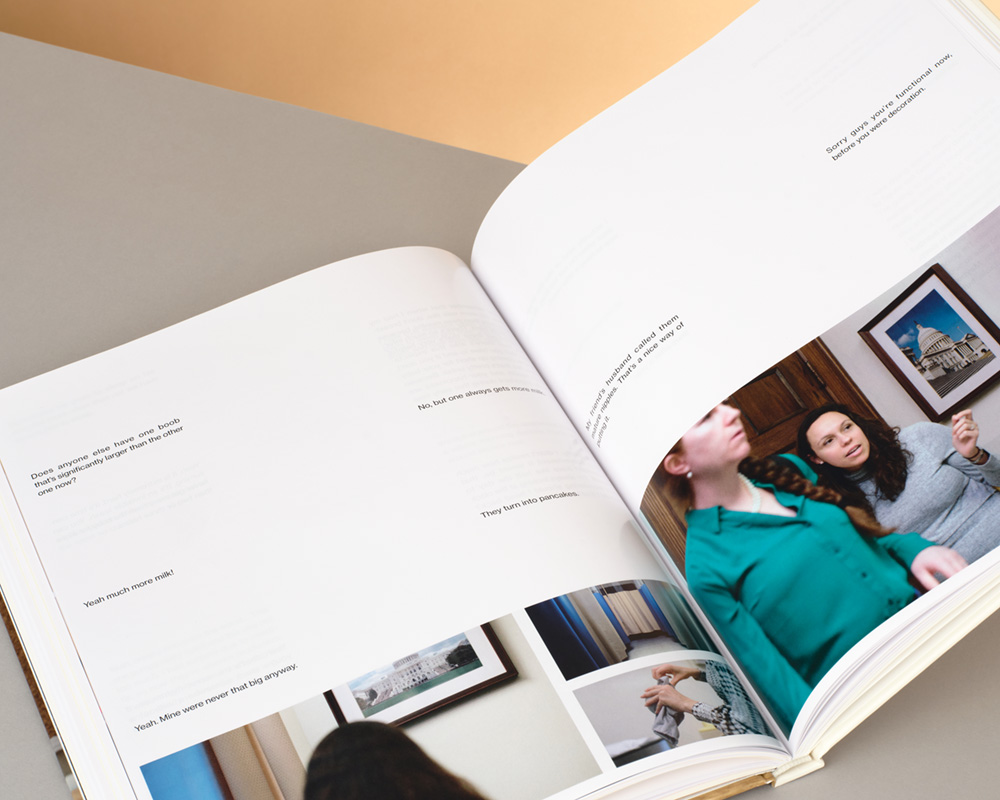
© Corinne May Botz / Saint Lucy Books, Spread from Milk Factory
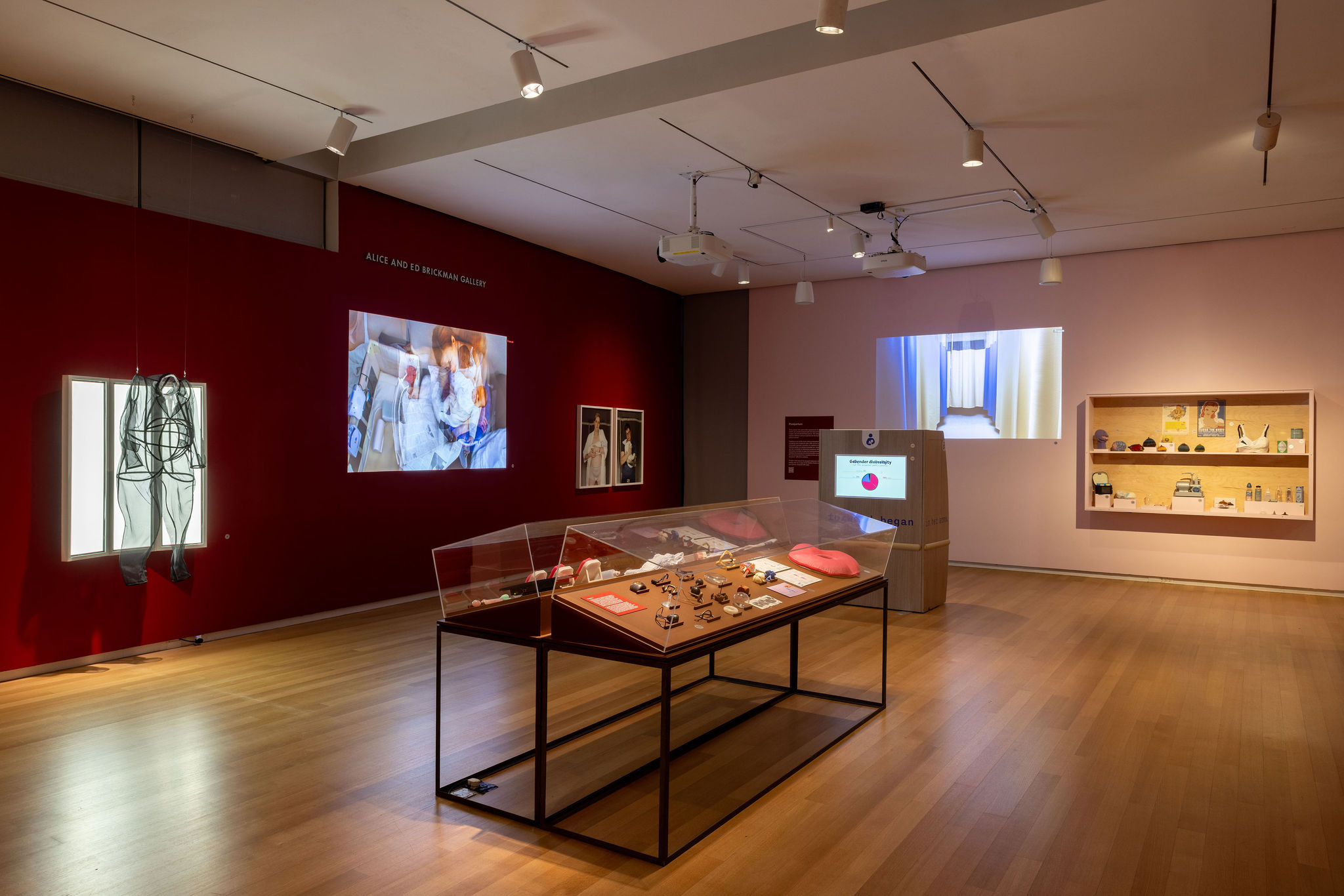
Designing Motherhood exhibition view. Photo credit: Jenna Bascom/nyceventphotography courtesy of Museum of Arts and Design)
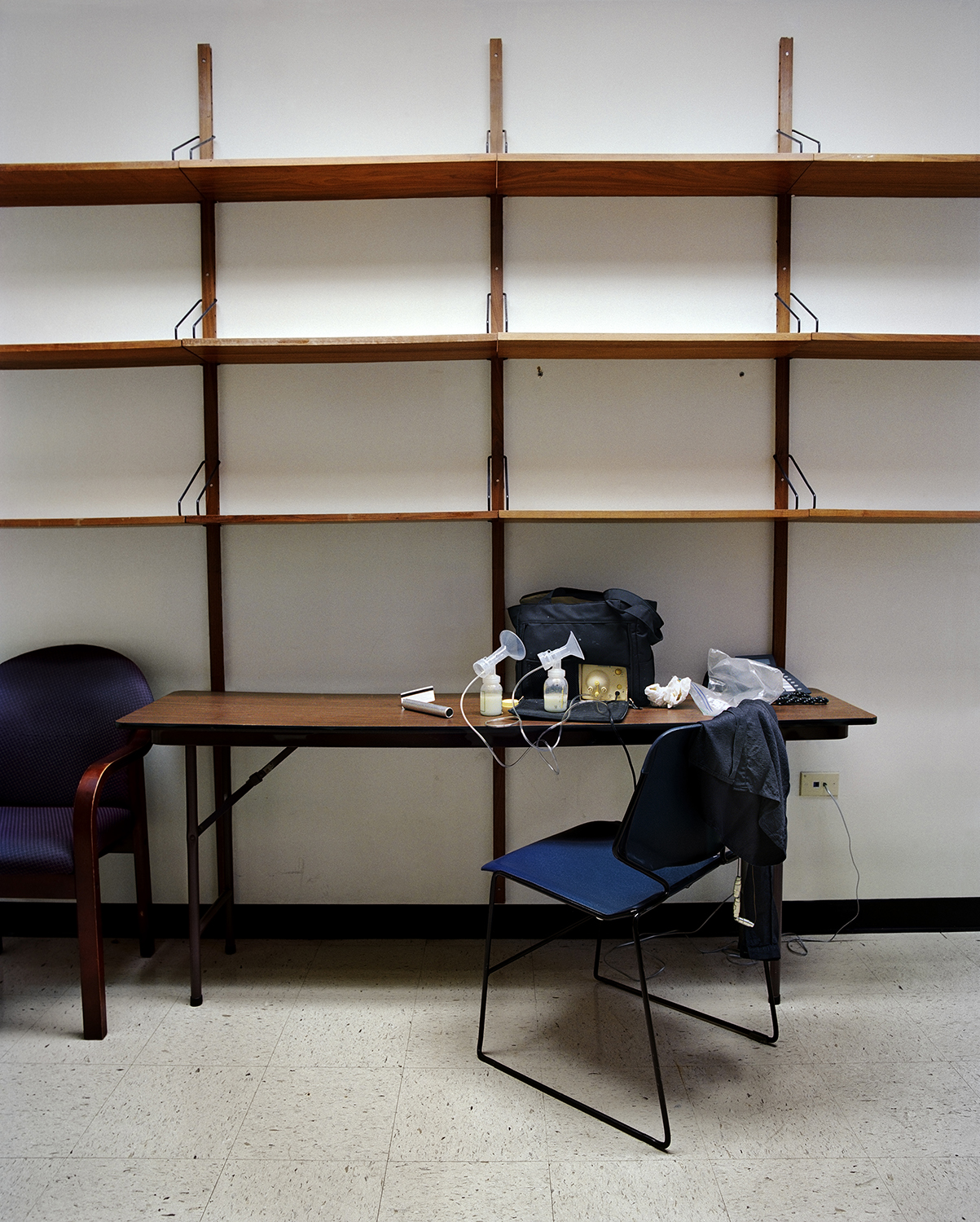
Adjunct Professor, (Self Portrait)© Corinne May Botz / Saint Lucy Books, from Milk Factory
The following is a conversation between Corinne May Botz and Elizabeth Koehn, edited for clarity and brevity.
Elizabeth Koehn: You approach recordkeeping as an artistic practice. Could I ask you to talk a little bit about how the act of recordkeeping in your work has mediated your own experiences of motherhood? What do the resulting records show us about motherhood? What, if anything, is left out?
Corinne May Botz: This project began when I took a picture of my pumping room at John Jay College, where I teach, because I wanted a record of early motherhood for myself. A few years later, I saw the contact sheets and thought about how they relate to my other work and decided to create an unconventional portrait of motherhood. I became interested in meeting new mothers returning to work during such a transformative, vulnerable time, which feels fundamentally incompatible with the way we work in this country. Even when standard leave is available, it’s not long enough. I wanted to give participants a record of their labor and make that labor visible to others. Collectively, you get a sense of how care is treated—they’re often sterile, unconsidered spaces, or there’s no space at all. One in three women do not have a place to pump at work despite the Pump Act. I hope that, unlike statistics, the emotional, physiological, and psychological component of pumping becomes present through the images. There’s power in these collective experiences and in creating records that both preserve personal histories and reflect the need to center care more as a society.
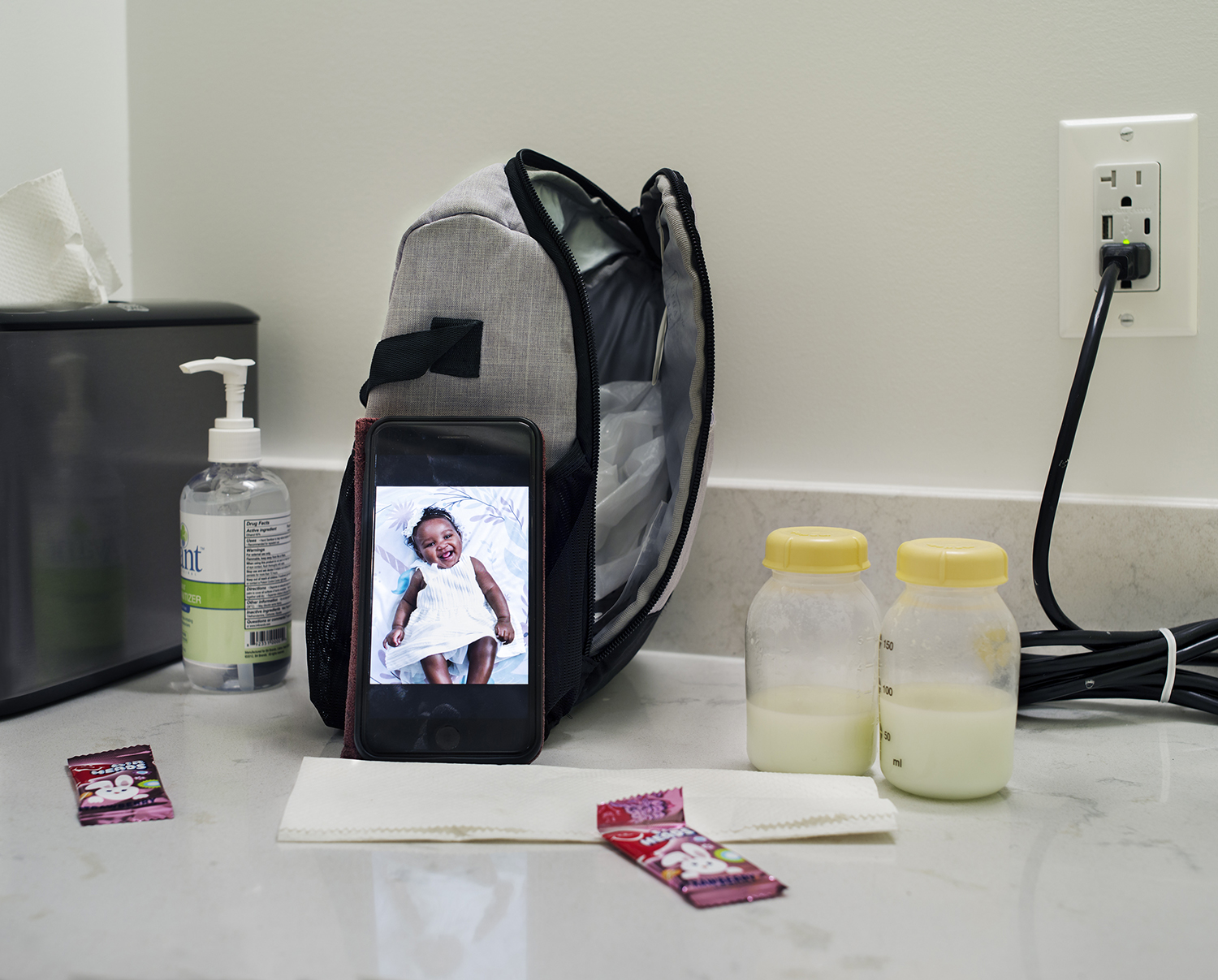
Administration Specialist, © Corinne May Botz / Saint Lucy Books, from Milk Factory
Yeah, it strikes me that the types of spaces are so different throughout the book, but there’s such a solidarity despite that diversity, maybe because of it. You do feel part of something bigger, even if your space looks totally different. There’s the image of the magazine editor with gorgeous floral wallpaper, and it’s right near the farm worker tent constructed in a field. Looking at that image, you can feel the heat emanating off of the ground and the polyester of the tent. What a devil’s bargain it must be to sit in that tent and be like, do I want the privacy here or do I want to forgo that in favor of the fresh air of sitting outside? To observe your photos it’s almost impossible to not immediately be transported into your own body and how you would occupy those spaces. I have not had to pump, but I think they become universal, even if it’s not a condition that you have had to engage with.
In looking at your other work, I was wondering if the kind of recordkeeping approach that you brought to Milk Factory felt different than the work documenting the crime scene dioramas or haunted houses, and if you wanted to talk a little bit about how you saw your work in relation to Milk Factory intersecting with these earlier bodies of work.
You mentioned imaginatively entering into the spaces, and I think one way that happens is because there is no figure. You’re not looking at the maternal body from the outside, which can create a sense of otherness. I think the absence allows you to better empathize or enter into space. In most of my projects, I use objects and space to tell the story, and even though the figure isn’t included, my work has everything to do with people and psychology.
Milk Factory most directly relates to my exploration of medical relationships and perception in my project Bedside Manner, but I would love to focus on Haunted Houses. Haunted Houses is rooted in the tradition of ghost stories; similarly, if I mention Milk Factory to anyone who has ever pumped or breastfed, they’ll tell me about an experience. Both projects create a space for sharing stories that we don’t often talk about in everyday life, but that are really important bodily experiences that become personal knowledge which shapes how we understand and inhabit the world.
Haunted Houses was inspired by Victorian ghost stories written by women as a means of articulating domestic discontents. There’s a similar gothic sensibility with regards to the spatial entrapment in Milk Factory, especially in the film where the camera never leaves the lactation room. In modern times, people are plagued by a lack of money, childcare, healthcare, and resources. While there are many ways into my projects, marginalized histories and women’s experiences are at the center. With Milk Factory, that’s more on the surface—it’s my most overtly political work.
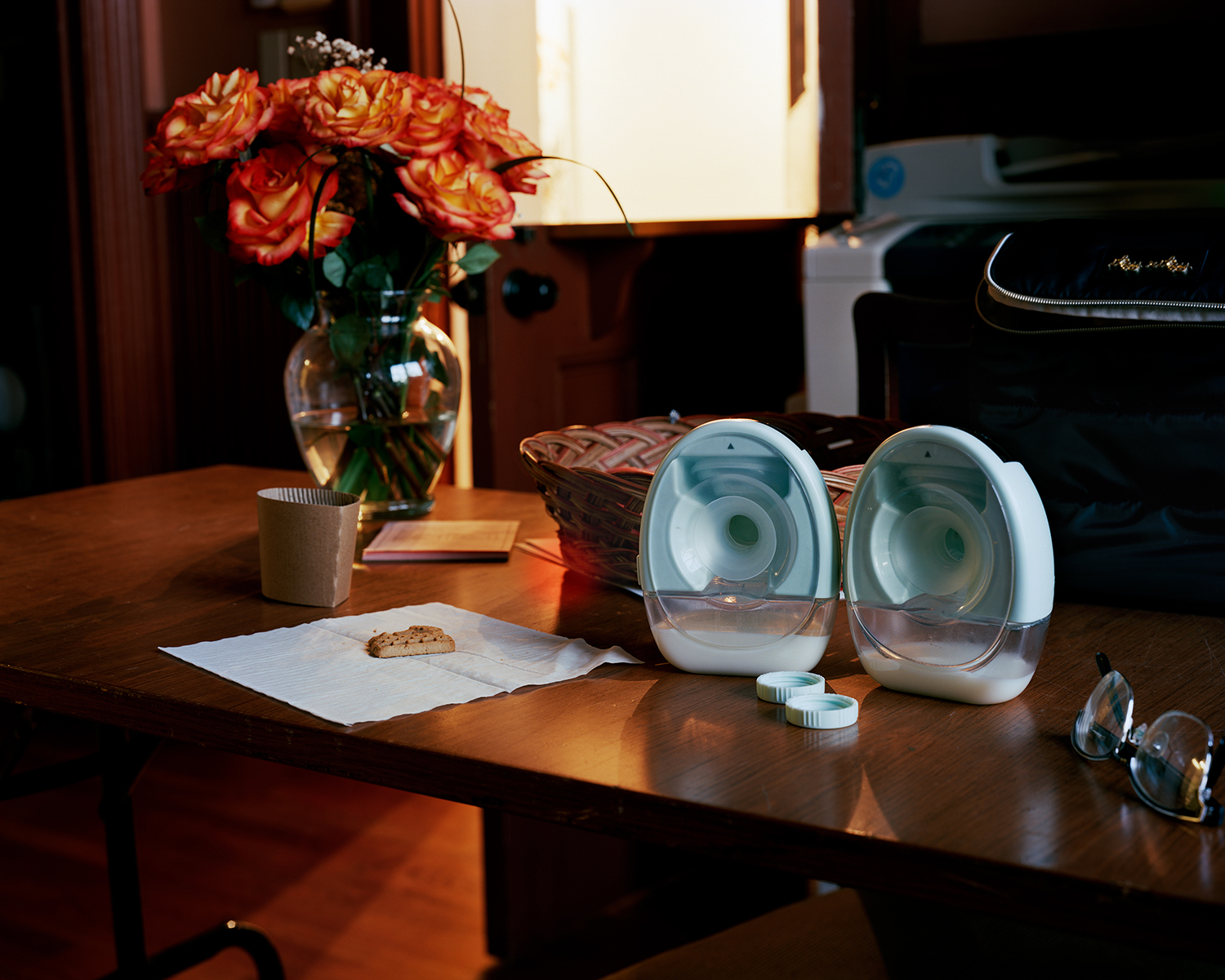
Administrative Associate, Opera House © Corinne May Botz / Saint Lucy Books, from Milk Factory
I love the way that it makes the point without figures, but without words, even. You can’t argue with material conditions. And it feels really foundational, too. It frees the act of pumping from ideology, in its own way, when you picture sitting in a tent in the middle of a field pumping.
That’s interesting because people sometimes focus on policy when they look at the project, which is important and something I want to talk about, but I don’t want it to preclude other ways of entering the work.
I love the way that in the book, when you include these reflections by people that you photograph their spaces, it’s not as though each of their concerns is the same. People are bringing so many dimensions of injustices and slights they’ve experienced as a result of simply having milk come out of their bodies. It’s not a singular narrative. It’s not just policy anger. It’s a more dispersed frustration, at a real neglect of this experience, and an unwillingness to really take it as it is, and encounter people’s needs and relationship to it.
The film is very much about giving someone the experience of being in a space that they normally wouldn’t get the chance to be in. I told the story through the room. Of course, it’s incredibly symbolic, so having that as the backdrop sort of let me off the hook to create something more atmospheric. I’m equally interested in how to tell the story and what the story is about—there’s no separation of form and content.
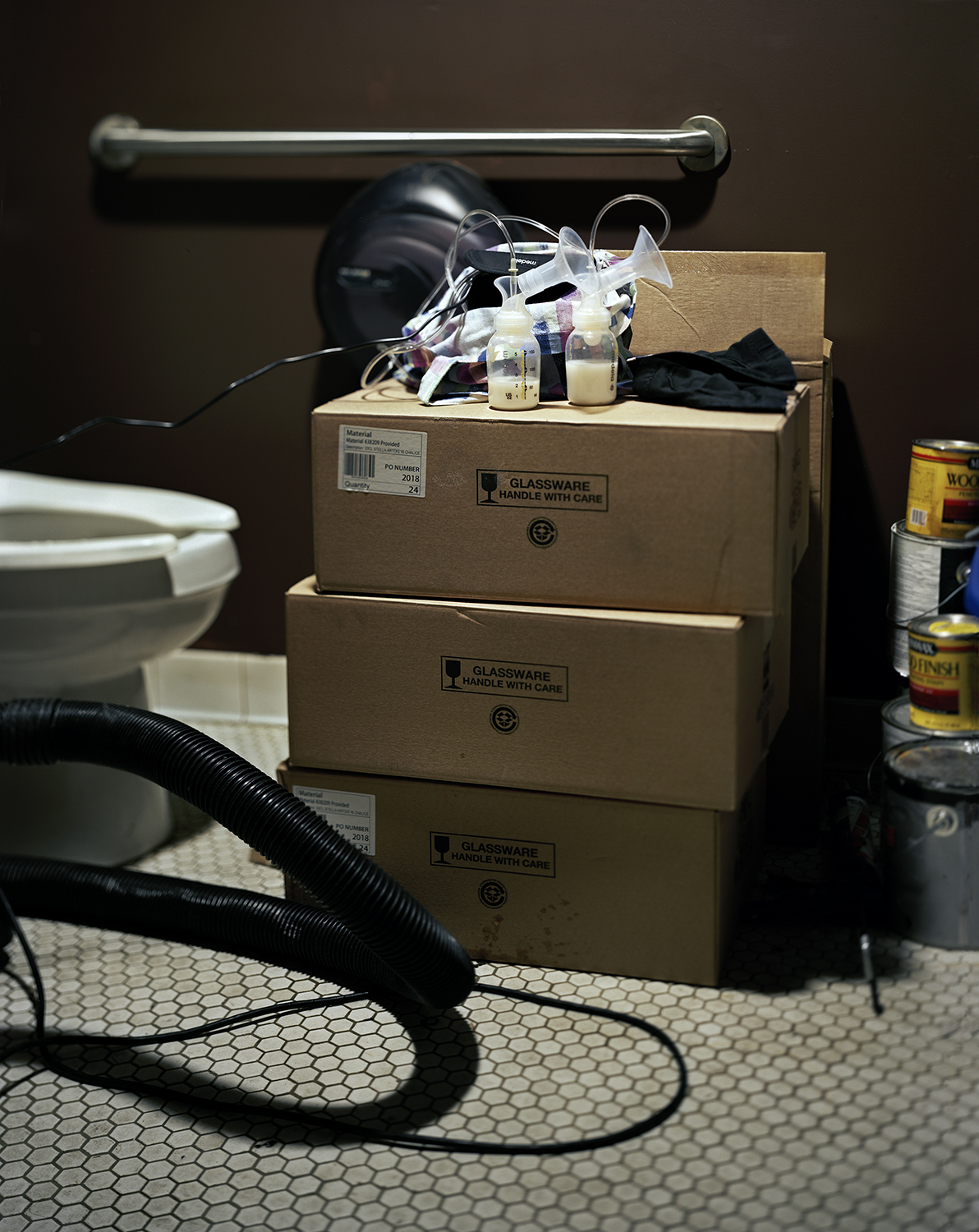
Bartender © Corinne May Botz / Saint Lucy Books, from Milk Factory
I’m curious if people have shared strong responses to the work with you.
I recently screened the film for a narrative medicine organization. One man described the film as emotionally upsetting and eye-opening. He was struck by how little he understood about women’s experiences around breastfeeding and pumping, and he talked about feeling shocked by the lack of support women receive in the U.S. He said it was a horror film he would never forget.
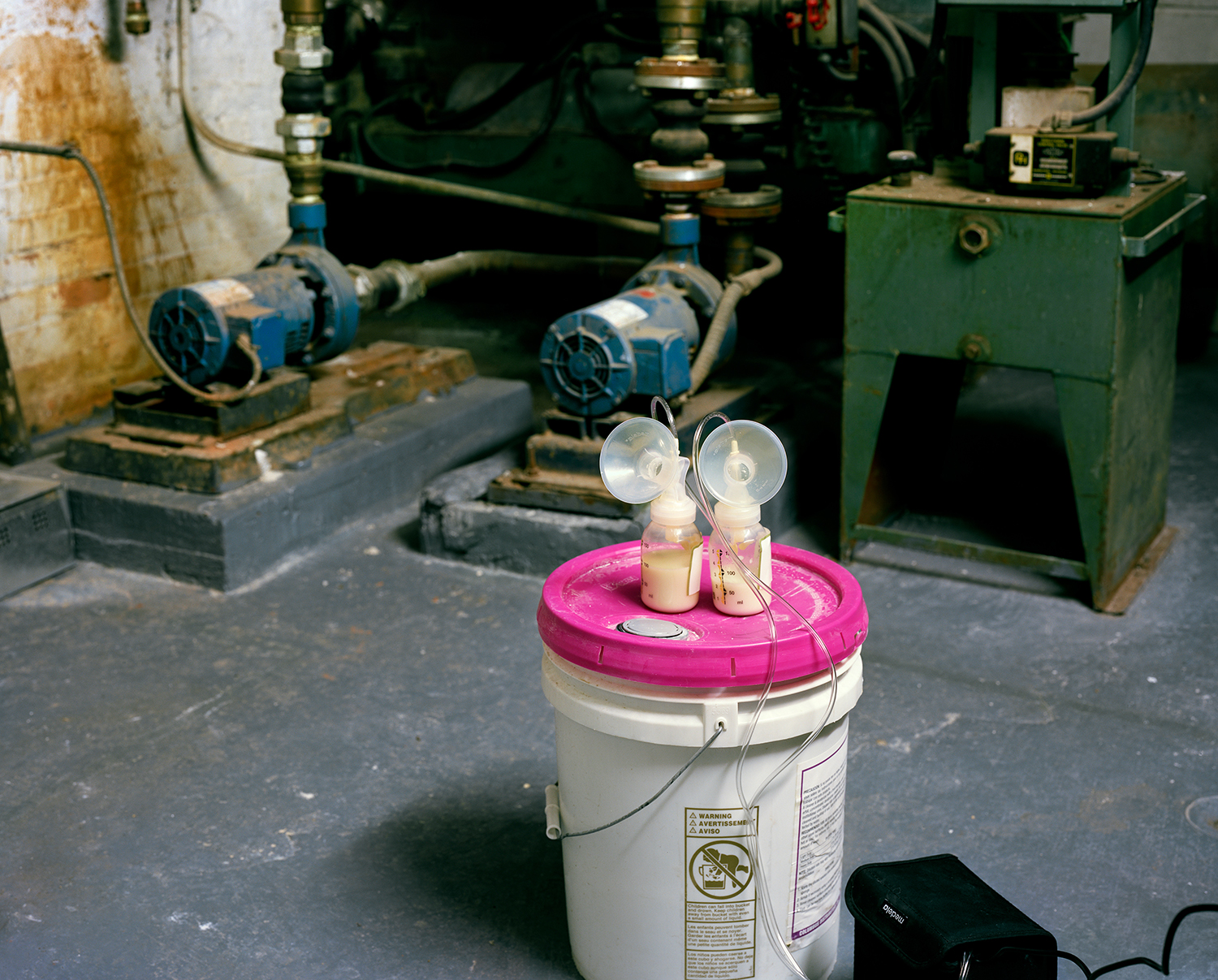
Building Manager © Corinne May Botz / Saint Lucy Books, from Milk Factory
Interesting. Maybe upset at themselves, for ignorance, rather than repulsed.
True.
I’m curious if you can talk a little bit about how you went about translating your personal experiences into something that could be deeply felt by others? Or, approached differently, how do you see your work speaking to the universality of motherhood? How do you hope viewers will see themselves in your work, regardless of the specific contours of their own experiences, including whether or not they have had children themselves?
An older man I know who never had children said after viewing the work that he was reminded we are mammals. I really love that response because it makes me think about how we are interdependent creatures. That’s one of many fundamental human truths that motherhood made me feel closer to. My work was in the feeding section of the Designing Motherhood exhibition. Early motherhood is so much about feeding your child, milk is our first food, but we all have to eat, that’s a universal part of life.
I hope ideas around capitalism and workplace culture also resonate with people. In the images, I wanted to disrupt or show the fraught relationship between public and private life or paid and unpaid labor, by picturing breast milk in corporate or sterile workplaces. How is unpaid labor that is also work connected to paid labor? I think a lot of people can relate to this idea of having a separate life at work and how work life is sometimes not compatible with caregiving. There are different ways that might resonate. Perhaps you’re caring for a family member; you don’t necessarily get medical leave for that.
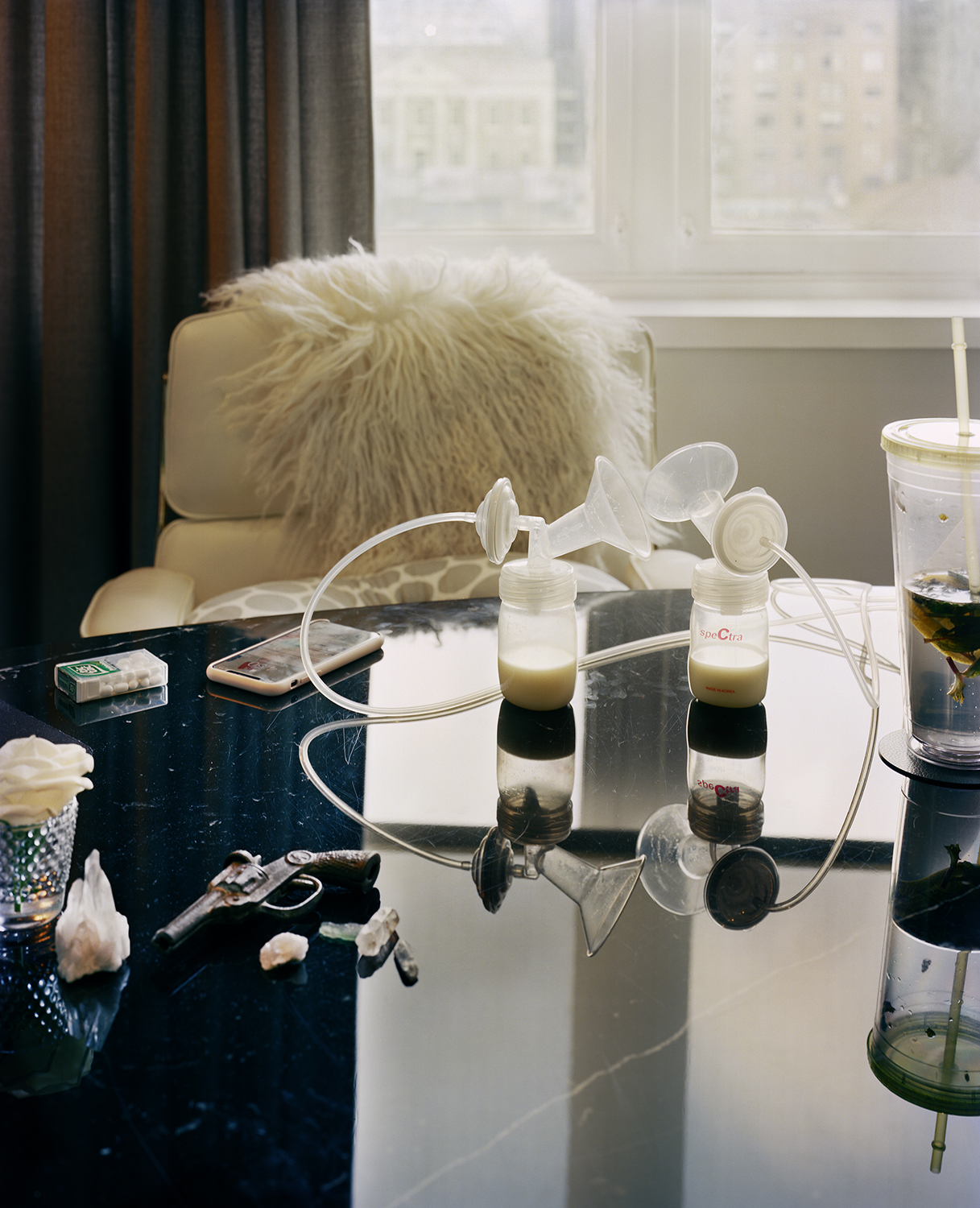
Cosmetic Nurse © Corinne May Botz / Saint Lucy Books, from Milk Factory
The concept of the self that you are at work as something that requires the suppression of any number of emotional responses or physical requirements that make up one’s true self outside of the office definitely feels like something that makes the project resonant for so many people. I don’t have children, but there is still such an awareness of how you minimize yourself to more efficiently be a cog in the wheel while at work. There are people with disabilities, aging parents, or anyone that they need to care for; there are many, many things that space can’t solve. However, I think the way that the work acknowledges or frames one very clear particular need in that regard, it gets one’s mind spinning about, like, okay, well, how many other ways does space or policy not serve people? We talked a little bit about the kind of absence of the figure in the photographs, but there are people in the film, so I’m curious how the different approaches, whether it’s an absent figure in the still photographs or an active figure in the film, did they bring different things to the project? Did you feel the film was able to do something that the photographs couldn’t and vice versa?
The film focuses on a very specific lactation room, and allows for a more layered narrative and a different sensory experience than a still photograph. The sound of the pumping was important. People have such a physical response to that, whether they have pumped or not. Like the absence of a figure in the photos, I wanted to disrupt expectations in the film by not letting you get attached to a central character. I was referencing the idea of a factory in terms of the women being slightly anonymous and the repetitive, mechanized atmosphere of the space. Humor and information sharing come through in the conversation, which was very specific to the communal lactation room in the film. You also have an audience’s attention with a time-based medium in the best possible way.
When I make a still photograph, I want to make a layered image that can stand alone without any additional information. I’m making these invisible spaces visible, and I’m using the scale of the photographic object so viewers have a physical relationship to it. I was also thinking about the tradition of interiors and still lives in visual art, and bringing motherhood into those genres. There are different considerations with film and photography. And then of course there’s the book which is another version of the project.
I’m thinking about all three components of the project, and how they really build on each other and reinforce some of the things we’ve been talking about in very different ways. And even in the book, because there are the brief essays from the people whose space it is, suddenly you’re seeing the photograph in a whole different way. They stand on their own as elements, but then to get to experience them together, it really feels like a complete picture.
In your last answer, you mentioned that you had these conversations and that they did open up to you. I’m curious if you’d want to talk a little bit more about how you earned the trust of the participants in not only the film but also the book. In the book, you wrote that you sought any means necessary to get participants because it’s such a varied group of people, and it’s such an intimate part of life that’s often overlooked, I wonder if there are any stories that came up in that process that you want to share.
There was an underlying consensus that this is important and not talked about enough, and people wanted to share with me. Some people reached out to be included in the project because they had an intense experience, and maybe they needed to make sense of it through participating, or they wanted to help make it better for the next person. I think other people were being generous, and wanted to help out a fellow mom working on a project. The camera and audio recording create a framework for the conversations, but I like to think my genuine curiosity about people’s lives and experiences also played a part.
The hardest picture I took was the milk donation after loss image. The subject generously volunteered to be part of the project through a milk bank because she wanted to bring more awareness and education around infertility and loss.
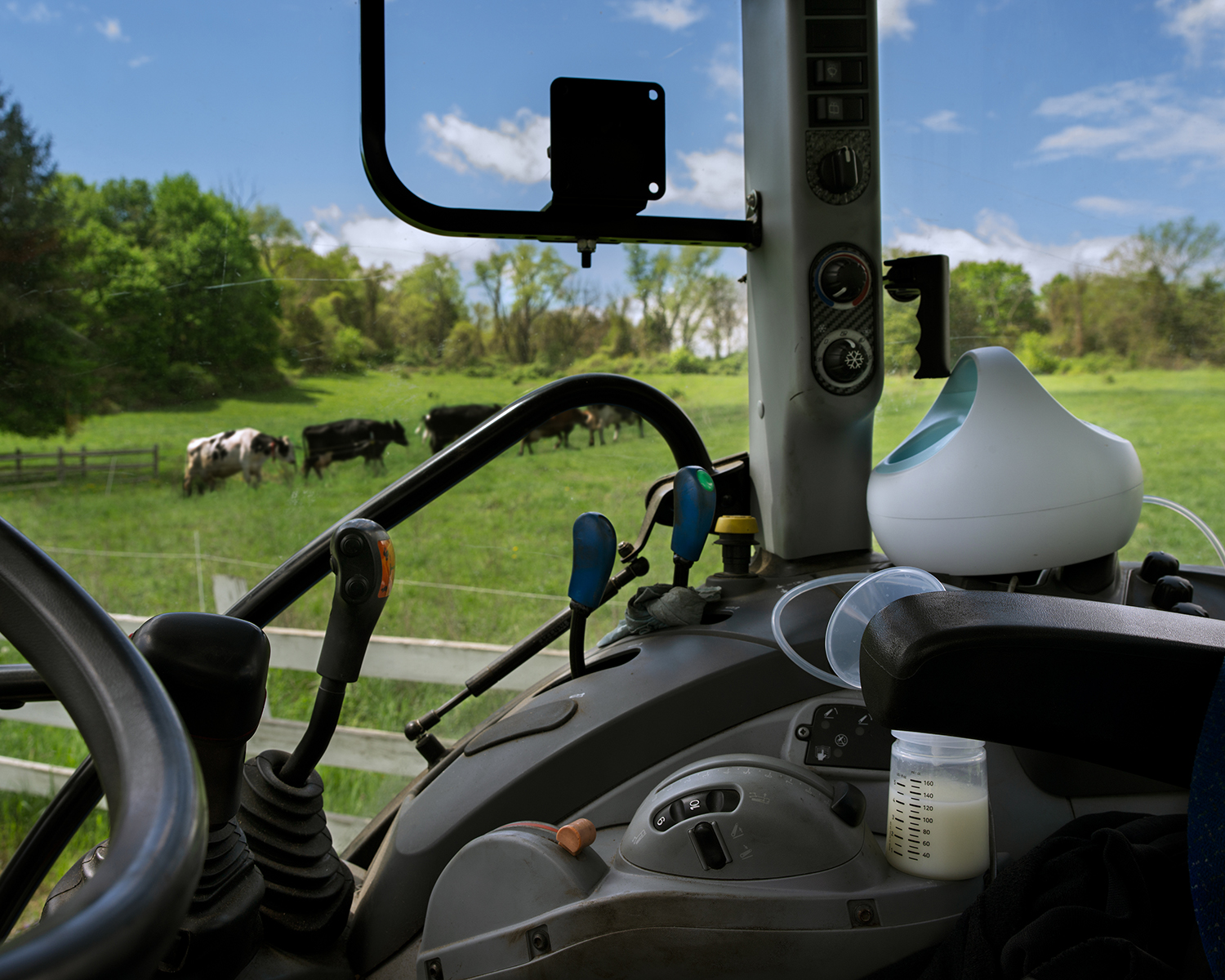
Dairy Farmer © Corinne May Botz / Saint Lucy Books, from Milk Factory
There’s such a beautiful parallel between what she talks about in the book, which is that donating the milk is a way for them to feel like they were helping other people, that their loss wasn’t in vain. This is another way to help people by sharing that act with a broader public, through your photographs.
I did want to ask about the kind of care and attention you have towards materiality, and depicting it in your work, whether it’s, say, the sounds captured on film, or the textures of the rooms. Can you tell us a little bit about how you perceive the interaction between spaces or objects and their users? And how you explore this dynamic in your work, whether it’s still photography or film, because not everyone is so careful in how they depict the settings of our lives. I assume you must have some thoughts about how people and their stuff act upon one another.
I feel very attuned to spaces. I’ve always considered space like a living organism. I’ve noticed a general lack of care and attention when it comes to lactation rooms, which is ironic because the need to feel relaxed is affected by space, and directly influences “let-down,” or the release of milk. I initially focused more on the space, and as the project progressed, I started moving closer and taking still lives. The breast pump is so interesting because it gives you autonomy as a parent, which can be great, but you’re hooked up or tethered to this plastic machine instead of your child. Women often said they loathe pumping because they feel pulled in different directions at work. One woman joked that she didn’t get attached to her breast pump, and another woman’s breast pump talked to her, which is one of my favorite stories in the book.
What I also loved about that one is that that’s she has this anxiety because the pump label says, “this is only for one person. You can’t share this.” There’s something about public and private there too, right? As though a machine can’t be washed. How much of this is a regulation for safety versus how much of this is a way to get to sell more breast pumps?
Completely! There was someone else I talked to who hated pumping so much that she ditched the pump for her hands, and now she teaches hand expression classes. She said, “I am a motherfucking machine.” I love how there are so many radically different experiences and people found new ways of doing things. Like the woman in my book who started publicly pumping on her Amtrak commute out of necessity and became a lactivist.
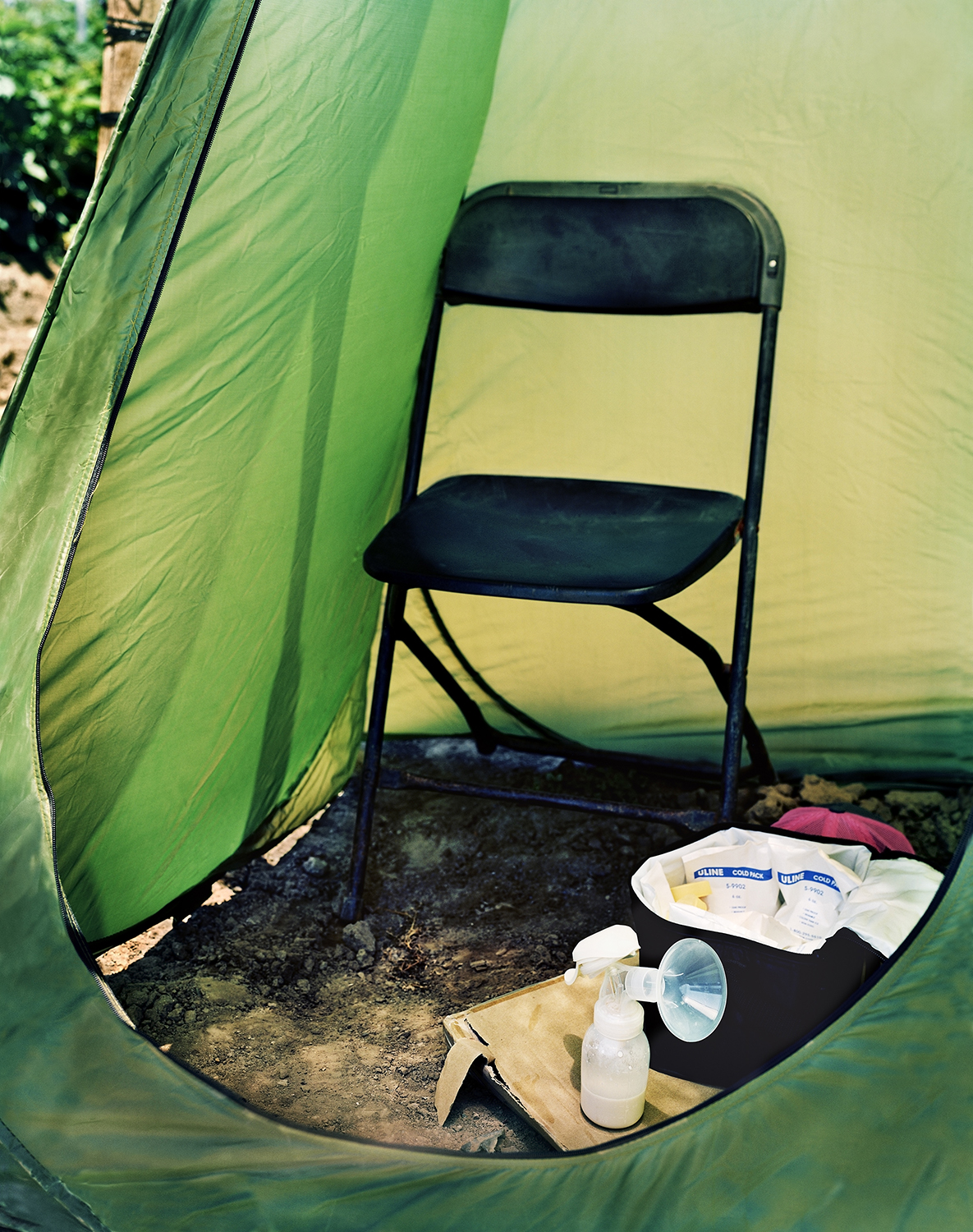
Farm Worker, © Corinne May Botz / Saint Lucy Books, from Milk Factory
In terms of object-oriented ontology, I was thinking about that a lot when I thought about how Milk Factory relates to your Berlin Mein Hauptbahnhof work and the idea of people falling in love with objects. Whether you love them, whether you hate them, whether you feel ambivalent about them, I think honoring that relationship that we have with our objects feels very embedded in your work. I think there’s such an acknowledgement of and even a reverence for the ways that objects and spaces impact and shape our lives, and act on us in a manner that I think really encourages a mode of thinking beyond our own human experience. I find that really moving. To get back to one of the essays in the book, I loved the one about the farmer who, after having her own child, said, I’ll never separate the calves from their mother again. And actually, it ends up being much better for the animal. That was the moment where I think her brain clocked into that mammalian connectivity among creatures that enabled her to shift her own perspective on the world through having this engagement with an object.
There’s a power that comes with being linked with an animal in that way, but not many people embrace that. It also brings us back to the question you asked earlier about this project’s relationship to my other work. I’ve always been drawn to the uncanny, seeing the unseen, and the alchemical relation we have with objects and spaces. My understanding of the world has definitely been transformed and enlarged by this project and the kinship I found with the women who are part of Milk Factory.
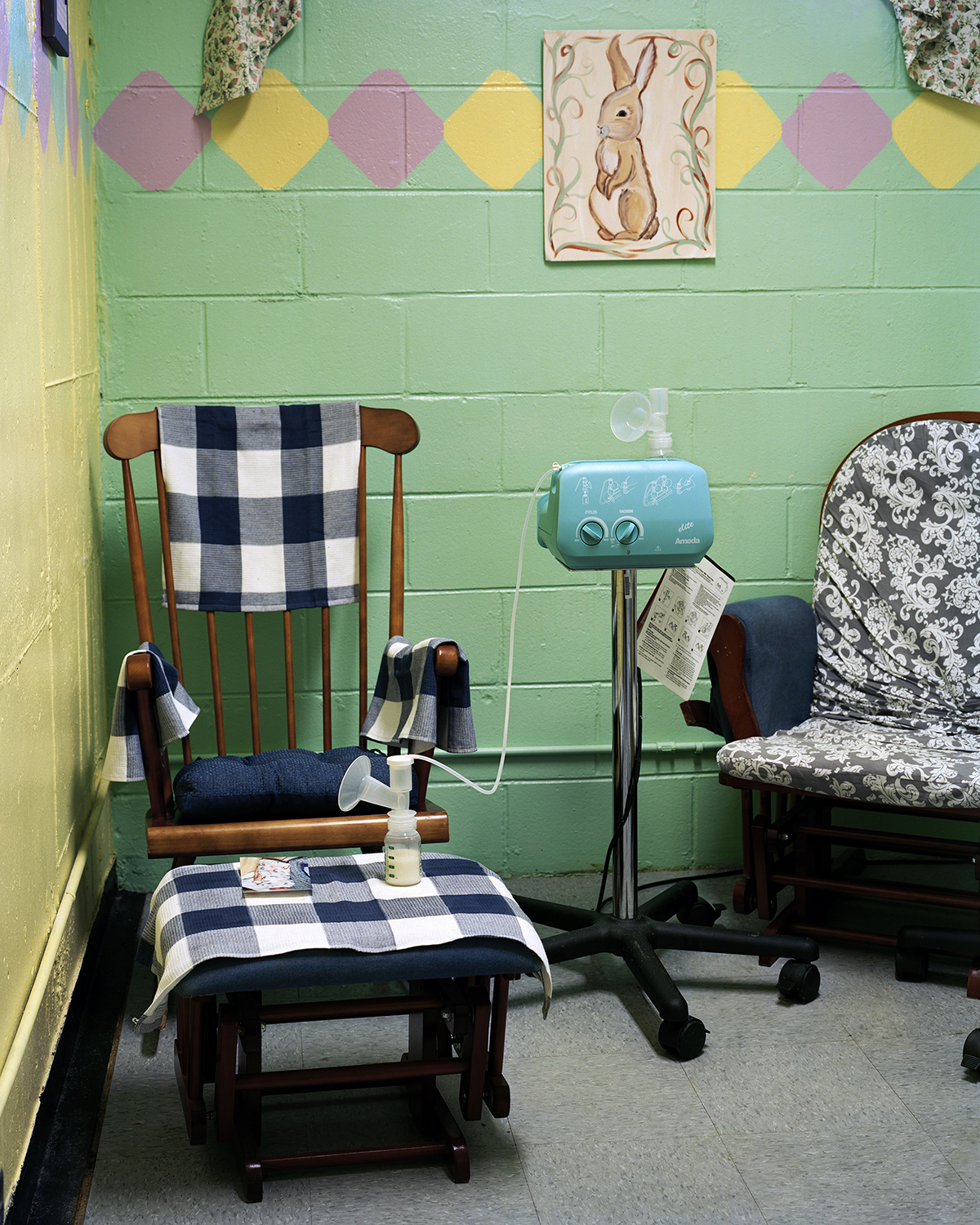
Incarcerated Parent, Julia Tutwiler Prison © Corinne May Botz / Saint Lucy Books, from Milk Factory
I don’t have experience with the breast pump, but I do have a pneumatic pump that I have to wear on the lower half of my body for a couple of hours every day. I have lymphedema, which requires the manual draining of lymphatic fluid, so for awhile I’m tethered to a machine. I feel such a personal ambivalence to it, though I’ve tried to come around by calling it my cyborg hours. I was surprised to realize in myself that I was feeling a little jealous reading about the testimonies, insofar as they at least got to feel like they were nourishing someone or contributing to something that made them feel good through their engagement with a machine. They are in relation to not only an object, but with another human being who will receive the product of their pumping. And there are all these other situations where that’s not the case. I don’t know if I have a clear question so much as if you could speak a little about the personal nature of the relationship of using a machine like that.
I really appreciate you sharing that. You reminded me that I had severe asthma growing up, so I was on a nebulizer four times a day for years. I had to sit there with this thing in my mouth—I hated it, it was so loud I could barely hear the TV, and I wanted to be outside playing. I feel emotional remembering that experience in my childhood, and maybe it is connected to this project in some way that I never realized. I’m thinking about the breast pump orchestra in my film, maybe the ghost of my asthma machine was part of that.
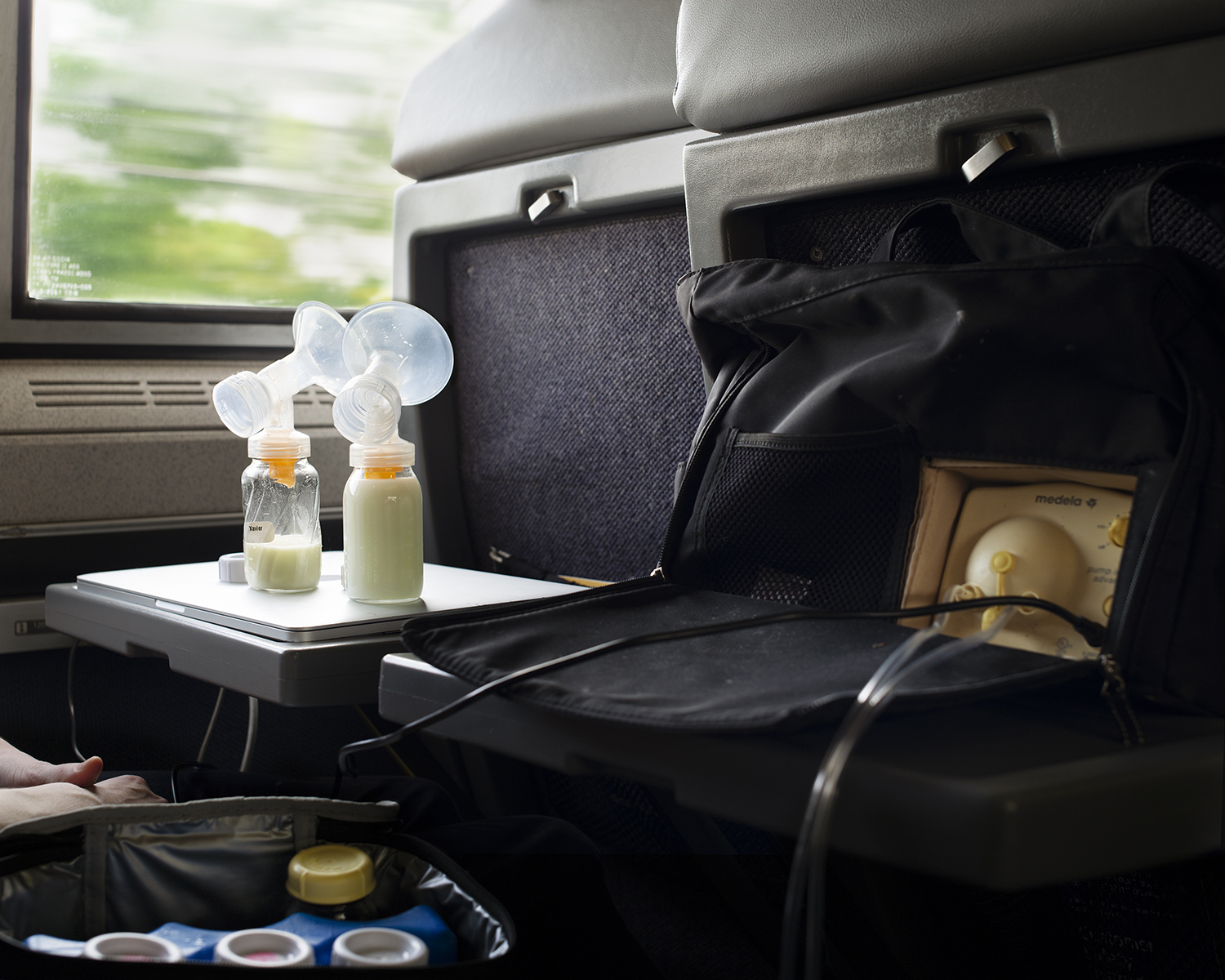
Legal Scholar © Corinne May Botz / Saint Lucy Books, from Milk Factory
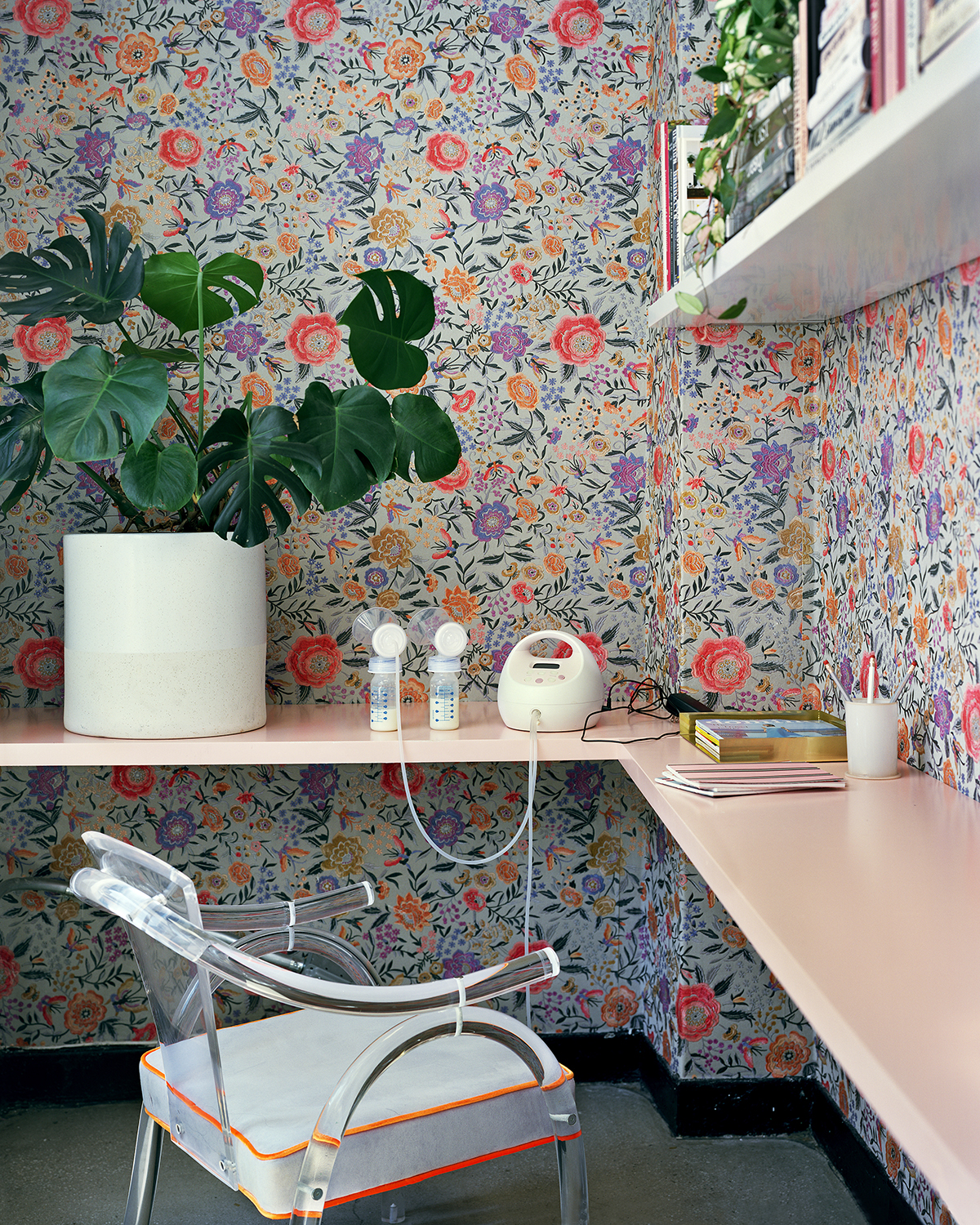
Magazine Creative Director, © Corinne May Botz / Saint Lucy Books, from Milk Factory
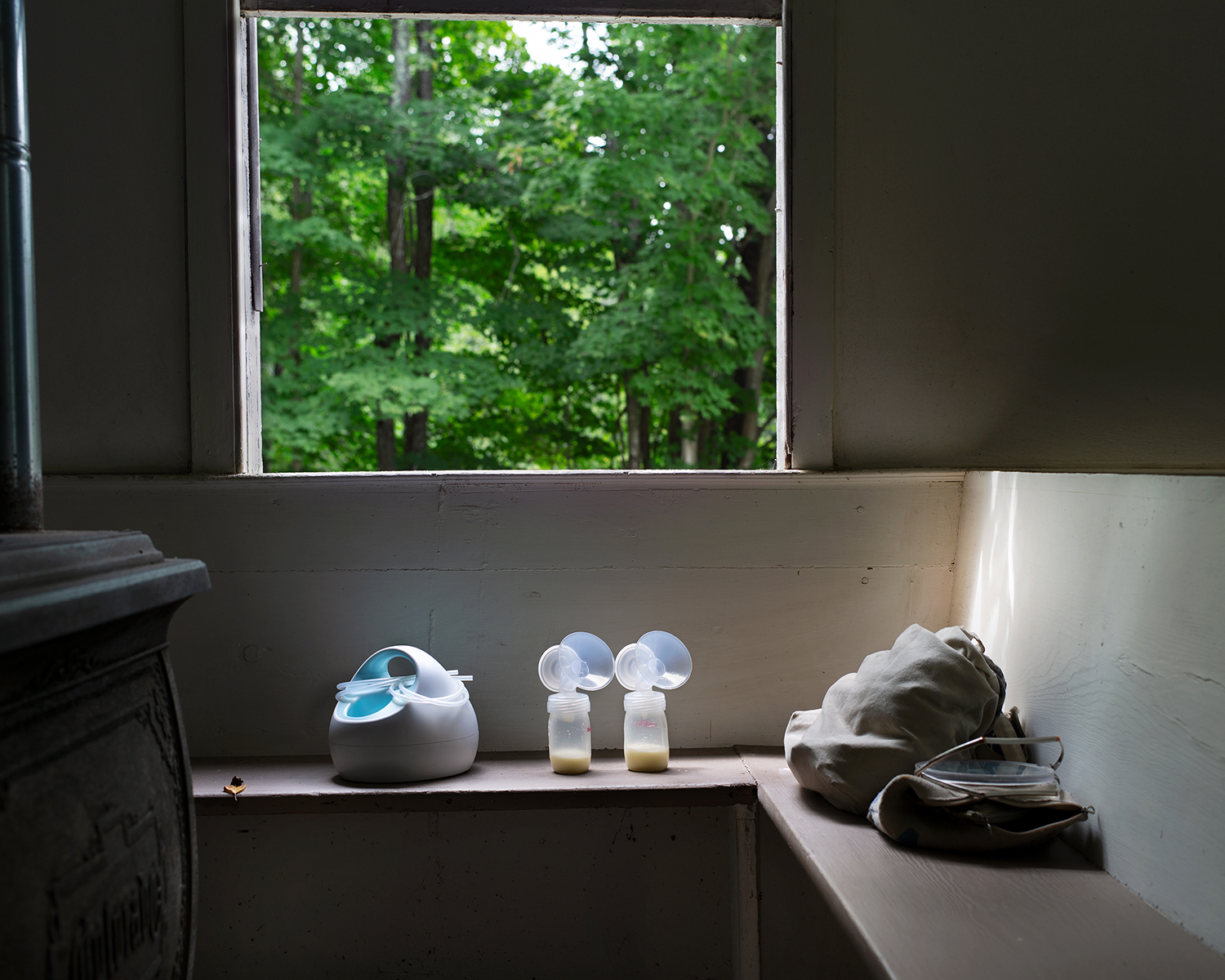
Musician, © Corinne May Botz / Saint Lucy Books, from Milk Factory
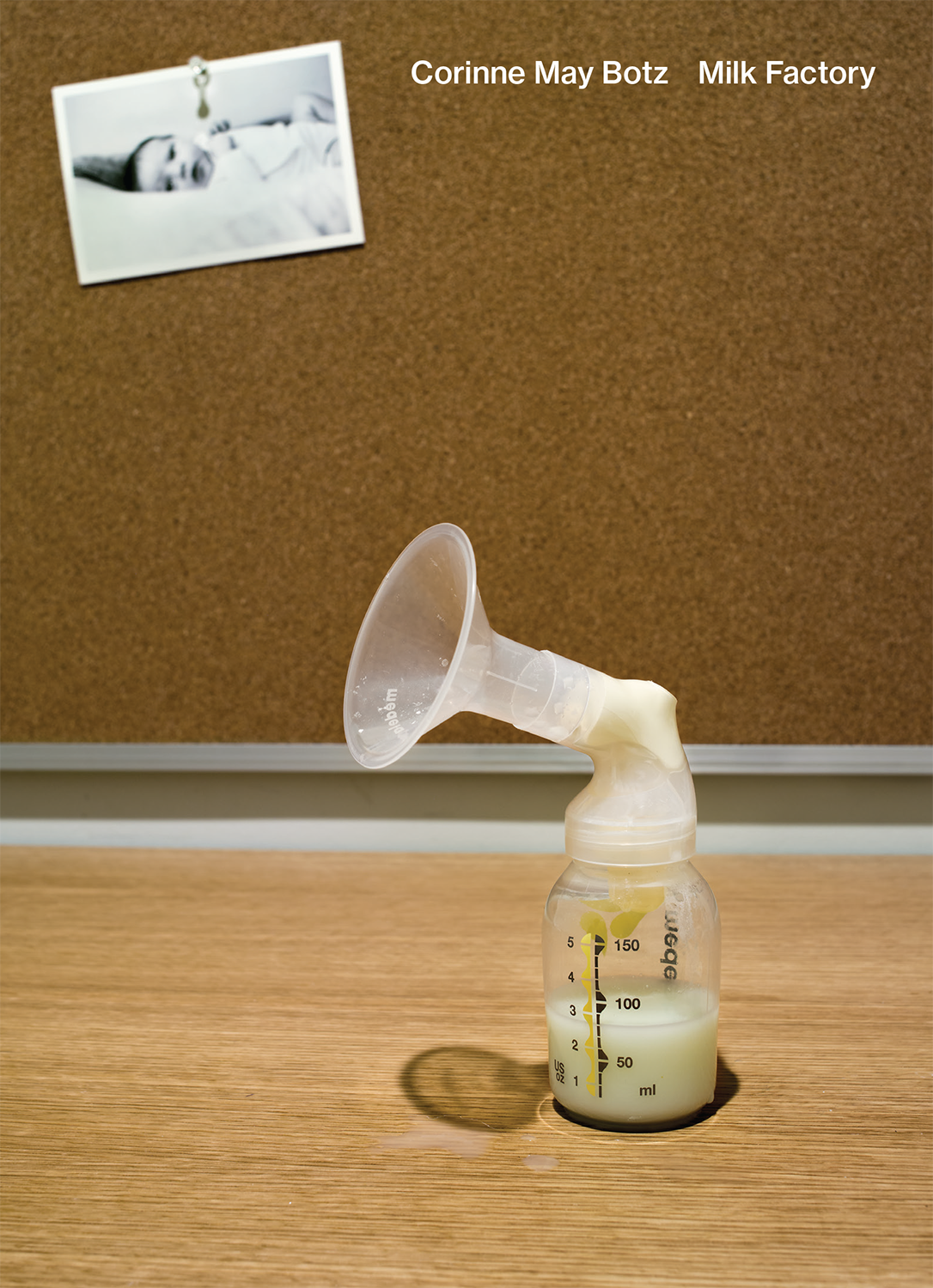
Prviate School Teacher © Corinne May Botz / Saint Lucy Books, Milk Factory Cover
Elizabeth Koehn is an Associate Curator at the Museum of Arts and Design and a PhD candidate in Design History, Decorative Arts and Material Culture at the Bard Graduate Center in New York.
Corinne Botz (American, b. 1977) is a photographic artist, filmmaker, and educator. A sustained focus on space, objects, gender, and the body, particularly in relation to women’s experiences, is central to her practice. Her photographs make things visible, often revealing marginalized experiences or spaces that we might not otherwise have access to. In a feature story for The New York Times, Penelope Green wrote, “[Botz’s] photographic work reads like a DSM of contemporary American life and the dark side of domesticity.” Her published books combining photography and writing include The Nutshell Studies of Unexplained Death (Phaidon/Monacelli Press, 2004), Haunted Houses (Phaidon/Monacelli Press, 2010), and Milk Factory (Saint Lucy Books, 2025).
Botz’s photographs have been exhibited nationally and internationally at the Brooklyn Museum, Museum of Arts and Design (MAD), Museum of Contemporary Photography, Chicago, Wellcome Collection, Kunstmuseum Basel, Museum of Contemporary Photography, Württembergischer Kunstverein, De Appel, Turner Contemporary, Smack Mellon, and Wellcome Collection. She has had solo exhibitions at the Alice Austen House Museum, Benrubi Gallery, Bellwether Gallery, and Hudson Hall. Her Oscar-qualifying short film Bedside Manner (2016) won the Grand Jury Prize at DOC NYC. Her work has been written about in numerous publications, including The New York Times, The New Yorker, Art Papers, Foam Magazine, Hyperallergic, Granta, Bookforum, Modern Painters, and TIME. Botz’s photographs are in collections such as the Brooklyn Museum, the Museum of Contemporary Photography, and the Fidelity Collection. She is the recipient of both the New York Foundation for the Arts and the Jerome Foundation grants. Botz teaches at John Jay College of Criminal Justice and the International Center of Photography. She is represented by Benrubi Gallery. Her studio is based in the Hudson Valley, NY.
Instagram: @corinnebotz
Posts on Lenscratch may not be reproduced without the permission of the Lenscratch staff and the photographer.
Recommended
-
Motherhood: Corinne May Botz: Milk FactoryMay 7th, 2026
-
Motherhood: Kerry Payne Stailey: The Children (I Never Had)May 6th, 2026
-

Vital Impacts: Carlos Folgoso Sueiro: Beyond the LakeMay 3rd, 2026
-

Vital Impacts: Clea T. Rekhou: Beyond the SteppeMay 2nd, 2026
-

Vital Impacts: Whitney Snow: The Women’s GrassMay 1st, 2026