CENTER’s Project Launch Juror’s Choice Award: Brendan Pattengale
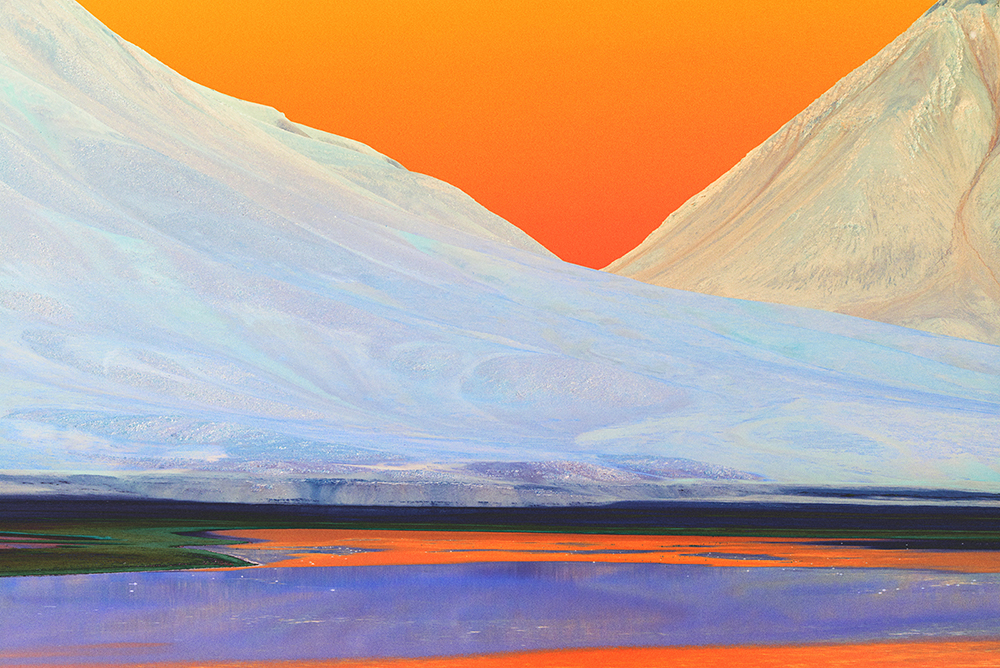
©Brendan Pattengale, Your Love and Light
Brendan Pattengale received CENTER’s Project Launch Juror’s Choice Award. His Project, Color of Love, “probes photographic methods as well as the truth in color perception”. Christy Havranek, the Photo Director of The Huffington Post selected Brendan’s work for this award and her statement is below.
The Project Launch Juror’s Choice Award is granted to an outstanding photographer working on a fine art series or documentary project. The grant includes a cash award to help complete or disseminate the works, as well as providing a platform for exposure and professional development opportunities.This grant is awarded to complete or nearly completed projects that would benefit from the grant award package. It requires signature of a contract to participate in an exhibition during Review Santa Fe.
Christy Havranek is the Photo Director at the Huffington Post. With 17 years experience in photo and digital media, she has previously worked in a variety of industries, all centered on photography: Frommer’s Travel, NBC Universal, Polo Ralph Lauren and Bloomsbury Publishing, among others.
We are constantly surrounded by images. We check Instagram the minute we wake up, expect high-quality photos to accompany the news we read, and are inundated daily with advertising.
So, what makes for compelling, game-changing photography? What makes a body of work not only demand our immediate attention but — more importantly — keep it?
As I looked through submissions, what kept my attention was work that tackled universal themes through distinctly original and subversive methodology. I gravitated toward photography that pushed boundaries, gave me a sense of place, and also transported me.
These projects speak to our current global moment — a point where everything seems volatile and fraught with anxiety. And yet, I saw heartening glimmers of hope, community, and tenderness. Recurring themes surrounding identity, displacement, death, and the rural landscape connected to our basic humanity and shed light on everyday issues. The personal is political.
I chose work that resonated with me for days after I first saw them, as well as projects whose artistry and ingenuity could not be ignored. That’s what great art does — it seeps into our subconscious and makes us discover something we didn’t know before. Photography shouldn’t always be easy to look at, or even comfortable. It should challenge us and our perceptions.
As a community, industry, and as storytellers, how do we best push our medium forward and beyond? We continue to invent methods of visual storytelling. We deconstruct processes. We bear witness to moments and artfully, thoughtfully, document them. I’m deeply honored to be a juror for the 2017 Project Launch. Thank you to Center for trusting me with this responsibility; I can’t wait to see what the future holds for our medium.
When I first viewed Brendan Pattengale’s series “Color of Love,” I couldn’t look away, and I’m thrilled to select this series for my Juror’s Choice Award. I was immediately drawn to the vibrant color and otherworldly feel. His images are paradoxical: what we see is land, yes, but it looks like another planet. His images are both graphic and downright painterly. Brendan is able to show us a landscape — something we’ve seen in images since the invention of the camera — in a new, transformative way. Indeed, this project challenges the very notion of what landscape photography is or can be. He has beautifully pushed boundaries of interpretation and representation, and I look forward to seeing more work from him the in future.
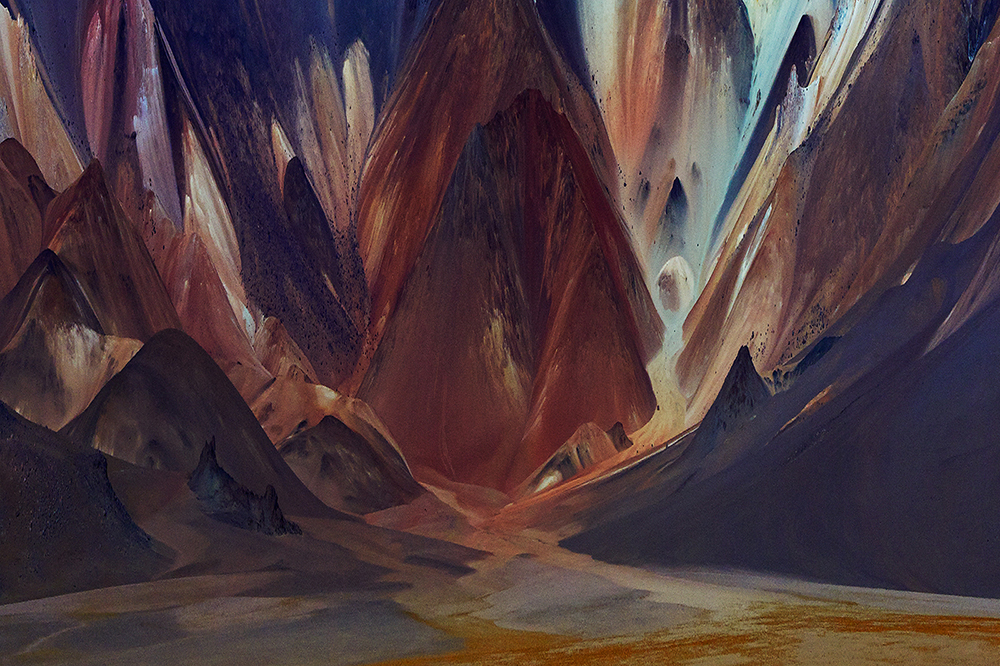
©Brendan Pattengale, Jutting Marbled Mosaic
A Los Angeles native, Brendan Pattengale (b. 1984) is photographer with a painter’s eye for color and composition. A frequent traveler, he seeks out uniquely beautiful landscapes to suit his otherworldly aesthetic. His choice of perspective and color scheme creates photographs that appear, deceptively, more like drawings or paintings. Pushing the viewer to reconsider the components of mechanical image making, Brendan references the history of photography while keeping a very contemporary sensibility.
Brendan was raised with an appreciation of nature and art. In his youth, he frequently set out on backpacking adventures with his parents and two older brothers through the Eastern Sierra’s. In addition, he was exposed to various forms of culture, whether it was attending concerts at the Los Angeles Philharmonic or going to an art house independent film.
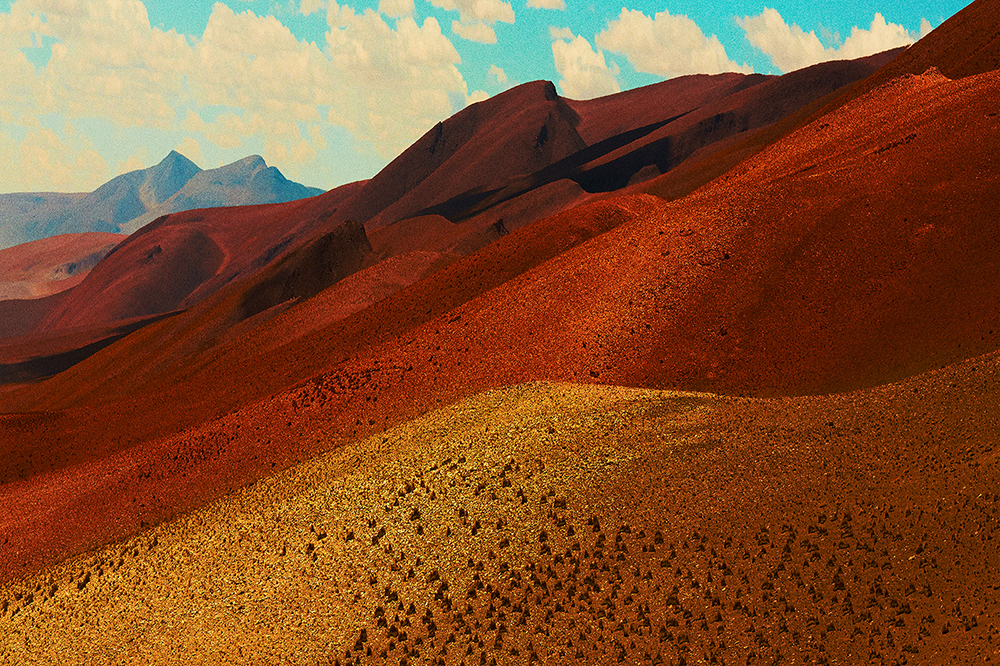
©Brendan Pattengale, Now I See the Light
Color of Love
Taking up the tradition of landscape photography to situate my musings, I probe photographic methods as well as the truth in color perception. My photographs are strikingly abstract, psychedelic in the way that they vividly depict valleys and vistas, yet they maintain a certain realism in the subject matter.
Utilizing an unorthodox set of tools to capture my chosen terrain—I travel to the far reaches of the world to find new sceneries—, I call into question the role of the camera as vicarious viewer relative to an image making process that involves other mechanical and non-mechanical agents. As was said by Goethe in his Theory of Colors, colors belong to the eye; I convey this in my images, which are entirely true in their
retelling of light and, therefore, vision, while they are also altered in their process prior to the instant of the photograph.
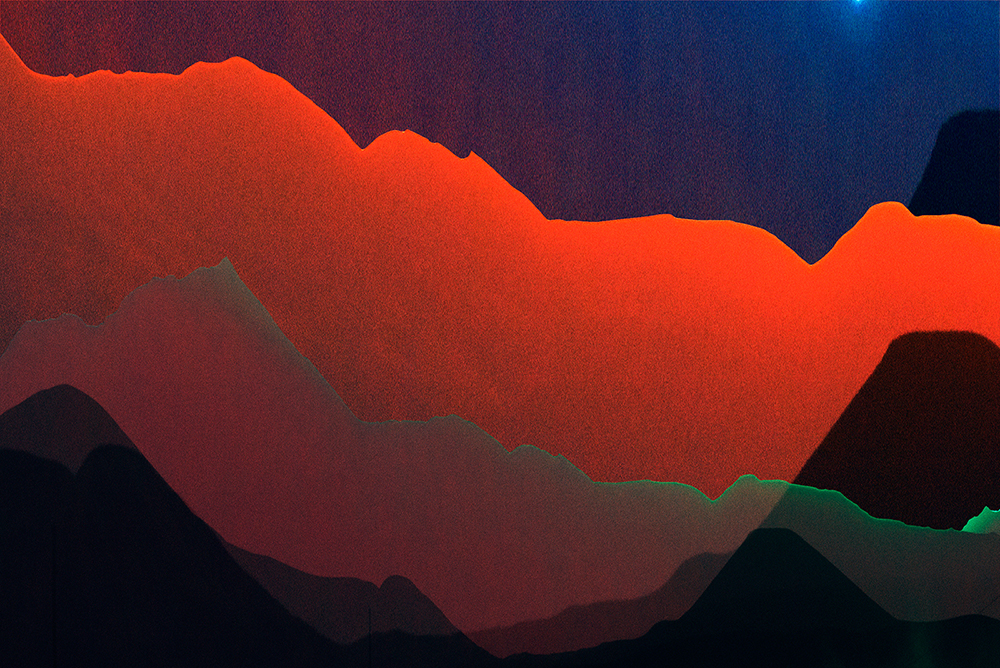
©Brendan Pattengale, A Glowing Heart
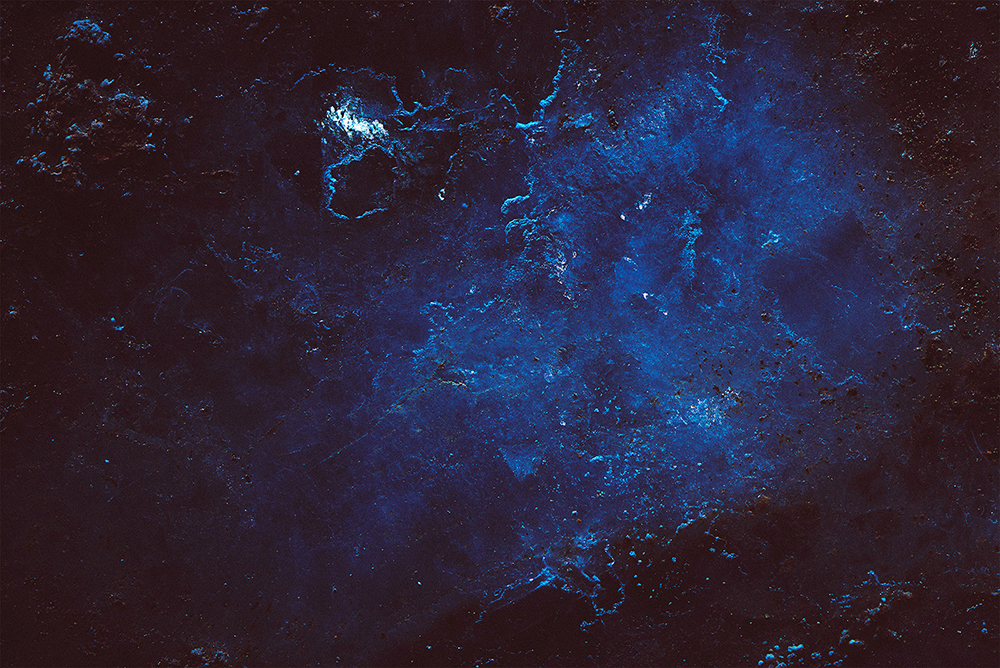
©Brendan Pattengale, Space Exploration
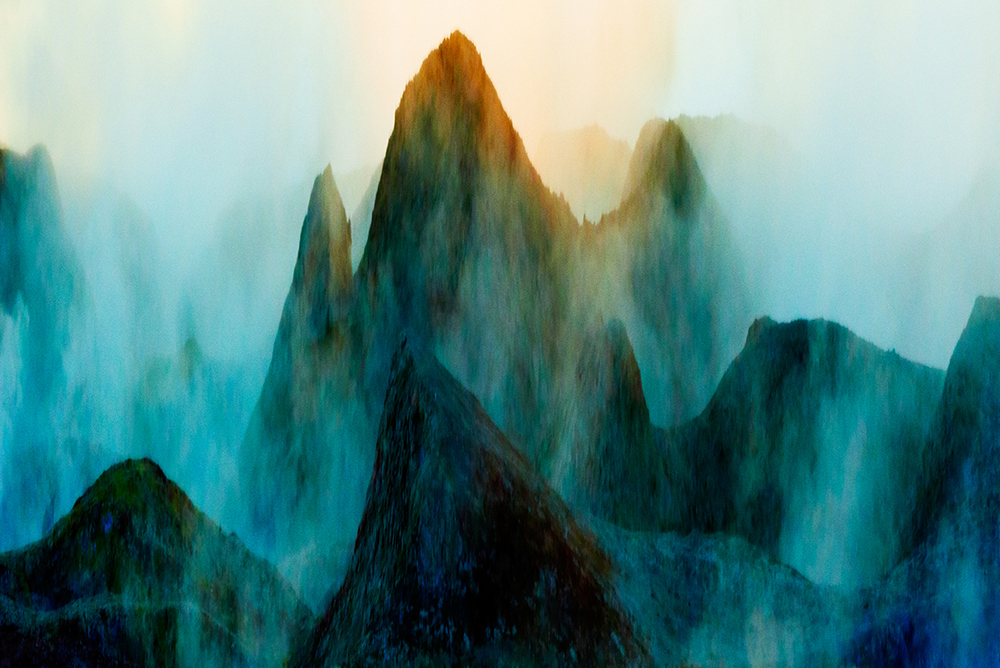
©Brendan Pattengale, Inhale Exhale Repeat
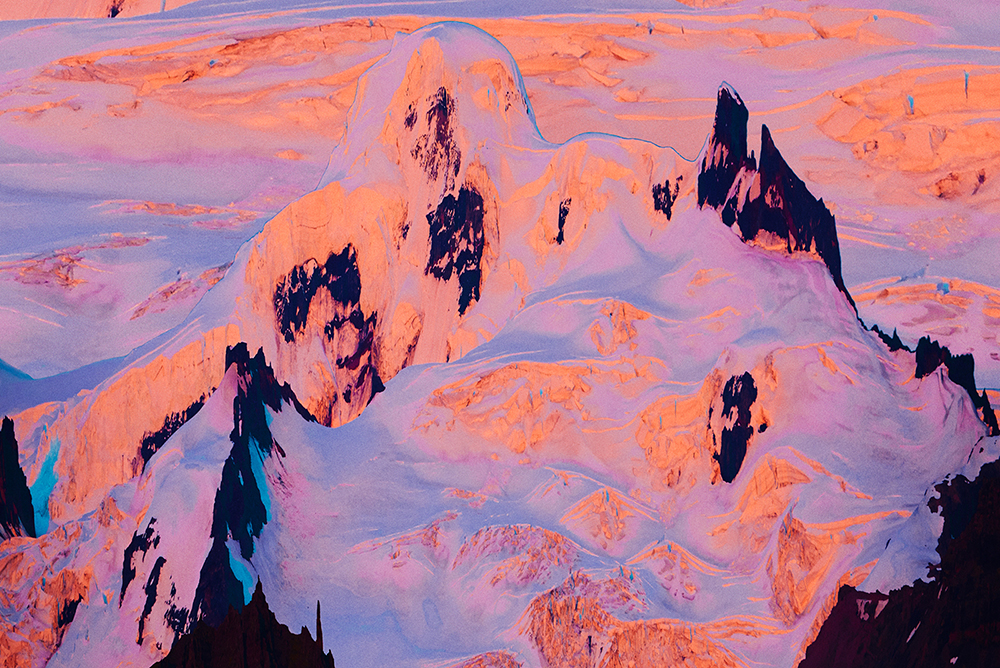
©Brendan Pattengale, Warm and Cold
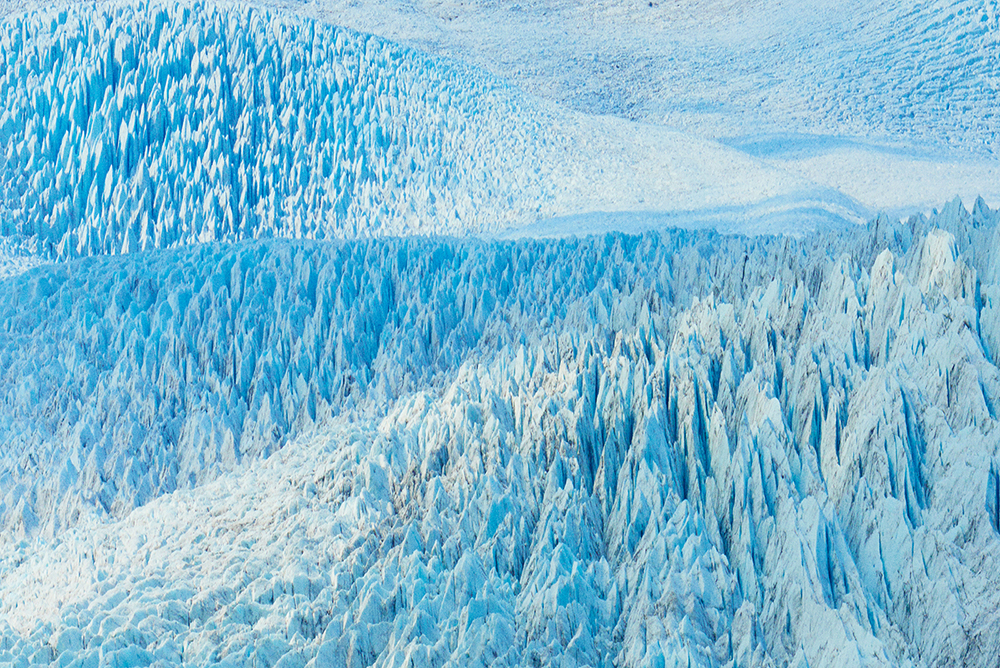
©Brendan Pattengale, Beautiful Danger
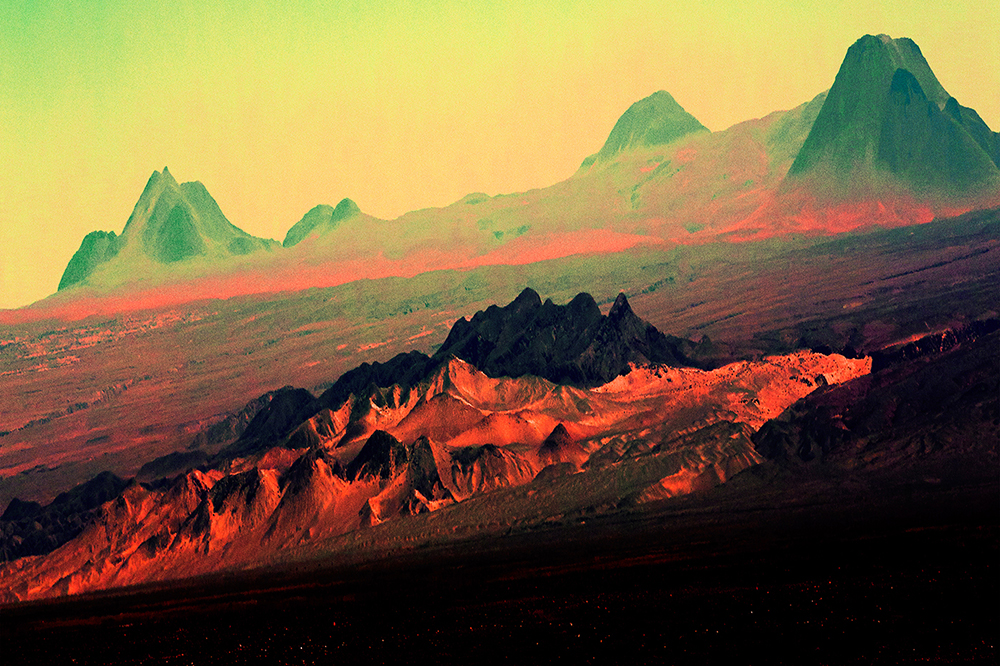
©Brendan Pattengale, Reds Greens Pinks
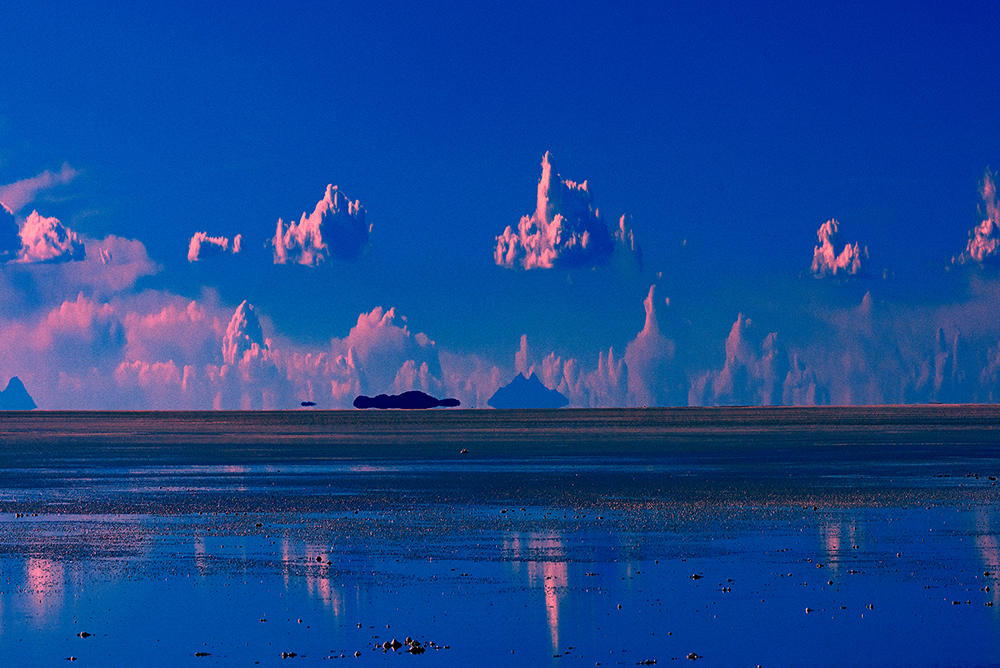
©Brendan Pattengale, Pink Finger Clouds
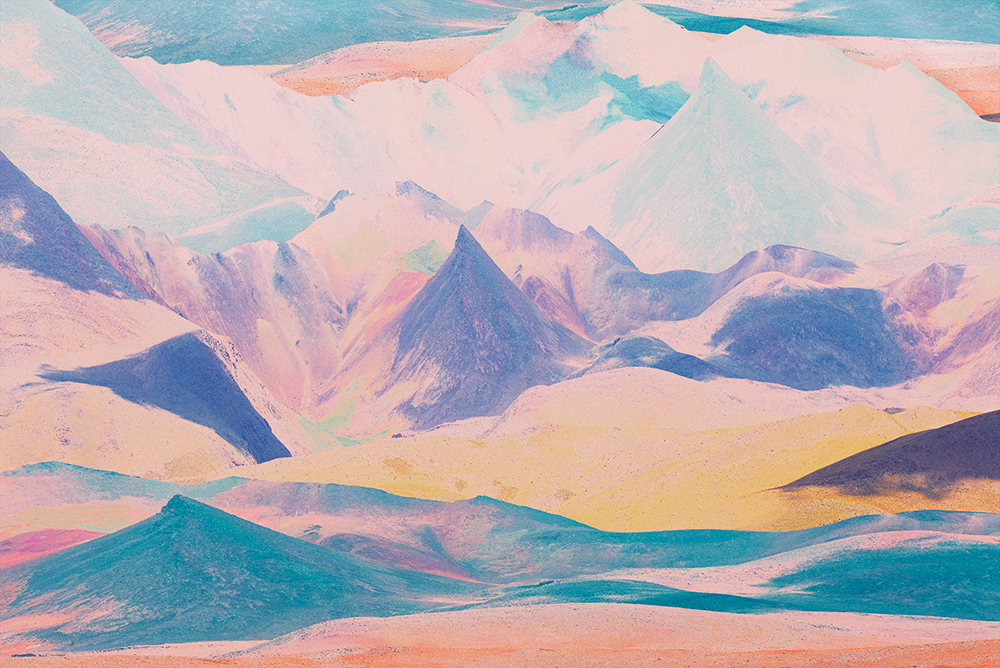
©Brendan Pattengale, Already present within you
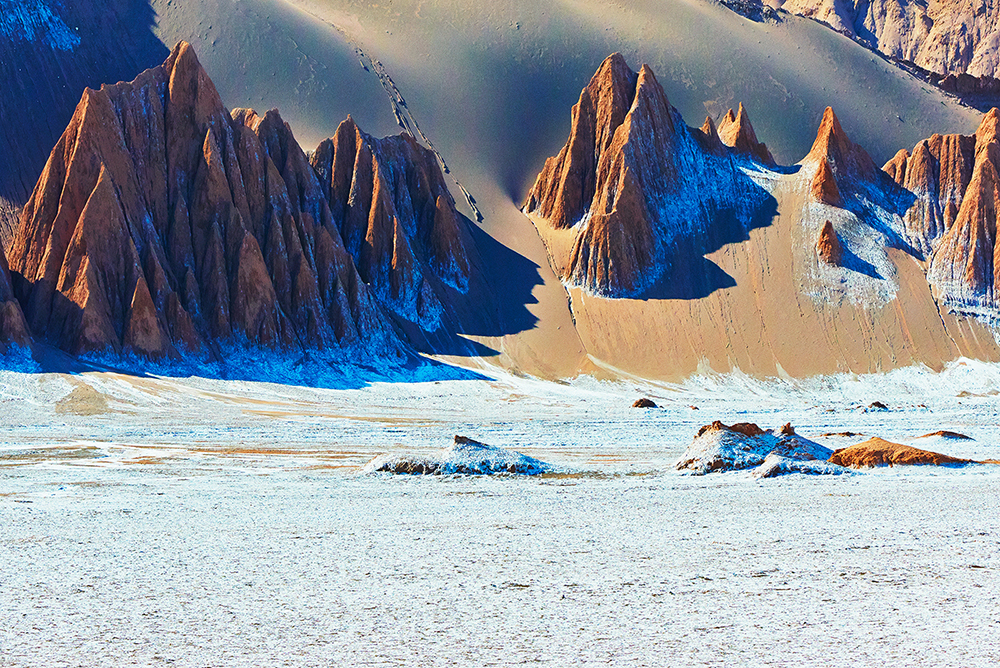
©Brendan Pattengale, Spires of Joy
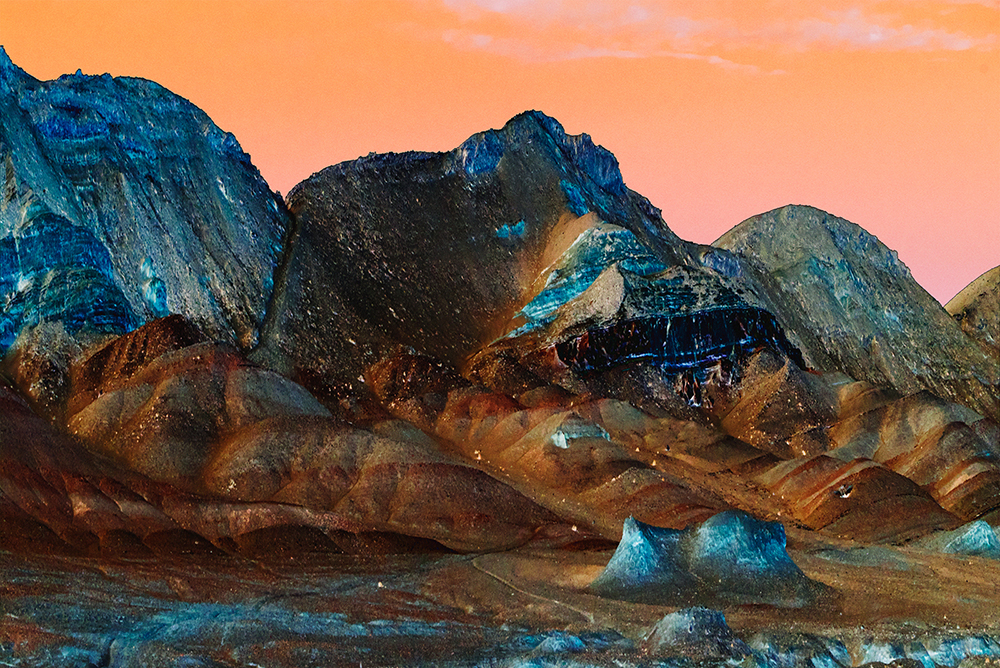
©Brendan Pattengale, Dreaming my Dreams
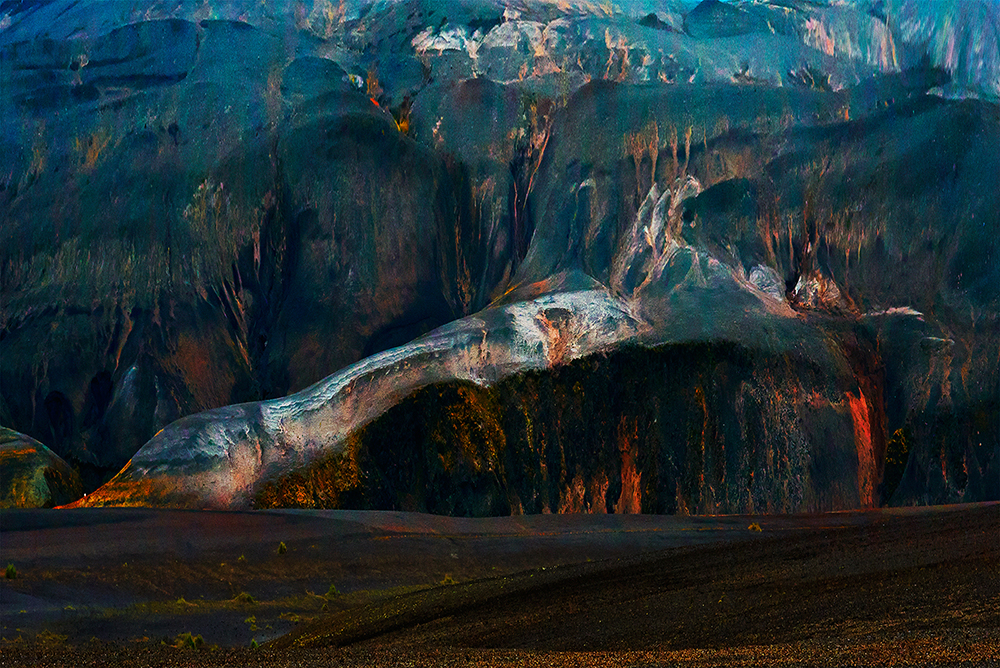
©Brendan Pattengale, Midnight Black
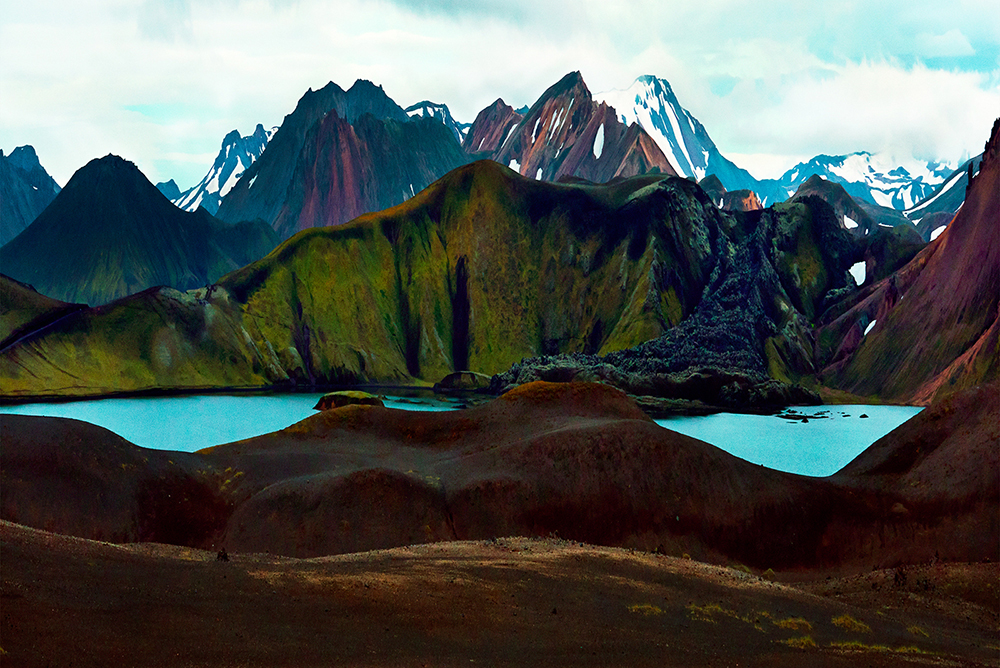
©Brendan Pattengale, Painted Portals
Posts on Lenscratch may not be reproduced without the permission of the Lenscratch staff and the photographer.
Recommended
-
Zanele Muholi: 2026 Hasselblad Award LaureateMarch 13th, 2026
-
Shane Hallinan: The 2025 Salon Jane Award WinnerFebruary 12th, 2026
-

Greg Constantine: 7 Doors: An American GulagJanuary 17th, 2026
-
Yorgos Efthymiadis: The James and Audrey Foster Prize 2025 WinnerJanuary 2nd, 2026
-
Arnold Newman Prize: C. Rose Smith: Scenes of Self: Redressing PatriarchyNovember 24th, 2025