The CENTER Awards: The Editor’s Choice 2nd Place: Virgil DiBiase
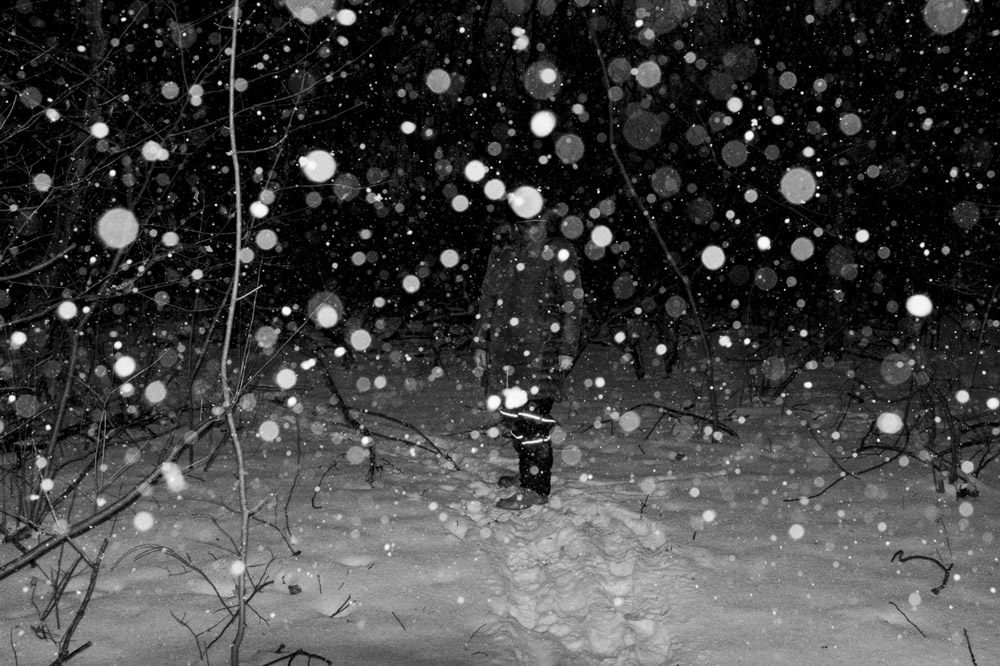
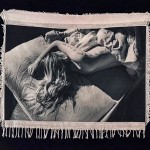
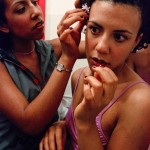
©Virgil DiBiase, “When you stare at me and question me I go blind.” Ruth
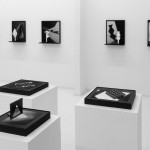
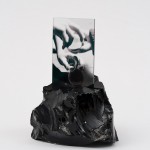
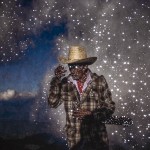
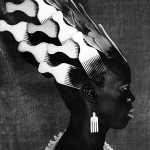
Congratulations to Virgil DiBiase for his Second Place win in CENTER’S Editor’s Choice Award for his project, My husband won’t tell me his first name. The Choice Awards recognize outstanding photographers working in all processes and subject matter. Images can be singular or part of a series. Winners receive an opportunity to be part of the Winners Exhibition at El Museo Cultural de Santa Fe, complimentary participation in Review Santa Fe, and an Online exhibition at VisitCenter.org.
Juror Nicole Werbeck – Senior Supervising Editor for Visuals and Engagement, NPR shares her insights:
Coronavirus. I would have never imagined. The global pandemic fully gripped the world during the time I was judging this Award. It’s hard to believe, I was more focused when I was considering everyone’s entries. But I was looking for an escape. Each piece of work I consumed was a respite from our new normal. I want to thank everyone who entered the contest. Your photography provided me with a light during a difficult time. Remember that what you do matters. During this health crisis, people turned to art and photography for relief, comfort and guidance.
For me, photography has always been a powerful tool that inspires and empowers people. And that is what I found the hundreds of entries that I reviewed. I was impressed by the field overall. It was really difficult to just pick 3 entries. Not only was there a wide variety of topics covered from aging and climate change, I was particularly struck by the different ways photographers and artists are using photography. And the variety of emotions that were triggered for me by these projects.
My husband won’t tell me his first name gave me a small glimpse into what a family experiences when a loved one has dementia. When I’m reviewing images, the one thing that remains constant is surprise. This piece brought a different viewpoint from each image. In one you are seeing what someone with dementia is experiencing but the next is showing what a family member may see. It was an intimate look into a multifaceted story. The project statement was really well done and helped draw me into the story as well.

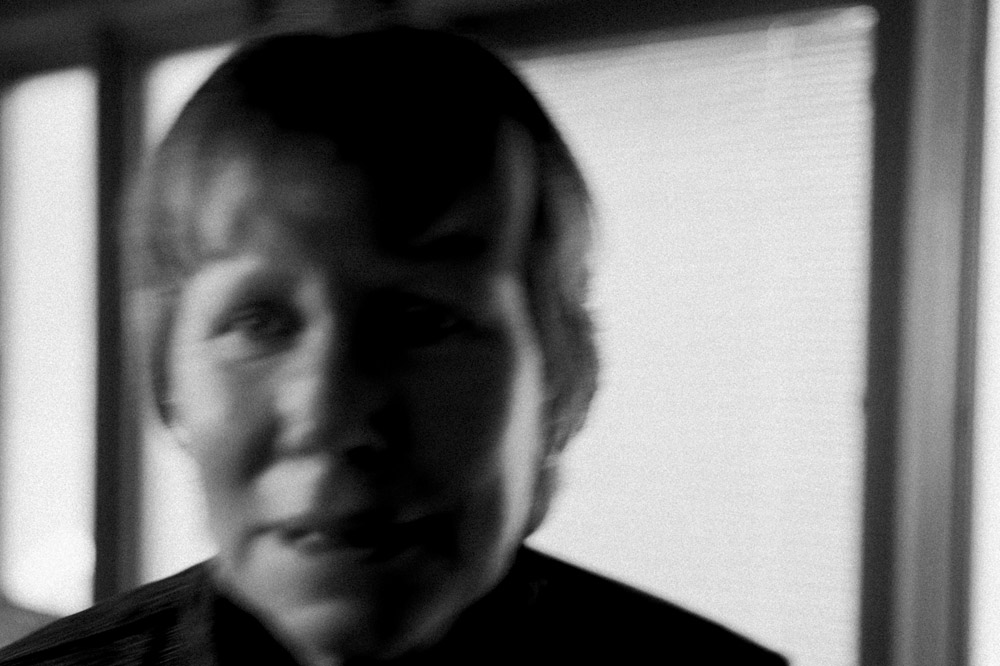
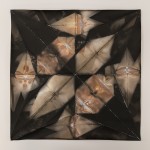
©Virgil DiBiase, M.E. Frontotemporal dementia
Nicole Werbeck is currently a Senior Supervising Editor for Visuals and Engagement at NPR. She is in charge of the photo and multimedia editors. And runs the engagement and social media teams for the radio network.
Nicole was a Senior Digital Photo Editor at National Geographic. While there, Nicole assigned and edited photo and multimedia stories from across the world to publish online and in their magazine, and helped run NatGeo’s social media accounts. Nicole worked with veteran National Geographic photographers and editors as well as recruited new photographers into the fold. Nicole helped bring Agile methodologies into the NatGeo newsroom and worked as a multimedia coach for the Society’s grantees and explorers.
Nicole spent 10 years as an editor at The Washington Post. Nicole was a Project Editor, Photo Editor, and Deputy News Editor. She worked on a variety of important stories, from the September 11, 2001 attacks to Hurricane Katrina.
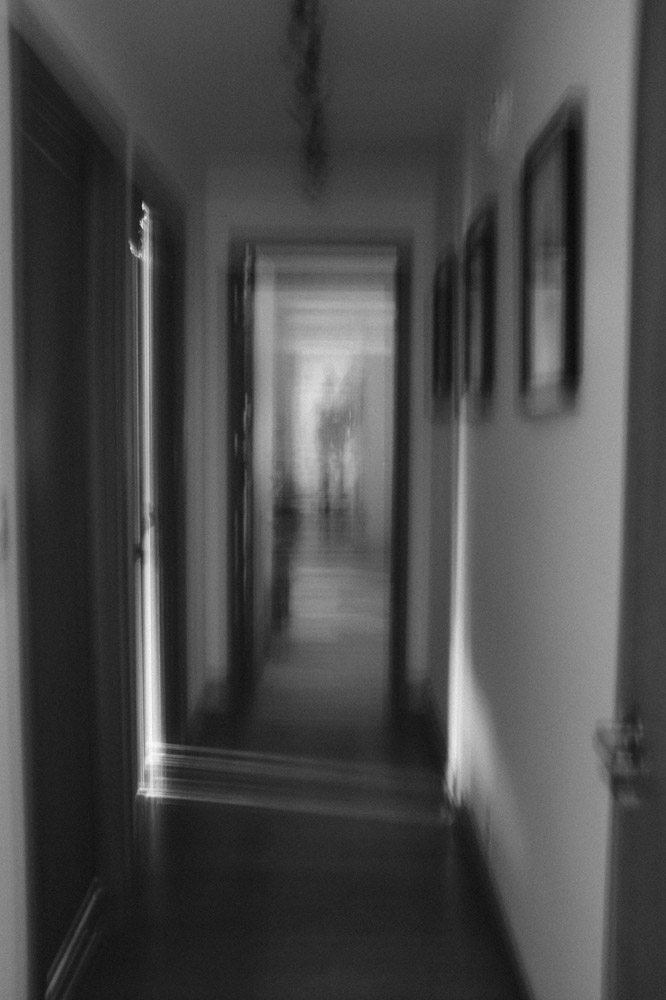
©Virgil DiBiase, “I get lost in my own house.” Verna
My husband won’t tell me his first name.
In the 1980s when I was in medical school there were 500,000 people with dementia in this country. Now there are nearly 6 million people and that number will triple by mid-century. There is no cure for dementia but that doesn’t mean we can’t take care of the people in a humane way. I started to make portraits of my patients with dementia and spend time with them in their homes and make a social event out of it. When they came back to see me in my clinic they had an emotional memory of our interaction. Two years ago, my father developed dementia and he said to me: “get me out of here”, a metaphor for being trapped cognitively by his disease. Since that time, I’ve been making Platinum prints of perceptions, using quotes from my patients to visually shape my photos. I aim to create a visual language in order for the viewer to experience the inner state of dementia. We categorize people with dementia as suffering from the same set of conditions and having the same symptoms. They may have the same disease but they experience it in unique ways. They are unique individuals, just as non-demented people are. And just as Platinotype prints are unique even when printed from the same negative. Metaphorically this process parallels my relationship with my dementia patients (or any other relationships). These are unique individuals and anything goes. It takes patience. This project deserves a hand crafted process rather than inkjet prints or even silver gelatin prints where every print looks the same. I would like to preserve these memories in photographs. Platinum prints are very stable, but memories are not.
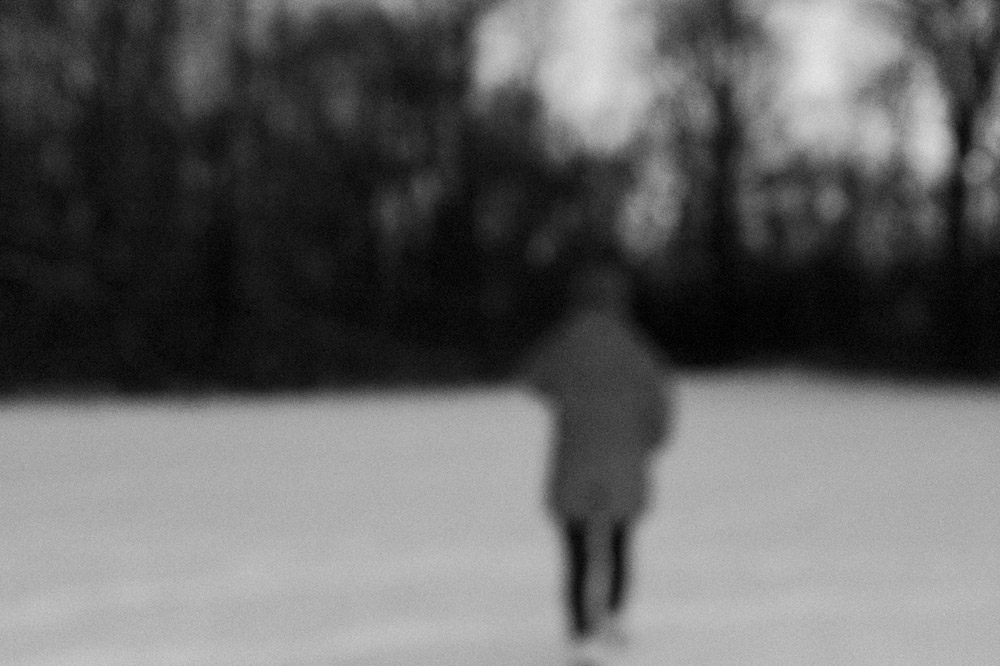
©Virgil DiBiase, It’s on the tip of my tongue but when you get it out no one gives a damn.” Louis
Virgil DiBiase (b.1963) lives in rural Indiana with his wife and a bunch of equines. He is a full time clinical neurologist, photographer, part time farm hand. His parents were Italian immigrants who moved to rural Salem Ohio in the 1950s. His father was a photographer and taught him how to develop B&W film and make gelatin silver prints in the basement darkroom. Back then everything was in B&W: TV, magazines, newspapers and photography. His father made beautiful family photos with his Leica and made big 8×10 prints. Black and white photography was his first language and so he continues to work in B&W.
He has exhibited his work in many juried group shows including Griffin Museum of Photography, Fort Wayne Museum of Art, Colorado Photographic Arts Center, Edition One Gallery, Soho Photo Gallery ,Providence Center for Photographic Arts and photo-eye Gallery in Santa Fe. He’s been published in B&W magazine, LFI Magazine, Burn Magazine, The Cresset, and recently Shots magazine. He’s had solo shows at the Rangefinder Gallery in Chicago, Strimbu Gallery at Valparaiso University and the Workspace Gallery in Lincoln Nebraska. He’s been shortlisted three times for the Royal Photographic Society International Print Exhibition and has been a Critical Mass Finalist for the last 3 years. His work is in the permanent collection of the Fort Wayne Museum of Art.
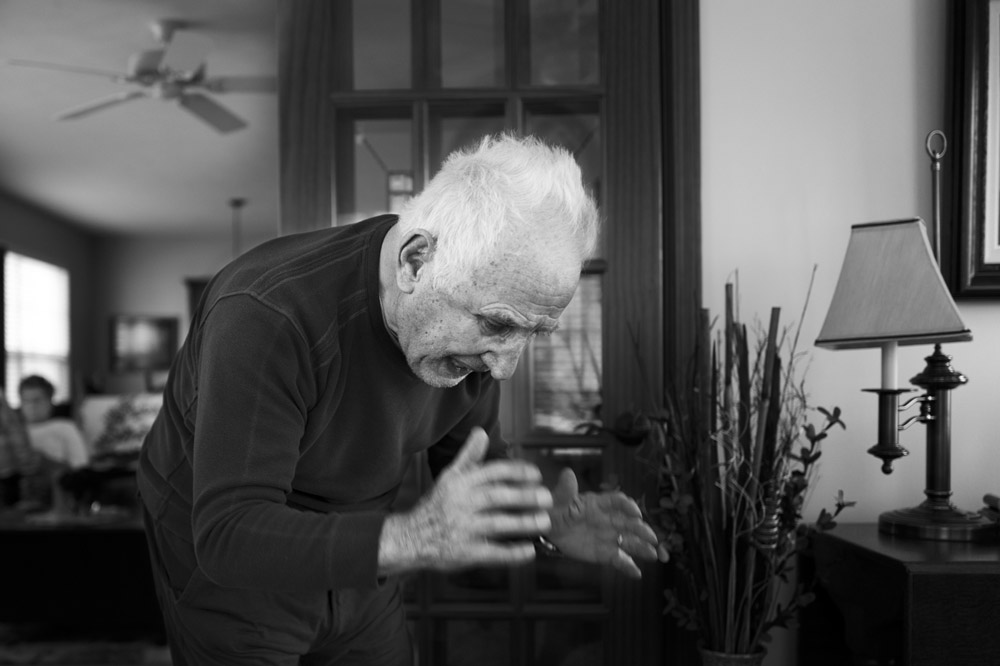
©Virgil DiBiase, Eugene, Parkinson’s Dementia
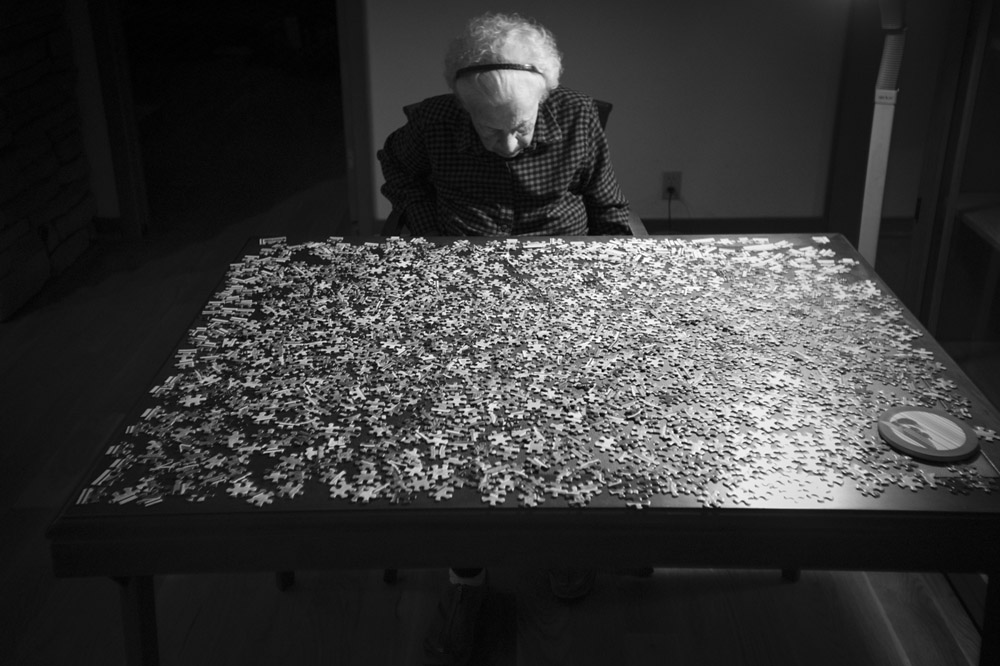
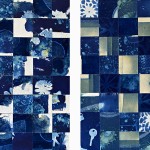
©Virgil DiBiase, 1000 Pieces
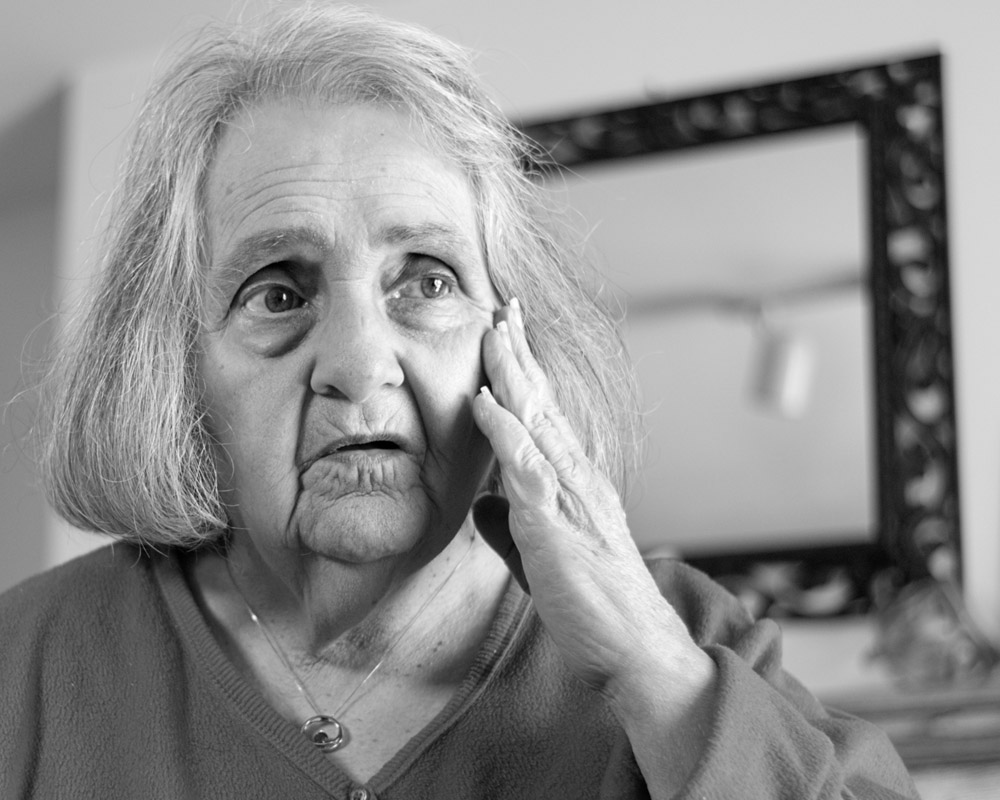
©Virgil DiBiase, Irene
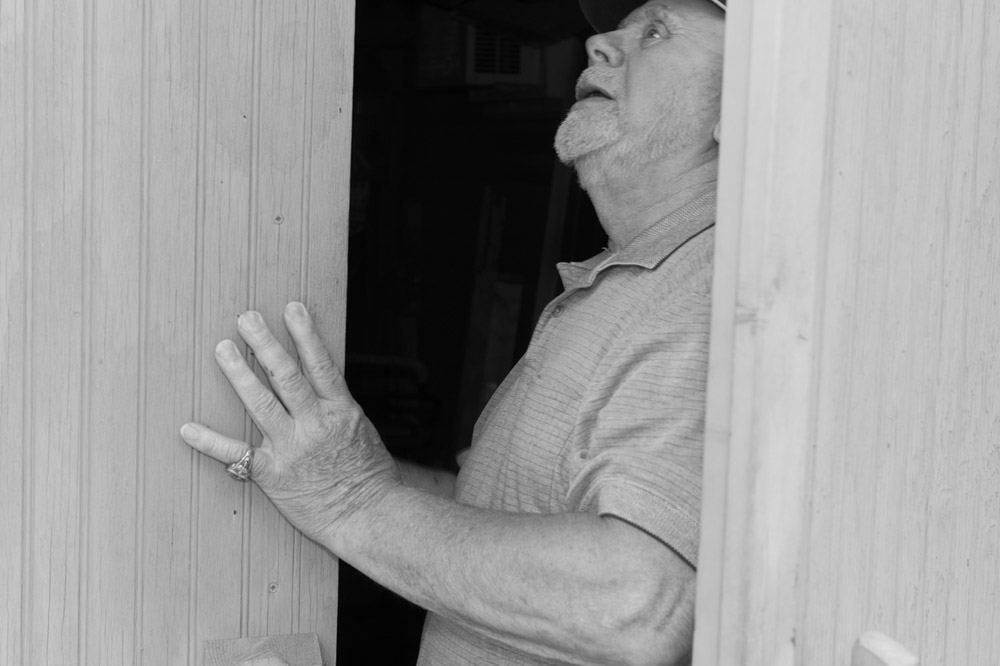
©Virgil DiBiase, “I can’t find the words, but I can picture it.” Jack
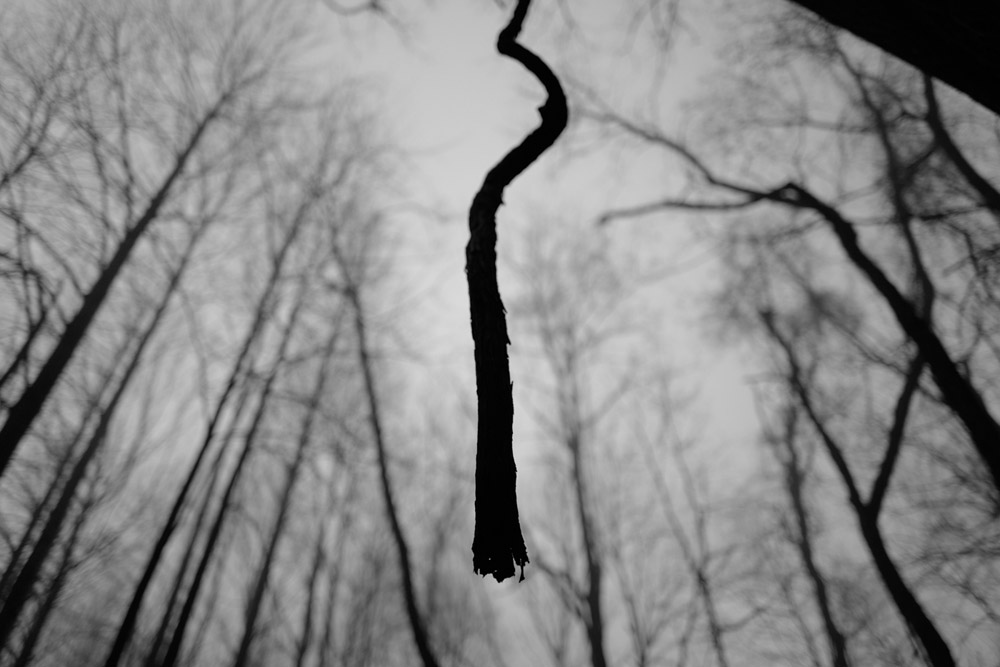
©Virgil DiBiase, “My thoughts are suspended in mid-air, but my emotions are grounded.” Anonymous, Alzheimer’s dementia
©Virgil DiBiase, “I think they’re taking my body parts.” Rose, Alzheimer’s dementia
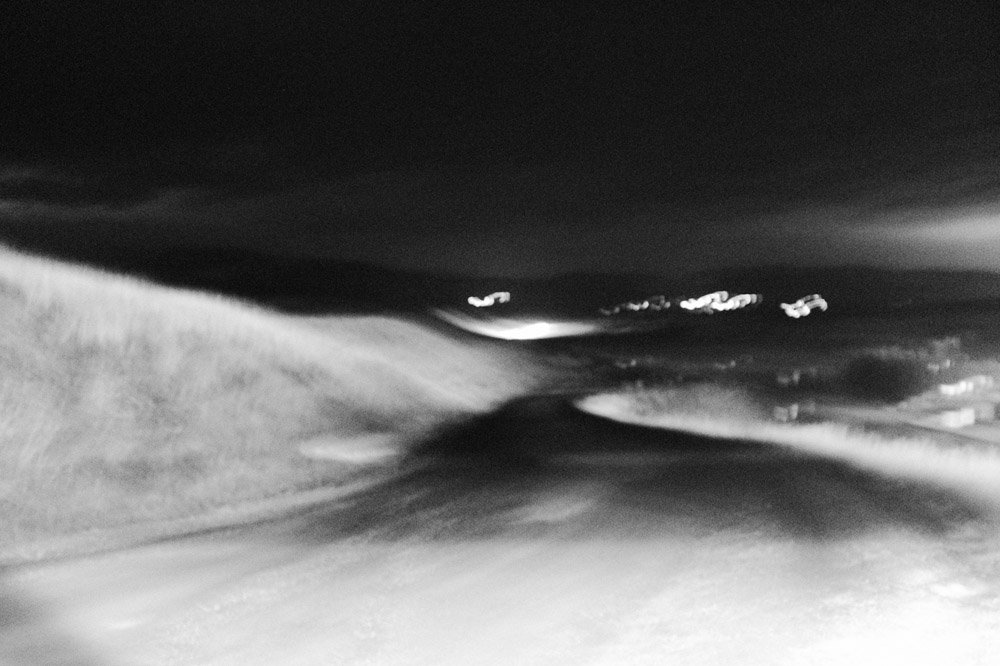
©Virgil DiBiase, “I’ve only been lost one time.” Betty, Alzheimer’s dementia
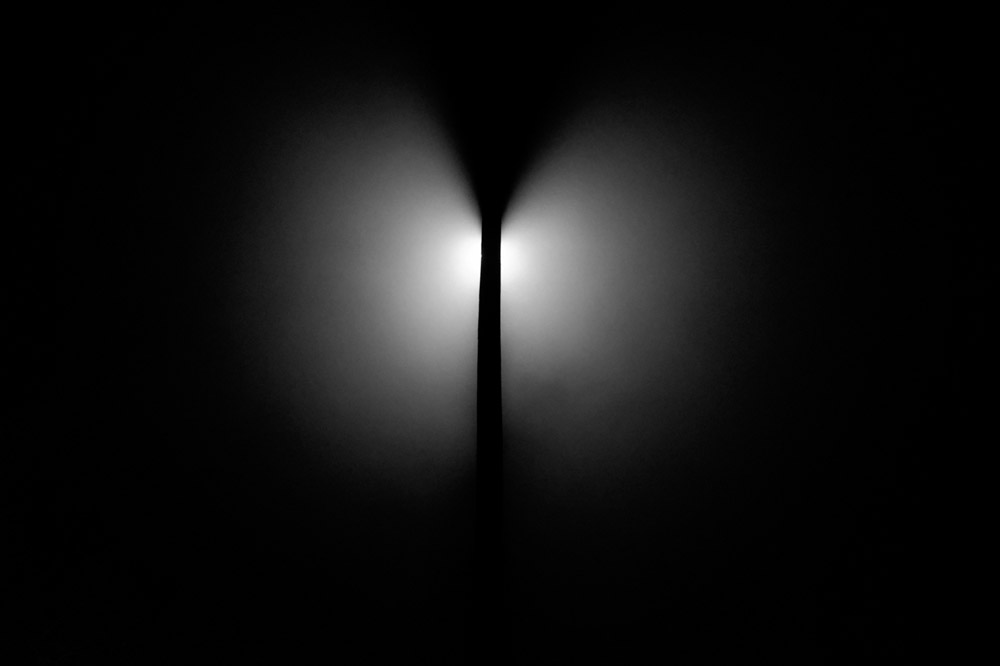
©Virgil DiBiase, “The left side of my brain knows where I’m going but the right side prevents me getting there.” Anonymous, dementia
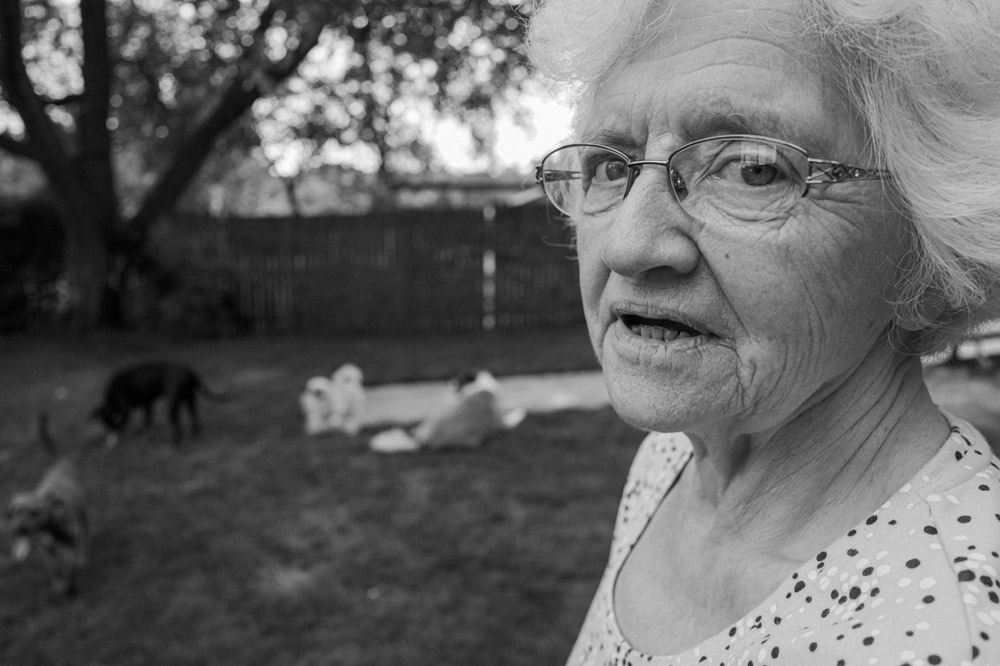
©Virgil DiBiase, “What country are you from?” Nancy, Alzheimer’s dementia
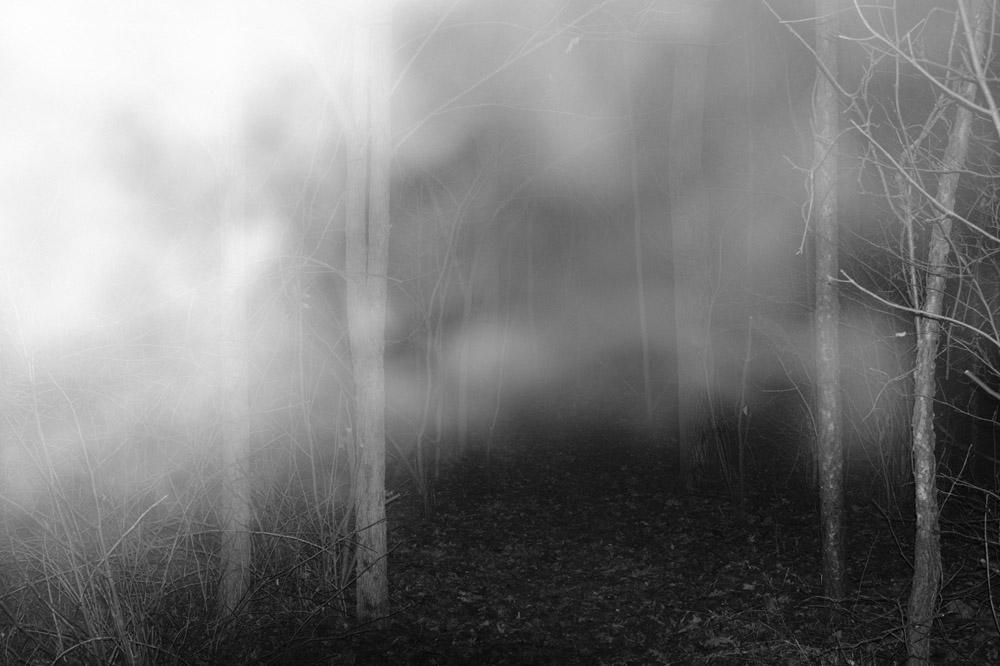
©Virgil DiBiase, “I’m going into a dream, a dream that keeps coming back.” George, Alzheimer’s dementia
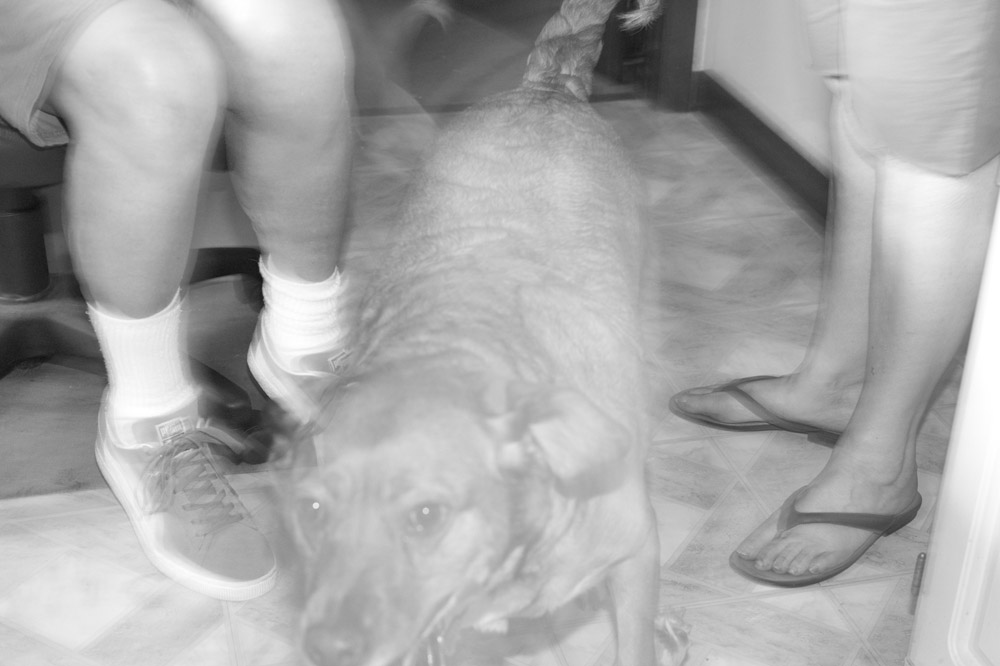
©Virgil DiBiase, “Dogs on the TV come into my kitchen, but I know they are not real.” Anonymous, Parkinson’s dementia
Posts on Lenscratch may not be reproduced without the permission of the Lenscratch staff and the photographer.
Recommended
-
The 2026 Paula Riff Award Winner: Angélica ArbulúJuly 3rd, 2026
-
The 2025 Paula Riff Award Winner: Marni MyersJuly 2nd, 2026
-
The 2024 Paula Riff Award Winner: Minwoo LeeJuly 1st, 2026
-
The 2023 Paula Riff Award Winner: Paula McCartneyJune 30th, 2026
-
The 2021 Paula Riff Award Winner: Katie ShapiroJune 28th, 2026