In Focus: The MFA Review: East Carolina University
©Daniel Kariko, Professor
Each installment of In Focus: The MFA Review highlights a different MFA program for photographic artists, offering readers a concise overview of its identity, curriculum, faculty, student experience, financial support, and post-graduation outcomes. It also serves as a showcase of the creative work produced by faculty, students, and alumni. Rather than functioning as rankings or endorsements, these features are intended as practical starting points—tools to help prospective students compare programs, identify what matters most to them, and make more informed decisions about their graduate education. While certain details shared in these articles may change over time, my hope is that these program snapshots offer a clear sense of what each represents in the present moment.
Thank you to Angela Wells for completing this interview and compiling all the images/resources!
Institution name: East Carolina University
Degree Title: MFA in Studio Art
Location: Greenville, NC
Link to Program Page: https://art.ecu.edu/mfa/overview/
Link to Application Page: https://art.ecu.edu/apply/
Instagram: @ecumfa
©Daniel Kariko, Professor
Tell us a little about your program. How would you define its scope and purpose?
With more than 475 undergraduate and 20 graduate students, supported by over 45 faculty members, the School of Art and Design at East Carolina University is the most comprehensive art school in North Carolina and one of the largest in the Southeast. Our community is made up of students from across North Carolina, the United States, and abroad. Since 1962, the ECU School of Art and Design has been an accredited institutional member of the National Association of Schools of Art and Design. More than fifty years of continuous accreditation affirms our commitment to academic rigor, creative innovation, and professional preparation.
The Master of Fine Arts (MFA) at ECU is a 60-credit, three-year program and the terminal degree in studio art. It prepares artists for advanced studio practice as well as teaching at the university level. Our interdisciplinary curriculum encourages students to expand on existing strengths while exploring new tools, technologies, and approaches across a wide range of disciplines. MFA candidates design a personalized course of study with opportunities in ceramics, glass, graphic design, metal design, painting, printmaking, photography, sculpture, textile design, and other areas. This flexibility allows students to cultivate both depth and breadth in their practice, positioning them to thrive as professional artists, educators, and cultural leaders.
©Angela Franks Wells, Professor
What would you say makes your program special?
Our new motto says a lot: Your Vision. Your Practice. Your MFA. A student-centered, mentorship-driven MFA for interdisciplinary creative problem solvers.
The MFA program at East Carolina University distinctive is not simply the scale of its facilities or the breadth of its resources, but the culture that exists within them. At the foundation of the program is a deeply engaged community of faculty, staff, and students who are genuinely invested in one another’s growth as artists, thinkers, educators, and people. While the School of Art and Design is one of the largest and most comprehensive art schools in the region, the graduate program maintains an unusually close-knit and collaborative atmosphere where students are known individually, and mentorship relationships are central to the experience.
The program’s mentorship-based structure allows students to shape an individualized path through the degree while still benefiting from rigorous dialogue and sustained faculty engagement. Rather than working within isolated silos, students are encouraged to build relationships across disciplines, drawing from the expertise of faculty and peers throughout the School of Art and Design. This creates an environment where experimentation, risk-taking, and interdisciplinary exploration are not only supported, but expected.
Equally important is the sense of community that develops within the program. Graduate students work closely together through critiques, shared studios, collaborative projects, exhibitions, and day-to-day conversations that extend far beyond the classroom. The culture is intellectually ambitious while remaining generous and supportive. Students challenge one another, celebrate one another’s successes, and often describe the program as feeling more like a creative family than a traditional academic environment. That balance of rigor, flexibility, and genuine human connection is a defining strength of the program.
The program is further strengthened by access to exceptional facilities and resources across the School of Art and Design and University in general, allowing students to move fluidly between traditional processes, emerging technologies, and interdisciplinary forms of making. Whether students are pursuing highly specialized studio practices or hybrid approaches that cross media boundaries, they are supported by both the infrastructure of a major research institution and the personal attention of a closely connected graduate community.
There’s a certain gravitational pull to the place. Students arrive because of the resources and opportunities, but many stay connected long after graduation because of the relationships and sense of belonging they build while they are here.
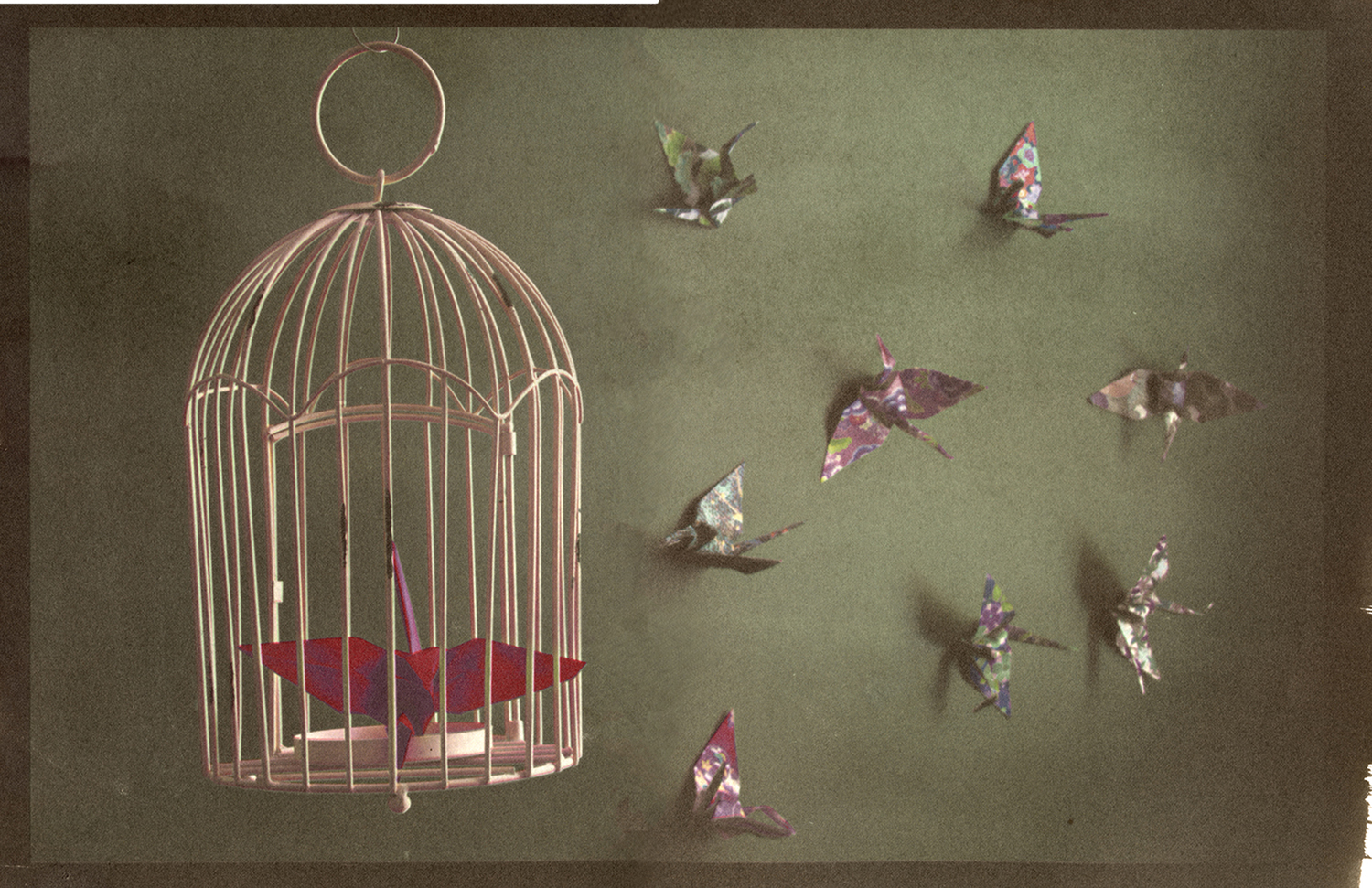
©Angela Franks Wells, Professor
What specialized facilities are available for student use (i.e. darkroom, lighting studio, print lab)?
The Photography area provides graduate students with access to an expansive range of facilities that support both traditional and contemporary image-making practices, from nineteenth-century photographic processes to advanced digital production workflows. These spaces are designed to encourage experimentation, technical fluency, interdisciplinary exploration, and professional presentation of work. Prior to using specialized tools, equipment, or chemicals, students receive appropriate health and safety instruction from faculty.
Our Digital Darkroom is a controlled workspace designed for precise color management and professional digital printing. The space includes sixteen iMac workstations equipped with Adobe Creative Cloud software and X-Rite color calibration hardware to support accurate input-to-output workflows. Students have access to a wide range of professional printing equipment, including multiple Canon PRO 1000 printers and 2 large-format printers (Canon Image PROGRAF 2600 & 4600), as well as flatbed scanners. The lab also includes instructional display technology and collaborative workspace for demonstrations and critiques.
Connected to the Digital Darkroom is a dedicated Clean/Finishing Room where students prepare work for exhibition and presentation. This space includes mat cutters, paper cutters, scoring tools, flat file storage, and a large-format vacuum mount heat press, allowing students to complete professional finishing, mounting, and framing processes in-house.
The Alternative Photographic Process Lab supports instruction and independent exploration of historical and alternative photographic processes. Equipped with a designated coating and exposure area, UV exposure units, drying cabinets, contact printing frames, sinks, and worktables, the facility allows students to work with late nineteenth-century and experimental image-making techniques while engaging with photography’s material history.
Our Darkroom includes twenty enlarger workstations, print washers, and multiple private developing rooms designed for individual graduate and collaborative use.
The program also maintains a dedicated Lighting that serves both instructional and independent student production needs. The studio includes seamless backdrop systems, tabletop shooting setups, numerous modifiers and grip accessories, continuous and strobe lighting systems, and a broad selection of cameras and support equipment. Students have access to a diverse range of analog and digital cameras, including 35mm, medium format, large format, and toy cameras, along with tripods and handheld light meters.
In addition to the photography specific spaces, graduate students have access to all the medium specific and communal workspaces within the School of Art and Design. More information on these can be found here: https://art.ecu.edu/facilities-studios/
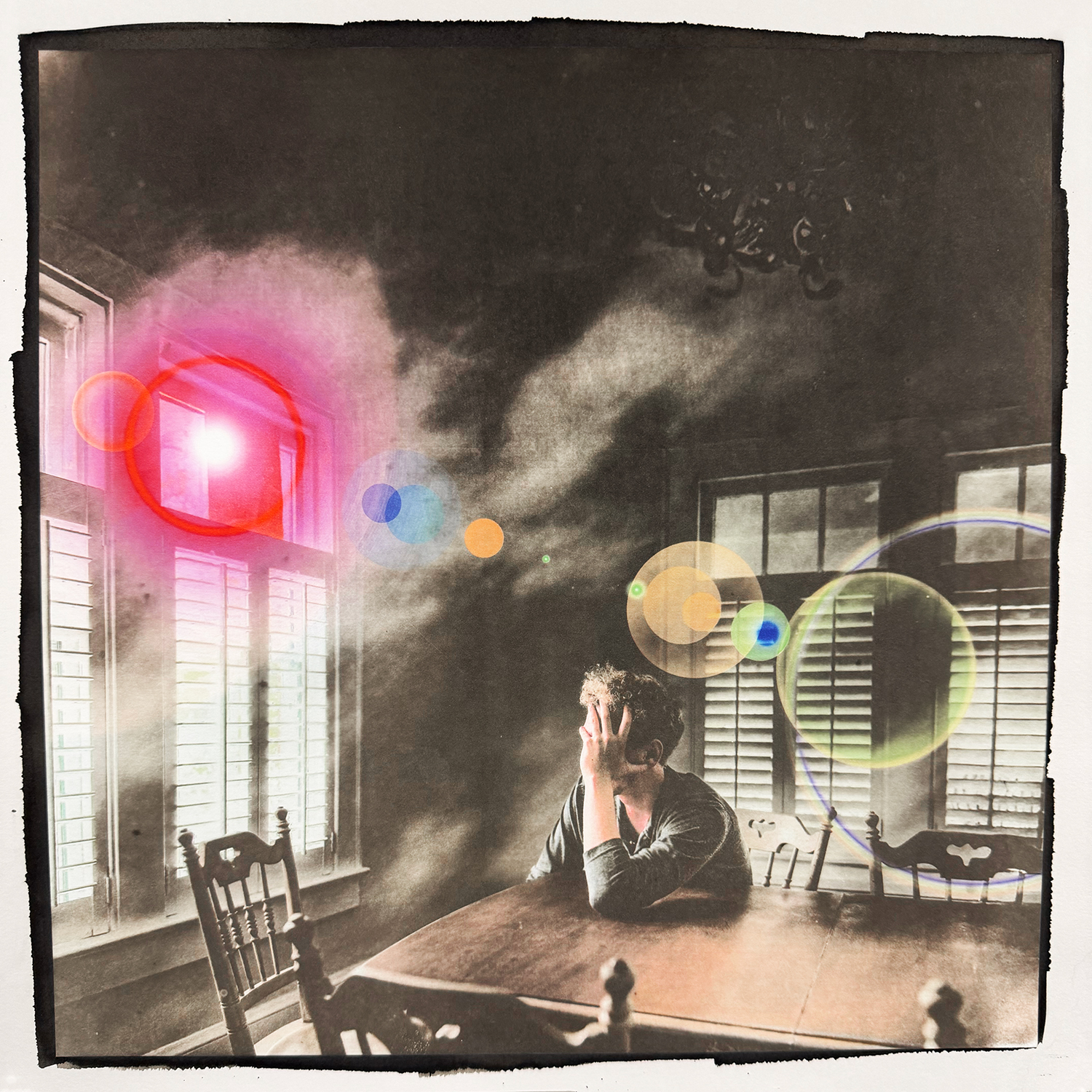
©Brian Culbertson, Teaching Assistant Professor
Is your program strictly photography-focused, or does it encourage/allow interdisciplinary work?
The MFA in Studio Art at ECU is intentionally interdisciplinary by design. Graduate students may engage coursework and mentorship across ceramics, glass, graphic design, metal design, painting, photography, printmaking, sculpture, textile design, and other areas throughout the School of Art and Design. Some students maintain a strong focus within a single discipline, while others develop interdisciplinary practices that move fluidly across multiple media and approaches.
This interdisciplinary structure is supported through shared graduate seminars, cross-area critique, faculty mentorship, and a strong culture of dialogue and experimentation. Students are encouraged to think critically about why particular materials, processes, and technologies best support their ideas, allowing the work itself to guide the direction of their study rather than the boundaries of a single medium.
It creates a kind of creative ecosystem where photographers end up talking process with metalsmiths, ceramicists borrow strategies from designers, and unexpected connections become part of the research itself.
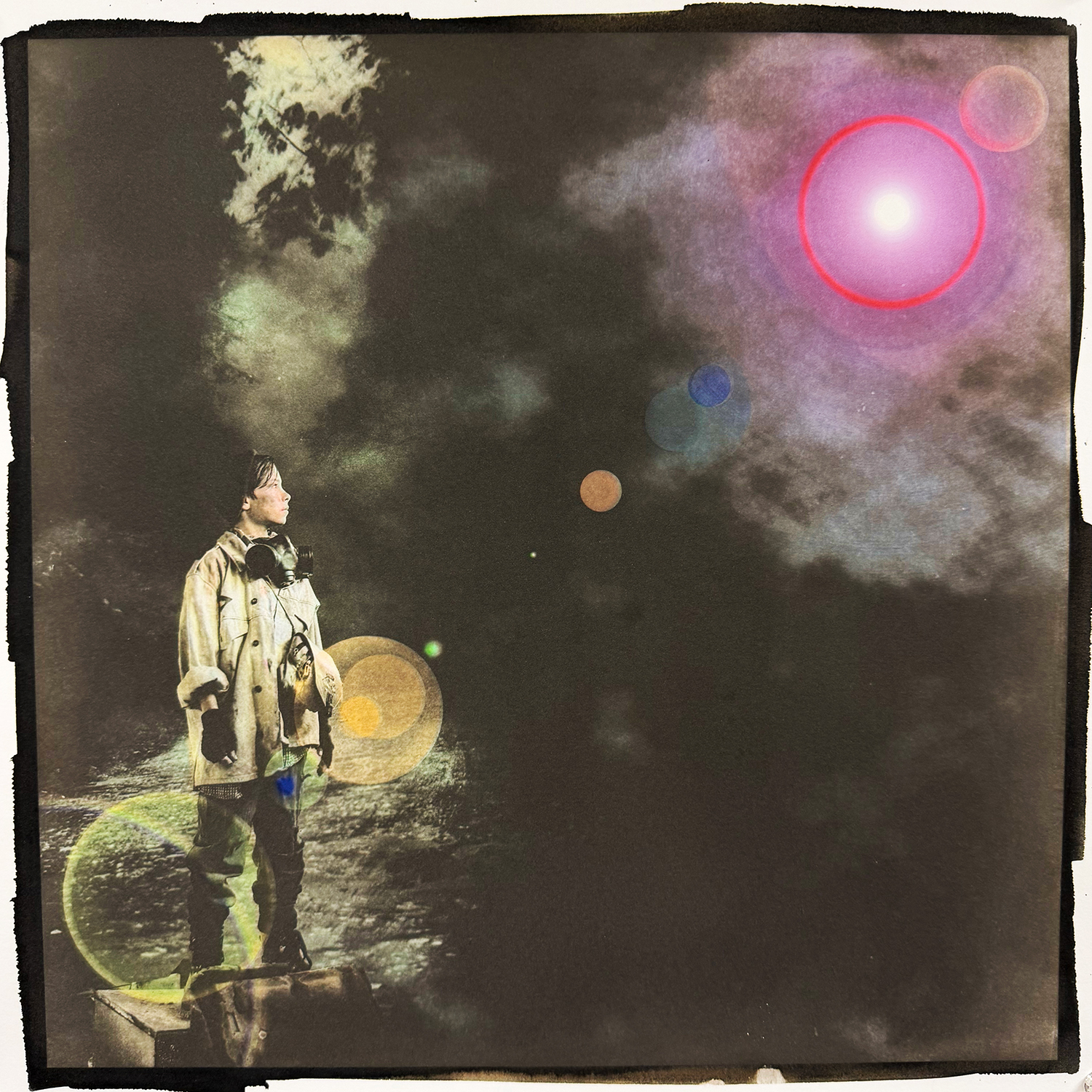
©Brian Culbertson, Teaching Assistant Professor
Do you specialize in a particular area (i.e. documentary, experimental, environmental work)? And once in the program, is a student able to shift their focus if their creative interests change?
Our program does not promote a single photographic specialization. Our faculty work across a wide range of approaches and encourage students to develop an individual voice and pursue the methods, materials, and conceptual frameworks that best support their ideas. Students working in documentary, conceptual, experimental, constructed, interdisciplinary, socially engaged, or process-driven practices all find space within the program. Rather than encouraging students to emulate faculty work or aesthetics, the program emphasizes critical exploration, experimentation, and the development of an authentic practice that is distinctly their own.
That said, the program has particular strength in alternative and experimental photographic processes. Few public institutions maintain the level of dedicated facilities and faculty support for historical and alternative photographic processes that students find at ECU. Students have opportunities to engage a wide range of historical, experimental, and hybrid analog/digital processes, from cyanotype and van dyke to wet plate collodion, copperplate photogravure, mordançage, gum bichromate, chromos, and other expanded photographic approaches.
Because the program is interdisciplinary and mentorship-based, students are absolutely able to shift or expand their focus as their work evolves. That evolution is encouraged. Many students enter with a defined direction and discover new materials, processes, or conceptual concerns that reshape their practice during their time in the program.
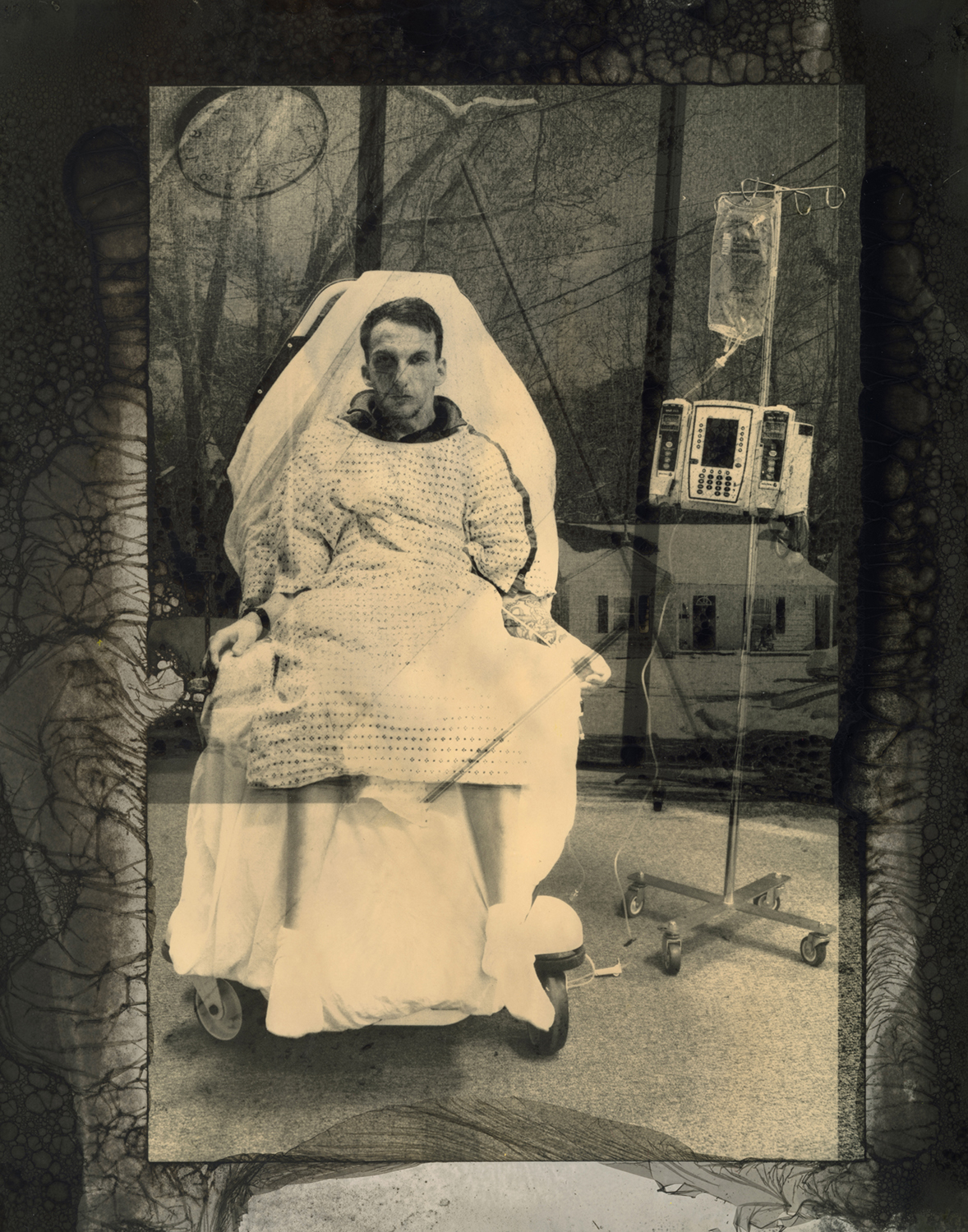
©Cullen Austin Irby, MFA Candidate
How structured is the curriculum? Are there required courses, or is it more self-directed?
The MFA curriculum at East Carolina University School of Art and Design balances a strong shared core with a high degree of flexibility and self-direction. All students complete a series of required graduate seminars and research-based courses designed to support critical dialogue, professional development, teaching preparation, and thesis research.
The program includes four semesters of interdisciplinary graduate seminar shared by first- and second-year MFA students and taught by rotating graduate faculty. Additional required coursework includes pro-seminar (a 1-credit welcome to grad school class), art and design pedagogy, career pathways, pre-thesis research, and research writing courses. These shared experiences create a strong sense of community while giving students sustained opportunities for critique, discussion, and cross-disciplinary exchange.
Beyond the required core, students build highly individualized plans of study. Studio courses are selected in collaboration with faculty mentors and may span multiple disciplines across the School of Art and Design. Academic studies coursework can include art history or other non-studio graduate courses across the university. Students have pursued supporting coursework in areas such as film studies, creative writing, philosophy, sociology, and related fields to deepen and expand their research interests.
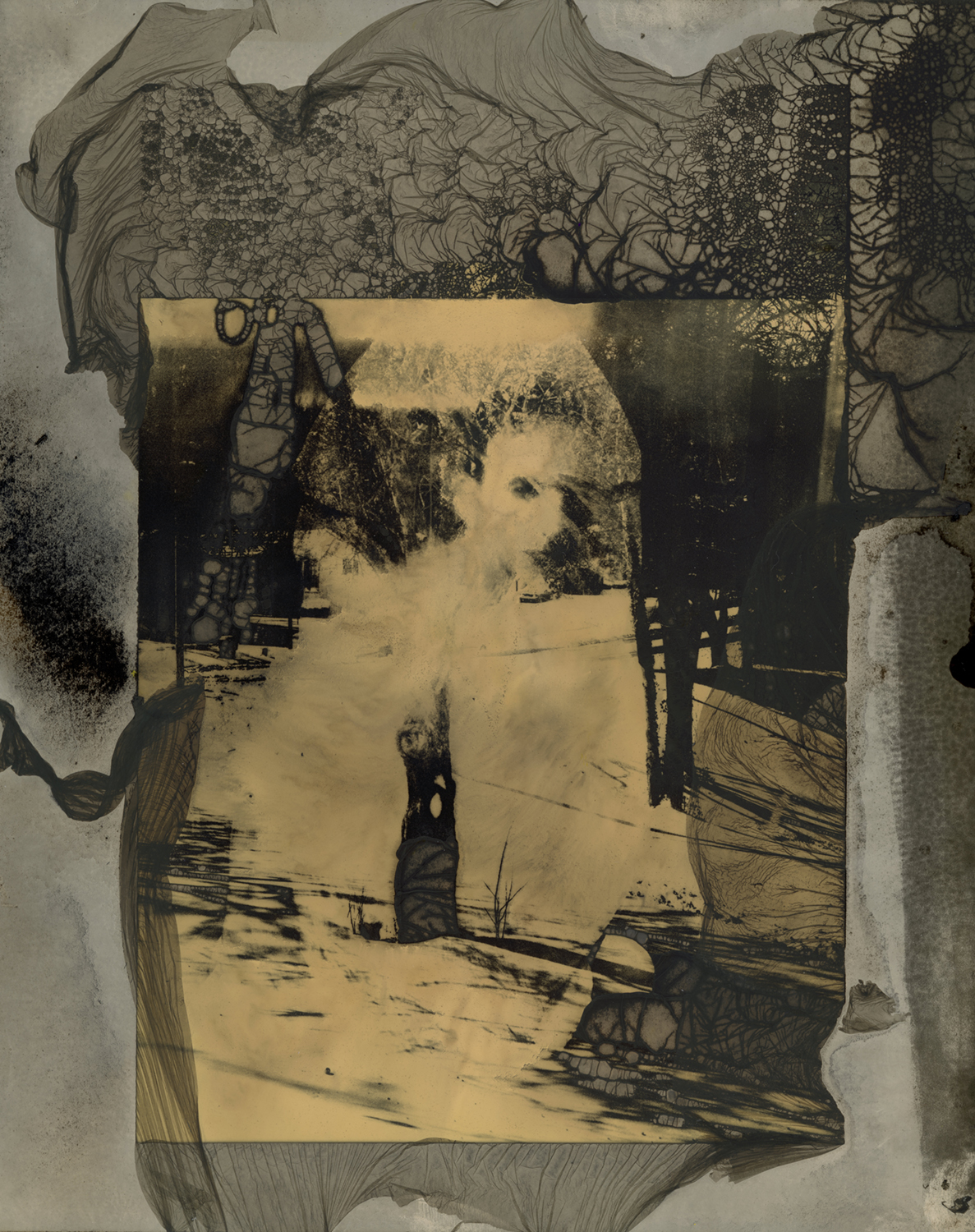
©Cullen Austin Irby, MFA Candidate
Does the program incorporate video work or emerging media such as AI, VR/AR, or 3D/360 imaging?
The MFA program at East Carolina University School of Art and Design encourages students to critically engage emerging technologies and evolving forms of image making as they relate to their creative research and practice. Within photography, faculty and coursework actively address the growing presence of AI technologies and their impact on contemporary visual culture, image production, authorship, and visual literacy.
While the program does not currently offer formalized graduate studio concentrations specifically focused on areas such as VR/AR, 3D/360 imaging, or immersive media, students interested in these approaches are encouraged to pursue them through independent research and faculty mentorship where appropriate. The program’s flexible structure allows students to integrate new technologies and experimental methodologies into their practice when conceptually relevant to their work.
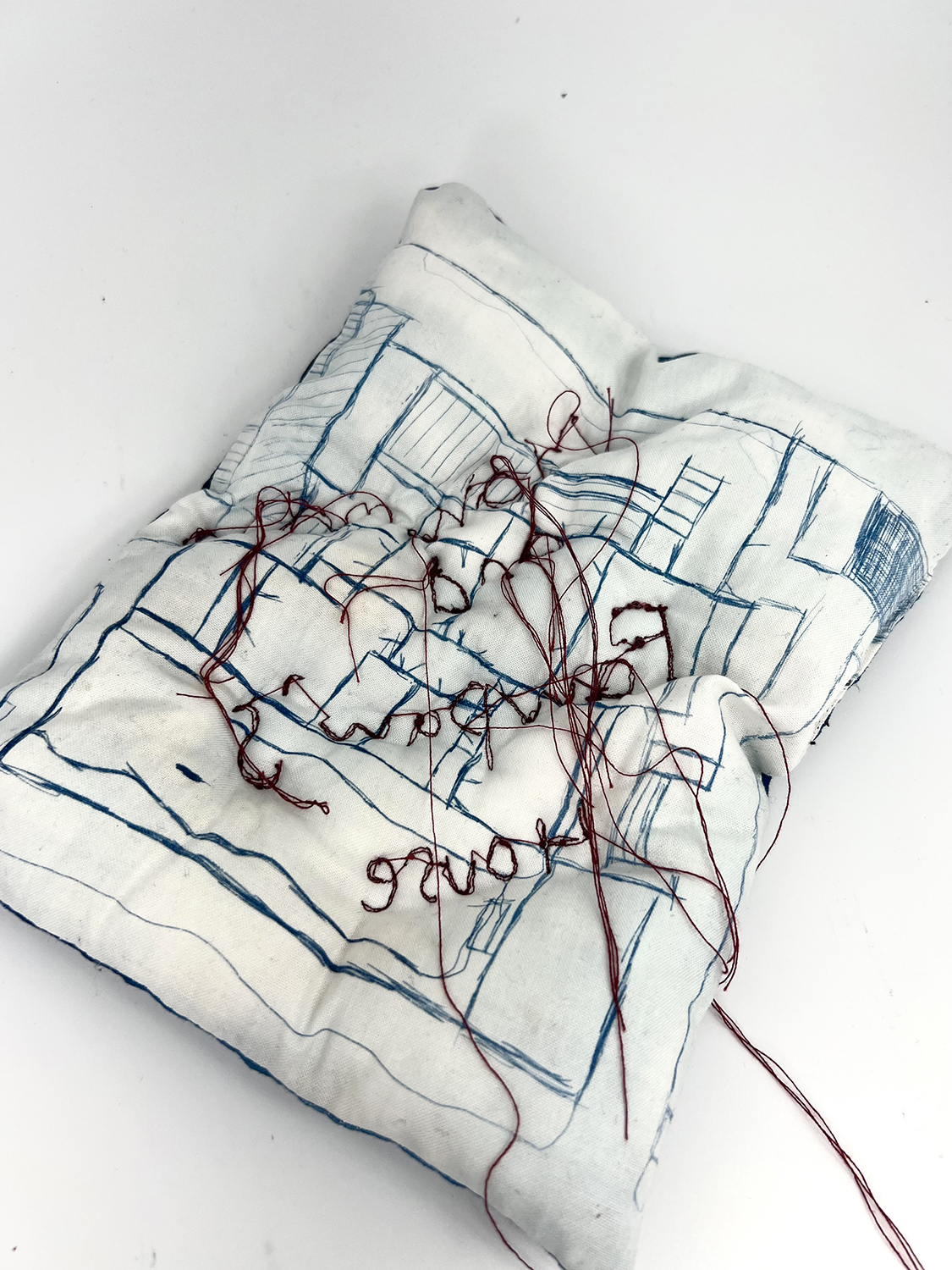
©Morgan Hesse, MFA Candidate
Does the program offer career development support, such as portfolio reviews, workshop/conference attendance, or networking opportunities?
Our MFA program places strong emphasis on professional development and preparing students for sustainable creative careers both within and beyond academia. Career preparation is embedded into the curriculum through required coursework, mentorship, visiting artists, portfolio reviews, conference participation, and opportunities to build professional networks.
A key component of this support is the graduate-level Career Pathways course, which helps students develop practical strategies for navigating the professional art and design landscape. The course focuses on career planning, portfolio development, professional writing materials, networking, mentorship building, and identifying pathways for exhibitions, residencies, teaching, freelance work, and other professional opportunities.
Each spring, we host the Portfolio Throwdown, which brings together photographers, artists, educators, and industry professionals for workshops, lectures, exhibitions, and student portfolio reviews. https://art.ecu.edu/throwdown/ Faculty and students are also active participants in the Society for Photographic Education through both regional and national conference attendance. The School of Art and Design has recently implemented research support funding that MFA students may apply toward conference travel and presenting creative research.
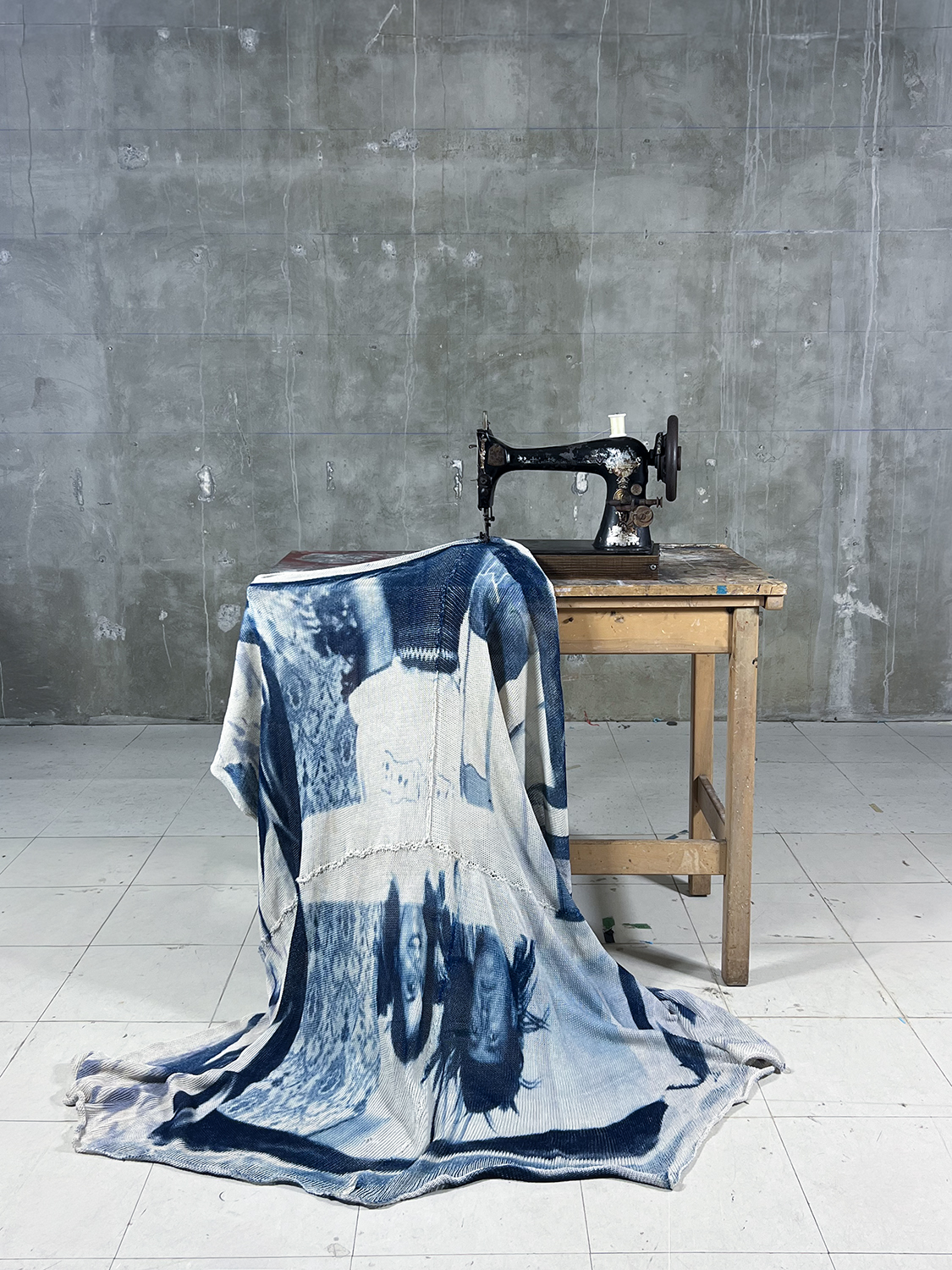
©Morgan Hesse, MFA Candidate
What are key graduation requirements (exhibition, thesis paper, portfolio, etc.)?
Completion of the MFA degree at ECU requires 60 semester hours of graduate study and the successful completion of thesis requirements.
The MFA Thesis Exhibition serves as the culminating presentation of a student’s creative research and demonstrates advanced professional and conceptual development within their practice. Under the guidance of a faculty thesis committee, students develop, refine, and present a cohesive body of work for public exhibition. MFA Thesis Exhibitions are hosted at the Wellington B. Gray Gallery, though students may also choose alternative venues.
In addition to the exhibition, students complete a written thesis document that supports, contextualizes, and critically examines the creative work. The document situates the student’s practice within relevant historical, contemporary, conceptual, and technical frameworks. Students also participate in a formal oral thesis defense with their committee, during which they present and discuss both the exhibition and written research.
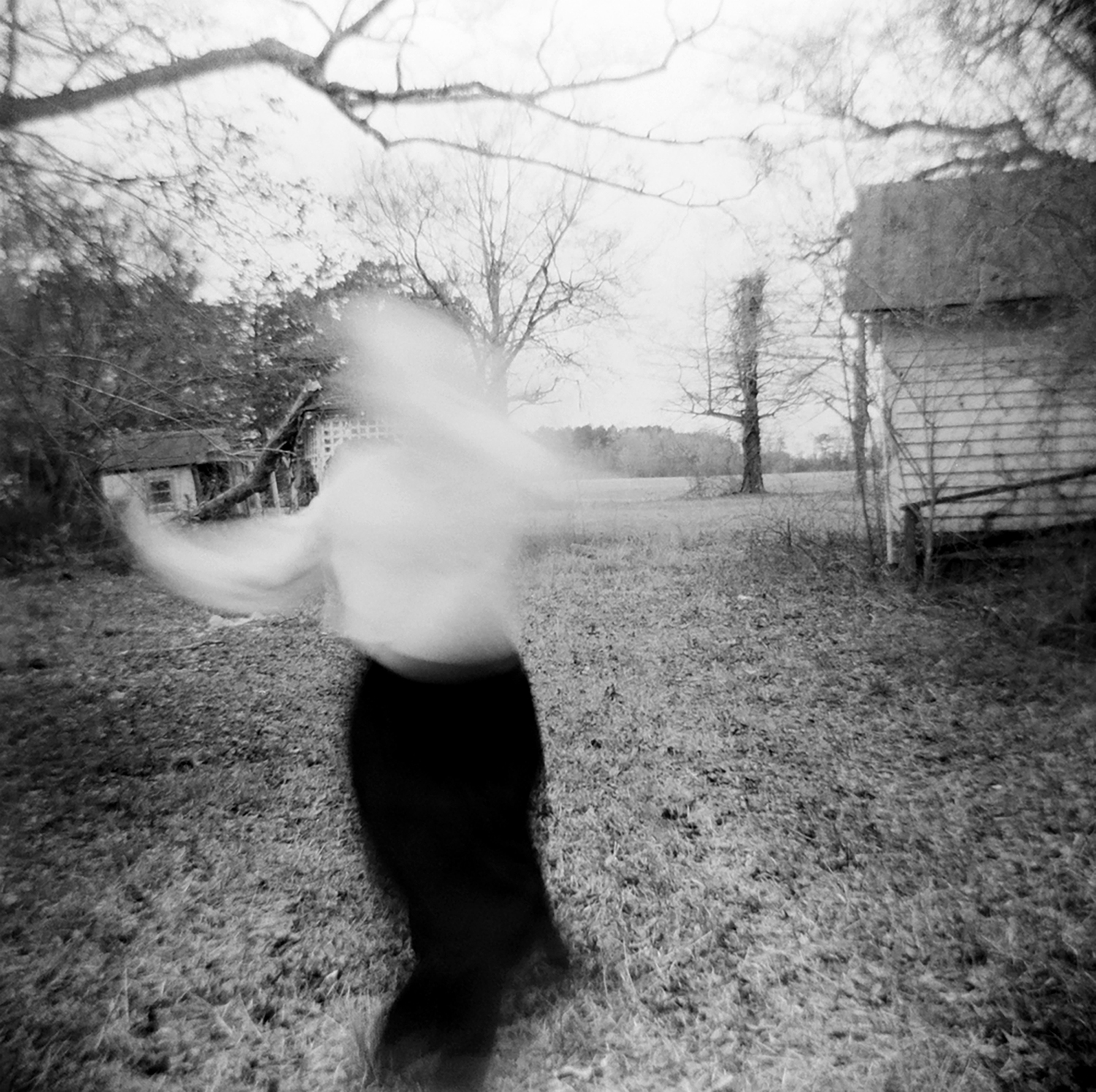
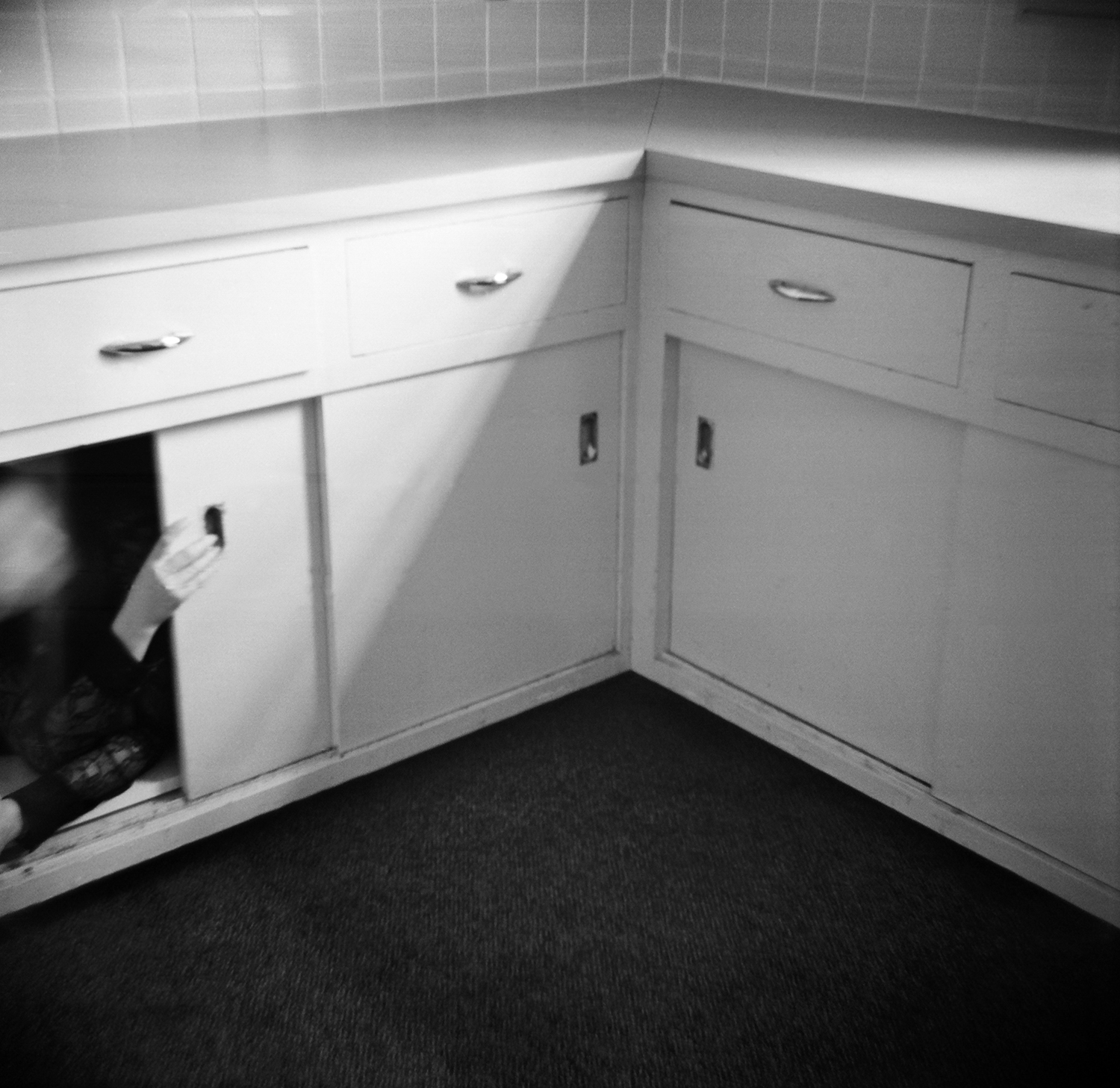
©Katelyn Brewer, Alum
Who are your current faculty members? What are their areas of creative interest?
The photography faculty at represent a broad range of creative practices, research interests, and teaching approaches. In addition to teaching within photography, all three faculty contribute to the shared MFA graduate core, supporting interdisciplinary dialogue, critique, and mentorship across the program.
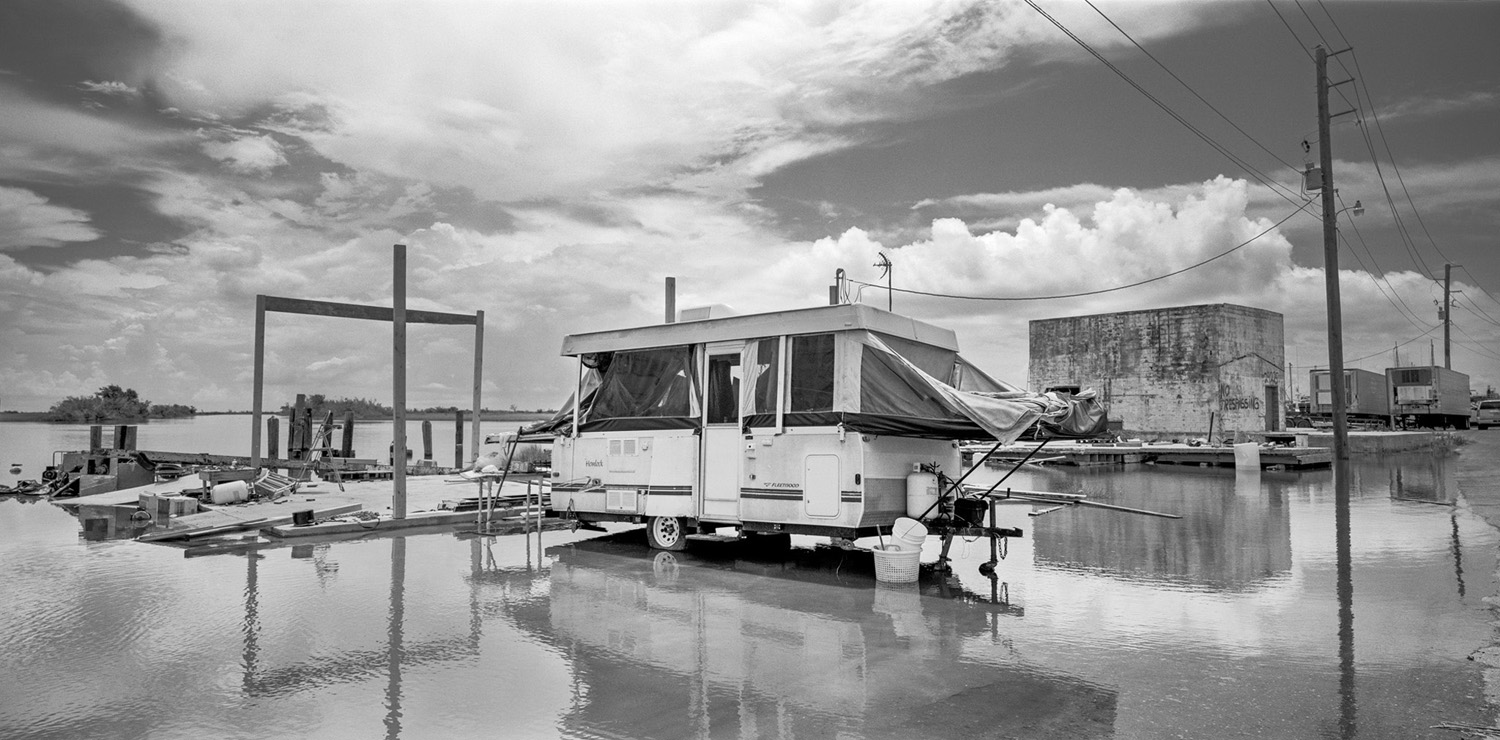
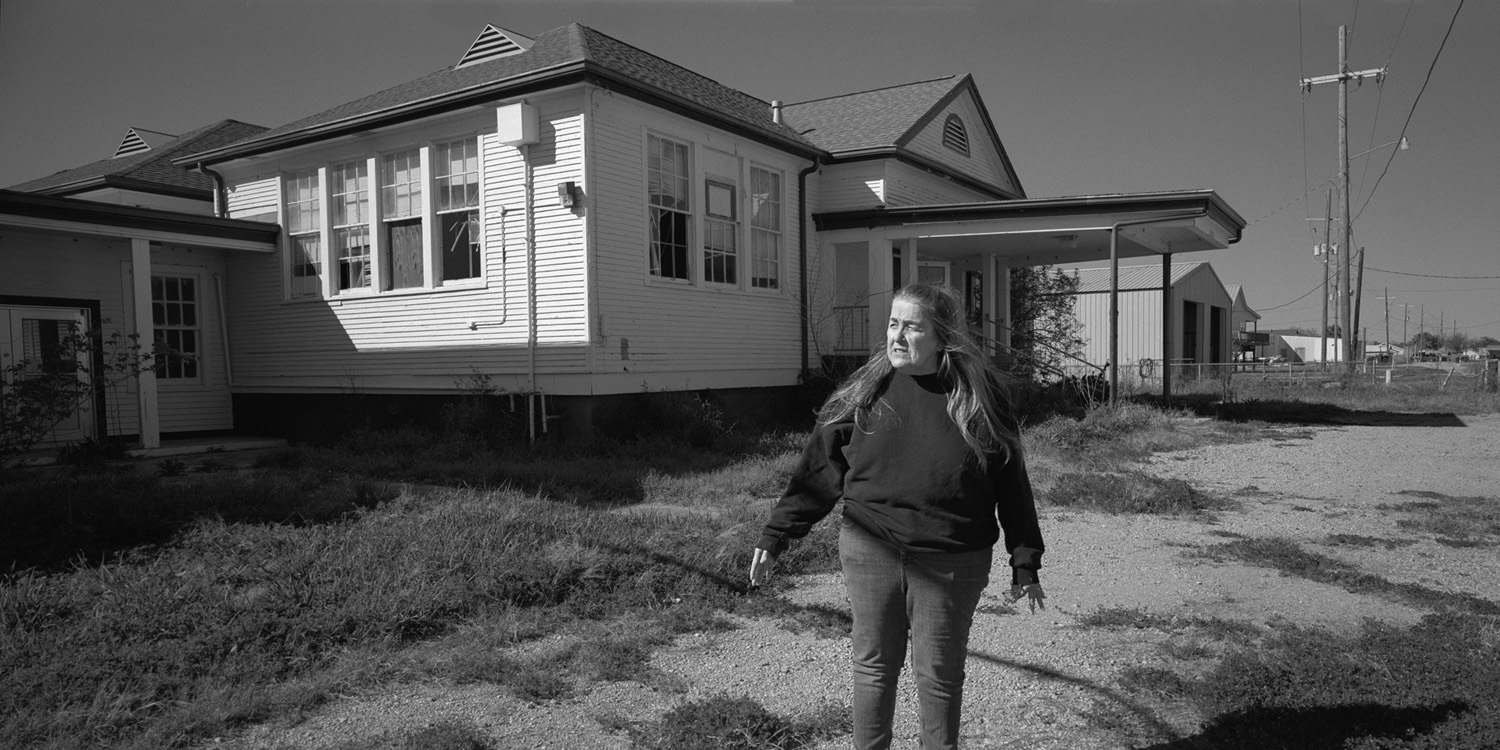
Daniel Kariko’s work explores the intersection of photography, science, and environmental change. His creative research centers on long-term documentation of southern Louisiana’s shifting coastline, where he documented disappearing landscapes, cultural erosion, and the impact of climate change. Kariko’s long-term photographic work captures the fragile interplay between human habitation and a transforming environment, blending documentary practice with conceptual investigation.
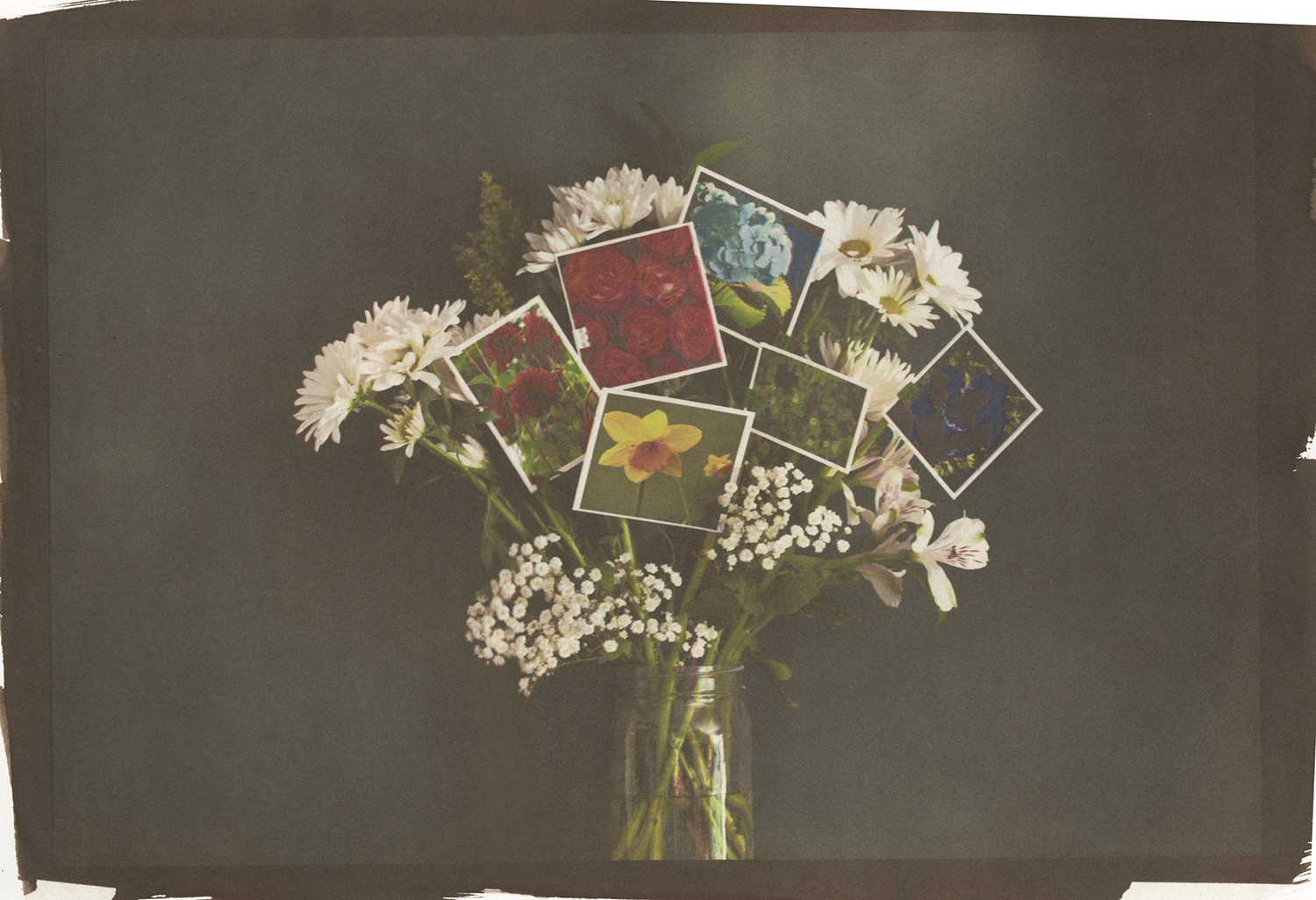
Angela Franks Wells is deeply interested in the relationship of photography and truth; representation and reality; and play in the creative practice. Her most recent images allow her to investigate the intersections. Simulacra meets pun meets discomfort meets cheeky humor in a staged setting. The resulting prints amplify the visual query of what, when, real, and making belief.
Brian Culbertson creative interests center on exploring the possibilities of photography through the integration of historical photographic processes with contemporary image creation, digital manipulation, and experimentation. He is drawn to the dialogue between past and present—using traditional techniques not simply for nostalgia, but as a way of critically examining how photographic processes shape meaning, perception, and cultural understanding. He views photography as both a creative medium and a conceptual tool for examining the complexities of visual culture, identity, and the evolving role of images in contemporary life.
While students applying with an interest in photography often work closely with photography faculty, the MFA experience extends far beyond a single area. The School of Art and Design includes over 35 full-time faculty across a wide range of disciplines and approaches, providing graduate students with access to an expansive network of mentors, perspectives, and technical expertise throughout their time in the program.
©Katelyn Brewer, Alum
Are faculty members primarily full-time or adjunct?
We have three full-time faculty. Typically we also have 1-2 adjunct faculty teaching each term.
How involved are faculty in mentoring students beyond coursework?
Faculty mentorship is a central component of the MFA experience at East Carolina University School of Art and Design and extends far beyond traditional coursework. The program is deeply mentorship-based, with faculty supporting students from the application process through thesis completion and into professional practice.
During the first two years of study, students work closely with a mentor team that they help shape based on their evolving research interests and creative goals. Mentors provide studio visits, one-on-one meetings, critique, course guidance, research support, and structured evaluations twice a semester that help students reflect on progress and prepare for thesis development—all outside of a structured class.
In the final year, students work closely with a thesis committee that supports exhibition development, research, writing, professional preparation, and thesis defense. Because the program recognizes that creative practices evolve over time, students are encouraged to shift mentors or committee structures as their work develops. Rather than functioning solely as instructors, faculty serve as active mentors, advocates, and collaborators throughout the MFA experience.
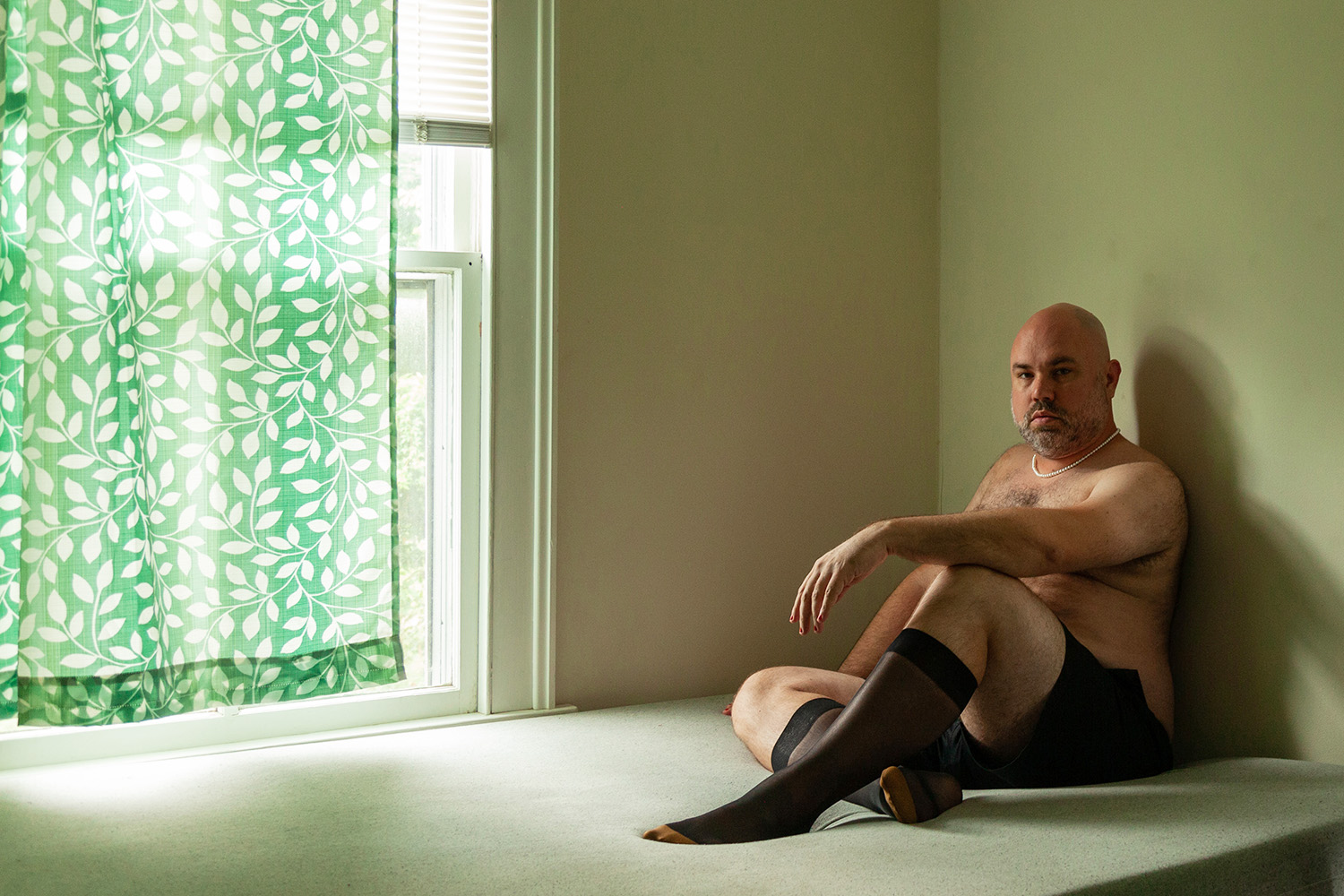
©Michael Gaines, Alum
How often do guest artists, curators, or critics visit for lectures and/or critiques?
In the School of Art and Design, guest artists, curators, designers, and scholars are an active and consistent part of the student experience. The School’s student-led organization, the Visual Arts Forum (VAF), organizes an annual visiting artist and scholar series that typically brings 6–8 guests to campus each academic year for public lectures, workshops, studio visits, critiques, and classroom engagement. One aspect that makes the program somewhat unique is that students play a direct role in selecting invited guests. Any student or faculty member may propose artists or scholars. Student representatives from each area participate in the ranking and selection process—faculty actually can’t vote! The VAF then secures funding through its college-supported student organization structure.
In addition to the formal speaker series, students regularly engage with visiting artists and professionals through exhibitions and conferences/gatherings we host. Partnerships with organizations such as the Greenville Museum of Art and other university entities create additional opportunities for students to interact with a wide range of contemporary artists, curators, and scholars throughout the year.

©Michael Gaines, Alum
How many students are admitted each year, and how many are photography focused?
We are intentionally selective and cohort sizes vary based on the strength and fit of the applicant pool each year. Rather than working toward a fixed enrollment number, the program prioritizes building a thoughtful and engaged cohort that can be fully supported through mentorship, facilities, assistantships, and faculty resources. The program typically has 6–8 new MFA students each year across all studio areas. Because the program is interdisciplinary and students often work across media, the number of students entering with a strong photography focus varies, but is often 1–2 students.
What is the approximate cohort size, and what effect does this have on critiques, collaboration, and networking?
The MFA program at East Carolina University School of Art and Design typically maintains a total cohort of approximately 20–22 students across all years of study. This size creates a graduate community that is both diverse and highly connected.
Our students come from a wide range of disciplines, backgrounds, ages, and life experiences, critiques and discussions are shaped by varied perspectives and approaches to making. The interdisciplinary nature of the program encourages thoughtful dialogue, collaboration, and the exchange of ideas across media and research interests.
At the same time, the cohort is intentionally small enough that students genuinely get to know one another. Shared studio spaces, exhibitions, studio visits, field trips, and informal gatherings help foster a strong sense of community and support that extends beyond the classroom and studio spaces.
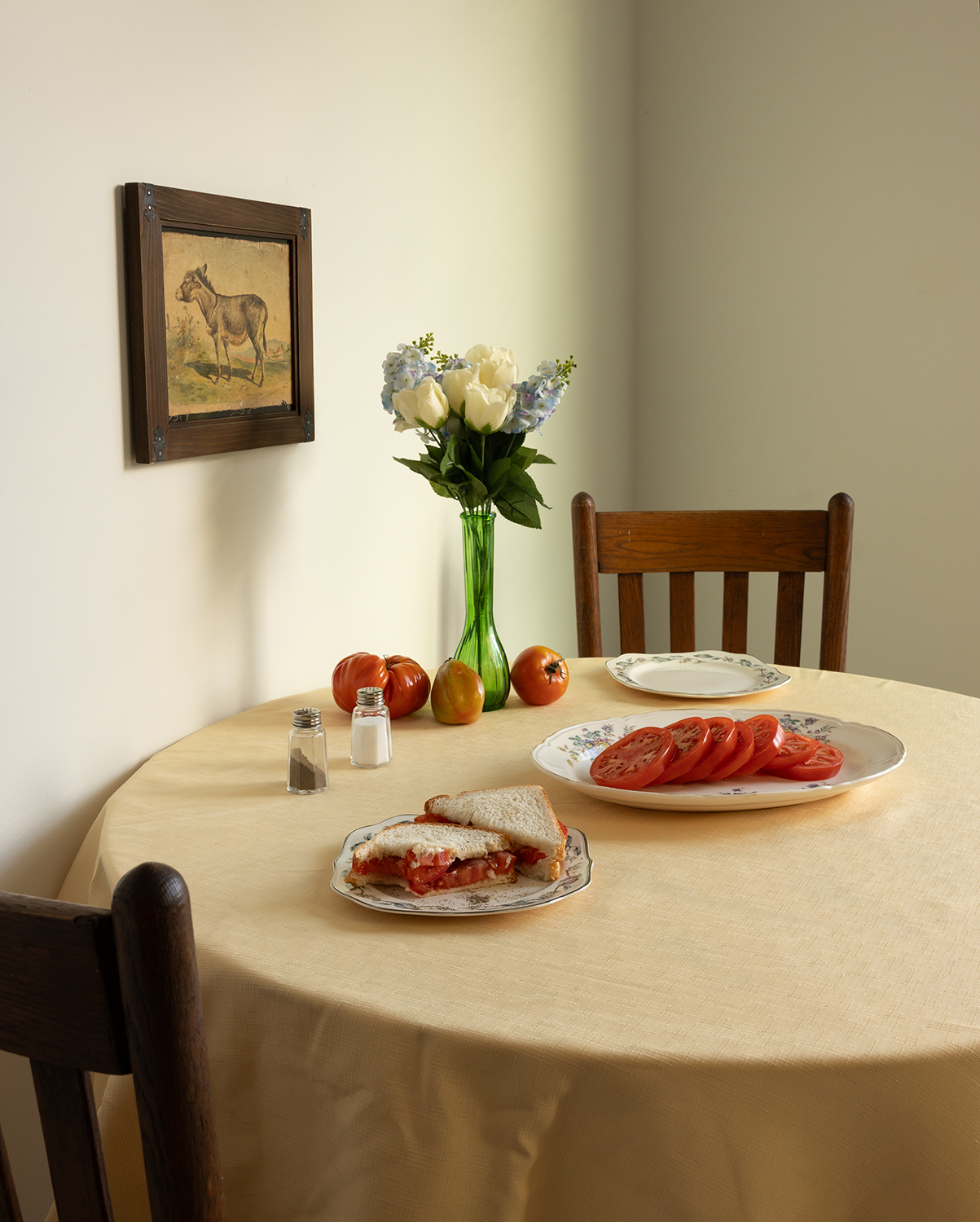
©Haleigh Brewer, Alum
What kind of work are current students creating?
Our current students are creating work that thoughtfully connects process, material, and conceptual inquiry.
Cullen Austin Irby is exploring “the in-between,” a space where memory, medical experience, and place blur one’s sense of self and reality. He digitally layers imagery from medical spaces, domestic spaces, and exterior environments before translating those constructions into gelatin silver prints that are altered through the mordançage process, physically and visually articulating experiences of disorientation and instability. Through a recent collaboration between the MFA program and the Medical Humanities cohort at ECU’s Brody School of Medicine, Austin gained access to medical facilities to create self-portraits and will speak with medical students this summer about his work and life long experiences as a patient.
Morgan Hesse’s work examines memory, family history, and inherited community narratives, asking how we remember places and experiences we never directly lived. Drawing from family photographs, found imagery, and her own photographs connected to the now-closed textile mill in her hometown she creates cyanotypes on textiles. These textile-based images become sculptural installations with found objects and soft form sculptures. The work reflects on labor, inherited memory, community history, and regional identity through material investigation.
Across the MFA program, students are investigating subjects ranging from identity constructs and socioeconomic systems to intimacy, personal histories, material transformation, and cultural memory. Their practices move fluidly across disciplines and materials, incorporating clay, charred wood, folded paper, textiles, weaving, painting, photography, installation, and expanded process-based approaches. Follow us on Instagram: @ecumfa
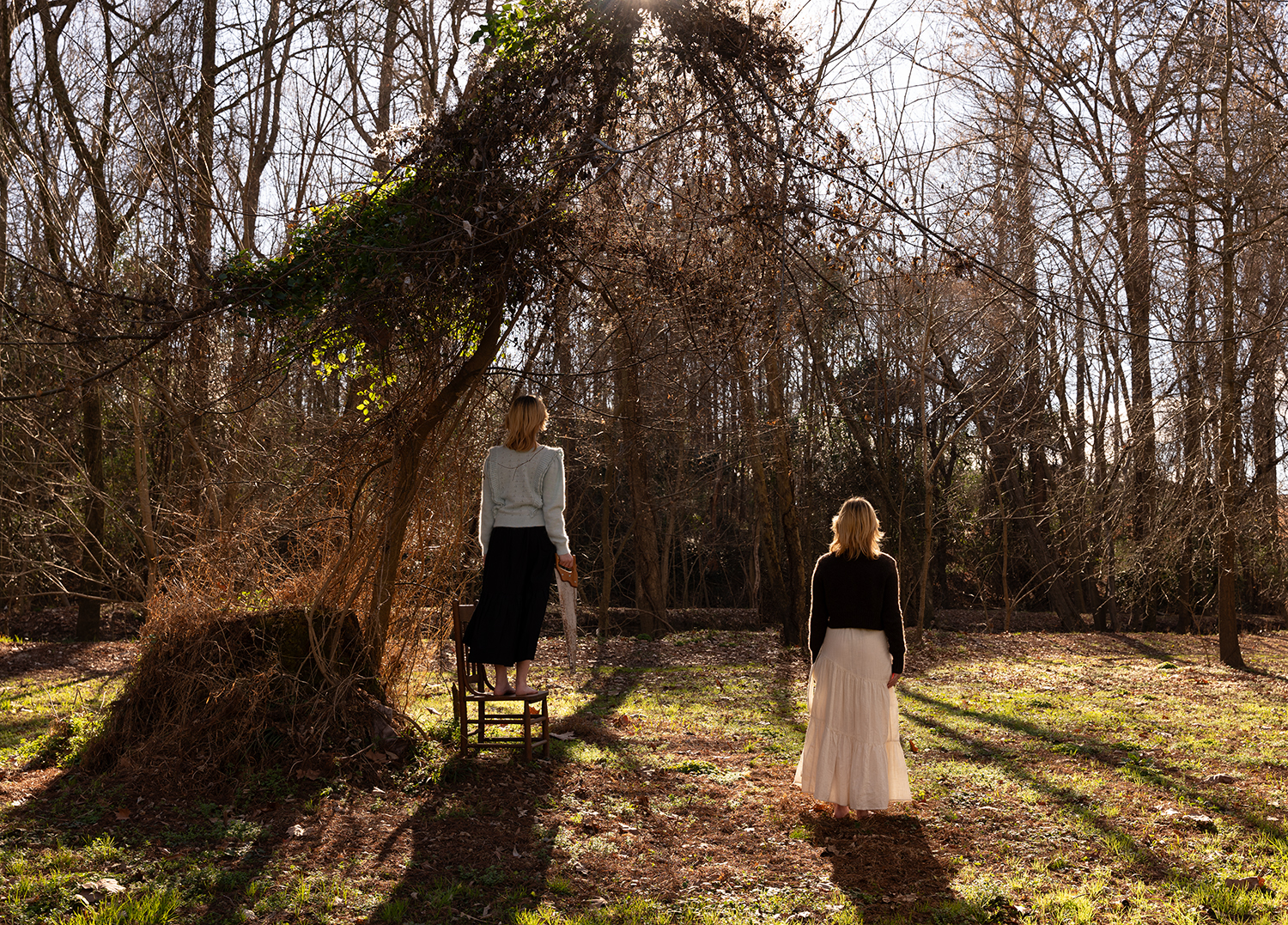
©Haleigh Brewer, Alum
What is the total cost of the program (and duration), and what funding options are available?
Our MFA in Studio Art is a 60-credit, three-year program. Current in-state tuition is just under $8,000 per year, making it a comparatively accessible option for a terminal degree in the arts.
We work hard to support students financially through a range of funding opportunities. Most accepted students receive some form of graduate assistantship or equivalent support position. Traditional assistantships provide funding while also offering valuable teaching and mentorship experience within the School of Art and Design. For incoming students from outside North Carolina, out-of-state tuition remissions are available during the first year, and students may apply for North Carolina residency after living in the state for one full year.
In addition to teaching assistantships, we have partnerships with campus entities that offer comparable support through applied and professionally focused positions. These opportunities are especially valuable for students interested in expanding their experience beyond classroom teaching into areas such as community engagement, communication, gallery management, and interdisciplinary collaboration.
We recognize that graduate school is a major investment, so our goal is to make the program financially attainable while also ensuring students gain meaningful professional experience alongside their studio practice.
Are there teaching assistantships, and what percentage of tuition do they cover?
Yes. We offer graduate teaching assistantships that provide both financial support and meaningful professional experience. Full-time assistantships are currently funded at $14,000 for the academic year and involve a 20-hour-per-week commitment.
Our assistantship structure is designed to progressively build teaching, leadership, and professional skills over the course of the degree. During the first year, graduate students are typically placed in support positions within the School of Art and Design. These roles may include assisting in large lecture or art history courses, providing studio guidance and technical support outside of class time, and helping with recruitment events, tours, exhibitions, summer camps, and other educational programming across the school.
By the second and third years, graduate teaching assistants are eligible to serve as instructors of record. Most graduate students teach within our shared first-year experience courses or introductory classes connected to their skill sets. This gradual transition from support roles to independent teaching allows students to develop confidence in the classroom while gaining substantial pedagogical experience before graduating.
One of the strengths of our model is that teaching is approached as mentorship and professional development rather than simply labor. Students leave the program not only with an expanded studio practice, but with real experience in communication, curriculum support, classroom management, and working with diverse groups of learners.
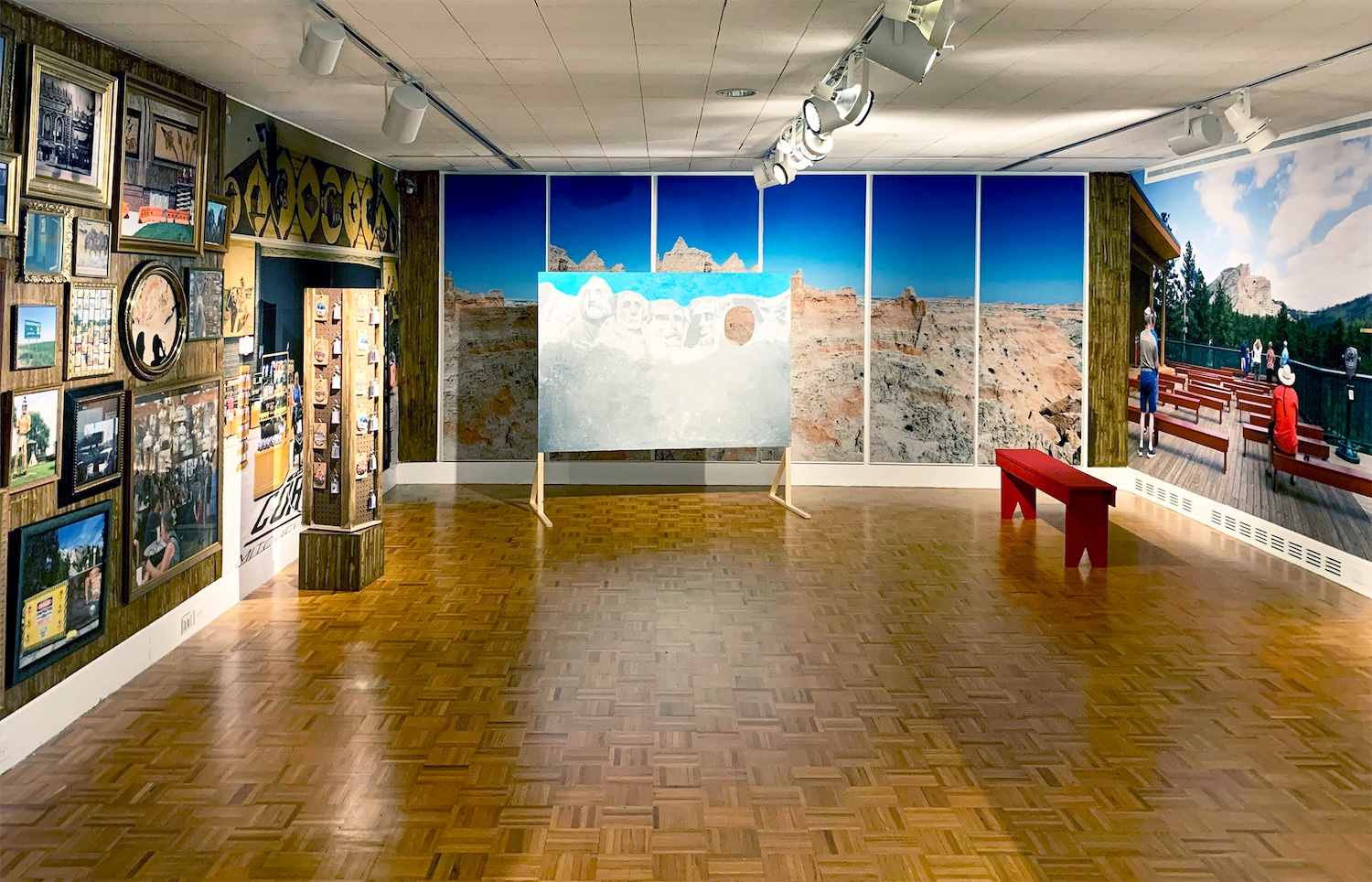
©Epiphany Knedler, Alum
Are additional grants/resources available to support student projects?
Yes. In addition to assistantships, our graduate students have access to a range of funding opportunities and professional resources that support creative research, exhibition activity, and professional development throughout the program.
Students may apply annually for both School of Art and Design scholarships and university-wide awards. These opportunities can provide additional financial support for materials, research, and studio practice as projects evolve over the three years of the program.
The Joyner Library hosts an annual MFA exhibit that includes multiple monetary awards, including a purchase prize. Beyond providing financial support, the exhibition gives students the opportunity to present their work to a broader campus and regional audience within a highly visible public venue.
Recently, we established a professional development fund to support MFA student travel for conferences, presentations, and other career-building opportunities. This support helps students engage with broader conversations in contemporary art, design, pedagogy, and research beyond the university.
In addition to institutional funding, students regularly participate in school and community art sales, pop-up markets, and collaborative events that create opportunities for entrepreneurial experience, public engagement, and supplemental income. Together, these resources help students sustain ambitious projects while building professional confidence and visibility both inside and outside the studio.
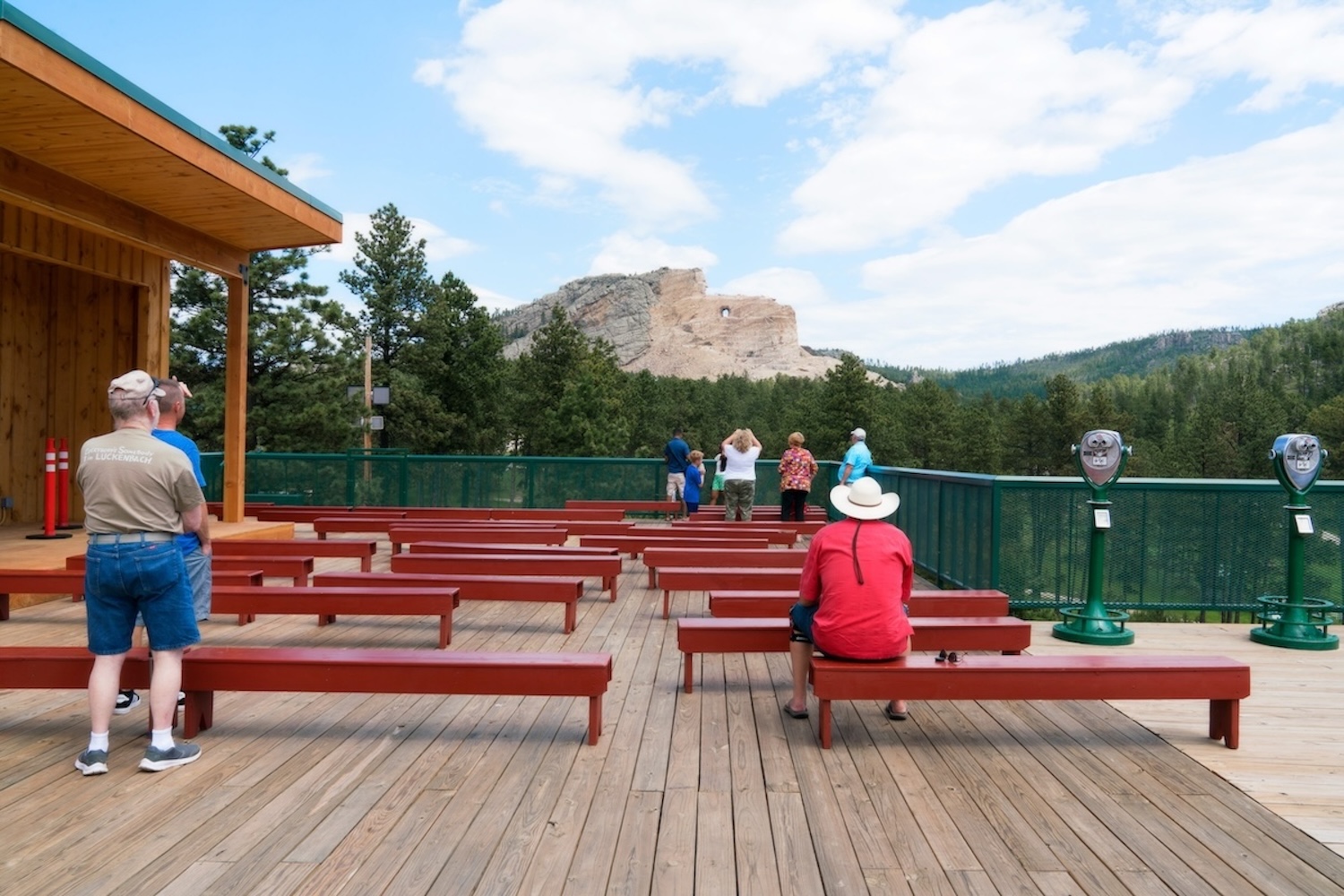
©Epiphany Knedler, Alum
What types of careers to alumni pursue, and how does the program support students after graduation?
Our alumni pursue a wide range of careers across creative, educational, and professional fields. Many teach at academic institutions ranging from K–12 programs to community colleges and four-year universities. Others maintain active studio practices as exhibiting artists, independent makers, and creative entrepreneurs. Alumni also work within museums, art centers, nonprofit organizations, and community arts spaces, while others have moved into industry roles as art directors, designers, photographers, and content creators.
One of the strengths of our program is that we do not define success through a single career path. Instead, we encourage students to build adaptable practices grounded in critical thinking, visual literacy, technical fluency, and communication skills that translate across many professional environments.
Throughout the program, students receive support in developing professional materials and strategies including teaching experience, exhibitions, presentations, CVs, grant applications, and portfolio development. Faculty also continue to support alumni after graduation through recommendation letters, professional guidance, and helping connect former students with opportunities for exhibitions, teaching, and employment.
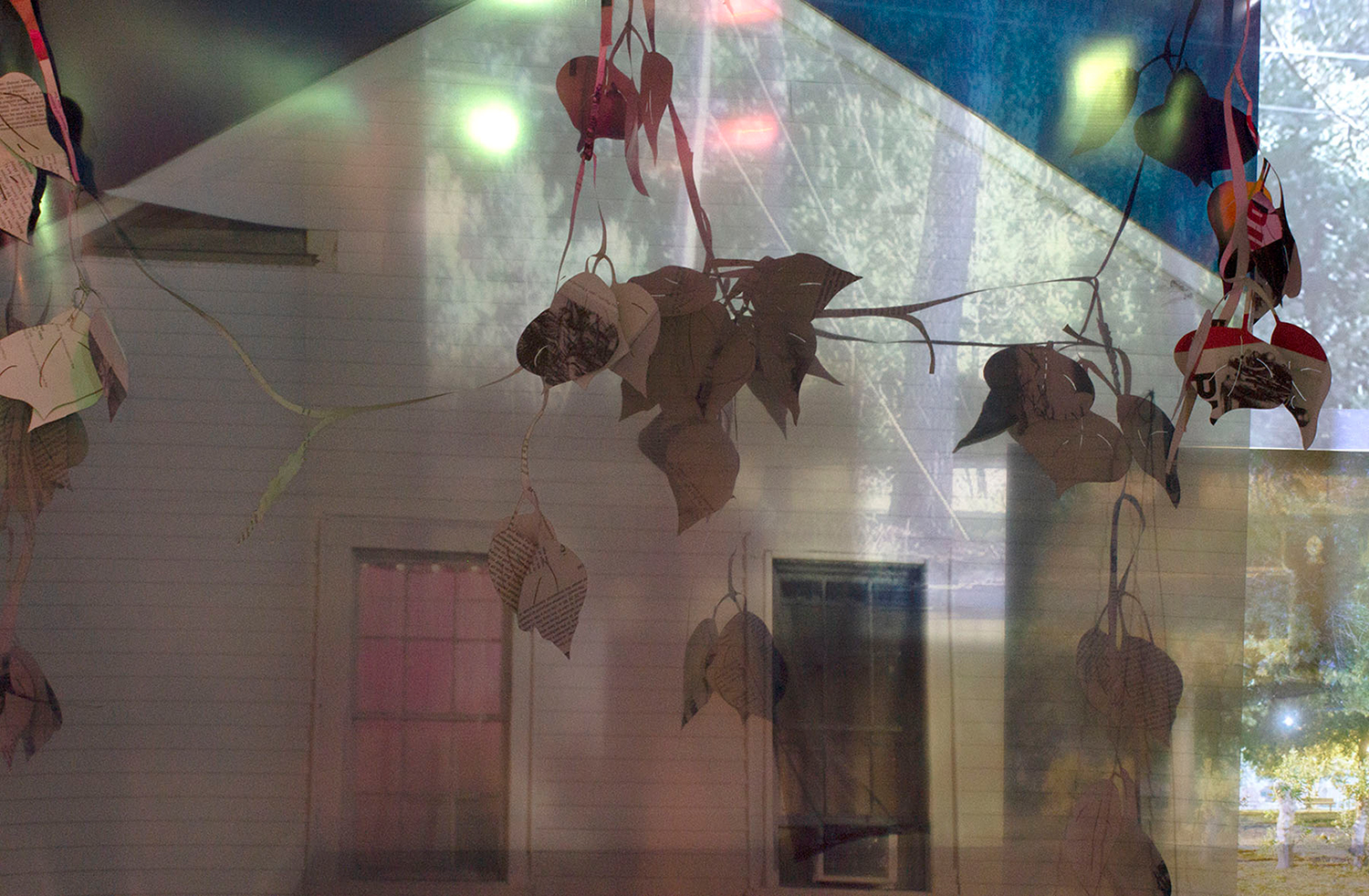
©Dana Smessaert, Alum
How connected is the alumni network, and do graduates stay involved with the program?
Our alumni remain meaningfully connected to the program, both professionally and personally. Because of the close mentorship structure and strong sense of community within the School of Art and Design, many graduates continue relationships with faculty and peers long after completing the degree. Former students frequently return as visiting artists, exhibitors, collaborators, and mentors for current graduate students, creating an ongoing network of support and exchange that extends well beyond graduation.
Alumni engagement is an area we are actively working to strengthen and expand. One of our current initiatives includes inviting alumni to speak in our Career Pathways course, where they share candid perspectives about life and work after graduate school. These conversations help current students better understand the many trajectories an MFA can support while also reconnecting alumni to the evolving culture of the program. Building a stronger alumni network is one of our major goals moving forward. We see tremendous value in creating more opportunities for mentorship, collaboration, professional networking, and continued exchange between current students and graduates.
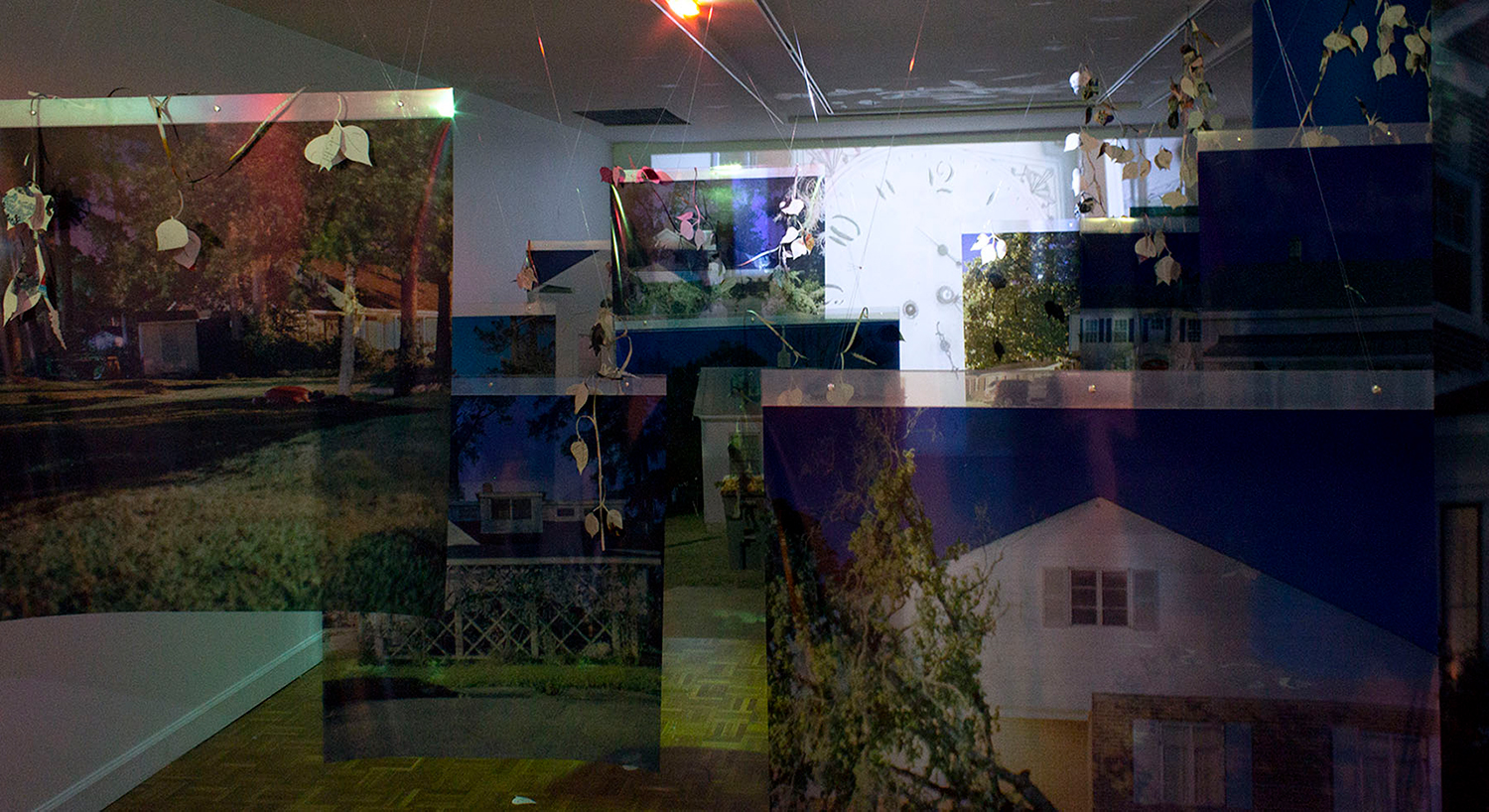
©Dana Smessaert, Alum
Posts on Lenscratch may not be reproduced without the permission of the Lenscratch staff and the photographer.
Recommended
-
In Focus: The MFA Review: University of South FloridaAugust 29th, 2026
-
In Focus: The MFA Review: Iowa State UniversityAugust 28th, 2026
-
In Focus: The MFA Review: University of HoustonAugust 27th, 2026
-
In Focus: The MFA Review: East Carolina UniversityAugust 26th, 2026
-
In Focus: The MFA Review: Cranbrook Academy of ArtJune 11th, 2026