In Focus: The MFA Review: University of Houston
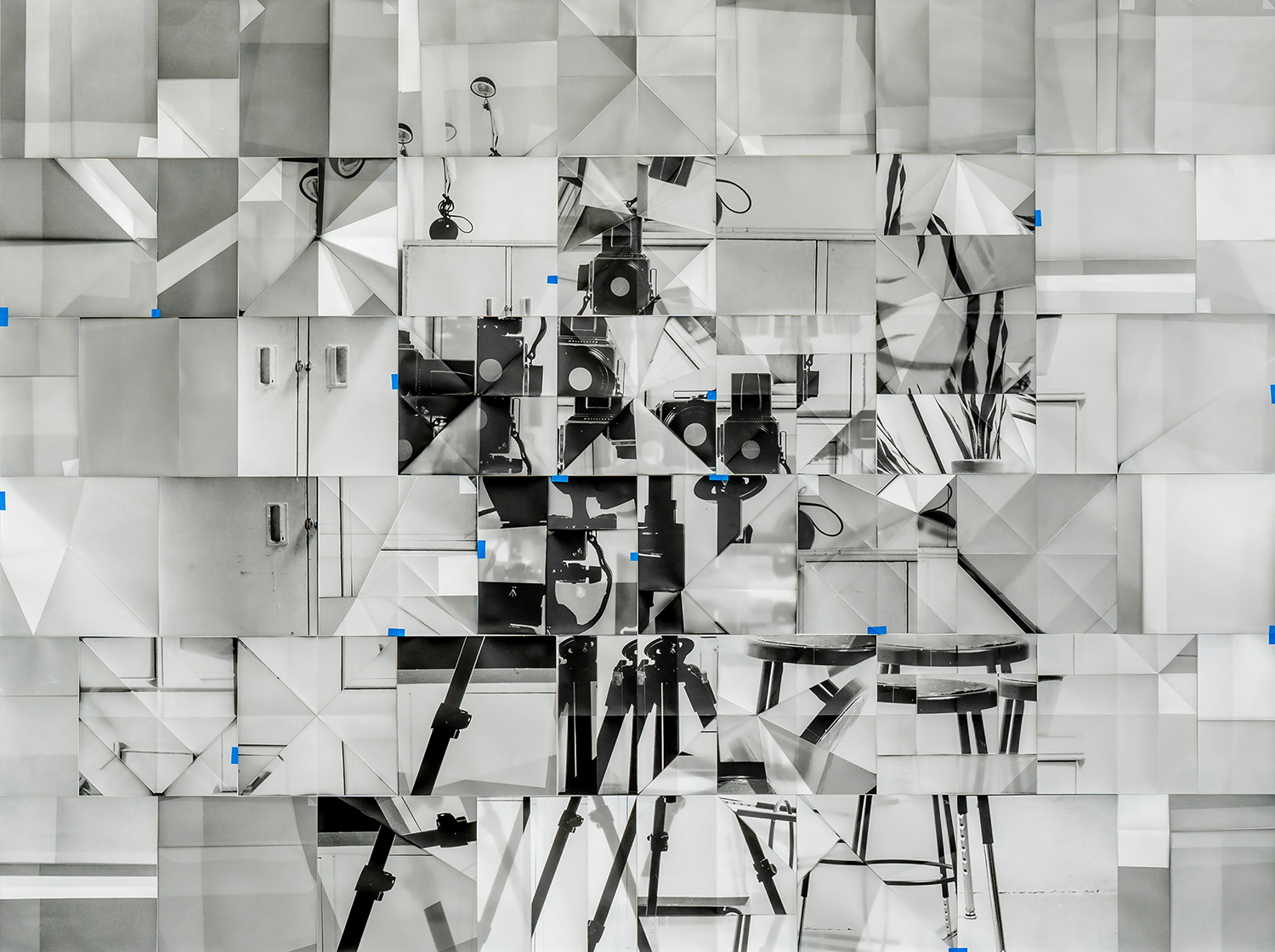
©Minwoo Lee, Assistant Professor
Each installment of In Focus: The MFA Review highlights a different MFA program for photographic artists, offering readers a concise overview of its identity, curriculum, faculty, student experience, financial support, and post-graduation outcomes. It also serves as a showcase of the creative work produced by faculty, students, and alumni. Rather than functioning as rankings or endorsements, these features are intended as practical starting points—tools to help prospective students compare programs, identify what matters most to them, and make more informed decisions about their graduate education. While certain details shared in these articles may change over time, my hope is that these program snapshots offer a clear sense of what each represents in the present moment.
Thank you to Keliy Anderson-Staley for completing this interview and compiling all the images/resources!
Institution name: University of Houston School of Art, Kathrine McGovern College of the Arts
Degree Title: MFA, Photography | Video
Location: Houston, TX
Link to Program Page: https://www.uh.edu/kgmca/soa/degrees-programs/areas-of-study/photography-video.php#grad
Link to Application Page: https://connect.uh.edu/portal/art_app_portal?tab=Home
Instagram: @uh_photo_video
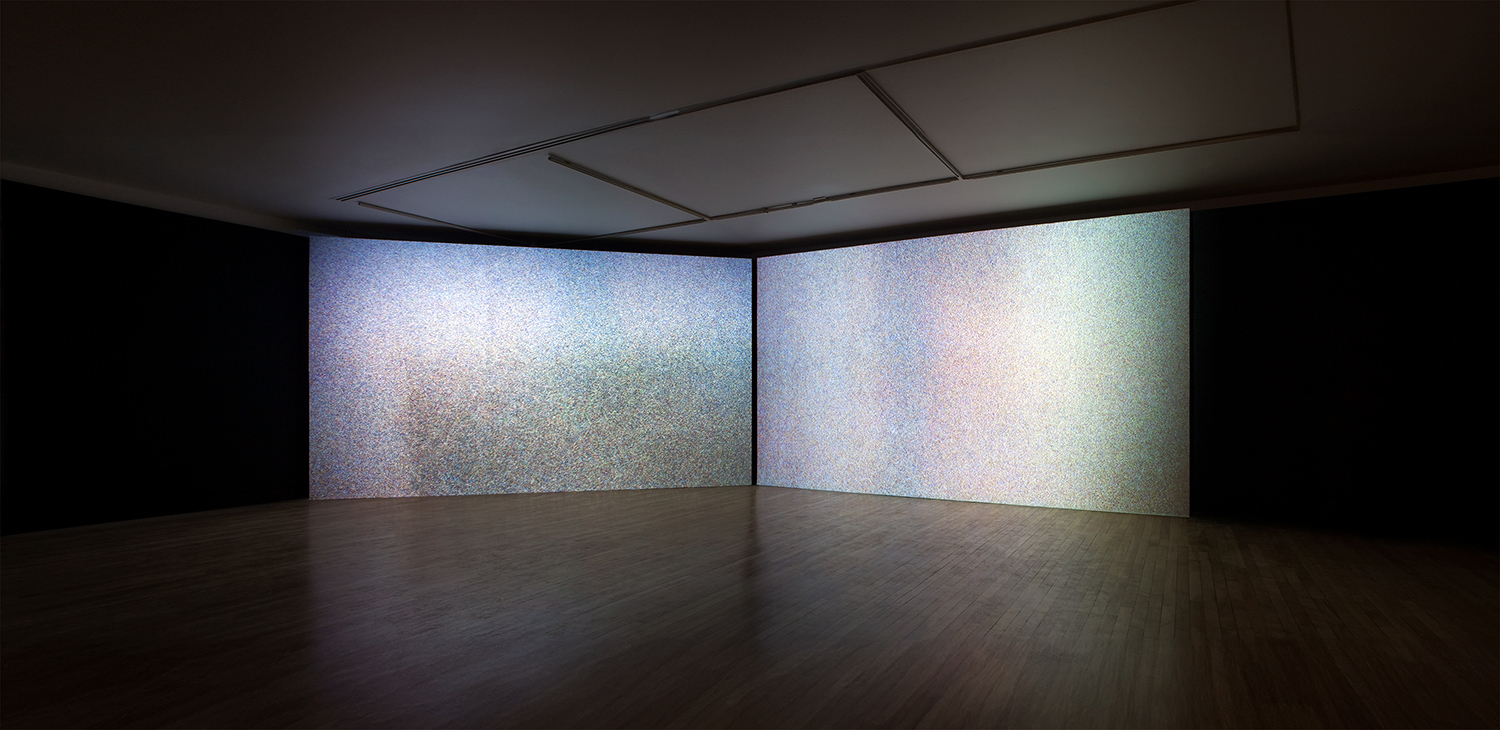
©Minwoo Lee, Assistant Professor
Tell us a little about your program. How would you define its scope and purpose?
The MFA in Photography | Video at the University of Houston is a three-year, studio-intensive arts program, fully funded with the acceptance of a graduate assistantship position. As an interdisciplinary program focused on photography and moving-image, graduate students pursue experimental and expanded lens-based practices as part of a small cohort within a rigorous environment of critique, seminar, and research.
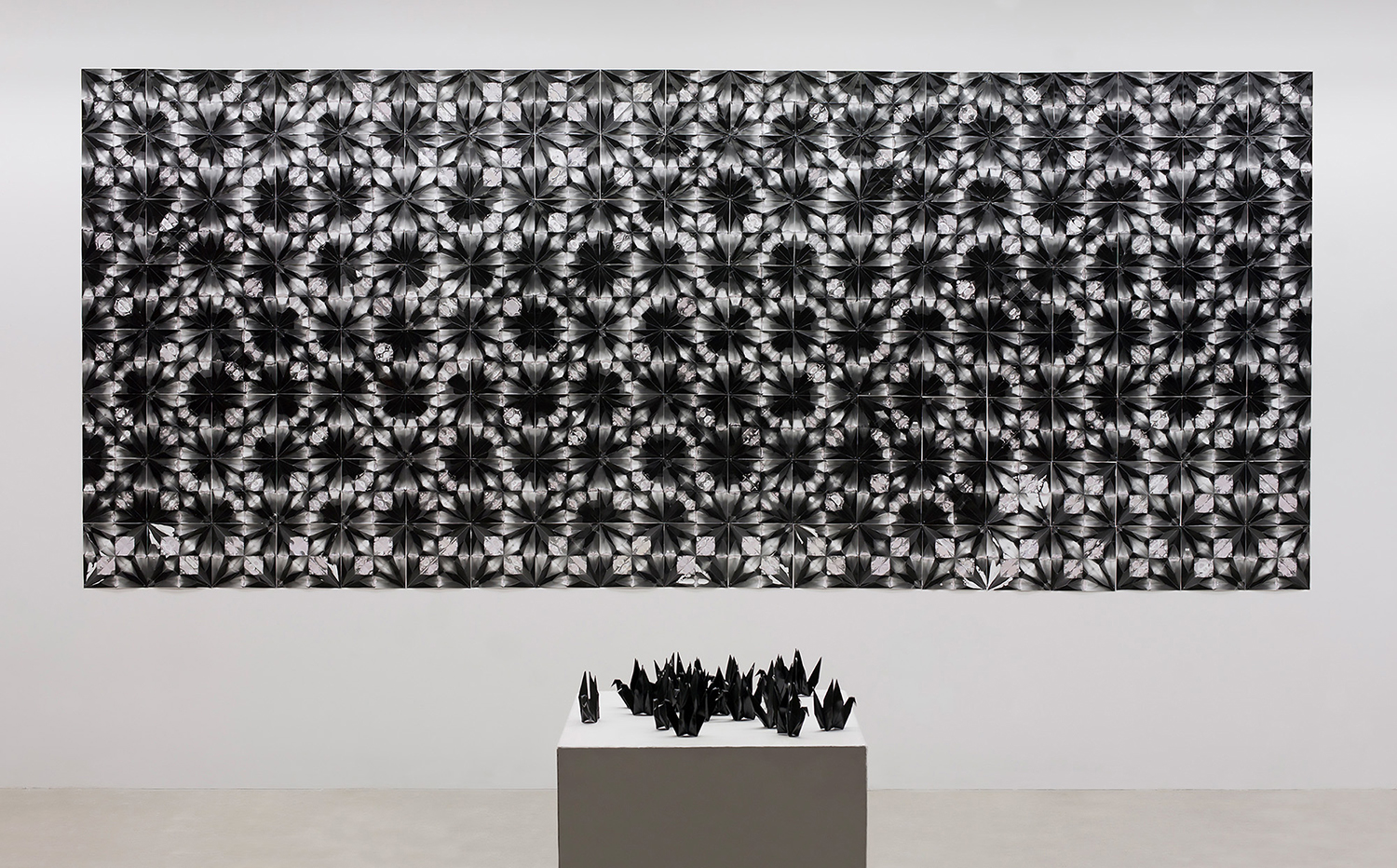
©Minwoo Lee, Assistant Professor
What would you say makes your program special?
Our faculty, students and location make us special. Houston has a vibrant art scene, and our program has deep and long-standing connections with the Houston Center for Photography, Fotofest, Museum of Fine Arts Houston, Menil Collection, Project Row Houses, Lawndale Art Center and Aurora Picture Show. The School of Art is within the broader College of Arts which includes UH’s renowned Music and Theater and Dance programs. Our fine art focus allows us to connect to these resources, and faculty and alumni relationships with these organizations have opened career pathways for our students.
Our faculty are nationally renowned with very active fine art practices. Their work is in museum collections around the country, they regularly exhibit work nationally and internationally, and they hold major national awards and fellowships. There are extraordinary faculty in the studio arts and art history programs in the School of Art, and MFAs have opportunities to make connections with faculty across the school.
Our MFA students come from all over Texas, but also from across the country and even internationally. They come from a wide range of backgrounds and bring experience in every mode of fine art photography and video.
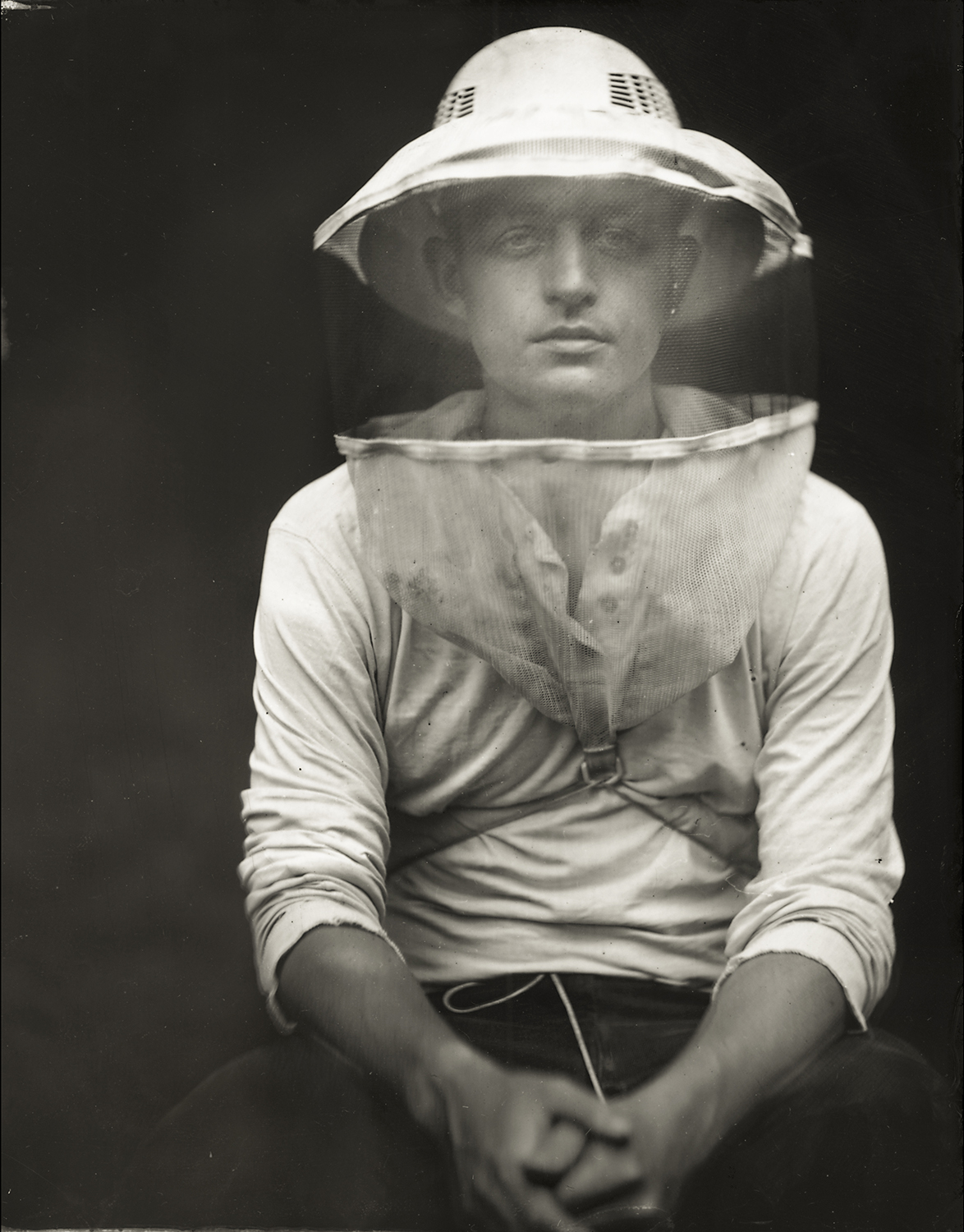
©Keliy Anderson-Staley, Professor
What specialized facilities are available for student use (i.e. darkroom, lighting studio, print lab)?
Each MFA student has a private studio in the Elgin Street Studios building, where all the SOA graduate students have studios. In addition, we have a well-equipped lighting studio, wet black-and-white darkroom with enlarger stations and alternative process darkroom, the Art and Technology Center shared by all SOA students, and an equipment checkout room stocked with video equipment, cameras, tripods, etc. We are also adding a digital scanning and printing station and continue to expand our lab offerings.
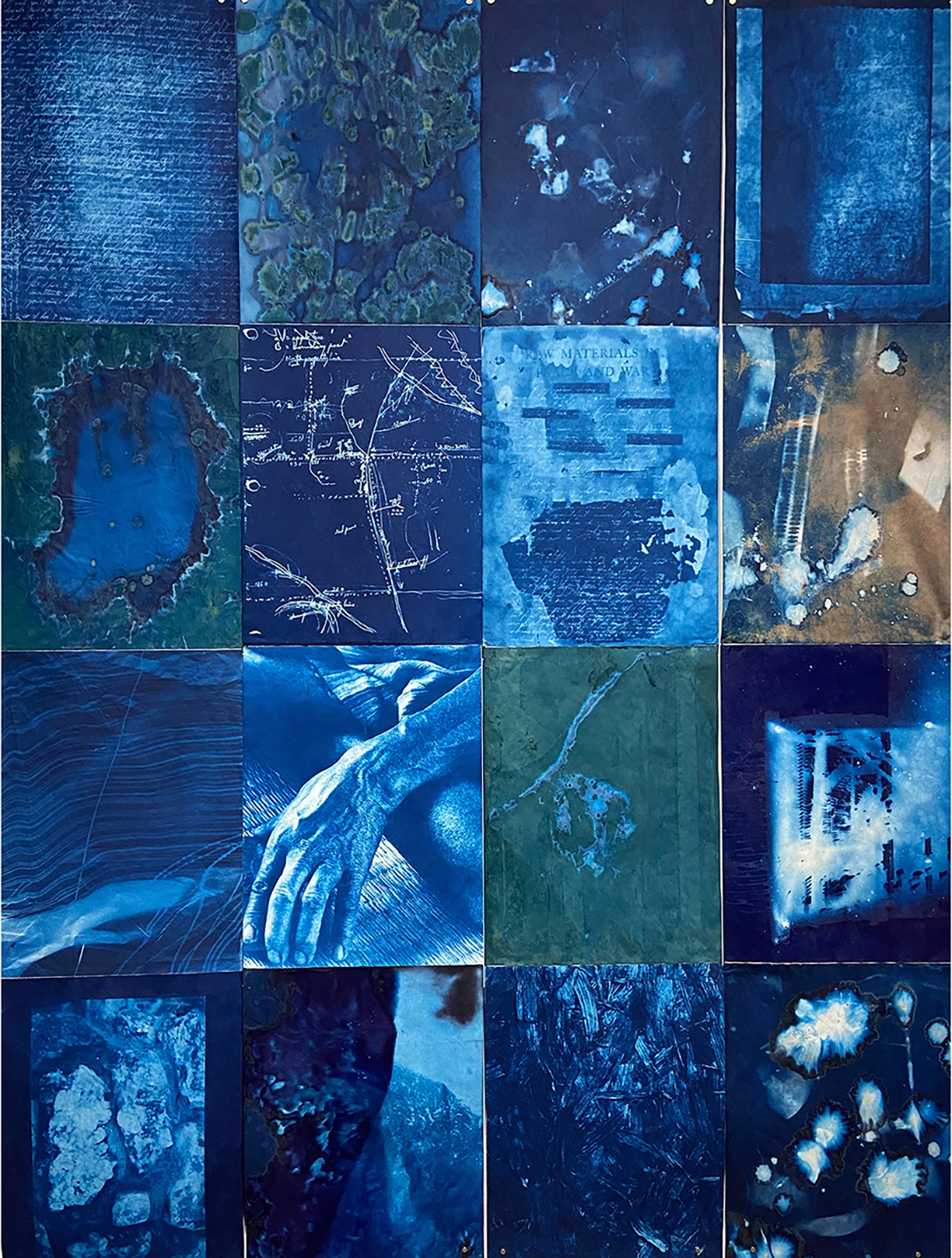
©Keliy Anderson-Staley, Professor
Is your program strictly photography-focused, or does it encourage/allow interdisciplinary work?
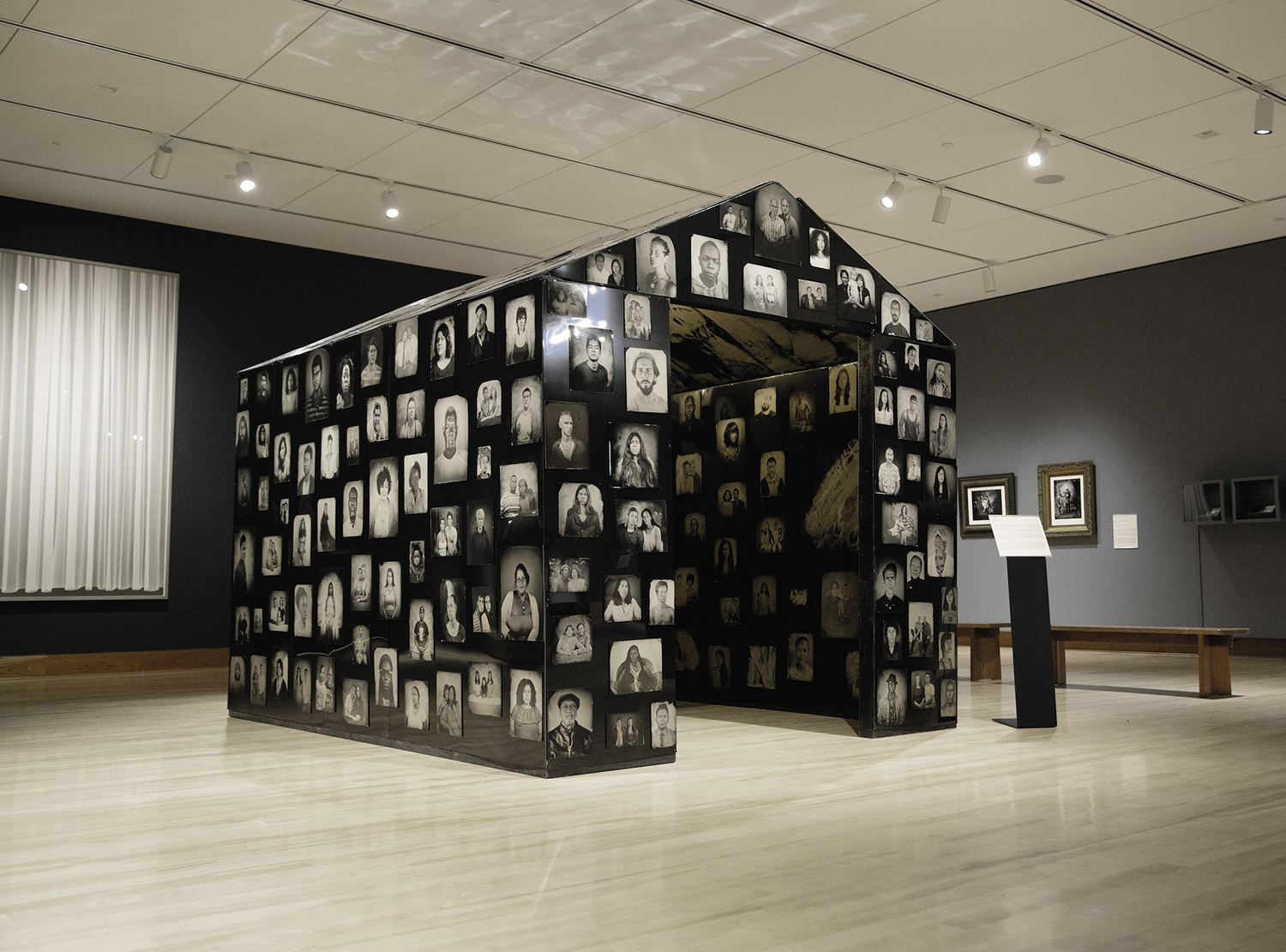
Students pursue a self-directed art practice, working with award-winning, nationally recognized faculty, while learning to situate their work within contemporary art discourse and critical conversations in photography and moving-image culture. We do not dictate medium or subject matter, and in fact, some of our students work at the far outer boundaries of what might be considered photography. Many choose to take an interdisciplinary approach.
©Keliy Anderson-Staley, Professor
Do you specialize in a particular area (i.e. documentary, experimental, environmental work)? And once in the program, is a student able to shift their focus if their creative interests change?
We have particularly strong faculty expertise in analog, black and white and historic photographic process. New faculty joining us in the fall will significantly expand our moving image offerings. Our faculty and students work in conceptual, installation-based, documentary and experimental modes. Students are encouraged to pursue their work in the direction it leads. In recent years their interests have tended to take them in interdisciplinary directions, but we also have plenty of students working in the tradition of the photographic print.
©Angela Tucker, Assistant Professor
How structured is the curriculum? Are there required courses, or is it more self-directed?
We seek to develop well-rounded artists who will be able to find their place in a rapidly changing art world. How we get there is quite flexible and throughout the program students are encouraged to develop their own work via an intensive studio practice.
All students in the School of Art graduate program take an introductory seminar their first year and in their third year take a writing seminar where they work on the written component of their thesis. The full graduate cohort from painting, sculpture, etc. participate in these courses fostering a sense of community. Our students take studio courses in the photo-video area and are required to accumulate credits in related arts and art history.
Does the program incorporate video work or emerging media such as AI, VR/AR, or 3D/360 imaging?
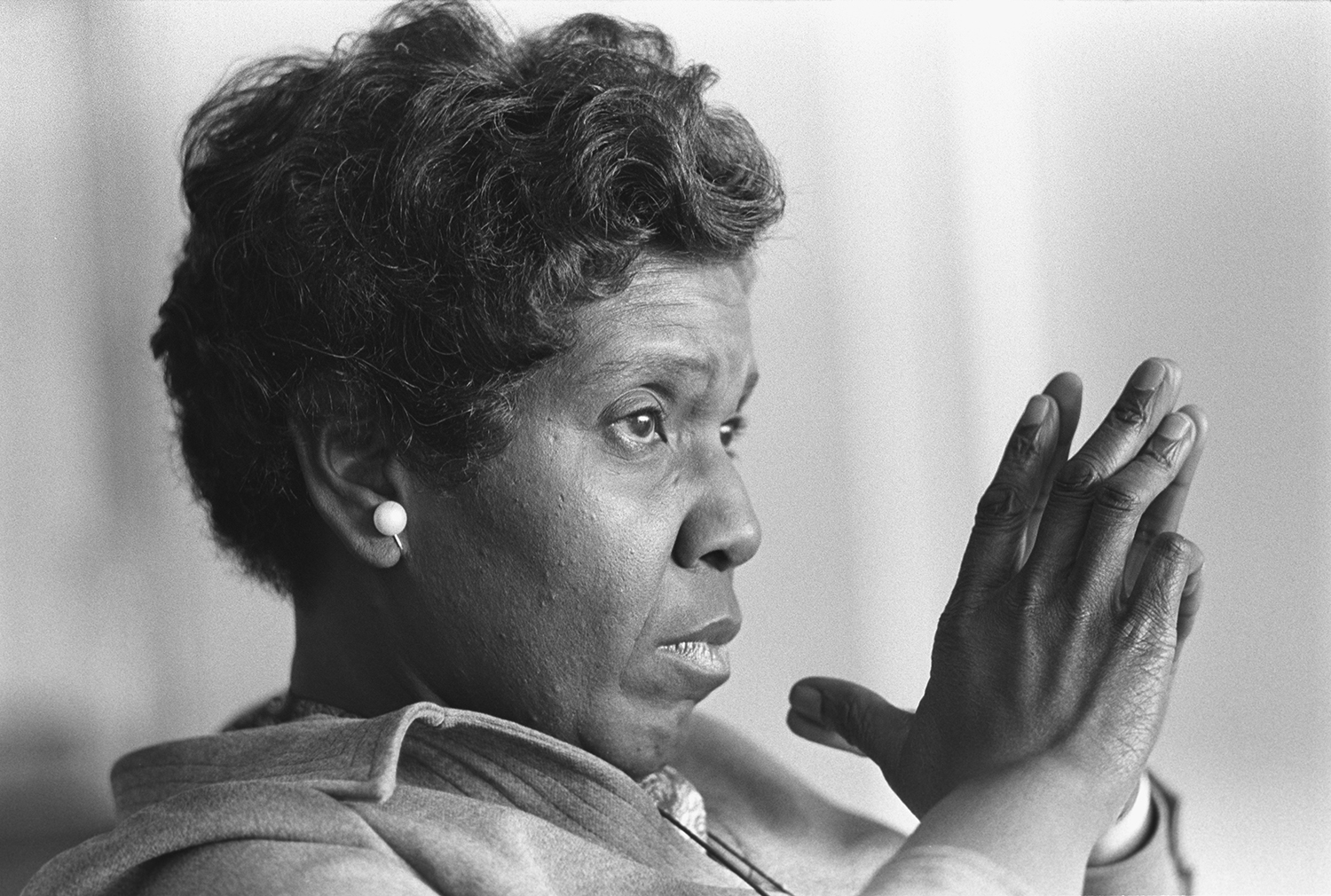
Video is an important component of our program, and we are planning to expand our offerings in video in coming years.
©Angela Tucker, Assistant Professor
Does the program offer career development support, such as portfolio reviews, workshop/conference attendance, or networking opportunities?
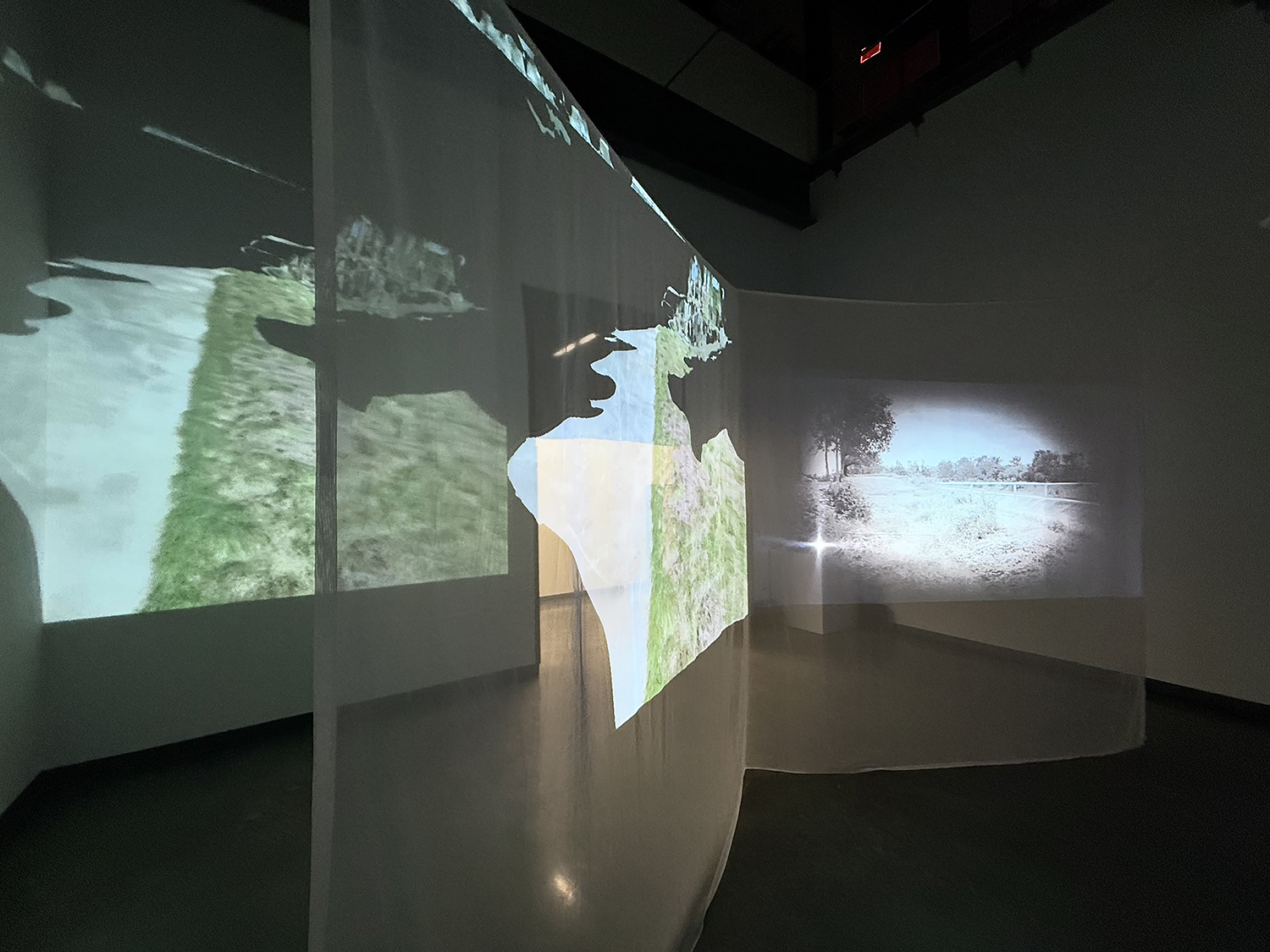
Professional development is an important component of instruction in the program. Students are encouraged to begin thinking of themselves as professional artists, and many begin exhibiting their work in venues around the city while still students. All MFAs present their thesis work in the Blaffer Art Museum on campus, an exhibition that draws art world figures from across the city. Students also propose experimental solo and group exhibitions for the two gallery spaces in the Elgin Street Studio building. Our students are active participants in the Fotofest Biennial and Meeting Place. In 2020, our program was the Houston host for the Annual Conference of Society for Photographic Education, and many of our students took an active role in programming and conference related events.
©William Bossen, MFA Candidate
What are key graduation requirements (exhibition, thesis paper, portfolio, etc.)?
Students mount a thesis exhibition with their graduating School of Art MFA cohort in the Blaffer Art Museum on campus. The exhibition is accompanied by an exhibition catalog with an artist statement that the students supply. Students also produce a written thesis putting their work in aesthetic, cultural, conceptual and art historical contexts. Students defend their written thesis and work at a formal thesis defense in the Blaffer museum.
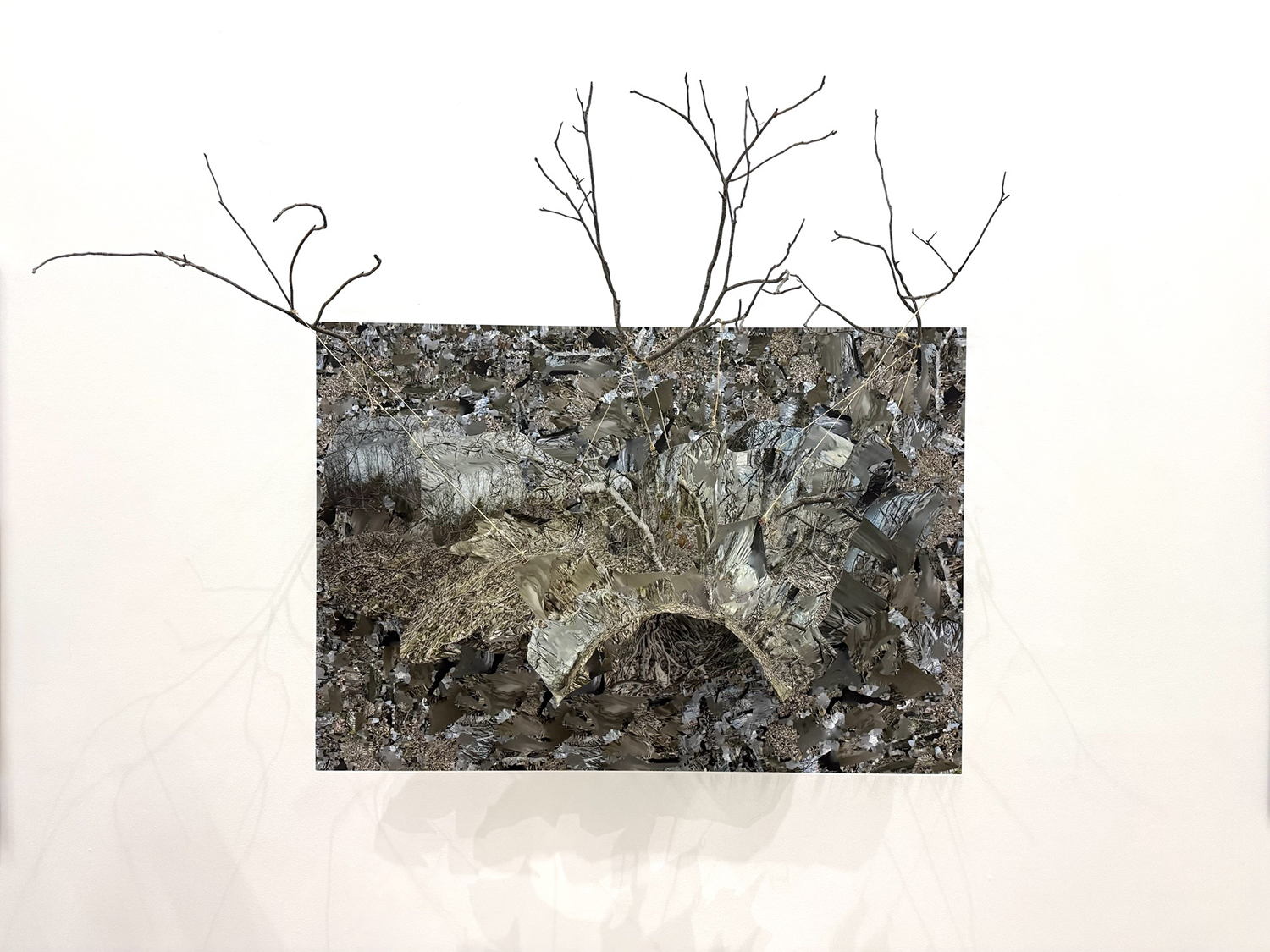
©William Bossen, MFA Candidate
Who are your current faculty members? What are their areas of creative interest?
Keliy Anderson-Staley, Professor and Program Coordinator, works with photography, text and installation to explore narrative structures and their relationship to images and the history of photographic technologies. ( https://www.andersonstaley.com ) Engaging with personal archives, traditional photographic processes and the book arts, her work seeks to position private histories and individual stories within broader historical and cultural contexts.
Anderson-Staley is a 2022 Guggenheim Fellow, a 2008 New York Foundation for the Arts Fellow and a 2013 George and Eliza Gardner Howard Foundation Fellow. Her work has been exhibited widely, including at Akron Art Museum, Arkansas Art Museum, Art Museum of Southeast Texas, Bronx Museum of the Arts, California Museum of Photography, Griffin Museum of Photography, Masur Museum, Morris Museum of Art, Moscow Museum of Modern Art, Nelson-Atkins Museum of Art, Ogden Museum of Southern Art, Riverside Art Museum, Shelburne Museum, Smithsonian National Portrait Gallery, Southeast Museum of Photography, and Zillman Art Museum. Her work has been written about and reviewed in The New York Times, The New Yorker, The Boston Globe, Photo District News, Photograph, Art New England, ARTnews, B&W Magazine, Oxford American, Camerawork, and The Philadelphia Inquirer. On a Wet Bough, a monograph of her tintype portraits, was published by Waltz Books.
Minwoo Lee, Assistant Professor, works with traditional and digital photographic and other lens-based processes to examine the camera’s ocularcentrism and to reimagine photographic relations beyond vision. ( https://www.minwlee.com ) His work has been exhibited at the Seoul Museum of Art, De Appel Amsterdam, Incheon Art Platform, the Art Gallery of Guelph, Katzman Contemporary, the Banff Centre for Arts and Creativity, and InterAccess. Lee has participated in residency programs at the Seoul Museum of Art, Paradise AIR, the Banff Centre Leighton Artist Studio, Incheon Art Platform, and the ARCUS Project in Ibaraki, Japan. He is the recipient of grants and awards from the Canada Council for the Arts, Ontario Arts Council, Toronto Arts Council, and the Paula Riff Award from the Center for Photographic Arts.
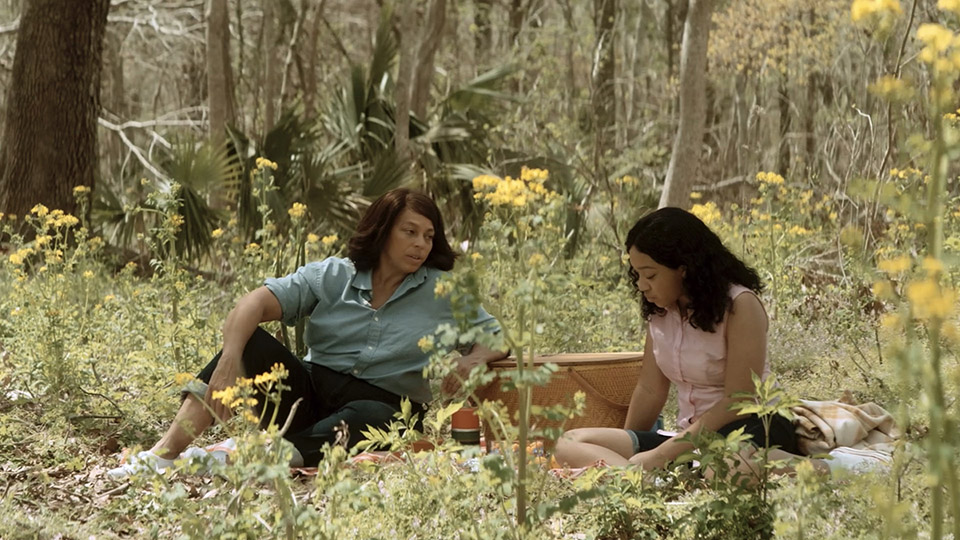
We are thrilled that in August, Angela Tucker will be joining our program as assistant professor. ( https://www.tuckergurl.com ) Angela Tucker is an Emmy and Webby Award–winning filmmaker, multidisciplinary artist, and educator whose work explores race, memory, and social history through moving image, collage, and installation. Blending personal memory, historical texts, and cultural defiance, she creates work centered on the interiority of Black women. Her films have screened at DOC NYC Festival and BlackStar Film Festival and aired nationally on Lifetime, NBC, and Netflix. Her most recent film, The Inquisitor, premiered at Tribeca and broadcast on PBS’ Independent Lens.
Angela is a member of the Academy of Motion Picture Arts and Sciences and the artist-run gallery The Front. She has received fellowships from the Sundance Institute, Firelight Media, and Chicken & Egg Pictures, and was an Artist in Residence at the Joan Mitchell Center in New Orleans.
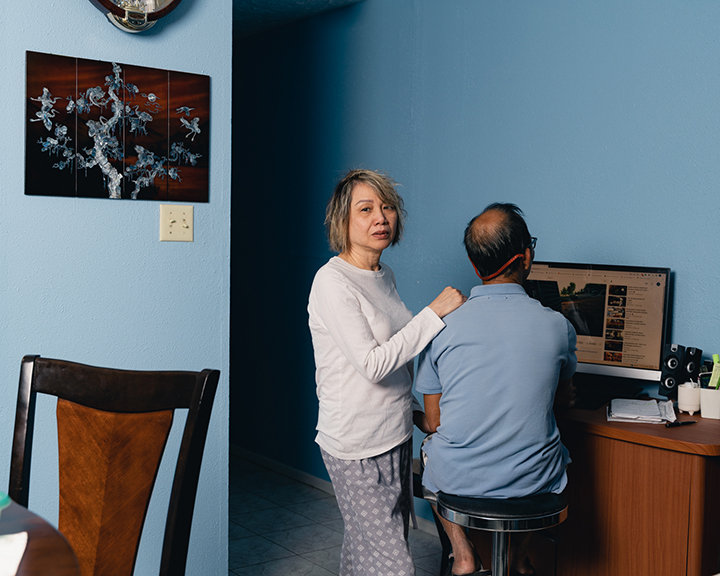
©Joseph Bui, MFA Candidate
Are faculty members primarily full-time or adjunct?
Our MFA students work almost exclusively with full-time faculty. In addition to the photo-video faculty, they can also take classes in the other studio programs and must take art history courses. The faculty in these areas are all working at the top of their fields. Students must have at least one faculty member on their thesis committee from another program (Art History, Painting, Sculpture, Graphic Design or Emerging Practices and Interdisciplinary Forms). All our MFA students have the opportunity to teach at least one course in our undergraduate program.
How involved are faculty in mentoring students beyond coursework?
In their second-year students ask faculty to join their thesis committees, and faculty work closely with the students through their time at the university. There are two scheduled first-year critiques, a second-year thesis committee critique, a thesis defense in the third year and individual studio visits throughout. Our faculty attend student exhibitions and serve as mentors to instructional assistants and first-time teachers. Faculty oversee internships and independent studies and actively support their students with letters of recommendation and other kinds of career support.
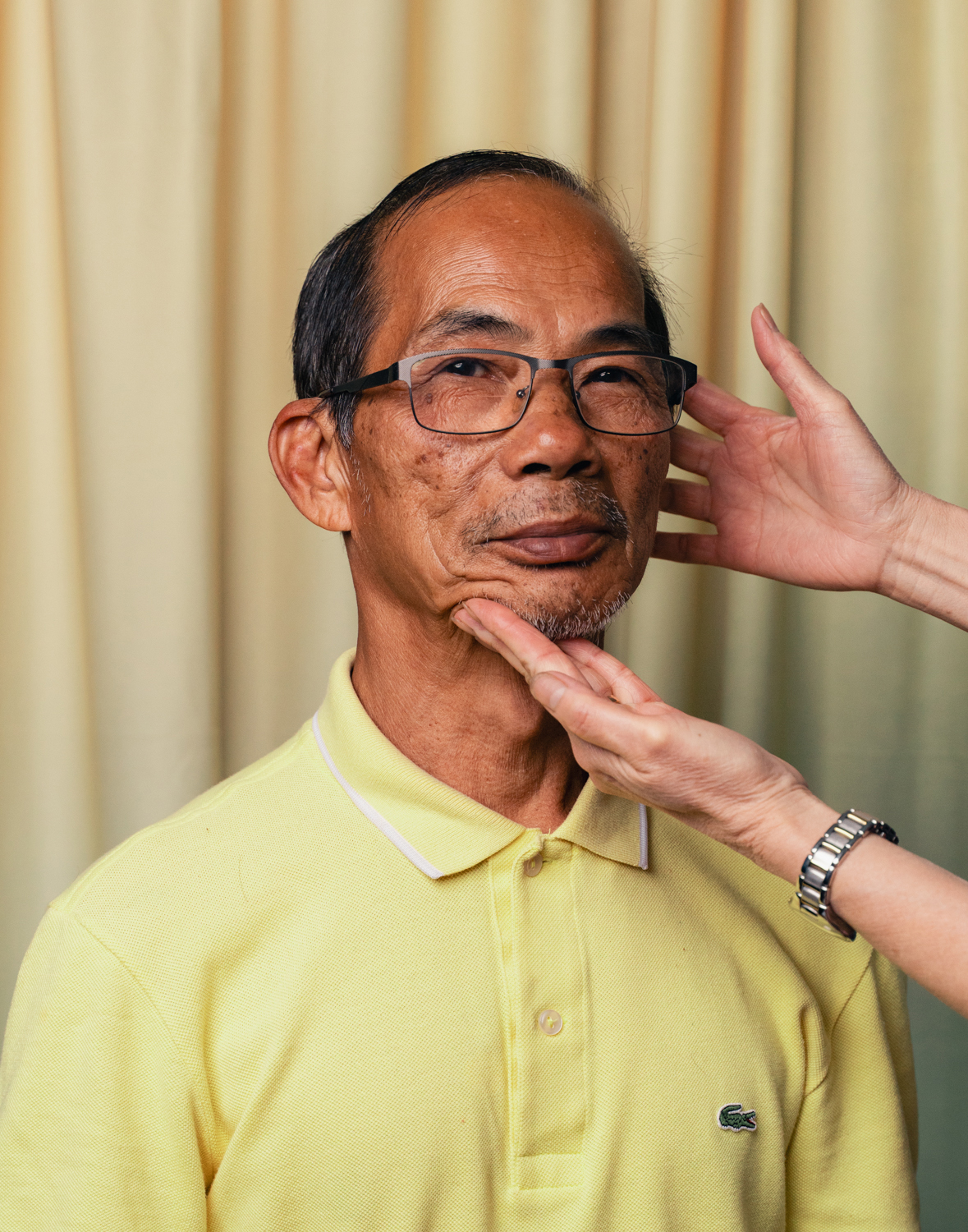
©Joseph Bui, MFA Candidate
How often do guest artists, curators, or critics visit for lectures and/or critiques?
We have a robust visiting artist and critic program. Each year the Cynthia Woods Mitchell Center for the Arts sponsors a speaker series. Past CWM speakers have included Ramell Ross, William Camargo, Nicholas Galanin, Sama Alshaibi, Liz Deschenes, Zora J Murff, and Samantha Box. Other artists and curators who have visited to present their work and critique student work have included Anne Wilkes Tucker, Matt Eich, Amalia Mesa-Bains, Barbara Hammer, Deborah Jack, Harry Gamboa Jr., Jess Dugan, Bill Armstrong, and Natasha Egan. Additionally, we have hosted bookbinding, letterpress, video-mapping and professional development workshops. We also have close relationships with the Hirsch Library and Print Room at the Museum of Fine Arts Houston where students can have direct access to rare photo books and works of art.

©Verónica Gaona, Alum
How many students are admitted each year, and how many are photography focused?
Photography | Video admits 3 students each year. They are part of an incoming School of Art cohort of studio artists and art historians each year totaling between 17 and 22 students. There is an August orientation each summer, and the students have frequent opportunities to interact and make connections across disciplines. Students can also pursue a parallel MA degree through the Arts Leadership program.
What is the approximate cohort size, and what effect does this have on critiques, collaboration, and networking?
We have nine MFAs in the Photo | Video program. This makes for a tight-knit collegial community. With their work as IAs in the lighting studio, ATC and darkroom and their 24-hour, year-round studio access, graduate students are deeply involved in the life on campus. Professional relationships formed in the program have become collaborations and mutual career support in the art world post-graduation.

©Verónica Gaona, Alum
What kind of work are current students creating?
Current students are working in the widest possible range of photographic and video modes—including installation and sculptural based works with photographic or video elements, experimental and narrative-based video, alternative processes, textiles and screen printing, digital photography, performance (and documentation), book arts, portraiture, narrative and conceptual projects. Subjects include the urban landscape, the environment, cultural and social frameworks, migration, autobiography, family, identity, the material conditions of the medium, visual history, and more.
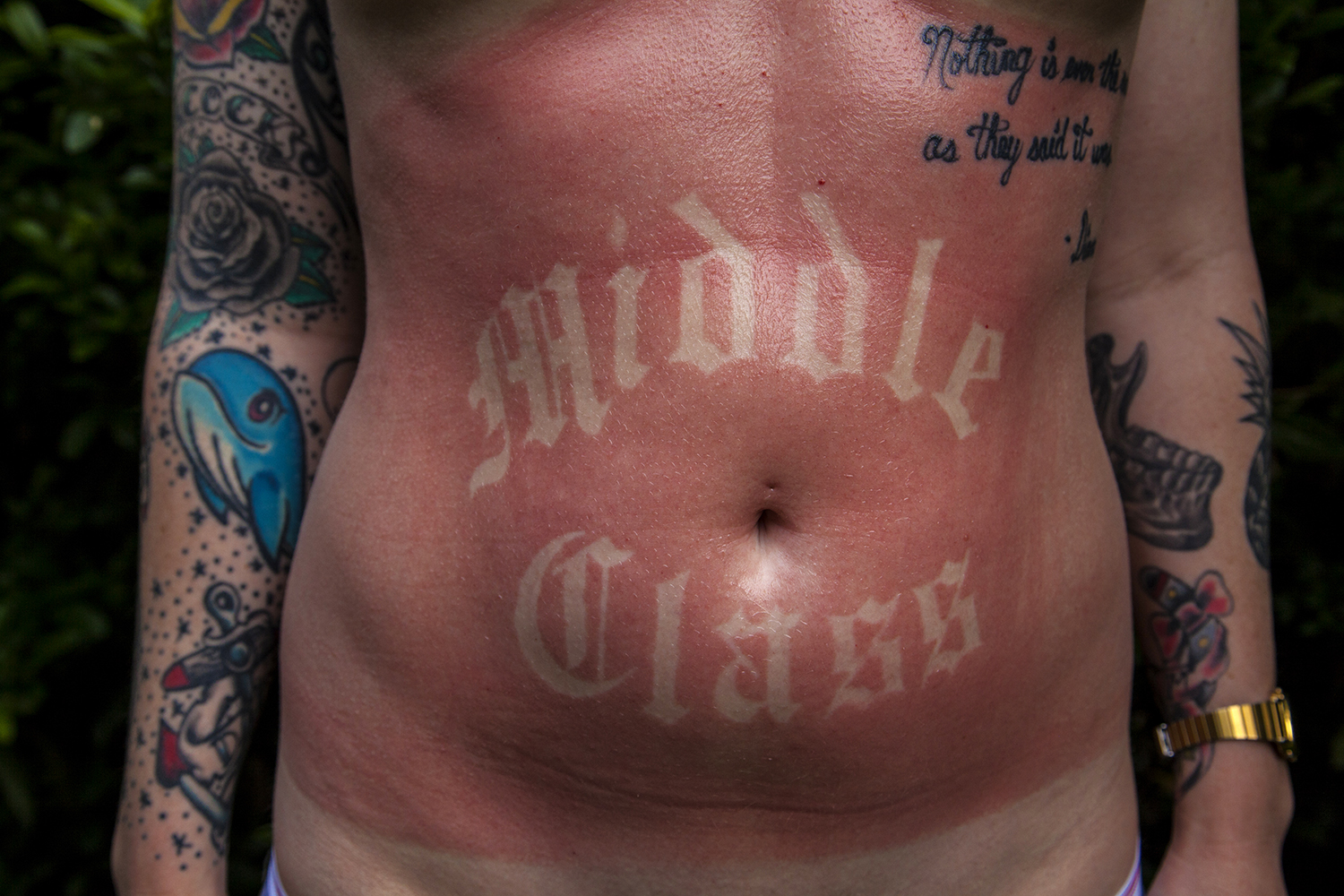
©Emily Peacock, Alum
What is the total cost of the program (and duration), and what funding options are available?
We are a three-year program. We are a fully-funded program, with the acceptance of a graduate assistantship position. The annual tuition sticker price is around $10,000 per year for 9 credits each semester (in the first and third year, more in the second year when students complete two 12-credit semesters). Support comes in the form of a combination of tuition waivers, graduate tuition fellowships, and instructional assistantships. Students are responsible for some university and parking fees.
Are there teaching assistantships, and what percentage of tuition do they cover?
There are instructional assistant positions available in the darkroom, lighting studio, Art and Technology Center and Equipment Checkout room, in addition to grader roles in our Art History MA program. MFA students also have opportunities to teach courses to our undergraduate students (Fundamentals of Photography, Digital Imaging, Intro to Video, etc.). These are paid roles, providing students with income above and beyond tuition waivers.
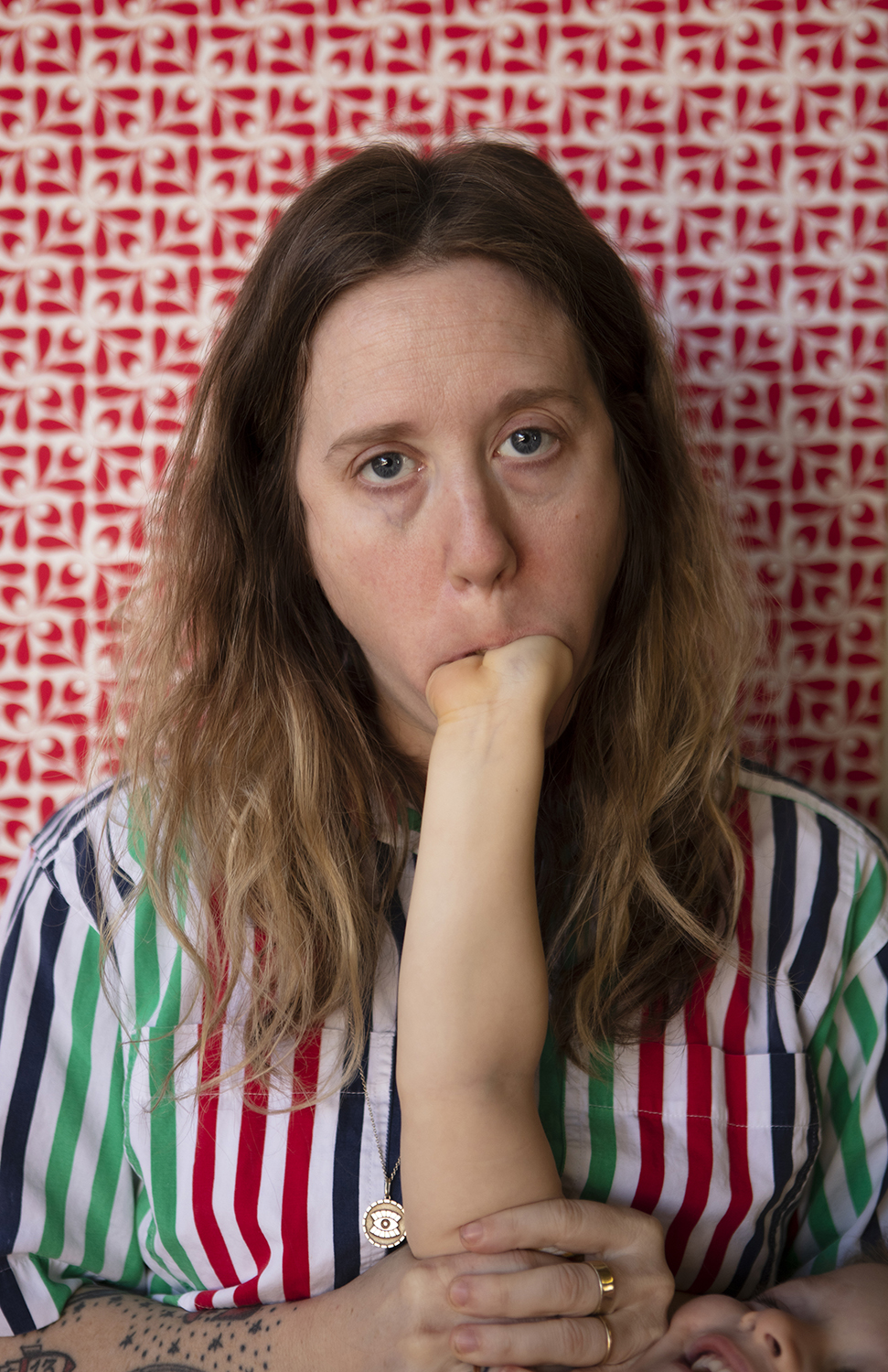
©Emily Peacock, Alum
Are additional grants/resources available to support student projects?
All MFAs have private studios in our new Elgin Street Studios building for three years, including through the summers, and they have multiple opportunities to exhibit their work on campus. Each year, small awards are available through a competitive process to support exhibitions, research, and travel. The School of Art has begun purchasing a booth at Untitled Art Fair, Houston, in which MFA students are encouraged to exhibit and, if applicable, sell their work.
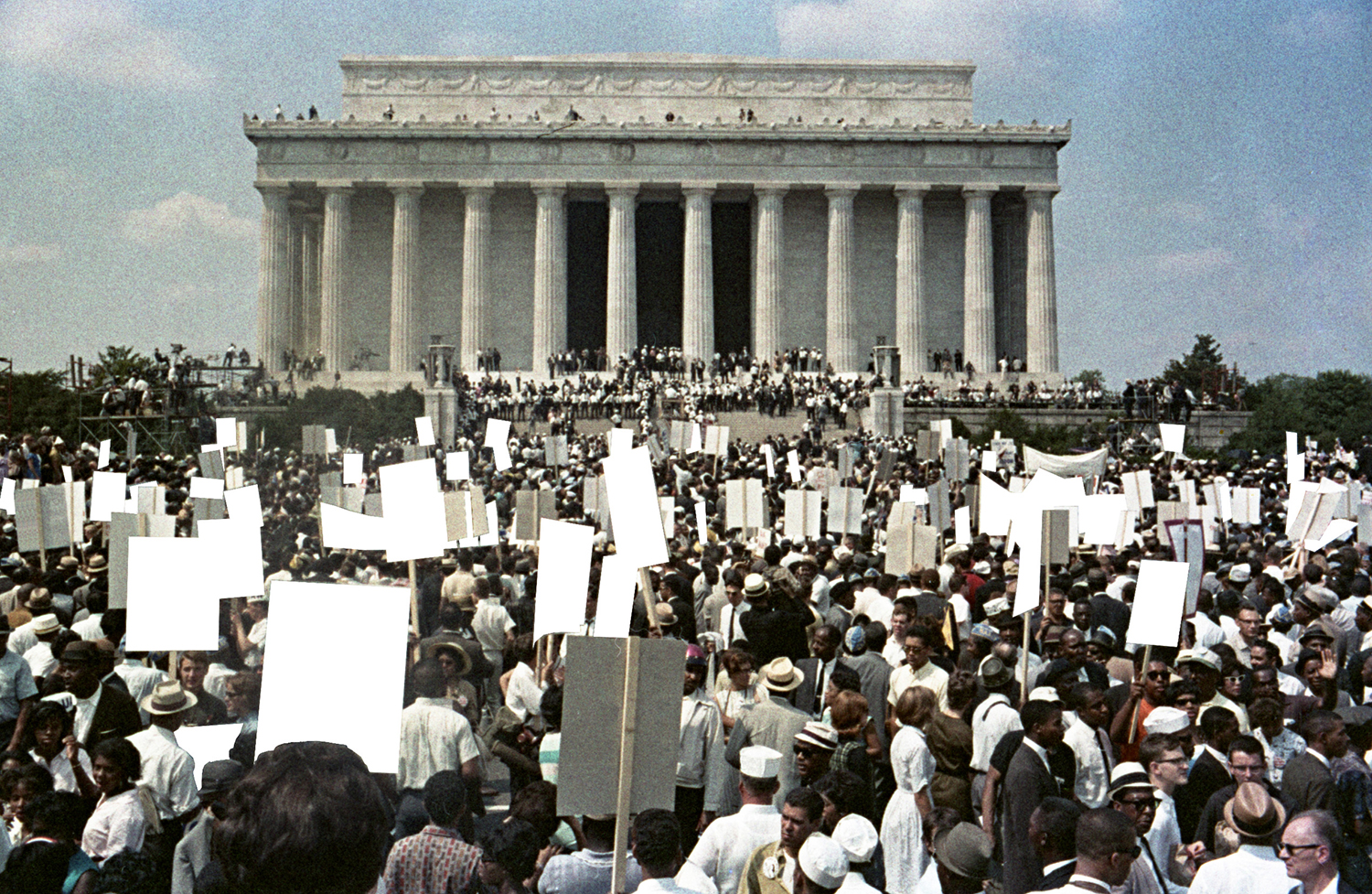
©Phillip Pyle, II, Alum
What types of careers do alumni pursue, and how does the program support students after graduation?
The School of Art is a major feeder of artists and talent into the Houston art scene. Many students have gone on to successful careers as artists, selling work through galleries, placing work in museum collections, participating in residencies and winning competitive national grants and awards. Quite a few have become full-time tenure-track professors – including alumni Priya Kambli, Bennie Flores Ansell, Jamie Robertson, Emily Peacock and James Osamu Nakagawa, among others, each of whom has forged nationally and internationally significant exhibition records. Recent alum Veronica Gaóna was the recipient of the Latinx Fellowship Award and Artadia Houston and participated in residencies at Skowhegan, Bemis and ISCP Brooklyn. Philip Pyle, II recently had a solo exhibition at Houston Museum of African American Culture. Many of our alumni take positions in arts organizations in the city, some have served on the boards of those organizations and a few have founded important organizations in the city. Alum Lauren Christlieb founded Red Bird Press here in Houston. Alum Brian Ellison is co-founder of the acclaimed Black Man Project which has had major impacts within the city. Recent alum Maddie Casagranda was just awarded a Trio Grant by the Wendy Wagner Foundation. Both she and recent alum Jennifer Marion have upcoming residencies at the Ramona Residency in Houston.
There is no one set career path that our MFAs pursue, but our emphasis on a fine art practice in the context of critical discourse prepares them for many opportunities in the arts.
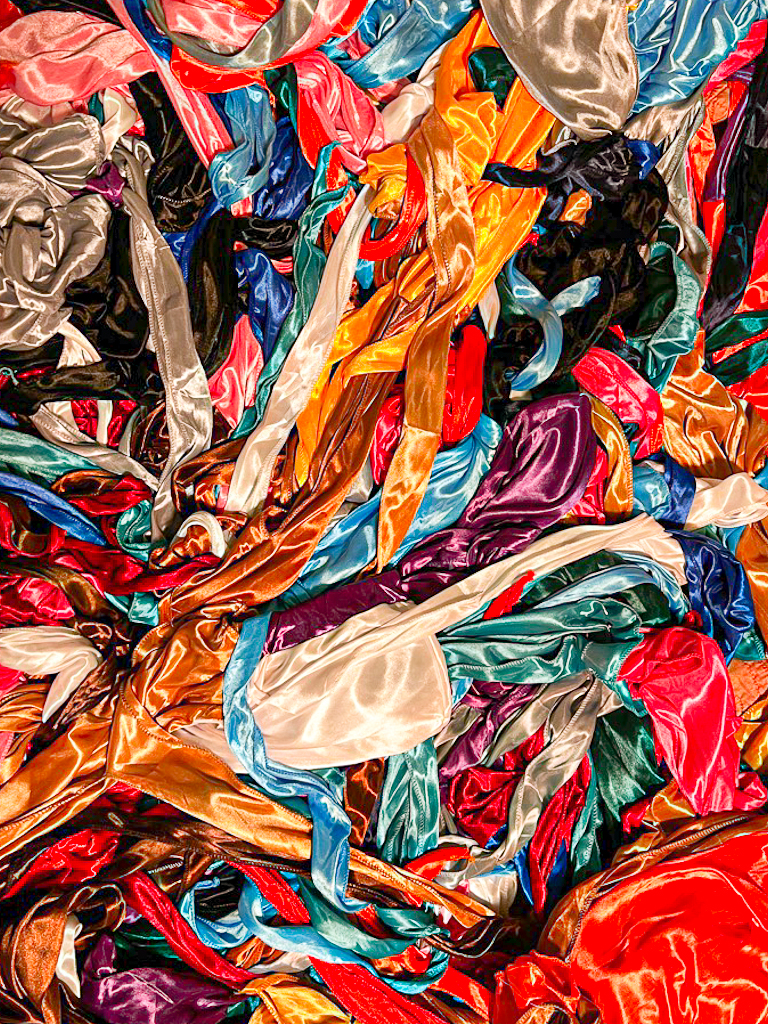
©Phillip Pyle, II, Alum
How connected is the alumni network, and do graduates stay involved with the program?
Many of our alumni have returned to teach courses, present their work in public presentations at the university or to serve as mentors to current undergraduate students. Our alumni become part of an active art scene and often open doors and opportunities for each other. Our alumni regularly exhibit work at HCP, Fotofest, MFAH, Art League, Lawndale Art Center and Project Row Houses. We always encounter current and past students supporting each other at these events. We also maintain an Instagram feed (@uh_photo_video ) where we promote alumni accolades. Our alumni are always welcome to send updates about their work and we will be sure to share their successes.
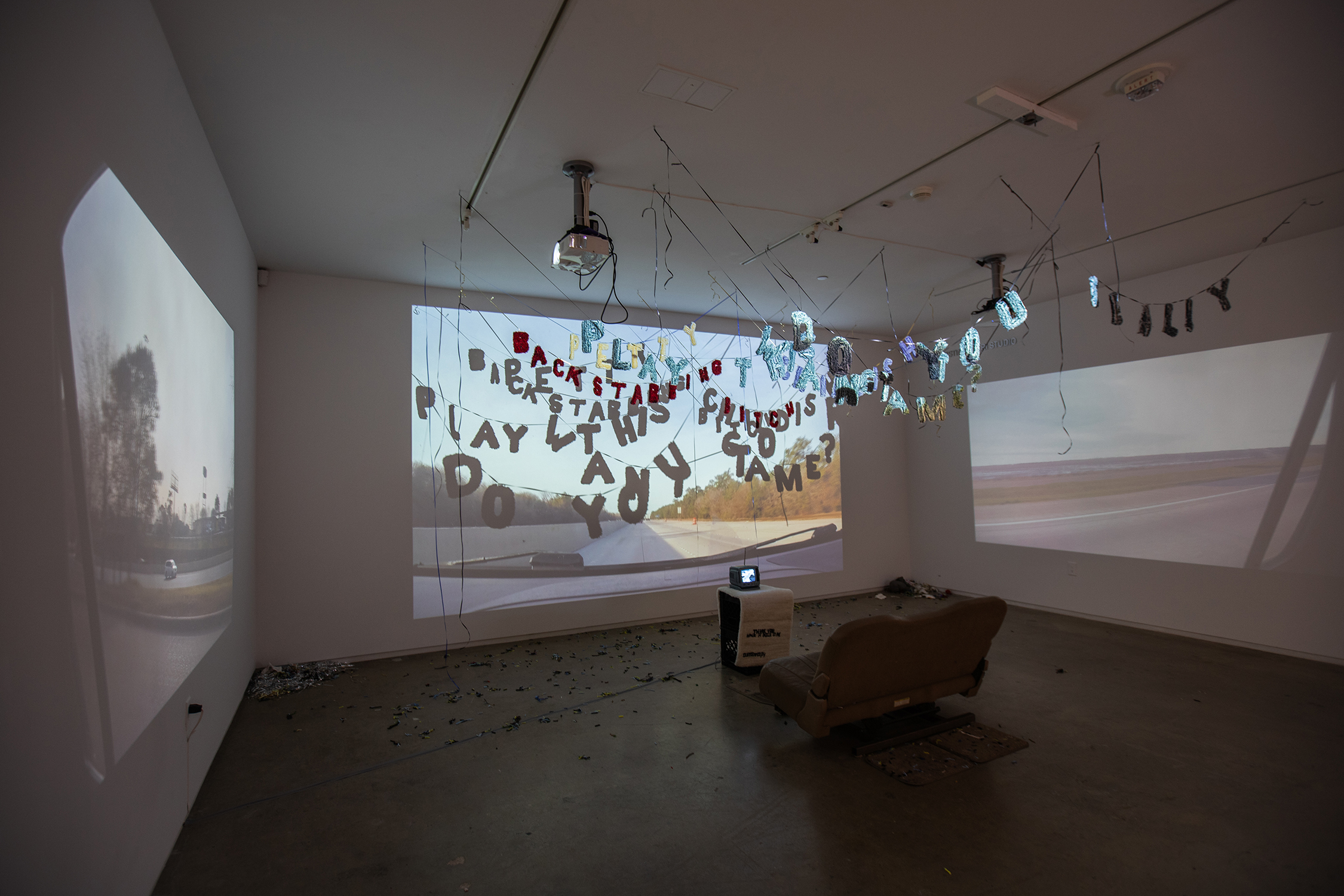
©Jennifer Marion, Alum
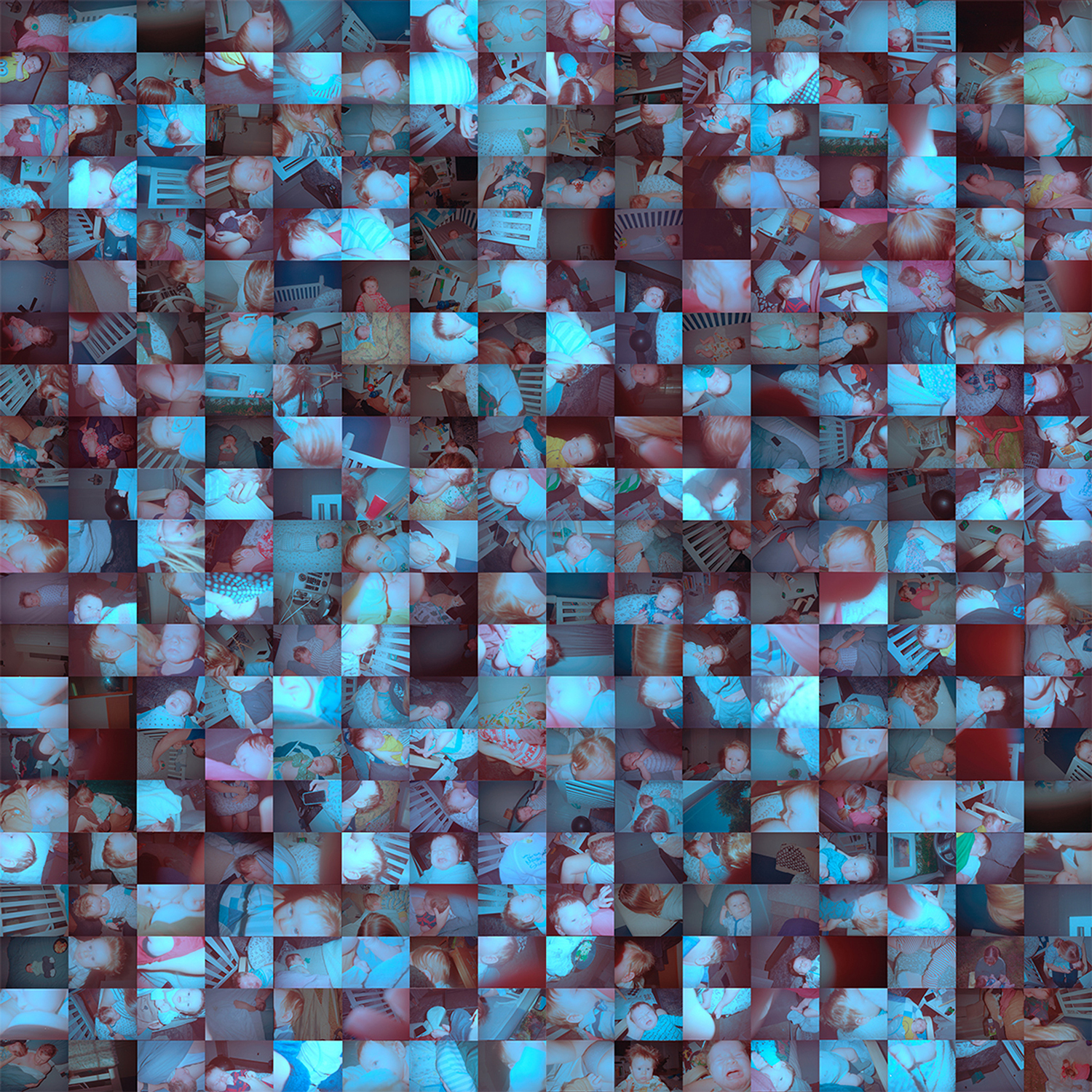
©Maddie Casagranda, Alum
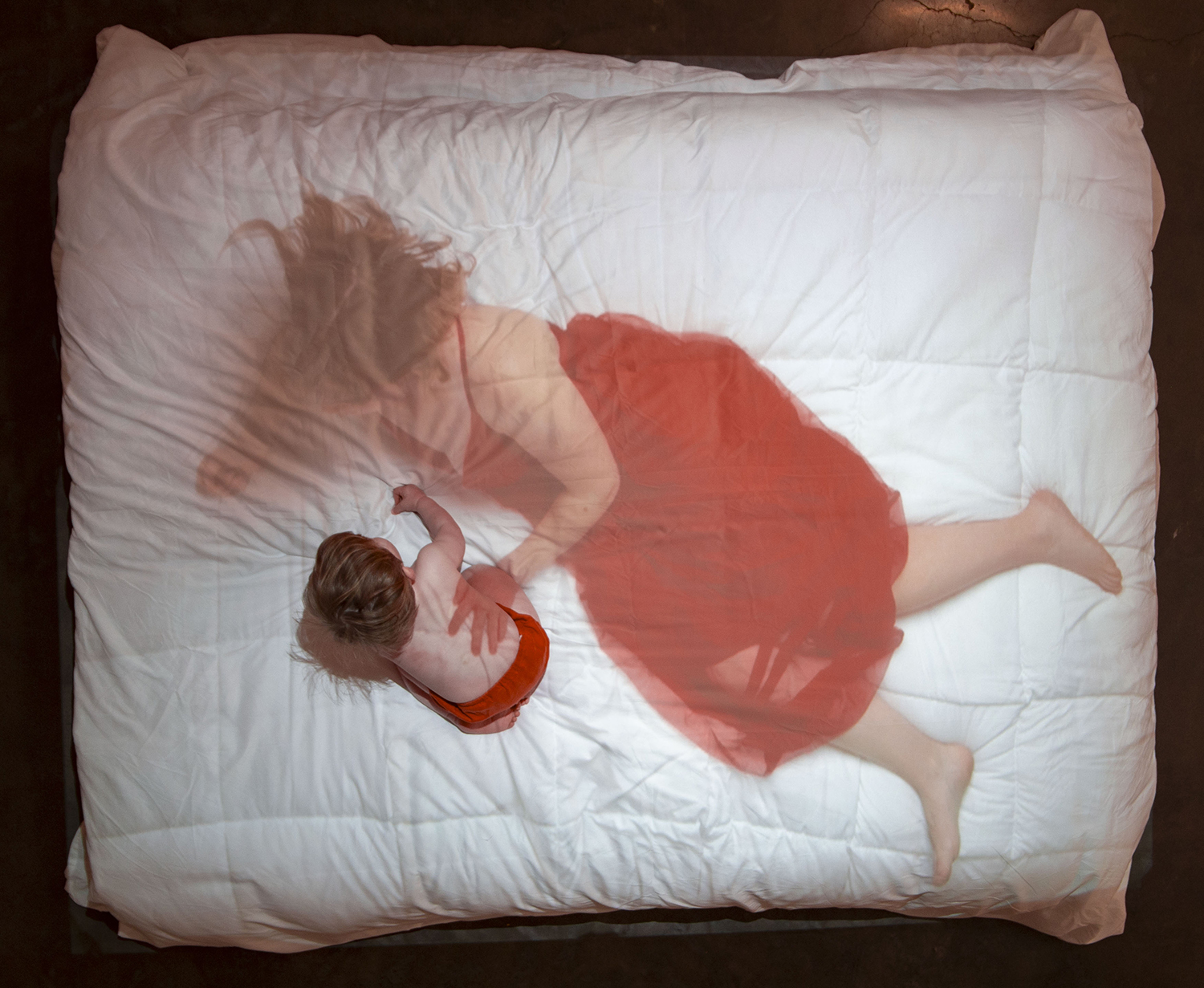
©Maddie Casagranda, Alum
Posts on Lenscratch may not be reproduced without the permission of the Lenscratch staff and the photographer.
Recommended
-
In Focus: The MFA Review: University of South FloridaAugust 29th, 2026
-
In Focus: The MFA Review: Iowa State UniversityAugust 28th, 2026
-
In Focus: The MFA Review: University of HoustonAugust 27th, 2026
-
In Focus: The MFA Review: East Carolina UniversityAugust 26th, 2026
-
In Focus: The MFA Review: Cranbrook Academy of ArtJune 11th, 2026