Chantal Lesley: As I Lay It All To Rest
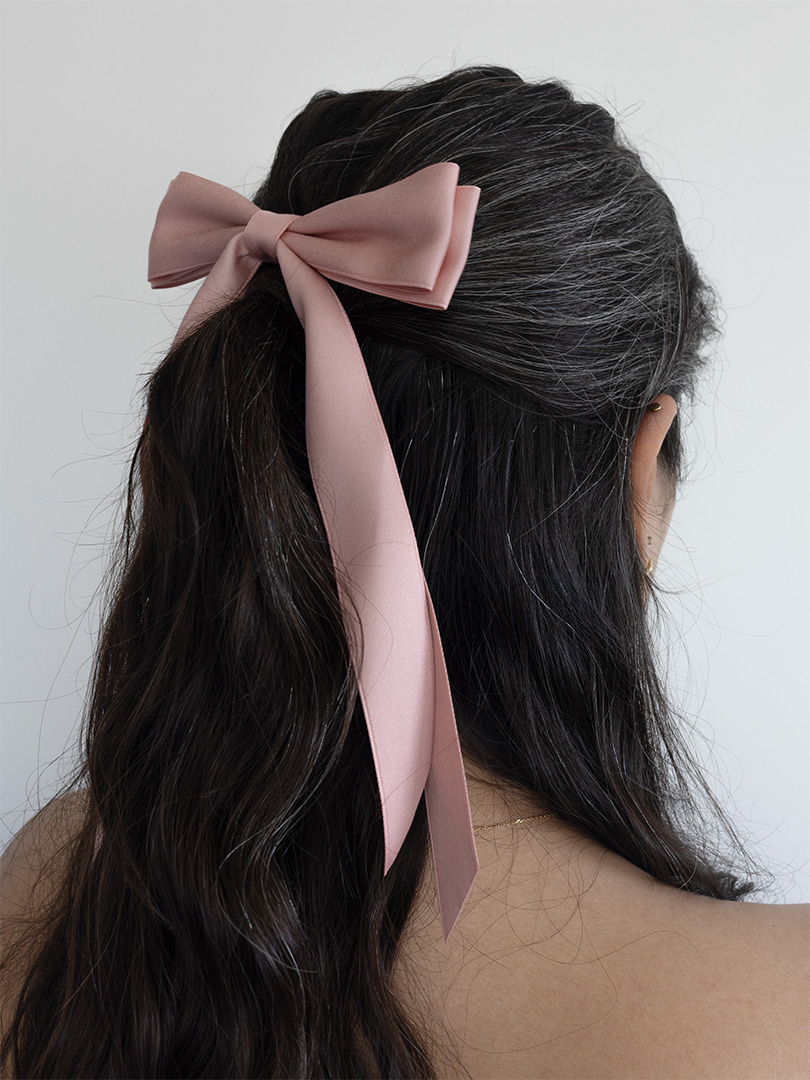
©Chantal Lesley, My Heart Grows Colder With Each Day (The Prize)
I came across Chantal Lesley’s work over this past summer. She submitted to nice;04, the fourth annual contemporary art exhibition with Midwest Nice Art, an art collective I founded with my husband, Tim Rickett. We both really enjoyed Lesley’s submission, which was from the series Contained, and took a look at her other series. As I Lay It All To Rest really stuck with me in its ability to show the underlying feelings of grief and letting go that are difficult to name. The images are uncanny and surreal, with the hint of a dream you may have had but can’t remember. Spend some time with these images and I’m sure you’ll find something new and unexplainable too.
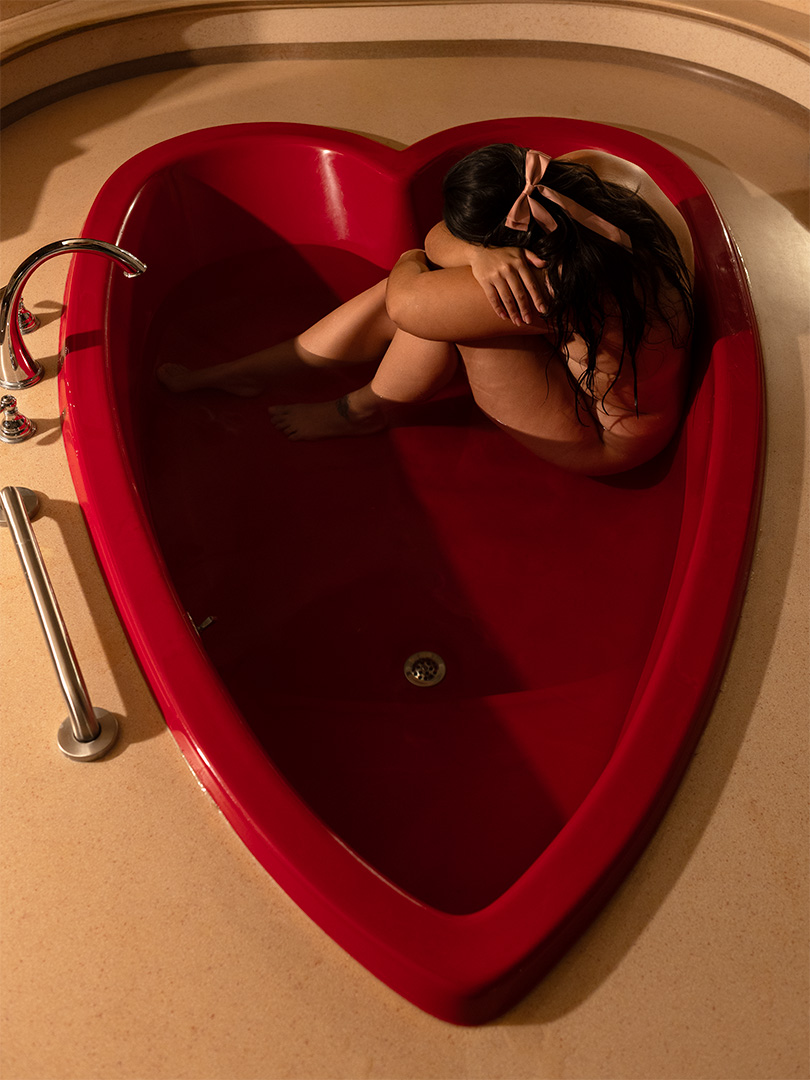
©Chantal Lesley, Learning To Love a Butterfly
Chantal Lesley (she/her) is an Austin-based artist, a first-generation American raised on the U.S./Mexico border, and the daughter of Peruvian and German immigrants.
Her work explores identity, memory, and belonging while increasingly engaging the intangible—dreams, the unconscious, and the shifting space between reality and imagination. Through photography, textiles, and sculpture, she creates spaces where the unseen and unspoken take form, drawing from inherited stories, fleeting moments, and the tension between remembering and forgetting. What began as an exploration of cultural identity has expanded into a broader investigation of liminality, absence, and the ways memory and longing shape how we connect to ourselves and others.
Lesley earned her BFA in Fine Art Photography from Texas State University in 2021, and her work has been shown nationally at institutions such as Houston Center for Photography, Touchstone Gallery, and Humble Arts Foundation. She has participated in residencies such as LATITUDE (Chicago, IL), Vermont Studio Center (Johnson, VT), Château d’Orquevaux (France), KUNSTRAUM (Brooklyn, NY), and Kala Art Institute (Berkeley, CA).
She is currently a member of ICOSA, an artist-run collective gallery in Austin, TX.
Follow Chantal on Instagram: @chantallesley
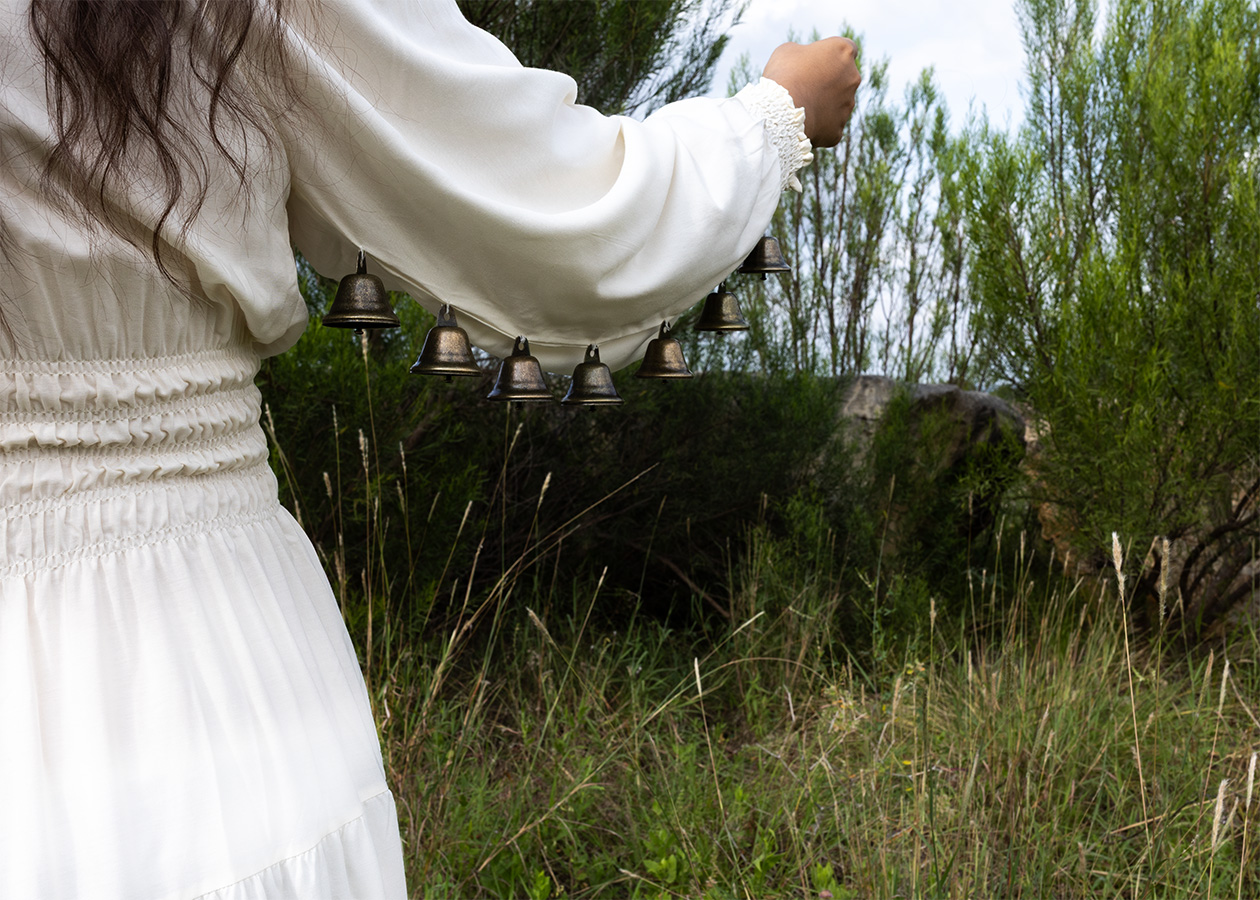
©Chantal Lesley, Let the Quiet Hold It
As I Lay It All To Rest
We carry so much within us:
Memories, regrets, unspoken words, and lingering ghosts that echo in the quiet hours of the night. As I Lay It All to Rest is an excavation of these restless thoughts, an exploration of what it means to release, to surrender, and to live with the weight of what cannot be undone.
This body of work emerges from sleepless nights and the raw space between longing and acceptance. Through this work, I examine the objects, emotions, and narratives that tether me to an unhealed vibration. Each object becomes a ritual of release, an offering to impermanence, a quiet act of learning to coexist with grief rather than overcome it.
At its core, this series is about grief: how it lingers, how it transforms, and how we learn to carry it with us. I am drawn to the tension between holding on and letting go, the way grief and love intertwine, and how healing is not a destination but a process of continuous unraveling. In this space, I invite viewers to reflect on their own attachments and to consider what they are still carrying, and what they may finally be ready to lay to rest.
My work explores the intangible, including memory, dreams, and the shifting spaces between reality and imagination. I am drawn to fragments that linger, such as inherited stories, fleeting moments, and the blurred line between what is remembered and what is forgotten. Through photography, textiles, and sculpture, I create spaces where the unseen and the unspoken take form.
Raised on the U.S./Mexico border by Peruvian and German immigrant parents, my background informs a sense of in-betweenness that runs through my practice. What began as an investigation of cultural identity has evolved into a broader exploration of liminality, examining the thresholds between belonging and alienation, presence and absence, and the personal and the collective.
My process is both self-reflective and generative. Photography grounds my work in the real, while textiles weave together fragmented narratives, and sculpture gives shape to the ephemeral. Together, these mediums act as vessels for memory and as sites of transformation.
My work is my way of letting you in, into the spaces between cultures, identities, and histories that shape who I am. Ultimately, it is an invitation to linger in ambiguity and to consider how memory, longing, and the intangible shape not only who we are, but how we connect with one another.
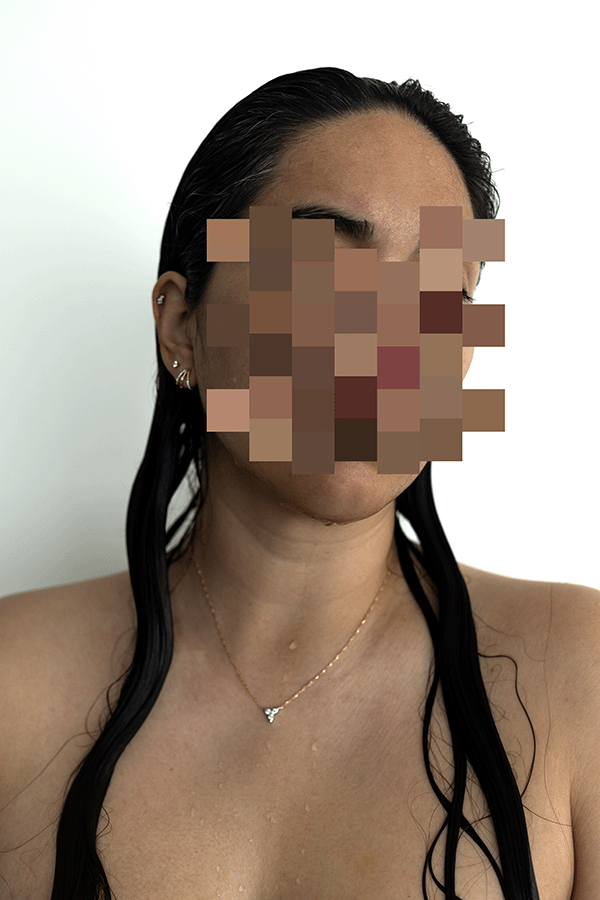
©Chantal Lesley, But You Don’t Mean A Thing To Me
Epiphany Knedler: How did your project come about?
Chantal Lesley: This work came out of a period of my life when, honestly, almost everything felt like it was unraveling. Around 2022, a lot of different things seemed to fall apart at once, and it forced me to really confront my mental and emotional health in a way I hadn’t before.
I needed somewhere to put everything I was carrying: grief, regret, shame, memories, and all of the stories I kept replaying in my head. Eventually, making work became a way for me to process some of that.
Interestingly, I couldn’t actually make this body of work while I was in the middle of that experience. Everything was too close. I needed some distance before I could really understand what I had been feeling and figure out how to translate it into images. Once I had that distance, I was able to approach those experiences in a way that felt much calmer and more contemplative.
That distance also changed the way I thought about healing. For me, laying something to rest doesn’t mean forgetting it or reaching some perfect sense of closure. It means getting to a point where something can exist in your life without continuing to control it. The grief is still there. The memories are still there. But instead of fighting them, I can sit beside them.
I think that’s ultimately what this work is about: not closure, but coexistence.
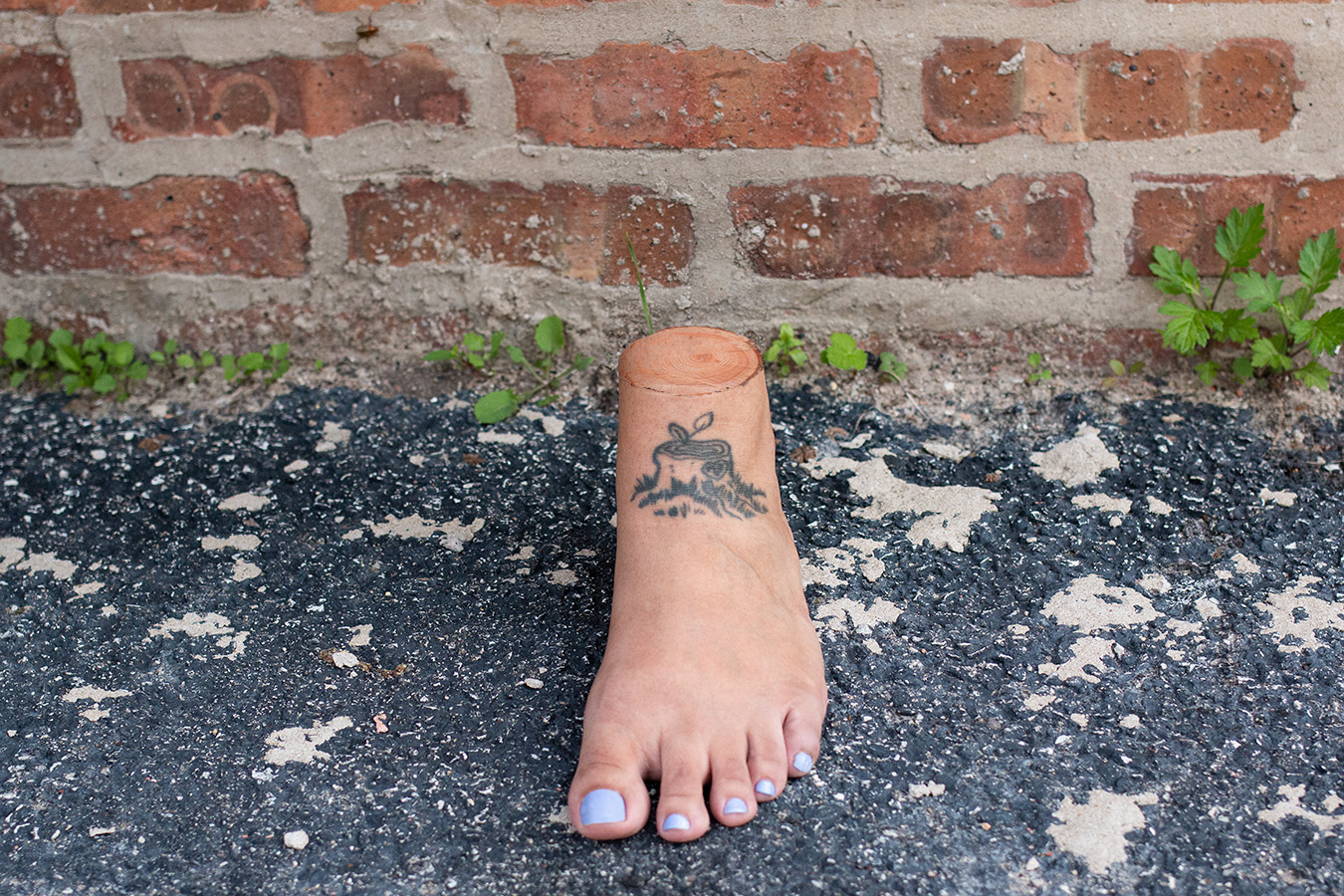
©Chantal Lesley, Outgrowing Pains
EK: Is there a specific image that is your favorite or particularly meaningful to this series?
CL: Definitely Outgrowing Pains. I actually made that photograph in 2022, right in the middle of that chaotic period.
It’s a photograph of my own foot with a tattoo referencing Shel Silverstein’s The Giving Tree. When I was in my early 20s, I really identified with the tree and its willingness to constantly give of itself. At the time, I saw that as a positive representation of who I was. As I got into my 30s, though, I started to recognize how unhealthy that kind of boundaryless version of myself actually was.
Tattoo removal wasn’t really in my budget, so I decided to remove the tattoo photographically instead. The photograph ended up sitting on its own for a few years. Then, in 2025, when the larger concept for As I Lay It All to Rest finally clicked into place, I realized that this photograph was actually the beginning of the entire body of work.
It became the first visual articulation of a question I kept coming back to: What parts of ourselves do we have to let go of in order to become healthier versions of ourselves?
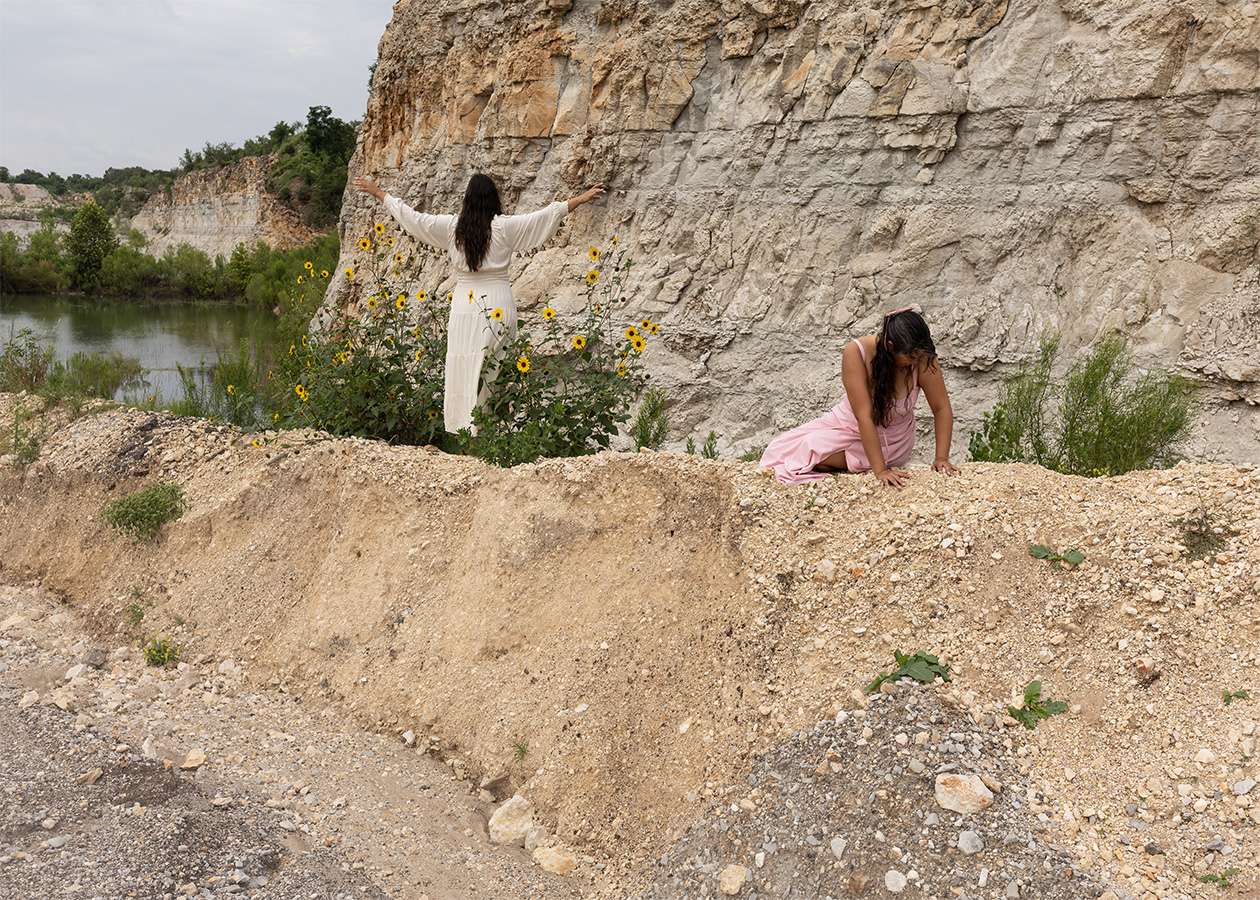
©Chantal Lesley, Between the Bloom and the Break
That’s a pretty heavy question, but I think the work allowed me to approach it gently. I like that the photographs can hold something difficult without necessarily feeling difficult to look at.
EK: Can you tell us about your artistic practice?
CL: My process is very conceptual and introspective. I would say probably 70% of the work happens in my head before I ever pick up a camera.
A lot of my ideas come from resting, journaling, having conversations, or even just noticing a word or phrase that creates a really vivid image in my mind. Language is often the bridge between what I’m feeling and what I eventually make. I’ve started thinking of myself as a visual poet because my photographs often begin with language rather than an image. Sometimes it’s a sentence, a phrase, or even a single word that suddenly turns into a whole visual in my head.
Once I have that image, I’ll usually make a rough sketch and spend some time refining the composition mentally. By the time I actually pick up the camera, I generally know what I’m trying to make. The shoot itself can happen pretty quickly because most of the work has already happened during that quiet thinking stage.
That doesn’t mean I’m rigid when I’m shooting. I always leave room for experimentation and for something unexpected to happen. But I’ve gotten much better at trusting myself and my process, and my final photographs are often surprisingly close to the images I had originally imagined.
I also think As I Lay It All to Rest represents a pretty important shift in my practice. For a long time, my work was heavily rooted in my multicultural upbringing and questions of identity. Those things are still very much a part of me, and I don’t think I’ll ever completely move away from them. But this project gave me permission to move beyond autobiography and explore more universal experiences like grief, memory, change, and emotional weight.
That shift felt vulnerable because I was moving away from something I had always considered central to my practice. But it also showed me that my own experiences don’t have to stay entirely personal. They can be a starting point for exploring something other people might recognize in themselves.
I think of my work a little like a lighthouse. I’m putting something out into the world and hoping it finds the people who need it. I don’t necessarily want to tell someone what to feel when they look at my work. I’d rather create enough space for them to bring their own experiences to it.
It took me a long time to become comfortable with the gray areas of life, of thinking, and of feeling. I used to want things to have clear answers or clear endings. Now I’m much more interested in the spaces in between. I think my work is an invitation to sit in those spaces for a little while.
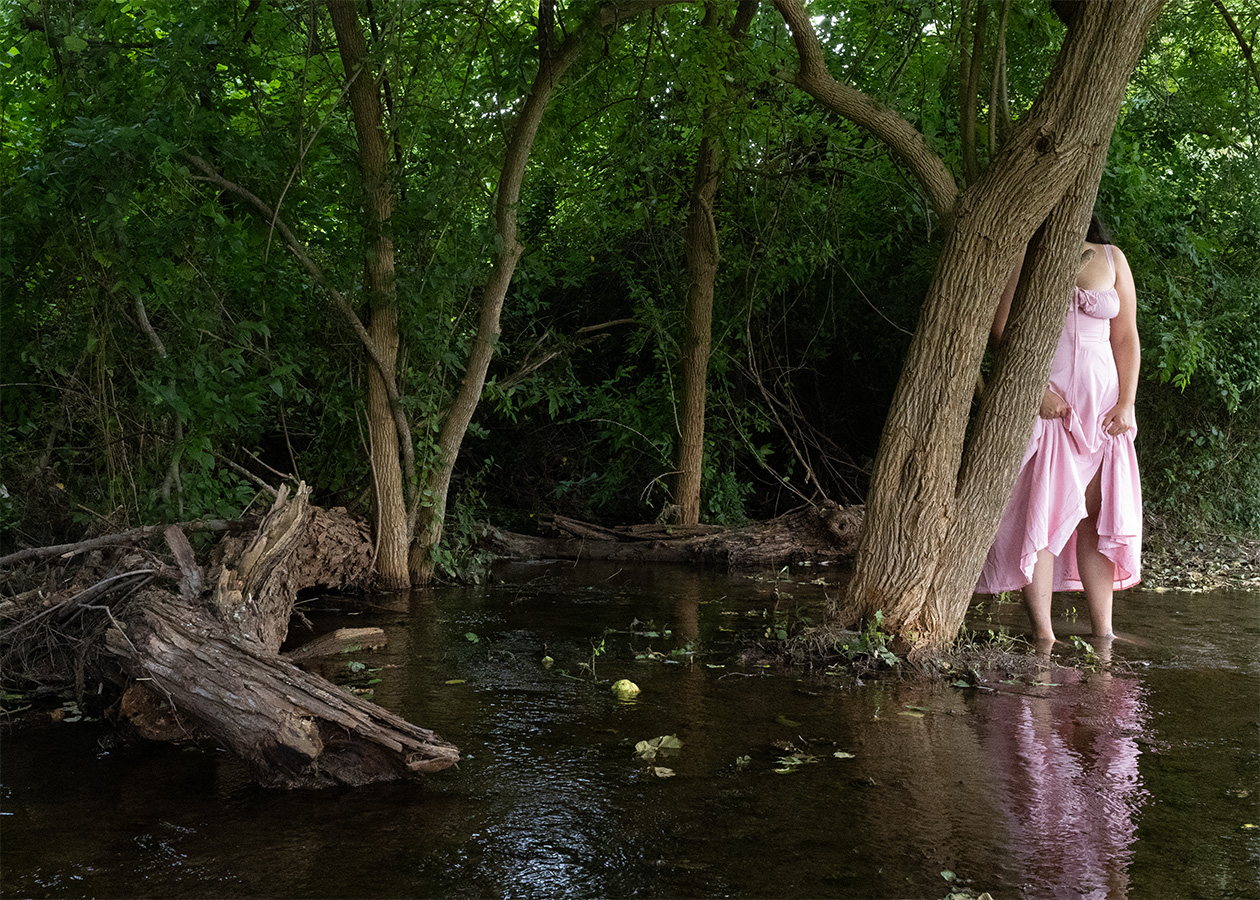
©Chantal Lesley, Don’t Come Looking For Me, I Don’t Want To Be Found
EK: What’s next for you?
CL: Honestly, I’m not totally sure yet, and I’m okay with that. I don’t have a specific exhibition or project coming up that I need to announce right now. I’m in that weird in-between stage where I’m thinking a lot, journaling, collecting ideas, and trying to figure out what I want to make next.
I am in the very early stages of what I think will become a pretty long-form project with my cousin. She likes to consider herself the family archivist, and we’ve been talking a lot about our family history and the different ways our families stayed connected during the 1990s and early 2000s. We’re particularly interested in the different forms of communication they used to stay in touch across distance, and what those records might tell us about our family, migration, and the ways we maintained relationships alongside the evolution of technology.
It’s still very much in the research and collecting stage, so I don’t really know what the project will become yet. And I think that’s part of what excites me about it.
A lot of my work starts as an idea that sits in my head for a while before I know what it’s going to become. So, I guess what’s next is figuring out what’s next. And honestly, I kind of like being in that space.
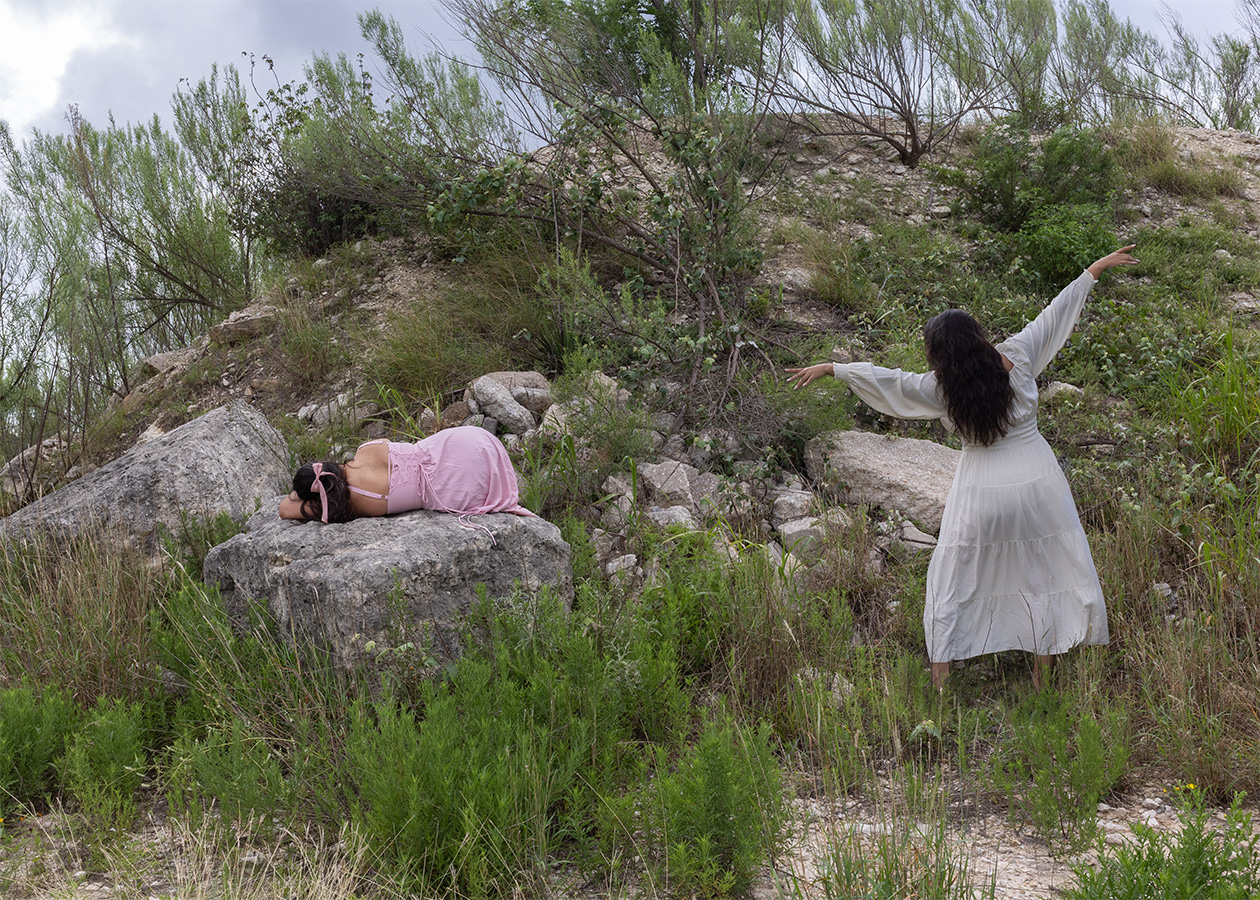
©Chantal Lesley, It’s Just a Feeling
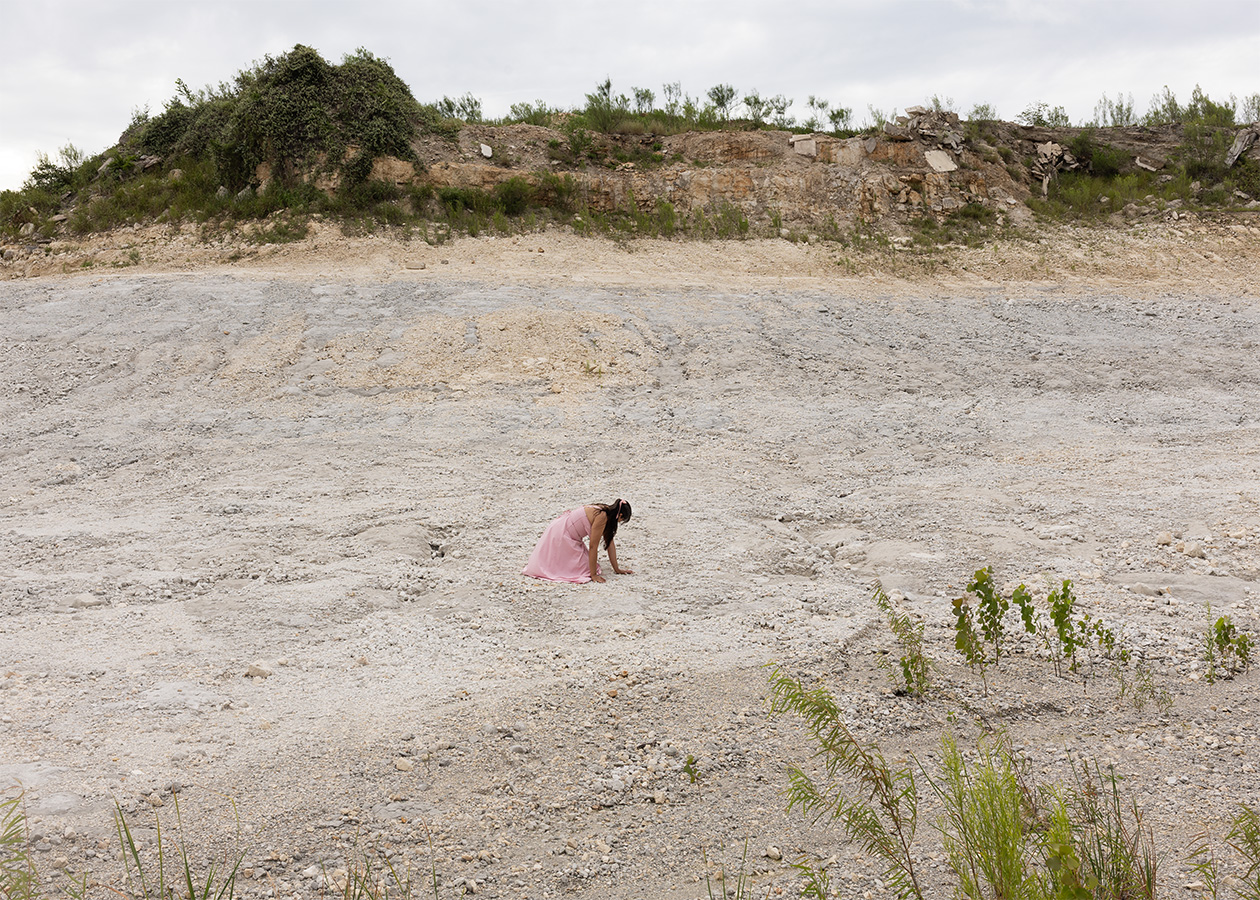
©Chantal Lesley, Nothing Grew There Anymore
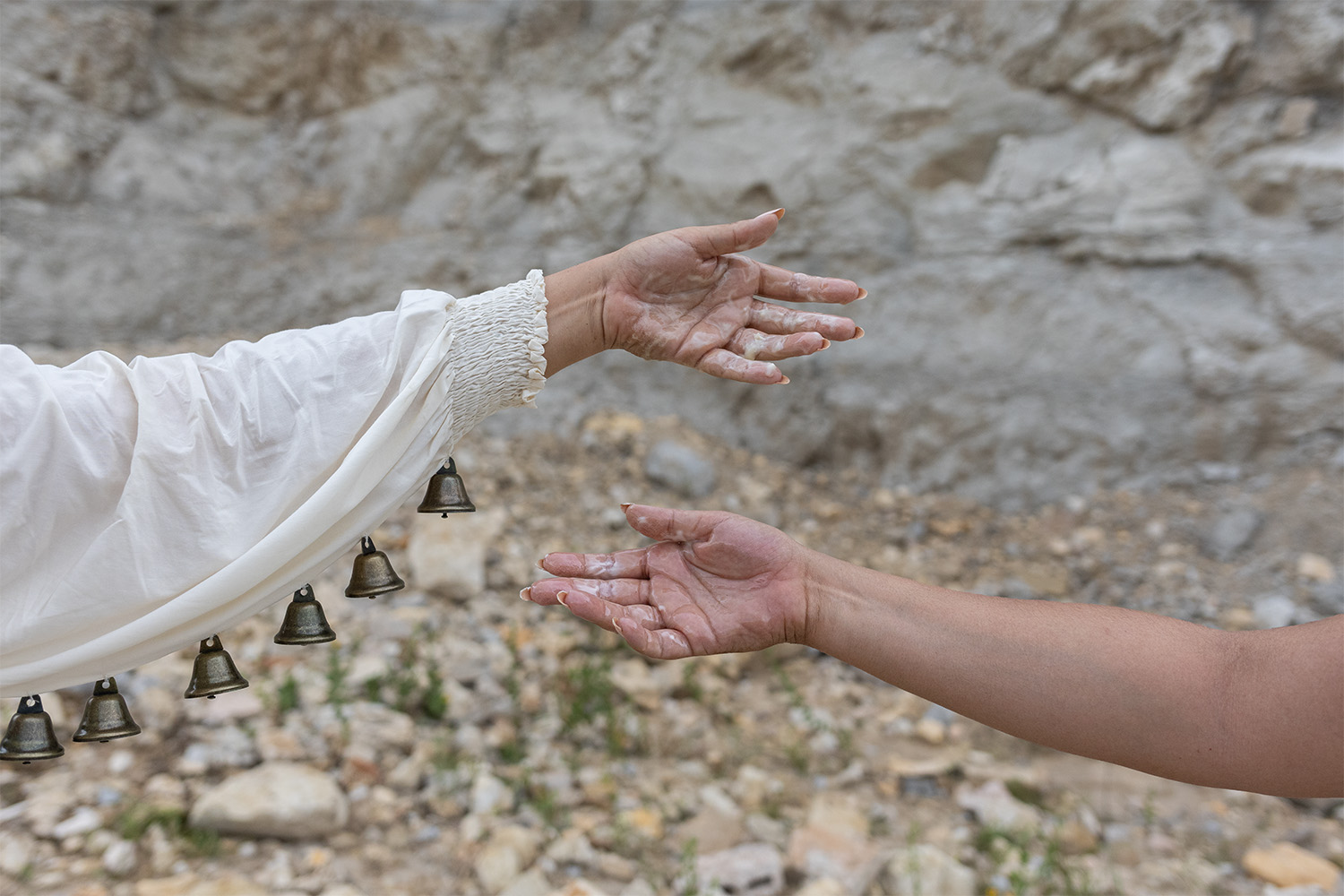
©Chantal Lesley, Practicing the Art of Letting Go (Butter)
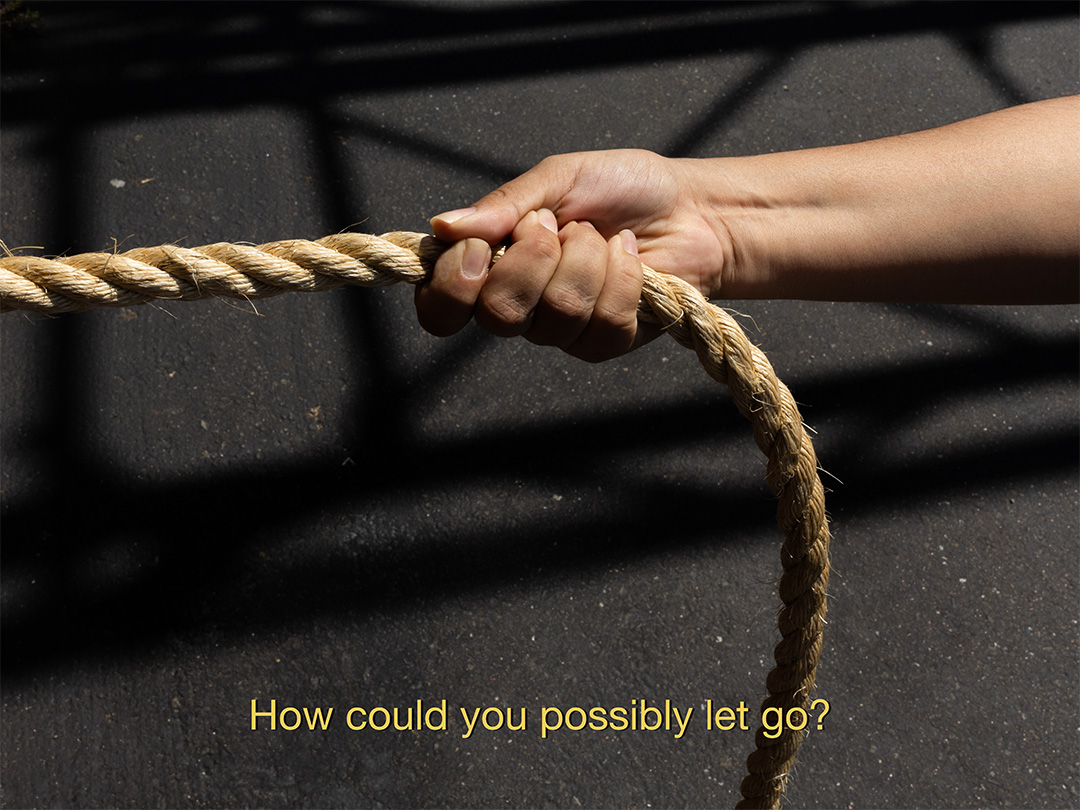
©Chantal Lesley, Tethered Dissonance
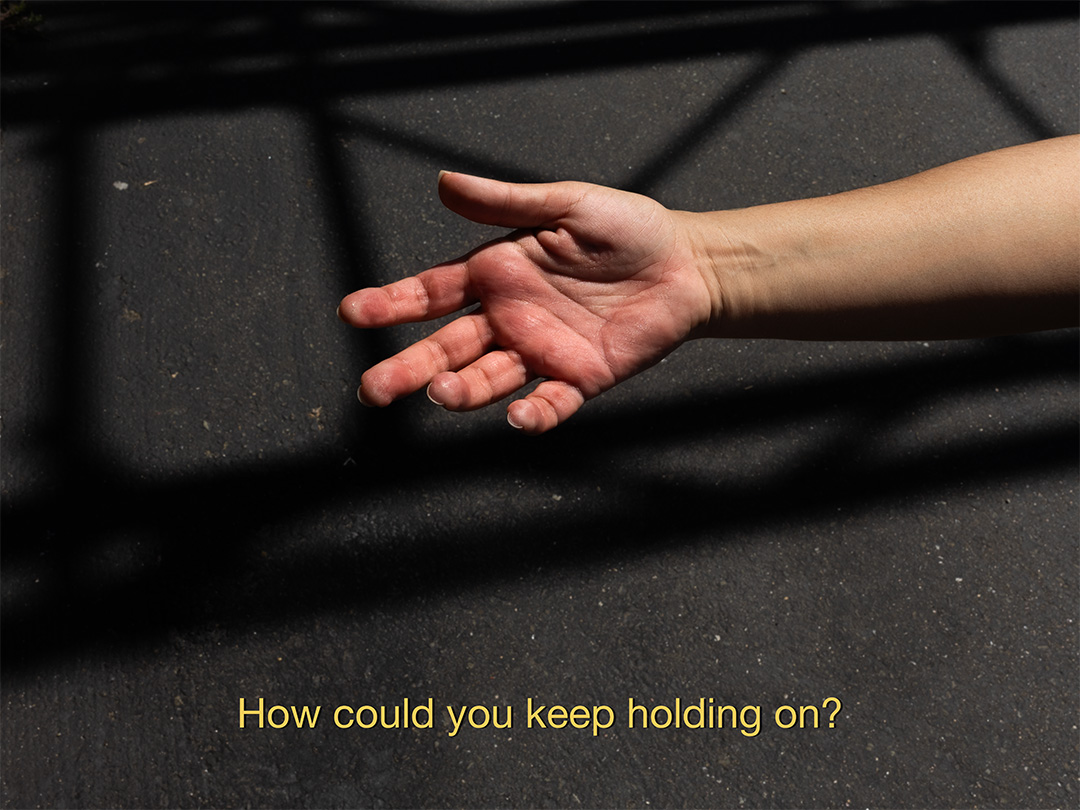
©Chantal Lesley, Tethered Dissonance
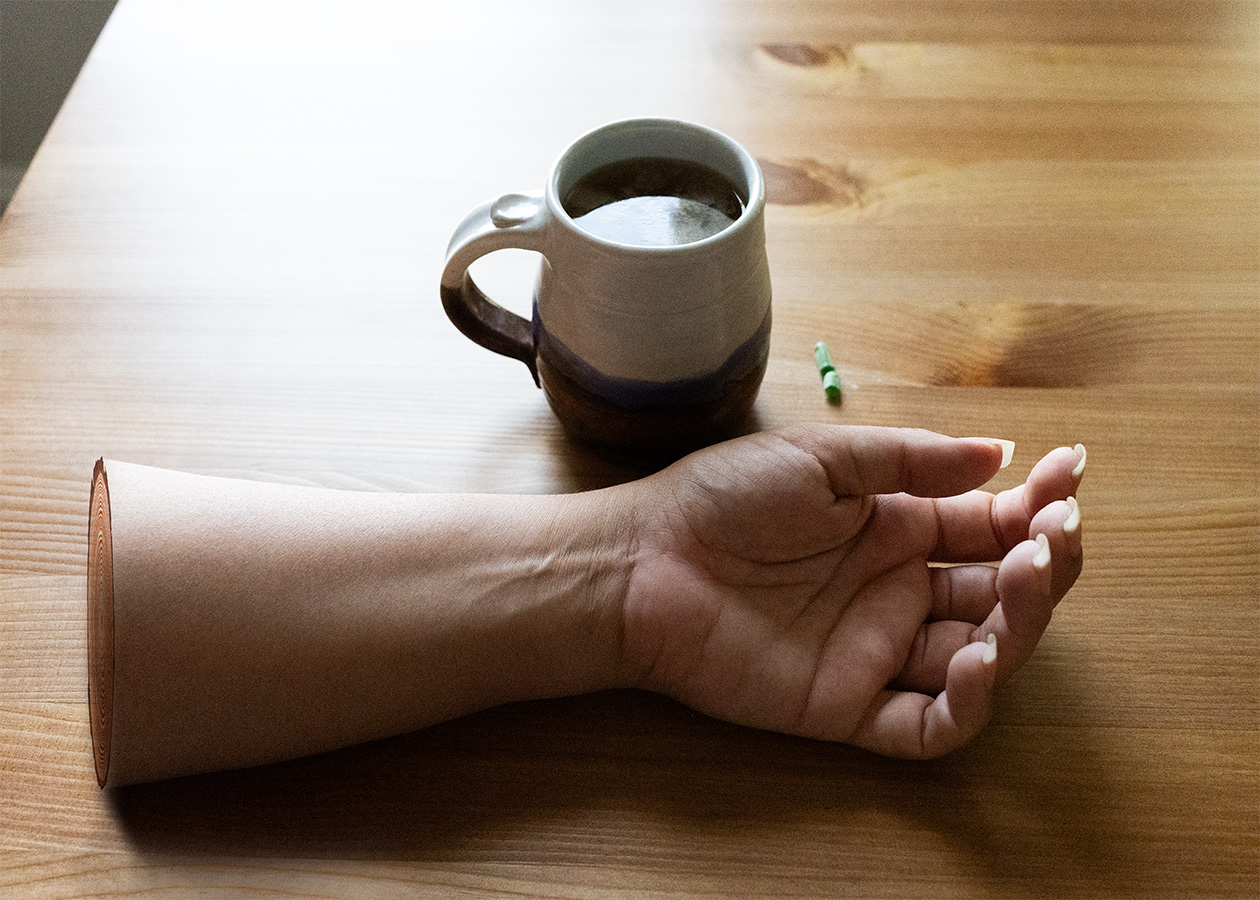
©Chantal Lesley, Turning Off a Primal Ache
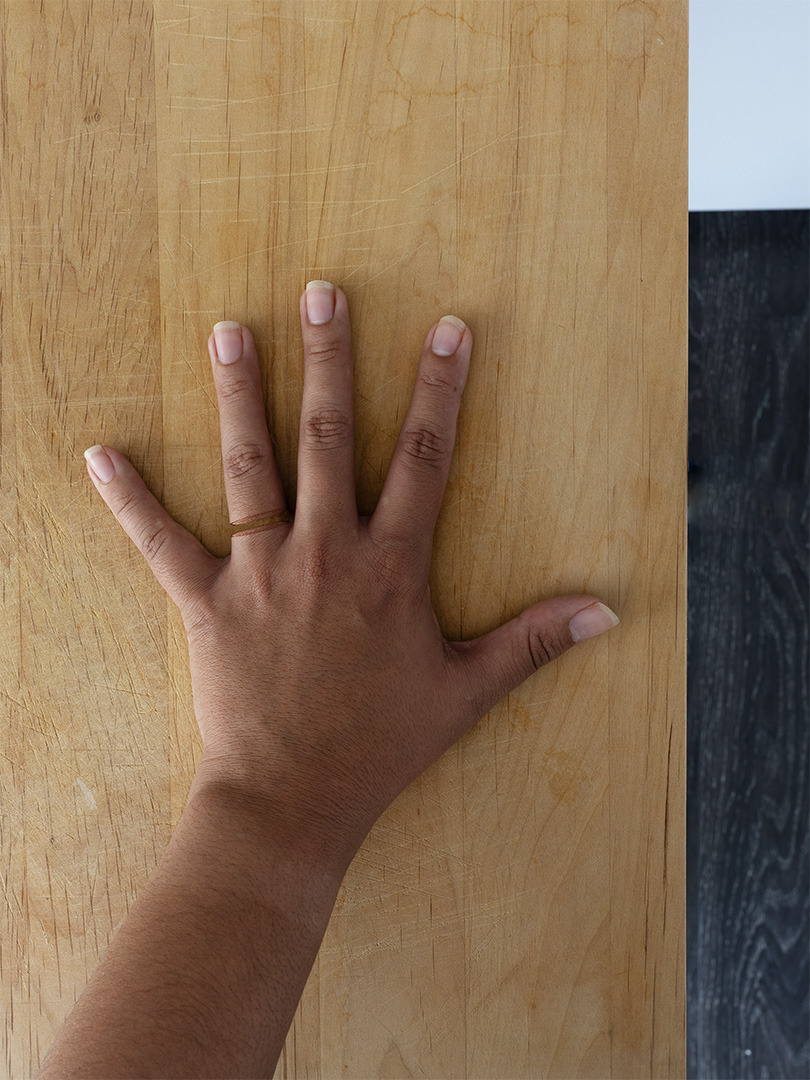
©Chantal Lesley, What’s a (Lover)Girl To Do
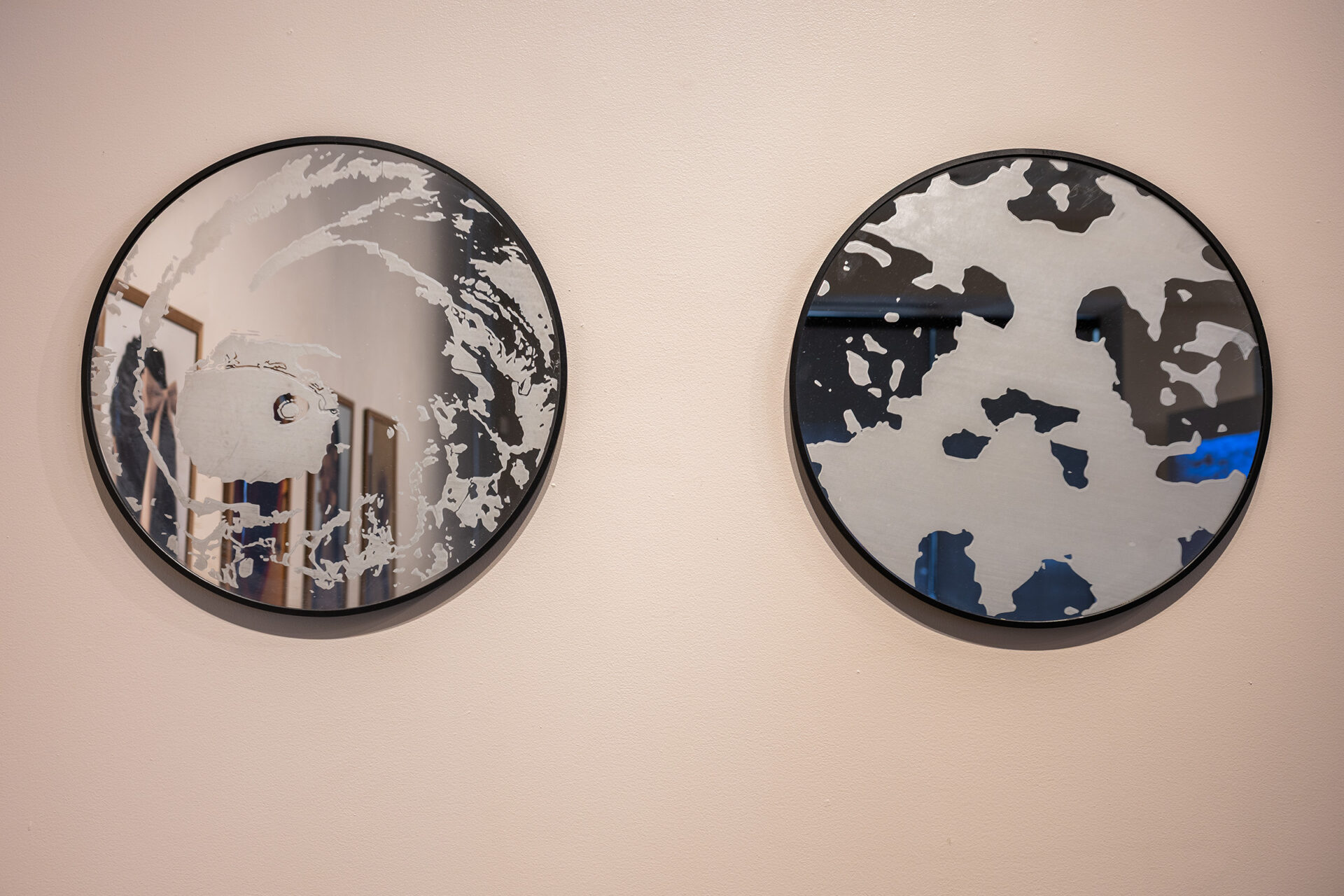
©Chantal Lesley, As I Lay It All To Rest Exhibition View
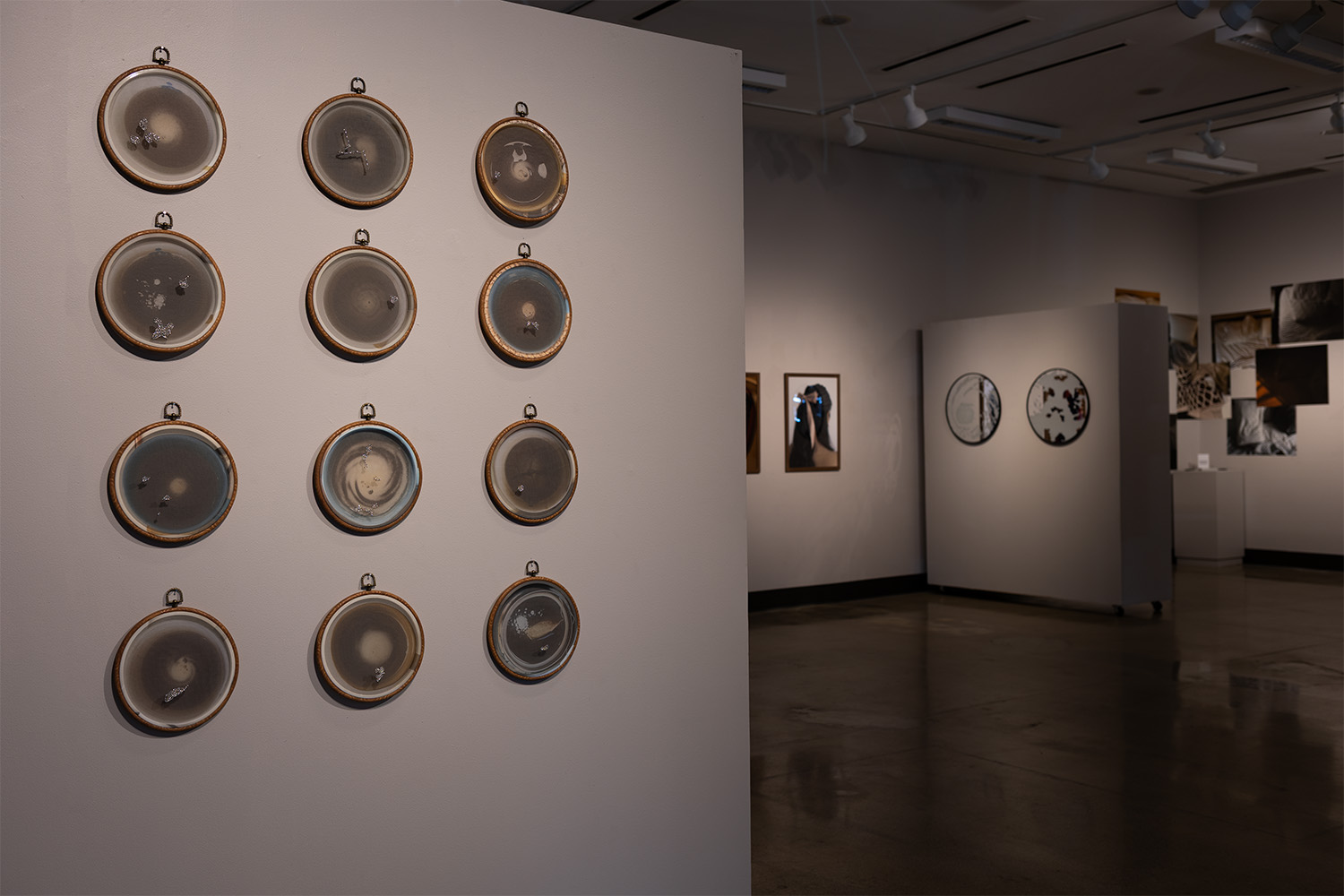
©Chantal Lesley, As I Lay It All To Rest Exhibition View
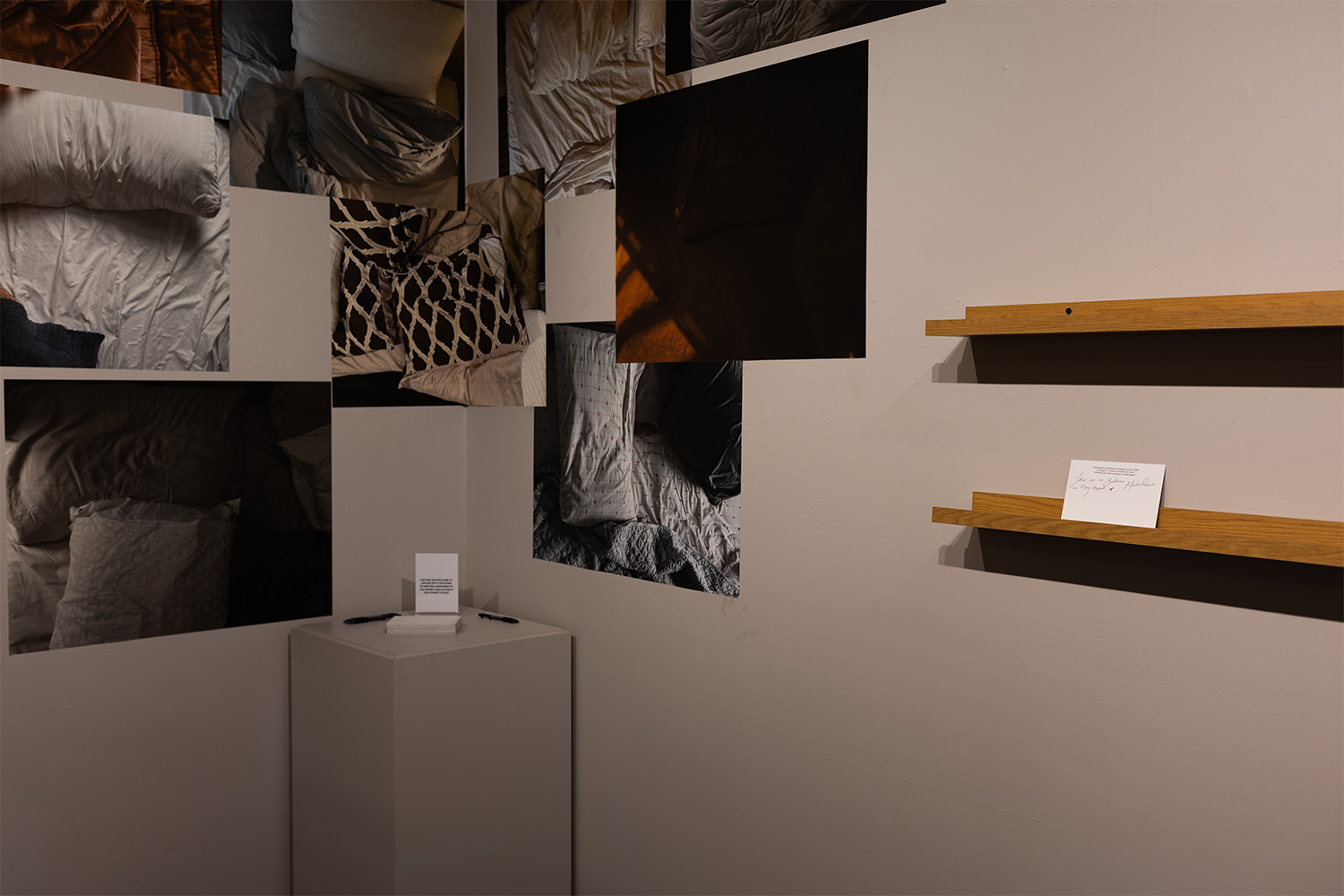
©Chantal Lesley, As I Lay It All To Rest Exhibition View
Epiphany Knedler is an interdisciplinary artist + educator exploring the ways we engage with history. She graduated from the University of South Dakota with a BFA in Studio Art and a BA in Political Science and completed her MFA in Studio Art at East Carolina University. She is based in Aberdeen, South Dakota, serving as an Assistant Professor of Art and Chair of the Art Department at Northern State University, a Content Editor with LENSCRATCH, and the co-founder and curator of the art collective Midwest Nice Art. Her work has been exhibited in the New York Times, the Guardian, Vermont Center for Photography, Lenscratch, Dek Unu Arts, and awarded through Lensculture, the Lucie Foundation, F-Stop Magazine, and Photolucida Critical Mass.
Follow Epiphany on Instagram: @epiphanysk
Posts on Lenscratch may not be reproduced without the permission of the Lenscratch staff and the photographer.
Recommended
-

Chantal Lesley: As I Lay It All To RestOctober 28th, 2026
-
Arron Levi Foster: Almost, EverythingOctober 26th, 2026
-
Tree Week: Jamie V. Robertson: In Search of Osman’s GhostOctober 21st, 2026
-
Paul Mpagi Sepuya: Labyrinths & RicochetsOctober 18th, 2026
-

Alexa Frangos: (Re)arrangingOctober 14th, 2026